

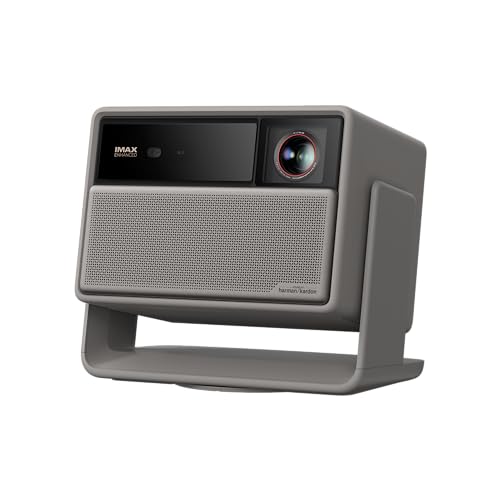
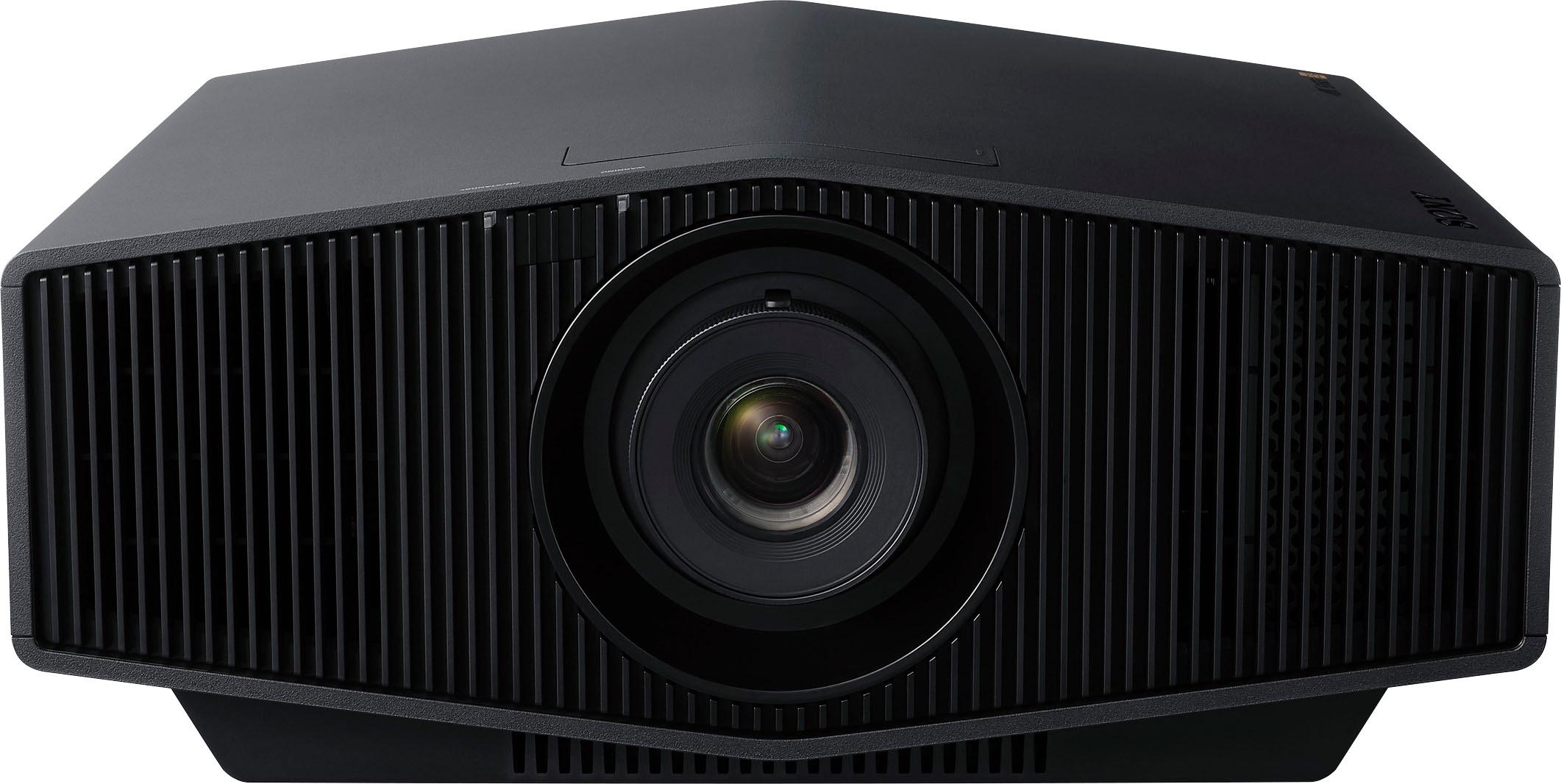
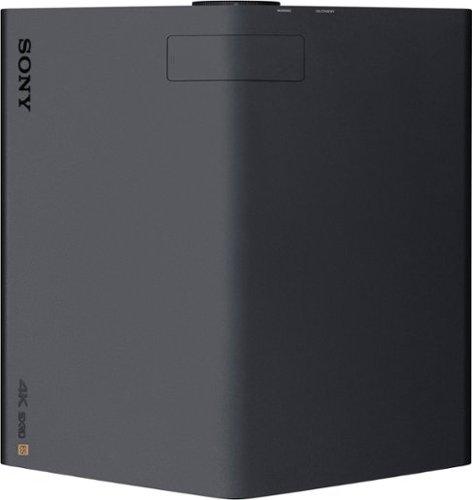
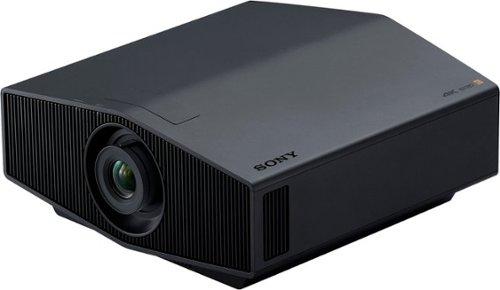
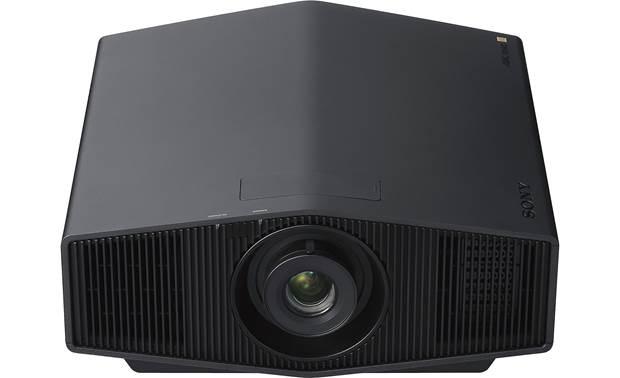
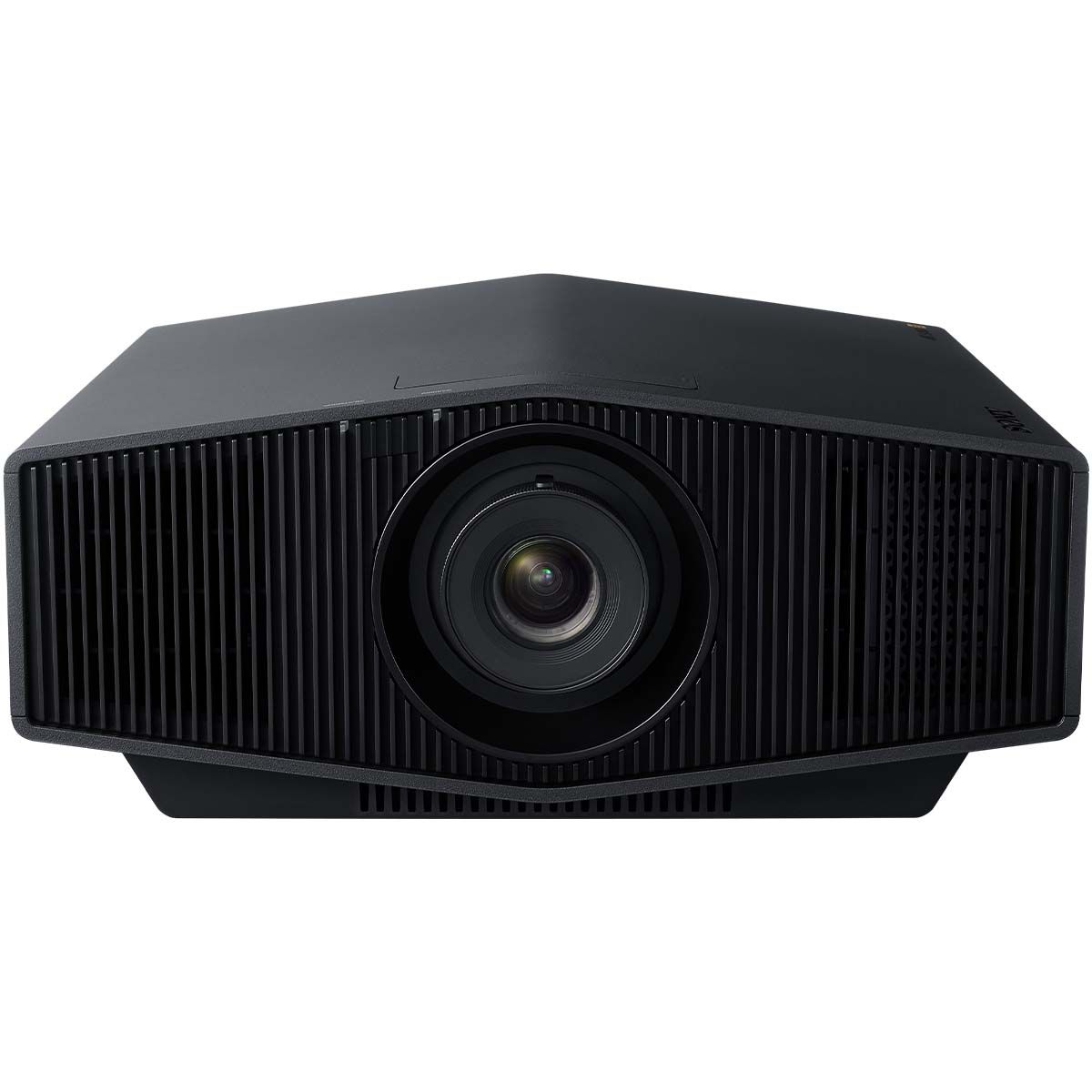
When you're ready to transform your living room into a cinematic experience, the world of 4K home theater projectors offers two dramatically different philosophies. The XGIMI Horizon 20 Max, released in 2024, represents the modern all-in-one approach with blazing brightness and smart features. Meanwhile, the Sony VPL-XW5000ES, launched in 2022, embodies the traditional home theater purist approach with true native 4K resolution and infinite contrast. At the time of writing, both projectors compete in the premium segment, though they target distinctly different users and environments.
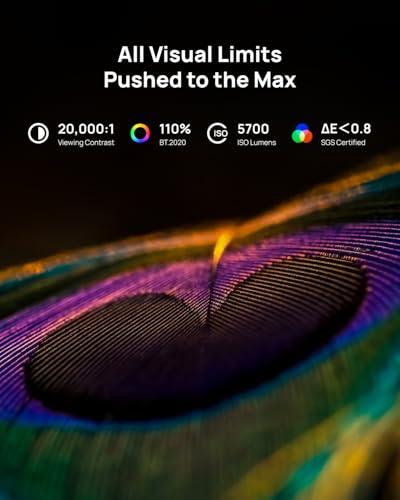
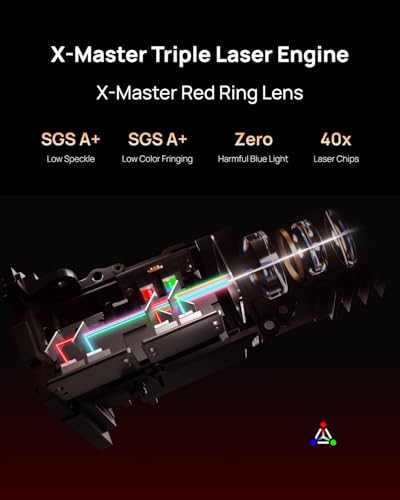
The fundamental difference between these projectors lies in their core technologies and intended use cases. The XGIMI Horizon 20 Max uses an RGB triple laser system—essentially three separate lasers (red, green, blue) working together to create incredibly bright, colorful images. This system pumps out an impressive 5,700 ISO lumens, which is bright enough to watch movies during the day with your curtains open. Most traditional projectors would look washed out and dim in those conditions.
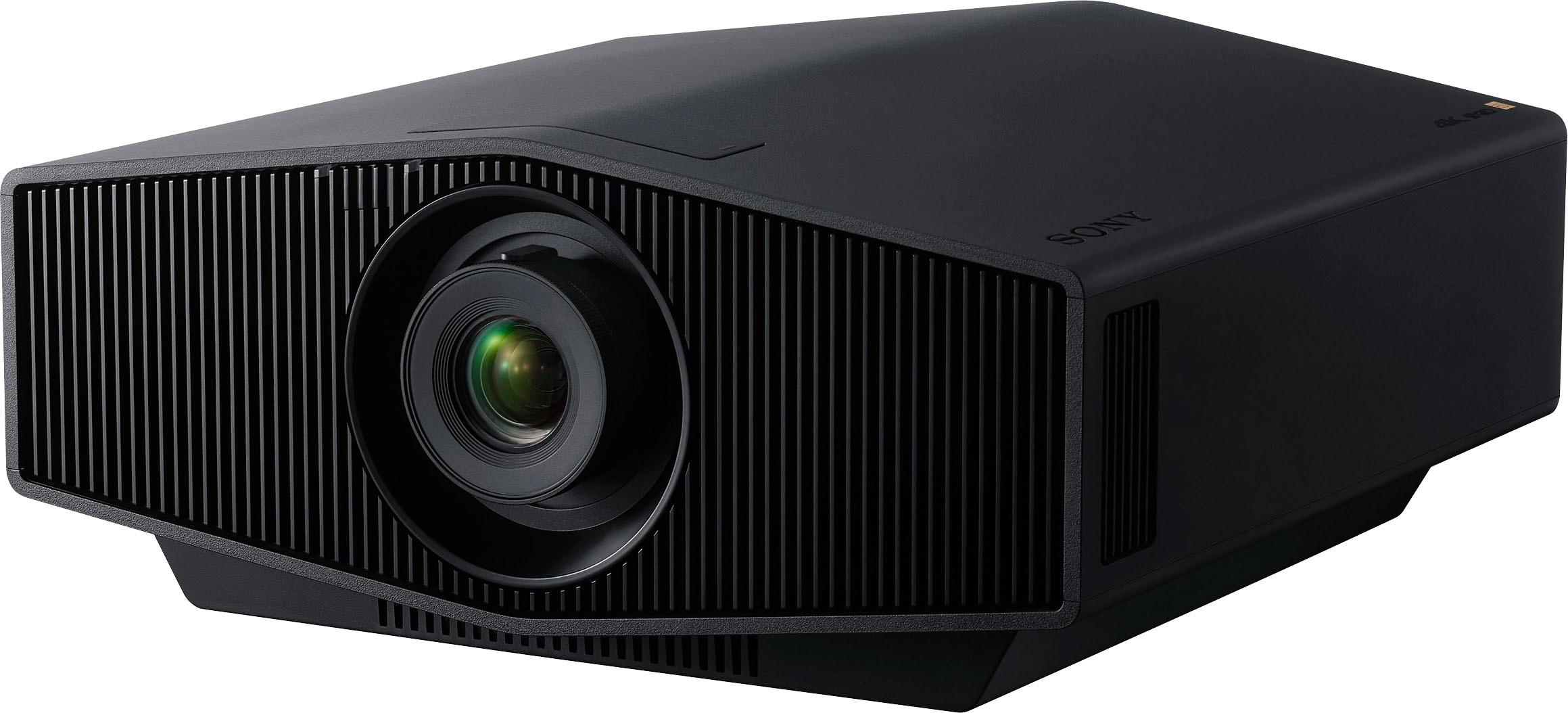
The Sony VPL-XW5000ES, on the other hand, uses Sony's acclaimed SXRD (Silicon X-tal Reflective Display) technology. Think of SXRD panels as extremely precise mirrors that can tilt millions of times per second to create images. Unlike the XGIMI's single chip design that uses pixel-shifting (rapidly moving pixels to simulate higher resolution), Sony uses three separate panels—one each for red, green, and blue—to achieve true native 4K resolution with 8.8 million individual pixels.
The laser light sources in both projectors represent a major advancement over older lamp-based systems. Traditional projector lamps would dim over time, require frequent replacement, and took time to warm up. Lasers turn on instantly, maintain consistent brightness for 20,000 hours (roughly 10 years of normal use), and don't need replacement. However, the XGIMI's RGB triple laser system is significantly more complex and expensive to manufacture than Sony's single laser design, which partly explains the brightness difference.
Brightness fundamentally determines where you can use your projector. The XGIMI Horizon 20 Max's 5,700 lumens is genuinely game-changing for home projection. To put this in perspective, most home theater projectors range from 1,500 to 3,000 lumens. This extra brightness means you can set up the projector in your main living room without blackout curtains and still get vibrant, watchable images.
During our research into user experiences, owners consistently praise the XGIMI for maintaining color saturation even with ambient light—something that kills the experience on dimmer projectors. One reviewer mentioned projecting a 120-inch image in their family room during a Sunday afternoon football game, with natural light streaming through windows, and guests being amazed at the image quality.
The Sony VPL-XW5000ES's 2,000 lumens, while perfectly adequate for dedicated home theaters, requires much more careful light control. This isn't necessarily a weakness—it's by design. Sony engineered this projector for the traditional home theater experience where you control every aspect of the viewing environment. In a properly darkened room, 2,000 lumens provides plenty of brightness while allowing the projector to achieve those deep, inky blacks that SXRD technology is famous for.
The trade-off becomes clear: the XGIMI prioritizes versatility and convenience, while the Sony optimizes for the ultimate image quality in controlled conditions.
This is where things get technically interesting. The Sony VPL-XW5000ES delivers genuine native 4K resolution using three 0.61-inch SXRD panels, each containing 8.8 million individual pixels. When you're watching true 4K content, every pixel on the screen corresponds to an actual physical pixel on the panel. This results in incredibly sharp text, fine details in textures, and zero artifacts from pixel manipulation.
The XGIMI Horizon 20 Max uses a more complex approach called XPR (eXpanded Pixel Resolution) technology with a single 0.47-inch DMD (Digital Micromirror Device) chip. The projector rapidly shifts these pixels multiple times per frame—think of it as taking a high-speed photo where the camera moves slightly between exposures, then combining all those images. This creates a 4K-like image from a lower-resolution chip.
For most content—movies, TV shows, sports—the difference is minimal. The XGIMI delivers excellent sharpness and detail that satisfies the vast majority of viewers. However, when displaying fine patterns, small text, or static computer graphics, the Sony's true native resolution shows its superiority. If you plan to use your projector for PC gaming, presentations, or detailed photo editing, Sony's approach has clear advantages.
Both projectors handle 4K upscaling well, but Sony's X1 Ultimate processor—borrowed from their premium BRAVIA TVs—provides particularly sophisticated enhancement of lower-resolution content. This processor analyzes individual objects within each frame and applies different enhancement algorithms to faces, textures, and backgrounds simultaneously.
Contrast ratio—the difference between the brightest whites and darkest blacks—represents one of the most significant differences between these projectors. The Sony VPL-XW5000ES achieves what's called "infinite" contrast because SXRD panels can completely block light when displaying black. In practical terms, this means when you're watching a movie scene in a dark cave, those shadows disappear into true blackness rather than appearing as dark gray.
The XGIMI Horizon 20 Max's 20,000:1 contrast ratio is excellent for DLP (Digital Light Processing) technology, but inherently limited by the single-chip design. DLP projectors always allow some light leakage when displaying black because the mirrors can't block 100% of the light. However, XGIMI's engineering minimizes this effect, and the trade-off enables their incredible brightness capabilities.
Color reproduction showcases each projector's priorities. The XGIMI's RGB triple laser system covers 110% of the BT.2020 color space—a wider range than most content actually uses. This creates incredibly vibrant, punchy colors that look spectacular, especially for HDR content. The color accuracy achieves a delta E of less than 0.8, which means colors are virtually indistinguishable from reference standards.
Sony's TRILUMINOS PRO engine covers 95% of the DCI-P3 color space—the standard used in professional movie theaters. While technically a smaller range than XGIMI's, Sony focuses on accuracy rather than maximum saturation. The result is colors that precisely match what directors intended, with natural skin tones and realistic color relationships.
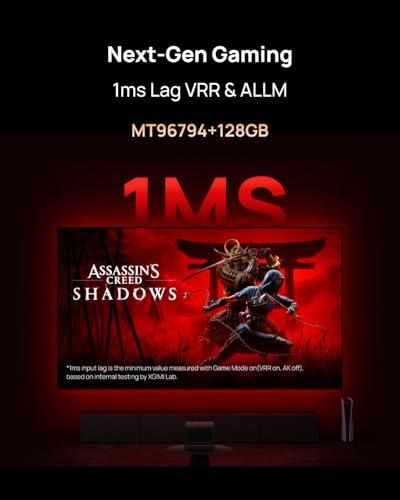
Gaming capabilities highlight the generational difference between these projectors. The XGIMI Horizon 20 Max was clearly designed with gaming in mind, achieving an astounding 1ms input lag at 1080p and 240Hz refresh rate. Input lag is the delay between pressing a button and seeing the result on screen—1ms is faster than most gaming monitors.
For competitive gaming, this performance is remarkable. The projector supports Variable Refresh Rate (VRR) and Auto Low Latency Mode (ALLM), which eliminate screen tearing and automatically optimize settings when gaming consoles are detected. Even at 4K resolution, the 3ms input lag remains excellent for all but the most demanding esports applications.
The Sony VPL-XW5000ES approaches gaming from a more traditional perspective. With approximately 21ms input lag at 4K/60Hz, it's perfectly adequate for single-player games and casual multiplayer, but competitive gamers will notice the difference. Sony's focus remains on image quality—the superior motion processing and contrast make games look more cinematic, even if the response isn't quite as snappy.
Both projectors handle modern consoles well, but the XGIMI is genuinely future-proofed for next-generation gaming requirements, while the Sony excels at making games look their absolute best.
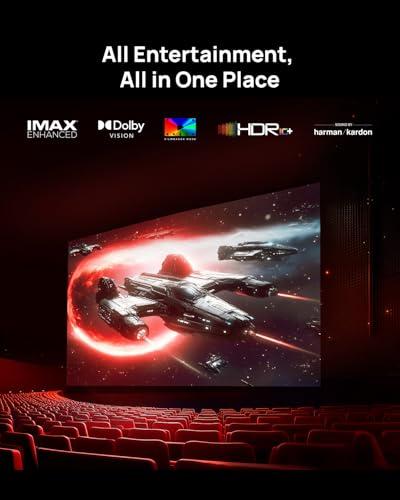
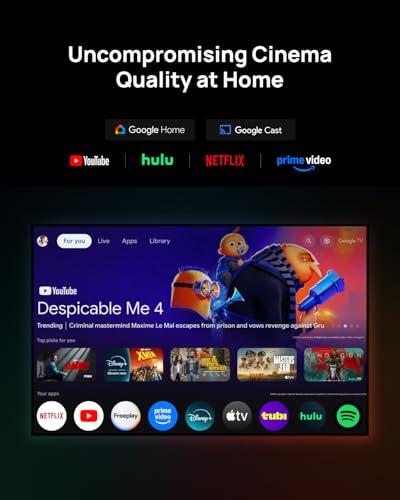
The convenience factor strongly favors the XGIMI Horizon 20 Max. Its built-in Android TV 11 eliminates the need for external streaming devices—you can access Netflix, YouTube, Disney+, and other apps directly. The integrated 24W Harman Kardon speakers provide surprisingly robust sound that's adequate for casual viewing, though serious home theater enthusiasts will still want a dedicated sound system.
XGIMI's ISA 5.0 (Intelligent Screen Adaptation) system represents a significant technological achievement. The projector automatically adjusts focus, corrects keystone distortion, avoids obstacles, and even compensates for wall color. Setting up the XGIMI in a new location takes minutes rather than hours of manual adjustment.
The Sony VPL-XW5000ES takes the opposite approach, providing extensive manual controls for enthusiasts who want to fine-tune every aspect of the image. The motorized zoom and lens shift provide precise positioning, while manual focus ensures optimal sharpness. This approach appeals to users who view projector setup as part of the enjoyment rather than an obstacle to overcome.
Sony's philosophy assumes you'll pair the projector with high-quality external components—a dedicated AV receiver, premium speakers, and professional streaming devices. For users building a traditional home theater, this component-based approach often delivers superior results.
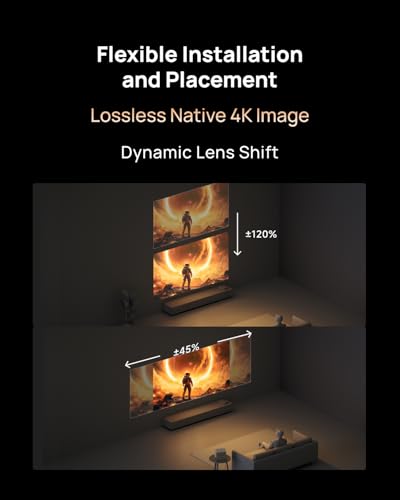
Room placement flexibility differs significantly between these projectors. The XGIMI Horizon 20 Max's automatic features make it remarkably adaptable to different spaces. The high brightness means it works well on coffee tables, mounted to ceilings, or placed on entertainment centers without requiring precise positioning.
The Sony VPL-XW5000ES demands more careful installation but rewards that effort with precise image geometry. The extensive lens shift range (up to ±85% vertically and ±36% horizontally) allows for off-center mounting without image distortion—crucial for dedicated theater rooms where aesthetic considerations matter.
Both projectors project images from 40 inches to well over 200 inches, but their sweet spots differ. The XGIMI excels at medium-to-large sizes (80-150 inches) in living rooms, while the Sony shines at larger sizes (120-200+ inches) in dedicated theaters.
The XGIMI Horizon 20 Max makes sense for users who want maximum versatility without compromise. If you're setting up in a family room that serves multiple purposes, need daytime viewing capability, or want gaming performance that rivals dedicated monitors, XGIMI delivers. The all-in-one design and automatic setup make it ideal for users who want exceptional performance without becoming projection experts.
Choose the Sony VPL-XW5000ES if you're building a dedicated home theater and prioritize absolute image quality over convenience. The true native 4K resolution, infinite contrast, and Sony's renowned image processing create an experience that justifies the additional complexity and room requirements.
For gaming enthusiasts, the XGIMI is the clear choice unless you exclusively play cinematic single-player games. For movie purists with controlled viewing environments, the Sony provides an unmatched theatrical experience.
At the time of writing, both projectors compete in the premium segment, though they offer different value propositions. The XGIMI Horizon 20 Max provides exceptional brightness and convenience features that would typically require much more expensive commercial projectors. When you factor in the built-in streaming, speakers, and automatic setup, the total cost of ownership becomes quite compelling.
The Sony VPL-XW5000ES brings true native 4K and infinite contrast to a price point previously unattainable. Sony's reputation for reliability and comprehensive warranty coverage provides additional value for long-term ownership.
Your choice ultimately depends on your primary viewing environment and priorities. The XGIMI Horizon 20 Max represents the future of home projection—bright, smart, and adaptable to modern lifestyles. The Sony VPL-XW5000ES preserves the traditional home theater experience with uncompromising image quality for dedicated enthusiasts.
Both projectors deliver exceptional performance within their intended use cases. The key is honestly assessing your room conditions, viewing habits, and willingness to optimize your environment. There's no wrong choice—just different paths to cinematic enjoyment at home.
| XGIMI Horizon 20 Max | Sony VPL-XW5000ES |
|---|---|
| Brightness - Most critical factor determining where you can use the projector | |
| 5,700 ISO lumens (exceptional for bright rooms and daytime viewing) | 2,000 ISO lumens (requires controlled lighting for optimal performance) |
| Resolution Technology - Affects image sharpness and detail reproduction | |
| 4K XPR pixel-shifting with 0.47" DMD chip (excellent for video content) | True native 4K with three 0.61" SXRD panels (superior for fine details and text) |
| Contrast Ratio - Determines depth of blacks and overall image pop | |
| 20,000:1 (very good blacks for DLP technology) | Infinite contrast (true blacks that disappear completely) |
| Color Gamut Coverage - Affects color vibrancy and HDR performance | |
| 110% BT.2020 (wider than most content, very vibrant colors) | 95% DCI-P3 (cinema-accurate colors matching filmmaker intent) |
| Gaming Input Lag - Critical for responsive gaming performance | |
| 1ms at 1080p@240Hz, 3ms at 4K@60Hz (exceptional for competitive gaming) | ~21ms at 4K@60Hz (adequate for casual gaming, not ideal for competitive play) |
| Smart Features - Determines convenience and additional equipment needs | |
| Built-in Android TV 11, ISA 5.0 auto-setup, integrated speakers | No built-in streaming, manual controls, requires external devices |
| Light Source Technology - Affects brightness consistency and maintenance | |
| RGB triple laser system (complex but enables exceptional brightness) | Single laser with TRILUMINOS PRO (optimized for color accuracy) |
| HDMI Connectivity - Important for modern gaming consoles and devices | |
| HDMI 2.1 with eARC support (future-proofed connectivity) | Standard HDMI (adequate for current 4K content) |
| Audio System - Determines if external speakers are immediately necessary | |
| Dual 24W Harman Kardon speakers (surprisingly capable built-in audio) | No integrated speakers (requires external audio system) |
| Installation Convenience - Affects setup time and placement flexibility | |
| Automatic focus, keystone correction, obstacle avoidance (plug-and-play) | Manual lens controls with extensive adjustment options (precise but complex) |
| Target Environment - Where each projector performs best | |
| Multi-purpose living rooms with ambient light (maximum versatility) | Dedicated dark home theaters (optimized for controlled conditions) |
| Laser Lifespan - Long-term maintenance considerations | |
| ~20,000 hours (approximately 10 years of normal use) | 20,000 hours (virtually maintenance-free operation) |
The XGIMI Horizon 20 Max is significantly brighter at 5,700 ISO lumens compared to the Sony VPL-XW5000ES at 2,000 lumens. This makes the XGIMI much better for rooms with ambient light or daytime viewing, while the Sony requires a dark room for optimal performance.
Only the Sony VPL-XW5000ES has true native 4K resolution using three SXRD panels. The XGIMI Horizon 20 Max uses 4K XPR pixel-shifting technology, which delivers excellent 4K-like detail for most content but isn't technically native 4K.
The XGIMI Horizon 20 Max is superior for gaming with 1ms input lag at 1080p@240Hz and 3ms at 4K@60Hz. The Sony VPL-XW5000ES has approximately 21ms input lag, which is adequate for casual gaming but not ideal for competitive play.
The XGIMI Horizon 20 Max includes built-in Android TV and doesn't require additional streaming devices. The Sony VPL-XW5000ES has no built-in smart features and requires external streaming devices like Apple TV or Roku.
The Sony VPL-XW5000ES has infinite contrast with true blacks thanks to SXRD technology. The XGIMI Horizon 20 Max offers 20,000:1 contrast, which is very good for DLP technology but cannot achieve the deep blacks of the Sony.
The XGIMI Horizon 20 Max features automatic setup with ISA 5.0 technology that handles focus, keystone correction, and obstacle avoidance automatically. The Sony VPL-XW5000ES requires manual adjustment but offers precise control over lens shift and zoom.
The Sony VPL-XW5000ES is designed specifically for dedicated home theaters with its true 4K resolution, infinite contrast, and professional image processing. The XGIMI Horizon 20 Max works well in home theaters but excels more in multi-purpose living spaces.
The XGIMI Horizon 20 Max includes dual 24W Harman Kardon speakers that provide surprisingly good audio quality. The Sony VPL-XW5000ES has no built-in speakers and requires an external audio system.
Both projectors offer excellent color performance but with different approaches. The XGIMI Horizon 20 Max covers 110% BT.2020 for vibrant colors, while the Sony VPL-XW5000ES covers 95% DCI-P3 for cinema-accurate colors matching filmmaker intent.
Both the XGIMI Horizon 20 Max and Sony VPL-XW5000ES feature laser light sources rated for approximately 20,000 hours of use, which equals roughly 10 years of normal viewing with virtually no maintenance required.
The XGIMI Horizon 20 Max includes HDMI 2.1 with eARC support, Wi-Fi 6, and Bluetooth 5.2 for future-proof connectivity. The Sony VPL-XW5000ES uses standard HDMI connections adequate for current 4K content but lacks the latest connectivity standards.
Choose the XGIMI Horizon 20 Max for living rooms with ambient light, as its exceptional brightness and built-in smart features make it ideal for multi-purpose spaces. The Sony VPL-XW5000ES is better suited for dedicated dark theater rooms where its superior contrast and true 4K resolution can shine.
We've done our best to create useful and informative comparisons to help you decide what product to buy. Our research uses advanced automated methods to create this comparison and perfection is not possible - please contact us for corrections or questions. These are the sites we've researched in the creation of this article: dustinabbott.net - projectorcentral.com - youtube.com - us.xgimi.com - youtube.com - tweaktown.com - youtube.com - us.xgimi.com - youtube.com - youtube.com - thesmarthomehookup.com - youtube.com - us.xgimi.com - global.xgimi.com - projector-database.com - whathifi.com - pro.sony - projectorscreen.com - bestbuy.com - bestbuy.com - bestbuy.com - bestbuy.com - pro.sony - abt.com - projectorreviews.com - merlinstv.com - hometheaterhifi.com

Privacy Policy
Terms and Conditions - Affiliate Policy
Home Security
© Copyright 2008-2026.
11816 Inwood Rd #1211, Dallas, TX 75244