

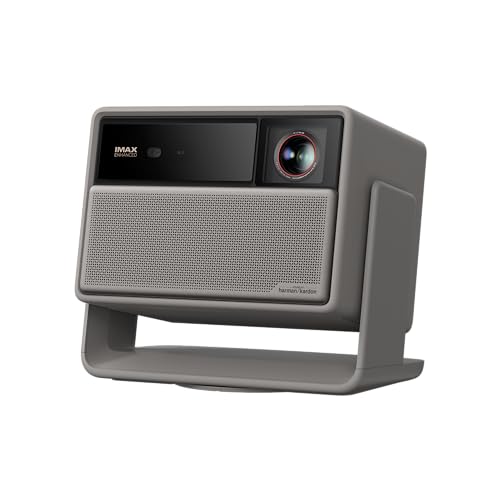
Choosing a premium 4K projector can feel overwhelming, especially when you're comparing two very different approaches to home entertainment. The XGIMI Horizon 20 Max and JVC DLA-NZ500 both deliver exceptional 4K projection, but they're designed for completely different users and situations. Understanding these differences will help you make the right choice for your specific needs and budget.
Before diving into the specifics, it's important to understand what separates premium projectors from budget models. The key factors that determine performance and value include brightness (measured in lumens), contrast ratio (the difference between the darkest blacks and brightest whites), color accuracy, resolution technology, and features like smart connectivity and gaming optimization.
Brightness is probably the most misunderstood specification. While more lumens generally means a brighter image, the quality of that light matters just as much. A projector with 3,000 lumens of poor-quality light might look worse than one with 2,000 lumens of well-calibrated illumination. Contrast ratio determines how deep blacks appear and how much detail you can see in dark scenes—this is where expensive projectors really shine compared to budget models.
The resolution technology is where things get interesting. Some projectors use "native" 4K, meaning they have 8.8 million individual pixels, while others use pixel-shifting technology that rapidly moves a lower-resolution image to simulate 4K detail. Both approaches can deliver sharp images, but they work differently and have distinct advantages.
Released in 2025, the XGIMI Horizon 20 Max represents the latest evolution in all-in-one projector design. XGIMI has made significant strides since their earlier models, particularly in brightness output and color accuracy. The Horizon 20 Max addresses the main weakness of previous generations: performance in rooms with ambient light.
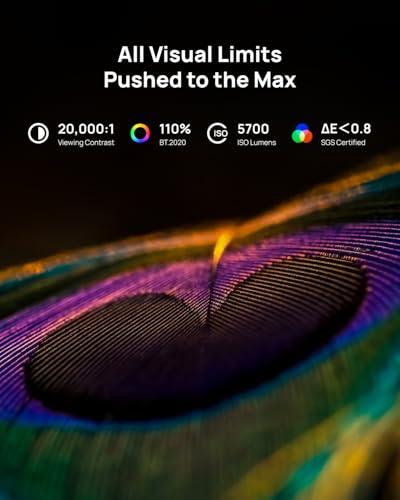
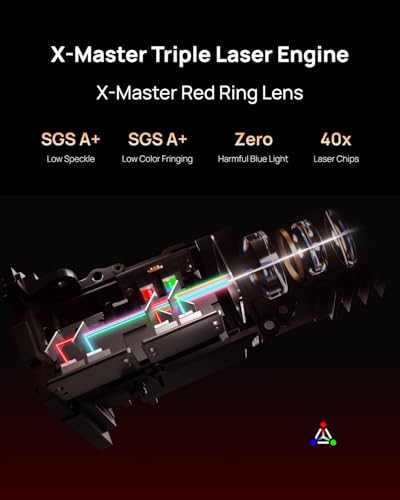
The standout feature of the XGIMI Horizon 20 Max is its incredible 5,700 ISO lumens output, achieved through an RGB triple laser system called the X-Master engine. To put this in perspective, most home projectors struggle to maintain good image quality above 3,000 lumens. This brightness level means you can actually use the projector during the day with curtains open—something that would wash out most other projectors completely.
The RGB triple laser technology uses separate red, green, and blue lasers instead of a single blue laser with a color wheel. This approach delivers more accurate colors and eliminates the "rainbow effect" (brief flashes of color that some people notice with single-chip projectors). The laser system also has an estimated 20,000-hour lifespan, meaning you could watch four hours daily for over 13 years before needing replacement.
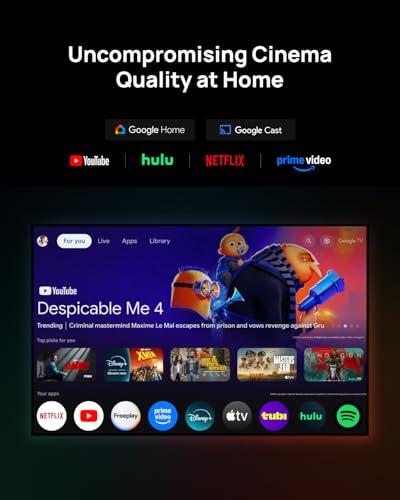
One area where the XGIMI Horizon 20 Max excels is convenience. It runs Android TV 11 with full Google integration, meaning you can access Netflix, Disney+, and other streaming services directly without needing external devices. The built-in Harman Kardon speakers (24W total) are surprisingly capable—while they won't replace a dedicated sound system, they're adequate for casual viewing.
The ISA 5.0 (Intelligent Screen Adaptation) system deserves special mention. This technology automatically handles focus, keystone correction (fixing image distortion when the projector isn't perfectly aligned), obstacle avoidance, and even wall color compensation. Set it up once, and it adapts automatically if you move it to different rooms or positions.
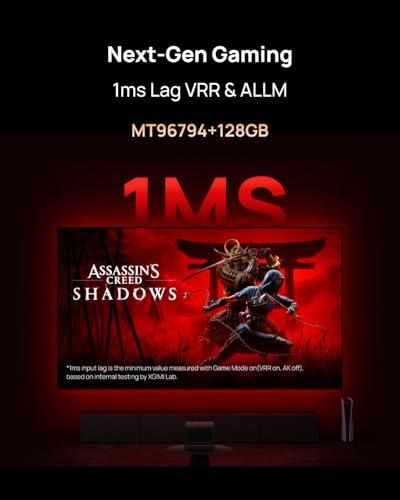
For gaming enthusiasts, the XGIMI Horizon 20 Max delivers impressive specifications: 1ms input lag at 1080p/240Hz, 2.2ms at 1080p/120Hz, and 3ms at 4K/60Hz. Input lag is the delay between pressing a button and seeing the action on screen—lower is better, especially for competitive gaming. These numbers rival dedicated gaming monitors, which is remarkable for a projector.
The HDMI 2.1 support includes Variable Refresh Rate (VRR) and Auto Low Latency Mode (ALLM). VRR eliminates screen tearing by synchronizing the projector's refresh rate with your console or PC's output, while ALLM automatically switches to game mode when it detects gaming content.
The XGIMI Horizon 20 Max uses 0.47-inch DLP technology with XPR (eXpanded Pixel Resolution) pixel-shifting. Instead of having 8.8 million physical pixels, it rapidly shifts a 2.07-megapixel image to create the appearance of 4K detail. While purists prefer native 4K, modern pixel-shifting has become remarkably effective—the difference is often invisible from normal viewing distances.
Based on our research into user and expert reviews, the pixel-shifting implementation in the XGIMI Horizon 20 Max produces genuinely sharp 4K images that satisfy most viewers. The 110% BT.2020 color coverage and ΔE
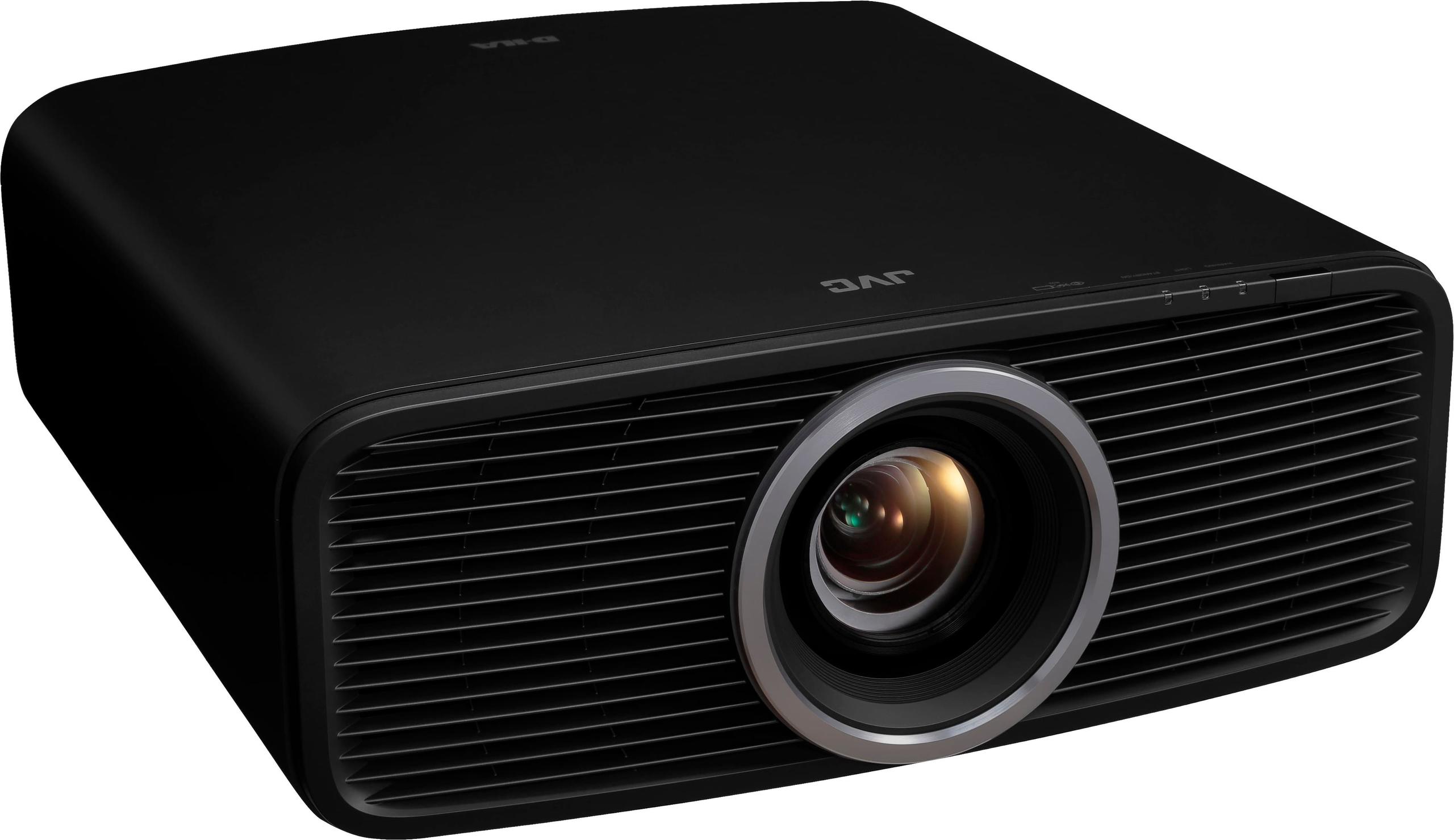
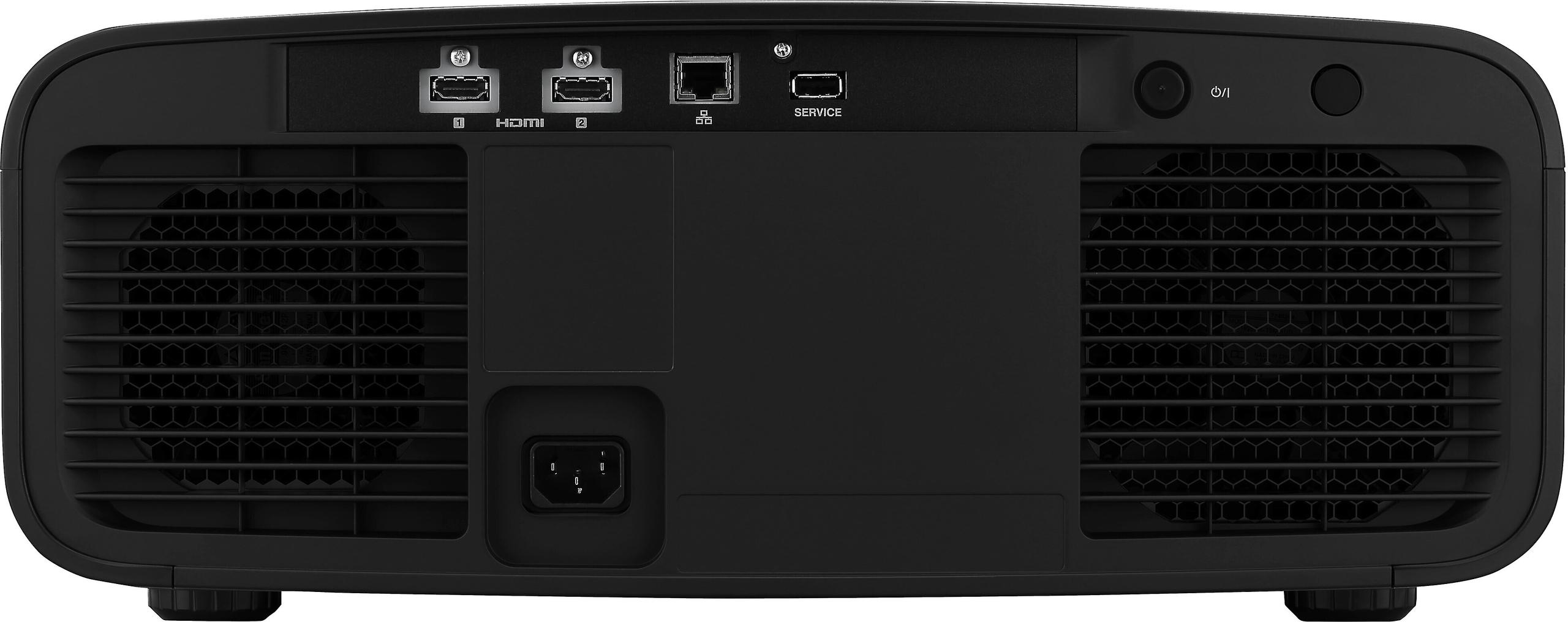
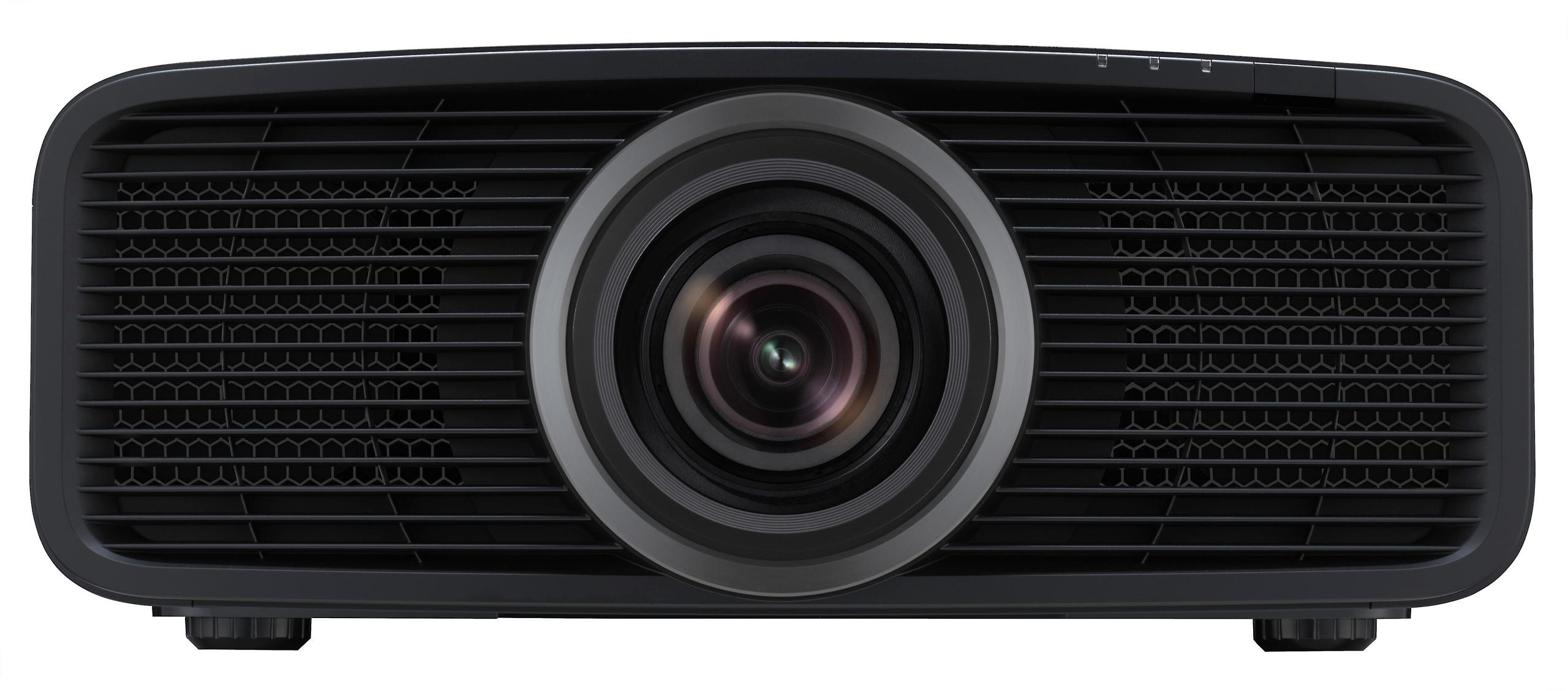
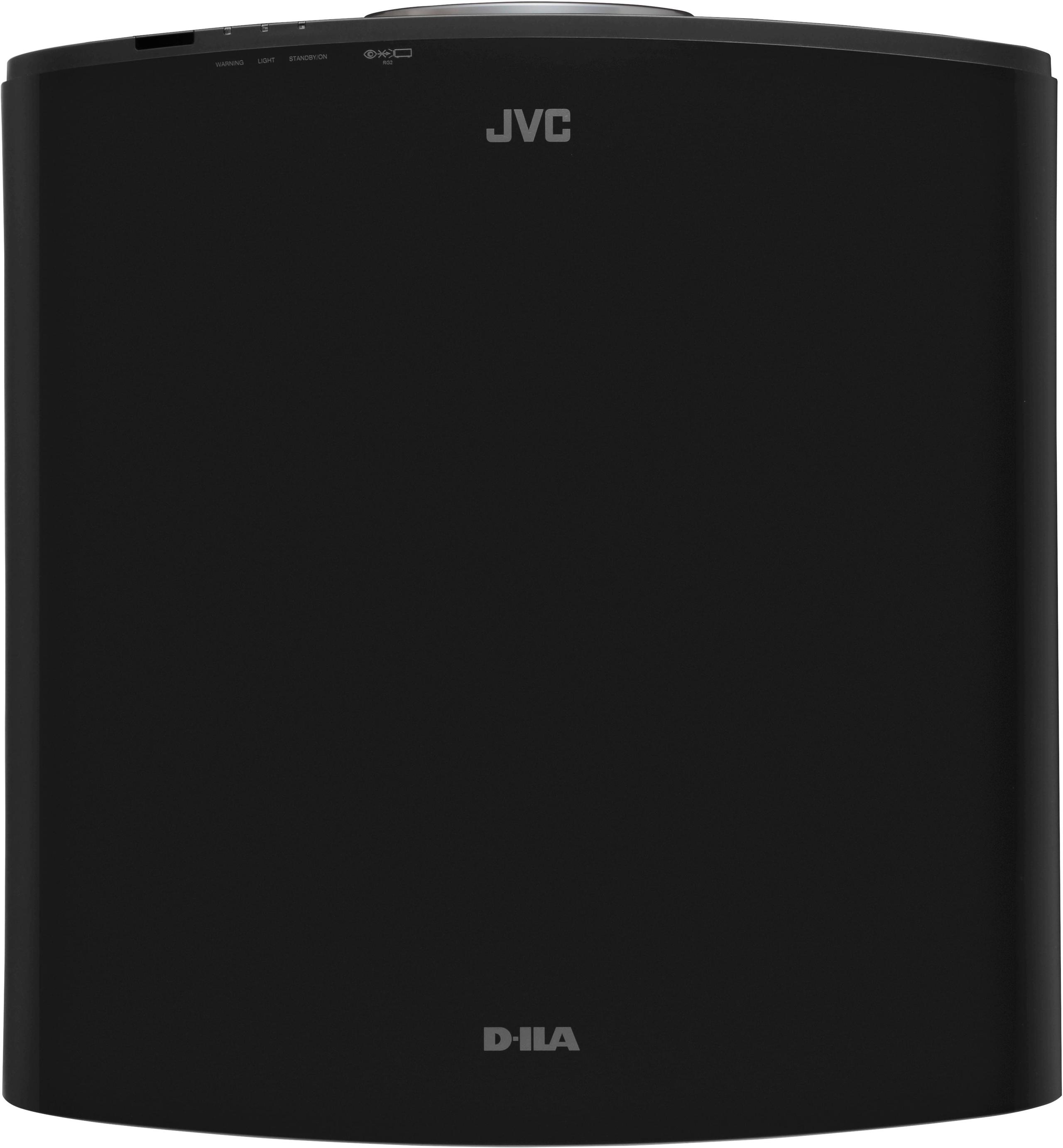
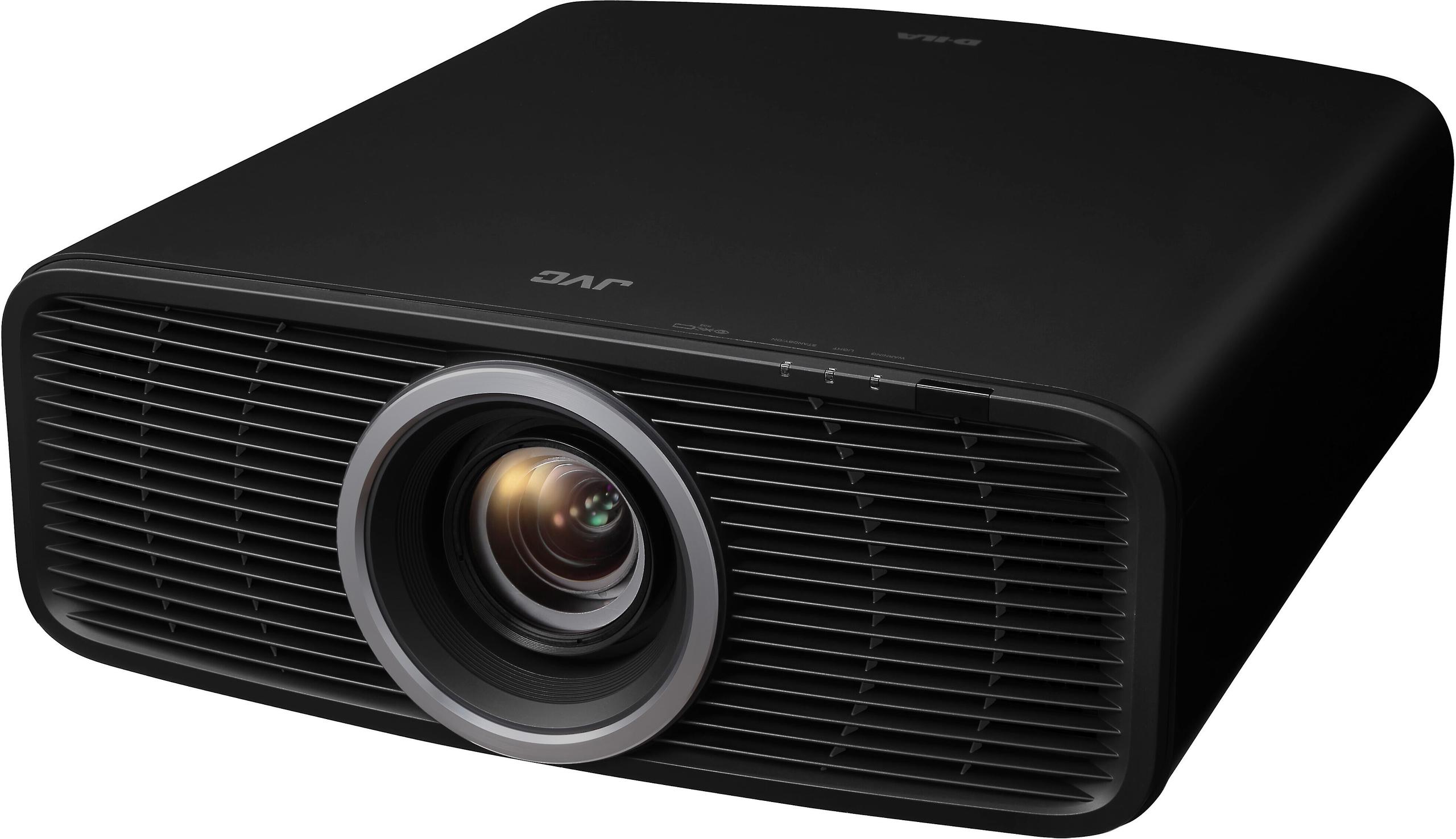
The JVC DLA-NZ500, released in 2024, takes a completely different approach. JVC has been perfecting D-ILA (Direct Drive Image Light Amplifier) technology for decades, and this model represents their most compact and affordable entry into native 4K projection.
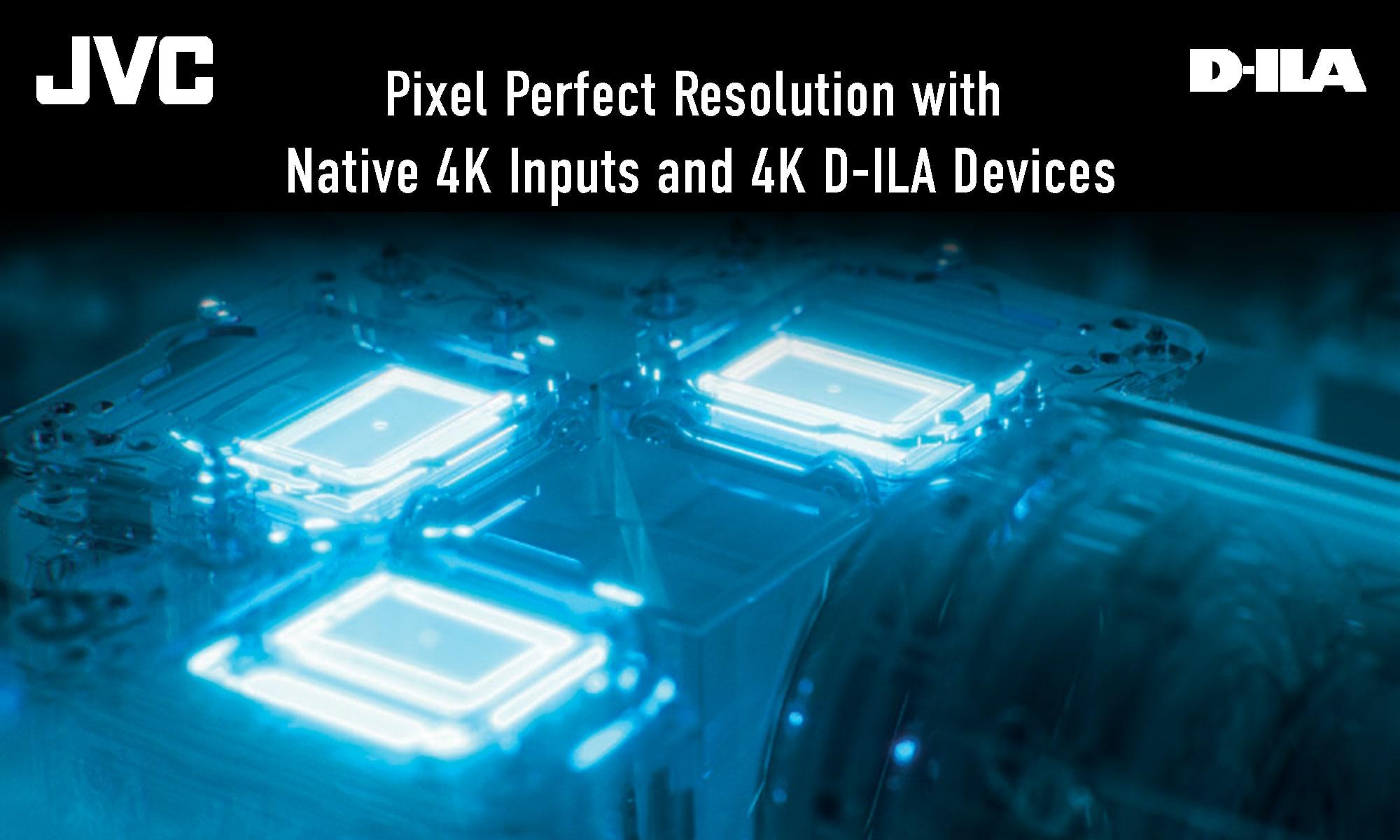
The JVC DLA-NZ500 features genuine native 4K resolution using 0.69-inch D-ILA panels—one each for red, green, and blue. This means it physically displays all 8.8 million pixels of 4K content without any processing tricks. The larger panel size (compared to XGIMI's 0.47-inch chip) contributes to superior image quality, particularly in terms of smoothness and pixel structure visibility.
D-ILA technology is essentially JVC's version of LCoS (Liquid Crystal on Silicon), which combines the best aspects of LCD and DLP technologies. The result is smooth, film-like images without the pixel structure that can sometimes be visible with DLP projectors, especially on large screens.
Where the JVC DLA-NZ500 truly excels is contrast performance. The 40,000:1 native contrast ratio isn't just a marketing number—it represents genuinely deep blacks that make dark scenes come alive with detail. Most projectors struggle with shadow detail, either crushing blacks into pure darkness or making them appear gray. JVC's optical system maintains detail in shadows while keeping blacks truly black.
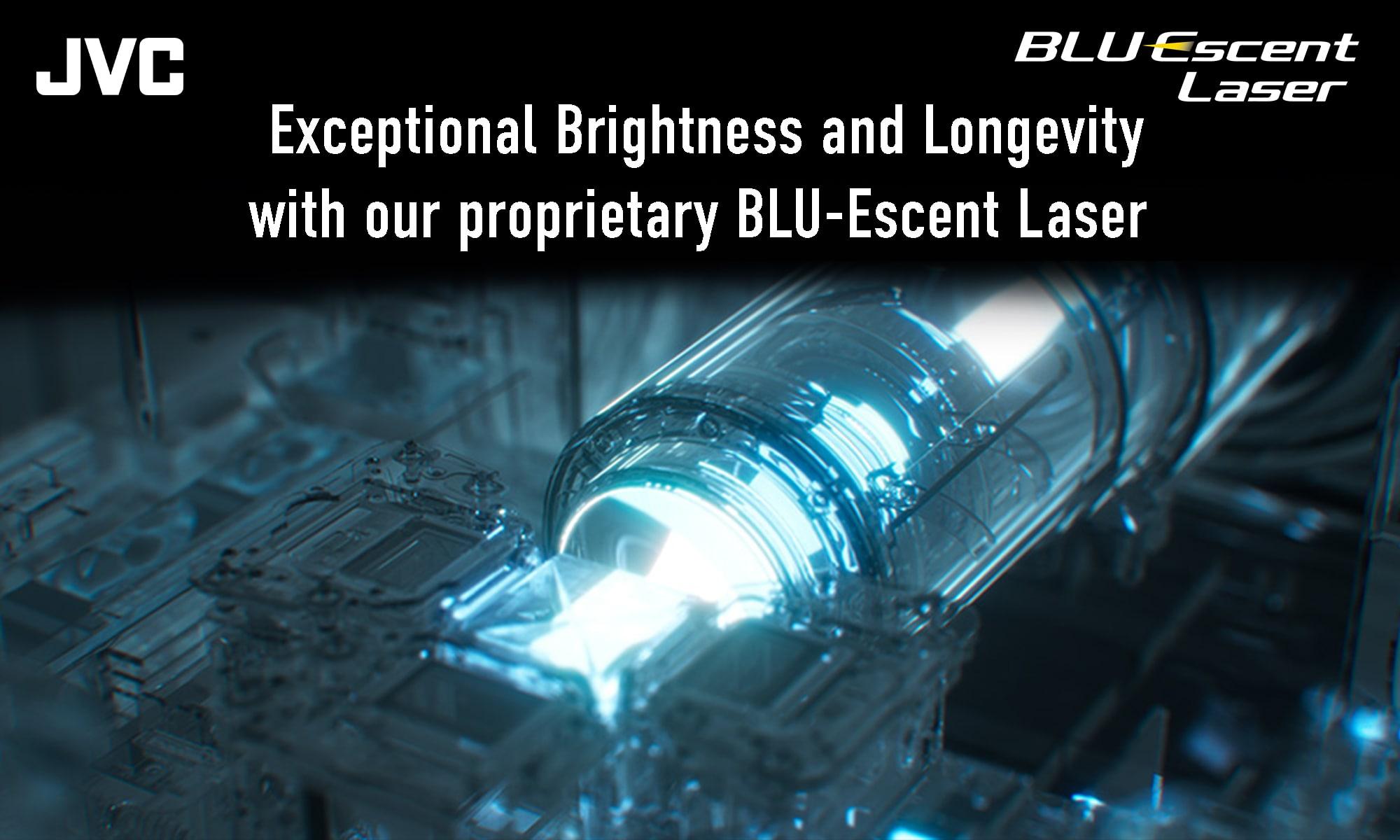
The BLU-Escent laser system provides 2,000 lumens of brightness, which might seem modest compared to the XGIMI Horizon 20 Max. However, this brightness level is perfectly calibrated for the projector's contrast capabilities. In a properly darkened room, the JVC DLA-NZ500 can deliver images with exceptional depth and dimensionality.
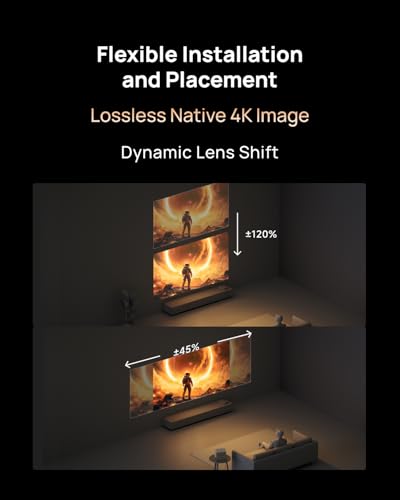
The JVC DLA-NZ500 includes features typically found in much more expensive projectors. The fully motorized lens offers 1.6x zoom and extensive lens shift (70% vertical, 28% horizontal), allowing flexible installation without image distortion. The ISF C3 (Certified Calibration Controls) mode provides professional-grade calibration options for enthusiasts who want perfect color accuracy.
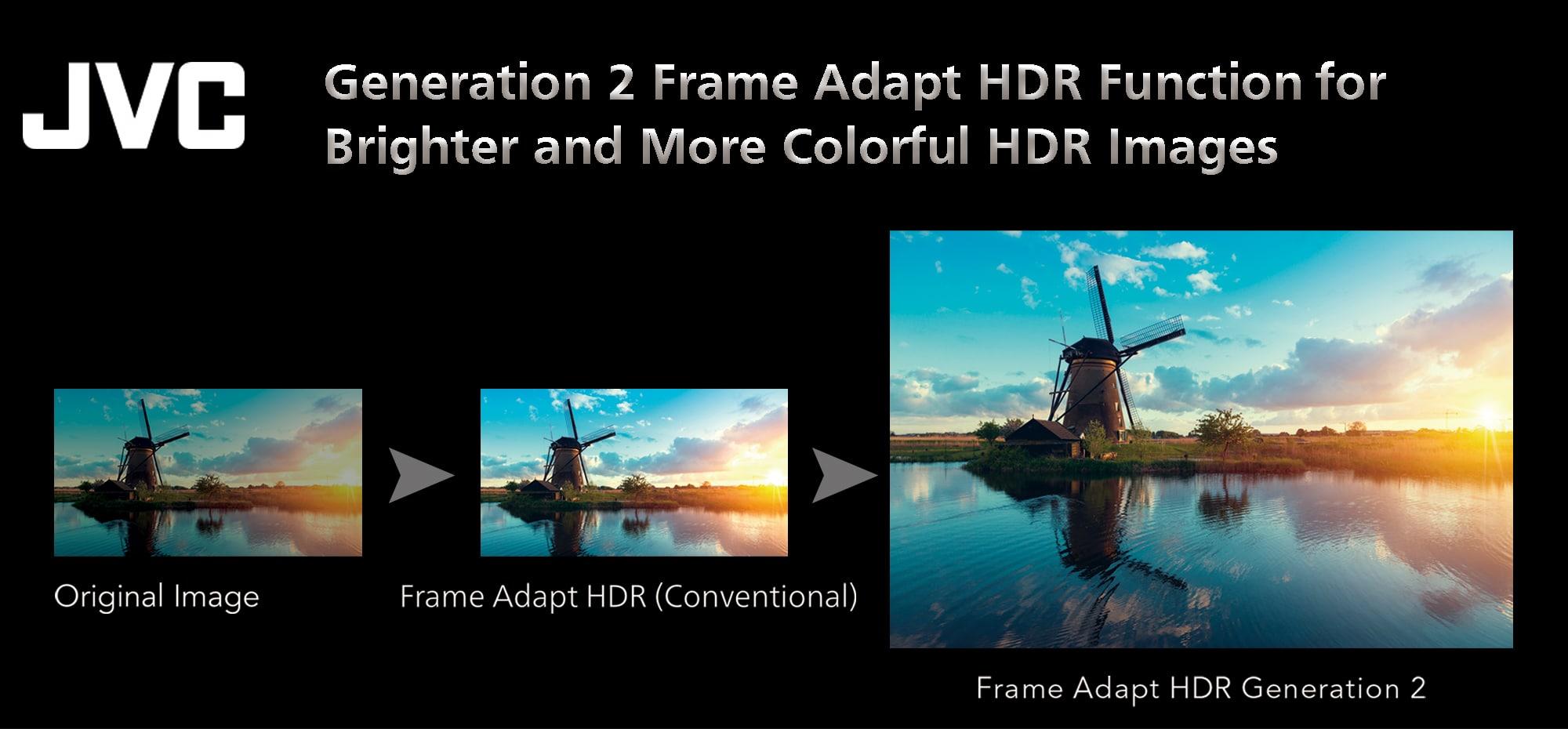
Frame Adapt HDR Generation 2 analyzes HDR content frame-by-frame, adjusting tone mapping dynamically to preserve both highlight detail and shadow information. This technology, combined with the projector's superior contrast ratio, delivers some of the best HDR performance available at this price point.
The fundamental difference between these projectors becomes apparent when considering room lighting. The XGIMI Horizon 20 Max thrives in versatile environments—you can use it in a living room with some ambient light and still enjoy excellent image quality. Its 5,700 lumens of output means even daytime viewing is possible with curtains drawn.
The JVC DLA-NZ500, with its 2,000 lumens, requires a dedicated dark room to perform at its best. However, in that controlled environment, it delivers superior image quality with deeper blacks and more natural colors. Think of it this way: the XGIMI is like a high-end all-terrain vehicle, while the JVC is like a Formula 1 car—each excellent in their intended environment.
Both projectors deliver excellent color performance, but through different approaches. The XGIMI Horizon 20 Max achieves 110% BT.2020 color coverage with its RGB laser system, providing vibrant, punchy colors that look spectacular with HDR content. The ΔE
The JVC DLA-NZ500 covers 93% of the P3 color gamut without requiring color filters that would reduce brightness. While this might seem lower than XGIMI's specification, P3 is actually the color space used for digital cinema, making it more relevant for movie content. The color reproduction is incredibly smooth and natural, with subtle gradations that digital cinema professionals would appreciate.
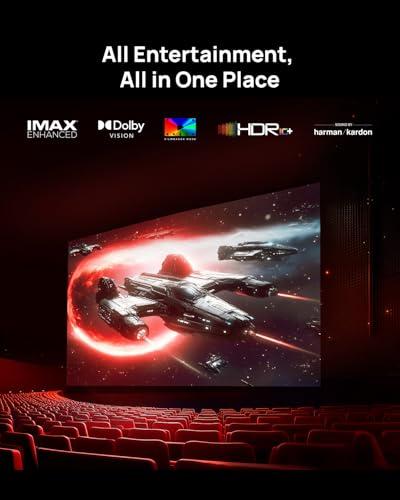
HDR (High Dynamic Range) support reveals another key difference. The XGIMI Horizon 20 Max supports virtually every HDR format including Dolby Vision, HDR10+, HDR10, HLG, and IMAX Enhanced. Dolby Vision is particularly important as it's becoming the premium HDR standard for streaming services.
The JVC DLA-NZ500 lacks Dolby Vision support but excels at HDR10 and HDR10+ processing. Its Frame Adapt HDR technology and superior contrast ratio often produce better-looking HDR content than projectors with Dolby Vision support but inferior contrast. The Deep Black Mode enhances shadow detail without sacrificing black levels—a common problem with lesser projectors.
For gaming, the XGIMI Horizon 20 Max is clearly superior. The ultra-low input lag, VRR support, and high refresh rate capabilities make it genuinely competitive with dedicated gaming displays. The JVC DLA-NZ500, while capable of displaying games, lacks these optimizations and is clearly designed for cinema rather than interactive entertainment.
The setup experience differs dramatically between these projectors. The XGIMI Horizon 20 Max includes a built-in adjustable stand and automated calibration system. You can literally take it out of the box, plug it in, and be watching content within minutes. The ISA 5.0 system handles focus, keystone correction, and optimization automatically.
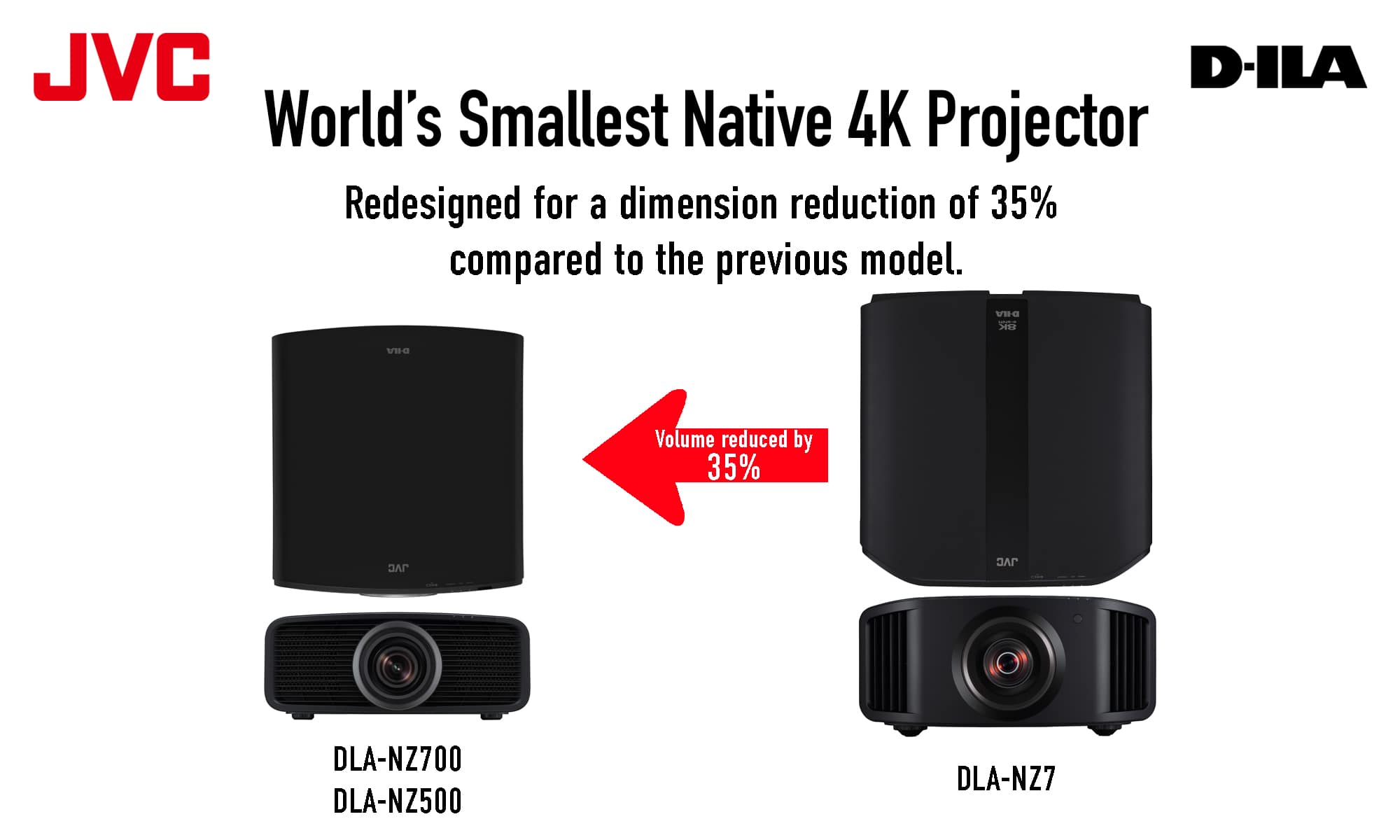
The JVC DLA-NZ500 requires more thoughtful installation. While it's the most compact native 4K projector JVC has ever made (35% smaller than previous models), it still needs ceiling mounting or a substantial shelf. The motorized lens adjustments are convenient, but getting the best image quality requires time and expertise. Many owners invest in professional calibration to maximize performance.
At the time of writing, these projectors occupy different price tiers, with the JVC DLA-NZ500 positioned significantly higher than the XGIMI Horizon 20 Max. However, value isn't just about initial cost—it's about performance per dollar for your specific needs.
The XGIMI Horizon 20 Max delivers exceptional value for versatile use. You're getting flagship-level brightness, comprehensive smart features, excellent gaming performance, and automated setup in one package. For most users, this eliminates the need for additional streaming devices, sound systems, or complex installation.
The JVC DLA-NZ500 offers different value: uncompromising image quality for serious enthusiasts. If you have a dedicated home theater and prioritize absolute image quality over convenience, the native 4K resolution and superior contrast ratio justify the premium. The 3-year warranty with first-year advanced replacement also adds value for long-term ownership.
Choose the XGIMI Horizon 20 Max if you want:
Choose the JVC DLA-NZ500 if you prioritize:
These projectors represent fundamentally different philosophies. The XGIMI Horizon 20 Max is the Swiss Army knife of projectors—exceptionally versatile, feature-rich, and capable of delivering excellent results in various situations. It's perfect for families or individuals who want premium projection quality without the complexity of a dedicated theater setup.
The JVC DLA-NZ500 is the precision instrument—designed specifically for one purpose and executing it brilliantly. If you have a dedicated home theater space and prioritize absolute image quality over convenience features, it delivers performance that rivals projectors costing significantly more.
Based on extensive research into user experiences and expert reviews, most buyers will be happier with the XGIMI Horizon 20 Max due to its versatility and convenience. However, serious home theater enthusiasts with proper viewing environments will appreciate the superior image quality of the JVC DLA-NZ500.
The choice ultimately comes down to your viewing environment, priorities, and how you define value. Both projectors excel in their intended roles—it's just a matter of matching your needs to the right approach.
| XGIMI Horizon 20 Max 4K Projector | JVC DLA-NZ500 Native 4K Laser Home Theater Projector |
|---|---|
| Brightness - Critical for room versatility and daytime viewing | |
| 5,700 ISO lumens (excellent for bright rooms, daytime use) | 2,000 lumens (requires controlled lighting for optimal performance) |
| Resolution Technology - Affects image sharpness and detail | |
| 4K XPR pixel-shifting (simulates 4K, very sharp results) | True native 4K D-ILA (genuine 8.8 million pixels, no processing) |
| Contrast Ratio - Determines black levels and shadow detail | |
| 20,000:1 native (good blacks, solid performance) | 40,000:1 native (exceptional blacks, cinema-grade depth) |
| Light Source & Lifespan - Long-term ownership costs | |
| RGB triple laser (~20,000 hours, vibrant colors) | BLU-Escent laser (~20,000 hours, accurate cinema colors) |
| Gaming Performance - Input lag and refresh rate support | |
| 1ms at 1080p/240Hz, HDMI 2.1, VRR/ALLM (gaming optimized) | Standard input lag, no VRR (cinema-focused, limited gaming) |
| Smart Features - Convenience and connectivity | |
| Android TV 11, Google integration, built-in apps | No smart platform (requires external streaming devices) |
| Audio System - Built-in sound quality | |
| Dual 12W Harman Kardon speakers (24W total, decent quality) | No integrated speakers (requires external audio system) |
| HDR Support - Premium content compatibility | |
| Dolby Vision, HDR10+, HDR10, HLG, IMAX Enhanced | HDR10+, HDR10, HLG (no Dolby Vision support) |
| Installation & Setup - Ease of use and flexibility | |
| ISA 5.0 auto-setup, built-in stand, plug-and-play | Motorized lens, professional installation recommended |
| Color Gamut - Color accuracy and vibrancy | |
| 110% BT.2020, ΔE | 93% P3 (cinema-accurate, natural color reproduction) |
| Physical Design - Size and mounting requirements | |
| Compact with built-in stand, 11.9 lbs (portable design) | World's smallest native 4K, 32.2 lbs (requires mount/stand) |
| Best Use Case - Optimal viewing environment | |
| Versatile rooms, gaming, family entertainment | Dedicated home theater with controlled lighting |
The XGIMI Horizon 20 Max is significantly brighter at 5,700 ISO lumens compared to the JVC DLA-NZ500 at 2,000 lumens. This makes the XGIMI Horizon 20 Max much better for rooms with ambient light or daytime viewing, while the JVC DLA-NZ500 requires a darkened room for optimal performance.
The JVC DLA-NZ500 uses true native 4K with 8.8 million physical pixels, while the XGIMI Horizon 20 Max uses pixel-shifting technology that rapidly moves a lower resolution image to simulate 4K detail. Both produce sharp images, but the JVC DLA-NZ500 delivers technically superior resolution without any processing tricks.
The JVC DLA-NZ500 excels with a 40,000:1 contrast ratio compared to the XGIMI Horizon 20 Max's 20,000:1 ratio. This means the JVC DLA-NZ500 produces deeper blacks and better shadow detail, making it superior for dark movie scenes and overall image depth in home theater environments.
The XGIMI Horizon 20 Max is significantly better for gaming with 1ms input lag at 1080p/240Hz, HDMI 2.1 support, and VRR/ALLM features. The JVC DLA-NZ500 lacks these gaming optimizations and is designed primarily for cinema viewing rather than interactive entertainment.
Only the XGIMI Horizon 20 Max includes built-in streaming capabilities with Android TV 11 and Google integration, providing direct access to Netflix, Disney+, and other apps. The JVC DLA-NZ500 requires external streaming devices like Apple TV or Roku for smart features.
The XGIMI Horizon 20 Max includes dual 12W Harman Kardon speakers (24W total) that provide decent sound quality for casual viewing. The JVC DLA-NZ500 has no integrated speakers and requires an external audio system, which is typical for dedicated home theater projectors.
The XGIMI Horizon 20 Max supports more HDR formats including Dolby Vision, HDR10+, HDR10, HLG, and IMAX Enhanced. The JVC DLA-NZ500 supports HDR10+, HDR10, and HLG but lacks Dolby Vision support, which is increasingly important for premium streaming content.
The XGIMI Horizon 20 Max is much easier to set up with its ISA 5.0 automatic calibration system, built-in stand, and plug-and-play design. The JVC DLA-NZ500 requires more careful installation, typically ceiling mounting, and often benefits from professional calibration to achieve optimal performance.
For a dedicated home theater with controlled lighting, the JVC DLA-NZ500 is superior due to its true native 4K resolution, exceptional 40,000:1 contrast ratio, and cinema-grade color accuracy. The XGIMI Horizon 20 Max is better for multipurpose rooms where ambient light is a concern.
The XGIMI Horizon 20 Max offers 110% BT.2020 color coverage with ΔE<0.8 accuracy, providing vibrant and accurate colors. The JVC DLA-NZ500 covers 93% of the P3 color gamut, which is the digital cinema standard, offering more natural and film-like color reproduction for movie content.
The XGIMI Horizon 20 Max typically offers better value for most users due to its versatility, built-in smart features, gaming capabilities, and ability to perform well in various lighting conditions. The JVC DLA-NZ500 provides better value specifically for dedicated home theater enthusiasts who prioritize absolute image quality over convenience features.
Choose the XGIMI Horizon 20 Max for versatility, bright room performance, gaming, and all-in-one convenience with smart features. Choose the JVC DLA-NZ500 for superior image quality in dark rooms, true native 4K resolution, exceptional contrast ratios, and professional-grade cinema reproduction in dedicated home theater setups.
We've done our best to create useful and informative comparisons to help you decide what product to buy. Our research uses advanced automated methods to create this comparison and perfection is not possible - please contact us for corrections or questions. These are the sites we've researched in the creation of this article: dustinabbott.net - projectorcentral.com - youtube.com - us.xgimi.com - youtube.com - tweaktown.com - youtube.com - us.xgimi.com - youtube.com - youtube.com - thesmarthomehookup.com - youtube.com - us.xgimi.com - global.xgimi.com - projector-database.com - projectorscreen.com - valueelectronics.com - youtube.com - projectorcentral.com - avsforum.com - youtube.com - eu.jvc.com - jvc.com - crutchfield.com - projectorreviews.com - avsforum.com - audioadvice.com

Privacy Policy
Terms and Conditions - Affiliate Policy
Home Security
© Copyright 2008-2026.
11816 Inwood Rd #1211, Dallas, TX 75244