

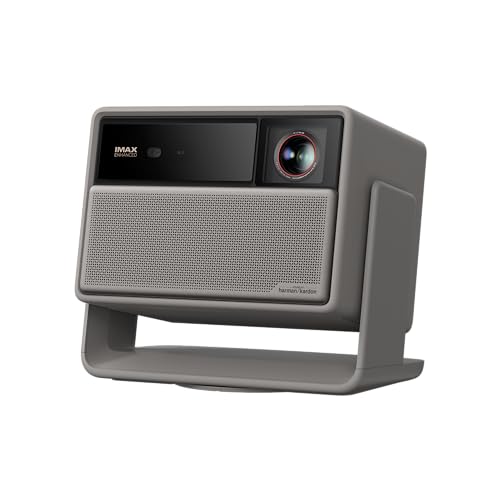
Home theater projectors have come a long way from the dim, complicated machines that required dark rooms and professional installation. Today's 4K projectors can transform your living room into a cinema, but choosing between different technologies can feel overwhelming. Two standout models represent very different approaches: the laser-powered XGIMI Horizon 20 Max launched in 2025, and the LED-based BenQ HT4550i from 2023.
Understanding which projector fits your needs requires looking beyond marketing claims to understand how these technologies actually perform in real homes. Let's break down what matters most and help you make the right choice.
The projector market has evolved dramatically over the past few years. We've moved from expensive, lamp-based units that needed frequent bulb replacements to solid-state light sources that can run for decades. The biggest divide today is between laser and LED technologies, each with distinct advantages.
Laser projectors like the XGIMI Horizon 20 Max prioritize brightness and convenience. They use precise laser diodes to create incredibly bright images that can compete with ambient light. LED projectors like the BenQ HT4550i focus on color accuracy and longevity, using arrays of colored LEDs to produce cinema-quality images in controlled environments.
Both approaches use DLP (Digital Light Processing) technology with pixel shifting to achieve 4K resolution. Instead of having 8.3 million tiny mirrors for true native 4K, these projectors use around 2 million mirrors that shift rapidly to create the impression of 4K detail. While purists prefer native 4K, modern pixel shifting produces genuinely sharp images that most viewers can't distinguish from true 4K.
The key considerations when choosing between these technologies are brightness requirements, room lighting, gaming needs, and whether you prefer plug-and-play simplicity or hands-on calibration control.
Brightness determines where and when you can use your projector. This is measured in ANSI lumens or ISO lumens – essentially how much light the projector can produce. More lumens mean you can use the projector in brighter rooms or during daytime.
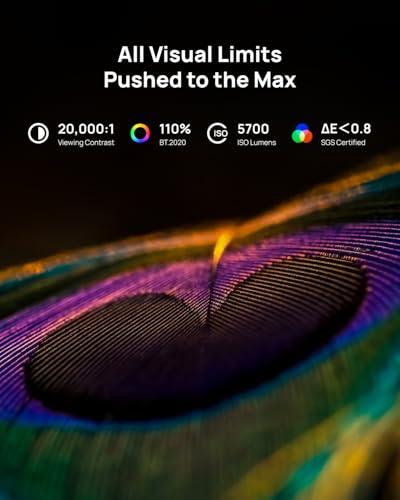
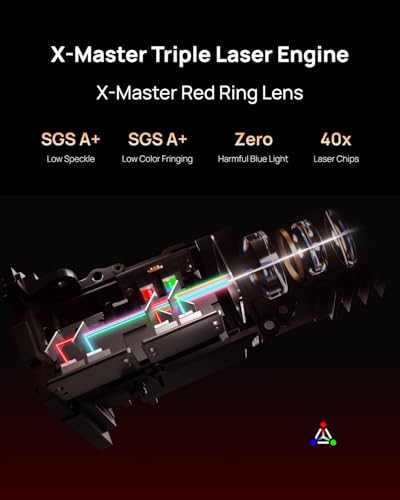
The XGIMI Horizon 20 Max claims an impressive 5,700 ISO lumens using its RGB triple laser engine. However, real-world testing reveals that achieving maximum brightness requires sacrificing color accuracy. In practice, you'll get around 3,000+ ANSI lumens in modes that deliver acceptable color performance – still excellent for most rooms with ambient light.
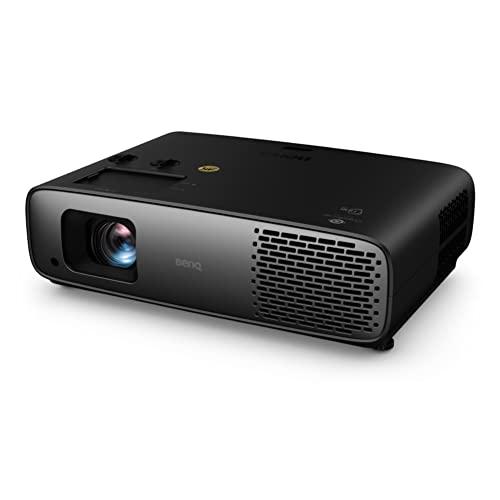
The BenQ HT4550i produces 3,200 ANSI lumens from its 4LED light source, which combines red, green, blue, and white LEDs. While lower on paper, LED projectors often deliver more consistent brightness across different picture modes, meaning you're more likely to get the advertised brightness with good color accuracy.
Here's what these brightness levels mean in practical terms: The XGIMI can handle living rooms with windows, family rooms with overhead lighting, and even some daytime viewing. The BenQ works best in dedicated home theaters or media rooms where you can control the lighting.
From our research into user experiences, the brightness advantage of the XGIMI makes it significantly more versatile for typical homes. Many families find they can use it casually without dimming all the lights, while the BenQ requires more planning around room lighting.
Color reproduction separates good projectors from great ones, especially for HDR content where expanded color ranges create more lifelike images.
The XGIMI Horizon 20 Max covers 110% of the BT.2020 color standard and achieves exceptional color accuracy with Delta E values under 0.8. Delta E measures how close displayed colors are to reference standards – anything under 2.0 is considered excellent, so under 0.8 is remarkable. This means colors look natural and accurate straight out of the box without professional calibration.
The projector's RGB laser system eliminates the color wheel found in traditional DLP projectors, preventing the "rainbow effect" where some viewers see color flashes during rapid eye movements. The laser approach also maintains consistent color performance as the light source ages.
The BenQ HT4550i takes a different approach, covering 100% of both DCI-P3 (the digital cinema standard) and Rec.709 (standard HDTV) color spaces. While these are smaller color gamuts than BT.2020, they're the standards used for most current content. The BenQ achieves Delta E values under 2.0 out of the box, but truly shines after calibration where it can achieve even better accuracy.
BenQ's HDR-PRO technology deserves special mention. It uses tone mapping to optimize HDR content for the projector's brightness capabilities, analyzing over 1,000 zones of each frame to preserve both bright highlights and shadow details. This technology works remarkably well, often producing better HDR images than projectors with higher peak brightness.
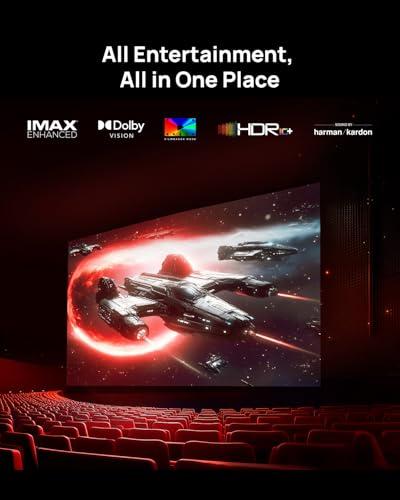
For HDR format support, the XGIMI has a clear advantage with Dolby Vision, HDR10+, and IMAX Enhanced support. The BenQ is limited to HDR10, HDR10+, and HLG, missing the increasingly important Dolby Vision standard used by Netflix, Disney+, and Ultra HD Blu-rays.
Based on expert reviews, the XGIMI delivers more impressive colors immediately, while the BenQ can achieve superior accuracy with proper calibration – if you're willing to invest the time or hire a professional.
Modern gaming demands low input lag (the delay between controller input and screen response) and high refresh rates for smooth motion. These requirements have pushed projector manufacturers to optimize their products for gaming.
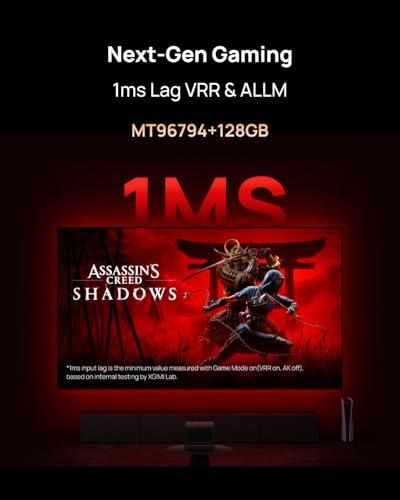
The XGIMI Horizon 20 Max excels here with genuinely impressive gaming performance. It achieves 1ms input lag at 1080p/240Hz, 2.2ms at 1080p/120Hz, and 3ms at 4K/60Hz. These numbers rival dedicated gaming monitors and make the projector suitable for competitive gaming.
The projector supports Variable Refresh Rate (VRR) and Auto Low Latency Mode (ALLM), which eliminate screen tearing and automatically switch to gaming mode when a console is detected. Gaming-specific features include Black Equalizer (brightens dark areas without affecting the rest of the image) and genre-specific picture modes for FPS, RTS, and RPG games.
The BenQ HT4550i offers respectable gaming performance with 8.7ms input lag at 1080p/240Hz and 17.9ms at 4K/60Hz. While not as fast as the XGIMI, these numbers are still excellent for casual gaming and acceptable for most competitive players.
However, the BenQ has one unique advantage: 3D gaming support. If you own 3D-capable games or want to experience gaming in stereoscopic 3D, the BenQ supports various 3D formats with DLP Link glasses.
For serious gamers, especially those with PlayStation 5 or Xbox Series X consoles, the XGIMI provides a clear advantage. The ultra-low input lag and high refresh rate support create an experience that many describe as indistinguishable from high-end gaming monitors, just on a massive 100+ inch screen.
How easily you can set up and optimize your projector significantly impacts your enjoyment, especially if you're not technically inclined.
The XGIMI Horizon 20 Max emphasizes automated setup through its ISA 5.0 (Intelligent Screen Adaptation) system. This technology automatically handles focus, keystone correction (fixing trapezoid-shaped images when projecting at an angle), obstacle avoidance, and even wall color calibration. You can literally place the projector on a table, turn it on, and have a properly aligned image in seconds.
This automation extends to daily use. The projector remembers your setup and readjusts automatically if moved slightly. For families or users who want minimal technical involvement, this represents a major convenience advantage.
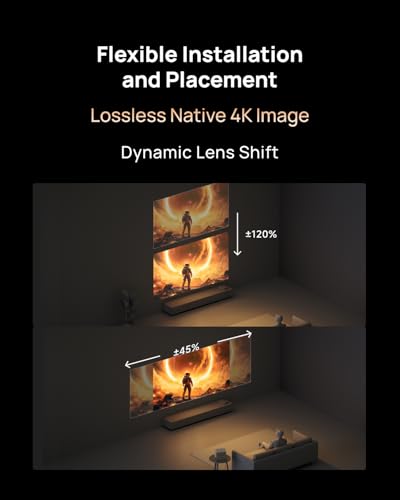
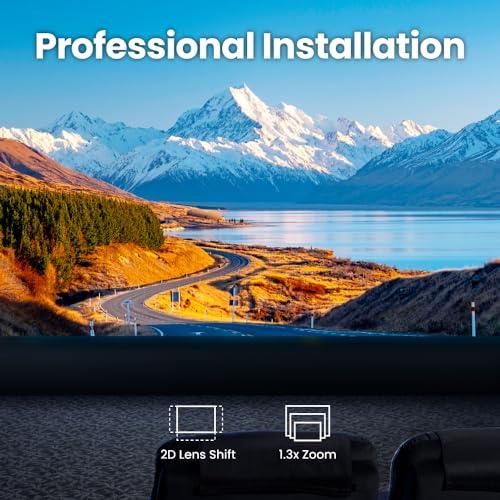
The BenQ HT4550i takes a more traditional approach with extensive manual controls. It offers motorized vertical lens shift (±50%), allowing you to move the image up or down without moving the projector physically. The 1.3x optical zoom lets you adjust image size without digital processing that could reduce quality.
This manual approach provides more precise control for dedicated installations. You can fine-tune the image position, size, and geometry exactly as desired. The projector includes professional calibration tools, multiple picture modes, and extensive color temperature adjustments.
Based on user feedback, the XGIMI appeals to mainstream users who want cinema experiences without technical complexity. The BenQ attracts enthusiasts who enjoy the setup process and want maximum control over their image quality.
Modern projectors increasingly function as complete entertainment centers rather than just display devices.
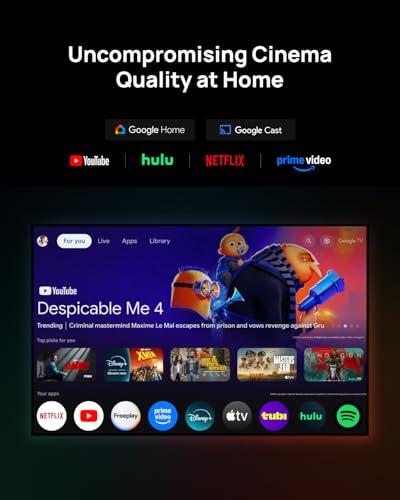
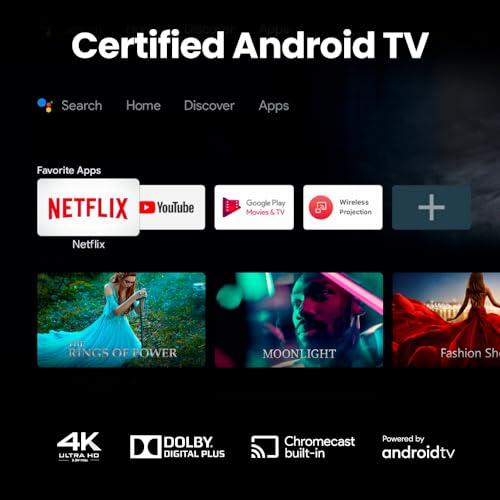
The XGIMI Horizon 20 Max includes Google TV with full access to Netflix, Disney+, Amazon Prime, and other streaming services. The interface is responsive and current, unlike the outdated smart TV platforms found on some projectors. Google Assistant voice control lets you search for content or control the projector hands-free.
The built-in dual 24W Harman Kardon speakers produce surprisingly good sound quality – certainly adequate for casual viewing and better than most TV speakers. For a truly cinematic experience you'll still want a soundbar or surround sound system, but the built-in audio eliminates the need for external speakers in many situations.
Wi-Fi 6 and Bluetooth 5.2 connectivity enable wireless streaming, smartphone mirroring, and wireless headphone connections. This comprehensive connectivity makes the XGIMI a true all-in-one solution.
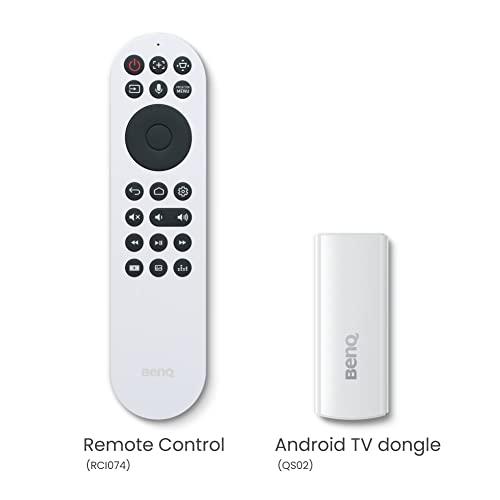
The BenQ HT4550i includes an Android TV dongle but with more limited capabilities. The 5W mono speaker is functional but clearly inadequate for serious viewing. You'll need external audio equipment to properly enjoy movies and shows.
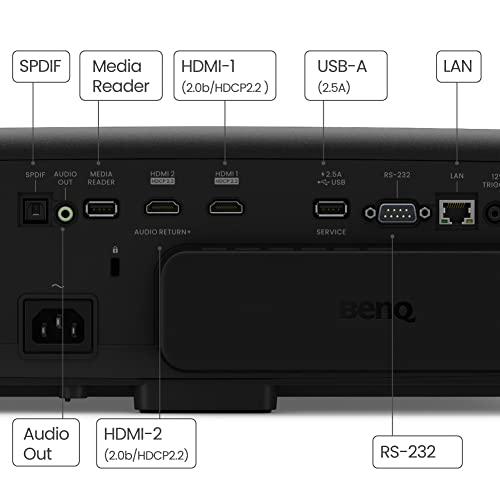
However, the BenQ provides more traditional projector connectivity including optical audio output, RS-232 control for home automation systems, and a 12V trigger for motorized screens – features that matter in dedicated theater installations.
For most users, the XGIMI provides better value by eliminating the need for streaming devices and basic audio equipment. Home theater enthusiasts often prefer the BenQ's traditional approach since they typically use separate, higher-quality audio systems anyway.
Contrast ratio – the difference between the darkest blacks and brightest whites – fundamentally affects image quality, especially in dark scenes.
The XGIMI Horizon 20 Max achieves a 20,000:1 native contrast ratio thanks to its laser light source and advanced processing. This produces reasonably deep blacks for a DLP projector, though not matching the performance of premium LCoS projectors that can cost significantly more.
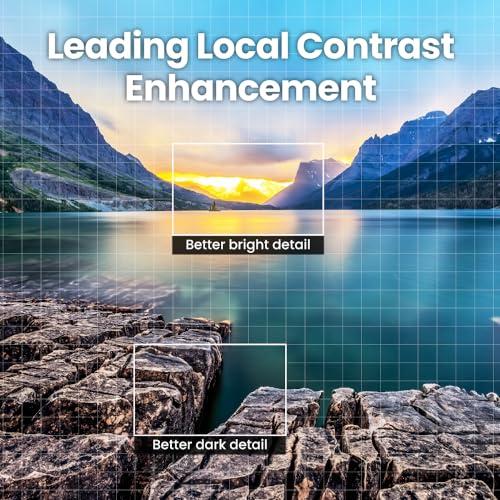
The BenQ HT4550i claims up to 3,000,000:1 dynamic contrast using its Local Contrast Enhancer technology. This system divides the image into over 1,000 zones and adjusts each area's brightness independently. While dynamic contrast numbers are often marketing hyperbole, the BenQ's implementation genuinely improves perceived contrast in dark scenes.
In practice, both projectors handle contrast well for their price ranges. The XGIMI maintains better shadow detail in bright rooms due to its higher peak brightness, while the BenQ can achieve deeper blacks in fully darkened environments.
Expert reviews consistently note that neither projector matches the black levels of high-end LCoS models like JVC's premium projectors, but both deliver satisfying contrast for their market segments.
At the time of writing, these projectors occupy different price tiers, with the XGIMI Horizon 20 Max commanding a premium over the BenQ HT4550i. However, comparing value requires looking beyond initial cost to features, performance, and longevity.
The XGIMI justifies its higher price through comprehensive features that eliminate additional purchases. The bright output, smart TV platform, good speakers, and gaming performance create an all-in-one entertainment system. For many buyers, this actually represents better value than cheaper projectors requiring separate streaming devices, audio systems, and room darkening.
The RGB laser light source should last approximately 20,000 hours – roughly 10 years of typical use. While not user-replaceable, the longevity means you're unlikely to face maintenance costs during the projector's useful life.
The BenQ HT4550i offers exceptional value for color quality and cinema performance. Its 30,000-hour LED light source provides even longer lifespan than laser, and LEDs typically maintain their performance better over time. However, you'll need to budget for streaming devices, audio equipment, and potentially professional calibration to achieve optimal results.
Unfortunately, BenQ discontinued the HT4550i in March 2025, which may affect long-term software support and warranty service. This doesn't immediately impact performance but could influence resale value and future feature updates.
Your viewing environment largely determines which projector will work better.
Choose the XGIMI Horizon 20 Max for:
The XGIMI excels in typical American homes where the "theater room" is actually a family room or living space used for multiple purposes. Its brightness and automation features make it practical for everyday use.
Choose the BenQ HT4550i for:
The BenQ shines in purpose-built theater spaces where you can control lighting and optimize the viewing environment. It's the projector for serious movie nights rather than casual viewing.
After researching extensive user feedback and expert reviews, the choice comes down to your priorities and viewing environment.
The XGIMI Horizon 20 Max represents the future of home projection: bright enough for versatile use, smart enough to handle setup automatically, and fast enough for serious gaming. It's the projector that works in real homes without requiring lifestyle changes or room modifications. The premium price reflects premium convenience and performance.
The BenQ HT4550i exemplifies traditional projector excellence: superb color accuracy, extensive calibration options, and cinema-focused features. It delivers better picture quality per dollar in the right environment but requires more commitment from the user.
Most buyers will be happier with the XGIMI's versatility and ease of use. It's the projector you can recommend to friends without worrying about their technical expertise or viewing room setup.
However, serious home theater enthusiasts with dedicated viewing spaces should strongly consider the BenQ. Its superior color science and calibration capabilities can produce genuinely cinematic results that justify the additional complexity.
The projector market continues evolving rapidly, with 2025 bringing significant improvements in laser technology and smart features. Both models represent current state-of-the-art in their respective approaches, making either a solid choice that should provide years of enjoyment. The key is honestly assessing your space, usage patterns, and technical comfort level to choose the projector that matches your real-world needs.
| XGIMI Horizon 20 Max | BenQ HT4550i |
|---|---|
| Brightness - Most critical factor for room compatibility and daytime viewing | |
| 5,700 ISO lumens peak (3,000+ ANSI in accurate modes) | 3,200 ANSI lumens |
| Light Source Technology - Affects lifespan, color quality, and maintenance | |
| RGB Triple Laser (20,000 hour lifespan) | 4LED system (30,000+ hour lifespan) |
| Gaming Performance - Input lag matters for competitive gaming | |
| 1ms at 1080p@240Hz, 3ms at 4K@60Hz with VRR support | 8.7ms at 1080p@240Hz, 17.9ms at 4K@60Hz |
| HDR Format Support - Determines compatibility with streaming services | |
| Dolby Vision, HDR10+, HDR10, HLG, IMAX Enhanced | HDR10+, HDR10, HLG (no Dolby Vision) |
| Color Accuracy - Out-of-box performance vs calibration potential | |
| ΔE < 0.8 (excellent out-of-box), 110% BT.2020 coverage | ΔE < 2 (very good, exceptional after calibration), 100% DCI-P3 |
| Setup Automation - Time and technical skill required | |
| ISA 5.0 auto-focus, keystone, obstacle avoidance | Manual lens shift, zoom, extensive calibration tools |
| Smart TV Platform - Built-in streaming capabilities | |
| Google TV with full app support, voice control | Android TV dongle with limited features |
| Audio System - Whether external speakers are required | |
| Dual 24W Harman Kardon speakers (surprisingly capable) | 5W mono speaker (external audio essential) |
| Connectivity - Modern device compatibility | |
| HDMI 2.1 with eARC, Wi-Fi 6, Bluetooth 5.2 | HDMI 2.0 x3 with eARC, basic wireless |
| Contrast Performance - Black level quality in dark scenes | |
| 20,000:1 native contrast ratio | 3,000,000:1 dynamic with Local Contrast Enhancer |
| 3D Support - For 3D movie and gaming enthusiasts | |
| Not supported | Full HD 3D with DLP Link glasses |
| Installation Flexibility - Placement and adjustment options | |
| Limited manual adjustment, relies on automation | Motorized lens shift ±50%, 1.3x optical zoom |
| Product Status - Availability and future support considerations | |
| Current flagship model (2025 release) | Discontinued March 2025, limited future support |
The XGIMI Horizon 20 Max is significantly brighter with 5,700 ISO lumens peak output, making it excellent for rooms with ambient light and daytime viewing. The BenQ HT4550i produces 3,200 ANSI lumens, which works best in darker, controlled environments. If you need to use your projector in bright rooms or can't always dim the lights, the XGIMI Horizon 20 Max is the clear winner.
Both projectors offer excellent color performance but in different ways. The XGIMI Horizon 20 Max delivers exceptional out-of-box color accuracy with ΔE < 0.8 and covers 110% BT.2020 color space. The BenQ HT4550i covers 100% DCI-P3 and can achieve superior color accuracy after professional calibration. For most users, the XGIMI provides better immediate results.
The XGIMI Horizon 20 Max is far superior for gaming with ultra-low input lag of just 1ms at 1080p@240Hz and 3ms at 4K@60Hz. It also supports Variable Refresh Rate (VRR) and HDMI 2.1 for modern consoles. The BenQ HT4550i has respectable but higher input lag at 8.7ms and 17.9ms respectively. Serious gamers should choose the XGIMI Horizon 20 Max.
The XGIMI Horizon 20 Max includes powerful dual 24W Harman Kardon speakers that provide surprisingly good audio for most viewing situations. The BenQ HT4550i has only a basic 5W mono speaker that requires external audio equipment for acceptable sound quality. The XGIMI offers better value as an all-in-one solution.
The XGIMI Horizon 20 Max supports more HDR formats including Dolby Vision, HDR10+, HDR10, HLG, and IMAX Enhanced. The BenQ HT4550i is limited to HDR10+, HDR10, and HLG but lacks Dolby Vision support. Since many Netflix shows and Ultra HD Blu-rays use Dolby Vision, the XGIMI provides better streaming compatibility.
The XGIMI Horizon 20 Max is much easier to set up thanks to its ISA 5.0 system that automatically handles focus, keystone correction, and screen alignment. You can literally place it on a table and have a perfect image in seconds. The BenQ HT4550i requires manual adjustment of lens shift, zoom, and calibration settings. The XGIMI is ideal for users wanting plug-and-play convenience.
Only the BenQ HT4550i supports 3D playback at Full HD resolution with DLP Link glasses. The XGIMI Horizon 20 Max does not support 3D content. If 3D movies or gaming is important to you, the BenQ HT4550i is your only option between these two models.
The BenQ HT4550i has a longer-lasting LED light source rated for 30,000+ hours compared to the XGIMI Horizon 20 Max's laser system rated for 20,000 hours. Both should last over a decade with typical use, but the BenQ technically offers greater longevity. However, neither light source is user-replaceable.
The XGIMI Horizon 20 Max includes full Google TV with access to all major streaming apps like Netflix, Disney+, and Amazon Prime, eliminating the need for external streaming devices. The BenQ HT4550i includes a basic Android TV dongle but with more limited functionality. The XGIMI provides a more complete smart TV experience.
For dedicated home theaters with controlled lighting, the BenQ HT4550i excels with superior color calibration capabilities, extensive manual controls, and cinema-focused features. The XGIMI Horizon 20 Max works well in theaters too but is somewhat overpowered for dark rooms. Home theater purists often prefer the BenQ HT4550i's cinema-grade color science.
The XGIMI Horizon 20 Max handles daytime viewing much better due to its significantly higher brightness output. You can enjoy content in living rooms with windows open or lights on. The BenQ HT4550i struggles with ambient light and really needs a darkened room for optimal viewing. For flexible daytime use, choose the XGIMI Horizon 20 Max.
Value depends on your needs and room setup. The XGIMI Horizon 20 Max costs more but includes premium features like bright output, smart TV, good speakers, and gaming performance in one package. The BenQ HT4550i offers excellent cinema-quality performance at a lower price but requires additional purchases for audio and streaming. The XGIMI provides better overall value for most users, while the BenQ offers better cinema value in dedicated theaters.
We've done our best to create useful and informative comparisons to help you decide what product to buy. Our research uses advanced automated methods to create this comparison and perfection is not possible - please contact us for corrections or questions. These are the sites we've researched in the creation of this article: dustinabbott.net - projectorcentral.com - youtube.com - us.xgimi.com - youtube.com - tweaktown.com - youtube.com - us.xgimi.com - youtube.com - youtube.com - thesmarthomehookup.com - youtube.com - us.xgimi.com - global.xgimi.com - projector-database.com - projectorcentral.com - benq.com - rtings.com - youtube.com - soundandvision.com - rtings.com - hometheaterhifi.com - projectorscreen.com - projectorreviews.com - projectorscreen.com - youtube.com - rtings.com - projectorscreen.com - versus.com - youtube.com - projectorcentral.com - snapav.com - benq.com - benq.com

Privacy Policy
Terms and Conditions - Affiliate Policy
Home Security
© Copyright 2008-2026.
11816 Inwood Rd #1211, Dallas, TX 75244