

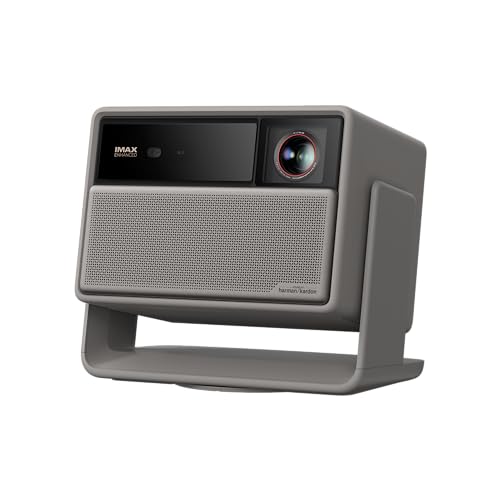

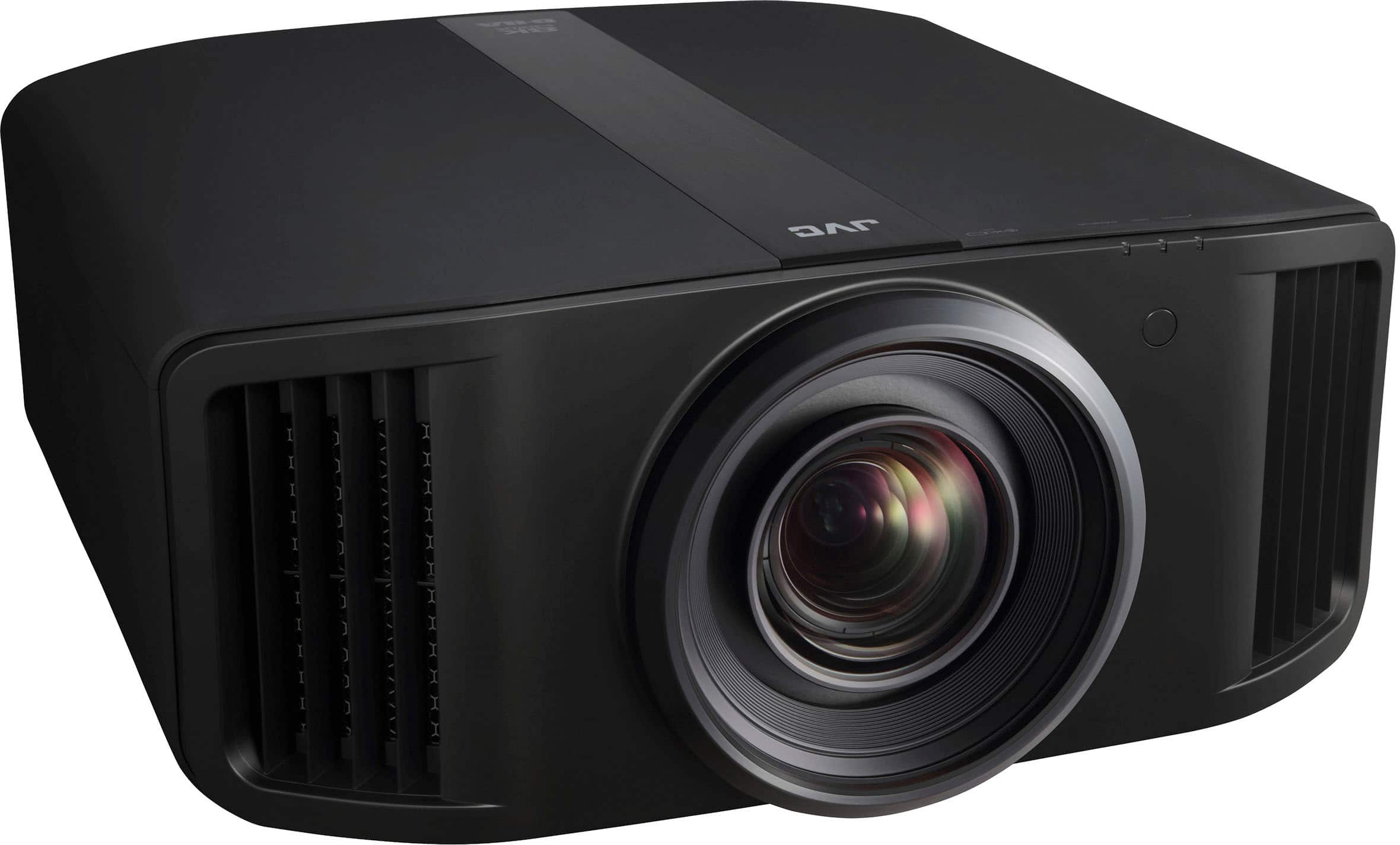
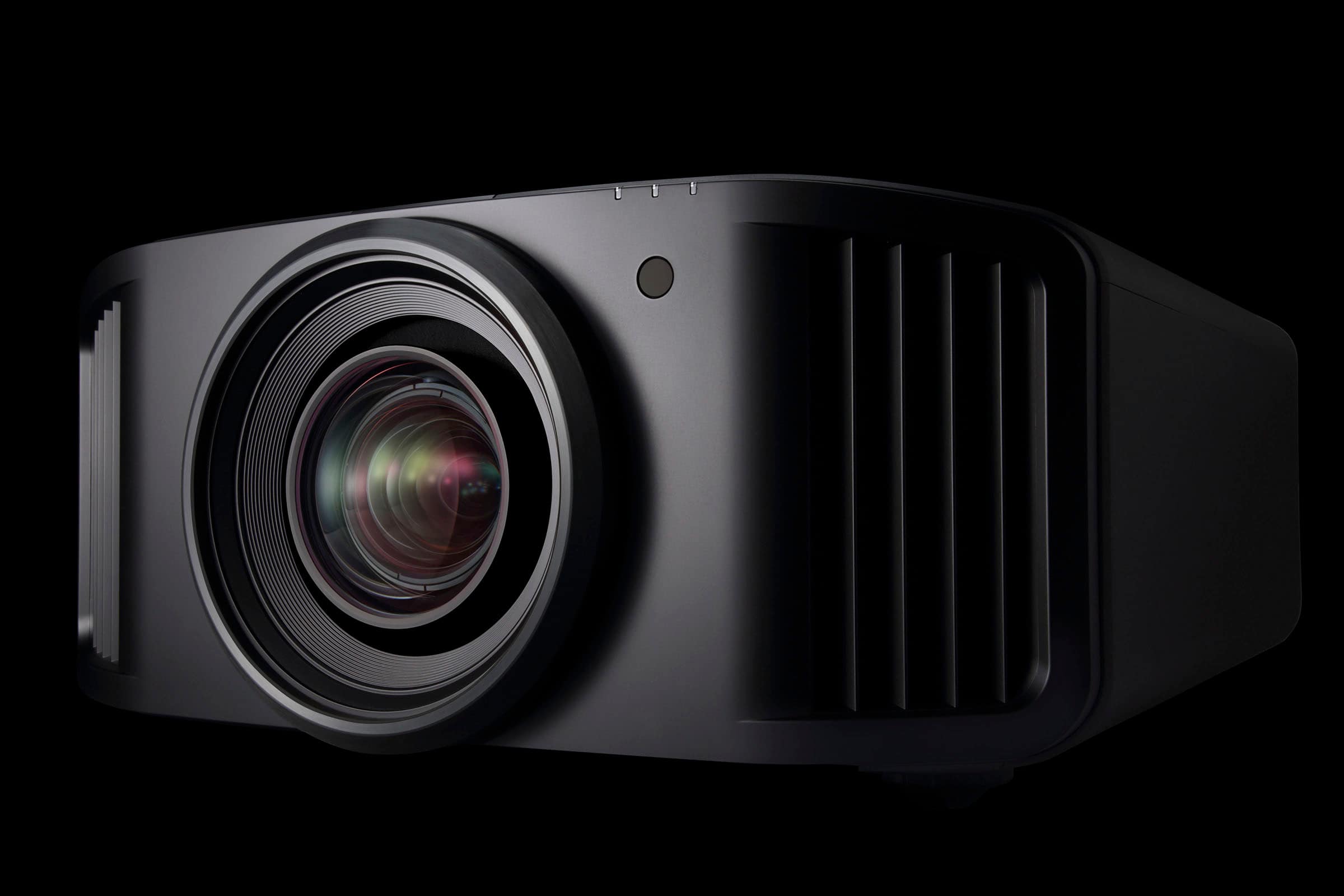
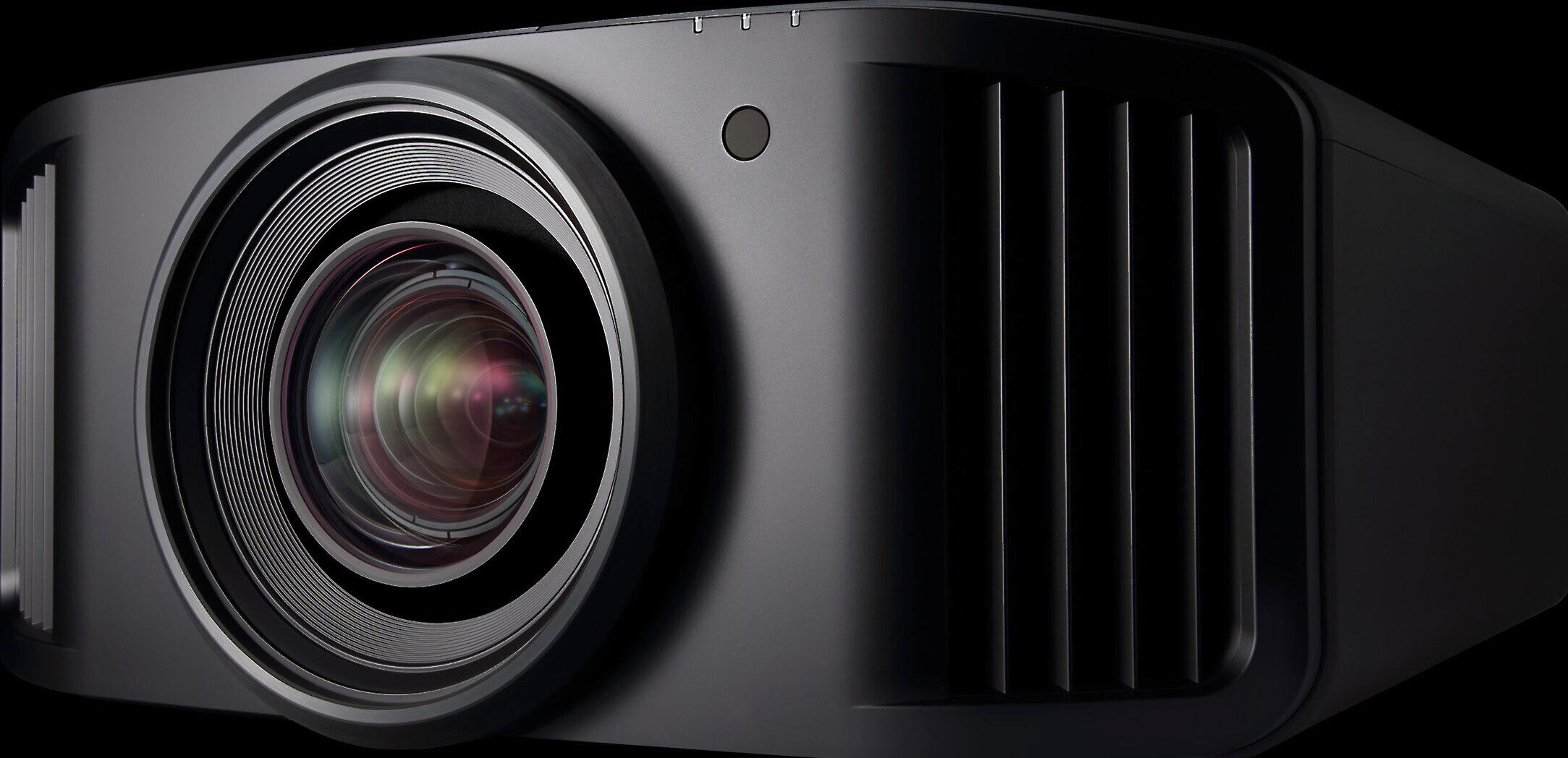
When you're ready to take your home entertainment seriously, the world of premium projectors offers two dramatically different paths. On one hand, you have the modern, bright-room champion like the XGIMI Horizon 20 Max, released in 2024 as part of XGIMI's push into ultra-high-brightness projection. On the other, there's the traditional cinema purist approach embodied by the JVC DLA-NZ900, which launched in 2024 as JVC's flagship 8K-capable theater projector.
These aren't just two projectors with different price tags—they represent fundamentally different philosophies about what makes the perfect home theater experience. Understanding these differences will help you choose the right projector for your specific situation, room, and viewing preferences.
Before diving into specifics, it's crucial to understand what separates premium projectors from their budget counterparts. Premium projectors typically offer native 4K resolution (meaning they actually display 4K pixels rather than upscaling lower resolutions), advanced light sources like lasers instead of traditional bulbs, and sophisticated image processing that can cost more than an entire budget projector.
The key considerations when choosing a premium projector boil down to room compatibility, image quality priorities, and intended use. Some projectors excel in bright rooms but sacrifice ultimate contrast, while others deliver reference-quality images but only in pitch-black environments. The XGIMI Horizon 20 Max and JVC DLA-NZ900 represent these two approaches taken to their logical extremes.
Perhaps no specification matters more for real-world usability than brightness, measured in lumens. This is where the philosophical divide becomes crystal clear.
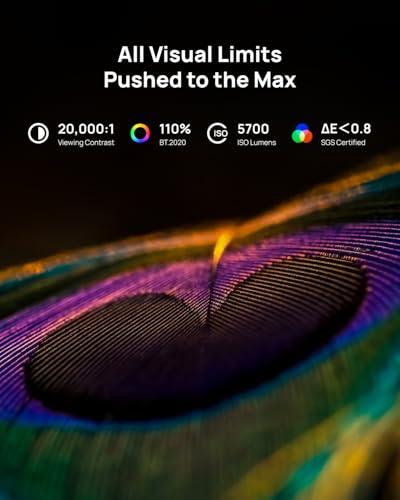
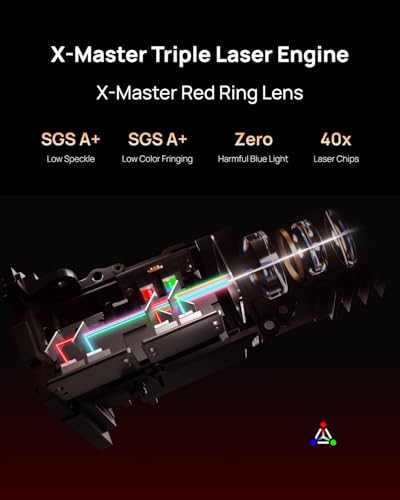
The XGIMI Horizon 20 Max delivers an impressive 5,700 ISO lumens through its X-Master RGB triple laser engine—a system that uses separate red, green, and blue lasers to create incredibly bright, saturated colors. To put this in perspective, most living rooms with normal lighting require at least 2,500-3,000 lumens for a watchable image, while dedicated dark theaters can work with as little as 1,500 lumens.
This brightness advantage is transformative for everyday use. You can watch movies on weekend afternoons, leave some ambient lighting on for social viewing, or set up in rooms with windows without the image washing out completely. The triple laser design maintains color accuracy even at peak brightness—something that was historically challenging with bright projectors.
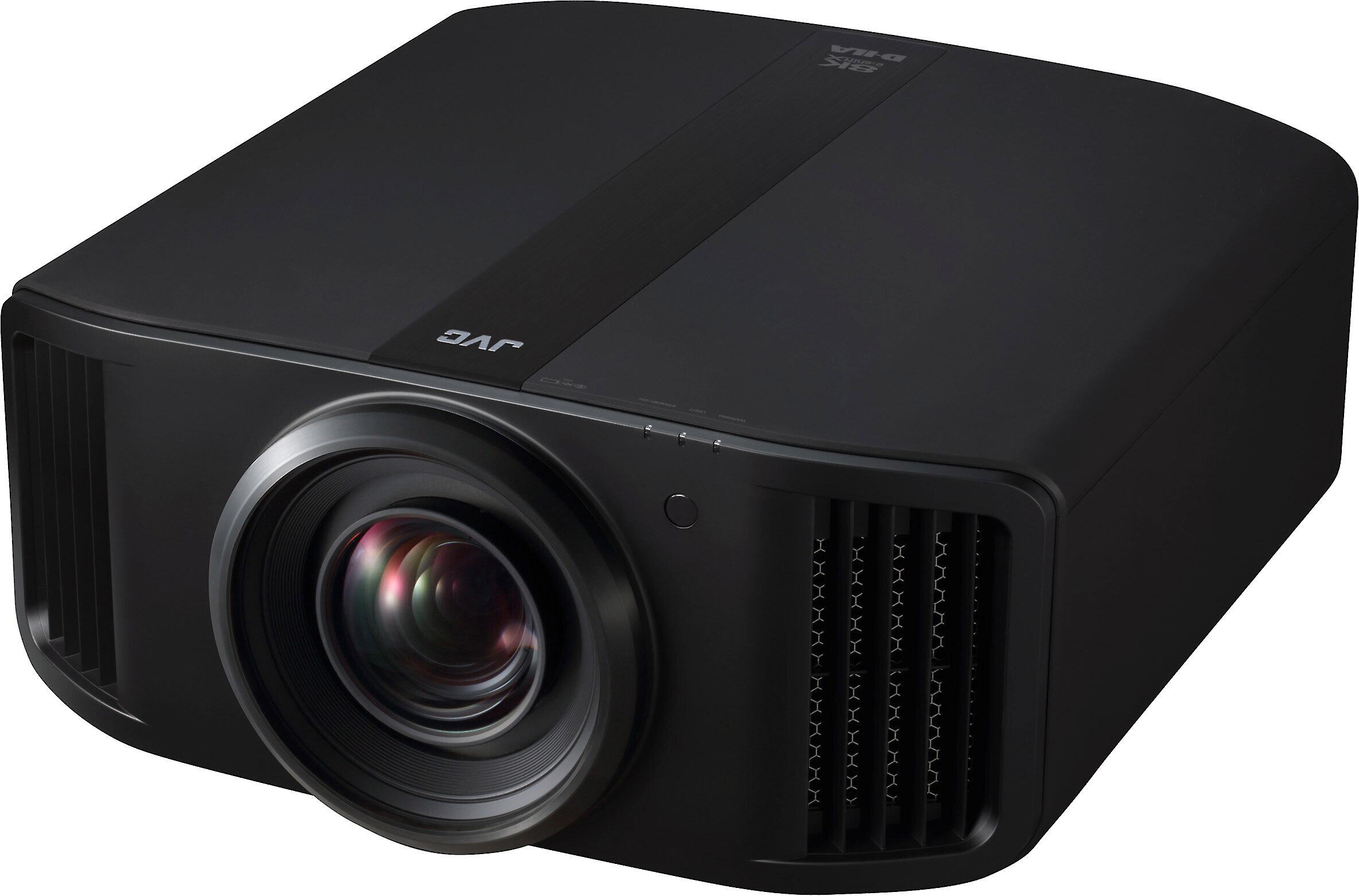
The JVC DLA-NZ900, meanwhile, produces 3,300 ANSI lumens using its BLU-Escent laser technology. This system combines blue laser diodes with phosphor to create other colors—a more traditional approach that prioritizes longevity and color accuracy over raw brightness.
While 3,300 lumens might seem limiting compared to XGIMI's output, JVC's strategy makes sense when you understand their target environment. In a properly light-controlled theater room with dark walls and ceiling, this brightness level is actually ideal. Going brighter would actually hurt the viewing experience by making dark scenes appear gray instead of true black.
If brightness gets you a visible image, contrast ratio—the difference between the brightest whites and darkest blacks—gives that image depth and realism. This is where the JVC DLA-NZ900 absolutely dominates.
The NZ900 achieves a staggering 150,000:1 native contrast ratio through its D-ILA (Direct Drive Image Light Amplifier) technology. D-ILA uses liquid crystal panels that reflect light rather than blocking it, combined with JVC's advanced optical design that minimizes light leakage. The result? Blacks that look genuinely black, not dark gray.
This contrast advantage becomes obvious in dark movie scenes. Think about watching something like "Blade Runner 2049" or any Marvel movie with space scenes. On the JVC, those dark areas maintain detail while staying properly dark, creating that three-dimensional depth that makes you forget you're looking at a flat screen.
The XGIMI Horizon 20 Max manages a respectable 20,000:1 contrast ratio—not bad, but certainly not in the same league as the JVC. However, this isn't necessarily a dealbreaker. In brighter rooms where the XGIMI excels, ambient light reflection off your walls and ceiling naturally reduces the contrast you can perceive anyway. The projector compensates with dynamic tone mapping that analyzes each frame and adjusts brightness levels in real-time to maximize the perceived contrast.
Both projectors handle 4K content excellently, but they take different approaches to maximizing detail.
The JVC DLA-NZ900 uses native 4K D-ILA panels but employs sophisticated 8K/e-shiftX technology to display what appears to be 8192 x 4320 pixels. This system rapidly shifts the pixels in four diagonal directions 240 times per second, creating the illusion of twice the pixel density in both horizontal and vertical directions.
The result is noticeably sharper text, finer texture details, and an overall impression of looking through a window rather than at a display. When evaluating expert reviews and user feedback, the consensus suggests this 8K enhancement is particularly effective with high-quality 4K content and genuinely beneficial for large screen sizes above 120 inches.
The XGIMI Horizon 20 Max delivers native 4K resolution without pixel shifting, focusing instead on AISR (AI Super Resolution) upscaling to enhance lower-resolution content. For most current streaming content and gaming, this approach provides crisp, detailed images that fully utilize the available resolution.
The practical difference? If you're planning a massive screen installation (200+ inches) or have access to true 8K content, the JVC's approach offers a meaningful advantage. For typical home theater screens of 100-150 inches with standard 4K sources, both approaches deliver excellent results.
This category reveals perhaps the starkest difference between these projectors' target audiences.
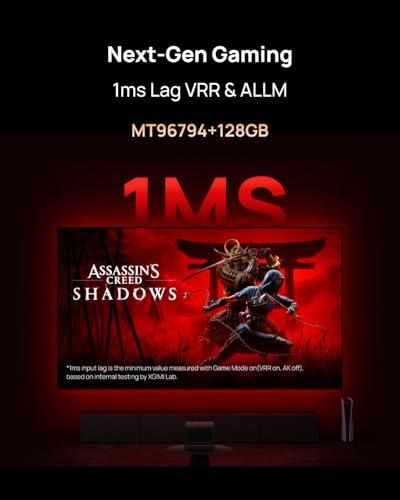
The XGIMI Horizon 20 Max was clearly designed with modern gaming in mind. Its 1-millisecond input lag at 1080p/240Hz puts it among the fastest displays available—projector or otherwise. Input lag is the delay between when your controller sends a signal and when you see the result on screen, and for competitive gaming, every millisecond matters.
The projector supports Variable Refresh Rate (VRR), which synchronizes the display's refresh rate with your game console's output to eliminate screen tearing and stuttering. It also includes gaming-specific features like Black Equalizer (which brightens dark areas to spot enemies hiding in shadows) and Virtual Crosshairs for enhanced aiming precision.
Based on user reviews from gaming enthusiasts, the XGIMI Horizon 20 Max delivers a genuinely competitive gaming experience that rivals dedicated gaming monitors, just on a much larger scale.
The JVC DLA-NZ900 approaches gaming differently, with input lag measuring 30-38 milliseconds—perfectly acceptable for single-player adventures and story-driven games, but less ideal for competitive multiplayer. The projector does offer a Low Latency Mode, but engaging it disables the advanced HDR processing that makes the projector special in the first place.
For gamers who prioritize visual spectacle over competitive performance—think playing "The Last of Us Part II" or "Red Dead Redemption 2" for the cinematic experience—the JVC's superior contrast and color accuracy create an incredibly immersive experience.
The approach to connectivity and smart features reflects each projector's target market.
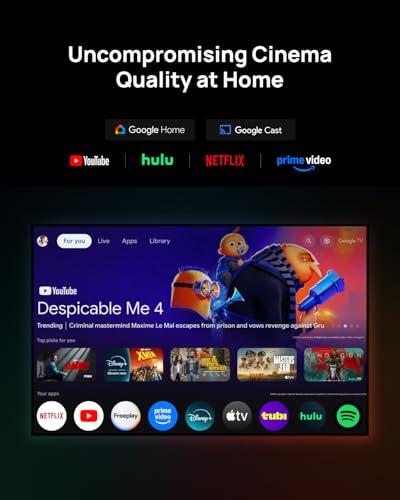
The XGIMI Horizon 20 Max runs Android TV 11 with 4GB of RAM and 128GB of storage, essentially functioning as a giant Android tablet that happens to project images. You can download Netflix, Disney+, YouTube, and other streaming apps directly to the projector, eliminating the need for external streaming devices.
The projector includes built-in Harman Kardon speakers that, while not matching a dedicated sound system, provide surprisingly adequate audio for casual viewing. Wi-Fi 6 and Bluetooth 5.2 support modern wireless standards, and the ISA 5.0 automatic setup system handles focus, keystone correction, and screen alignment without manual intervention.
This integration philosophy means you can essentially unbox the XGIMI Horizon 20 Max, plug it in, and start watching Netflix within minutes—no additional purchases required.
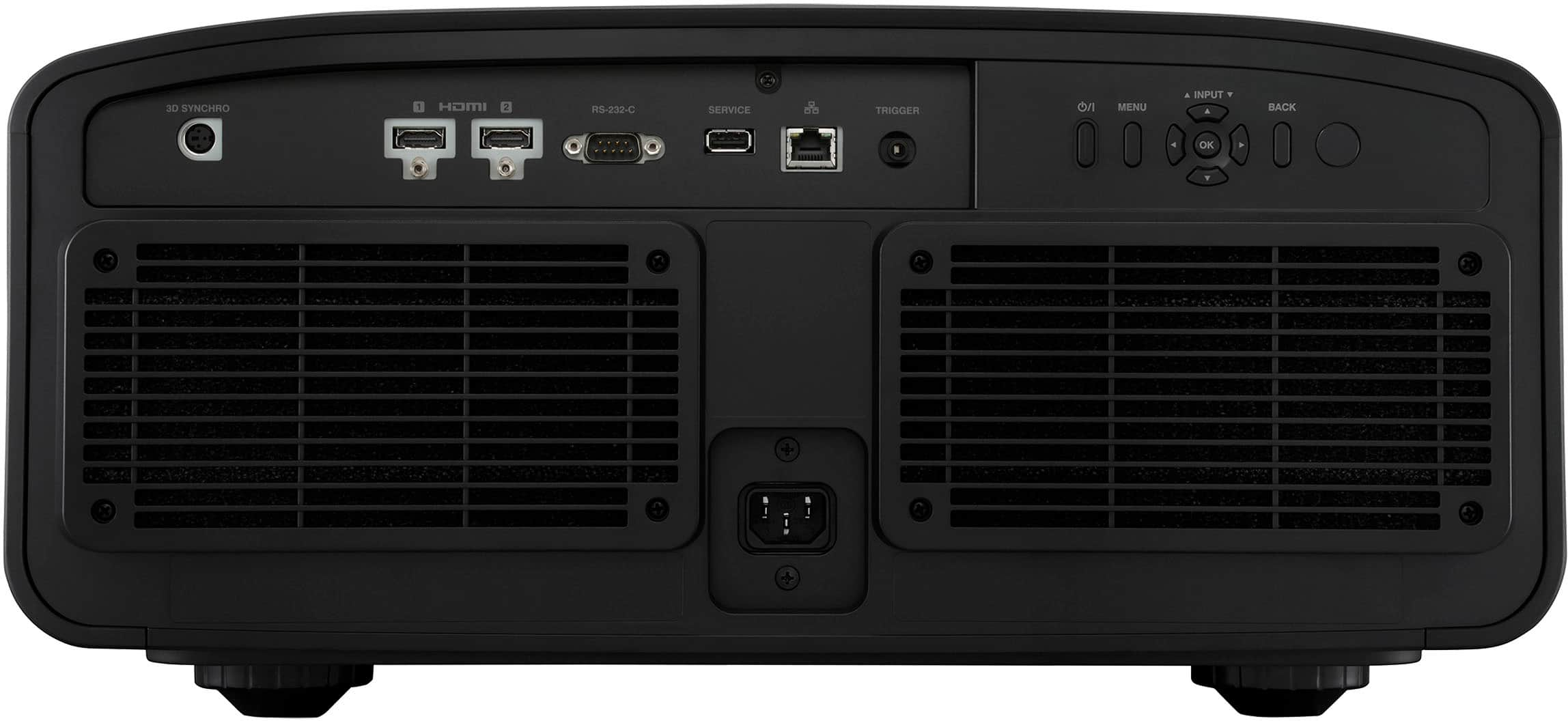
The JVC DLA-NZ900 takes the opposite approach, providing no built-in streaming capabilities or speakers. Instead, it offers dual 48Gbps HDMI inputs that support 4K at 120Hz and are ready for 8K at 60Hz when that content becomes available. Professional integration features include RS-232C control, LAN connectivity, and Control4 compatibility for custom home automation systems.
This approach assumes you'll connect external sources (Apple TV, gaming consoles, Blu-ray players) and use a separate audio system. The advantage is ultimate flexibility and future-proofing, but it requires additional purchases and setup complexity.
How and where you can install these projectors differs significantly.
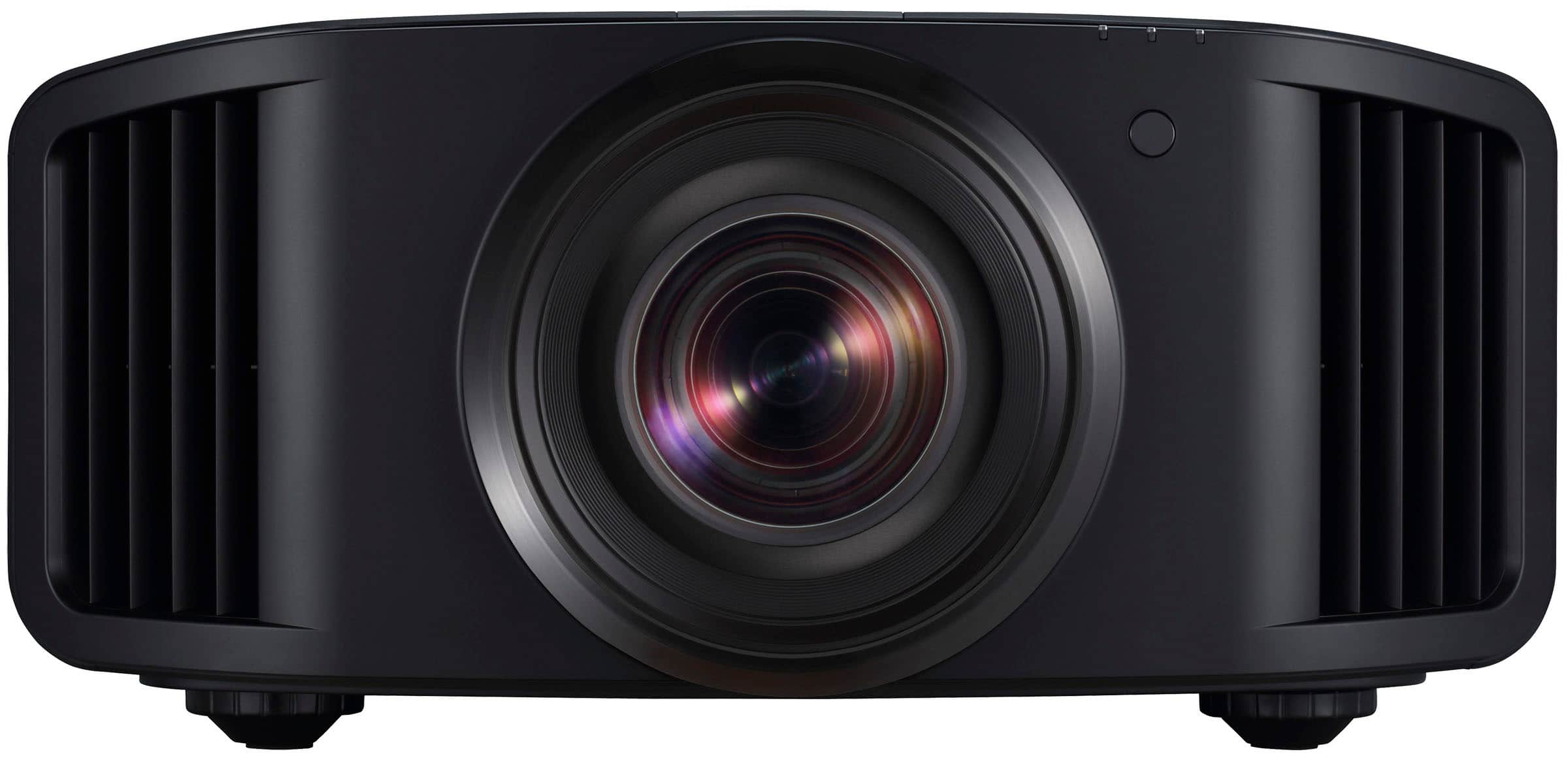
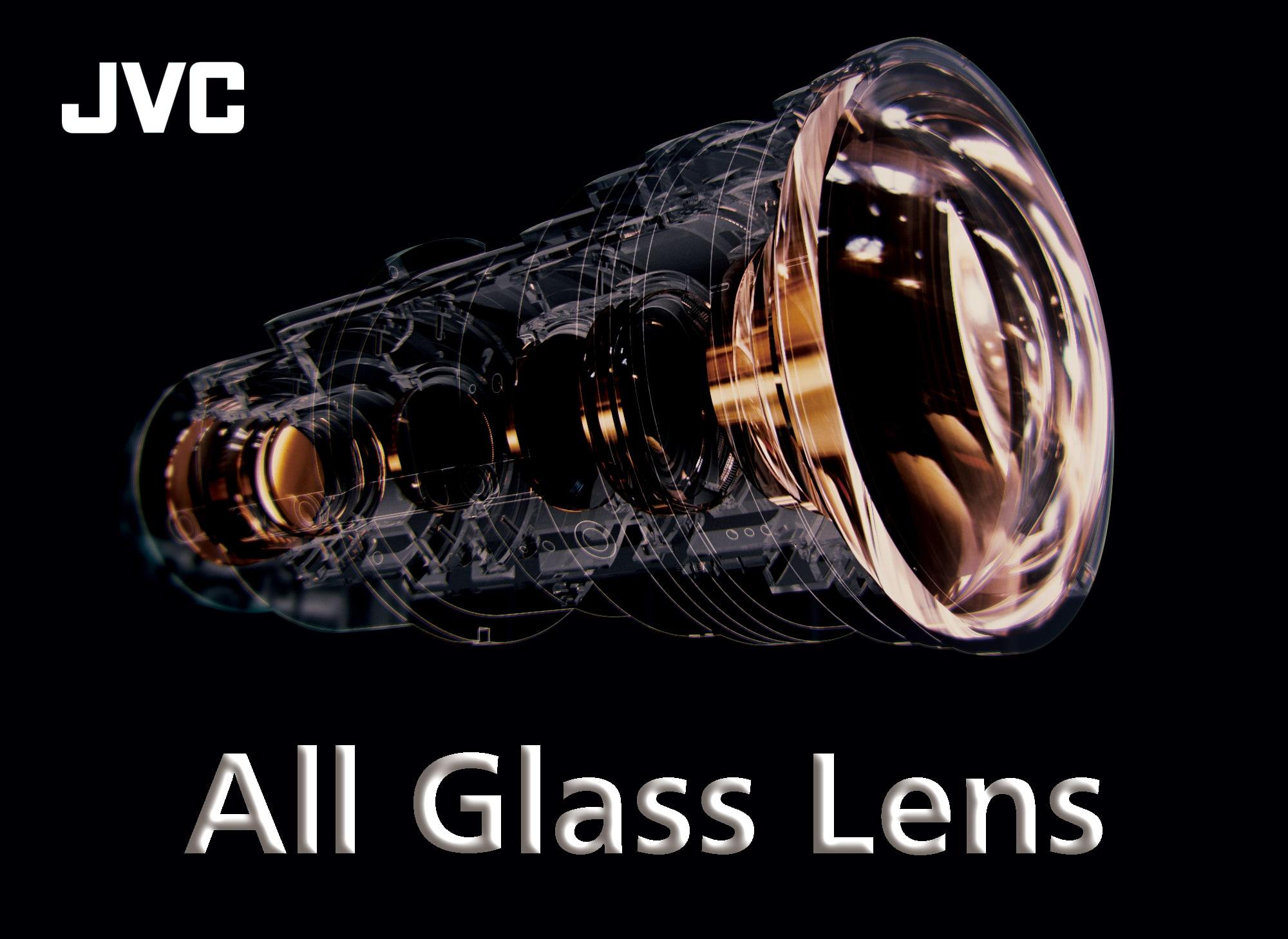
The JVC DLA-NZ900 includes motorized lens shift that allows ±100% vertical and ±43% horizontal adjustment. This means you can mount the projector significantly off-center from your screen and still achieve a perfectly aligned image without keystone correction (which reduces image quality). The 100mm all-glass lens with 18 elements provides exceptional optical quality and 2x optical zoom for flexible throw distances.
These features are particularly valuable in custom installations where projector placement might be constrained by room architecture, ceiling beams, or aesthetic considerations.
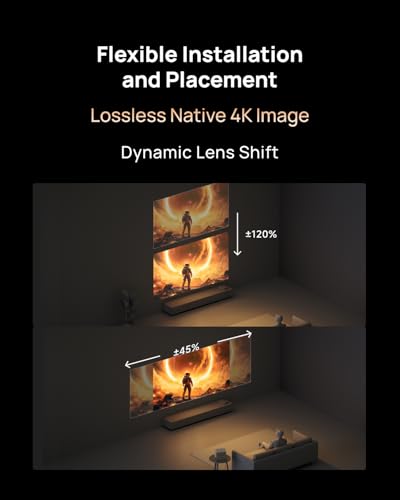
The XGIMI Horizon 20 Max prioritizes simplicity with its ISA 5.0 system that automatically handles most installation challenges. The projector can detect your screen, avoid obstacles in the image path, compensate for wall color, and correct keystone distortion automatically. While it lacks the precision adjustments of the JVC, this automated approach works well for typical home installations.
At the time of writing, these projectors occupy very different price tiers, which significantly influences their value propositions.
The XGIMI Horizon 20 Max represents what we might call "accessible premium"—high-end performance at a price point that doesn't require a second mortgage. When you factor in the included smart platform, speakers, and automated setup, it delivers exceptional value for users who want premium projection without the complexity of a custom installation.
The JVC DLA-NZ900, with its substantially higher price point, targets serious enthusiasts and custom installation markets. The cost reflects not just the advanced D-ILA technology and precision optics, but also JVC's extensive calibration capabilities and professional-grade build quality. When properly set up in an appropriate environment, it delivers reference-quality images that justify the investment for dedicated theater rooms.
After researching extensive user feedback and professional reviews, clear usage scenarios emerge for each projector.
Have a bright or multi-purpose room. If your viewing space has windows, ambient lighting, or serves multiple functions beyond movie watching, the XGIMI Horizon 20 Max is the clear choice. Its superior brightness ensures a watchable image in conditions where the JVC would struggle.
Prioritize gaming performance. For anyone serious about gaming—especially competitive gaming—the XGIMI's 1ms input lag and high refresh rate support are game-changers. The additional gaming features show that XGIMI understands this market.
Want simplicity and convenience. The all-in-one design, automatic setup, and built-in streaming capabilities make the XGIMI Horizon 20 Max incredibly user-friendly. You can be watching content within minutes of unboxing.
Value versatility over specialization. This projector excels at multiple use cases—movies, gaming, presentations, casual viewing—making it ideal for households with varied entertainment needs.
Have a dedicated, dark theater room. The JVC DLA-NZ900 truly shines in light-controlled environments where its exceptional contrast ratio can be fully appreciated. If you've invested in proper room treatment with dark walls and ceiling, this projector will reward that investment.
Demand ultimate image quality. For viewers who can spot the difference between good and exceptional image quality, the JVC's superior contrast, color accuracy, and 8K enhancement capabilities justify the premium.
Plan for large screen sizes. The JVC's 8K enhancement and precision optics become increasingly valuable as screen sizes grow beyond 150 inches, where every detail matters.
Appreciate professional installation flexibility. If you're working with a custom installer or have specific placement requirements, the JVC's extensive lens adjustments and professional integration features are invaluable.
These projectors represent two valid but different approaches to premium home theater. The XGIMI Horizon 20 Max embodies the modern philosophy of making high-quality projection accessible and versatile, suitable for real-world rooms and varied use cases. The JVC DLA-NZ900 maintains the traditional home theater purist approach: ultimate image quality in an optimal environment, regardless of convenience or brightness limitations.
Neither approach is inherently better—they serve different needs and preferences. Your choice should align with your room environment, primary use cases, and whether you value versatility or absolute image quality more highly. Both deliver exceptional performance within their intended applications, representing the current state-of-the-art in their respective categories.
The key is honest self-assessment: Do you want the flexibility to enjoy great projection in various conditions, or are you committed to creating the optimal environment for the very best possible image quality? Your answer will point you toward the right projector for your home theater dreams.
| XGIMI Horizon 20 Max 4K Projector | JVC DLA-NZ900 8K Home Theater Projector |
|---|---|
| Brightness - Most critical for room versatility and daytime viewing | |
| 5,700 ISO lumens (excellent for bright rooms and ambient lighting) | 3,300 ANSI lumens (requires dark, controlled theater environment) |
| Contrast Ratio - Determines black depth and image dimensionality | |
| 20,000:1 (good but limited black levels in dark scenes) | 150,000:1 native (exceptional blacks and shadow detail for cinematic viewing) |
| Native Resolution - Base pixel count before any enhancement | |
| 3840 x 2160 (true 4K without pixel shifting) | 4096 x 2160 (cinema 4K with 8K enhancement via pixel shifting) |
| Enhanced Resolution - Maximum displayed detail | |
| 4K only (relies on AISR upscaling for enhancement) | 8192 x 4320 (8K via e-shiftX technology for sharper text and fine details) |
| Gaming Input Lag - Critical for responsive gaming | |
| 1ms at 1080p/240Hz, 3ms at 4K/60Hz (competitive gaming ready) | 30-38ms (acceptable for casual gaming, not ideal for competitive play) |
| Light Source Technology - Affects longevity and color quality | |
| X-Master RGB Triple Laser (separate red, green, blue lasers for brightness and color) | BLU-Escent Laser (blue laser with phosphor, optimized for contrast and accuracy) |
| Smart Platform Integration - Streaming and app accessibility | |
| Android TV 11 with 4GB RAM, 128GB storage (complete streaming solution) | No built-in smart features (requires external streaming devices) |
| Audio System - Built-in sound capability | |
| Dual 24W Harman Kardon speakers (adequate for casual viewing) | No built-in speakers (requires external audio system) |
| Installation Flexibility - Placement and adjustment options | |
| ISA 5.0 auto-setup with keystone correction (consumer-friendly setup) | Motorized lens shift ±100% vertical, ±43% horizontal (professional installation grade) |
| HDR Format Support - Premium content compatibility | |
| Dolby Vision, HDR10+, IMAX Enhanced, Filmmaker Mode | HDR10+, Frame Adapt HDR with scene-by-scene optimization |
| Target Market - Best suited for which buyers | |
| Versatile users wanting bright-room capability and gaming performance | Cinema enthusiasts with dedicated dark theaters prioritizing ultimate image quality |
The XGIMI Horizon 20 Max is significantly brighter at 5,700 ISO lumens compared to the JVC DLA-NZ900 at 3,300 ANSI lumens. This makes the XGIMI Horizon 20 Max much better suited for rooms with ambient lighting or daytime viewing, while the JVC requires a dark, controlled theater environment for optimal performance.
The JVC DLA-NZ900 delivers dramatically better contrast at 150,000:1 compared to the XGIMI Horizon 20 Max at 20,000:1. This means the JVC DLA-NZ900 produces much deeper blacks and more dimensional images, especially important for dark movie scenes and creating a true cinematic experience.
The XGIMI Horizon 20 Max is far superior for gaming with just 1ms input lag at 1080p/240Hz and 3ms at 4K/60Hz. The JVC DLA-NZ900 has 30-38ms input lag, making the XGIMI Horizon 20 Max the clear choice for competitive gaming and responsive gameplay.
Yes, both support 4K, but differently. The XGIMI Horizon 20 Max offers native 4K (3840 x 2160), while the JVC DLA-NZ900 provides cinema 4K (4096 x 2160) plus 8K enhancement through pixel-shifting technology that displays up to 8192 x 4320 pixels for enhanced detail.
Only the XGIMI Horizon 20 Max includes built-in streaming with Android TV 11, 4GB RAM, and 128GB storage for apps like Netflix and Disney+. The JVC DLA-NZ900 has no smart features and requires external streaming devices like Apple TV or gaming consoles.
The XGIMI Horizon 20 Max offers plug-and-play simplicity with ISA 5.0 auto-setup that handles focus, keystone correction, and alignment automatically. The JVC DLA-NZ900 requires more complex installation but offers professional-grade motorized lens adjustments for precise placement flexibility.
For dedicated dark home theaters, the JVC DLA-NZ900 excels with superior contrast and cinema-reference image quality. For multi-purpose rooms or theaters with some ambient light, the XGIMI Horizon 20 Max performs better due to its higher brightness and versatility.
The XGIMI Horizon 20 Max includes dual 24W Harman Kardon speakers suitable for casual viewing. The JVC DLA-NZ900 has no built-in audio and requires a separate sound system, which is typical for high-end home theater installations.
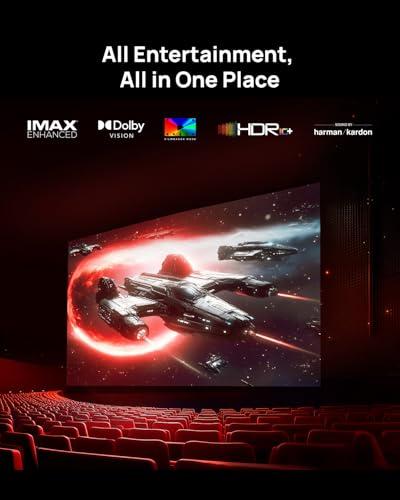
The XGIMI Horizon 20 Max supports Dolby Vision, HDR10+, IMAX Enhanced, and Filmmaker Mode. The JVC DLA-NZ900 supports HDR10+ and Frame Adapt HDR with advanced scene-by-scene tone mapping for optimal cinema presentation.
The JVC DLA-NZ900 provides superior installation flexibility with motorized lens shift (±100% vertical, ±43% horizontal) and professional-grade optics. The XGIMI Horizon 20 Max focuses on automatic setup convenience rather than manual adjustment precision.
The XGIMI Horizon 20 Max works well from 40-300 inches but excels at typical home sizes (100-150 inches) in various lighting conditions. The JVC DLA-NZ900 is optimized for larger screens (120-300+ inches) in dark theaters where its superior contrast and 8K enhancement provide maximum benefit.
The XGIMI Horizon 20 Max provides excellent value as an all-in-one solution with streaming, audio, and automated setup included. The JVC DLA-NZ900 offers premium value for dedicated theater enthusiasts who prioritize ultimate image quality and have the budget for additional components like external audio systems.
We've done our best to create useful and informative comparisons to help you decide what product to buy. Our research uses advanced automated methods to create this comparison and perfection is not possible - please contact us for corrections or questions. These are the sites we've researched in the creation of this article: dustinabbott.net - projectorcentral.com - youtube.com - us.xgimi.com - youtube.com - tweaktown.com - youtube.com - us.xgimi.com - youtube.com - youtube.com - thesmarthomehookup.com - youtube.com - us.xgimi.com - global.xgimi.com - projector-database.com - projectorcentral.com - valueelectronics.com - crutchfield.com - projectorreviews.com - soundapproach.com - houseofstereo.com - puretheatre.com - projectorscreen.com - projectorcentral.com - stereonet.com

Privacy Policy
Terms and Conditions - Affiliate Policy
Home Security
© Copyright 2008-2026.
11816 Inwood Rd #1211, Dallas, TX 75244