

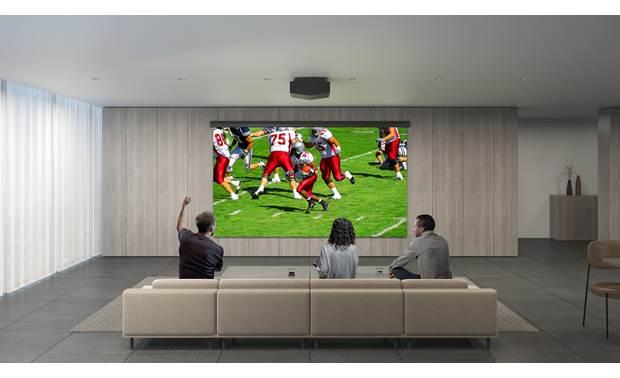
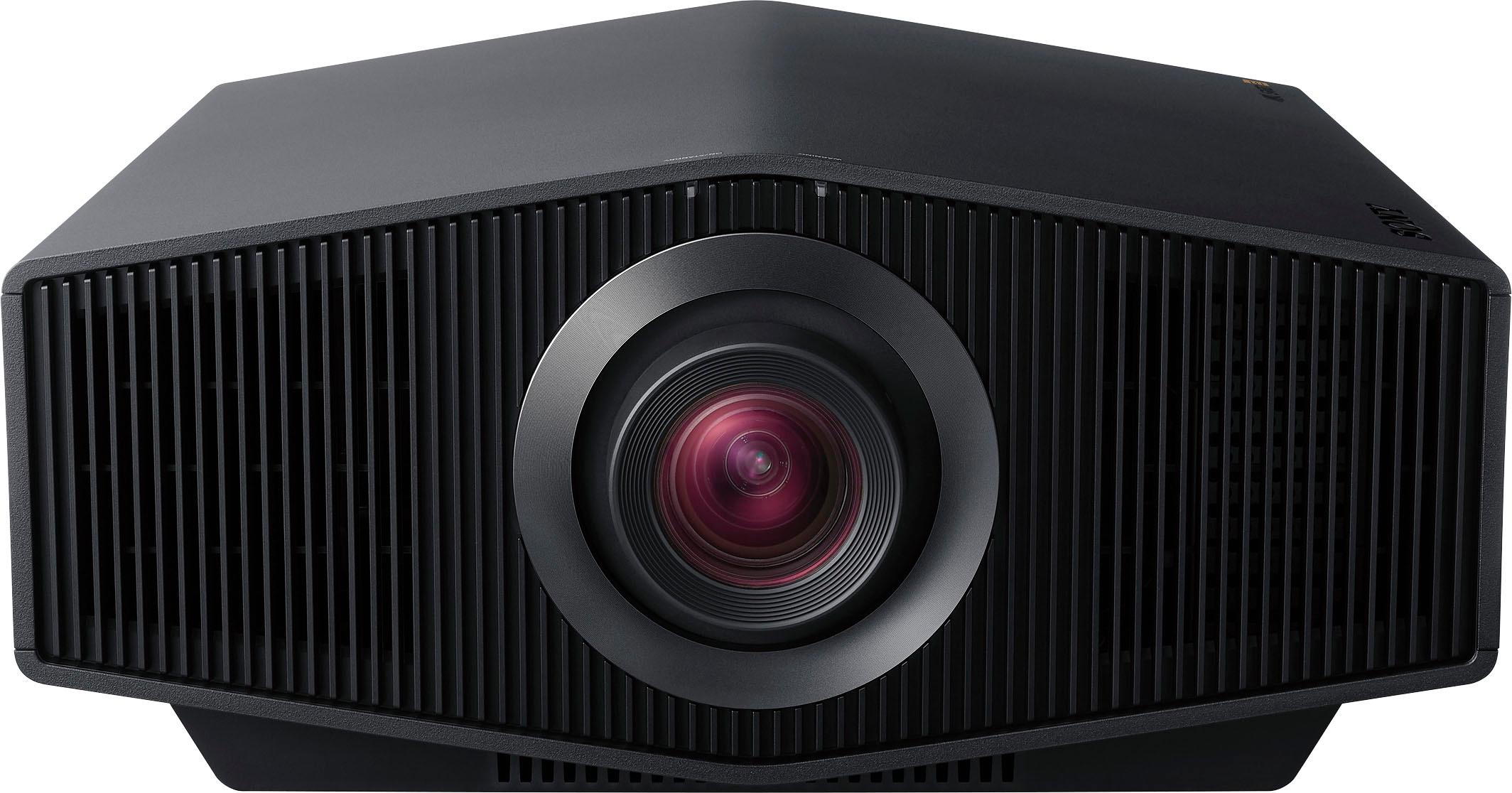
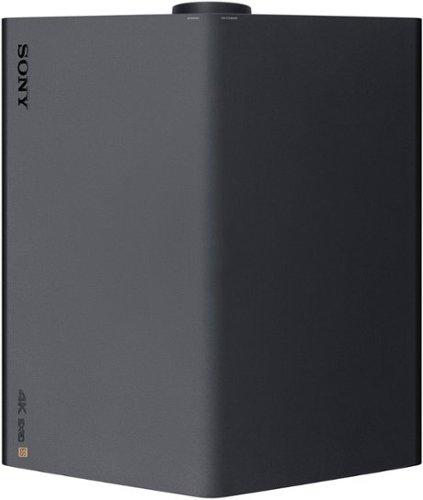
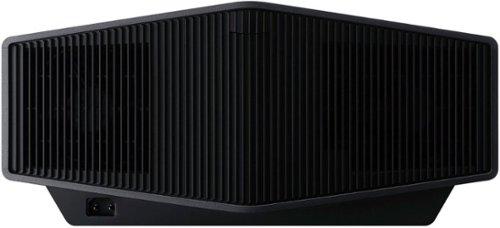
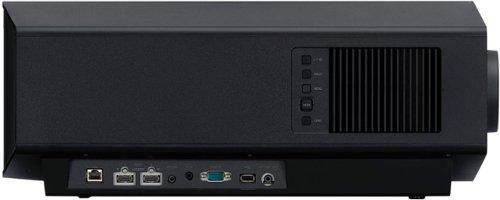
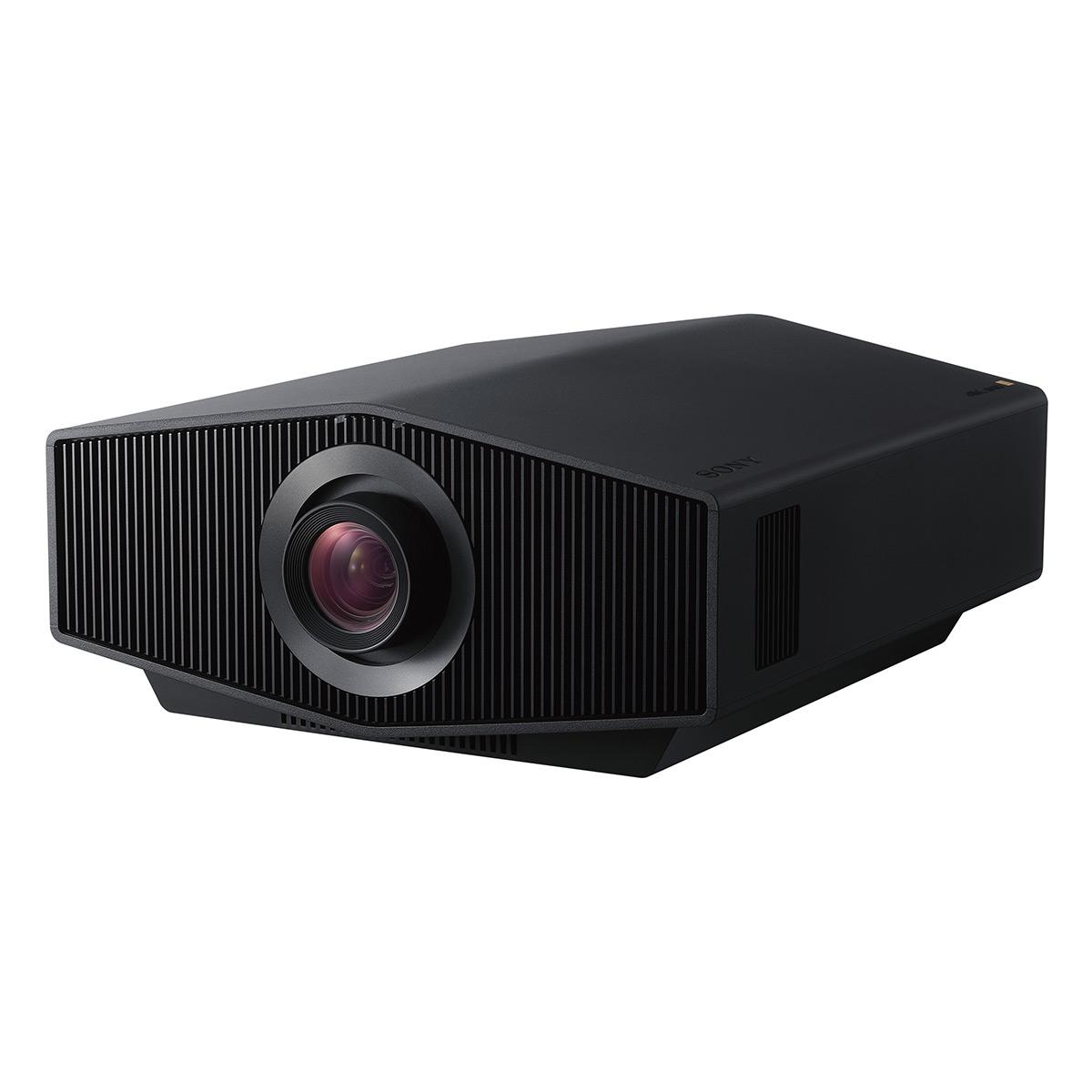
When you're ready to transform your living space into a cinematic experience, choosing between premium 4K projectors can feel overwhelming. Two standout options have captured attention in recent years: the XGIMI Horizon 20 Max and the Sony VPL-XW7000ES. These represent fundamentally different approaches to home projection, and understanding their strengths will help you make the right choice for your space and viewing habits.
Before diving into specifics, it's helpful to understand what separates premium projectors from budget models. The main considerations include brightness (measured in lumens—essentially how much light the projector can produce), resolution technology (how the projector creates those 8.3 million pixels that make up 4K), contrast ratio (the difference between the darkest blacks and brightest whites), and color accuracy (how faithfully the projector reproduces colors compared to what filmmakers intended).
At the premium level, you're also paying for advanced light sources like lasers, which last much longer than traditional bulbs, and sophisticated image processing that can make compressed streaming content look dramatically better than it would on a basic projector.
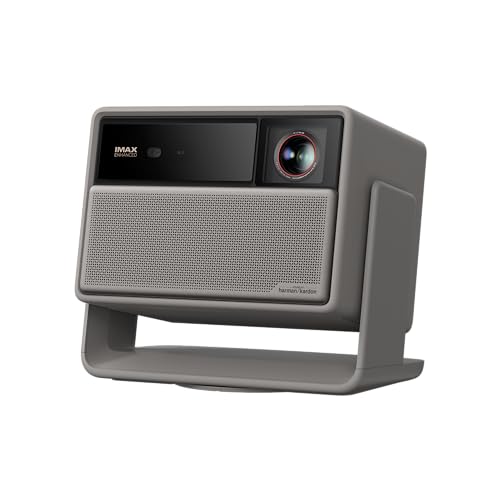
The XGIMI Horizon 20 Max, released in 2024, represents the modern approach to home projection. It's designed for versatility, prioritizing exceptional brightness that allows daytime viewing in normal living rooms—something that was nearly impossible with projectors just a few years ago. XGIMI packed it with gaming features, smart TV capabilities, and automatic setup technology that makes installation almost foolproof.
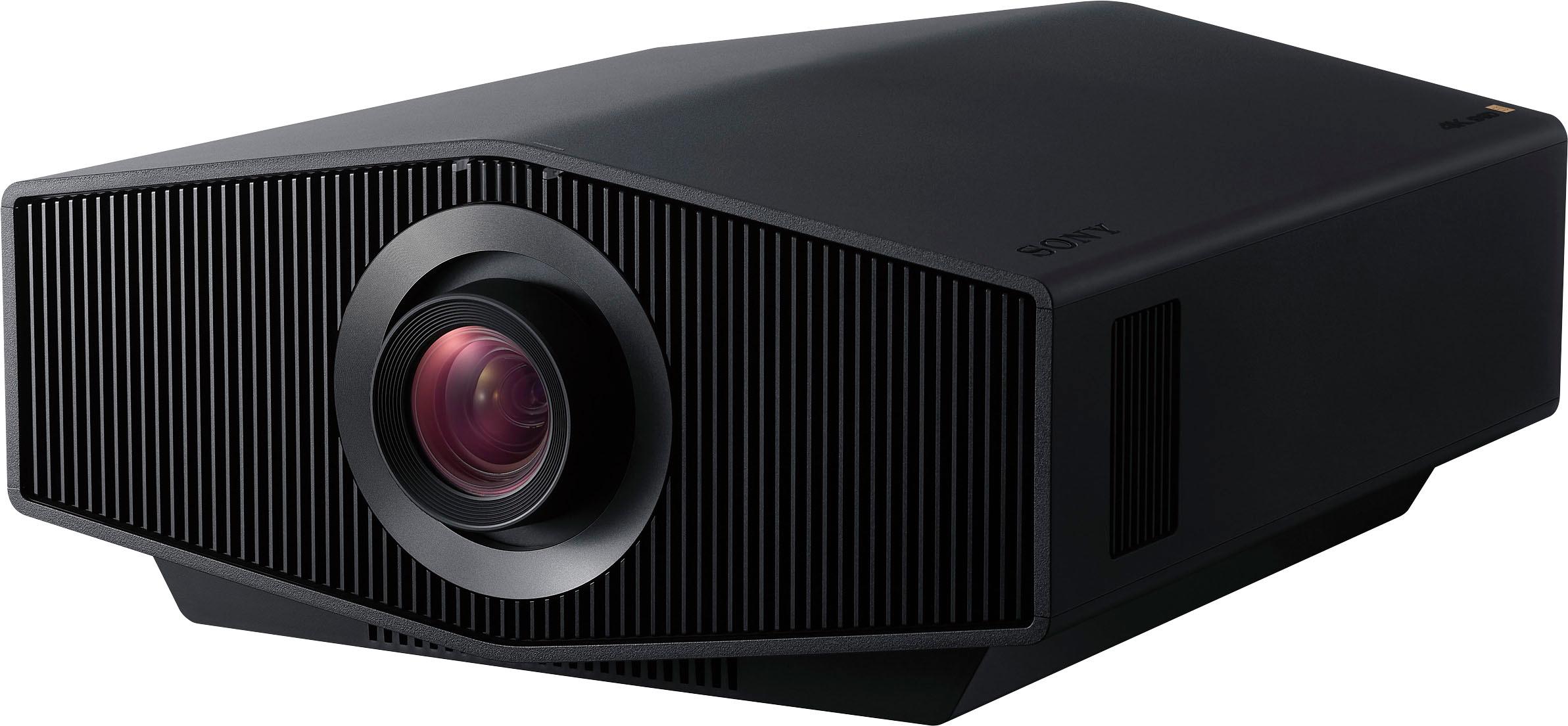
The Sony VPL-XW7000ES, from 2022, takes a more traditional premium home theater approach. Sony focused on native 4K resolution (meaning each pixel is actually rendered at 4K rather than upscaled) and sophisticated image processing derived from their high-end television technology. It's designed for users who want the absolute best image quality in a controlled viewing environment.
This is where these projectors differ most fundamentally, and it's worth understanding the technical distinction because it affects everything about image quality.
The Sony VPL-XW7000ES uses what's called SXRD (Silicon X-tal Reflective Display) panels—essentially tiny mirrors that can be precisely controlled to reflect light and create images. Sony's implementation features true native 4K panels, meaning there are actually 8.3 million individual pixels being controlled. When you're watching a 4K movie, each pixel on your screen corresponds to an actual pixel in the projector. This results in exceptionally sharp detail, particularly noticeable with fine textures, text, and complex patterns.
The XGIMI Horizon 20 Max uses DLP (Digital Light Processing) technology with what's called XPR pixel-shifting. Here's how it works: the projector has a chip with about 2 million physical pixels, but it rapidly shifts these pixels to create the appearance of 4K resolution. It's doing this so quickly—thousands of times per second—that your eye perceives it as true 4K. The result is noticeably sharper than 1080p, and for most content, the difference from native 4K is minimal unless you're sitting very close to a large screen.
In practical terms, both approaches deliver excellent 4K images, but the Sony has a slight edge in fine detail reproduction, while the XGIMI's approach allows for other advantages like higher brightness and better contrast.
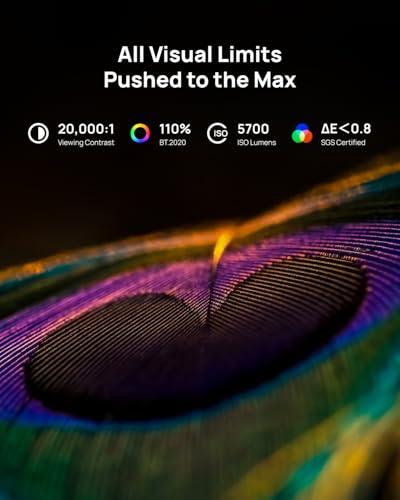
Here's where the XGIMI Horizon 20 Max absolutely dominates. With 5,700 ISO lumens, it produces more than 75% more light than the Sony VPL-XW7000ES's 3,200 lumens. To put this in perspective, most projectors struggle to produce watchable images in anything brighter than a dimly lit room. The XGIMI can deliver a compelling viewing experience even with windows open during the day.
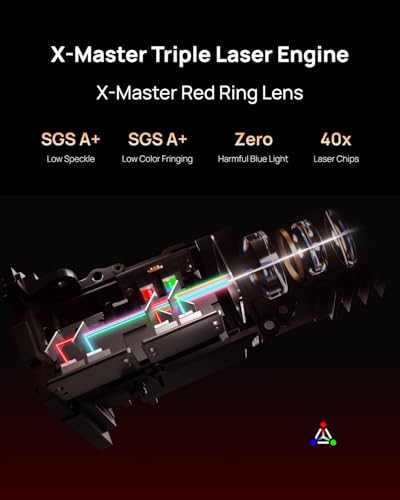
This brightness advantage comes from XGIMI's RGB triple-laser system, which uses 40 individual laser diodes across red, green, and blue wavelengths. This approach not only generates more light but also maintains better color accuracy at high brightness levels—a common weakness in bright projectors.
The Sony's laser system is more traditional but still impressive, designed to deliver consistent performance over its 20,000-hour lifespan. However, it's optimized for controlled lighting environments where you can dim or eliminate ambient light.
For most users, this brightness difference is the deciding factor. If you're planning to use your projector in a typical living room where you might want to keep some lights on or have windows that let in ambient light, the XGIMI's extra brightness makes it far more practical for daily use.
Both projectors excel at color reproduction, but they take different approaches. The XGIMI Horizon 20 Max covers 110% of the BT.2020 color space—that's the ultra-wide color gamut that defines the most advanced HDR content. Its color accuracy measures at ΔE < 0.8, which is essentially perfect (ΔE measures color deviation, where anything under 1 is considered imperceptible to the human eye).
The Sony VPL-XW7000ES covers 95% of the DCI-P3 color space, which is the standard for digital cinema. While this sounds like less coverage than the XGIMI, DCI-P3 is actually the color space that most movies are mastered in, so the Sony is perfectly matched to cinema content. Sony's X1 Ultimate processor adds sophisticated features like Object-based HDR Remaster, which analyzes individual objects in each frame and optimizes their brightness and color independently.
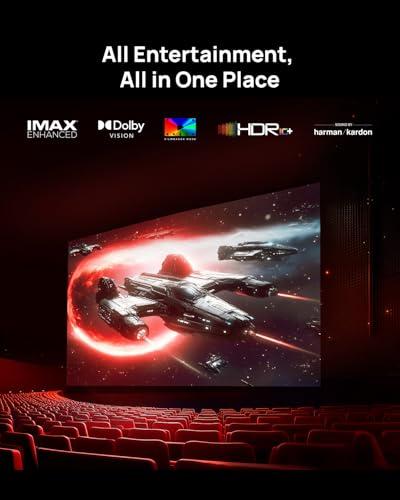
Both support major HDR formats, but the XGIMI Horizon 20 Max has broader format support, including IMAX Enhanced, which allows it to display up to 26% more image area when watching IMAX-formatted content.
In real-world viewing, both projectors deliver stunning HDR performance, but the Sony's processing gives it a slight edge with streaming content that might be heavily compressed, while the XGIMI's wider color gamut benefits content specifically mastered for the newest HDR standards.
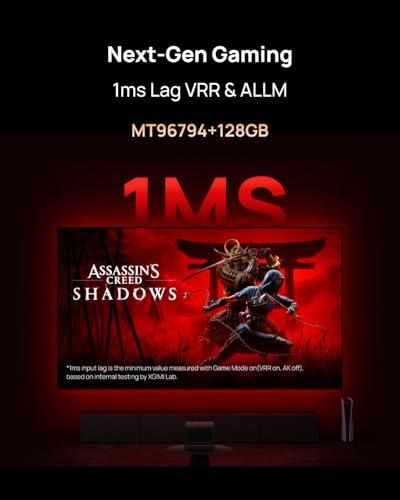
If gaming is part of your projector plans, the XGIMI Horizon 20 Max is in a completely different league. With 1ms input lag at 1080p/240Hz, it's competitive with dedicated gaming monitors. Even at 4K/60Hz, its 3ms lag is excellent. The projector supports Variable Refresh Rate (VRR), which eliminates screen tearing, and Auto Low Latency Mode, which automatically optimizes settings when it detects a gaming console.
Gaming-specific features include Black Equalizer (which brightens dark areas without affecting the rest of the image, helping you spot enemies hiding in shadows), Virtual Crosshair (for games without built-in crosshairs), and preset modes optimized for different game genres.
The Sony VPL-XW7000ES wasn't designed with gaming in mind. Its input lag of under 21ms at 4K is acceptable for casual gaming but noticeably slower than modern gaming displays. It lacks VRR support and gaming-specific optimizations.
For serious gamers, especially those with PlayStation 5 or Xbox Series X consoles, the XGIMI's gaming features make it significantly more appealing.
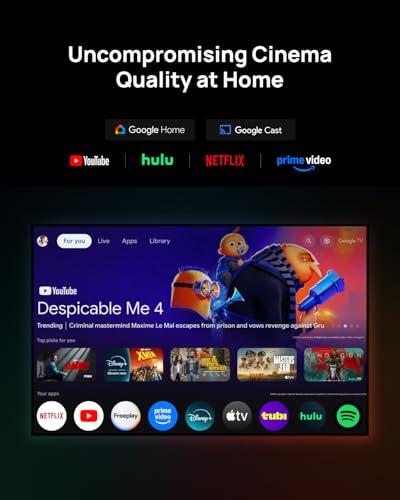
The XGIMI Horizon 20 Max is essentially a smart TV that happens to be a projector. It runs Google TV with 4GB of RAM and 128GB of storage, giving you direct access to Netflix, Disney+, YouTube, and other streaming services without any additional devices. The built-in 24W Harman Kardon speakers are surprisingly capable—not audiophile-quality, but good enough that many users won't need external speakers immediately.
Connectivity includes HDMI 2.1 with eARC support (which allows high-quality audio passthrough to soundbars), Wi-Fi 6 for faster streaming, and Bluetooth 5.2 for wireless headphones or speakers.
The Sony VPL-XW7000ES takes a purist approach—it's solely focused on projection. There are no built-in speakers, no smart TV features, and no wireless connectivity. You'll need external devices for streaming content and a separate audio system. While this might seem limiting, many home theater enthusiasts prefer this approach because it allows them to choose best-in-class components for each function.
The Sony does integrate well with professional home automation systems from Control4, Crestron, and similar platforms, making it better suited for high-end custom installations.
This is where the XGIMI Horizon 20 Max shines for typical users. Its ISA 5.0 (Intelligent Screen Adaptation) system automatically handles focus, keystone correction (fixing the trapezoidal distortion when the projector isn't perfectly aligned), obstacle avoidance (adjusting the image to avoid objects in the projection path), and even wall color calibration. Setup is literally plug-and-play for most users.
The Sony VPL-XW7000ES requires more traditional setup procedures, though it offers more precise control with features like motorized lens shift (which allows you to move the image position without physically moving the projector) and 2.1x optical zoom. These features are valuable for permanent installations where the projector needs to be placed in a specific location due to room constraints.
Both projectors excel at contrast, but through different technologies. The XGIMI Horizon 20 Max achieves a 20,000:1 contrast ratio, which is excellent for a DLP projector. Its laser light source can be precisely controlled, allowing for deep blacks when the image calls for them.
The Sony VPL-XW7000ES uses SXRD technology, which theoretically allows for infinite contrast since individual pixels can be completely turned off. In practice, both projectors deliver excellent black levels and bright highlights, with the Sony having a slight edge in the darkest scenes due to its panel technology.
The XGIMI Horizon 20 Max weighs about 11.9 pounds and features a modern design with leather-like texture in Elephant Grey. It's designed to be displayed prominently rather than hidden away.
The Sony VPL-XW7000ES is more compact—20% smaller in volume and 30% lighter than Sony's previous flagship models—but still substantial. It's available in black or white and designed for permanent installation in dedicated theater rooms.
Both feel premium and well-built, with the XGIMI emphasizing consumer-friendly design and the Sony focusing on professional installation aesthetics.
For a typical living room where you might watch content during the day or with some ambient lighting, the XGIMI Horizon 20 Max is transformational. Its brightness allows for viewing that simply wasn't practical with previous generations of projectors. You can leave curtains open, keep some lights on, and still enjoy a compelling large-screen experience.
The Sony VPL-XW7000ES reaches its full potential in a dedicated home theater room with controlled lighting. In these conditions, its native 4K panels and sophisticated processing deliver reference-quality images that can rival commercial cinemas. However, it struggles in brighter environments where its lower brightness becomes a limitation.
At the time of writing, both projectors command premium prices, but they offer value in different ways. The XGIMI Horizon 20 Max provides exceptional versatility—it's a projector, smart TV, sound system, and gaming display all in one package. For users who want a single device that handles multiple entertainment needs, it offers strong value despite its premium pricing.
The Sony VPL-XW7000ES is positioned as a specialized home theater component. Its value proposition is pure image quality and the assumption that users will pair it with dedicated audio systems and streaming devices. For serious home theater enthusiasts, this focused approach can provide better long-term satisfaction.
Both use laser light sources rated for around 20,000 hours, meaning you won't need to replace expensive bulbs like with older projector technologies.
Choose the XGIMI Horizon 20 Max if you want maximum versatility. It's ideal for users who have a multi-purpose living space, enjoy gaming, want the convenience of built-in smart features, or simply need a projector bright enough to work well in typical home lighting conditions. Its gaming capabilities make it particularly appealing for users with modern gaming consoles.
Choose the Sony VPL-XW7000ES if image quality is your absolute priority and you have a dedicated viewing environment. It's best for users building serious home theaters, those who prioritize native 4K resolution over maximum brightness, or anyone who prefers to select separate best-in-class components for each aspect of their entertainment system.
The choice ultimately comes down to your viewing environment and priorities. The XGIMI represents the future of consumer projectors—bright enough for regular use, packed with modern features, and optimized for the way most people actually watch content. The Sony represents the pinnacle of traditional home theater philosophy—uncompromising image quality designed for optimal viewing conditions.
Both are excellent projectors that will deliver years of exceptional performance, but they're designed for different types of users and viewing environments. Consider your space, your viewing habits, and whether you prioritize convenience or ultimate image quality when making your choice.
| XGIMI Horizon 20 Max 4K Projector | Sony VPL-XW7000ES 4K SXRD Laser Home Cinema Projector |
|---|---|
| Brightness - Most critical factor for room versatility and daytime viewing | |
| 5,700 ISO lumens (exceptional for bright rooms and daytime use) | 3,200 lumens (requires controlled lighting for optimal performance) |
| Display Technology - Affects image sharpness and detail reproduction | |
| DLP with XPR pixel-shifting to achieve 4K | Native 4K SXRD panels (true 8.3 million pixels) |
| Contrast Ratio - Determines depth of blacks and overall image pop | |
| 20,000:1 static, 1,000,000:1 dynamic | Infinite contrast ratio (SXRD technology) |
| Color Coverage - Impacts color vibrancy and HDR performance | |
| 110% BT.2020 color space, ΔE < 0.8 accuracy | 95% DCI-P3 color space with Triluminos Pro |
| Gaming Performance - Critical for console and PC gaming | |
| 1ms lag at 1080p/240Hz, 3ms at 4K/60Hz, VRR support | 21ms lag at 4K/60Hz, 13ms at 2K/120Hz, no VRR |
| Smart Features - Convenience and streaming capabilities | |
| Google TV built-in, 4GB RAM, 128GB storage | No smart platform (requires external streaming device) |
| Audio System - Built-in sound quality | |
| Dual 24W Harman Kardon speakers included | No built-in speakers (requires external audio system) |
| Connectivity - Modern device compatibility | |
| HDMI 2.1 with eARC, Wi-Fi 6, Bluetooth 5.2 | 2x HDMI 2.0 ports only |
| Setup Experience - Installation ease and automation | |
| ISA 5.0 auto-calibration (focus, keystone, obstacle avoidance) | Manual setup with motorized lens controls |
| Lens Flexibility - Placement options and image adjustment | |
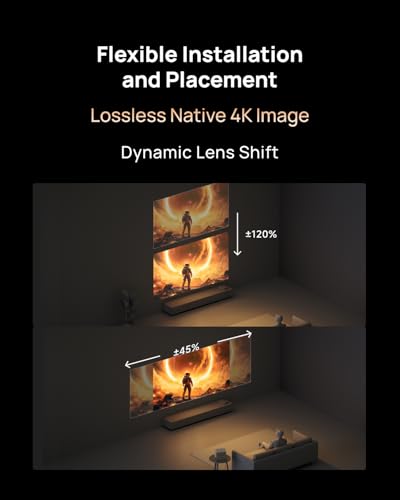
| 1.2-1.5:1 throw ratio with lens shift | 2.1x optical zoom with ±85% vertical, ±36% horizontal shift |
| HDR Format Support - Premium content compatibility | |
| Dolby Vision, HDR10+, IMAX Enhanced, Filmmaker Mode | Standard HDR formats with Object-based HDR Remaster |
| Light Source Lifespan - Long-term maintenance costs | |
| RGB triple-laser, ~20,000 hours | Laser diode, 20,000 hours |
| Target Use Case - Best suited environment and user type | |
| Versatile living room projection with gaming focus | Dedicated home theater with controlled lighting |
The XGIMI Horizon 20 Max is significantly brighter at 5,700 ISO lumens compared to the Sony VPL-XW7000ES's 3,200 lumens. This makes the XGIMI much better for watching movies and TV during the day or in rooms with ambient light, while the Sony requires a darker, more controlled environment for optimal viewing.
The Sony VPL-XW7000ES uses native 4K SXRD panels with 8.3 million actual pixels, while the XGIMI Horizon 20 Max uses DLP technology with pixel-shifting to create 4K images. Both deliver excellent 4K quality, but the Sony provides slightly sharper detail reproduction, especially with fine textures and text.
The XGIMI Horizon 20 Max is dramatically better for gaming with 1ms input lag at 1080p/240Hz and support for Variable Refresh Rate (VRR). The Sony VPL-XW7000ES has higher input lag at 21ms for 4K and lacks gaming-specific features, making it less suitable for competitive gaming.
Only the XGIMI Horizon 20 Max includes built-in streaming with Google TV, giving you direct access to Netflix, Disney+, and other apps without additional devices. The Sony VPL-XW7000ES has no smart features and requires external streaming devices like Apple TV or Roku.
The XGIMI Horizon 20 Max includes dual 24W Harman Kardon speakers that provide decent sound quality for casual viewing. The Sony VPL-XW7000ES has no built-in speakers, requiring you to purchase a separate sound system or soundbar.
The XGIMI Horizon 20 Max offers automatic setup with ISA 5.0 technology that handles focus, keystone correction, and screen alignment automatically. The Sony VPL-XW7000ES requires manual calibration but offers more precise professional installation controls with motorized lens adjustments.
For dedicated home theater rooms with controlled lighting, the Sony VPL-XW7000ES excels with its native 4K resolution and cinema-focused image processing. However, the XGIMI Horizon 20 Max works better in multi-purpose rooms where you need brightness flexibility and smart TV convenience.
The XGIMI Horizon 20 Max offers 20,000:1 contrast ratio, which is excellent for DLP technology. The Sony VPL-XW7000ES uses SXRD panels that can achieve theoretically infinite contrast since individual pixels can be completely turned off for perfect blacks.
The XGIMI Horizon 20 Max supports more HDR formats including Dolby Vision, HDR10+, IMAX Enhanced, and Filmmaker Mode. The Sony VPL-XW7000ES supports standard HDR formats but adds sophisticated Object-based HDR processing for enhanced image quality.
The XGIMI Horizon 20 Max offers modern connectivity with HDMI 2.1, eARC support, Wi-Fi 6, and Bluetooth 5.2. The Sony VPL-XW7000ES has more basic connectivity with two HDMI 2.0 ports and no wireless features, requiring wired connections for all devices.
Both projectors can handle large screens well, but the XGIMI Horizon 20 Max's superior brightness makes it better for screens over 120 inches in typical room lighting. The Sony VPL-XW7000ES delivers excellent image quality on large screens but requires darker rooms to maintain brightness and contrast.
Both the XGIMI Horizon 20 Max and Sony VPL-XW7000ES use laser light sources rated for approximately 20,000 hours of operation, eliminating the need to replace expensive bulbs like traditional projectors. This means virtually maintenance-free operation for many years of regular use.
We've done our best to create useful and informative comparisons to help you decide what product to buy. Our research uses advanced automated methods to create this comparison and perfection is not possible - please contact us for corrections or questions. These are the sites we've researched in the creation of this article: dustinabbott.net - projectorcentral.com - youtube.com - us.xgimi.com - youtube.com - tweaktown.com - youtube.com - us.xgimi.com - youtube.com - youtube.com - thesmarthomehookup.com - youtube.com - us.xgimi.com - global.xgimi.com - projector-database.com - whathifi.com - electronics.sony.com - us.puretheatre.com - pro.sony - stereonet.com - pro.sony - valueelectronics.com - projectorreviews.com - pro.sony - leisuretheory.com

Privacy Policy
Terms and Conditions - Affiliate Policy
Home Security
© Copyright 2008-2026.
11816 Inwood Rd #1211, Dallas, TX 75244