

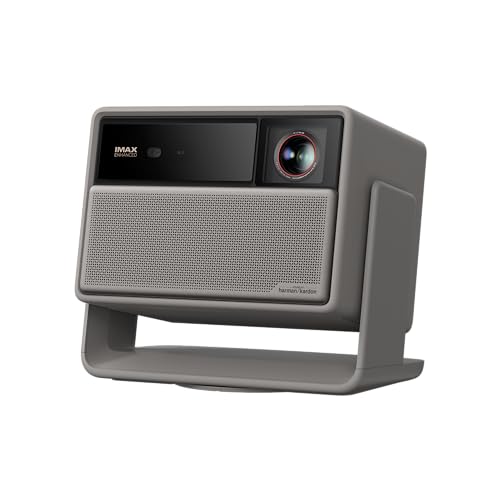
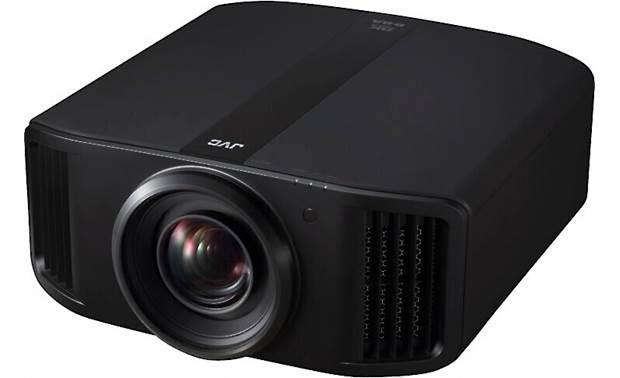
When shopping for a premium projector in 2024, you'll quickly discover there are two completely different philosophies at work. On one side, you have companies like XGIMI pushing bright, feature-packed projectors that work in normal living rooms. On the other, traditional cinema companies like JVC create reference-grade machines designed for pitch-black theater caves. The XGIMI Horizon 20 Max and JVC DLA-NZ9 perfectly represent this divide – and understanding which camp you belong to will save you from making a very expensive mistake.
Before diving into these specific models, let's establish what separates premium projectors from the rest. The key technologies that matter most are the light source (how bright the image gets), the imaging chips (what creates the actual picture), and the optical system (the lens that focuses everything onto your screen).
Traditional projectors used inefficient bulbs that dimmed over time and needed frequent replacement. Modern premium projectors use laser light sources that last 20,000+ hours – roughly 10 years of typical use – while maintaining consistent brightness. This shift to lasers has revolutionized home projection, making these machines practical for daily use rather than special occasions.
The imaging technology differs dramatically between our two contenders. The XGIMI Horizon 20 Max uses DLP (Digital Light Processing), where millions of tiny mirrors flip incredibly fast to create images. It's like having millions of microscopic disco balls that tilt toward or away from the lens to create bright or dark pixels. The JVC DLA-NZ9 uses D-ILA technology (JVC's version of LCoS – Liquid Crystal on Silicon), which works more like extremely high-resolution LCD panels that can block or allow light through with incredible precision.
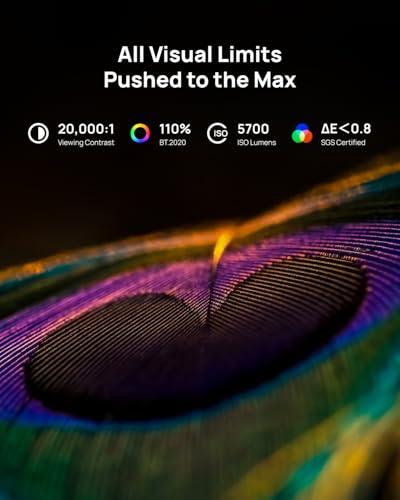
When the XGIMI Horizon 20 Max launched in late 2024, it made waves by delivering 5,700 ISO lumens – a brightness level that was previously impossible in consumer projectors. To put this in perspective, most home projectors struggle to deliver usable images with room lights on. The Horizon 20 Max can produce watchable images even during daytime with curtains open, something that was unthinkable just a few years ago.
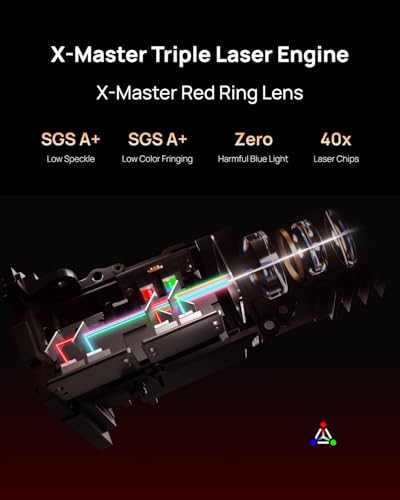
This extreme brightness comes from XGIMI's RGB Triple Laser system using 40 individual laser chips. Unlike single-laser designs that rely on phosphor wheels (which create some light loss), the RGB approach generates red, green, and blue light directly. This means more of the light generated actually reaches your screen, resulting in incredibly vibrant colors alongside that impressive brightness output.
The trade-off? All that brightness requires significant power and generates heat, which means larger cooling systems and higher electricity bills. But for many users, the ability to use a projector in a normal living room without blackout curtains justifies these compromises entirely.
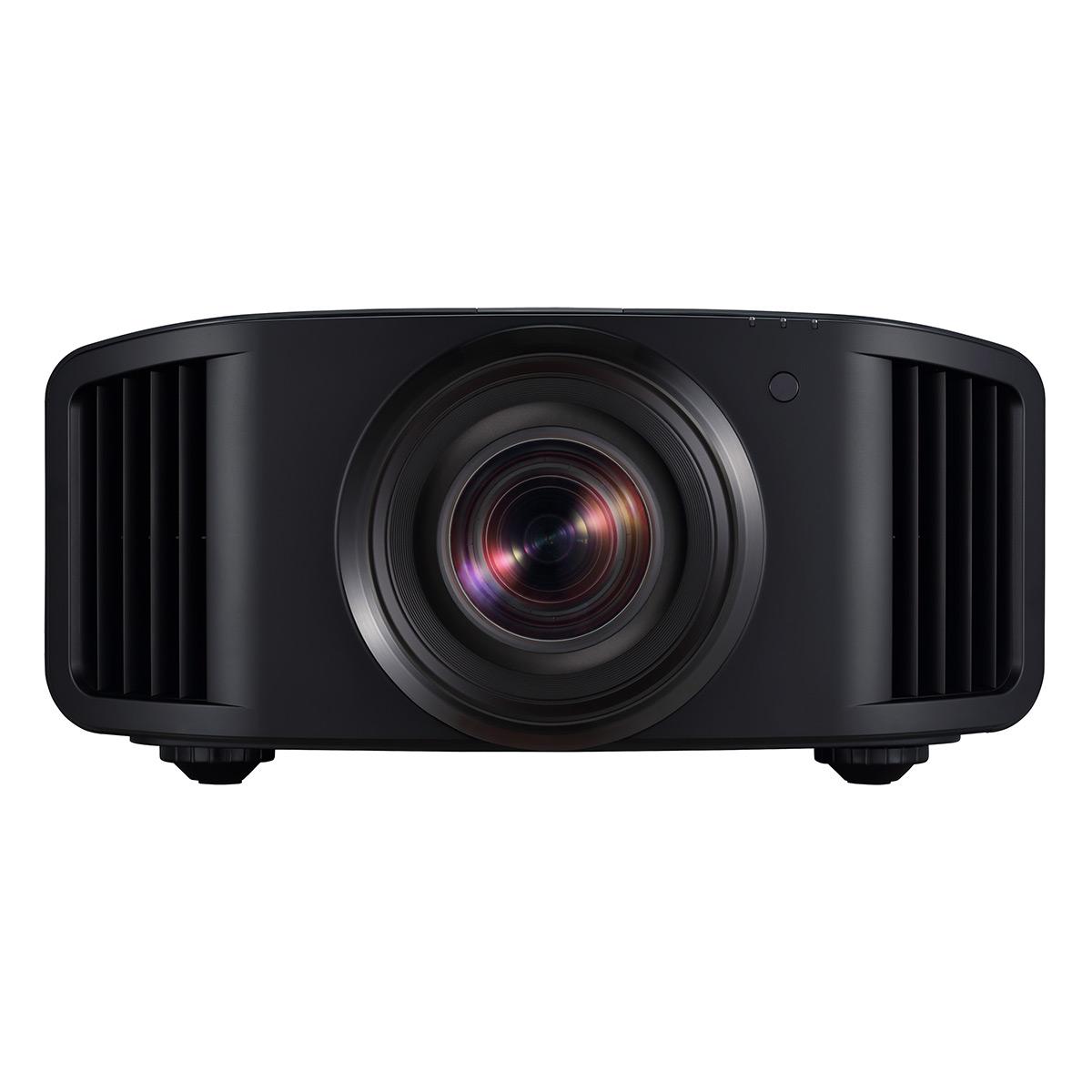
In contrast, the JVC DLA-NZ9 produces 3,000 lumens – still bright by traditional standards, but nearly half what the XGIMI delivers. JVC's philosophy centers on the idea that home theaters should be dark environments where absolute contrast matters more than raw brightness. Their BLU-Escent laser system prioritizes efficiency and color accuracy over maximum output.
Here's where things get genuinely fascinating from a technology perspective. The XGIMI Horizon 20 Max delivers "4K" resolution using a single 0.47-inch DLP chip with XPR (eXpanded Pixel Resolution) technology. This system rapidly shifts the image diagonally to double the apparent resolution – essentially showing your eye 4 million pixels so quickly that your brain perceives them as 8 million distinct pixels.
This approach works remarkably well in practice. From normal viewing distances, you get convincing 4K detail that satisfies most viewers. However, it's not "true" 4K in the technical sense – it's clever pixel shifting that creates the illusion of higher resolution.
The JVC DLA-NZ9, released in 2021 as the world's first consumer 8K projector, takes a radically different approach. It uses three separate 0.69-inch D-ILA panels – one each for red, green, and blue – combined with JVC's 8K/e-shiftX technology. This system performs 4-direction pixel shifting on already-native 4K chips, creating true addressable 8K resolution with over 35 million pixels.
The practical difference is significant when projecting very large images or sitting close to the screen. The JVC can maintain sharp detail on 200+ inch screens where the XGIMI might show visible pixel structure. However, most content is still 4K at best, making the 8K capability more about future-proofing than immediate benefit.
This is where the JVC DLA-NZ9 absolutely dominates. With a 100,000:1 native contrast ratio, it can simultaneously display deep blacks and brilliant whites in the same scene. This creates the sense of depth and dimensionality that makes projected images feel three-dimensional rather than flat.
Contrast ratio represents the difference between the brightest white and darkest black a projector can display simultaneously. Higher numbers mean more realistic images, especially in dark scenes where you can still see detail in shadows while bright elements remain vivid.
The XGIMI Horizon 20 Max achieves a respectable 20,000:1 contrast ratio, which is excellent for a bright laser projector. However, it's still five times less than what the JVC delivers. In practical terms, this means dark movie scenes will appear more washed out on the XGIMI, though its superior brightness helps compensate in brighter scenes.
JVC enhances this advantage with Ultra-High Contrast Optics and dynamic laser dimming that adjusts output based on scene content. When a scene goes dark, the laser automatically dims to deepen black levels. When highlights appear, it brightens accordingly. This creates an almost infinite dynamic contrast ratio that approaches what you'd experience in a professional cinema.
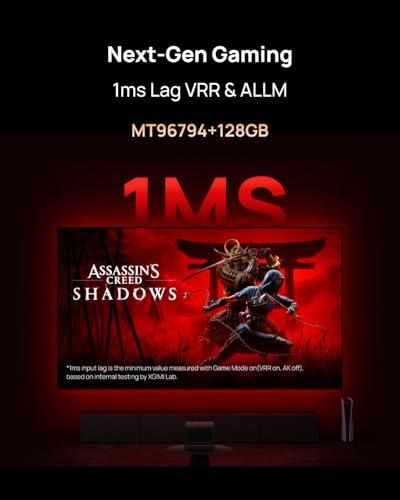
While the JVC DLA-NZ9 excels at movie reproduction, the XGIMI Horizon 20 Max absolutely crushes it for gaming applications. With input lag as low as 1 millisecond at 1080p/240Hz, the XGIMI responds to controller inputs almost instantaneously – faster than most dedicated gaming monitors.
Input lag measures the delay between when you press a button and when that action appears on screen. For competitive gaming, every millisecond matters. The XGIMI also supports Variable Refresh Rate (VRR) and Auto Low Latency Mode (ALLM), which eliminate screen tearing and automatically optimize settings when gaming systems are detected.
The JVC wasn't designed primarily for gaming, though it does support 4K at 120Hz and 8K at 60Hz input – something the XGIMI cannot match. However, its input lag is significantly higher, making it less suitable for fast-paced competitive gaming.
For gaming enthusiasts, the XGIMI includes specialized picture modes for different game genres, black equalizer features that enhance visibility in dark areas, and virtual crosshairs for competitive shooting games. These features show XGIMI's commitment to the gaming market that traditional cinema projector manufacturers largely ignore.
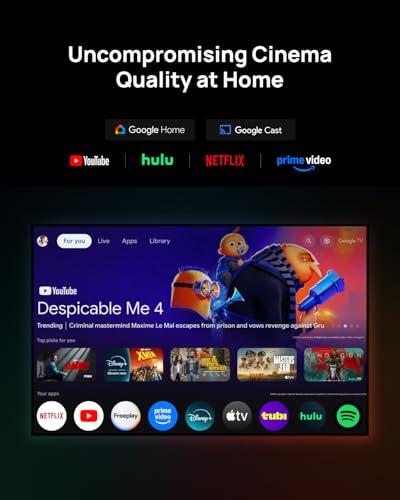
The XGIMI Horizon 20 Max runs Google TV with 4GB of RAM and 128GB of storage – essentially a high-end Android TV built into the projector. This means instant access to Netflix, Disney+, YouTube, and thousands of other apps without any external devices. The interface is responsive, and the generous storage allows for downloading content for offline viewing.
Additionally, the XGIMI includes 24W Harman Kardon speakers that deliver surprisingly robust sound. While dedicated audio systems will always sound better, the built-in speakers are genuinely usable for casual viewing, making this truly a plug-and-play solution.
The JVC DLA-NZ9 takes the opposite approach, functioning purely as a display device. It includes no smart features, no speakers, and no streaming capabilities. This philosophy assumes users will connect high-end source devices like dedicated media players and professional audio systems.
XGIMI's ISA 5.0 (Intelligent Screen Alignment) automatically handles focus, keystone correction, and obstacle avoidance. Point the projector at any wall, and it automatically adjusts the image to be perfectly rectangular and in focus. The JVC requires manual adjustment of its premium glass lens system, though it offers more precise control once properly set up.
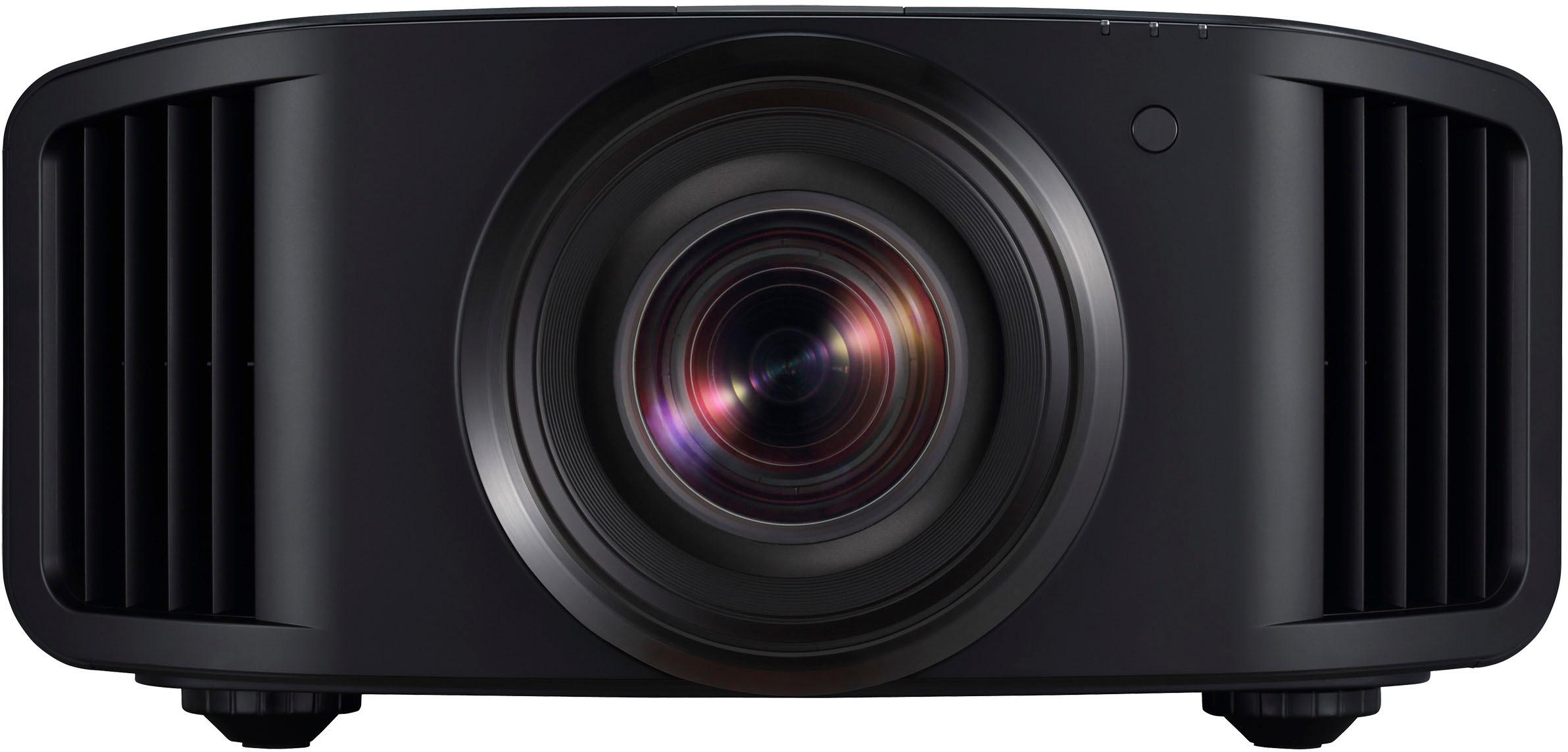
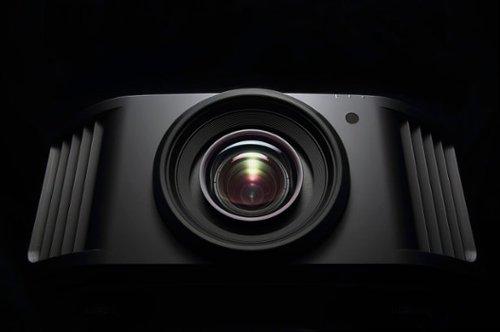
The lens systems reveal each manufacturer's priorities. The JVC DLA-NZ9 uses an 18-element, 16-group all-glass lens with a massive 100mm diameter. This lens includes five ED (Extra-low Dispersion) elements specifically designed to minimize chromatic aberration – the color fringing that can appear around high-contrast edges.
This optical complexity serves the JVC's 8K resolution requirements. Every lens element must maintain perfect focus across the entire image plane at 8K resolution, requiring precision manufacturing that explains much of the projector's premium pricing.
The XGIMI Horizon 20 Max uses a more practical optical system optimized for 4K performance with automated corrections. While not as optically sophisticated as the JVC, it delivers excellent image quality with far less complexity and cost.
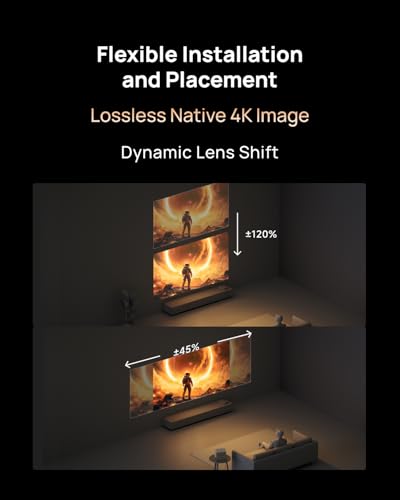
Both projectors offer motorized zoom and lens shift, but the JVC provides more extensive adjustment ranges. Its ±100% vertical and ±43% horizontal lens shift means you can position the projector significantly off-center while maintaining geometric accuracy – crucial for custom installation flexibility.
High Dynamic Range (HDR) content contains brightness and color information that far exceeds what traditional displays can reproduce. Both projectors handle HDR content, but with different approaches and capabilities.
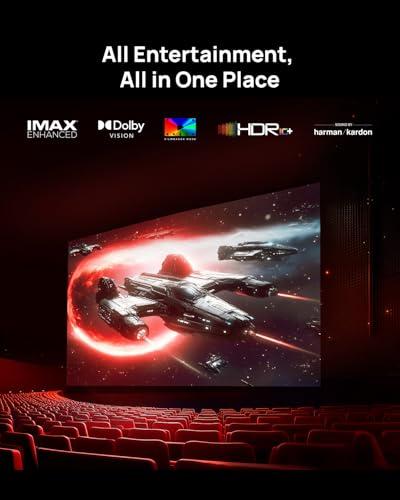
The XGIMI Horizon 20 Max supports more HDR formats, including Dolby Vision, HDR10+, and IMAX Enhanced certification. Dolby Vision is particularly important as it includes scene-by-scene metadata that tells the projector exactly how to optimize each moment of a movie.
The JVC DLA-NZ9 focuses on HDR10+ and includes Frame Adapt HDR with Theater Optimizer – JVC's proprietary system for analyzing and optimizing HDR content in real-time. While supporting fewer formats, JVC's implementation is highly sophisticated, analyzing mastering metadata to reproduce content exactly as directors intended.
For color accuracy, both projectors achieve reference-grade performance within their intended environments. The XGIMI covers 110% of the BT.2020 color space with ΔE<0.8 accuracy across major standards – numbers that match professional reference monitors. The JVC achieves 100% DCI-P3 coverage with Cinema Filter mode, prioritizing the specific colors used in digital cinema mastering.
This is perhaps the most crucial consideration for potential buyers. The XGIMI Horizon 20 Max works in normal rooms with standard lighting. Its extreme brightness means you can leave some lights on during viewing, use light-colored walls instead of dedicated screens, and still get excellent image quality.
The automated setup features make installation trivial – essentially point it at a wall and turn it on. The projector handles focus, geometry correction, and color calibration automatically. This makes it practical for renters or anyone who doesn't want to modify their living space significantly.
The JVC DLA-NZ9 demands a dedicated theater environment to realize its potential. That 100,000:1 contrast ratio becomes meaningless if ambient light washes out the dark areas of the image. It also requires a high-quality projection screen to maintain image fidelity – a significant additional expense.
Professional installation is strongly recommended for the JVC, as its numerous adjustment options can be overwhelming for casual users. However, once properly calibrated in an appropriate environment, it delivers genuinely cinematic image quality that rivals commercial theaters.
At the time of writing, these projectors occupy completely different price tiers. The XGIMI Horizon 20 Max represents premium performance at accessible pricing, delivering capabilities that required much more expensive equipment just a few years ago.
The JVC DLA-NZ9 commands flagship pricing that reflects its reference-grade performance and specialized manufacturing. It competes with projectors costing similar amounts rather than more affordable alternatives.
When considering total system cost, the differences become even more pronounced. The XGIMI requires minimal additional investment – perhaps a decent projection screen and some basic room darkening. The JVC assumes a complete custom theater installation with professional audio systems, dedicated source components, and significant room modifications.
The XGIMI Horizon 20 Max makes sense for enthusiasts who want exceptional large-screen entertainment without transforming their living space into a dedicated theater. It's perfect for gaming enthusiasts, families who want convenient streaming access, and anyone who values brightness and versatility over absolute image fidelity.
Its automated features and integrated smart platform make it ideal for users who want premium projection without technical complexity. The gaming optimization features also make it the clear choice for anyone who plays video games regularly on their projector.
The JVC DLA-NZ9 serves dedicated cinephiles who prioritize image quality above all else and have the space and budget for a proper home theater installation. It's for users who want the absolute best possible image reproduction and are willing to invest significantly in supporting equipment and room preparation.
If you find yourself analyzing the subtle gradations in shadow detail during dark movie scenes, or if you regularly watch films that were specifically mastered for cinema presentation, the JVC's superior contrast ratio will be immediately apparent and worthwhile.
Both projectors represent significant advances from their predecessors. The XGIMI achieves brightness levels that were impossible in consumer projectors until recently, while the JVC brings true 8K capability to home theaters for the first time.
Looking forward, we expect to see continued brightness improvements in the accessible tier and further contrast ratio advances in reference-grade models. The gap between these approaches may actually widen as each manufacturer doubles down on their core strengths rather than trying to match competitors directly.
Choose the XGIMI Horizon 20 Max if you want a projector that works in your existing living space, prioritizes gaming performance, includes modern conveniences like built-in streaming, and delivers exceptional brightness for daytime or ambient light viewing.
Choose the JVC DLA-NZ9 if you have or plan to create a dedicated dark theater room, prioritize absolute image fidelity over convenience features, want true 8K capability for future content, and are building a complete high-end theater system with professional installation and calibration.
The fundamental question isn't which projector is "better" – they're optimized for completely different use cases. The XGIMI excels at bringing premium projection to normal living spaces, while the JVC delivers reference-grade performance for dedicated theater environments. Understanding which category fits your situation, space, and priorities will lead you to the right choice for your specific needs and budget.
| XGIMI Horizon 20 Max | JVC DLA-NZ9 |
|---|---|
| Brightness - Critical for ambient light performance and screen size flexibility | |
| 5,700 ISO lumens (exceptional for daytime viewing) | 3,000 lumens (requires dark room for optimal performance) |
| Resolution - Determines image sharpness and future-proofing | |
| Native 4K with XPR pixel-shifting technology | True 8K (8192x4320) with 8K/e-shiftX technology |
| Contrast Ratio - Most important for image depth and cinematic quality | |
| 20,000:1 native (excellent for bright projectors) | 100,000:1 native (reference-grade cinema quality) |
| Light Source Technology - Affects longevity and color performance | |
| RGB Triple Laser with 40 laser chips | BLU-Escent single laser with phosphor |
| Gaming Performance - Critical for console and PC gaming | |
| 1ms input lag at 1080p/240Hz with VRR support | Low latency mode, supports 4K/120Hz input |
| Smart Features - Convenience and ease of use | |
| Google TV with 4GB RAM, 128GB storage, built-in apps | No smart platform (requires external sources) |
| Audio System - Important for all-in-one convenience | |
| Dual 24W Harman Kardon speakers included | No built-in speakers (requires external audio) |
| Setup and Calibration - Installation complexity | |
| ISA 5.0 automatic focus, keystone, and alignment | Manual calibration with professional lens controls |
| Lens System - Installation flexibility and image quality | |
| Motorized zoom with automated corrections | Premium 100mm all-glass lens with extensive shift range |
| HDR Format Support - Compatibility with streaming content | |
| Dolby Vision, HDR10+, IMAX Enhanced, Filmmaker Mode | HDR10+, Frame Adapt HDR with Theater Optimizer |
| Target Environment - Room requirements for optimal performance | |
| Living rooms with ambient light tolerance | Dedicated dark home theater rooms |
| Imaging Technology - Core display approach | |
| Single-chip DLP with XPR pixel-shifting | Three-chip D-ILA (LCoS) with native 4K panels |
| Connectivity Options - Modern device compatibility | |
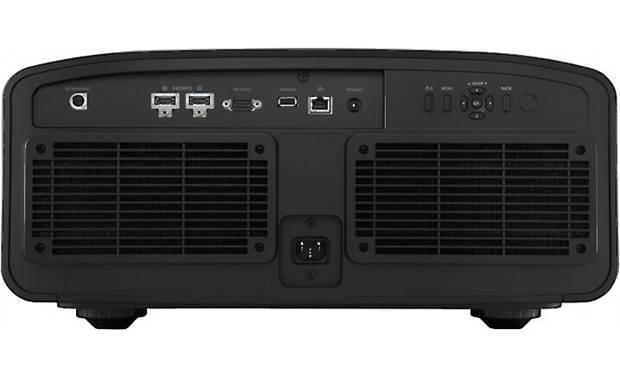
| HDMI 2.1 with eARC, Wi-Fi 6, Bluetooth 5.2 | Dual HDMI 2.1 (48 Gbps), RS-232C, professional control |
| Laser Lifespan - Long-term maintenance costs | |
| 20,000 hours (approximately 10 years typical use) | 20,000 hours with professional serviceability |
| Installation Requirements - Total system investment needed | |
| Minimal setup, works with light-colored walls | Requires professional installation and dedicated screen |
The XGIMI Horizon 20 Max is significantly brighter at 5,700 ISO lumens compared to the JVC DLA-NZ9 at 3,000 lumens. This makes the XGIMI Horizon 20 Max much better for rooms with ambient light or daytime viewing, while the JVC DLA-NZ9 requires a dark theater environment for optimal performance.
The XGIMI Horizon 20 Max delivers 4K resolution (3840x2160) using pixel-shifting technology, while the JVC DLA-NZ9 provides true 8K resolution (8192x4320) with four times the pixel density. The 8K advantage is most noticeable on very large screens over 150 inches or when sitting close to the projection.
The JVC DLA-NZ9 dramatically outperforms with 100,000:1 native contrast compared to 20,000:1 on the XGIMI Horizon 20 Max. This five-fold difference means the JVC DLA-NZ9 displays much deeper blacks and more detailed shadows, creating a more cinematic viewing experience.
The XGIMI Horizon 20 Max is specifically designed for normal living rooms with its extreme brightness and automatic setup features. The JVC DLA-NZ9 requires a dedicated dark home theater room to achieve its best performance due to its focus on contrast over brightness.
The XGIMI Horizon 20 Max is superior for gaming with 1ms input lag at high refresh rates, Variable Refresh Rate support, and specialized gaming modes. While the JVC DLA-NZ9 supports 4K/120Hz input, it has higher input lag and lacks gaming-specific optimizations.
The XGIMI Horizon 20 Max includes Google TV with built-in streaming apps, eliminating the need for external devices. The JVC DLA-NZ9 has no smart features and requires external streaming devices or media players for content access.
The JVC DLA-NZ9 typically requires professional installation due to its complex calibration options and need for optimal room setup. The XGIMI Horizon 20 Max features automatic setup with ISA 5.0 technology, making it suitable for DIY installation in most rooms.
The XGIMI Horizon 20 Max includes 24W Harman Kardon speakers that provide surprisingly good sound for casual viewing. The JVC DLA-NZ9 has no built-in speakers, requiring a separate audio system as part of a complete home theater setup.
The XGIMI Horizon 20 Max supports more HDR formats including Dolby Vision, HDR10+, and IMAX Enhanced. The JVC DLA-NZ9 focuses on HDR10+ with sophisticated Frame Adapt HDR processing but supports fewer overall formats.
Both the XGIMI Horizon 20 Max and JVC DLA-NZ9 offer 20,000-hour laser lifespans, equivalent to about 10 years of typical home theater use. Neither requires bulb replacements, making both excellent for long-term ownership.
The XGIMI Horizon 20 Max provides better value for most users with its all-in-one design, extreme brightness, and comprehensive features. The JVC DLA-NZ9 offers superior image quality but requires significant additional investment in audio systems, professional installation, and room preparation.
Your room environment is the main deciding factor. Choose the XGIMI Horizon 20 Max for versatile use in normal living spaces with ambient light. Choose the JVC DLA-NZ9 if you have or plan to build a dedicated dark home theater room where its superior contrast and 8K resolution can be fully appreciated.
We've done our best to create useful and informative comparisons to help you decide what product to buy. Our research uses advanced automated methods to create this comparison and perfection is not possible - please contact us for corrections or questions. These are the sites we've researched in the creation of this article: dustinabbott.net - projectorcentral.com - youtube.com - us.xgimi.com - youtube.com - tweaktown.com - youtube.com - us.xgimi.com - youtube.com - youtube.com - thesmarthomehookup.com - youtube.com - us.xgimi.com - global.xgimi.com - projector-database.com - whathifi.com - soundandvision.com - worldwidestereo.com - projectorreviews.com - worldwidestereo.com - us.jvc.com - crutchfield.com - abtvaustin.com - valueelectronics.com - projectorcentral.com

Privacy Policy
Terms and Conditions - Affiliate Policy
Home Security
© Copyright 2008-2026.
11816 Inwood Rd #1211, Dallas, TX 75244