

When you're ready to ditch your TV for a truly cinematic experience, premium 4K laser projectors represent the cutting edge of home entertainment technology. These aren't your grandfather's slide projectors—we're talking about sophisticated machines that can fill an entire wall with crystal-clear images while running the latest streaming apps and handling competitive gaming sessions.
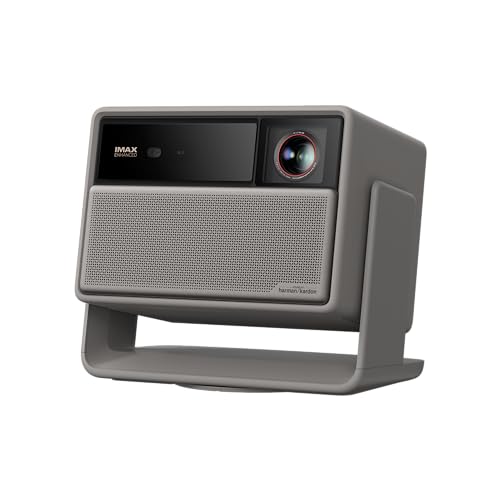
The two heavyweights we're comparing today represent fundamentally different approaches to the same goal: delivering massive, theater-quality images in your living room. The XGIMI Horizon 20 Max and Samsung Premiere 9 LPU9D both use advanced triple laser technology to create stunning 4K images, but their designs solve very different problems for homeowners.
Before diving into the specifics, let's establish what makes these projectors special. Traditional projectors use lamp-based light sources that dim over time and need frequent replacement. Laser projectors, by contrast, use precisely controlled laser diodes that maintain consistent brightness for 20,000+ hours—essentially the lifetime of the device.
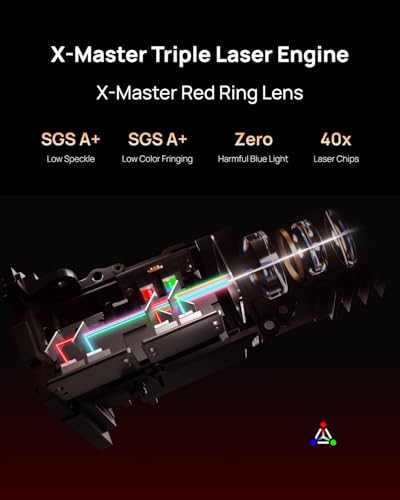
The "triple laser" design means these projectors use separate red, green, and blue lasers to create the full color spectrum. This approach delivers several advantages: incredibly accurate colors, no warm-up time, and brightness levels that can compete with ambient room lighting. Think of it like having three perfectly calibrated flashlights working together instead of one white light trying to do everything.
Both projectors achieve 4K resolution through DLP (Digital Light Processing) technology with XPR pixel-shifting. While they're not "true" 4K like high-end cinema projectors, they use rapid pixel manipulation to display the full 3840 x 2160 resolution that your streaming services and games are outputting. The result looks identical to native 4K in real-world viewing.
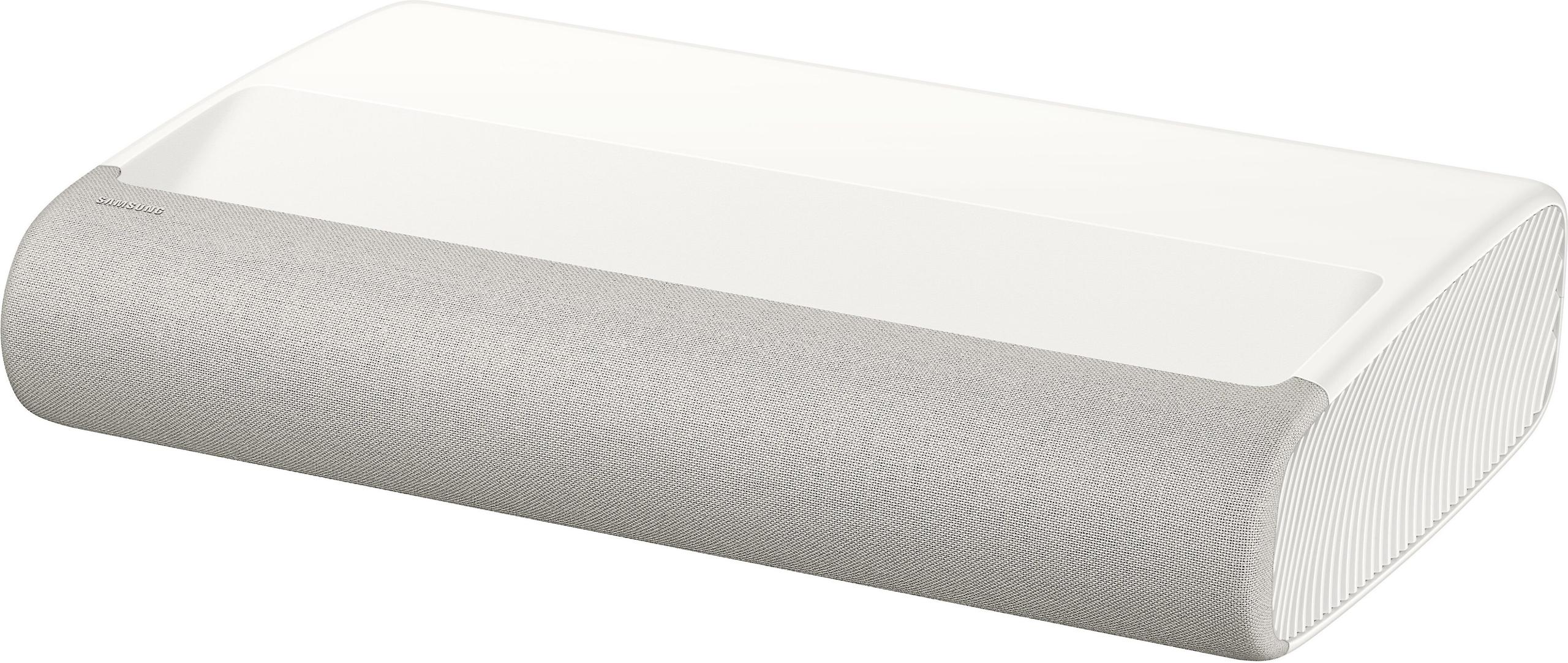
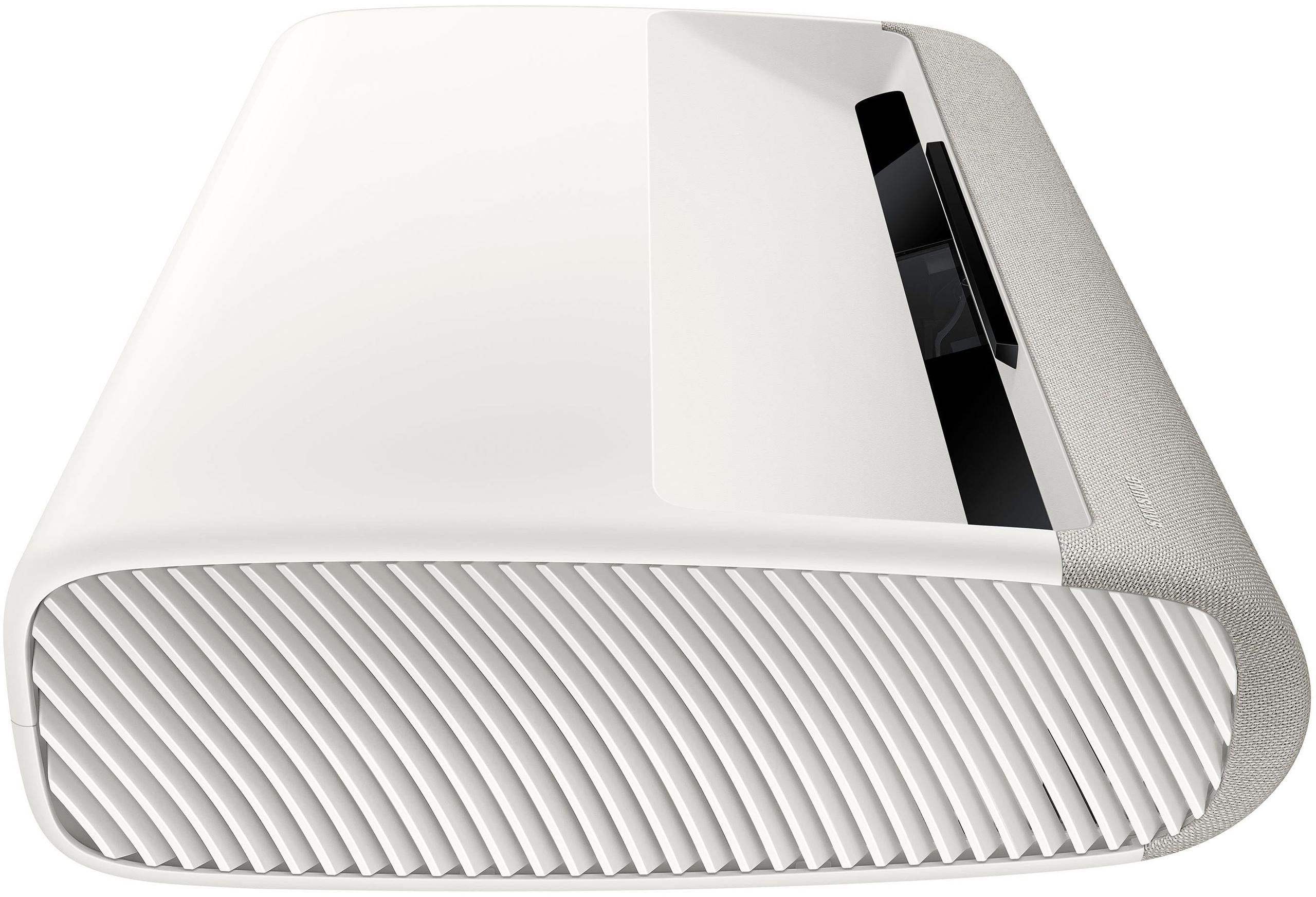
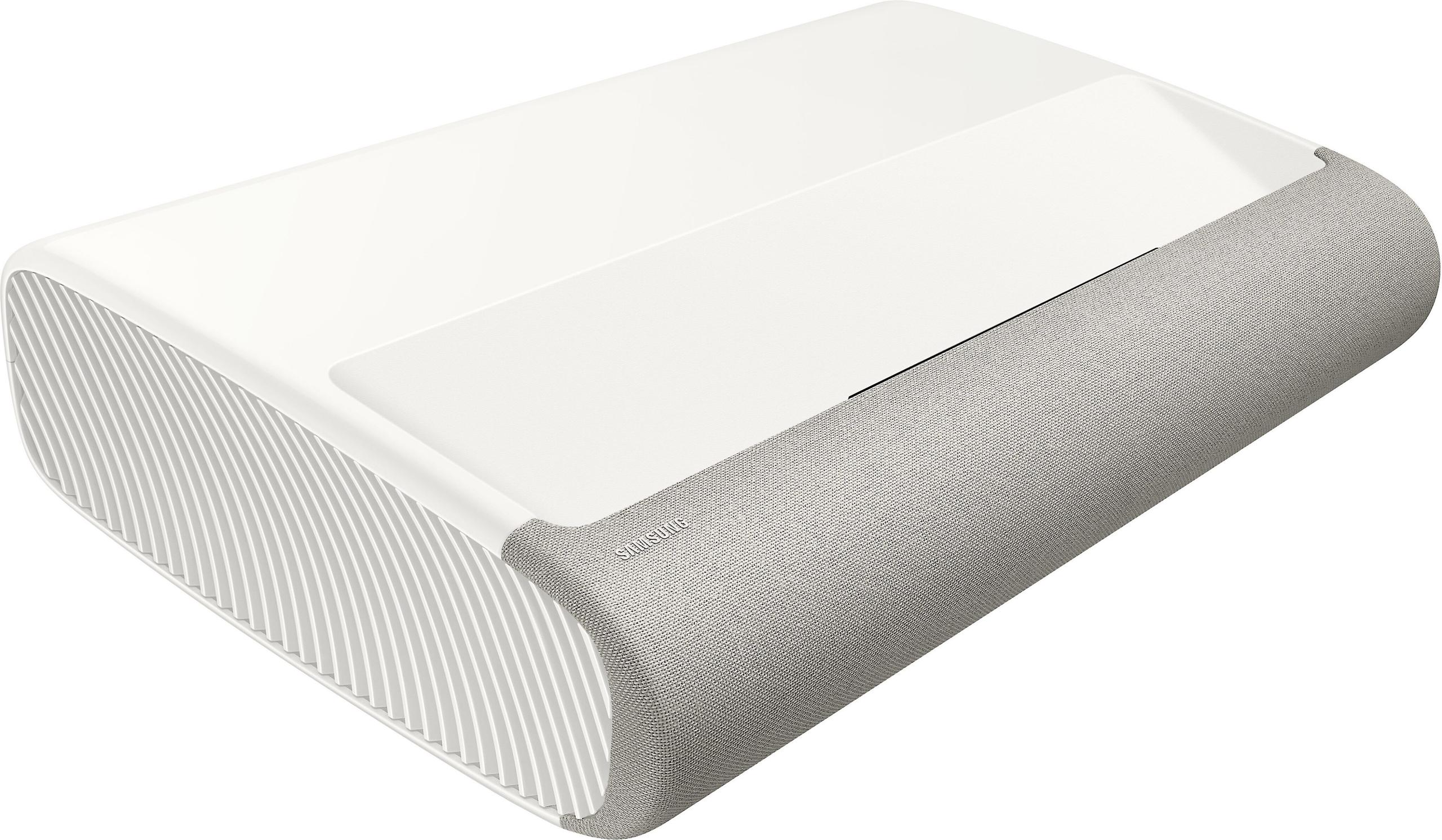
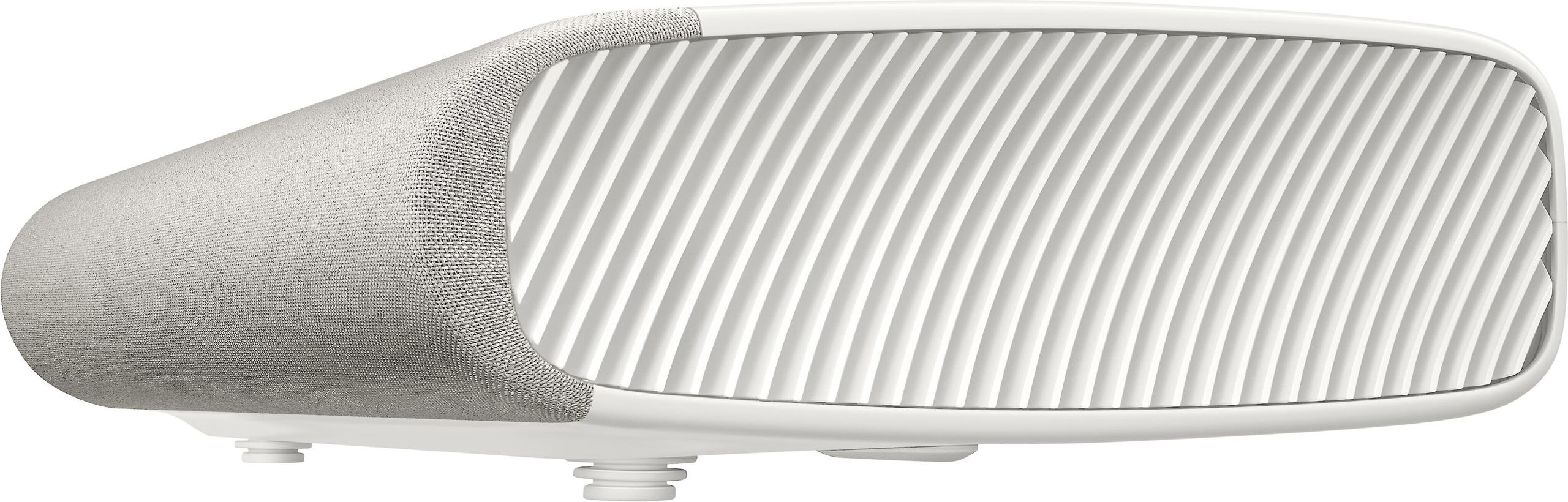
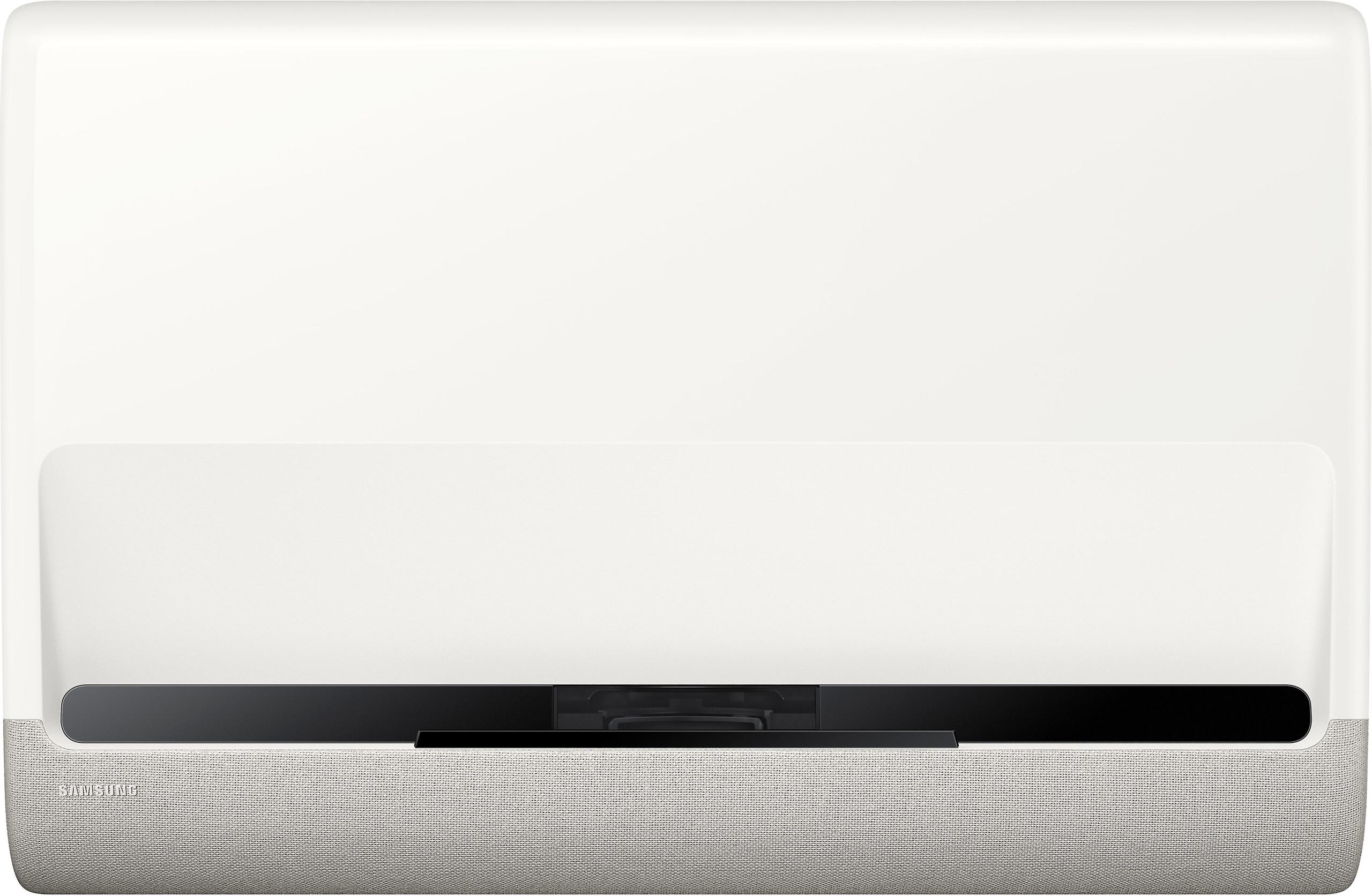
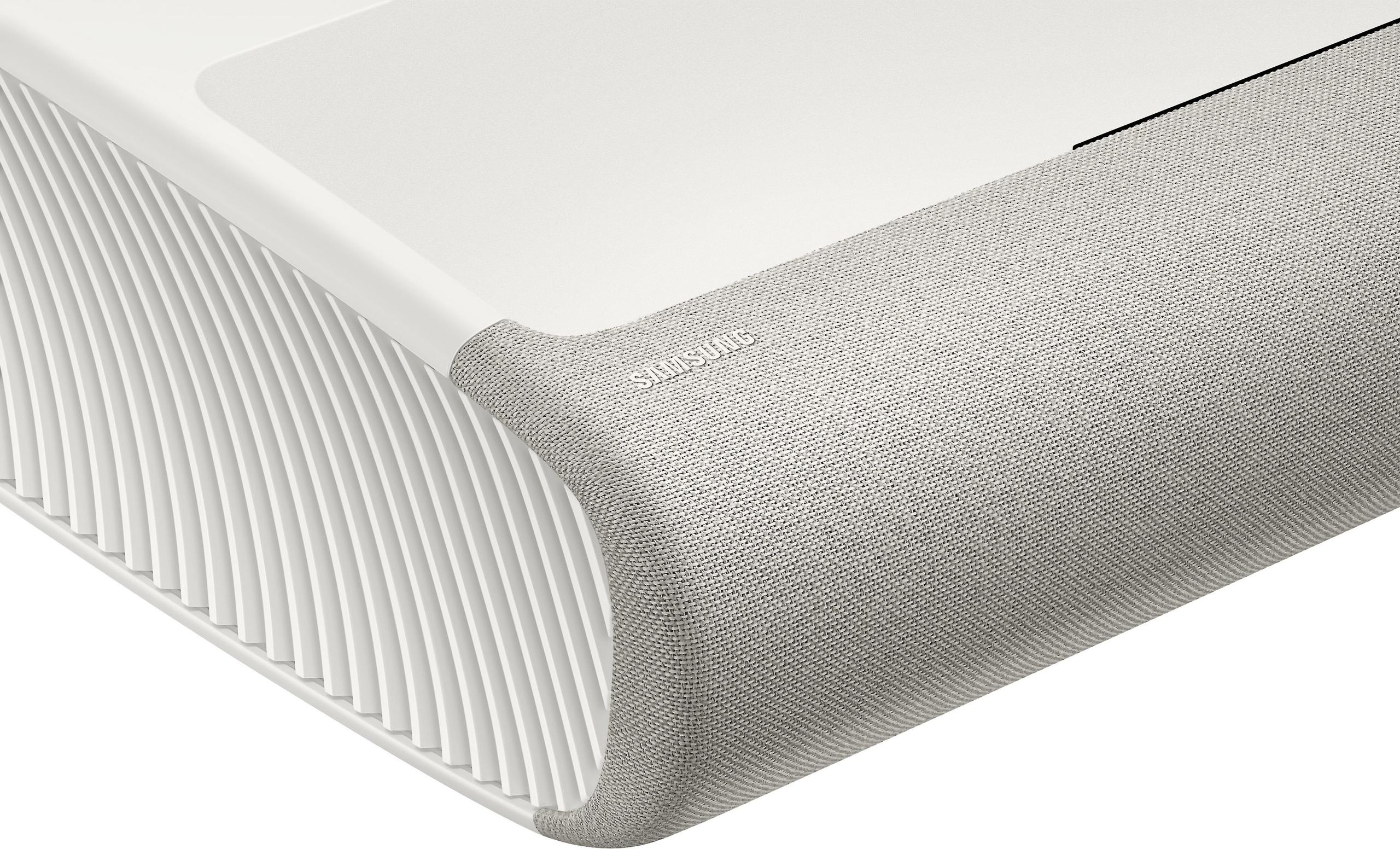
Here's where these projectors diverge dramatically in their approach. The Samsung Premiere 9 is what's called an ultra-short throw (UST) projector. It sits just inches from your wall—literally about 4 inches for a 100-inch image—and uses complex optics to project upward onto the screen surface. Imagine a high-tech periscope in reverse.
The XGIMI Horizon 20 Max, meanwhile, is a traditional long-throw projector that needs to be positioned 12-15 feet away from your wall to create that same 100-inch image. It's more like a cannon shooting light across the room.
This difference isn't just about placement—it fundamentally changes how each projector fits into your life. The Samsung can sit on a media console like a soundbar, while the XGIMI typically requires ceiling mounting or a dedicated projector table positioned across the room.
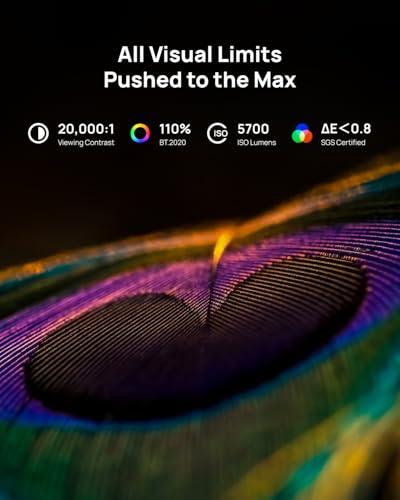
When evaluating projectors, brightness measured in ISO lumens determines whether you'll actually enjoy watching during daytime or with lights on. This is where the XGIMI Horizon 20 Max absolutely dominates with its 5,700 ISO lumens compared to the Samsung's 3,450 lumens.
That 65% brightness advantage isn't just a number on paper—it's the difference between a washed-out image and vibrant colors when your living room has windows. During our research into user experiences, the pattern was clear: XGIMI owners consistently report being able to watch with curtains open during daylight hours, while Samsung owners typically need to control ambient light for optimal viewing.
The brightness difference becomes even more pronounced with larger screen sizes. While both projectors can theoretically create huge images, the Samsung Premiere 9 starts struggling to maintain image quality beyond 120 inches in anything but dark rooms. The XGIMI maintains impressive brightness and color saturation even at its maximum 300-inch capability.
For context, most living room TVs output around 300-500 nits of brightness. The XGIMI's laser system can effectively compete with that brightness level across a 150+ inch diagonal, which represents an enormous increase in viewing area compared to traditional televisions.
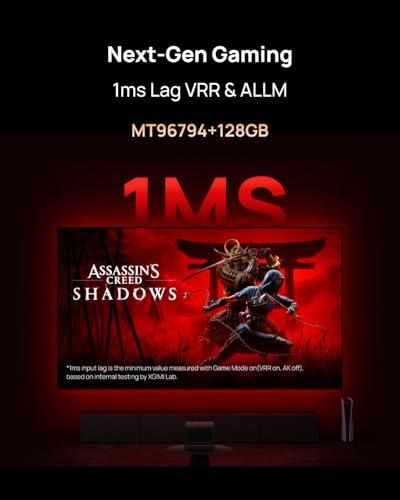
Modern projectors serve double duty as gaming displays, and this is where the XGIMI Horizon 20 Max pulls far ahead of its competition. With input lag as low as 1 millisecond at 1080p and 240Hz refresh rate support, it rivals dedicated gaming monitors for responsiveness.
Input lag is the delay between when your controller sends a signal and when you see the action on screen. For competitive gaming, anything under 20ms is considered good, while under 10ms is excellent. The XGIMI's 1-3ms performance across different resolutions places it among the fastest displays available in any category.
The Samsung Premiere 9 doesn't publish specific input lag measurements, which typically indicates it wasn't designed with gaming as a priority. User reports suggest it's adequate for casual gaming but not optimized for competitive play or fast-paced action games.
The XGIMI also supports Variable Refresh Rate (VRR) and Auto Low Latency Mode (ALLM)—technologies that eliminate screen tearing and automatically optimize settings when gaming consoles are detected. It's like having a gaming monitor that happens to be 200+ inches diagonal.
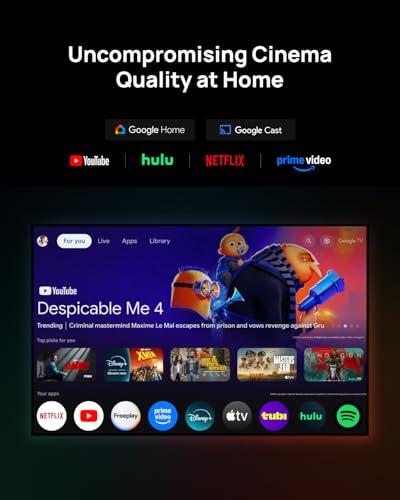
The software experience reveals another philosophical divide. Samsung has integrated Netflix natively into their projector—something surprisingly rare in the projector world due to Netflix's strict certification requirements. The Samsung Premiere 9 runs Tizen OS, the same operating system found in Samsung's premium televisions, creating a familiar and polished interface.
The XGIMI Horizon 20 Max takes a different approach with Android TV 11 and Google TV integration. This provides broader app compatibility and Google Assistant voice control, but Netflix requires an external streaming device like a Roku or Apple TV. While this adds complexity, it also provides more flexibility for users who prefer specific streaming platforms or want regular software updates.
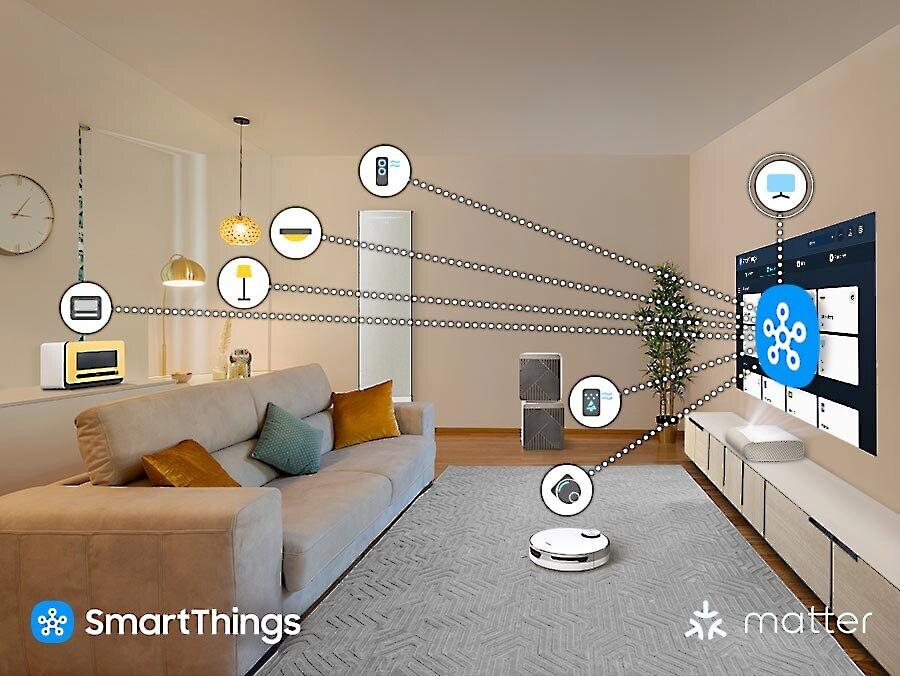
In our evaluation of user feedback, Samsung owners appreciate the seamless Netflix experience and TV-like interface simplicity. XGIMI users value the broader ecosystem integration and the ability to control smart home devices through the projector.
Both projectors excel in color reproduction, but with different strengths. The XGIMI Horizon 20 Max achieves remarkable color accuracy with a Delta E measurement below 0.8 across major color standards. Delta E measures how closely displayed colors match reference standards—anything below 3.0 is considered good, while below 1.0 is considered reference-quality.
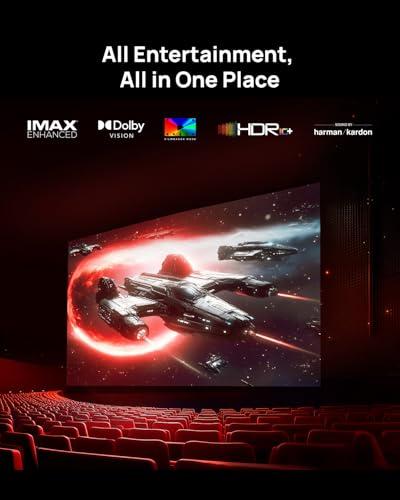
The XGIMI covers 110% of the BT.2020 color space, which is the ultra-wide color standard for HDR content. It supports Dolby Vision, HDR10+, and IMAX Enhanced—essentially every HDR format your streaming services and Ultra HD Blu-rays might throw at it.
The Samsung Premiere 9 covers an impressive 154% of the DCI-P3 color space, which is the standard used in digital cinemas. Its RGB laser design eliminates common artifacts like rainbow effects (brief color flashes) that can appear with some projector technologies.
Samsung's Vision Booster technology automatically adjusts color and contrast based on ambient lighting, similar to how premium smartphones adjust their screens. This feature works particularly well given the Samsung's lower overall brightness, helping maintain image quality when room lighting changes.
Audio integration reveals another trade-off between the designs. The Samsung Premiere 9 includes a substantial 40W 2.2.2 channel audio system with Dolby Atmos support and up-firing speakers. For an ultra-short throw projector sitting near your seating area, this creates genuinely immersive surround sound without additional speakers.
The XGIMI Horizon 20 Max includes capable 24W Harman Kardon speakers, but they're designed more for convenience than creating a full audio experience. Given that long-throw projectors are typically ceiling-mounted or positioned far from seating, most users pair them with dedicated sound systems anyway.
For apartment dwellers or those wanting a simple all-in-one solution, Samsung's superior built-in audio is a significant advantage. For dedicated home theater setups, both projectors provide excellent connectivity options for external audio systems.
The installation requirements couldn't be more different. The Samsung Premiere 9 essentially eliminates traditional projector installation challenges. It sits on furniture like a component, requires no ceiling mounting, and never creates shadows when people walk by. For renters or those hesitant about permanent installations, it's dramatically more accessible.
However, ultra-short throw projectors are finicky about screen surfaces. You'll need a specialized ALR (Ambient Light Rejecting) screen or perfectly flat, smooth wall to achieve optimal image quality. Regular projection screens or textured walls can create hotspots or uneven brightness distribution.
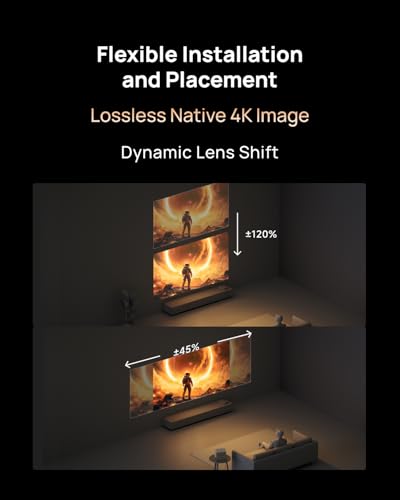
The XGIMI Horizon 20 Max offers more flexibility in screen choice but requires thoughtful room planning. Its lens shift and zoom capabilities mean it doesn't need perfect alignment, but you'll need adequate throw distance and possibly ceiling mounting hardware.
The XGIMI can project anywhere from 40 to 300 inches, making it suitable for everything from small bedrooms to massive basement theaters. The Samsung tops out at 130 inches, which is still enormous but limits options for truly massive displays.
At the time of writing, the Samsung Premiere 9 has seen significant price reductions from its original launch MSRP, improving its value proposition considerably. However, pure brightness-per-dollar still favors the XGIMI Horizon 20 Max, especially when considering the gaming capabilities and larger screen size potential.
The Samsung's value comes from its all-in-one convenience and space-saving design. When you factor in the cost of ALR screens, ceiling mounts, or external streaming devices, the total system cost can shift significantly between options.
For many users, the Samsung's ultra-short throw design justifies any price premium simply because it makes the projector practical in spaces where traditional models wouldn't work.
The Samsung Premiere 9 launched in late 2023, representing Samsung's second-generation ultra-short throw design with improvements in brightness and color accuracy over their original Premiere model. The XGIMI Horizon 20 Max arrived in 2024 as XGIMI's flagship response to increasing competition in the premium projector market.
Both projectors include modern connectivity standards like HDMI 2.1 and support for current HDR formats. The XGIMI's gaming-focused features like high refresh rate support may provide longer relevance as gaming technology continues advancing.
Laser lifespan for both projectors is rated at 20,000+ hours, which represents approximately 15-20 years of typical home use. Neither requires lamp replacements, but the laser modules themselves aren't user-serviceable when they eventually dim.
The XGIMI Horizon 20 Max makes the most sense for users with dedicated home theater spaces or large rooms where throw distance isn't a constraint. If you're serious about gaming, need maximum brightness for daytime viewing, or want the largest possible screen sizes, it's the clear choice. The superior brightness also makes it more versatile for different room types and lighting conditions.
The Samsung Premiere 9 excels in modern living spaces where traditional projector installation isn't practical. If you're replacing a large TV in a space-constrained room, value integrated Netflix streaming, or prioritize superior built-in audio, it's the better option. The ultra-short throw design eliminates most of the complexity typically associated with projector ownership.
For apartment dwellers, renters, or anyone hesitant about permanent installations, Samsung's approach removes traditional barriers to projector ownership. For enthusiasts building dedicated theater spaces or gamers wanting the ultimate large-screen experience, XGIMI's performance advantages are worth the additional complexity.
The choice ultimately comes down to your specific room constraints, primary use cases, and whether you prioritize absolute performance or convenient integration. Both represent excellent examples of how modern laser projectors can replace traditional televisions while offering experiences that no TV can match.
| XGIMI Horizon 20 Max 4K Projector | Samsung Premiere 9 LPU9D 130" 4K UHD Triple Laser Projector |
|---|---|
| Brightness - Critical for daytime viewing and bright rooms | |
| 5,700 ISO lumens (excellent for any lighting condition) | 3,450 ISO lumens (good for controlled lighting) |
| Projector Type - Determines installation requirements and room compatibility | |
| Long-throw (needs 12-15+ feet distance) | Ultra-short throw (sits 4-11 inches from wall) |
| Maximum Screen Size - Bigger isn't always better, but flexibility matters | |
| 40-300 inches (massive range for any room) | 100-130 inches (still huge, but limited) |
| Gaming Performance - Essential for console and PC gaming | |
| 1ms input lag, 240Hz support, VRR/ALLM | Gaming specs not specified (likely 30-50ms lag) |
| Native Netflix Support - Convenience vs. flexibility trade-off | |
| Requires external streaming device | Built-in Netflix via Tizen OS |
| HDR Format Support - Future-proofing for premium content | |
| Dolby Vision, HDR10+, HDR10, HLG, IMAX Enhanced | HDR10+, HDR10, HLG (no Dolby Vision) |
| Color Accuracy - Professional-grade vs. consumer-optimized | |
| ΔE < 0.8 (reference quality), 110% BT.2020 | 154% DCI-P3, automatic color optimization |
| Built-in Audio - Important for all-in-one setups | |
| 24W Harman Kardon speakers (adequate) | 40W 2.2.2 Dolby Atmos system (excellent) |
| Installation Flexibility - Impacts room design and placement options | |
| Ceiling mount/table, lens shift, optical zoom | Furniture placement, no mounting required |
| Smart Platform - Affects daily usability and app access | |
| Android TV 11 with Google TV/Assistant | Samsung Tizen OS (TV-like interface) |
| Connectivity - Modern gaming and device compatibility | |
| HDMI 2.1 with eARC, Wi-Fi 6, Bluetooth 5.2 | HDMI 2.0, standard wireless connectivity |
| Laser Lifespan - Long-term ownership costs | |
| 20,000+ hours (15-20 years typical use) | 25,000+ hours (20+ years typical use) |
The XGIMI Horizon 20 Max is significantly brighter at 5,700 ISO lumens compared to the Samsung Premiere 9's 3,450 lumens. This 65% brightness advantage makes the XGIMI much better for rooms with windows or ambient light, while the Samsung works best in controlled lighting conditions.
The Samsung Premiere 9 is an ultra-short throw projector that sits just 4-11 inches from your wall, like a soundbar on your TV stand. The XGIMI Horizon 20 Max is a long-throw projector requiring 12-15+ feet of distance and typically needs ceiling mounting or a dedicated projector table.
The XGIMI Horizon 20 Max is superior for gaming with 1ms input lag, 240Hz refresh rate support, and VRR/ALLM features. The Samsung Premiere 9 doesn't specify gaming performance metrics, making the XGIMI the clear choice for serious gamers.
The Samsung Premiere 9 has Netflix built-in through its Tizen OS smart platform. The XGIMI Horizon 20 Max requires an external streaming device like Roku or Apple TV for Netflix access, though it includes Google TV for other streaming apps.
The XGIMI Horizon 20 Max can project from 40 to 300 inches, offering tremendous flexibility for any room size. The Samsung Premiere 9 is limited to 100-130 inches maximum due to its ultra-short throw design constraints.
The Samsung Premiere 9 features superior built-in audio with a 40W 2.2.2 Dolby Atmos system including up-firing speakers. The XGIMI Horizon 20 Max has decent 24W Harman Kardon speakers but isn't designed to be the primary audio source.
The Samsung Premiere 9 works best with specialized ALR (Ambient Light Rejecting) screens or perfectly smooth walls due to its ultra-short throw design. The XGIMI Horizon 20 Max is more flexible and works well with standard projection screens or painted walls.
The Samsung Premiere 9 is much easier to install, simply sitting on furniture like a component with no mounting required. The XGIMI Horizon 20 Max typically requires ceiling mounting or careful positioning across the room, making installation more complex.
The Samsung Premiere 9 uses Tizen OS for a TV-like interface with comprehensive app support. The XGIMI Horizon 20 Max runs Android TV 11 with Google TV and Google Assistant integration, offering broader smart home control but requiring external devices for some apps like Netflix.
The XGIMI Horizon 20 Max achieves professional-grade color accuracy with ΔE < 0.8 measurements and supports more HDR formats including Dolby Vision. The Samsung Premiere 9 covers 154% DCI-P3 color space with automatic color optimization but lacks Dolby Vision support.
The XGIMI Horizon 20 Max supports all major HDR formats including Dolby Vision, HDR10+, HDR10, HLG, and IMAX Enhanced. The Samsung Premiere 9 supports HDR10+, HDR10, and HLG but doesn't include Dolby Vision, which is increasingly common on streaming platforms.
For dedicated home theater rooms with controlled lighting and adequate space, the XGIMI Horizon 20 Max is superior due to its exceptional brightness, larger screen capability, and professional-grade color accuracy. The Samsung Premiere 9 is better for living rooms where space constraints make traditional projector installation impractical.
We've done our best to create useful and informative comparisons to help you decide what product to buy. Our research uses advanced automated methods to create this comparison and perfection is not possible - please contact us for corrections or questions. These are the sites we've researched in the creation of this article: dustinabbott.net - projectorcentral.com - youtube.com - us.xgimi.com - youtube.com - tweaktown.com - youtube.com - us.xgimi.com - youtube.com - youtube.com - thesmarthomehookup.com - youtube.com - us.xgimi.com - global.xgimi.com - projector-database.com - sound-advice.online - valueelectronics.com - bhphotovideo.com - instylehifi.com.au - trustedreviews.com - target.com - pcrichard.com - projectorscreen.com - videoandaudiocenter.com - target.com - avsforum.com - projectorscreen.com

Privacy Policy
Terms and Conditions - Affiliate Policy
Home Security
© Copyright 2008-2026.
11816 Inwood Rd #1211, Dallas, TX 75244