


Premium 4K projectors have transformed dramatically over the past few years, evolving from expensive, lamp-based units that required frequent maintenance into laser-powered entertainment powerhouses. These modern projectors can create massive, cinema-quality images in your living room—but they take very different approaches to get there.
The XGIMI Horizon 20 Max and Sony BRAVIA Projector 9 represent two distinct philosophies in premium projection. Released in 2024, these projectors showcase how manufacturers are tackling the biggest challenge in home theater: creating brilliant, detailed images that work in real-world rooms, not just dedicated theaters.
Before diving into these specific models, it's worth understanding what separates premium projectors from budget options. The key factors that determine your experience are brightness (measured in lumens—think of it as the projector's ability to punch through ambient light), resolution quality, color accuracy, and smart features.
Brightness is probably the most misunderstood specification. Many people assume any projector will work fine in their living room, but most projectors under 3,000 lumens struggle badly with even modest ambient lighting. Color accuracy, measured by something called Delta E (where lower numbers mean more accurate colors), determines whether skin tones look natural or like orange plastic.
The resolution story has gotten more complex recently. True "native" 4K means the projector has 8.3 million individual pixels creating the image. Some projectors achieve 4K through pixel-shifting technology—rapidly moving a lower-resolution panel to create the appearance of more pixels. Both can look excellent, but native 4K typically provides slightly sharper fine details.
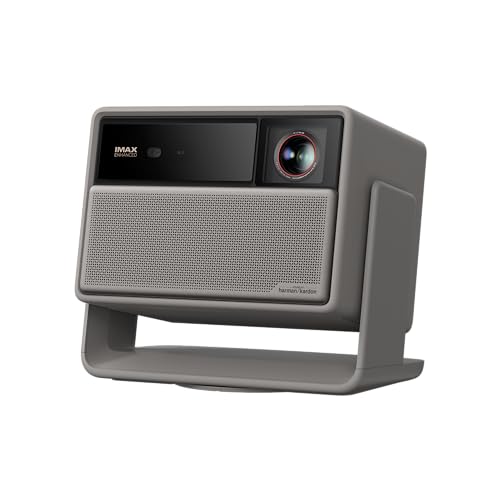
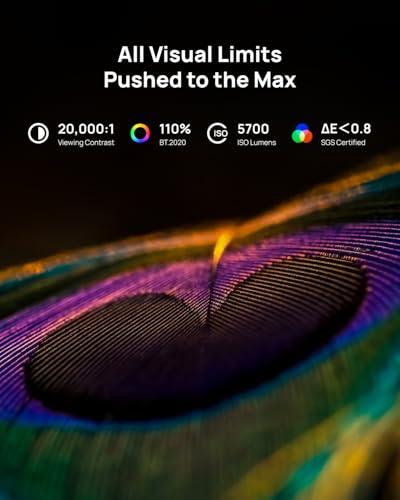
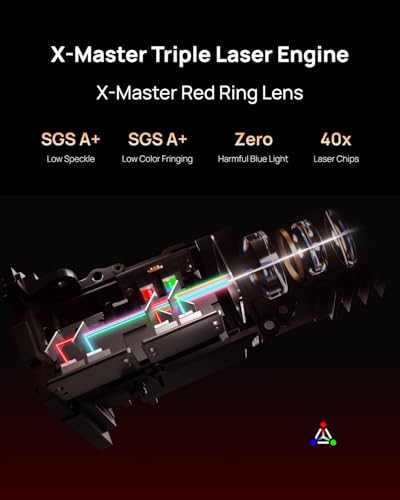
The XGIMI Horizon 20 Max represents what happens when a manufacturer decides that brightness is king. With 5,700 ISO lumens, this projector produces more light than many commercial cinema projectors from just a few years ago. That's not marketing hyperbole—independent testing has confirmed the Horizon 20 Max delivers over 5,400 lumens in practice, making it one of the brightest consumer projectors available.
This extreme brightness comes from XGIMI's X-Master RGB Triple Laser Engine, which uses 40 individual laser diodes across three colors (red, green, blue). Unlike traditional lamp projectors that lose brightness over time, or even phosphor laser projectors that can look yellow-green, RGB laser systems maintain their color accuracy and brightness for years.
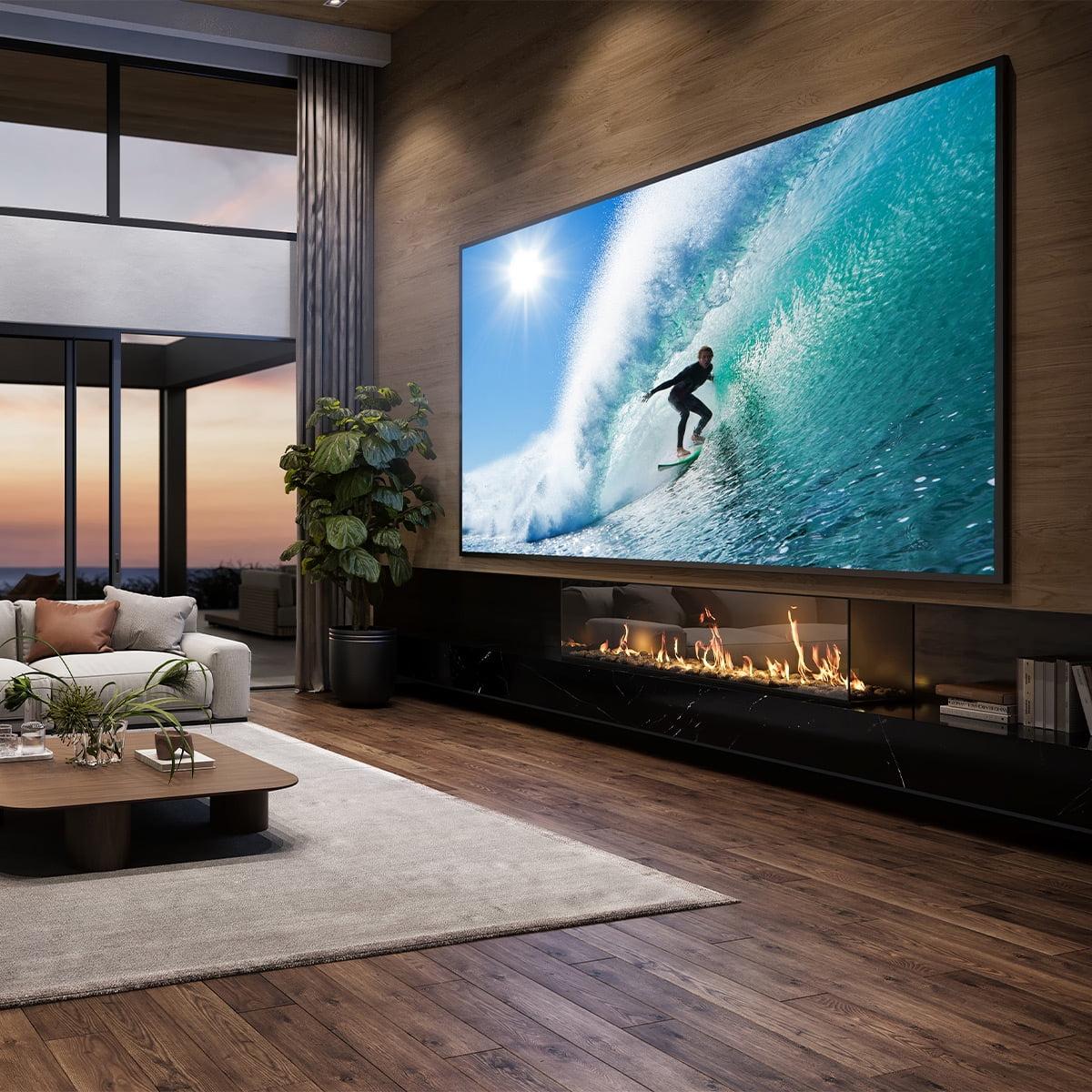
The practical impact is transformative. While most projectors force you to close curtains and dim lights for a watchable image, the Horizon 20 Max works surprisingly well even with room lighting. You can leave table lamps on, have natural light from windows, and still get a vibrant, punchy image on a 120-inch screen. This isn't just convenient—it fundamentally changes how you can use a projector in your home.
However, this brightness-first approach comes with tradeoffs. The XGIMI Horizon 20 Max achieves 4K through XPR pixel-shifting rather than native 4K. It takes a 2.7 million pixel panel and rapidly shifts those pixels diagonally to create 8.3 million pixel positions. The result looks very sharp and detailed, but purists can sometimes spot the difference in extremely fine details like small text or detailed textures.
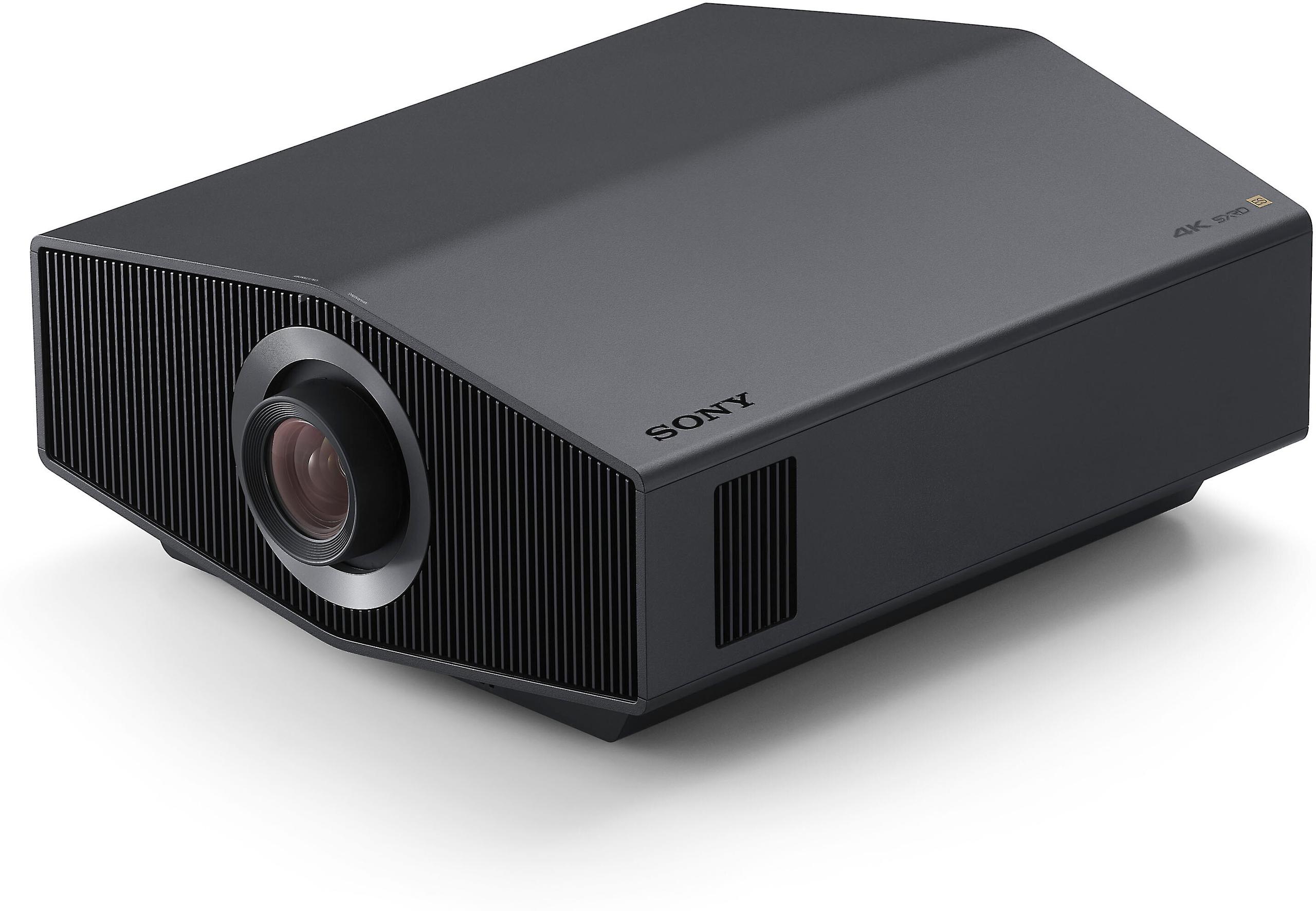
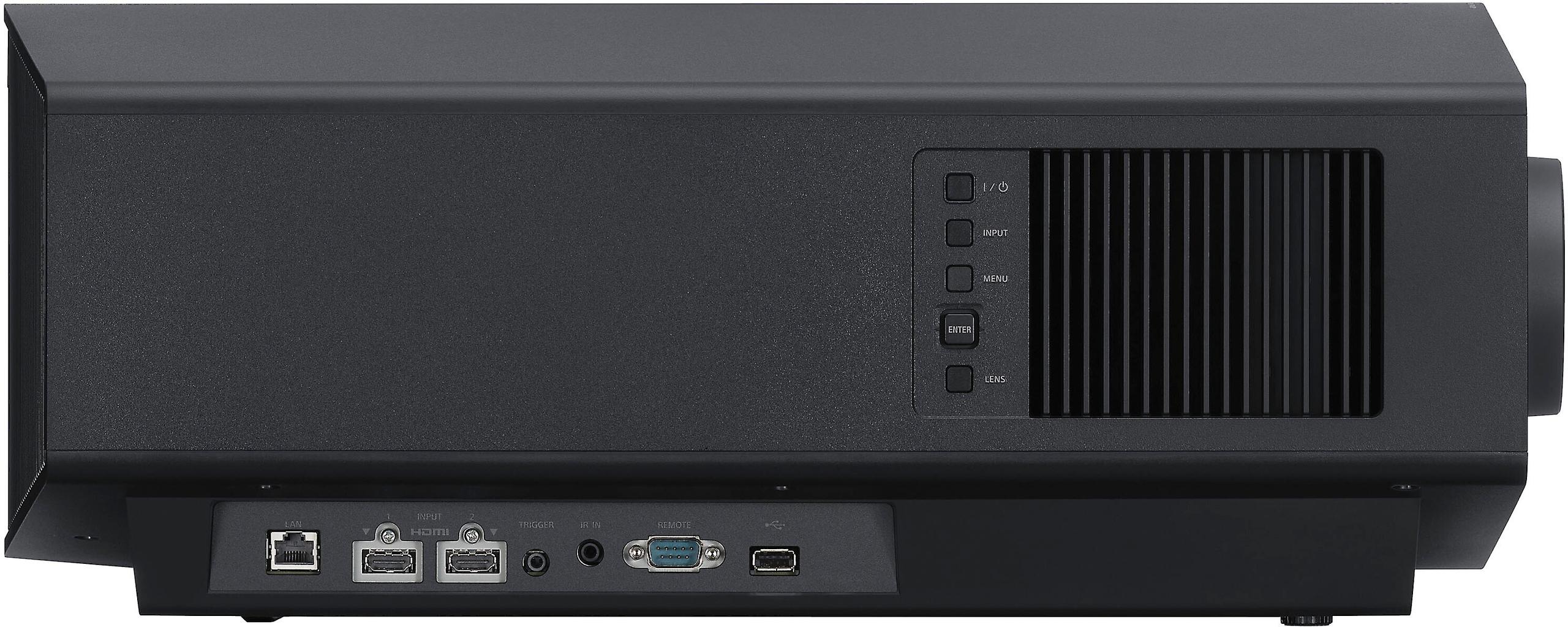
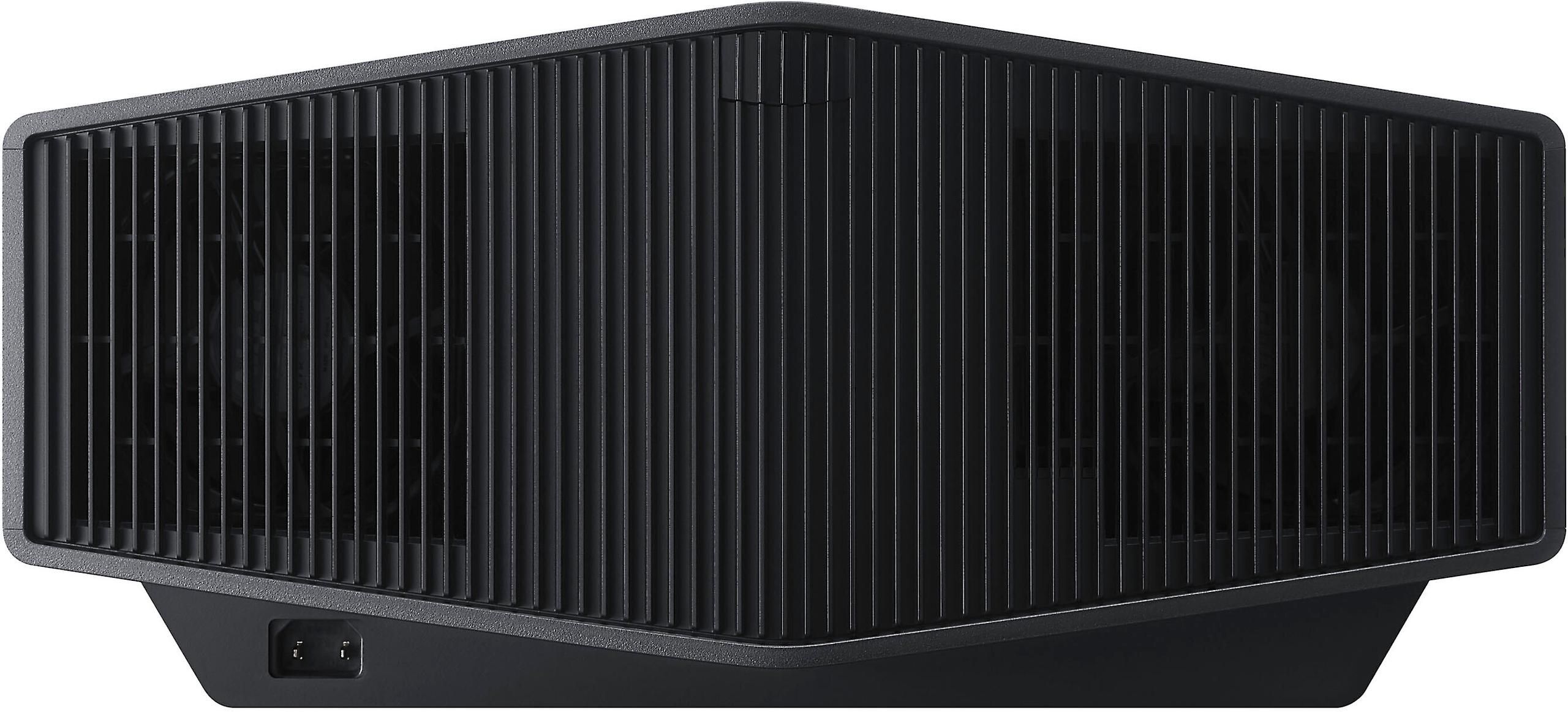
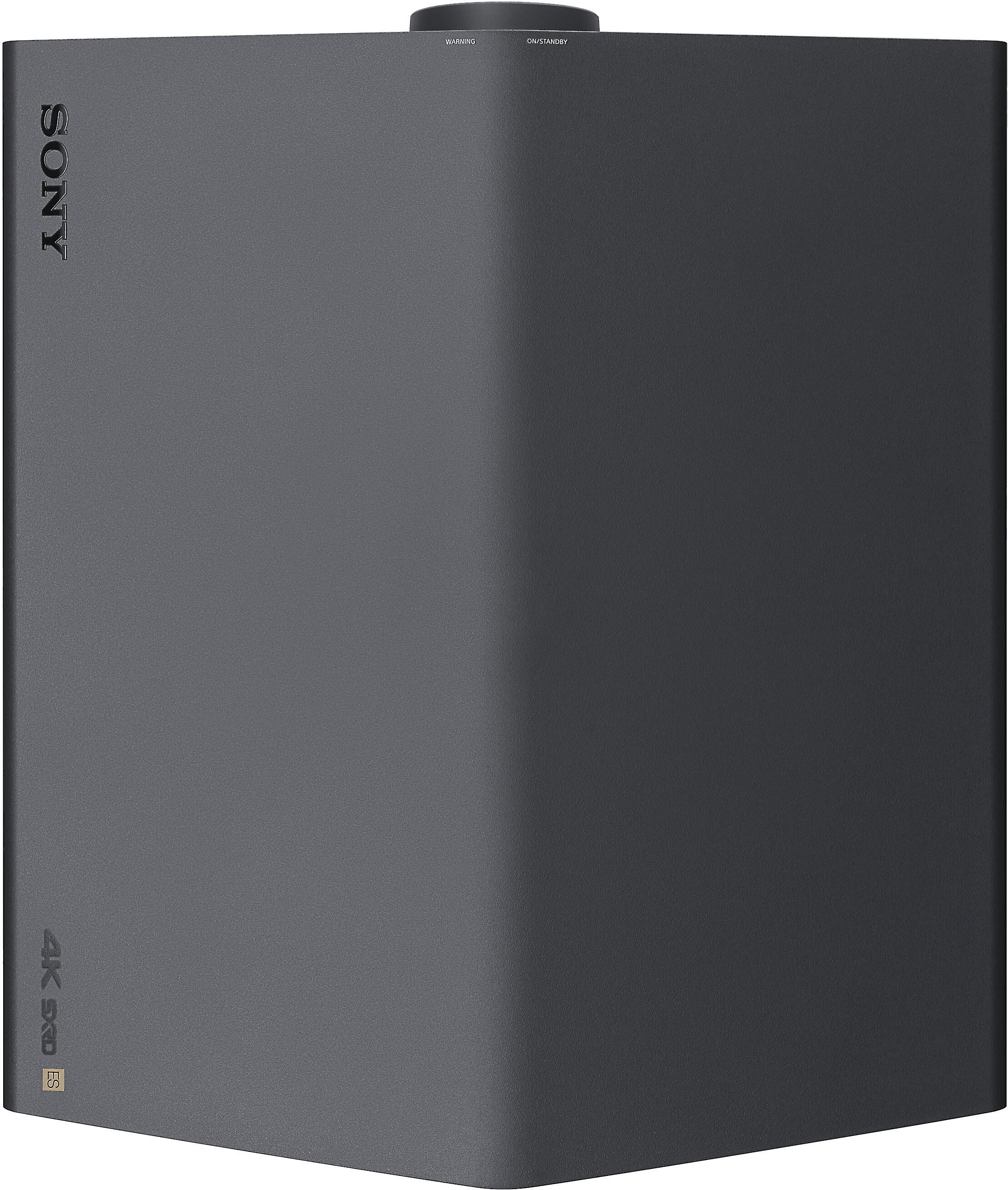
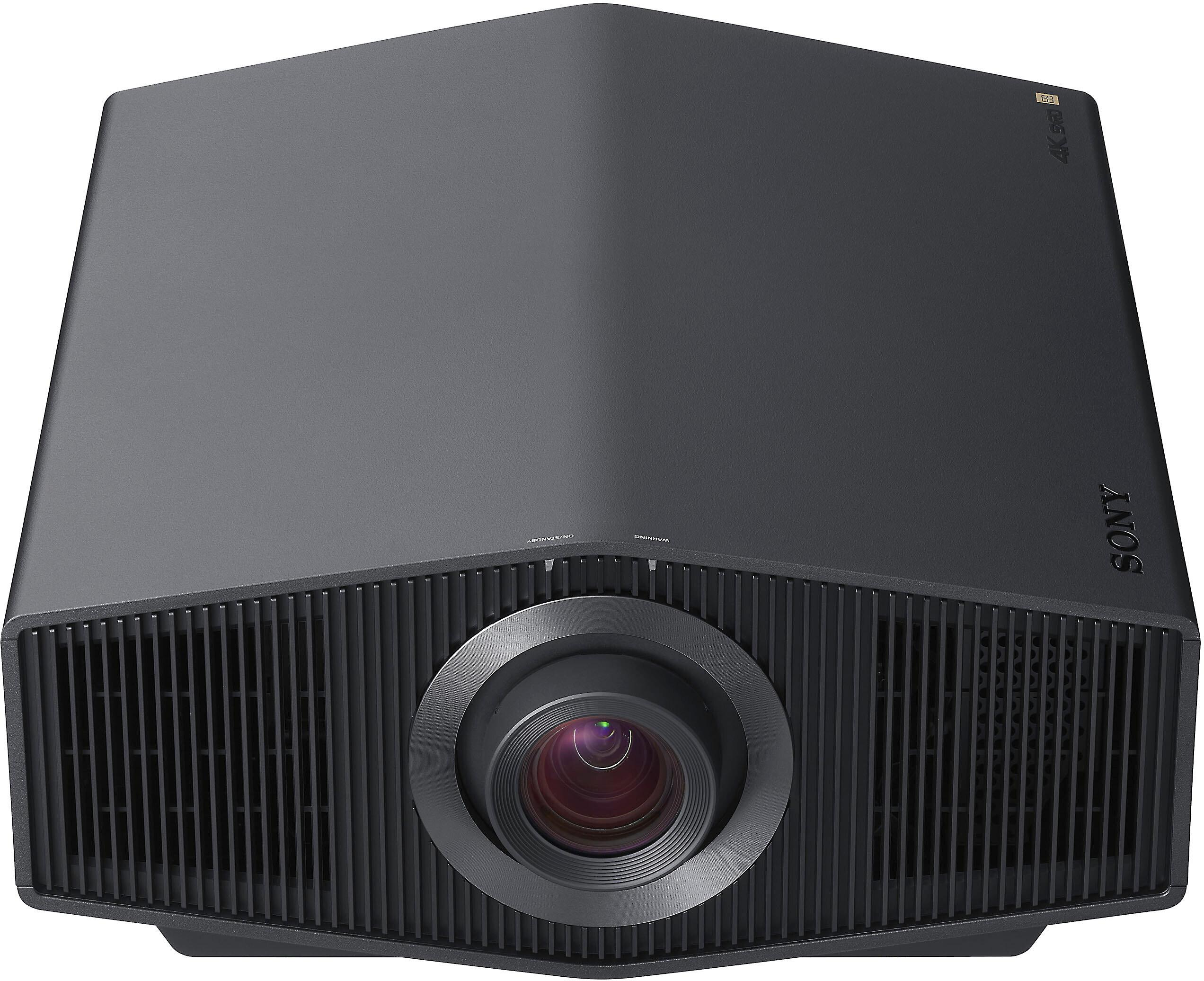
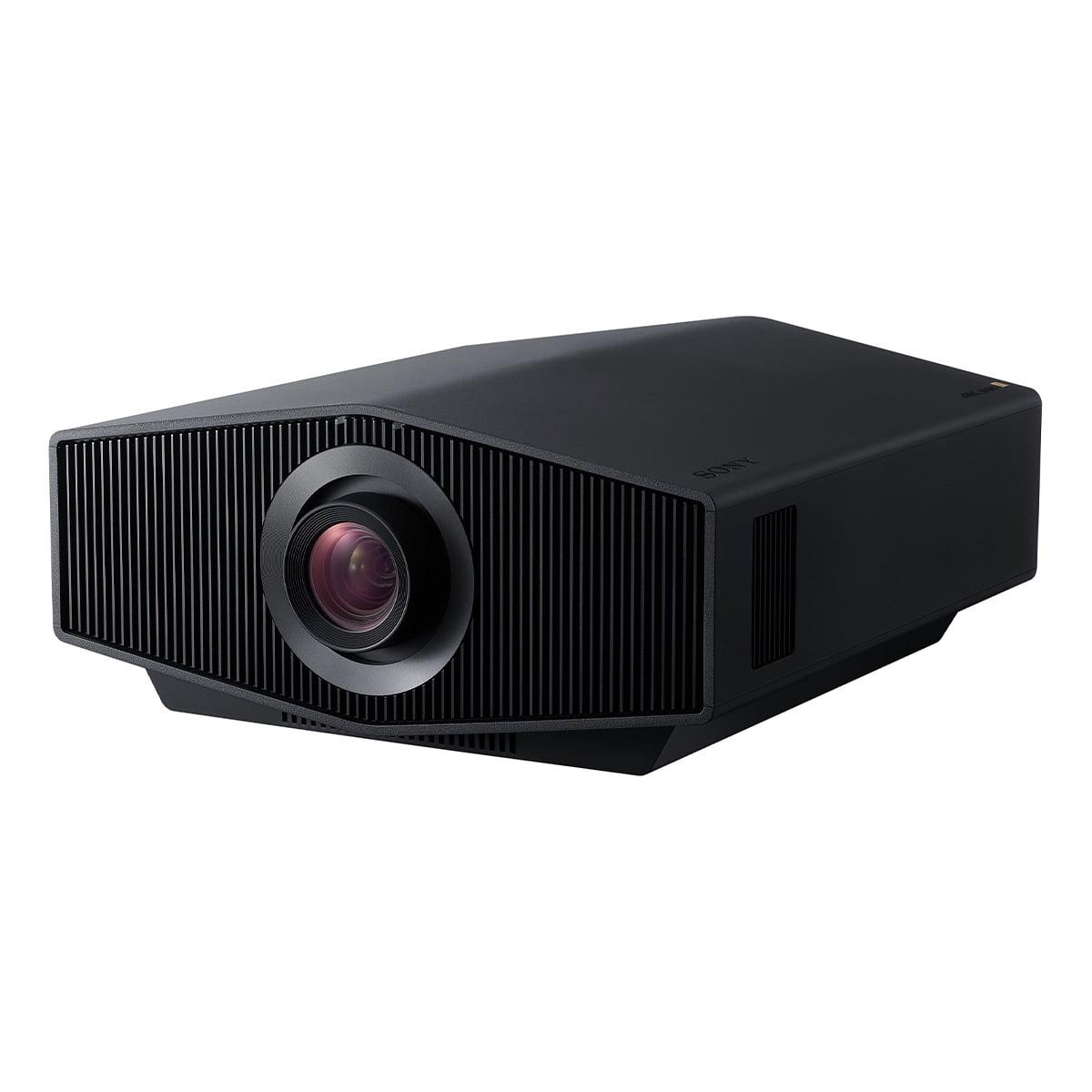
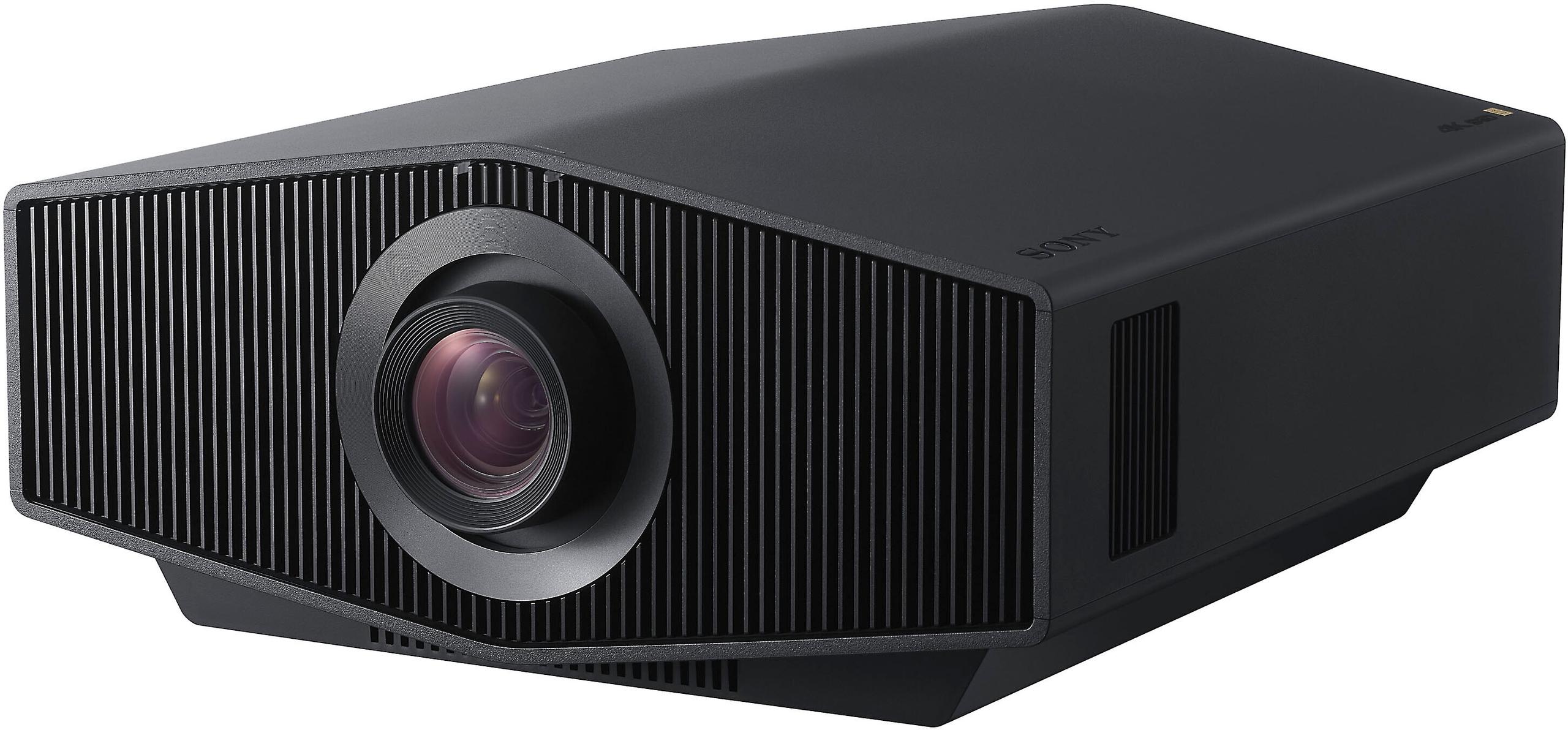
The Sony BRAVIA Projector 9 takes the opposite approach. Rather than maximizing brightness, Sony focused on image precision and processing quality. At its heart is a true native 4K SXRD panel—the same technology Sony uses in professional cinema projectors that show movies in theaters.
SXRD (Silicon X-tal Reflective Display) is Sony's version of LCD-on-Silicon technology, where liquid crystals sit on a reflective silicon backing. This eliminates the pixel structure you might see on traditional LCD projectors, creating an incredibly smooth image. Each of those 8.3 million pixels is individually controlled, allowing for precise light modulation and exceptional contrast.
The Sony projector pairs this native 4K panel with their XR Cognitive processor, borrowed from Sony's premium BRAVIA TVs. This processor doesn't just enhance the image—it analyzes each frame to understand what objects are in the scene, then optimizes color, contrast, and sharpness for those specific objects. Skin tones get treated differently than sky or foliage, resulting in more natural-looking images.
With 3,400 ANSI lumens, the BRAVIA Projector 9 is reasonably bright but can't compete with the XGIMI in well-lit rooms. However, in a controlled lighting environment, that moderate brightness pairs with Sony's excellent black levels to create a more cinematic viewing experience with better shadow detail.
Both projectors arrived in 2024 with serious gaming credentials, addressing one of projection's historical weaknesses: input lag. Input lag is the delay between pressing a button on your controller and seeing the result on screen. Anything under 20 milliseconds is considered excellent for gaming.
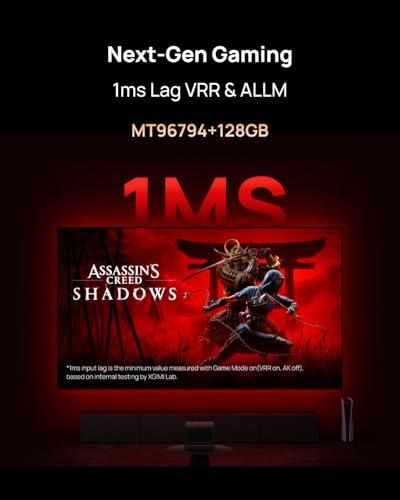
The XGIMI Horizon 20 Max achieves truly impressive gaming performance with just 1ms of input lag at 1080p resolution running at 240Hz refresh rate. That's faster than many gaming monitors. Even at 4K resolution and 60fps, it maintains just 3ms of lag. The projector supports Variable Refresh Rate (VRR), which synchronizes the display refresh rate with your gaming console's frame rate to eliminate screen tearing and stuttering.
Gaming-specific features set the XGIMI apart further. Black Equalizer brightens dark areas in games without affecting the overall image, helping you spot enemies hiding in shadows. Virtual crosshairs can overlay targeting reticles for games that lack them. Genre-specific picture modes automatically optimize settings for different game types.
The Sony BRAVIA Projector 9 takes a more measured approach to gaming. Input lag measures 12ms at 4K/120Hz and 19ms at 4K/60Hz—still excellent for gaming but not quite matching the XGIMI's responsiveness. However, the Sony supports 4K at 120fps, which the XGIMI cannot match at full 4K resolution.
For competitive gaming where every millisecond counts, the XGIMI has a clear advantage. For cinematic gaming experiences where image quality matters more than ultimate responsiveness, the Sony's native 4K and superior processing create more detailed, natural-looking game worlds.
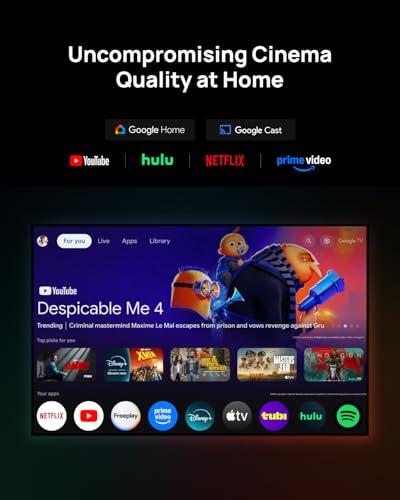
The XGIMI Horizon 20 Max embodies the modern all-in-one approach. It runs Google TV (the latest version of Android TV) with 4GB of RAM and 128GB of storage—specifications that would have been impressive in a smartphone just a few years ago. You can install Netflix, Disney+, YouTube, and hundreds of other apps directly on the projector without needing any external devices.
XGIMI's ISA 5.0 (Intelligent Screen Adaptation) technology handles setup automatically. Point the projector at a wall or screen, and it automatically focuses the image, corrects keystone distortion if you're projecting at an angle, and even detects and avoids obstacles like light switches or picture frames. This makes setup almost foolproof, even for non-technical users.
The Sony BRAVIA Projector 9 follows traditional projector philosophy—it's purely focused on creating the best possible image and leaves smart features to external devices. This approach has advantages: you're not locked into a specific smart TV platform that might become outdated, and the projector's processing power is dedicated entirely to image quality rather than running apps.
However, this means you'll need a separate streaming device like an Apple TV, NVIDIA Shield, or game console to access Netflix and other streaming services. For some users, this is actually preferable—dedicated streaming devices often have better app support and get updated more frequently than projector-based smart systems.
Built-in audio represents another philosophical divide. The XGIMI Horizon 20 Max includes dual 24-watt Harman Kardon speakers that produce surprisingly robust sound for a projector. While they won't match a dedicated sound system, they're adequate for casual viewing and eliminate the need for additional audio equipment in many setups.
The Sony BRAVIA Projector 9 has no built-in speakers, following the cinema industry standard where projection and audio are handled by separate, specialized equipment. This approach allows for better audio quality through dedicated speakers or soundbars, but it adds complexity and cost to your setup.
When considering total system cost, these different approaches create significant price gaps. The XGIMI at launch represented excellent value as an all-in-one solution—projector, smart TV platform, and decent audio in one package. The Sony commands a premium price but requires additional investment in streaming devices and audio equipment to create a complete system.
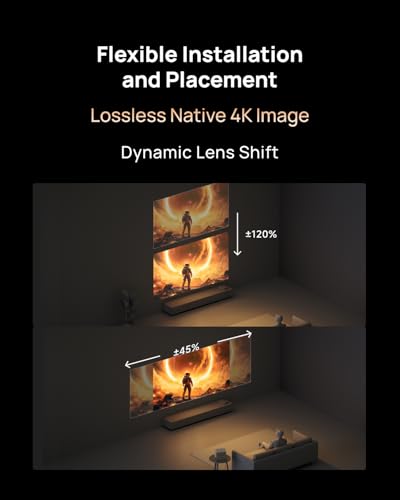
The Sony BRAVIA Projector 9 offers superior installation flexibility through motorized lens features. Motorized zoom lets you adjust image size without moving the projector. Lens shift allows you to move the projected image up, down, or sideways without introducing keystone distortion. These features are crucial for ceiling-mounted installations where you can't easily adjust the projector's position.
The XGIMI Horizon 20 Max takes a more consumer-friendly approach with its built-in adjustable stand and automatic calibration features. While it lacks motorized lens adjustments, the ISA 5.0 system can compensate for moderate installation challenges through digital correction.
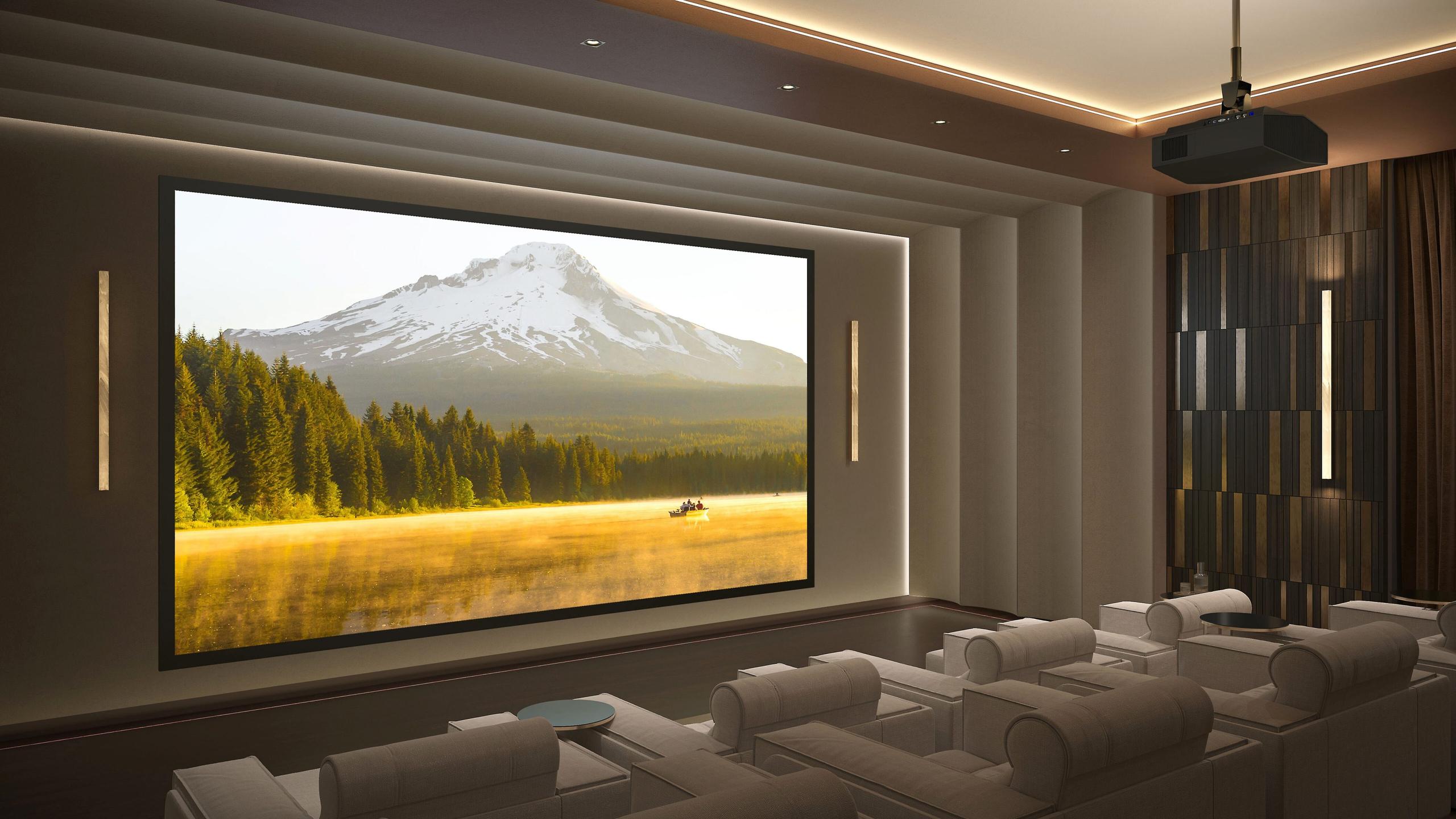
For room requirements, the projectors suit different environments. The XGIMI's extreme brightness makes it suitable for multi-purpose rooms where you can't control all lighting. Family rooms, living rooms, and even bedrooms become viable projection spaces.
The Sony performs best in dedicated theater rooms where you can control lighting. Its 3,400 lumens provide beautiful images in dark environments but struggle against ambient light. If you're planning a basement theater or can install blackout curtains, the Sony's superior image processing and native 4K resolution will be more apparent.
Both projectors support modern HDR (High Dynamic Range) standards, but they implement them differently. HDR allows for brighter highlights and darker shadows in the same image, creating more realistic contrast. However, projectors typically can't achieve the extreme brightness levels that HDR was designed for, so tone mapping—compressing the HDR signal to fit the projector's capabilities—becomes crucial.
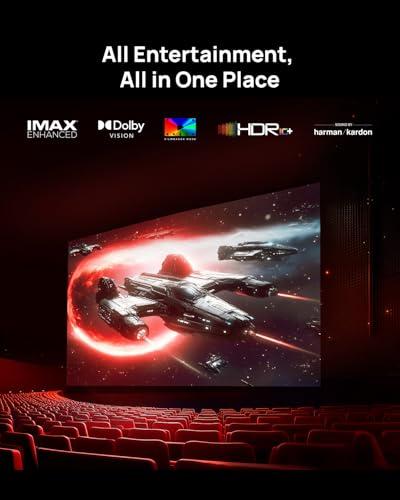
The XGIMI Horizon 20 Max supports Dolby Vision, HDR10+, and IMAX Enhanced, covering all major HDR standards. Its high brightness helps HDR content look more impactful than on dimmer projectors. However, its tone mapping, while good, isn't quite as sophisticated as Sony's processing.
The Sony BRAVIA Projector 9 leverages the same XR Dynamic Tone Mapping found in Sony's premium TVs. This system analyzes each frame and optimizes tone mapping in real-time, preserving detail in both highlights and shadows. The result often looks more natural and film-like, even if it's not as bright as the XGIMI.
For color accuracy, both projectors perform well, but with different strengths. The XGIMI achieves impressive Delta E values under 0.8 out of the box, meaning colors are very accurate without professional calibration. The Sony offers 95% coverage of the DCI-P3 color space used in cinema, making it ideal for movie watching.
After extensive research into user experiences and professional reviews, clear usage patterns emerge. The XGIMI Horizon 20 Max excels as a versatile, high-performance projector that works in real-world conditions. It's the better choice if your viewing room has windows, if you want to watch content during daytime hours, or if you prioritize gaming performance.
The Sony BRAVIA Projector 9 targets enthusiasts with dedicated theater spaces who prioritize absolute image quality over convenience. Its native 4K panel and sophisticated processing create more detailed, natural images than the XGIMI can match, but only when room conditions allow its strengths to shine.
For most people setting up their first serious home theater, the XGIMI offers better value and usability. Its brightness advantage means you're more likely to actually use it regularly, rather than saving it for special movie nights when you can darken the room completely.
However, if you're building a dedicated home theater in a basement or spare room where you can control lighting completely, and image quality matters more than convenience features, the Sony delivers a more premium, cinema-like experience.
At the time of writing, both projectors represent significant investments, but they approach that premium positioning differently. The XGIMI provides more functionality per dollar spent, while the Sony offers refined image quality that justifies its higher price for serious enthusiasts.
The projector market has evolved rapidly since 2020, with laser light sources, 4K resolution, and gaming capabilities becoming standard in premium models. Both the XGIMI Horizon 20 Max and Sony BRAVIA Projector 9 represent the current peak of this evolution, just with different priorities. Your choice should depend on your room, your usage patterns, and whether you value versatility or absolute quality more highly.
| XGIMI Horizon 20 Max | Sony BRAVIA Projector 9 |
|---|---|
| Brightness - Most critical for daytime viewing and bright rooms | |
| 5,700 ISO lumens (exceptional for well-lit environments) | 3,400 ANSI lumens (requires controlled lighting for best results) |
| 4K Resolution Technology - Affects image sharpness and detail | |
| 4K via XPR pixel-shifting (very sharp but not native) | Native 4K SXRD panel (true 8.3M pixels for finest detail) |
| Light Source - Impacts color accuracy and maintenance | |
| X-Master RGB Triple Laser (pure colors, 20,000+ hour lifespan) | Z-Phosphor Laser (reliable performance, 20,000+ hour lifespan) |
| Gaming Performance - Critical for console gaming responsiveness | |
| 1ms lag @ 1080p/240Hz, 3ms @ 4K/60Hz (excellent for competitive gaming) | 12ms @ 4K/120Hz, 19ms @ 4K/60Hz (good for casual gaming) |
| Smart Features - Determines ease of use and setup | |
| Android TV 11, 4GB RAM, 128GB storage, ISA 5.0 auto-setup | No built-in smart platform (requires external streaming device) |
| Color Accuracy - Affects how natural images look | |
| ΔE < 0.8, 110% BT.2020 coverage (excellent out-of-box accuracy) | 95% DCI-P3 coverage, XR Triluminos Pro (cinema-grade color science) |
| Audio Solution - Whether you need additional speakers | |
| Dual 24W Harman Kardon speakers built-in | No speakers (requires external audio system) |
| Installation Flexibility - How easy it is to position properly | |
| Built-in adjustable stand, auto-keystone, obstacle avoidance | Motorized zoom/focus/lens shift (professional installation features) |
| HDR Support - Important for modern streaming content | |
| Dolby Vision, HDR10+, IMAX Enhanced, dynamic tone mapping | HDR10, HLG, XR Dynamic Tone Mapping (TV-grade processing) |
| Noise Level - Affects viewing comfort in quiet scenes | |
| 28 dB (noticeable but not intrusive during normal use) | 26 dB (quieter operation for distraction-free viewing) |
| Best For - Who should choose each projector | |
| Bright rooms, gaming, all-in-one convenience, daytime viewing | Dark theaters, native 4K priority, premium processing, cinema enthusiasts |
The XGIMI Horizon 20 Max is significantly better for bright rooms with its 5,700 ISO lumens output. This extreme brightness allows you to watch movies and shows even with room lighting on or during daytime hours. The Sony BRAVIA Projector 9 at 3,400 lumens requires controlled lighting and works best in dedicated dark theater rooms.
The Sony BRAVIA Projector 9 uses true native 4K with 8.3 million individual pixels, providing the sharpest possible detail reproduction. The XGIMI Horizon 20 Max achieves 4K through pixel-shifting technology, which rapidly moves a lower-resolution panel to create 4K-like detail. Both look excellent, but native 4K provides slightly superior fine detail clarity.
The XGIMI Horizon 20 Max excels for gaming with ultra-low 1ms input lag at 1080p/240Hz and gaming-specific features like Black Equalizer and virtual crosshairs. The Sony BRAVIA Projector 9 offers good gaming performance at 12ms lag for 4K/120Hz but focuses more on cinematic image quality than competitive gaming features.
The XGIMI Horizon 20 Max is an all-in-one solution with built-in Android TV, speakers, and auto-setup features. The Sony BRAVIA Projector 9 requires external streaming devices for smart TV functions and external speakers for audio, making the total system cost significantly higher.
Both projectors offer excellent color accuracy, but approach it differently. The XGIMI Horizon 20 Max achieves ΔE < 0.8 color accuracy out of the box with 110% BT.2020 coverage. The Sony BRAVIA Projector 9 provides 95% DCI-P3 cinema-grade color space with sophisticated XR processing for more natural-looking images.
Yes, both work well for home theaters but serve different needs. The Sony BRAVIA Projector 9 is ideal for dedicated dark theater rooms where image quality is paramount. The XGIMI Horizon 20 Max works better for multi-purpose rooms or family theaters where you can't always control lighting conditions.
The XGIMI Horizon 20 Max is much easier to install with ISA 5.0 auto-setup that handles focus, keystone correction, and obstacle avoidance automatically. The Sony BRAVIA Projector 9 offers professional installation features like motorized lens shift but requires more technical expertise to optimize properly.
The XGIMI Horizon 20 Max includes full Android TV with 4GB RAM and 128GB storage, allowing direct installation of Netflix, YouTube, and other streaming apps. The Sony BRAVIA Projector 9 has no smart TV features and requires external devices like Apple TV or gaming consoles for streaming content.
The XGIMI Horizon 20 Max provides better overall value by including speakers, smart TV platform, and extreme brightness in one package. The Sony BRAVIA Projector 9 commands a premium price but requires additional purchases for audio and streaming, though it offers superior native 4K image processing.
The Sony BRAVIA Projector 9 delivers superior image quality in controlled environments with native 4K resolution and advanced XR processing. The XGIMI Horizon 20 Max produces more vibrant, punchy images thanks to its extreme brightness, making it better for varied lighting conditions despite using pixel-shifting 4K.
For dedicated movie watching in a dark theater room, the Sony BRAVIA Projector 9 provides more cinematic image quality with native 4K and professional color processing. For casual movie watching in living rooms or multi-purpose spaces, the XGIMI Horizon 20 Max offers better versatility and convenience.
Both projectors support HDR, but differently. The XGIMI Horizon 20 Max supports Dolby Vision, HDR10+, and IMAX Enhanced with its high brightness making HDR highlights more impactful. The Sony BRAVIA Projector 9 uses sophisticated XR Dynamic Tone Mapping for more natural HDR processing, though with lower peak brightness.
We've done our best to create useful and informative comparisons to help you decide what product to buy. Our research uses advanced automated methods to create this comparison and perfection is not possible - please contact us for corrections or questions. These are the sites we've researched in the creation of this article: dustinabbott.net - projectorcentral.com - youtube.com - us.xgimi.com - youtube.com - tweaktown.com - youtube.com - us.xgimi.com - youtube.com - youtube.com - thesmarthomehookup.com - youtube.com - us.xgimi.com - global.xgimi.com - projector-database.com - projectorcentral.com - worldwidestereo.com - formovie.com - electronics.sony.com - sonypremiumhome.com - thesonyshop.ca - crutchfield.com - youtube.com - valueelectronics.com - greatsoundsav.com - pro.sony - skybygramophone.com - avsforum.com - projectorcentral.com - projectorscreenstore.com

Privacy Policy
Terms and Conditions - Affiliate Policy
Home Security
© Copyright 2008-2026.
11816 Inwood Rd #1211, Dallas, TX 75244