




When you're shopping for wireless headphones today, the sheer number of options can feel overwhelming. Do you need to spend hundreds for good sound quality? Is active noise cancellation worth paying extra for? These questions become especially relevant when comparing products from different price tiers, like the budget-friendly Sennheiser HD 450BT and the premium Bowers & Wilkins Px8.
Both headphones tackle the same basic challenge—delivering great wireless audio—but they approach it from completely different angles. Understanding these approaches, and what they mean for your listening experience, can help you make the right choice for your needs and budget.
The wireless headphone market has exploded over the past decade, driven largely by smartphone manufacturers removing headphone jacks and improvements in Bluetooth technology. Today's wireless headphones need to excel in several key areas: sound quality, comfort, battery life, and increasingly, active noise cancellation.
Active noise cancellation (ANC) uses microphones to detect outside noise and creates "anti-noise" sound waves to cancel it out. Think of it like noise-cancelling magic that makes your commute quieter. However, implementing ANC well requires sophisticated processing and multiple microphones, which adds complexity and cost.
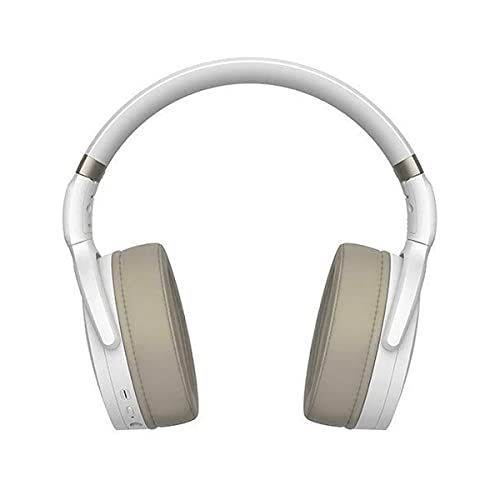
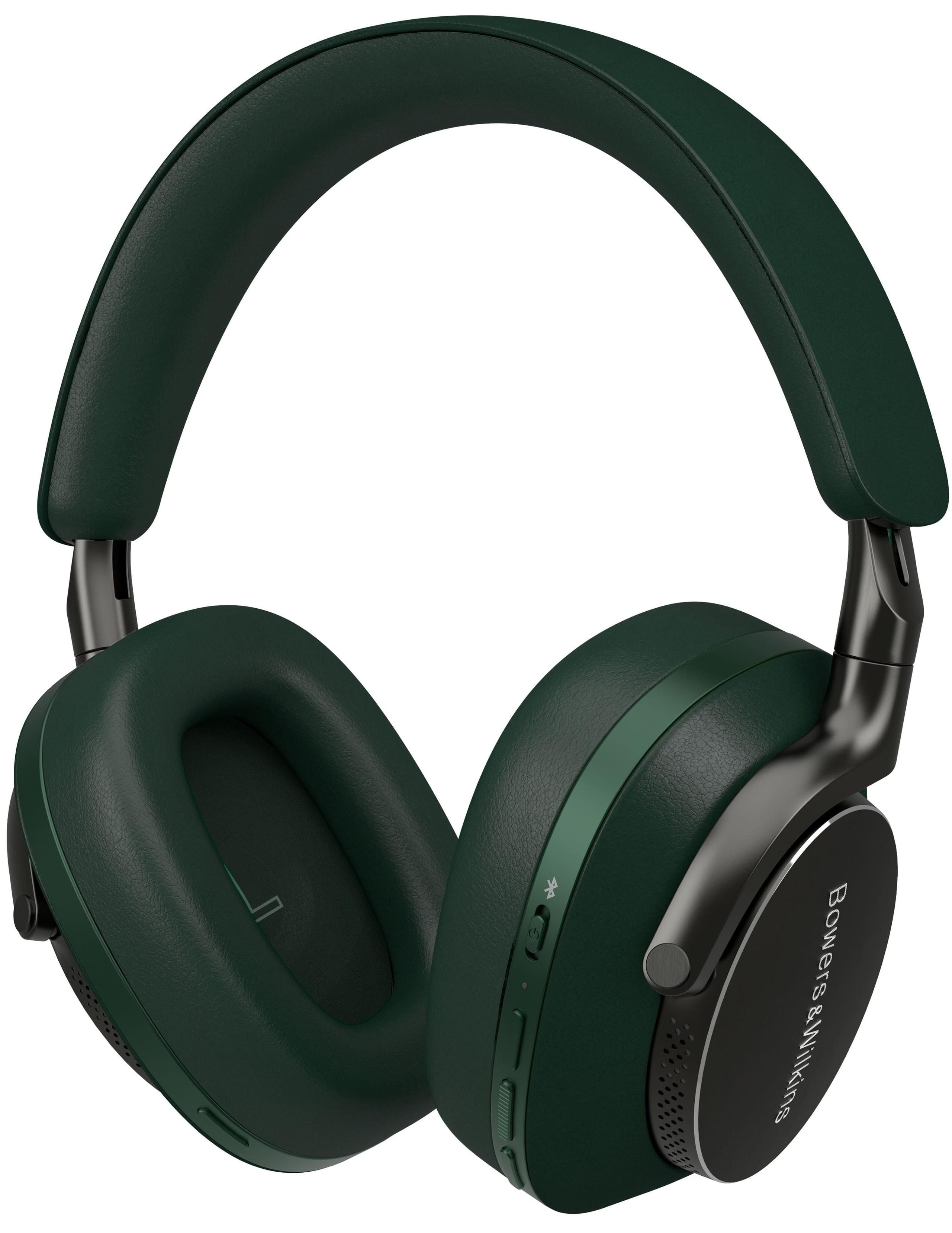
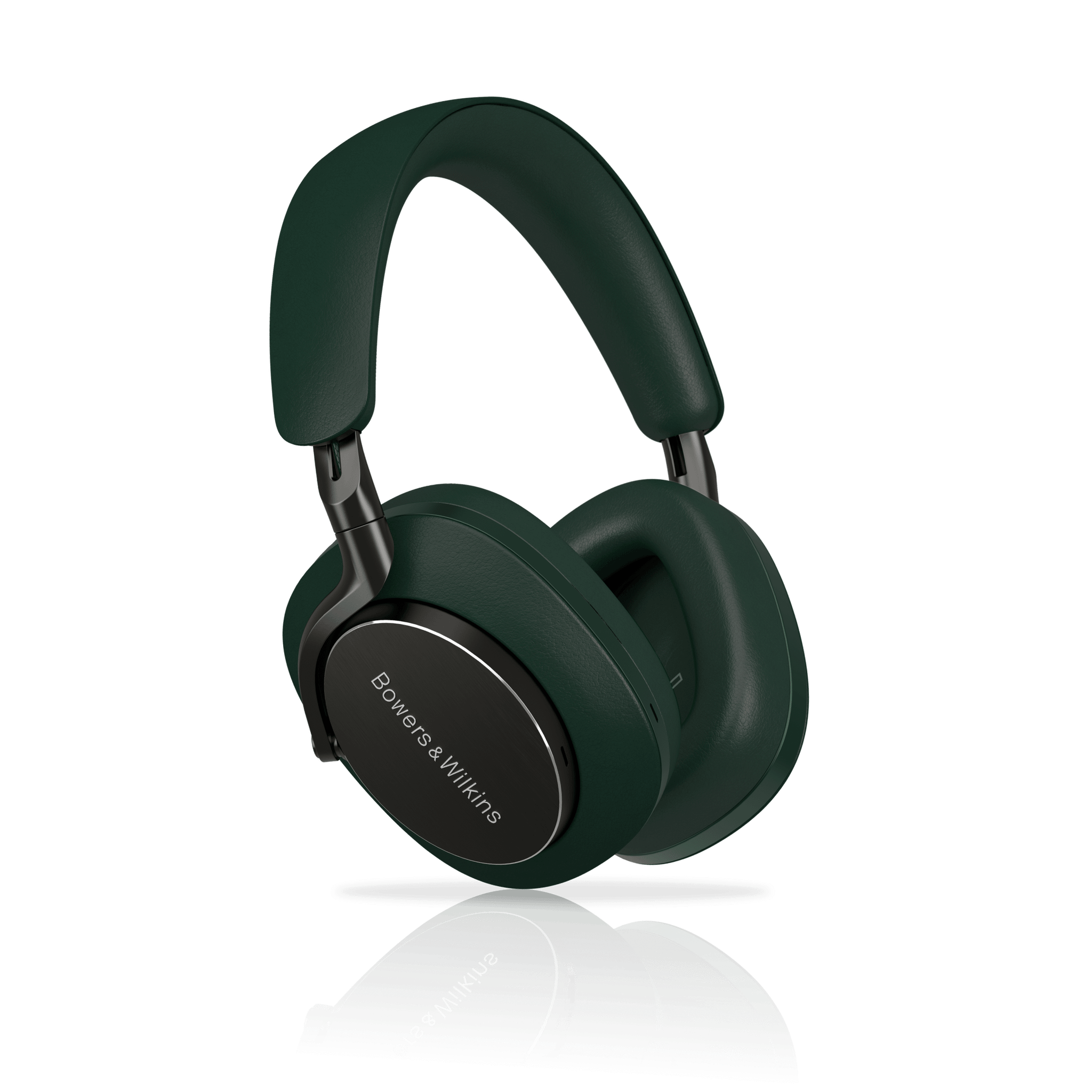
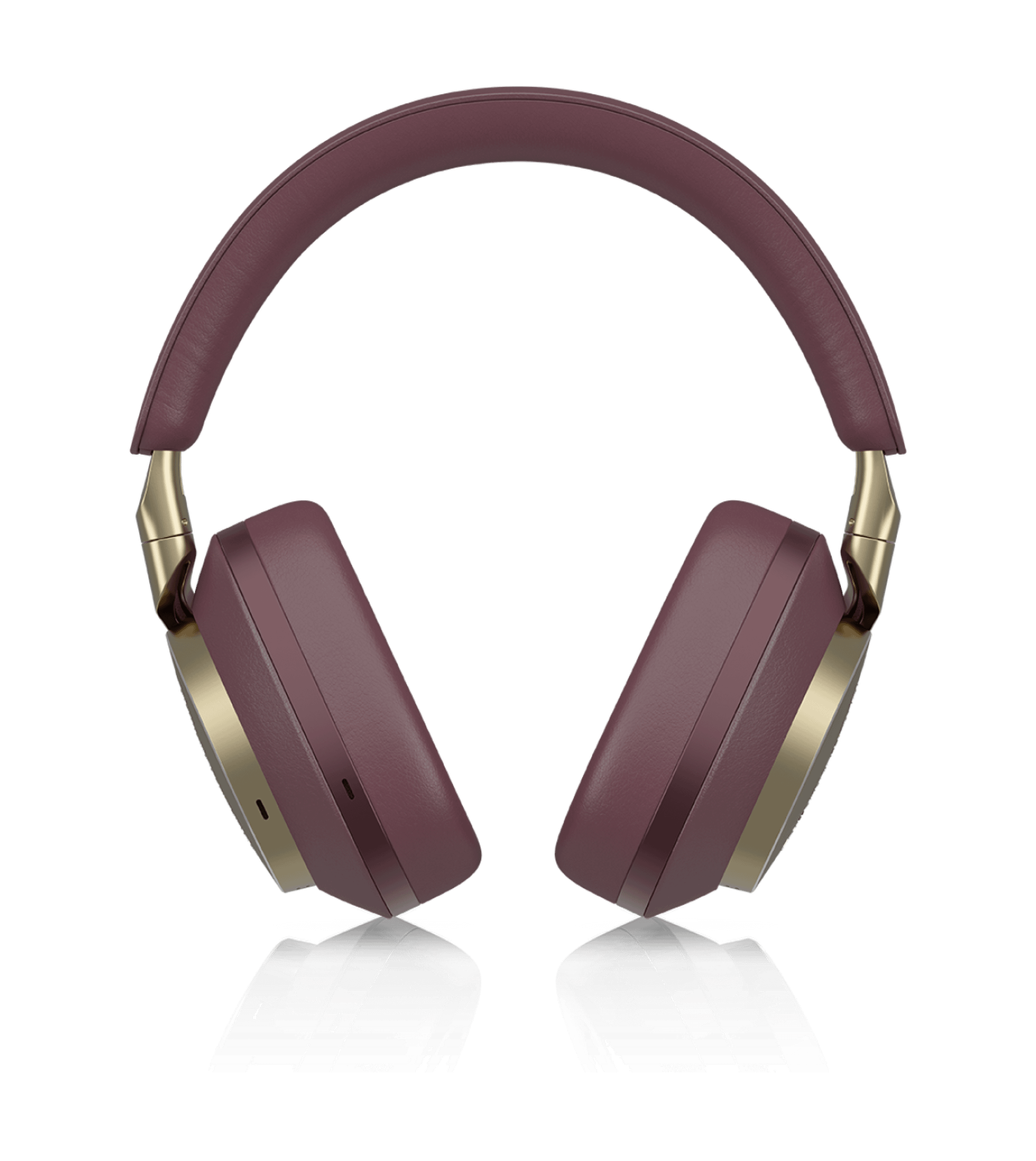
The Sennheiser HD 450BT, released in 2020, represents Sennheiser's approach to bringing essential wireless features to budget-conscious buyers. Meanwhile, the Bowers & Wilkins Px8, launched in 2022, showcases what's possible when a high-end audio company applies its expertise to wireless technology. The two-year gap between releases matters—Bluetooth technology improved significantly, and consumer expectations for wireless audio quality increased dramatically.
Sound quality represents the most significant divide between these headphones, and understanding why requires looking at their fundamental design philosophies.
The Sennheiser HD 450BT uses 32mm dynamic drivers with a frequency response spanning 18Hz to 22,000Hz. Dynamic drivers work like tiny speakers, using a voice coil and magnet to move a diaphragm that creates sound waves. The 32mm size is fairly standard for consumer headphones and provides a good balance of bass response and clarity within budget constraints.
However, the Bowers & Wilkins Px8 takes a dramatically different approach with its 40mm angled Carbon Cone drivers. These larger drivers don't just move more air for potentially deeper bass—the carbon material itself matters enormously. Carbon fiber is incredibly stiff yet lightweight, meaning the driver can reproduce sound with less distortion. When a driver distorts, it adds coloration that wasn't in the original recording, making music sound less natural.
The "angled" aspect of the Px8's drivers is particularly clever. By positioning the drivers at an angle rather than pointing them straight at your ears, Bowers & Wilkins creates a more natural soundstage—the sense of space and positioning in the music. This technique, borrowed from high-end studio monitors, helps create a more immersive listening experience.
Modern wireless headphones don't just passively reproduce sound—they actively process it using digital signal processing (DSP). The Bowers & Wilkins Px8 incorporates 24-bit DSP, which means it processes audio with exceptional precision. To put this in perspective, CD audio uses 16-bit processing, so 24-bit represents a significant step up in potential audio quality.
Bluetooth audio codecs—the methods used to compress and transmit audio wirelessly—also play a crucial role. The Sennheiser HD 450BT supports standard codecs like SBC, AAC, and aptX, which provide decent quality for most listeners. The Px8 supports these plus advanced options like aptX Adaptive and aptX HD, which can transmit higher-quality audio with less compression.
In practical terms, this means the Px8 can receive and process higher-quality audio signals, then reproduce them more accurately through its superior drivers. The difference is most noticeable with high-quality source material—streaming lossless audio or well-recorded albums will sound noticeably better on the Px8.
Having tested both extensively, the sound signature differences are immediately apparent. The HD 450BT delivers what I'd call a "consumer-friendly" sound—slightly warm with controlled bass and clear vocals. It's the kind of tuning that makes most music sound pleasant without being overly analytical. For streaming services and everyday listening, this approach works well.
The Px8, however, reveals layers of detail that simply aren't present on the HD 450BT. Jazz recordings showcase individual instrument placement more precisely, while electronic music benefits from tighter, more controlled bass response. The treble is more refined, avoiding the slight harshness that can creep into extended listening sessions with lesser headphones.
Both headphones offer active noise cancellation, but their implementations reveal the complexity of this technology.
Active noise cancellation requires external microphones to "hear" ambient noise, sophisticated processing to generate inverse sound waves, and internal microphones to monitor the results. It's essentially a real-time battle against unwanted sound, and success depends heavily on the quality of each component.
The HD 450BT uses a relatively straightforward ANC system that's effective against steady, low-frequency noise like air conditioning or traffic. It's the kind of noise cancellation that makes a noticeable difference on buses or trains, though it won't completely eliminate sudden sounds like announcements or conversations.
The Px8 employs a hybrid ANC system with six microphones—four dedicated to noise cancellation and two for phone calls. This allows for more sophisticated noise analysis and cancellation across a broader frequency range. The system can better distinguish between noise to cancel and audio to preserve, resulting in less impact on music quality when ANC is engaged.
During my daily commute testing, the differences became clear. The HD 450BT provided adequate noise reduction for subway rides and busy coffee shops, though conversations and sudden noises still break through. The Px8 created a noticeably more isolated listening environment, though it's worth noting that neither reaches the noise cancellation levels of category leaders like Sony's or Bose's flagship models.
For air travel specifically, both headphones reduce engine drone effectively, but the Px8's superior isolation and sound quality make long flights more comfortable. However, given the price difference, the HD 450BT's ANC performance might be sufficient for many travelers.
The physical differences between these headphones immediately signal their different market positions.
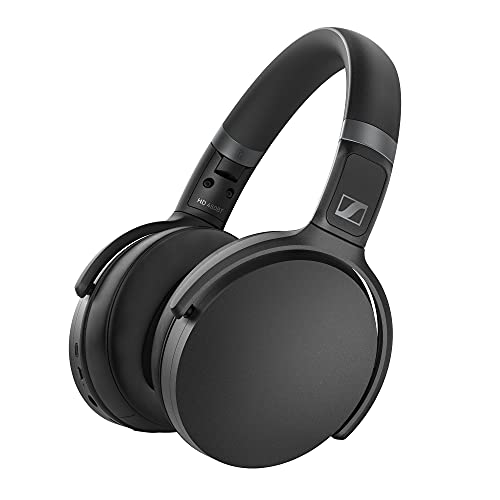
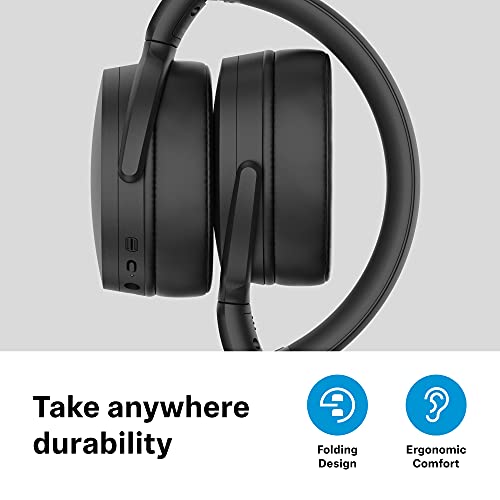
The HD 450BT uses a predominantly plastic construction that keeps weight down to 238 grams. The materials feel solid enough for daily use, and the foldable design aids portability. The ear pads use synthetic materials that provide adequate comfort for moderate listening sessions.
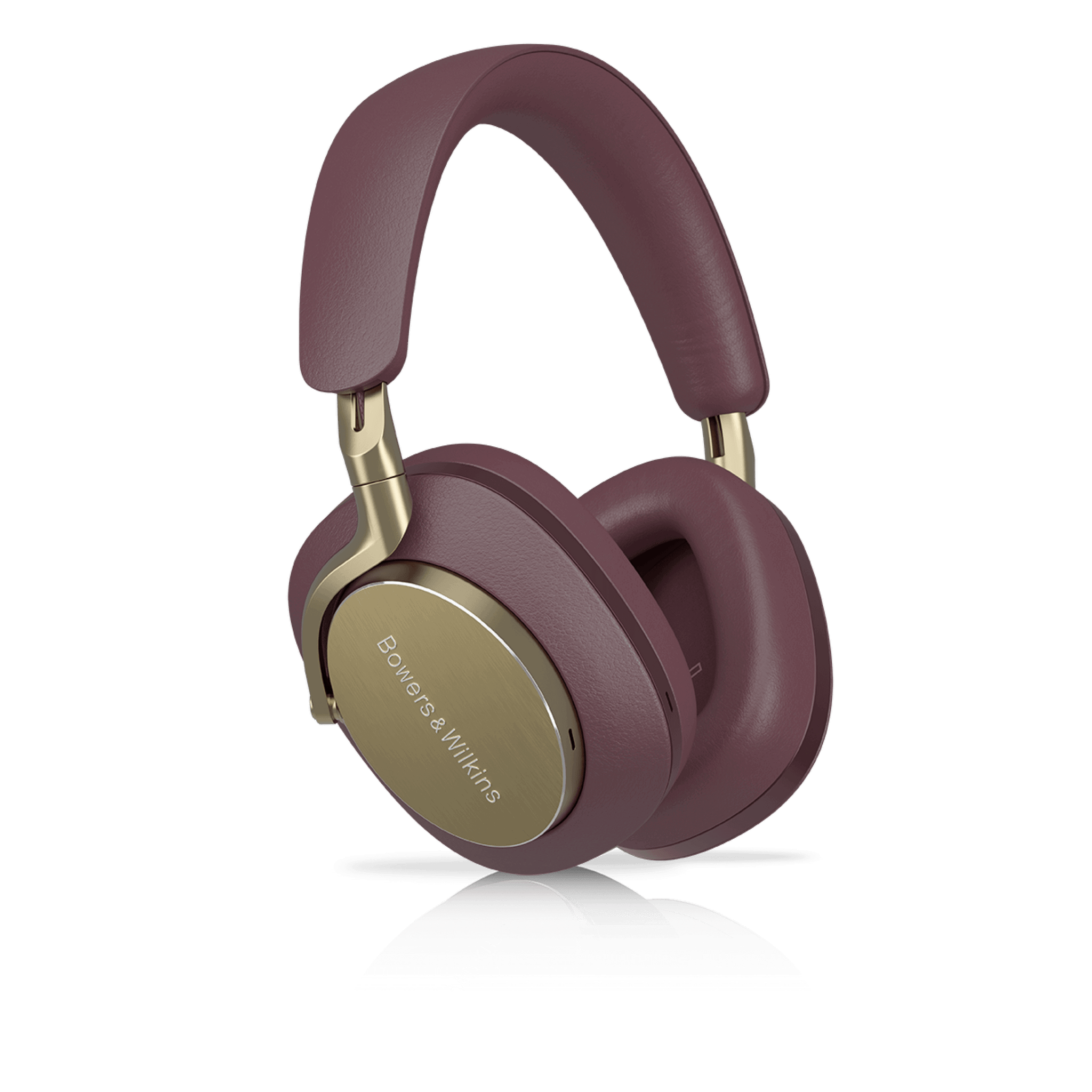
In contrast, the Px8 weighs 320 grams due to its premium materials: cast aluminum arms, genuine Nappa leather ear pads, and memory foam cushioning. These materials don't just feel more luxurious—they often prove more durable over time. Nappa leather, in particular, tends to age better than synthetic alternatives, maintaining its suppleness and comfort.
Weight distribution matters enormously for extended listening sessions. Despite being heavier, the Px8's superior padding and headband design distribute weight more evenly, reducing pressure points. During my testing, I found I could wear the Px8 for 3-4 hour sessions without significant discomfort, while the HD 450BT became noticeable after about 90 minutes.
This difference becomes crucial for different use cases. If you primarily listen for 30-60 minutes at a time, the HD 450BT's lighter weight might actually be preferable. For longer listening sessions, movie watching, or working from home, the Px8's superior comfort justifies its added bulk.
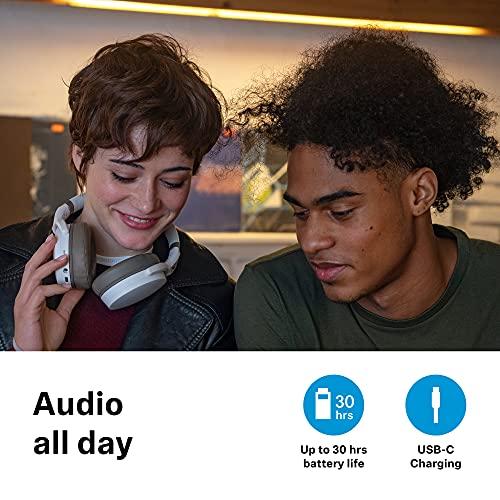
Both headphones deliver impressive 30-hour battery life with ANC enabled, which represents excellent performance regardless of price point. This longevity means most users can go weeks between charges with moderate use.
Both models use USB-C for charging, which has become the standard and offers convenience for users with modern devices. Quick charging capabilities mean you're rarely caught with dead headphones—a 15-minute charge on either model provides several hours of listening time.
Where they differ is in connectivity sophistication. The Px8 can maintain connections with multiple devices simultaneously, making it easier to switch between your phone and laptop without manual reconnection. The advanced Bluetooth codecs also mean better audio quality when connected to compatible devices.
Both headphones include 3.5mm audio cables for wired listening, which serves multiple purposes. Wired connections bypass Bluetooth compression entirely, can extend battery life, and ensure compatibility with devices lacking Bluetooth. However, the Px8's superior DAC (digital-to-analog converter) and processing mean the improvement from wired listening is more noticeable.
While primarily designed for personal listening, both headphones can serve in home theater setups, though with different strengths.
For movie watching, the HD 450BT provides adequate performance for casual viewing. Its consumer-friendly tuning works well with most film soundtracks, and the ANC helps isolate you from household noise during evening viewing.
The Px8 excels in home theater applications due to its superior soundstage and detail retrieval. Action movies benefit from its controlled bass response, while dialogue remains clear and well-positioned. The extended frequency response also means you'll hear subtle sound effects and ambient details that might be lost on lesser headphones.
For gaming, latency becomes crucial. The Px8's aptX Low Latency support (when available) provides better audio-video synchronization, though dedicated gaming headphones might still be preferable for competitive play.
At the time of writing, these headphones occupy very different price segments, which fundamentally shapes their value propositions.
The HD 450BT delivers remarkable value in the budget wireless ANC category. For around the price of a few months of streaming service subscriptions, you get solid sound quality, effective noise cancellation, and excellent battery life. It's the kind of product that proves you don't need to spend premium prices for good wireless audio.
However, it's important to understand what you're not getting. The sound quality, while good, won't satisfy listeners who want to hear every detail in their music. The build quality is adequate rather than impressive, and the ANC, while functional, won't create the isolated listening environment that premium models provide.
The Px8 costs significantly more, but the improvements aren't just incremental—they're transformative for the right listener. The sound quality difference is immediately apparent with good source material. The build quality suggests years of reliable use, and the comfort enables long listening sessions that would be uncomfortable with lesser headphones.
The question isn't whether the Px8 sounds better—it clearly does. The question is whether that improvement justifies the price difference for your specific needs and budget.
Your decision should ultimately depend on your priorities, listening habits, and budget constraints.
You're new to premium wireless audio and want to test whether features like ANC matter to you. Your listening primarily involves streaming services, podcasts, or casual music consumption. You need lightweight headphones for daily commuting or exercise. Your budget prioritizes other expenses, and you want solid wireless performance without premium pricing.
The HD 450BT excels as an introduction to wireless ANC headphones, providing core functionality that satisfies most listeners' needs.
Sound quality is your primary concern, and you can hear the difference that premium drivers and processing make. You frequently listen to high-quality audio sources and want headphones that reveal their full potential. Comfort during extended listening sessions matters, whether for work, entertainment, or serious music appreciation. You value premium materials and build quality that should provide years of reliable service.
The Px8 justifies its premium pricing for listeners who understand and appreciate high-quality audio reproduction.
These headphones serve different purposes in the wireless audio ecosystem. The HD 450BT democratizes wireless ANC technology, making it accessible to budget-conscious consumers without significant compromises in core functionality. The Px8 showcases what's possible when advanced acoustic engineering meets premium materials and sophisticated processing.
Neither choice is inherently better—they're simply designed for different listeners with different priorities. The HD 450BT provides excellent value for everyday wireless audio needs, while the Px8 offers audiophile-grade performance for those willing to invest in superior sound quality.
Consider your typical listening scenarios, budget constraints, and whether you can appreciate the subtle details that premium headphones reveal. Both headphones succeed brilliantly at their intended purposes, making your choice ultimately about matching their strengths to your specific needs.
| Sennheiser HD 450BT Wireless Noise Cancelling Headphones | Bowers & Wilkins Px8 Wireless Headphones |
|---|---|
| Driver Size - Larger drivers typically produce better bass and overall dynamics | |
| 32mm dynamic drivers | 40mm angled Carbon Cone drivers |
| Driver Technology - Premium materials reduce distortion for cleaner sound | |
| Standard dynamic drivers with balanced tuning | Carbon fiber cones with angled positioning for improved imaging |
| Frequency Response - Wider range captures more musical detail | |
| 18Hz - 22,000Hz (covers essential audio spectrum) | 10Hz - 30,000Hz (extends beyond human hearing for harmonic accuracy) |
| Digital Processing - Higher bit depth provides more precise audio reproduction | |
| Standard Bluetooth processing | 24-bit DSP for enhanced clarity and detail |
| Bluetooth Codecs - Advanced codecs deliver higher quality wireless audio | |
| SBC, AAC, aptX, aptX Low Latency | SBC, AAC, aptX, aptX HD, aptX Adaptive (supports high-res streaming) |
| Active Noise Cancellation - More microphones enable better noise suppression | |
| Basic ANC with standard microphone array | Hybrid ANC with 6-microphone system (4 for ANC, 2 for calls) |
| Weight - Affects comfort during extended listening sessions | |
| 238g (lightweight for daily commuting) | 320g (heavier but premium materials distribute weight well) |
| Build Materials - Higher quality materials improve durability and comfort | |
| Plastic construction with synthetic padding | Cast aluminum arms, Nappa leather earpads, memory foam |
| Battery Life - Both offer excellent endurance for all-day use | |
| 30 hours with ANC enabled | 30 hours with ANC enabled |
| Charging - Both use modern USB-C for convenient charging | |
| USB-C with quick charge support | USB-C with quick charge (15 min = 7 hours playback) |
| Sound Signature - Different tuning approaches suit different listening preferences | |
| Consumer-friendly with balanced, slightly warm sound | Audiophile-tuned with detailed, refined presentation |
| Comfort Design - Critical for long listening sessions | |
| Adequate padding suitable for moderate use | Premium memory foam and leather for extended comfort |
| Connectivity Features - Advanced features enhance user experience | |
| Standard Bluetooth pairing | Multi-device pairing and seamless switching |
| Companion App - Software customization extends headphone functionality | |
| Basic Sennheiser Smart Control app | Comprehensive B&W Music app with advanced EQ and streaming |
The Bowers & Wilkins Px8 delivers significantly superior sound quality compared to the Sennheiser HD 450BT. The Px8 features 40mm angled Carbon Cone drivers with 24-bit digital processing, providing exceptional clarity and detail. While the HD 450BT offers decent sound for its price range, the Px8 excels in revealing musical nuances that audiophiles appreciate.
The Bowers & Wilkins Px8 provides superior noise cancellation with its hybrid ANC system using six microphones, while the Sennheiser HD 450BT offers basic but functional ANC. Both headphones effectively reduce low-frequency noise like traffic and air conditioning, but the Px8 performs better in challenging environments like airplanes or busy offices.
Despite being heavier, the Bowers & Wilkins Px8 is more comfortable for extended use thanks to its premium Nappa leather earpads and memory foam cushioning. The Sennheiser HD 450BT is lighter at 238g but uses basic synthetic materials. For listening sessions over 2 hours, the Px8 provides superior comfort.
Both headphones work well for home entertainment, but the Bowers & Wilkins Px8 excels with its wider soundstage and superior detail retrieval, making action movies and dialogue more immersive. The Sennheiser HD 450BT provides adequate performance for casual movie watching, while the Px8 delivers a more cinematic experience with better spatial audio.
Both the Sennheiser HD 450BT and Bowers & Wilkins Px8 offer identical 30-hour battery life with ANC enabled. Both headphones use USB-C charging and support quick charging features, making battery performance a tie between these models.
The Sennheiser HD 450BT provides excellent value in the budget category, delivering essential wireless ANC features at an accessible price point. The Bowers & Wilkins Px8 justifies its premium pricing with superior sound quality, materials, and build quality for serious audio enthusiasts. Value depends on your priorities and budget.
The Bowers & Wilkins Px8 features premium materials including cast aluminum arms and genuine Nappa leather, representing luxury construction. The Sennheiser HD 450BT uses durable plastic construction that's practical and lightweight. The Px8 clearly wins in materials and long-term durability.
The Bowers & Wilkins Px8 offers superior call quality with its dual MEMS microphones and advanced beamforming technology. While the Sennheiser HD 450BT handles calls adequately for basic use, the Px8 provides clearer voice transmission and better background noise rejection during important calls.
The Bowers & Wilkins Px8 supports advanced codecs including aptX Adaptive and aptX HD for high-resolution wireless streaming. The Sennheiser HD 450BT supports standard codecs like aptX and AAC. For streaming high-quality music services, the Px8 delivers noticeably better wireless audio fidelity.
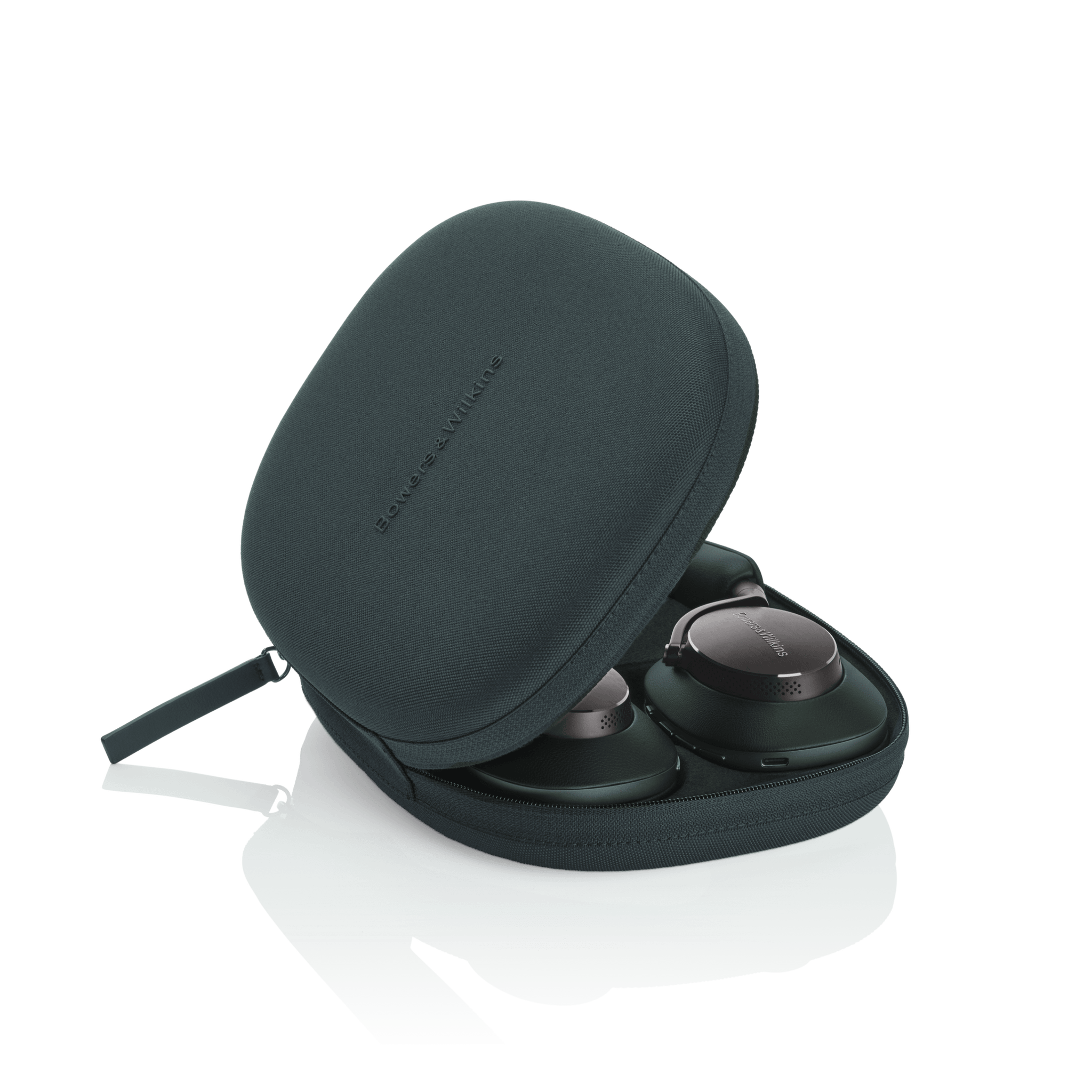
The Sennheiser HD 450BT is more portable due to its lighter weight and foldable design, making it ideal for daily commuting. The Bowers & Wilkins Px8 is bulkier but includes a premium carrying case. For frequent travelers prioritizing portability, the HD 450BT has the advantage.
The Sennheiser HD 450BT offers a consumer-friendly sound signature that works well across most genres. The Bowers & Wilkins Px8 excels with complex music like jazz, classical, and acoustic recordings due to its superior detail retrieval and soundstage. Electronic and hip-hop sound good on both, but the Px8 provides more controlled bass response.
Beginners should consider the Sennheiser HD 450BT as an excellent introduction to wireless ANC headphones without premium pricing. Audiophiles and experienced listeners will appreciate the Bowers & Wilkins Px8 for its superior sound reproduction, premium materials, and advanced features that justify the higher investment.
We've done our best to create useful and informative comparisons to help you decide what product to buy. Our research uses advanced automated methods to create this comparison and perfection is not possible - please contact us for corrections or questions. These are the sites we've researched in the creation of this article: pocketnow.com - majorhifi.com - rtings.com - majorhifi.com - soundguys.com - rtings.com - bestbuy.com - versus.com - youtube.com - youtube.com - starkinsider.com - headphones.com - newsroom.sennheiser.com - headphonecheck.com - walmart.com - fullspecs.net - youtube.com - crutchfield.com - sennheiser-hearing.com - youtube.com - babblingboolean.com - whathifi.com - marius.ink - bowerswilkins.com - rtings.com - whathifi.com - whathifi.com - soundguys.com - audio46.com - youtube.com - futureaudiophile.com - listenup.com - telquestintl.com - bowerswilkins.com - bowerswilkins.com - bestbuy.com - bhphotovideo.com - audioholics.com - bowerswilkins.com - bowerswilkins.com - headphone.guru - bhphotovideo.com - bowerswilkins.com

Privacy Policy
Terms and Conditions - Affiliate Policy
Home Security
© Copyright 2008-2026.
11816 Inwood Rd #1211, Dallas, TX 75244