

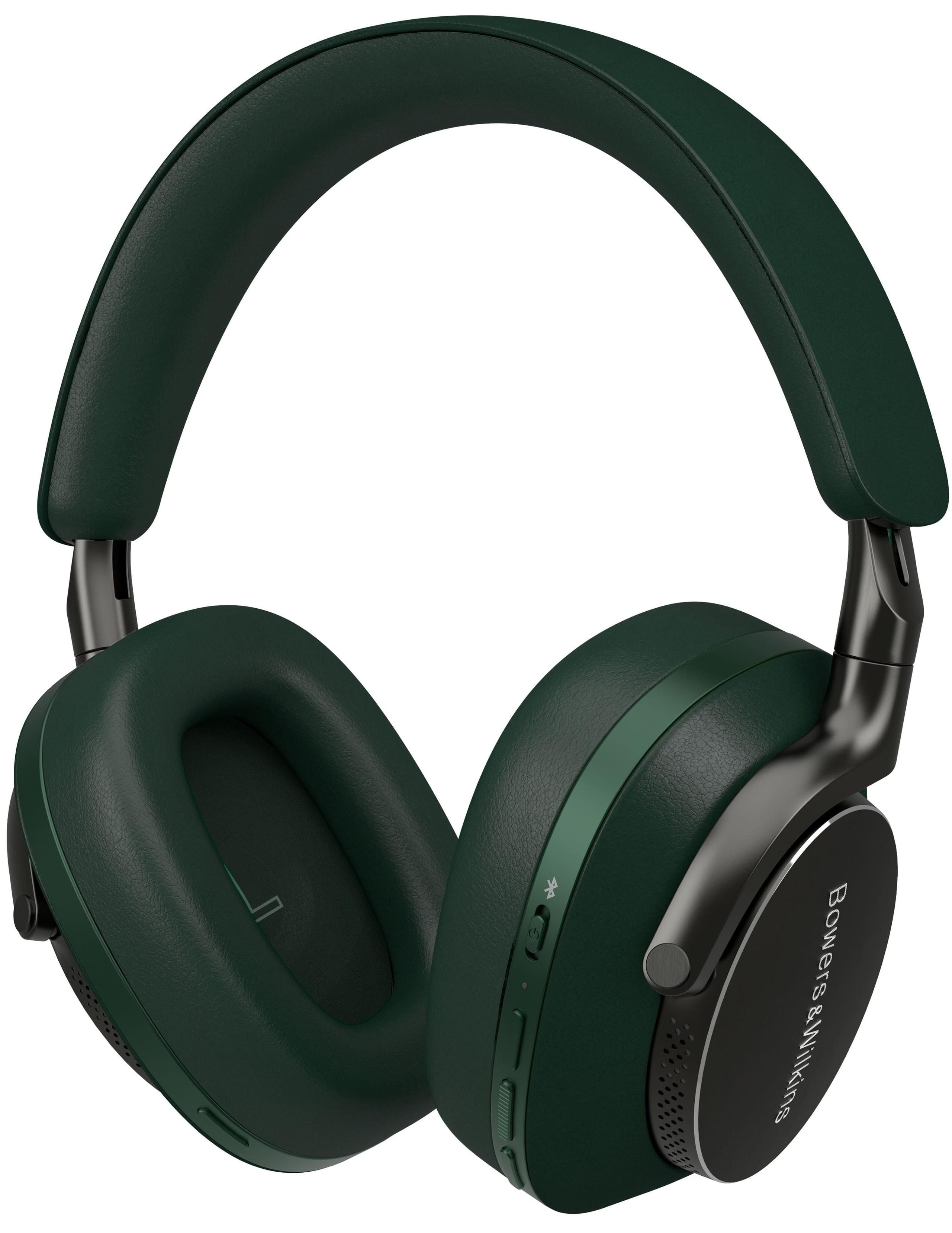
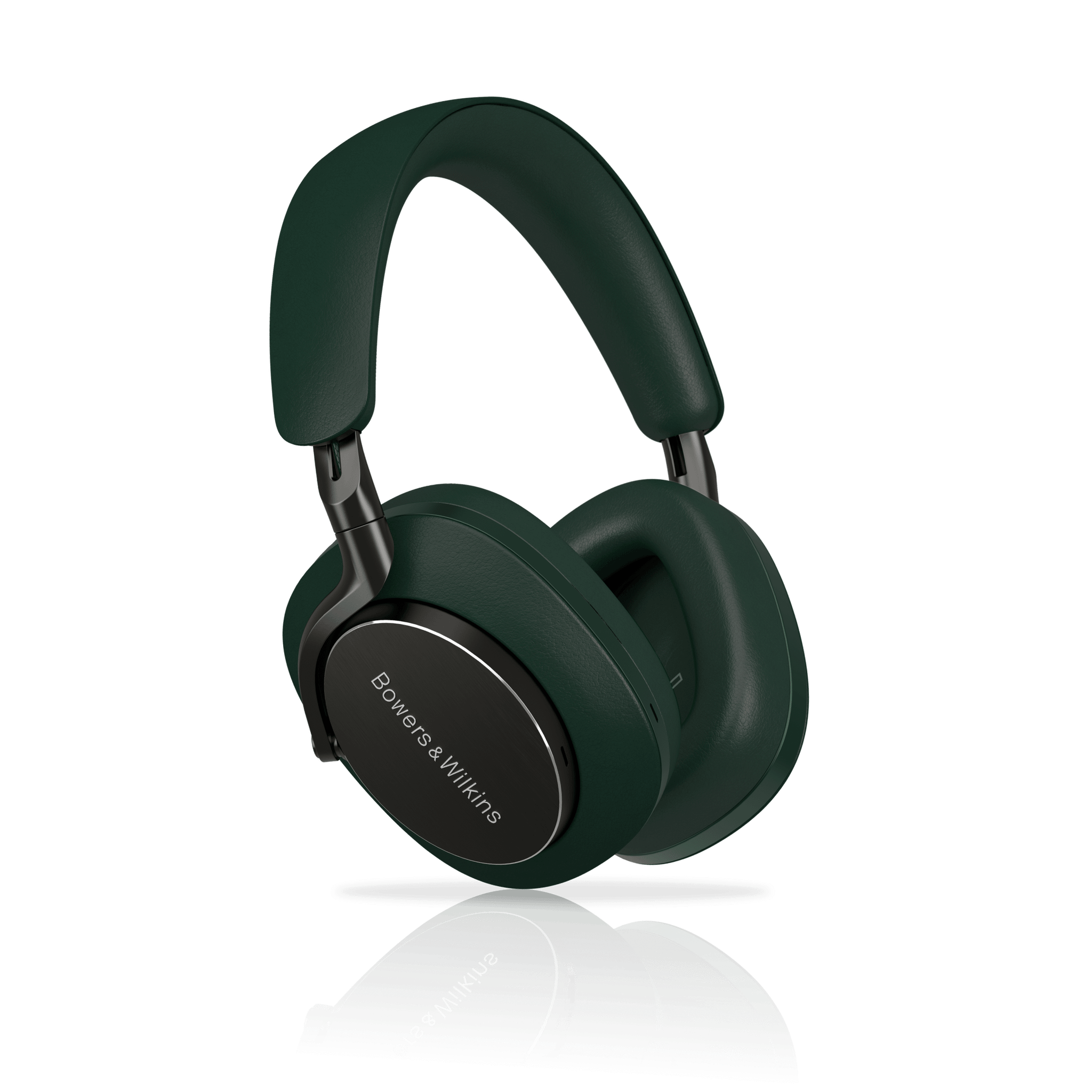
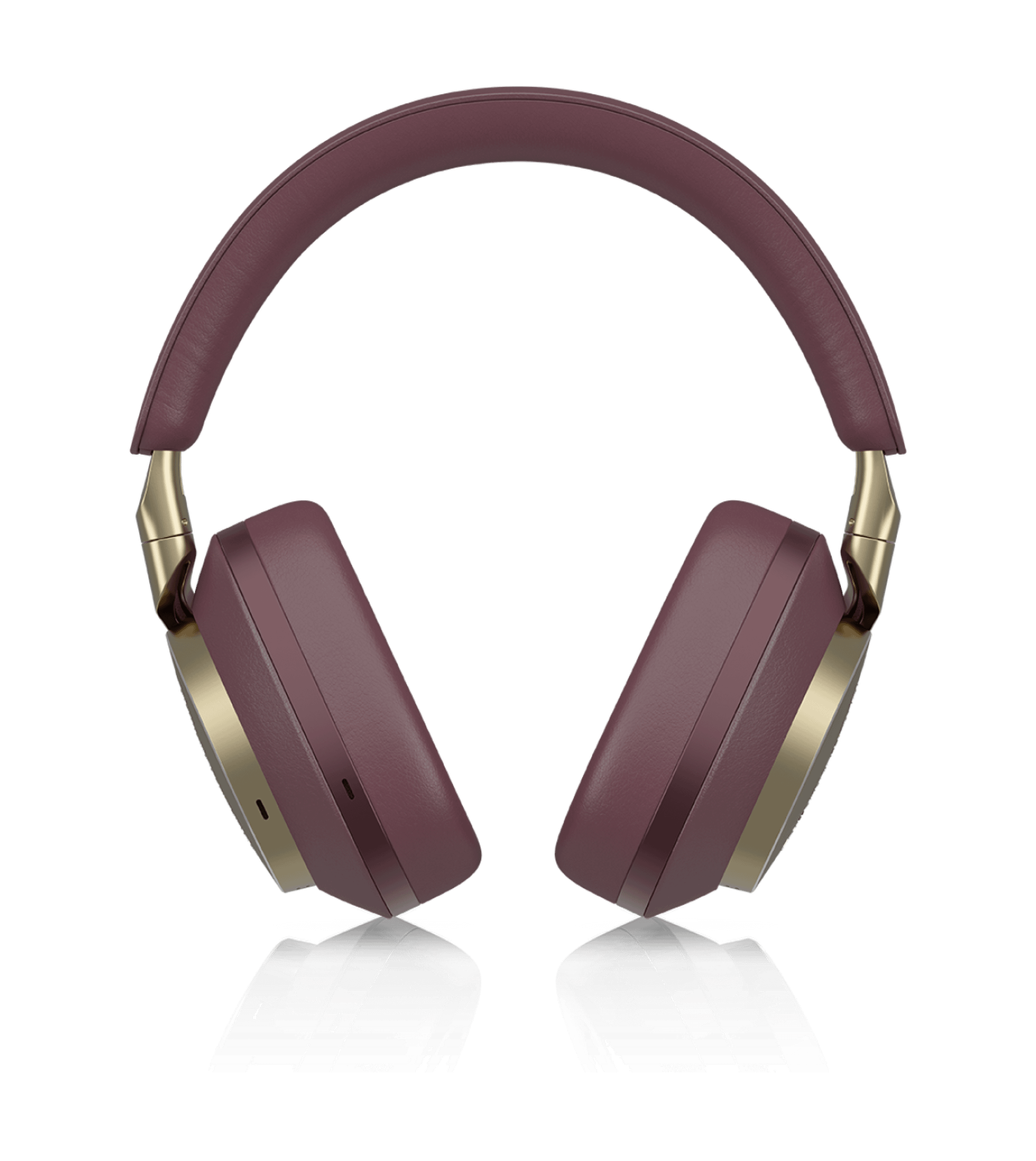
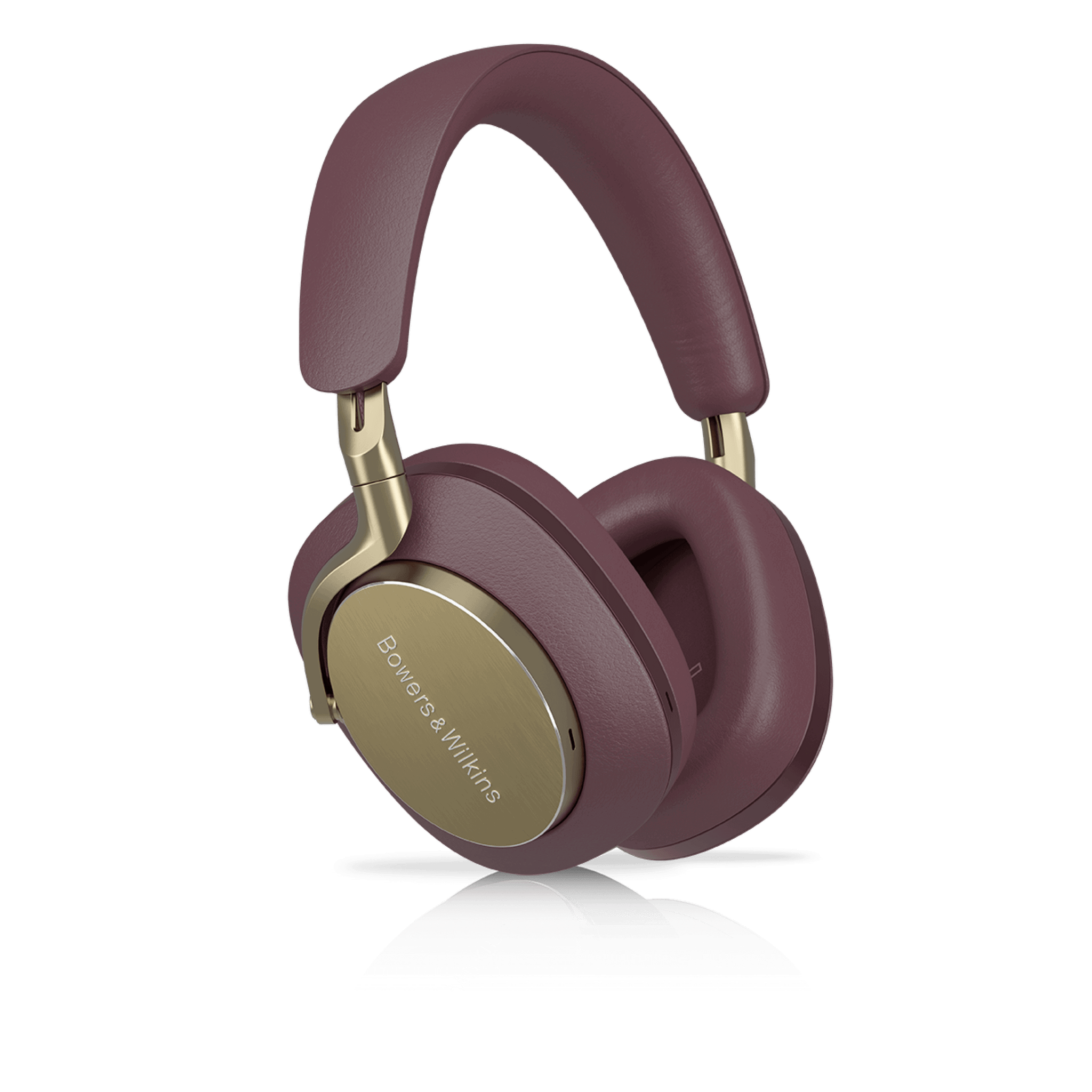

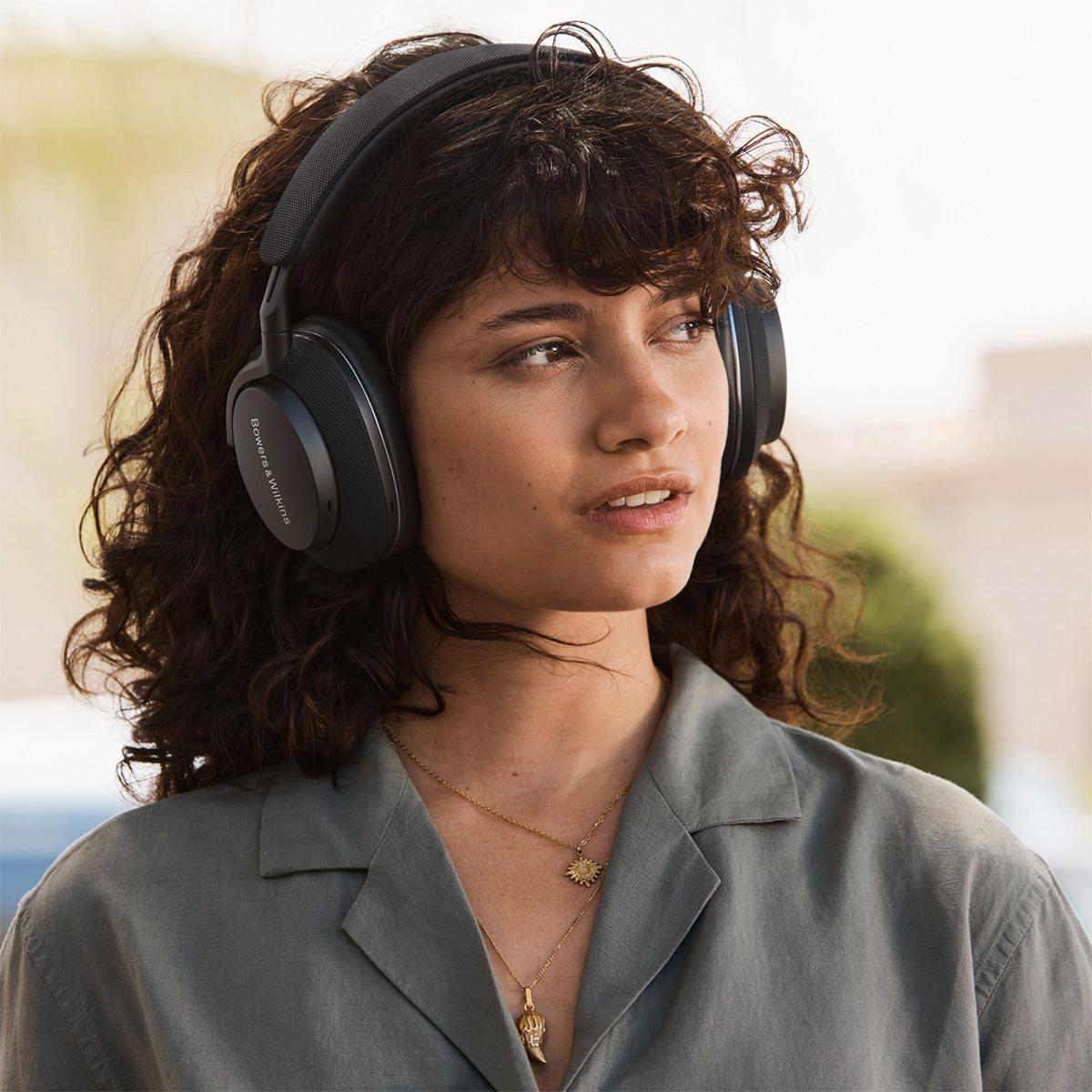
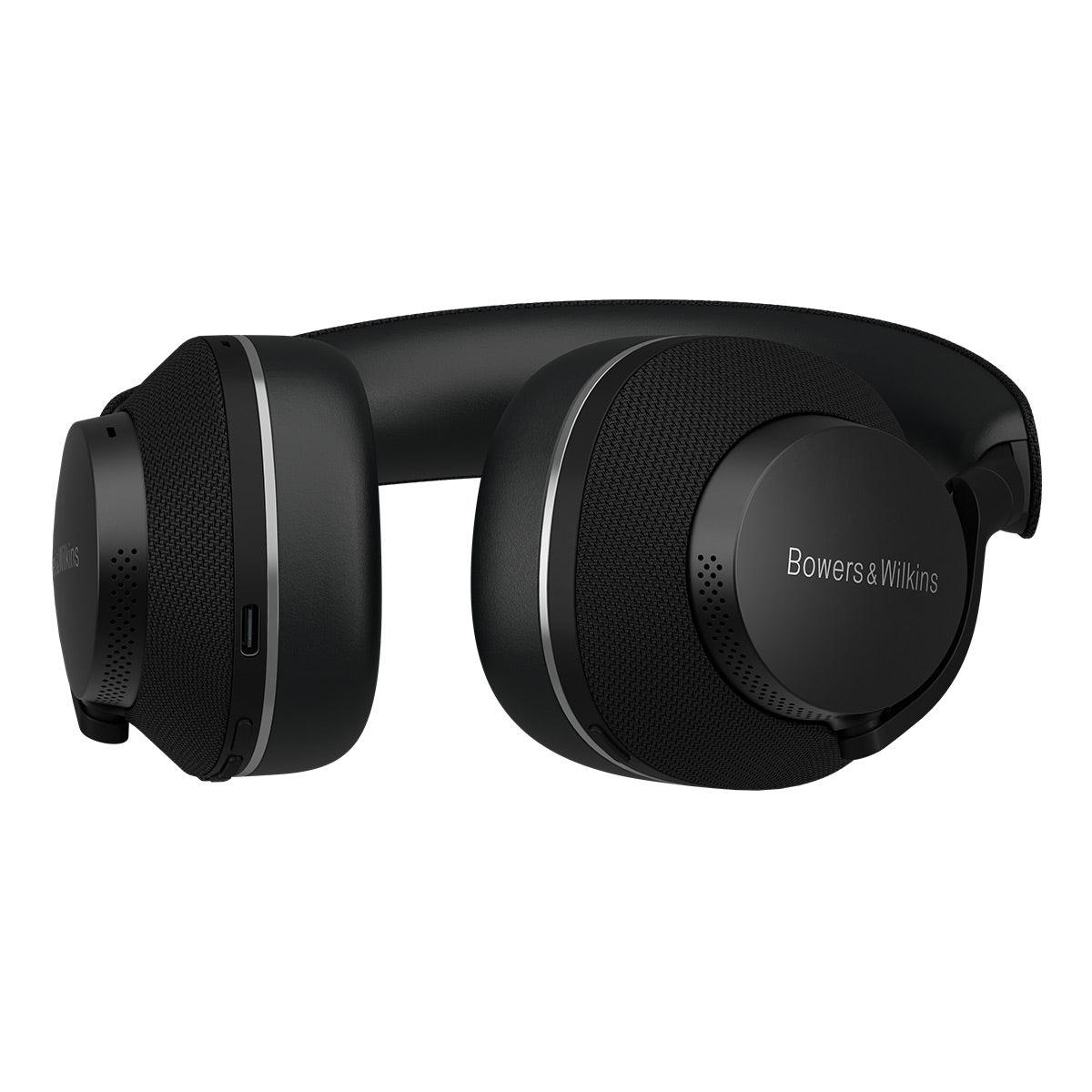
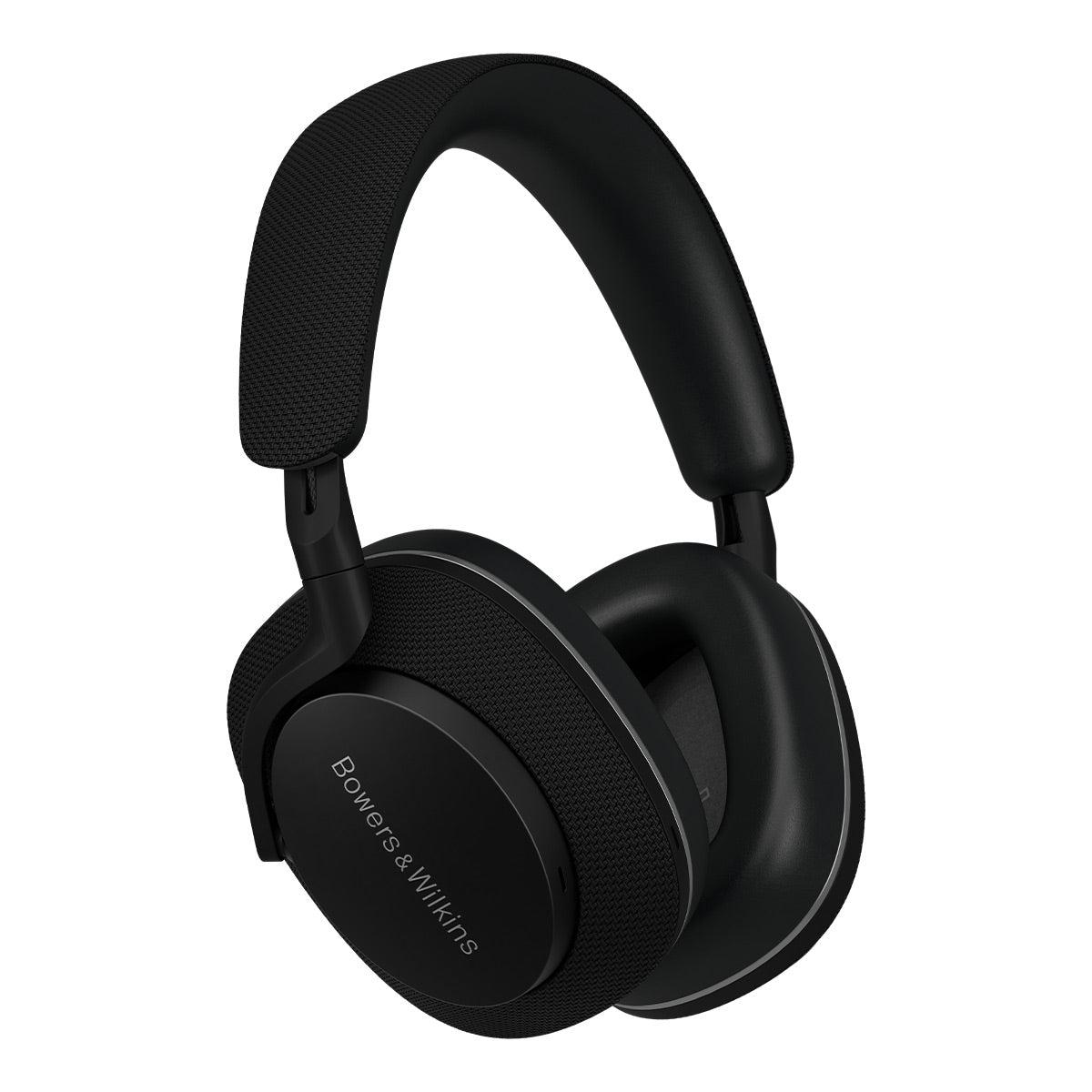
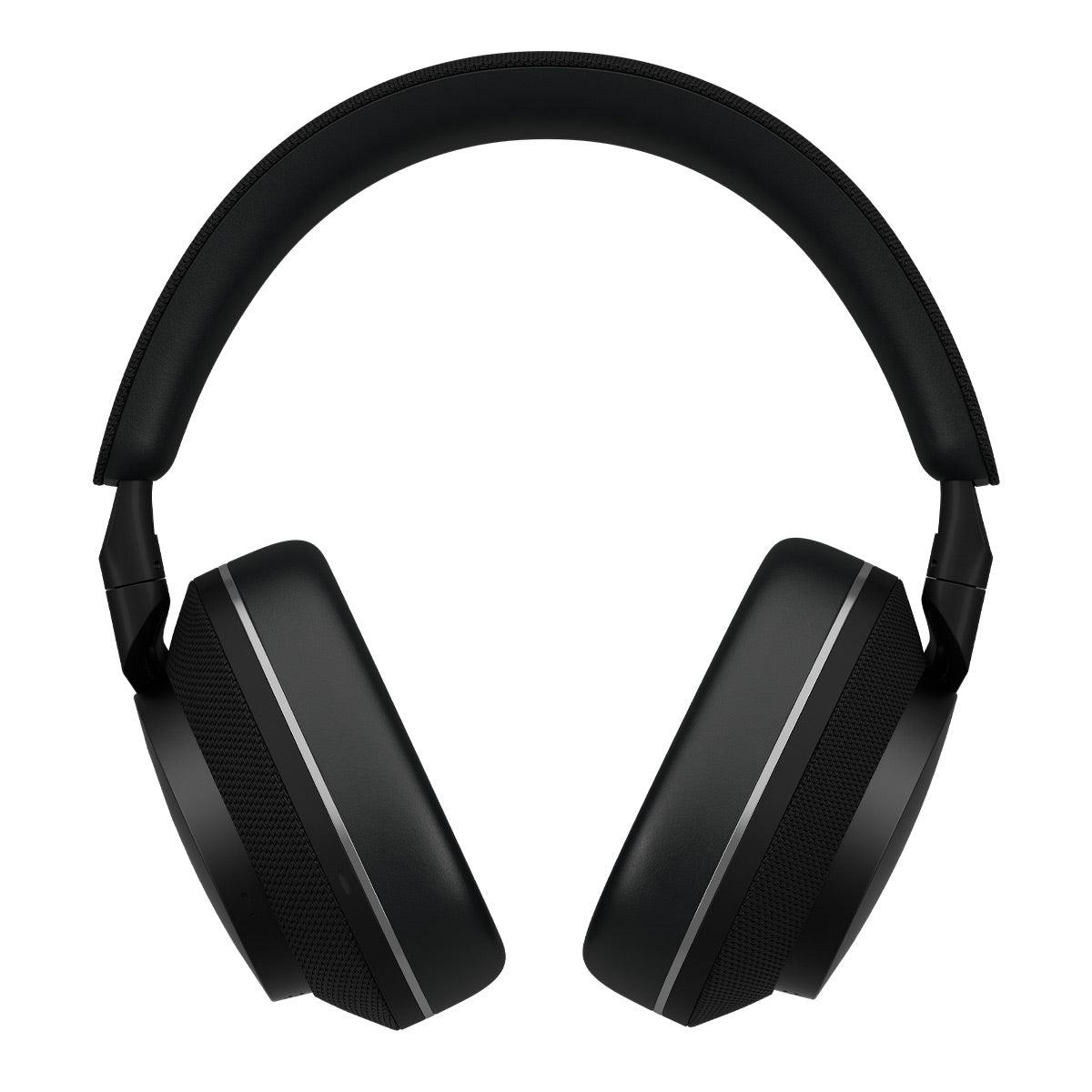
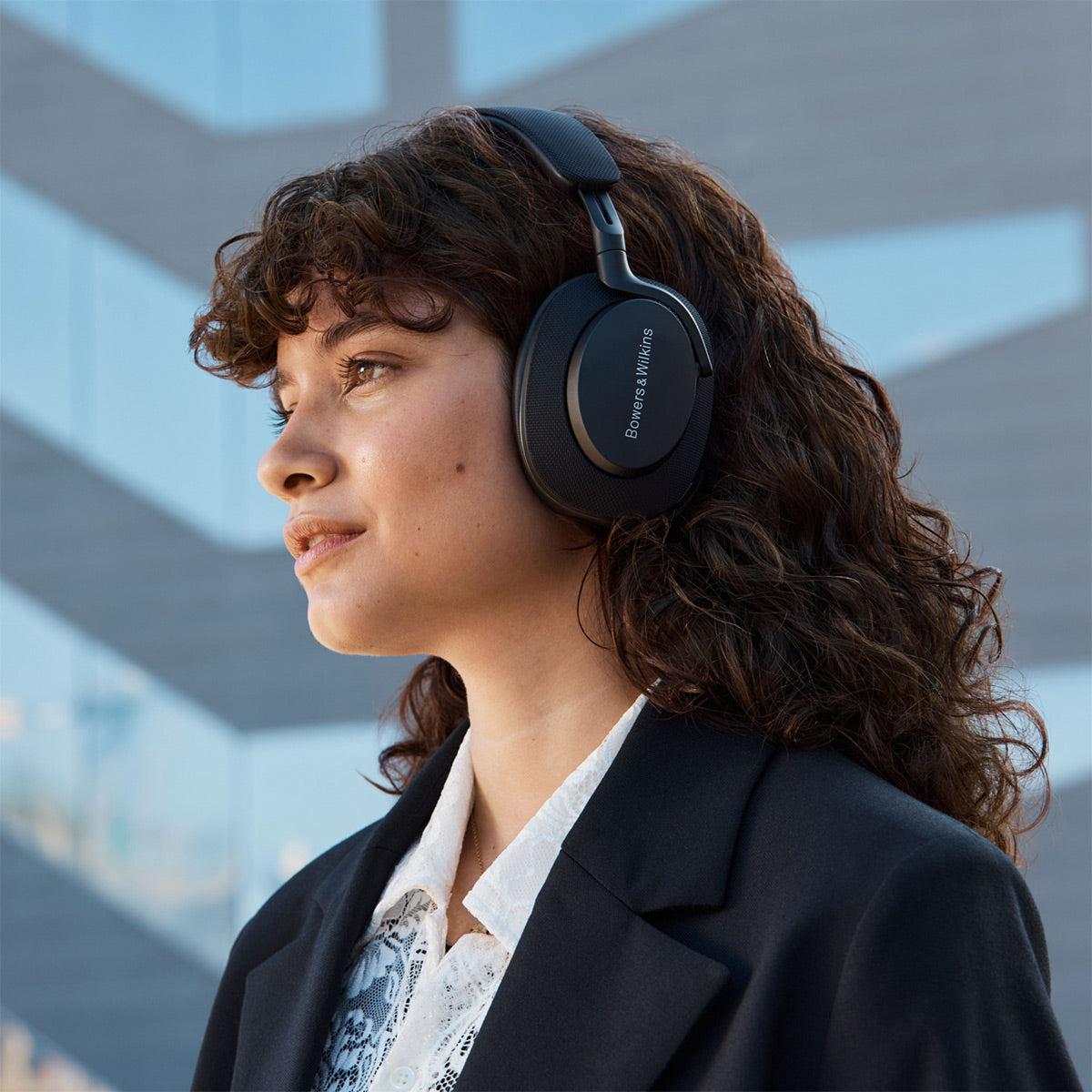
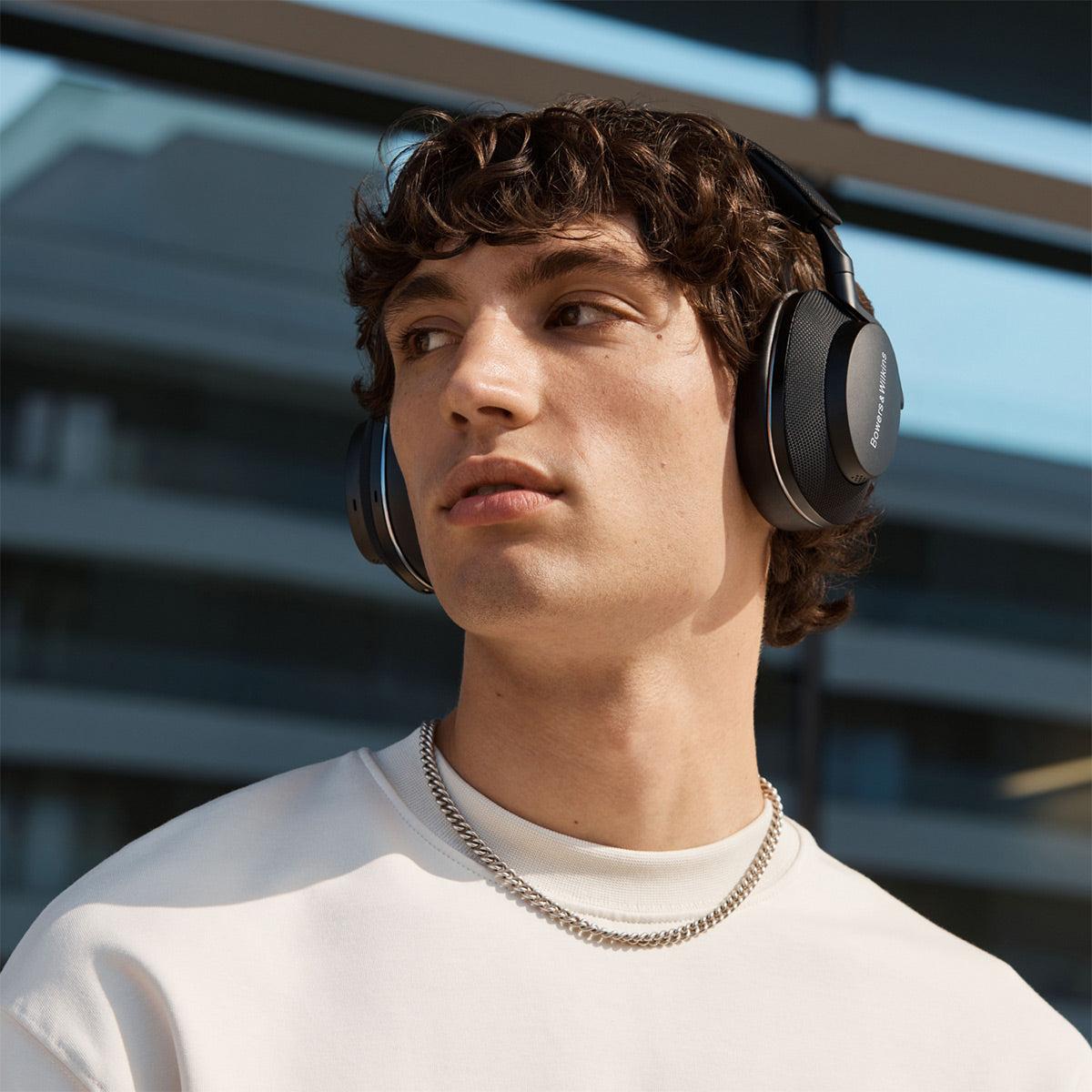
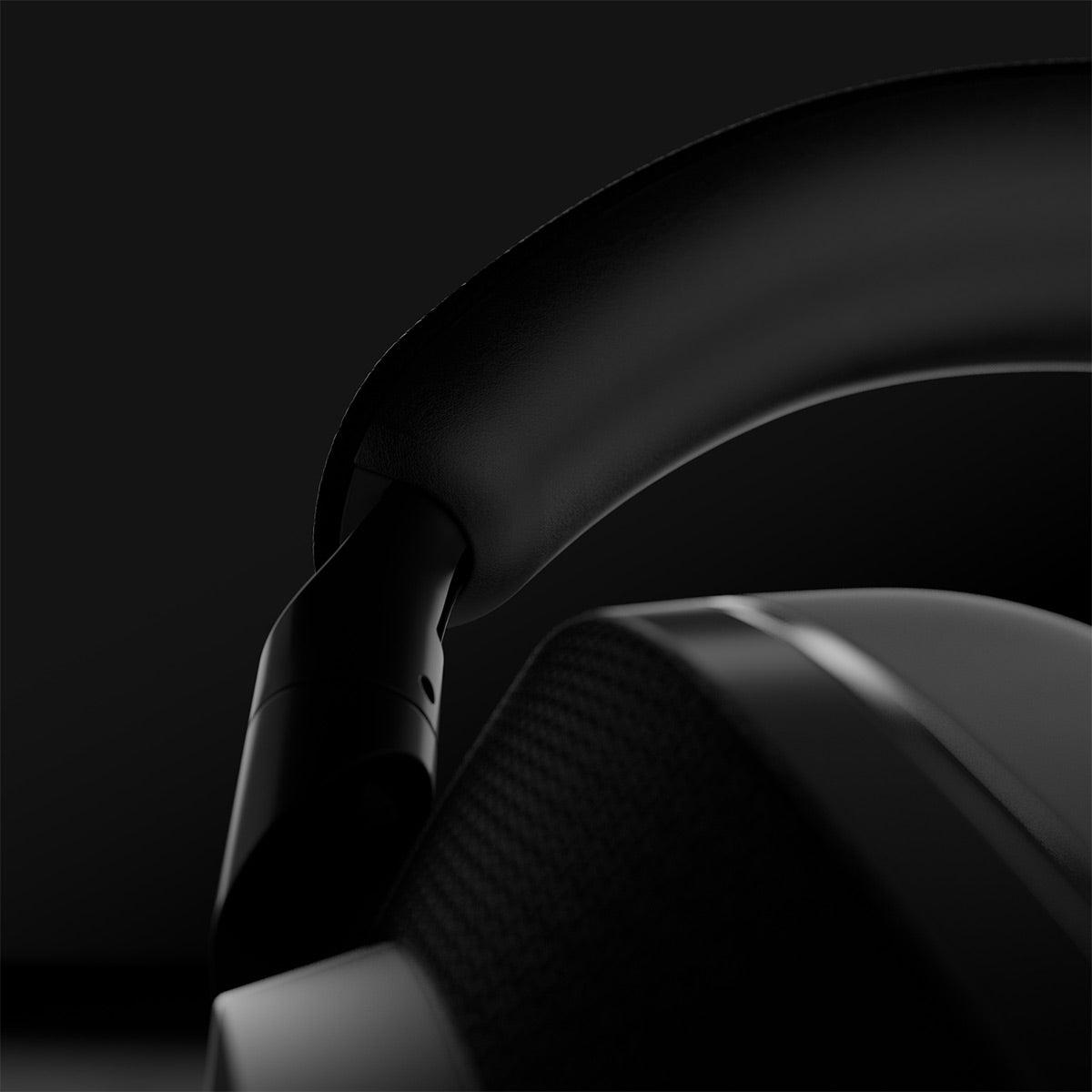
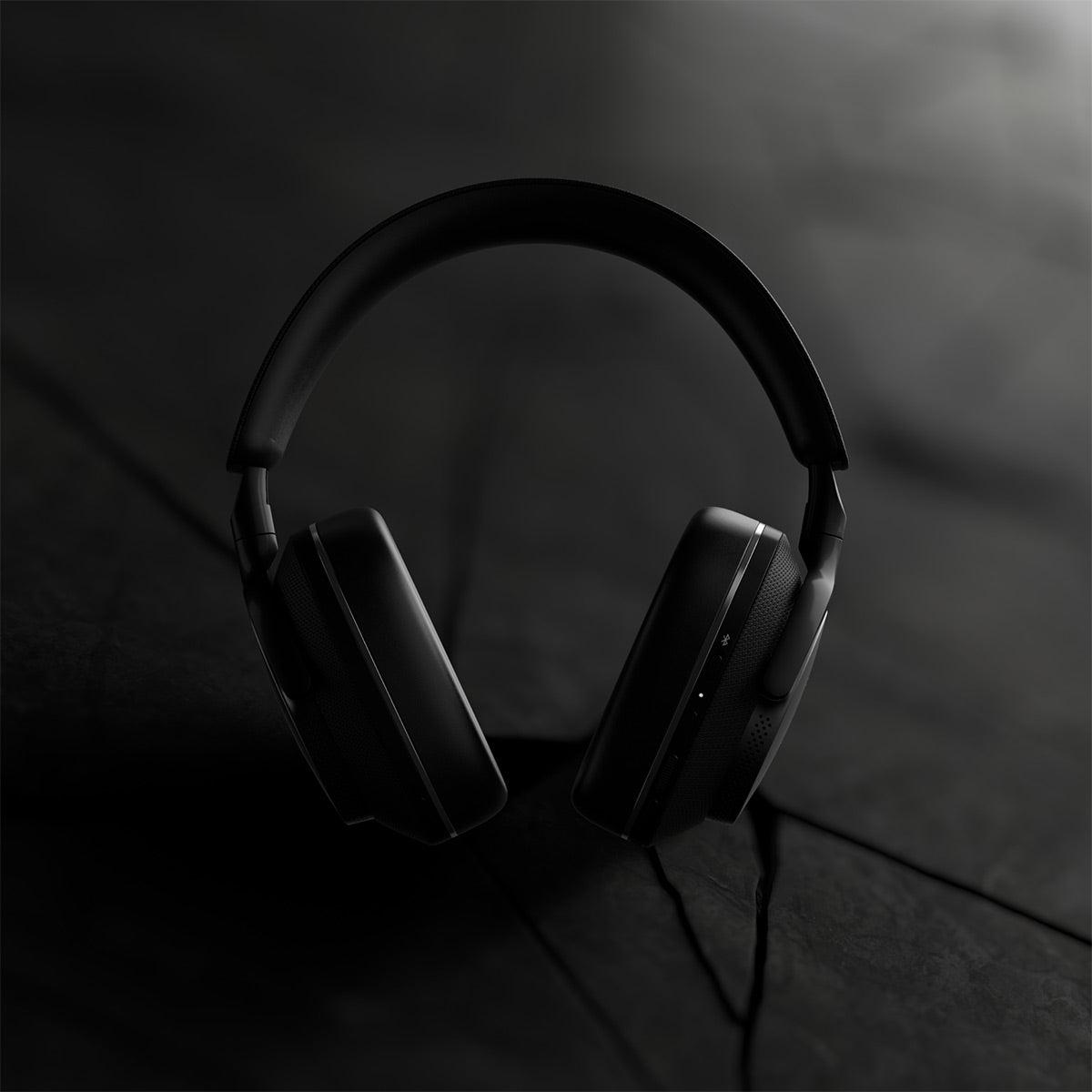
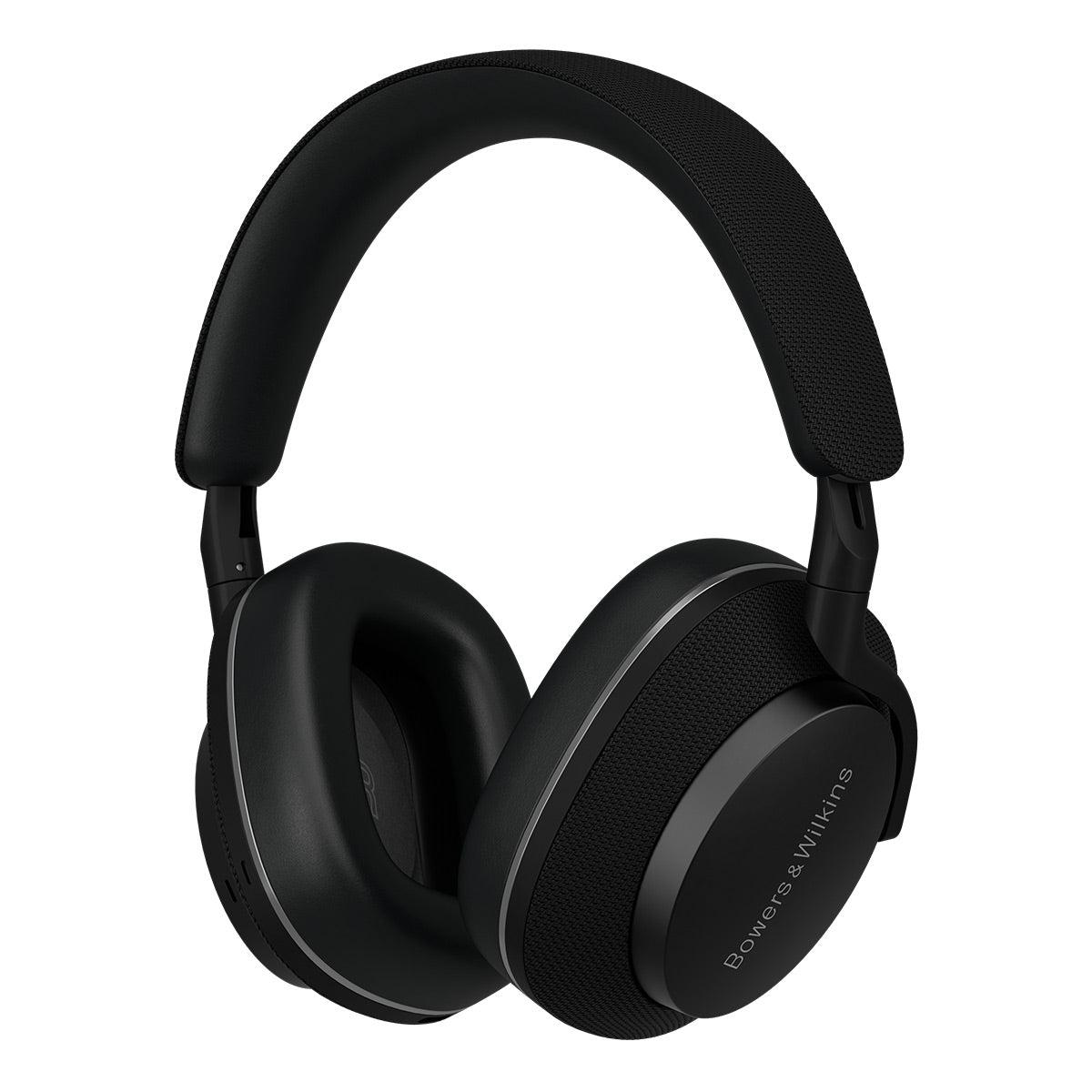
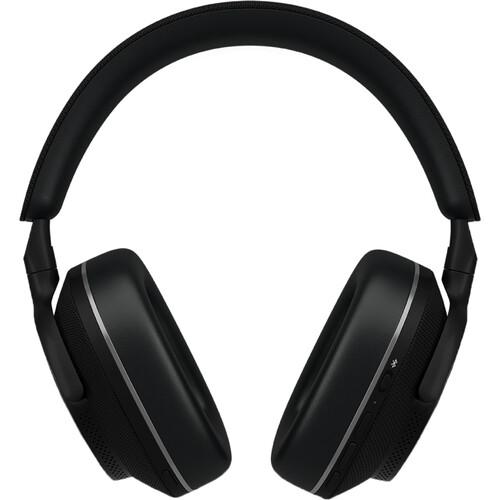
When I first put on the Bowers & Wilkins Px8 in late 2022, I immediately understood why audiophiles were talking about them. The weight of the cast aluminum construction, the buttery-soft Nappa leather against my ears—everything screamed premium. But at $849.90, they also made my wallet considerably lighter. Fast forward to 2023, and Bowers & Wilkins released the Px7 S2e at $351.99, promising much of that flagship experience at a more accessible price. After spending months with both, I can help you figure out which one deserves your hard-earned money.
Premium wireless headphones occupy a fascinating space in audio. Unlike budget models that focus on basic functionality, or ultra-high-end wired headphones that chase absolute perfection, premium wireless models must balance exceptional sound quality with modern conveniences like active noise cancellation (ANC), wireless connectivity, and all-day comfort.
The key considerations in this category go beyond just "do they sound good?" You're investing in driver technology—the tiny speakers inside each ear cup that convert electrical signals into sound waves. You're paying for advanced digital signal processing (DSP), which is like having a tiny computer inside your headphones that optimizes the audio in real-time. And you're getting sophisticated noise cancellation systems that use multiple microphones to literally cancel out unwanted sounds by creating opposite sound waves.
Most importantly, you're buying into a company's vision of what premium audio should be. Bowers & Wilkins has been crafting high-end speakers since 1966, and their approach emphasizes natural, reference-quality sound—the kind that lets you hear exactly what the recording engineer intended.
The Bowers & Wilkins Px8 launched in September 2022 as the company's flagship wireless headphones, representing everything they'd learned from decades of speaker design. At $849.90, they positioned directly against Apple's AirPods Max and other luxury models, but with a focus on audiophile-grade sound reproduction rather than mainstream appeal.
The Px7 S2e arrived in October 2023 as an "evolved" version of the earlier Px7 S2. That "e" designation isn't just marketing—it represents genuine technological advancement. Bowers & Wilkins took learnings from their flagship Px8 development and filtered them down to create a more accessible premium option. The timing was strategic, as the company recognized that while the Px8 impressed critics, the price put it out of reach for many enthusiasts.
Since their releases, both models have received firmware updates that improved noise cancellation algorithms and Bluetooth connectivity stability. The Px7 S2e particularly benefited from updates that enhanced the 24-bit DSP processing, bringing it even closer to the Px8's performance characteristics.
The most significant difference between these headphones lies in their driver technology—and this is where things get interesting from an engineering perspective.
The Px8 features 40mm carbon cone drivers, and this isn't just a materials upgrade for show. Carbon fiber offers an ideal combination of lightness and rigidity, which means the driver can move quickly and accurately without flexing or distorting. Think of it like the difference between a wooden drumhead and a steel one—the stiffer material produces cleaner, more precise sound with less unwanted resonance.
These carbon cones are also angled within each ear cup, which might seem like a small detail but makes a huge difference in how you perceive stereo imaging—the ability to pinpoint where sounds are coming from in a recording. When I listen to something like Pink Floyd's "Dark Side of the Moon" on the Px8, I can distinctly hear sounds moving from left to right across the soundstage in a way that feels almost three-dimensional.
The Px7 S2e uses 40mm bio-cellulose drivers instead. Bio-cellulose is essentially a paper-like material grown by bacteria (I know, it sounds weird, but bear with me). This material has been used in high-end speakers for years because it offers excellent damping properties—meaning it controls unwanted vibrations naturally. While not as technically advanced as carbon fiber, bio-cellulose still produces outstanding sound quality, especially considering the price point.
Both headphones pair their drivers with 24-bit DSP, which processes audio at a much higher resolution than standard 16-bit systems. This is like the difference between watching a movie in 1080p versus 4K—you get more detail and nuance in the sound reproduction.
Here's where personal preference and technical performance intersect in fascinating ways. After extensive listening sessions with both models, the differences become clear, though both excel in their own right.
The Px8 delivers what I'd call a "warm and lush" sound signature. The midrange—where most vocals and instruments live—has exceptional clarity and natural timbre. When I listen to Adele's voice or a jazz saxophone, it sounds remarkably lifelike, with subtle breath sounds and instrumental textures that cheaper headphones simply can't reproduce. The carbon drivers excel at dynamic range, meaning they handle both quiet whispers and explosive crescendos without compression or distortion.
The high frequencies on the Px8 are more open and airy, creating what audiophiles call "soundstage"—the sense that you're listening to musicians performing in a real space rather than just sounds in your head. This makes them particularly excellent for acoustic music, jazz, classical, and well-recorded rock albums.
The Px7 S2e takes a slightly different approach. While it incorporates DSP learnings from the flagship model, its bio-cellulose drivers create a more balanced, slightly more exciting sound profile. The sub-bass has more prominent slam—you'll feel those deep electronic beats in EDM tracks more viscerally. The treble is also slightly more detailed and present, which makes modern pop and hip-hop recordings sound more immediate and engaging.
Don't mistake this for the Px7 S2e being inferior, though. In blind listening tests, many people actually prefer its more universally appealing sound signature. It's like comparing a perfectly calibrated reference monitor to a beautifully tuned hi-fi system—both are excellent, but they serve slightly different purposes.
Both models use identical active noise cancellation systems, which is actually great news for Px7 S2e buyers. The system employs six microphones total—four dedicated to noise cancellation and two for phone calls. This is what's called a "hybrid" system because it combines feedforward cancellation (microphones on the outside of the ear cups) with feedback cancellation (microphones inside the ear cups).
The feedforward mics detect incoming noise and create opposite sound waves to cancel it out before it reaches your ears. The feedback mics monitor what's actually making it through and make real-time adjustments. It's like having a constantly adapting sound barrier around your ears.
In practice, both headphones effectively reduce ambient chatter, air conditioning hum, and general environmental noise. They're not quite at the level of Sony's WH-1000XM5 or Bose's QuietComfort Ultra for pure noise cancellation performance, but they come close while maintaining better sound quality when music is playing.
I've used both on airplane flights, and they handle the constant drone of jet engines well, though very low-frequency rumbles still get through more than with the best-in-class competitors. The transparency mode on both models works well when you need to hear announcements or have conversations without removing the headphones.
This is where the price difference becomes most tangible. The Px8 feels like a luxury product from the moment you pick it up. The cast aluminum construction gives it substantial heft without being too heavy at 320 grams. The Nappa leather ear pads are genuinely luxurious—soft, breathable, and designed to age beautifully over time.
The headband padding distributes weight evenly, and I can wear the Px8 for 4-5 hour listening sessions without significant fatigue. The clamping force is just right—secure enough that they won't slide around, but not so tight that they cause pressure points.
The Px7 S2e, at 307 grams, has a slight weight advantage that becomes noticeable during very long listening sessions. The memory foam ear pads with fabric finish don't feel quite as luxurious as the Px8's leather, but they're still very comfortable and may actually be preferable for people who find leather too warm.
Both models have generous ear cup openings that accommodate larger ears and glasses comfortably. The build quality on both is excellent, though the Px8 feels more like a piece of jewelry while the Px7 S2e feels like a precision tool.
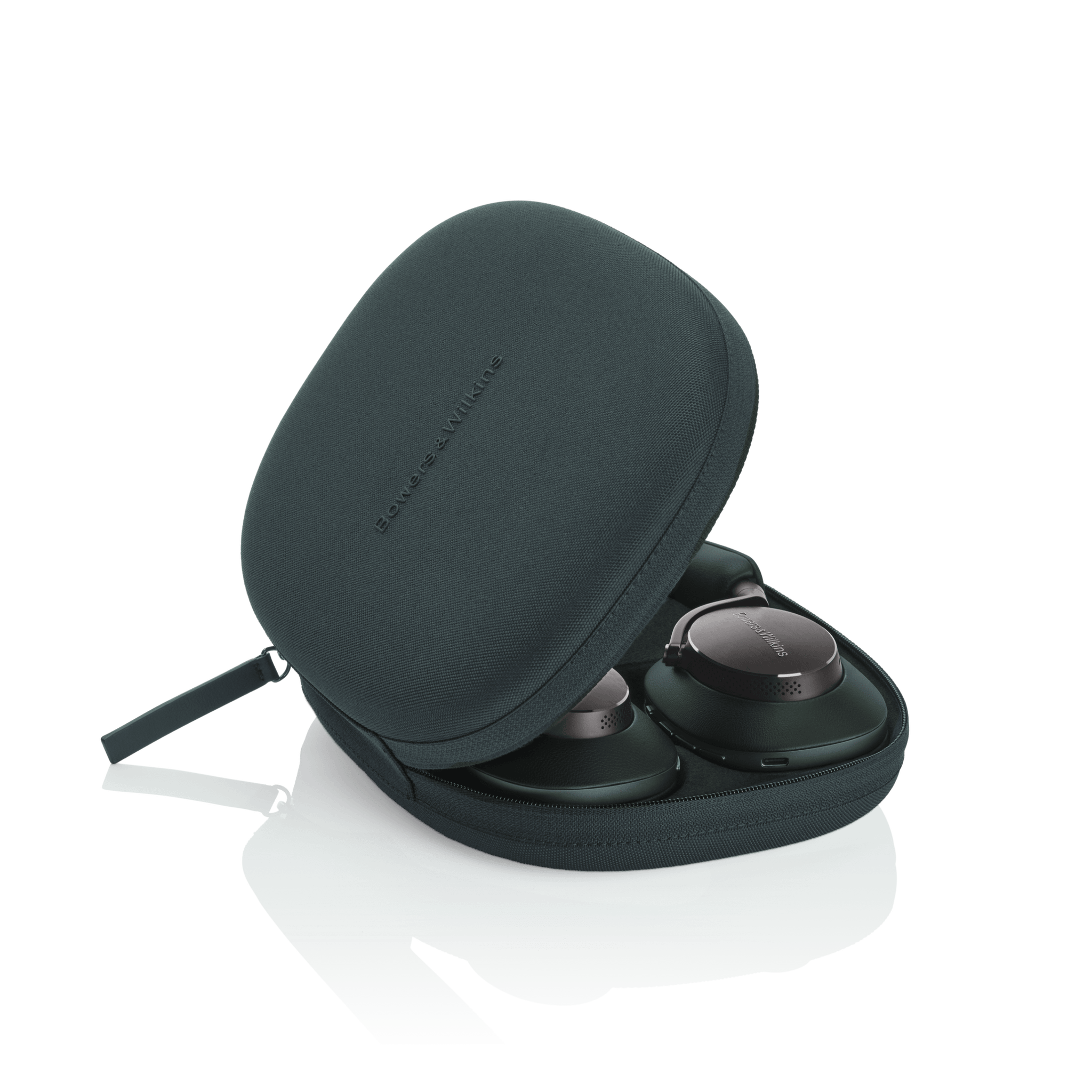
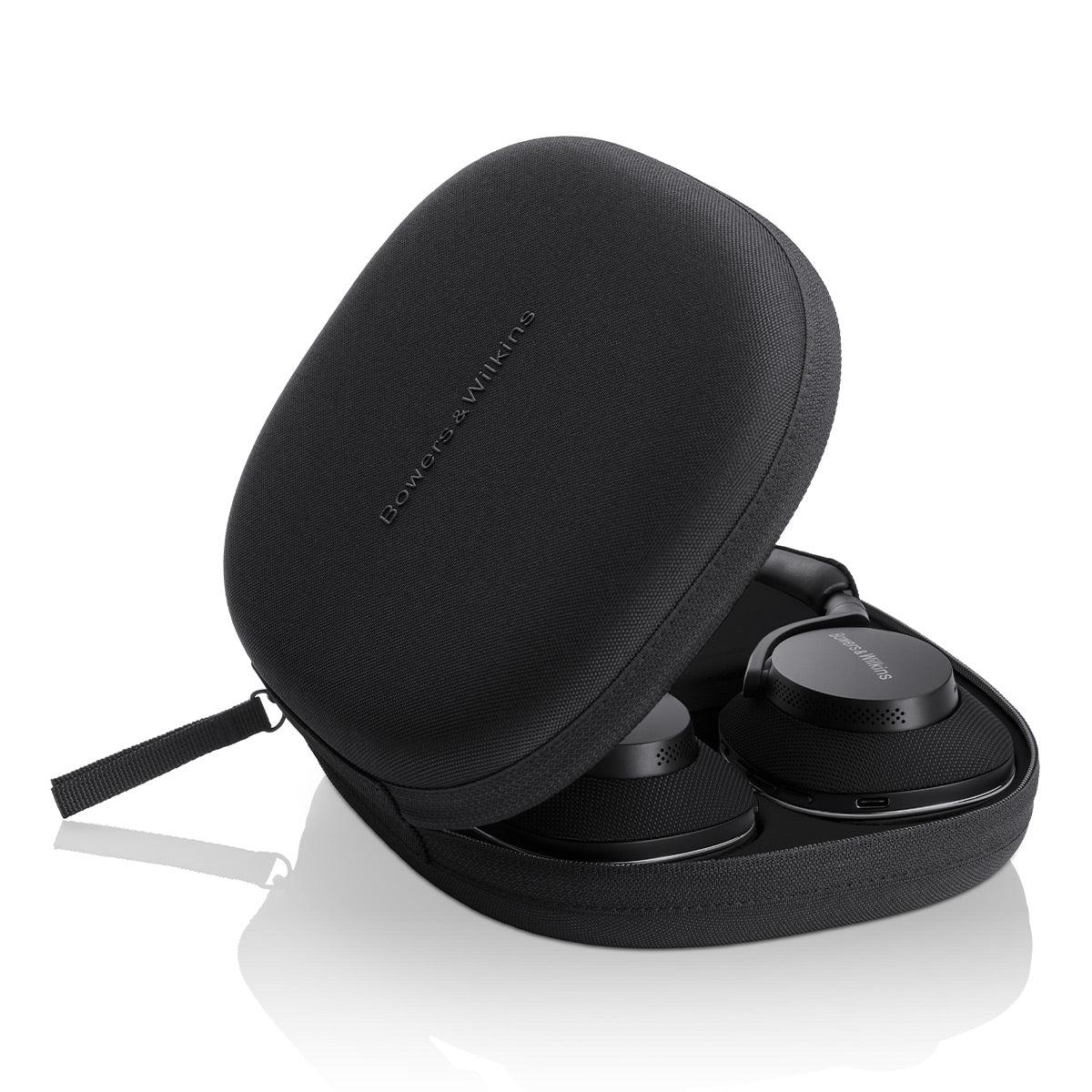
One design consideration: neither model folds, which makes them less portable than some competitors. The included carrying cases are well-made but bulky for travel.
For home theater use, both headphones offer compelling advantages over traditional surround sound systems, especially if you live in an apartment or need to keep noise levels down during late-night viewing.
The Px8's superior soundstage and dynamic range make it exceptional for movie watching. Action sequences have proper weight and impact, while dialogue remains clear and natural. The carbon drivers handle the wide dynamic range of movie soundtracks—from whispered conversations to explosive effects—without compression.
Both models support high-quality Bluetooth codecs including aptX Adaptive, which provides low-latency transmission crucial for avoiding lip-sync issues when watching video. The USB-C audio interface on both also allows for wired connection to TVs or media players that support it.
The Px7 S2e is no slouch for home theater either. Its slightly more exciting sound signature can actually enhance action movies and modern content, while the identical 30-hour battery life means you won't need to worry about charging mid-binge-session.
Both headphones share the same connectivity features, which is another win for Px7 S2e buyers. Bluetooth 5.2 provides stable connections with good range, and the codec support is comprehensive: aptX Adaptive, aptX HD, aptX, AAC, and SBC.
The Bowers & Wilkins Music app works with both models, allowing for basic EQ adjustments, noise cancellation customization, and firmware updates. While not as feature-rich as Sony's app, it covers the essentials without overwhelming casual users.
Both models support multipoint connectivity, letting you stay connected to your phone and laptop simultaneously. The wear detection sensors automatically pause playback when you remove the headphones—a small convenience that becomes indispensable once you're used to it.
Battery life is identical at 30 hours with ANC on, and both support quick charging that provides 7 hours of playback from a 15-minute charge. This is competitive with the best in the category and more than adequate for even heavy users.
Here's where things get interesting from a value perspective. The Px8 at $849.90 delivers undeniably superior sound quality, premium materials, and flagship-level performance. But the Px7 S2e at $351.99 captures about 85-90% of that performance at roughly 40% of the price.
For the Px8, you're paying for:
For the Px7 S2e, you're getting:
The question becomes: is that extra 10-15% improvement in sound quality worth $498? For most people, the answer is probably no. But for serious audio enthusiasts who want the absolute best and can afford it, the Px8 justifies its premium.
Choose the Px8 if you:
Choose the Px7 S2e if you:
After living with both headphones for months, I keep coming back to this: the Px7 S2e represents one of the best values in premium audio today. While the Px8 absolutely sounds better and feels more luxurious, the performance gap doesn't justify the $498 price difference for most listeners.
The Px7 S2e gives you flagship-inspired technology, excellent build quality, and outstanding sound performance at a price that won't require you to eat ramen for a month. It's the headphone I'd recommend to most people asking for "the best wireless headphones under $400."
However, if you're the type of person who always wants the absolute best, who can hear the difference that carbon drivers make, and who values the luxury experience as much as the performance, the Px8 won't disappoint. Just know that you're paying a significant premium for that last bit of excellence.
Both represent Bowers & Wilkins at their best—bringing decades of acoustic expertise to the wireless headphone market. You really can't go wrong with either choice, but your wallet will certainly notice the difference.
| Bowers & Wilkins Px8 Wireless Headphones | Bowers & Wilkins Px7 S2e Wireless Over-Ear Headphones |
|---|---|
| Price - Significant cost difference for similar feature sets | |
| $849.90 (flagship premium pricing) | $351.99 (excellent value for performance) |
| Driver Technology - Key differentiator for sound quality | |
| 40mm carbon cone drivers (superior dynamics, reduced distortion) | 40mm bio-cellulose drivers (excellent quality, slightly warmer sound) |
| Sound Signature - Affects music genre compatibility | |
| Warm, lush, reference-quality (ideal for acoustic, jazz, classical) | Balanced, slightly exciting (great for modern pop, EDM, hip-hop) |
| Build Materials - Premium feel vs practical luxury | |
| Nappa leather earpads, cast aluminum construction | Memory foam with fabric finish, premium but practical materials |
| Weight - Comfort during extended listening | |
| 320g (substantial premium feel) | 307g (slightly lighter for longer sessions) |
| Active Noise Cancellation - Identical performance on both models | |
| Hybrid ANC with 6 microphones (good, not class-leading) | Hybrid ANC with 6 microphones (same system as Px8) |
| Battery Life - Excellent on both models | |
| 30 hours playback, 15-min quick charge = 7 hours | 30 hours playback, 15-min quick charge = 7 hours |
| Connectivity - Same advanced features | |
| Bluetooth 5.2, aptX Adaptive, USB-C audio/charging | Bluetooth 5.2, aptX Adaptive, USB-C audio/charging |
| Color Options - Style variety | |
| Black, Tan, Royal Burgundy, Dark Forest | Anthracite Black, Cloud Grey, Forest Green, Ocean Blue, Ruby Red |
| Value Proposition - Performance per dollar spent | |
| Best absolute performance, luxury materials justify premium | 85-90% of flagship performance at 40% of the cost |
The Bowers & Wilkins Px8 delivers superior sound quality with its advanced 40mm carbon cone drivers, offering more natural timbre, better dynamic range, and clearer midrange detail. However, the Px7 S2e provides excellent sound quality that's 85-90% as good as the flagship Px8, with a slightly more exciting sound signature that many listeners actually prefer for modern music genres.
The Bowers & Wilkins Px8 costs $849.90, while the Px7 S2e is priced at $351.99, creating a $498 price difference. This makes the Px7 S2e about 60% less expensive than the flagship Px8 while delivering most of the same features and performance.
Yes, both the Bowers & Wilkins Px8 and Px7 S2e offer identical battery performance with 30 hours of playback time and 15-minute quick charging that provides 7 hours of additional listening. Both use USB-C for charging and audio connectivity.
Both models work well for home theater use, but the Px8 has an advantage with its superior soundstage and dynamic range for movie soundtracks. The Px7 S2e is also excellent for movies, especially action films where its more exciting sound signature can enhance the experience. Both support low-latency codecs to avoid lip-sync issues.
For most buyers, the Px7 S2e is the better choice as your first premium headphones, offering exceptional performance at a more accessible price point. Only choose the Px8 if you're an audiophile who demands the absolute best sound quality and can appreciate the subtle improvements that justify the premium pricing.
We've done our best to create useful and informative comparisons to help you decide what product to buy. Our research uses advanced automated methods to create this comparison and perfection is not possible - please contact us for corrections or questions. These are the sites we've researched in the creation of this article: whathifi.com - marius.ink - bowerswilkins.com - rtings.com - whathifi.com - whathifi.com - soundguys.com - audio46.com - youtube.com - futureaudiophile.com - listenup.com - telquestintl.com - bowerswilkins.com - bowerswilkins.com - bestbuy.com - bhphotovideo.com - audioholics.com - bowerswilkins.com - bowerswilkins.com - headphone.guru - bhphotovideo.com - bowerswilkins.com - recordingnow.com - whathifi.com - bowerswilkins.com - avnation.tv - tomsguide.com - rtings.com - audiograde.uk - youtube.com - soundguys.com - majorhifi.com - telquestintl.com - costco.com - bhphotovideo.com - headphones.com - bowerswilkins.com - thesourceav.com - sweetwater.com - telquestintl.com - sg.tcacoustic.asia - headphonecheck.com - bestbuy.com - img.computerunivers.net - audioadvisor.com

Privacy Policy
Terms and Conditions - Affiliate Policy
Home Security
© Copyright 2008-2026.
11816 Inwood Rd #1211, Dallas, TX 75244