

Wireless noise-cancelling headphones have become essential for anyone who wants to escape the chaos of modern life. Whether you're on a noisy commute, trying to focus in a busy coffee shop, or just want to enjoy your music without distractions, these headphones can transform your listening experience. But with options ranging from under $100 to over $500, how do you decide what's worth your money?
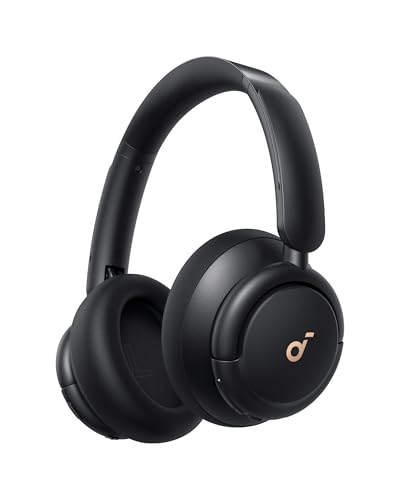
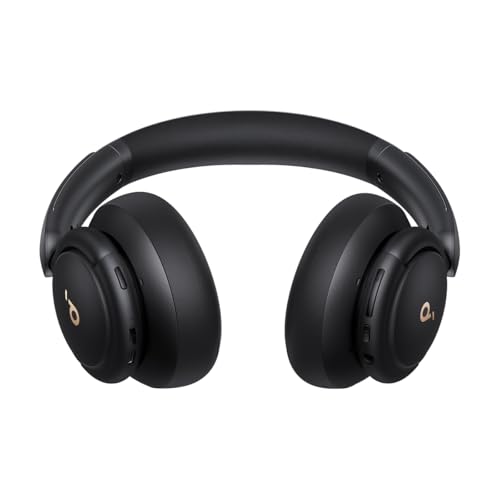
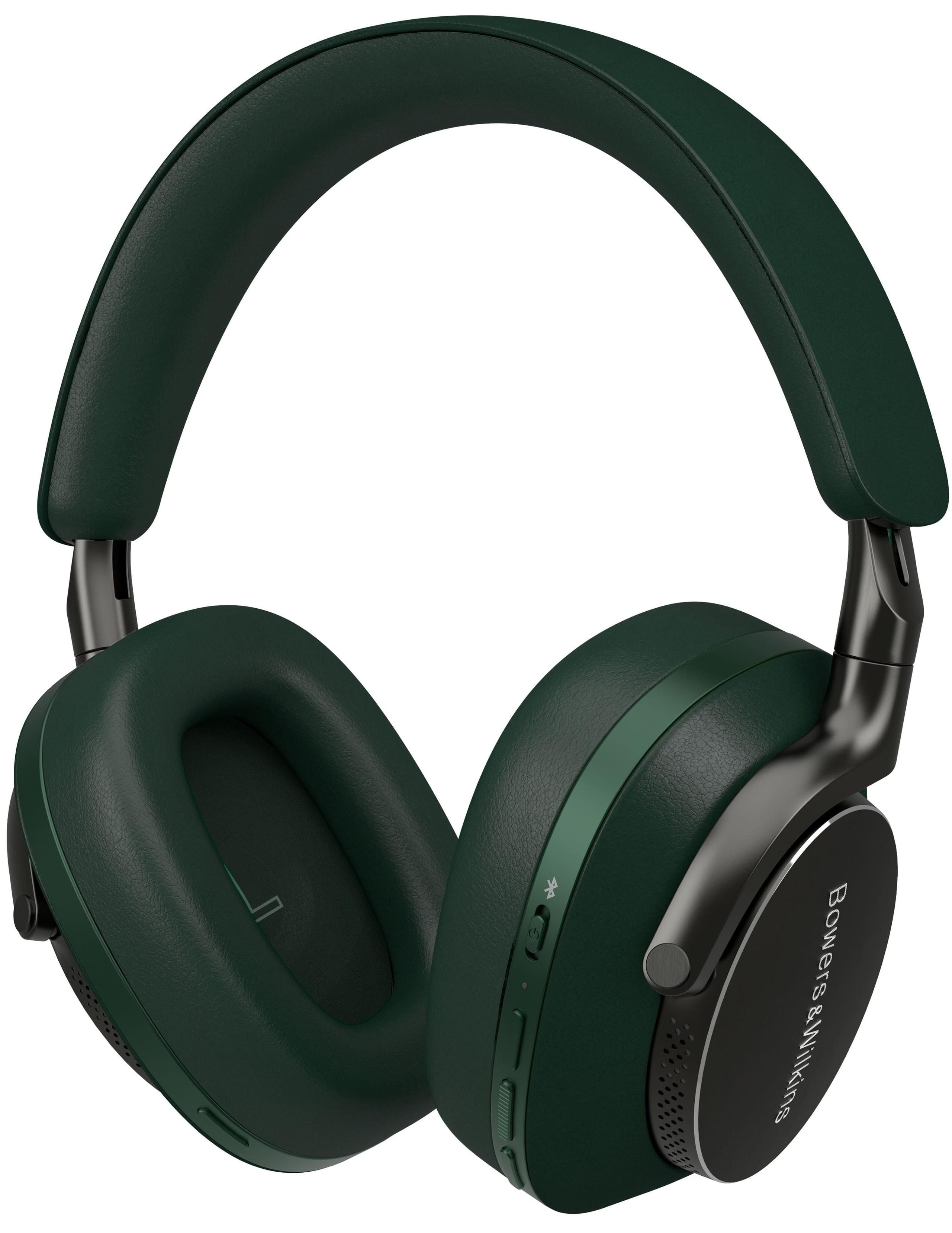
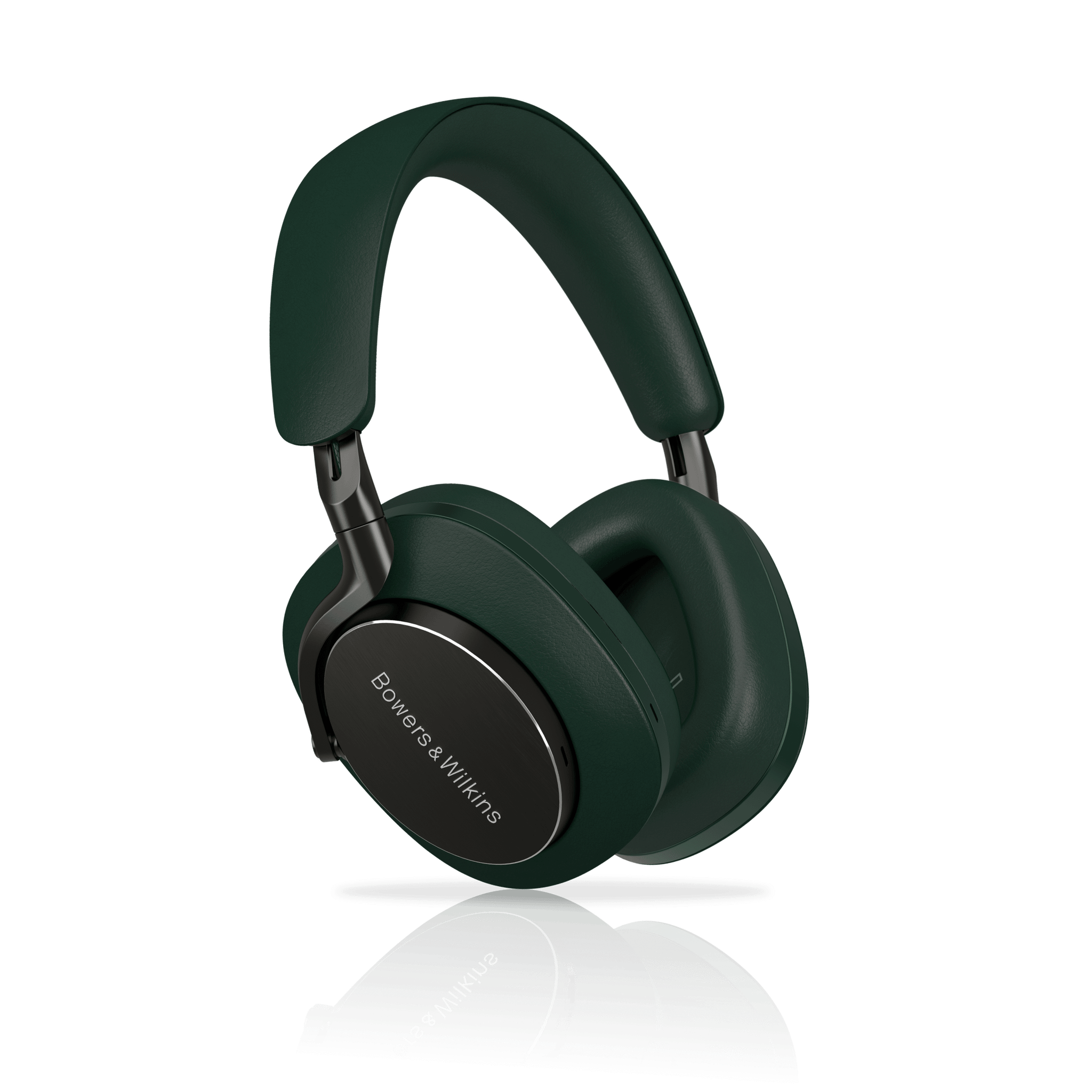
Today we're comparing two headphones that represent opposite ends of the spectrum: the Soundcore Life Q30 and the Bowers & Wilkins Px8. The Q30 launched in 2020 as a budget champion, while the Px8 arrived in 2022 as a premium audiophile option. At the time of writing, these represent vastly different price points – think entry-level versus luxury car pricing – but both promise to deliver excellent noise cancellation and sound quality.
Before diving into specifics, it's worth understanding what makes wireless noise-cancelling headphones tick. The key technologies include active noise cancellation (ANC), which uses microphones to detect outside noise and creates opposing sound waves to cancel it out, and various Bluetooth codecs that determine how your music gets compressed and transmitted from your phone to your headphones.
The main considerations when shopping are audio quality, noise cancellation effectiveness, battery life, build quality, and overall value. Some people prioritize crystal-clear sound above all else, while others need headphones that can survive daily abuse or last through a cross-country flight.
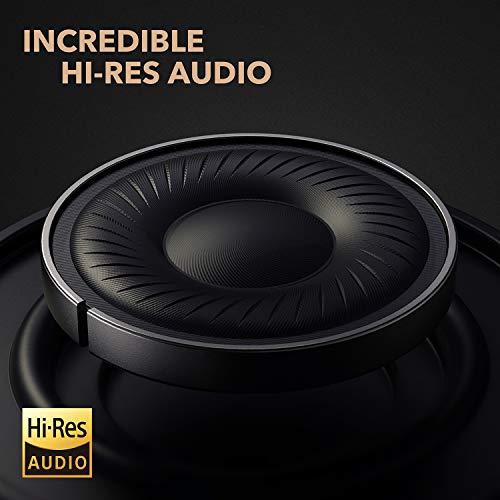
The Life Q30 uses 40mm silk diaphragm drivers – the part that actually produces sound by vibrating air. These drivers can reproduce frequencies from 16Hz all the way up to 40,000Hz when connected with a wire, which is impressive for any headphone, let alone one at this price point. To put that in perspective, human hearing typically tops out around 20,000Hz, so this extended range helps capture subtle details in well-recorded music.
Out of the box, the Q30 has what audiophiles call a "V-shaped" sound signature. This means it emphasizes bass (low frequencies) and treble (high frequencies) while slightly de-emphasizing midrange frequencies where vocals typically live. This tuning makes music sound exciting and energetic, particularly electronic dance music, hip-hop, and modern pop. However, it can sometimes make vocals sound a bit recessed or make the overall sound feel less natural.
The real strength of the Life Q30 lies in its customization options. The Soundcore app provides 22 different EQ presets and a custom equalizer, letting you adjust the sound to your taste. Want more prominent vocals? Boost the midrange. Prefer a more neutral sound? There's a preset for that. This flexibility is rare at any price point and particularly impressive for a budget option.
The Px8 takes a fundamentally different approach with its 40mm angled Carbon Cone drivers. The carbon fiber material is stiffer and lighter than traditional materials, which theoretically reduces distortion and improves clarity. The angled design helps create better stereo imaging – essentially making it easier to pinpoint where different instruments are positioned in the soundstage.
What really sets the Px8 apart is its 24-bit Digital Signal Processor (DSP). Think of this as a tiny computer inside the headphones that processes your music in real-time, optimizing it for the specific drivers and acoustics. This processing works whether you're listening wirelessly or with a cable, ensuring consistent performance across different sources.
The Px8 also emphasizes bass, but in a more controlled way. While both headphones are bass-heavy, the Px8's low-end feels tighter and more precise. Complex musical passages that might sound compressed or muddled on the Q30 remain clear and well-separated on the Px8. The difference is most noticeable in orchestral music, jazz, or any genre with lots of simultaneous instruments.
However, the Px8 offers limited sound customization – just basic bass and treble sliders in its app. Bowers & Wilkins clearly believes their engineers have created the optimal sound signature, but this philosophy might frustrate users who prefer to tweak their audio.
For casual listening and popular music genres, the Life Q30 delivers surprisingly good sound quality, especially considering its price point. The ability to customize the sound signature through EQ means you can often dial in something that sounds great to your ears.
The Px8 excels with more complex music and critical listening. If you're someone who notices when a cymbal crash sounds metallic instead of shimmering, or when bass guitar notes blur together, the Px8's superior resolution and separation justify its premium positioning. However, for most people listening to compressed streaming music, these differences may not be immediately apparent.
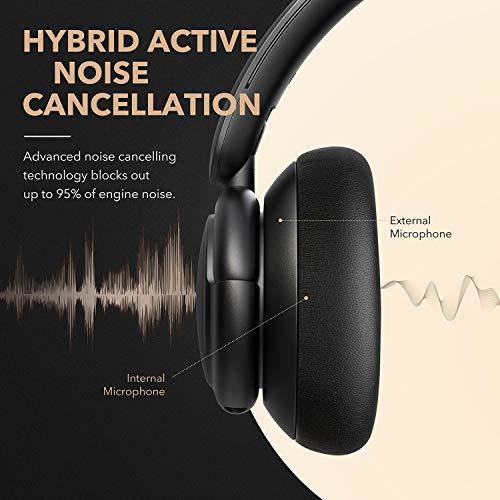
Active noise cancellation uses microphones placed on the outside and sometimes inside the ear cups to detect ambient sound. The headphones then generate sound waves that are the exact opposite (180 degrees out of phase) of the incoming noise, effectively canceling it out. This works best on consistent, low-frequency sounds like airplane engines, air conditioning, or traffic rumble.
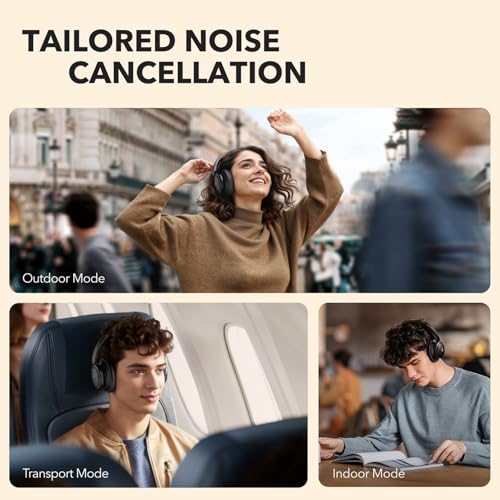
The Life Q30 features what's called hybrid ANC, using both external and internal microphones for more effective cancellation. What makes it unique is its three different ANC modes: Transport, Indoor, and Outdoor. Each mode optimizes the noise cancellation for different environments.
Transport mode focuses on low-frequency engine noise – perfect for airplanes, trains, or buses. Indoor mode targets mid-frequency sounds like office chatter or air conditioning. Outdoor mode handles a broader range of frequencies, including wind and traffic noise. This adaptability is clever and practical, though it does require you to remember to switch modes as you move between environments.
In testing, the Q30 effectively reduces up to 95% of low-frequency noise in optimal conditions. However, it struggles more with mid-frequency sounds like human voices, which can still break through the cancellation. There's also a transparency mode that lets external sound in when you need situational awareness.
The Px8 uses a six-microphone array – four dedicated to noise cancellation and two for phone calls. This extensive microphone setup theoretically provides more precise noise detection and cancellation across a broader frequency range.
In practice, the Px8 offers more consistent noise cancellation that works well across different types of environments without needing to switch modes. It handles the transition from low-frequency rumble to mid-frequency chatter more smoothly than the Q30. However, it's not necessarily the best ANC on the market – models from Sony and Bose often outperform both of these headphones in pure noise cancellation capability.
One issue with the Px8 is wind noise when using transparency mode outdoors. The microphones can pick up wind and amplify it, creating an unpleasant rushing sound.
For most users, both headphones provide adequate noise cancellation for common scenarios like commuting or working in busy environments. The Life Q30's multi-mode approach gives it an edge in adaptability, while the Px8 offers more consistent performance without requiring manual intervention.
Neither headphone completely eliminates all outside noise – that's impossible with current technology. They're most effective against constant background sounds and less effective against sudden noises like announcements or conversations.
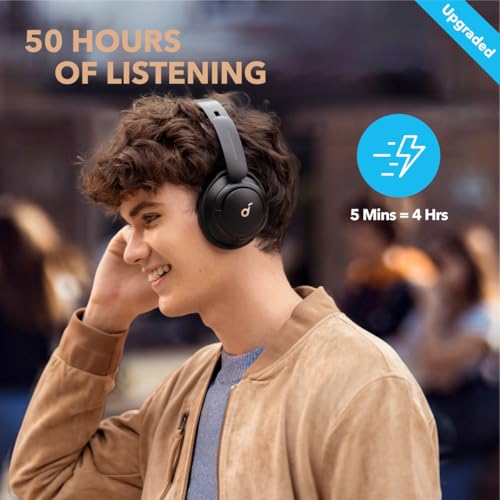
This is where the Life Q30 absolutely dominates. With ANC enabled, it delivers 40 hours of continuous playback. With ANC disabled, that jumps to an incredible 60 hours. To put this in perspective, you could fly from New York to Tokyo, spend a week there, and fly back without needing to charge.
The Q30 also features impressive fast charging – just five minutes plugged in gives you four hours of listening time. This is perfect for those "oh no, I forgot to charge" moments before a long trip.
The Px8 offers a more typical 30 hours of battery life, which is still excellent by industry standards. Its fast charging provides seven hours of playback from a 15-minute charge. While good, it can't match the Q30's endurance.
For most people, 30 hours is plenty – you might charge weekly or bi-weekly depending on usage. But if you're a heavy user, frequent traveler, or someone who just hates dealing with charging routines, the Life Q30's battery advantage is significant.
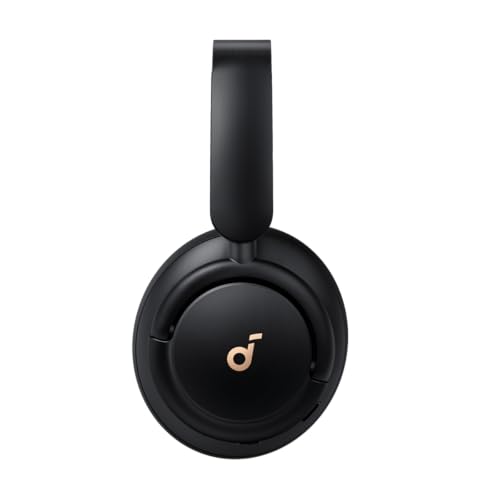
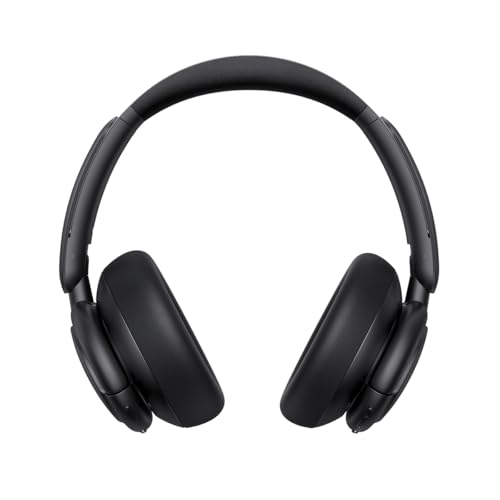
The Life Q30 weighs just 260 grams and features memory foam padding covered in synthetic leather. The lighter weight makes them comfortable for extended wear, and the foldable design with included carrying case makes them portable. However, build quality represents the biggest compromise at this price point. Multiple users report issues with earpad deflation after several months, plastic cracking around stress points, and general durability concerns.
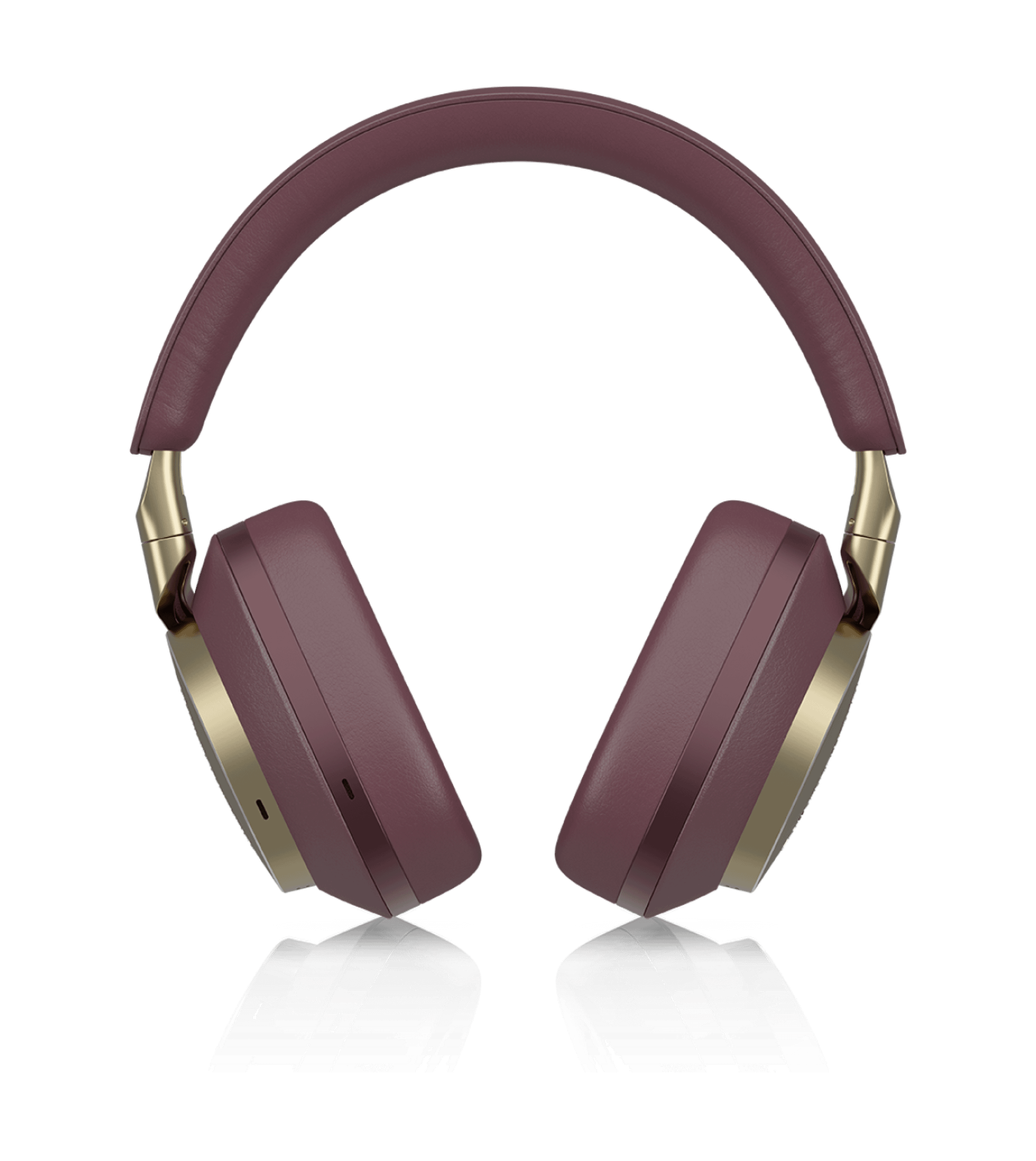
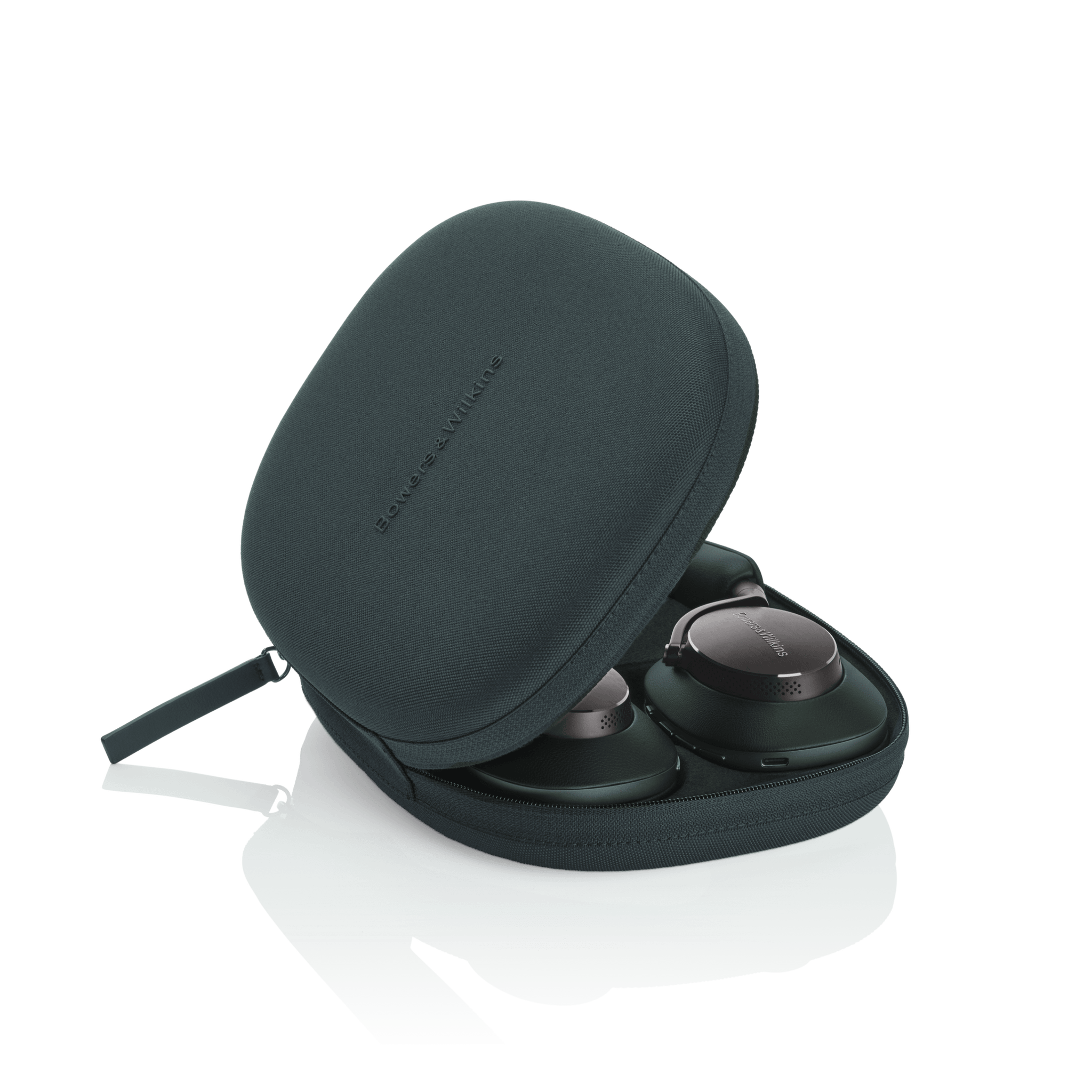
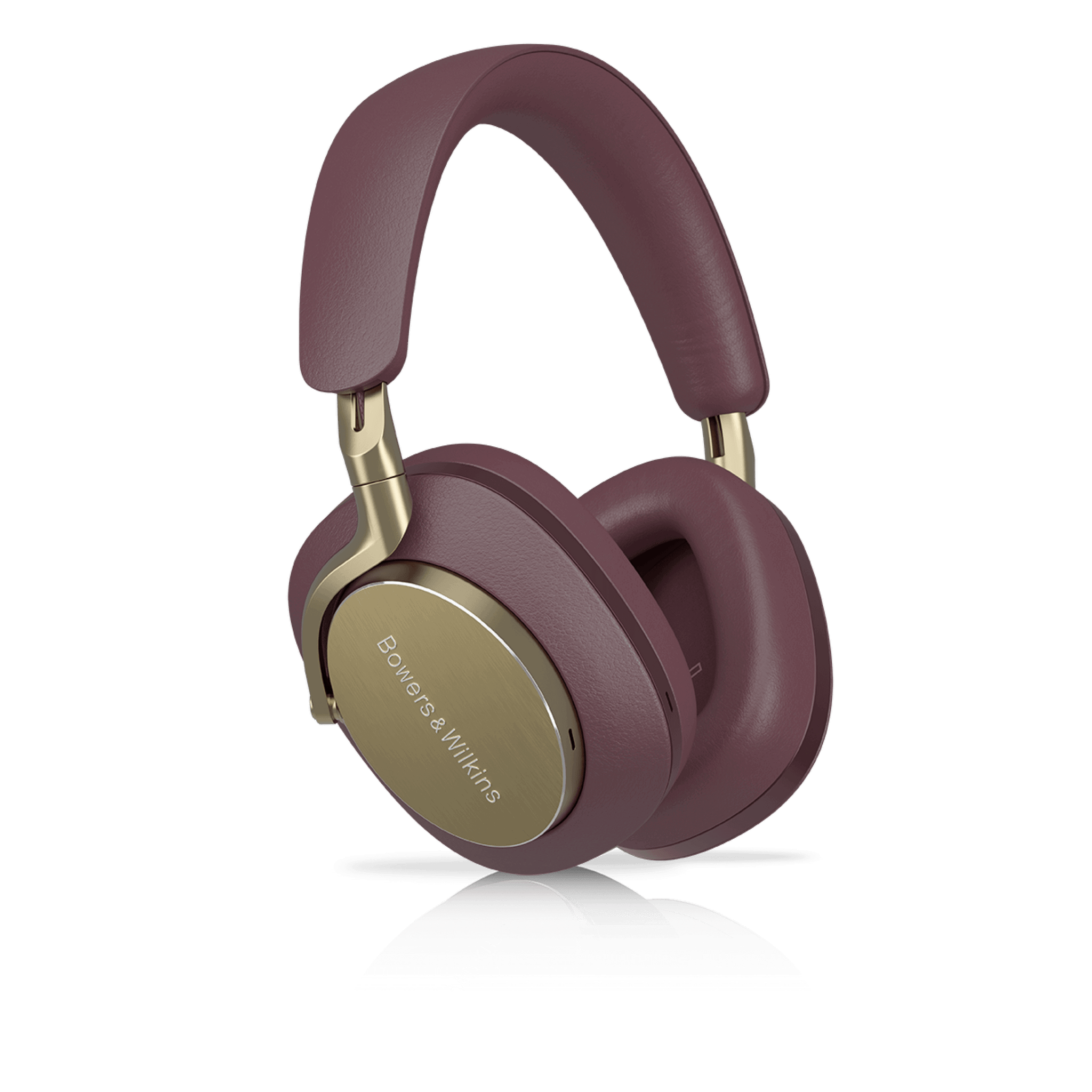
The Px8 weighs 320 grams but uses premium materials throughout: cast aluminum arms, genuine Nappa leather earpads, and memory foam cushioning. The construction feels solid and luxurious, with multiple color options including sophisticated choices like Royal Burgundy and Dark Forest. While heavier and non-foldable, the Px8 is built to last years rather than months.
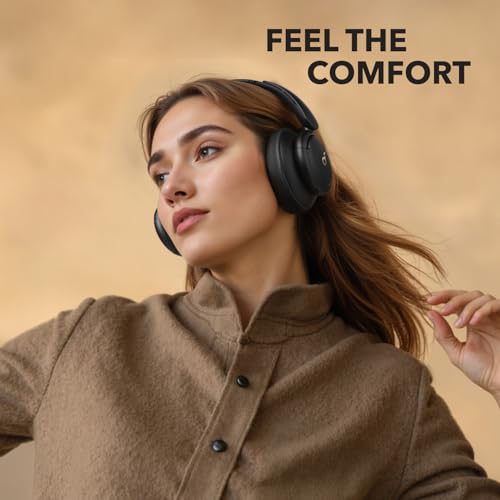
Despite the weight difference, both headphones receive good marks for comfort. The Q30's lighter weight gives it an initial advantage, but the quality of materials matters for long-term comfort. The Px8's superior padding and construction typically feel better during extended listening sessions.
For home theater use, comfort becomes even more important since you might wear them for entire movies or gaming sessions. The Px8's premium materials and construction make it better suited for this application, though the Q30 remains perfectly adequate for most people.
Both headphones support modern connectivity standards, but with different strengths. The Life Q30 uses Bluetooth 5.0 and includes NFC pairing for Android devices – just tap your phone to the headphones for instant connection. It also supports multi-point connectivity, letting you connect to two devices simultaneously.
The Px8 uses the newer Bluetooth 5.2 standard and supports high-quality audio codecs including aptX Adaptive and aptX HD. These codecs can transmit higher-quality audio over Bluetooth, potentially reaching CD quality or better with compatible sources. This is particularly relevant for streaming high-resolution music from services like Tidal or Amazon Music HD.
Both headphones work wired as well as wireless, but there's an important caveat for the Q30 – ANC doesn't function in wired mode. The Px8 maintains full functionality regardless of connection type.
While neither headphone is specifically designed for home theater use, both can enhance your TV and movie experience. The Life Q30's long battery life means you won't have to worry about charging during long binge-watching sessions, while its customizable EQ lets you boost dialogue frequencies or enhance action movie effects.
The Px8's superior audio quality and soundstage make it better for critical movie watching or gaming where spatial audio cues matter. Its aptX codec support can also provide lower latency when connected to compatible devices, reducing the delay between video and audio.
However, for dedicated home theater use, you might want to consider open-back headphones that provide a more spacious, speaker-like sound. Both of these are closed-back designs optimized for portable use.
At the time of writing, the Soundcore Life Q30 represents exceptional value. You're getting about 70-80% of what premium headphones offer at roughly 15% of the cost. The compromises are mainly in build quality and audio refinement – areas that matter less for casual listening.
The Bowers & Wilkins Px8 asks you to pay a significant premium for incremental improvements in sound quality and substantial improvements in build quality. Whether this represents good value depends entirely on your priorities and budget.
If you're upgrading from basic earbuds or cheap headphones, the Life Q30 will seem like a revelation. If you're coming from high-end audio equipment, the Px8 will feel more natural.
Choose the Soundcore Life Q30 if:
Choose the Bowers & Wilkins Px8 if:
Consider your listening habits carefully. If you primarily stream music from Spotify while commuting, the Q30's advantages will serve you better. If you're listening to high-resolution audio files in quiet environments, the Px8's superior resolution becomes more apparent.
Think about longevity. The Q30 might need replacement sooner due to build quality issues, while the Px8 is built to be a long-term investment.
Most importantly, consider the law of diminishing returns. The jump from bad headphones to the Life Q30 is enormous. The jump from the Life Q30 to the Px8 is much smaller, despite the significant price difference.
For the majority of users, the Soundcore Life Q30 provides the sweet spot of features, performance, and value that makes it easy to recommend. The Bowers & Wilkins Px8 is undeniably superior in key areas, but only you can decide if those improvements justify the premium cost.
| Soundcore Life Q30 | Bowers & Wilkins Px8 |
|---|---|
| Battery Life - Critical for travel and daily use without charging anxiety | |
| 40 hours (ANC on) / 60 hours (ANC off) - Industry leading | 30 hours - Good but standard for premium headphones |
| Audio Drivers - The heart of sound quality and detail retrieval | |
| 40mm silk diaphragm drivers with V-shaped tuning | 40mm angled Carbon Cone drivers with 24-bit DSP processing |
| Sound Customization - Ability to tailor audio to your preferences | |
| 22 EQ presets plus custom EQ via app - Extensive options | Basic bass/treble sliders only - Limited but refined |
| Active Noise Cancellation - Effectiveness at blocking distractions | |
| Hybrid ANC with 3 modes (Transport/Indoor/Outdoor) - Adaptable | 6-microphone hybrid ANC - More consistent across environments |
| Build Quality - Long-term durability and premium feel | |
| Lightweight plastic with memory foam - Reports of durability issues | Cast aluminum with Nappa leather - Premium materials built to last |
| Weight - Comfort during extended listening sessions | |
| 260g - Lighter and more portable | 320g - Heavier but uses premium materials |
| Bluetooth Codecs - Audio quality over wireless connection | |
| Standard codecs (SBC, AAC) - Good for most sources | aptX Adaptive, aptX HD - Higher quality wireless audio |
| Design Philosophy - Foldable vs non-foldable impacts portability | |
| Foldable with travel case - Optimized for portability | Non-foldable premium design - Built for durability over convenience |
| Fast Charging - Quick power-up for forgotten charging | |
| 5 minutes = 4 hours playback - Excellent emergency charging | 15 minutes = 7 hours playback - Good but less convenient |
| Price-to-Performance Ratio - Value proposition at time of writing | |
| Exceptional value - 80% of premium performance at budget price | Premium pricing - Incremental improvements cost significantly more |
The Bowers & Wilkins Px8 delivers superior sound quality with its 40mm angled Carbon Cone drivers and 24-bit DSP processing. While the Soundcore Life Q30 offers good audio with customizable EQ options, the Px8 provides better clarity, detail, and instrument separation for critical listening.
The Soundcore Life Q30 offers exceptional battery life with 40 hours (ANC on) or 60 hours (ANC off), making it ideal for long trips. The Bowers & Wilkins Px8 provides 30 hours of playback, which is still excellent but significantly shorter than the Life Q30.
Both offer good noise cancellation, but with different strengths. The Soundcore Life Q30 features three ANC modes (Transport, Indoor, Outdoor) for different environments, while the Bowers & Wilkins Px8 uses a 6-microphone system for more consistent cancellation across various situations.
The Soundcore Life Q30 provides exceptional value, delivering about 80% of premium headphone performance at a fraction of the cost. The Px8 offers incremental improvements in sound quality and build materials, but at a significantly higher price point.
The Life Q30 excels in customization with 22 EQ presets and a custom equalizer via the Soundcore app. The Bowers & Wilkins Px8 offers only basic bass and treble adjustments, as the manufacturer believes their tuning is already optimized.
The Soundcore Life Q30 is superior for travel due to its foldable design, included carrying case, exceptional 60-hour battery life, and quick 5-minute charging for 4 hours of playback. The Px8 doesn't fold and has shorter battery life.
The Life Q30 uses lightweight plastic construction with some reported durability issues over time. The Bowers & Wilkins Px8 features premium materials including cast aluminum arms and Nappa leather, built for long-term durability and luxury feel.
Yes, both the Soundcore Life Q30 and Bowers & Wilkins Px8 support wired and wireless connections. However, the Life Q30 loses ANC functionality when used wired, while the Px8 maintains all features in both modes.
The Bowers & Wilkins Px8 supports higher-quality Bluetooth codecs including aptX Adaptive and aptX HD for better wireless audio transmission. The Life Q30 uses standard codecs (SBC, AAC) which are adequate for most users but don't achieve the same wireless audio quality.
Both can work for home theater, but the Px8 is better suited with its superior soundstage and lower-latency aptX codecs. The Life Q30's long battery life is beneficial for movie marathons, but its closed-back design and emphasis on portability make it less ideal than dedicated home theater headphones.
We've done our best to create useful and informative comparisons to help you decide what product to buy. Our research uses advanced automated methods to create this comparison and perfection is not possible - please contact us for corrections or questions. These are the sites we've researched in the creation of this article: soundguys.com - recordingnow.com - soundcore.com - theaudiophilecafecom.wordpress.com - versus.com - noisyworld.org - blog.jonsdocs.org.uk - youtube.com - head-fi.org - youtube.com - fullspecs.net - anker-tr.com - soundcore.com - soundcore.com - rtings.com - youtube.com - newegg.com - ifixit.com - headphonesaddict.com - whathifi.com - marius.ink - bowerswilkins.com - rtings.com - whathifi.com - whathifi.com - soundguys.com - audio46.com - youtube.com - futureaudiophile.com - listenup.com - telquestintl.com - bowerswilkins.com - bowerswilkins.com - bestbuy.com - bhphotovideo.com - audioholics.com - bowerswilkins.com - bowerswilkins.com - headphone.guru - bhphotovideo.com - bowerswilkins.com

Privacy Policy
Terms and Conditions - Affiliate Policy
Home Security
© Copyright 2008-2026.
11816 Inwood Rd #1211, Dallas, TX 75244