


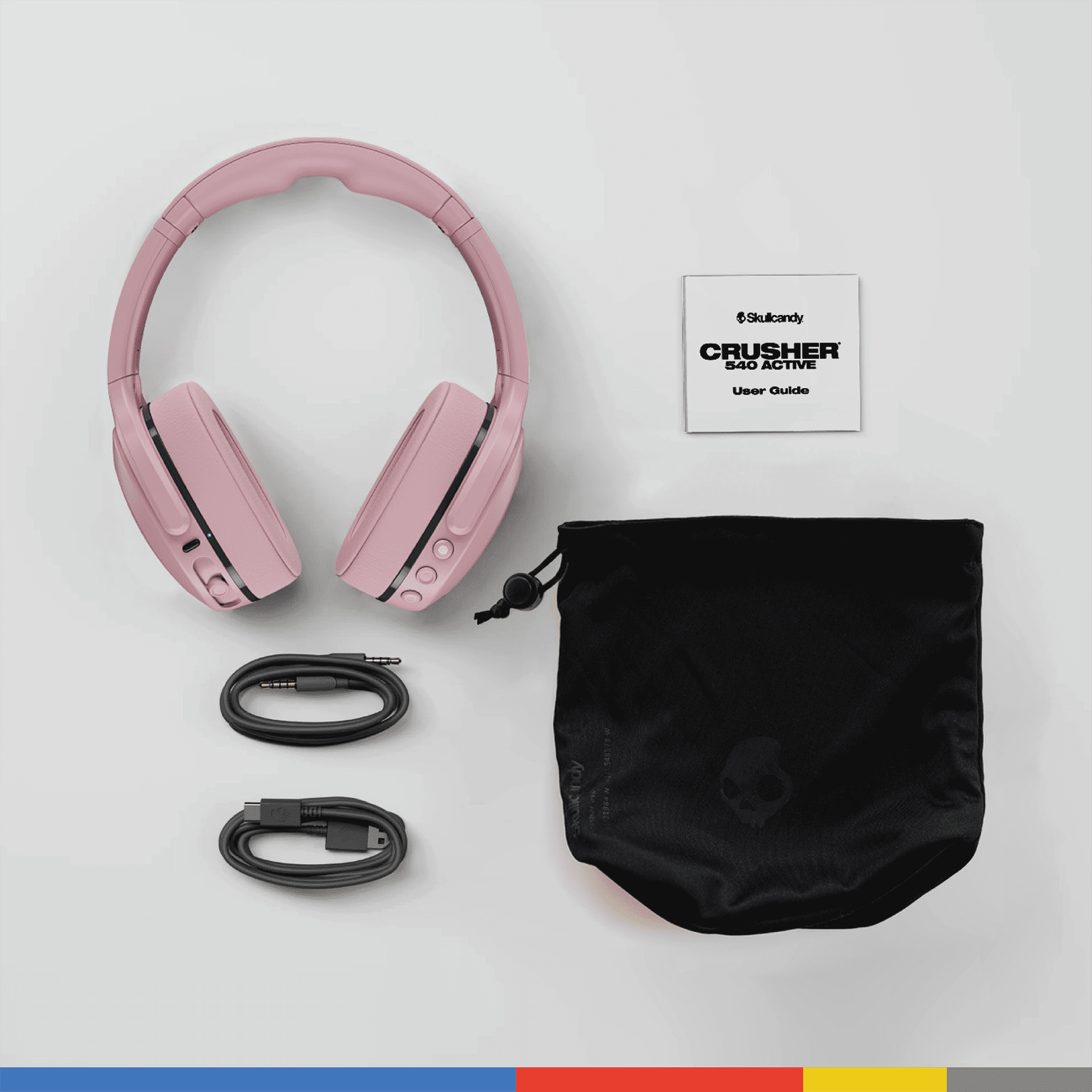
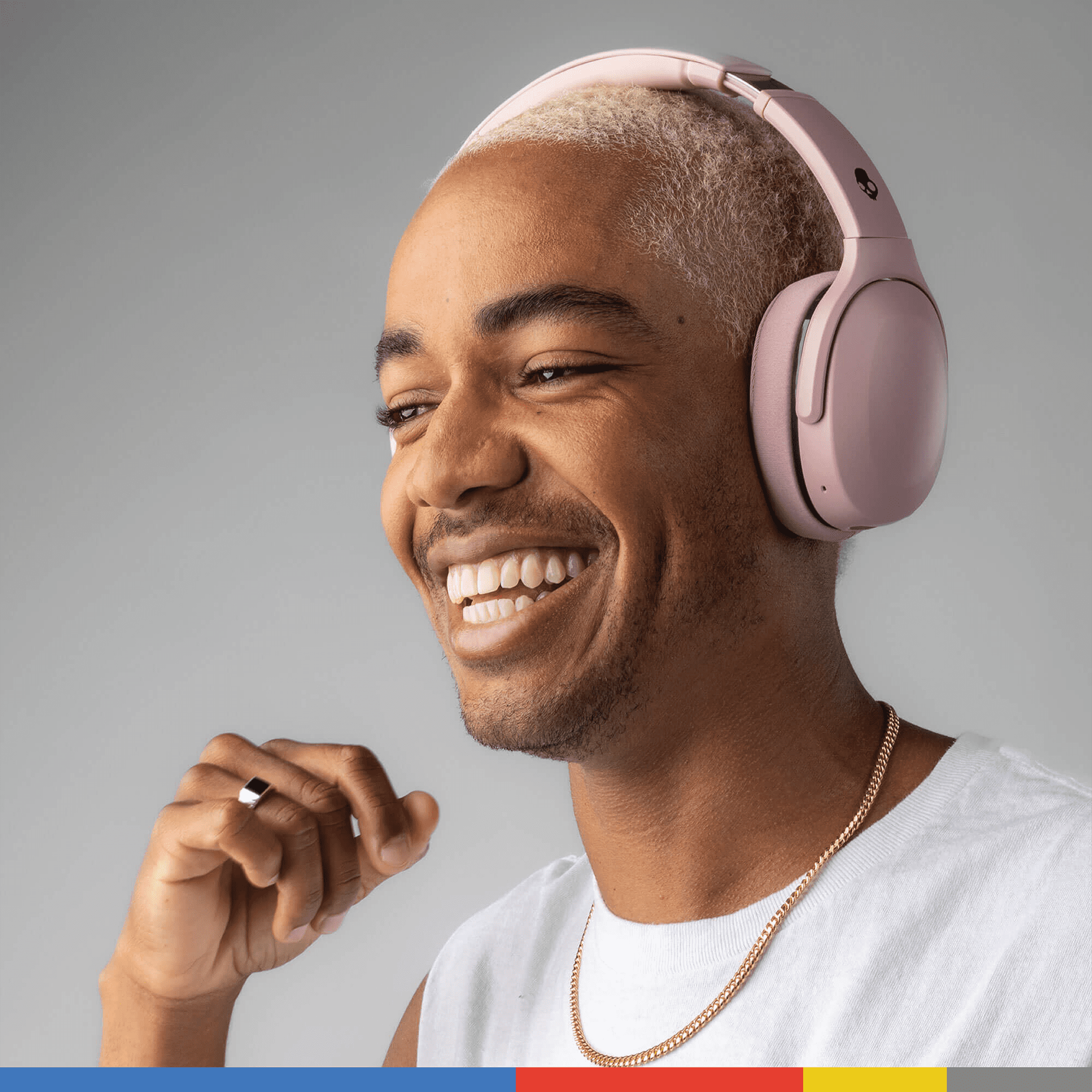
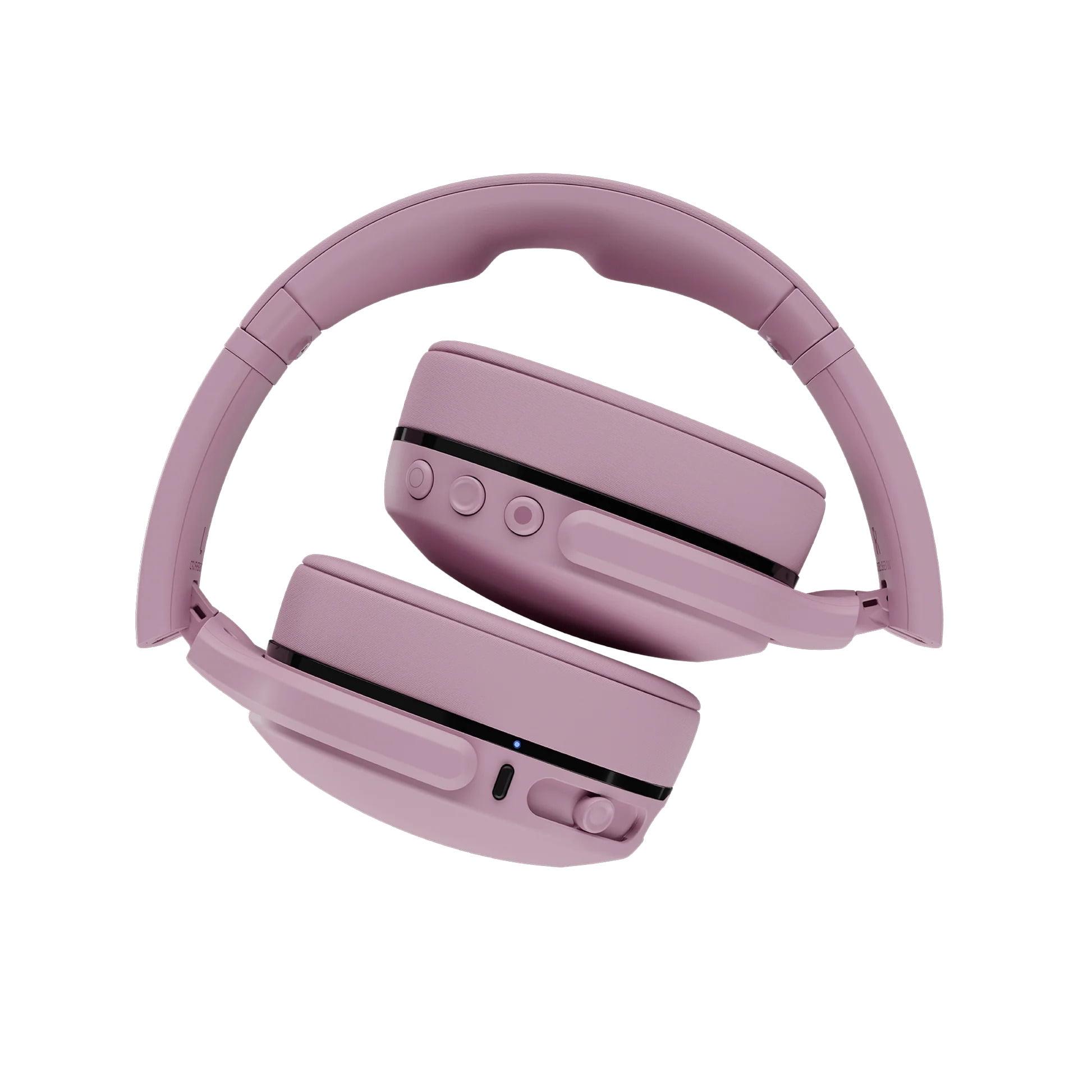

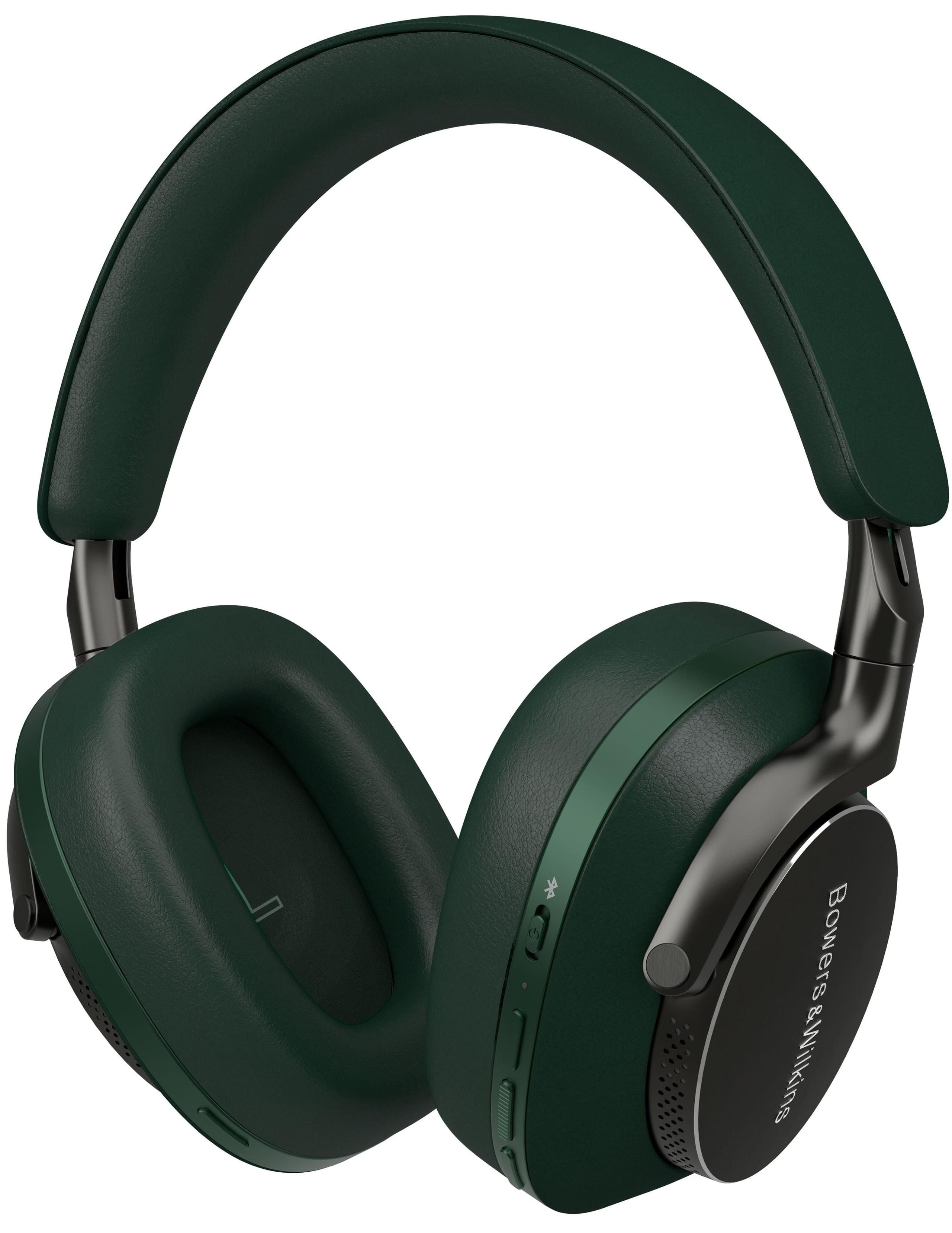
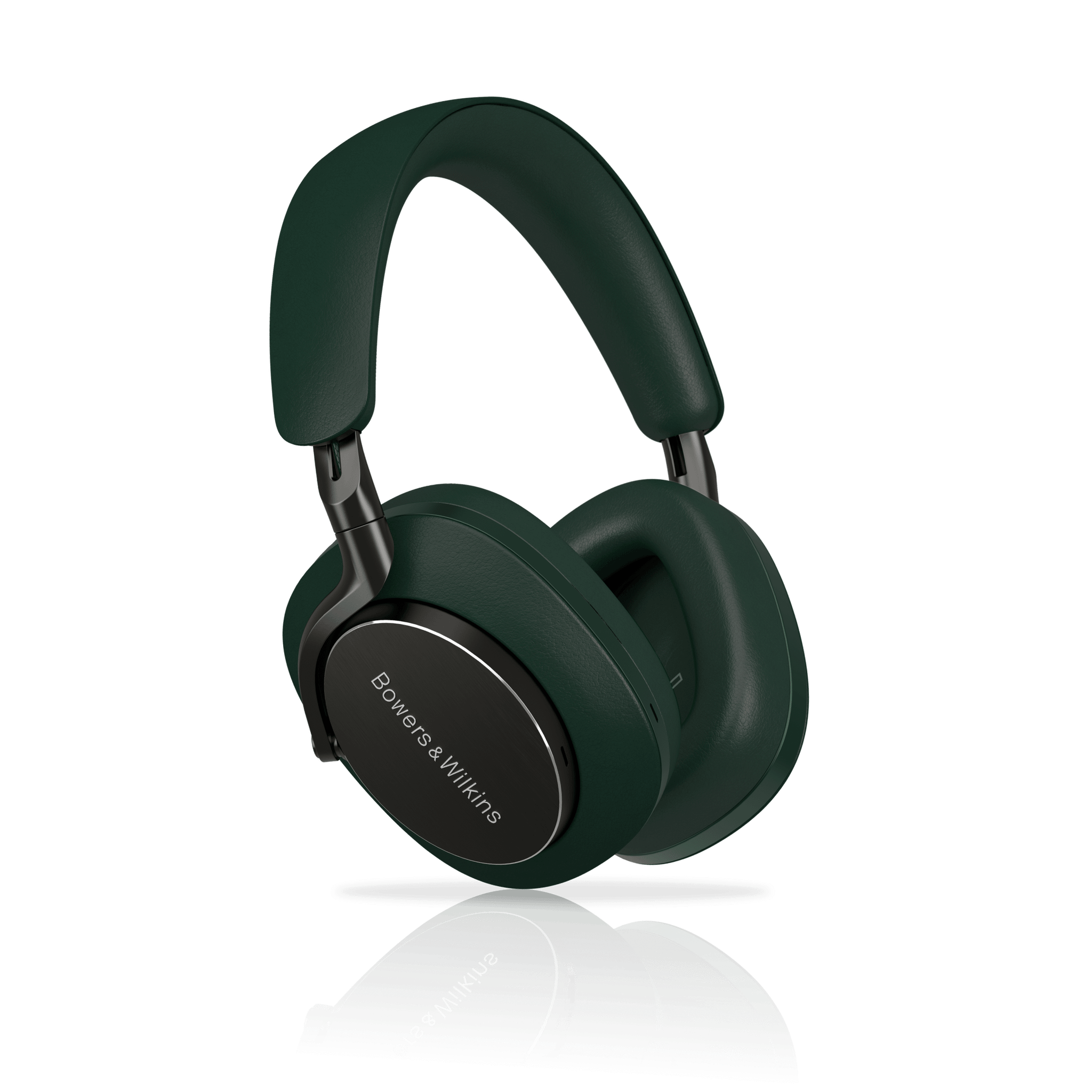
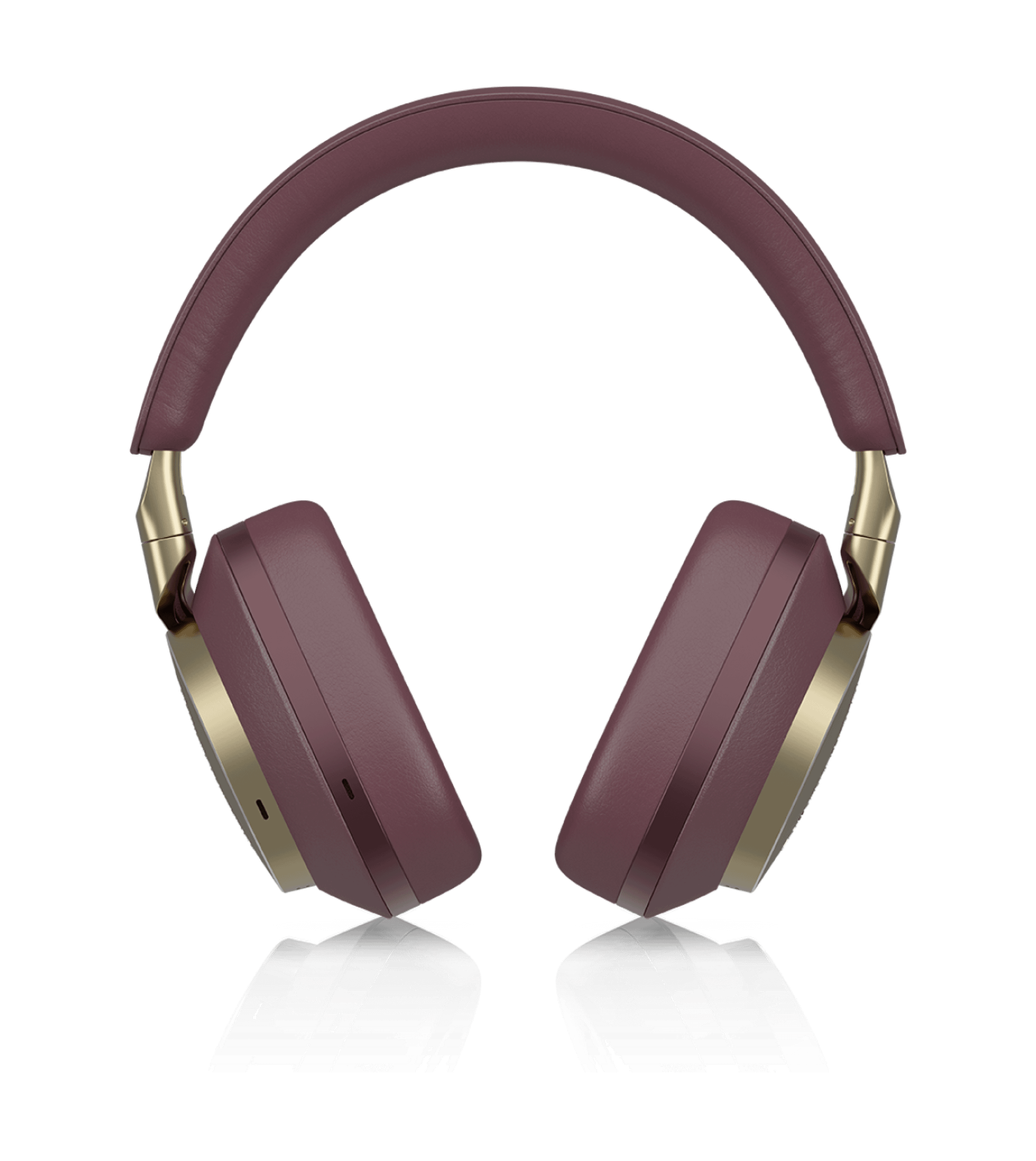
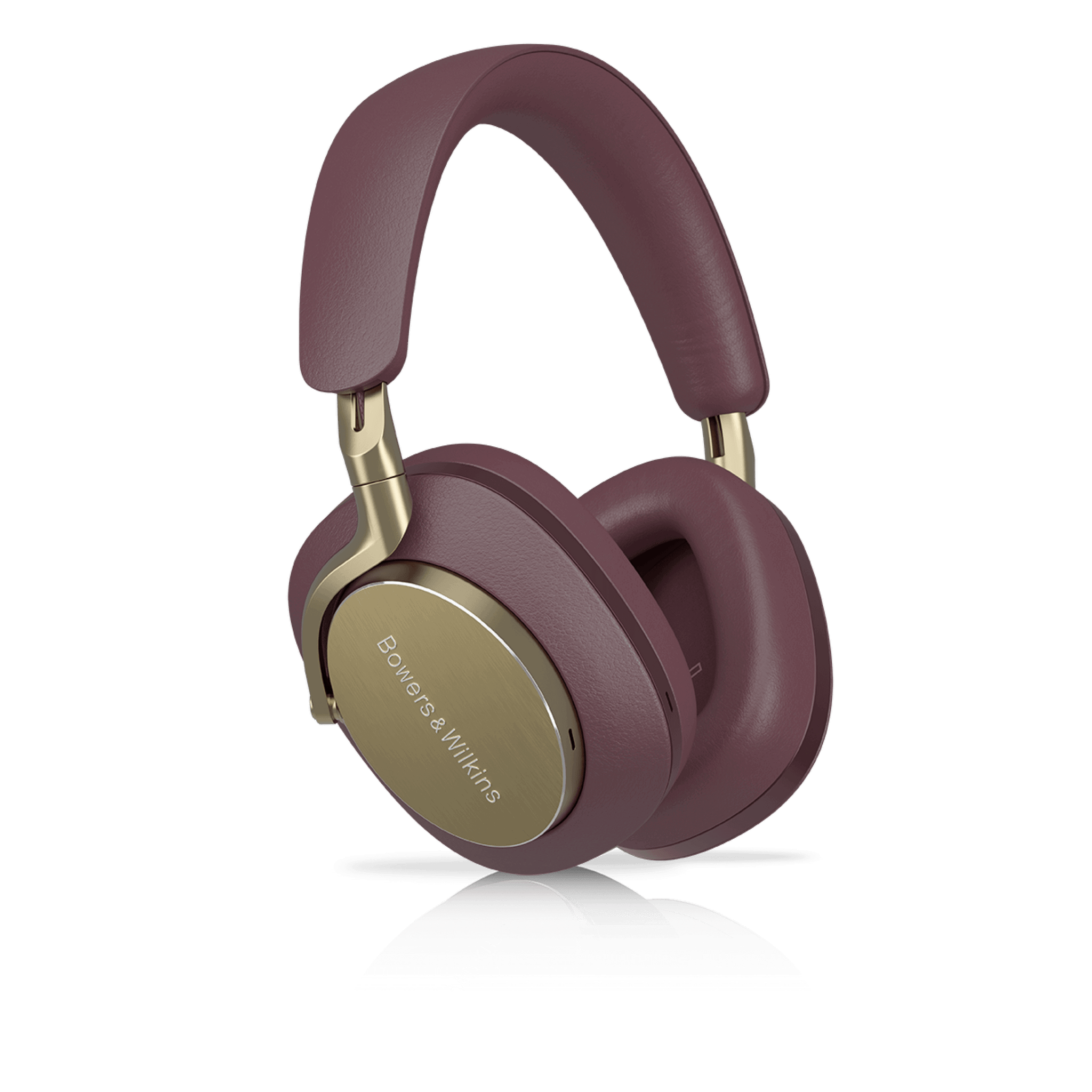
When you're ready to step up from basic headphones to something truly premium, the choices can feel overwhelming. Two headphones that perfectly illustrate the different directions this market has taken are the Skullcandy Crusher 540 Active (around $110 street price) and the Bowers & Wilkins Px8 (typically $500-550). These aren't just different price points – they represent completely different philosophies about what makes headphones great.
The premium wireless headphone market has exploded over the past few years, with manufacturers pushing boundaries in every direction. Some focus on pure sound quality, others on features like noise cancellation, and still others on specialized use cases like fitness or gaming. What makes this interesting is that "premium" doesn't necessarily mean expensive anymore – technological advances have brought features once reserved for $500+ headphones down to much more accessible price points.
The key things most people care about when shopping in this category are pretty straightforward: How do they sound? Are they comfortable for long listening sessions? Do they block out noise when you need them to? How long does the battery last? And perhaps most importantly – are they worth the money?
The Skullcandy Crusher 540 Active and Bowers & Wilkins Px8 answer these questions in remarkably different ways, which makes comparing them both fascinating and useful for understanding what you actually need.
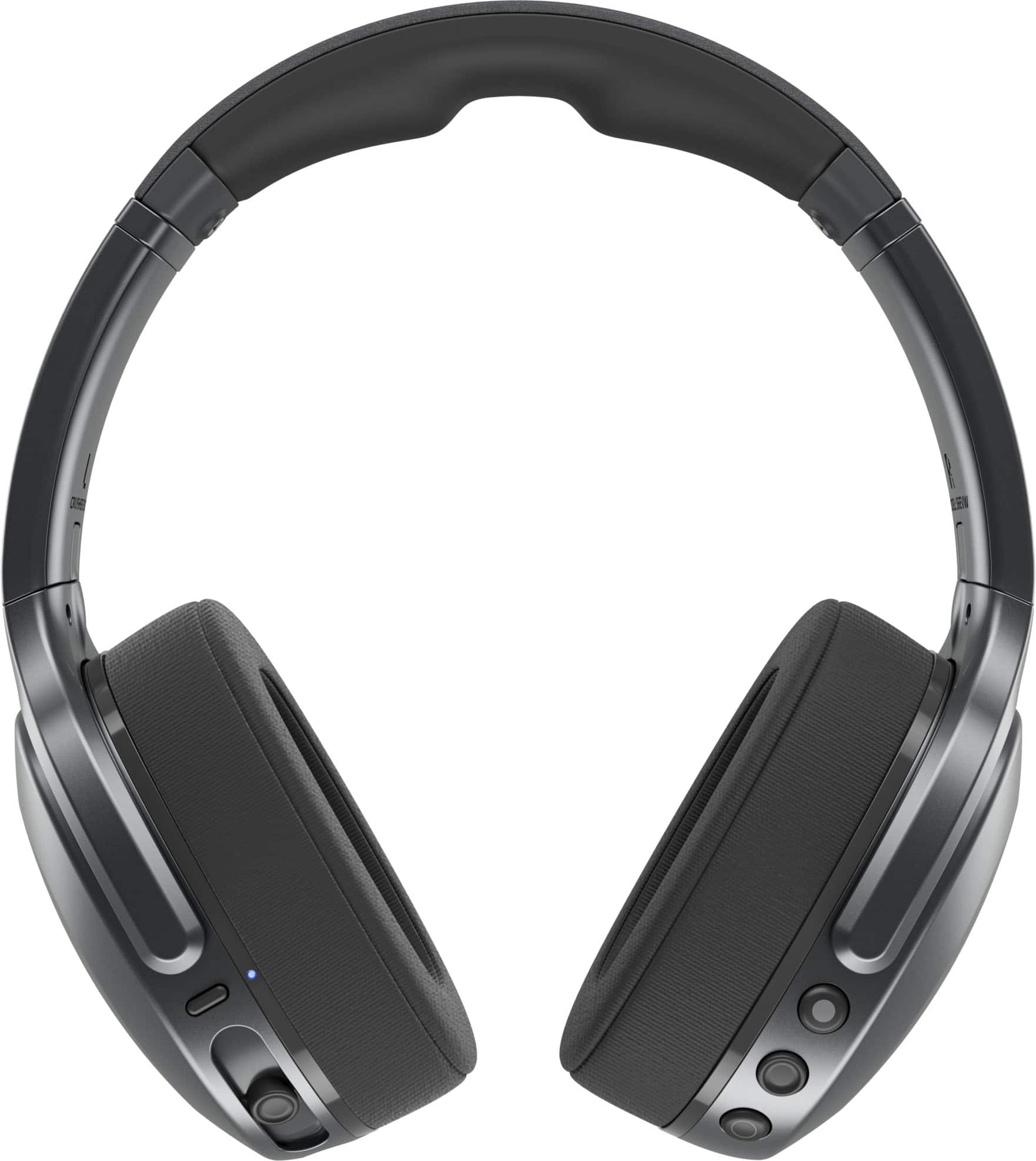
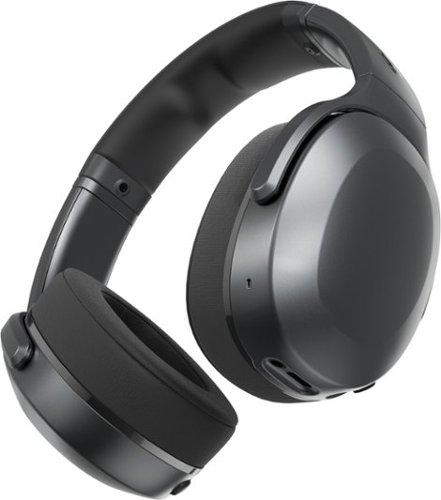
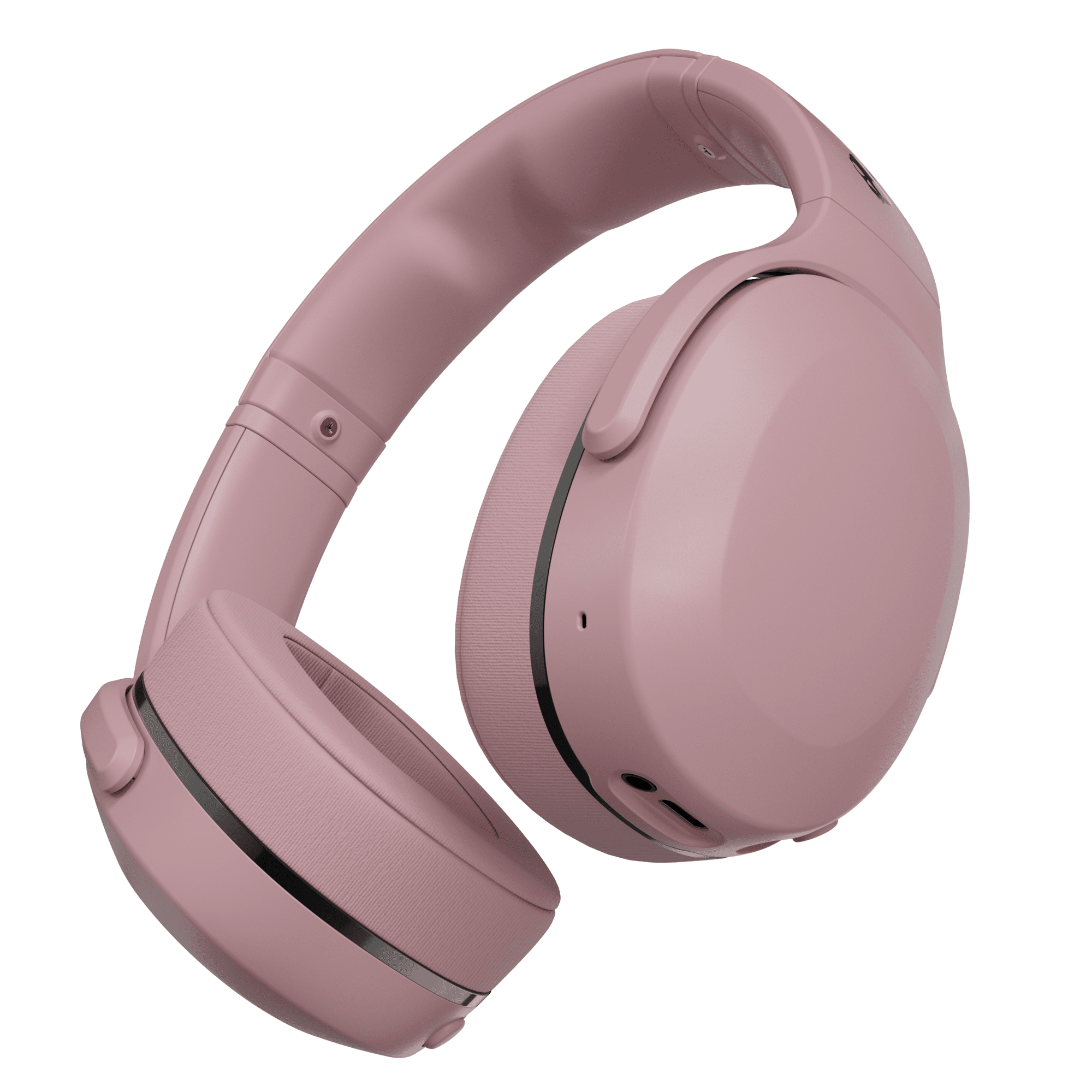
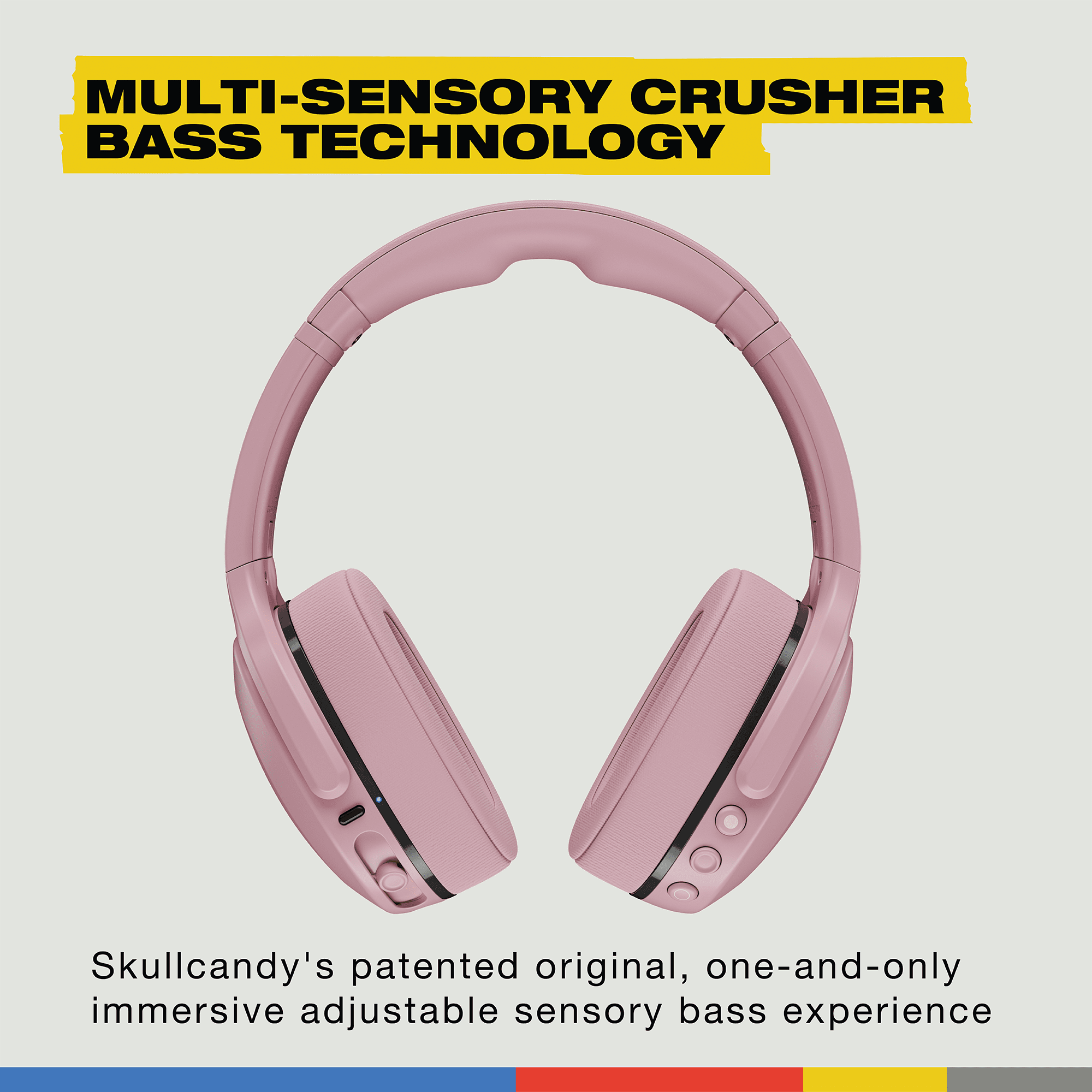
Released in 2025, the Crusher 540 Active represents Skullcandy's latest evolution of their signature "Crusher" technology. This isn't just about loud bass – it's about bass you can physically feel. The headphones include what Skullcandy calls "Sensory Bass," which uses dual bass drivers to create actual vibrations that you feel through the ear cups. Think of it like having a subwoofer built into your headphones, complete with a physical slider that lets you dial the intensity up or down.
This haptic feedback (the technical term for technology that provides physical sensations) creates an almost surreal listening experience with the right music. When a kick drum hits in an electronic track, you don't just hear it – you feel it resonate through your skull. It's the kind of thing that makes you want to show it off to friends because it's genuinely hard to describe until you experience it.
The Px8, which has been available since late 2022, takes the opposite approach. Bowers & Wilkins built their reputation making speakers for recording studios and high-end home theaters, and the Px8 brings that same obsession with accuracy to headphones. Instead of enhancing the bass, they focus on reproducing exactly what's in the recording – no more, no less.
The Px8 uses what B&W calls "Carbon Cone" drivers. These 40mm drivers feature cones made from carbon fiber that are angled precisely to reduce distortion and improve stereo imaging (how well you can pinpoint where different instruments are positioned in the soundstage). They're paired with 24-bit digital signal processing, which essentially means the headphones have a tiny computer inside that processes the audio with higher precision than standard 16-bit systems.
Here's where these headphones really diverge, and where your personal preferences will determine which approach works better for you.
The Crusher 540 Active doesn't just have strong bass – it redefines what bass can be in headphones. The haptic feedback system creates physical sensations that traditional headphones simply cannot produce. When I first tried them with Billie Eilish's "bad guy," the subsonic elements that you'd normally only feel in a car with a serious sound system were suddenly present and adjustable. The slider control lets you fine-tune this effect from subtle enhancement to skull-rattling intensity.
But here's the thing about the Crusher's approach: it's additive. The headphones are enhancing the bass beyond what's actually in the recording. For workout music, hip-hop, or electronic genres, this can be absolutely thrilling. For acoustic jazz or classical music, it might feel overwhelming or unnatural.
The Px8, by contrast, delivers what I'd call "reference-quality" bass. It's tight, controlled, and accurate to the source material. The bass extension goes quite deep – down to around 10Hz according to measurements – but it never calls attention to itself unless the music demands it. This makes the Px8 incredibly versatile across genres, but it won't give you that visceral, feel-it-in-your-chest experience that the Crusher provides.
The midrange is where vocals and most instruments live, and it's arguably the most important part of the frequency spectrum for music enjoyment. The Px8 excels here, with a clarity and detail that reveals subtle elements in familiar recordings. Vocals sound natural and present without being harsh, and instrumental textures come through with impressive nuance.
The Crusher 540 Active handles midrange adequately, but its bass-forward tuning can sometimes mask subtle details in this region. It's not that the mids sound bad – they're actually quite good for the price point – but they're clearly tuned to complement the enhanced bass rather than to provide clinical accuracy.
In the treble region, the Px8's extended frequency response (up to 30kHz versus the typical 20kHz) provides an sense of "air" and openness that many listeners find appealing. The Crusher's treble is more modest, focusing on providing enough sparkle to balance the enhanced bass without becoming fatiguing during long listening sessions.
This is one area where there's no contest: the Px8 has active noise cancellation (ANC), and the Crusher 540 Active doesn't. ANC uses microphones to detect ambient noise and then generates inverse sound waves to cancel it out – it's like noise-canceling math happening in real-time.
The Px8's ANC system uses six microphones (four for noise cancellation, two for phone calls) and provides solid, if not industry-leading, noise reduction. It's particularly effective with consistent low-frequency noise like airplane engines or air conditioning systems. The transparency mode lets you hear your surroundings when needed, though voices can sound a bit processed compared to the best implementations from Apple or Sony.
The Crusher 540 Active relies entirely on passive isolation – the physical seal created by the ear cups. While this works reasonably well, especially with the enhanced clamping force designed for active use, it can't compete with active systems for blocking out environmental noise.
For home theater use, this difference becomes particularly relevant. If you're watching movies late at night and want to avoid disturbing others, the Px8's ANC can help isolate you from household sounds while preventing your audio from leaking out.
Both headphones are comfortable, but they achieve this in different ways that reflect their intended use cases.
The Px8 feels unmistakably premium from the moment you pick it up. The cast aluminum construction, Nappa leather ear pads, and memory foam cushioning create a sense of luxury that justifies the price tag. The materials age well – leather develops character over time rather than simply wearing out. At 320g, it's not the lightest headphone, but the weight is well-distributed and never feels burdensome during long listening sessions.
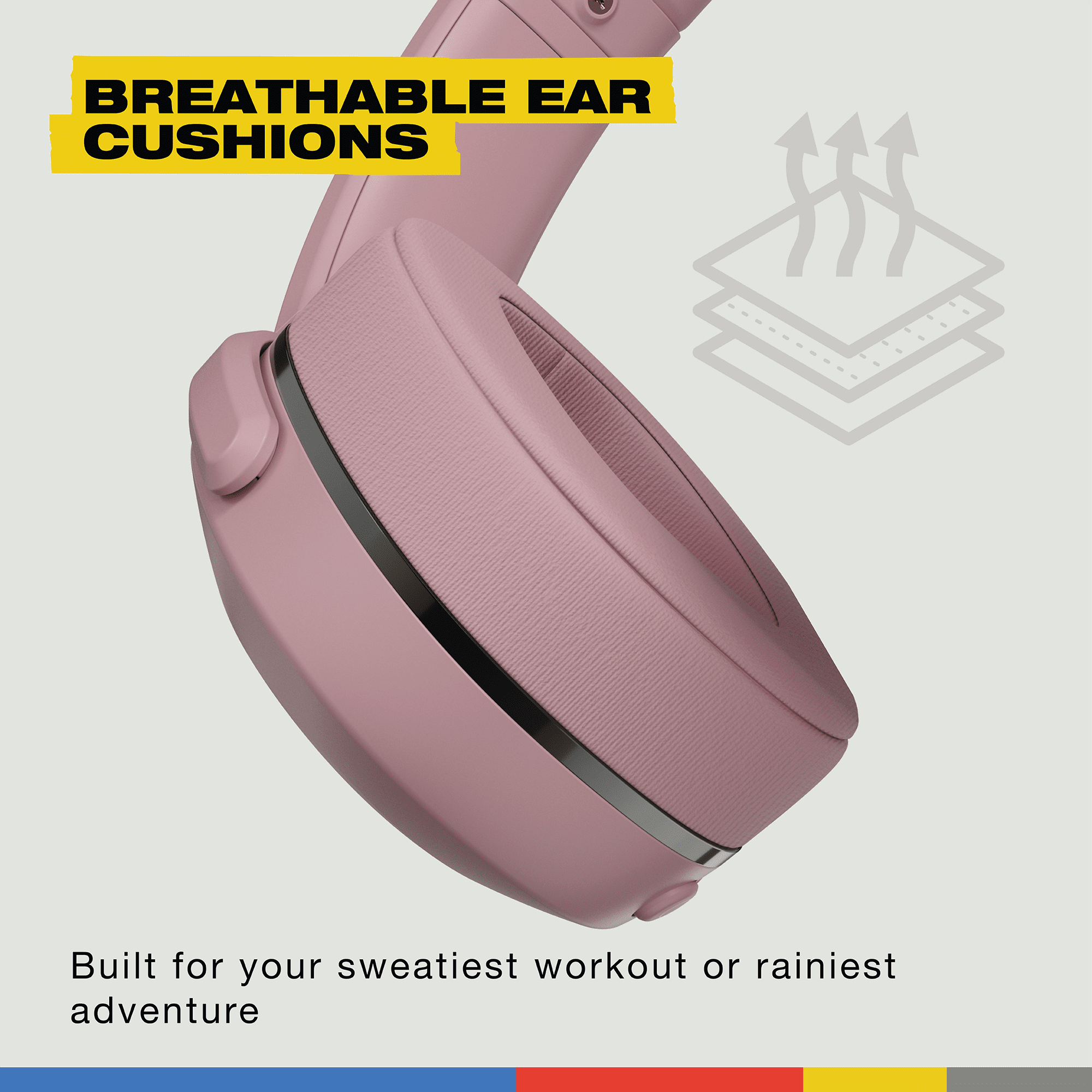
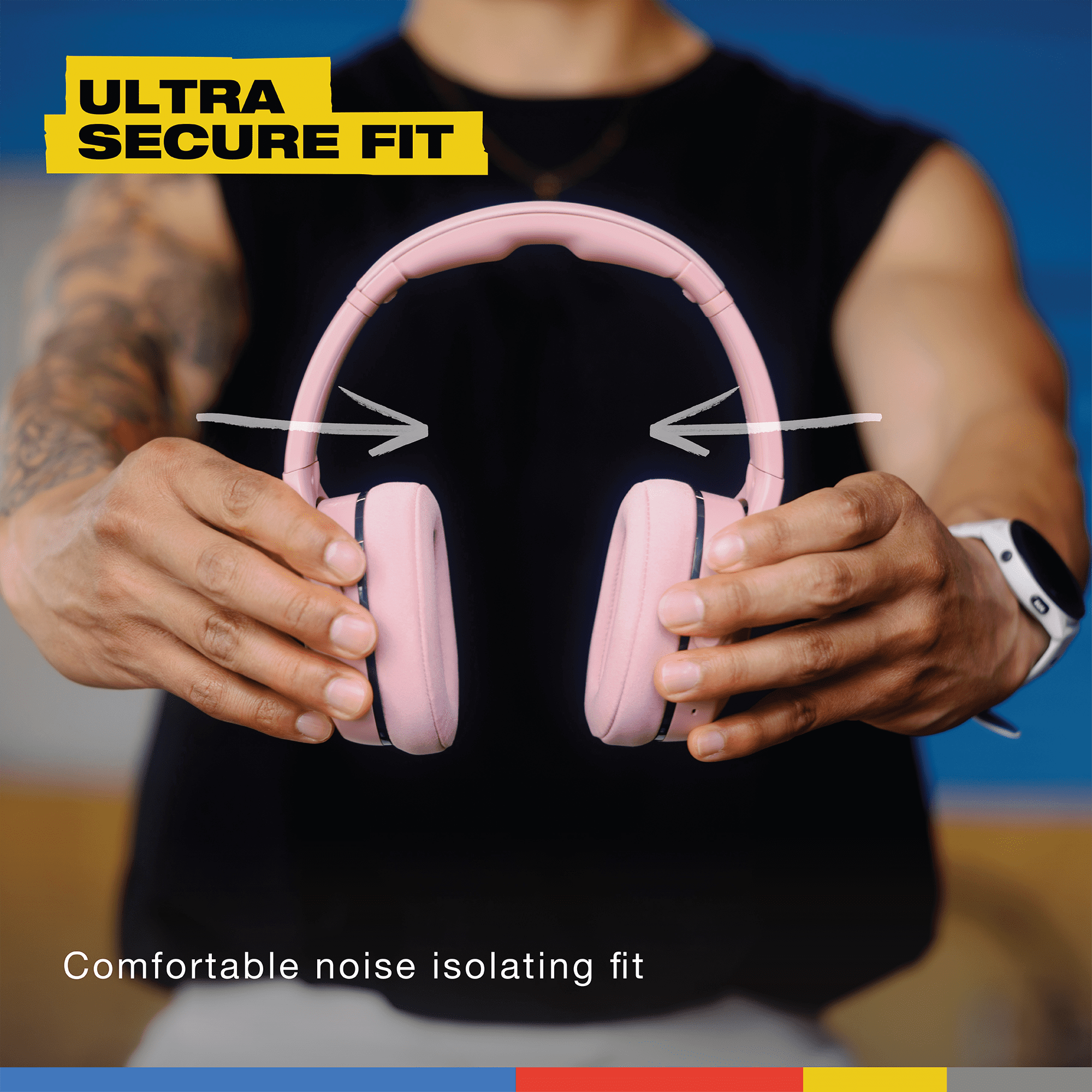
The Crusher 540 Active takes a more practical approach. The breathable mesh fabric ear cushions are specifically designed to prevent the sweaty, uncomfortable feeling that can develop during workouts. The nano-coating provides sweat and water resistance that the Px8's leather simply can't match. The enhanced clamping force (the pressure the headphones exert on your head) keeps them secure during movement, though some users with larger heads might find this uncomfortable for extended stationary listening.
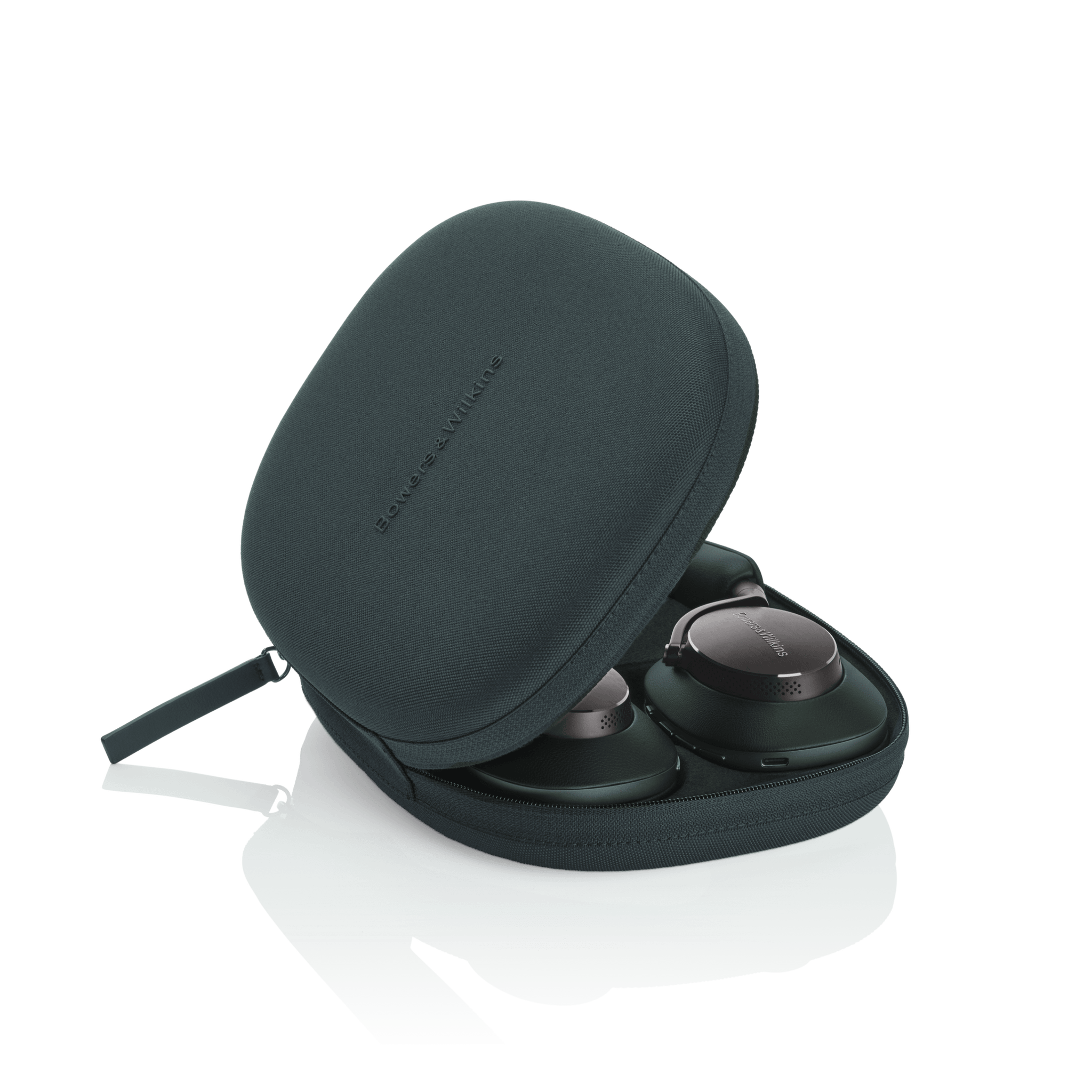
Both headphones fold for travel, but the Crusher's design feels more robust for tossing in a gym bag, while the Px8 comes with a premium carrying case that matches its luxury positioning.
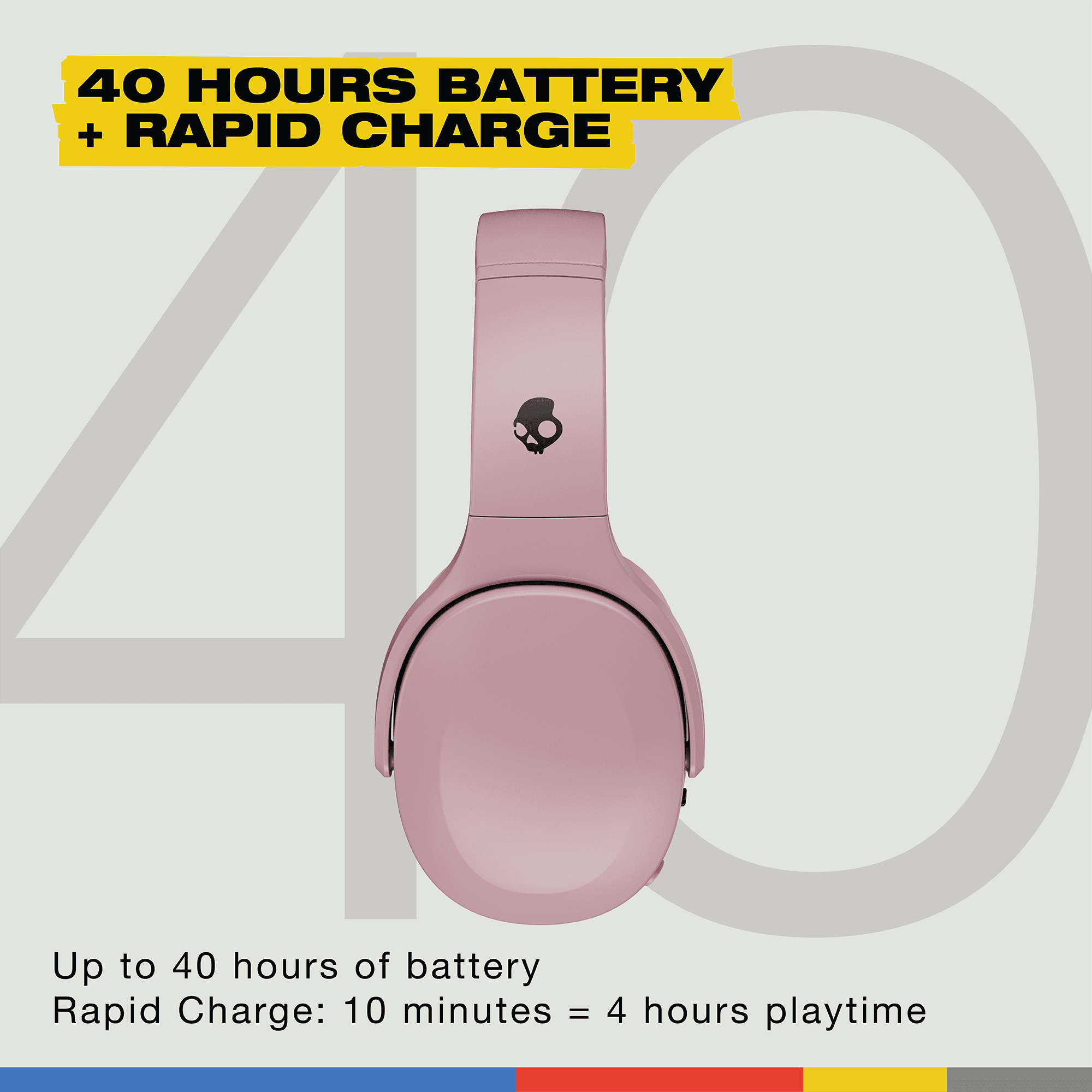
Battery life is where the Crusher 540 Active shows clear advantages. The 40-hour rating is genuinely achievable in real-world use, and the rapid charging is genuinely useful – 10 minutes of charging provides 4 hours of playback. This makes it practically worry-free for daily use and excellent for travel.
The Px8 offers 30 hours of playback, which is still very good but not quite as generous. The quick-charge feature (15 minutes for 7 hours) is helpful, though not quite as fast as the Crusher's system.
Both use USB-C for charging, which is convenient and future-proof. The Px8 also accepts audio input through its USB-C port, allowing for high-quality wired listening from compatible devices.
Modern premium headphones are as much about software as hardware, and both models offer companion apps that unlock additional functionality.
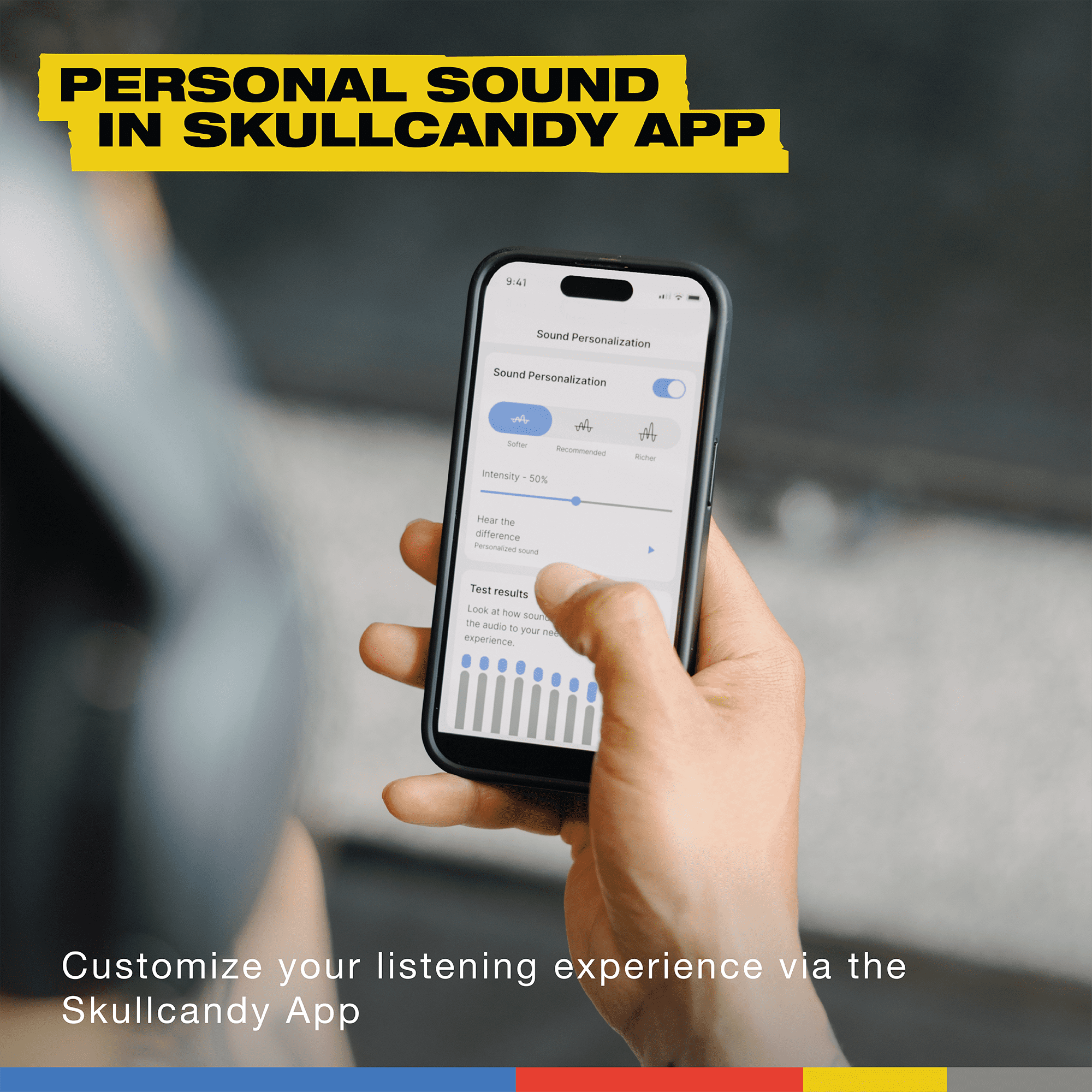
The Crusher 540 Active works with Skullcandy's app to provide Personal Sound customization using Audiodo technology. This system plays a series of tones at different frequencies and volumes, then adjusts the headphones' tuning based on your hearing profile. It's a clever way to compensate for individual hearing differences and can make a noticeable improvement in sound quality. The app also provides EQ presets optimized for music, podcasts, and movies.
The Px8 includes more advanced features like wear detection (automatically pausing when you remove the headphones) and more sophisticated app controls. The B&W app allows for fine-tuning of the noise cancellation and provides access to direct streaming from various music services.
Both headphones include Tile finding technology, which can help locate them if misplaced – a surprisingly useful feature for expensive headphones.
This gets into some technical territory, but it's important for understanding what these headphones can actually deliver. Audio codecs are essentially compression algorithms that determine how music gets transmitted wirelessly from your device to your headphones.
The Px8 supports a wider range of high-quality codecs, including aptX Adaptive and aptX HD, which can deliver up to 24-bit/48kHz audio – higher quality than CD audio. This matters if you're streaming from services like Tidal or Amazon Music HD that offer high-resolution audio.
The Crusher 540 Active supports the more common SBC and AAC codecs, which are perfectly adequate for most streaming services and provide good quality with broad device compatibility.
For home theater use, the Px8's superior codec support and wired USB-C connection make it better suited for high-quality audio from compatible sources.
At around $110 street price, the Crusher 540 Active represents exceptional value in the premium headphone market. You're getting unique technology (the haptic bass system) that you literally cannot find anywhere else, plus solid build quality, excellent battery life, and features typically found in much more expensive headphones.
The $500-550 Px8 asks you to pay for precision, luxury materials, and the kind of sound quality that audio enthusiasts appreciate. The question becomes whether those improvements are worth the 4-5x price difference.
In my experience, the answer depends entirely on your priorities. If you're primarily using headphones for workouts, commuting, or casual listening to bass-heavy music, the Crusher 540 Active delivers more excitement and practical utility per dollar. If you're someone who listens critically to a wide variety of music, values premium materials, or needs noise cancellation for travel or concentration, the Px8 justifies its higher price.
For home theater use, both headphones have merits, but they serve different needs. The Px8 is better suited for late-night movie watching when you want to avoid disturbing others. Its ANC helps isolate you from household sounds, and its balanced sound signature handles dialogue, music, and effects with equal competence.
The Crusher 540 Active can make action movies and concerts feel more immersive through its haptic feedback, but the lack of ANC means you're more likely to be distracted by external sounds, and others are more likely to hear your audio.
Choose the Skullcandy Crusher 540 Active if you want something genuinely different in your audio experience, prioritize value and durability, or primarily listen to bass-heavy music. It's also the clear choice if you need headphones for active use or have a budget under $200.
Choose the Bowers & Wilkins Px8 if sound quality is your primary concern, you value premium materials and build quality, need active noise cancellation, or listen to a wide variety of music genres that benefit from accurate reproduction.
Both headphones represent the best of their respective approaches. The Crusher 540 Active proves that innovation and value can coexist, while the Px8 demonstrates that traditional audiophile virtues still have their place in the wireless world. Your choice ultimately comes down to whether you want your headphones to enhance your music or faithfully reproduce it – and both philosophies have their passionate advocates for good reason.
| Skullcandy Crusher 540 Active | Bowers & Wilkins Px8 |
|---|---|
| Price - Street pricing makes a huge difference in value calculation | |
| ~$110 (exceptional value for premium features) | ~$500-550 (premium pricing for audiophile quality) |
| Bass Technology - Fundamentally different approaches to low-end reproduction | |
| Haptic Crusher Bass with adjustable physical feedback | Carbon Cone drivers with controlled, accurate bass |
| Active Noise Cancellation - Essential for travel and focus | |
| None (passive isolation only) | Hybrid ANC with 6-microphone array |
| Battery Life - Affects daily usability and travel convenience | |
| 40 hours (10min charge = 4hrs playback) | 30 hours (15min charge = 7hrs playback) |
| Build Materials - Impacts durability and premium feel | |
| Breathable mesh, nano-coating, sweat-resistant | Nappa leather, cast aluminum, luxury finishes |
| Driver Technology - Determines sound quality and detail retrieval | |
| 40mm standard drivers with bass enhancement | 40mm angled Carbon Cone drivers with 24-bit DSP |
| Codec Support - Affects wireless audio quality from high-res sources | |
| SBC, AAC (standard quality, broad compatibility) | aptX Adaptive, aptX HD, AAC, SBC (high-res capable) |
| Weight - Important for extended wear comfort | |
| 312g (lighter, secure fit for active use) | 320g (premium materials, excellent stationary comfort) |
| Target Use Case - Who each product serves best | |
| Fitness, bass lovers, budget-conscious premium buyers | Audiophiles, professionals, luxury-focused listeners |
| Unique Features - What sets each apart from competitors | |
| Physical bass slider, Tile finding, sweat resistance | Wear detection, premium app, luxury aesthetics |
| Frequency Response - Range of sound reproduction | |
| 20Hz-20kHz (standard but bass-enhanced) | Extended range with 30kHz highs (audiophile-grade) |
| Warranty Coverage - Protection for your investment | |
| 1 year parts and labor | 2 years parts and labor |
The Skullcandy Crusher 540 Active delivers a completely different bass experience with its haptic feedback technology that you can physically feel, while the Bowers & Wilkins Px8 provides more accurate, controlled bass. If you want bass you can feel in your body, choose the Crusher. If you want precise, audiophile-quality bass reproduction, choose the Px8.
The Skullcandy Crusher 540 Active typically sells for around $110, while the Bowers & Wilkins Px8 costs $500-550. This makes the Crusher about 5 times less expensive, offering exceptional value for premium features compared to the Px8's luxury pricing.
No, only the Bowers & Wilkins Px8 has active noise cancellation with a 6-microphone system. The Skullcandy Crusher 540 Active relies on passive noise isolation only, making the Px8 much better for blocking out external sounds during travel or in noisy environments.
The Skullcandy Crusher 540 Active is specifically designed for active use with sweat and water resistance, breathable ear cushions, and secure clamping force. The Bowers & Wilkins Px8 uses premium leather materials that aren't suitable for workouts, making the Crusher the clear choice for fitness activities.
The Skullcandy Crusher 540 Active offers 40 hours of battery life with 10-minute rapid charging for 4 hours of playback. The Bowers & Wilkins Px8 provides 30 hours with 15-minute charging for 7 hours of use. Both offer excellent battery life, but the Crusher lasts longer overall.
This depends on your preferences. The Bowers & Wilkins Px8 delivers more accurate, audiophile-quality sound across all music genres with superior detail and clarity. The Skullcandy Crusher 540 Active excels with bass-heavy music like hip-hop and EDM thanks to its unique haptic bass technology, but may not be as versatile across different genres.
The Bowers & Wilkins Px8 is better for home theater use due to its active noise cancellation, balanced sound signature for dialogue clarity, and premium build quality for extended viewing sessions. The Skullcandy Crusher 540 Active can make action movies more immersive with its haptic bass, but lacks noise cancellation for late-night viewing.
Both are comfortable but in different ways. The Bowers & Wilkins Px8 uses luxury Nappa leather and memory foam for superior stationary comfort during long listening sessions. The Skullcandy Crusher 540 Active features breathable mesh cushions that stay comfortable during active use but may have too much clamping force for some users during extended stationary listening.
The Bowers & Wilkins Px8 supports high-resolution audio codecs like aptX Adaptive and aptX HD, making it ideal for services like Tidal HiFi and Amazon Music HD. The Skullcandy Crusher 540 Active supports standard SBC and AAC codecs, which work well with Spotify, Apple Music, and most streaming services but don't support high-resolution audio.
The Skullcandy Crusher 540 Active offers exceptional value at around $110, providing unique haptic bass technology and premium features typically found in much more expensive headphones. The Bowers & Wilkins Px8 justifies its $500+ price with audiophile sound quality and luxury materials, but the Crusher delivers more features per dollar spent.
Yes, both support wired listening. The Skullcandy Crusher 540 Active includes a 3.5mm AUX cable for backup wired use. The Bowers & Wilkins Px8 offers more advanced wired options with USB-C audio input for high-quality digital connection plus a 3.5mm option, making it more versatile for audiophile setups.
For beginners, the Skullcandy Crusher 540 Active offers an exciting entry into premium audio with its unique haptic bass experience and excellent value at $110. The Bowers & Wilkins Px8 is better suited for those who already appreciate high-quality audio and want to invest in audiophile-grade sound reproduction and luxury materials.
We've done our best to create useful and informative comparisons to help you decide what product to buy. Our research uses advanced automated methods to create this comparison and perfection is not possible - please contact us for corrections or questions. These are the sites we've researched in the creation of this article: bestbuy.com - techradar.com - techradar.com - skullcandy.com - youtube.com - tiktok.com - youtube.com - api.bestbuy.com - bestbuy.com - tiktok.com - skullcandy.com - eleonto.com - skullcandy.com.au - skullcandy.com.au - architeg-prints.com - support.skullcandy.com - youtube.com - youtube.com - skullcandysingapore.com - skullcandy.co.nz - skullcandy.eu - skullcandy.com - walmart.com - whathifi.com - marius.ink - bowerswilkins.com - rtings.com - whathifi.com - whathifi.com - soundguys.com - audio46.com - youtube.com - futureaudiophile.com - listenup.com - telquestintl.com - bowerswilkins.com - bowerswilkins.com - bestbuy.com - bhphotovideo.com - audioholics.com - bowerswilkins.com - bowerswilkins.com - headphone.guru - bhphotovideo.com - bowerswilkins.com

Privacy Policy
Terms and Conditions - Affiliate Policy
Home Security
© Copyright 2008-2026.
11816 Inwood Rd #1211, Dallas, TX 75244