

When you're ready to invest in premium wireless headphones, the choice often comes down to two distinct philosophies: cutting-edge tech integration or traditional audiophile excellence. The Apple AirPods Max and Bowers & Wilkins Px8 represent these approaches perfectly, each offering compelling reasons to choose one over the other.
Both headphones sit in the premium tier—at the time of writing, you're looking at spending somewhere in the mid-to-high hundreds for either option. But while they occupy similar price territory, they take remarkably different paths to audio excellence.
Premium wireless over-ear headphones have evolved dramatically over the past few years. Unlike basic Bluetooth headphones, these models combine high-end driver technology (the tiny speakers inside each ear cup), sophisticated noise cancellation systems, and premium materials. They're designed for people who spend serious time listening to music, watching movies, or taking calls—and who want the absolute best experience possible.
The key things that separate premium models from cheaper alternatives include driver quality, noise cancellation effectiveness, build materials, battery life, and smart features. In this price range, you're also paying for research and development—the advanced engineering that makes everything work seamlessly together.
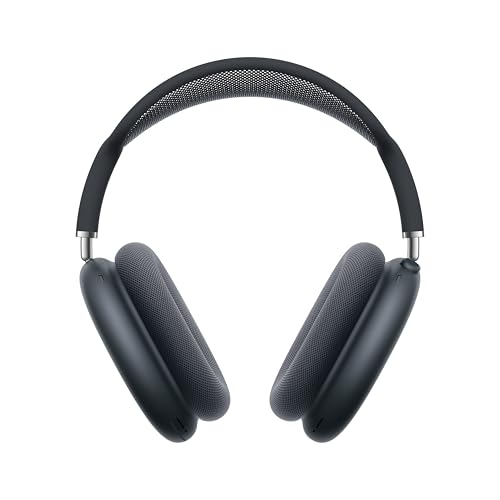
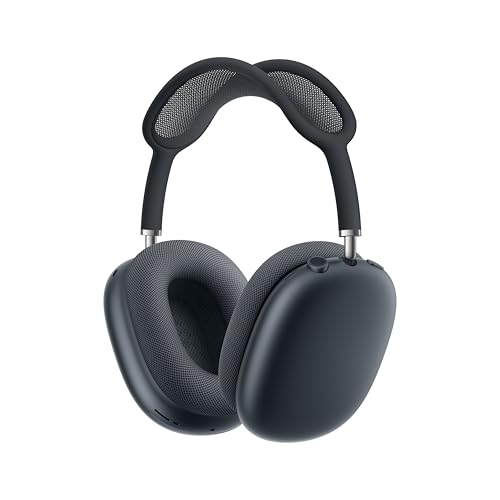
The Apple AirPods Max, released in 2020, represents Apple's computational approach to audio. Rather than just playing sound, these headphones actively analyze what you're hearing and make hundreds of tiny adjustments every second to optimize the experience. It's like having a tiny audio engineer constantly fine-tuning your music.
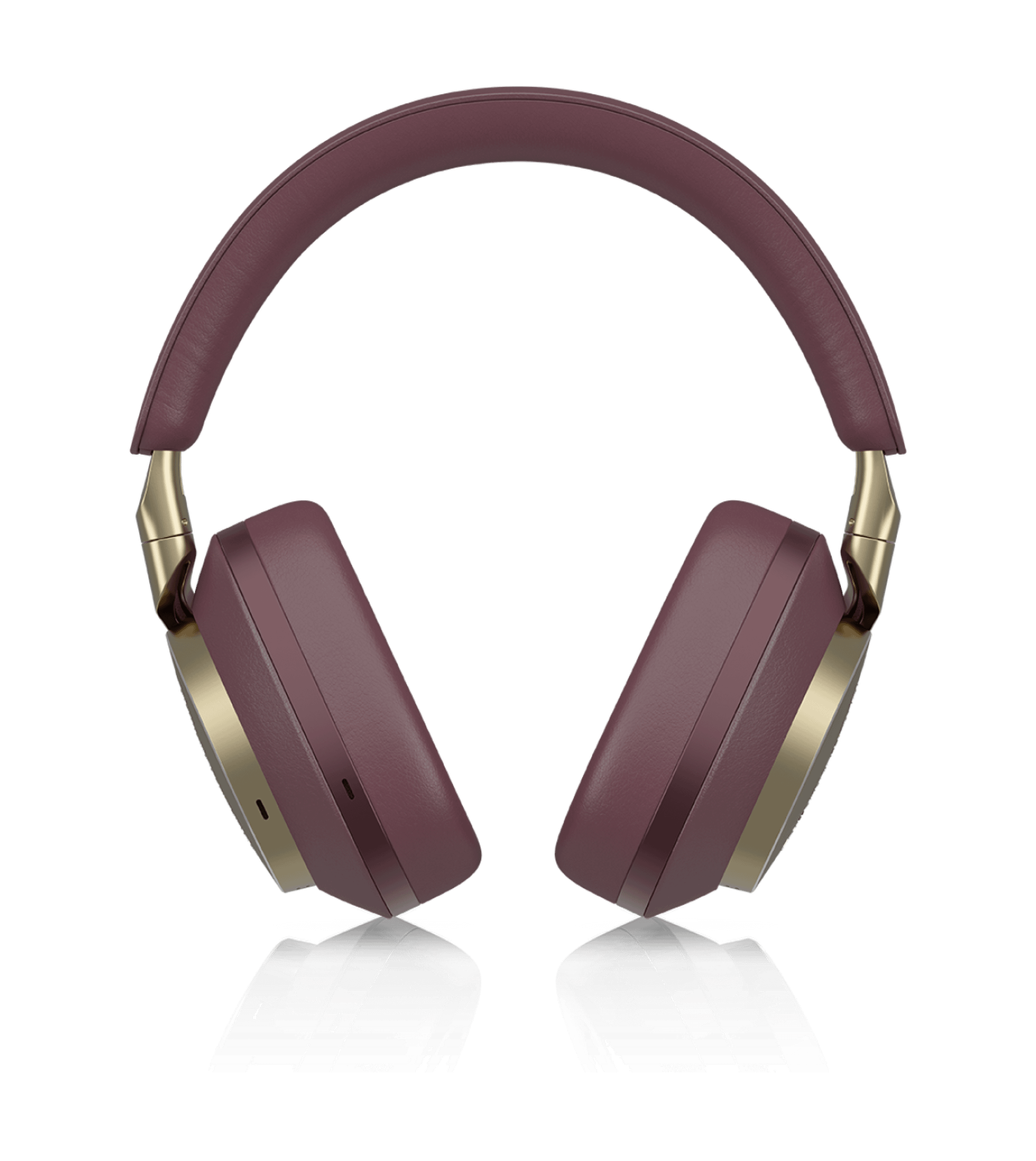
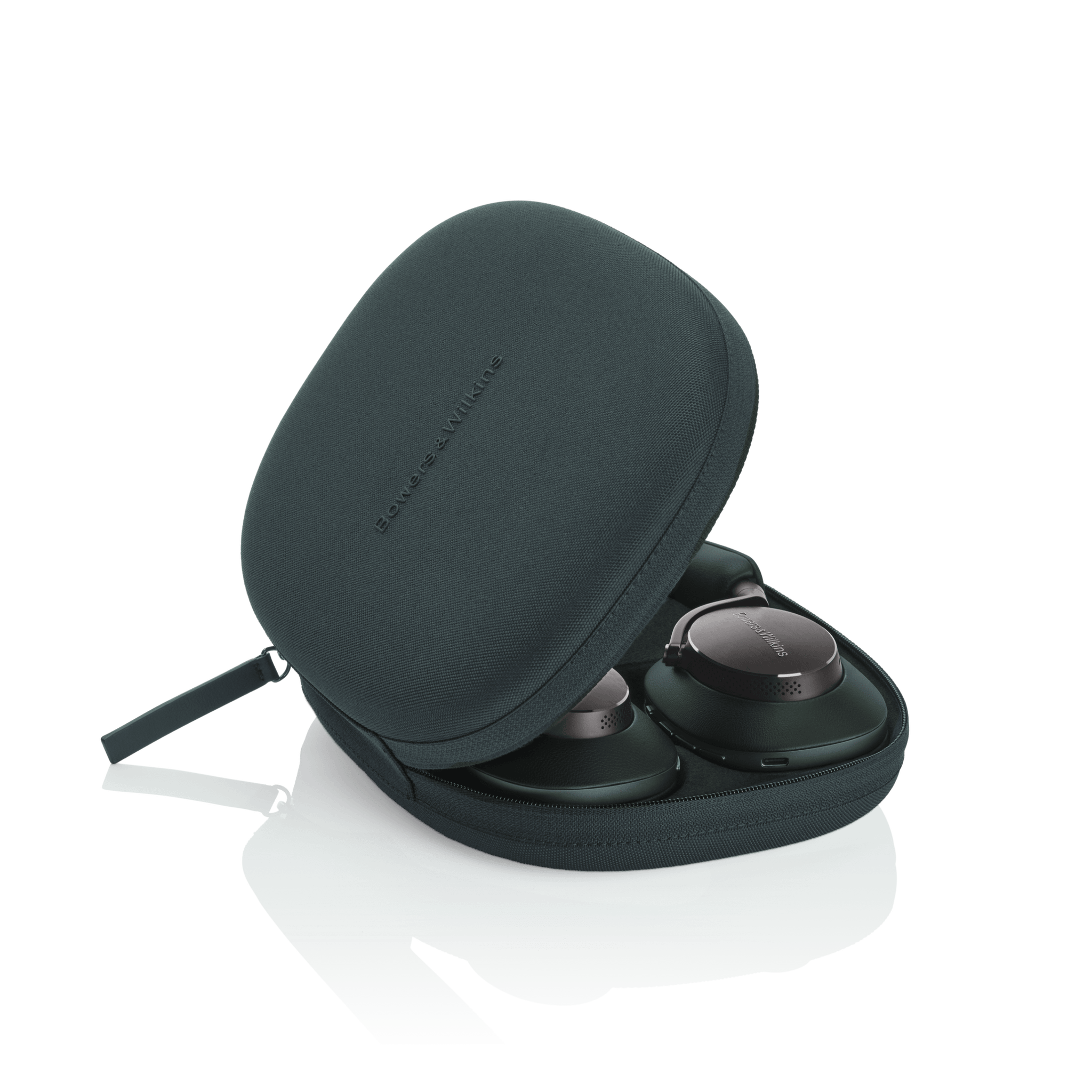
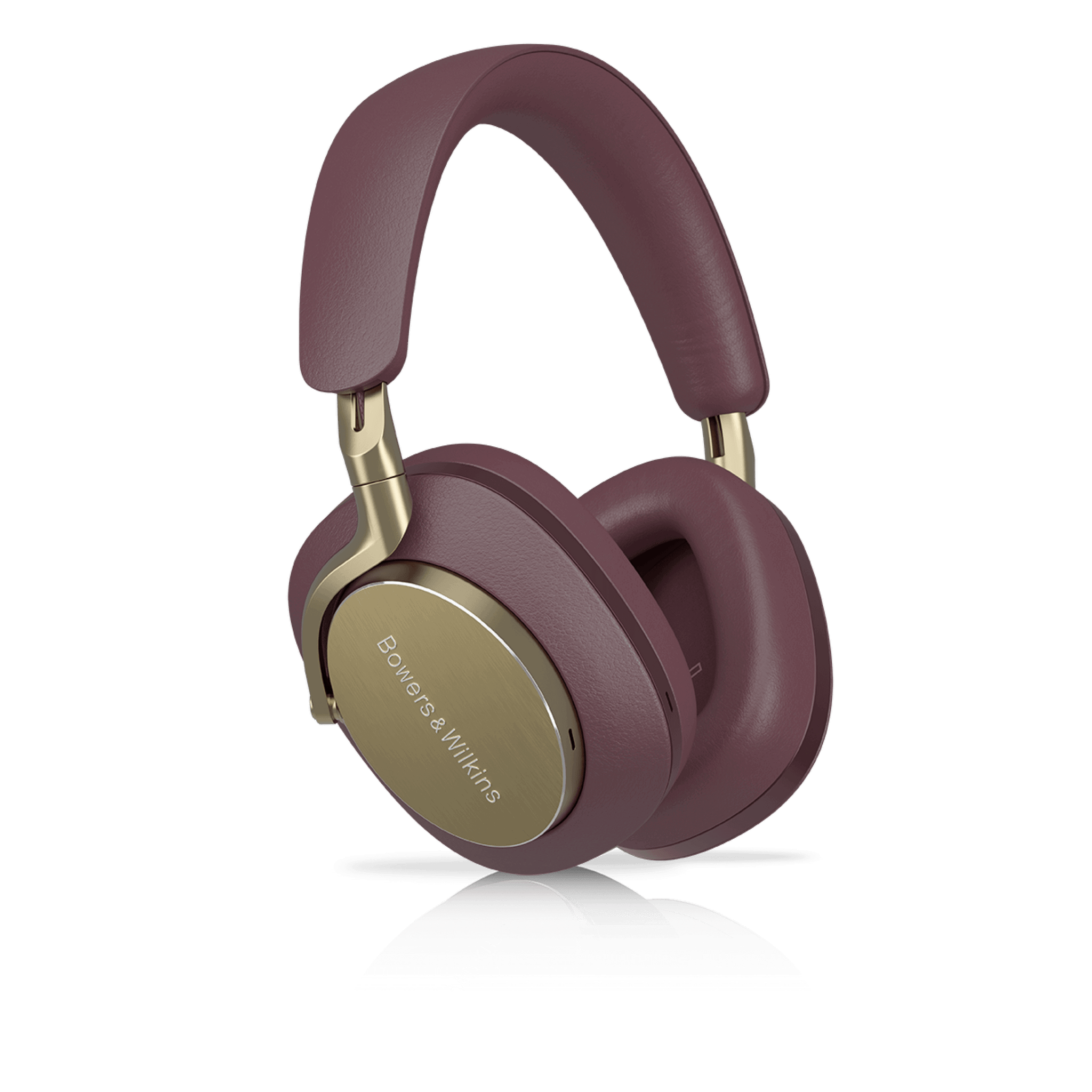
The Bowers & Wilkins Px8, launched in 2022, takes the traditional hi-fi approach refined with modern technology. B&W has been making high-end speakers since the 1960s, and they've applied decades of acoustic expertise to create headphones that prioritize pure, accurate sound reproduction.
Both approaches have merit, but they appeal to different types of listeners and use cases.
The heart of any headphone is its drivers—the components that actually create sound by vibrating air. The Px8 uses specially designed 40mm carbon cone drivers that are angled within each ear cup. This angling isn't just for show; it helps create better stereo imaging (how well you can pinpoint where sounds are coming from) and reduces distortion.
Carbon fiber as a driver material is particularly interesting because it's extremely light yet rigid. This combination allows the driver to move quickly and accurately without flexing or breaking up, which can muddy the sound. The result is what many reviewers describe as exceptional clarity and precision, especially in the midrange frequencies where vocals and most instruments live.
The AirPods Max takes a different approach with Apple-designed dynamic drivers paired with computational audio processing. Each ear cup contains an H1 chip—essentially a tiny computer—that makes about 200 adjustments per second based on how the headphones fit your ears and what you're listening to. This Adaptive EQ system uses internal microphones to measure what you're actually hearing, then adjusts the sound accordingly.
I've found this difference becomes most apparent when listening to acoustically complex music. With the Px8, you get a very pure, unprocessed sound that reveals exactly what the recording engineer intended. The AirPods Max might take those same recordings and enhance certain elements to make them more engaging, but purists sometimes prefer the unaltered approach.
The Px8 delivers what audiophiles call a "warmer" sound signature. This means slightly emphasized bass and lower midrange frequencies, creating a rich, full sound that's particularly flattering to older recordings and acoustic music. The bass is controlled and clean rather than boomy, while the treble (high frequencies) is smooth and non-fatiguing.
The AirPods Max offers a more analytically tuned sound with emphasis on detail retrieval. You'll hear more of the subtle elements in recordings—the breath before a vocal line, the slight reverb on a guitar, the way different instruments occupy distinct spaces in a mix. However, some listeners find this approach can become fatiguing during long listening sessions.
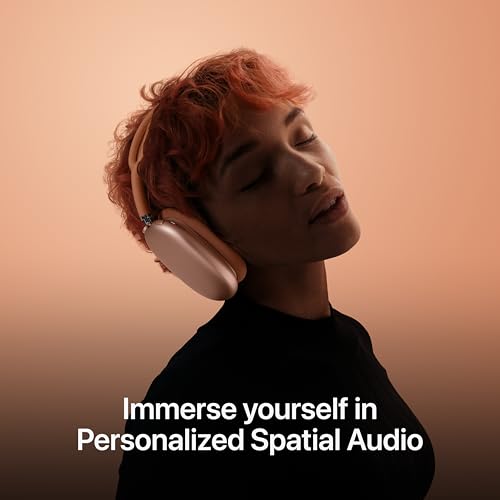
For home theater use, both headphones excel but in different ways. The Px8 provides excellent dynamic range for movie soundtracks, making quiet dialogue clear while preserving the impact of explosions and musical scores. The AirPods Max brings Spatial Audio to the equation—a feature that creates a surround-sound effect by tracking your head movements. When watching movies on Apple devices, this can create an incredibly immersive experience where sounds seem to come from specific directions around you.
This is where technical differences become practically important. The Px8 supports aptX Adaptive, a Bluetooth codec that can transmit much higher quality audio than standard Bluetooth. Think of codecs as different languages for transmitting audio—some are more detailed than others.
AptX Adaptive can deliver near-CD quality audio wirelessly and adapts its data rate based on your environment. If there's interference, it maintains connection stability while preserving as much audio quality as possible. The Px8 also includes USB-C connectivity for wired listening, which completely bypasses Bluetooth compression.
The AirPods Max is limited to Apple's AAC codec, which is good but not as advanced as aptX Adaptive. However, Apple's implementation is highly optimized for their devices, so the practical difference might be smaller than the specs suggest. Still, if you use Android devices or want the absolute highest wireless audio quality, the Px8 has a clear technical advantage.
Active Noise Cancellation (ANC) works by using external microphones to detect ambient sound, then creating inverse sound waves to cancel it out. It's most effective against consistent, droning noises like airplane engines or air conditioning.
The AirPods Max sets the gold standard here with eight microphones dedicated to noise cancellation. The system is remarkably effective—I've found it can make a busy café feel nearly silent. The transparency mode is equally impressive, using the external microphones to let environmental sounds through naturally when you need to hear your surroundings.
The Px8 uses four microphones for ANC, which provides solid noise reduction but doesn't quite match the AirPods Max's effectiveness. It's perfectly adequate for most situations, but if you're a frequent flyer or work in particularly noisy environments, the Apple headphones have a meaningful advantage.
Both headphones can suffer from wind noise when used outdoors, as the microphones pick up air movement and can't distinguish it from noise to be canceled.
Premium headphones need to be comfortable for hours of use while feeling substantial and well-built. Both models succeed here but through different approaches.
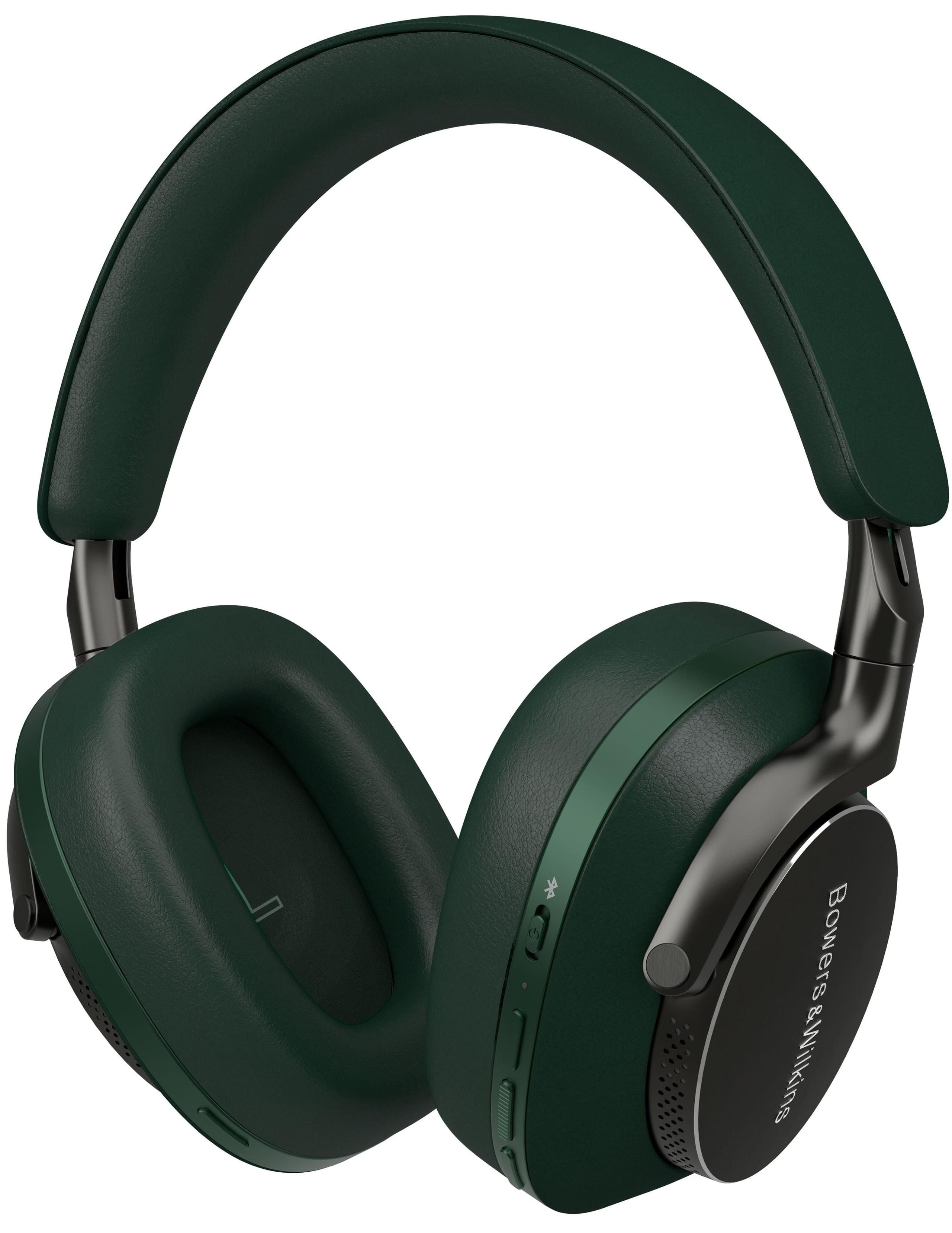
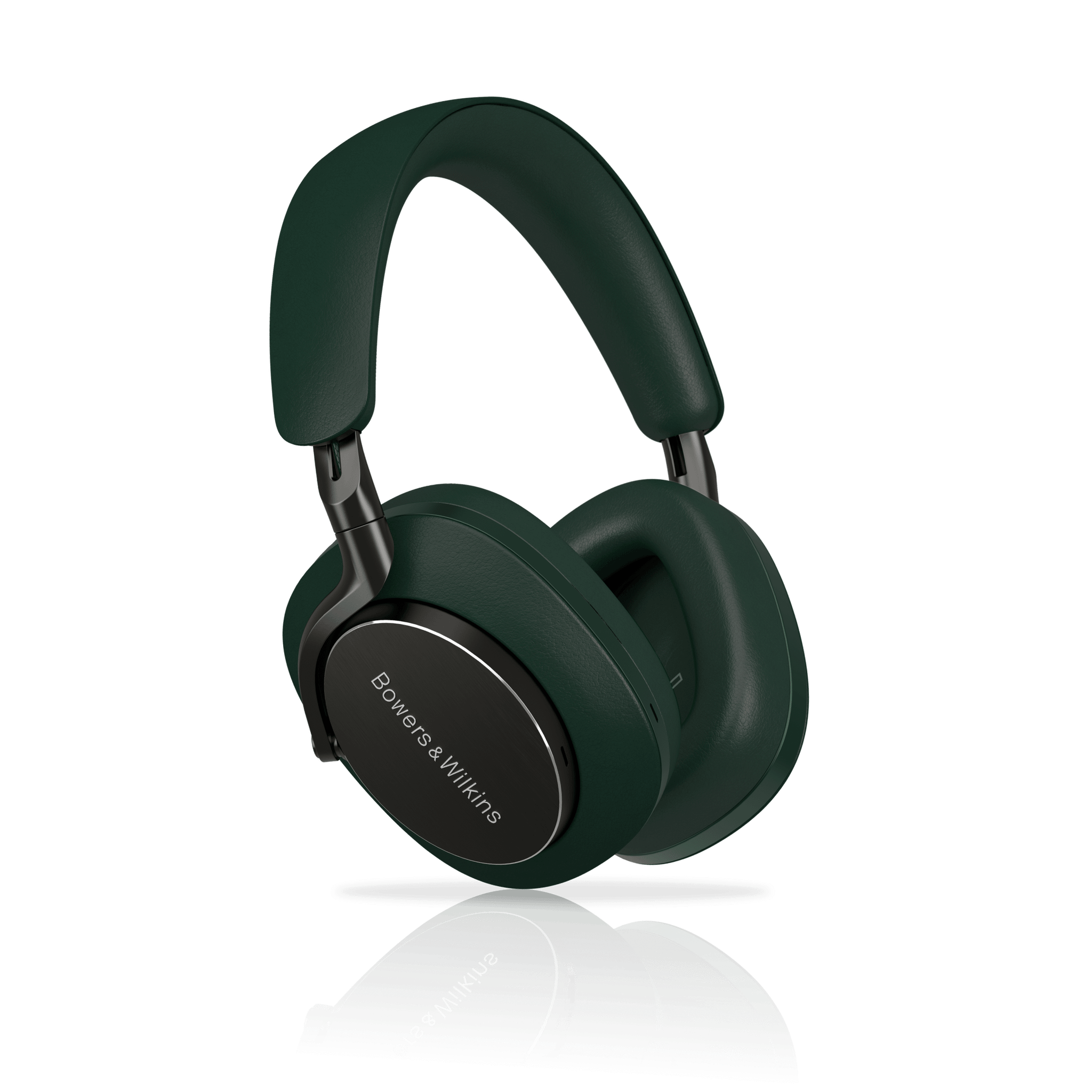
The Px8 uses Nappa leather—a particularly soft, premium grade of leather—for the ear cushions, combined with memory foam that molds to your ears. The headband is well-padded, and the overall clamp force (how tightly the headphones grip your head) is carefully calibrated. At about 320 grams, they're relatively light for over-ear headphones.
The AirPods Max weighs considerably more at 385 grams, but Apple's mesh canopy headband design distributes this weight across the top of your head rather than creating pressure points. The ear cushions are made from acoustic mesh and memory foam. The overall aesthetic is distinctly Apple—minimalist, modern, and immediately recognizable.
I've worn both for extended periods, and comfort really depends on your head shape and personal preferences. The Px8 feels more traditionally luxurious, while the AirPods Max has a more futuristic, engineered feel.
Build quality on both is excellent, though they use different materials. The AirPods Max features stainless steel and aluminum construction that feels incredibly solid but can show scratches over time. The Px8 combines cast aluminum with premium leather and metal accents that age more gracefully.
This is where the philosophical differences become most apparent. The AirPods Max is designed primarily for Apple users, offering features that simply don't work with other devices. Automatic device switching lets you seamlessly move between your iPhone, iPad, and Mac without manually reconnecting. "Hey Siri" voice activation works hands-free, and the headphones integrate deeply with Apple services.
The Digital Crown—borrowed from the Apple Watch—provides precise volume control and playback management. It's an elegant solution that works well, though some prefer traditional buttons.
The Px8 takes a more universal approach. The Bowers & Wilkins Music app allows some customization of sound and noise cancellation settings, but the headphones work well with any device that supports Bluetooth. Physical buttons handle all controls, which some users prefer, especially in cold weather when touch surfaces can be problematic.
For multi-device users or those outside the Apple ecosystem, the Px8 is clearly more flexible. But if you're deep into Apple's ecosystem, the AirPods Max's integration features can be genuinely convenient.
Battery performance differs significantly between these models. The Px8 offers about 30 hours of playback and can be completely powered off when not in use. This means if you charge them fully and don't use them for a week, they'll still be fully charged when you pick them up.
The AirPods Max provides about 20 hours of playback but cannot be completely powered off. They enter a low-power state when placed in their case, but still slowly drain battery over time. Many users report needing to charge them every few days even with minimal use.
For charging, the Px8 uses USB-C, which is increasingly the standard for all electronics. The AirPods Max still uses Lightning, which is becoming outdated as even iPhones move to USB-C.
Quick charging works well on both: the Px8 provides about 7 hours of playback from a 15-minute charge, while the AirPods Max gives 1.5 hours from 5 minutes of charging.
Both headphones excel at voice calls but handle them differently. The Px8 uses dynamic range compression, which means it automatically adjusts volume levels to keep your voice consistent. It also includes sidetone—you can hear your own voice in the headphones, which helps you speak at an appropriate volume. These features make it excellent for professional calls and video conferences.
The AirPods Max preserves more natural voice dynamics but doesn't include sidetone. The result can sound more natural but may be less consistent for professional use.
At the time of writing, both headphones command premium prices, with the Px8 typically costing somewhat more than the AirPods Max. However, value isn't just about initial price—it's about what you get for your money and how well the product will serve you over time.
The Px8 offers what many consider better pure audio performance, more universal compatibility, and more future-proof connectivity. The build materials should age well, and the company has a long history of supporting their products.
The AirPods Max provides unmatched integration if you're an Apple user, along with features like Spatial Audio that can genuinely enhance your listening experience. However, the Lightning port and ecosystem dependence may limit its longevity.
Choose the Apple AirPods Max if you're deeply embedded in Apple's ecosystem and value seamless integration over everything else. The computational audio features, superior noise cancellation, and unique capabilities like Spatial Audio can genuinely enhance your daily listening experience. They're particularly compelling if you frequently watch movies on Apple devices or use Apple services.
Choose the Bowers & Wilkins Px8 if pure sound quality is your priority and you want headphones that work excellently with any device. They're the better choice for critical listening, have more future-proof connectivity, and offer what many consider a more luxurious physical experience.
Both represent excellent engineering and will deliver years of exceptional audio performance. The choice ultimately comes down to whether you prioritize Apple's technological integration or B&W's traditional audiophile excellence. Either way, you're getting headphones that will make your music, movies, and calls sound significantly better than anything in a lower price tier.
| Apple AirPods Max Wireless Over-Ear Headphones | Bowers & Wilkins Px8 Wireless Headphones |
|---|---|
| Driver Technology - Core component that determines sound quality | |
| Apple-designed dynamic drivers with computational audio processing | 40mm angled carbon cone drivers with optimized magnet system |
| Sound Signature - How music will actually sound to your ears | |
| Detailed, analytical with enhanced treble and computational EQ adjustments | Warm, natural audiophile tuning with controlled bass and smooth highs |
| Active Noise Cancellation - Critical for travel and noisy environments | |
| Industry-leading with 8 microphones, exceptionally effective on planes/offices | Good but not class-leading with 4 microphones, adequate for most situations |
| Bluetooth Codec Support - Affects wireless audio quality from non-Apple devices | |
| Limited to AAC codec (optimized for Apple devices only) | aptX Adaptive, aptX HD, aptX, AAC, SBC (works optimally with all devices) |
| Ecosystem Integration - How well they work with your existing devices | |
| Seamless Apple integration: auto-switching, Siri, Spatial Audio | Universal compatibility with basic Bluetooth, works equally well with all platforms |
| Battery Life - Real-world usage between charges | |
| 20 hours but continuously drains when stored (requires frequent charging) | 30+ hours with complete power-off capability (charge lasts weeks when unused) |
| Charging Port - Future-proofing and convenience | |
| Lightning (becoming outdated as Apple moves to USB-C) | USB-C (modern standard, also enables high-res wired audio) |
| Weight and Comfort - Critical for long listening sessions | |
| 385g with mesh canopy headband (heavier but weight distributed well) | 320g with Nappa leather and memory foam (lighter, more traditional luxury feel) |
| Call Quality Optimization - Important for work-from-home professionals | |
| Natural voice dynamics, no sidetone (you can't hear yourself speak) | Dynamic range compression with sidetone (more consistent, professional-friendly) |
| Wired Audio Connection - Bypasses Bluetooth compression entirely | |
| Lightning to 3.5mm (limited quality due to Lightning DAC limitations) | USB-C DAC mode (supports high-resolution lossless audio up to 24-bit/48kHz) |
| Transparency Mode - Hearing surroundings while wearing headphones | |
| Excellent natural sound reproduction of environment | Functional but voices can sound thin and unnatural |
| Value Proposition - What you get for your investment | |
| Premium price for Apple ecosystem integration and computational features | Higher pure audio performance and build quality per dollar spent |
The Bowers & Wilkins Px8 generally delivers superior pure audio quality with its angled carbon cone drivers and audiophile tuning. The sound is warmer, more natural, and offers exceptional clarity without fatigue. The Apple AirPods Max provides detailed, analytical sound with computational processing that enhances certain elements, but many audio experts prefer the Px8's unprocessed, accurate reproduction for critical listening.
The Apple AirPods Max are worth buying if you're deeply integrated into Apple's ecosystem and value features like Spatial Audio, seamless device switching, and superior noise cancellation. However, the Bowers & Wilkins Px8 offers better value for pure sound quality, universal device compatibility, and future-proof USB-C connectivity at a similar price point.
The Bowers & Wilkins Px8 are generally more comfortable for extended use, weighing 320g with luxurious Nappa leather ear cushions and memory foam. The Apple AirPods Max weighs 385g but uses a mesh canopy design to distribute weight well. Comfort preferences vary by head shape, but most users find the Px8 less fatiguing over time.
Both excel at calls but differently. The Bowers & Wilkins Px8 is better for professional use with dynamic range compression that keeps your voice consistent and sidetone that lets you hear yourself speak. The Apple AirPods Max preserves natural voice dynamics but lacks sidetone, making it less ideal for frequent conference calls.
The Apple AirPods Max has superior noise cancellation with 8 microphones and industry-leading performance, especially effective on airplanes and in busy offices. The Bowers & Wilkins Px8 offers adequate noise reduction with 4 microphones but doesn't match the AirPods Max's effectiveness in challenging environments.
Both are excellent for movies. The Apple AirPods Max offers Spatial Audio with head tracking on Apple devices, creating an immersive surround-sound experience. The Bowers & Wilkins Px8 provides exceptional dynamic range and clarity for movie soundtracks, making dialogue crisp and maintaining impact during action scenes, though without the spatial effects.
The Bowers & Wilkins Px8 has significantly better battery management with 30+ hours of playback and the ability to completely power off when not in use. The Apple AirPods Max provides 20 hours but continuously drains battery even when stored, requiring more frequent charging even with minimal use.
The Bowers & Wilkins Px8 works excellently with Android devices, supporting advanced codecs like aptX Adaptive for high-quality wireless audio. The Apple AirPods Max works with Android but with limited functionality - no automatic device switching, Spatial Audio, or optimal audio codec support.
Both feature premium construction but with different approaches. The Bowers & Wilkins Px8 uses Nappa leather, cast aluminum, and memory foam with a more traditional luxury aesthetic that ages well. The Apple AirPods Max features stainless steel and aluminum with Apple's distinctive modern design, though the aluminum can show scratches over time.
The Apple AirPods Max is better for gaming on Apple devices due to Spatial Audio creating directional sound cues and lower latency with Apple's ecosystem. The Bowers & Wilkins Px8 offers excellent audio clarity for single-player games but lacks the spatial positioning advantages of the AirPods Max for competitive gaming.
The Bowers & Wilkins Px8 uses modern USB-C charging and provides 7 hours of playback from a 15-minute charge. The Apple AirPods Max still uses Lightning charging (becoming outdated) and gives 1.5 hours from a 5-minute charge. The Px8 is more convenient for users with multiple USB-C devices.
Choose the Bowers & Wilkins Px8 for better pure audio performance, universal device compatibility, and superior build quality per dollar. Choose the Apple AirPods Max if you're an Apple user who values ecosystem integration, Spatial Audio, and the best noise cancellation available. The Px8 generally offers better value for sound quality alone.
We've done our best to create useful and informative comparisons to help you decide what product to buy. Our research uses advanced automated methods to create this comparison and perfection is not possible - please contact us for corrections or questions. These are the sites we've researched in the creation of this article: recordingnow.com - t3.com - telegraph.co.uk - soundguys.com - youtube.com - forums.macrumors.com - youtube.com - youtube.com - apple.com - support.apple.com - idownloadblog.com - media.distrelec.com - en.wikipedia.org - apple.com - apple.com - support.apple.com - rtings.com - whathifi.com - marius.ink - bowerswilkins.com - rtings.com - whathifi.com - whathifi.com - soundguys.com - audio46.com - youtube.com - futureaudiophile.com - listenup.com - telquestintl.com - bowerswilkins.com - bowerswilkins.com - bestbuy.com - bhphotovideo.com - audioholics.com - bowerswilkins.com - bowerswilkins.com - headphone.guru - bhphotovideo.com - bowerswilkins.com

Privacy Policy
Terms and Conditions - Affiliate Policy
Home Security
© Copyright 2008-2026.
11816 Inwood Rd #1211, Dallas, TX 75244