

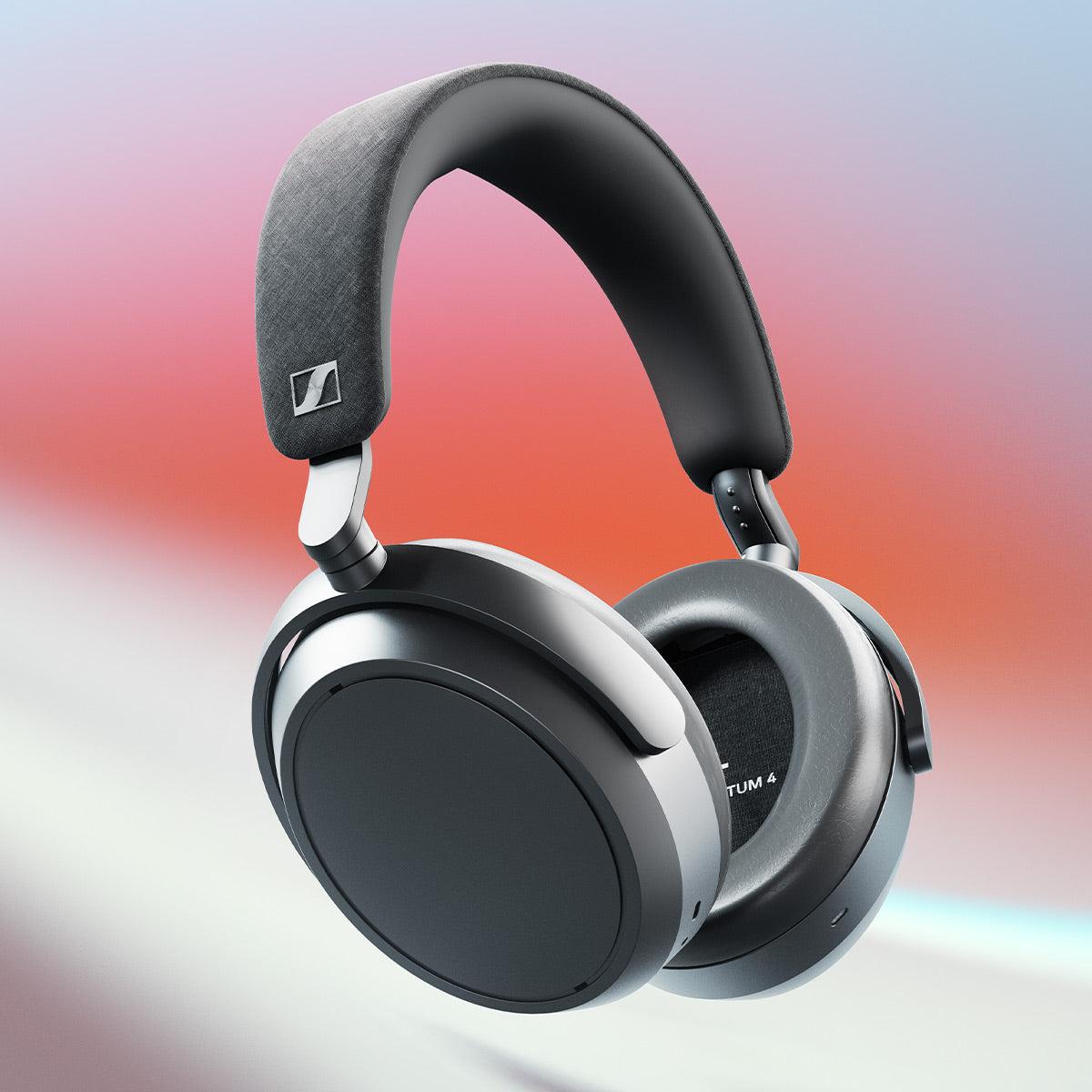
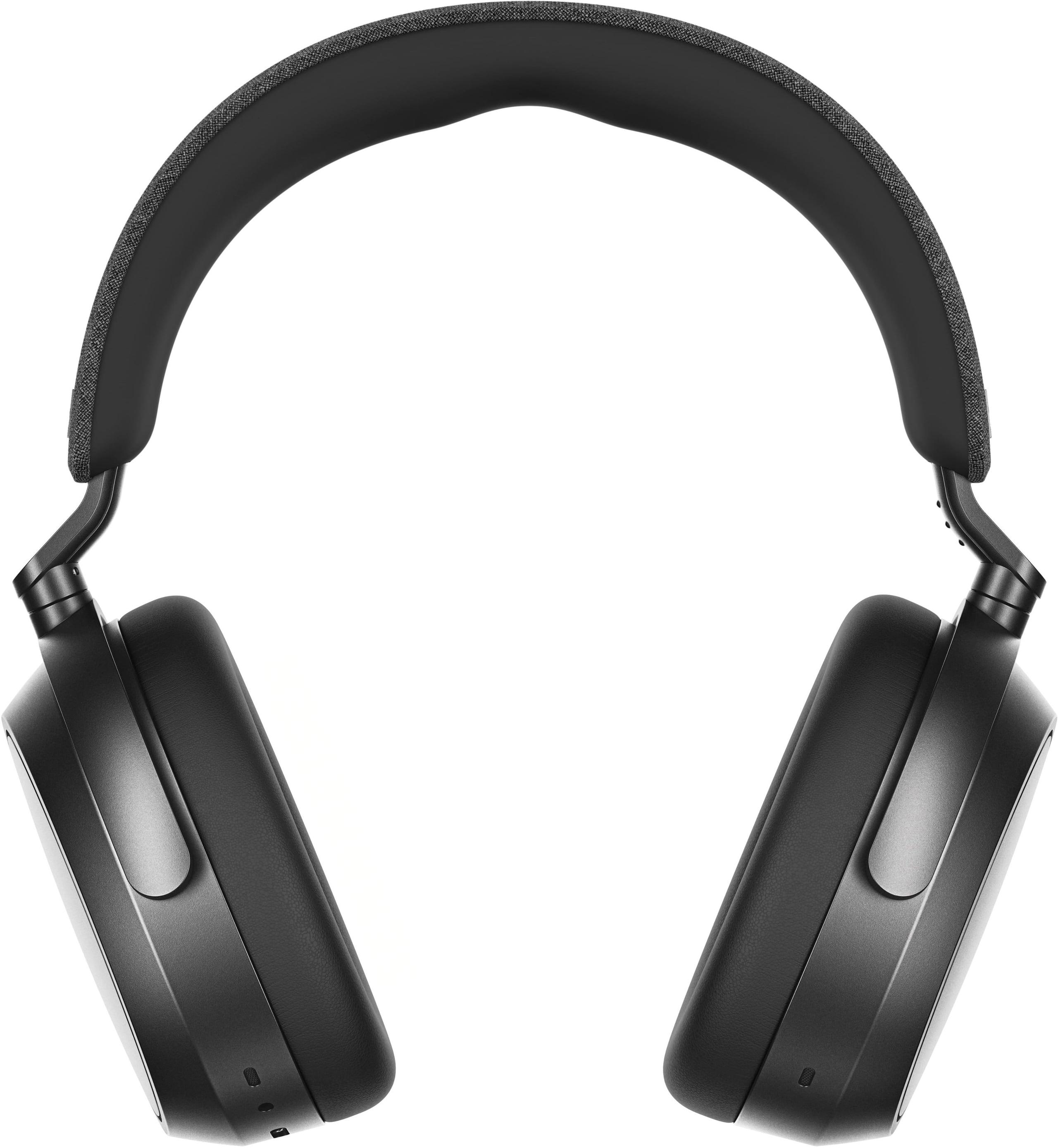
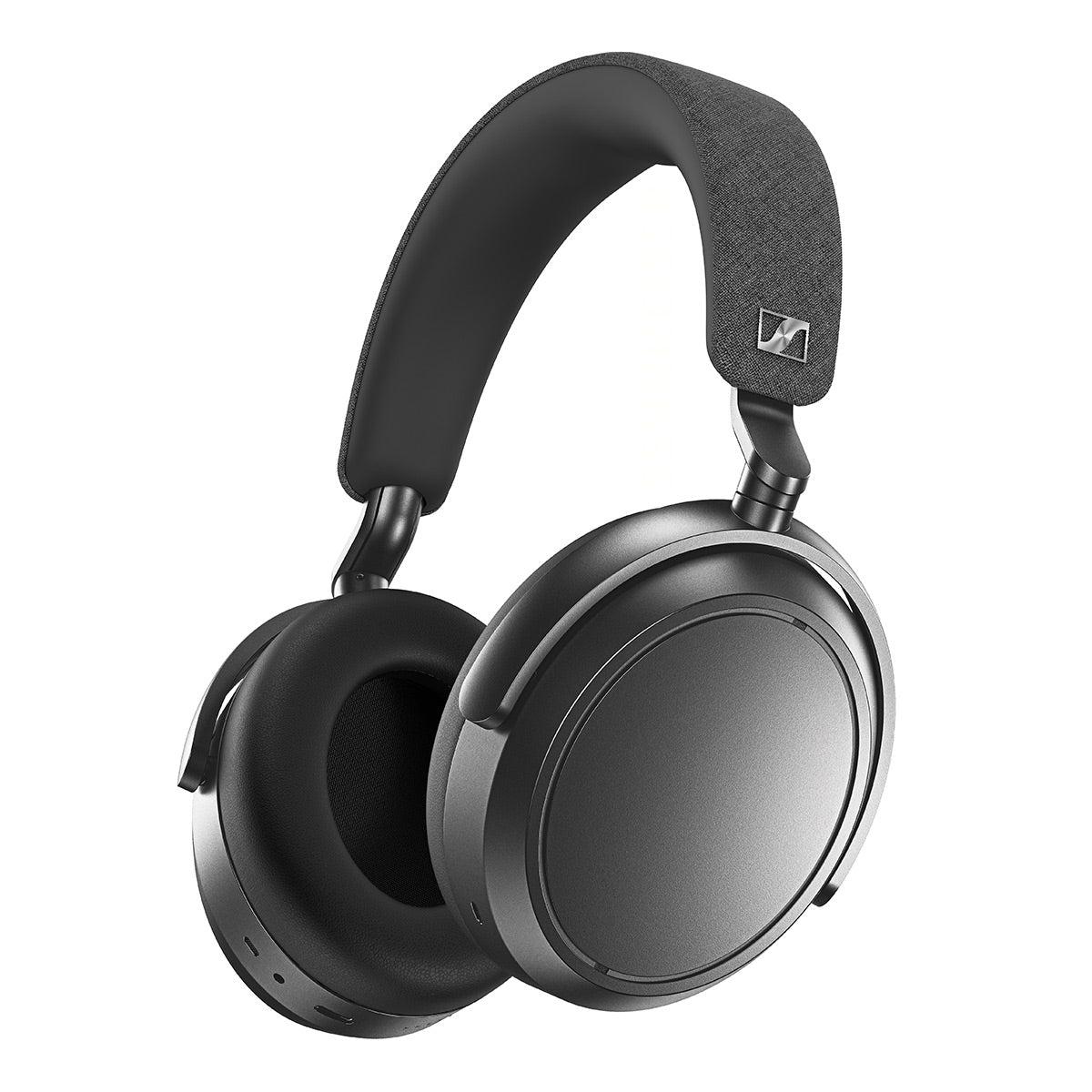
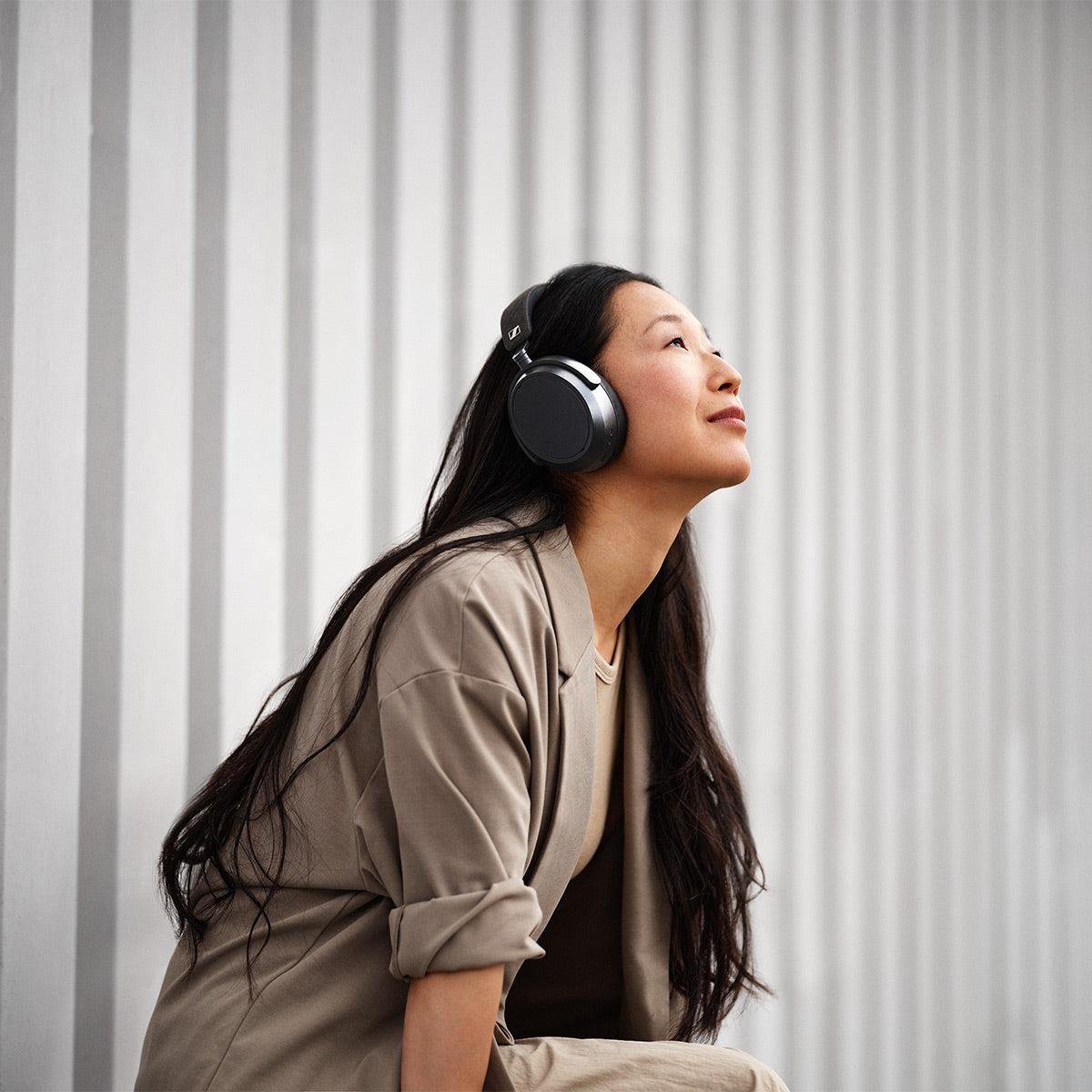
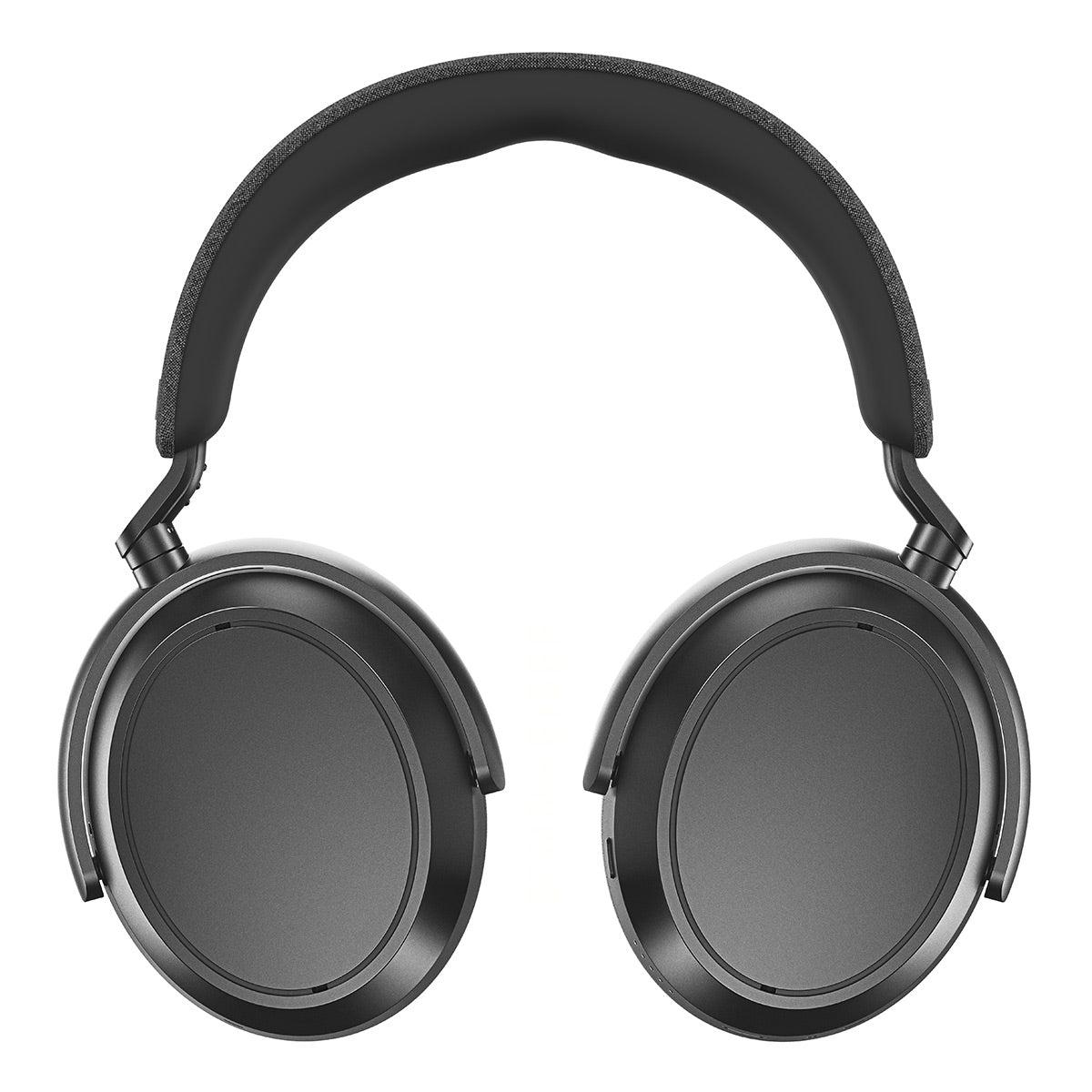

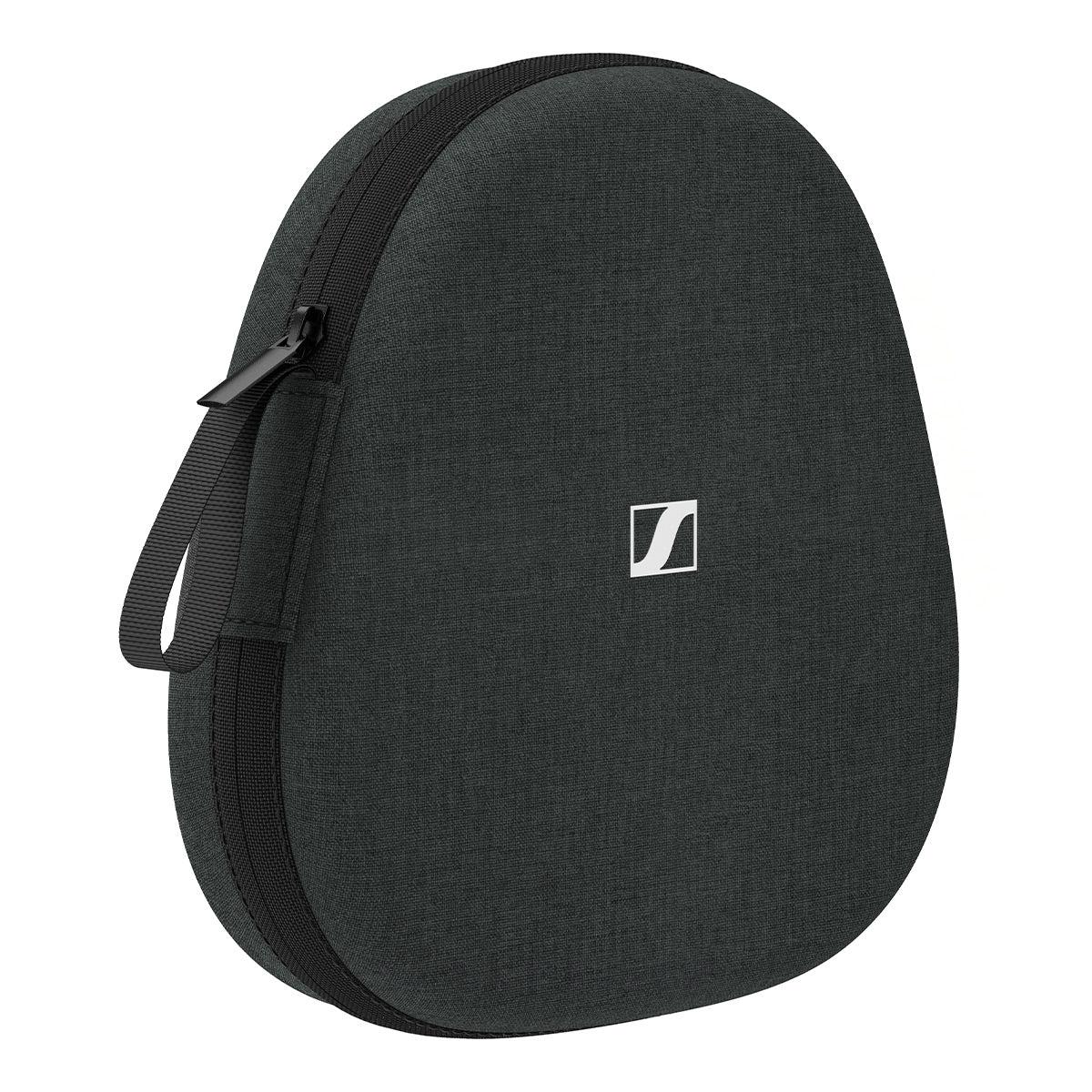
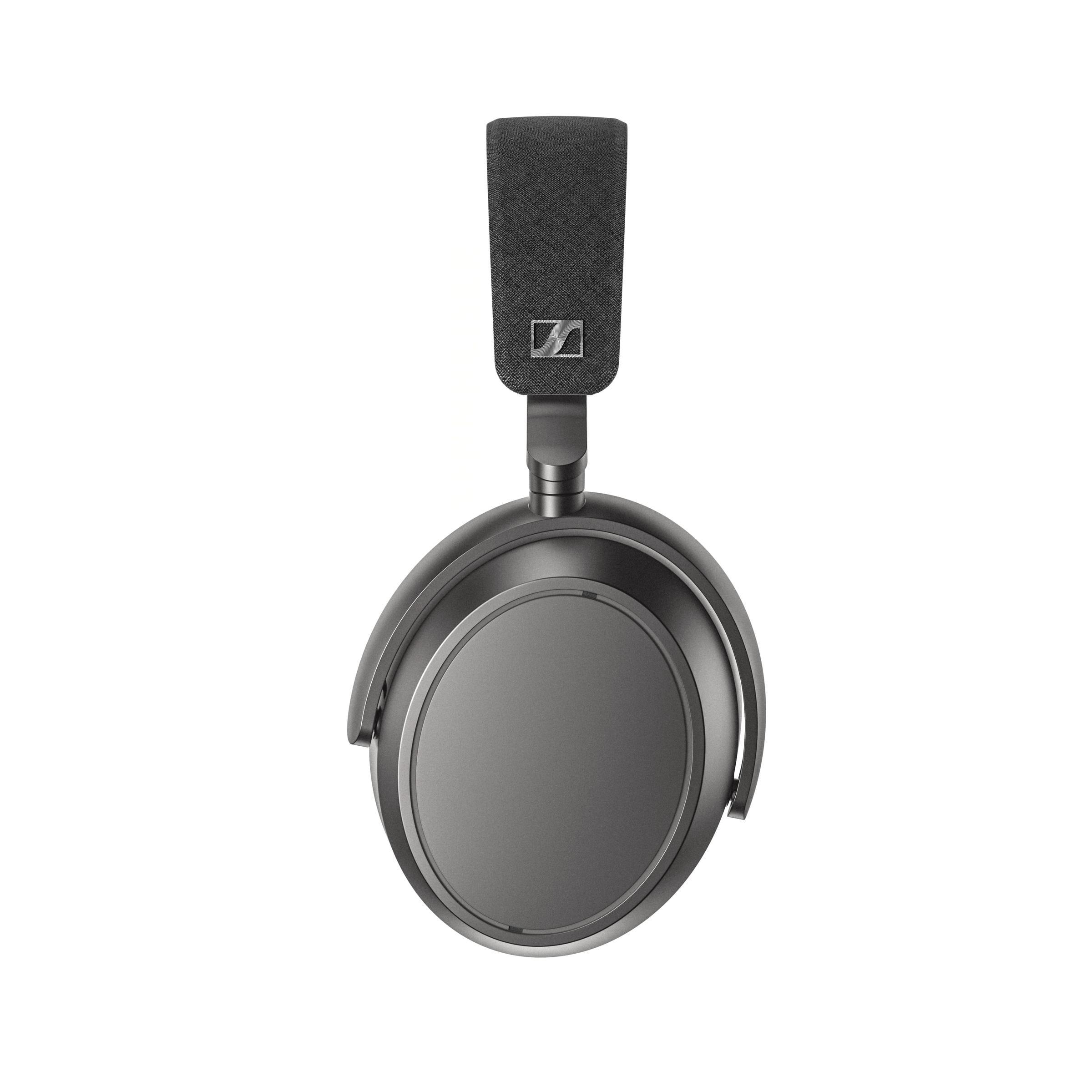
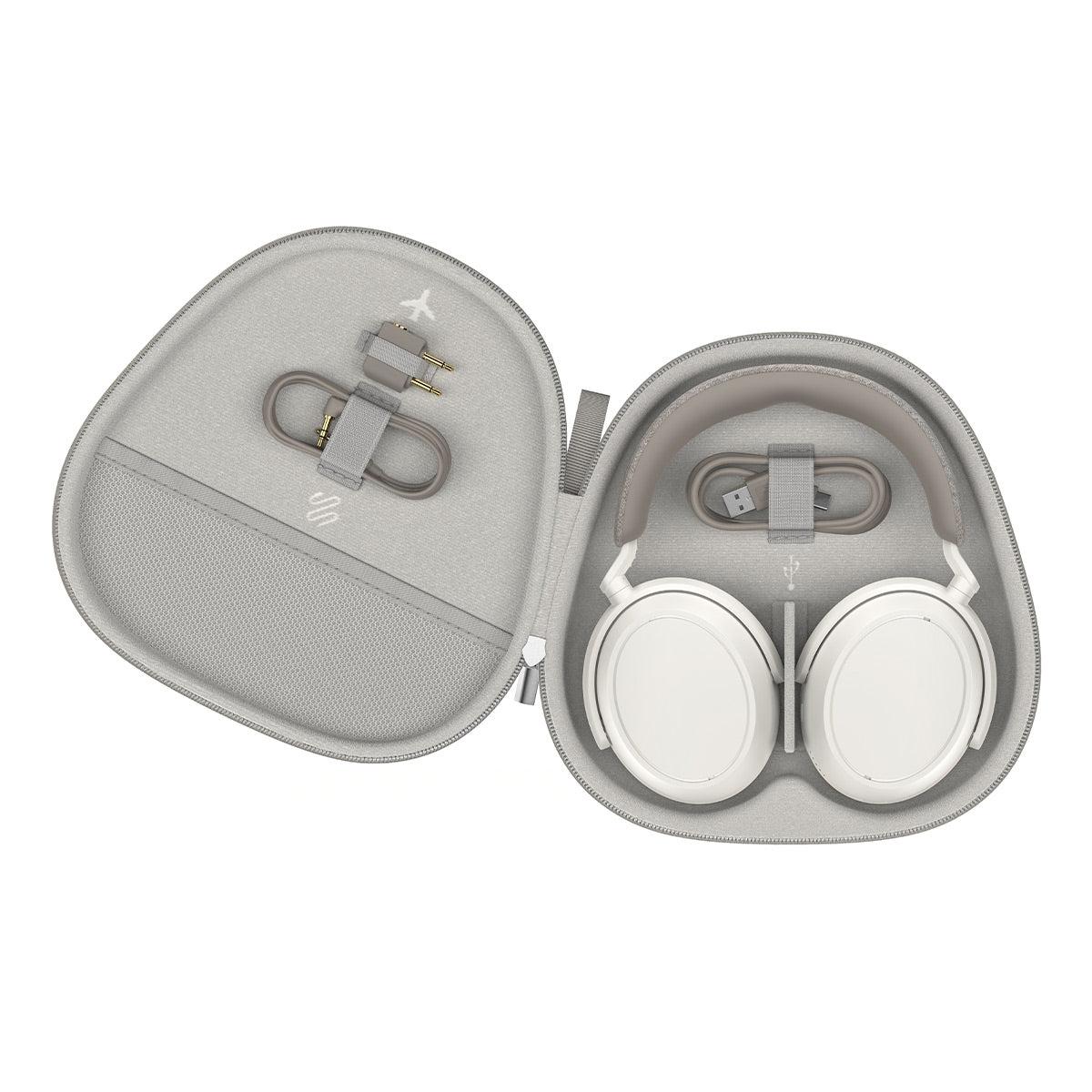

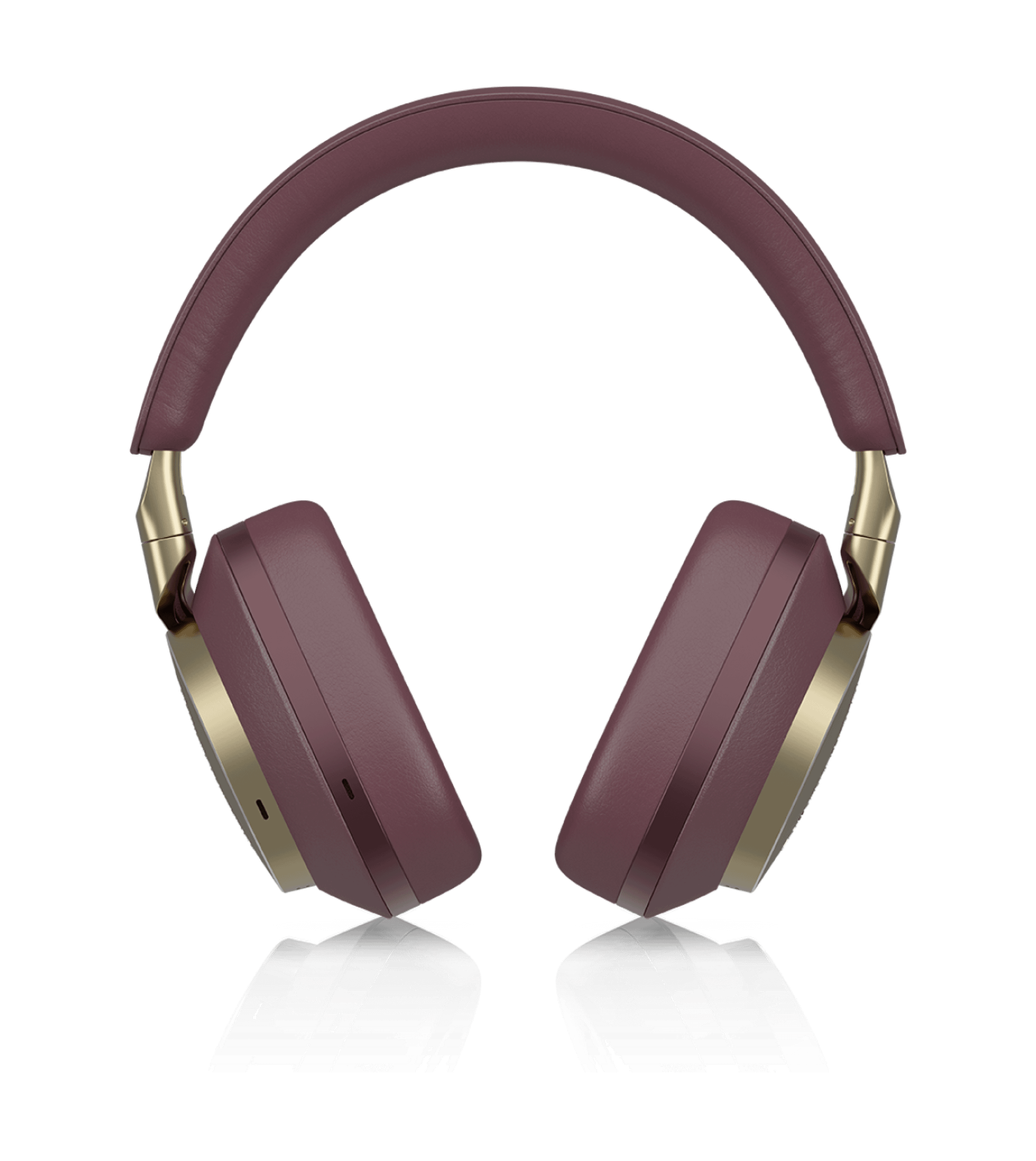
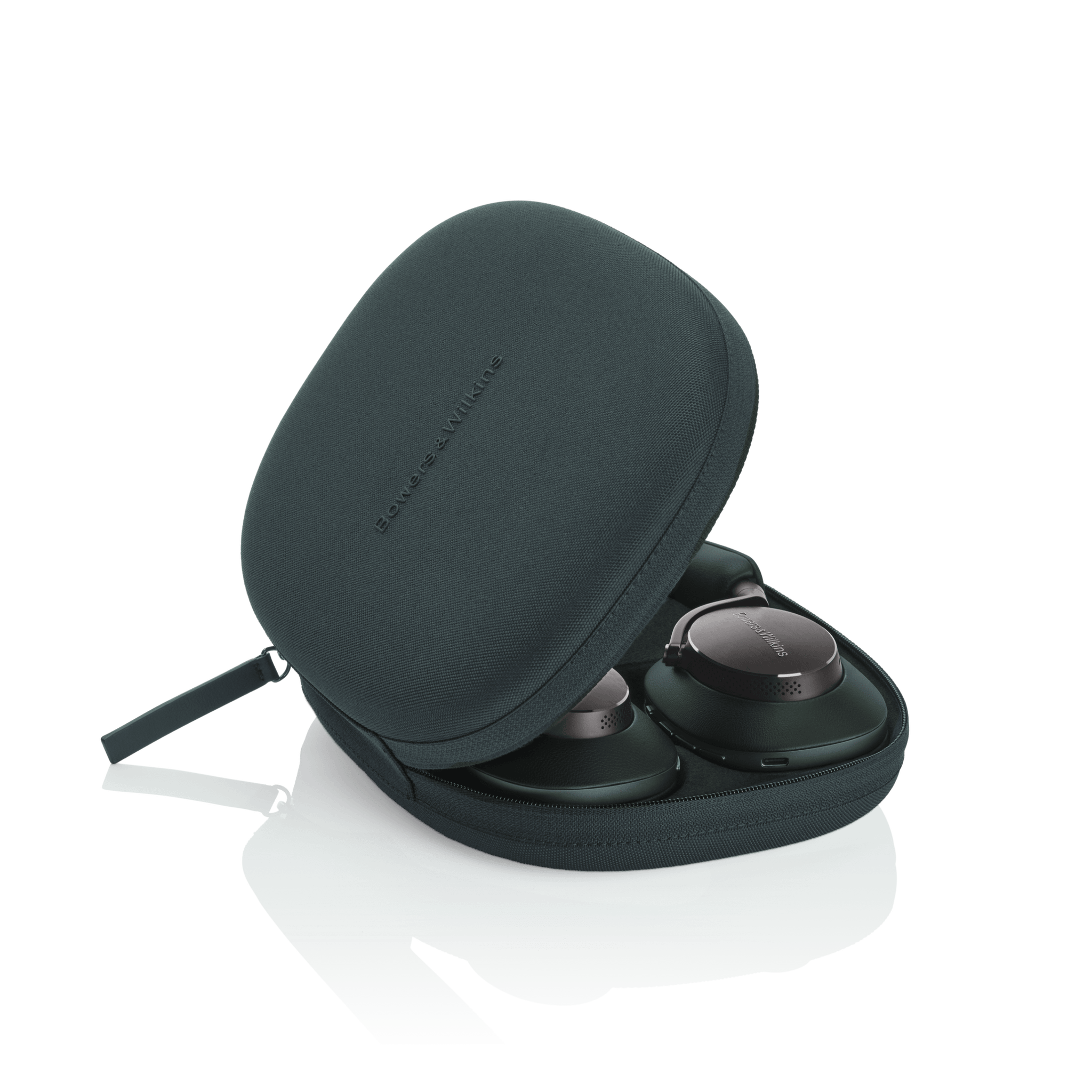
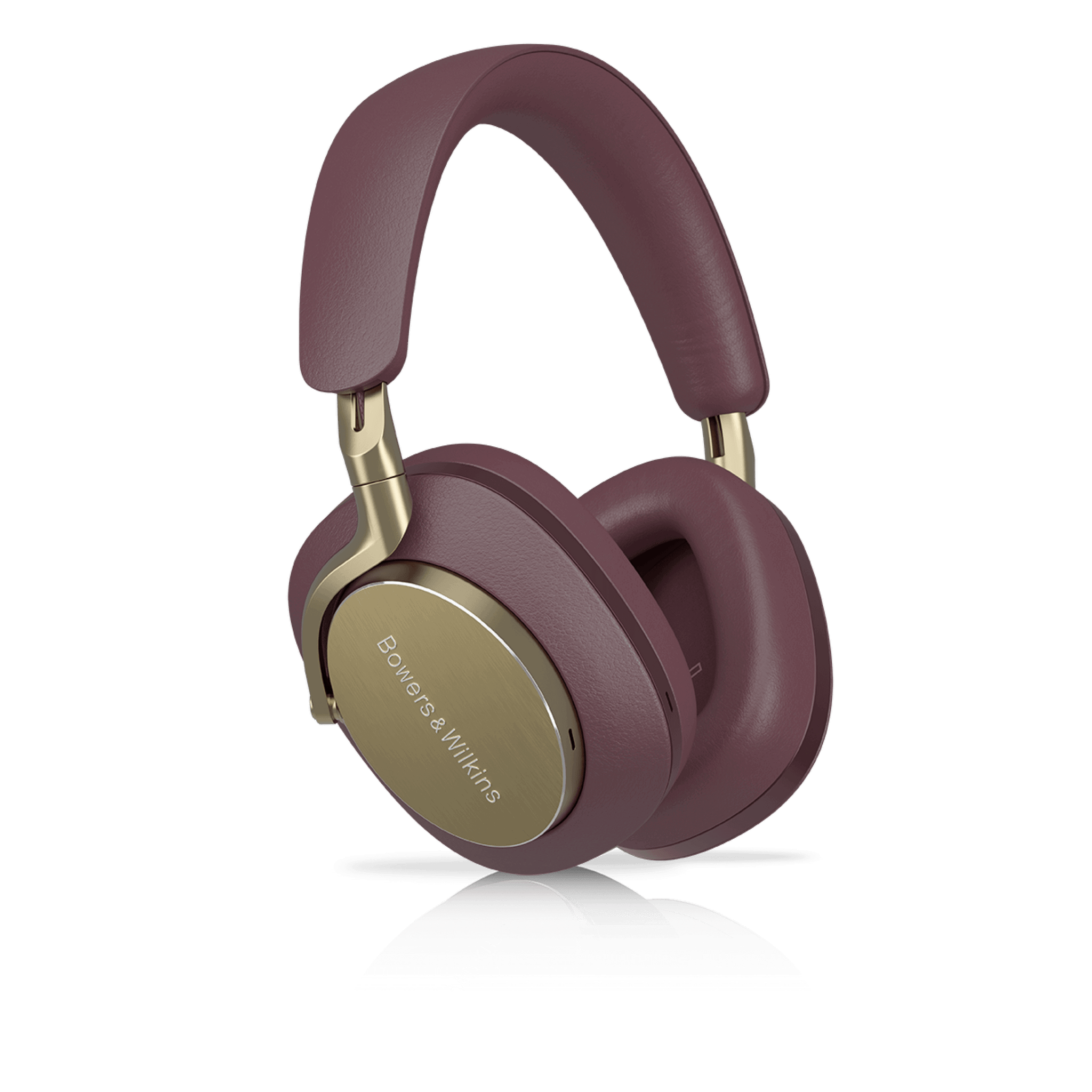
When you're ready to step up from basic wireless headphones to something truly premium, the choices can feel overwhelming. Two standouts in the high-end wireless headphone market are the Sennheiser Momentum 4 Wireless ($299.95) and the Bowers & Wilkins Px8 Wireless ($849.90). While both deliver exceptional audio quality, they take very different approaches to get there—and that difference is reflected in their pricing.
Premium wireless headphones have evolved dramatically in recent years. These aren't just about cutting the cord anymore; they're sophisticated audio systems packed with features like adaptive noise cancellation (which automatically adjusts based on your environment), high-resolution audio codecs (digital formats that preserve more musical detail), and smart features that learn your listening habits. The Sennheiser Momentum 4 launched in August 2022, while the Bowers & Wilkins Px8 arrived just a month later in September 2022, making them direct contemporaries in this competitive space.
Before diving into specifics, it's worth understanding what you're paying for in this category. Premium wireless headphones typically feature larger, more sophisticated drivers (the tiny speakers inside each ear cup), advanced noise cancellation systems with multiple microphones, and premium materials like memory foam and genuine leather. They also include comprehensive mobile apps that let you customize the sound signature to your preferences—something that's become increasingly important as manufacturers realize everyone's ears and preferences are different.
The technology has advanced significantly since the early days of wireless audio. Modern Bluetooth 5.2 connections are more stable and can handle high-resolution audio files, while advanced codecs like aptX Adaptive can automatically adjust audio quality based on your connection strength. This means you get better sound when your phone is close by, and the headphones intelligently reduce quality slightly to maintain a stable connection when you're further away.
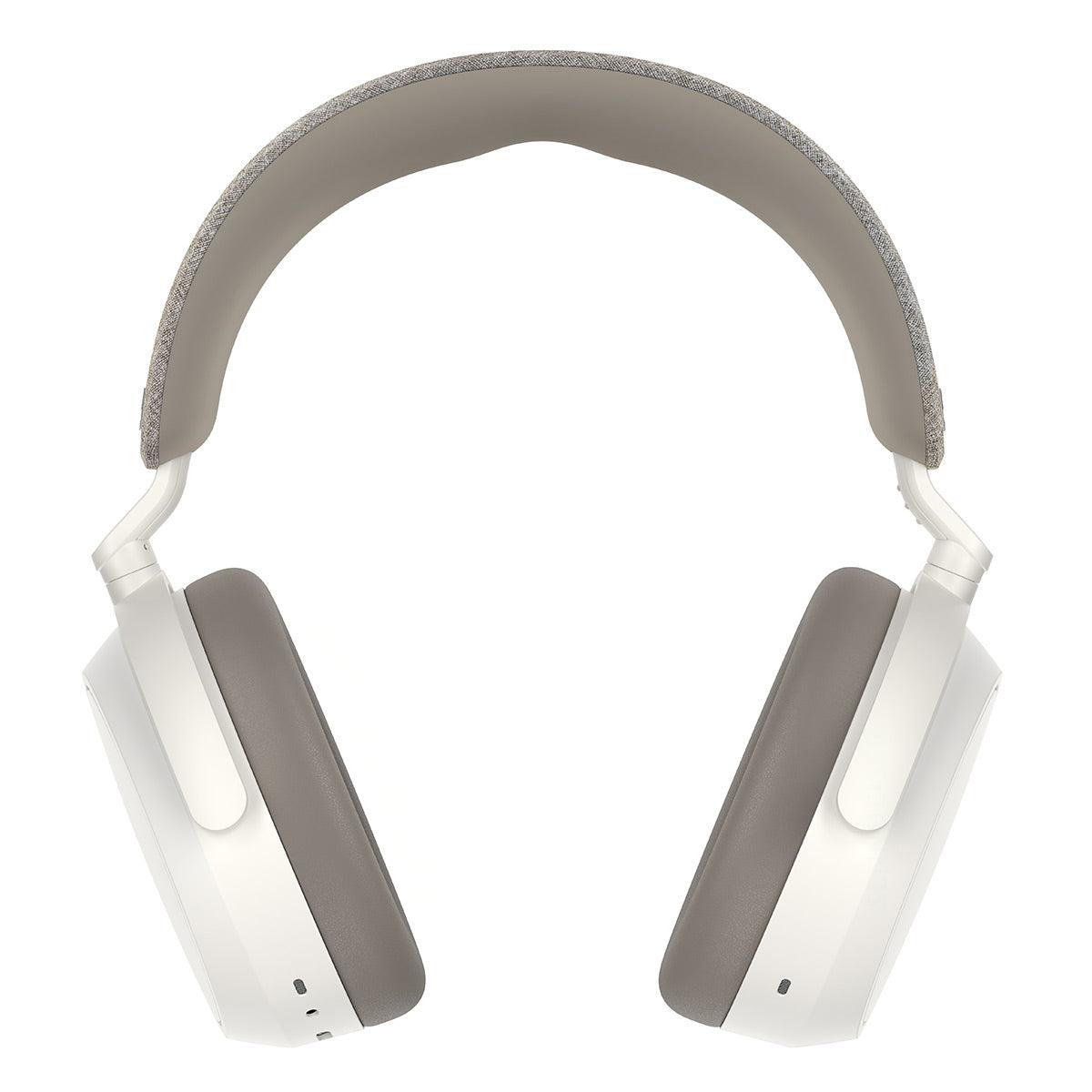
The Sennheiser Momentum 4 Wireless represents what happens when a respected audio company decides to pack flagship features into a more accessible package. At $299.95, these headphones punch well above their weight class, offering features and performance that compete with models costing twice as much.
Sennheiser has equipped the Momentum 4 with 42mm dynamic drivers—larger than what you'll find in many competitors. These drivers use what Sennheiser calls their "Signature Sound" tuning, which emphasizes bass and treble while keeping the midrange (where vocals live) clear and present. It's a V-shaped sound signature that makes modern music like pop, hip-hop, and electronic dance music sound energetic and engaging.
What sets the Momentum 4 apart is its Sound Personalization feature, developed in partnership with the Fraunhofer Institute (a German research organization known for developing the MP3 format). This system actually learns how you listen to music and gradually adjusts the sound to match your preferences. It's like having a personal audio engineer who gets to know your tastes over time.
The frequency response spans from 6 Hz to 22 kHz, which covers the full range of human hearing and then some. That deep bass extension means you'll feel the rumble in orchestral timpani or the sub-bass in electronic music, while the extended treble keeps cymbals and string instruments crisp and detailed.
Here's where the Momentum 4 truly excels: battery life. With up to 60 hours of playback on a single charge, these headphones can literally last for weeks of normal use. Even with active noise cancellation turned on, you're looking at 30+ hours—still better than most competitors manage without ANC.
The practical benefits are enormous. I've used headphones that need charging every few days, and it becomes a constant source of anxiety. With the Momentum 4, you can pack for a long trip without even thinking about the charging cable. The fast charging is equally impressive: just five minutes plugged in gives you four hours of listening time, perfect for those moments when you realize your headphones are dead right before a flight.
The Momentum 4 includes several intelligent features that enhance daily use. Auto on/off means the headphones power up when you pick them up and shut down automatically after 15 minutes of inactivity. Smart pause detects when you take the headphones off and pauses your music, resuming when you put them back on. These might sound like small conveniences, but they make the difference between headphones that feel like a smart device and ones that feel like a dumb accessory.
The adaptive noise cancellation uses four digital beamforming microphones to create a bubble of quiet around you. While it's not quite at the level of Sony's industry-leading WH-1000XM5, it's effective enough for most situations—airplane cabins, busy coffee shops, or noisy commutes all become significantly more peaceful.
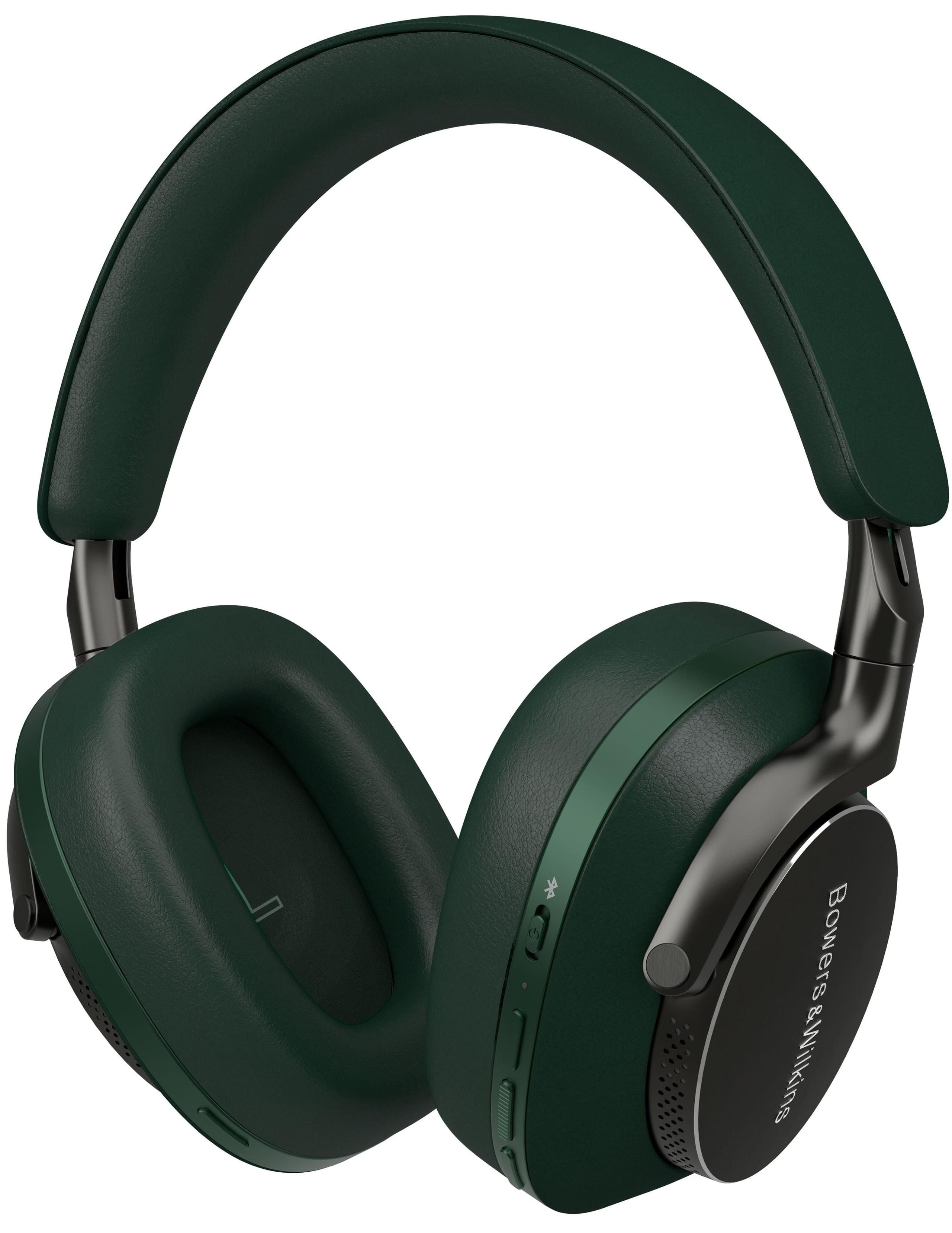
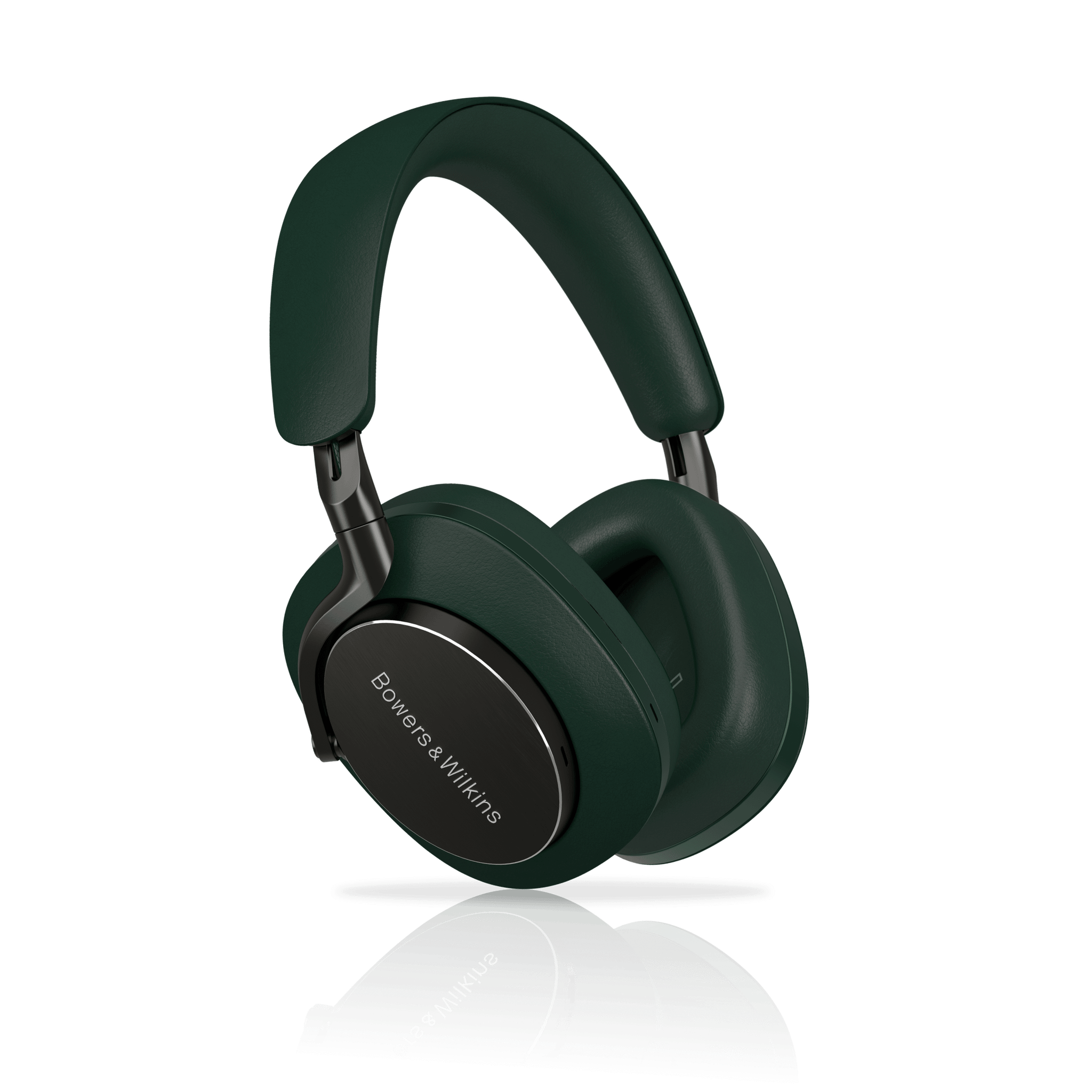
The Bowers & Wilkins Px8 Wireless ($849.90) takes a completely different approach. Where the Momentum 4 focuses on value and broad appeal, the Px8 is unapologetically aimed at serious listeners who prioritize acoustic accuracy and premium materials above all else.
The star of the Px8 is its 40mm angled carbon cone drivers. Carbon fiber isn't just a premium material for show—it's incredibly light and rigid, which means the driver can move more precisely without flexing or distorting. The angled design isn't random either; it improves stereo imaging by directing sound more accurately toward your ears, creating a more realistic sense of where instruments are positioned in the recording.
These drivers are paired with a 24-bit digital signal processor (DSP) that handles all the audio processing. This is like having a high-end audio computer built into each ear cup, ensuring that whether you're listening wirelessly via Bluetooth or through the wired connection, the audio quality remains consistently excellent.
The result is a sound signature that's more neutral and analytical than the Momentum 4. While the Sennheiser is tuned for excitement and energy, the Px8 is tuned for accuracy and detail. Classical music, jazz, and acoustic recordings shine on these headphones because you can hear subtle details in the recording—the breath before a vocal phrase, the resonance of a piano's soundboard, or the precise timing between musicians in an ensemble.
When you pick up the Px8, you immediately understand where some of that $849.90 goes. The headphones feature cast aluminum arms, genuine Nappa leather ear pads, and diamond-cut metal details. They feel substantial and luxurious in a way that most headphones, even expensive ones, simply don't match.
The Nappa leather isn't just for show—it's more breathable and comfortable than synthetic materials, making long listening sessions more pleasant. The memory foam ear pads create an excellent seal for both comfort and noise isolation. However, all these premium materials come with a weight penalty. At 320 grams, the Px8 is noticeably heavier than the 293-gram Momentum 4.
The Px8 uses a sophisticated six-microphone system—four dedicated to active noise cancellation and two for phone calls. This setup provides excellent call quality and effective noise cancellation, though like the Momentum 4, it doesn't quite reach the levels achieved by Sony or Bose's flagship models.
The hybrid active noise cancellation works by using both feedforward microphones (on the outside of the ear cups) and feedback microphones (inside the ear cups) to detect and cancel unwanted noise. It's particularly effective at reducing consistent background noise like airplane engines or air conditioning systems.
Having spent considerable time with both headphones, the sound quality differences are immediately apparent. The Momentum 4 has a wider, more expansive soundstage—when listening to live recordings, you get a better sense of the venue's acoustics and the space between instruments. This makes them excellent for movie soundtracks and immersive music listening.
The Px8, conversely, has a more focused and precise presentation. Individual instruments are easier to pick out in complex recordings, and there's less overlapping between different frequency ranges. For critical listening sessions where you want to analyze a recording or hear every detail, the Px8 is superior.
For home theater use, both headphones offer compelling but different experiences. The Momentum 4's wider soundstage and bass emphasis make action movies and dramatic scenes more engaging. The long battery life also means you can binge-watch entire series without worrying about charging. The Px8 excels with dialogue-heavy content and classical music performances, where its accuracy and detail retrieval shine.
Neither headphone matches the absolute best ANC performers like Sony's WH-1000XM5 or Bose's QuietComfort Ultra, but both are competent for most situations. The Momentum 4 has adaptive ANC that automatically adjusts based on your environment—useful if you're moving between quiet and noisy spaces throughout the day.
The Px8 offers manual control over ANC intensity through its app, but I've found it less effective in windy conditions where the external microphones can pick up wind noise and actually make things worse. Both headphones include transparency modes that let ambient sound through when you need to hear your surroundings.
This is where the Momentum 4 simply dominates. Sixty hours of playback means you might genuinely forget when you last charged them. The Px8's thirty hours is still respectable and better than many competitors, but it's not even close to the Sennheiser's endurance.
For frequent travelers or people who simply don't want to think about charging, this difference is significant. The Momentum 4 can handle a multi-week business trip with heavy use, while the Px8 requires more attention to battery management.
The Sennheiser Smart Control app offers more comprehensive customization than the Bowers & Wilkins Music app. With the Momentum 4, you get a full 5-band equalizer, multiple preset options, and that unique Sound Personalization feature. The app also handles firmware updates and lets you adjust ANC settings.
The Bowers & Wilkins app is more limited, offering just bass and treble adjustments rather than full EQ control. However, it does include integrated streaming services and a cleaner, more minimalist interface. The philosophy seems to be that the Px8 sounds so good out of the box that extensive EQ isn't necessary—which is partly true, but I still prefer having more control options.
At $299.95, the Momentum 4 offers flagship-level performance at what's essentially a mid-tier price. You're getting premium features, excellent sound quality, and that incredible battery life for less than many companies charge for their entry-level premium headphones.
The Px8 at $849.90 is asking you to pay nearly three times as much for what are admittedly incremental improvements in build quality and acoustic precision. Whether those improvements are worth the price premium depends entirely on your priorities and budget.
For most people, the Momentum 4 provides the better value proposition. The performance gap between them isn't nearly as large as the price gap. However, for serious listeners who can afford the premium and genuinely appreciate the differences in build quality and acoustic accuracy, the Px8 justifies its cost.
Choose the Sennheiser Momentum 4 Wireless if you want exceptional performance without the luxury price tag. They're perfect for daily commutes, long flights, modern music genres, and anyone who values convenience features like incredible battery life and comprehensive app customization. They're also the clear choice if you plan to use them for home theater applications where the wide soundstage and bass emphasis enhance the cinematic experience.
Choose the Bowers & Wilkins Px8 Wireless if you're a serious audiophile who prioritizes acoustic accuracy above all else. They're ideal for classical music, jazz, acoustic recordings, and critical listening sessions where you want to hear every detail in the recording. The premium materials and build quality also make them a good choice if you view headphones as both an audio tool and a luxury accessory.
Both headphones represent the current state of the art in wireless audio technology, just with different philosophies about what matters most. The Momentum 4 democratizes premium audio features, while the Px8 caters to the luxury market segment. Your choice ultimately comes down to whether you prioritize value and convenience or are willing to pay significantly more for that final degree of acoustic refinement and premium materials.
| Sennheiser Momentum 4 Wireless | Bowers & Wilkins Px8 Wireless |
|---|---|
| Price - Major value difference that impacts target audience | |
| $299.95 (exceptional value for flagship features) | $849.90 (luxury pricing for premium materials) |
| Battery Life - Critical for travel and daily use | |
| 60 hours playback (industry-leading, weeks of use) | 30 hours playback (good but half the endurance) |
| Driver Technology - Affects sound quality and character | |
| 42mm dynamic drivers with Signature Sound tuning | 40mm angled carbon cone drivers with 24-bit DSP |
| Sound Signature - Determines musical genre compatibility | |
| Bass-emphasized V-shape (great for pop, EDM, hip-hop) | Neutral-analytical (excels with classical, jazz, acoustics) |
| Build Materials - Impacts durability and luxury feel | |
| Lightweight plastic with memory foam (293g) | Cast aluminum with Nappa leather (320g, premium feel) |
| EQ Customization - Important for personalizing sound | |
| 5-band EQ plus AI Sound Personalization | Limited 3-band EQ (bass/treble adjustments only) |
| Noise Cancellation - Essential for commuting and travel | |
| Adaptive ANC with 4 microphones (good performance) | Hybrid ANC with 6 microphones (comparable effectiveness) |
| Bluetooth & Audio Quality - Affects wireless performance | |
| Bluetooth 5.2 with aptX Adaptive, AAC, SBC codecs | Bluetooth 5.2 with aptX Adaptive, AAC, SBC codecs |
| Fast Charging - Convenience for busy lifestyles | |
| 5 minutes = 4 hours playback | 15 minutes = 7 hours playback |
| Smart Features - Daily convenience factors | |
| Auto on/off, smart pause, wear detection, touch controls | Wear detection, physical controls, voice assistant |
| Best Use Cases - Who should buy each model | |
| Daily commuters, modern music fans, value seekers | Audiophiles, classical music lovers, luxury buyers |
The Sennheiser Momentum 4 Wireless ($299.95) offers significantly better value, providing flagship-level features at nearly one-third the price of the Bowers & Wilkins Px8 ($849.90). The Momentum 4 delivers exceptional battery life, comprehensive customization, and excellent sound quality that competes with much more expensive models.
The Sennheiser Momentum 4 offers industry-leading 60 hours of playback, while the Bowers & Wilkins Px8 provides 30 hours. This means the Momentum 4 can last weeks with normal use, making it ideal for frequent travelers who don't want to worry about charging.
The Sennheiser Momentum 4 excels with modern genres like pop, hip-hop, and EDM thanks to its bass-emphasized, energetic sound signature. The Bowers & Wilkins Px8 is superior for classical, jazz, and acoustic music due to its neutral, analytical tuning that reveals fine musical details.
Both headphones offer effective active noise cancellation, with the Momentum 4 using adaptive ANC that automatically adjusts to your environment, while the Px8 uses a 6-microphone hybrid system. Neither matches Sony or Bose's top-tier ANC, but both are suitable for most travel and commuting situations.
The Sennheiser Momentum 4 is more comfortable for extended use due to its lighter weight (293g vs 320g) and ergonomic design optimized for all-day wear. While the Bowers & Wilkins Px8 features luxurious Nappa leather, its heavier build can cause fatigue during very long sessions.
The Px8 features premium materials including cast aluminum arms and genuine Nappa leather, giving it a more luxurious feel. The Momentum 4 uses high-quality plastic and memory foam, prioritizing comfort and durability over premium aesthetics while maintaining excellent build quality.
Both models offer good call quality, with the Px8 using a dedicated 2-microphone telephony system and the Momentum 4 featuring 4 digital beamforming microphones with wind noise suppression. The Momentum 4 has a slight edge in challenging environments due to its advanced microphone processing.
The Sennheiser Momentum 4 offers superior customization through its Smart Control app, featuring a 5-band EQ, sound personalization, and multiple presets. The Bowers & Wilkins Px8 app provides only basic 3-band EQ adjustments but includes integrated streaming services.
The Sennheiser Momentum 4 is better suited for home theater applications due to its wider soundstage, bass emphasis that enhances action scenes, and exceptional 60-hour battery life for binge-watching sessions. The immersive sound signature makes movies and TV shows more engaging.
Both the Momentum 4 and Px8 support Bluetooth 5.2 with high-quality codecs including aptX Adaptive and AAC. Both also offer wired connections via USB-C and 3.5mm analog inputs, ensuring compatibility with various devices and audiophile setups.
The Bowers & Wilkins Px8 offers better quick charging with 15 minutes providing 7 hours of playback, while the Sennheiser Momentum 4 gives 4 hours from a 5-minute charge. However, the Momentum 4's much longer overall battery life means you'll need to charge it far less frequently.
Choose the Sennheiser Momentum 4 if you want excellent performance at a great price, prioritize battery life, listen to modern music genres, or need comfortable headphones for daily use. Choose the Bowers & Wilkins Px8 if you're an audiophile who values premium materials, listens primarily to classical or acoustic music, and can justify the luxury pricing for incremental improvements in build quality and acoustic precision.
We've done our best to create useful and informative comparisons to help you decide what product to buy. Our research uses advanced automated methods to create this comparison and perfection is not possible - please contact us for corrections or questions. These are the sites we've researched in the creation of this article: recordingnow.com - recordingnow.com - soundguys.com - tomsguide.com - headphones.com - thegreatestsong.com - forum.headphones.com - loudnwireless.com - bloomaudio.com - loudnwireless.com - sennheiser-hearing.com - bhphotovideo.com - audio46.com - techpowerup.com - moon-audio.com - bloomaudio.com - pianoclack.com - gsmarena.com - rtings.com - whathifi.com - marius.ink - bowerswilkins.com - rtings.com - whathifi.com - whathifi.com - soundguys.com - audio46.com - youtube.com - futureaudiophile.com - listenup.com - telquestintl.com - bowerswilkins.com - bowerswilkins.com - bestbuy.com - bhphotovideo.com - audioholics.com - bowerswilkins.com - bowerswilkins.com - headphone.guru - bhphotovideo.com - bowerswilkins.com

Privacy Policy
Terms and Conditions - Affiliate Policy
Home Security
© Copyright 2008-2026.
11816 Inwood Rd #1211, Dallas, TX 75244