

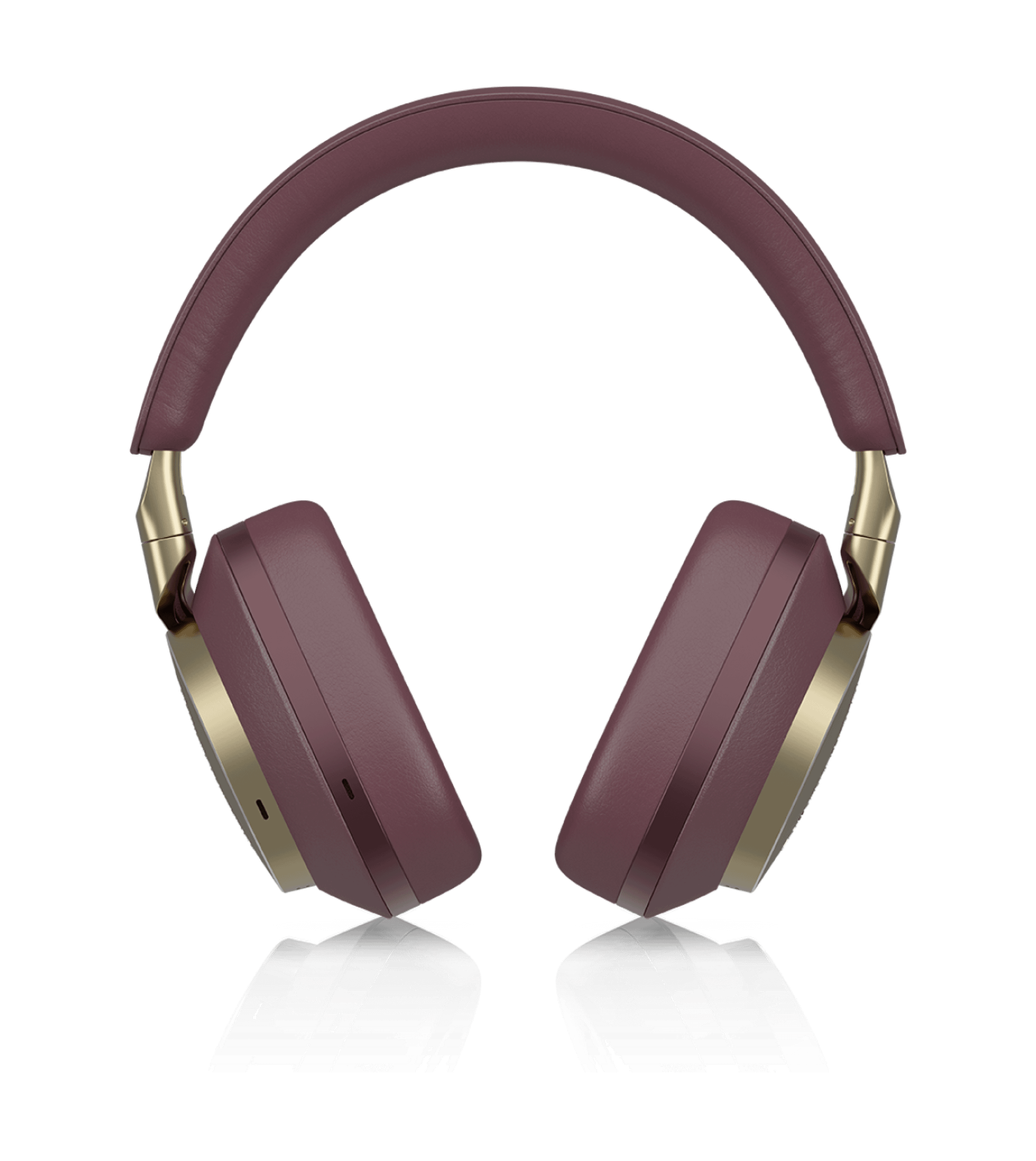
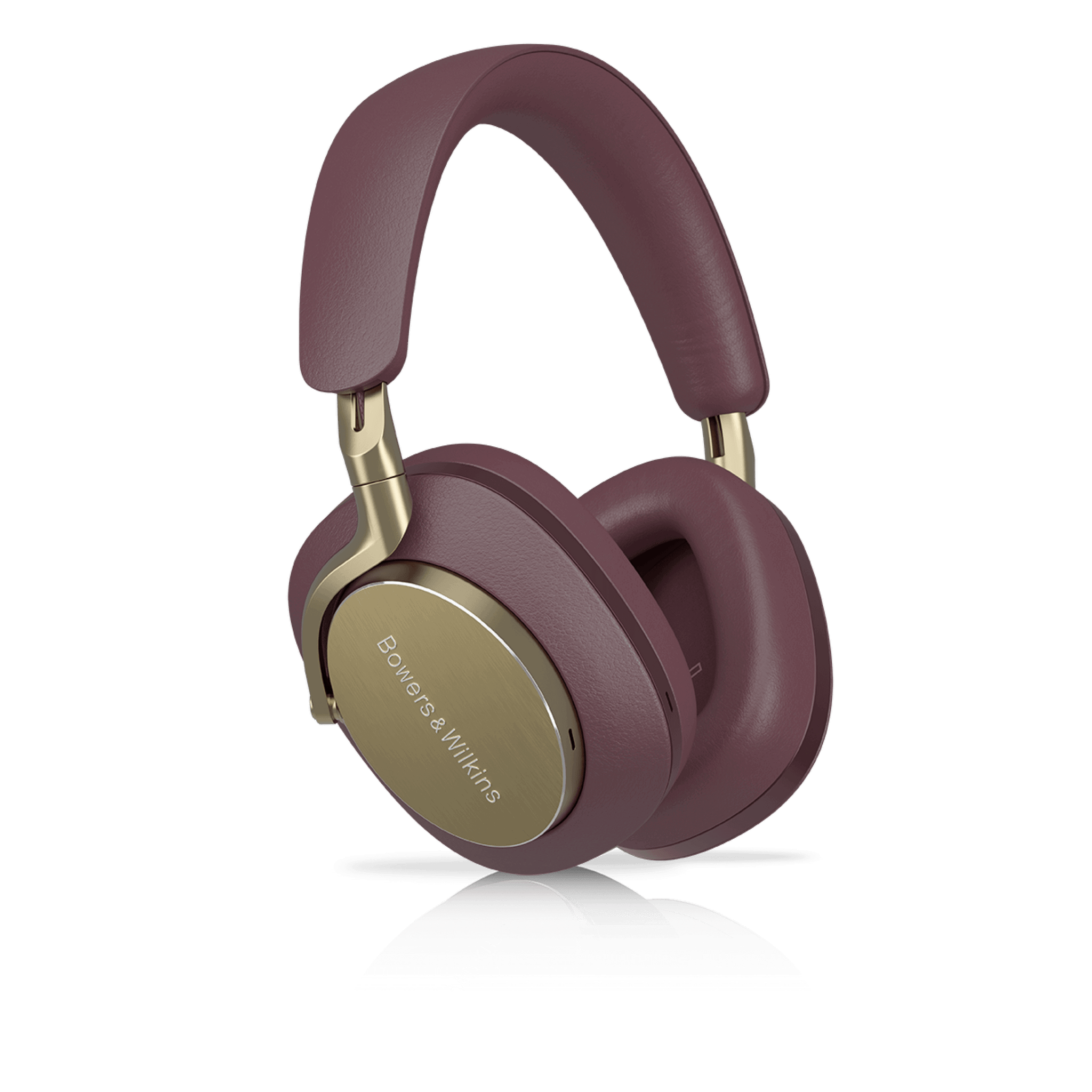
Shopping for premium wireless headphones can feel overwhelming when you're looking at options that cost hundreds of dollars. Today, I'm comparing two very different approaches to high-end audio: the Beats Studio Pro and the Bowers & Wilkins Px8. After spending considerable time with both pairs, I can tell you they serve completely different audiences despite both being excellent in their own ways.
Before diving into specifics, let's talk about what makes headphones "premium." In this category, you're paying for a combination of superior sound quality, advanced noise cancellation (ANC), comfortable materials, and features like spatial audio or high-resolution codec support. Premium headphones typically cost between $200-$700, with the sweet spot around $300-$500.
The key thing to understand is that there's no single "best" premium headphone. Some prioritize convenience and mainstream appeal, while others focus purely on audio fidelity. Some are built for travelers who need maximum battery life, while others target home listeners who value comfort and sound quality above portability.
When I evaluate headphones in this category, I look at several core areas: how they sound across different music genres, how well they block outside noise, whether they're comfortable for long sessions, how they're built and what materials are used, battery life and charging convenience, and how well they integrate with your devices and ecosystem.
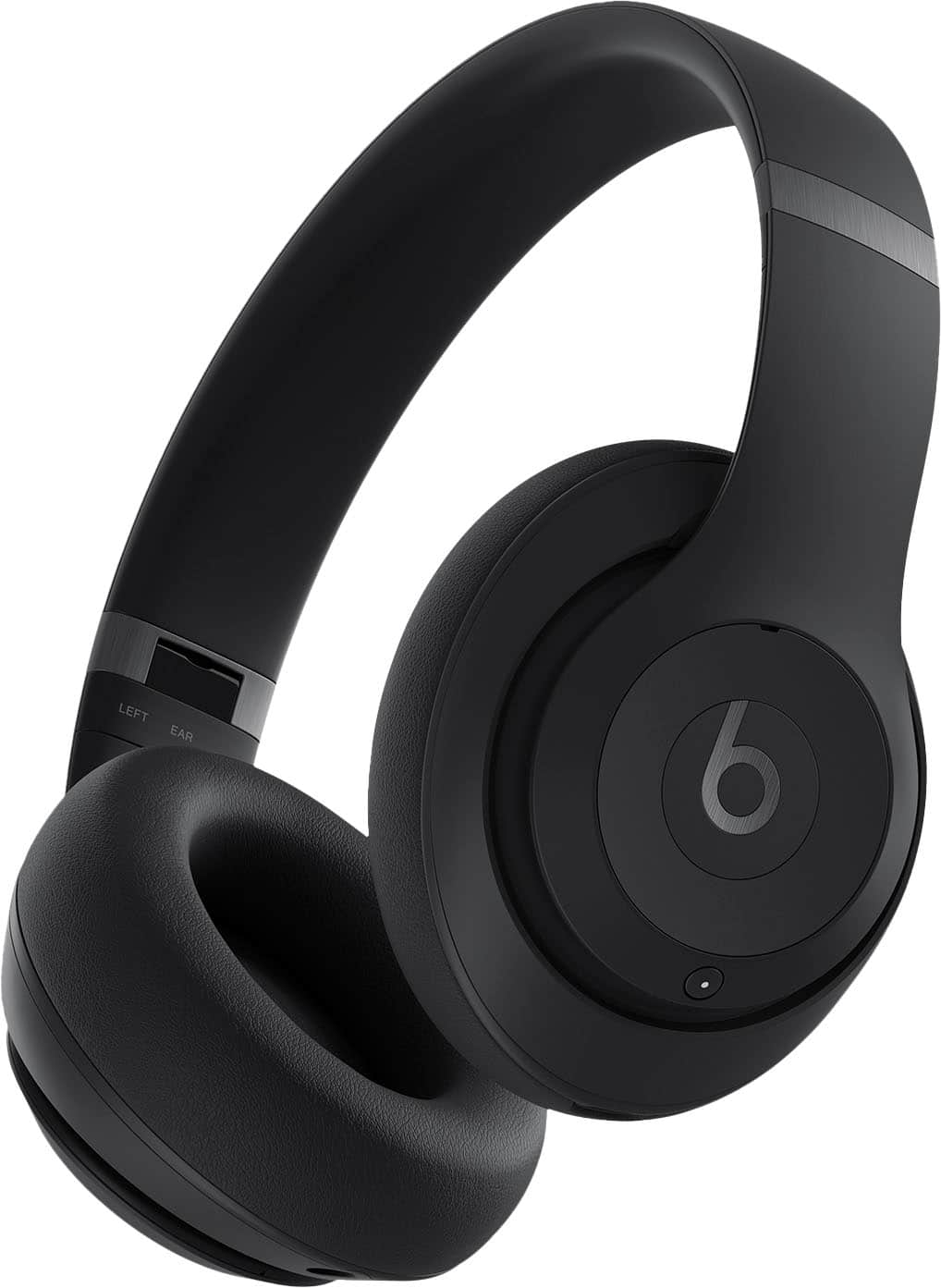
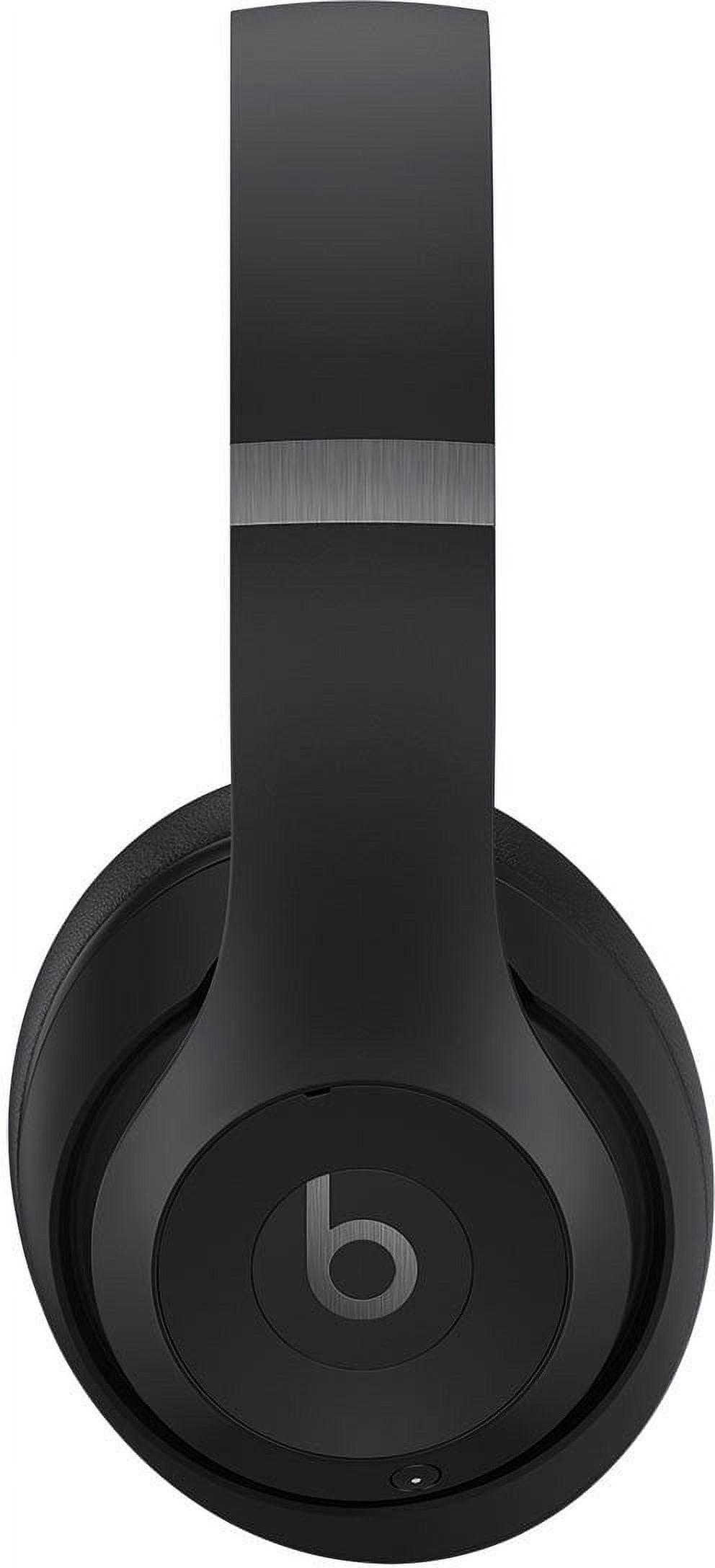
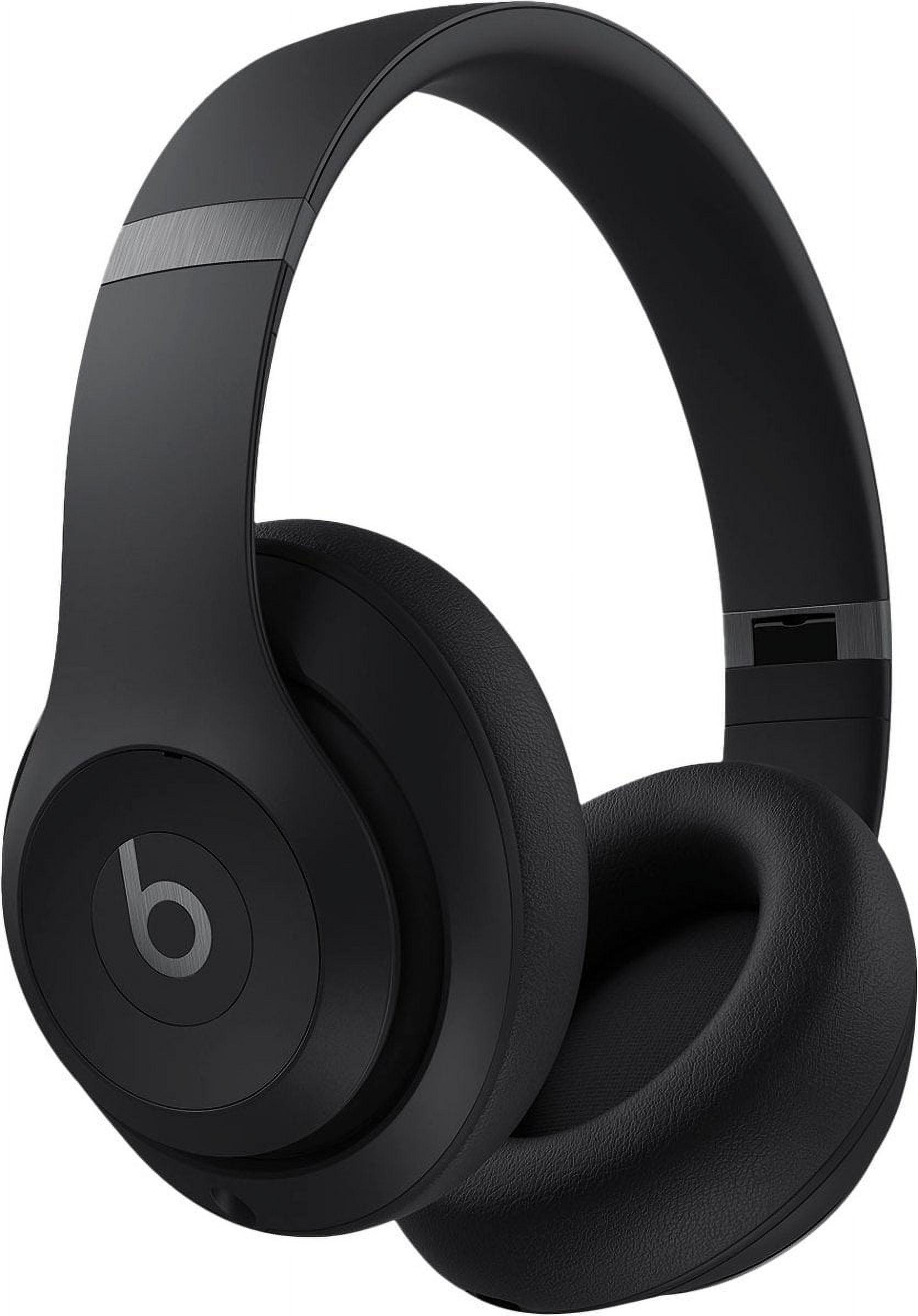
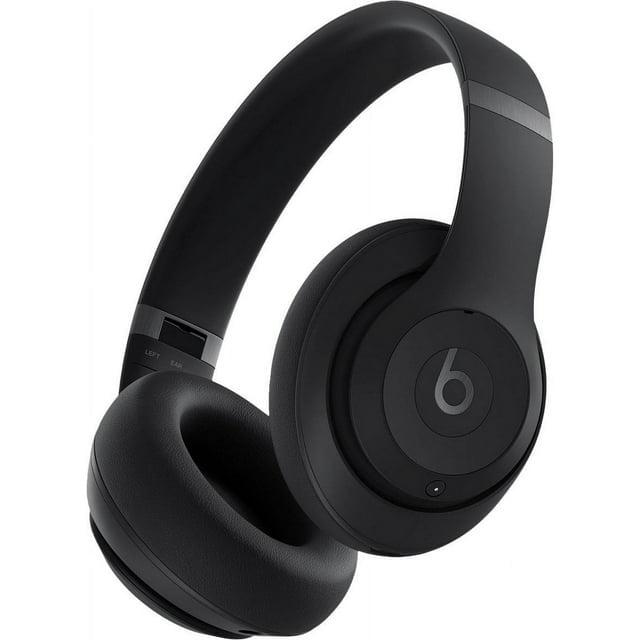
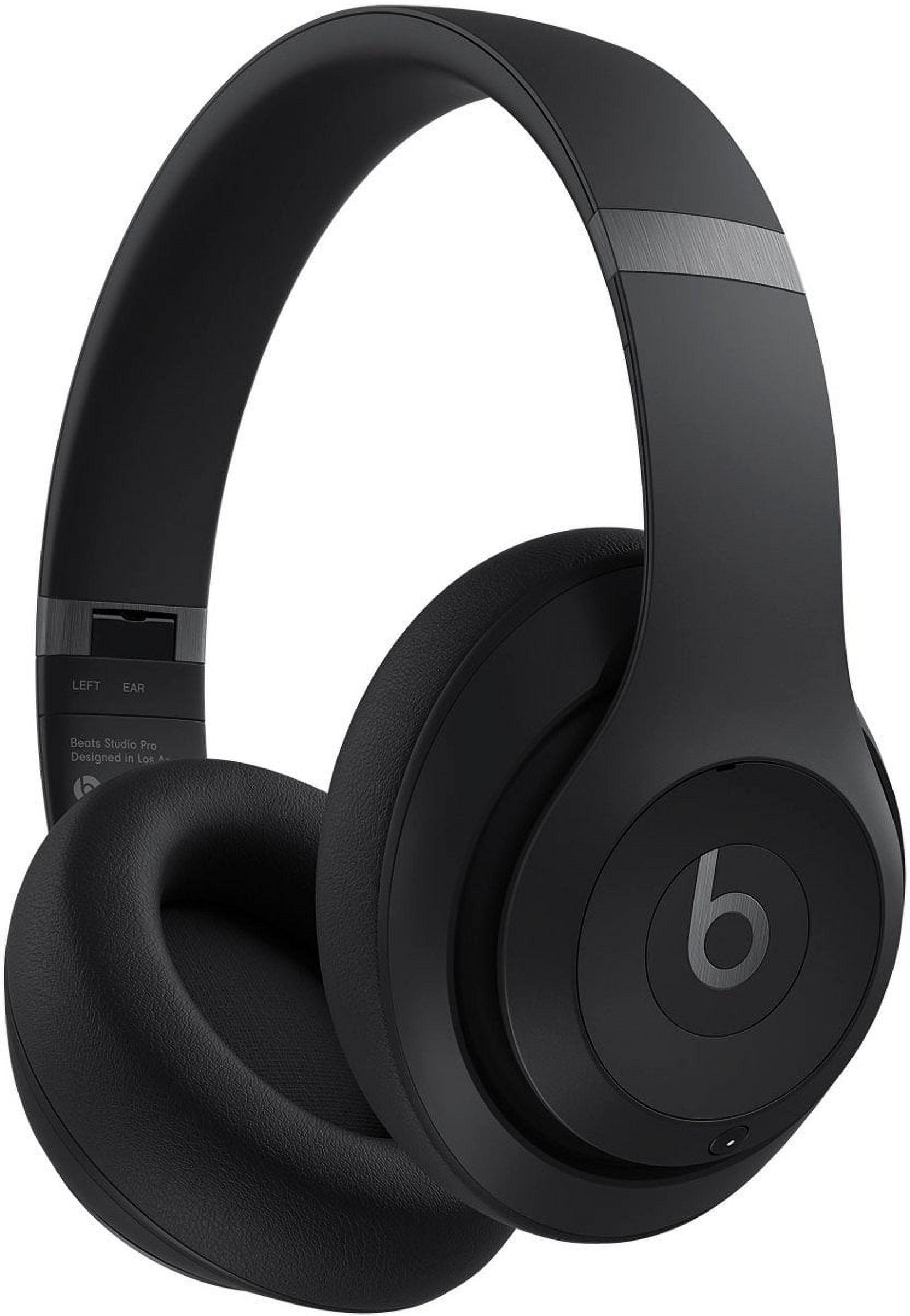
The Beats Studio Pro, released in July 2023, represents Apple's approach to mainstream premium audio. At $350 MSRP (though frequently available for $220-250), these headphones focus on delivering solid performance across all areas while excelling in battery life and Apple ecosystem integration. They're the fourth generation of the Studio line and mark a significant departure from the bass-heavy sound signature that defined earlier Beats products.
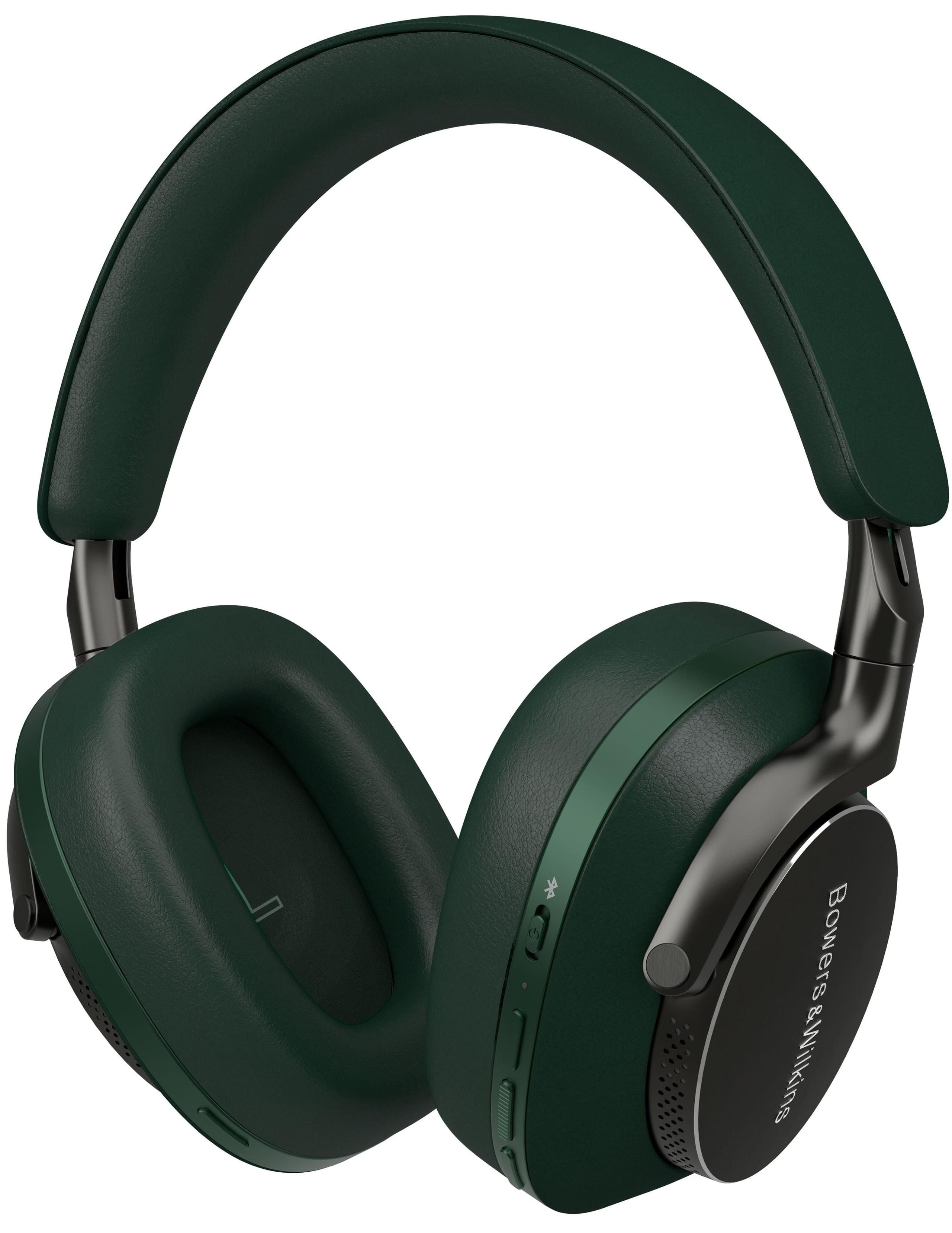
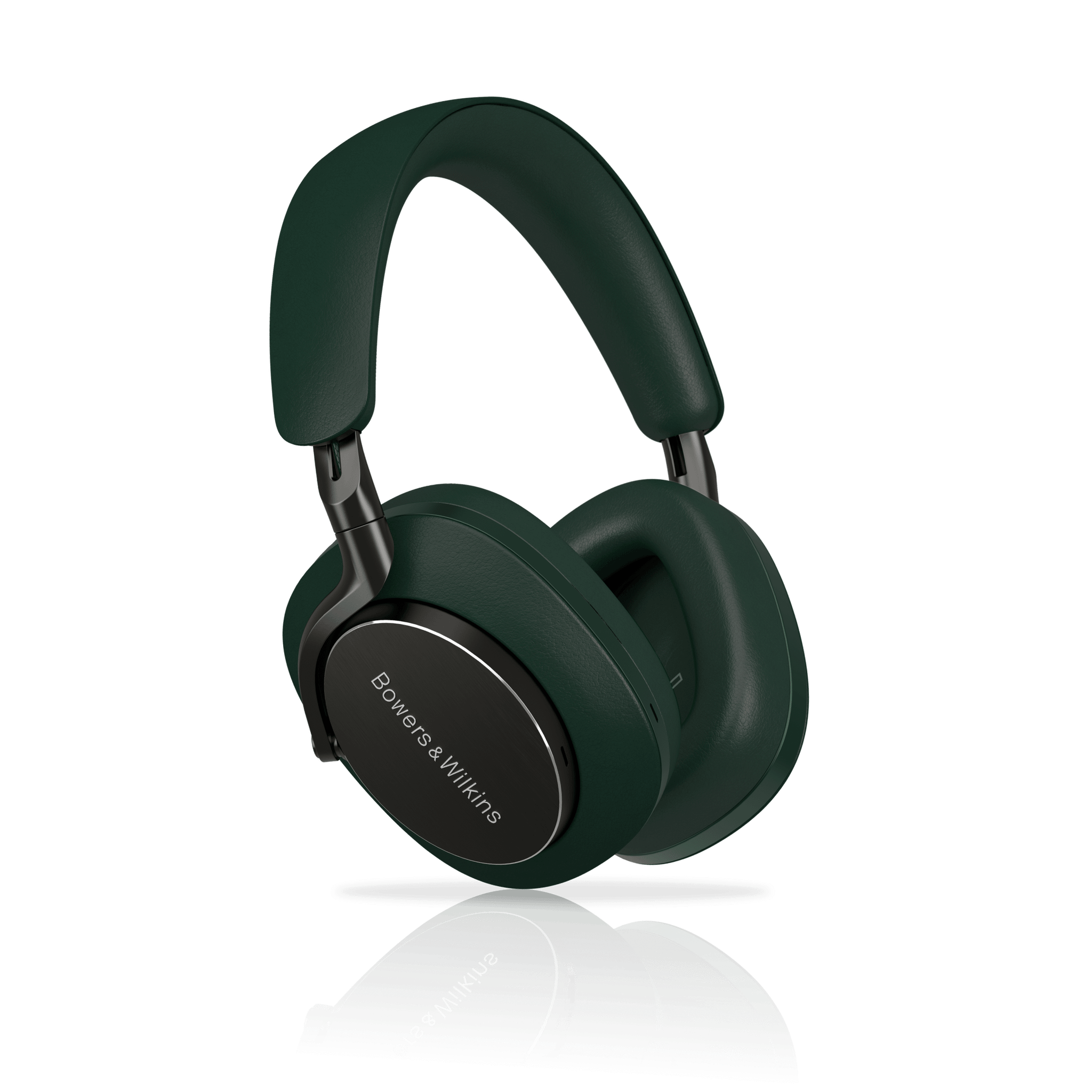
The Bowers & Wilkins Px8, launched in September 2024, takes a completely different approach. At $699 MSRP (currently around $470-550), these headphones prioritize audiophile-grade sound quality and luxury materials above mainstream convenience features. B&W has a reputation in high-end audio that spans decades, and the Px8 represents their attempt to bring that expertise to wireless headphones.
I'll be honest: when I first picked up both pairs, the differences were immediately apparent. The Studio Pro felt like a modern consumer product designed for everyday use, while the Px8 felt more like a piece of audio equipment that happened to be wireless.
This is where these two headphones diverge most dramatically, and it's probably the most important factor in your decision.
The Beats Studio Pro uses custom 40mm dynamic drivers with what Beats calls a "dual-layer design" and micro-venting to reduce distortion. The result is up to 80% less distortion compared to the previous Studio3 Wireless, which is genuinely impressive. The sound signature has evolved significantly from the bass-heavy Beats of old.
When I listen to the Studio Pro, I hear a sound that's designed for modern music. Pop, hip-hop, and EDM sound energetic and fun, with tight bass that doesn't overwhelm the midrange. The treble is present and detailed, though it can occasionally feel a bit forward with certain tracks. Vocals sit nicely in the mix, and there's good separation between instruments.
However, when I switch to acoustic music or classical pieces, the Studio Pro reveals its consumer-focused tuning. While it's not bad by any means, it lacks the natural, realistic presentation that audiophiles prefer. The soundstage (the sense of space and instrument placement) feels somewhat constrained, which is typical for closed-back headphones in this price range.
The Studio Pro also offers three EQ presets when connected via USB-C: Signature (balanced), Entertainment (enhanced for movies), and Conversation (optimized for calls and podcasts). This is a nice touch that adds versatility, though you lose ANC functionality in wired mode.
The Px8 takes a fundamentally different approach with its 40mm angled Carbon Cone drivers. The carbon fiber material is lighter and stiffer than conventional driver materials, which reduces unwanted resonances and allows for more accurate sound reproduction. The angled design improves stereo imaging—essentially making it easier to pinpoint where sounds are coming from in the stereo field.
What impressed me most about the Px8 is its ability to present music naturally. When I listen to acoustic guitar, I can hear the wood resonating. Vocals sound like real people in a real space rather than processed audio. The bass is present but controlled—it doesn't boom or overshadow other frequencies, but it provides the foundation that music needs.
The frequency response extends up to 30,000Hz compared to the typical 20,000Hz limit of most headphones, including the Studio Pro. While humans can't hear frequencies that high, this extended response often correlates with better overall driver design and can affect the harmonics of sounds we can hear.
The Px8 also includes 24-bit DSP (Digital Signal Processing), which processes the audio signal digitally to optimize it before it reaches your ears. Combined with support for high-quality Bluetooth codecs like aptX Adaptive and aptX HD, these headphones can stream 24-bit/48kHz audio—higher quality than CD audio.
In direct comparison, the Px8 clearly wins on pure sound quality. It's more accurate, more detailed, and more natural-sounding across all genres of music. However, the Studio Pro offers a more immediately engaging sound that many people will prefer, especially for modern music genres. It's the difference between clinical accuracy and fun engagement.
For home theater use, both headphones support their respective spatial audio technologies, but the Studio Pro's integration with Apple's ecosystem makes it more seamless for Apple TV users. The Px8 will sound better with high-quality movie soundtracks, but lacks the convenient auto-switching and head tracking features.
Active Noise Cancellation works by using microphones to detect ambient sound, then generating inverse sound waves to cancel out that noise. It's particularly effective against constant, low-frequency sounds like airplane engines or air conditioning.
The Studio Pro features what Beats calls "fully adaptive" ANC that continuously monitors your environment and adjusts in real-time. In my testing, it does a good job with typical environmental noise—office chatter, traffic, air conditioning, and similar sounds. It's not quite at the level of the best noise-canceling headphones like the Bose QuietComfort series or Sony WH-1000XM5, but it's definitely above average.
The transparency mode works well too, allowing outside sound to blend with your music when you need to be aware of your surroundings. The transition between ANC and transparency mode is smooth and can be controlled with a button press.
The Px8 uses a hybrid ANC system with six microphones—four dedicated to noise cancellation and two for phone calls. While the system is effective, it's not as strong as the Studio Pro's implementation. I noticed that low-frequency sounds like airplane engines aren't suppressed as effectively, and there can be some wind noise when the microphones pick up air movement.
The Px8 does include an ambient pass-through mode similar to transparency mode, and it works reasonably well for brief conversations or announcements.
The Studio Pro takes this category clearly. If noise cancellation is a priority—say you're a frequent flyer or work in a noisy environment—the Beats is the better choice.
Comfort becomes crucial when you're wearing headphones for hours at a time, and build quality affects both durability and how premium the headphones feel.
At 260 grams, the Studio Pro is relatively light for over-ear headphones. The construction is primarily plastic, which some might see as less premium, but it keeps weight down and makes the headphones more durable for travel. The UltraPlush engineered leather ear cushions are soft and comfortable, though the ear cups are somewhat shallow.
The big advantage here is portability. The Studio Pro folds flat for easy packing, and the included carrying case is compact. If you're someone who travels frequently or commutes with headphones, this matters a lot.
However, I did notice that the clamping force can cause some discomfort during very long listening sessions. After about 3-4 hours, I usually need a break.
The Px8 weighs 320 grams, but those extra 60 grams buy you significantly better materials. The arms are cast aluminum, the ear pads are genuine Nappa leather with memory foam, and the overall build quality feels more premium. The headband has better padding and weight distribution, making the extra weight less noticeable than you might expect.
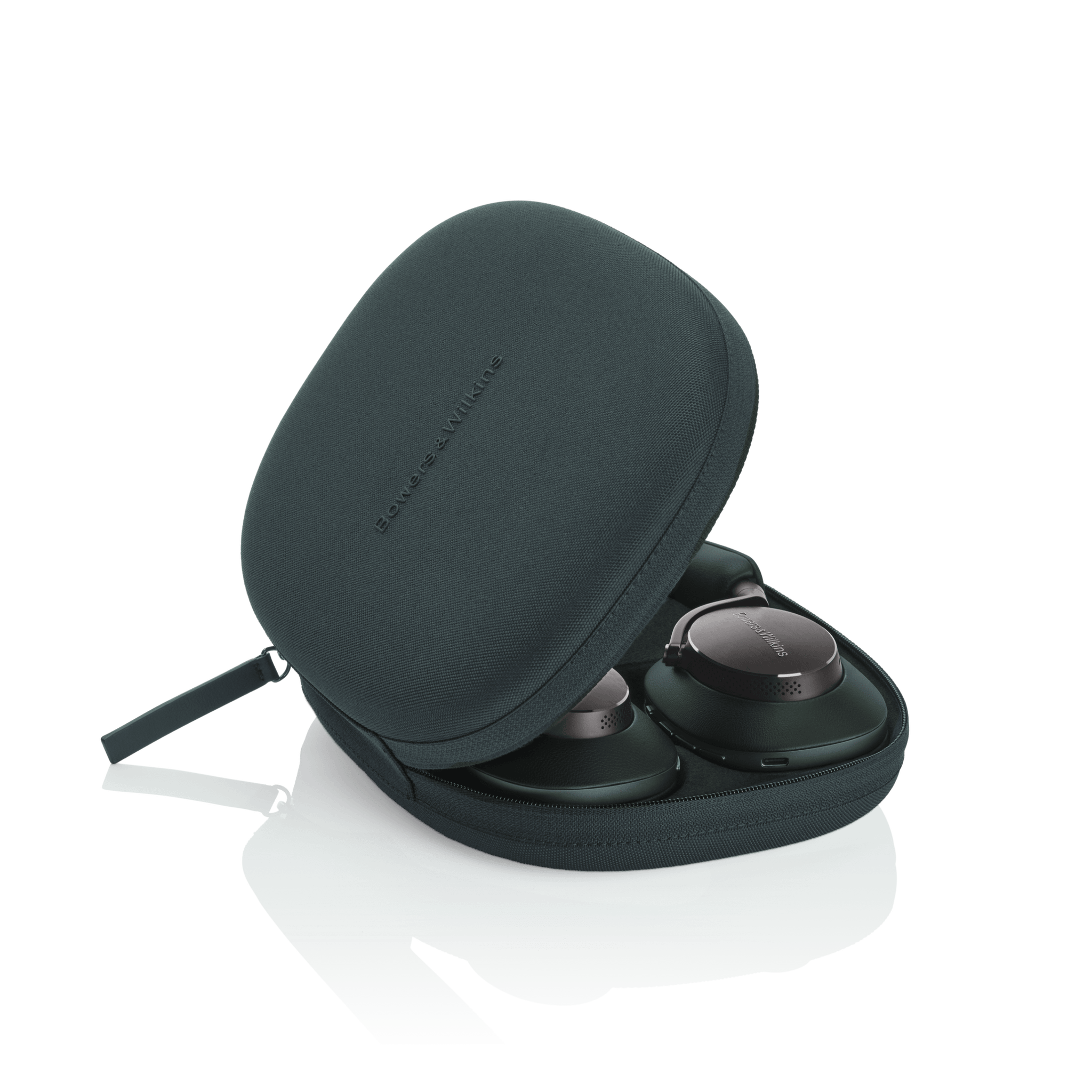
These headphones don't fold, which makes them less portable, but the rigid design contributes to their acoustic performance and durability. The carrying case is larger and more luxurious, though it takes up more space in a bag.
For long listening sessions, the Px8 is noticeably more comfortable. I can wear them for 5-6 hours without fatigue, and they never feel like they're clamping too tightly.
This depends on your priorities. The Studio Pro wins for portability and travel-friendliness, while the Px8 wins for long-term comfort and premium feel.
Battery life can make or break the daily usability of wireless headphones, and convenience features affect how seamlessly they integrate into your routine.
The Studio Pro absolutely dominates this category with up to 40 hours of playback (24 hours with ANC enabled). This is genuinely impressive—I've used these headphones for a full work week without charging them. The Fast Fuel feature provides 4 hours of playback from just 10 minutes of charging, which is incredibly convenient when you're rushing out the door.
The Studio Pro also includes some nice convenience features like spatial audio with head tracking (for Apple users), seamless device switching between Apple devices, and hands-free "Hey Siri" support. The Class 1 Bluetooth provides exceptional range—up to 300 feet in ideal conditions, far better than most competitors.
However, there are some missing features that competitors offer, like wear detection (automatically pausing when you remove the headphones) and the latest Apple H2 chip that powers features in AirPods Pro.
The Px8 offers 30 hours of battery life, which is solid but not exceptional by today's standards. The 15-minute quick charge provides 7 hours of playback, which is competitive. Charging is via USB-C, same as the Studio Pro.
The Px8 does include wear detection sensors that pause playback when you remove the headphones, which is convenient. The Bowers & Wilkins Music App allows for basic sound customization and firmware updates, though it's not as full-featured as some competitors' apps.
The Studio Pro wins decisively on battery life, which is crucial for heavy users. The convenience features are more comprehensive too, especially if you're in the Apple ecosystem.
Both headphones support modern Bluetooth standards, but there are important differences in audio quality and compatibility.
The Studio Pro uses Bluetooth 5.3 and supports standard codecs like AAC and SBC. When connected via USB-C, it can handle lossless audio and provides access to those three EQ presets I mentioned earlier. The wired connection bypasses any Bluetooth compression entirely.
The Px8 uses Bluetooth 5.2 but supports higher-quality codecs including aptX Adaptive, aptX HD, and aptX. These codecs can transmit much higher quality audio than standard Bluetooth—aptX HD supports up to 24-bit/48kHz, which is better than CD quality. The Px8 also includes a detachable 1.2-meter cable for wired listening.
For most users, these codec differences won't be immediately apparent, but if you're streaming high-quality music from services like Tidal or Qobuz, the Px8 will take better advantage of that quality.
This is where personal priorities become crucial. The Studio Pro frequently sells for $220-250, making it exceptional value for the features and performance you get. At that price, you're getting 80% of what premium headphones offer at roughly half the typical cost.
The Px8, even at its current discounted price of around $500, represents a significant investment. You're paying primarily for superior sound quality and luxury materials. Whether that's worth an extra $250+ depends entirely on how much you value those improvements.
For home theater use, both headphones have merit but serve different needs. The Studio Pro excels with Apple TV thanks to automatic device switching and spatial audio support. Movie soundtracks sound engaging and immersive, though not necessarily accurate.
The Px8 will reproduce movie soundtracks more accurately, which can be better for critical viewing of films with excellent sound design. However, it lacks the convenient auto-pairing and switching features that make the Studio Pro more seamless for casual movie watching.
Neither headphone is ideal for serious home theater enthusiasts—dedicated surround sound systems or specialized gaming headphones would be better choices for that application.
After extensive use with both headphones, here's my honest assessment of who should choose what:
Choose the Beats Studio Pro if:
Choose the Bowers & Wilkins Px8 if:
Consider other options if:
Both the Beats Studio Pro and Bowers & Wilkins Px8 are excellent headphones that serve their intended audiences well. The choice between them really comes down to whether you prioritize mainstream convenience and exceptional value (Studio Pro) or audiophile-grade sound quality and luxury materials (Px8).
I find myself reaching for the Studio Pro more often in daily life because of its convenience features and outstanding battery life. But when I want to really listen to music—not just have it playing in the background—the Px8 provides a more engaging and accurate experience.
The good news is that both represent solid investments in their respective categories. The Studio Pro offers flagship-level features at a more accessible price, while the Px8 delivers the kind of sound quality that justifies its premium positioning. Your choice should align with your listening habits, budget, and priorities.
| Beats Studio Pro | Bowers & Wilkins Px8 |
|---|---|
| Price - Significant difference affects value proposition | |
| $350 MSRP (often $220-250 on sale) | $699 MSRP (currently $470-550) |
| Weight - Impacts portability and long-term comfort | |
| 260g (lighter, better for travel) | 320g (heavier but premium materials) |
| Battery Life - Critical for daily use and travel | |
| 40 hours (24 with ANC) - industry leading | 30 hours - good but not exceptional |
| Sound Quality - Most important for audio experience | |
| Balanced consumer tuning, 80% less distortion than predecessors | Audiophile-grade accuracy with angled Carbon Cone drivers |
| Driver Technology - Affects audio clarity and detail | |
| 40mm custom dynamic drivers with dual-layer design | 40mm angled Carbon Cone drivers with 24-bit DSP |
| Frequency Response - Higher range can mean better detail | |
| 20Hz - 20,000Hz (standard range) | 20Hz - 30,000Hz (extended high-frequency response) |
| Active Noise Cancellation - Essential for noisy environments | |
| Fully adaptive ANC, above-average performance | Hybrid 6-microphone system, good but not elite |
| Build Materials - Affects durability and premium feel | |
| Engineered leather cushions, plastic construction | Nappa leather, cast aluminum, memory foam |
| Portability - Important for travel and storage | |
| Foldable design with compact carrying case | Non-foldable, larger carrying case required |
| Bluetooth Codecs - Affects wireless audio quality | |
| Standard AAC, SBC support | aptX Adaptive, aptX HD, AAC, SBC (higher quality) |
| Connectivity Options - Flexibility for different use cases | |
| USB-C lossless, 3.5mm analog | USB-C, detachable 1.2m cable, 3.5mm analog |
| Ecosystem Integration - Convenience features matter | |
| Excellent Apple integration, spatial audio, device switching | Basic app support, wear detection sensors |
| Target User - Who benefits most from each approach | |
| Mainstream users wanting convenience and value | Audiophiles prioritizing sound quality over features |
The Bowers & Wilkins Px8 delivers superior sound quality with its angled Carbon Cone drivers and 24-bit DSP processing. It offers more accurate, detailed, and natural-sounding audio across all music genres. The Beats Studio Pro provides good sound quality with a consumer-friendly tuning that's engaging for modern music, but the Px8 is clearly the winner for audiophiles who prioritize accuracy and detail.
The Beats Studio Pro has significantly better active noise cancellation. Its fully adaptive ANC system effectively blocks office chatter, traffic, and environmental noise better than the Bowers & Wilkins Px8. While the Px8 has decent noise cancellation with its 6-microphone system, it's not as strong, especially for low-frequency sounds like airplane engines.
The Beats Studio Pro dominates battery life with up to 40 hours of playback (24 hours with ANC enabled), making it one of the longest-lasting headphones available. The Bowers & Wilkins Px8 offers 30 hours of battery life, which is good but not exceptional. For heavy users and travelers, the Studio Pro is the clear winner.
The Beats Studio Pro costs $350 MSRP but frequently sells for $220-250, making it excellent value. The Bowers & Wilkins Px8 has a $699 MSRP and currently sells for around $470-550. The Px8 costs roughly double the Studio Pro, with the premium justified mainly by superior sound quality and luxury materials.
The Bowers & Wilkins Px8 is more comfortable for extended wear thanks to its genuine Nappa leather ear pads, memory foam, and better weight distribution. While it's heavier at 320g, the premium materials make 5-6 hour sessions comfortable. The Beats Studio Pro is lighter at 260g but can cause discomfort after 3-4 hours due to its clamping force and shallower ear cups.
The Beats Studio Pro is much better for travel. It folds flat for compact packing, weighs less, has superior noise cancellation for flights, and offers 40-hour battery life. The Bowers & Wilkins Px8 doesn't fold, requires a larger carrying case, and has shorter battery life, making the Studio Pro the obvious choice for frequent travelers.
The Beats Studio Pro integrates seamlessly with Apple devices, offering spatial audio with head tracking, automatic device switching, hands-free Siri, and one-touch pairing. While the Bowers & Wilkins Px8 works with Apple devices, it lacks these convenience features. For Apple users wanting the best ecosystem integration, the Studio Pro is the better choice.
The Bowers & Wilkins Px8 supports superior wireless audio quality with aptX Adaptive and aptX HD codecs, enabling 24-bit/48kHz streaming - better than CD quality. The Beats Studio Pro uses standard AAC and SBC codecs. For high-resolution music streaming from services like Tidal, the Px8 will deliver noticeably better wireless audio quality.
The Bowers & Wilkins Px8 features premium construction with cast aluminum arms, genuine Nappa leather, and superior craftsmanship that feels more luxurious and durable. The Beats Studio Pro uses primarily plastic construction, which is lighter and travel-friendly but feels less premium. The Px8 wins for build quality, while the Studio Pro wins for practical durability.
The Beats Studio Pro works well for home theater, especially with Apple TV thanks to automatic pairing and spatial audio support. Movie soundtracks sound engaging and immersive. The Bowers & Wilkins Px8 reproduces movie audio more accurately but lacks convenient auto-switching features. For casual movie watching, the Studio Pro is more user-friendly.
The Beats Studio Pro offers exceptional value, delivering flagship features like 40-hour battery life, good noise cancellation, and Apple integration at $220-250. The Bowers & Wilkins Px8 at $470-550 is only worthwhile if superior sound quality justifies paying double. For most users, the Studio Pro provides better value.
Neither headphone is ideal for music production, but the Bowers & Wilkins Px8 is closer to studio-quality with its accurate sound reproduction and detachable cables. The Beats Studio Pro has a consumer-friendly tuning that's not suitable for critical audio work. Serious producers should consider dedicated studio monitors, but if choosing between these, the Px8 is more appropriate.
We've done our best to create useful and informative comparisons to help you decide what product to buy. Our research uses advanced automated methods to create this comparison and perfection is not possible - please contact us for corrections or questions. These are the sites we've researched in the creation of this article: whathifi.com - markellisreviews.com - recordingnow.com - soundguys.com - cnet.com - recordingnow.com - bestbuy.com - youtube.com - soundguys.com - recordingnow.com - uclastore.com - beatsbydre.com - shop.missouristatebookstore.com - apple.com - beatsbydre.com - audiosciencereview.com - beatsbydre.com - beatsbydre.com - cornellstore.com - forums.appleinsider.com - whathifi.com - marius.ink - bowerswilkins.com - rtings.com - whathifi.com - whathifi.com - soundguys.com - audio46.com - youtube.com - futureaudiophile.com - listenup.com - telquestintl.com - bowerswilkins.com - bowerswilkins.com - bestbuy.com - bhphotovideo.com - audioholics.com - bowerswilkins.com - bowerswilkins.com - headphone.guru - bhphotovideo.com - bowerswilkins.com

Privacy Policy
Terms and Conditions - Affiliate Policy
Home Security
© Copyright 2008-2026.
11816 Inwood Rd #1211, Dallas, TX 75244