

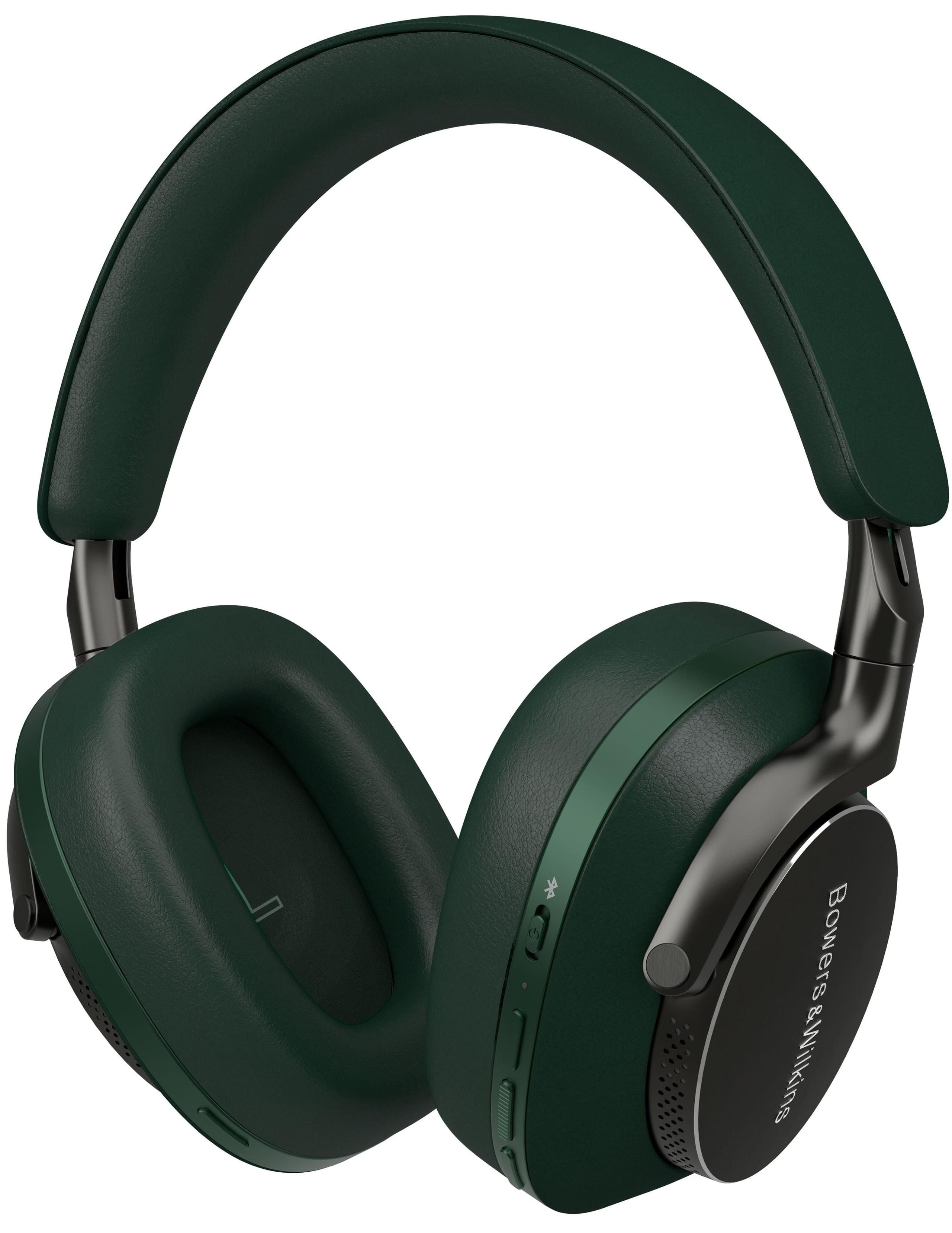
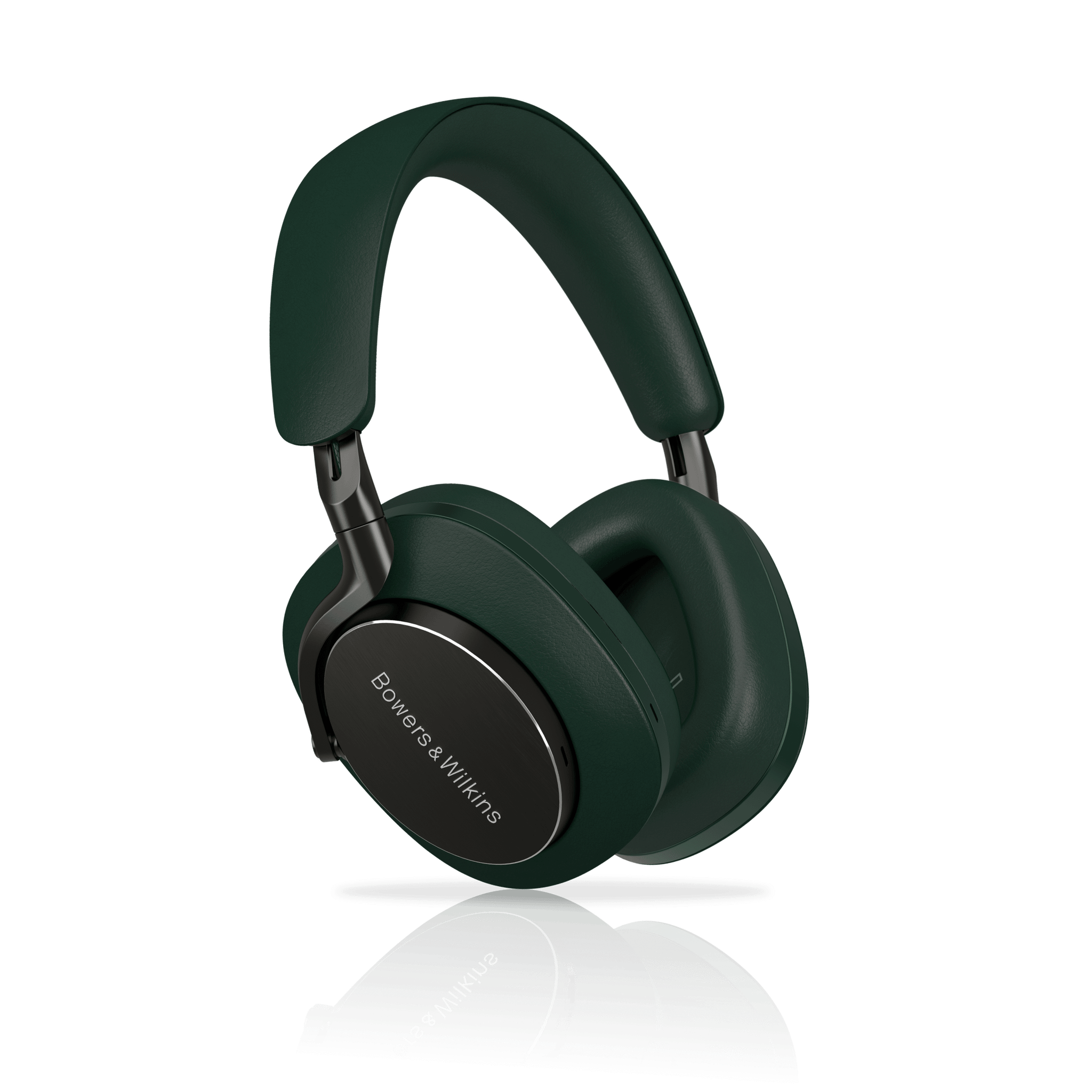
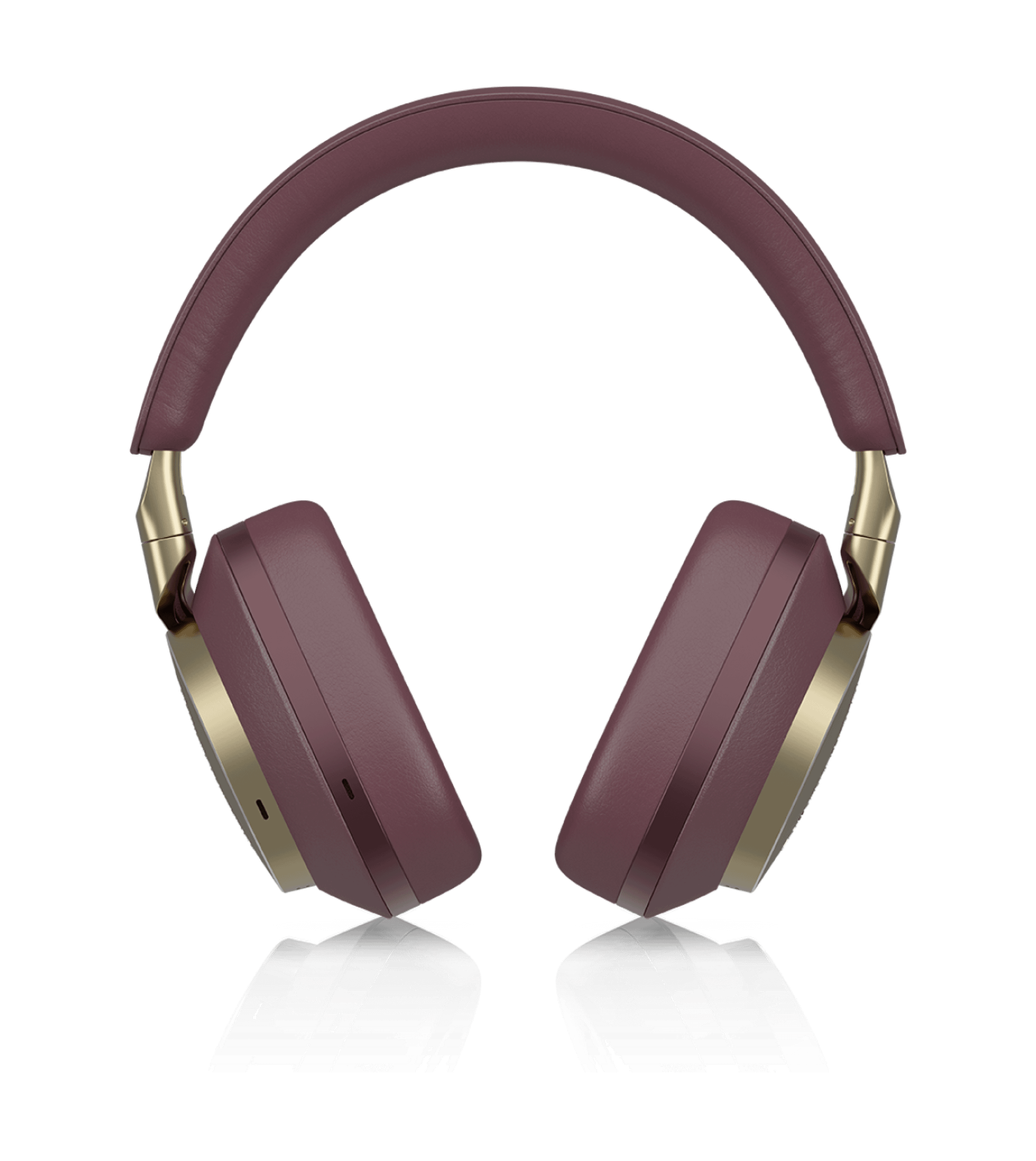
When you're ready to invest in premium wireless headphones, the sheer number of options can feel overwhelming. Two standout contenders that represent different philosophies in high-end audio are the Bowers & Wilkins Px8 and the Technics EAH-A800. After spending considerable time with both, I can tell you they each excel in distinct ways that matter to different types of listeners.
The premium wireless headphone market has exploded over the past few years, with manufacturers pushing the boundaries of what's possible in a wireless package. We're talking about products that need to balance multiple complex technologies: high-quality audio drivers, sophisticated noise cancellation systems, advanced wireless connectivity, and premium build materials – all while maintaining reasonable battery life and comfort for extended listening sessions.
Before diving into these specific models, it's worth understanding what separates premium headphones from the budget options flooding the market. Premium models typically feature custom-designed drivers (the speakers inside the headphones), advanced digital signal processing (DSP – basically computer chips that enhance and optimize the audio), higher-quality materials, and more sophisticated noise cancellation systems.
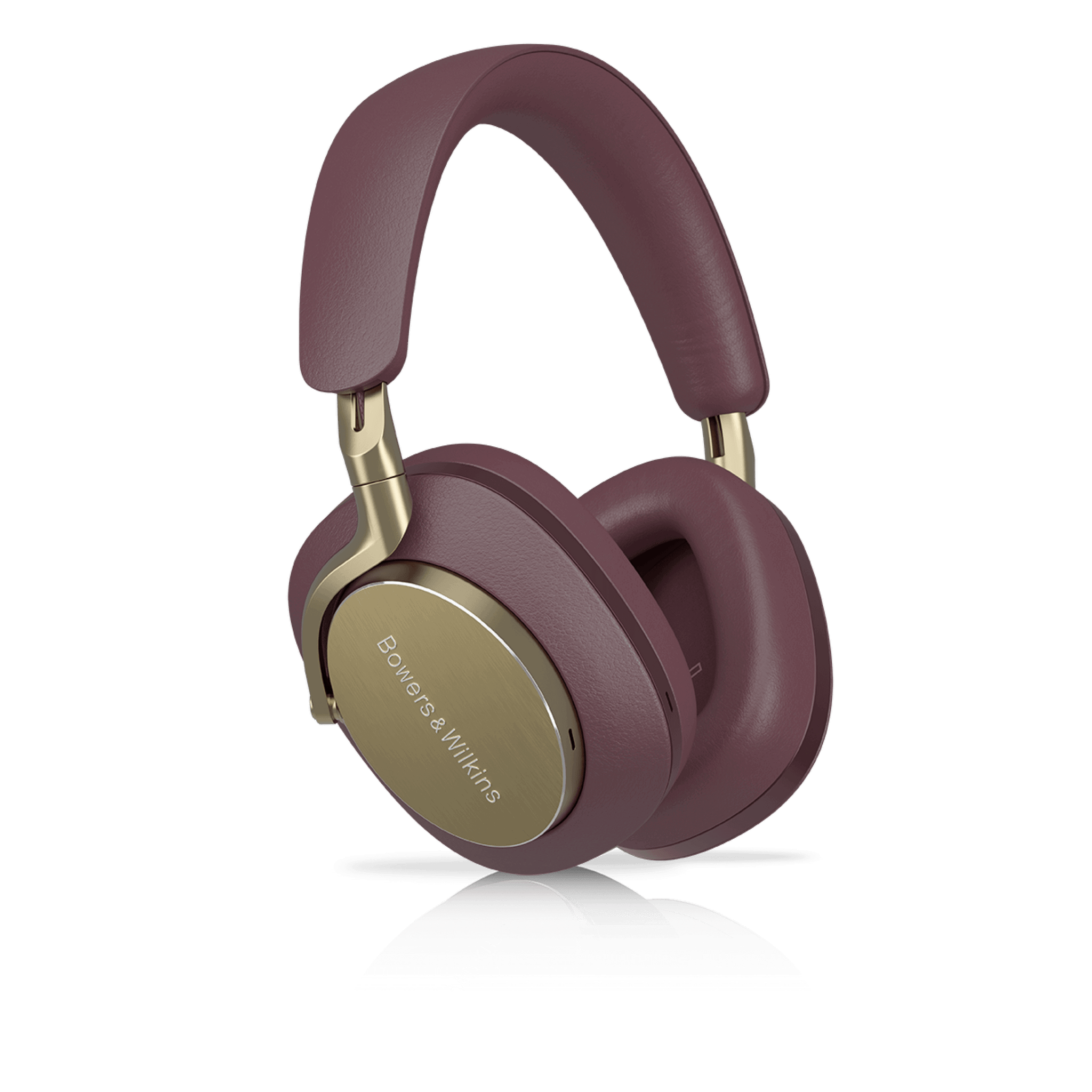
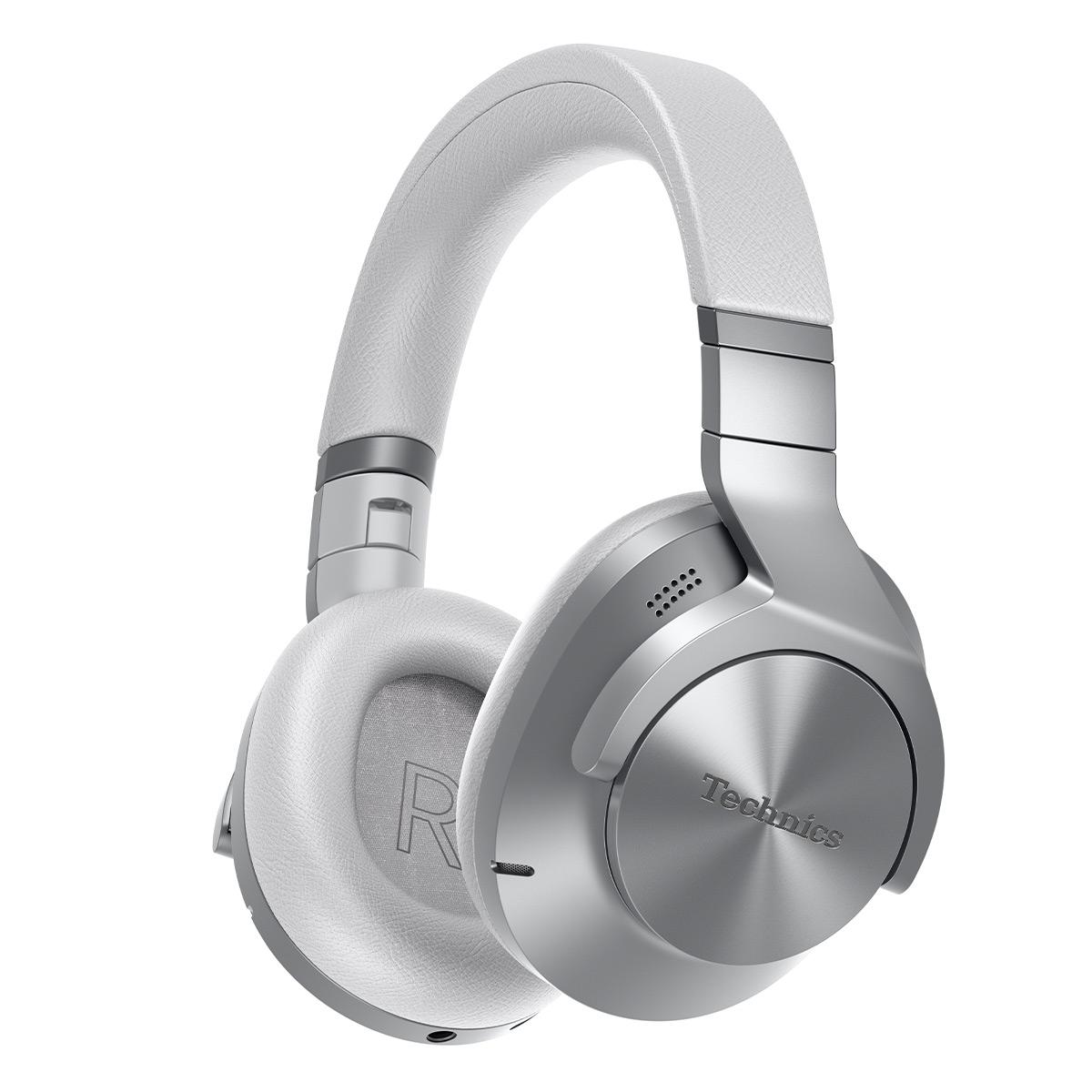
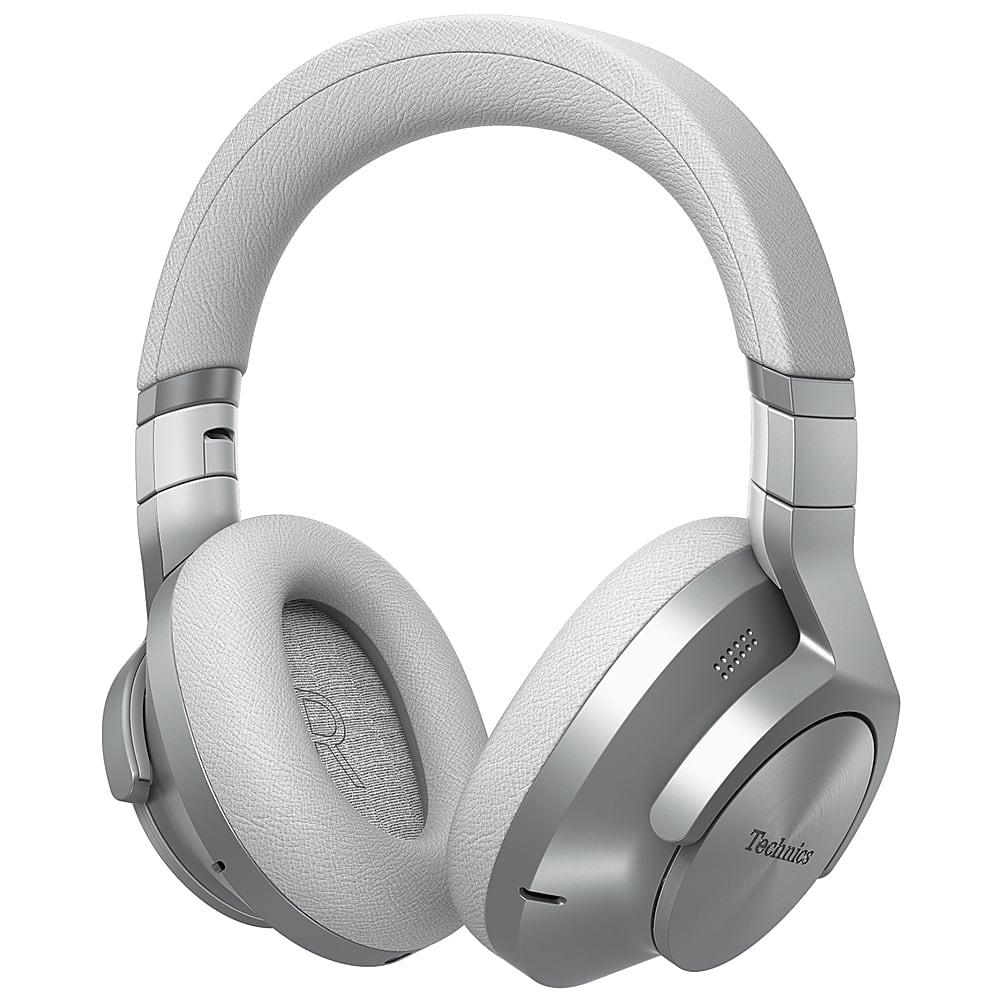
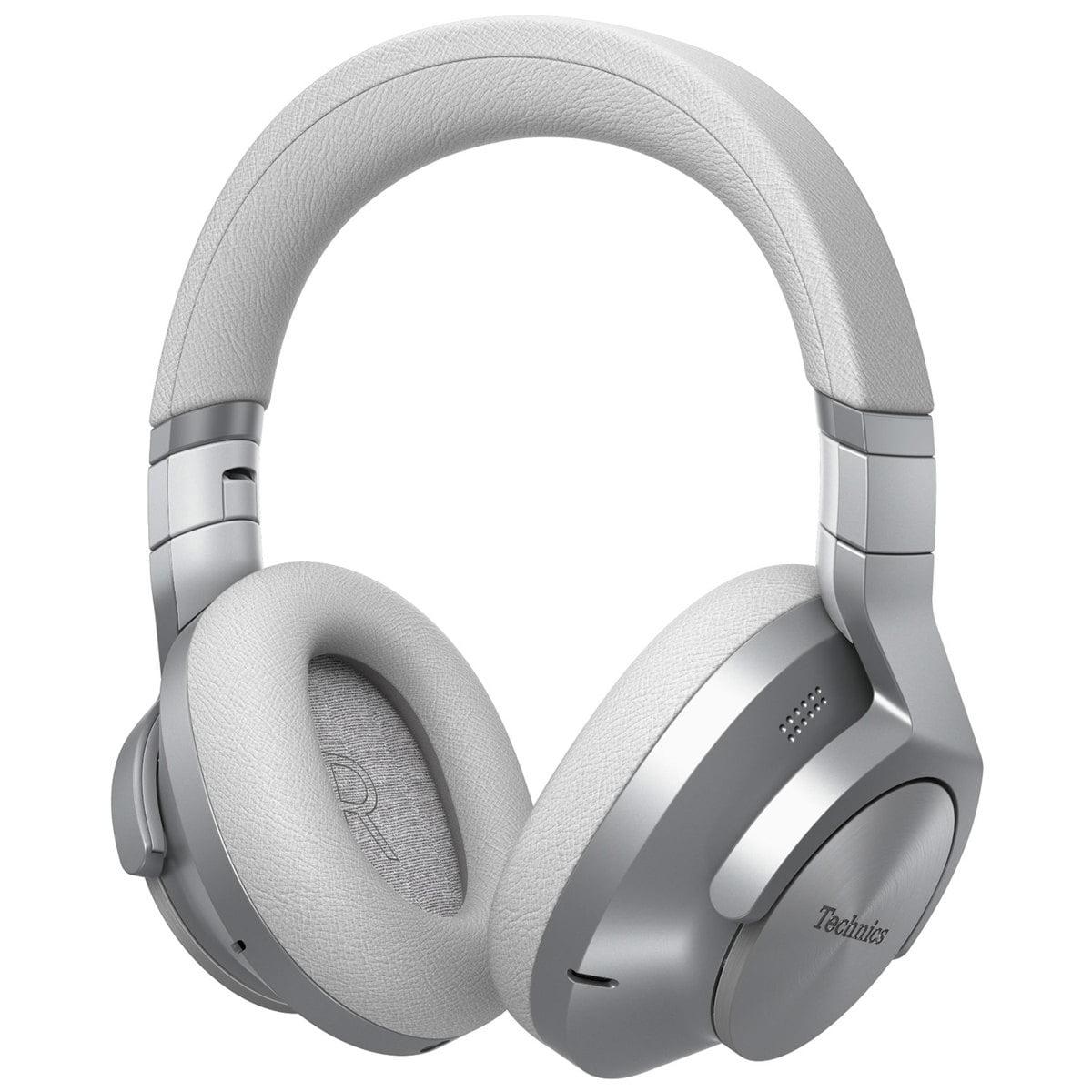
The Bowers & Wilkins Px8 at $849.90 and Technics EAH-A800 at $249.99 represent two different approaches to achieving premium performance. The Px8, released in 2024, represents B&W's flagship wireless offering, incorporating decades of their high-end speaker expertise. The EAH-A800, which hit the market in 2022, focuses on delivering exceptional value while maintaining the audio pedigree Technics built with their legendary turntables.
The Px8 uses what B&W calls their "angled Carbon Cone drivers" – a 40mm design where the actual speaker cone is tilted within the housing. This isn't just marketing speak; the angling helps create better stereo imaging (how accurately you can pinpoint where sounds are coming from in a recording) and reduces distortion by optimizing how sound waves travel to your ears.
Carbon fiber cones are particularly interesting because carbon is both incredibly light and rigid. This means the driver can respond quickly to musical transients (sudden changes in volume or frequency, like a drum hit or guitar pick attack) while maintaining its shape under stress. The result is sound that feels more immediate and detailed, especially noticeable with acoustic instruments or well-recorded vocals.
In my experience with the Px8, this translates to a neutral, reference-quality sound signature that lets you hear recordings as they were intended. Bass is tight and controlled rather than boomy, midrange is clear and present, and highs are detailed without being harsh. It's the kind of tuning that works well across genres but particularly shines with jazz, classical, and well-produced pop recordings.
The Px8 also includes 24-bit DSP processing, which means the internal computer can handle high-resolution audio files with more precision than standard 16-bit processing. While you might not consciously notice this difference, it contributes to the overall sense of clarity and space in the sound.
The EAH-A800 takes a different approach with its 40mm drivers featuring what Technics calls a "PEEK/Polyurethane 3-Layer Diaphragm." PEEK (polyetheretherketone) is an engineering plastic known for excellent acoustic properties, while the three-layer construction helps control unwanted resonances that can muddy the sound.
Where the Px8 aims for neutrality, the EAH-A800 embraces a more consumer-friendly V-shaped sound signature. This means enhanced bass response and crisp highs, with a slight dip in the midrange. It's a tuning that makes most modern music sound exciting and engaging, particularly electronic music, hip-hop, and rock.
The EAH-A800 supports LDAC, Sony's high-resolution Bluetooth codec that can transmit up to 990 kbps of data – roughly three times more than standard Bluetooth audio. When paired with compatible devices (most Android phones, some music players), this allows for genuinely high-resolution wireless audio that approaches wired quality.
In practice, I found the EAH-A800 delivers a fun, energetic presentation that works exceptionally well for casual listening. The enhanced bass gives electronic music real impact, while the crisp highs ensure details don't get lost. However, this tuning can sometimes make vocals sound slightly recessed or make the overall presentation feel less spacious than the Px8.
Active Noise Cancellation (ANC) works by using microphones to detect ambient noise, then generating "anti-noise" signals to cancel it out. However, implementing this technology involves trade-offs between effectiveness and audio quality.
The Bowers & Wilkins Px8 uses a hybrid ANC system with six microphones – four dedicated to noise cancellation and two for phone calls. B&W's approach prioritizes maintaining audio fidelity when ANC is enabled, which means the noise cancellation is effective but not aggressive.
During my testing, I found the Px8's ANC works well for consistent background noise like airplane engines or air conditioning, but it's less effective against sudden sounds or voices. The benefit is that music doesn't sound artificially processed when ANC is active – a common issue with more aggressive systems.
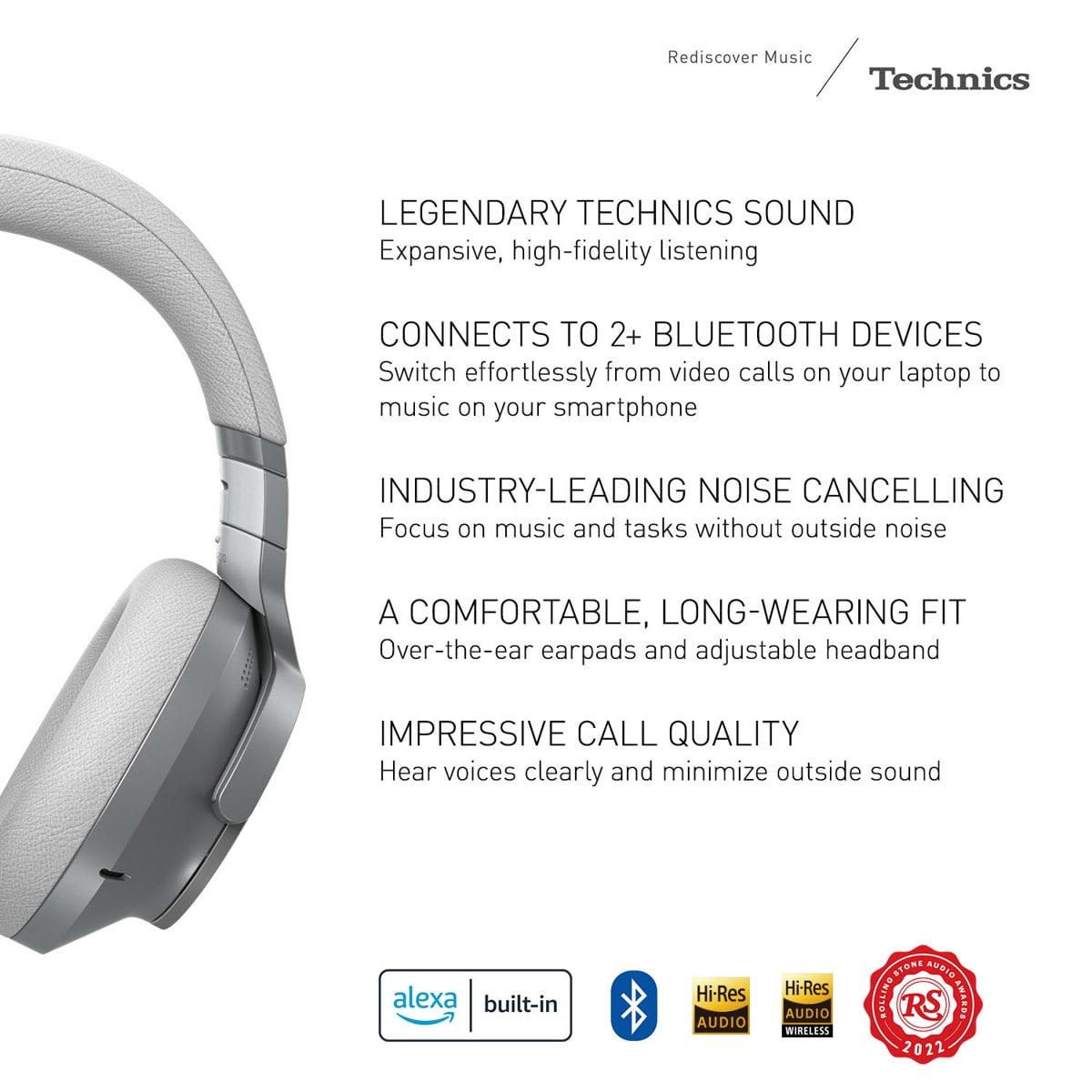
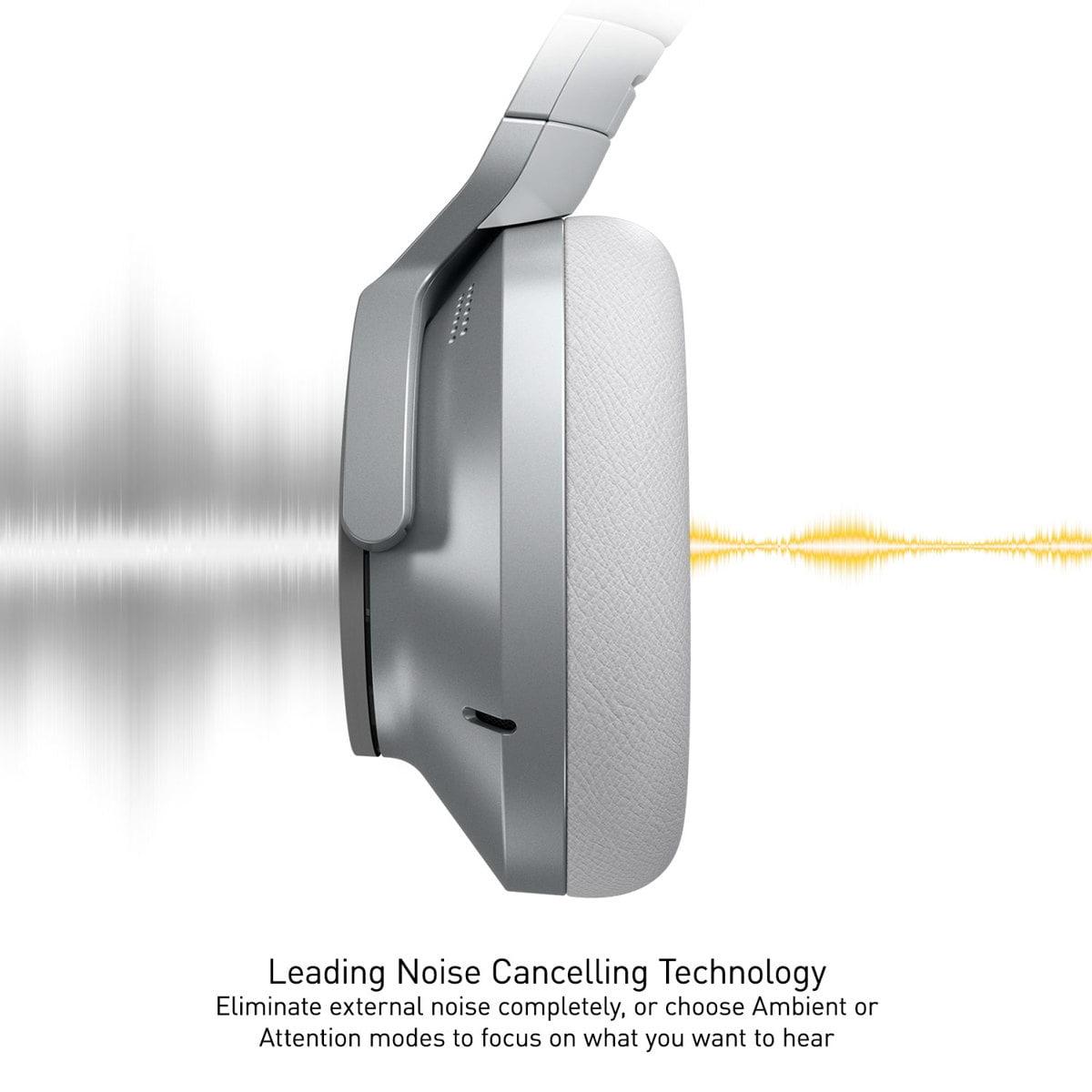
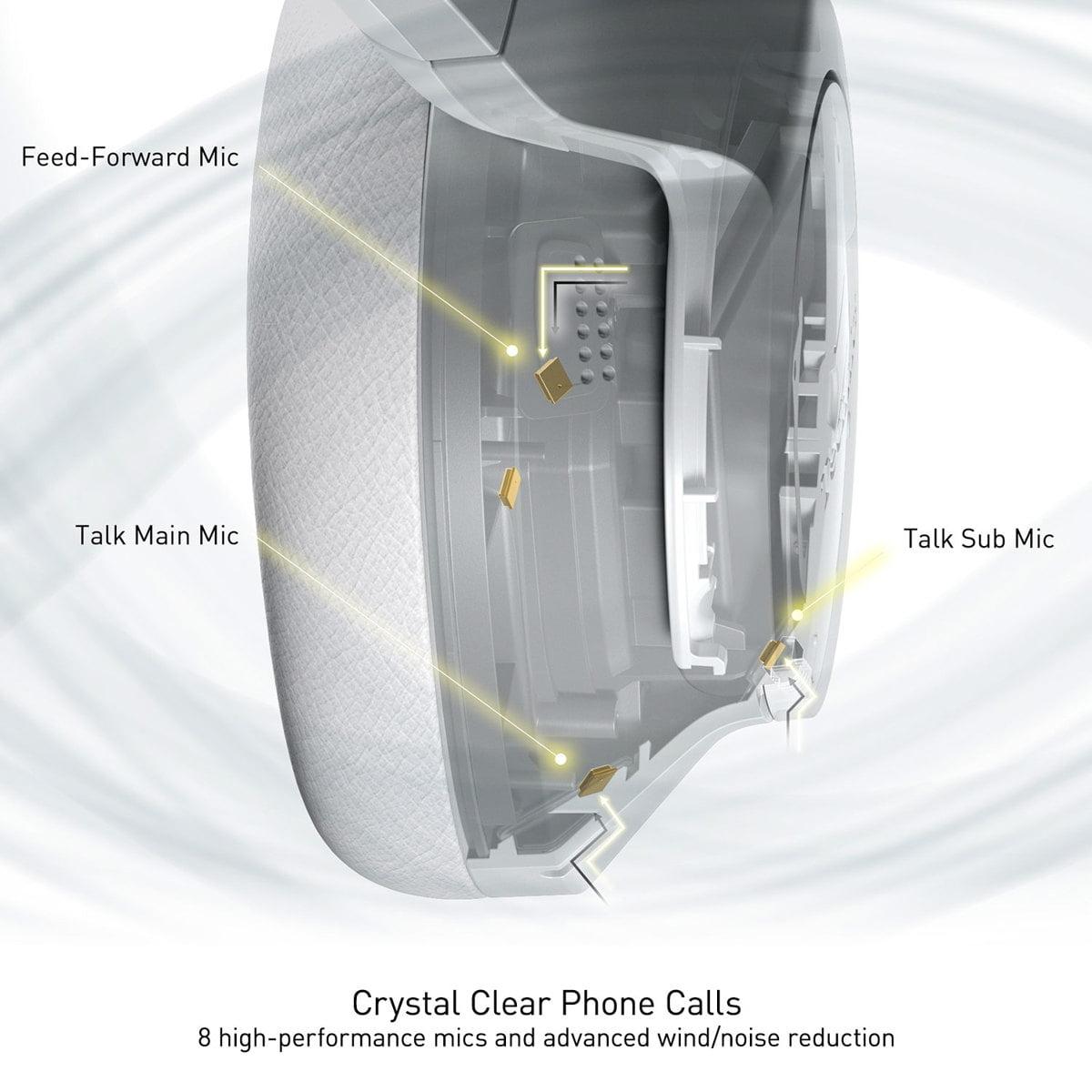
The Technics EAH-A800 employs what they call "Dual Hybrid" noise cancellation, combining both analog and digital processing with feedforward and feedback microphone positioning. This creates very effective noise suppression that competes with industry leaders like Sony and Bose.
However, this effectiveness comes with a trade-off. When ANC is active on the EAH-A800, the sound signature changes noticeably, creating what some describe as an "underwater" effect. The soundstage (the sense of space and width in the audio) becomes more compressed, and there's a subtle but persistent hiss from the ANC circuitry.
For noise suppression, the EAH-A800 clearly wins, especially for travel or noisy environments. But if you're primarily listening in quieter spaces and care about pure audio quality, the Px8's gentler approach might be preferable.
The Bowers & Wilkins Px8 showcases genuine luxury materials: cast aluminum arms, real Nappa leather ear pads, and memory foam cushioning. These materials not only look and feel premium but should age well over years of use. The aluminum construction provides excellent durability while the leather develops character over time.
However, luxury materials come with practical considerations. At 320 grams, the Px8 is noticeably heavier than many competitors. The thick leather ear pads, while comfortable initially, can create heat buildup during longer listening sessions. I found the clamping force (how tightly the headphones grip your head) to be well-balanced, but the weight distribution can cause pressure points after several hours of wear.
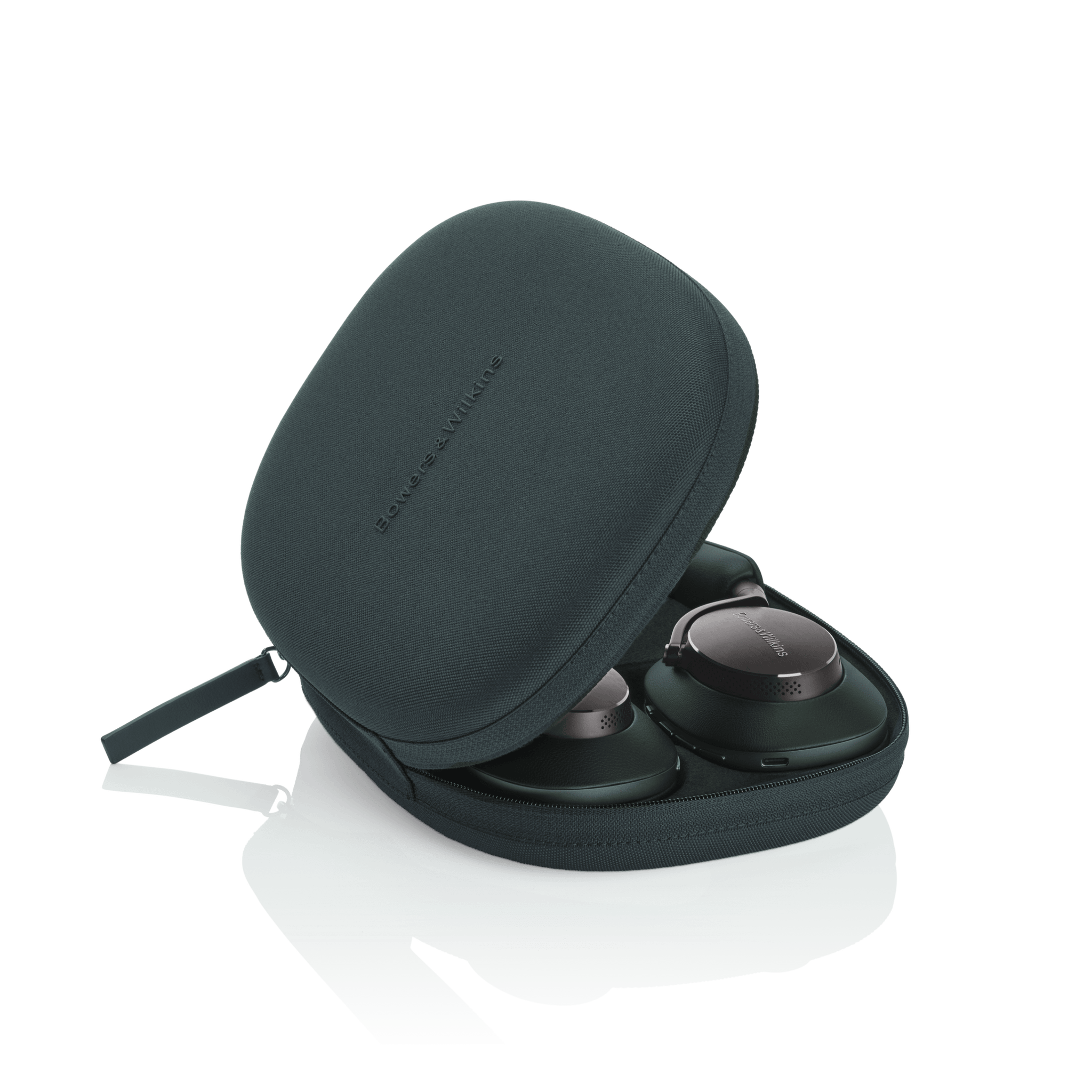
The Px8 also includes a premium hard case that provides excellent protection but takes up significant space in a bag.
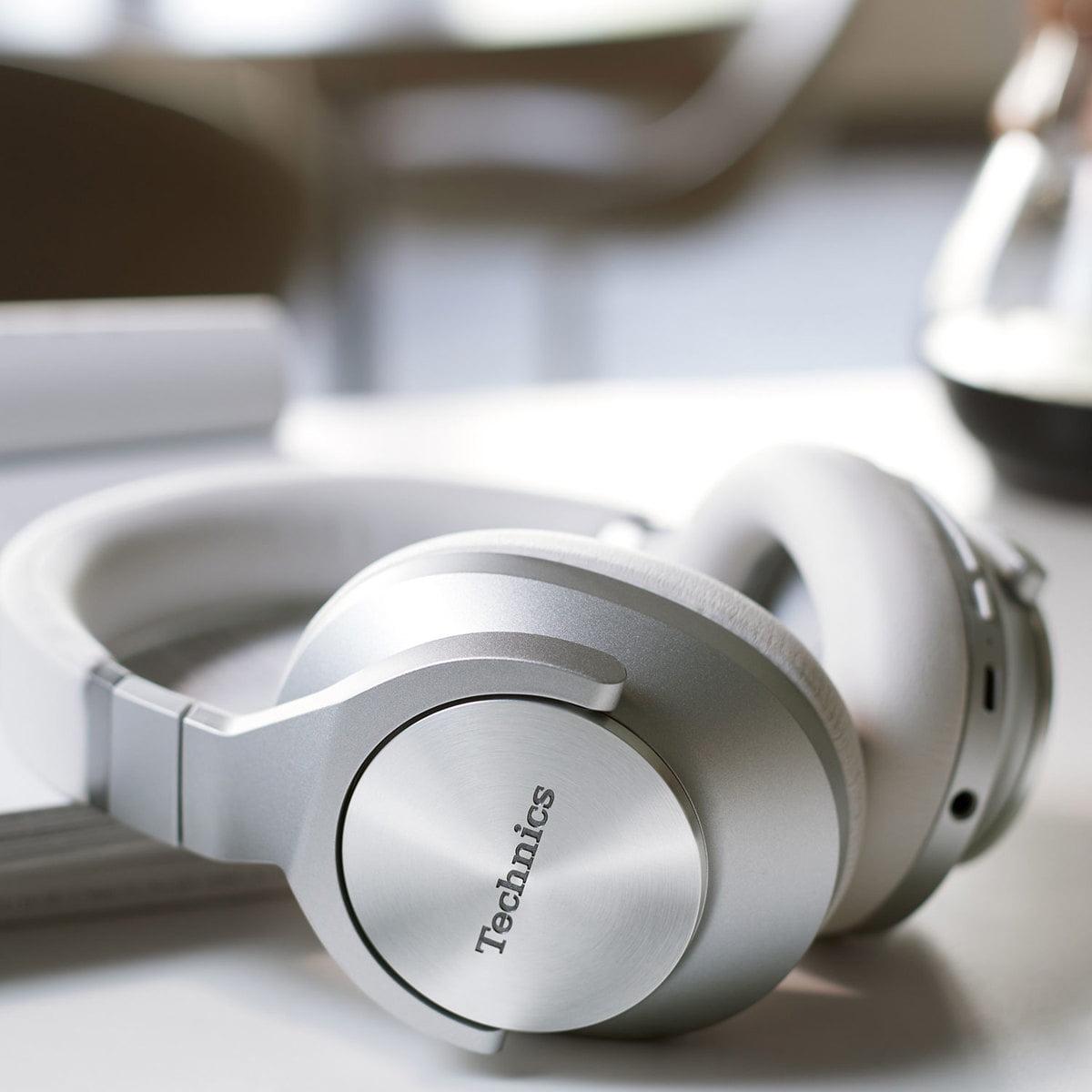
The Technics EAH-A800, at 298 grams, feels noticeably lighter and distributes weight more evenly across the headband. The synthetic ear pads aren't as luxurious as the Px8's leather, but they're designed for extended comfort and don't retain heat as much.
After using both headphones for long work sessions, I consistently found the EAH-A800 more comfortable for all-day wear. The lighter weight and more breathable materials make a real difference during extended listening sessions or long flights.
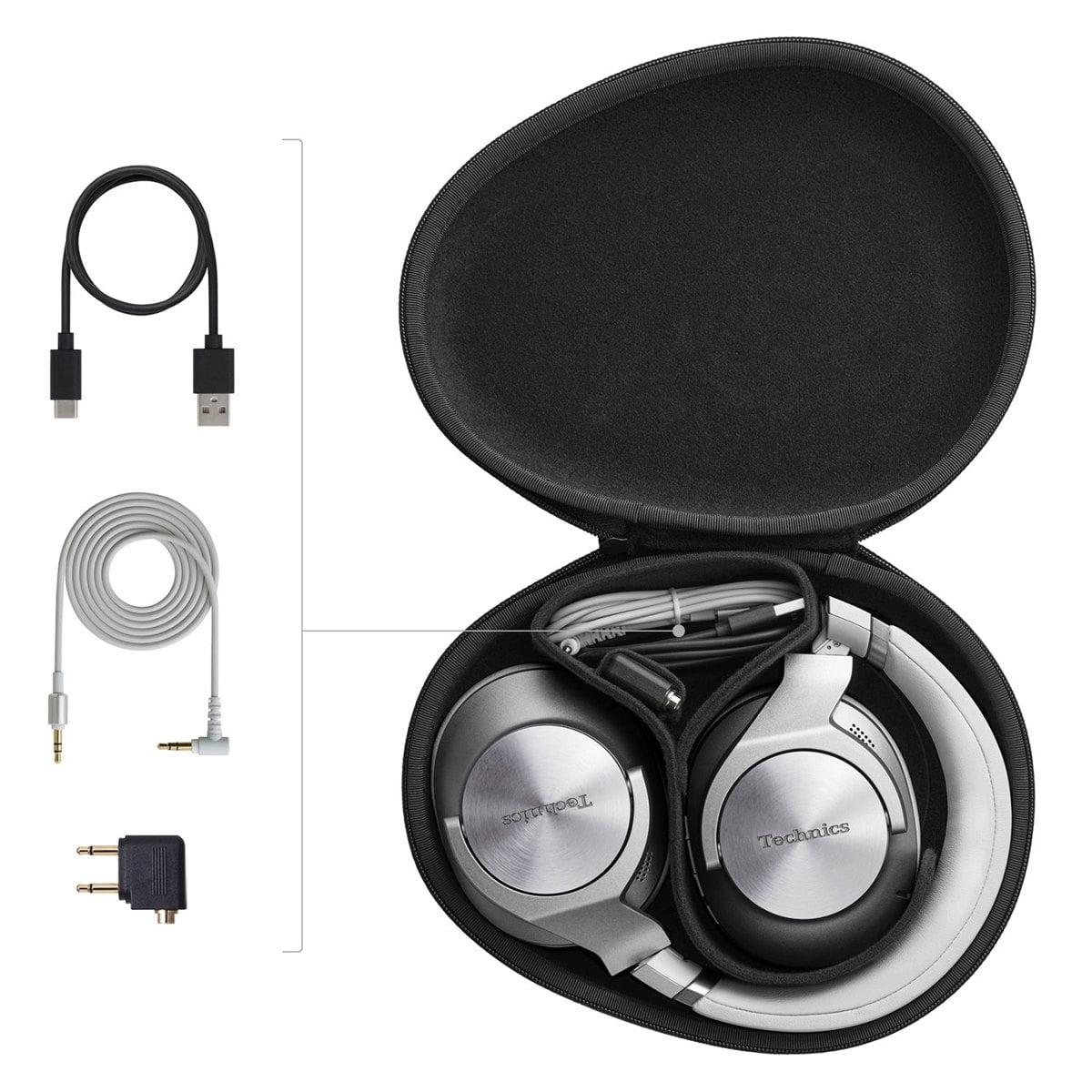
The build quality, while not as premium as the Px8, feels solid and durable. The folding mechanism operates smoothly, and the included soft case provides adequate protection while being more travel-friendly.
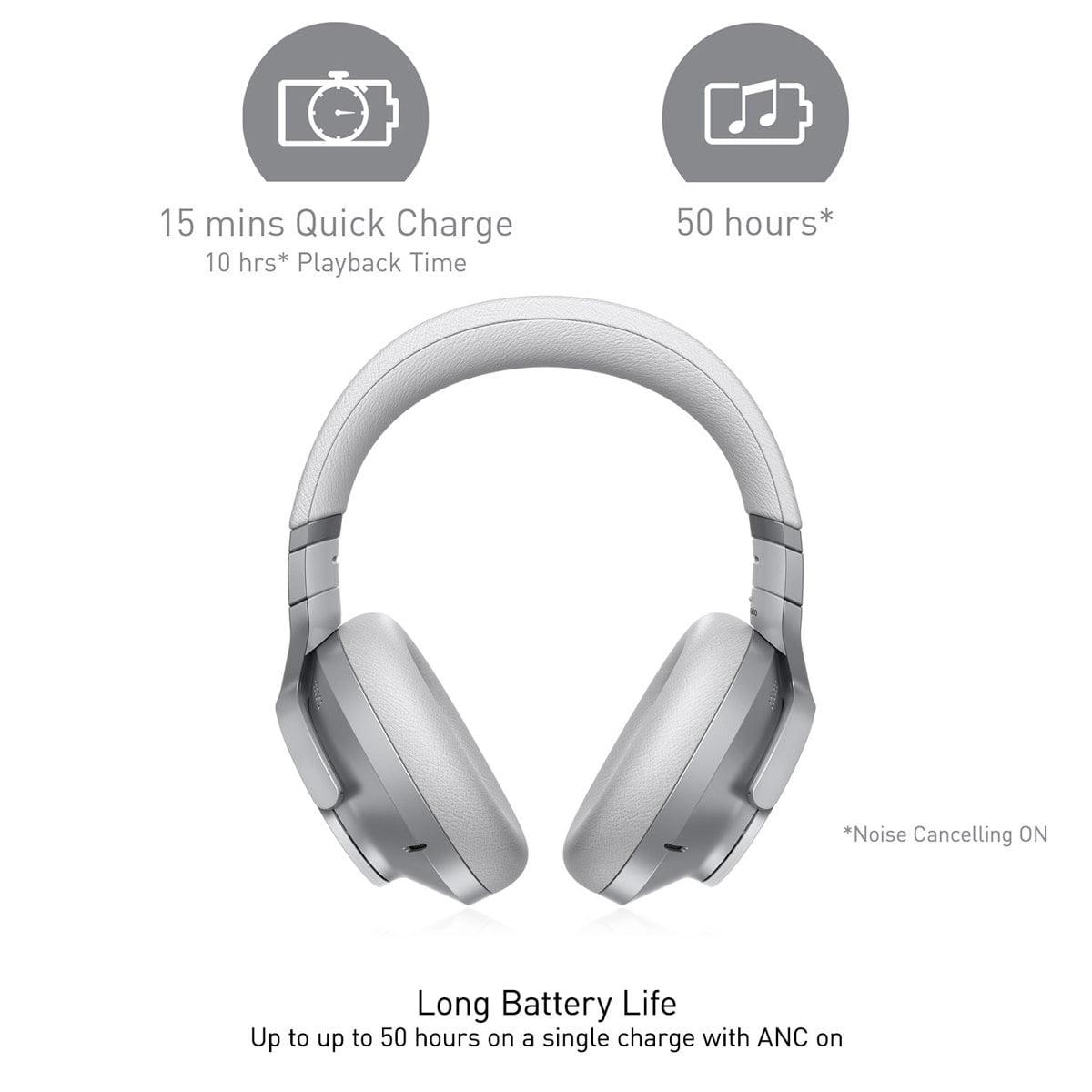
Battery life represents one of the most significant practical differences between these headphones. The Technics EAH-A800 offers genuinely exceptional endurance: up to 50-60 hours of playback depending on ANC usage. This means you can literally go weeks between charges with moderate use.
The Bowers & Wilkins Px8 provides a more typical 30 hours of playback, which is still excellent but requires more frequent charging attention. Both headphones charge via USB-C and offer quick charging features, but the EAH-A800's longer baseline battery life means you're less likely to find yourself with dead headphones at inconvenient times.
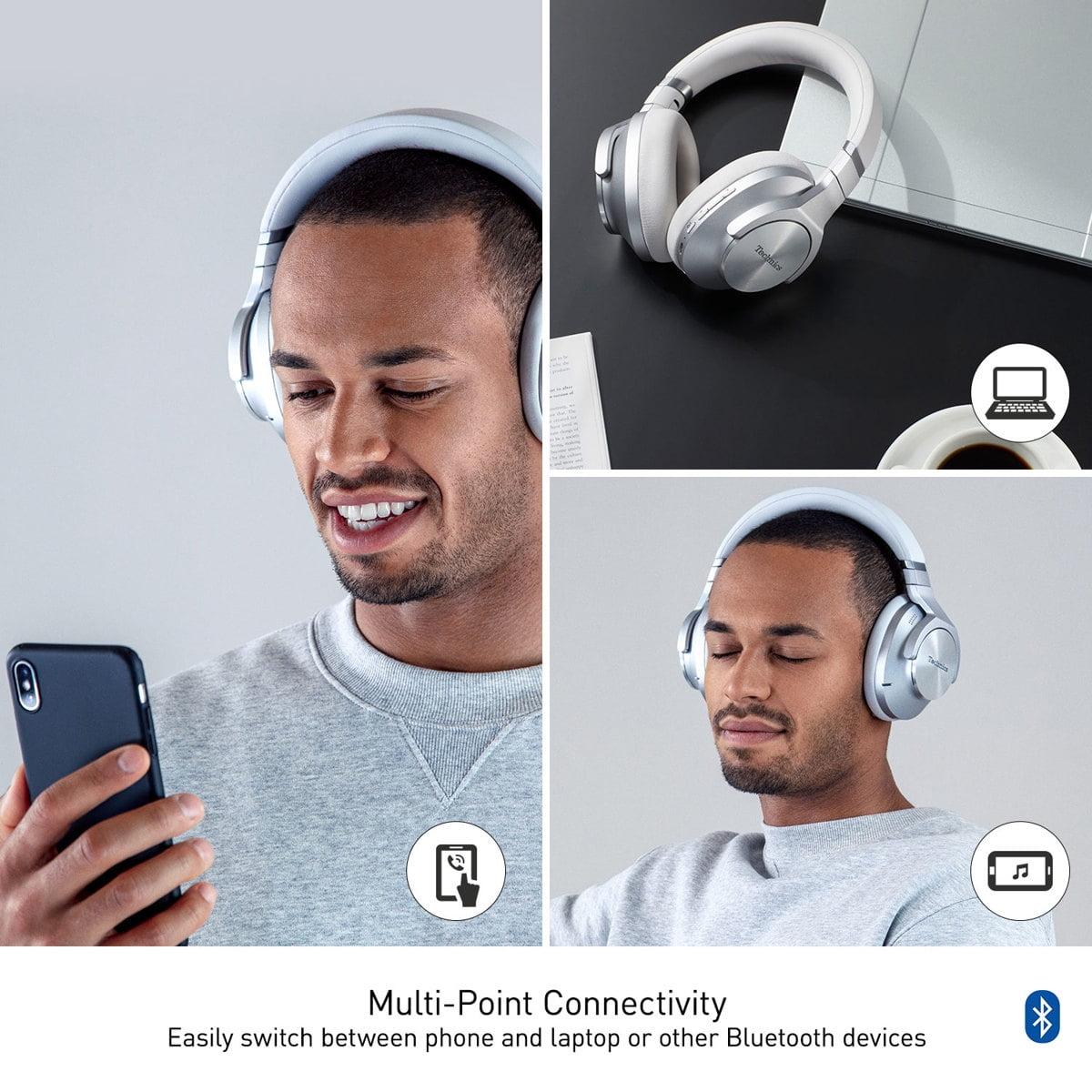
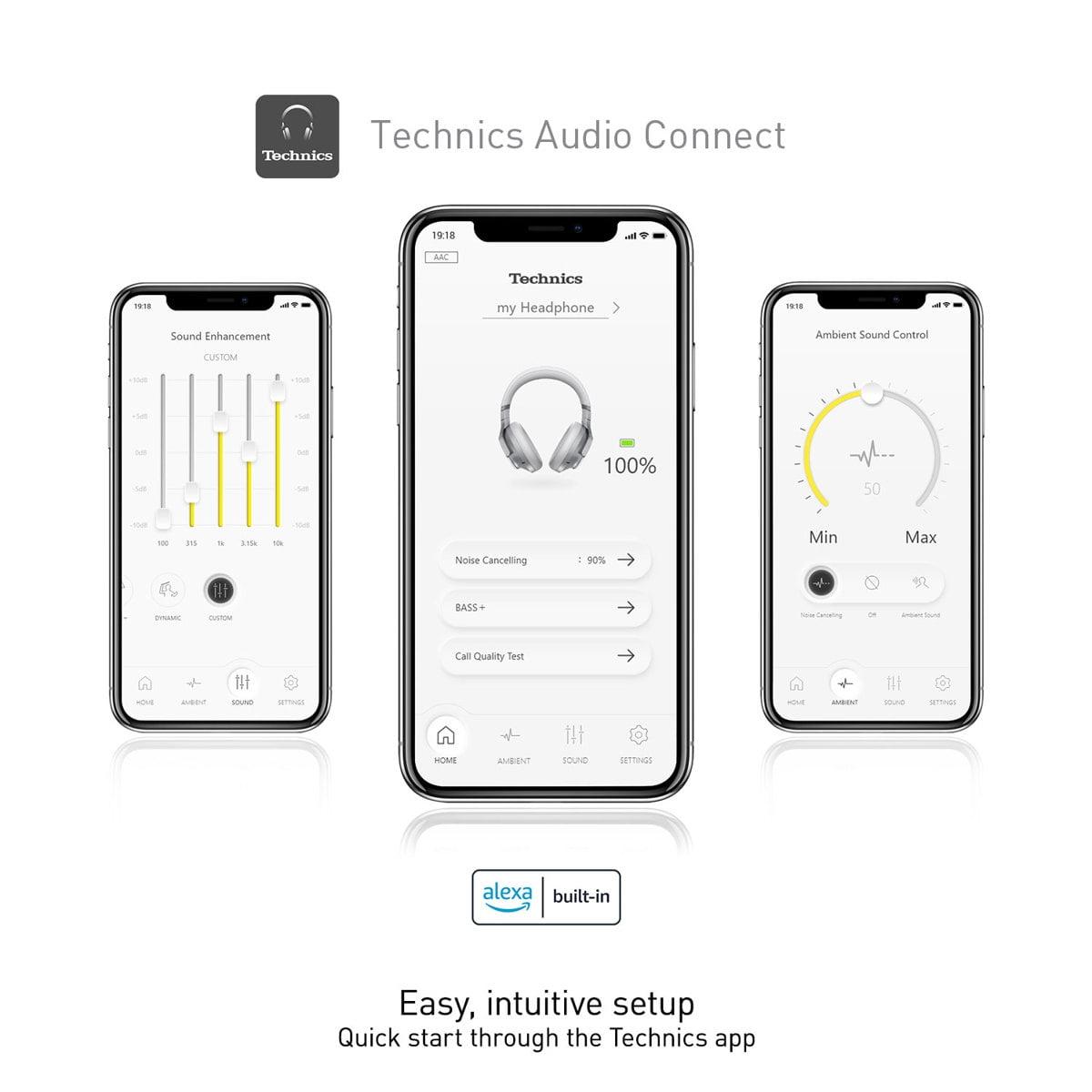
For connectivity, both support Bluetooth 5.2 and high-quality codecs, but with different strengths. The Px8 includes aptX Adaptive, which can dynamically adjust bit rates for optimal quality or lower latency depending on content. The EAH-A800 focuses on LDAC support and includes multipoint pairing, letting you connect to two devices simultaneously.
While both headphones are designed primarily for mobile use, they can serve as excellent options for home theater applications, particularly for late-night viewing or in situations where you can't use speakers.
The Px8's neutral sound signature and excellent stereo imaging make it particularly well-suited for movie soundtracks and dialogue. The precise positioning of sound effects and clear vocal reproduction enhance the cinematic experience. However, the lack of aggressive bass enhancement means action movies might feel less impactful than with speakers or more bass-heavy headphones.
The EAH-A800's V-shaped tuning actually works well for many movies, providing enhanced bass for action sequences while maintaining clear dialogue. The longer battery life is also advantageous for binge-watching sessions.
Neither headphone offers specialized gaming features like low-latency gaming modes or virtual surround sound processing, but both work well for general entertainment use when connected via their included cables to avoid any Bluetooth latency.
Here's where personal priorities become crucial. The Bowers & Wilkins Px8 at $849.90 represents a significant investment that's primarily justified by its superior audio quality and luxury materials. If you're someone who can genuinely appreciate the difference in sound quality and values the premium ownership experience, the price becomes more reasonable.
The Technics EAH-A800 at $249.99 offers remarkable value, delivering roughly 85% of the Px8's performance at about 30% of the price. For most users, this represents the better value proposition, especially considering the superior battery life and more effective noise cancellation.
After extensive use with both headphones, here's how I'd recommend making your choice:
Choose the Bowers & Wilkins Px8 if you're a critical listener who prioritizes audio fidelity above all else. If you have a good ear for audio quality, primarily listen to well-recorded music, and view headphones as both a tool and a luxury object, the Px8 justifies its premium pricing. It's also the better choice if you mostly listen in quiet environments where maximum noise cancellation isn't crucial.
Choose the Technics EAH-A800 if you want a single pair of headphones to handle all your audio needs. The exceptional battery life eliminates charging anxiety, the effective ANC handles noisy environments well, and the engaging sound signature works with most music genres. It's the more practical choice for daily commuting, office use, travel, and general entertainment.
Personally, I find myself reaching for the EAH-A800 more often in daily use, despite appreciating the superior audio quality of the Px8. The combination of comfort, battery life, and effective noise cancellation simply makes it more versatile for real-world use. However, for dedicated listening sessions with high-quality recordings, the Px8 provides a more rewarding experience.
Both headphones represent excellent engineering and will satisfy most users. Your choice ultimately depends on whether you prioritize absolute audio quality and luxury materials, or prefer practical features and exceptional value. Either way, you'll be getting a premium listening experience that showcases how far wireless headphone technology has advanced.
| Bowers & Wilkins Px8 | Technics EAH-A800 |
|---|---|
| Price - Major factor in premium headphone decisions | |
| $849.90 (luxury audiophile positioning) | $249.99 (exceptional value for premium features) |
| Driver Technology - Core component determining sound quality | |
| 40mm angled Carbon Cone drivers with optimized motor system | 40mm PEEK/Polyurethane 3-layer diaphragm drivers |
| Sound Signature - How music will actually sound to your ears | |
| Neutral, reference-quality tuning ideal for critical listening | V-shaped consumer tuning with enhanced bass and crisp highs |
| Active Noise Cancellation - Essential for travel and noisy environments | |
| Hybrid ANC with 6 mics, moderate but clean (prioritizes audio quality) | Dual Hybrid ANC with 8 mics, highly effective but impacts sound quality |
| Battery Life - Determines how often you'll need to charge | |
| 30 hours (good but requires regular charging) | 50-60 hours (exceptional, can go weeks between charges) |
| Weight - Critical for comfort during extended wear | |
| 320g (heavier due to premium materials, may cause pressure) | 298g (lighter, better weight distribution for all-day comfort) |
| Build Materials - Affects durability, comfort, and luxury feel | |
| Cast aluminum arms, genuine Nappa leather earpads, memory foam | High-quality plastics with synthetic padding (practical but less premium) |
| Bluetooth Codecs - Determines wireless audio quality potential | |
| aptX Adaptive, aptX HD, LDAC, AAC, SBC (excellent codec support) | LDAC, AAC, SBC (strong high-res support, lacks aptX variants) |
| Connectivity Features - Convenience for multi-device users | |
| Bluetooth 5.2, wired via USB-C or 3.5mm | Bluetooth 5.2 with multipoint pairing, wired option available |
| Quick Charge - How fast you can get back to listening | |
| 15 minutes = 7 hours playback | 15 minutes = 10 hours playback |
| Frequency Response - Range of sounds the headphones can reproduce | |
| Not specified (optimized for accuracy) | 4Hz - 40kHz (wide range supporting Hi-Res Audio certification) |
| Target Audience - Who these headphones are designed for | |
| Audiophiles and luxury consumers prioritizing sound quality | Mainstream premium users wanting practical features and value |
The Bowers & Wilkins Px8 delivers superior sound quality with its angled Carbon Cone drivers and neutral, reference-quality tuning that's ideal for critical listening. The Technics EAH-A800 offers excellent sound with a more consumer-friendly V-shaped signature that enhances bass and highs. For audiophiles prioritizing accuracy, the Px8 wins, while the EAH-A800 provides more engaging sound for casual listening.
The Bowers & Wilkins Px8 costs $849.90, positioning it as a luxury audiophile product. The Technics EAH-A800 is significantly more affordable at $249.99, offering premium features at about 30% of the Px8's price. This makes the EAH-A800 exceptional value for users wanting high-end performance without the luxury premium.
The Technics EAH-A800 has more effective noise cancellation with its Dual Hybrid system and 8 microphones, providing strong suppression comparable to Sony and Bose models. The Bowers & Wilkins Px8 offers moderate ANC that prioritizes maintaining audio quality over maximum noise reduction. For frequent travelers, the EAH-A800 is the better choice.
The Technics EAH-A800 offers exceptional battery life with 50-60 hours of playback, allowing weeks between charges. The Bowers & Wilkins Px8 provides 30 hours of battery life, which is good but requires more frequent charging. The EAH-A800's longer battery life makes it more practical for daily use and travel.
The Technics EAH-A800 is more comfortable for extended wear due to its lighter 298g weight and better weight distribution. The Bowers & Wilkins Px8 weighs 320g and uses premium Nappa leather that can cause heat buildup during long sessions. For all-day comfort, the EAH-A800 is the superior choice.
The Bowers & Wilkins Px8 features luxury materials including cast aluminum arms and genuine Nappa leather earpads, offering premium aesthetics and durability. The Technics EAH-A800 uses high-quality plastics and synthetic materials that are durable but less luxurious. The Px8 clearly wins in premium feel and materials quality.
The Bowers & Wilkins Px8 supports more codecs including aptX Adaptive, aptX HD, LDAC, AAC, and SBC, offering excellent compatibility and adaptive quality. The Technics EAH-A800 supports LDAC, AAC, and SBC with strong high-resolution audio capabilities. Both offer high-quality wireless audio, but the Px8 has broader codec support.
Both headphones work well for home theater use. The Bowers & Wilkins Px8 excels with movie soundtracks due to its neutral tuning and precise stereo imaging, making dialogue clear and effects well-positioned. The Technics EAH-A800 provides engaging movie sound with enhanced bass for action scenes. The EAH-A800's longer battery life is advantageous for binge-watching sessions.
Both headphones charge via USB-C with quick charge features. The Technics EAH-A800 provides 10 hours of playback from a 15-minute charge, while the Bowers & Wilkins Px8 offers 7 hours from the same charging time. However, the EAH-A800's much longer overall battery life means you'll need to charge it far less frequently.
The Bowers & Wilkins Px8 targets audiophiles and luxury consumers who prioritize sound quality and premium materials over price. The Technics EAH-A800 appeals to mainstream premium users wanting practical features like long battery life and effective noise cancellation at reasonable prices. Your choice depends on whether you value luxury and audio perfection or practical performance and value.
The Technics EAH-A800 offers exceptional value, delivering about 85% of the Px8's performance at roughly 30% of the price. It includes superior battery life and more effective noise cancellation. The Bowers & Wilkins Px8 justifies its premium price through superior audio quality and luxury materials, but only for users who can appreciate and afford these differences.
For daily use, the Technics EAH-A800 is the better choice due to its lighter weight, exceptional battery life, effective noise cancellation, and comfortable design for extended wear. The Bowers & Wilkins Px8 is ideal for dedicated listening sessions and users who prioritize audio quality above practical considerations. Most users will find the EAH-A800 more versatile for everyday needs.
We've done our best to create useful and informative comparisons to help you decide what product to buy. Our research uses advanced automated methods to create this comparison and perfection is not possible - please contact us for corrections or questions. These are the sites we've researched in the creation of this article: whathifi.com - marius.ink - bowerswilkins.com - rtings.com - whathifi.com - whathifi.com - soundguys.com - audio46.com - youtube.com - futureaudiophile.com - listenup.com - telquestintl.com - bowerswilkins.com - bowerswilkins.com - bestbuy.com - bhphotovideo.com - audioholics.com - bowerswilkins.com - bowerswilkins.com - headphone.guru - bhphotovideo.com - bowerswilkins.com - blog.son-video.com - expertreviews.co.uk - youtube.com - whathifi.com - youtube.com - bhphotovideo.com - futureaudiophile.com - versus.com - versus.com - soundphilereview.com - help.na.panasonic.com - technics.com - retailspecs.com - headphonecheck.com - us.technics.com - help.na.panasonic.com - bhphotovideo.com - technics.com - technics.com - valueelectronics.com - us.technics.com - us.technics.com - youtube.com - hometheaterhifi.com

Privacy Policy
Terms and Conditions - Affiliate Policy
Home Security
© Copyright 2008-2026.
11816 Inwood Rd #1211, Dallas, TX 75244