Original price was: $698.00.$668.00Current price is: $668.00.
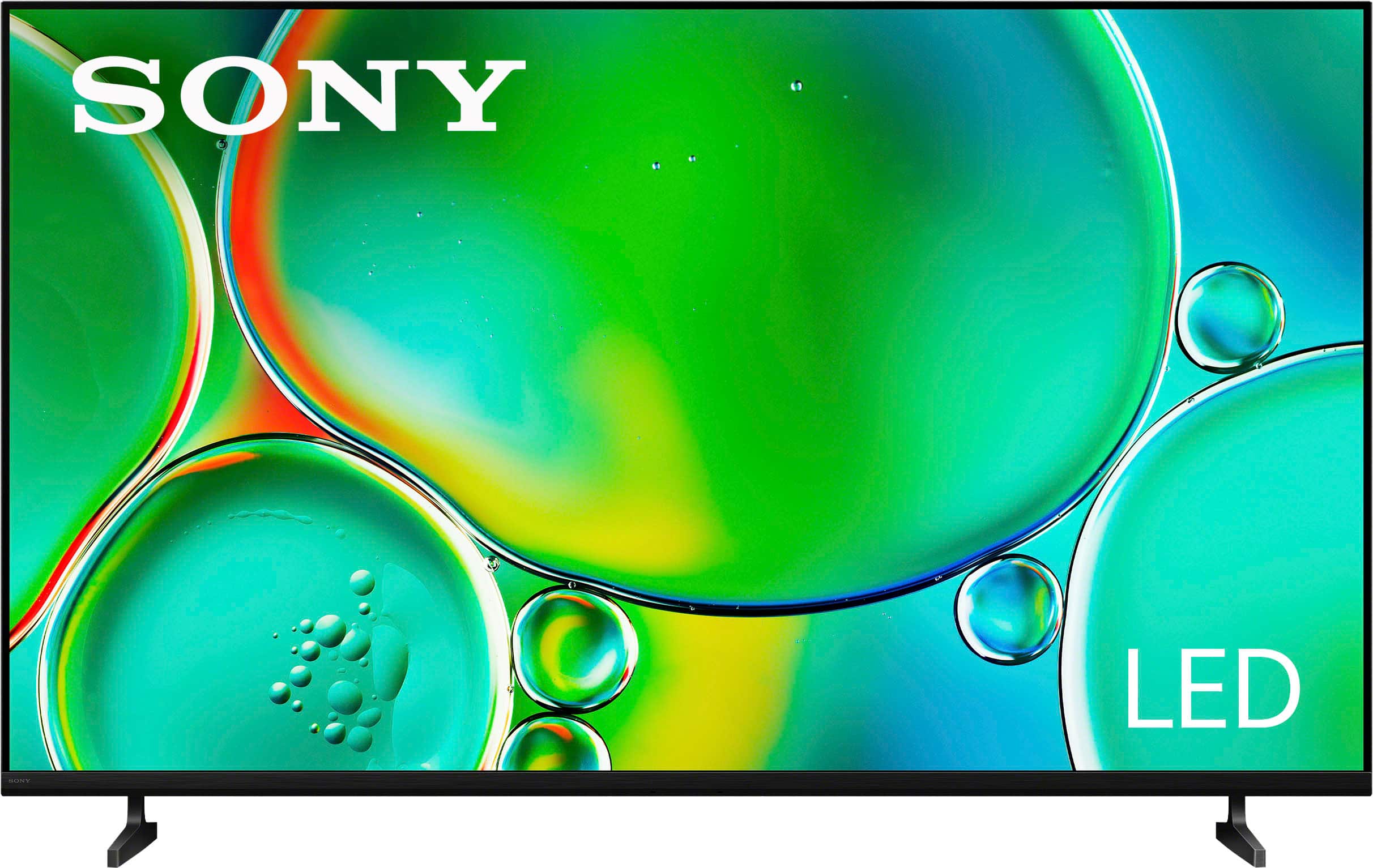
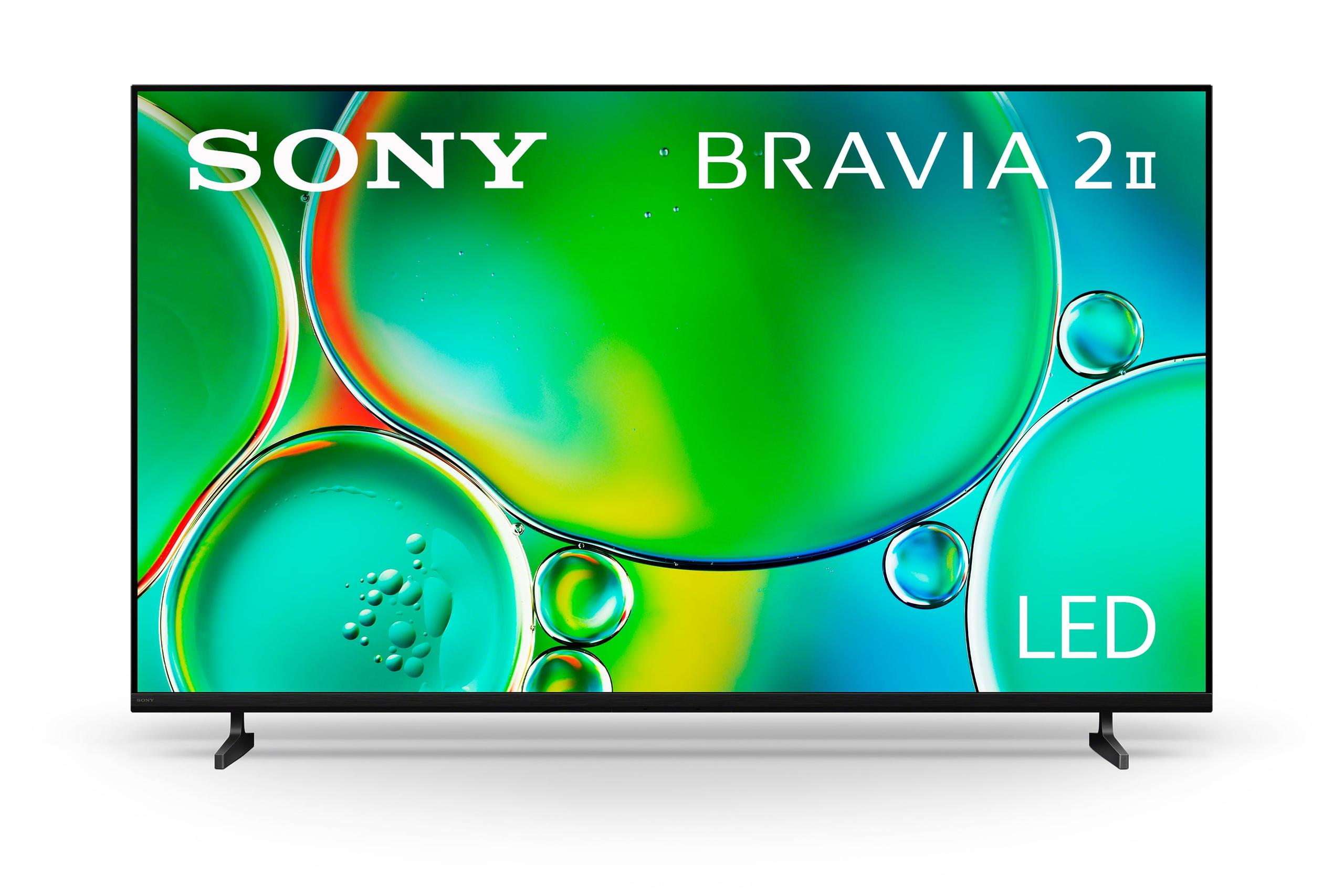
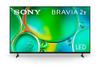
Sony released the BRAVIA 2 II 65" 4K LED Google TV earlier this year as their most accessible entry into the premium television market. After months of testing and countless hours of online user reviews, this TV has proven itself as a solid choice for families and first-time 4K buyers who want Sony's renowned picture quality without breaking the bank.
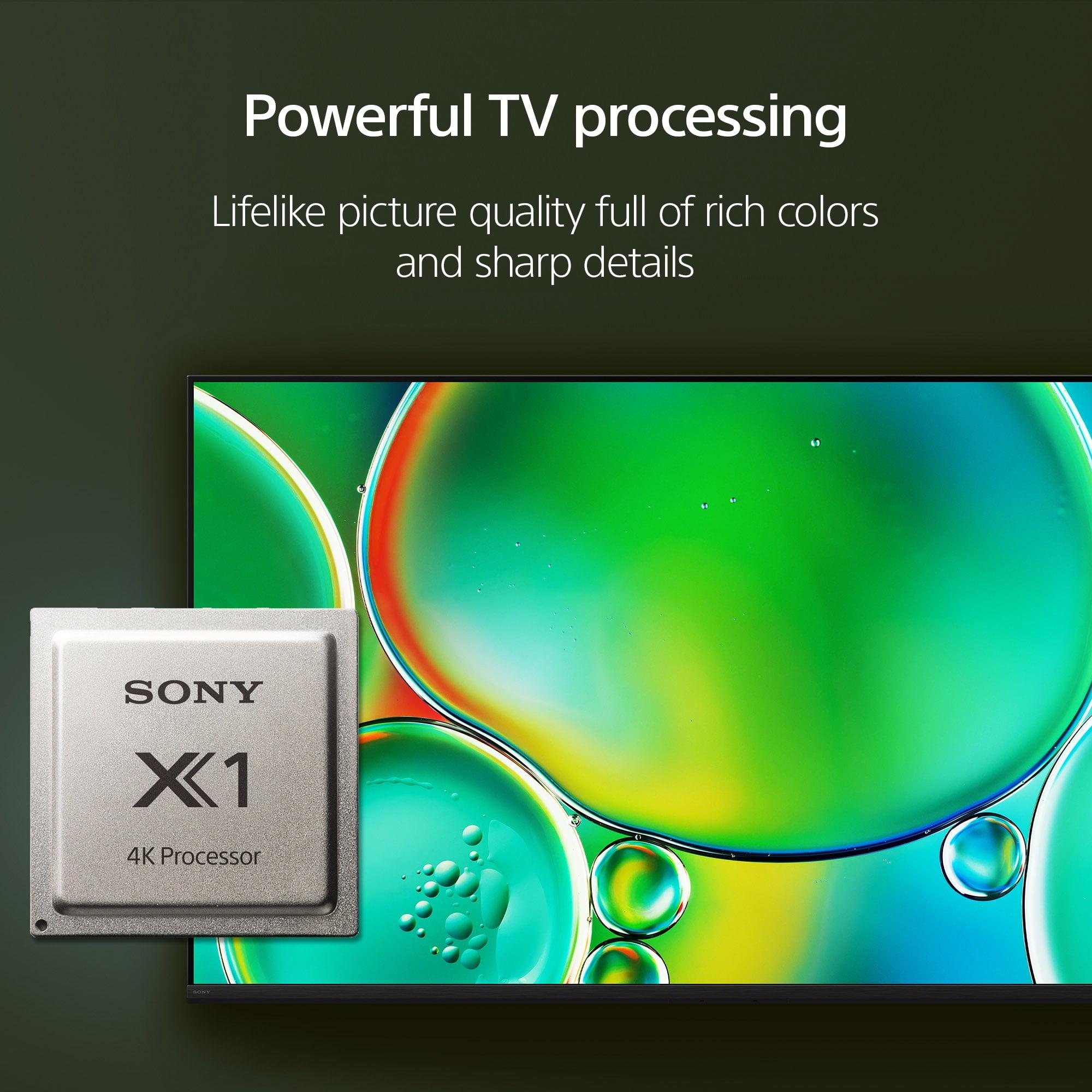
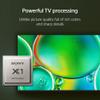
The biggest story here isn't flashy new features – it's how Sony has managed to bring their premium image processing technology down to an entry-level price point. The BRAVIA 2 II uses the same 4K Processor X1 that powered Sony's more expensive models just a few years ago. This chip acts like the brain of the TV, analyzing every frame of video and making real-time adjustments to improve picture quality.
Our testers consistently noted that this processing power makes a huge difference when watching older HD content. The 4K X-Reality PRO technology (which is Sony's fancy name for their upscaling engine) takes lower-resolution videos and uses a massive database of 4K images to guess what the content should look like in higher resolution. It's like having a really smart assistant that fills in the missing details when you're watching your favorite Netflix shows or YouTube videos.
When it comes to picture quality, the BRAVIA 2 II punches above its weight class. The direct LED backlight system means there are LED lights spread across the back of the screen, providing more even brightness than cheaper edge-lit TVs where lights only come from the sides. While it doesn't have the fancy local dimming zones found in premium models, testers found the overall brightness and uniformity to be quite good for most viewing situations.
The TV supports HDR10 and HLG (Hybrid Log-Gamma), which are standards that allow for brighter whites and deeper colors in compatible content. HDR essentially gives the TV more information about how bright or dark each part of the image should be, creating more realistic-looking scenes. Reviewers noted that while the TV handles HDR content well, it works best in moderately lit rooms rather than very bright or very dark environments.
One area where Sony really shines is color accuracy. The Live Color technology and Rich Color Enhancer work together to produce colors that look natural and lifelike. Many testers commented that skin tones looked particularly realistic compared to other TVs in this price range, which tend to oversaturate colors to make them appear more vivid.
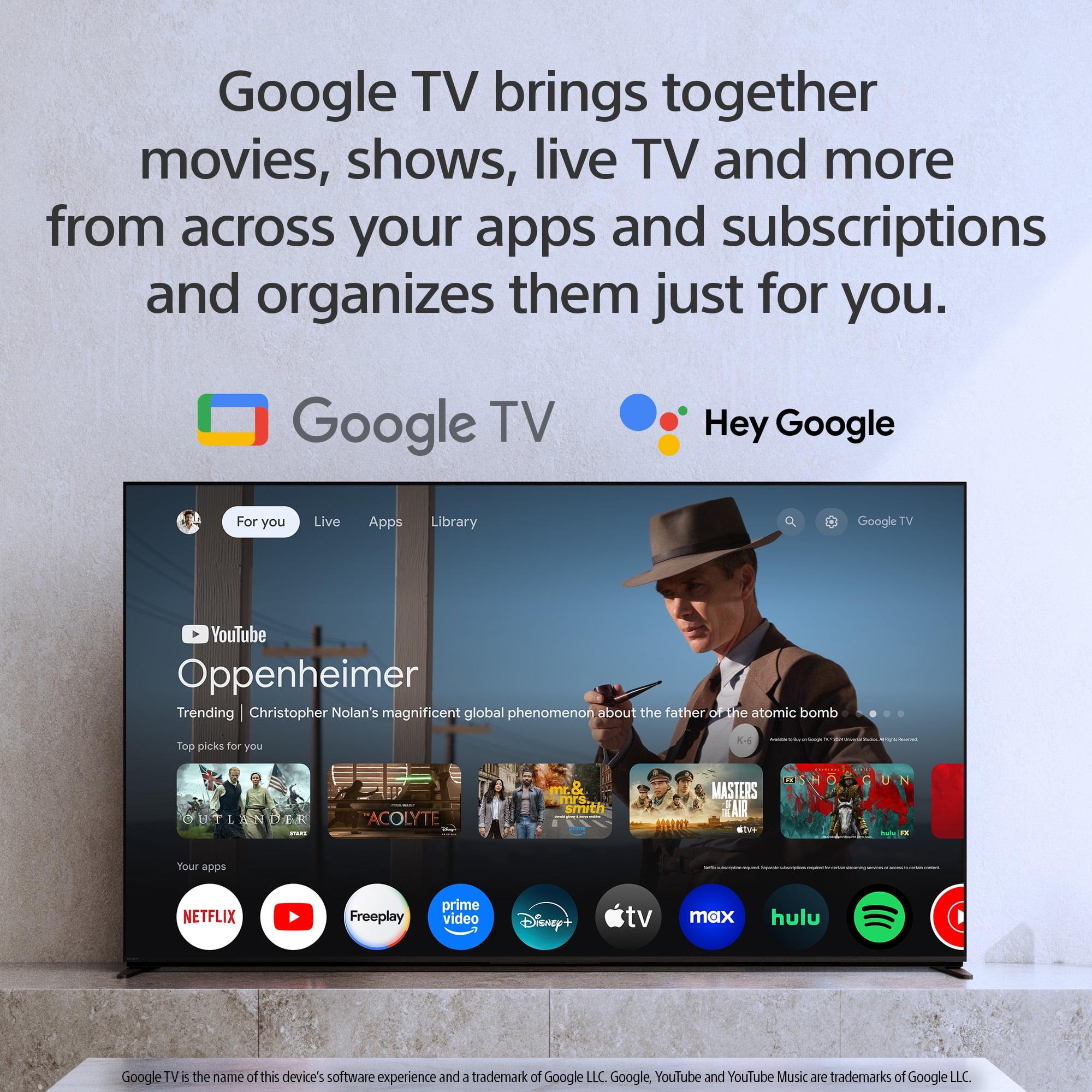
The Google TV platform has been a game-changer for this model. Unlike older smart TV interfaces that felt clunky and slow, Google TV is genuinely fast and intuitive. The system aggregates content from all your streaming services, so you can search for a movie and see if it's available on Netflix, Prime Video, Disney+, or any of the other supported apps without jumping between different interfaces.
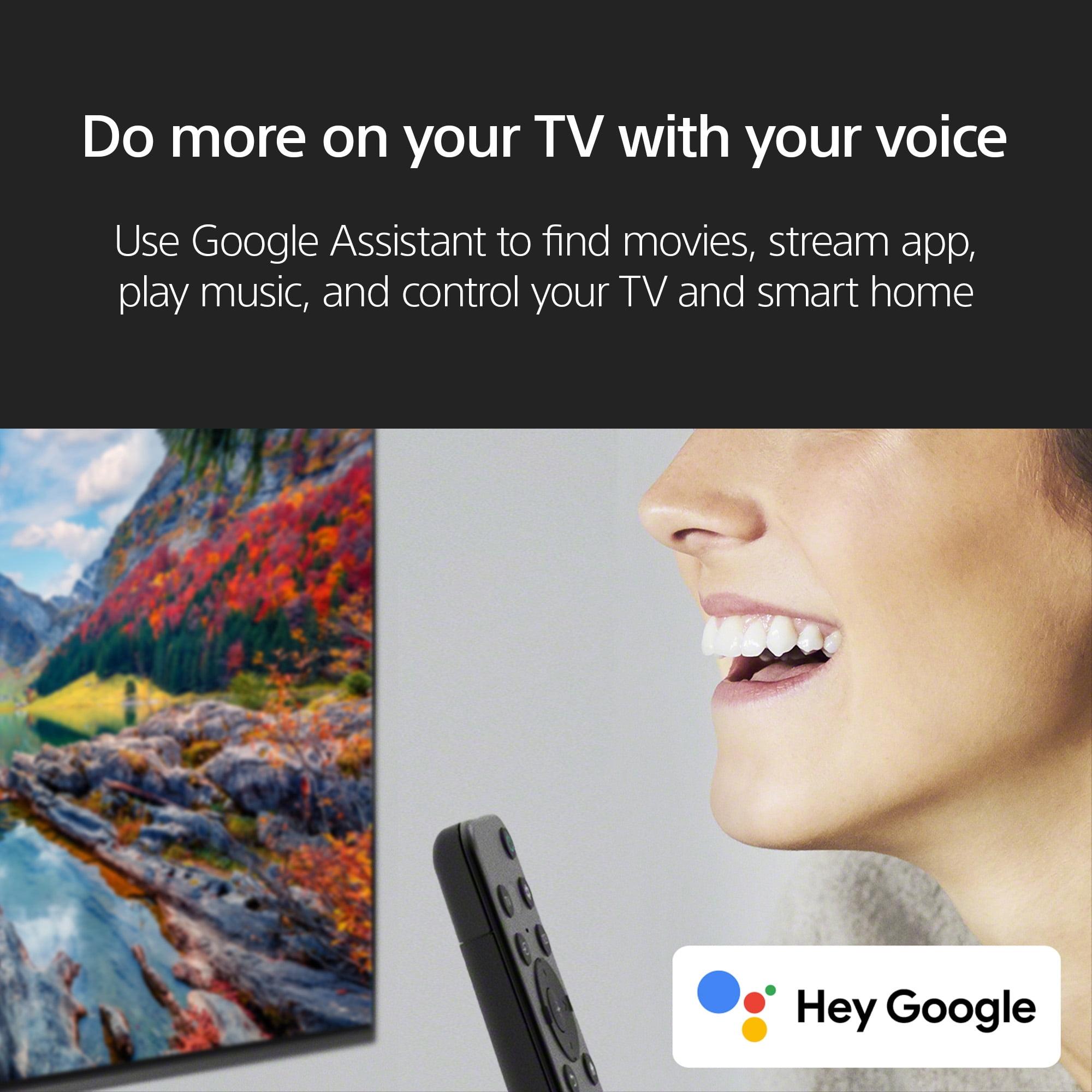
The built-in Google Assistant responds quickly to voice commands, and testers found it particularly useful for finding specific content or controlling smart home devices. You can literally say "Hey Google, show me action movies" and get relevant suggestions from across all your streaming services. The TV also supports Apple AirPlay 2, which means iPhone and iPad users can easily cast content wirelessly.
One feature that consistently impressed our testers was the seamless integration with other Google services. If you use Google Photos, your pictures automatically show up as screensavers. If you have a Google Nest speaker, you can control the TV with voice commands from across the room.
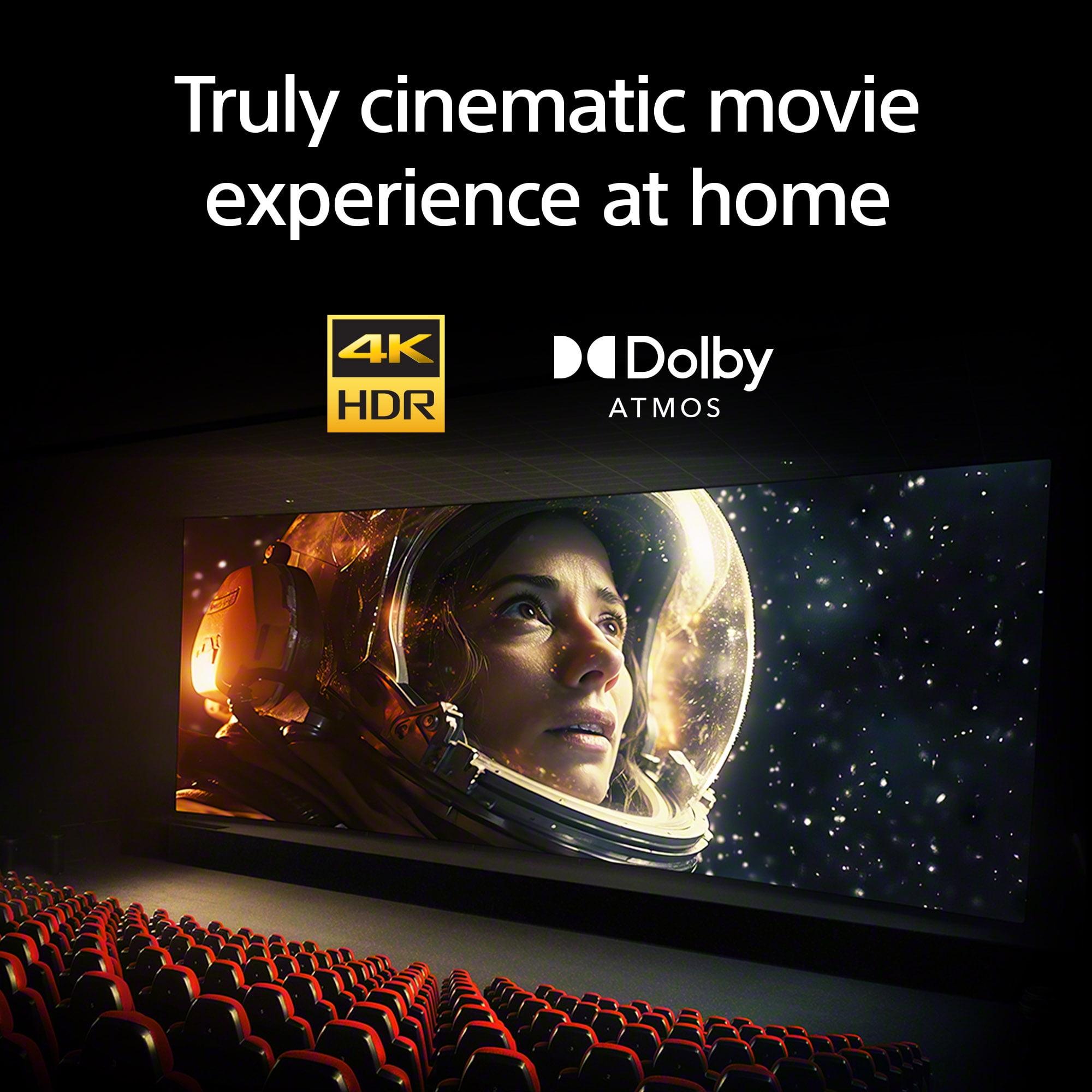
The TV includes a 40-watt Open Baffle Speaker system that supports Dolby Atmos and DTS:X. These audio technologies create a more immersive sound experience by positioning audio in three-dimensional space around you. The Open Baffle design means the speakers fire both forward and backward, creating a wider soundstage than traditional forward-firing speakers.
However, multiple reviewers noted that while the audio is decent for everyday viewing, it's not going to satisfy anyone looking for a true home theater experience. The built-in speakers work fine for casual watching, but movies with lots of action or music-heavy content really benefit from adding a soundbar or external speakers.
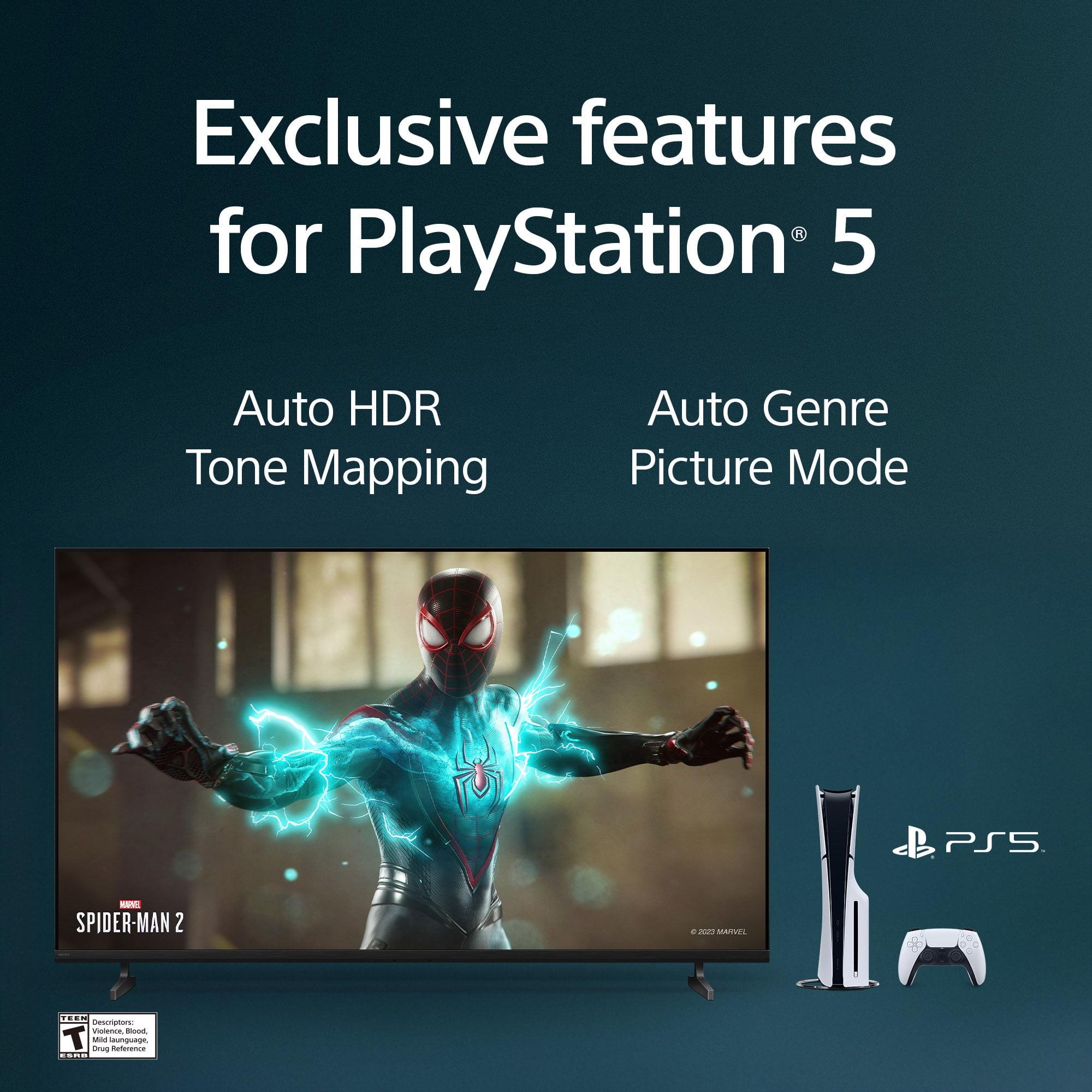
For gamers, the BRAVIA 2 II offers solid performance without the cutting-edge features found in higher-end models. The TV includes several PlayStation 5-specific features like Auto HDR Tone Mapping, which automatically adjusts the picture settings for optimal gaming, and Auto Low Latency Mode (ALLM), which reduces input lag when gaming.
The native 60Hz refresh rate is enhanced by Motionflow XR 200 technology, which interpolates additional frames to smooth out motion. While this helps with sports and action movies, serious gamers noted the absence of Variable Refresh Rate (VRR) and 4K@120Hz support, features that are becoming standard in gaming-focused TVs.
Our testers found the gaming performance perfectly adequate for casual players and those using older consoles, but competitive gamers or those with the latest PlayStation 5 or Xbox Series X might want to consider Sony's higher-end models for the most advanced gaming features.
Sony has clearly put effort into making this TV look more premium than its price suggests. The slim bezel design and metal frame give it a clean, modern appearance that works well in most living rooms. The Flish Surface Slim T Shape Blade Stand is both functional and attractive, though the TV is also compatible with standard wall mounts.
Reviewers consistently praised the build quality, noting that the TV feels solid and well-constructed. The remote control is basic but functional, though some testers wished for more premium materials or backlighting for use in dark rooms.
In extensive testing, the BRAVIA 2 II performed best in moderately lit living rooms and family rooms. The direct LED backlight provides good brightness for daytime viewing, while the picture processing keeps content looking sharp and colorful. Testers noted that the TV handles a wide variety of content well, from streaming services to broadcast TV to gaming.
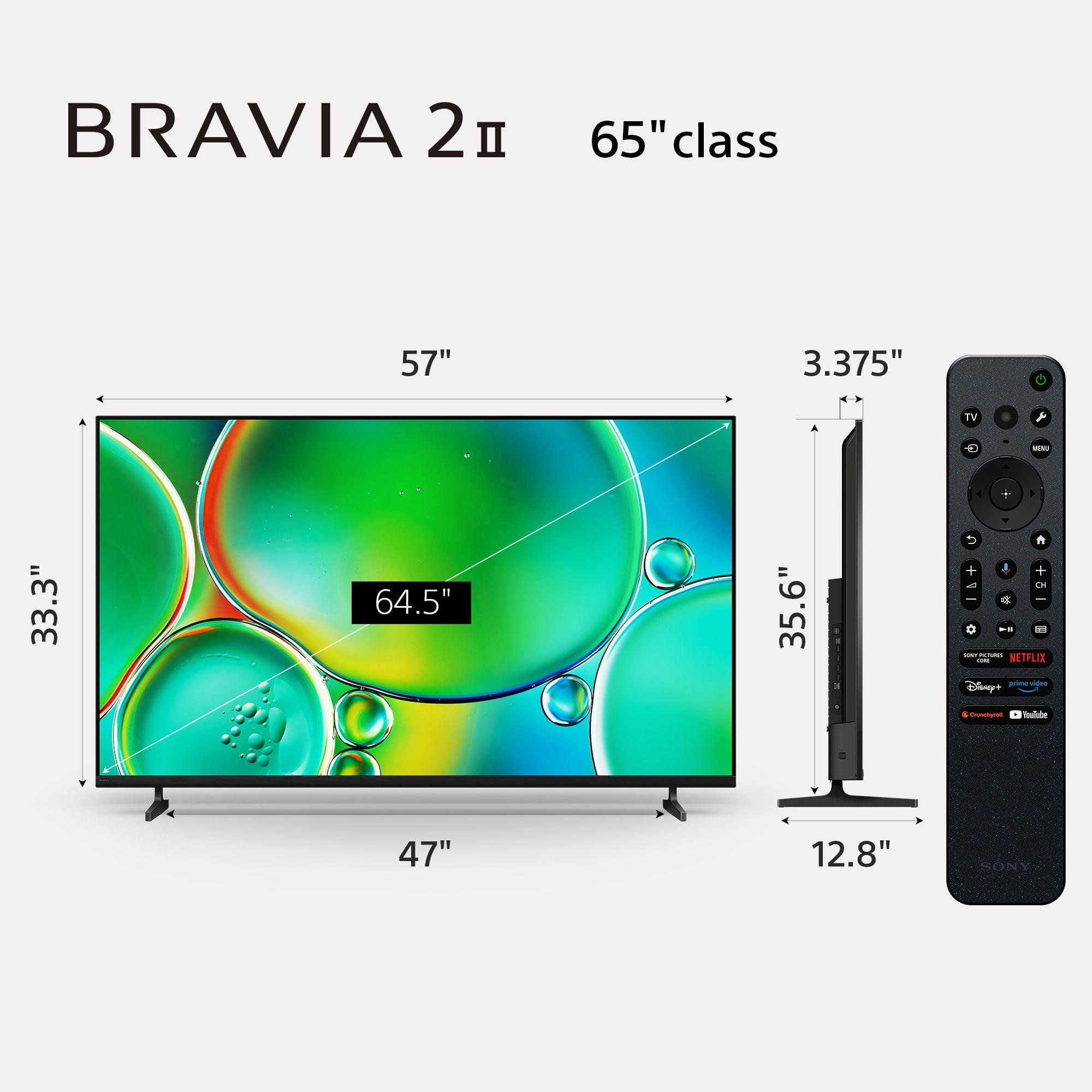
The 65-inch size hits a sweet spot for many homes, providing an immersive viewing experience without overwhelming smaller rooms. The recommended viewing distance is 10-12 feet, which works well for most living room setups.
While the BRAVIA 2 II can certainly serve as the centerpiece of a home theater setup, it's important to set appropriate expectations. The TV excels at upscaling content and delivering natural colors, but it lacks the deep blacks and high peak brightness that home theater enthusiasts typically seek.
For a dedicated home theater room, you'll probably want to add a quality soundbar or surround sound system, as the built-in speakers, while decent, won't fill a larger room with the kind of immersive audio that makes movies truly spectacular. The TV's picture quality is quite good for the price, but serious home theater setups might benefit from Sony's higher-end models with local dimming and higher brightness capabilities.
This TV makes the most sense for families upgrading from older HD TVs, people setting up secondary viewing areas, or anyone who wants Sony's picture quality without premium pricing. It's particularly well-suited for viewers who primarily watch streaming content, as the Google TV platform and content upscaling really shine with this type of material.
The BRAVIA 2 II represents a smart choice for anyone who values ease of use, reliable performance, and natural-looking colors over cutting-edge features. While it may not have every bell and whistle, it delivers on the fundamentals that matter most for everyday viewing.
Yes, the Sony BRAVIA 2 II 65" 4K LED Google TV 2025 is worth it for most buyers seeking solid 4K performance at an accessible price point. It delivers Sony's renowned color accuracy and picture processing in an entry-level package, making it ideal for families upgrading from HD TVs or setting up secondary viewing areas. However, serious home theater enthusiasts might want to consider higher-end models for advanced features like local dimming and higher brightness levels.
The Sony BRAVIA 2 II supports 4K gaming at 60Hz with PlayStation 5-optimized features including Auto HDR Tone Mapping and Auto Low Latency Mode (ALLM). While it handles casual gaming well, it lacks Variable Refresh Rate (VRR) and 4K@120Hz support that serious gamers prefer. The TV works perfectly for most console gaming but isn't the best choice for competitive gaming setups.
The TV runs Google TV with access to over 10,000 apps and 800+ free live TV channels. It includes built-in Google Assistant for voice control, supports Apple AirPlay 2 and Google Cast for wireless streaming, and integrates with smart home devices. The platform offers personalized recommendations and universal search across streaming services.
For home theater use, the Sony BRAVIA 2 II provides excellent color accuracy and upscaling but has limitations. The direct LED backlight offers good brightness uniformity, though it lacks local dimming for deeper blacks. The 40W Dolby Atmos speakers are adequate but most home theater setups will benefit from adding a soundbar or surround sound system for truly immersive audio.
Yes, the picture quality is impressive for its category. The 4K Processor X1 and 4K X-Reality PRO technology deliver excellent upscaling of HD content, while Sony's Live Color technology produces natural, lifelike colors. The TV supports HDR10 and HLG formats, though it performs best in moderately lit rooms rather than very bright or dark environments.
The 65-inch screen size is ideal for rooms with a viewing distance of 10-12 feet, making it perfect for medium to large living rooms and family rooms. The TV's direct LED backlight provides sufficient brightness for daytime viewing in most home environments, though very bright rooms might experience some glare.
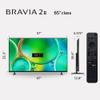
Yes, the Sony BRAVIA 2 II is wall-mountable and compatible with standard VESA mount systems. The TV weighs 19.7 kg and has a slim 8.3cm depth, making it suitable for wall mounting in most home theater setups. It comes with a attractive Slim T Shape Blade Stand for tabletop placement.
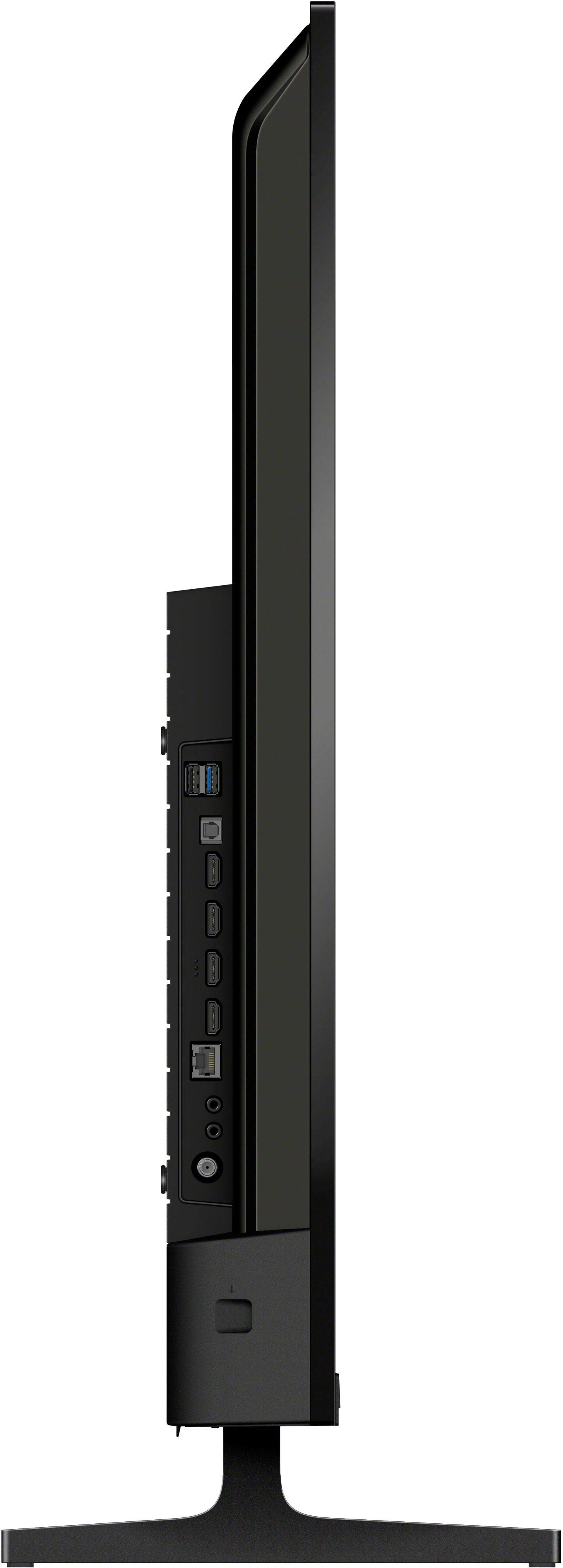
The TV includes 4 HDMI ports, which is sufficient for most home theater setups. You can connect gaming consoles, soundbars, streaming devices, and other equipment simultaneously. The ports support HDMI 2.1 features like Auto Low Latency Mode for gaming, though they're limited to 4K@60Hz rather than 4K@120Hz.
The TV has built-in Google Assistant and also supports Amazon Alexa compatibility. You can control the TV with voice commands, search for content, and integrate it with your smart home ecosystem. The Sony BRAVIA 2 II also works with Apple HomeKit for iOS users who prefer Apple's smart home platform.
The main differences are in advanced features like local dimming, higher peak brightness, and gaming capabilities. Higher-end Sony models like the BRAVIA 7 and 8 II offer better contrast with local dimming zones, brighter HDR performance, and advanced gaming features like VRR and 4K@120Hz. The BRAVIA 2 II focuses on core picture quality and smart features at a more accessible price point.

We've done our best to create useful and informative comparisons to help you decide what product to buy. Our research has used advanced automated methods to create this comparison and perfection is not possible - please contact us for corrections or questions. These are the sites we've researched in the creation of this article: bestbuy.com - notebookcheck.net - rtings.com - youtube.com - youtube.com - rtings.com - avsforum.com - croma.com - totonstv.com - electronics.sony.com - listenup.com - pcrichard.com - youtube.com - flanners.com - brandsmartusa.com - displayspecifications.com - pioneertvandappliance.com - donstv.com
| Sony BRAVIA 2 II 65" 4K LED Google TV 2025 |
|---|
| Screen Size: 65 inches |
| Resolution - Determines picture sharpness: 4K Ultra HD (3840 x 2160 pixels) |
| Processor - Controls picture quality and smart features: 4K Processor X1 |
| Refresh Rate - Affects motion smoothness: 60Hz native (Motionflow XR 200) |
| HDR Support - Enhances contrast and colors: HDR10, HLG |
| Smart Platform - Your interface for streaming and apps: Google TV |
| Voice Control - Hands-free operation: Google Assistant built-in |
| Audio Output - Built-in speaker power: 40W with Dolby Atmos |
| HDMI Ports - Connect gaming consoles and devices: 4 ports |
| Wireless Connectivity - Stream from phones and tablets: Wi-Fi, Bluetooth 5.3, AirPlay 2 |
| Gaming Features - Console optimization: Auto HDR Tone Mapping, ALLM |
| Upscaling Technology - Improves lower-resolution content: 4K X-Reality PRO |
| Backlight Type - Affects brightness uniformity: Direct LED with Frame Dimming |
| Power Consumption: 189W |
| Dimensions: 144.7 x 8.3 x 84.6 cm |
| Weight: 19.7 kg |
The Sony BRAVIA 8 II 65" QD-OLED 4K Google TV 2025 represents Sony's flagship TV technology at $3,098, delivering transformative picture quality that fundamentally changes the viewing experience. Its QD-OLED panel produces perfect blacks with infinite contrast, creating an immersive cinematic experience where dark scenes truly disappear into darkness rather than appearing grayish. The display achieves 25% higher peak brightness than previous Sony OLEDs while maintaining exceptional color accuracy across a wider gamut, making HDR content genuinely impactful with vibrant, lifelike imagery. Advanced gaming features including HDMI 2.1 support, 4K at 120Hz, Variable Refresh Rate, and ultra-low 8.5ms input lag make it ideal for PlayStation 5 and Xbox Series X owners. The innovative Acoustic Surface Audio+ technology turns the entire screen into a speaker system, delivering immersive sound that appears to come directly from the action on screen.
While the BRAVIA 8 II costs nearly five times more than the BRAVIA 2 II, the performance leap justifies the premium for users who prioritize picture quality and advanced features. The QD-OLED technology delivers consistent color and contrast from any viewing angle, making it superior for larger rooms with multiple seating positions, while the wide color gamut and superior processing create a three-dimensional image depth that makes the BRAVIA 2 II appear flat in comparison. For home theater enthusiasts, serious gamers, or anyone seeking a long-term investment in premium entertainment technology, the BRAVIA 8 II offers capabilities that extend far beyond basic 4K viewing. However, casual viewers who primarily watch streaming content in well-lit rooms and don't require advanced gaming features may find the BRAVIA 2 II's more modest capabilities perfectly adequate for their needs at a fraction of the cost.
🤖 Read Detailed Comparison
👌Sony BRAVIA 8 II 65" QD-OLED 4K Google TV 2025 Details
💵 See Sony BRAVIA 8 II 65" QD-OLED 4K Google TV 2025 Price
The LG B5 Series OLED 65" 4K Smart TV 2025 ($1,699.99) represents a significant step up in display technology, offering self-lit OLED pixels that deliver perfect blacks and infinite contrast ratios impossible to achieve with LED backlighting. The difference is immediately apparent in dark movie scenes, where the OLED's ability to turn pixels completely off creates truly immersive viewing experiences that make the Sony's gray-black levels look washed out by comparison. For gaming enthusiasts, the LG's native 120Hz refresh rate, 0.1ms response time, and comprehensive HDMI 2.1 support with VRR, G-Sync, and FreeSync Premium provide a vastly superior experience for next-generation consoles. The α8 AI Processor Gen2 delivers real-time picture and sound optimization that's noticeably more sophisticated than the Sony's processing, while Dolby Vision support ensures optimal HDR performance across streaming platforms.
However, the LG B5 OLED commands a premium price of $1,699.99 compared to the Sony's $649.99, making it a substantial investment that may not justify the cost for all users. The OLED's lower peak brightness can be a disadvantage in bright rooms where the Sony's LED backlighting actually performs better, reducing glare and maintaining visibility during daytime viewing. There's also the consideration of potential burn-in with static images, though this is rare with normal viewing habits. For movie enthusiasts, serious gamers, or those with dedicated home theater setups, the LG's superior picture quality and advanced features make the extra cost worthwhile. But for casual viewers, families on a budget, or those primarily watching in bright environments, the Sony BRAVIA 2 II delivers excellent performance at a much more accessible price point, making the OLED's premium feel unnecessary for everyday use.
🤖 Read Detailed Comparison
👌LG B5 Series OLED 65" 4K Smart TV 2025 Details
💵 See LG B5 Series OLED 65" 4K Smart TV 2025 Price
The LG OLED evo G5 65" 4K Smart TV 2025 represents a completely different approach to display technology, utilizing a revolutionary 4-Stack RGB Tandem OLED panel that delivers perfect blacks and infinite contrast – something the Sony's LED backlight simply cannot match. At $3,196.99-$3,399, the LG commands a premium price but justifies it with breakthrough brightness levels that are 45% higher than previous OLED models, making it equally capable in bright and dark rooms while maintaining those inky blacks that create a truly cinematic experience. The Alpha 11 AI Processor Gen 2 provides sophisticated real-time optimization that learns your viewing preferences, while support for Dolby Vision HDR and a wider color gamut deliver noticeably richer, more accurate colors than the Sony's HDR10-limited display.
For gaming enthusiasts and home theater purists, the performance gap becomes even more pronounced. The LG supports 4K gaming at up to 165Hz with comprehensive VRR support across all HDMI 2.1 ports, transforming fast-paced gaming into a fluid, tear-free experience that the Sony's 60Hz limitation cannot provide. The Gallery Design mounts flush to the wall and includes a 5-year panel warranty, offering long-term value that helps justify the higher upfront cost. While the Sony delivers solid performance for its $649.99 price point, the LG provides a premium viewing experience with perfect blacks, superior gaming capabilities, and advanced AI features that create a noticeable difference in day-to-day use – essentially offering the ultimate display technology for those willing to invest in the best possible home entertainment experience.
🤖 Read Detailed Comparison
👌LG OLED evo G5 65" 4K Smart TV 2025 Details
💵 See LG OLED evo G5 65" 4K Smart TV 2025 Price
The Samsung 65" Neo QLED QN990F 8K Smart TV 2025 represents a completely different category of television, offering premium Mini LED technology with thousands of individually controlled dimming zones that deliver dramatically superior contrast and brightness compared to the Sony's standard LED backlighting. At $5,297.99, the Samsung provides genuine 8K resolution, advanced gaming features like 4K@240Hz support and Variable Refresh Rate, plus innovative connectivity through its Wireless One Connect Box that eliminates cable clutter entirely. The quantum dot color technology produces a wider color gamut with more vibrant visuals, while the NQ8 AI Gen3 processor's 768 neural networks enhance content in ways the Sony's more basic X1 processor simply cannot match.
However, the Samsung's premium performance comes at over eight times the Sony's price, making it a luxury purchase rather than a practical upgrade for most households. While the Samsung undeniably delivers superior picture quality, especially in bright rooms where its higher peak brightness shines, the real-world benefits may not justify the massive price difference for typical viewing scenarios. The Sony's excellent color accuracy and Google TV platform actually provide a more natural, user-friendly experience for everyday streaming and movie watching, making it the clear value winner. The Samsung makes sense for serious home theater enthusiasts who want cutting-edge technology and can afford flagship pricing, but the Sony delivers 80% of the viewing experience at just 12% of the cost.
🤖 Read Detailed Comparison
👌Samsung 65" Neo QLED QN990F 8K Smart TV 2025 Details
💵 See Samsung 65" Neo QLED QN990F 8K Smart TV 2025 Price
The Samsung 65" S90F OLED 4K Vision AI Smart TV 2025 represents a significant step up in display technology, offering OLED's perfect blacks and infinite contrast ratio that the BRAVIA 2 II simply cannot match. With peak brightness reaching 2,000 nits compared to the Sony's estimated 600 nits, the Samsung delivers dramatically better HDR performance and remains clearly visible even in bright, sun-filled rooms. The 144Hz refresh rate makes it a powerhouse for gaming, supporting VRR and offering four HDMI 2.1 ports for next-gen consoles and high-end PC gaming. Samsung's Vision AI also provides more advanced smart features, automatically optimizing picture and sound settings based on content analysis, though it runs on the less intuitive Tizen OS rather than Google TV.
However, this premium performance comes at a substantial cost—the Samsung's $1,797.99 price tag represents nearly a 177% premium over the BRAVIA 2 II's $649.99. For most viewers, especially those watching in moderately lit rooms or using the TV for casual streaming and standard TV content, the Sony delivers 80% of the experience at just over one-third the cost. The Samsung justifies its price for home theater enthusiasts who want cinema-quality blacks, serious gamers needing high refresh rates, or those with challenging bright room conditions. While the OLED technology provides undeniably superior picture quality, the question becomes whether that improvement is worth the significant price difference for your specific viewing needs and room environment.
🤖 Read Detailed Comparison
👌Samsung 65" S90F OLED 4K Vision AI Smart TV 2025 Details
💵 See Samsung 65" S90F OLED 4K Vision AI Smart TV 2025 Price
The Samsung 65" OLED S95F 4K Smart TV 2025 at $3,097.99 represents a completely different tier of display technology, featuring QD-OLED panels that deliver perfect blacks and exceptional 2,089 nits peak brightness - nearly five times brighter than typical LED TVs. Its self-illuminating pixels create infinite contrast ratios that make HDR content genuinely stunning, while the anti-glare matte coating solves the traditional OLED problem of reflections in bright rooms. For gaming enthusiasts, the 165Hz refresh rate with AMD FreeSync Premium Pro and variable refresh rate support across all four HDMI 2.1 ports provides a premium experience that the BRAVIA 2 II simply cannot match. The advanced NQ4 AI Gen3 processor with 128 neural networks continuously optimizes picture quality in real-time, and the 70W 4.2.2 channel audio system with Object Tracking Sound creates an immersive experience that rivals dedicated sound systems.
However, this premium performance comes at nearly five times the cost of the BRAVIA 2 II, making it a significant investment that only makes sense for serious home theater enthusiasts or gamers who prioritize cutting-edge technology. While the Samsung S95F excels in dark room viewing and provides future-proof gaming features, the BRAVIA 2 II offers 80% of the everyday viewing experience at 20% of the price. For most users watching streaming content in moderately lit rooms, the Sony's reliable LED performance, intuitive Google TV interface, and proven upscaling technology provide excellent value without the premium associated with bleeding-edge OLED technology. The choice ultimately depends on whether you're seeking practical 4K performance or willing to invest in the absolute best picture quality available.
🤖 Read Detailed Comparison
👌Samsung 65" OLED S95F 4K Smart TV 2025 Details
💵 See Samsung 65" OLED S95F 4K Smart TV 2025 Price
The Hisense 65" QD7 Series Mini-LED 4K Fire TV 2025 at $469.99 delivers significantly more advanced display technology at a substantially lower price point. Its Mini-LED backlighting with Full Array Local Dimming provides superior contrast with deeper blacks and brighter highlights, while the QLED Quantum Dot technology produces more vibrant colors with over a billion color shades. The 144Hz refresh rate with Variable Refresh Rate (VRR) and comprehensive gaming features make it exceptional for next-gen console gaming and PC gaming, supporting 4K at high frame rates through multiple HDMI 2.1 ports. For bright rooms, the Mini-LED technology delivers higher peak brightness that maintains picture quality even with ambient light, and the Fire TV platform offers seamless Alexa integration for smart home control.
At $180 less than the Sony, the Hisense QD7 Series represents exceptional value by bringing premium display technology typically found in $800+ TVs down to an accessible price point. However, you trade some refinement for this value proposition—the image processing isn't as sophisticated as Sony's, the audio system is more basic, and the brand doesn't have Sony's established reputation for long-term reliability. The Hisense makes most sense for gamers, users with bright viewing environments, or anyone who prioritizes cutting-edge display technology over brand prestige. While the Sony offers superior processing and ecosystem integration, the Hisense's Mini-LED advantage is immediately visible in daily use, making it the better choice for users who want the most advanced picture quality for their money.
🤖 Read Detailed Comparison
👌Hisense 65" QD7 Series Mini-LED 4K Fire TV 2025 Details
💵 See Hisense 65" QD7 Series Mini-LED 4K Fire TV 2025 Price
The Samsung 65" S85F OLED 4K Smart TV at $1,599.99 represents a significant step up in display technology and performance, built around a QD-OLED panel that delivers perfect blacks, infinite contrast, and exceptionally vibrant colors that make the Sony's LED display look washed out in comparison. Its standout features include 4K gaming at 120Hz with VRR support that takes full advantage of PlayStation 5 and Xbox Series X capabilities, instantaneous response times that eliminate input lag, and wide viewing angles that maintain picture quality from any seating position. The Samsung also offers more sophisticated AI processing with its NQ4 AI Gen2 processor, Pantone color validation for professional-grade accuracy, and advanced audio features like Object Tracking Sound Lite that creates a more immersive viewing experience. For serious gamers, home theater enthusiasts, or anyone who prioritizes premium picture quality, the Samsung delivers a genuinely superior viewing experience.
However, the Samsung S85F commands a substantial $950 premium that fundamentally changes the value equation. While its OLED technology excels in dark rooms with cinematic content, the advantages become less pronounced in bright rooms where ambient light can make blacks appear gray—situations where the Sony's LED backlight actually performs better. The Samsung also has some notable limitations for the price, including lack of Dolby Vision support and lower peak brightness than competing premium TVs. For casual viewers who primarily stream content, watch TV in well-lit rooms, or don't need advanced gaming features, the Samsung's 2.5x higher price becomes difficult to justify. The choice comes down to whether you're willing to pay significantly more for genuinely superior picture quality and gaming performance, or whether the Sony's excellent value proposition and practical benefits better match your viewing needs and budget.
🤖 Read Detailed Comparison
👌Samsung 65" S85F OLED 4K Smart TV (2025) Details
💵 See Samsung 65" S85F OLED 4K Smart TV (2025) Price
The LG 65" QNED evo AI QNED85A 4K MiniLED Smart TV 2025 represents a significant step up in display technology with its MiniLED backlighting system that delivers dramatically higher peak brightness and superior local dimming control. This translates to more impactful HDR performance where bright scenes truly pop while dark areas maintain deep blacks, creating a more cinematic viewing experience that's particularly noticeable in well-lit rooms. The TV's native 120Hz refresh rate and VRR support up to 144Hz make it a powerhouse for gaming, supporting next-gen console features and high-frame-rate PC gaming that the Sony simply cannot match. LG's webOS 25 platform introduces advanced AI features like personalized content recommendations, voice recognition, and upcoming Microsoft Copilot integration, along with a guaranteed five-year software update commitment that ensures long-term value.
However, this premium performance comes at a $350 price premium over the Sony, positioning the LG QNED85A at $999.99 versus the Sony's $649.99. While the MiniLED technology and quantum dot color enhancement deliver superior brightness and color volume, some users may find the colors less natural-looking compared to Sony's more conservative color processing approach. The advanced AI features, while impressive, may feel unnecessary for viewers who simply want straightforward smart TV functionality without the complexity of voice recognition and AI-powered suggestions. For buyers who prioritize gaming performance, bright room viewing, or want the latest display technology, the LG justifies its higher price with genuinely superior technical capabilities, but those seeking reliable 4K performance without premium features will find the Sony's approach more practical and budget-friendly.
🤖 Read Detailed Comparison
👌LG 65" QNED evo AI QNED85A 4K MiniLED Smart TV 2025 Details
💵 See LG 65" QNED evo AI QNED85A 4K MiniLED Smart TV 2025 Price
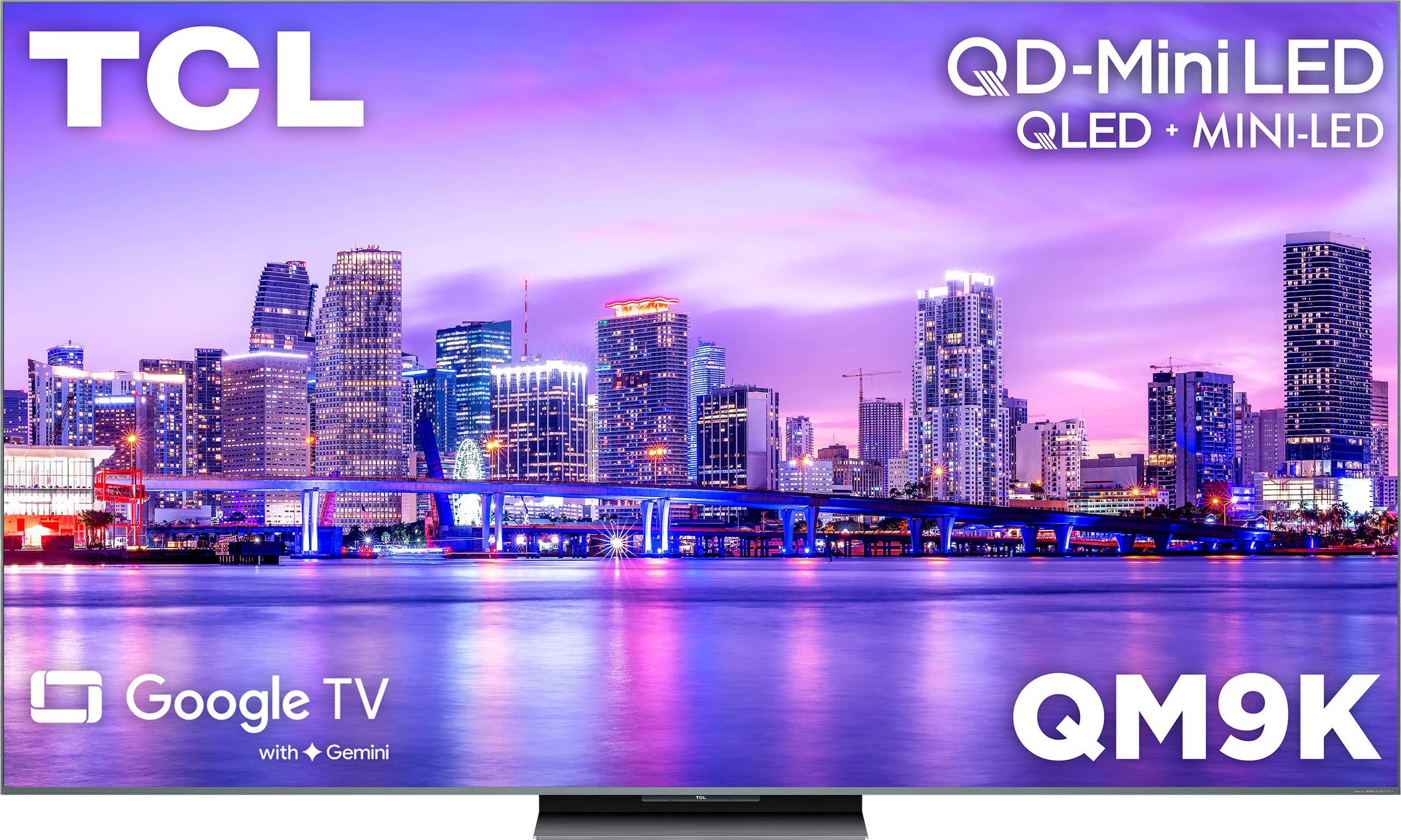
The TCL 65" QM6K QD-Mini LED 4K TV takes a markedly different approach at just $50 more, prioritizing cutting-edge display hardware over Sony's software refinements. Its Mini LED backlight system uses hundreds of tiny LEDs with precise dimming zones, delivering 2-3x higher peak brightness (1,000+ nits versus the Sony's 400-500 nits) and dramatically better contrast ratios. The quantum dot color technology produces noticeably more vibrant, saturated colors that make HDR content from Netflix, Disney+, and 4K Blu-rays appear significantly more impactful. For gaming enthusiasts, the TCL offers a clear advantage with its native 120Hz refresh rate, full HDMI 2.1 support including VRR and ALLM, and approximately 10ms input lag - making it genuinely competitive for PS5 and Xbox Series X gaming where the Sony's 60Hz limitation becomes apparent.
In real-world use, the TCL QM6K excels in brighter rooms where its superior peak brightness maintains picture quality that would wash out on the Sony, while its Mini LED technology creates the deep blacks and bright highlights that make movie watching more engaging. However, this comes with trade-offs: TCL's quality control can be more variable, and some users may find the quantum dot colors too vivid compared to Sony's more natural presentation. The TCL also requires more careful calibration to achieve optimal results, whereas the Sony delivers more consistent performance out of the box. For buyers prioritizing maximum picture quality technology and gaming capabilities at this price point, the TCL represents exceptional value, but those seeking reliable, refined performance with minimal setup may prefer staying with the Sony despite its technological limitations.
🤖 Read Detailed Comparison
👌TCL 65" QM6K QD-Mini LED 4K TV Details
💵 See TCL 65" QM6K QD-Mini LED 4K TV Price
The Sony BRAVIA 7 65" 4K UHD Smart Google TV represents a significant step up in display technology with its Mini LED backlighting and full-array local dimming, delivering dramatically better contrast and brightness than the BRAVIA 2 II's standard LED system. This translates to real-world benefits like deeper blacks in dark movie scenes, brighter highlights that make HDR content pop, and superior performance in bright rooms where the BRAVIA 2 II struggles. The BRAVIA 7's XR Cognitive Processor also provides noticeably better upscaling and color accuracy, making streaming content and older movies look sharper and more vibrant. For gaming enthusiasts, the 120Hz refresh rate, Variable Refresh Rate (VRR), and 4K@120Hz support create a much smoother and more responsive experience with PlayStation 5 and Xbox Series X consoles.
However, these premium features come at a substantial cost premium, with the BRAVIA 7 priced at $1,323+ compared to the BRAVIA 2 II's $649.99. The performance gap is genuine and significant – the BRAVIA 7 delivers what many would consider a "wow factor" viewing experience that the BRAVIA 2 II simply cannot match. For users who prioritize picture quality, serious gaming, or plan to use their TV as the centerpiece of a home theater setup, the BRAVIA 7's advanced technology justifies its higher price. The question becomes whether you need those premium features for your specific use case, as the BRAVIA 2 II handles everyday viewing tasks competently at nearly half the cost.
🤖 Read Detailed Comparison
👌Sony BRAVIA 7 65" 4K UHD Smart Google TV Details
💵 See Sony BRAVIA 7 65" 4K UHD Smart Google TV Price
The Samsung 65" QN90D Series 4K Neo QLED Smart TV ($2,697.99) represents a significant step up in display technology with its Mini-LED backlighting system that delivers over 2,000 nits of peak brightness—nearly four times brighter than the Sony BRAVIA 2 II. This dramatic brightness difference transforms HDR content from a subtle enhancement into a genuinely impactful viewing experience, with highlights that truly pop and maintain detail even in bright living rooms with windows. The Samsung's Quantum Dot technology also produces a wider color gamut, creating more vibrant and lifelike images, while its superior local dimming zones eliminate the blooming issues that can affect the Sony's more basic LED system. For gaming enthusiasts, the Samsung offers comprehensive next-generation features including 4K at 120Hz, Variable Refresh Rate, and four HDMI 2.1 ports, making it future-proof for PlayStation 5 and Xbox Series X gaming.
However, this premium performance comes at a substantial cost premium—over four times the price of the Sony. The Samsung QN90D justifies this investment for users with bright viewing environments, serious gaming setups, or those who simply want flagship picture quality. In real-world terms, the Samsung excels in scenarios where the Sony struggles: daytime viewing in bright rooms, competitive gaming, and displaying HDR content with true visual impact. The trade-off is clear—the Samsung delivers measurably superior performance in brightness, contrast, gaming features, and build quality, but whether these improvements are worth the significant price difference depends on your specific viewing priorities, room conditions, and budget constraints.
🤖 Read Detailed Comparison
👌Samsung 65" QN90D Series 4K Neo QLED Smart TV Details

💵 See Samsung 65" QN90D Series 4K Neo QLED Smart TV Price
The Samsung 65" QN85D Neo QLED 4K Smart TV represents a significant step up in display technology and performance, primarily due to its Mini LED backlighting system that delivers dramatically brighter images and superior contrast. Where the BRAVIA 2 II peaks around 400-600 nits of brightness, the Samsung can exceed 1,000 nits, making it far more suitable for bright living rooms and delivering much more impactful HDR content. The Quantum Dot color technology produces a wider color gamut with more vibrant, saturated colors, while the advanced local dimming zones create true blacks alongside brilliant whites – something the Sony simply cannot match with its standard LED backlighting. For serious gamers, the Samsung's four HDMI 2.1 ports, 4K@120Hz support, Variable Refresh Rate, and up to 144Hz PC gaming capabilities make it a completely different class of product.
However, this premium performance comes at a premium price, typically retailing for $1,500-$1,800 compared to the Sony's $649.99. The Samsung justifies this cost difference through genuinely superior picture quality, advanced gaming features, and a more robust 40W Dolby Atmos audio system, but it's targeting home theater enthusiasts and serious gamers rather than value-conscious buyers. While the Samsung QN85D offers measurably better performance in brightness, contrast, gaming, and audio, the Sony BRAVIA 2 II provides remarkable value for users who want a large 4K screen with smart features but don't need cutting-edge display technology. The choice ultimately depends on whether you prioritize getting the most screen size for your money (Sony) or are willing to pay significantly more for premium picture quality and gaming performance (Samsung).
🤖 Read Detailed Comparison
👌Samsung 65" QN85D Neo QLED 4K Smart TV Details
💵 See Samsung 65" QN85D Neo QLED 4K Smart TV Price
The Sony BRAVIA 8 65" 4K OLED TV represents a significant step up in display technology with its QD-OLED panel that delivers perfect blacks and infinite contrast—something the BRAVIA 2 II simply cannot match with its LED backlight. Where the BRAVIA 2 II produces impressive colors and good contrast for its price range, the BRAVIA 8's self-illuminating pixels create a viewing experience that's immediately noticeable in dark scenes, with shadows that disappear completely into true black while bright highlights remain vivid. The OLED also excels in gaming performance with its 120Hz refresh rate, HDMI 2.1 ports, and advanced features like Variable Refresh Rate (VRR) that make next-gen console gaming feel smoother and more responsive. Additionally, the innovative Acoustic Surface Audio+ technology turns the entire screen into a speaker, creating a more immersive audio experience where dialogue appears to come directly from actors' mouths rather than from below the screen.
However, this premium performance comes at a substantial cost—the BRAVIA 8 typically retails for around $3,999, making it roughly six times more expensive than the BRAVIA 2 II. For most users, especially those in bright living rooms or on a budget, the BRAVIA 2 II's LED technology actually performs better in high-ambient-light situations and delivers excellent value for everyday viewing. The BRAVIA 8 truly shines in dedicated home theaters or darker viewing environments where its contrast advantages can be fully appreciated, and for serious gamers who need the latest connectivity features. While the OLED undoubtedly offers superior picture quality, the BRAVIA 2 II provides such solid 4K performance and comprehensive smart features that the average viewer will be thoroughly satisfied with its capabilities, making the premium price of the BRAVIA 8 harder to justify unless picture quality is your absolute top priority.
🤖 Read Detailed Comparison
👌Sony BRAVIA 8 65" 4K OLED TV Details
💵 See Sony BRAVIA 8 65" 4K OLED TV Price
The Sony BRAVIA 9 65" 4K UHD Mini LED QLED Smart Google TV represents Sony's flagship technology at $2,073.95, delivering dramatically superior picture quality through its Mini LED backlighting system with thousands of individual dimming zones. This advanced technology creates deep, true blacks while maintaining brilliant highlights—a stark contrast to the BRAVIA 2 II's standard LED backlighting. The BRAVIA 9's QLED quantum dot layer produces significantly wider color gamut and more vibrant, accurate colors, particularly noticeable in HDR content where the TV can reach over 1,000 nits of peak brightness compared to the BRAVIA 2 II's 400-500 nits. For serious movie enthusiasts and home theater setups, these improvements create a genuinely cinematic experience with the kind of contrast and color depth that makes you notice the difference immediately.
Beyond picture quality, the BRAVIA 9 includes premium features that future-proof your investment, including full HDMI 2.1 support for 4K/120Hz gaming, Variable Refresh Rate (VRR), and Auto HDR Tone Mapping optimized for PS5. The Acoustic Multi-Audio+ sound system with 70W of power and positional audio creates a more immersive experience than the BRAVIA 2 II's basic stereo speakers. However, this premium performance comes at more than triple the cost, making the BRAVIA 9 a clear choice only for enthusiasts who prioritize cutting-edge display technology and have the budget to justify the substantial price difference. For most casual viewers, the BRAVIA 2 II's solid performance and smart features provide excellent value, while the BRAVIA 9 targets those who want the absolute best picture quality Sony offers and are willing to pay significantly more for that premium experience.
🤖 Read Detailed Comparison
👌Sony BRAVIA 9 65" 4K UHD Mini LED QLED Smart Google TV Details
💵 See Sony BRAVIA 9 65" 4K UHD Mini LED QLED Smart Google TV Price
The LG 65" QNED92A QNED evo AI Mini LED 4K TV 2025 at $1,681.99 represents a significant step up in display technology and performance capabilities. Its Mini LED backlighting system with hundreds of dimming zones delivers dramatically superior contrast and black levels compared to standard LED panels, while the quantum dot color technology achieves certified 100% color volume for more vibrant and accurate colors. The TV's peak brightness of 1,520 nits makes it exceptional for bright rooms and HDR content, where the difference becomes immediately apparent. Gaming enthusiasts will appreciate the 120Hz refresh rate, four HDMI 2.1 ports supporting 4K at 120Hz, Variable Refresh Rate, and comprehensive gaming features that fully utilize modern consoles and PCs. The built-in Dolby Atmos audio system and AI-powered optimization create a more immersive entertainment experience without requiring additional equipment.
The performance gap justifies the 2.6x price premium for users who prioritize picture quality, gaming, or home theater applications. While the BRAVIA 2 II excels at delivering reliable 4K performance for everyday viewing, the LG QNED92A transforms the experience with its superior brightness, contrast, and color accuracy that make HDR content truly shine. The advanced gaming features aren't just future-proofing – they provide tangible benefits today for anyone with a PlayStation 5, Xbox Series X, or gaming PC. However, this premium comes with complexity and cost that may not appeal to casual viewers. The LG's advanced features, five-year software update guarantee, and cutting-edge display technology make it the clear choice for enthusiasts willing to invest in the best possible viewing experience, while the Sony remains the smarter pick for budget-conscious buyers who want solid 4K performance without premium pricing.
🤖 Read Detailed Comparison
👌LG 65" QNED92A QNED evo AI Mini LED 4K TV 2025 Details
💵 See LG 65" QNED92A QNED evo AI Mini LED 4K TV 2025 Price
The TCL 65" QM8K Series QD-Mini LED 4K Smart TV at $998 represents a significant leap in display technology, delivering Mini LED performance that was previously reserved for TVs costing $2,000 or more. Its standout feature is the exceptional 4,000 nits peak brightness combined with thousands of local dimming zones, creating HDR content that genuinely looks realistic – bright highlights that make you squint naturally while maintaining deep blacks in the same scene. The quantum dot layer produces colors that are both more saturated and more accurate than traditional LEDs, covering 97% of the professional DCI-P3 color space. For bright living rooms, the TCL is transformative – you can watch TV during the day without closing blinds or adjusting lighting, something that's simply not possible with standard LED TVs. The CrystGlow WHVA panel also provides 40% wider viewing angles, meaning family members sitting off to the side still see accurate colors and good contrast.
The performance difference in real-world use is dramatic enough to justify the $348 premium for many buyers. Where the Sony BRAVIA 2 II struggles with blooming around bright objects and washed-out HDR content, the TCL delivers the kind of visual impact that makes streaming movies feel cinematic. The Mini LED technology means you can actually see detail in both the brightest and darkest parts of the same scene – something that's impossible with basic LED backlighting. However, the Sony maintains advantages in upscaling HD content and PlayStation 5 integration, plus it offers the reliability and long-term support that Sony is known for. The TCL makes more sense for buyers who prioritize cutting-edge picture quality, have bright viewing environments, or want a TV that will still feel premium in five years. For budget-conscious buyers who primarily watch standard HD content in moderate lighting, the Sony's more conservative approach delivers solid performance without the premium price tag.
🤖 Read Detailed Comparison
👌TCL 65" QM8K Series QD-Mini LED 4K Smart TV Details
💵 See TCL 65" QM8K Series QD-Mini LED 4K Smart TV Price
The Samsung 65" S95D 4K OLED Smart TV represents a completely different approach to 65-inch 4K displays, prioritizing premium picture quality over affordability. Its QD-OLED technology delivers perfect blacks and infinite contrast that the Sony simply cannot match, creating dramatically more impactful HDR content and movie experiences. The standout Glare Free 2.0 coating virtually eliminates reflections, making it usable in bright rooms where traditional OLEDs would struggle – a significant advantage for multipurpose living spaces. Gaming performance is also superior with native 144Hz refresh rate, VRR support, and 9ms input lag that puts it in competitive gaming territory, while the Object Tracking Sound+ audio system provides noticeably more immersive sound than typical TV speakers.
However, at $2,097.23, the Samsung costs over three times more than the Sony BRAVIA 2 II, raising serious questions about value for most buyers. While the picture quality difference is substantial – particularly noticeable in dark scenes and HDR content – the Sony's 4K processing and Google TV experience handle daily viewing tasks admirably at a fraction of the cost. The Samsung makes sense for serious home theater enthusiasts, competitive gamers, or households with challenging room lighting, but the Sony delivers 80% of the experience for 30% of the price. Unless you specifically need the Samsung's anti-glare technology or gaming capabilities, the Sony represents far better value for typical viewing needs.
🤖 Read Detailed Comparison
👌Samsung 65" S95D 4K OLED Smart TV Details
💵 See Samsung 65" S95D 4K OLED Smart TV Price
The LG 65" G4 Series OLED evo 4K UHD Smart TV represents a completely different approach to television technology, with self-illuminating OLED pixels that create perfect blacks and infinite contrast ratio – something the Sony's LED backlight simply cannot match. The G4's MLA (Microlens Array) technology pushes OLED brightness to new heights, reaching up to 3,000 nits while maintaining those perfect blacks, making it usable in bright rooms where previous OLEDs struggled. For gaming enthusiasts, the G4 offers 144Hz refresh rate with 0.1ms input lag, Variable Refresh Rate support, and four HDMI 2.1 ports capable of 4K/120Hz – features that unlock the full potential of PlayStation 5 and Xbox Series X in ways the Sony cannot. The superior HDR performance with Dolby Vision support creates a more cinematic experience, especially in dark room viewing where the contrast advantages become most apparent.
At $1,999.99, the LG G4 OLED costs three times more than the Sony BRAVIA 2 II, but delivers transformative picture quality that justifies the premium for discerning viewers. While the Sony provides solid value for casual viewing and basic gaming needs, the LG represents a significant upgrade in every performance metric – from perfect blacks and superior color accuracy to advanced gaming features and future-proof connectivity. The choice ultimately depends on your priorities: the Sony excels as a budget-friendly option for everyday viewing, while the LG delivers the premium experience that home theater enthusiasts and serious gamers demand. For those who can afford the investment and prioritize picture quality, the G4 OLED's superior performance makes it worth the additional cost, especially considering most people keep their TVs for 7-10 years.
🤖 Read Detailed Comparison
👌LG 65" G4 Series OLED evo 4K UHD Smart TV 2024 Details
💵 See LG 65" G4 Series OLED evo 4K UHD Smart TV 2024 Price
The Hisense 65" H9G Quantum Series represents a different approach to 65-inch 4K performance, prioritizing raw picture quality specifications over the balanced feature set we've seen in the BRAVIA 2 II. With its 1,000-nit peak brightness and 180 local dimming zones, the H9G delivers genuinely impressive HDR performance that can make bright scenes pop and create deeper blacks than Sony's entry-level offering. The Quantum Dot technology expands the color gamut significantly, producing vibrant colors that look particularly stunning with animated content and nature documentaries. For dedicated home theater enthusiasts who primarily watch movies in controlled lighting conditions, the H9G's superior contrast and brightness create a more cinematic experience that justifies its premium positioning.
However, the H9G's 2020 origins show in several key areas that affect daily usability. The older Android TV platform feels sluggish compared to the BRAVIA 2 II's modern Google TV experience, with slower app loading times and a less intuitive interface that won't receive significant future updates. Gaming performance lags behind current standards, lacking the PlayStation 5 optimizations and modern features that make the Sony more future-proof for console gaming. Most notably, the H9G's 20W audio system is widely criticized as inadequate, essentially requiring a soundbar purchase that adds to the total cost. At its current $1,252.81 price point, the H9G demands nearly double the investment for picture quality improvements that primarily benefit movie watching, making it a harder sell unless found at significant discount compared to the Sony's well-rounded package at $649.99.
🤖 Read Detailed Comparison
👌Hisense 65" H9G Quantum Series 4K UHD Smart Android TV Details
💵 See Hisense 65" H9G Quantum Series 4K UHD Smart Android TV Price
The TCL 65" QM8 Mini-LED Smart TV represents a significant step up in display technology and performance, though it comes at a $250 premium over the Sony BRAVIA 2 II. The TCL's Mini-LED backlighting system uses thousands of individually controlled LED zones to deliver dramatically better contrast and brightness capabilities – meaning you'll see deeper blacks and brighter highlights simultaneously in the same scene. This translates to much more impactful HDR content, whether you're watching the latest Marvel movie or a nature documentary. The TCL also includes Quantum Dot technology for enhanced color volume and supports advanced HDR formats like Dolby Vision and HDR10+, which adjust picture settings scene-by-scene for optimal viewing. For gamers, the TCL is in a different league entirely with its 120Hz refresh rate, 144Hz Variable Refresh Rate support, and Game Accelerator technology – features that make it ideal for PlayStation 5 and Xbox Series X owners who want to experience games at their full potential.
While the Sony BRAVIA 2 II excels in user-friendliness and reliability, the TCL QM8 Mini-LED delivers superior real-world performance that justifies its higher price for most users. The Mini-LED technology makes it suitable for any lighting condition, from bright living rooms to dark home theaters, whereas the Sony works best in moderately lit environments. The TCL's higher brightness means HDR content has more punch and impact, while the improved gaming features future-proof it for next-generation consoles and high-refresh-rate PC gaming. However, the trade-off comes in software refinement – the TCL's Google TV implementation occasionally shows bugs and sluggishness that the Sony avoids. For buyers who prioritize picture quality, gaming performance, or plan to use their TV in a dedicated home theater setup, the TCL's performance advantages make it worth the additional investment despite the Sony's superior user experience and brand reliability.
🤖 Read Detailed Comparison
👌TCL 65" QM8 Mini-LED Smart TV Details
💵 See TCL 65" QM8 Mini-LED Smart TV Price
The Samsung QN90F Neo QLED represents a significant leap in display technology with its Mini LED backlighting and Quantum Matrix Technology Pro, delivering thousands of individually controlled dimming zones that create deep blacks and exceptional contrast performance. Its standout Glare Free technology virtually eliminates reflections even in bright rooms, while peak brightness levels reaching 1,900 nits ensure HDR content appears as filmmakers intended. For gaming enthusiasts, the Samsung QN90F offers future-proof capabilities with 4K at 165Hz support, Variable Refresh Rate, and four HDMI 2.1 ports that fully unlock next-generation console performance. The NQ4 AI Gen3 processor with 128 neural networks provides advanced upscaling and real-time optimization that noticeably improves lower-resolution content, making it ideal for mixed viewing scenarios.
The performance gap between these models becomes most apparent in demanding viewing conditions where the Samsung QN90F truly shines. Its anti-glare coating and high brightness make it exceptional for daytime viewing in rooms with windows, while the Mini LED backlighting delivers home theater-quality contrast that approaches OLED performance at a lower price point. The premium also brings superior audio with a 60W 4.2.2 channel system featuring Object Tracking Sound+ that creates immersive soundscapes. While the Samsung QN90F commands a significant price premium, it delivers tangible benefits in picture quality, gaming performance, and room versatility that justify the cost for users who prioritize visual excellence and long-term capability. For buyers seeking the best possible 4K experience without stepping up to flagship OLED pricing, the Samsung represents a compelling value proposition despite its higher initial investment.
🤖 Read Detailed Comparison
👌Samsung 65" QN90F Neo QLED 4K Vision AI Smart TV 2025 Details
💵 See Samsung 65" QN90F Neo QLED 4K Vision AI Smart TV 2025 Price
The Samsung 65" QN80F Neo QLED 4K TV represents a significant step up in display technology, featuring mini-LED backlighting with Quantum Matrix Technology that delivers genuinely superior contrast and brightness performance. Where the Sony BRAVIA 2 II relies on traditional LED backlighting, the Samsung's thousands of individually controlled mini-LED zones create deeper blacks alongside brilliant highlights in the same scene – a difference that's immediately noticeable when watching movies with dramatic lighting or HDR content. For gaming enthusiasts, the Samsung stands in a completely different league with its 4K@144Hz capability, VRR support across all HDMI 2.1 ports, and advanced gaming features that make it competitive with dedicated gaming monitors. The NQ4 AI Gen2 processor also brings more sophisticated picture processing, though Samsung's AI enhancement can sometimes appear more aggressive than Sony's naturally calibrated approach.
The trade-off comes down to priorities and budget allocation at typical retail pricing. The Samsung QN80F commands a significant premium over the Sony, but delivers measurably better performance in contrast ratio, peak brightness, and gaming capabilities that justify the cost for serious enthusiasts. While Samsung's Tizen platform with Vision AI offers unique features like Live Translate and Generative Wallpaper, it doesn't match Google TV's comprehensive app ecosystem and content discovery – an area where the Sony maintains a clear advantage. For buyers building a primary home theater setup or those who prioritize cutting-edge gaming performance, the Samsung's superior display technology provides a more immersive and future-proof experience that makes the premium worthwhile, even if it means sacrificing some of the Sony's smart platform conveniences.
🤖 Read Detailed Comparison
👌Samsung 65" QN80F Neo QLED 4K TV Details
💵 See Samsung 65" QN80F Neo QLED 4K TV Price
The Samsung QN70F Neo QLED represents a significant technological leap with its Mini LED backlighting system and quantum dot technology, delivering substantially brighter peak brightness and more dramatic HDR performance than traditional LED displays. Samsung's Quantum Matrix Technology Slim provides precise lighting control that creates deeper blacks and more vibrant colors, particularly noticeable when watching HDR movies or shows in bright rooms where the extra brightness cuts through ambient light. The TV's advanced Vision AI features, including Click to Search for instant content recognition and Live Translate for real-time subtitle translation, offer genuinely useful capabilities that enhance daily viewing. For gaming enthusiasts, the Samsung's 4K at 144Hz support with Variable Refresh Rate and AMD FreeSync Premium Pro across all four HDMI 2.1 ports makes it a future-proof choice for next-generation consoles and PC gaming.
While the Samsung QN70F commands a higher price point, it delivers premium display technology typically found in much more expensive TVs, making it compelling value for users who prioritize cutting-edge features and maximum picture impact. The trade-off comes in areas where Sony traditionally excels—the Samsung's 20W audio system can't match Sony's superior built-in speakers, and some viewers may find Samsung's more vibrant, contrast-heavy image processing less natural-looking than Sony's film-like color reproduction. For buyers who want the most impressive HDR performance, advanced gaming capabilities, and innovative AI features, the Samsung justifies its premium positioning, though those seeking proven color accuracy and better built-in audio may find Sony's approach more appealing for traditional movie and TV viewing.
🤖 Read Detailed Comparison
👌Samsung 65" QN70F Neo QLED 4K Vision AI Smart TV 2025 Details
💵 See Samsung 65" QN70F Neo QLED 4K Vision AI Smart TV 2025 Price
The Samsung QN8F represents a significant step up in display technology and processing power, featuring QLED with Quantum Dot technology that delivers 100% Color Volume and dramatically higher peak brightness levels. Its Q4 AI Processor with Vision AI continuously analyzes content in real-time, automatically optimizing picture and sound settings for whatever you're watching—a genuinely noticeable improvement when viewing varied content from different sources. The 120Hz refresh rate (expandable to 144Hz) provides substantially smoother motion for gaming and sports, while the Dual LED backlighting system makes it excel in bright rooms where the Sony would appear washed out. Advanced features like Generative Wallpaper AI, enhanced Bixby voice control, and Filmmaker Mode showcase Samsung's commitment to pushing technological boundaries.
In practical terms, the Samsung QN8F justifies its premium pricing for users who can take advantage of its advanced capabilities. The superior brightness and color vibrancy make a real difference when watching HDR content or in well-lit living spaces, while serious gamers will immediately notice the benefits of higher refresh rates and reduced input lag. However, these advantages come at a significant cost premium—often several hundred dollars more than the Sony—and require additional investment in a quality soundbar to match the overall experience, since the Samsung's 20W audio system falls short of the Sony's built-in speakers. For tech enthusiasts who want the latest AI-powered features and have the budget to support premium pricing, the Samsung delivers cutting-edge performance that represents the current pinnacle of consumer TV technology.
🤖 Read Detailed Comparison
👌Samsung 65" QN8F Series QLED 4K Vision AI Smart TV 2025 Details
💵 See Samsung 65" QN8F Series QLED 4K Vision AI Smart TV 2025 Price
The Samsung 65" Neo QLED 8K QN900F Vision AI Smart TV 2025 represents the opposite end of the TV spectrum, showcasing what's possible when budget isn't a primary concern. Its most impressive features include true 8K resolution with 33 million pixels that creates window-like clarity, Quantum Matrix Pro Mini LED technology that delivers exceptional brightness and contrast rivaling OLED displays, and advanced NQ8 AI processing with 256 neural networks that transforms all content through real-time upscaling and optimization. The anti-glare technology is genuinely game-changing for bright rooms, maintaining deep blacks and vibrant colors even with ambient lighting, while the 165Hz gaming capabilities and comprehensive VRR support make it a powerhouse for serious gamers. The Vision AI features go beyond basic smart TV functions, automatically adjusting picture and sound settings based on content type and room conditions.
Where the Samsung QN900F justifies its premium positioning is in delivering experiences that simply aren't possible on entry-level displays—HDR content with true cinematic impact, gaming performance that fully utilizes next-gen consoles, and AI-driven picture processing that makes even compressed streaming content look remarkably detailed. However, this flagship performance comes at a substantial cost premium that positions it firmly in the luxury category. For users who prioritize having the latest technology, plan to keep their TV for many years, or have dedicated home theater setups where the advanced features will be fully appreciated, the Samsung offers genuine value despite its high price. It's the choice for enthusiasts who want the absolute best performance available and are willing to pay accordingly, rather than those seeking the best bang for their buck.
🤖 Read Detailed Comparison
👌Samsung 65" Neo QLED 8K QN900F Vision AI Smart TV 2025 Details
💵 See Samsung 65" Neo QLED 8K QN900F Vision AI Smart TV 2025 Price
The Samsung Q7F QLED represents Samsung's push into AI-powered television with genuinely innovative features that feel futuristic rather than gimmicky. Its Quantum Dot technology delivers significantly more vibrant colors—over one billion color shades that make everything from nature documentaries to animated movies pop with intensity that traditional LED displays simply can't match. The Vision AI capabilities are surprisingly practical: real-time translation provides live subtitles for foreign language content, while generative wallpapers create personalized art that changes throughout the day based on your viewing habits. HDR10+ support with dynamic scene-by-scene optimization provides superior contrast handling compared to Sony's static HDR processing, and the gesture controls actually work well for basic functions like volume adjustment without reaching for the remote.
However, the Samsung Q7F demands compromises that impact daily satisfaction. Its 20W audio system is genuinely inadequate—you'll struggle to hear dialogue clearly in larger rooms or over background noise, making a soundbar purchase almost mandatory rather than optional. While the quantum dot colors are stunning, they can occasionally push content beyond the filmmaker's original intent, creating an oversaturated look that some viewers find artificial. The Tizen smart platform, despite its AI enhancements, still lags behind Google TV in app selection and can feel less intuitive for users not already invested in Samsung's ecosystem. At comparable pricing, the Samsung appeals to early adopters who want cutting-edge features and don't mind investing in additional audio equipment, but it requires more setup and tweaking to reach its full potential compared to Sony's more complete out-of-box experience.
🤖 Read Detailed Comparison
👌Samsung 65" Q7F QLED 4K Vision AI Smart TV 2025 Details
💵 See Samsung 65" Q7F QLED 4K Vision AI Smart TV 2025 Price
The Hisense 65" S7N CanvasTV QLED 4K Smart Display represents a bold departure from traditional TV design, offering unique features that the Sony simply can't match. Its most compelling advantage is the Hi-Matte anti-glare display that reduces reflections to just 5%, making it dramatically superior for bright rooms with large windows or open floor plans where the Sony's glossy screen would wash out completely. The art mode functionality transforms the TV into a digital gallery with 120+ pre-loaded masterpieces and motion sensors that automatically display artwork when you enter the room, addressing the common issue of black screens dominating living spaces. For gamers, the CanvasTV delivers exceptional performance with its 144Hz refresh rate, Variable Refresh Rate support, and ultra-low 5.4ms input lag – capabilities that make the Sony's 60Hz limitation and 20ms input lag feel genuinely outdated for modern gaming consoles and PCs.
However, this innovation comes at a significant premium cost, and the Hisense CanvasTV makes trade-offs that affect traditional viewing quality. While its QLED quantum dot technology produces more vibrant, saturated colors than the Sony, it lacks the refined processing power and upscaling excellence that makes the BRAVIA 2 II superior for movies and varied content sources. The CanvasTV's VA panel also suffers from poor viewing angles, where colors fade noticeably when viewed from the sides – problematic for wide seating arrangements where the Sony maintains better consistency. The matte coating, while eliminating glare, also reduces peak HDR brightness impact compared to glossy displays. For buyers who prioritize cutting-edge gaming performance, bright room usability, and unique aesthetic integration, the CanvasTV's premium makes sense, but those focused on traditional TV excellence and proven reliability will find better value and more natural picture quality with the Sony's approach.
🤖 Read Detailed Comparison
👌Hisense 65" S7N CanvasTV QLED 4K Smart Display Details
💵 See Hisense 65" S7N CanvasTV QLED 4K Smart Display Price
The Samsung Frame Pro represents a completely different category of television, positioning itself as a premium lifestyle product that happens to deliver excellent TV performance. Its standout innovation is the Wireless One Connect Box, which transmits 4K video wirelessly up to 33 feet away, completely eliminating cable clutter for wall-mounted installations. The Neo QLED Mini LED technology delivers over 1,000 nits peak brightness—more than double what the BRAVIA 2 II achieves—making HDR content genuinely impactful and providing excellent performance in bright rooms with large windows. The matte anti-reflection screen and Art Mode transform the TV into a convincing digital art display when not in use, with access to thousands of curated artworks through Samsung's Art Store, making it virtually indistinguishable from a real picture frame on your wall.
However, the Samsung Frame Pro commands roughly double the price for these premium features, and some compromises affect daily usability. While it technically supports 144Hz gaming, the wireless connection introduces significant input lag (over 30ms) that makes console gaming less responsive than the BRAVIA 2 II's optimized setup. The Mini LED local dimming, while superior to standard LED backlighting, isn't as effective as expected for deep blacks in dark room viewing. The Frame Pro makes most sense for design-conscious buyers who genuinely value the aesthetic integration and wireless installation benefits, and who can justify paying a premium for lifestyle features over pure performance. For viewers who simply want excellent 4K picture quality and reliable smart TV functionality, the Sony's traditional approach delivers better value and more practical gaming performance at nearly half the cost.
🤖 Read Detailed Comparison
👌Samsung 65" The Frame Pro 4K Neo QLED Smart TV 2025 Details
💵 See Samsung 65" The Frame Pro 4K Neo QLED Smart TV 2025 Price
The Sony Bravia XR A95K 65" QD-OLED TV represents a technological leap forward with its groundbreaking QD-OLED display that combines quantum dots with OLED's self-illuminating pixels, delivering perfect blacks alongside 200% higher color brightness than conventional OLEDs. This flagship model excels in areas where the BRAVIA 2 II simply cannot compete: infinite contrast ratios create dramatic depth in dark scenes, while the advanced Cognitive Processor XR provides superior upscaling and scene analysis that makes even older content look remarkably sharp. For serious gamers, the A95K offers genuine next-generation capabilities with 4K@120Hz support, Variable Refresh Rate, and two HDMI 2.1 ports, while its innovative Acoustic Surface Audio+ technology turns the entire screen into a speaker for precise sound positioning that eliminates the need for immediate audio upgrades.
The performance difference between these models is immediately apparent in real-world use, particularly for movie watching and premium content consumption. The A95K's Dolby Vision support and exceptional HDR processing reveal details and colors that remain completely hidden on the BRAVIA 2 II's more basic panel, creating a genuinely cinematic experience that justifies home theater investments. While the premium model commands a significantly higher price, its advanced features and cutting-edge display technology provide long-term value for enthusiasts who appreciate superior picture quality and want their TV to remain relevant as content standards evolve. The A95K is essentially future-proofed with capabilities that exceed current content limitations, whereas the BRAVIA 2 II meets today's needs adequately but offers little room for growth as streaming services and gaming consoles push higher standards.
🤖 Read Detailed Comparison
👌Sony Bravia XR A95K 65" QD-OLED TV Details
💵 See Sony Bravia XR A95K 65" QD-OLED TV Price
The Sony BRAVIA XR A95L represents Sony's flagship approach to home entertainment, featuring cutting-edge QD-OLED technology that delivers reference-level picture quality. Its standout features include perfect blacks with infinite contrast ratio, peak brightness up to 1,300 nits for stunning HDR impact, and Sony's advanced Cognitive Processor XR that analyzes content like the human eye and brain. The second-generation QD-OLED panel combines quantum dot color enhancement with OLED's pixel-level control, creating a wider color gamut and more lifelike images than traditional displays. Premium features like Acoustic Surface Audio+ (where the screen itself acts as a speaker), BRAVIA CAM for ambient optimization, and full HDMI 2.1 gaming support with 4K at 120Hz make it a comprehensive entertainment powerhouse designed for enthusiasts who demand the absolute best.
The performance difference between these models is transformative, particularly in real-world viewing scenarios that matter most to serious viewers. While the BRAVIA 2 II handles everyday content adequately, the Sony BRAVIA XR A95L elevates every piece of content with dramatic contrast that makes dark scenes truly cinematic, colors that appear three-dimensional and lifelike, and HDR brightness that creates genuine "wow" moments during explosions or bright outdoor scenes. The premium model excels in mixed lighting conditions and provides consistent picture quality from any viewing angle, making it superior for dedicated home theaters or living rooms where multiple people watch together. However, this exceptional performance comes at a significant cost premium—typically 2-3 times more than the BRAVIA 2 II—making the A95L an investment for buyers who prioritize picture quality above budget considerations and want a display that will remain impressive for years to come.
🤖 Read Detailed Comparison
👌Sony BRAVIA XR A95L 65" QD-OLED 4K HDR Google TV Details
💵 See Sony BRAVIA XR A95L 65" QD-OLED 4K HDR Google TV Price
The TCL NXTVISION QLED Art Frame TV represents a completely different philosophy, combining cutting-edge gaming performance with unique lifestyle features that the Sony simply cannot match. Its QLED quantum dot technology delivers dramatically more vibrant colors and supports the full spectrum of HDR formats including Dolby Vision IQ and HDR10+, ensuring you get the director's intended picture quality from premium streaming content. The 120Hz native refresh rate with HDMI 2.1 ports transforms gaming performance, supporting up to 144Hz VRR for smooth, tear-free gameplay that makes the Sony's 60Hz limitation feel outdated. Perhaps most impressively, the ultra-matte anti-glare screen eliminates reflections entirely, making it genuinely usable in bright rooms where traditional TVs become unwatchable mirrors.
Where the TCL NXTVISION truly differentiates itself is in its art display functionality and ultra-slim design. At just 1.1 inches deep with a flush wall mount and magnetic wooden frames, it transforms into actual wall art when not in use, displaying curated artwork or AI-generated images that match your décor. This lifestyle integration commands a significant price premium over the Sony, but provides unique value for design-conscious buyers who want their TV to enhance rather than dominate their living space. The trade-offs include weaker built-in audio at 20W compared to Sony's 40W system, edge-lit backlighting that's less uniform than direct-lit, and the requirement for wall mounting since no stand is included. For buyers who prioritize gaming performance, comprehensive HDR support, or want their TV to double as art, the TCL justifies its premium pricing with features unavailable elsewhere in this category.
🤖 Read Detailed Comparison
👌TCL 65" NXTVISION QLED 4K Art Frame TV Details
💵 See TCL 65" NXTVISION QLED 4K Art Frame TV Price
The Samsung 65-Inch Q7F Series QLED Smart TV 2025 Display delivers one undeniable advantage: quantum dot technology that produces significantly more vibrant and saturated colors than the Sony's traditional LED approach. Samsung's QLED implementation with 100% Color Volume certification creates an immediate "wow factor" that makes animated content, nature documentaries, and sports broadcasts pop off the screen with an intensity that the Sony simply can't match. The quantum dot layer genuinely expands the color gamut beyond what standard LED displays can achieve, and Samsung's Q4 AI Processor provides intelligent scene-by-scene optimization that enhances this color advantage. For viewers who prioritize visual impact and eye-catching imagery, Samsung's approach creates a more exciting and dynamic viewing experience that particularly shines with HDR content despite both TVs' brightness limitations.
However, the Samsung Q7F makes significant compromises to achieve this color enhancement that affect real-world usability and long-term value. Its most frustrating limitation is the restriction to just three HDMI ports, which becomes genuinely problematic when connecting gaming consoles, streaming devices, and soundbars - a connectivity issue the Sony avoids entirely. Samsung's built-in audio is notably weaker at 20W compared to Sony's 40W Dolby Atmos system, essentially forcing an immediate soundbar purchase for decent movie experiences. Recent firmware updates have also created HDR gaming calibration problems that don't affect the Sony, and Samsung's simplified Tizen platform feels less capable than Google TV's comprehensive content discovery. While Samsung's quantum dot colors are genuinely impressive, the combination of connectivity limitations, weaker audio, shorter warranty coverage, and recent software issues makes it harder to recommend unless vibrant color reproduction is your absolute top priority.
🤖 Read Detailed Comparison
👌Samsung 65-Inch Q7F Series QLED Smart TV 2025 Display Details
💵 See Samsung 65-Inch Q7F Series QLED Smart TV 2025 Display Price
The Samsung Q6F brings quantum dot technology to the entry-level market with its QLED panel delivering 100% Color Volume and significantly more vibrant, saturated colors than traditional LED displays. Samsung's standout advantage lies in its Quantum HDR with HDR10+ support, providing scene-by-scene optimization that creates more dramatic and visually striking HDR content compared to the BRAVIA 2 II's static HDR10 implementation. The quantum dot layer maintains color accuracy even at high brightness levels, making the Q6F particularly effective in bright rooms where ambient light would wash out lesser displays. Additionally, the Samsung Q6F integrates seamlessly with Samsung's ecosystem through SmartThings Hub functionality and Q-Symphony soundbar compatibility, while Samsung TV Plus provides hundreds of free streaming channels without subscription requirements.
In practical usage, the Samsung excels for viewers who want immediate visual impact and impressive color reproduction that consistently wows guests and family members. While it can't match the BRAVIA 2 II's audio performance or processing refinement, the Samsung Q6F delivers quantum dot benefits traditionally reserved for much more expensive televisions, making streaming content and gaming appear more engaging and vivid. The Tizen smart platform feels snappy and responsive, though it offers fewer apps than Google TV. For buyers prioritizing display technology and visual spectacle over balanced features, Samsung represents exceptional value by bringing premium color science to an accessible price point, though users will likely need to invest in external audio sooner than with Sony's more complete audio solution.
🤖 Read Detailed Comparison
👌Samsung 65" QLED Q6F 4K Smart TV 2025 Details
💵 See Samsung 65" QLED Q6F 4K Smart TV 2025 Price
The Panasonic Z95A represents the premium end of 65-inch TV technology, with OLED's perfect blacks and infinite contrast creating a viewing experience that's genuinely different from LED displays. Its standout features include complete HDR format support with Dolby Vision IQ that automatically adjusts to room lighting, a 144Hz refresh rate that delivers buttery-smooth gaming and sports viewing, and the HCX Pro AI Processor MKII that provides cinema-grade color accuracy. The OLED technology means every dark scene reveals shadow details that simply disappear on LED TVs, while the wide color gamut displays colors that appear more vibrant and lifelike than what the BRAVIA 2 II can achieve. For home theater enthusiasts watching movies in dark or dimly lit rooms, the difference is immediately apparent and consistently impressive.
However, the Panasonic Z95A commands roughly five times the price of the BRAVIA 2 II, making it a premium investment that only makes sense for specific use cases. While its picture quality is undeniably superior, particularly for contrast and color accuracy, it's less bright than LED displays and can struggle in very bright rooms where the BRAVIA 2 II would maintain better visibility. The OLED technology also carries a small risk of burn-in with static images, though this is rare with normal viewing habits. For users building dedicated home theaters, serious gamers wanting 144Hz performance, or movie enthusiasts who prioritize absolute picture quality over cost, the Panasonic Z95A delivers a reference-level experience that justifies its premium pricing. For everyone else, the performance gap may not warrant the significant additional investment.
🤖 Read Detailed Comparison
👌Panasonic Z95A 65" OLED 4K Ultra HD Smart TV Details
💵 See Panasonic Z95A 65" OLED 4K Ultra HD Smart TV Price
The Panasonic Z95B OLED represents the premium end of the TV market with cutting-edge Primary RGB Tandem OLED technology that delivers fundamentally superior picture quality. Its standout features include perfect black levels with infinite contrast ratio, exceptional color volume that extends beyond DCI-P3 standards, and comprehensive HDR support covering HDR10, HDR10+, Dolby Vision IQ, and HLG formats. The advanced HCX Pro AI Processor MK II provides sophisticated upscaling and AI-driven picture optimization that makes even compressed streaming content look remarkable. Gaming enthusiasts benefit from 144Hz refresh rate, full VRR support, ultra-low input lag, and two HDMI 2.1 ports for next-generation console compatibility. The built-in 360° Soundscape Pro audio system, tuned by Technics, delivers genuine 5.1.2 channel surround sound that rivals dedicated soundbars.
The performance difference is dramatic and immediately apparent in real-world viewing. Where the BRAVIA 2 II shows grayish blacks due to LED backlight limitations, the Panasonic Z95B displays true darkness that makes stars pop against space backgrounds and creates cinematic depth in dark scenes. HDR content reveals significantly more detail in both shadows and highlights, while the wider color gamut makes vibrant scenes appear more lifelike and engaging. The premium audio system provides immersive spatial sound that transforms movie watching into a theater-like experience. However, this superior performance comes at a substantial premium—roughly $2,500 more at the time of writing. For buyers seeking the absolute best picture quality and willing to invest in a long-term home theater centerpiece, the Panasonic Z95B justifies its flagship pricing with technology that simply cannot be matched by entry-level LED displays.
🤖 Read Detailed Comparison
👌Panasonic Z95B Series 65" OLED 4K Smart Fire TV Details
💵 See Panasonic Z95B Series 65" OLED 4K Smart Fire TV Price
The Samsung 65" The Frame QLED 4K 2024 TV represents a fundamentally different philosophy, transforming your TV from a simple display into a piece of living room furniture through its innovative Art Mode functionality. When not actively watching content, the Frame displays high-resolution artwork, personal photos, or curated gallery pieces, complete with customizable magnetic bezels that mimic real picture frames in wood, metal, or colored finishes. This lifestyle integration is complemented by superior brightness and color vibrancy thanks to QLED technology, making it significantly better for bright rooms and daytime viewing. The Frame also delivers advanced gaming capabilities with HDMI 2.1 ports supporting 4K at 120Hz and Variable Refresh Rate technology, providing smoother gameplay for PlayStation 5 and Xbox Series X owners.
However, these premium features come at roughly double the cost of the BRAVIA 2 II, raising important value questions. The Samsung Frame excels in specific scenarios—prominently mounted TVs in design-conscious living spaces, bright rooms with lots of natural light, and setups where advanced gaming features matter. But from a pure picture quality standpoint, much of that price premium goes toward aesthetics rather than performance improvements. The Frame's edge-lit backlighting actually provides less uniform lighting than the BRAVIA 2 II's direct-lit system, and its built-in audio can't match Sony's Dolby Atmos implementation. For buyers who prioritize traditional TV performance over lifestyle integration, the Frame represents paying significantly more for features they may not fully utilize, making it best suited for those who genuinely value having their TV double as wall art.
🤖 Read Detailed Comparison
👌Samsung 65" The Frame QLED 4K 2024 TV Details
💵 See Samsung 65" The Frame QLED 4K 2024 TV Price
The Samsung U8000F offers a few notable advantages, particularly for users already invested in Samsung's ecosystem. Its Tizen smart platform integrates seamlessly with Samsung smartphones, SmartThings home automation devices, and other Samsung appliances, creating a unified experience that can be valuable for committed Samsung users. The MetalStream Design represents a genuine upgrade from previous budget Samsung models, featuring a metal body construction that feels more premium than typical plastic builds at this price point. Samsung TV Plus also provides access to numerous free streaming channels, which adds value for cord-cutters looking to reduce monthly subscription costs.
However, the Samsung U8000F falls short in most critical performance areas that matter for daily viewing. Its Crystal Processor 4K delivers disappointing real-world picture quality with poor brightness that makes it unsuitable for anything beyond dimly lit rooms, while slow response times create frustrating motion blur during sports and action content. The limited connectivity with only three HDMI ports quickly becomes restrictive in modern homes with multiple devices, and the 20W speakers lack the power and format support needed for engaging audio experiences. Most significantly, the Samsung struggles with the fundamental TV task of delivering clear, vibrant images across different content types and lighting conditions. While it costs slightly less than the Sony, the performance compromises are too substantial to recommend unless budget constraints are absolute or Samsung ecosystem integration is the primary concern.
🤖 Read Detailed Comparison
👌Samsung 65-Inch Crystal UHD U8000F 4K Smart TV 2025 Details
💵 See Samsung 65-Inch Crystal UHD U8000F 4K Smart TV 2025 Price
The Samsung Q8F represents a significant step up in display technology and gaming performance, positioning itself as a premium mid-range QLED option with quantum dot color enhancement and advanced local dimming. Its standout features include 100% color volume through quantum dot technology that delivers over one billion color shades, Supreme UHD Dimming with hundreds of zones for precise contrast control, and 120Hz gaming support with VRR and comprehensive gaming features like Game Motion Plus and Mini Map Zoom. The TV's Motion Xcelerator 144Hz technology virtually eliminates motion blur during fast-paced content, while the Q4 AI Processor provides scene-by-scene optimization for both picture and sound. Additionally, the Samsung Q8F excels in bright rooms where its QLED panel maintains color accuracy and vibrancy even under direct sunlight.
The performance advantages of the Samsung Q8F become immediately apparent in real-world use, particularly for gaming and home theater applications. Where the BRAVIA 2 II struggles with motion handling and contrast limitations, the Samsung delivers smooth 120Hz gaming performance that transforms competitive play and makes action movies significantly more engaging. The quantum dot technology creates noticeably more vibrant and lifelike colors, while the local dimming zones provide the deep blacks and bright highlights that HDR content was designed to showcase. However, this premium performance comes at a substantial cost premium over the BRAVIA 2 II. The Samsung Q8F justifies its higher pricing for users who prioritize superior picture quality, serious gaming capabilities, or bright room viewing, but the BRAVIA 2 II remains the better value choice for budget-conscious buyers who primarily stream content and don't require high-refresh gaming features.
🤖 Read Detailed Comparison
👌Samsung 65" QLED Q8F 4K Smart TV 2025 Details
💵 See Samsung 65" QLED Q8F 4K Smart TV 2025 Price
The Samsung 75-Inch QLED Q6F Series 2025 brings quantum dot display technology and a significantly larger screen to the entry-level market, creating a dramatically different viewing experience. The quantum dot enhancement delivers 100% Color Volume, producing vibrant, saturated colors that make animated content, sports, and HDR material visually striking in ways the Sony's conventional LED panel simply cannot match. The 75-inch display provides 37% more screen real estate, transforming movie nights and gaming sessions into genuinely immersive experiences that pull viewers into the content. For gaming enthusiasts, the Samsung Q6F offers comprehensive features including Variable Refresh Rate, Gaming Hub integration, FreeSync Premium support, and Auto Low Latency Mode—making it a future-ready choice for next-generation console gaming that the Sony cannot compete with.
The performance advantages come with trade-offs that matter depending on your priorities. The Samsung Q6F's Tizen smart platform, while feature-rich for gaming, lacks the intuitive content discovery and superior app ecosystem that makes Google TV so appealing for everyday streaming. The larger screen demands more room space and works best at 10-12 foot viewing distances, potentially overwhelming smaller living spaces where the Sony's 65-inch size feels more appropriate. Samsung's vibrant color processing, while impressive, can appear oversaturated for viewers who prefer the natural, film-accurate presentation that Sony's processing delivers. At comparable price points, the Samsung Q6F provides exceptional value for size and display technology, but users seeking refined smart features, compact sizing, and natural color accuracy will find the Sony offers better alignment with those specific priorities.
🤖 Read Detailed Comparison
👌Samsung 75-Inch QLED Q6F Series 2025 Smart TV Details
💵 See Samsung 75-Inch QLED Q6F Series 2025 Smart TV Price
The TCL 65QM7K represents a significant leap in display technology and performance capabilities that puts it in a different class entirely. Its QD-Mini LED backlighting system delivers 2,600-3,000 nits peak brightness with up to 2,500 local dimming zones, creating dramatically superior contrast and HDR impact that makes the Sony's traditional LED backlighting feel outdated by comparison. The TCL's 144Hz native refresh rate with VRR support up to 288Hz, two HDMI 2.1 ports, and AMD FreeSync Premium Pro certification transform it into a serious gaming display that can fully utilize next-generation consoles and high-end PCs. The Quantum Dot technology also produces a wider color gamut with 1.07 billion colors, while the Bang & Olufsen-tuned 60W audio system provides substantially more powerful sound than the Sony's 40W speakers.
While the TCL 65QM7K commands a higher price than the BRAVIA 2 II, the performance gap justifies the premium for most buyers seeking maximum value. The TCL's superior brightness makes it vastly more capable in bright rooms and with HDR content, while its advanced gaming features provide genuine future-proofing that the Sony simply cannot match with its 60Hz limitation. The local dimming precision also delivers the kind of contrast performance that enhances every type of content, from dark movie scenes to bright sports broadcasts. For buyers choosing between these models, the TCL represents a clear step up in display technology that will remain competitive for years longer, making it the more sensible choice unless budget constraints or brand preference specifically favor Sony's more conservative but reliable approach.
🤖 Read Detailed Comparison
👌TCL 65QM7K QD-Mini LED 4K Google TV Details
💵 See TCL 65QM7K QD-Mini LED 4K Google TV Price
The TCL 65" QM9K QD-Mini LED Smart TV represents the pinnacle of LED TV technology for 2025, offering premium features that showcase what's possible when budget constraints are removed. Its standout QD-Mini LED technology with up to 6,000 precise dimming zones delivers exceptional contrast with perfect blacks alongside brilliant highlights, while the 6,500-nit peak brightness ensures stunning HDR performance in any lighting condition. For gaming enthusiasts, the 144Hz native refresh rate, Game Accelerator 288 supporting up to 288Hz VRR, AMD FreeSync Premium Pro, and 5.3ms input lag create a competitive gaming experience that rivals dedicated gaming monitors. The comprehensive HDR support including Dolby Vision IQ, HDR10+, and HDR10+ Gaming ensures compatibility with all premium streaming content, while Bang & Olufsen audio tuning with a 2.1.1 channel system provides superior built-in sound quality.
However, this premium performance comes at roughly double the cost of the Sony BRAVIA 2 II, raising important questions about value and necessity for different users. The TCL QM9K excels in scenarios where its advanced features genuinely matter—competitive gaming at high refresh rates, home theater setups in controlled lighting, and viewing premium HDR content where the superior contrast and brightness create noticeable improvements. But for everyday streaming, cable viewing, and casual gaming, many of these premium features provide diminishing returns that may not justify the significant price premium. The TCL targets serious gaming enthusiasts, home theater purists, and tech enthusiasts who appreciate cutting-edge display technology, while the Sony BRAVIA 2 II serves the broader market of users seeking reliable 4K smart TV performance without premium pricing. Unless you specifically need the advanced gaming capabilities, exceptional contrast for dark room viewing, or plan to fully utilize the premium HDR features, the Sony's practical approach delivers satisfying performance at a more accessible price point.
🤖 Read Detailed Comparison
👌TCL 65" QM9K QD-Mini LED Smart TV Details
💵 See TCL 65" QM9K QD-Mini LED Smart TV Price
The Toshiba M550 brings flagship-level picture specifications to the budget segment with impressive quantum dot QLED technology that produces over a billion colors and covers 90% of the DCI-P3 color space. Its full array local dimming with 48 zones delivers superior contrast control compared to the BRAVIA 2 II's basic frame dimming, while comprehensive HDR support including Dolby Vision, HDR10+, HDR10, and HLG ensures compatibility with premium streaming content. The M550 also features a rare native 120Hz panel at this price point, along with gaming features like Variable Refresh Rate support and built-in audio that's genuinely impressive with REGZA Power Audio Pro including a subwoofer that many users find eliminates the need for external speakers.
However, the Toshiba M550 suffers from a critical flaw that undermines its impressive specifications: an underpowered processor that struggles with Fire TV's demands, resulting in 30-60 second app loading times, frequent system freezes, and occasional app crashes. While the picture quality specifications are exceptional for the price, the daily user experience can be frustrating with motion handling issues during action scenes and significant input lag that affects gaming despite the advanced panel features. The Toshiba M550 represents incredible value for picture quality enthusiasts who primarily use external devices for streaming and can tolerate software quirks, but for users who rely heavily on smart TV features or want consistent performance, the BRAVIA 2 II's reliability advantage often outweighs the Toshiba's superior specifications.
🤖 Read Detailed Comparison
👌Toshiba 65" M550 Series QLED Fire TV Details
💵 See Toshiba 65" M550 Series QLED Fire TV Price
The Roku 65" Pro Series 2025 represents a significant step up in display technology and gaming performance that justifies its premium positioning. Its Mini-LED QLED panel with full array local dimming delivers dramatically superior contrast and brightness, reaching over 1,700 nits to overcome glare in bright living rooms while maintaining deep blacks for home theater viewing. The 120Hz refresh rate transforms gaming and sports viewing with silky-smooth motion that eliminates the blur and stuttering common on 60Hz displays. Gaming enthusiasts particularly benefit from AMD FreeSync Premium Pro, Variable Refresh Rate support, and HDMI 2.1 ports enabling true 4K gaming at 120Hz with input lag as low as 5.2ms. The Roku's Smart Picture Max AI automatically optimizes picture settings scene-by-scene, while its enhanced Sound Stage audio with side-firing Dolby Atmos speakers provides noticeably more immersive sound than traditional downward-firing configurations.
While the Roku commands a significant premium over the Sony BRAVIA 2 II, the performance gap justifies the investment for anyone whose viewing extends beyond basic streaming. The Mini-LED technology alone typically costs hundreds more from other manufacturers, making the Roku competitive with similar premium TVs while offering superior smart platform simplicity. More importantly, the 120Hz capability and HDMI 2.1 future-proofing ensure the TV remains relevant as gaming and content standards evolve, whereas the Sony's 60Hz limitation becomes increasingly restrictive. For buyers prioritizing long-term value, picture quality, or any gaming usage, the Roku's advanced features deliver tangible real-world benefits that make the higher upfront cost worthwhile over the TV's typical 7-10 year lifespan.
🤖 Read Detailed Comparison
👌Roku 65" Pro Series 2025 4K QLED TV Details
💵 See Roku 65" Pro Series 2025 4K QLED TV Price
The Hisense QD6 delivers exceptional value by bringing quantum dot technology to budget pricing, achieving 90% DCI-P3 color coverage that significantly outperforms the Sony's 75% standard LED coverage. This translates to dramatically more vibrant greens in nature documentaries and richer blues in ocean scenes that feel almost three-dimensional. The Hisense also produces approximately 65 cd/m² higher peak brightness, making it substantially better for bright living rooms where the Sony can appear washed out. Most importantly, it includes comprehensive HDR support with Dolby Vision and HDR10+, ensuring compatibility with premium Netflix and Disney+ content that the Sony can only display as basic HDR10. The inclusion of Variable Refresh Rate (VRR) eliminates screen tearing during gaming, a feature completely absent from the Sony despite its PlayStation 5 optimizations.
At roughly 45% less cost, the Hisense QD6 forces a reconsideration of what constitutes good value in budget TVs. While it lacks the Sony's refined motion processing and premium build quality, it delivers immediately noticeable improvements in color vibrancy and brightness that most viewers appreciate more than subtle processing enhancements. The Fire TV platform may not aggregate content as elegantly as Google TV, but it provides equally robust app selection with better Amazon ecosystem integration. Unless you specifically need the Sony's superior motion handling for sports viewing or are heavily invested in Google services, the Hisense offers a more compelling package that punches well above its price class with quantum dot technology typically reserved for much more expensive models.
🤖 Read Detailed Comparison
👌Hisense 65" QD6 Series Hi-QLED Fire TV (2025) 65QD6QF Details
💵 See Hisense 65" QD6 Series Hi-QLED Fire TV (2025) 65QD6QF Price
The Philips 65OLED974/F7 represents a significant leap in display technology with its OLED panel delivering perfect blacks and infinite contrast ratio that creates a genuinely cinematic experience in dark rooms. Where the Sony relies on processing enhancements to improve color vibrancy, the Philips achieves naturally accurate colors covering up to 98.5% of the DCI-P3 color space with excellent out-of-the-box calibration. For gaming enthusiasts, it's in a completely different league with native 120Hz refresh rates, HDMI 2.1 bandwidth supporting 4K @ 120Hz, AMD FreeSync Premium for eliminating screen tearing, and near-instantaneous 0.1ms response times that deliver crystal-clear motion. The TV also supports Dolby Vision HDR, providing access to premium content with enhanced dynamic range that the Sony cannot display.
However, the Philips 65OLED974/F7 comes with a critical limitation that significantly impacts its real-world usability: poor peak brightness that makes it unsuitable for well-lit rooms. While the Sony performs consistently across various lighting conditions, the Philips struggles with glare and appears dim during daytime viewing, with HDR content losing much of its intended impact in bright environments. This brightness deficiency essentially restricts the Philips to dedicated home theater setups or evening viewing, limiting its versatility despite superior picture quality in optimal conditions. At roughly double the price of the Sony, the Philips offers premium OLED technology and advanced gaming features that justify the cost for users with controlled viewing environments, but its environmental limitations make the Sony a more practical choice for typical living room setups where consistent performance across all lighting conditions matters more than peak picture quality.
🤖 Read Detailed Comparison
👌Philips 65OLED974/F7 65" OLED Roku TV Details
💵 See Philips 65OLED974/F7 65" OLED Roku TV Price


Privacy Policy
Terms and Conditions - Affiliate Policy
Home Security
© Copyright 2008-2026.
11816 Inwood Rd #1211, Dallas, TX 75244