

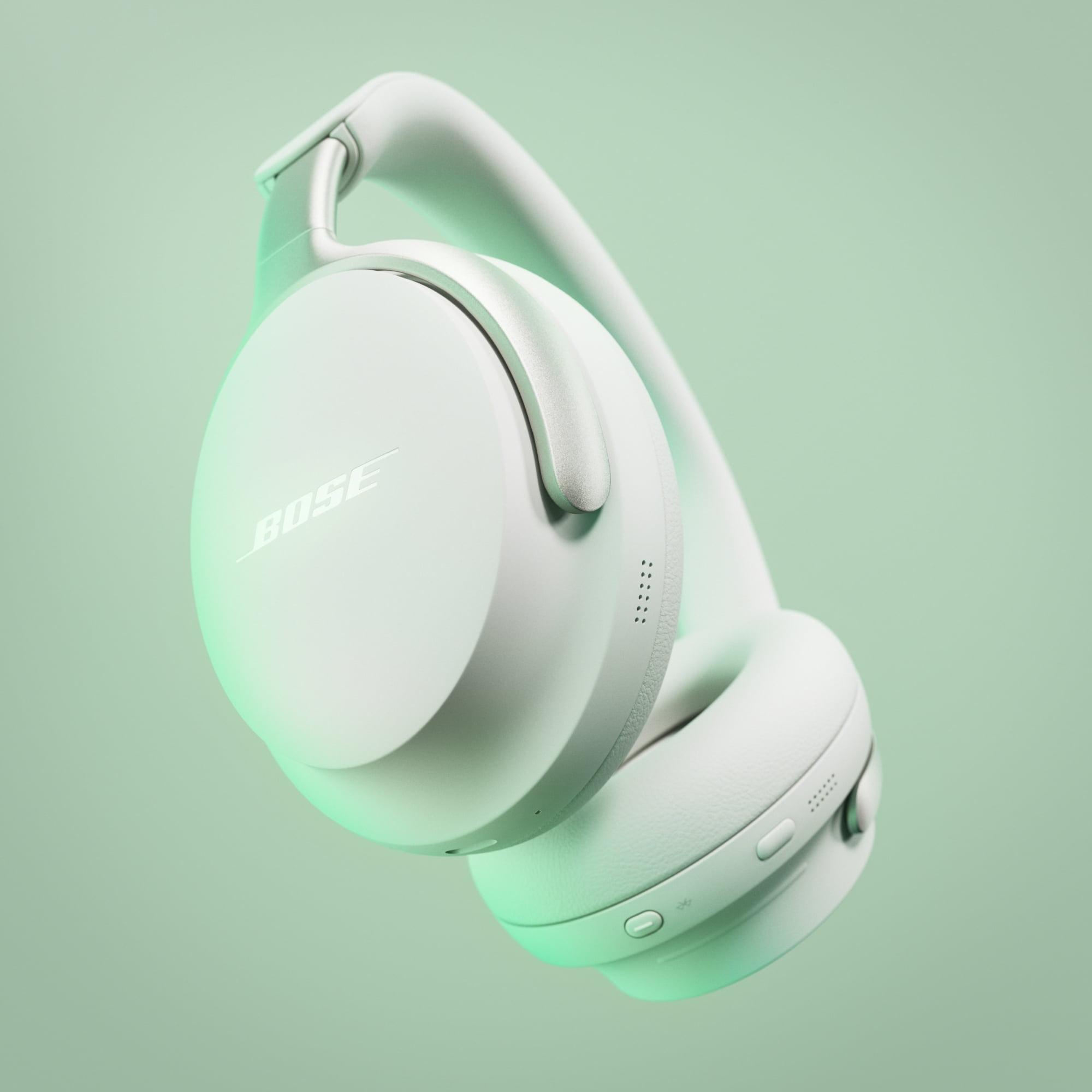
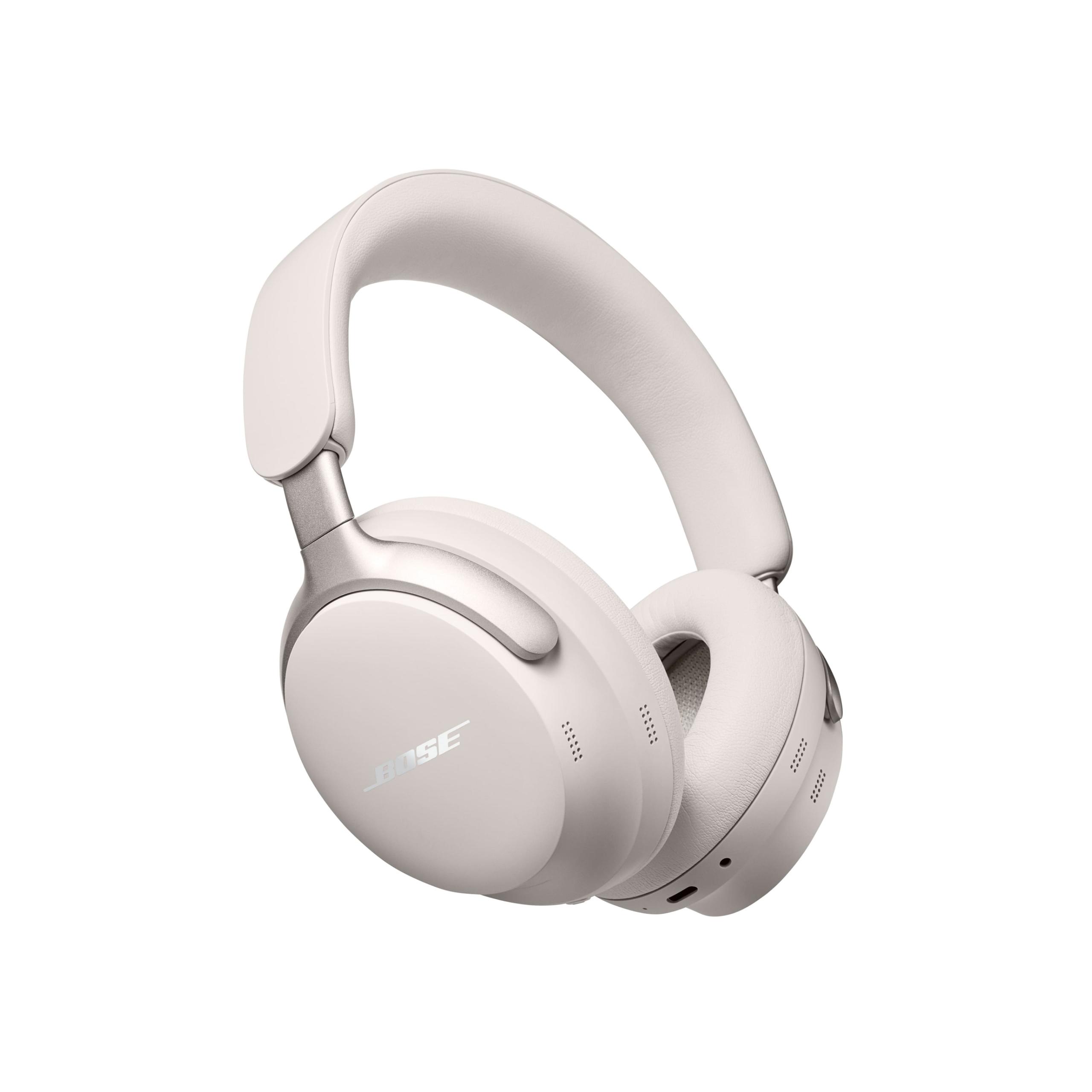
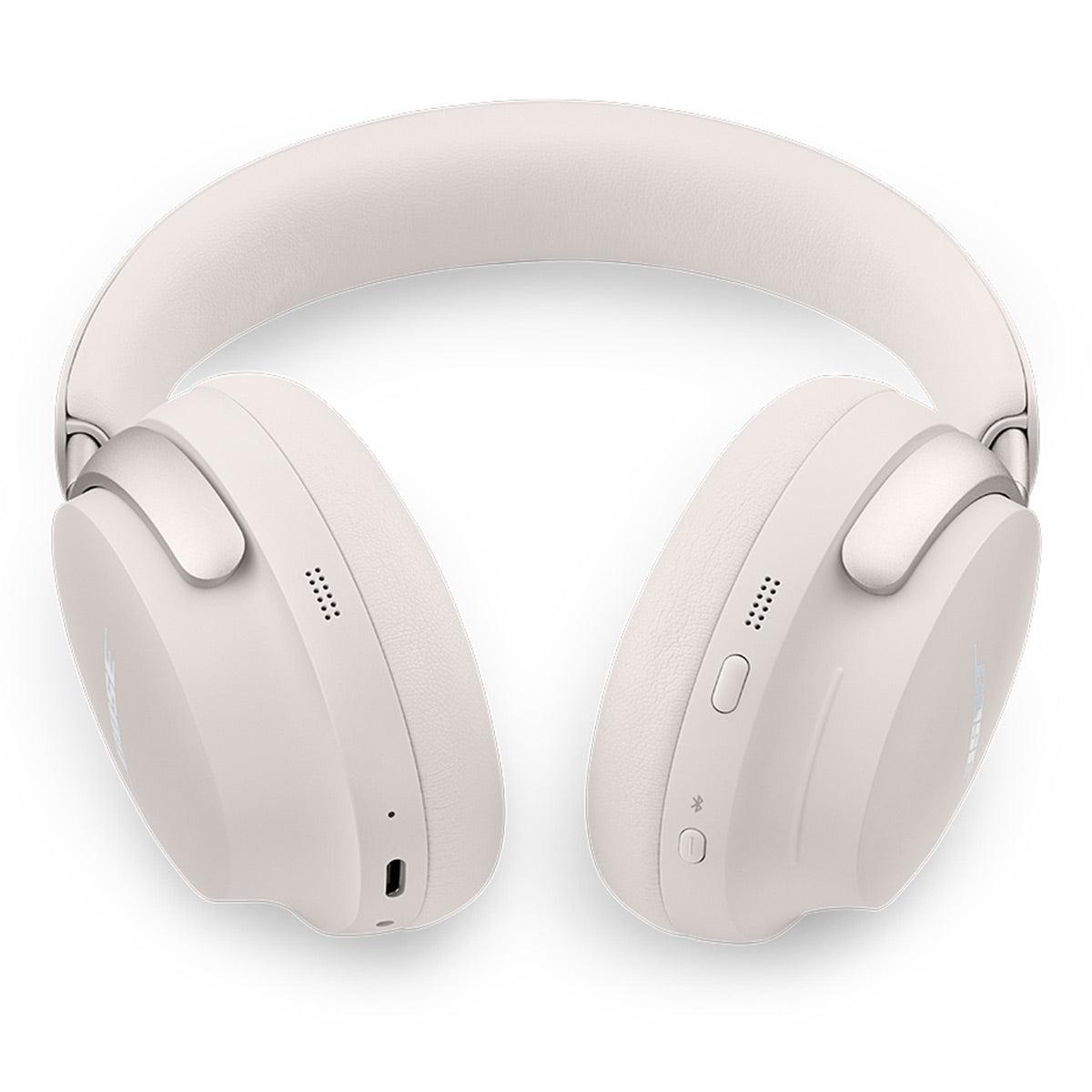

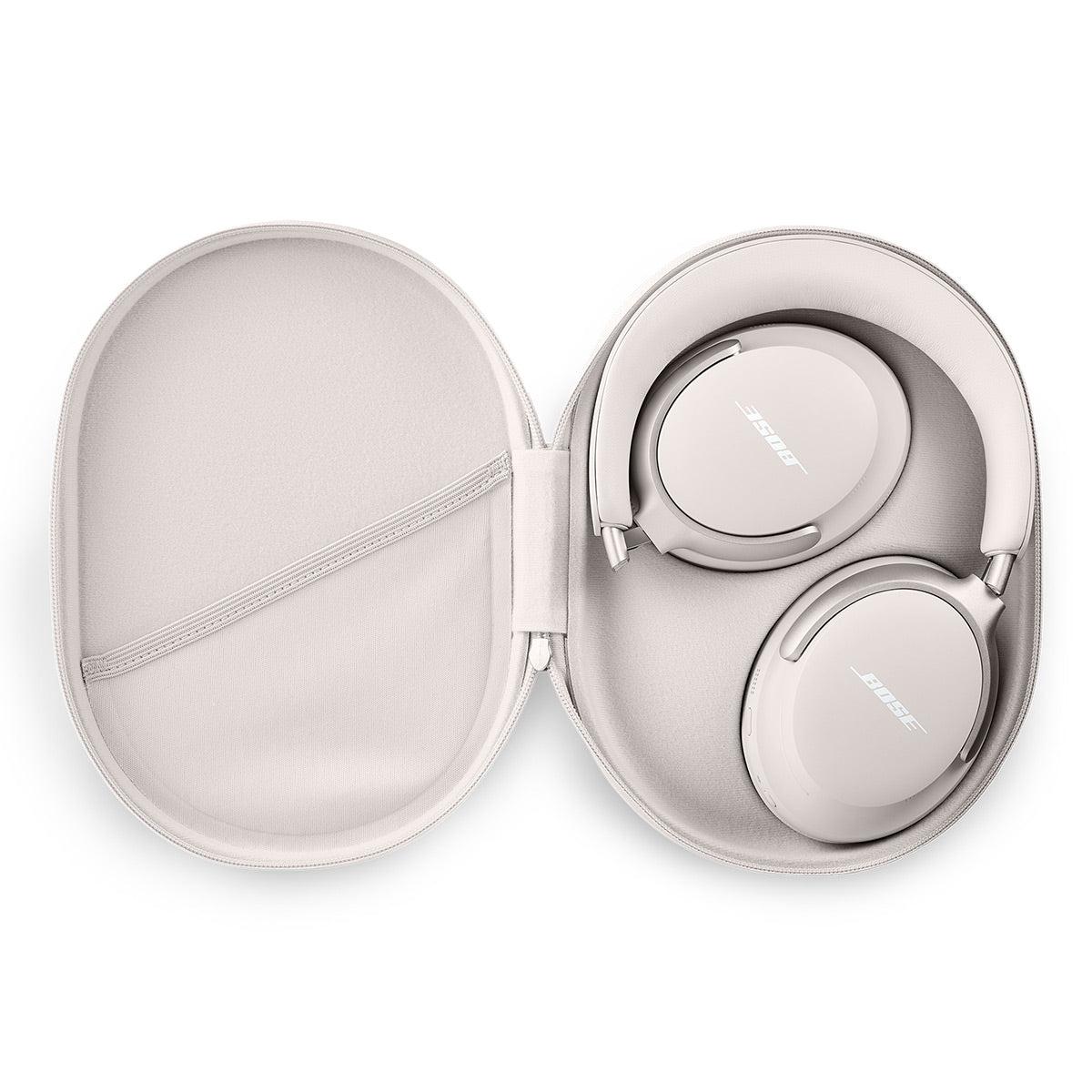

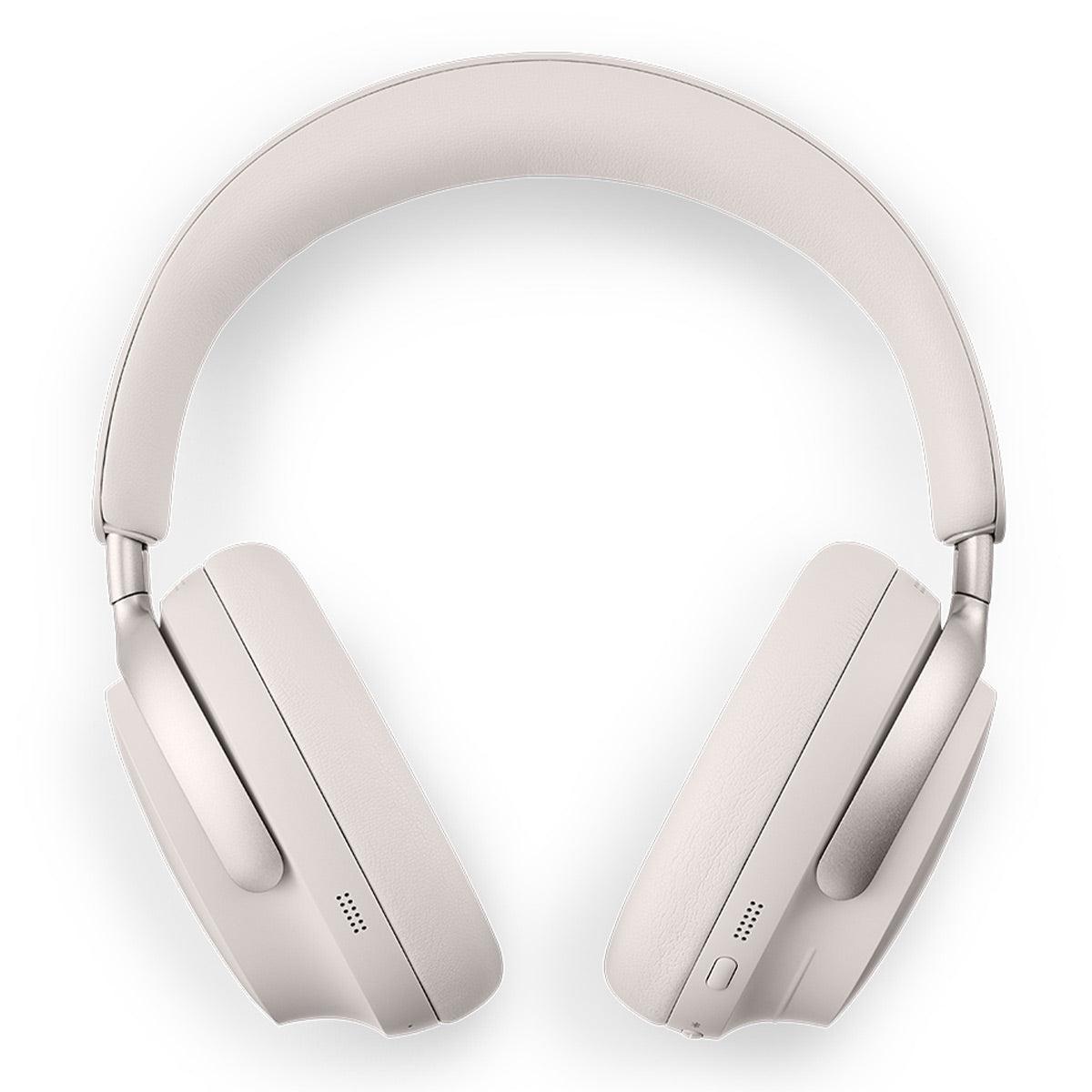
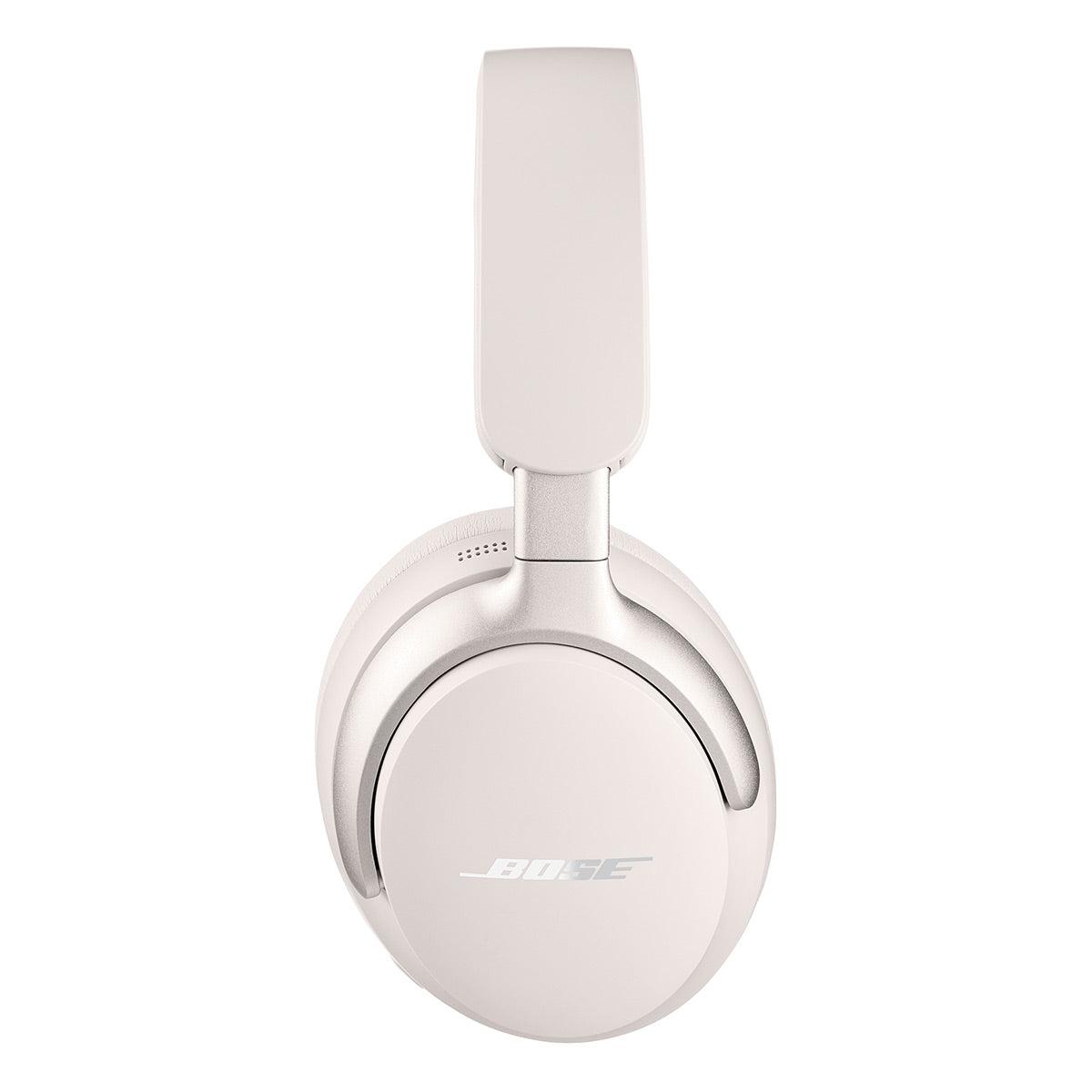
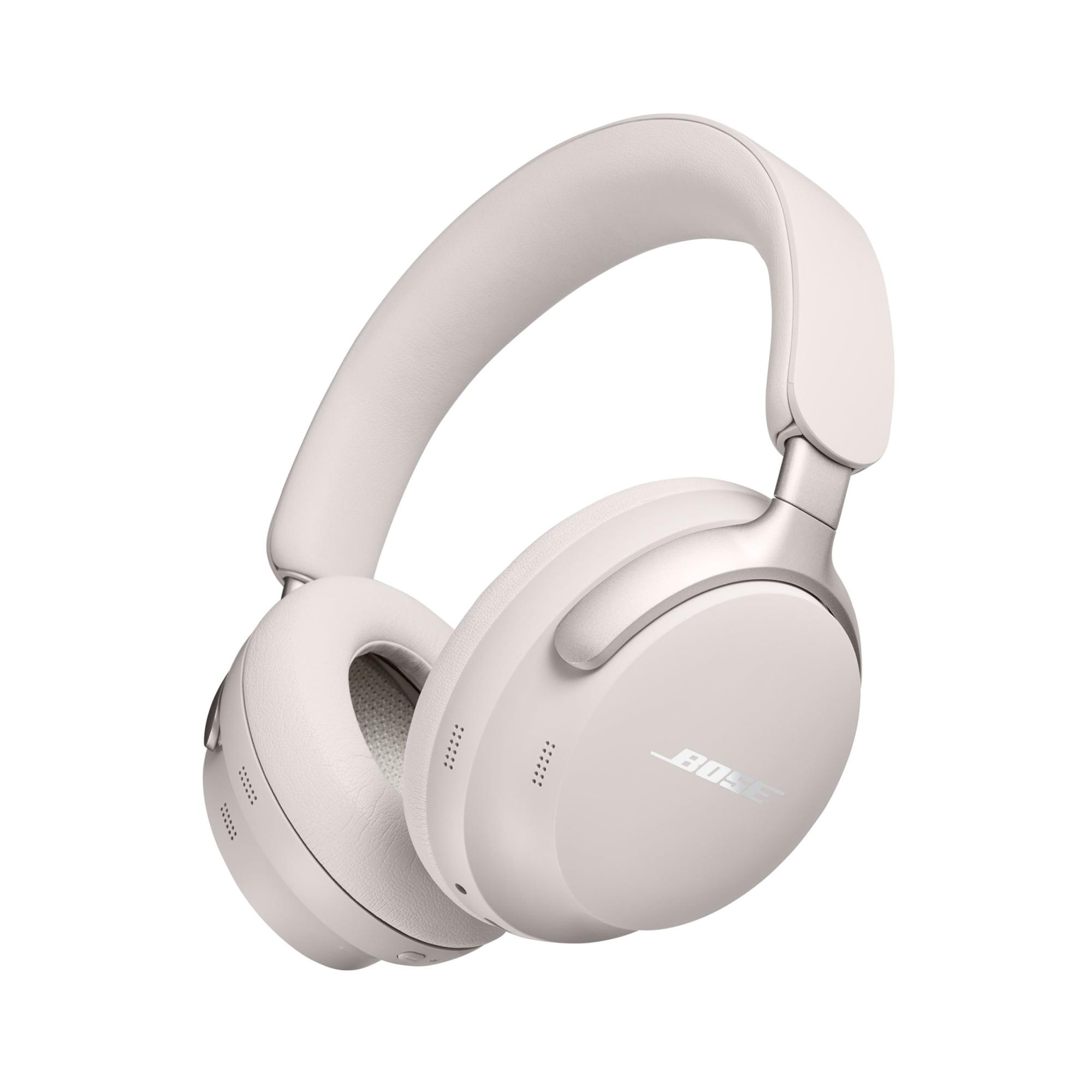

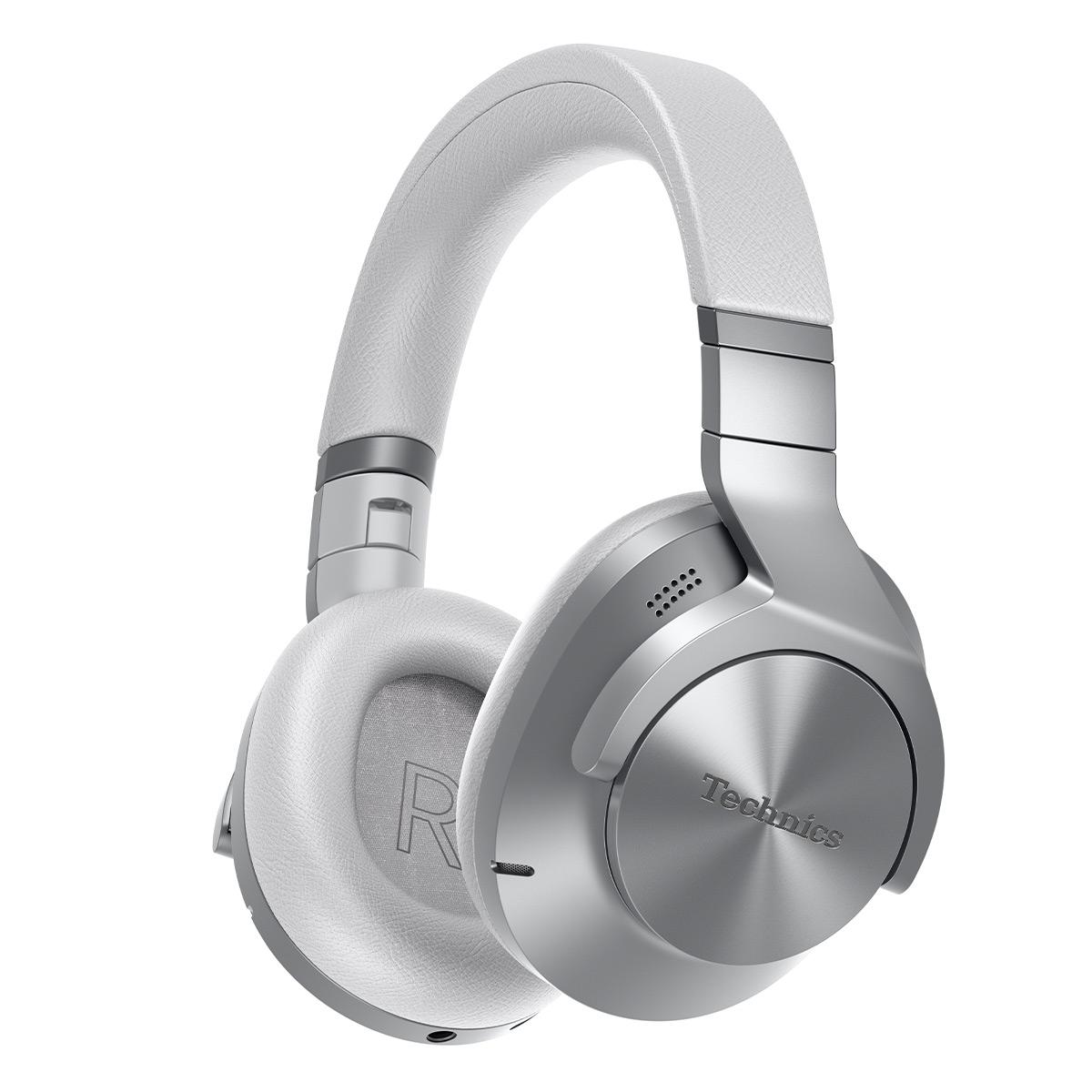
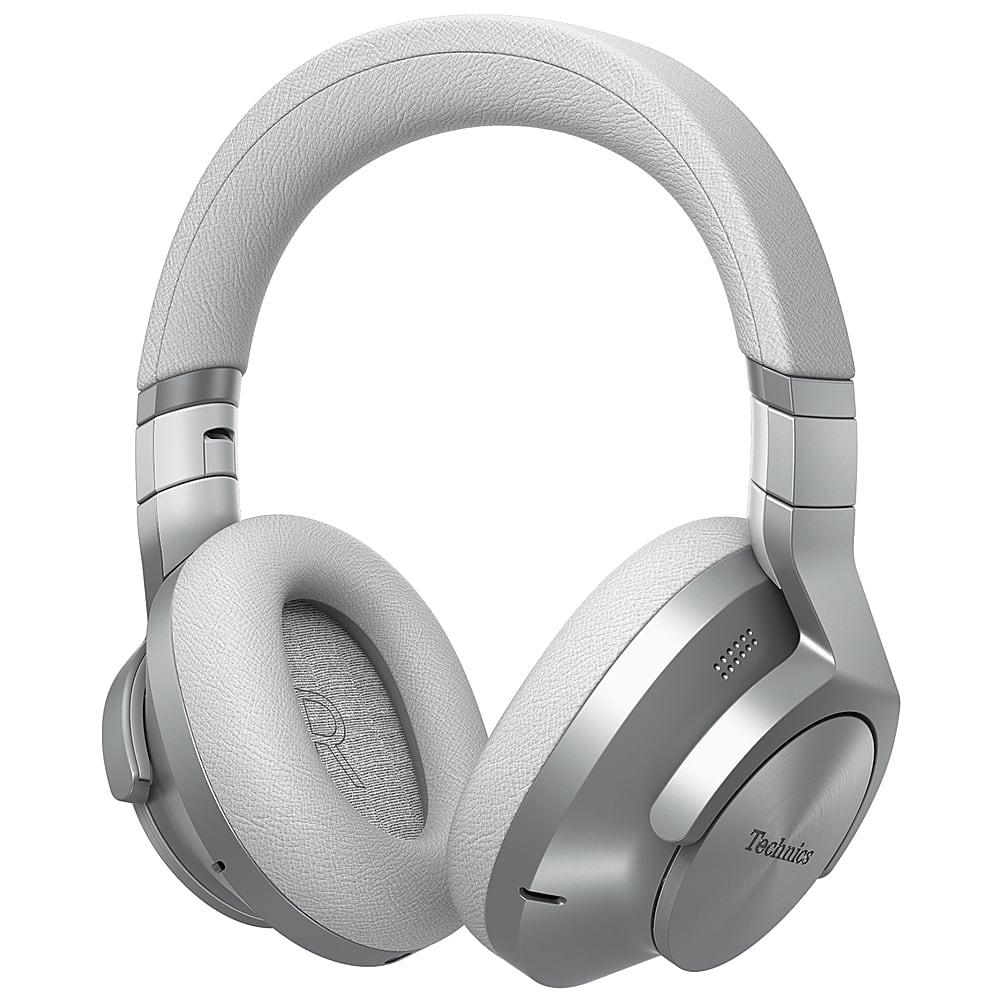
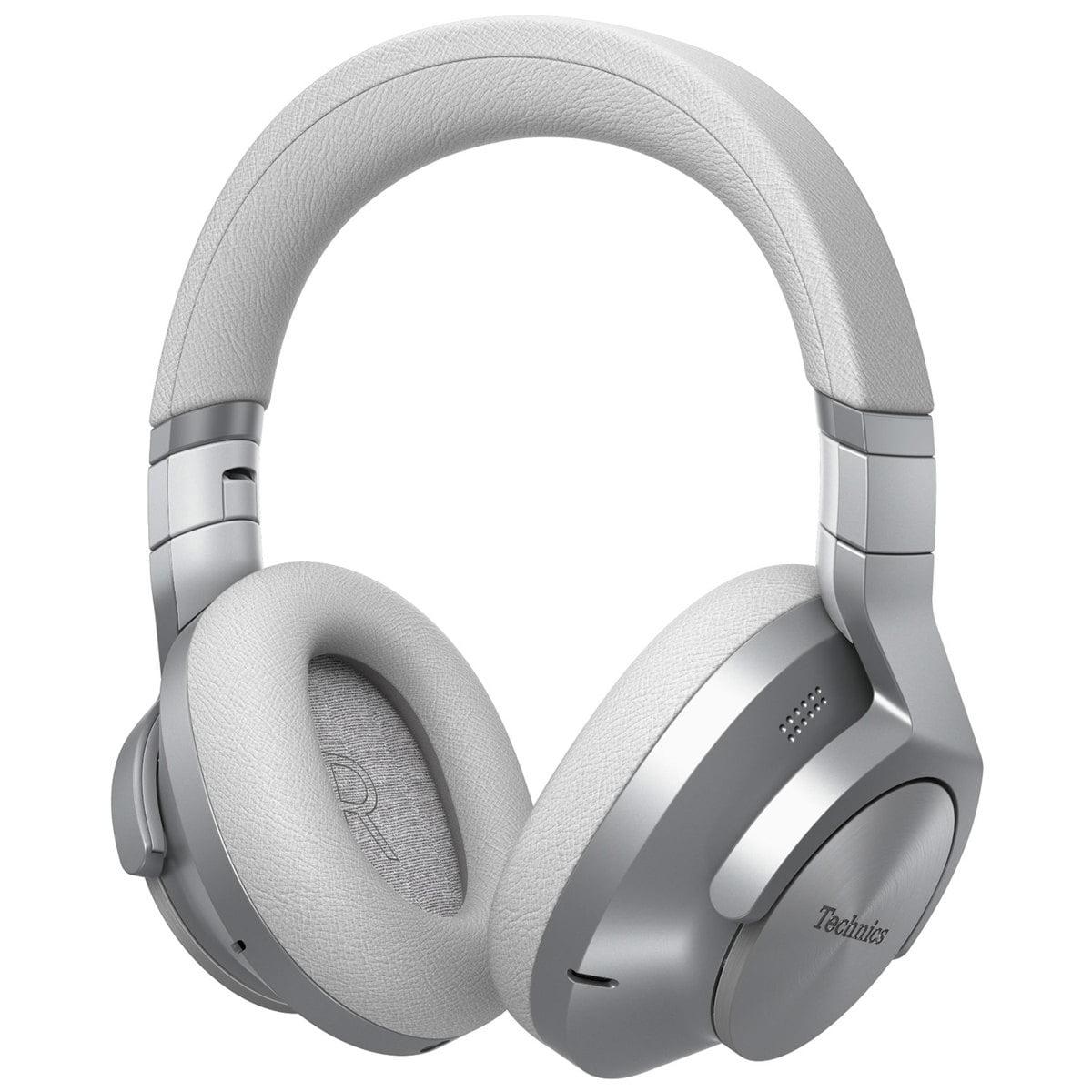
When you're shopping for premium wireless noise-cancelling headphones, you're entering a world where the differences between good and great can be surprisingly subtle—yet incredibly important for your daily listening experience. Today, I'm comparing two headphones that represent different philosophies in premium audio: the Bose QuietComfort Ultra Wireless Headphones ($449) and the Technics EAH-A800 Wireless Noise Cancelling Headphones ($249.99).
Having spent considerable time with both models, I can tell you that each excels in different areas. The Bose prioritizes cutting-edge noise cancellation and spatial audio technology, while the Technics focuses on audiophile-grade sound quality and exceptional battery life at a more accessible price point.
Premium wireless noise-cancelling headphones combine several sophisticated technologies that work together to create an exceptional listening experience. Active noise cancellation (ANC) uses microphones to detect ambient sound and then generates opposing sound waves to cancel out unwanted noise—think of it like noise fighting noise. Meanwhile, high-quality drivers (the speakers inside the headphones) reproduce your music with clarity and detail that budget models simply can't match.
The key considerations when choosing between premium models include how effectively they block different types of noise, how they sound with various music genres, how long they last on a single charge, and whether they remain comfortable during long listening sessions. Both the Bose and Technics excel in these areas but take notably different approaches.
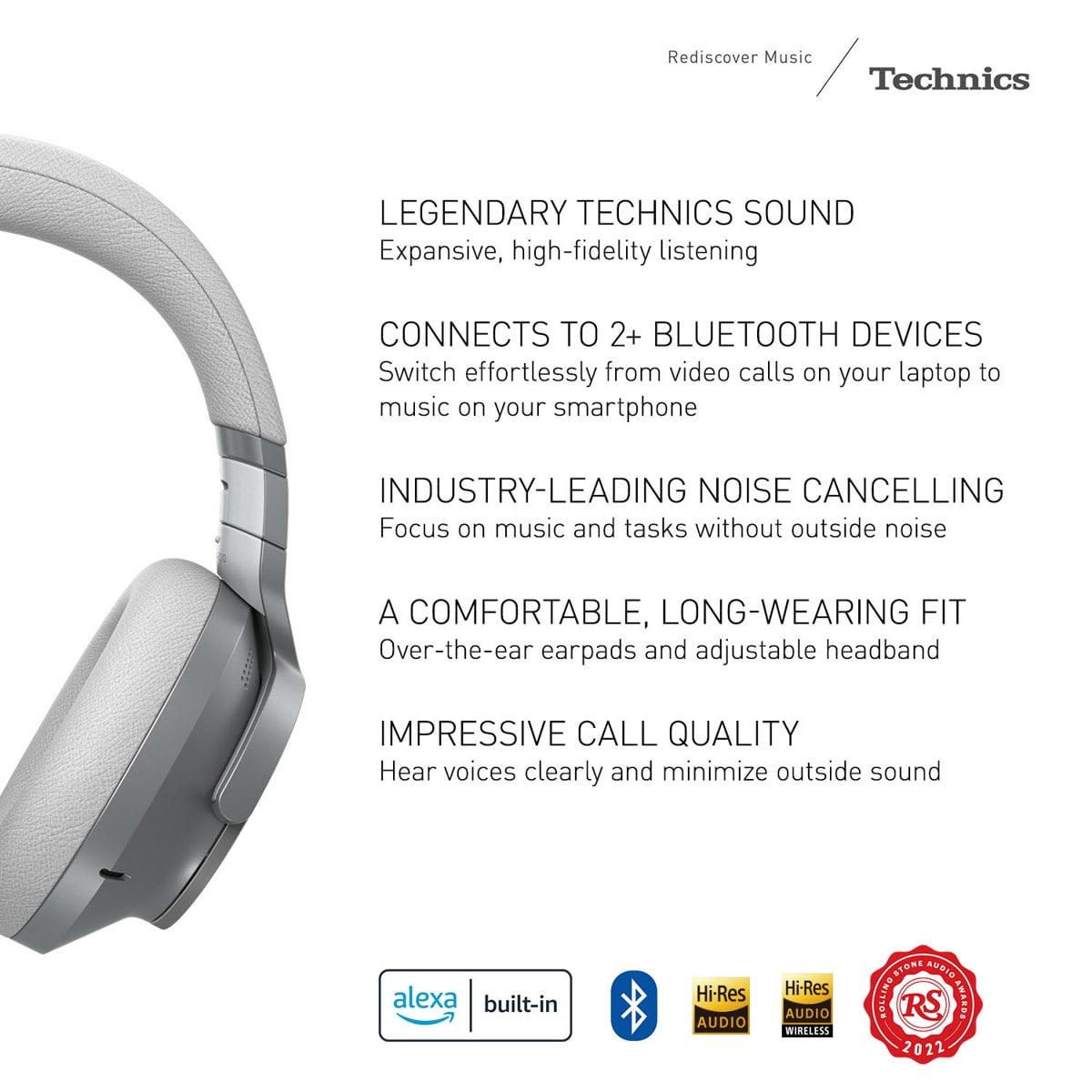
The Technics EAH-A800 ($249.99) arrived in late 2022 as Technics' return to the premium headphone market after focusing primarily on turntables and professional audio equipment for years. This model represented their effort to bring audiophile-grade sound quality to the consumer wireless headphone space, emphasizing technical specifications that appeal to serious listeners.
The Bose QuietComfort Ultra ($449) launched in late 2023 as Bose's flagship replacement for their popular NC 700 series. This release marked Bose's push into spatial audio territory, competing directly with Apple's AirPods Max and Sony's premium offerings. Since launch, both models have received firmware updates that have refined their noise cancellation algorithms and improved connectivity stability.
What's particularly interesting is how these release timelines reflect each company's priorities. Technics entered the market with a value-focused approach, offering premium features at a competitive price. Bose, meanwhile, positioned their Ultra model as a technology showcase, introducing their Immersive Audio system and CustomTune technology as differentiating features.
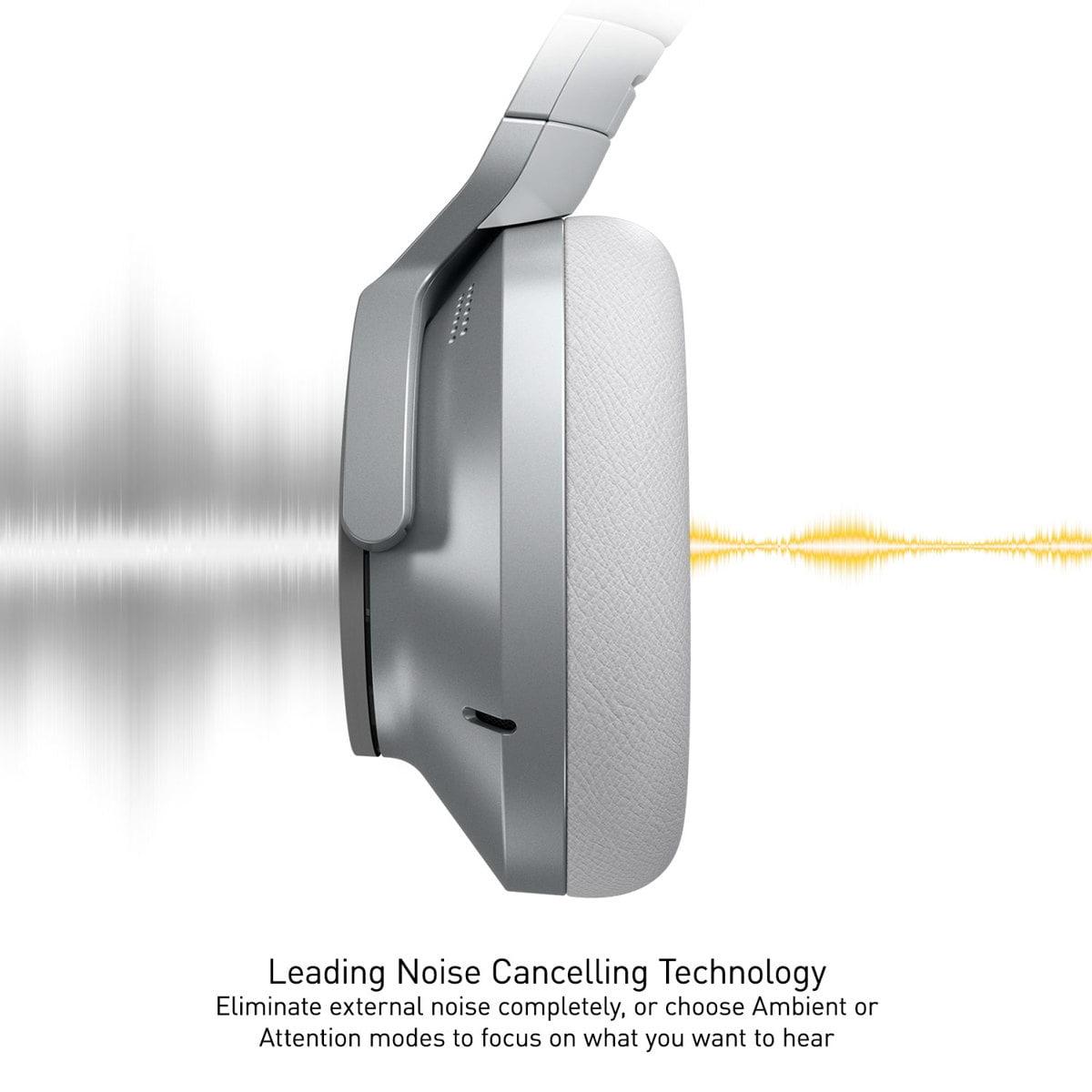
This is where these headphones truly diverge, and it's probably the most important factor for most buyers. The Bose QuietComfort Ultra uses a sophisticated 10-microphone array that continuously monitors your acoustic environment. What makes this system special is its ability to handle complex, variable noise environments—like a busy coffee shop where conversations, music, and machinery all compete for your attention.
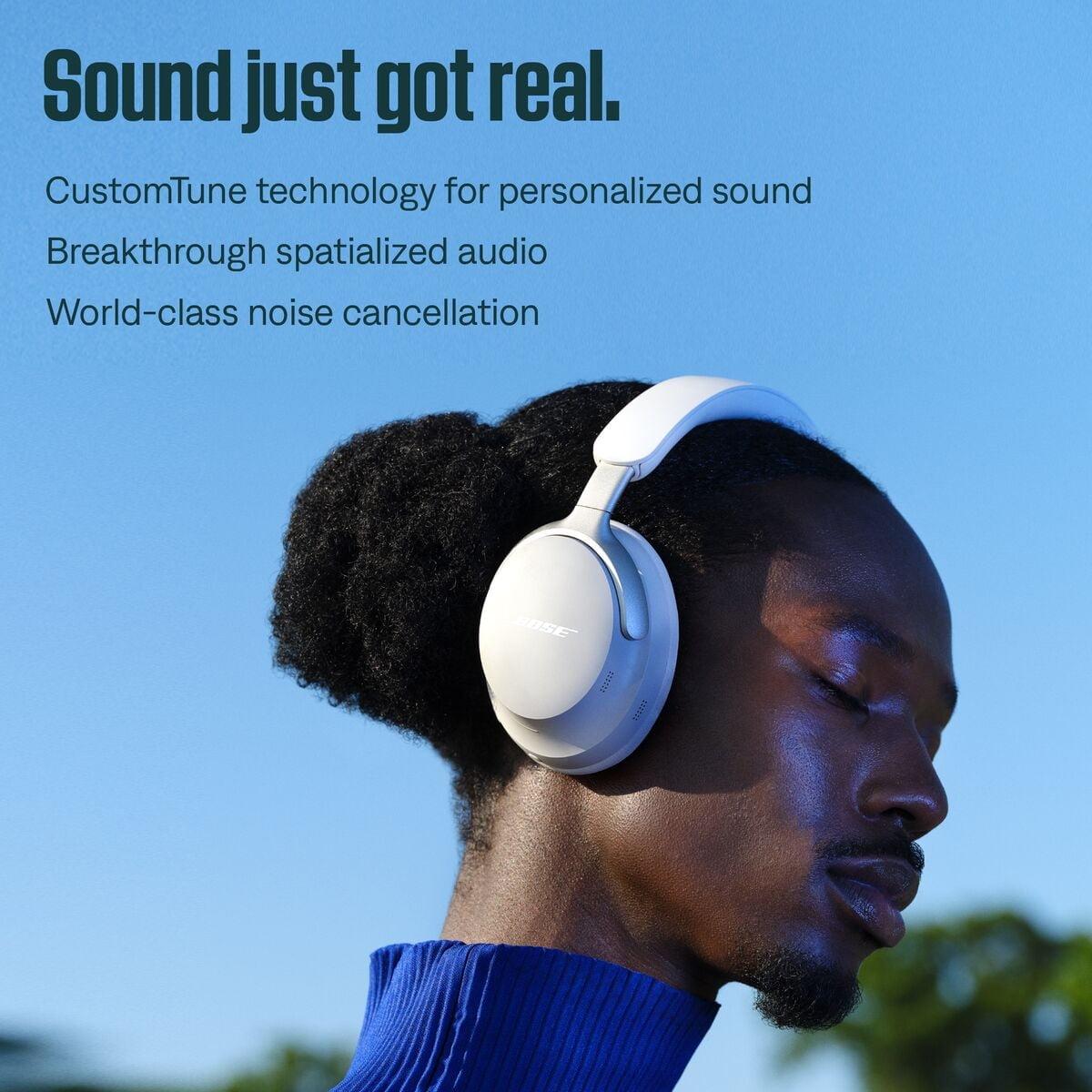
During my testing, the Bose consistently impressed me in challenging situations. On airplanes, it effectively eliminated not just the steady engine drone but also crying babies and chattering passengers. The system uses what Bose calls CustomTune technology, which actually analyzes your ear shape every time you put the headphones on and adjusts both the sound and noise cancellation accordingly. This personalization means the headphones literally adapt to your unique hearing profile.
The Technics EAH-A800 takes a different approach with its Dual Hybrid noise cancellation system. This combines both analog and digital processing with feedforward and feedback microphones—technical terms that essentially mean the system attacks noise from multiple angles simultaneously. Where the Technics really shines is with consistent, low-frequency noise. In my home office, which sits near a busy road, the Technics effectively eliminated the constant hum of traffic and air conditioning.
However, the Technics struggles more with sudden, variable sounds. When my neighbor started using a leaf blower, the Bose adapted quickly while the Technics took longer to respond. This difference becomes particularly noticeable in environments like open offices or busy public spaces where sounds constantly change.
For home theater use, both perform well, but the Bose's superior mid-range noise cancellation means you're less likely to be disturbed by household sounds like dishwashers or conversations in adjacent rooms.
Here's where personal preference really comes into play, and both headphones offer compelling but different approaches to sound reproduction.
The Technics EAH-A800 features 40mm drivers with what they call a "Free Edge" design and a three-layer diaphragm made from PEEK (polyetheretherketone) and polyurethane. These materials might sound like marketing speak, but they actually contribute to more controlled driver movement, resulting in tighter bass and clearer highs. More importantly, the Technics supports Sony's LDAC codec, which can transmit audio at up to 96kHz/24-bit resolution wirelessly—essentially CD-quality or better over Bluetooth.
In practice, this means when I'm listening to high-resolution tracks from services like Tidal or Amazon Music HD, the Technics delivers noticeably more detail and clarity. Jazz recordings reveal subtle instrumental textures, and rock music maintains punch without muddiness. The sound signature is relatively neutral, meaning it doesn't artificially boost any particular frequency range—audiophiles call this "reference tuning."
The Bose QuietComfort Ultra takes a more consumer-friendly approach with its 35mm drivers and what I'd describe as a "warm" sound signature. This means slightly emphasized bass and smooth, pleasant highs that make almost any music sound engaging. But the real story here is Immersive Audio, Bose's spatial audio technology.
Immersive Audio uses digital processing to create a sense of three-dimensional sound space, making music feel like it's happening around you rather than just between your ears. The system includes head tracking, so the soundstage remains stable as you move your head. While this works better with some content than others—I found it particularly effective with orchestral music and movie soundtracks—it represents a genuinely different listening experience.
For home theater use, both headphones excel but in different ways. The Technics' neutral tuning ensures dialogue remains clear and effects don't overwhelm the mix. The Bose's Immersive Audio can make movie soundtracks feel more enveloping, though it does reduce battery life significantly.
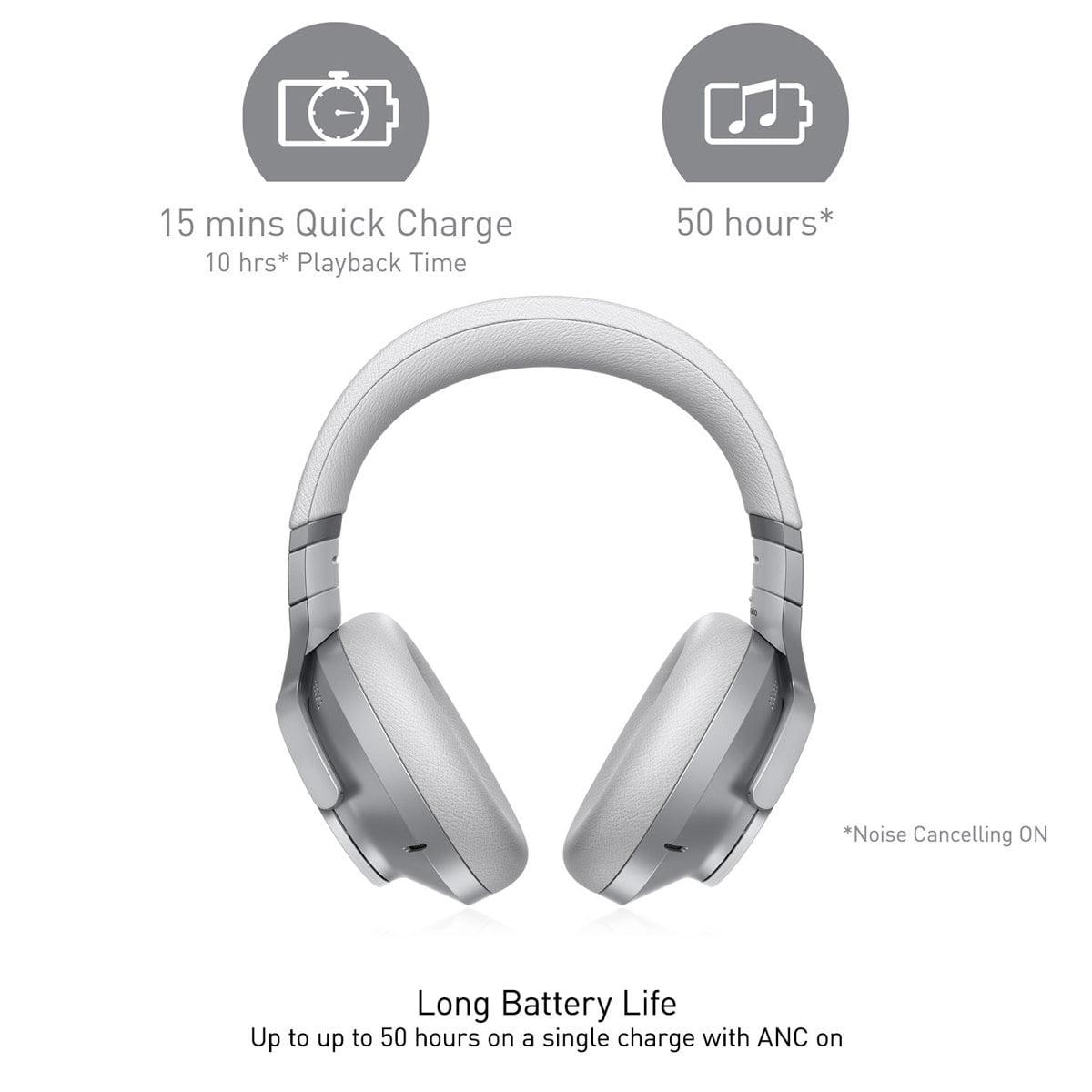
This comparison isn't even close. The Technics EAH-A800 delivers an astounding 50 hours of playback with noise cancellation enabled using standard AAC codec, extending to 60 hours with ANC disabled. Even when using the high-quality LDAC codec, you'll get 40 hours with noise cancellation—still nearly double the Bose's capacity.
The Bose QuietComfort Ultra provides 24 hours of standard playback, dropping to 18 hours when Immersive Audio is enabled. While this is perfectly adequate for most users, it pales in comparison to the Technics' endurance.
In real-world terms, this difference is substantial. With the Technics, I can go weeks between charges even with heavy daily use. The Bose requires more attention to charging schedules, though its 15-minute quick charge (providing 2.5 hours of playback) helps mitigate this limitation.
For home theater enthusiasts who might use their headphones for extended movie marathons or gaming sessions, the Technics' exceptional battery life becomes a significant advantage. There's nothing quite like the frustration of headphones dying during the climax of a three-hour epic film.
Both headphones justify their premium positioning through superior comfort and materials, but they achieve this differently.
The Bose QuietComfort Ultra weighs just 254 grams and uses protein leather ear cushions that feel luxurious against your skin. The headband distributes weight evenly, and I've worn these for entire workdays without discomfort. The build includes aluminum components and feels appropriately premium for the price point. Importantly, the Bose includes IPX4 water resistance, meaning they can handle sweat and light rain.
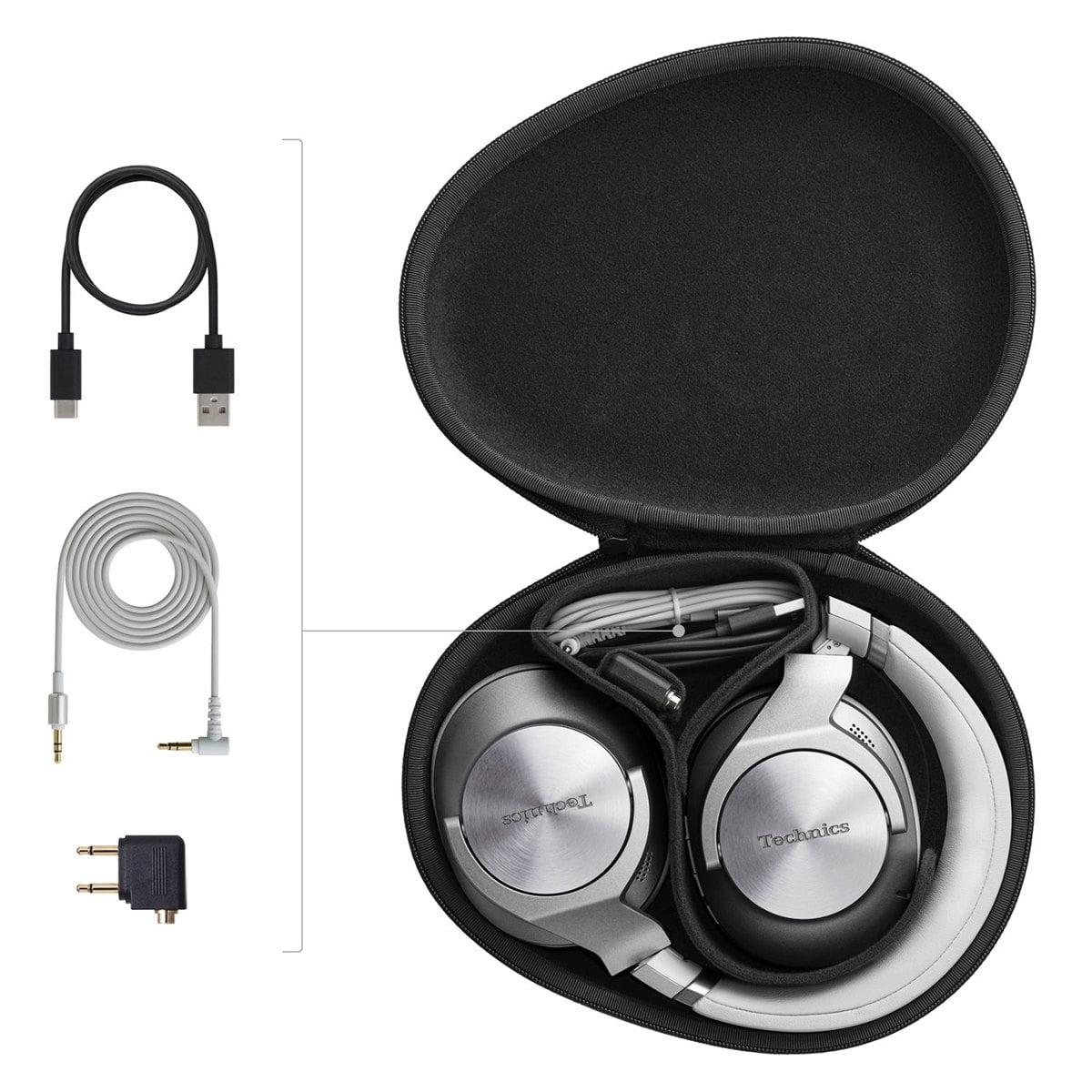
The Technics EAH-A800 is heavier at 298 grams, but the weight distribution is excellent. The ear cushions are particularly plush and create an effective seal that enhances both comfort and passive noise isolation. While they lack water resistance, the build quality feels solid and includes a premium hard-shell carrying case.
During long listening sessions, both remain comfortable, though the Bose's lighter weight gives it a slight edge for extended wear. For users who wear glasses, both accommodate frames well without creating pressure points.
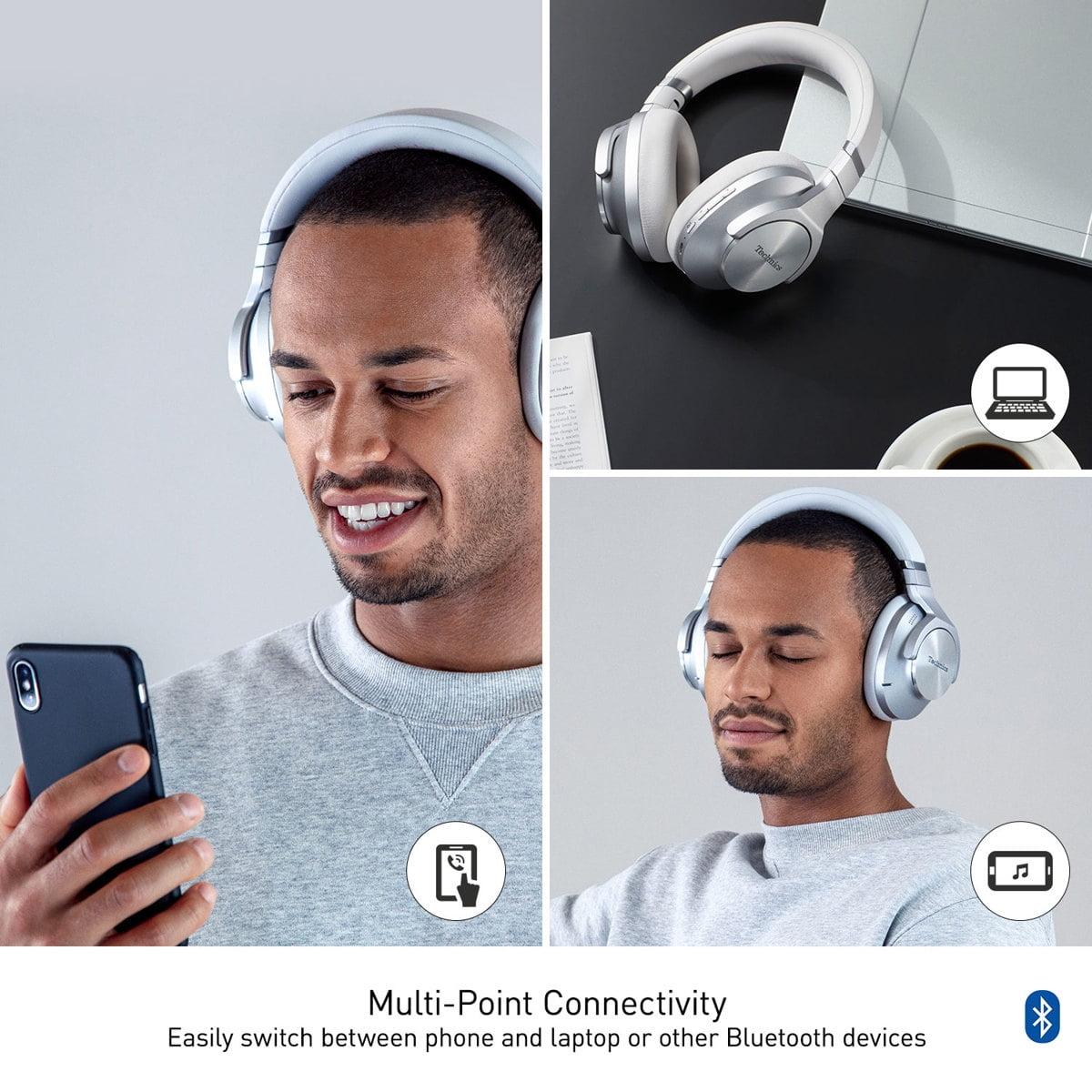
Both headphones support multipoint Bluetooth pairing, meaning you can connect them to your phone and computer simultaneously—incredibly useful for taking calls while watching videos or listening to music. However, their feature sets diverge in interesting ways.
The Bose QuietComfort Ultra ($449) runs Bluetooth 5.3 and supports aptX Adaptive codec alongside standard SBC and AAC. The Bose Music app provides extensive customization options, including EQ adjustment and noise cancellation fine-tuning. The touch controls on the ear cups work reliably, though I occasionally trigger them accidentally when adjusting the headphones.
One limitation worth noting: the Bose lacks USB-C audio input, meaning you can't connect them directly to devices for lossless audio. Everything must go through Bluetooth, even when using the included 3.5mm cable (the headphones still need to be powered on).
The Technics EAH-A800 ($249.99) offers Bluetooth 5.2 with support for SBC, AAC, and the aforementioned LDAC codec. More importantly, it includes USB-C audio input, allowing for truly lossless digital connection to compatible devices. This feature is particularly valuable for home theater setups where you might want to connect directly to a TV or streaming device.
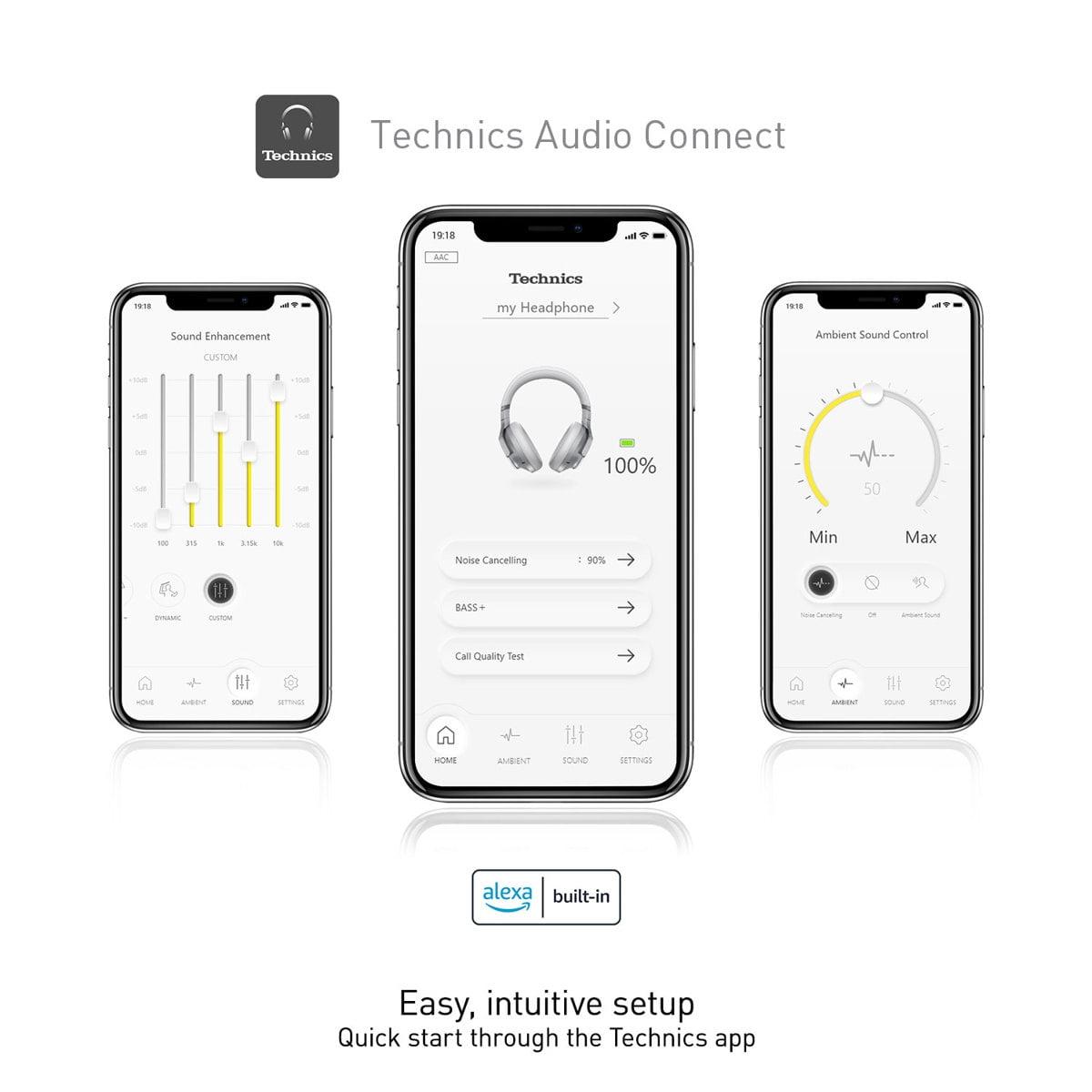
The Technics Audio Connect app is more basic than Bose's offering but provides essential functions like EQ adjustment and firmware updates. The physical controls feel more reliable than touch surfaces, though they're not quite as elegant.
For gaming and home theater use, the Technics' USB-C audio capability provides a significant advantage, eliminating any potential Bluetooth latency issues that could cause audio-video sync problems.
Both headphones include sophisticated microphone arrays for calls, but they implement these differently.
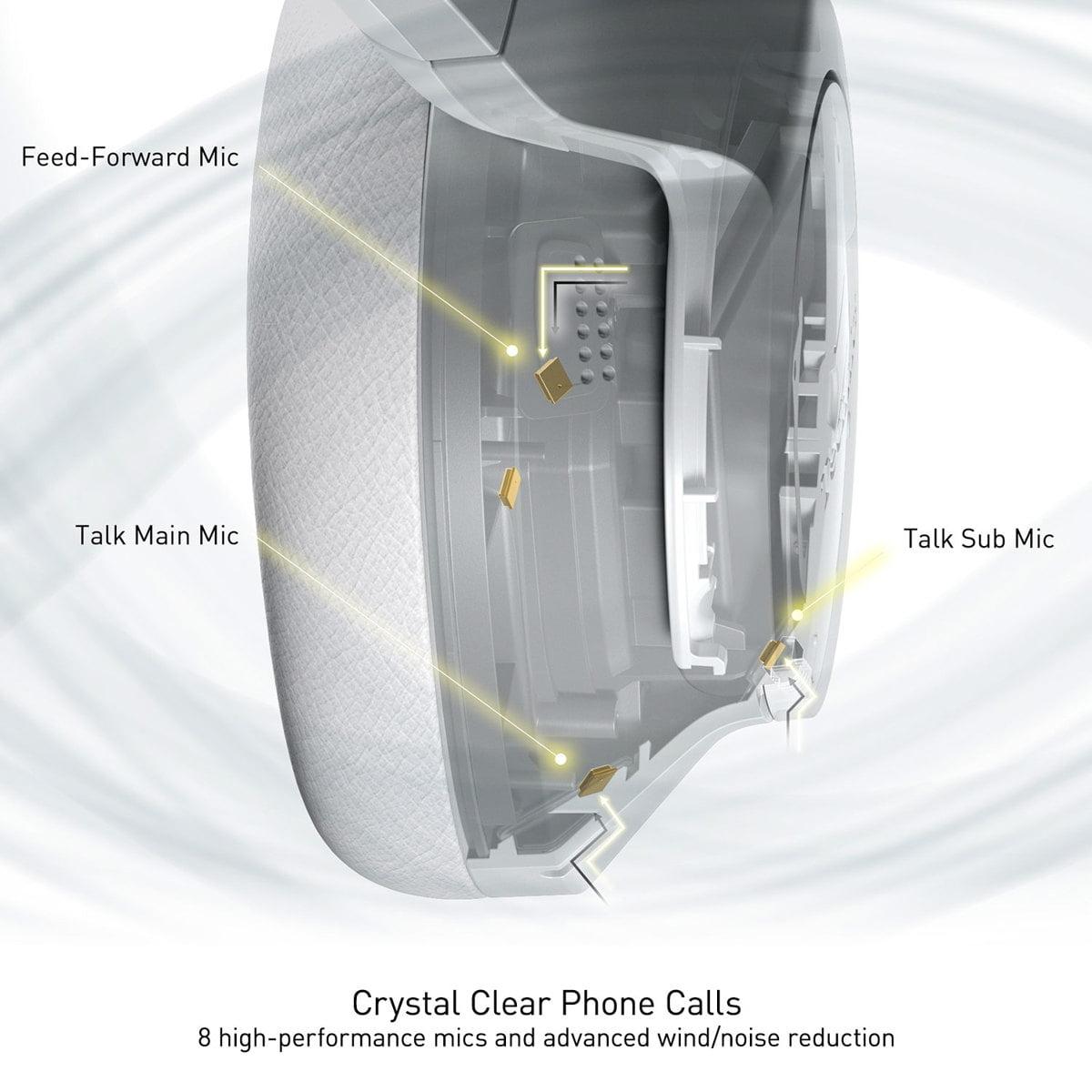
The Technics uses eight microphones with beamforming technology that focuses on your voice while suppressing background noise. In practice, this works exceptionally well—colleagues consistently comment on the clarity of my voice during video calls, even in moderately noisy environments.
The Bose incorporates its microphones into the overall noise cancellation system, providing solid call quality that's good but not exceptional. The noise cancellation helps reduce background noise pickup, but the Technics' dedicated approach to voice clarity gives it an edge for professional use.
Here's where the philosophical differences between these headphones become most apparent.
At $449, the Bose QuietComfort Ultra positions itself as a premium lifestyle product. You're paying for cutting-edge noise cancellation technology, innovative spatial audio features, and the Bose brand reputation. If you prioritize having the latest technology and don't mind paying extra for incremental improvements, the Bose justifies its price through technical sophistication.
The Technics EAH-A800 at $249.99 represents exceptional value in the premium segment. You're getting audiophile-focused features like LDAC support, outstanding battery life, and solid build quality at a price that undercuts most flagship competitors. For listeners who prioritize sound quality and practical features over brand prestige, the Technics offers more performance per dollar.
In my experience, the Technics punches well above its price class, delivering features and performance that compete with headphones costing significantly more.
After extensive use with both headphones, here's how I'd recommend approaching this decision:
Choose the Bose QuietComfort Ultra ($449) if you're frequently in challenging noise environments, prioritize the latest technology features, or if brand reputation matters to you. The superior noise cancellation and Immersive Audio technology justify the premium price for users who will fully utilize these capabilities. They're particularly well-suited for frequent travelers and those who want the most effective noise cancellation available.
Choose the Technics EAH-A800 ($249.99) if you prioritize sound quality, value exceptional battery life, or need features like USB-C audio input. The outstanding price-to-performance ratio makes these headphones an excellent choice for home theater use, office work, or any situation where you want premium audio quality without the premium price tag.
For home theater enthusiasts specifically, I'd lean toward the Technics due to their USB-C audio capability, neutral sound signature that won't color movie soundtracks, and exceptional battery life for long viewing sessions.
Ultimately, both headphones represent excellent choices in their respective price ranges. The Bose offers cutting-edge technology and superior noise cancellation, while the Technics provides outstanding value with audiophile-focused features. Your choice should depend on which capabilities matter most for your specific listening habits and budget considerations.
The good news is that either choice will provide a significant upgrade over standard headphones, delivering the kind of immersive, comfortable listening experience that makes you wonder how you ever managed without them.
| Bose QuietComfort Ultra Wireless Headphones | Technics EAH-A800 Wireless Noise Cancelling Headphones |
|---|---|
| Price - Major cost difference for similar premium features | |
| $449 | $249.99 |
| Weight - Impacts long-term comfort significantly | |
| 254g (lighter, less fatigue during extended use) | 298g (heavier but well-distributed) |
| Battery Life - Critical for travel and long sessions | |
| 24 hours (18 hours with Immersive Audio on) | 50 hours with ANC, 60 hours without ANC |
| Noise Cancellation - Primary reason to buy premium headphones | |
| 10 microphones, superior in complex environments | Dual Hybrid system, excellent for steady low-frequency noise |
| Audio Codecs - Determines maximum sound quality | |
| aptX Adaptive, AAC, SBC | LDAC (Hi-Res), AAC, SBC |
| Spatial Audio - Immersive experience vs traditional stereo | |
| Immersive Audio with head tracking | None (traditional stereo) |
| Wired Audio Connection - Important for zero-latency use | |
| 3.5mm only (headphones must be powered on) | USB-C digital audio + 3.5mm analog |
| Water Resistance - Protection from sweat and moisture | |
| IPX4 (sweat and light rain resistant) | None |
| Bluetooth Version - Affects connection stability and range | |
| Bluetooth 5.3 | Bluetooth 5.2 |
| Quick Charge - How fast you get back to listening | |
| 15 min = 2.5 hours playback | 15 min = 10 hours playback |
| Microphones for Calls - Important for work-from-home users | |
| Integrated into ANC system (good quality) | 8 dedicated mics with beamforming (excellent quality) |
| Personalization Features - Customized sound experience | |
| CustomTune (adapts to ear shape automatically) | Manual EQ via app |
The Bose QuietComfort Ultra Wireless Headphones ($449) have superior noise cancellation overall. They use 10 microphones and excel at blocking variable sounds like conversations, traffic, and announcements. The Technics EAH-A800 ($249.99) performs well with steady, low-frequency noise like airplane engines or air conditioning, but struggles more with changing sounds and voices.
The Technics EAH-A800 ($249.99) offers exceptional 50-hour battery life with noise cancellation on, extending to 60 hours with ANC off. The Bose QuietComfort Ultra ($449) provides 24 hours of standard use, dropping to 18 hours when using Immersive Audio mode. The Technics clearly wins for extended use without charging.
Both offer excellent sound quality but with different approaches. The Technics EAH-A800 ($249.99) provides more neutral, audiophile-focused sound with LDAC Hi-Res Audio support for maximum detail. The Bose QuietComfort Ultra ($449) offers warmer, more engaging sound with spatial audio technology that creates an immersive listening experience.
Both headphones are very comfortable for extended wear. The Bose QuietComfort Ultra ($449) is lighter at 254g with protein leather cushions, making it slightly better for all-day use. The Technics EAH-A800 ($249.99) weighs 298g but has plush, well-distributed padding that remains comfortable during long sessions.
The Technics EAH-A800 ($249.99) excels for calls with its 8-microphone array and beamforming technology that clearly isolates your voice. The Bose QuietComfort Ultra ($449) provides good call quality but focuses more on overall noise reduction rather than optimizing specifically for voice clarity.
The Technics EAH-A800 ($249.99) offers both USB-C digital audio and 3.5mm analog connections, providing true lossless wired audio. The Bose QuietComfort Ultra ($449) only supports 3.5mm wired connection and requires the headphones to remain powered on, limiting true wired functionality.
The Technics EAH-A800 ($249.99) provides exceptional value with premium features like 50-hour battery life, LDAC Hi-Res Audio, and excellent build quality at nearly half the price. The Bose QuietComfort Ultra ($449) justifies its higher cost with superior noise cancellation and cutting-edge spatial audio technology.
Both work excellently for home theater use. The Technics EAH-A800 ($249.99) offers advantages with USB-C digital connection for zero-latency audio and 50+ hour battery life for marathon viewing sessions. The Bose QuietComfort Ultra ($449) provides immersive spatial audio that enhances movie soundtracks and superior noise isolation from household distractions.
The Bose QuietComfort Ultra ($449) offers more comprehensive app support through the Bose Music app with extensive EQ options, noise cancellation fine-tuning, and feature customization. The Technics EAH-A800 ($249.99) provides basic but functional app support with EQ adjustment and firmware updates through the Technics Audio Connect app.
The Bose QuietComfort Ultra ($449) excels for travel with superior noise cancellation that handles variable airport and airplane sounds, lighter weight, and IPX4 water resistance. The Technics EAH-A800 ($249.99) offers incredible 50-hour battery life that eliminates charging concerns during long trips, though it's heavier and lacks water resistance.
The Technics EAH-A800 ($249.99) supports LDAC codec for Hi-Res Audio up to 96kHz/24-bit wireless transmission, plus AAC and SBC. The Bose QuietComfort Ultra ($449) supports aptX Adaptive, AAC, and SBC codecs but lacks the high-resolution LDAC support for maximum wireless audio quality.
Choose the Bose QuietComfort Ultra ($449) if you prioritize the best noise cancellation, spatial audio features, lightweight comfort, and don't mind the premium price. Choose the Technics EAH-A800 ($249.99) if you want exceptional value, audiophile sound quality, outstanding battery life, and Hi-Res Audio support at a more affordable price point.
We've done our best to create useful and informative comparisons to help you decide what product to buy. Our research uses advanced automated methods to create this comparison and perfection is not possible - please contact us for corrections or questions. These are the sites we've researched in the creation of this article: techradar.com - whathifi.com - whathifi.com - whathifi.com - tomsguide.com - youtube.com - stereoguide.com - youtube.com - soundguys.com - soundguys.com - bose.com - headphonecheck.com - bose.com - cnet.com - bhphotovideo.com - boselatam.com - rtings.com - bestbuy.com - assets.bose.com - bose.com - bose.com.au - bose.com - boseapac.com - blog.son-video.com - expertreviews.co.uk - youtube.com - whathifi.com - youtube.com - bhphotovideo.com - futureaudiophile.com - versus.com - versus.com - soundphilereview.com - help.na.panasonic.com - technics.com - retailspecs.com - headphonecheck.com - us.technics.com - help.na.panasonic.com - bhphotovideo.com - technics.com - technics.com - valueelectronics.com - us.technics.com - us.technics.com - youtube.com - hometheaterhifi.com

Privacy Policy
Terms and Conditions - Affiliate Policy
Home Security
© Copyright 2008-2026.
11816 Inwood Rd #1211, Dallas, TX 75244