


When I first started testing wireless noise-cancelling headphones, I quickly learned that this category has become incredibly sophisticated since its mainstream debut in the early 2000s. Today's market offers everything from surprisingly capable budget models to premium flagship headphones that rival dedicated studio monitors. Understanding what separates a good pair from a great pair—and whether you actually need those premium features—can save you both money and buyer's remorse.
The wireless active noise cancelling (ANC) headphones market has matured dramatically, with the technology now spanning from around $80 budget options to $400+ flagship models. The key considerations haven't changed much: how well they block unwanted noise, how good they sound, how comfortable they are during long sessions, and how long the battery lasts. However, the gap in performance between budget and premium models has narrowed considerably, making the decision more nuanced than simply "expensive equals better."
Before diving into specific comparisons, it's worth understanding what makes ANC headphones tick. Active noise cancellation works by using microphones to detect ambient sound, then generating sound waves that are exactly opposite (or "out of phase") to cancel out that noise. Think of it like noise algebra—positive plus negative equals zero. This works exceptionally well for consistent, low-frequency sounds like airplane engines, air conditioners, or traffic hum.
The most important performance metrics in this category are ANC effectiveness across different frequencies, overall sound quality and tonal balance, comfort during extended wear, battery endurance, and build quality. Connectivity features like multipoint pairing (connecting to multiple devices simultaneously) and advanced audio codecs (methods of compressing and transmitting audio data) have become increasingly important as we use more devices throughout our day.
What many people don't realize is that ANC performance varies significantly depending on the type of noise you're trying to block. Low-frequency rumbles are much easier to cancel than mid-frequency sounds like human voices or high-frequency noises like keyboard clicking. This is where the rubber meets the road in real-world usage.
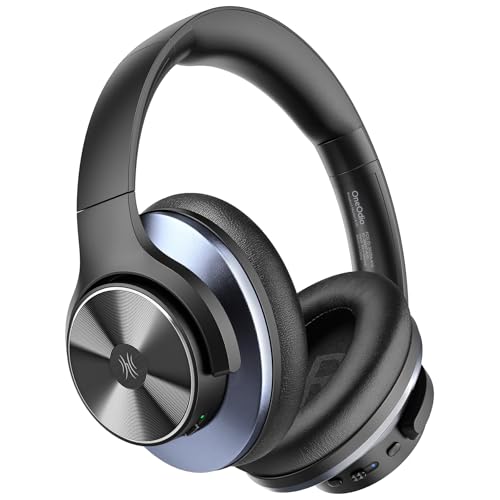
The OneOdio A10 and Technics EAH-A800 represent two fundamentally different approaches to the same problem. Released in 2022, the OneOdio A10 targets budget-conscious users who want modern ANC functionality without premium pricing. At the time of writing, it sits in the sub-$100 category, making it accessible to students, casual listeners, and anyone wanting to dip their toes into ANC technology.
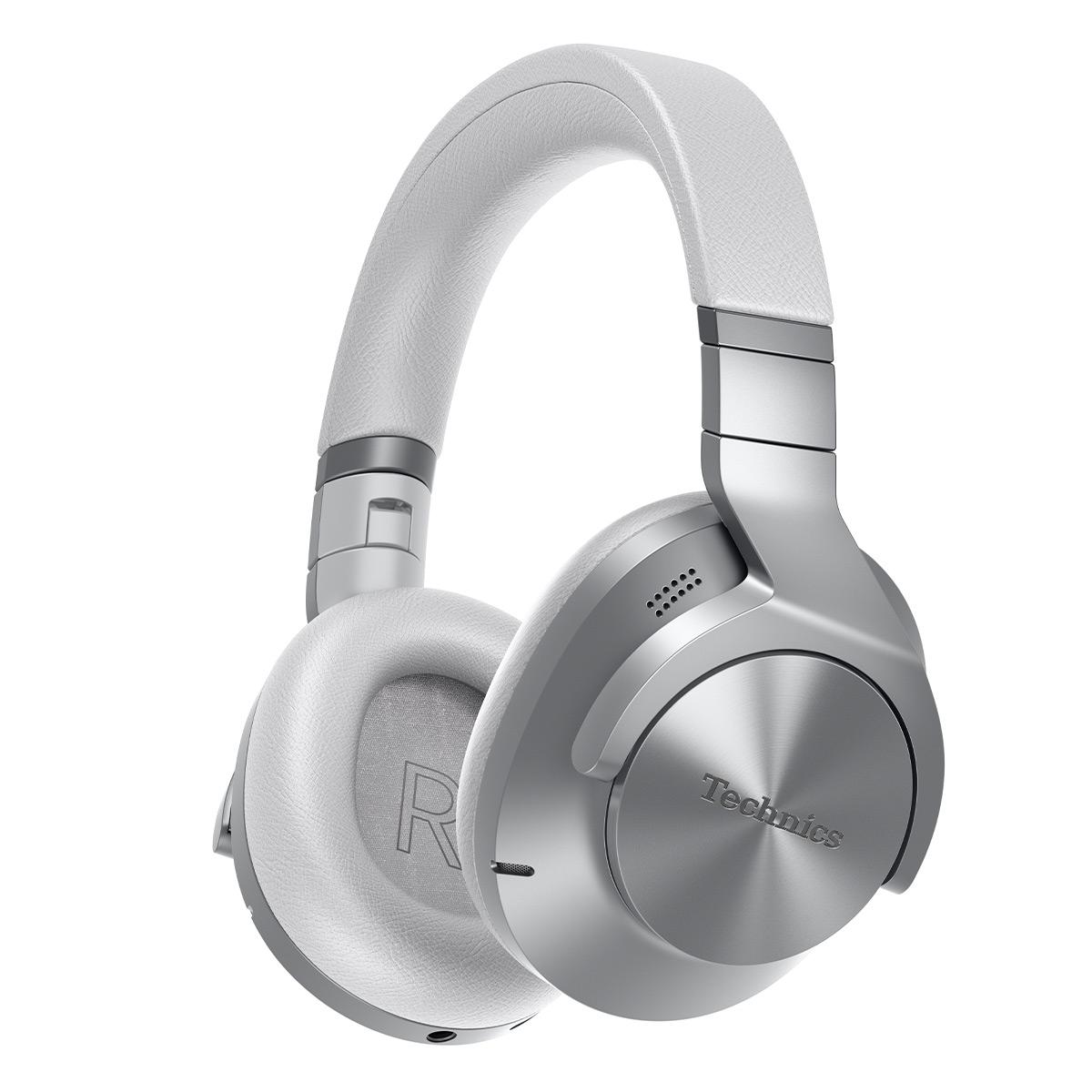
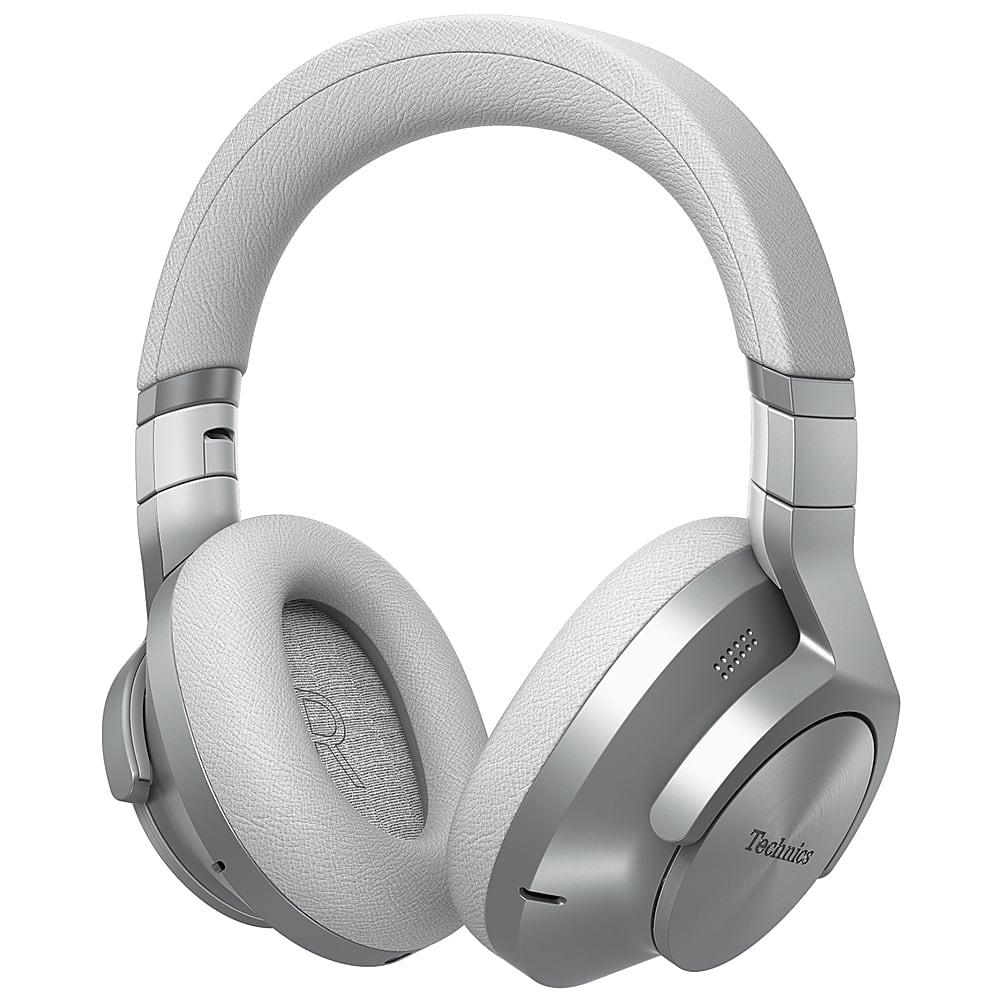
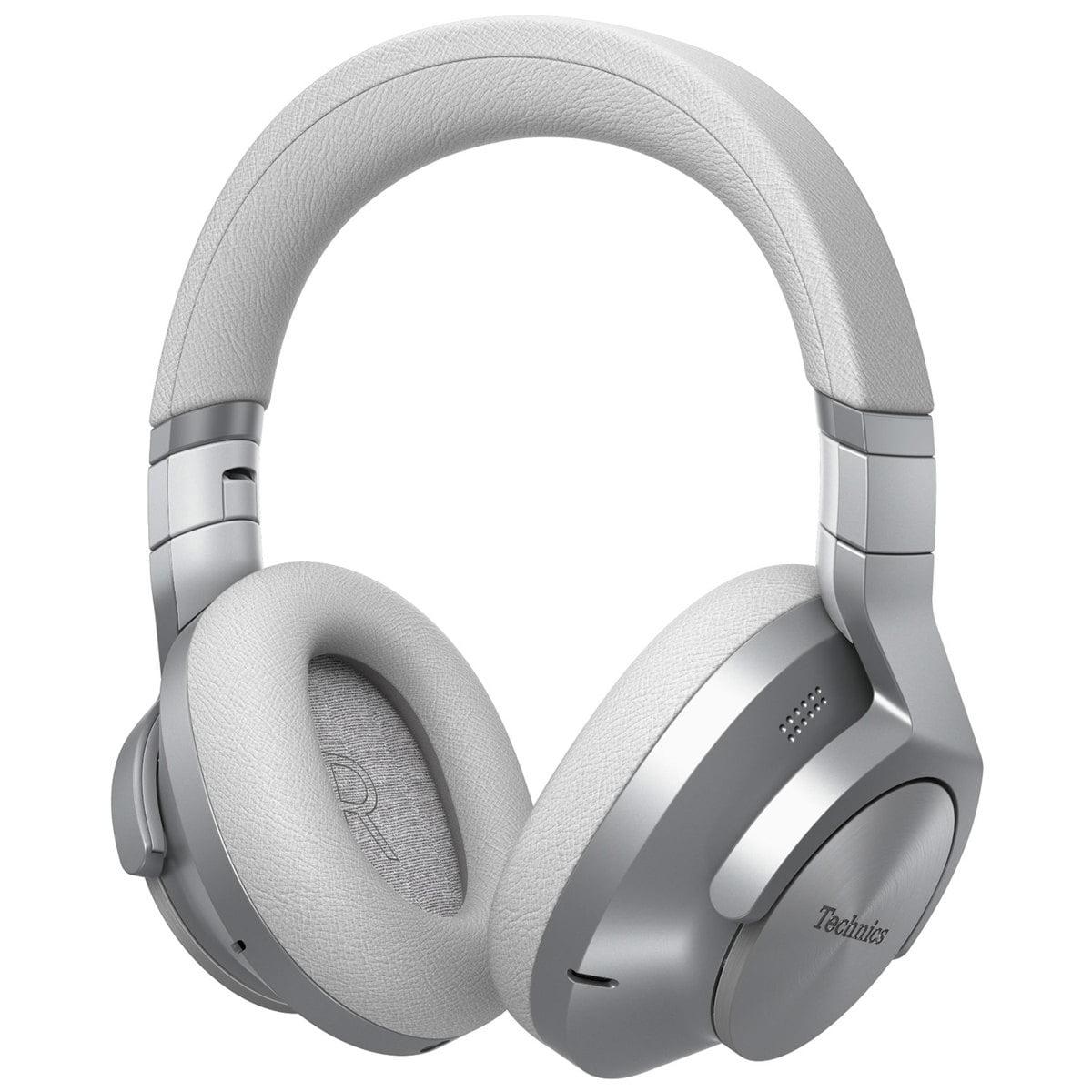
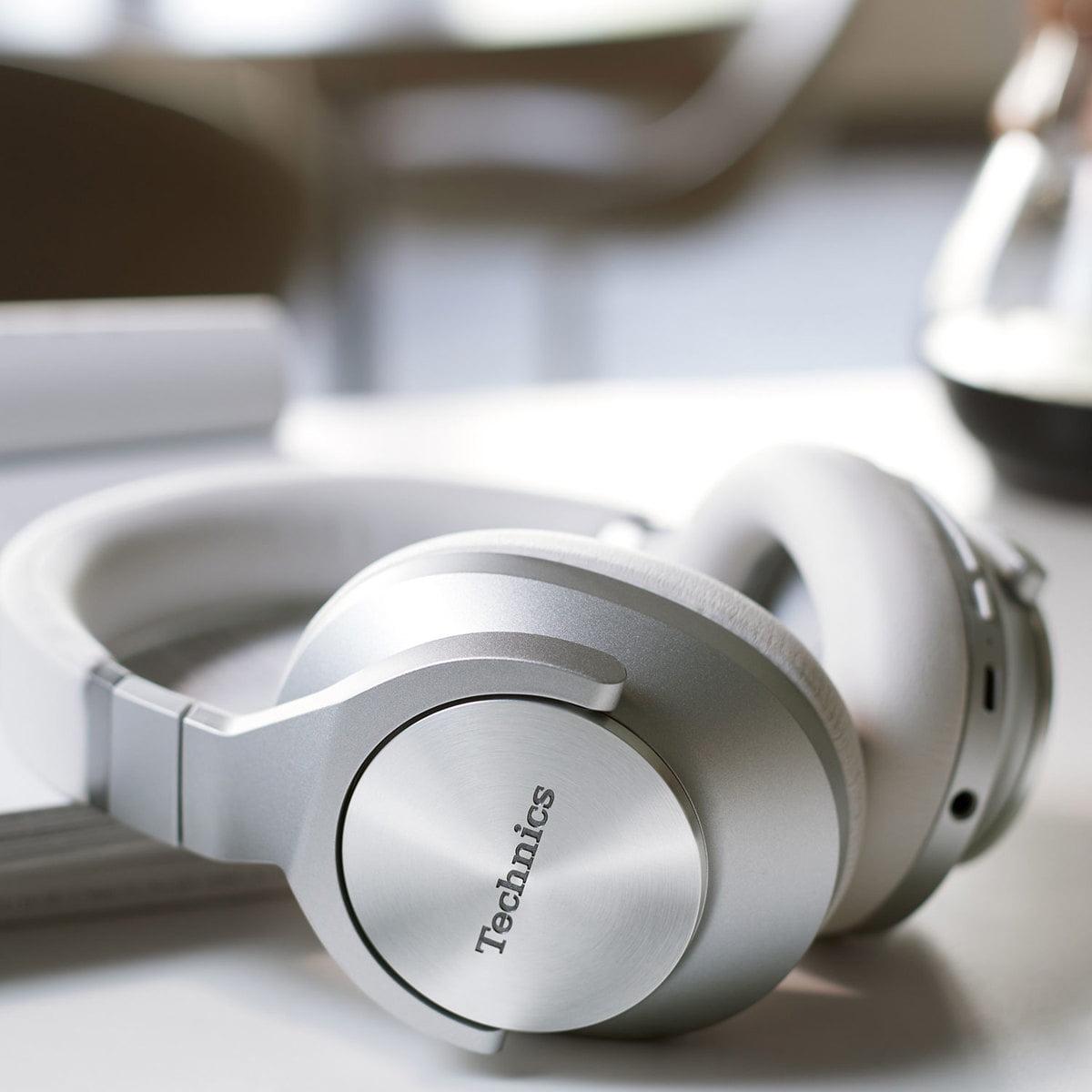
The Technics EAH-A800, launched earlier in 2022, positions itself firmly in premium territory with pricing that competes directly against flagship models from Sony, Bose, and Sennheiser. Technics, known for their legendary turntables and professional audio equipment, brought decades of acoustic engineering expertise to bear on this model.
Both headphones arrived during a particularly innovative period for ANC technology. The pandemic had increased demand for quality audio gear as people worked from home, while advances in digital signal processing and battery technology enabled features that were previously impossible at these price points.
When testing ANC performance, I always start with the same scenario: sitting in a coffee shop with various background noises—espresso machines, conversations, traffic outside, air conditioning. This real-world environment reveals how headphones handle the mixed-frequency chaos of daily life.
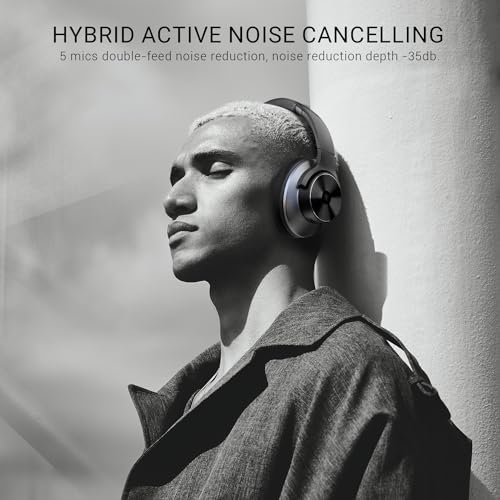
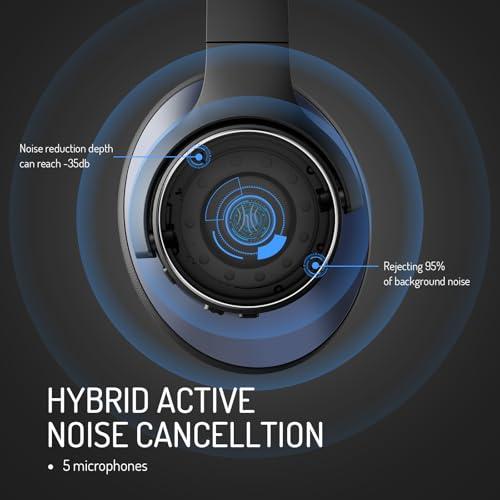
The OneOdio A10 uses what's called "hybrid ANC," which means it has microphones both outside (feedforward) and inside (feedback) the ear cups. The outside microphones detect incoming noise before it reaches your ears, while the inside microphones fine-tune the cancellation by monitoring what's actually making it through. This dual approach allows the A10 to achieve up to 35dB of noise reduction, effectively blocking about 95% of consistent low-frequency sounds.
In practical terms, this means the OneOdio A10 excels at the most common ANC use cases. Airplane engines become a whisper, air conditioning disappears entirely, and traffic hum fades into the background. However, like most budget ANC implementations, it struggles with mid-frequency sounds like conversation and high-frequency noises like keyboard clicking or paper rustling.
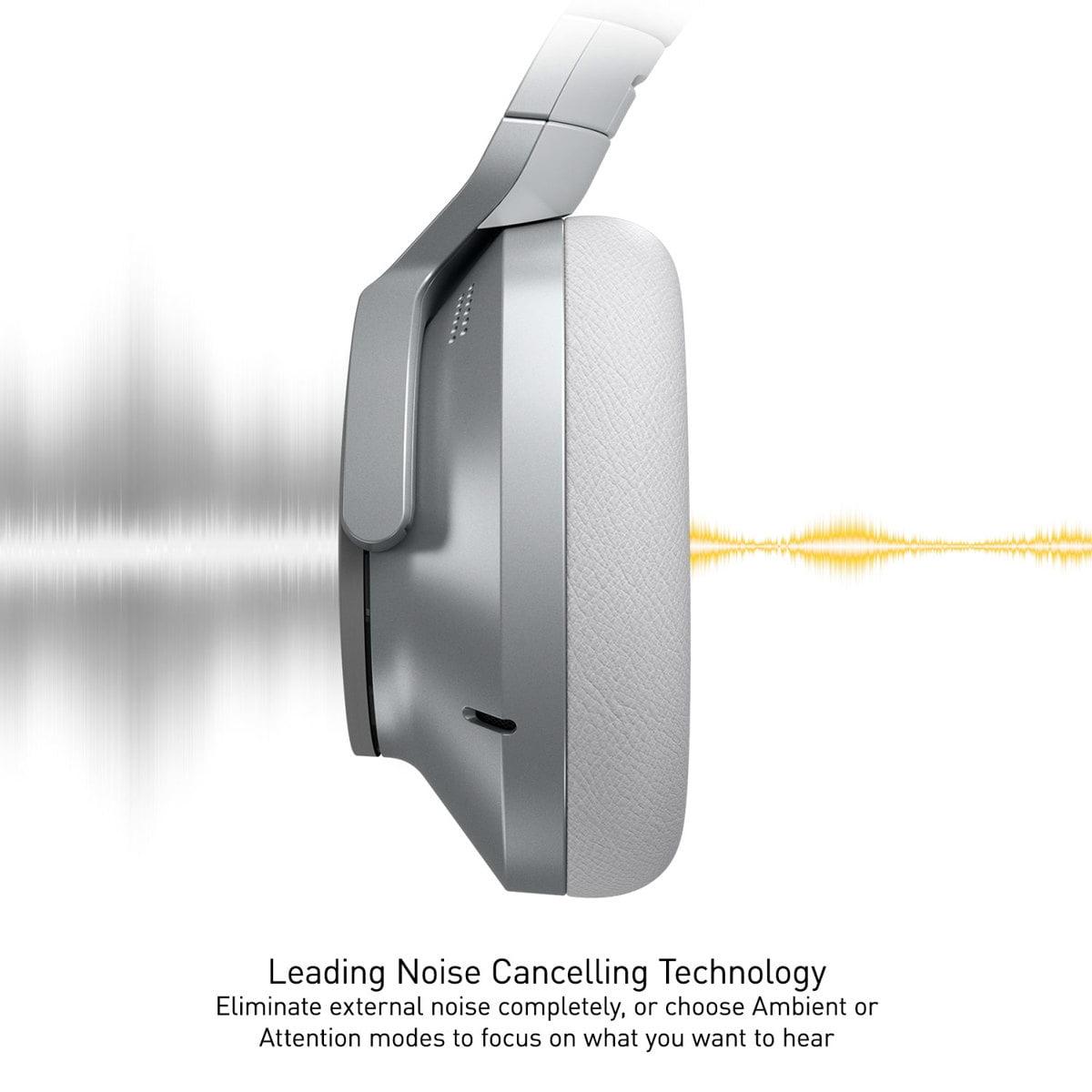
The Technics EAH-A800 takes a more sophisticated approach with what they call "Dual Hybrid" noise cancellation. This system combines both analog and digital processing, using the analog circuits for immediate response and digital processing for more complex frequency shaping. The result is ANC that competes directly with industry leaders like the Bose QuietComfort series in low-frequency performance, while offering better consistency across different noise types.
During my testing, the Technics EAH-A800 demonstrated superior performance against variable sounds—the kind of real-world noise environment where cheaper ANC systems often falter. While both headphones excel at blocking airplane-type whooshing sounds, the Technics model maintains its composure better when dealing with the unpredictable mix of sounds in busy environments.
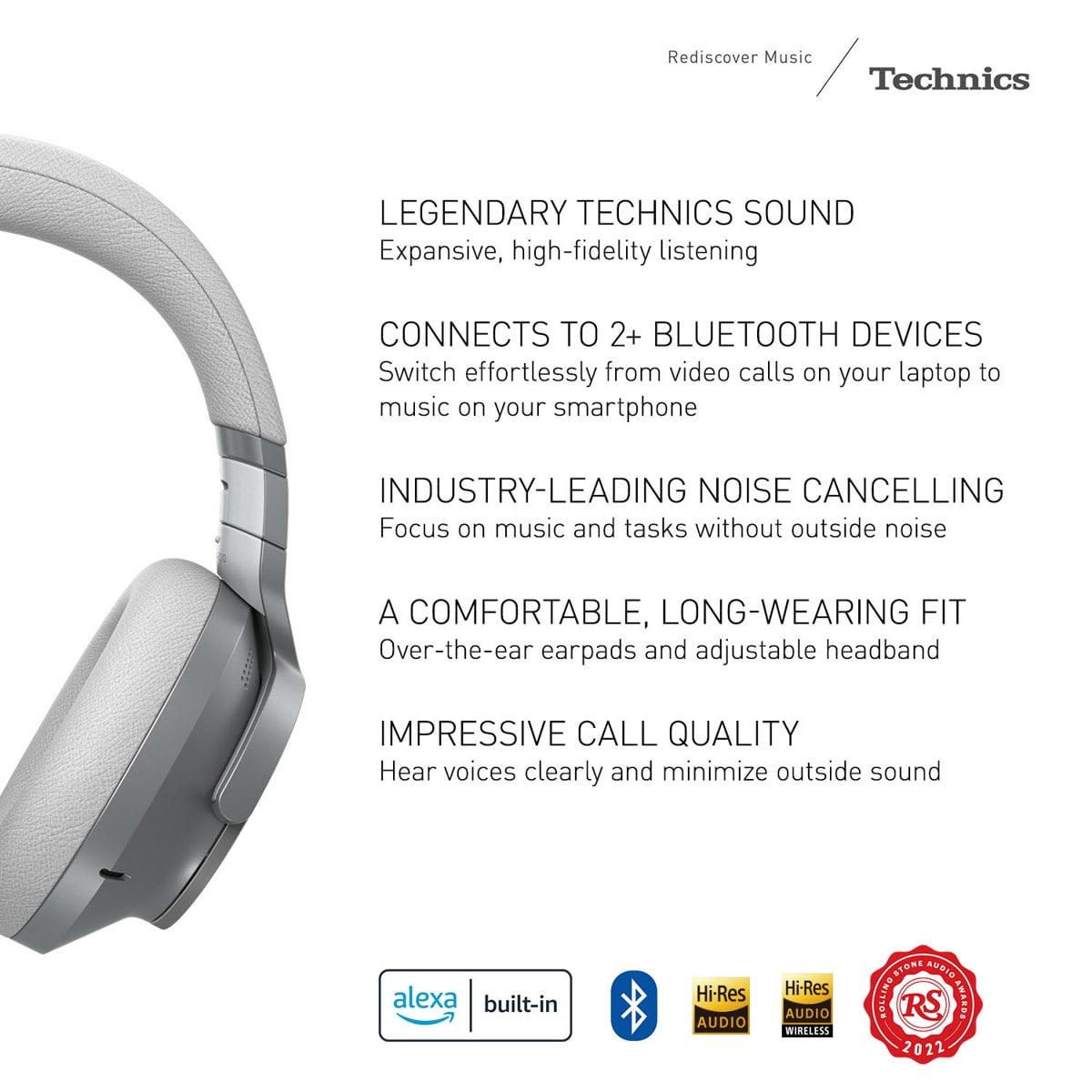
Both headphones offer transparency modes, which use the same microphones to deliberately let ambient sound in. This is incredibly useful for hearing announcements, having brief conversations, or maintaining situational awareness while walking. The OneOdio A10 provides basic ambient awareness, while the Technics EAH-A800 offers more sophisticated sound processing that makes voices clearer and more natural.
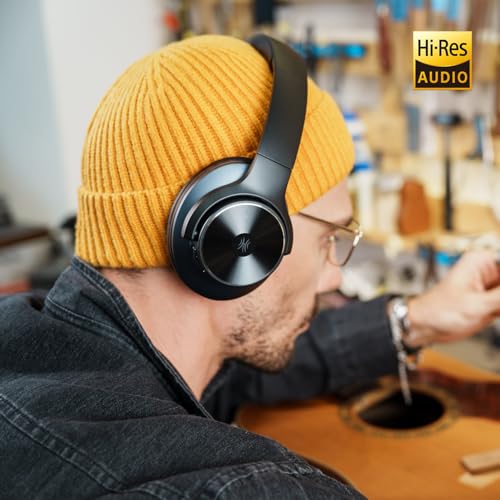
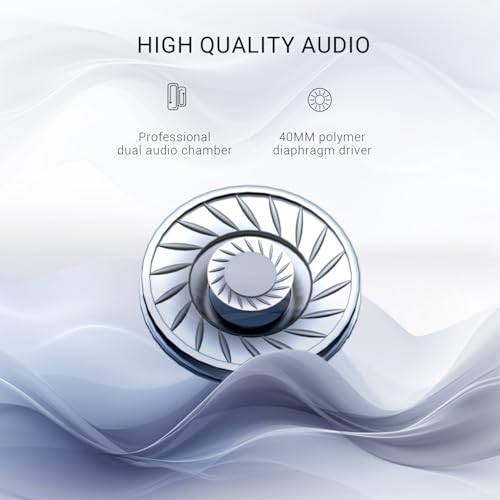
Sound quality represents the most significant performance gap between these two models. The OneOdio A10 uses 40mm dynamic drivers—the standard speaker size for over-ear headphones—with a frequency response spanning 20Hz to 40kHz. This wide range allows it to reproduce both deep bass and extended treble, earning it Hi-Res Audio certification when used in wired mode.
However, the A10's sound signature follows what audiophiles call a "V-shaped" curve, emphasizing bass and treble while recessing the midrange where vocals and most instruments live. This creates an exciting, energetic sound that's immediately impressive but can become fatiguing during long listening sessions. The bass is powerful and punchy, perfect for electronic music and movie soundtracks, but it can overwhelm subtle details in jazz or classical music.
During extended testing, I found the OneOdio A10 delivers genuinely surprising audio quality for its price point. It avoids the muddy, muffled sound that plagues many budget headphones, maintaining reasonable clarity across all frequencies. The soundstage—the sense of space and instrument placement—is somewhat limited, but perfectly adequate for casual listening.
The Technics EAH-A800 represents a completely different league of audio engineering. Its 40mm drivers use a sophisticated three-layer diaphragm construction with PEEK (polyetheretherketone) and polyurethane materials, designed to minimize distortion while extending frequency response from 4Hz all the way to 40kHz. This extraordinarily wide range allows the headphones to reproduce both subsonic bass and ultrasonic treble frequencies that most headphones simply can't handle.
More importantly, the Technics EAH-A800 supports LDAC, Sony's high-resolution audio codec that can transmit three times more data than standard Bluetooth. LDAC enables 96kHz/24-bit audio transmission—essentially CD-quality sound over wireless connection. What makes this even more impressive is that the Technics model maintains LDAC quality even when connected to two devices simultaneously via multipoint pairing, a technical achievement that few competitors can match.
The sound signature of the Technics EAH-A800 follows a more balanced approach, with natural-sounding midrange reproduction, controlled bass that extends deep without overwhelming other frequencies, and crisp treble that adds detail without harshness. The soundstage is noticeably wider and more three-dimensional, creating a more immersive listening experience that rivals wired audiophile headphones.
For home theater use, the differences become even more pronounced. The OneOdio A10 handles movie soundtracks competently, with explosive bass for action scenes and clear dialogue reproduction. However, the Technics EAH-A800 transforms movie watching into a truly cinematic experience, with precise sound positioning that helps track movement across the screen and subtle environmental details that add depth to the viewing experience.
Battery performance represents one area where the budget option actually outshines its premium competitor. The OneOdio A10 delivers genuinely exceptional endurance, with up to 62 hours of playback using ANC alone, 50 hours with Bluetooth music streaming, and 40-45 hours with both ANC and Bluetooth active. These numbers are industry-leading, competing with models costing several times more.
The quick charge feature adds practical value, providing two hours of listening time from just five minutes of charging. For travelers or anyone who regularly forgets to charge their devices, this kind of battery performance eliminates range anxiety entirely.
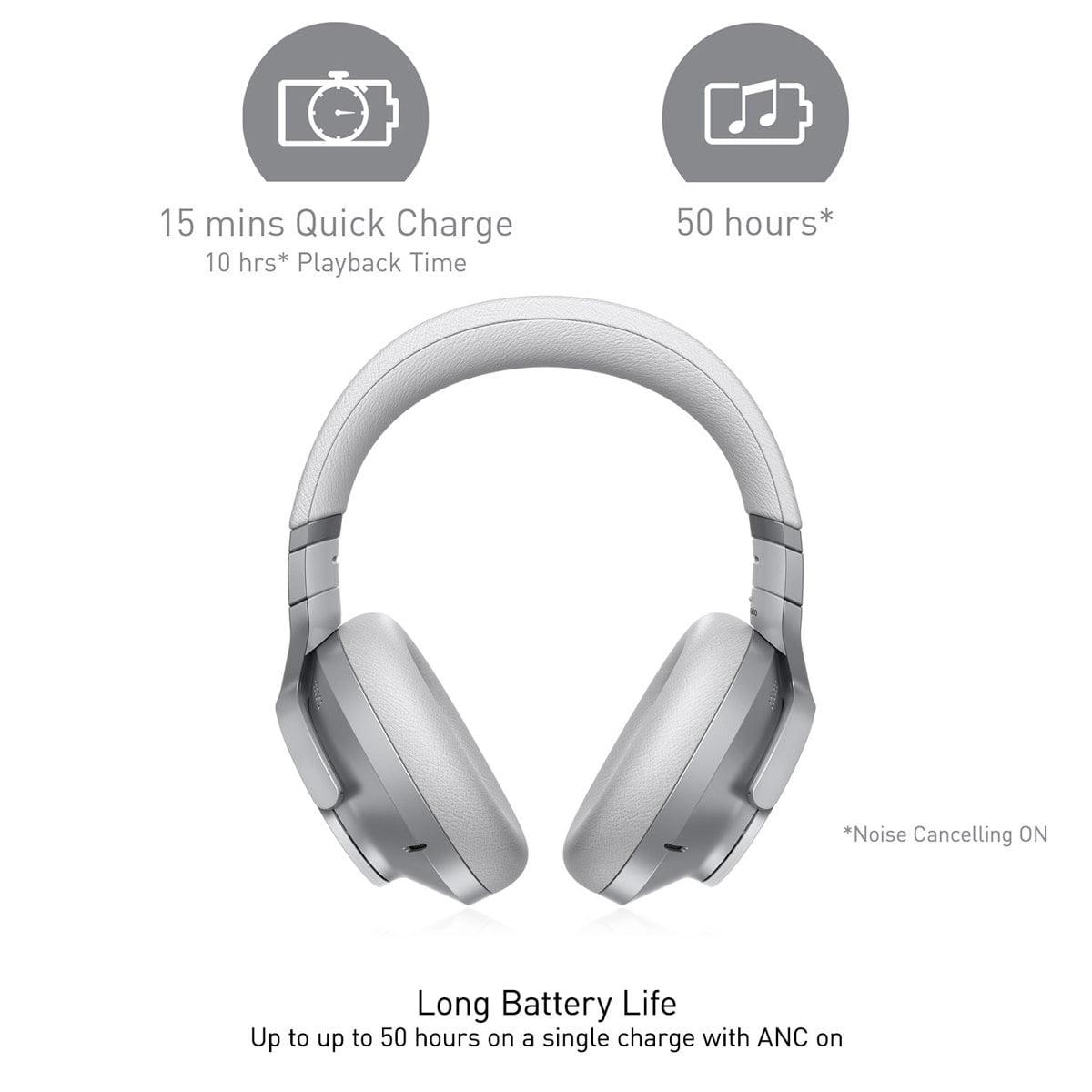
The Technics EAH-A800 offers more typical flagship-level battery life: 50 hours with ANC using the AAC codec, 60 hours without ANC, and about 40 hours when using the more data-intensive LDAC codec. While these numbers are still excellent by industry standards, they can't match the exceptional endurance of the budget option.
However, the Technics EAH-A800 compensates with more sophisticated power management and faster charging. Fifteen minutes of charging provides up to 10 hours of playback, and the headphones offer more granular control over power consumption through their companion app.
Physical comfort becomes crucial during extended listening sessions, and this is where the price difference between these models becomes most apparent. The OneOdio A10 weighs approximately 295 grams and uses ultra-soft protein memory foam ear pads with an adjustable headband. The build quality exceeds expectations for the price point, with solid construction that feels durable despite the budget positioning.
However, the weight distribution and padding density of the OneOdio A10 can lead to some fatigue during multi-hour sessions. The ear pads provide good passive noise isolation—the physical blocking of sound—but the headband padding could be more substantial for users with sensitive heads.
The Technics EAH-A800 demonstrates superior ergonomic engineering, weighing slightly less at 298 grams despite using premium materials throughout. The weight distribution is more refined, and the ear pad design creates better pressure distribution around the ears. The headband uses more sophisticated padding that reduces pressure points across the top of the head.
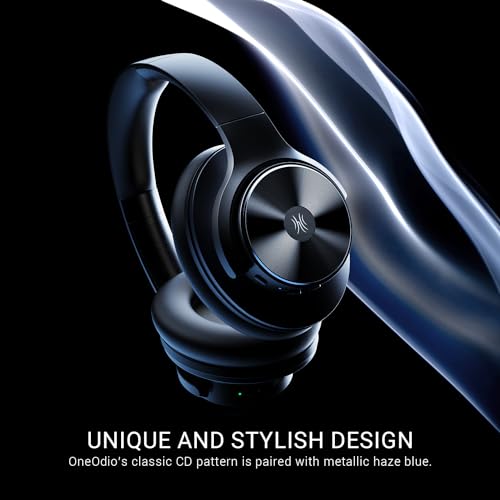
Build quality differences become apparent in daily use. The Technics EAH-A800 uses more metal in its construction, particularly in the ear cup mechanisms, providing more durability and a more premium feel. The hinges and adjustment mechanisms operate more smoothly and feel more robust over time.
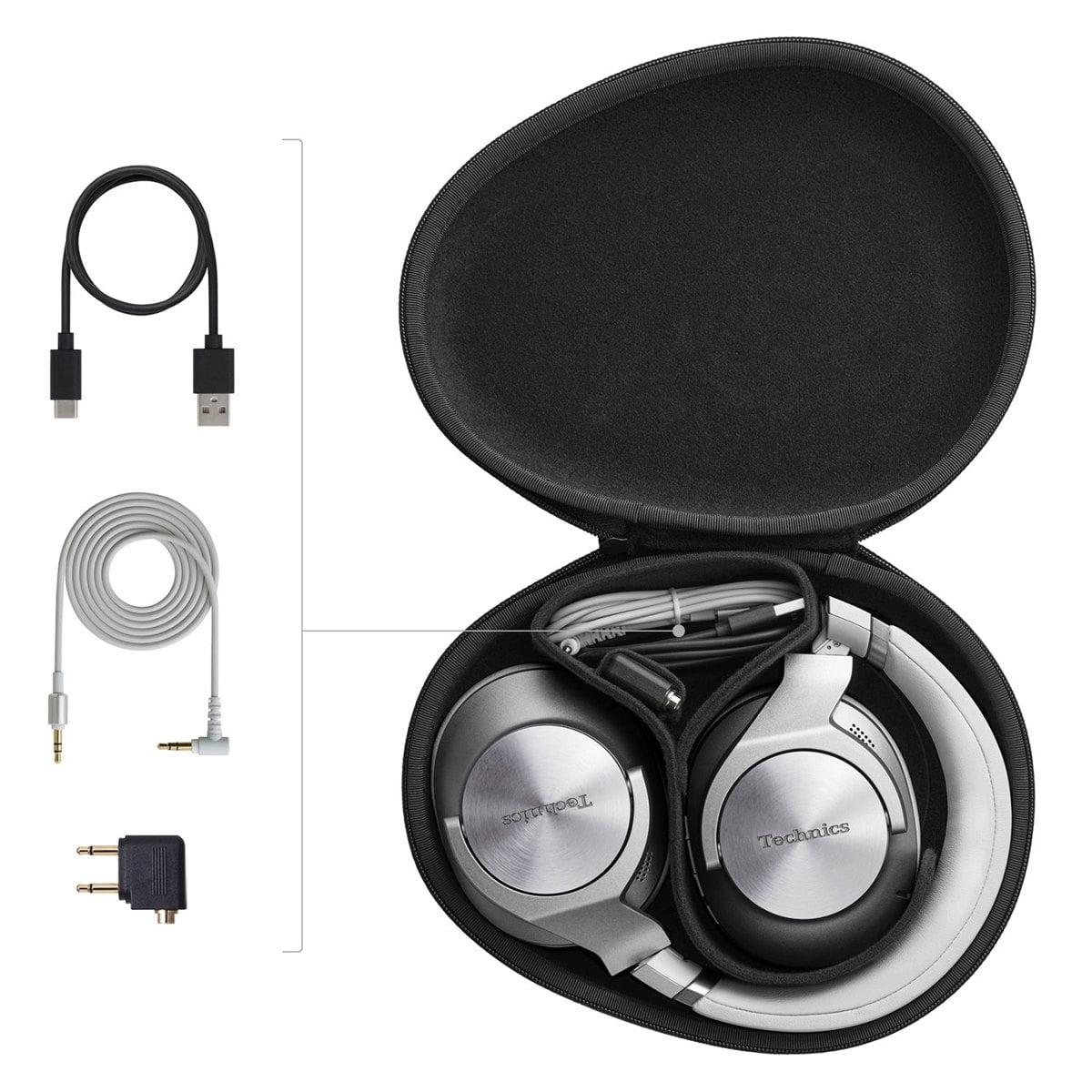
Both headphones fold for travel, but the Technics EAH-A800 includes a more sophisticated hard-shell carrying case that provides better protection. These details matter for users who travel frequently or want their investment to last for many years.
Modern wireless headphones serve as far more than simple audio devices—they're communication tools, productivity enhancers, and entertainment hubs. The OneOdio A10 covers the basics competently, with Bluetooth 5.0 providing stable connectivity up to 10 meters and basic multipoint pairing that allows connection to two devices simultaneously.
The controls are entirely physical, using buttons for volume, playback, and ANC mode switching. While some users prefer physical controls for their reliability and tactile feedback, the OneOdio A10 lacks the customization options that have become standard in premium models.
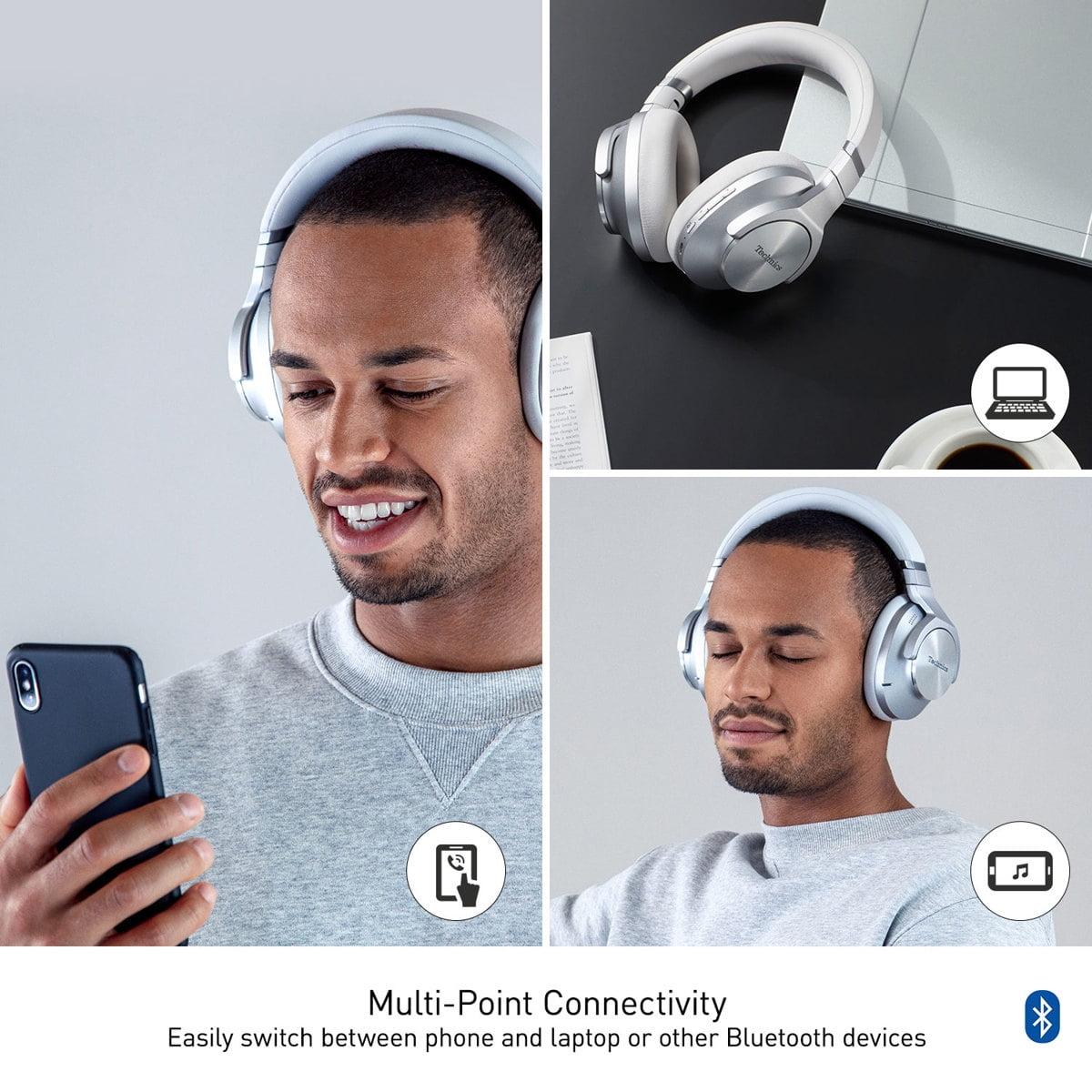
The Technics EAH-A800 represents a significant step up in connectivity sophistication. Bluetooth 5.2 provides improved stability and power efficiency, while the advanced multipoint implementation allows seamless switching between devices without dropouts or delays. The ability to maintain LDAC quality while connected to multiple devices simultaneously is genuinely impressive from a technical standpoint.
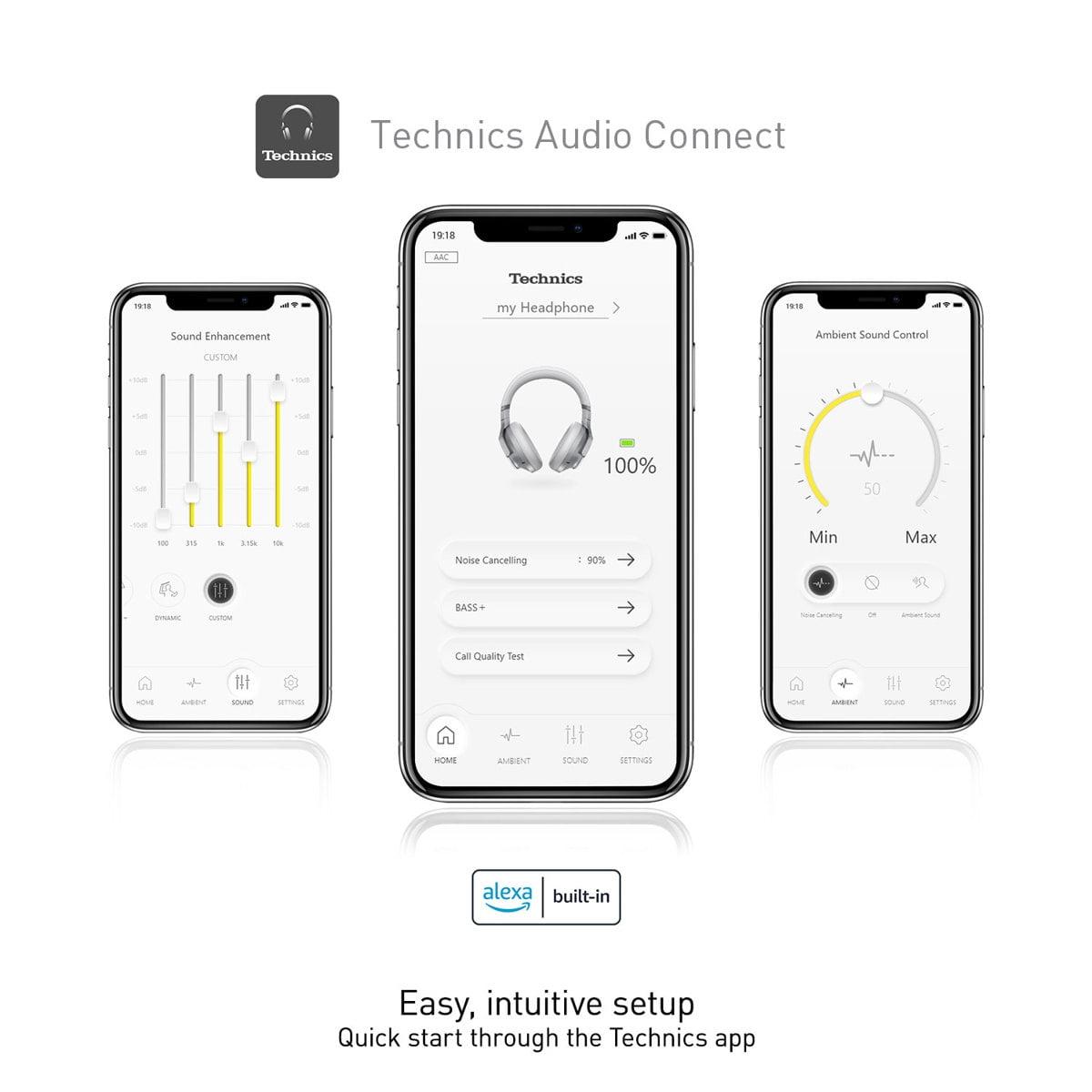
The control system combines both physical buttons and touch-sensitive surfaces, providing more functionality while maintaining reliability. The Technics Audio Connect app adds EQ customization, firmware updates, and fine-tuning of ANC and transparency modes—features that extend the headphones' capabilities over time.
For users building a home theater system, the Technics EAH-A800 offers better integration with high-quality sources. The LDAC support means you can achieve near-wired quality from compatible devices, while the superior frequency response and soundstage create a more immersive experience for movies and gaming.
With remote work becoming increasingly common, call quality has become a crucial consideration. The OneOdio A10 includes dual microphones with basic noise suppression, providing adequate performance for casual calls and video conferences. However, the microphone system struggles in windy conditions or environments with significant background noise.
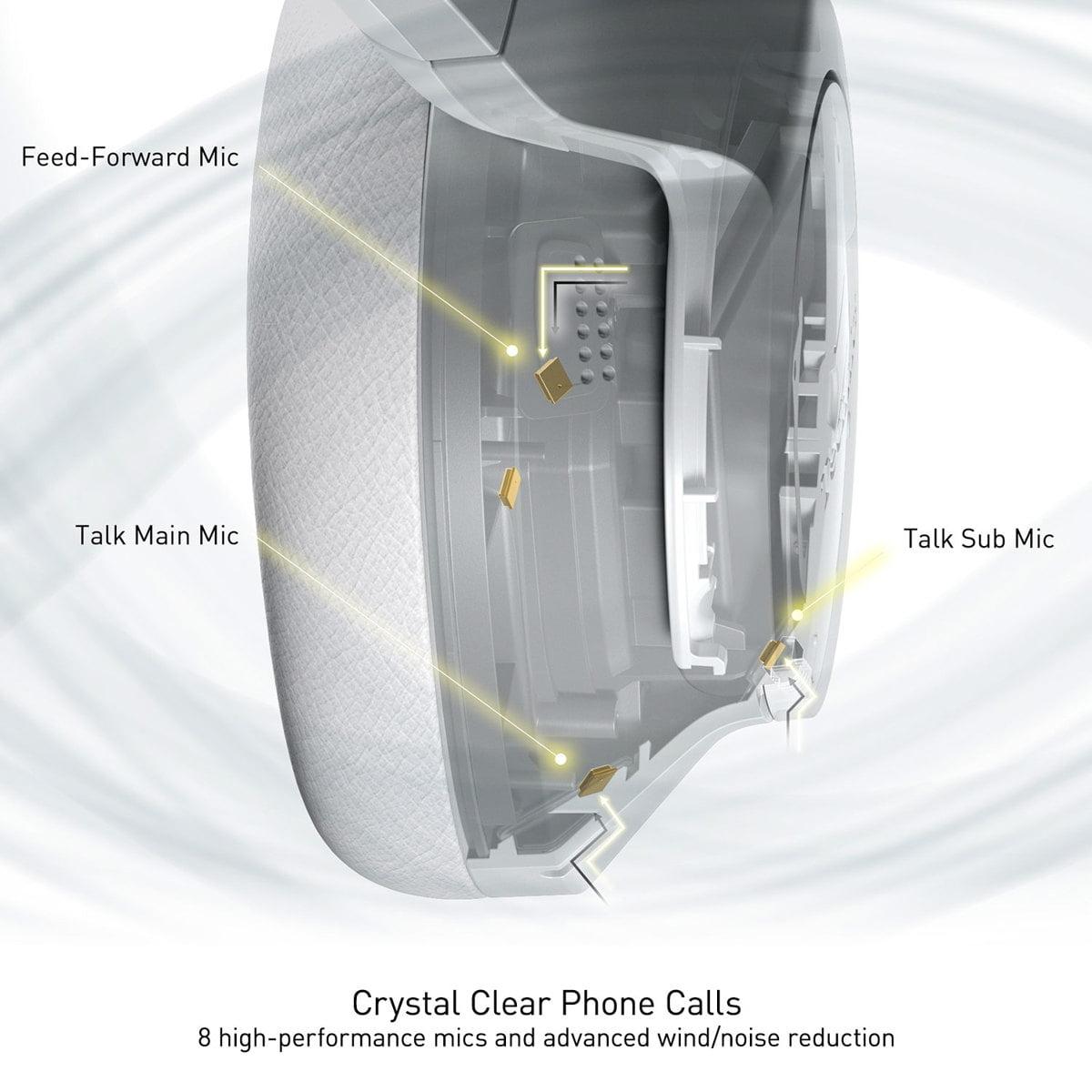
The Technics EAH-A800 employs an eight-microphone array with advanced beamforming technology and proprietary JustMyVoice processing. This system isolates and amplifies speech while suppressing background noise, delivering call quality that competes with dedicated business headsets. For professionals who spend hours in video calls, this difference can be genuinely productivity-enhancing.
The choice between the OneOdio A10 and Technics EAH-A800 ultimately comes down to your priorities and budget flexibility. At the time of writing, the price difference is substantial—roughly 3-4 times more for the premium option—but they serve different user needs and expectations.
Choose the OneOdio A10 if you're entering the ANC headphone category for the first time, have budget constraints, or simply want reliable performance without premium features. Its exceptional battery life makes it ideal for travelers, students, or anyone who wants to set-and-forget their headphones for weeks at a time. The audio quality, while not reference-grade, provides genuine enjoyment for casual listening across all music genres.
The Technics EAH-A800 justifies its premium positioning for users who prioritize audio quality, advanced features, and long-term durability. If you regularly use high-quality audio sources, need professional-grade call quality, or want headphones that will remain competitive for many years, the additional investment makes sense.
For home theater enthusiasts, the Technics EAH-A800 offers a more immersive experience with its superior soundstage and frequency response, while the OneOdio A10 provides perfectly adequate movie enjoyment at a fraction of the cost.
Both headphones represent successful approaches to their respective market segments. The OneOdio A10 proves that budget doesn't have to mean compromise on essential features, while the Technics EAH-A800 demonstrates that premium pricing can deliver genuinely superior performance when backed by serious engineering expertise.
The decision ultimately depends on whether you need basic ANC functionality with outstanding battery life, or premium audio technology with flagship-level features. Either choice will serve you well—just make sure it matches your actual usage patterns and expectations.
| OneOdio A10 Hybrid Active Noise Cancelling Headphones | Technics EAH-A800 Wireless Noise Cancelling Headphones |
|---|---|
| Active Noise Cancellation - Core feature for blocking distractions | |
| Hybrid ANC with up to 35dB reduction, excellent for consistent low-frequency noise | Dual Hybrid ANC with analog + digital processing, superior across wider frequency range |
| Sound Quality - What you'll hear every day | |
| 40mm drivers, V-shaped signature emphasizing bass/treble, Hi-Res certified (wired only) | 40mm 3-layer drivers, balanced natural sound, LDAC wireless Hi-Res support |
| Battery Life - How often you'll need to charge | |
| Exceptional 62 hours (ANC only), 50 hours (Bluetooth), 40-45 hours (combined) | Very good 50 hours with ANC, 60 hours without, 40 hours with LDAC |
| Audio Codecs - Quality of wireless streaming | |
| Standard SBC and AAC codecs | Advanced SBC, AAC, and LDAC (3x more data than standard Bluetooth) |
| Weight & Comfort - Important for long listening sessions | |
| 295g with protein memory foam pads, good for price but can cause fatigue | 298g with premium ergonomics and superior weight distribution |
| Build Quality - Durability and premium feel | |
| Solid plastic construction exceeding budget expectations | Premium materials with metal reinforcement, flagship-level build |
| Connectivity Features - Modern conveniences | |
| Bluetooth 5.0, basic multipoint pairing, physical controls only | Bluetooth 5.2, advanced multipoint with LDAC, touch + physical controls |
| Call Quality - Important for work and video calls | |
| Dual microphones with basic noise suppression, struggles in wind/noise | 8-microphone array with beamforming and JustMyVoice technology |
| App Support - Customization and updates | |
| No companion app, no EQ customization | Technics Audio Connect app with EQ, firmware updates, ANC tuning |
| Quick Charge - Emergency power when needed | |
| 5 minutes = 2 hours playback | 15 minutes = 10 hours playback |
| Target User - Who gets the best value | |
| Budget-conscious users wanting excellent battery life and solid ANC performance | Audio enthusiasts and professionals needing premium sound and advanced features |
The Technics EAH-A800 offers superior noise cancellation with its Dual Hybrid system that combines analog and digital processing. It competes directly with flagship models from Sony and Bose, especially for low-frequency noise reduction. The OneOdio A10 provides excellent hybrid ANC for its price range, effectively blocking up to 35dB of noise and 95% of low-frequency sounds like airplane engines, but struggles more with mid-frequency sounds like conversations.
The OneOdio A10 has exceptional battery life with up to 62 hours using ANC only, 50 hours with Bluetooth, and 40-45 hours with both features active. The Technics EAH-A800 offers 50 hours with ANC enabled and 60 hours without ANC. While both provide excellent endurance, the OneOdio A10 leads in overall battery performance.
The Technics EAH-A800 delivers significantly better audio quality with balanced natural sound, wider soundstage, and support for LDAC high-resolution wireless audio. The OneOdio A10 offers surprisingly good sound for its price with a V-shaped signature that emphasizes bass and treble, but the midrange can be recessed and the overall detail is less refined than the premium Technics EAH-A800.
Both models offer good comfort, but the Technics EAH-A800 has superior ergonomic design with better weight distribution despite being similar weight (298g vs 295g). The OneOdio A10 uses ultra-soft protein memory foam pads that are comfortable initially but may cause some fatigue during extended wear due to less refined padding distribution.
The Technics EAH-A800 excels in call quality with an 8-microphone array, beamforming technology, and JustMyVoice processing that isolates speech while suppressing background noise. The OneOdio A10 has dual microphones with basic noise suppression that works adequately for casual calls but struggles in windy or noisy environments.
Yes, both the OneOdio A10 and Technics EAH-A800 support Bluetooth wireless connectivity and include 3.5mm wired connections. The OneOdio A10 works in wired mode even when the battery is dead, while the Technics EAH-A800 maintains Hi-Res Audio certification in both wired and wireless modes when using LDAC.
The OneOdio A10 excels for travel due to its exceptional 50+ hour battery life, effective ANC for airplane noise, and quick 5-minute charge for 2 hours of playback. The Technics EAH-A800 offers superior noise cancellation consistency and premium comfort but requires more frequent charging. Both fold for portability, though the Technics EAH-A800 includes a better carrying case.
Both models support multipoint connectivity, but the Technics EAH-A800 offers more advanced implementation that maintains LDAC quality while connected to two devices simultaneously - a rare technical achievement. The OneOdio A10 provides basic multipoint pairing that works reliably for switching between phone and computer.
The Technics EAH-A800 provides a more cinematic experience with its wider soundstage, precise sound positioning, and superior frequency response that captures subtle environmental details. The OneOdio A10 handles movie soundtracks competently with good bass for action scenes and clear dialogue, making it perfectly adequate for casual home theater use at a much lower price point.
The Technics EAH-A800 includes the Technics Audio Connect app that offers EQ customization, firmware updates, and fine-tuning of ANC and transparency modes. The OneOdio A10 has no companion app and relies entirely on physical controls, which some users prefer for simplicity but limits customization options.
The OneOdio A10 offers a 5-minute quick charge for 2 hours of playback and full charging in 2 hours. The Technics EAH-A800 provides 15 minutes of charging for 10 hours of playback with a 3-hour full charge time. Both offer practical quick charge features, though the Technics EAH-A800 gives more listening time per minute of charging.
The OneOdio A10 provides exceptional value for budget-conscious buyers, delivering flagship-level battery life and solid ANC performance at a fraction of premium pricing. The Technics EAH-A800 justifies its higher price with superior audio quality, advanced features, and premium build quality for users who prioritize sound excellence and professional features over cost savings.
We've done our best to create useful and informative comparisons to help you decide what product to buy. Our research uses advanced automated methods to create this comparison and perfection is not possible - please contact us for corrections or questions. These are the sites we've researched in the creation of this article: techbuzzireland.com - creativebloq.com - head-fi.org - homestudiobasics.com - versus.com - androidguys.com - thegadgetflow.com - oneodio.com - mbreviews.com - the-gadgeteer.com - newegg.com - howtogeek.com - youtube.com - newegg.com - manuals.plus - majorhifi.com - soundphilereview.com - youtube.com - howtogeek.com - oneodio.com - youtube.com - youtube.com - youtube.com - walmart.com - blog.son-video.com - expertreviews.co.uk - youtube.com - whathifi.com - youtube.com - bhphotovideo.com - futureaudiophile.com - versus.com - versus.com - soundphilereview.com - help.na.panasonic.com - technics.com - retailspecs.com - headphonecheck.com - us.technics.com - help.na.panasonic.com - bhphotovideo.com - technics.com - technics.com - valueelectronics.com - us.technics.com - us.technics.com - youtube.com - hometheaterhifi.com

Privacy Policy
Terms and Conditions - Affiliate Policy
Home Security
© Copyright 2008-2026.
11816 Inwood Rd #1211, Dallas, TX 75244