



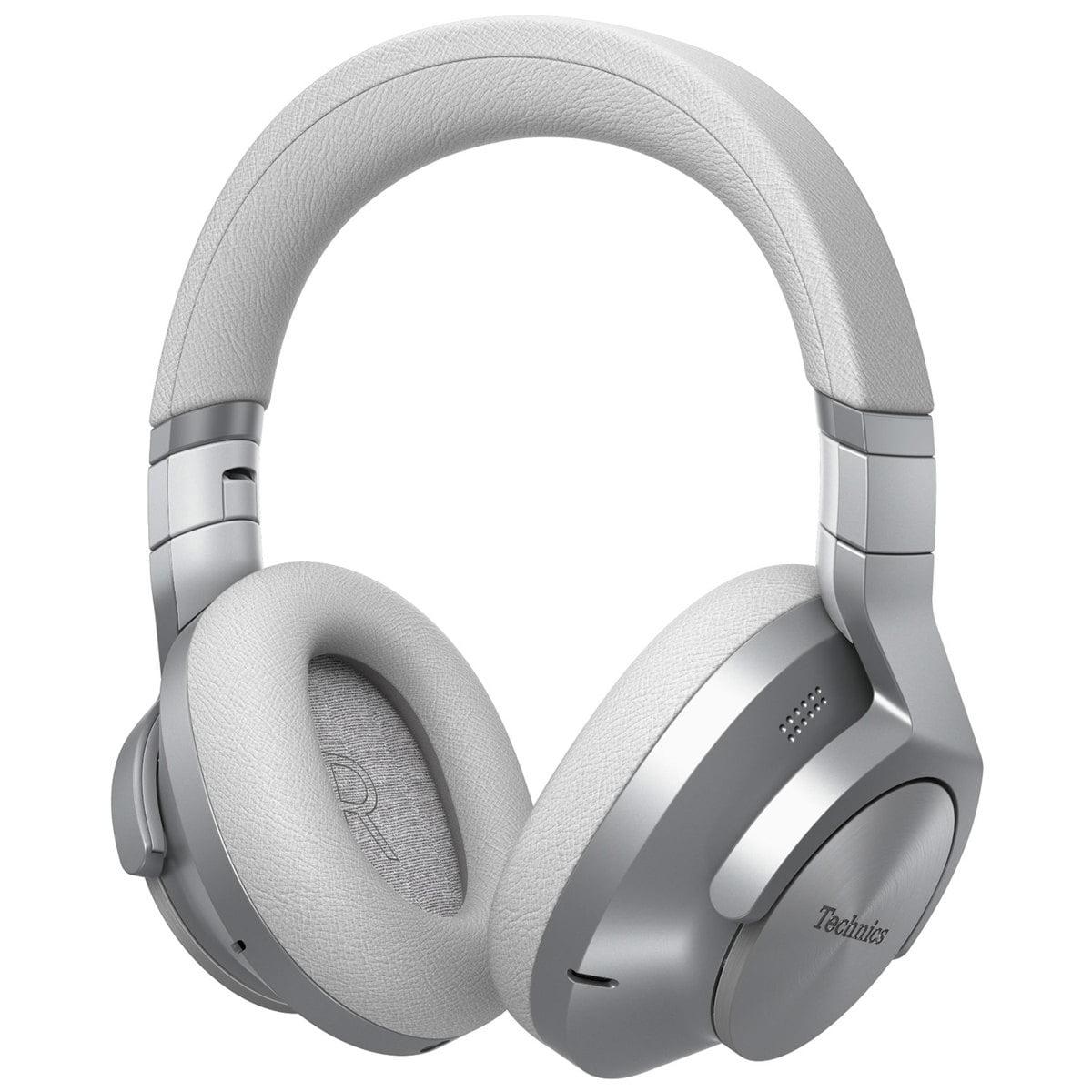


When you're shopping for premium wireless headphones, you'll quickly discover that not all models are created equal. Some are built for gamers who need ultra-low latency and spatial audio, while others prioritize music reproduction and world-class noise cancellation. Today, we're comparing two excellent but very different approaches: the SteelSeries Arctis Nova Pro Wireless at $349.99 and the Technics EAH-A800 at $249.99.
Both launched in 2022, representing the latest thinking in their respective categories. The SteelSeries Arctis Nova Pro Wireless came out in May as the flagship of SteelSeries' Nova lineup, introducing features like hot-swappable batteries and simultaneous dual wireless connectivity. The Technics EAH-A800 arrived in July as Technics' return to the premium headphone market, bringing decades of audio engineering expertise to modern wireless technology.
Here's what makes this comparison interesting: these headphones solve similar problems using completely different philosophies. Both offer wireless connectivity, active noise cancellation, and premium build quality. But the SteelSeries Arctis Nova Pro Wireless is fundamentally a gaming headset that happens to be great for other uses, while the Technics EAH-A800 is an audiophile headphone that can handle gaming when needed.
This distinction matters more than you might think. Gaming headsets prioritize features like spatial audio (surround sound that helps you locate enemies), ultra-low latency (minimal delay between action and sound), and multi-device connectivity for switching between your PC and console. Music-focused headphones emphasize natural sound reproduction, superior noise cancellation for focusing on your audio, and codecs that preserve every detail in your music files.
The key considerations when choosing between these approaches include your primary use case, how important gaming performance is to you, whether you value flexibility or simplicity, and your budget priorities.
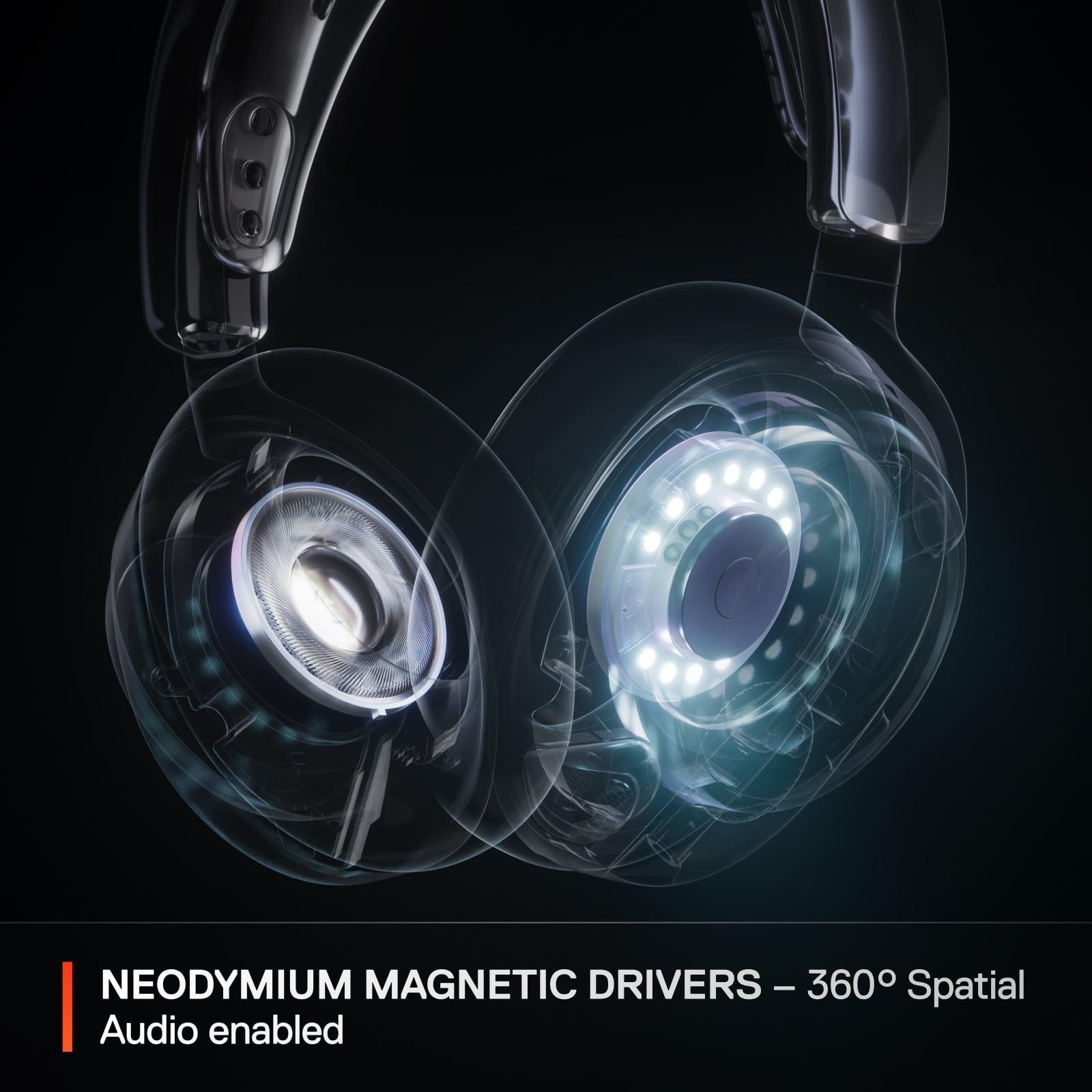
The SteelSeries Arctis Nova Pro Wireless uses custom 40mm neodymium drivers designed specifically for gaming audio. What makes these special is their tuning—the frequency response curve is shaped to emphasize the sounds that matter most in games. You get enhanced detail in the midrange frequencies where footsteps and voice chat live, while maintaining enough bass punch for explosions and environmental effects.
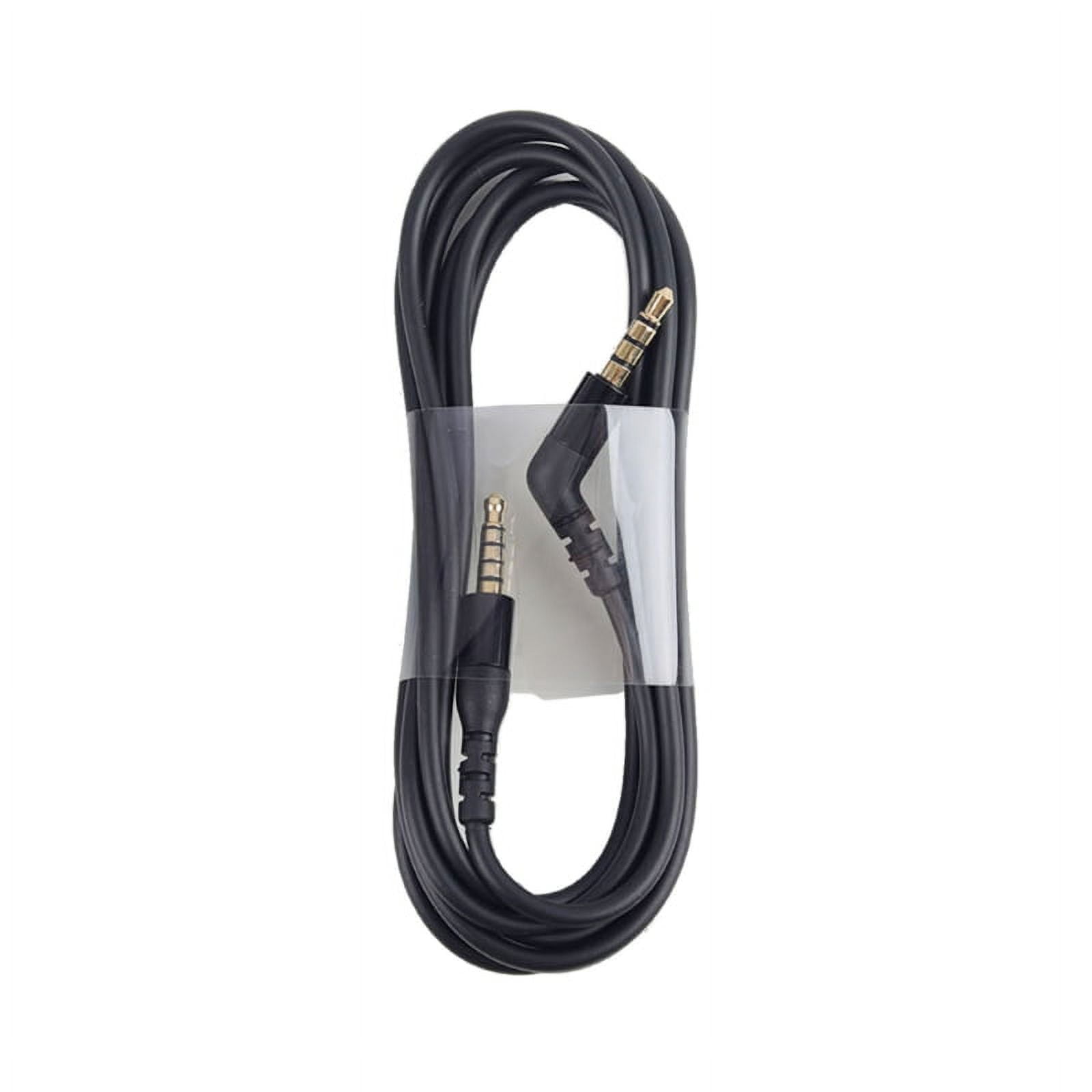
The frequency response extends from 10Hz to 22kHz in wireless mode, which covers the full range of human hearing. When you connect via the included cable, it stretches all the way to 40kHz, qualifying for Hi-Res Audio certification. This means you can enjoy studio-quality music when you're not gaming.
Where the SteelSeries really shines is spatial audio. The 360° Spatial Audio processing creates a convincing three-dimensional soundscape that helps you pinpoint exactly where enemies are moving. Combined with the 7.1 surround sound virtualization, this gives you a real competitive advantage in games like Counter-Strike or Call of Duty.
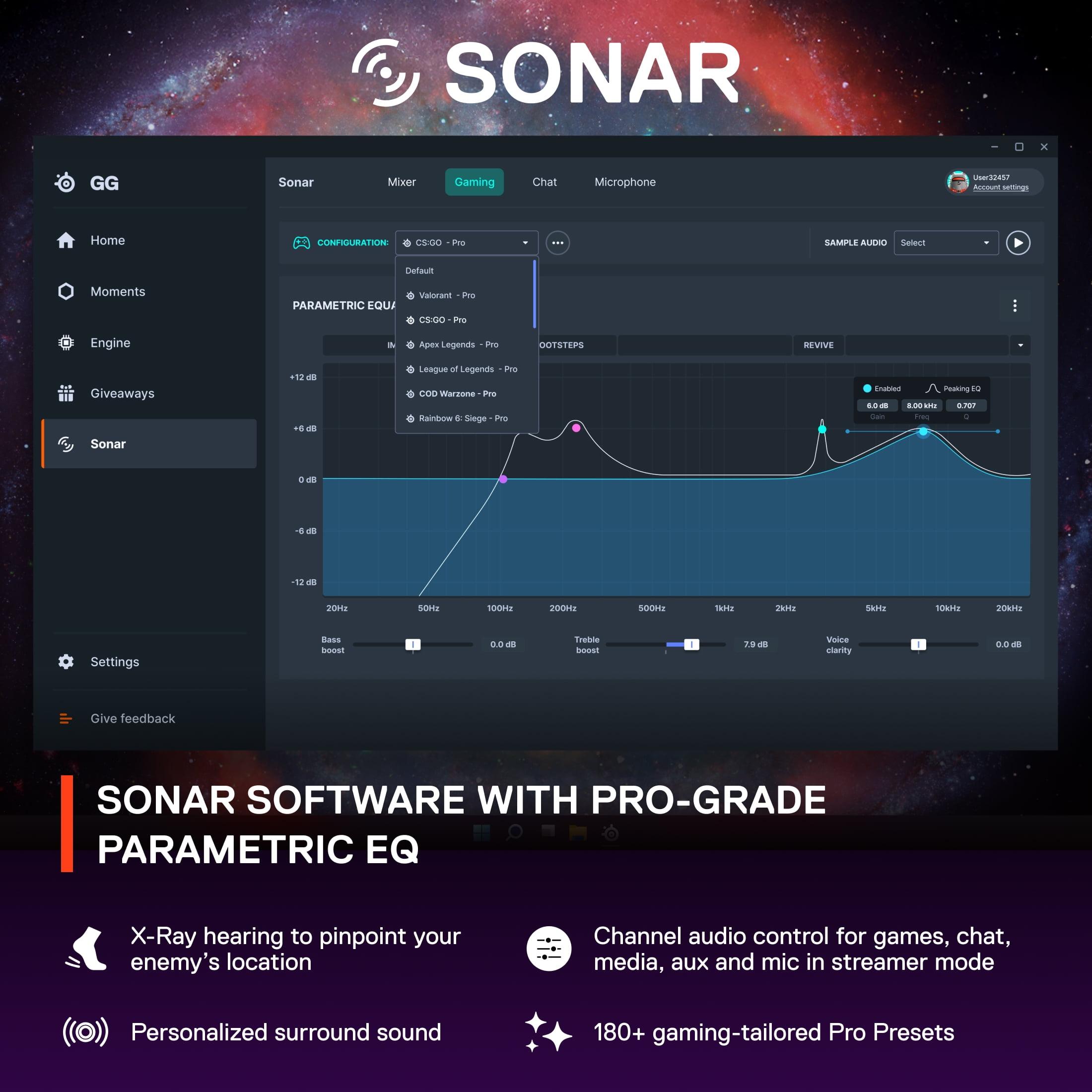
The SteelSeries GG Sonar software deserves special mention here. It includes a 10-band parametric equalizer that lets you fine-tune specific frequency ranges, separate EQ settings for game audio versus chat, and presets optimized for popular games. I've found the software incredibly useful—you can actually create different sound profiles for different games and have them switch automatically.
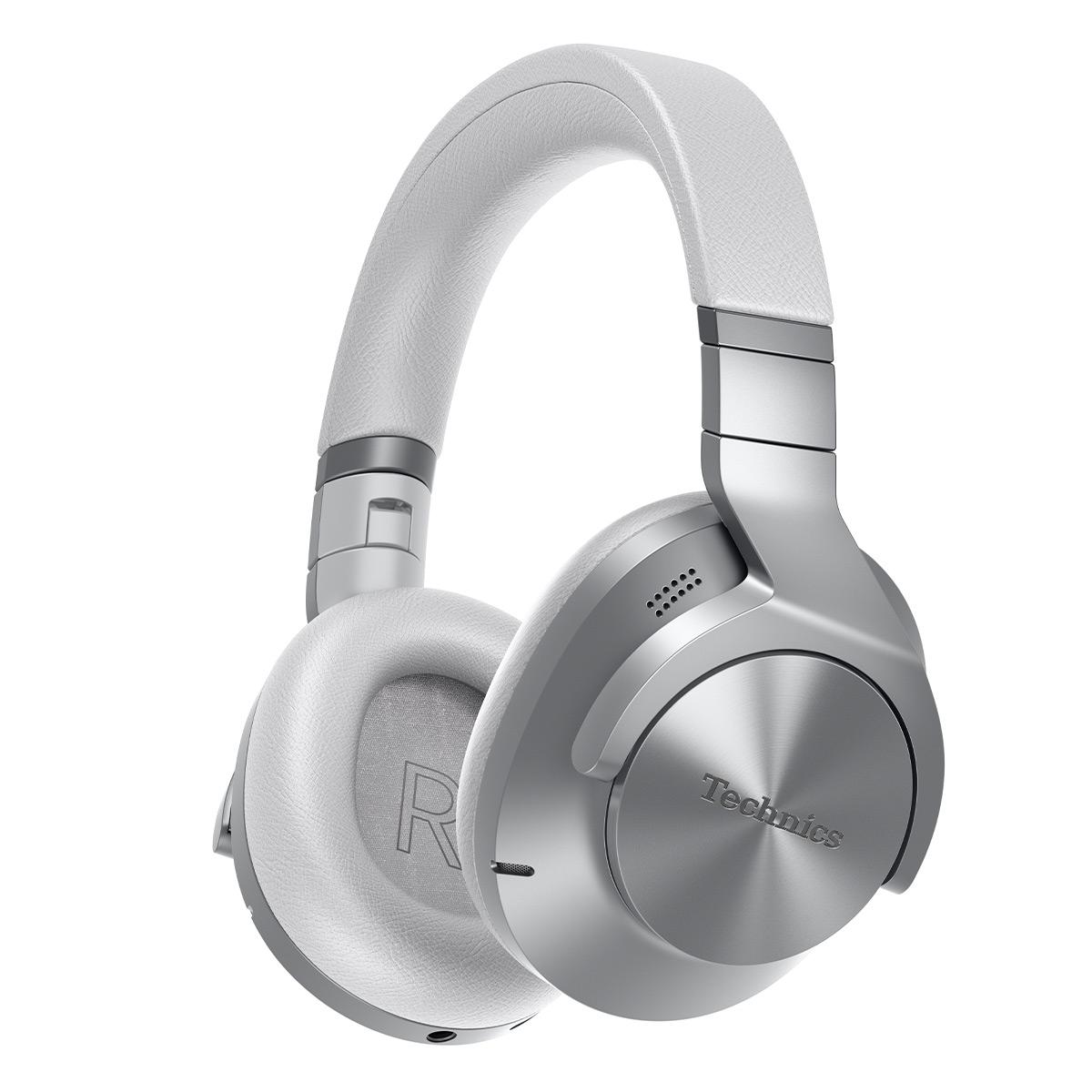
The Technics EAH-A800 takes a completely different approach with its PEEK/Polyurethane 3-layer diaphragm drivers. PEEK (polyetheretherketone) is an advanced polymer that's incredibly rigid and lightweight, allowing for more accurate sound reproduction with less distortion. The three-layer design combines different materials to handle bass, midrange, and treble frequencies more precisely.
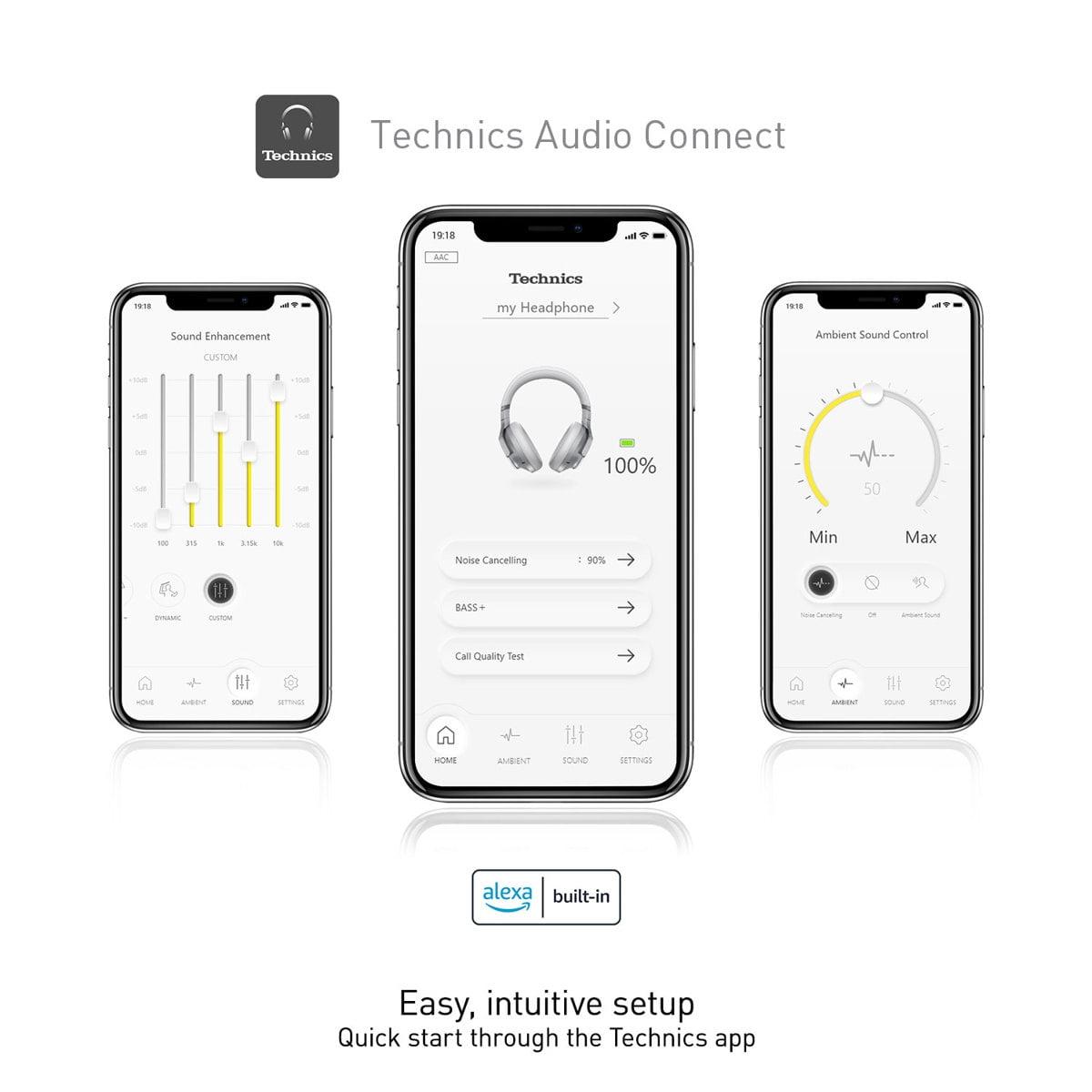
With a frequency response from 4Hz to 40kHz, the Technics actually extends deeper into the bass frequencies than the SteelSeries. This creates a more natural, full-bodied sound that's particularly noticeable with acoustic music, jazz, and classical recordings. The extra bass extension means you feel the impact of timpani drums or the resonance of a double bass more authentically.
The real standout feature is LDAC codec support. LDAC is Sony's high-resolution Bluetooth codec that can transmit up to three times more data than standard Bluetooth audio. When you're listening to high-quality music files from services like Tidal or Qobuz, LDAC preserves much more detail than regular Bluetooth compression. It's like the difference between a compressed JPEG image and a high-resolution photo.
However, there's a trade-off: LDAC requires more power, reducing battery life from 50 hours to about 40 hours. For most people, this is still plenty, but it's worth knowing about.
This is perhaps the biggest performance gap between these two headphones. Both use active noise cancellation (ANC), which works by using microphones to detect ambient sound and then producing "anti-noise" to cancel it out. But their implementations are quite different.
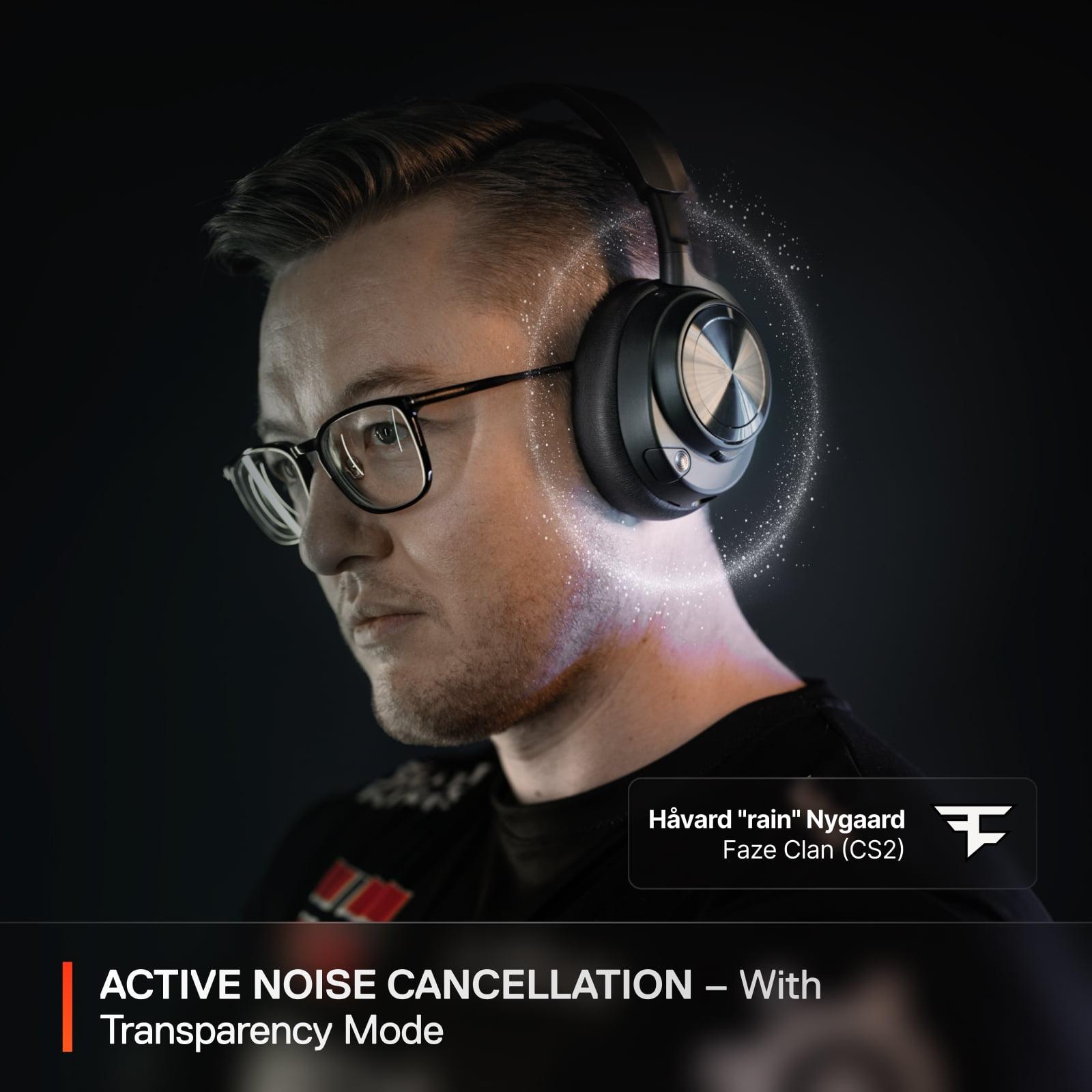
The SteelSeries Arctis Nova Pro Wireless uses a four-microphone hybrid ANC system. It's effective at reducing constant background noise like air conditioning, computer fans, or household activity. However, it's tuned more conservatively than pure noise-cancelling headphones because gamers still need to hear important audio cues.
The transparency mode is particularly well-implemented for gaming. You can quickly switch to hear your surroundings without removing the headset—useful if someone needs to talk to you or if you need to be aware of what's happening around you while gaming.
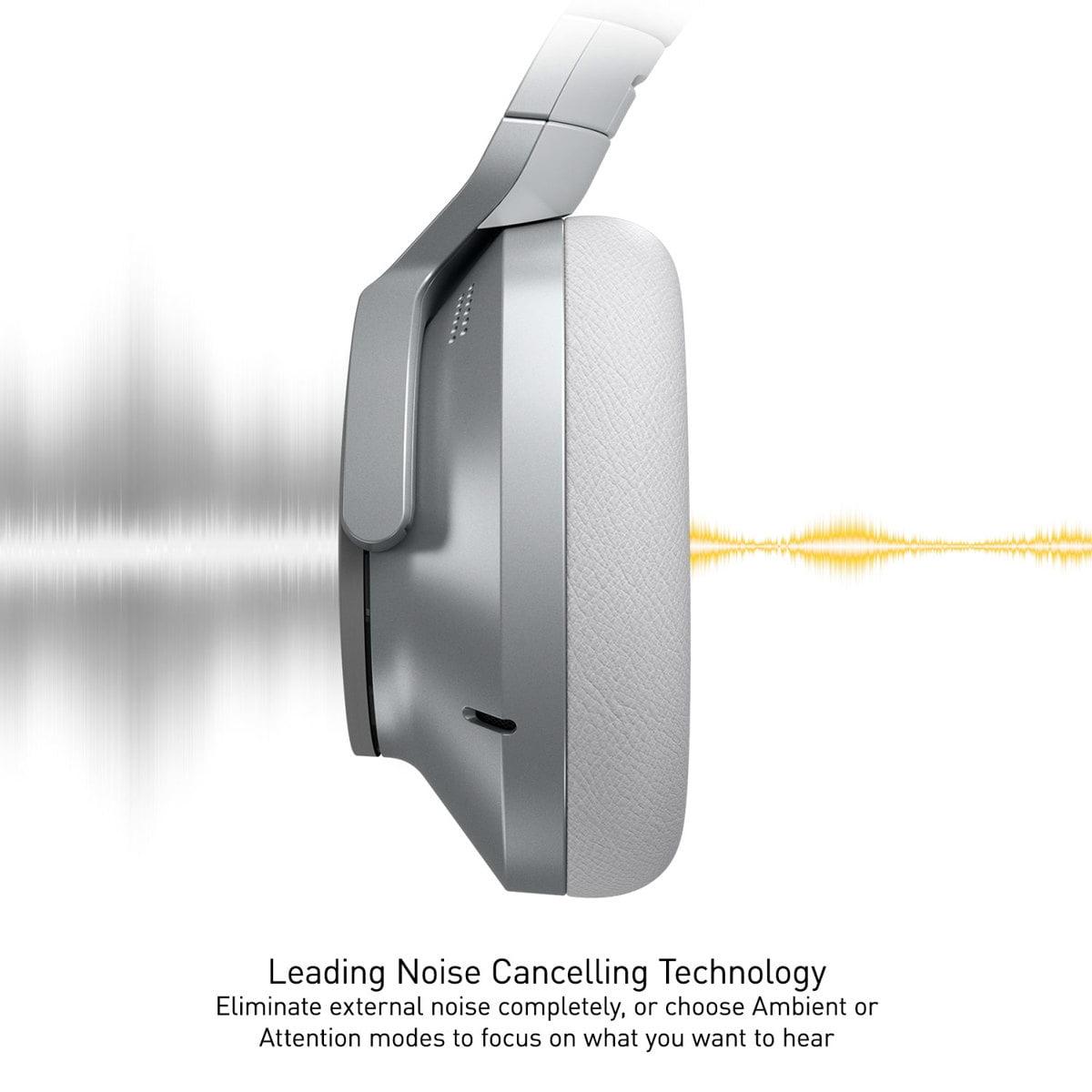
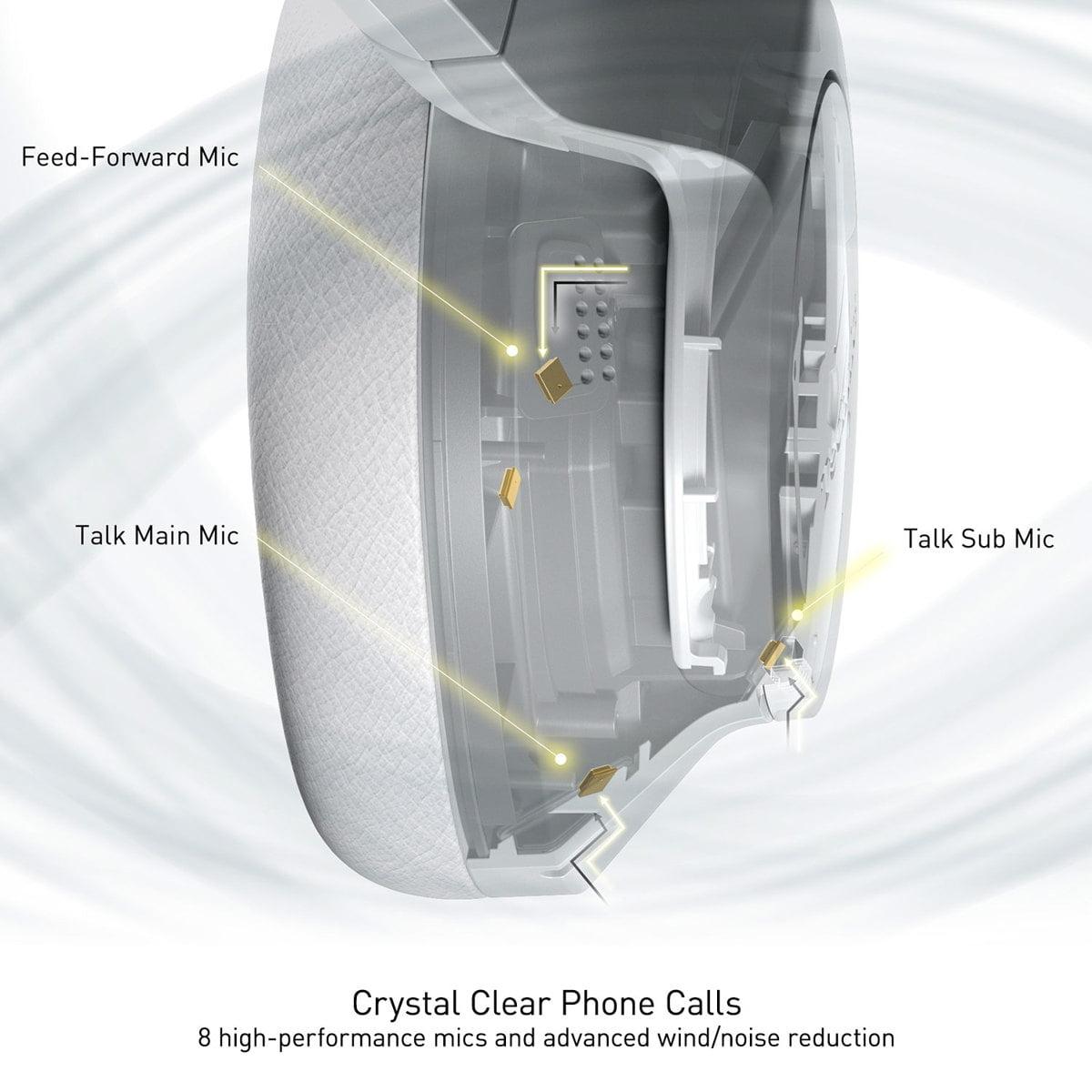
The Technics EAH-A800 features what they call "Dual Hybrid" noise cancellation, combining both feedforward and feedback ANC with analog and digital processing. This is tech-speak for a very sophisticated system that uses eight microphones total to analyze and cancel noise from multiple directions and frequency ranges.
In real-world use, the difference is dramatic. The Technics can make a noisy coffee shop feel library-quiet, and it's excellent on airplanes where it effectively eliminates engine drone. It's particularly strong at cancelling low-frequency sounds—those constant rumbles and hums that can be so fatiguing over long periods.
The ambient mode options are more granular too. You can adjust exactly how much outside sound you want to let in, from completely sealed off to fully transparent, with several steps in between.
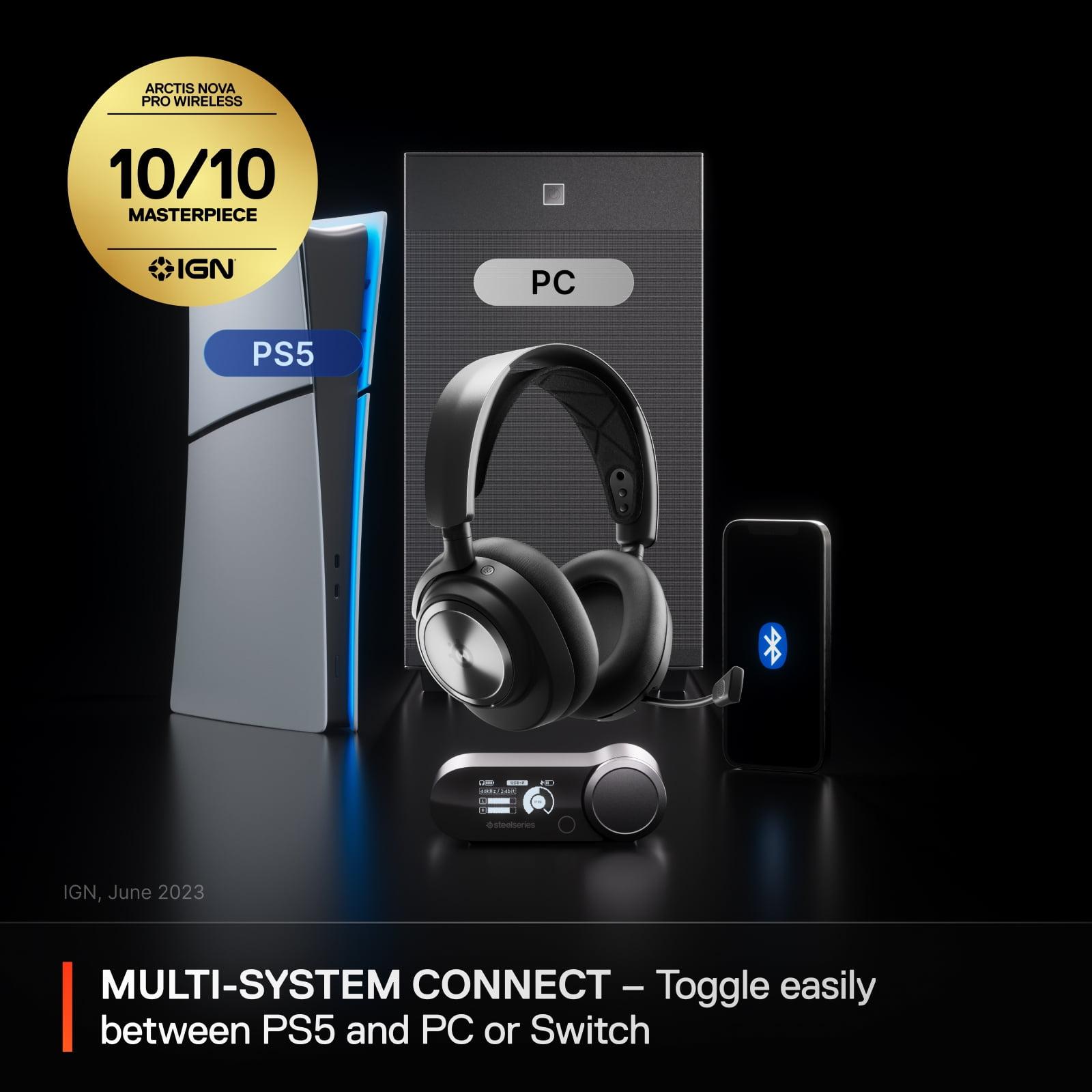
The SteelSeries Arctis Nova Pro Wireless introduces something genuinely innovative: simultaneous dual wireless connectivity. It can connect to two devices at once using different wireless technologies—2.4GHz for gaming (ultra-low latency) and Bluetooth 5.0 for your phone.
This means you can be playing a game on your PC while simultaneously connected to your phone via Bluetooth. If you get a call, the audio mixes together automatically. You can answer the call and continue gaming, or pause to focus on the conversation.
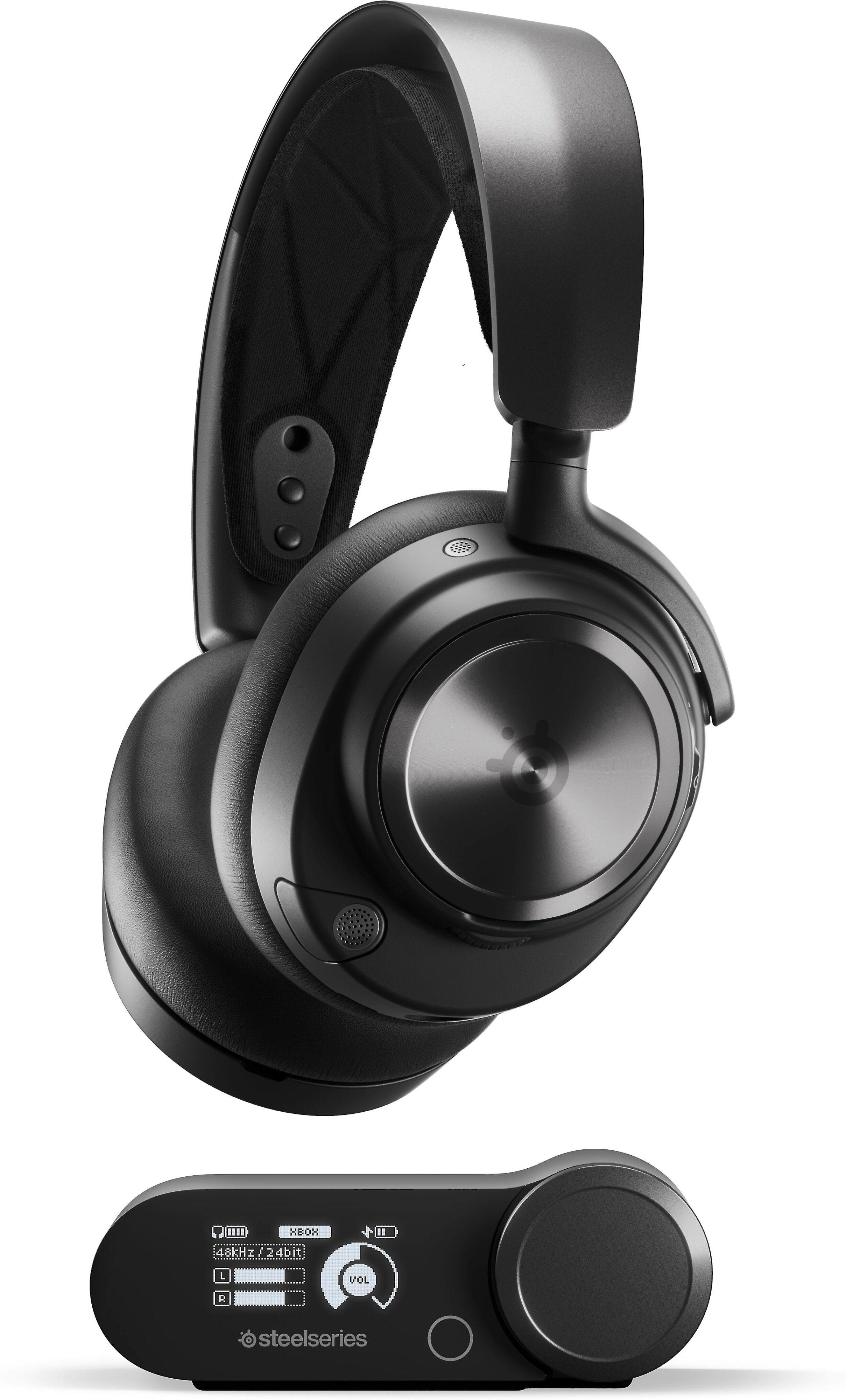
The wireless base station is the brain of this system. It's like a mini audio mixing board with dual USB-C inputs, letting you connect both a PC and PlayStation 5 (or Switch) simultaneously. You can switch between sources with a button press, and the OLED display shows which source is active and your current audio settings.
The 2.4GHz wireless connection provides gaming-grade latency—about 2.4ms according to SteelSeries. This is low enough that you won't notice any delay between on-screen action and audio, which is crucial for competitive gaming.
The Technics EAH-A800 uses Bluetooth 5.2 with multipoint pairing, which lets you stay connected to two devices simultaneously. While this doesn't offer the same flexibility as the SteelSeries system, it's simpler and more reliable for most users.
The codec support is impressive: SBC (standard Bluetooth), AAC (Apple's preferred codec), and LDAC for high-resolution audio. The implementation is rock-solid—I've never experienced dropouts or connection issues, even in crowded wireless environments.
For gaming, the Technics has typical Bluetooth latency, which means you'll notice a slight delay between on-screen action and audio. This makes it unsuitable for competitive gaming but perfectly fine for single-player games where timing isn't critical.
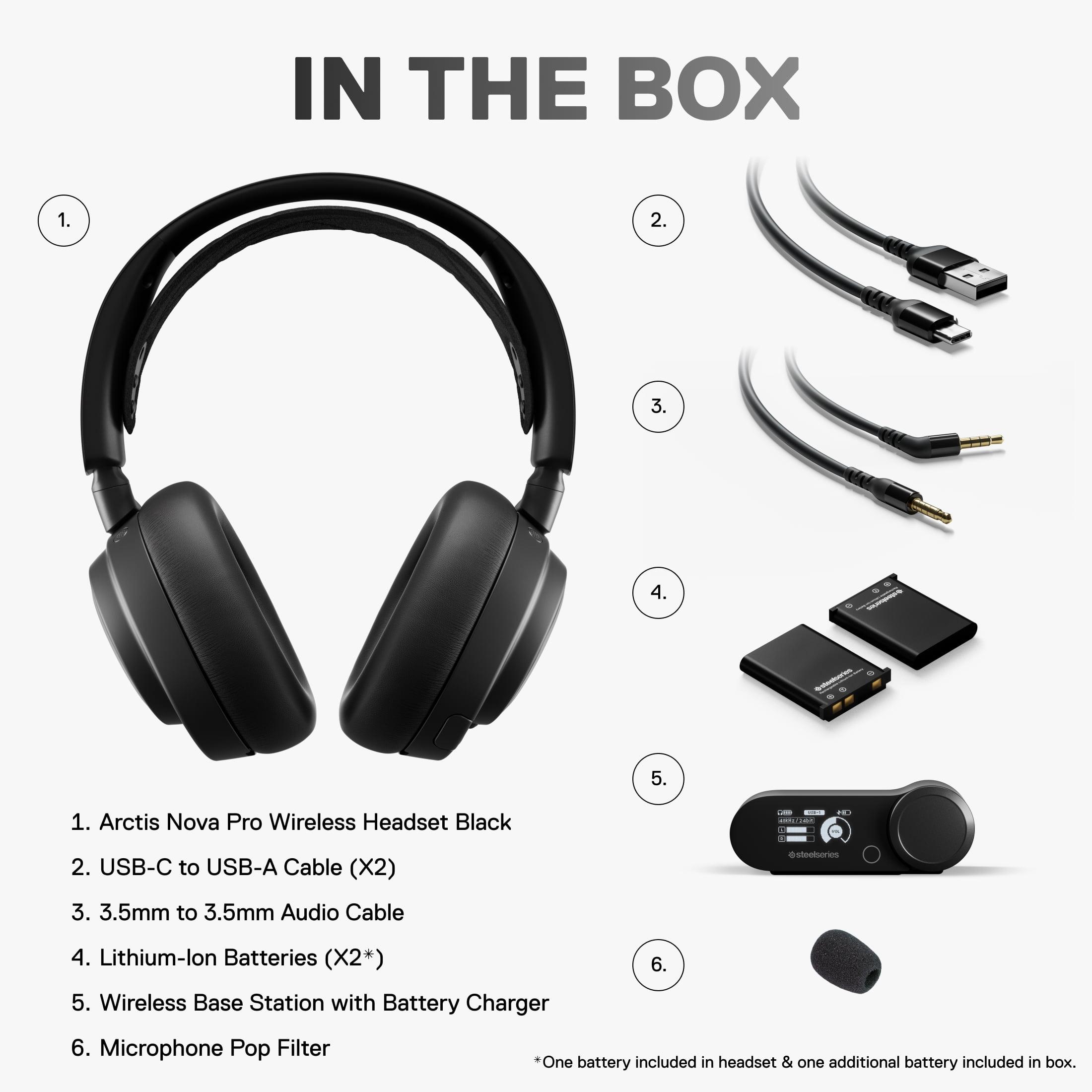
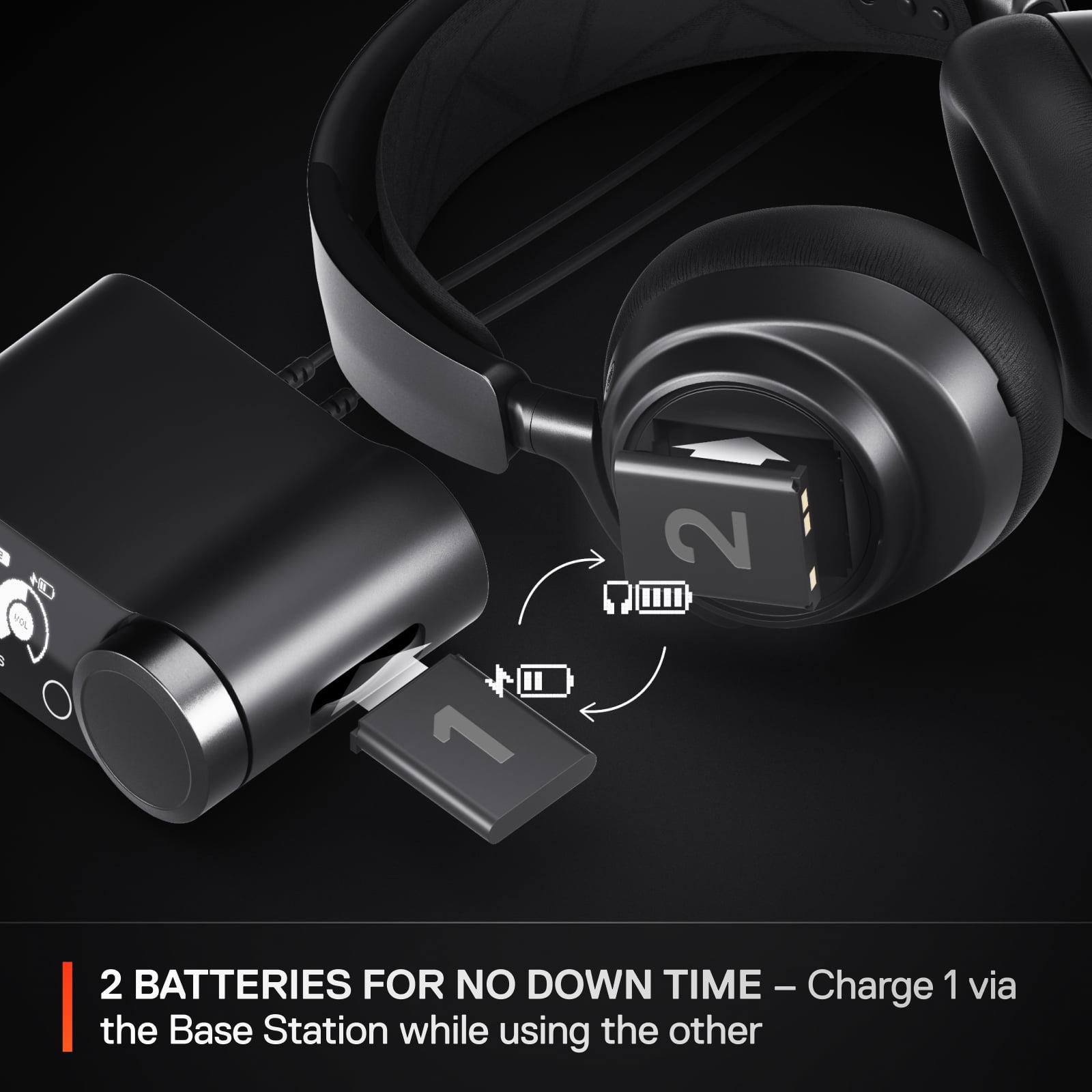
The SteelSeries Arctis Nova Pro Wireless solves battery anxiety with an elegant solution: two swappable batteries. Each battery provides 18-22 hours of use, and the base station charges the spare while you're using the other one.
When your active battery runs low, you just pop it out and swap in the charged one. The process takes about five seconds, and you never have to stop gaming to charge. It's genuinely clever engineering that eliminates one of the biggest annoyances of wireless headphones.
The base station has a small OLED display that shows battery levels for both the active and charging batteries, so you always know your power status.
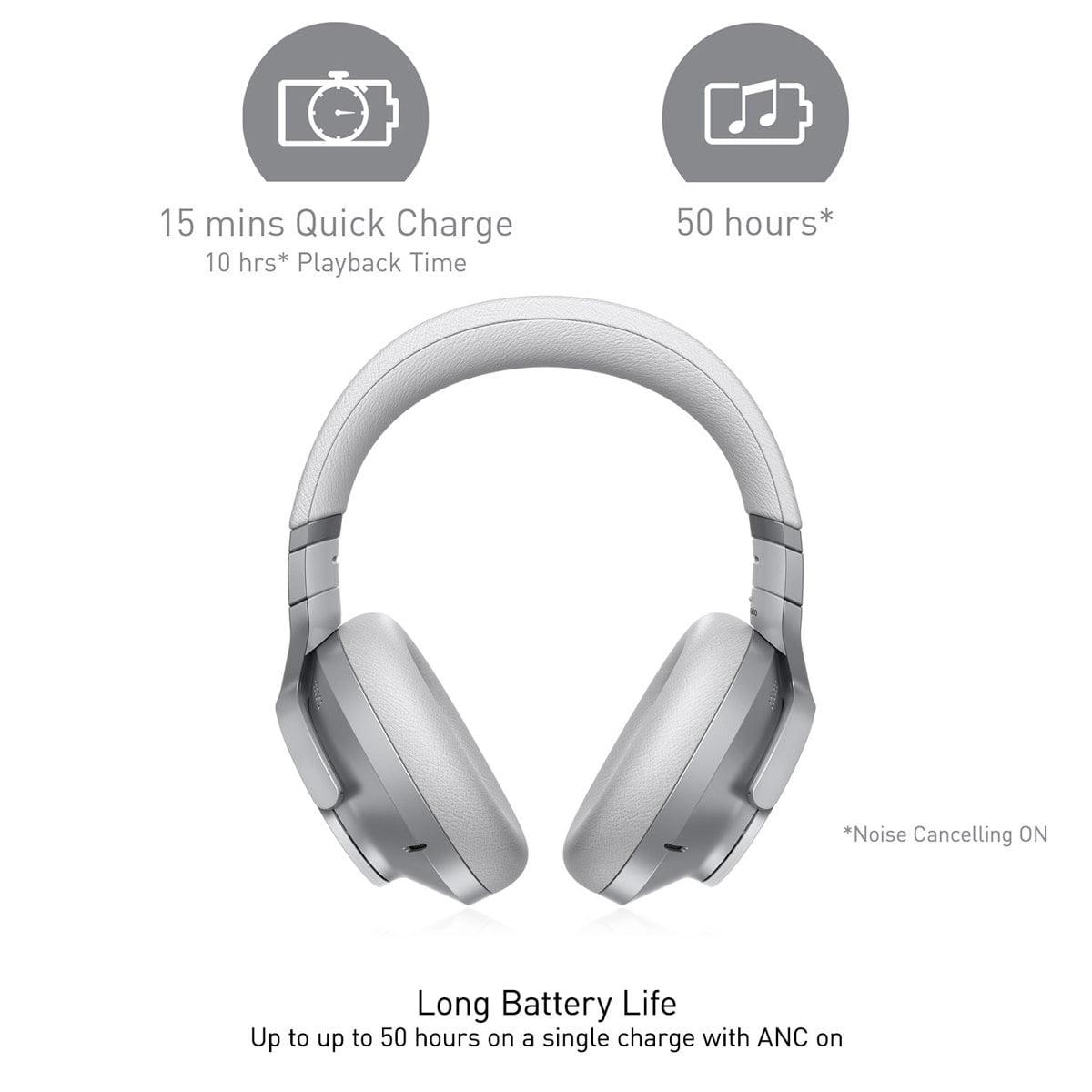
The Technics EAH-A800 takes the opposite approach: one battery that lasts an incredibly long time. With ANC enabled, it provides up to 50 hours of playback using AAC codec, or 40 hours with LDAC. Without ANC, it stretches to 60 hours.
The quick charge feature is excellent too—15 minutes of charging gives you 10 hours of playback. This means even if you forget to charge overnight, a quick top-up while you shower and have breakfast will last you through the day.
In practical terms, you might charge the Technics once a week with moderate use, or once every two weeks with light use. That's genuinely impressive.
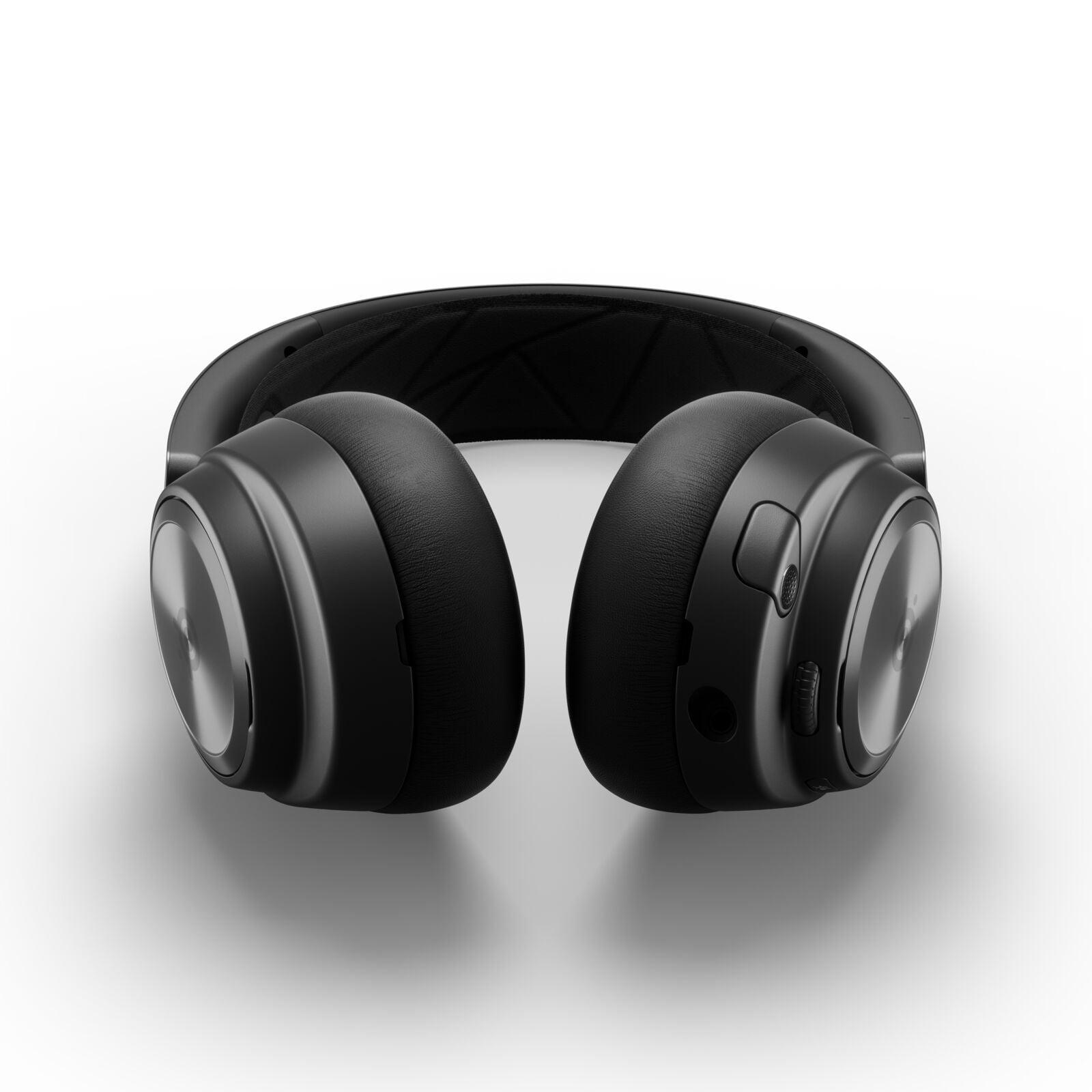
The SteelSeries Arctis Nova Pro Wireless features a retractable bidirectional boom microphone that's been fine-tuned for gaming communication. It uses noise cancellation to reduce background sounds while maintaining clear voice transmission for your teammates.
The microphone integrates seamlessly with gaming platforms and applications like Discord. The retractable design means it disappears completely when you're not using it, maintaining the headphone's clean aesthetic.
The Technics EAH-A800 uses an eight-microphone array with advanced beamforming technology. Beamforming is a technique that focuses the microphones on your voice while actively suppressing sounds from other directions. Combined with their JustMyVoice technology, it provides exceptional call clarity even in noisy environments.
I've used the Technics for video conferences in busy coffee shops, and colleagues consistently comment on how clear my voice sounds despite the background noise. The wind noise reduction is also excellent for outdoor calls.
Both headphones are built to professional standards, but with different priorities.
The SteelSeries Arctis Nova Pro Wireless weighs 339 grams and uses a ski-goggle-inspired suspension headband that distributes weight evenly. The AirWeave fabric ear cushions are designed to stay cool during long gaming sessions. The build feels solid but not overly heavy, and the materials are clearly chosen for durability under frequent use.
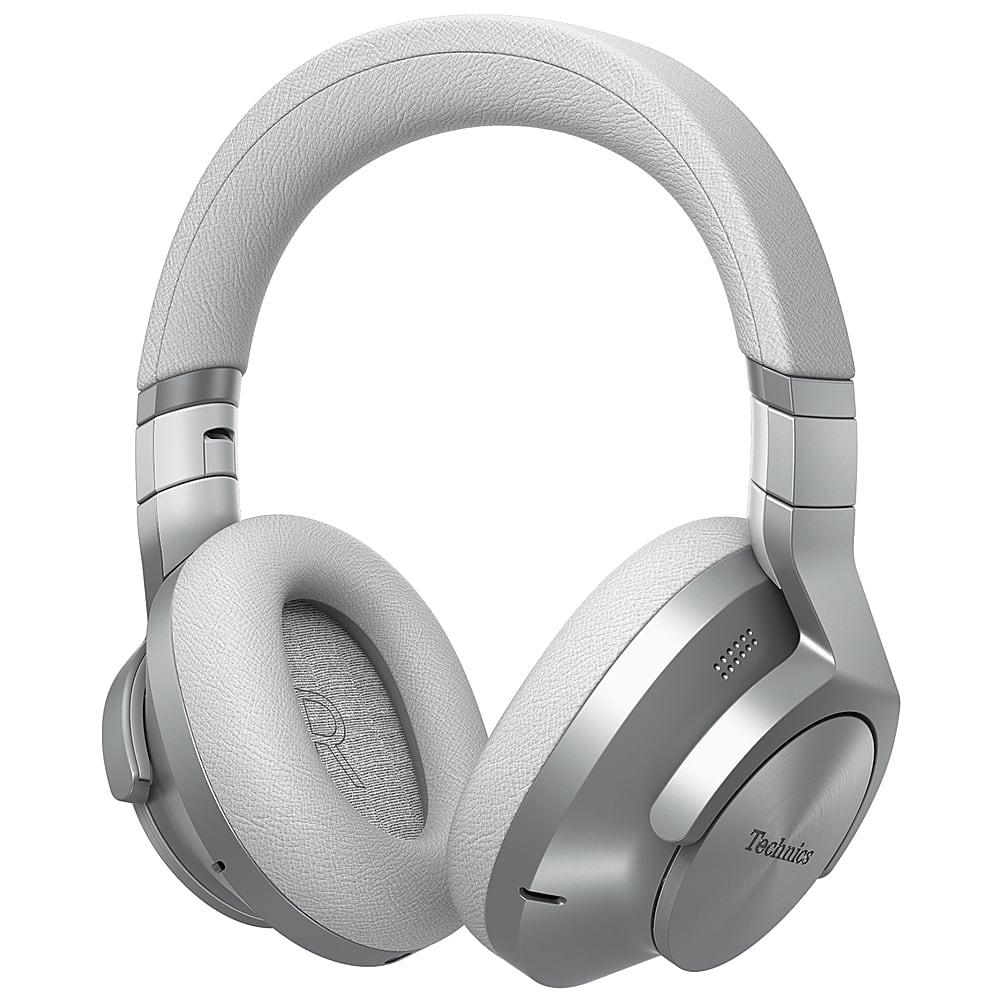
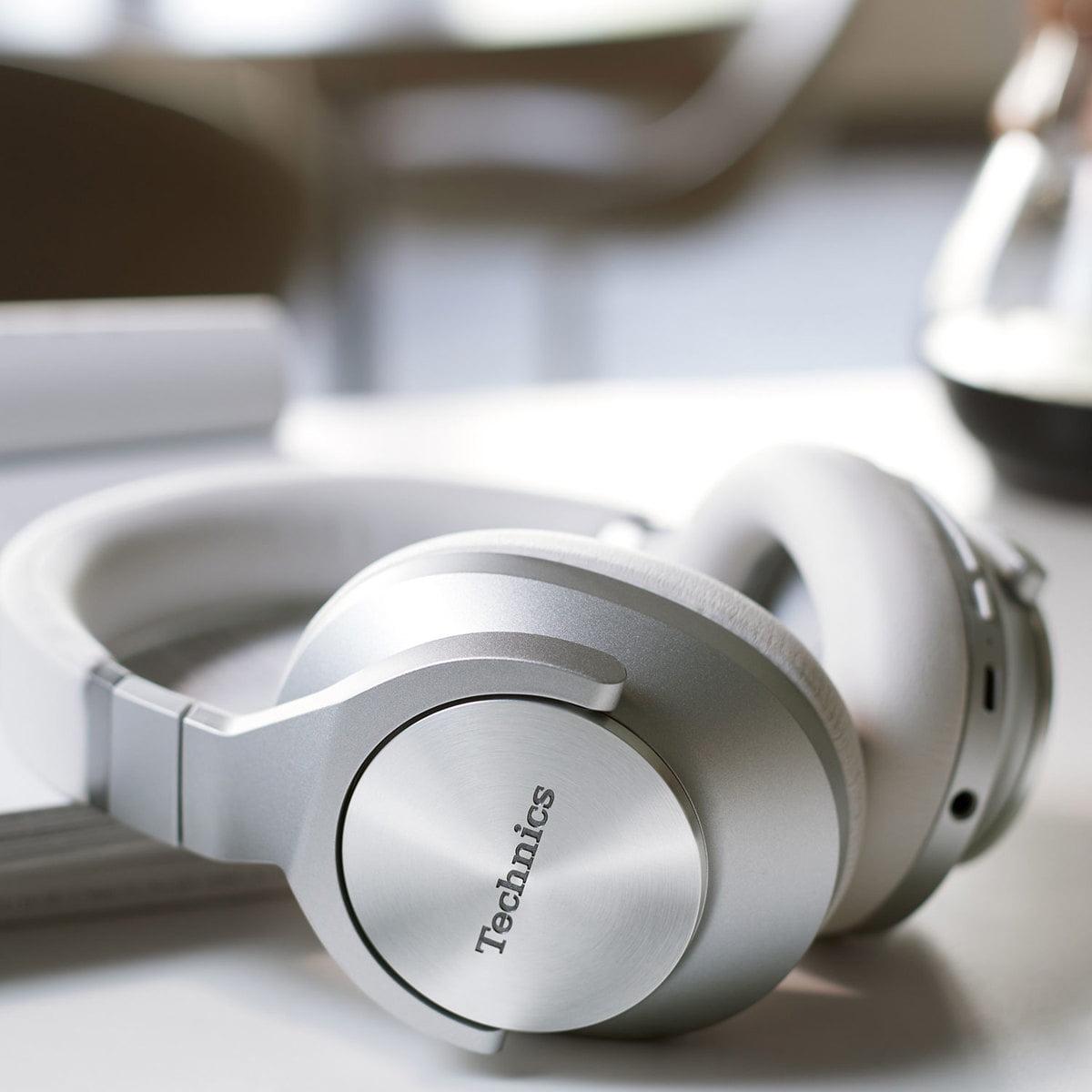
The Technics EAH-A800 is slightly lighter at 298 grams and uses super-soft cushioned ear pads with a pressure-distributing headband design. The materials feel more luxurious—softer leather-like surfaces and premium plastics. It's designed for comfort during long listening sessions rather than the more utilitarian gaming focus of the SteelSeries.
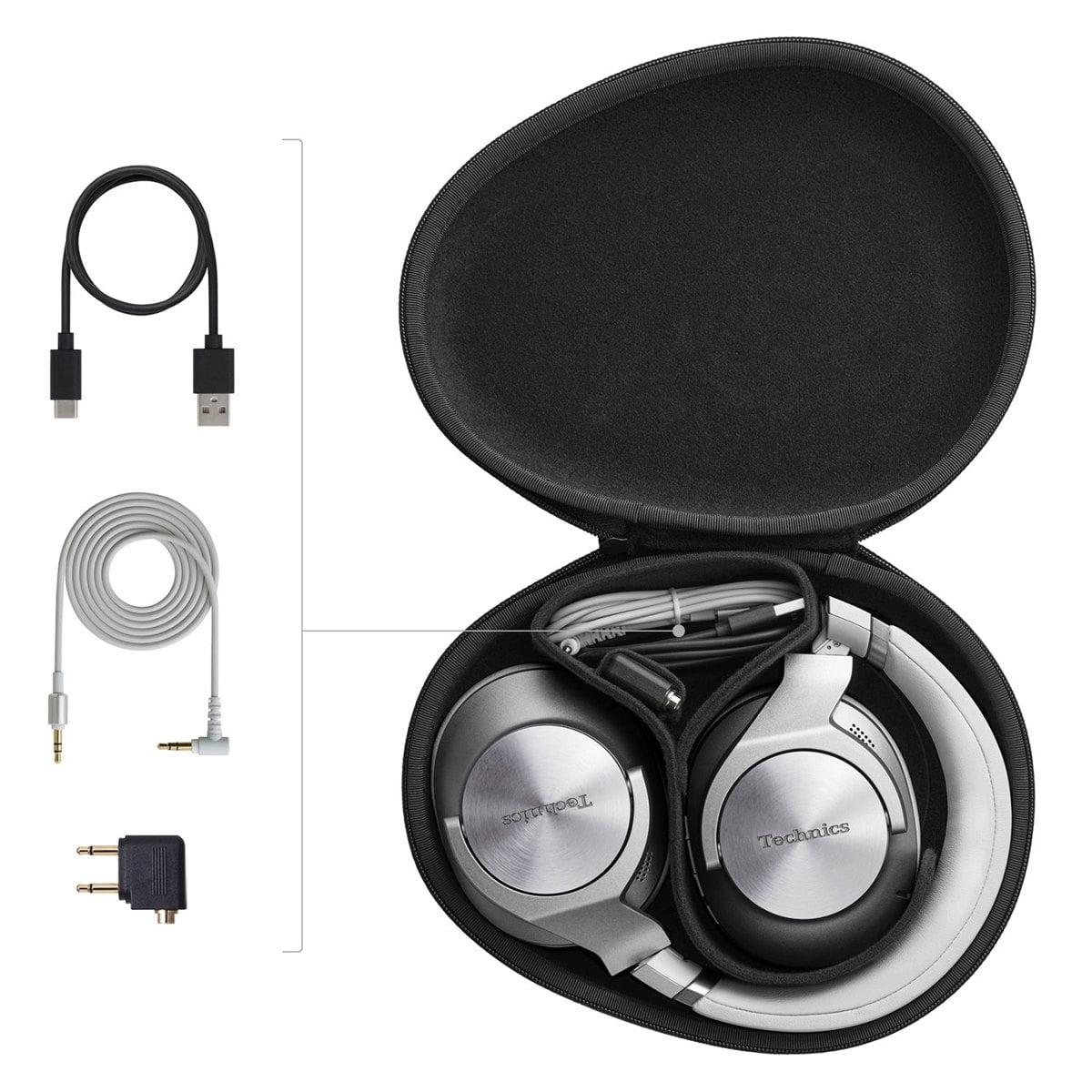
Both fold for storage, but the Technics comes with a more compact hard-shell carrying case that's better for travel.
If you're thinking about using either headphone with your home theater setup, there are some important considerations.
The SteelSeries Arctis Nova Pro Wireless can connect to many home theater systems through the base station's USB inputs, and the low-latency wireless makes it excellent for watching movies without lip-sync issues. The spatial audio processing also works well with movie soundtracks, creating an immersive surround sound experience.
The Technics EAH-A800 is better suited for pure audio enjoyment—music concerts, acoustic performances, or movies where you want to focus on the soundtrack rather than spatial effects. The LDAC support means you can get high-resolution audio from compatible sources like some smart TVs or streaming devices.
However, the Bluetooth latency of the Technics makes it less ideal for watching video content unless your source has latency compensation.
At $349.99, the SteelSeries Arctis Nova Pro Wireless commands a premium price, but you're paying for genuinely innovative features. The hot-swap battery system, dual wireless connectivity, and sophisticated base station represent engineering solutions you won't find elsewhere. If you're a serious gamer who values convenience and cutting-edge features, the price is justifiable.
The Technics EAH-A800 at $249.99 offers exceptional value for its performance level. You're getting noise cancellation and audio quality that typically costs $300+ from other brands, plus the impressive 50-hour battery life. For most users who prioritize sound quality and ANC over gaming-specific features, it's the better value proposition.
Choose the SteelSeries Arctis Nova Pro Wireless if gaming performance is your priority, you regularly switch between multiple gaming devices, you want the convenience of never having to stop for charging, or you're willing to pay extra for innovative features that enhance your gaming experience.
Choose the Technics EAH-A800 if you prioritize music listening quality, need superior noise cancellation for travel or noisy environments, want excellent battery life without complexity, prefer better value for your money, or need one versatile headphone for multiple uses including professional calls.
Both headphones excel in their intended roles, and both represent significant engineering achievements. Your choice should align with how you plan to use them most often. The SteelSeries pushes the boundaries of what's possible in gaming audio, while the Technics delivers exceptional performance in the fundamentals at a more accessible price point.
| SteelSeries Arctis Nova Pro Wireless | Technics EAH-A800 |
|---|---|
| Price - Value proposition for premium features | |
| $349.99 (premium for gaming innovations) | $249.99 (excellent value for audio quality) |
| Primary Design Focus - Determines which excels for your main use case | |
| Gaming-first with multi-device connectivity | Music/audio-first with superior noise cancellation |
| Driver Technology - Foundation for sound quality differences | |
| 40mm neodymium (gaming-tuned, spatial audio optimized) | 40mm PEEK/Polyurethane 3-layer (natural music reproduction) |
| Frequency Response - Range of sounds each can reproduce | |
| 10-22kHz wireless, 10-40kHz wired (Hi-Res capable) | 4Hz-40kHz (deeper bass extension, Hi-Res certified) |
| Noise Cancellation - Critical for focus and immersion | |
| 4-mic hybrid ANC (gaming-focused, moderate isolation) | 8-mic Dual Hybrid ANC (industry-leading isolation) |
| Wireless Technology - Affects latency and audio quality | |
| 2.4GHz + Bluetooth 5.0 simultaneous (ultra-low gaming latency) | Bluetooth 5.2 with LDAC (high-quality music streaming) |
| Battery Life - How long you can use without charging | |
| 18-22hrs per battery, hot-swappable (unlimited gaming time) | 50hrs single charge with ANC (marathon listening sessions) |
| Multi-Device Support - Flexibility for different setups | |
| Dual USB-C base station (PC + console simultaneously) | Bluetooth multipoint (two devices, standard switching) |
| Microphone Quality - Important for gaming and calls | |
| Retractable boom mic (gaming chat optimized) | 8-mic beamforming array (professional call quality) |
| Weight - Comfort factor for extended use | |
| 339g (gaming-focused ergonomics) | 298g (lighter, premium comfort materials) |
| Audio Customization - Ability to fine-tune sound | |
| 10-band parametric EQ, gaming presets, spatial audio | Limited app-based presets (naturally balanced tuning) |
| Codec Support - Wireless audio quality potential | |
| Standard gaming codecs (latency prioritized) | SBC, AAC, LDAC (maximum wireless audio quality) |
| Best Use Cases - Who should choose each option | |
| Competitive gamers, multi-platform users, content creators | Music lovers, frequent travelers, business professionals |
The SteelSeries Arctis Nova Pro Wireless is specifically designed for gaming with ultra-low latency 2.4GHz wireless, 360° spatial audio, and 7.1 surround sound. The Technics EAH-A800 uses standard Bluetooth which creates noticeable audio delay, making it unsuitable for competitive gaming but fine for single-player games.
The SteelSeries Arctis Nova Pro Wireless costs $349.99 while the Technics EAH-A800 is $249.99. The Technics offers better value for general use with superior noise cancellation and audio quality at a lower price. The SteelSeries justifies its premium with unique gaming features like hot-swappable batteries and dual wireless connectivity.
The Technics EAH-A800 has significantly better noise cancellation with its 8-microphone Dual Hybrid system, effectively blocking low-frequency sounds like airplane engines and air conditioning. The SteelSeries Arctis Nova Pro Wireless has moderate ANC that's tuned for gaming environments rather than maximum isolation.
The Technics EAH-A800 offers up to 50 hours on a single charge with ANC enabled. The SteelSeries Arctis Nova Pro Wireless provides 18-22 hours per battery but includes two hot-swappable batteries, giving you unlimited gaming time since one charges while you use the other.
The Technics EAH-A800 excels for music with its natural, balanced sound signature and LDAC high-resolution wireless codec support. The SteelSeries Arctis Nova Pro Wireless is tuned for gaming audio with enhanced spatial positioning, though it's still capable for music listening.
Yes, but differently. The SteelSeries Arctis Nova Pro Wireless can simultaneously connect to two devices using 2.4GHz wireless and Bluetooth, allowing you to mix game audio with phone calls. The Technics EAH-A800 supports Bluetooth multipoint for two devices but switches between them rather than mixing audio.
The Technics EAH-A800 is lighter at 298g with luxurious cushioned ear pads designed for extended listening comfort. The SteelSeries Arctis Nova Pro Wireless weighs 339g but uses a ski-goggle suspension system and breathable AirWeave fabric optimized for long gaming sessions.
The SteelSeries Arctis Nova Pro Wireless works well for home theater with its low-latency wireless preventing lip-sync issues and spatial audio enhancing movie soundtracks. The Technics EAH-A800 is better for music-focused content but may have Bluetooth latency issues with video unless your source compensates.
For gaming communication, the SteelSeries Arctis Nova Pro Wireless has a retractable boom mic optimized for team chat. For business calls, the Technics EAH-A800 excels with its 8-microphone beamforming array and JustMyVoice technology that provides crystal-clear voice isolation even in noisy environments.
The SteelSeries Arctis Nova Pro Wireless includes the headset, wireless base station, two batteries, carrying bag, and cables. The Technics EAH-A800 comes with the headphones, compact hard-shell carrying case, USB-C charging cable, 3.5mm audio cable, and airplane adapter.
The SteelSeries Arctis Nova Pro Wireless is designed for multi-platform gaming with variants for PC/PlayStation and Xbox, featuring a base station with dual USB-C inputs for seamless switching. The Technics EAH-A800 works with any Bluetooth-enabled device but lacks gaming-optimized features and low latency.
Choose the SteelSeries Arctis Nova Pro Wireless if gaming performance, multi-device connectivity, and innovative features like hot-swap batteries are priorities. Choose the Technics EAH-A800 if you want superior noise cancellation, better value, longer battery life, and excellent sound quality for music, calls, and casual gaming.
We've done our best to create useful and informative comparisons to help you decide what product to buy. Our research uses advanced automated methods to create this comparison and perfection is not possible - please contact us for corrections or questions. These are the sites we've researched in the creation of this article: soundguys.com - youtube.com - youtube.com - youtube.com - gamerant.com - youtube.com - head-fi.org - youtube.com - rtings.com - rtings.com - tomshardware.com - youtube.com - techpowerup.com - bestbuy.com - shi.com - steelseries.com - bestbuy.com - blog.son-video.com - expertreviews.co.uk - youtube.com - whathifi.com - youtube.com - bhphotovideo.com - futureaudiophile.com - versus.com - versus.com - soundphilereview.com - help.na.panasonic.com - technics.com - retailspecs.com - headphonecheck.com - us.technics.com - help.na.panasonic.com - bhphotovideo.com - technics.com - technics.com - valueelectronics.com - us.technics.com - us.technics.com - youtube.com - hometheaterhifi.com

Privacy Policy
Terms and Conditions - Affiliate Policy
Home Security
© Copyright 2008-2026.
11816 Inwood Rd #1211, Dallas, TX 75244