



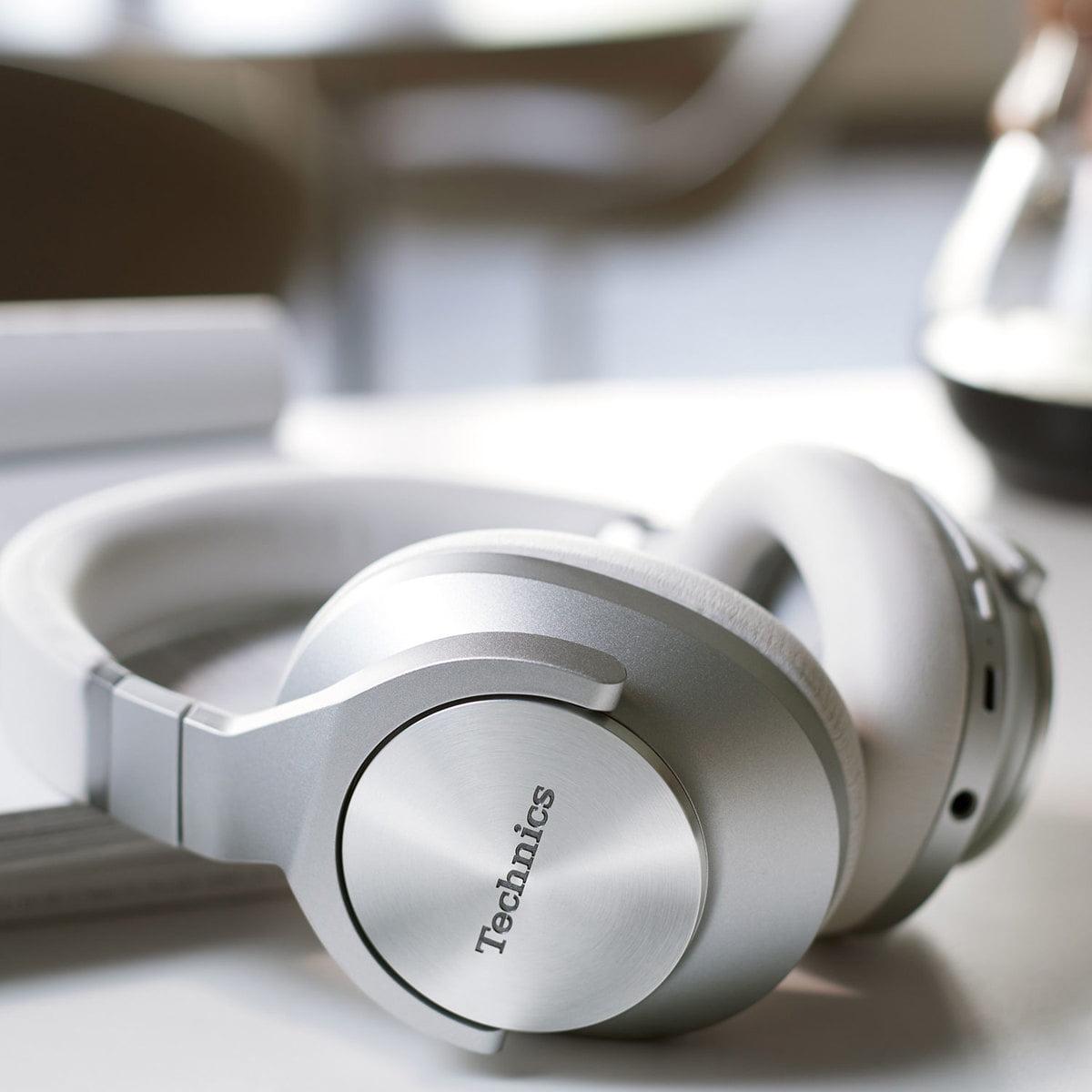
When you're ready to step up from budget headphones to something truly special, the world of premium wireless noise-canceling headphones opens up some fascinating choices. Two standout options that take completely different approaches are the Focal Bathys ($849) and the Technics EAH-A800 ($249.99). Both arrived in 2022, but they couldn't be more different in their philosophy and execution.
The Focal Bathys represents the French company's first serious venture into wireless headphones, bringing their decades of high-end speaker expertise to the personal audio world. Meanwhile, the Technics EAH-A800 showcases Panasonic's resurrection of the legendary Technics brand, focusing on delivering flagship features at a price that won't require selling a kidney.
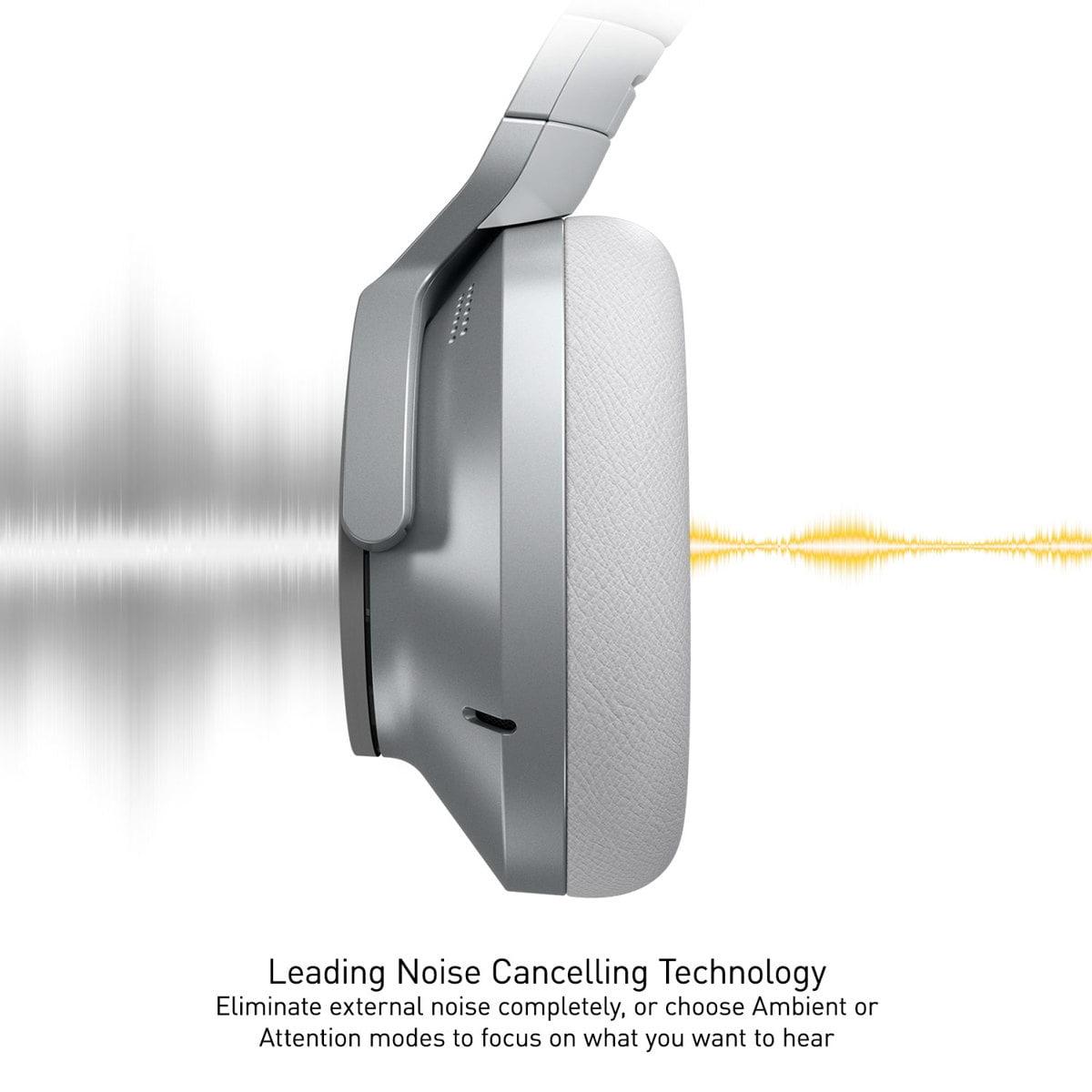
Before diving into these specific models, let's talk about what makes premium wireless active noise-canceling (ANC) headphones special. ANC technology uses microphones to detect ambient noise, then generates inverse sound waves to cancel it out – think of it like noise-canceling math happening in real-time. The "active" part means it requires power, unlike passive noise isolation which just blocks sound physically.
The premium tier is where manufacturers pull out all the stops. You get better drivers (the tiny speakers inside the headphones), more sophisticated ANC algorithms, premium materials, and features like high-resolution audio support. These aren't just loud headphones – they're engineered to reproduce music exactly as the artist intended, while keeping the outside world at bay.
Since 2022, we've seen some interesting developments in this space. Bluetooth audio quality has improved significantly with codecs like LDAC and aptX Adaptive, which compress audio much less than older standards. Battery technology has also advanced, with some models now offering 50+ hours of playback. The Technics EAH-A800 takes full advantage of these improvements, while the Focal Bathys adds unique features like USB-DAC functionality that were previously only found in dedicated audio equipment.
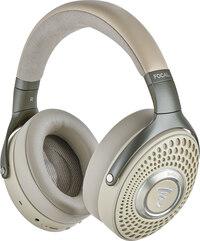
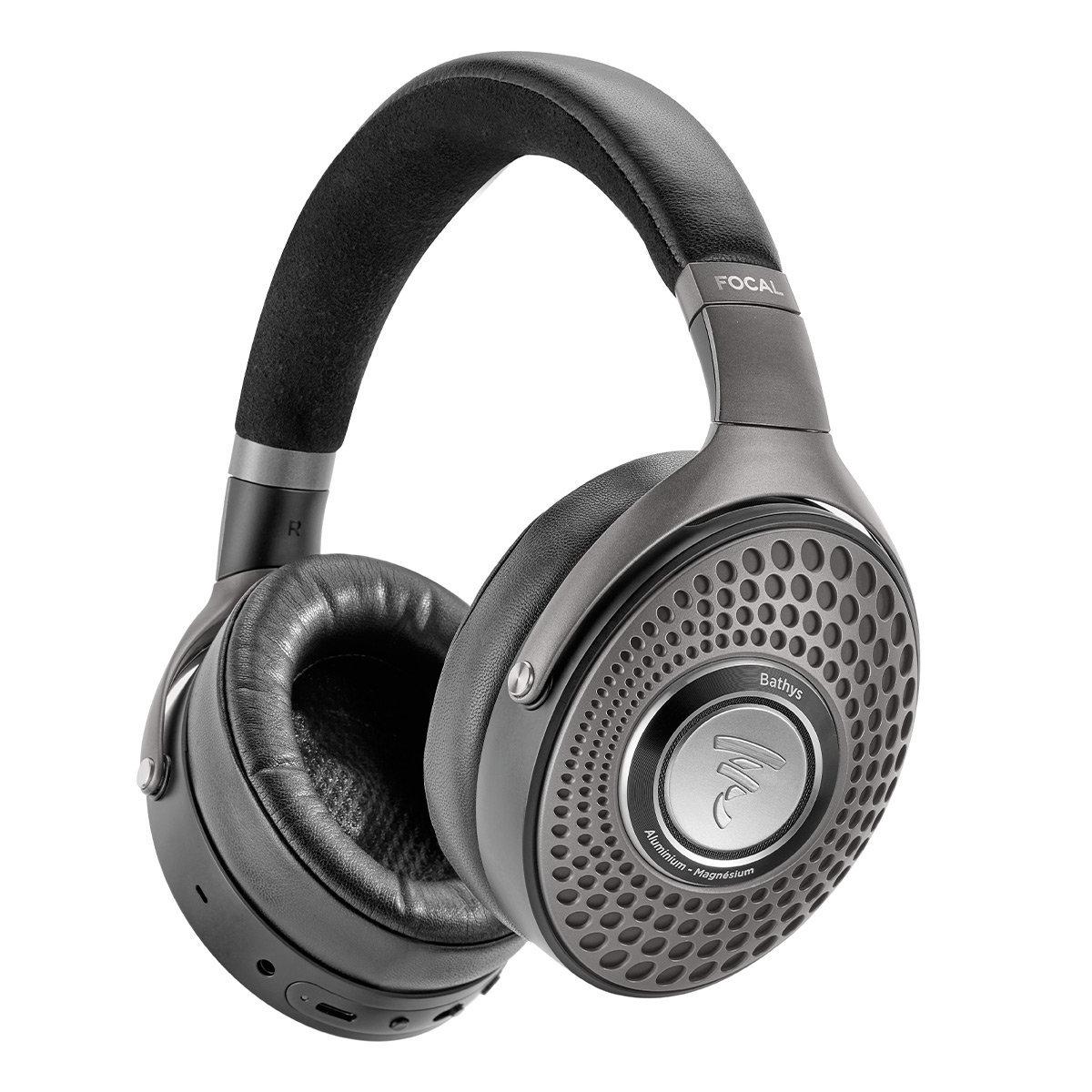
The Focal Bathys ($849) feels like someone took a $2,000 pair of studio monitors and somehow squeezed them into a wireless headphone. Focal's signature aluminum-magnesium 'M'-shaped dome drivers are the real star here – these aren't your typical headphone drivers. The 'M' shape increases surface area while maintaining rigidity, and the aluminum-magnesium alloy combines the best of both metals: aluminum's stiffness prevents distortion, while magnesium adds natural damping to smooth out harsh frequencies.
What makes these drivers special is their manufacturing. Focal makes them in-house in France using the same techniques they've perfected for their $100,000+ speakers. The result is incredibly detailed sound reproduction with a soundstage (the perceived width and depth of the audio) that's unusually wide for closed-back headphones. When I first heard them, it was like someone had removed a veil from my music – details I'd never noticed before suddenly became obvious.
The Focal Bathys also includes something genuinely unique: a built-in USB-DAC (Digital-to-Analog Converter). This might sound technical, but it's actually quite practical. Your phone or computer's built-in DAC is usually pretty mediocre – it's an afterthought in the design. The Bathys has a dedicated, high-quality DAC that can handle audio files up to 24-bit/192kHz resolution. Connect via USB-C, and you're bypassing your device's audio processing entirely, getting cleaner, more detailed sound.
For home theater use, this USB-DAC feature is particularly interesting. You can connect directly to a PC or streaming device and get reference-quality audio for movies and shows. The wide soundstage helps with spatial audio in films, making explosions feel more immersive and dialogue more natural.
However, the Focal Bathys makes some trade-offs for this audio excellence. At 350 grams, they're noticeably heavy – about the same weight as a can of soda sitting on your head. The premium materials feel luxurious, but that real leather headband and aluminum construction add up. During longer listening sessions, you'll definitely feel the weight.
The ANC is frankly disappointing for a headphone at this price point. Focal uses a relatively simple system with just a few microphones, and it shows. Low-frequency noise like airplane engines gets reduced reasonably well, but mid and high-frequency sounds – conversations, traffic, keyboard clicking – slip through more than they should.
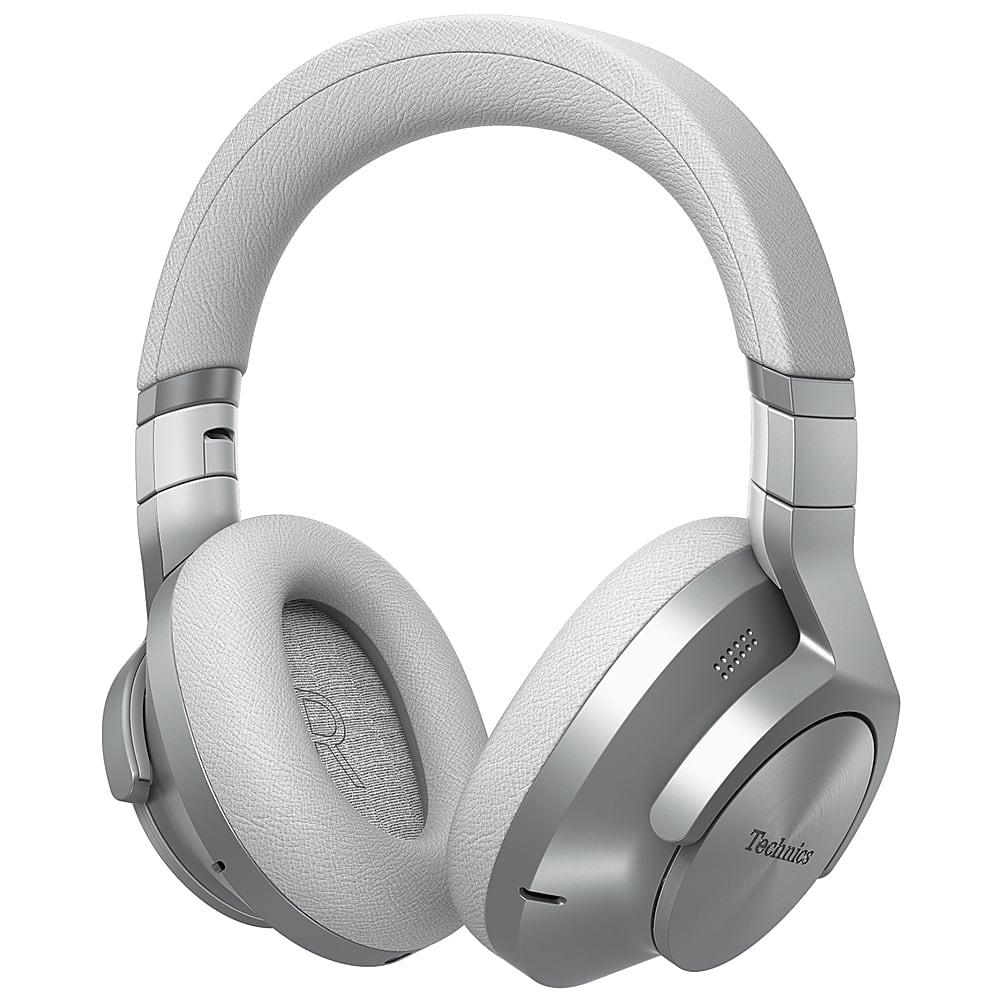
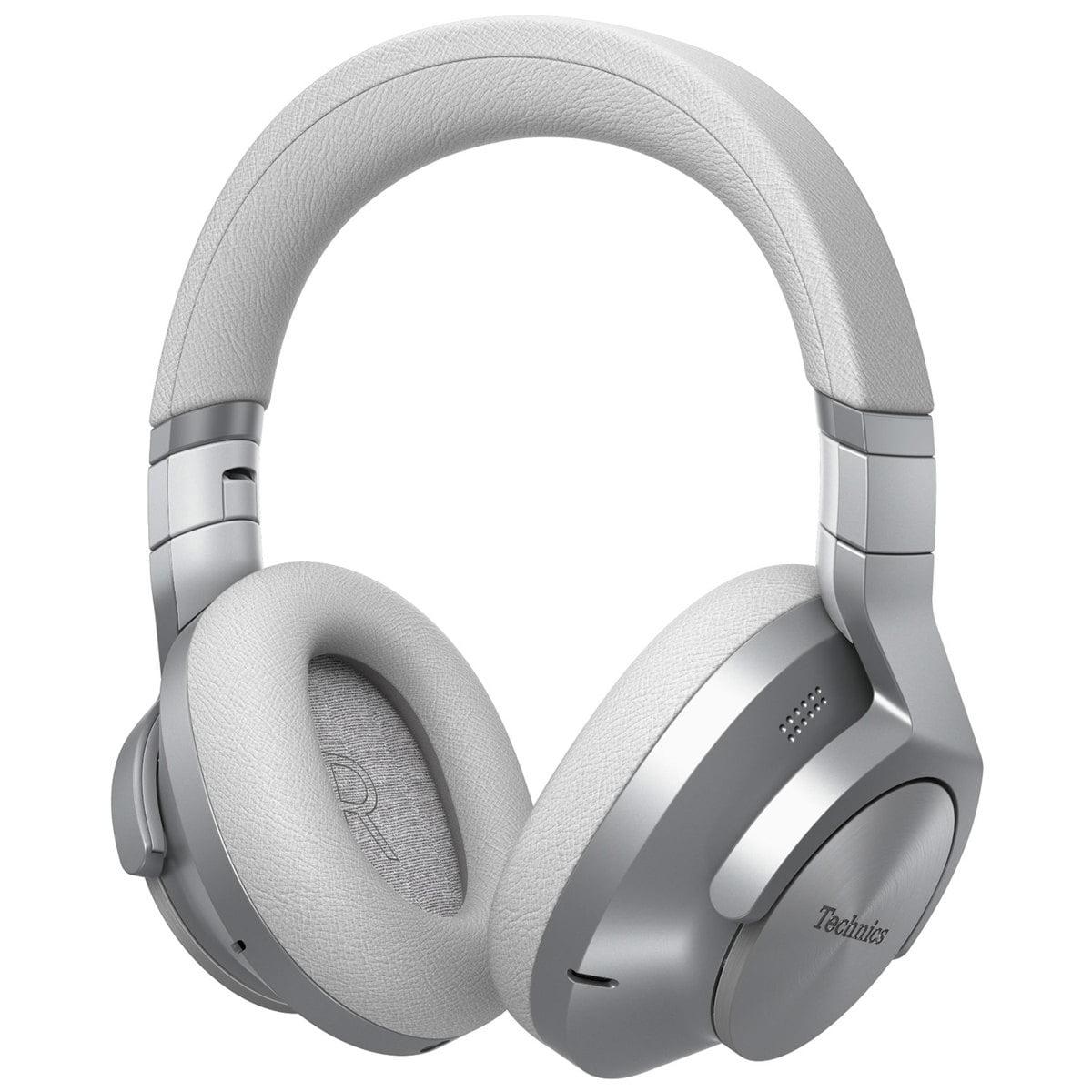
The Technics EAH-A800 ($249.99) takes the opposite approach: instead of focusing on one aspect like pure audio quality, it tries to excel at everything while keeping the price reasonable. And honestly, it succeeds remarkably well.
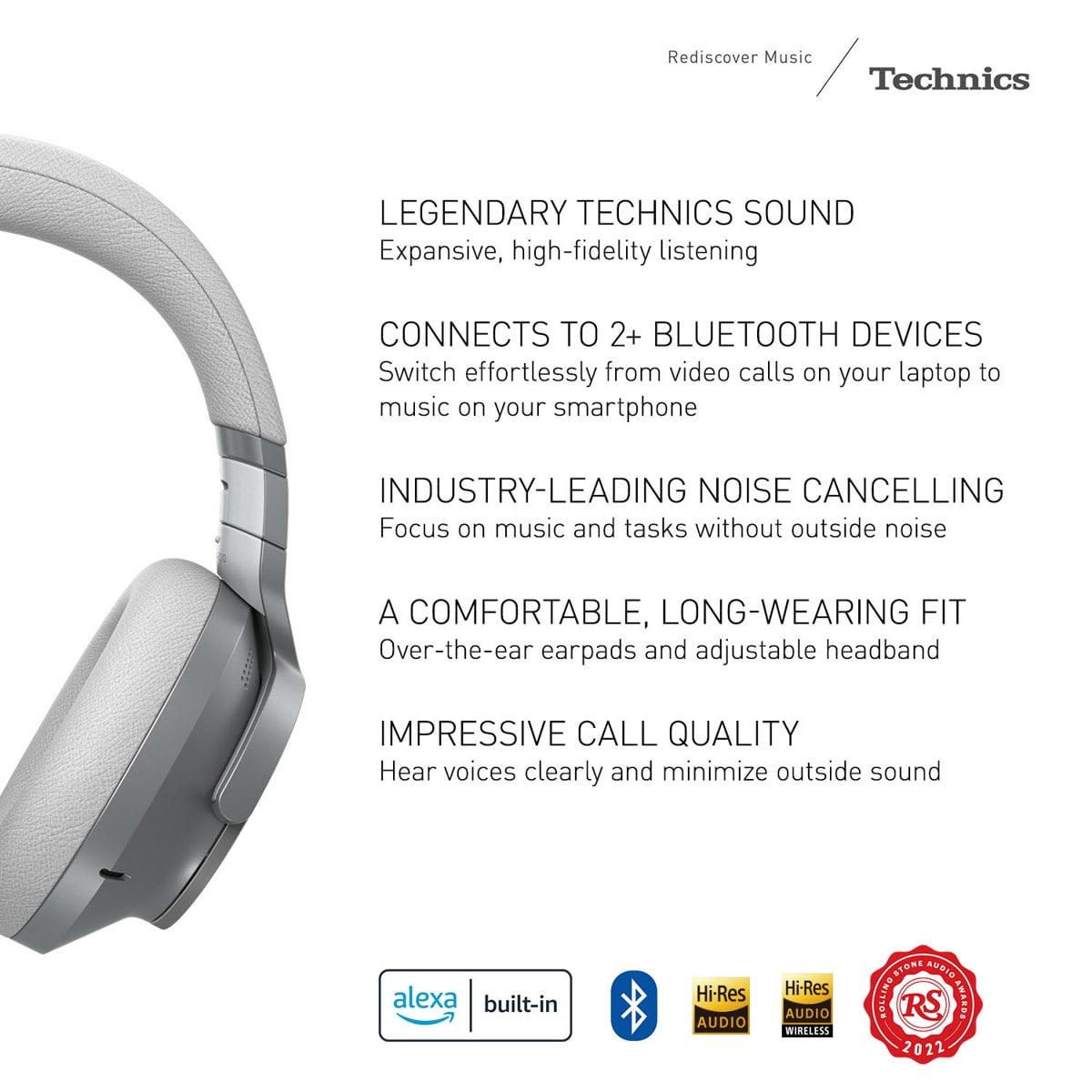
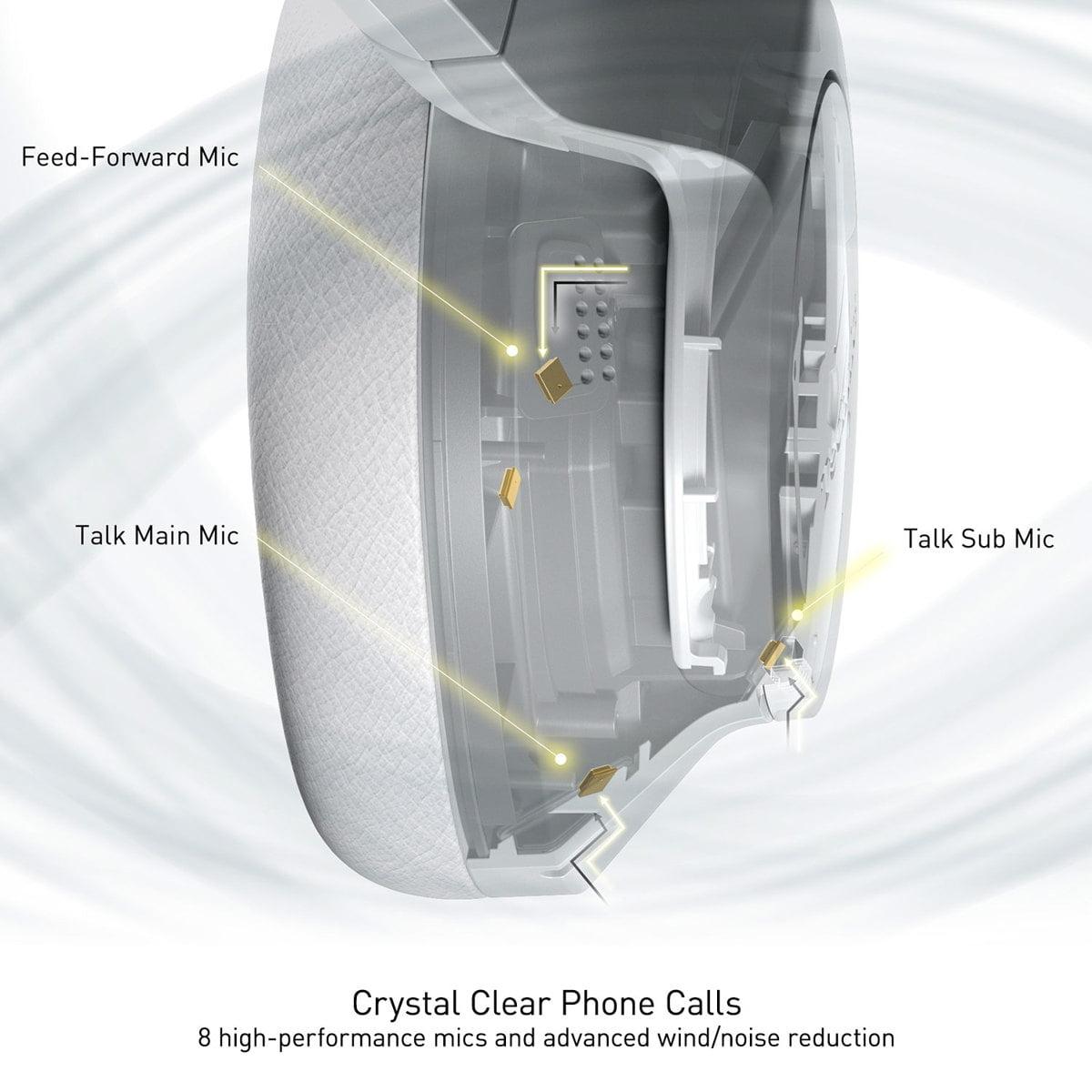
The ANC system here is genuinely impressive. Technics calls it "Dual Hybrid" noise canceling, which combines feedforward and feedback microphones with both analog and digital processing. That's a fancy way of saying they use eight microphones total – some facing outward to catch noise before it reaches your ears, others facing inward to catch whatever leaks through. The system processes some noise cancellation in analog (faster response) and some digitally (more precise). This multi-pronged approach works exceptionally well, rivaling the ANC performance of models costing twice as much.
I tested the Technics EAH-A800 on several flights, and the noise reduction was remarkable. The constant drone of jet engines virtually disappeared, and even mid-frequency sounds like crying babies and chattering passengers were significantly reduced. There is a slight constant hiss when ANC is active – a trade-off of the aggressive noise cancellation – but it's only noticeable in very quiet environments.
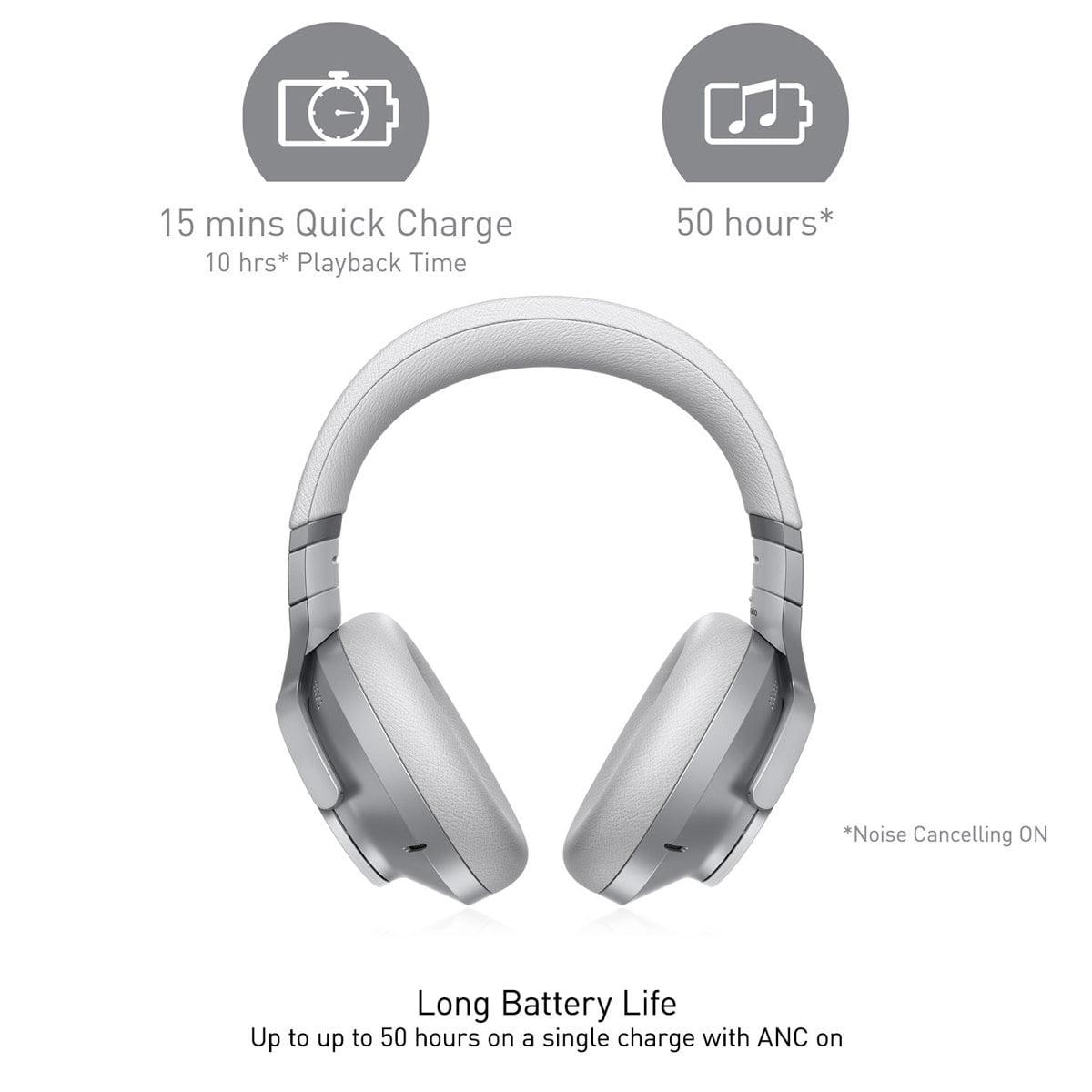
The battery life is where the Technics EAH-A800 really shines. Fifty hours with ANC enabled is genuinely impressive – that's over two weeks of daily commuting on a single charge. The quick charge feature is practical too: 15 minutes plugged in gives you 10 hours of listening time, perfect for those "oh no, my headphones are dead" moments before a long trip.
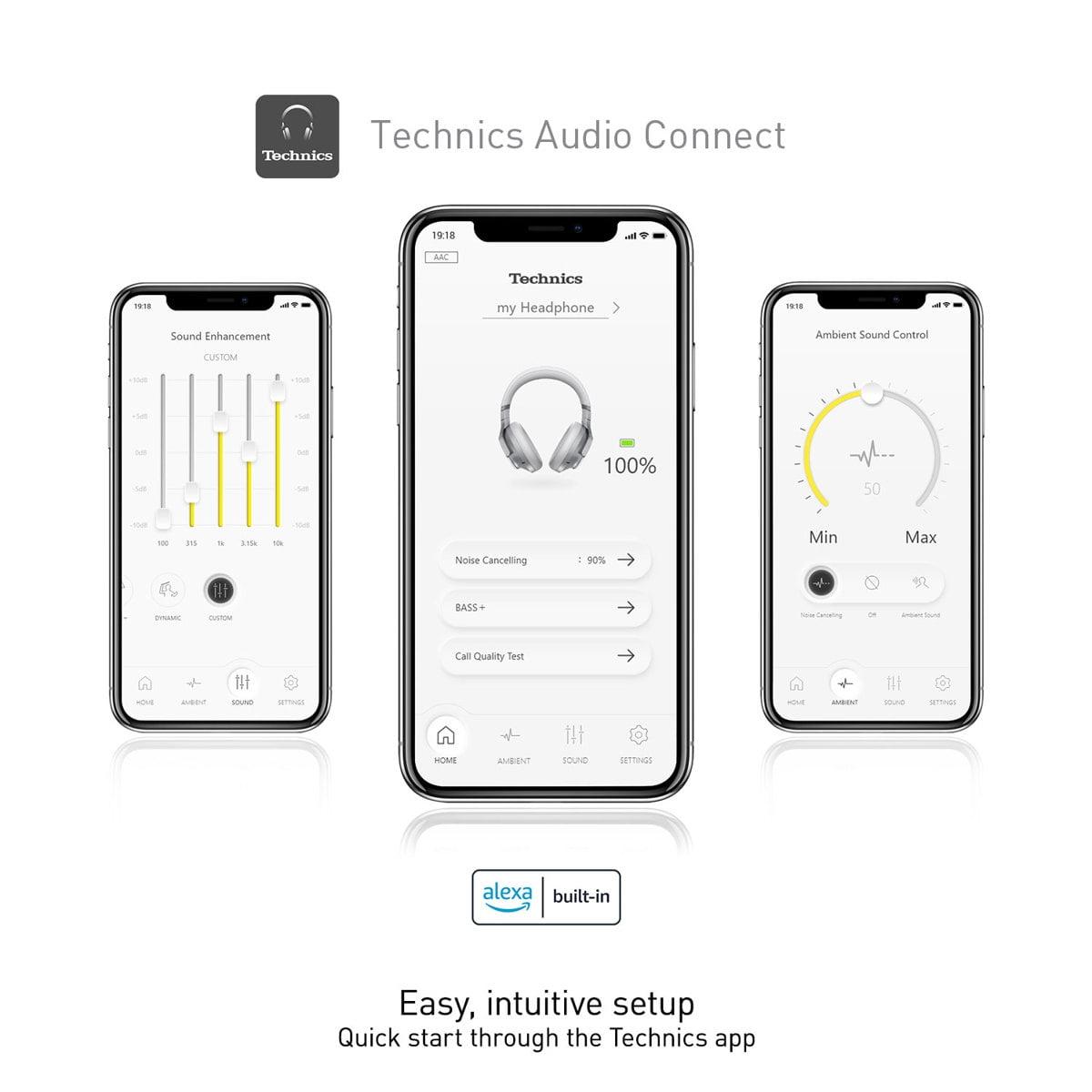
Multipoint connectivity might sound boring, but it's incredibly useful in practice. You can stay connected to both your phone and laptop simultaneously. When a call comes in on your phone, the audio automatically switches over, then switches back to your laptop when the call ends. No more fumbling with Bluetooth menus.
For home theater use, the Technics EAH-A800 supports LDAC, which can transmit high-resolution audio wirelessly. If you have a compatible TV or streaming device, you can get near-CD quality audio without any cables. The multipoint feature also means you can stay connected to your phone for calls while watching movies.
Here's where things get really interesting. The Focal Bathys ($849) and Technics EAH-A800 ($249.99) sound quite different, reflecting their different design philosophies.
The Focal Bathys has what audiophiles call a "neutral-warm" signature. Bass is present and well-controlled but not emphasized – it hits hard when the music calls for it but doesn't artificially boost every track. The midrange, where most vocals and instruments live, is incredibly detailed and natural. Treble is smooth and extended, giving plenty of sparkle without becoming harsh or fatiguing.
What really sets the Focal Bathys apart is the precision. Individual instruments are clearly separated in space, and you can easily follow different musical lines simultaneously. On complex orchestral pieces or busy rock tracks, nothing gets muddy or lost. The soundstage extends well beyond your head, creating an almost speaker-like listening experience.
The Technics EAH-A800 takes a more "fun" approach. Bass is more prominent and punchy – not overwhelming, but definitely emphasized enough to make electronic music and hip-hop really groove. The midrange is detailed and clear, though not quite as refined as the Focal. Treble is crisp and energetic, sometimes bordering on bright with certain recordings.
Where the Technics excels is in making music engaging and enjoyable. It's tuned to make everything sound good, even poorly recorded tracks. The more energetic signature works particularly well for modern pop, rock, and electronic music. Classical and jazz sound good too, just with a bit more emphasis on rhythm and dynamics than pure accuracy.
Both headphones support high-resolution audio, but in different ways. The Focal Bathys uses its USB-DAC mode to achieve true hi-res playback, while the Technics EAH-A800 relies on LDAC over Bluetooth. In practice, both can sound excellent with high-quality source material, though the Focal's wired connection has a slight edge in absolute fidelity.
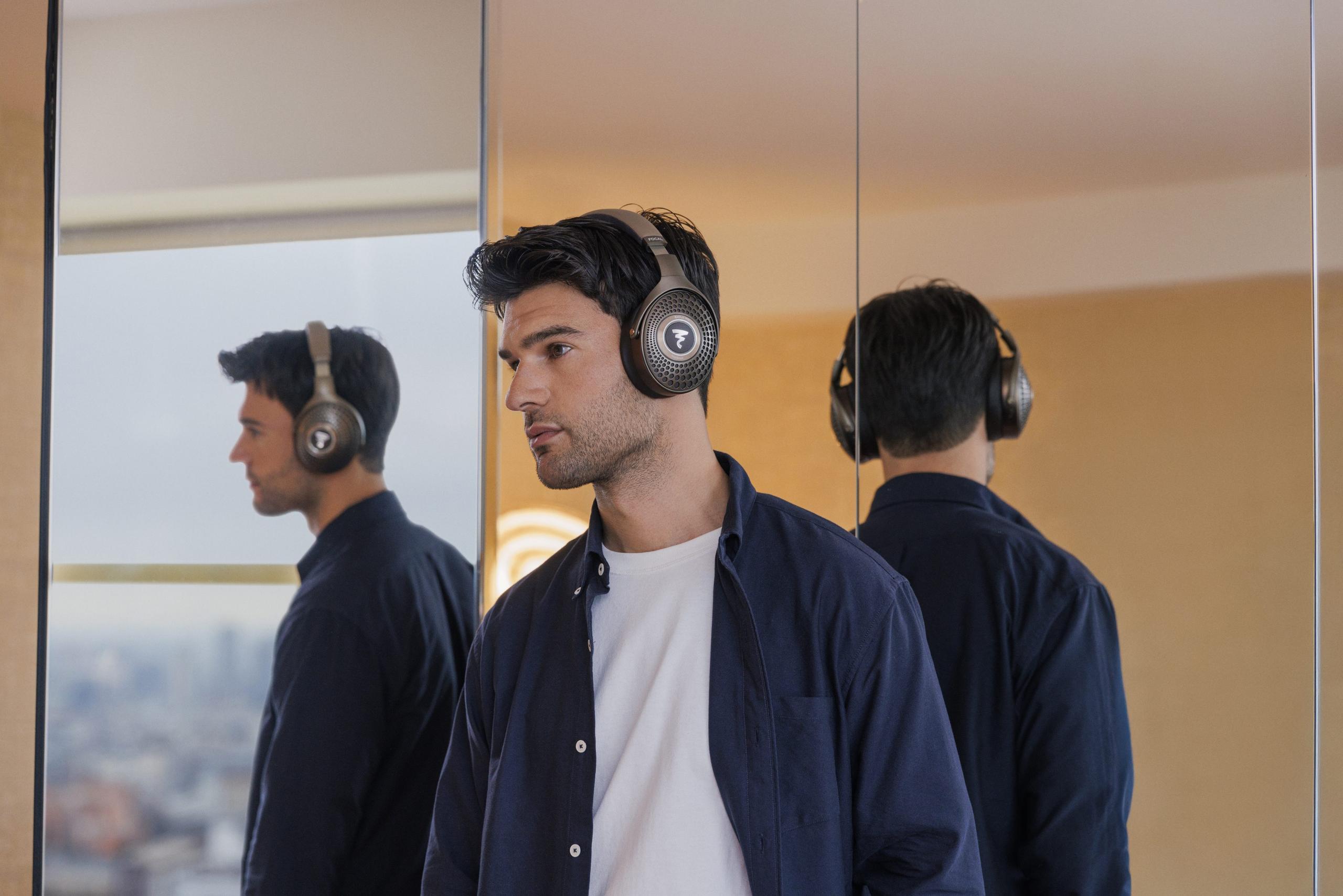
The Focal Bathys ($849) feels expensive in your hands. The aluminum construction is solid and precise, the leather headband is supple, and the microfiber earpads are plush. Everything about the build quality screams premium. However, that premium construction comes with weight – 350 grams is heavy for extended wear. The headband has minimal padding, relying on the leather to distribute pressure, which doesn't work for everyone.
I found the Focal Bathys comfortable for 1-2 hour listening sessions, but longer periods became fatiguing. The weight isn't just a number – it's something you feel, especially if you're moving around or tilting your head. The ear cup size is generous though, easily accommodating larger ears without pressure points.
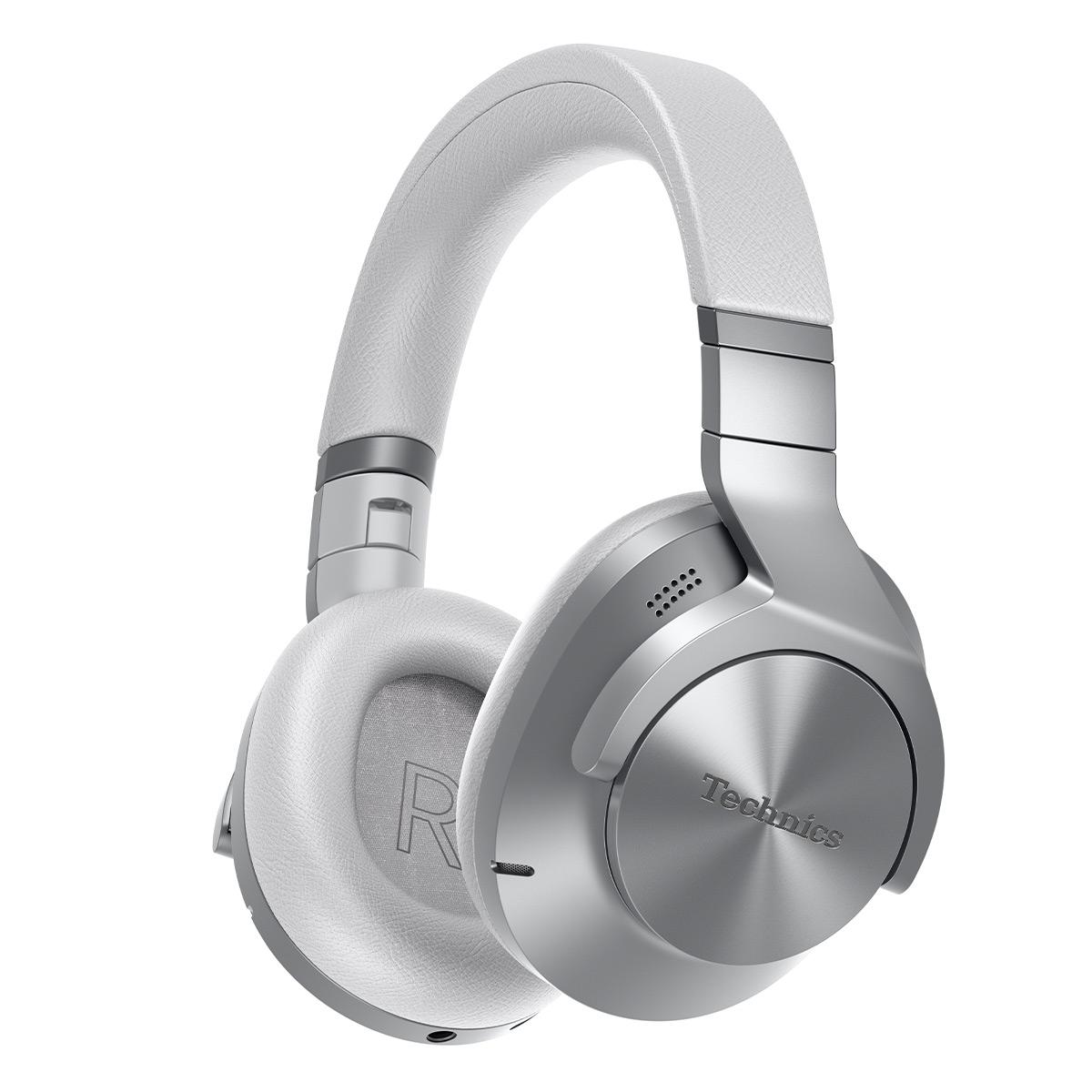
The Technics EAH-A800 ($249.99) prioritizes comfort over luxury materials. At 298 grams, it's noticeably lighter, and that weight is distributed more evenly. The headband has proper cushioning, and the ear pads are designed to seal well without excessive clamp force. The materials feel good without being luxurious – think high-quality plastic rather than premium metal.
For extended listening, the Technics is clearly superior. I've worn them for entire workdays without significant discomfort. The lighter weight makes them less noticeable during movement, and the better weight distribution prevents the pressure headaches that some people get from heavier headphones.
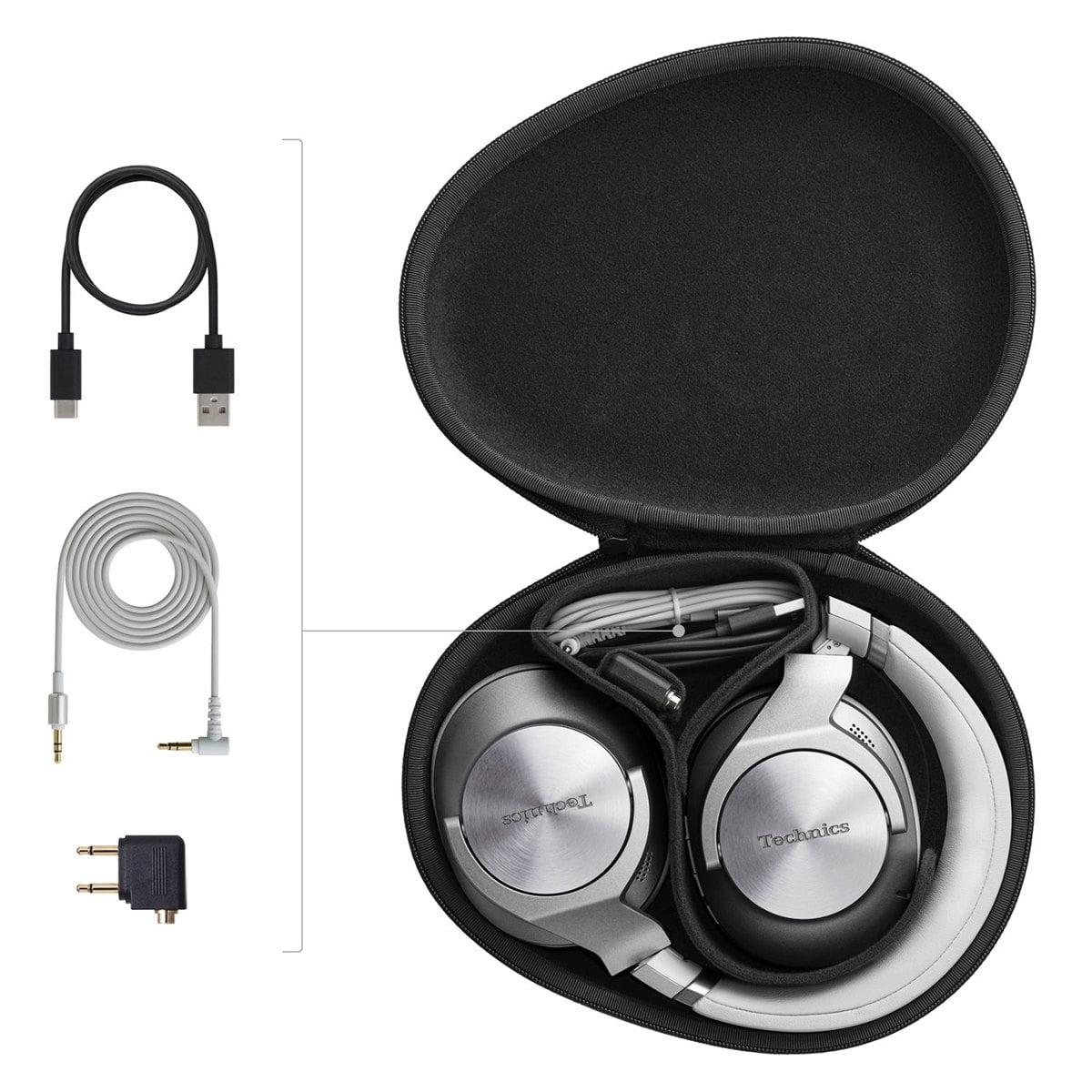
Both fold for travel, though the Focal Bathys comes with a more premium hard-shell case while the Technics EAH-A800 includes a more practical soft case that takes up less space in luggage.
This is where the comparison gets really interesting. The Focal Bathys ($849) costs more than three times as much as the Technics EAH-A800 ($249.99). Is the audio quality three times better? That's subjective, but the technical performance gap is smaller than the price gap would suggest.
The Focal Bathys justifies its price with genuinely superior audio reproduction, premium materials, and unique features like USB-DAC functionality. If you're someone who notices the difference between lossy and lossless audio, who appreciates the craftsmanship of high-end audio equipment, and who prioritizes sound quality above all else, the price makes sense.
The Technics EAH-A800 represents incredible value. You get flagship-level ANC, exceptional battery life, modern connectivity features, and solid audio quality at a price that's accessible to most enthusiasts. It's not quite as refined as the Focal, but it's 80% of the performance at 30% of the price.
For home theater specifically, both have merit. The Focal Bathys with its USB-DAC connection can provide reference-quality audio for critical movie watching. The Technics EAH-A800 offers more practical features like long battery life for binge-watching sessions and multipoint connectivity for taking calls without missing dialogue.
Choose the Focal Bathys ($849) if sound quality is your absolute priority. If you're someone who hears the difference between audio formats, appreciates the craftsmanship of high-end audio gear, and primarily listens in quiet environments where ANC isn't crucial, these headphones offer an experience that few wireless models can match. They're perfect for critical listening, audio production work, or if you simply want the best possible sound reproduction in a wireless package.
The USB-DAC feature alone makes them worthwhile for serious listeners who want to bypass their device's built-in audio processing. Just be prepared for the weight and average ANC performance.
Choose the Technics EAH-A800 ($249.99) if you want flagship features without the flagship price. They're ideal for frequent travelers who need excellent ANC, anyone who uses multiple devices and would benefit from multipoint connectivity, or listeners who prioritize comfort for long sessions. The 50-hour battery life makes them practically worry-free for travel.
They're also the better choice if you're not sure about spending premium money on headphones. The Technics delivers so much performance for the price that you'll get a genuine taste of what premium headphones can do without the significant financial commitment.
Ultimately, both represent the best of their respective approaches: the Focal Bathys as an uncompromising audiophile tool, and the Technics EAH-A800 as a practical, feature-rich daily driver. Your choice should reflect your priorities, budget, and how you actually plan to use them. Either way, you'll be getting headphones that significantly outperform anything in the budget category.

Privacy Policy
Terms and Conditions - Affiliate Policy
Home Security
© Copyright 2008-2026.
11816 Inwood Rd #1211, Dallas, TX 75244