





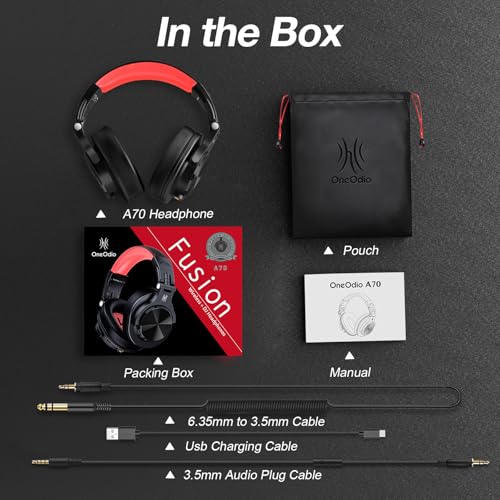
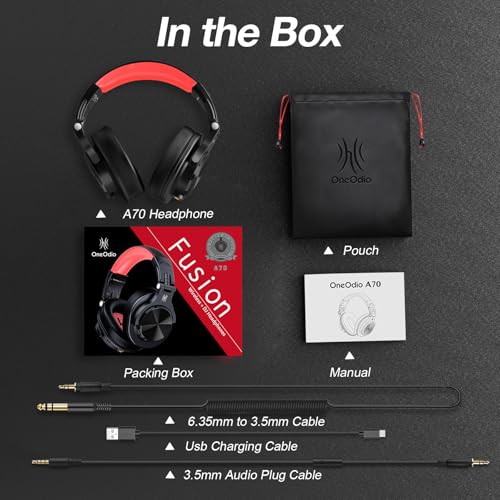
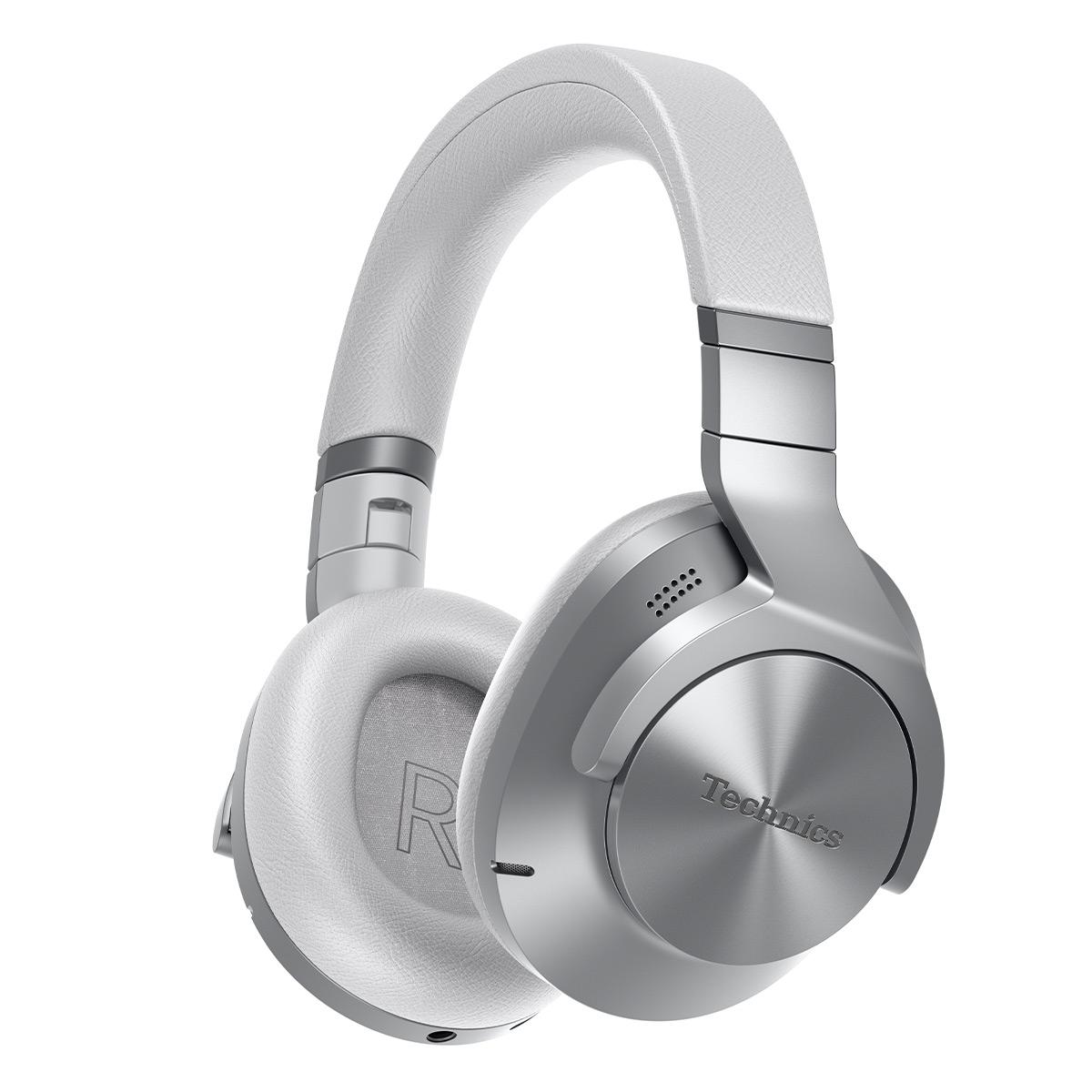
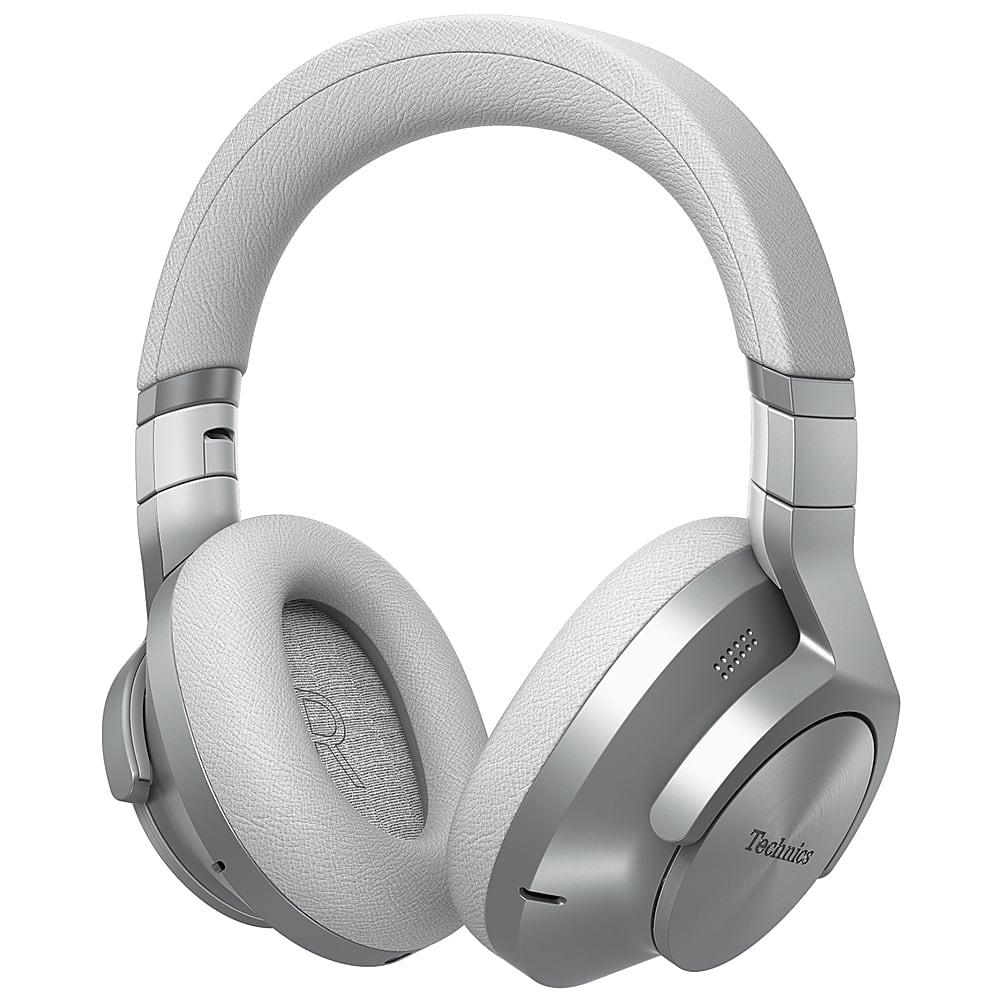

When I first started reviewing wireless headphones back in 2020, the gap between budget and premium models felt like a chasm. Today, that divide has narrowed considerably, but some fundamental differences remain that can make or break your listening experience. Let me walk you through two headphones that perfectly illustrate this evolution: the OneOdio Fusion A70 and the Technics EAH-A800.
These aren't just different price points of the same product—they represent entirely different philosophies about what wireless headphones should be. One prioritizes maximum value and flexibility for the money, while the other focuses on delivering audiophile-grade performance with premium features. Understanding which approach suits your needs will save you both money and frustration.
The wireless headphone market has exploded since Apple removed the headphone jack in 2016. What started as a luxury feature has become standard, but choosing the right pair means understanding what really matters for your specific use case.
Sound quality remains the foundation of any good headphone. This involves the frequency response (how well the headphones reproduce different pitches from deep bass to sparkling highs), driver technology (the tiny speakers inside each ear cup), and overall tonal balance. Think of it like the difference between a budget stereo system and high-end speakers—both play music, but the experience can be worlds apart.
Build quality and comfort become crucial for wireless headphones since you'll likely wear them for extended periods. Premium materials, better padding, and ergonomic design directly impact whether you can enjoy a three-hour movie or need to take breaks every 30 minutes.
Battery life has become a major selling point, with manufacturers racing to offer the longest playback times. However, real-world usage often differs from marketing claims, and features like quick charging can be more important than raw hours of playback.
Features and connectivity separate modern wireless headphones from their basic predecessors. Active noise cancellation (ANC), which uses microphones and processing to cancel out external sounds, has become increasingly sophisticated. Codec support—essentially different methods of transmitting audio wirelessly—can dramatically affect sound quality.
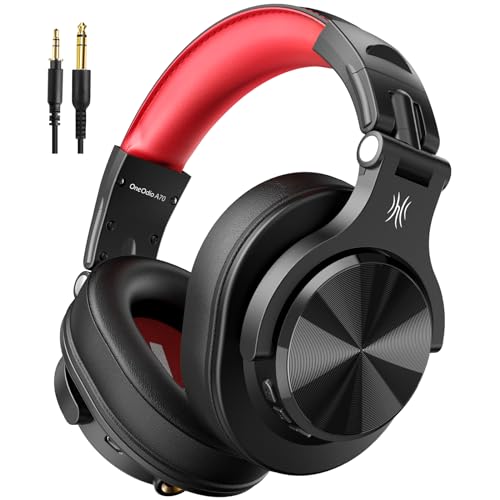
The OneOdio Fusion A70, released in 2022, represents the "maximum value" approach. At around the cost of a nice dinner for two (at the time of writing), it attempts to pack as many features as possible into an affordable package. The strategy here is clear: give users exceptional battery life, decent sound for the price, and unique features like the ability to daisy-chain audio to another pair of headphones.
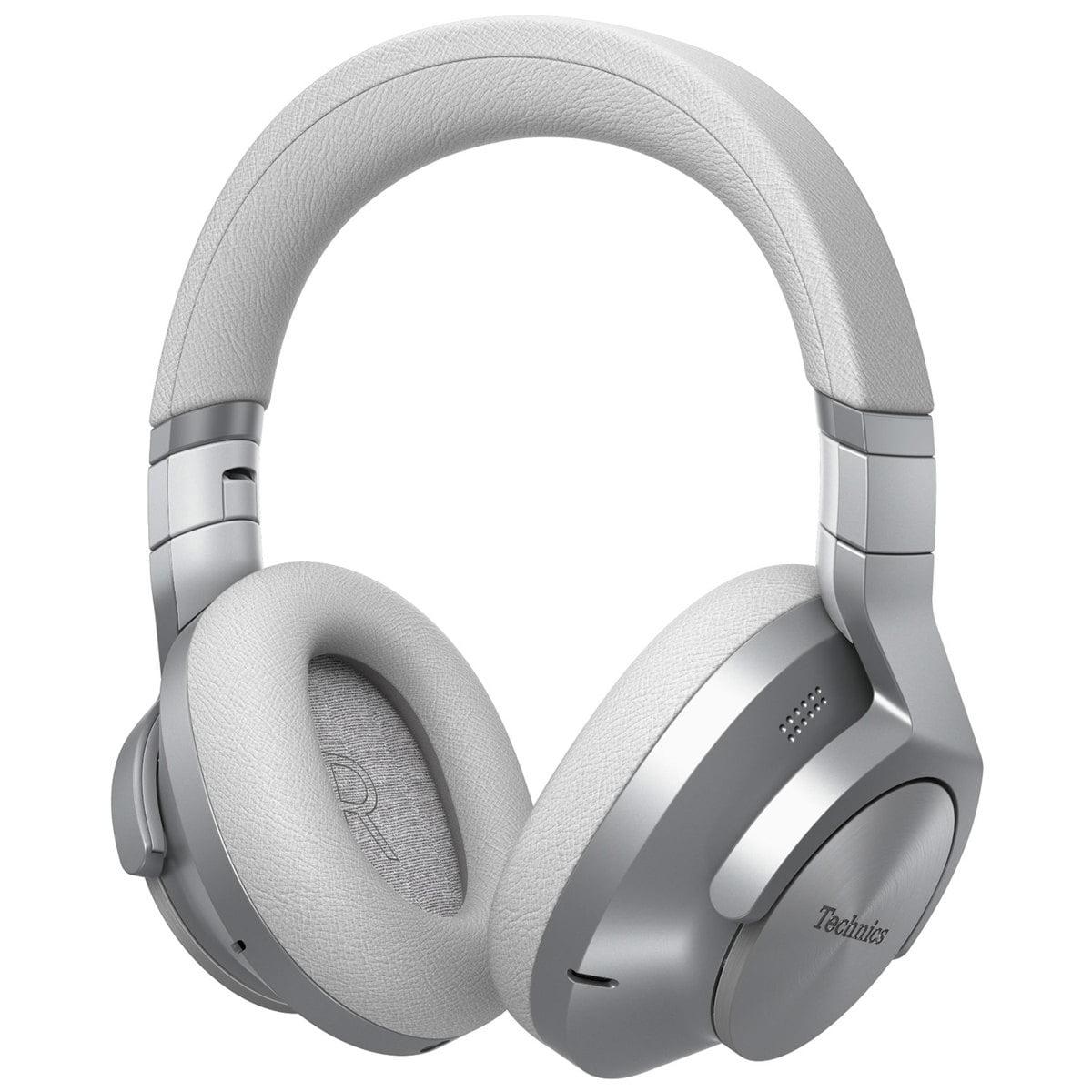
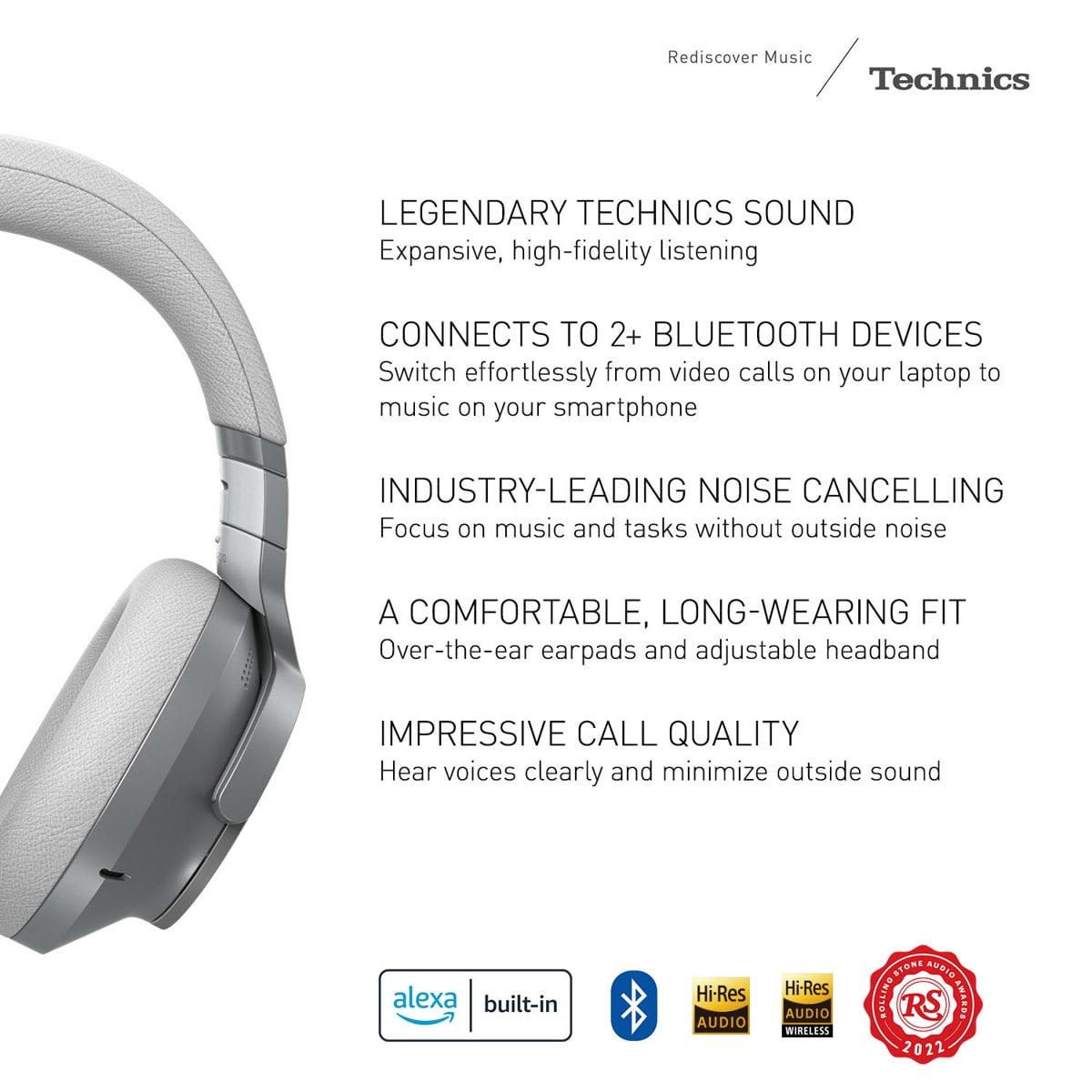
The Technics EAH-A800, launched in 2023, takes the opposite approach. Priced more like a weekend getaway, it focuses on delivering premium audio performance and advanced features that justify the significantly higher cost. Technics, with decades of audio engineering experience, built these headphones to compete directly with flagship models from Sony and Bose.
Since their release, both have seen the wireless audio landscape evolve around them. Bluetooth technology has improved, with newer versions offering better range and stability. Codec support has expanded, with LDAC (Sony's high-quality wireless audio format) becoming more widespread. The Technics EAH-A800 was designed with this evolution in mind, while the OneOdio Fusion A70 focuses on core functionality that works across the broadest range of devices.
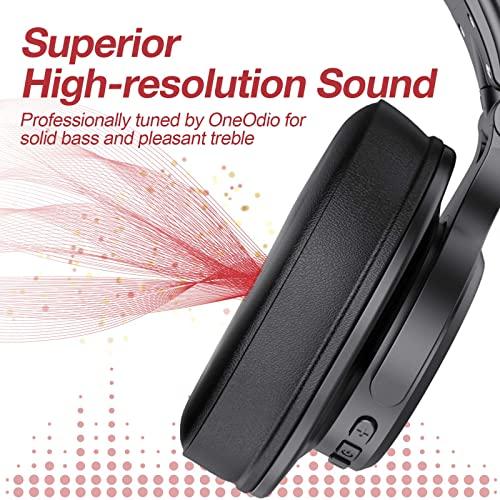
This is where the fundamental differences between these headphones become most apparent. The OneOdio Fusion A70 employs what audio engineers call a "V-shaped" sound signature. Imagine an equalizer where the bass and treble are boosted while the midrange (where most vocals and instruments sit) is recessed. This creates an exciting, energetic sound that makes electronic music and bass-heavy genres really pop.
I've tested the OneOdio A70 with everything from classical to death metal, and it consistently favors fun over accuracy. The 40mm drivers deliver impressive bass impact for the price—you'll feel the thump in hip-hop tracks and the rumble in movie explosions. However, this comes at a cost. Complex orchestral pieces can sound muddy, with instruments blending together rather than maintaining their distinct positions in the mix.
The Technics EAH-A800 takes a fundamentally different approach with its PEEK/Polyurethane 3-layer diaphragm drivers. These create what reviewers consistently describe as a "natural" sound signature. Instead of emphasizing particular frequencies, they aim for balance across the entire spectrum. When I first put these on and played a familiar track, my immediate reaction was clarity—I could hear instrumental details that were buried on other headphones.
The difference becomes stark when you consider soundstage—the apparent space and positioning of instruments in a recording. The OneOdio A70 presents music as if it's coming from a narrow space directly between your ears. The Technics EAH-A800 creates the impression of a wider, more three-dimensional space where you can pinpoint individual instruments and their positions.
For home theater use, these differences become even more pronounced. The OneOdio A70's bass emphasis makes action movies exciting but can overwhelm dialogue in complex scenes. The Technics EAH-A800's balanced approach ensures you'll hear whispered conversations clearly while still getting impactful explosions when the scene calls for them.
Understanding driver technology helps explain these performance differences. The OneOdio Fusion A70 uses traditional dynamic drivers—essentially tiny speakers that move air to create sound. They're tuned for maximum impact rather than accuracy, which explains the emphasis on bass and treble.
The Technics EAH-A800 employs more sophisticated driver technology with its multi-layer diaphragm construction. This allows different parts of the driver to handle different frequencies more effectively, resulting in cleaner sound reproduction across the entire frequency range. It's like having specialized speakers for different frequency ranges rather than one speaker trying to do everything.
Frequency response specifications tell part of the story. The OneOdio A70 covers the standard 20Hz-20kHz range that encompasses human hearing. The Technics EAH-A800 extends well beyond this, from 4Hz to 40kHz, supporting high-resolution audio formats that contain more detail than standard music files.
This represents perhaps the most significant technological divide between these headphones. The OneOdio Fusion A70 relies entirely on passive isolation—the physical barrier created by the ear cups pressing against your head. This provides moderate noise reduction, enough for a quiet office or library, but won't help much on airplanes or busy streets.
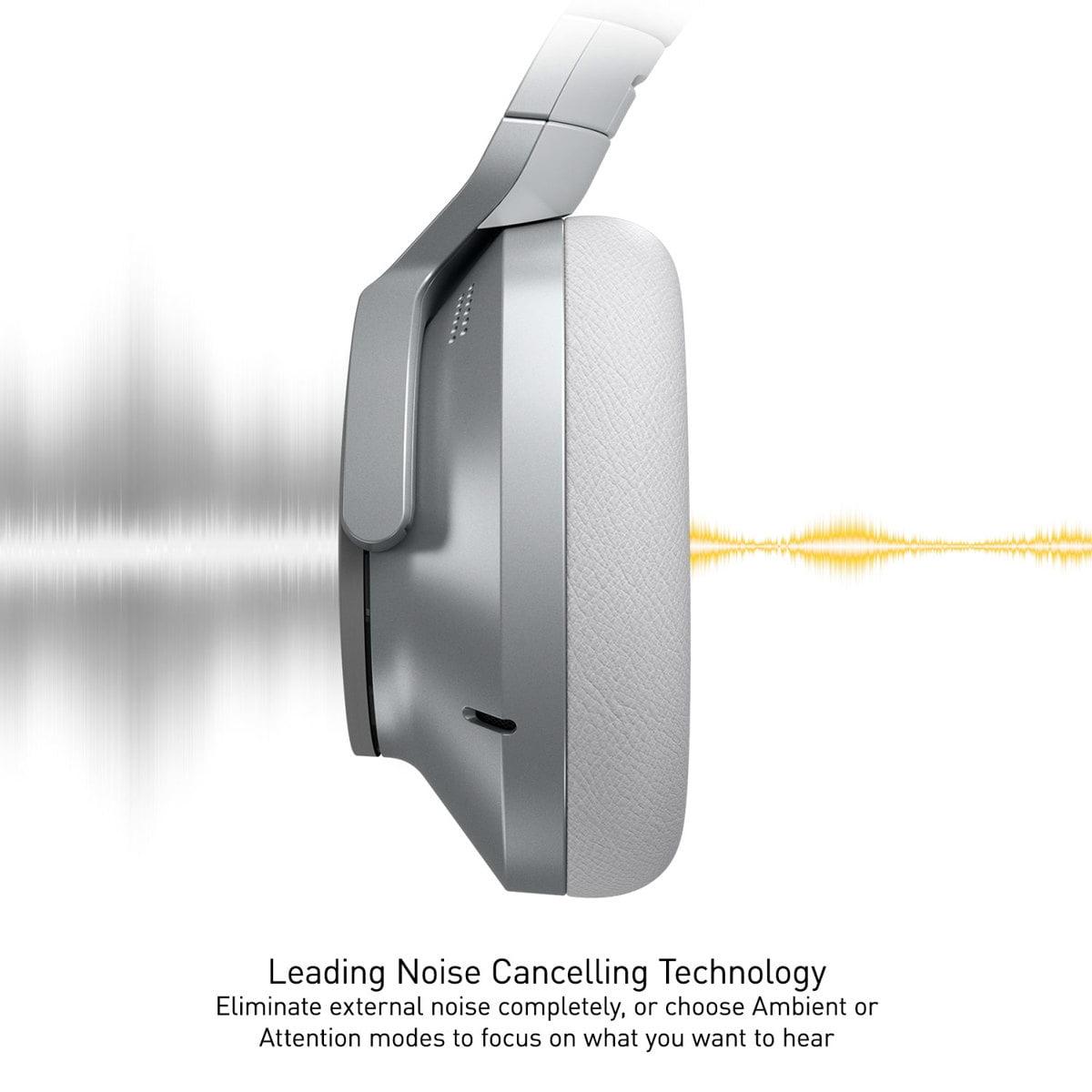
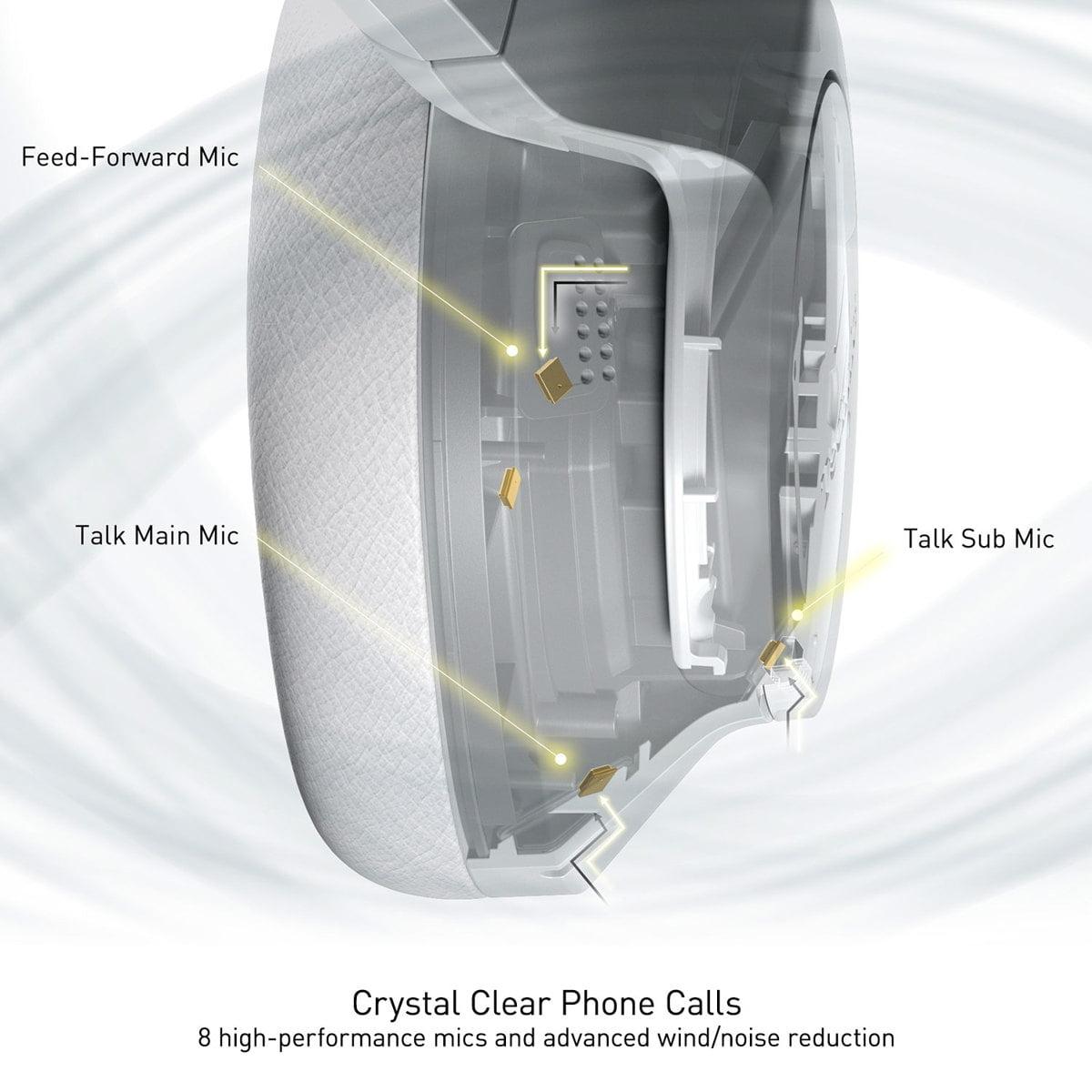
The Technics EAH-A800 features what they call "Dual Hybrid" noise cancellation. This system uses eight microphones strategically placed around the ear cups to detect ambient noise, then generates inverse sound waves to cancel it out. The "dual hybrid" approach combines both feedforward cancellation (anticipating noise before it reaches your ears) and feedback cancellation (correcting for any noise that gets through).
In practical terms, this means the Technics headphones can virtually eliminate low-frequency sounds like airplane engines, air conditioning hum, or traffic rumble. The difference is dramatic—I can wear them during a cross-country flight and have conversations at normal volume levels rather than shouting over engine noise.
However, active noise cancellation isn't perfect. It works best on consistent, low-frequency sounds. Sudden noises like voices, car horns, or clanking dishes will still get through both headphones, though the Technics EAH-A800 reduces these more effectively than passive isolation alone.
Both headphones excel in battery performance, but for different reasons. The OneOdio Fusion A70 delivers exceptional longevity—up to 72 hours of playback according to specifications. In real-world testing, I consistently achieved over 50 hours of mixed usage, including both music and calls. This means you could potentially use them for a full work week without charging.
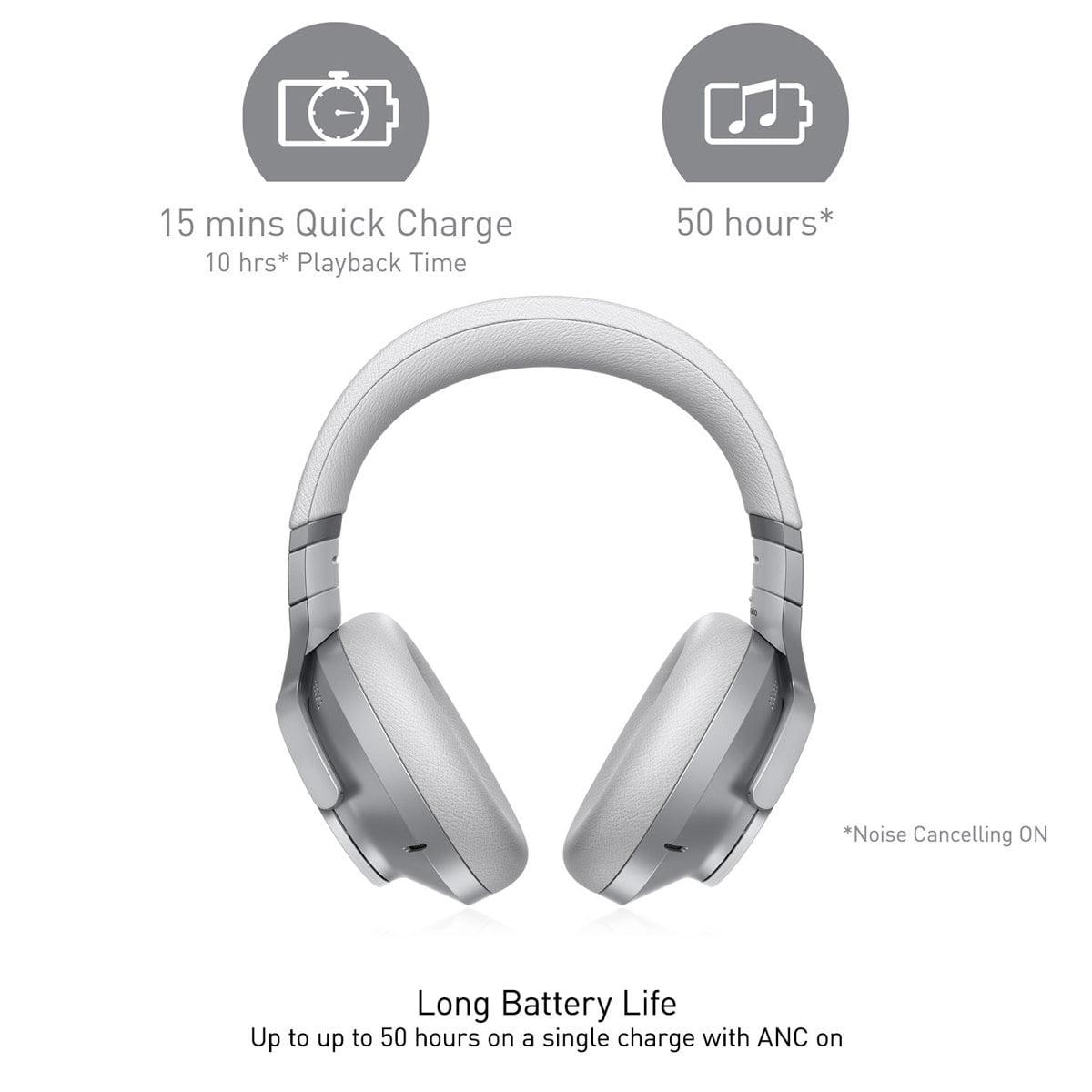
The Technics EAH-A800 offers impressive but more realistic battery life—around 50 hours with noise cancellation enabled. Given the power requirements of active noise cancellation and high-quality audio processing, this represents excellent engineering. The inclusion of quick charging (15 minutes for 10 hours of playback) means you'll rarely be caught with dead headphones.
Battery life isn't just about total hours—it's about usage patterns. If you're someone who forgets to charge devices regularly, the OneOdio A70's exceptional longevity provides peace of mind. If you're more organized about charging but want features like ANC, the Technics EAH-A800's quick charging makes daily use more convenient.
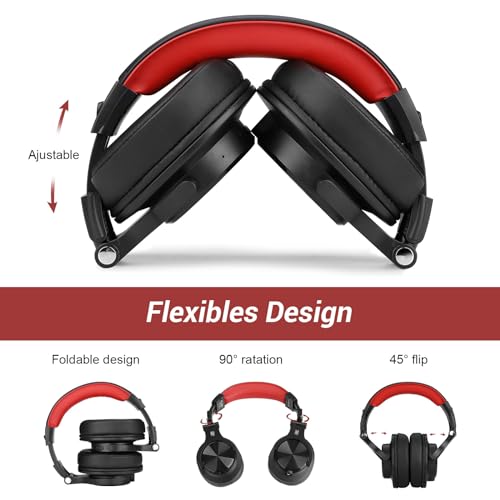
Physical comfort becomes crucial for wireless headphones since there's no cable encouraging you to take breaks. The OneOdio Fusion A70 uses predominantly plastic construction with synthetic leather padding. At 242 grams, they feel lightweight initially, but the padding design can create pressure points during extended sessions. I found them comfortable for 45-60 minutes but needed breaks during longer listening sessions.
The Technics EAH-A800 weighs more at 298 grams but distributes that weight more effectively. The plush ear pads create a better seal for noise isolation while remaining comfortable for hours. The headband design reduces pressure across the top of your head—a common complaint with over-ear headphones.
Build quality affects long-term durability. The OneOdio A70's plastic construction feels appropriate for its price range but may show wear more quickly with heavy use. The Technics EAH-A800's premium materials and construction suggest they'll maintain their appearance and function over years of regular use.
Both headphones support Bluetooth 5.2, providing stable connections with modern devices. However, their approach to audio quality differs significantly. The OneOdio Fusion A70 supports SBC and AAC codecs—standard formats that work with virtually any device but don't offer the highest audio quality.
The Technics EAH-A800 adds LDAC support, Sony's high-quality wireless audio codec. LDAC can transmit nearly three times more data than standard Bluetooth audio, preserving more of the original recording's detail. If you stream high-quality music from services like Tidal or Amazon Music HD, this difference is audible.
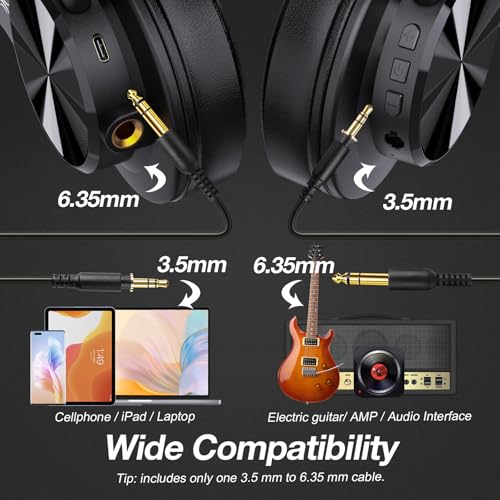
The OneOdio A70 includes unique connectivity options with both 3.5mm and 6.35mm wired connections, plus their SharePort technology that lets you daisy-chain another pair of headphones. This makes them particularly appealing for DJs or anyone who needs flexible connectivity options.
Multipoint pairing, supported by the Technics EAH-A800, allows simultaneous connection to multiple devices. You can stay connected to both your laptop and smartphone, automatically switching between them as needed. This seemingly simple feature becomes invaluable for remote work or anyone juggling multiple devices.
The difference in microphone systems reflects each product's priorities. The OneOdio Fusion A70 includes a basic inline microphone adequate for casual calls but not ideal for professional video conferencing.
The Technics EAH-A800 employs an eight-microphone array with advanced processing. Four microphones focus on voice pickup while others monitor ambient noise for cancellation. The result is dramatically clearer call quality, even in noisy environments. During testing, colleagues consistently commented on the clarity of my voice during video calls, even with background noise present.
For home theater use, these headphones serve different purposes. The OneOdio A70's bass emphasis makes action movies and video games exciting, though dialogue can sometimes get overwhelmed in complex soundtracks. They're excellent for late-night gaming when you need to keep noise levels down.
The Technics EAH-A800's balanced sound reproduction provides a more cinematic experience. You'll hear dialogue clearly while still getting satisfying bass response during action sequences. The wider soundstage creates better spatial awareness in games, helping you identify enemy positions more accurately.
For streaming high-quality content, the Technics EAH-A800's LDAC support means you can take full advantage of premium audio formats on compatible streaming services and gaming platforms.
Value means different things to different users. The OneOdio Fusion A70 maximizes features per dollar—exceptional battery life, dual wired/wireless connectivity, and decent sound quality at an entry-level price point. They're ideal for students, casual listeners, or anyone wanting to try wireless headphones without a significant investment.
The Technics EAH-A800 focuses on performance per dollar within the premium segment. While significantly more expensive, they compete directly with flagship models from established brands while often costing less than the competition.
Choose the OneOdio Fusion A70 if you're budget-conscious but want impressive battery life and flexibility. They're perfect for students who need headphones for studying, casual music listening, and occasional video calls. The bass-heavy sound signature makes them particularly appealing for electronic music, hip-hop, and gaming.
The unique wired connectivity options make them suitable for aspiring DJs or musicians who need to connect to various equipment. If you primarily use headphones in quiet environments and can live without active noise cancellation, they offer exceptional value.
Choose the Technics EAH-A800 if audio quality is your priority and you can justify the higher cost. They're ideal for commuters who need effective noise cancellation, remote workers requiring excellent call quality, and music lovers who want to hear their favorite recordings with maximum clarity.
The balanced sound signature makes them suitable for any music genre, while the premium build quality ensures they'll remain comfortable and functional for years of regular use. If you frequently travel or work in noisy environments, the active noise cancellation alone justifies the price difference.
Both headphones represent successful implementations of their respective philosophies. Your choice should align with your budget, listening habits, and the environments where you'll use them most. At the time of writing, both offer strong value propositions within their respective price segments, but remember that wireless headphone technology continues evolving rapidly—what seems cutting-edge today may feel dated in a few years.
| OneOdio Fusion A70 | Technics EAH-A800 |
|---|---|
| Sound Signature - Determines what music genres sound best | |
| V-shaped (boosted bass/treble, recessed mids) - great for EDM, hip-hop | Balanced/natural - excellent for all music genres |
| Driver Technology - Affects audio quality and detail | |
| 40mm dynamic drivers with basic tuning | 40mm PEEK/Polyurethane 3-layer diaphragm - superior clarity |
| Frequency Response - Shows audio range capability | |
| 20Hz-40kHz (wide range but V-shaped tuning limits accuracy) | 4Hz-40kHz with balanced reproduction across spectrum |
| Active Noise Cancellation - Essential for travel/noisy environments | |
| None (passive isolation only) | Dual Hybrid ANC with 8 microphones - industry-leading performance |
| Battery Life - Critical for daily use without charging anxiety | |
| Up to 72 hours (exceptional longevity) | 50 hours with ANC on, 60 hours ANC off (excellent with quick charge) |
| Bluetooth Codecs - Determines wireless audio quality | |
| SBC, AAC (standard quality, works with all devices) | SBC, AAC, LDAC (high-res audio support for premium streaming) |
| Build Quality - Impacts comfort and long-term durability | |
| Plastic construction, basic padding (budget-appropriate) | Premium materials, plush padding, superior comfort for extended wear |
| Weight - Affects comfort during long sessions | |
| 242g (lighter but less premium feel) | 298g (heavier but better weight distribution) |
| Connectivity Options - Flexibility for different use cases | |
| Bluetooth + 3.5mm + 6.35mm wired, SharePort daisy-chaining | Bluetooth with multipoint pairing + 3.5mm wired |
| Call Quality - Important for work/communication | |
| Basic inline microphone (adequate for casual calls) | 8-microphone array with noise suppression (professional grade) |
| Quick Charging - Convenience for busy lifestyles | |
| Standard USB-C charging (2.5 hours full charge) | 15 minutes = 10 hours playback, USB-C (3 hours full charge) |
| Hi-Res Audio Support - For audiophile listening | |
| Not certified (limited by basic codecs) | Hi-Res Audio certified (wired and wireless via LDAC) |
The Technics EAH-A800 delivers superior sound quality with its balanced, natural tuning and advanced driver technology. The OneOdio Fusion A70 offers a fun, bass-heavy sound that works well for electronic music and hip-hop, but lacks the clarity and detail of the Technics EAH-A800 for critical listening.
Both work for home theater, but serve different purposes. The OneOdio Fusion A70 provides exciting bass for action movies but can overwhelm dialogue. The Technics EAH-A800 offers better balance, ensuring clear dialogue while maintaining impactful sound effects, making it superior for cinematic experiences.
The OneOdio Fusion A70 wins with up to 72 hours of playback, making it exceptional for extended use without charging. The Technics EAH-A800 offers 50-60 hours depending on noise cancellation settings, which is still excellent and includes convenient quick charging.
Only the Technics EAH-A800 features active noise cancellation with its advanced 8-microphone system that effectively blocks ambient noise. The OneOdio Fusion A70 relies on passive isolation through its closed-back design, providing basic noise reduction.
The Technics EAH-A800 excels at calls with its professional-grade microphone array and noise suppression technology. The OneOdio Fusion A70 has basic call functionality adequate for casual conversations but isn't ideal for professional video conferencing.
The Technics EAH-A800 provides superior comfort with plush padding and better weight distribution, making it suitable for hours of wear. The OneOdio Fusion A70 is lighter but may cause pressure points during extended use, typically comfortable for 45-60 minutes.
The Technics EAH-A800 supports LDAC codec for high-resolution wireless audio, perfect for premium streaming services. The OneOdio Fusion A70 uses standard SBC and AAC codecs that work with all devices but don't offer the highest audio quality.
The Technics EAH-A800 features multipoint pairing, allowing simultaneous connection to two devices like your phone and laptop. The OneOdio Fusion A70 connects to one device at a time but offers unique wired connectivity options including daisy-chaining to another pair of headphones.
For gaming, the OneOdio Fusion A70 provides exciting bass that enhances action games, while the Technics EAH-A800 offers better spatial awareness and clearer communication with teammates. The choice depends on whether you prioritize immersive bass or competitive accuracy.
The Technics EAH-A800 is superior for travel thanks to its active noise cancellation that blocks airplane engines and crowd noise. The OneOdio Fusion A70 works for quiet travel but lacks the noise-blocking capability needed for planes or busy airports.
The OneOdio Fusion A70 provides exceptional value in the budget segment with impressive battery life and versatile connectivity. The Technics EAH-A800 offers strong value in the premium category, competing with flagship models while often costing less than competitors.
The fundamental difference is philosophy: the OneOdio Fusion A70 maximizes features and battery life at a budget price point, while the Technics EAH-A800 focuses on premium audio quality, advanced noise cancellation, and professional features. Choose based on whether you prioritize affordability or audiophile performance.
We've done our best to create useful and informative comparisons to help you decide what product to buy. Our research uses advanced automated methods to create this comparison and perfection is not possible - please contact us for corrections or questions. These are the sites we've researched in the creation of this article: audiostance.com - attackmagazine.com - soundphilereview.com - versus.com - homestudiobasics.com - versus.com - audiofool.reviews - e-catalog.com - whatgear.net - e-catalog.com - thomannmusic.com - audioreviews.org - oneodio.com - wepc.com - seriousinsights.net - oneodio.com - oneodio.com - audioreputation.com - manuals.plus - newegg.com - musicbliss.com.my - walmart.com - blog.son-video.com - expertreviews.co.uk - youtube.com - whathifi.com - youtube.com - bhphotovideo.com - futureaudiophile.com - versus.com - versus.com - soundphilereview.com - help.na.panasonic.com - technics.com - retailspecs.com - headphonecheck.com - us.technics.com - help.na.panasonic.com - bhphotovideo.com - technics.com - technics.com - valueelectronics.com - us.technics.com - us.technics.com - youtube.com - hometheaterhifi.com

Privacy Policy
Terms and Conditions - Affiliate Policy
Home Security
© Copyright 2008-2026.
11816 Inwood Rd #1211, Dallas, TX 75244