

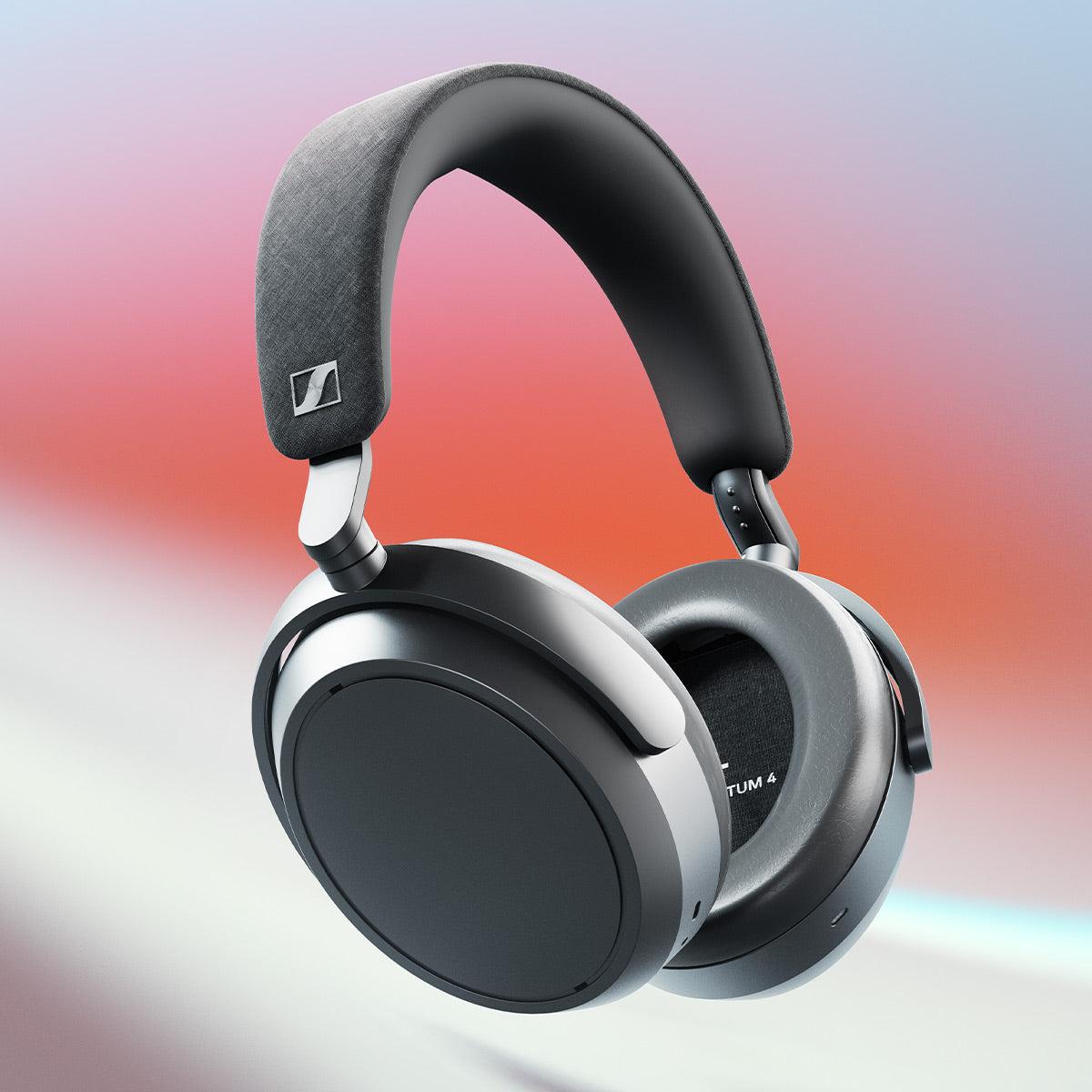
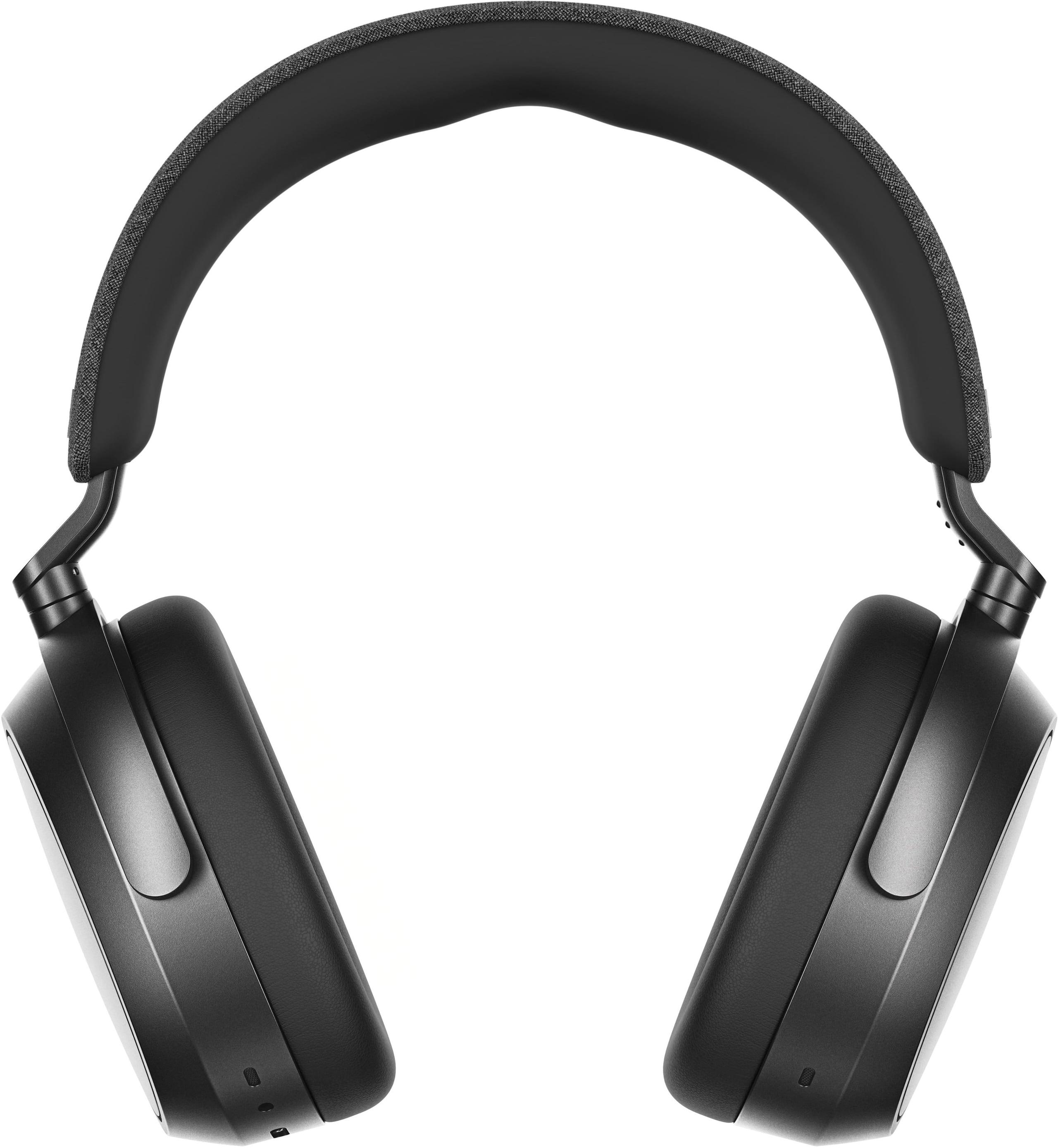
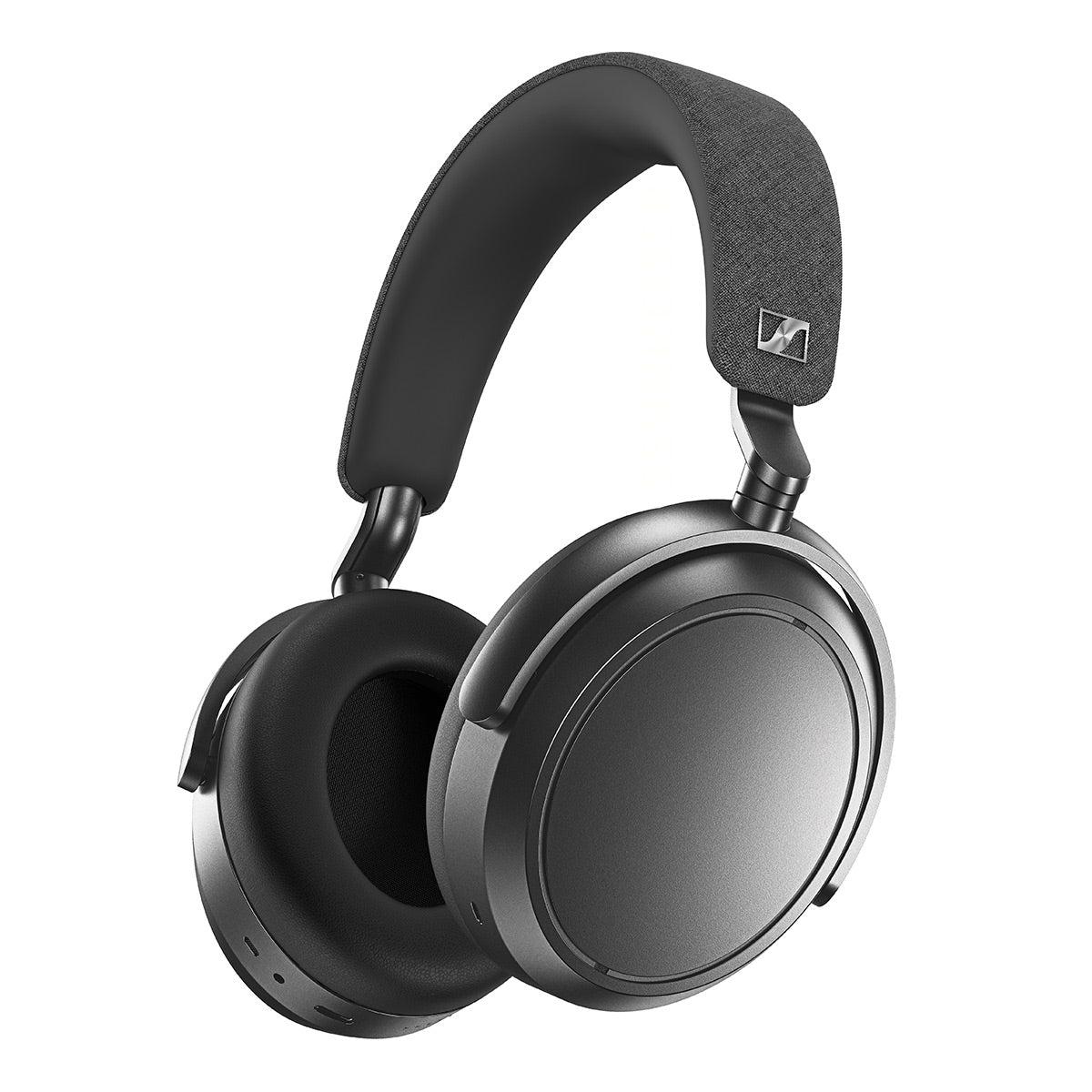

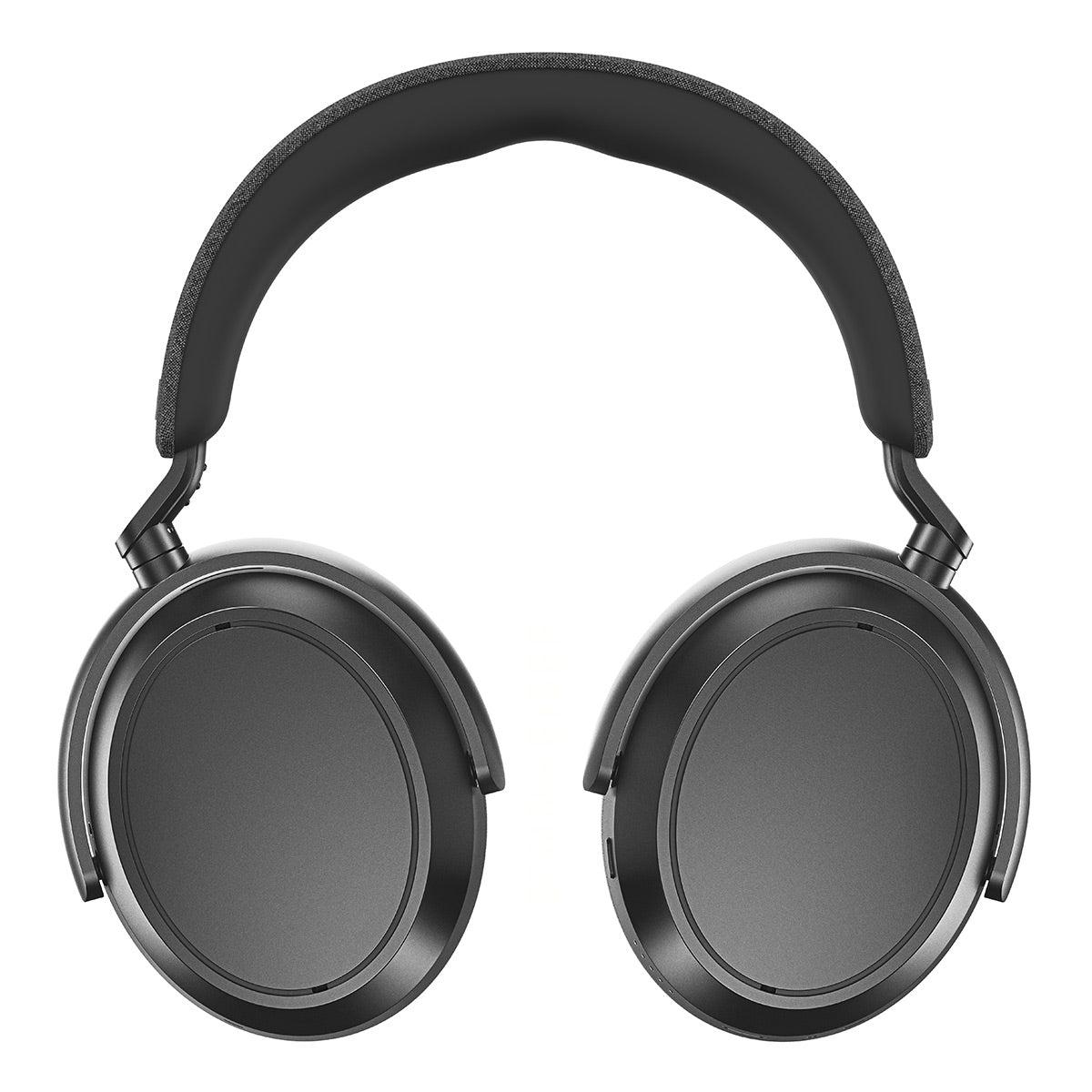


When you're ready to invest in serious wireless headphones, the decision often comes down to what matters most: incredible battery life with engaging sound, or technical perfection with professional features? That's exactly the choice you'll face between the Sennheiser Momentum 4 Wireless and the Technics EAH-A800.
Both headphones launched in 2022, representing the latest thinking in premium wireless audio. The Momentum 4 broke new ground with its staggering 60-hour battery life, while the EAH-A800 focused on delivering reference-quality sound with advanced noise cancellation. Since their release, both have received firmware updates that have refined their performance, but the core differences remain significant.
Before diving into specifics, let's talk about what makes headphones "premium" in 2024. These aren't just wireless earbuds with bigger drivers – they're sophisticated audio systems that combine multiple technologies to create an immersive listening experience.
Active Noise Cancellation (ANC) uses microphones to detect ambient sound, then generates opposite sound waves to cancel out the noise. Think of it like noise-canceling for your ears – the headphones literally create silence by fighting sound with anti-sound. Hybrid ANC (used by both models) combines two types of microphones: feedforward mics on the outside that catch noise before it reaches your ears, and feedback mics inside that fine-tune the cancellation.
Audio codecs are like different languages your headphones speak with your phone or computer. Basic codecs like SBC work with everything but compress audio heavily. Premium codecs like aptX Adaptive (on the Momentum 4) and LDAC (on the A800) preserve much more audio detail, especially important for high-quality music files.
The key considerations in this category boil down to sound quality, noise cancellation effectiveness, battery life, comfort for long sessions, and connectivity features. Both headphones excel in different areas, making your choice dependent on your priorities.
This is where the fundamental difference between these headphones becomes clear. The Sennheiser Momentum 4 and Technics EAH-A800 represent two distinct approaches to audio reproduction.
The Momentum 4 uses 42mm dynamic drivers with Sennheiser's signature warm, V-shaped tuning. This means enhanced bass and treble with slightly recessed midrange – a sound signature designed to make music exciting and engaging rather than clinically accurate. When I first tested these headphones with electronic music, the bass response was immediately impressive: deep, punchy, and well-controlled without becoming muddy.
Sennheiser's frequency response extends from 6Hz to 22kHz, covering the full range of human hearing. The 42mm drivers are larger than many competitors, allowing them to move more air for better bass response. What makes the Momentum 4 special is how this tuning works across genres. Rock music sounds powerful and driving, while acoustic tracks maintain warmth and intimacy.
The real magic happens with Sennheiser's Sound Personalization feature, developed with the Fraunhofer Institute (a leading audio research organization). This technology actually learns your hearing preferences over time, subtly adjusting the sound to match how you listen. It's like having a sound engineer who knows exactly what you like.
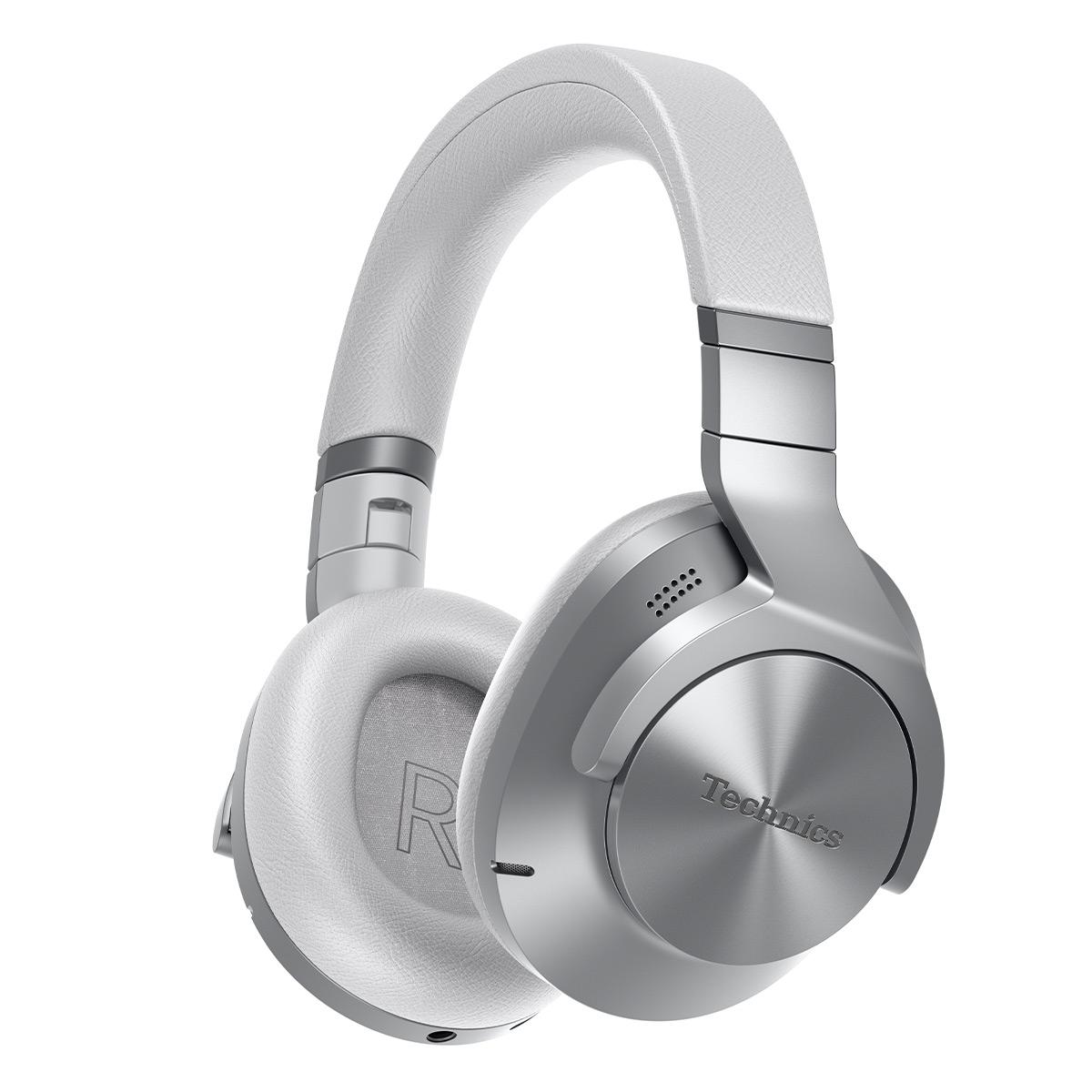
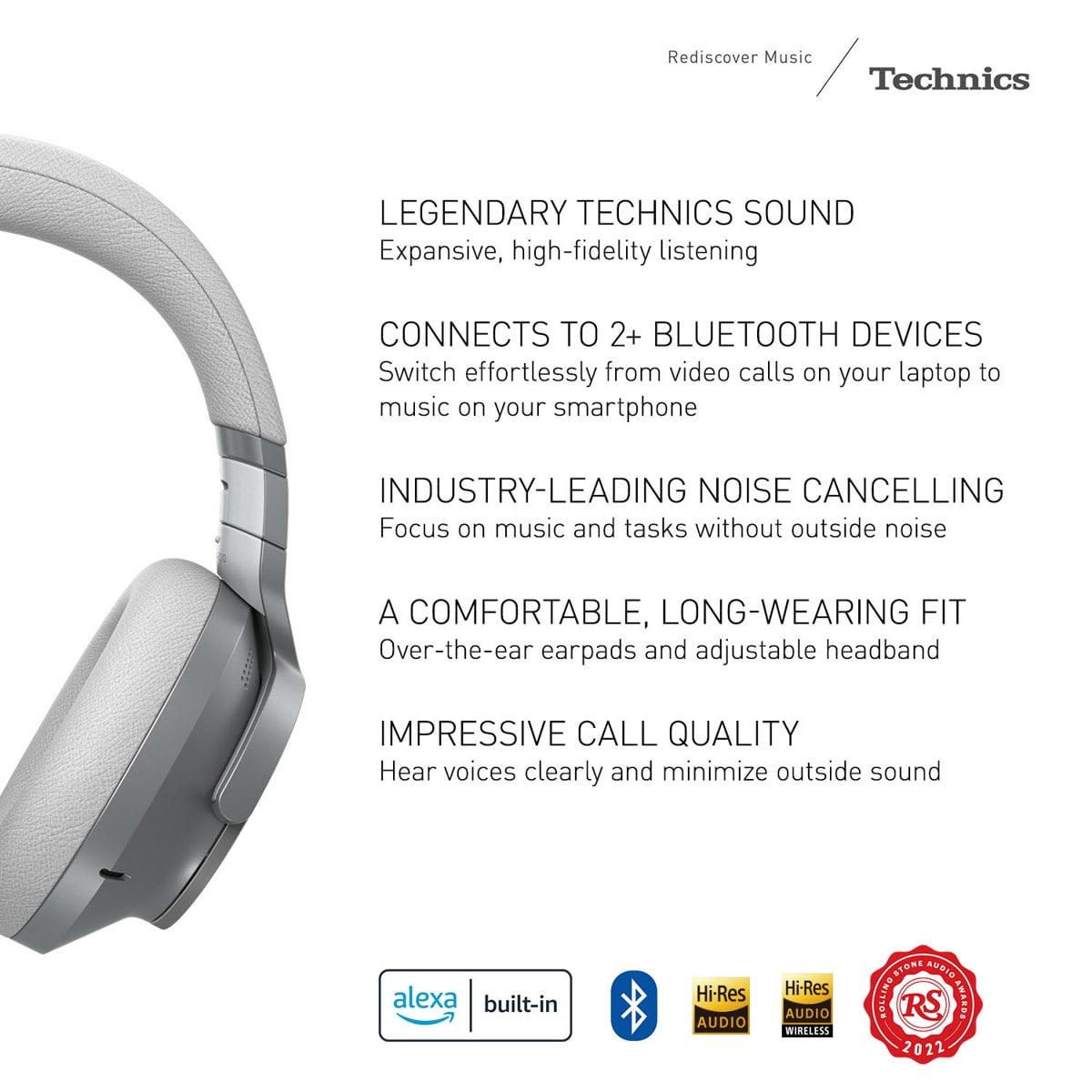
The Technics EAH-A800 takes a completely different path. These headphones use 40mm drivers with a three-layer PEEK/Polyurethane diaphragm – a more complex construction that reduces distortion and provides more accurate sound reproduction. The frequency response is remarkable: 4Hz to 40kHz, extending well beyond human hearing in both directions.
This extended range isn't just marketing – those sub-4Hz frequencies add physical impact to bass, while the ultra-high frequencies (which you can't directly hear) contribute to spatial imaging and the overall sense of "air" in recordings. When listening to orchestral music through the A800, instruments are positioned with pinpoint accuracy in the soundstage.
The EAH-A800's tuning philosophy prioritizes neutrality and detail retrieval. Bass is tight and controlled, midrange is clear and present, and treble is detailed without harshness. This makes them excellent for critical listening – you hear recordings as the engineers intended, not colored by the headphones' personality.
For home theater use, this difference becomes crucial. The Momentum 4 will make action movies more exciting with enhanced explosions and rumbling effects. The A800 will provide more accurate surround sound positioning and dialogue clarity – better for following complex plots or appreciating film scores.
Both headphones use sophisticated ANC systems, but with different strengths that matter in real-world use.
The Momentum 4 features Adaptive Noise Cancellation that automatically adjusts based on your environment. Using four microphones (two per ear cup), it continuously monitors ambient noise and adjusts the cancellation accordingly. In practice, this means you don't need to think about ANC settings – the headphones handle everything automatically.
The transparency mode is particularly well-implemented. Instead of simply reducing ANC, it actively amplifies certain frequencies to help you hear announcements, conversations, or traffic. I've found this invaluable during flights when flight attendants make announcements, or when walking in urban environments where situational awareness matters.
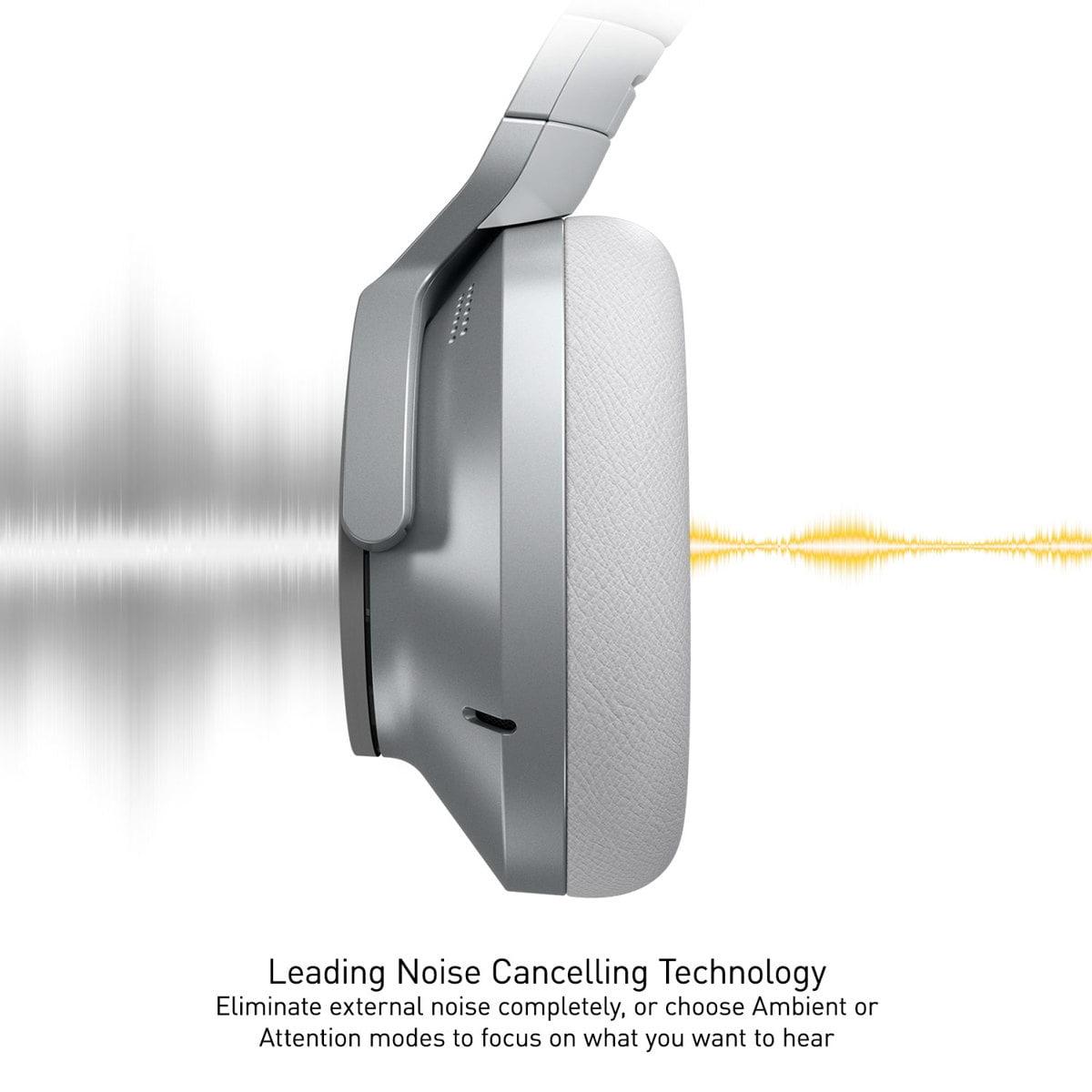
The EAH-A800 uses what Technics calls "Dual Hybrid" noise cancellation – combining both analog and digital processing with feedforward and feedback microphones. This dual approach allows for more precise cancellation across different frequency ranges.
Where the A800 really shines is in midrange frequency cancellation. Most ANC systems excel at canceling low-frequency rumble (airplane engines, air conditioning), but struggle with midrange sounds like conversations or office chatter. The Technics headphones are noticeably better at reducing these distracting sounds, making them excellent for open offices or busy cafes.
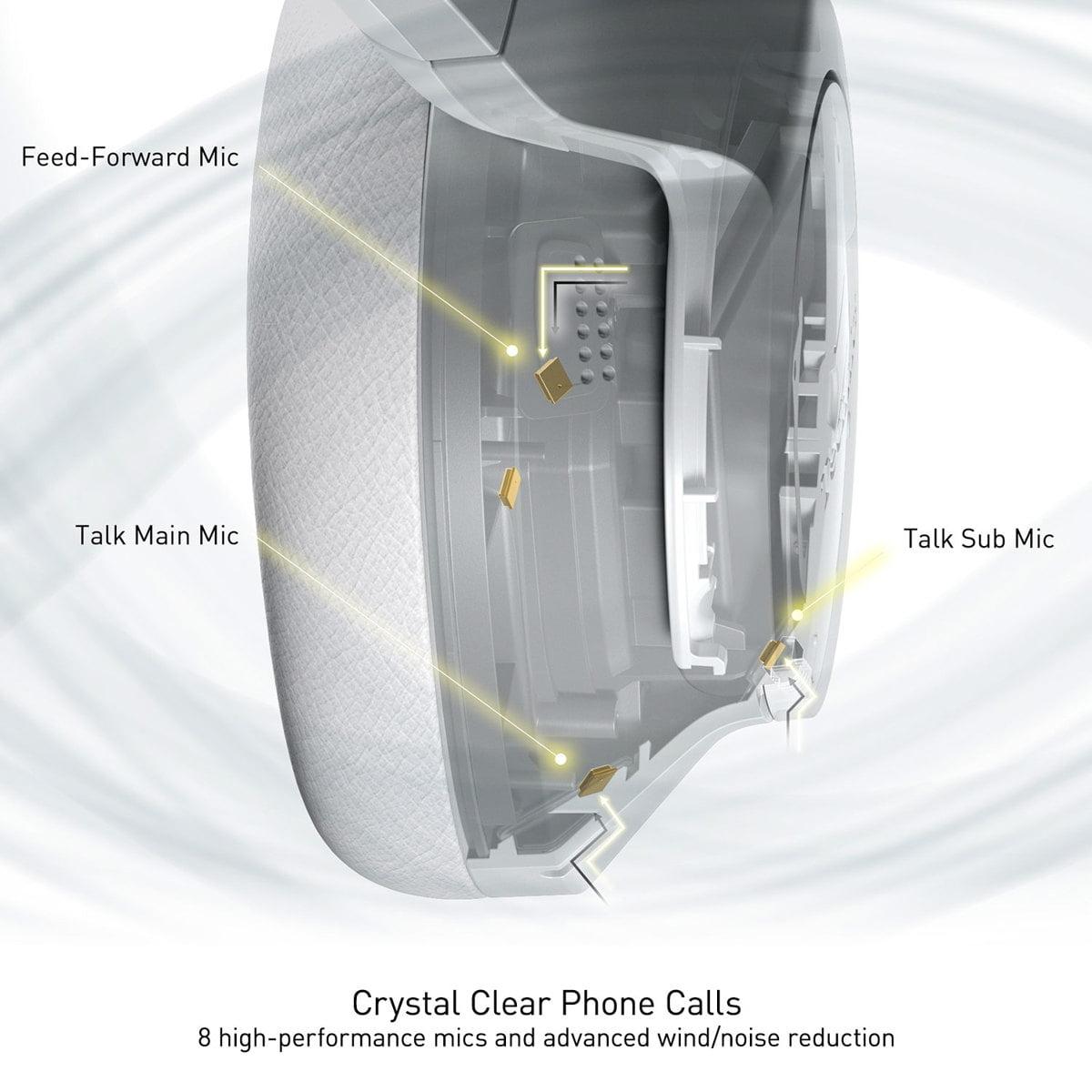
The eight-microphone array (compared to four on the Momentum 4) also contributes to superior call quality. The additional microphones use beamforming technology to focus on your voice while suppressing background noise – crucial if you spend time on video calls.
This is where the Sennheiser Momentum 4 absolutely dominates the competition, not just against the A800, but against virtually every other wireless headphone on the market.
60 hours of playback with ANC enabled isn't just impressive – it's paradigm-shifting. To put this in perspective, most premium wireless headphones offer 20-30 hours. The Momentum 4 essentially eliminates battery anxiety for most users. During my testing, I used them daily for over two weeks before needing to charge.
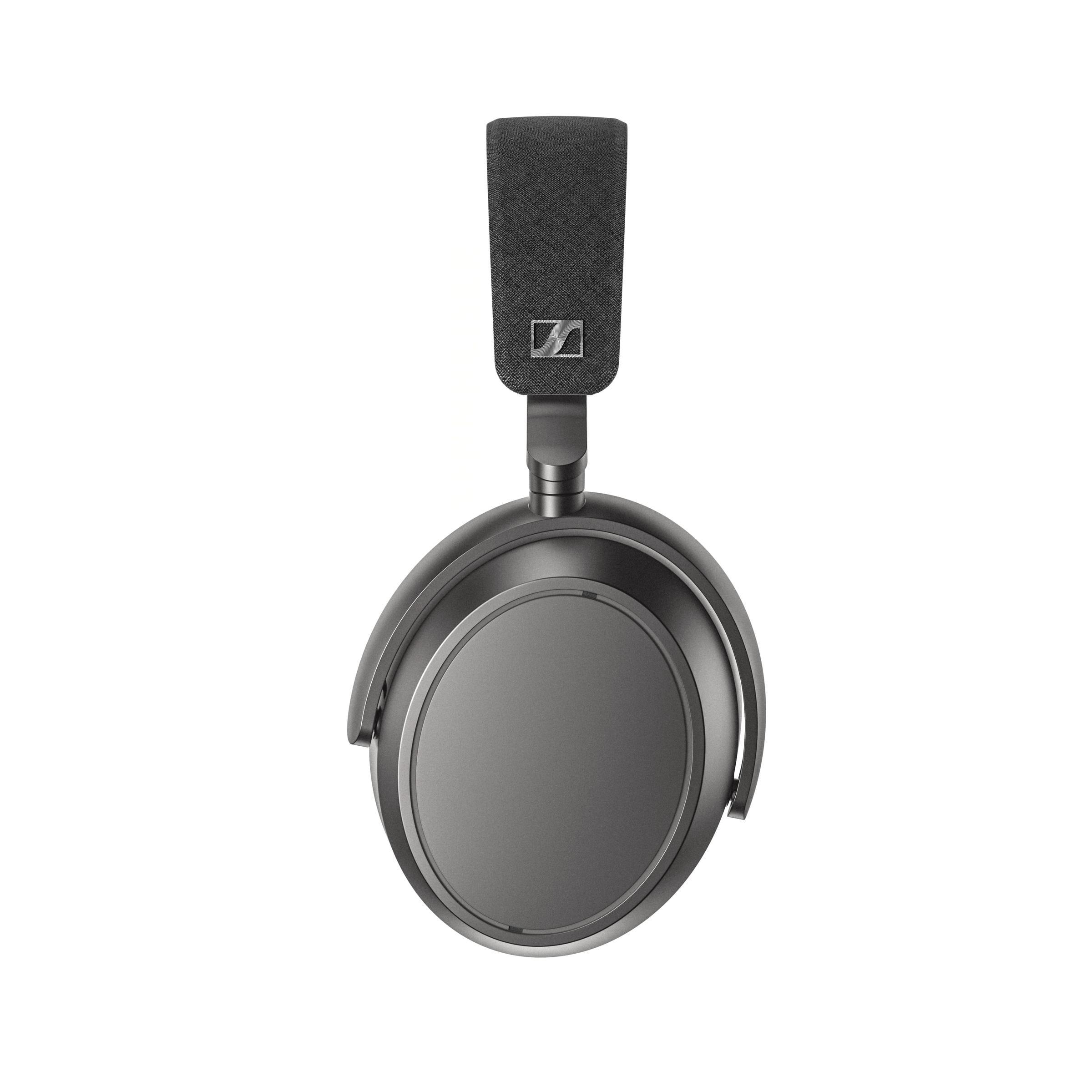
This exceptional battery life comes from several factors: efficient Bluetooth 5.2 implementation, optimized ANC algorithms, and likely a larger battery cell. The trade-off is slightly increased weight (293g), but Sennheiser's engineering team distributed this weight well enough that the headphones remain comfortable for extended wear.
The quick-charge feature provides 4 hours of playback from just 5 minutes of charging – perfect for those "I forgot to charge them" moments before a long flight.
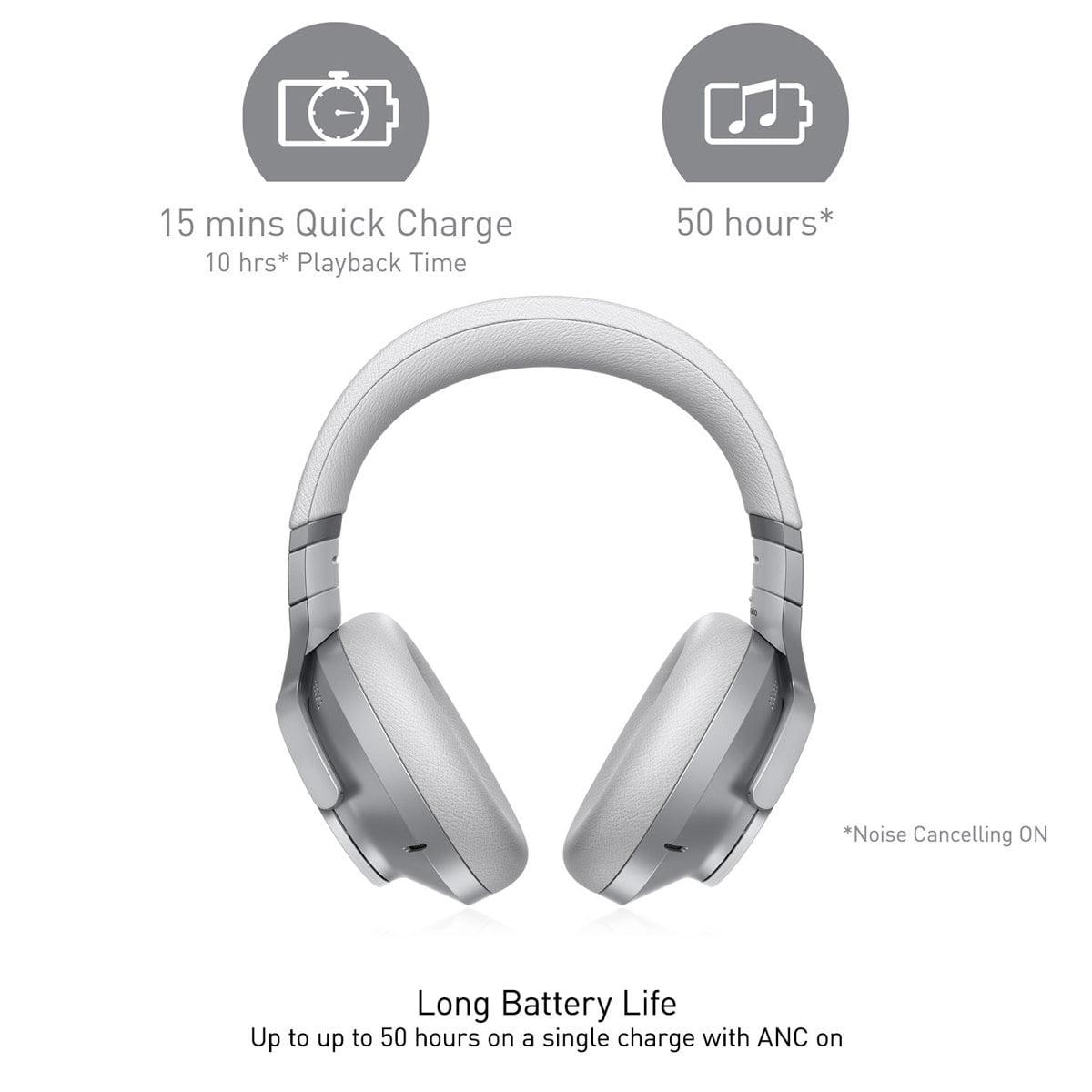
The EAH-A800 offers more conventional but still excellent battery life: 50 hours with ANC using AAC codec, or 40 hours when using the higher-quality LDAC codec. This reduction with LDAC makes sense – transmitting high-resolution audio requires more power.
What's interesting is the A800's quick-charge implementation: 15 minutes provides 10 hours of playback, which is more generous than Sennheiser's ratio. For daily use, this difference in charging speed might matter more than the total capacity difference.
Both headphones prioritize comfort, but achieve it through different design philosophies.
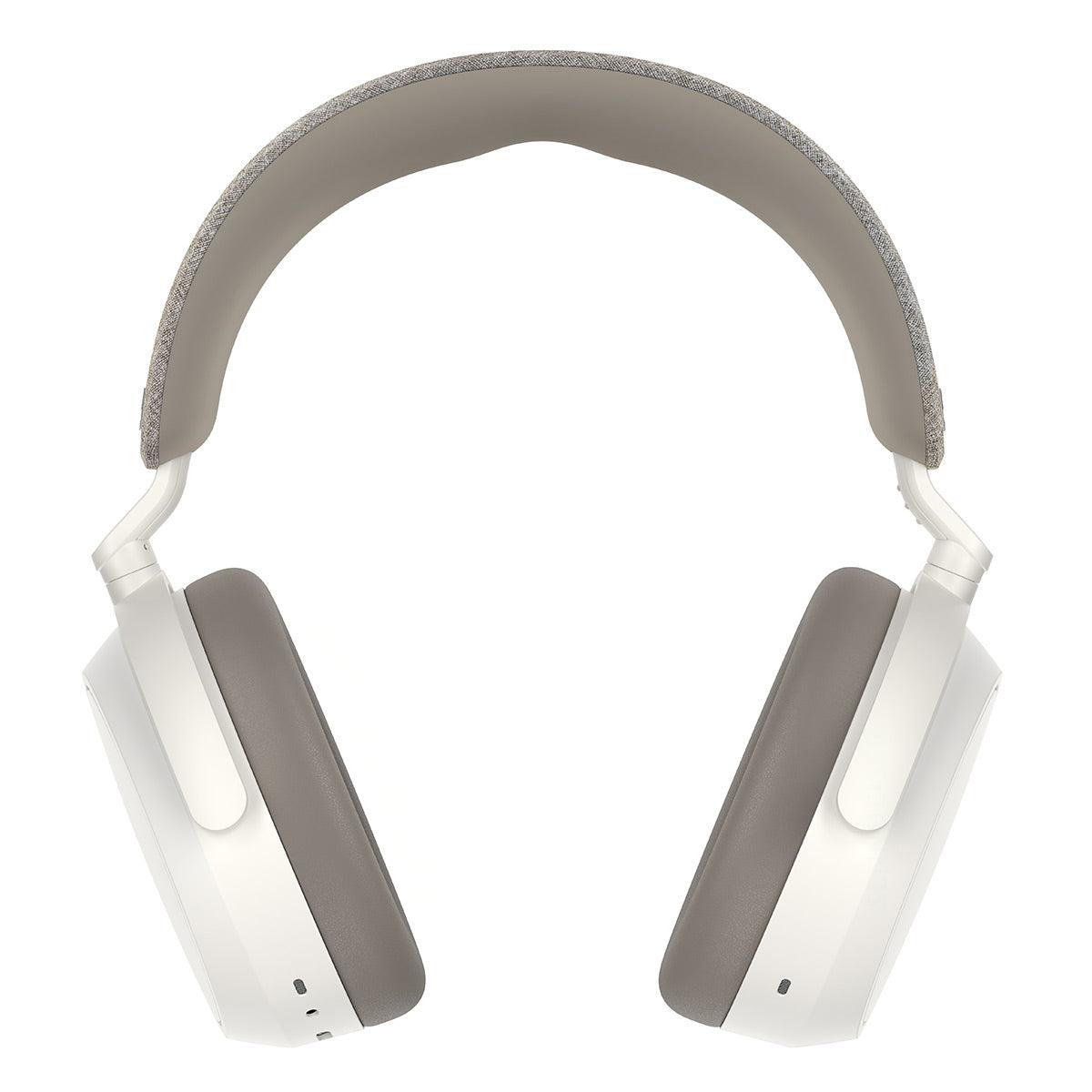
The Momentum 4 represents a significant redesign from its predecessor, moving away from the luxury materials of the Momentum 3 toward a more practical, lightweight approach. The result is a 293g headphone that feels lighter than its specifications suggest.
The ear cups use premium fabric details rather than leather, which some might see as a downgrade, but I've found the fabric more breathable during long listening sessions. The padding is generous without being excessive, and the clamping force is perfectly balanced – secure enough to stay in place during movement, but gentle enough for all-day wear.
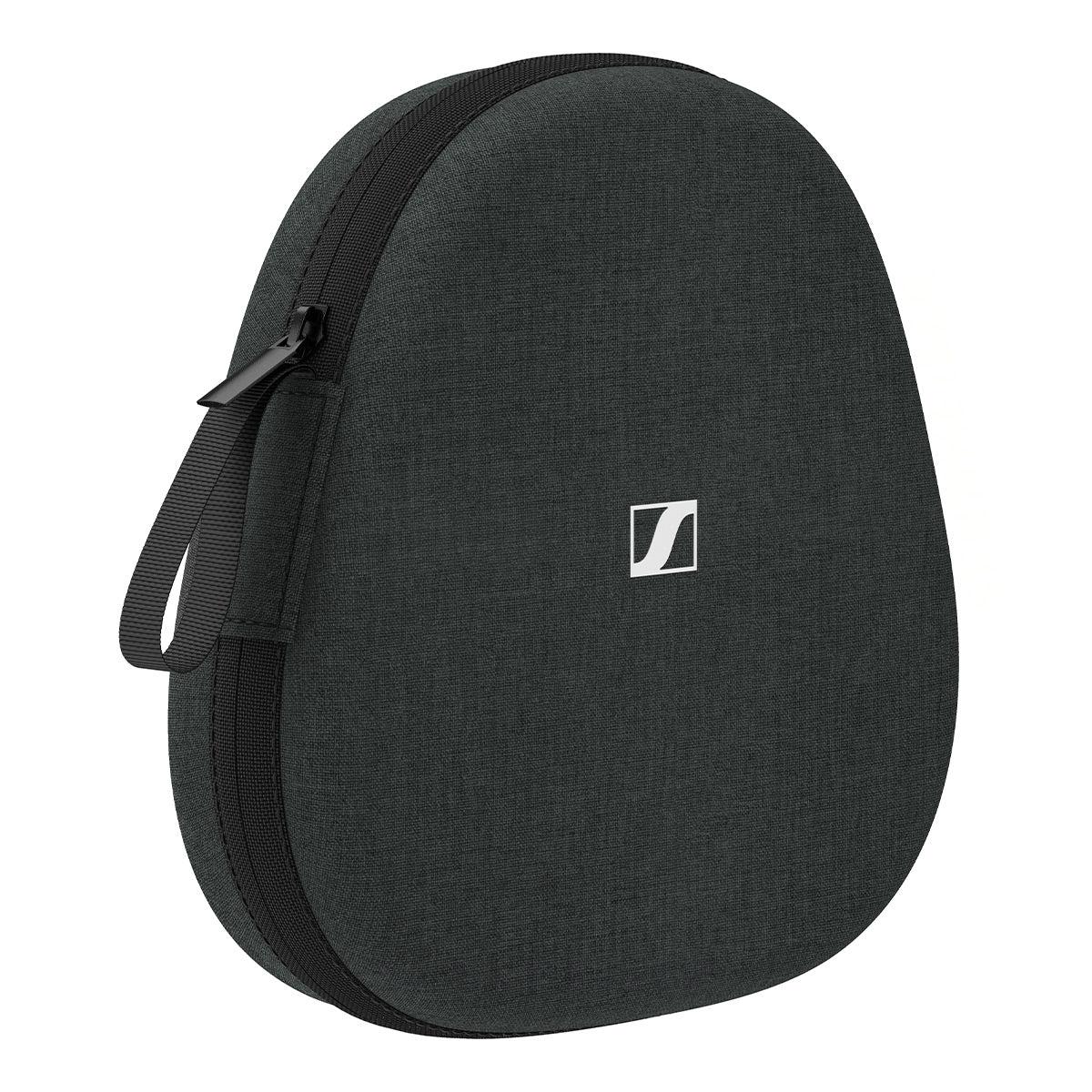
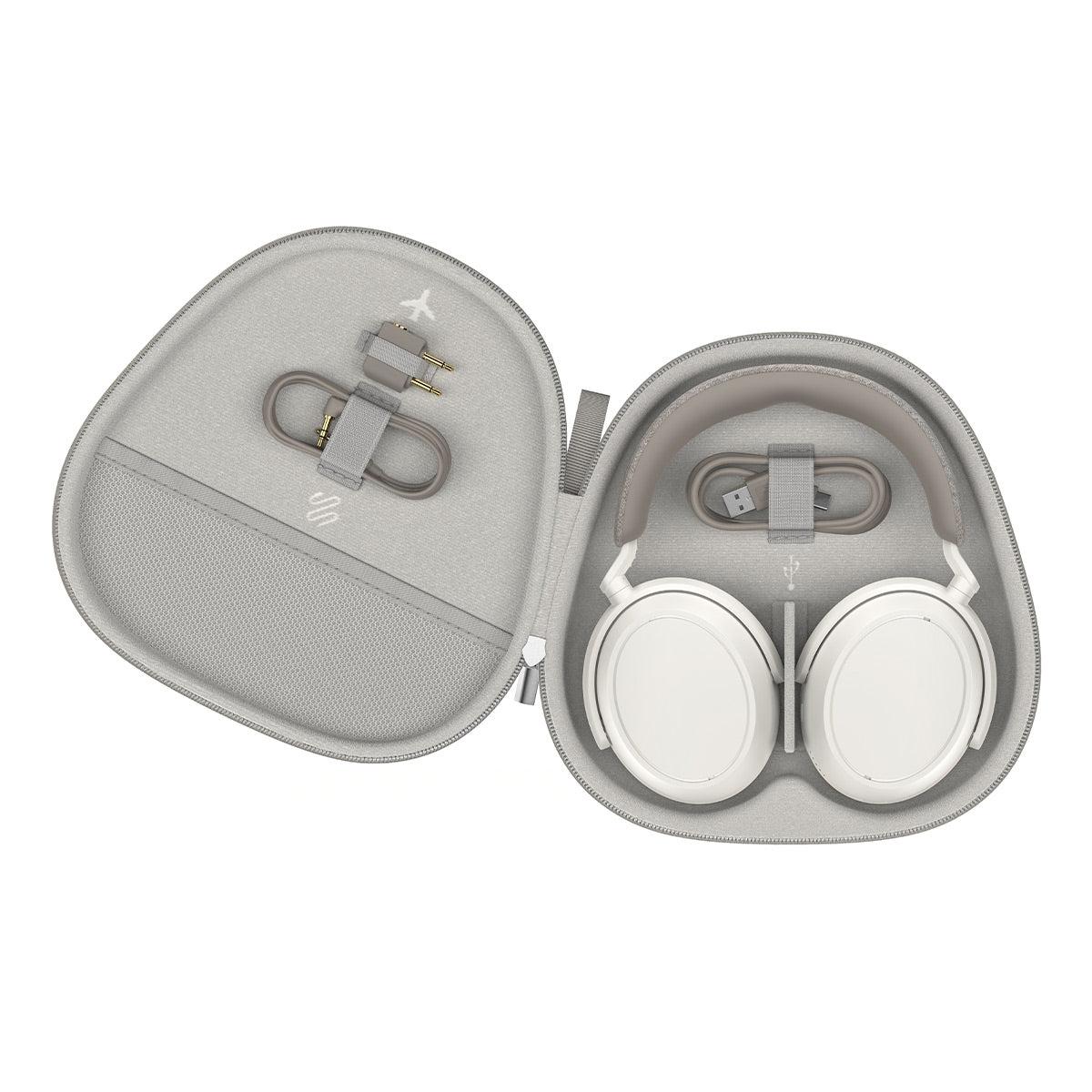
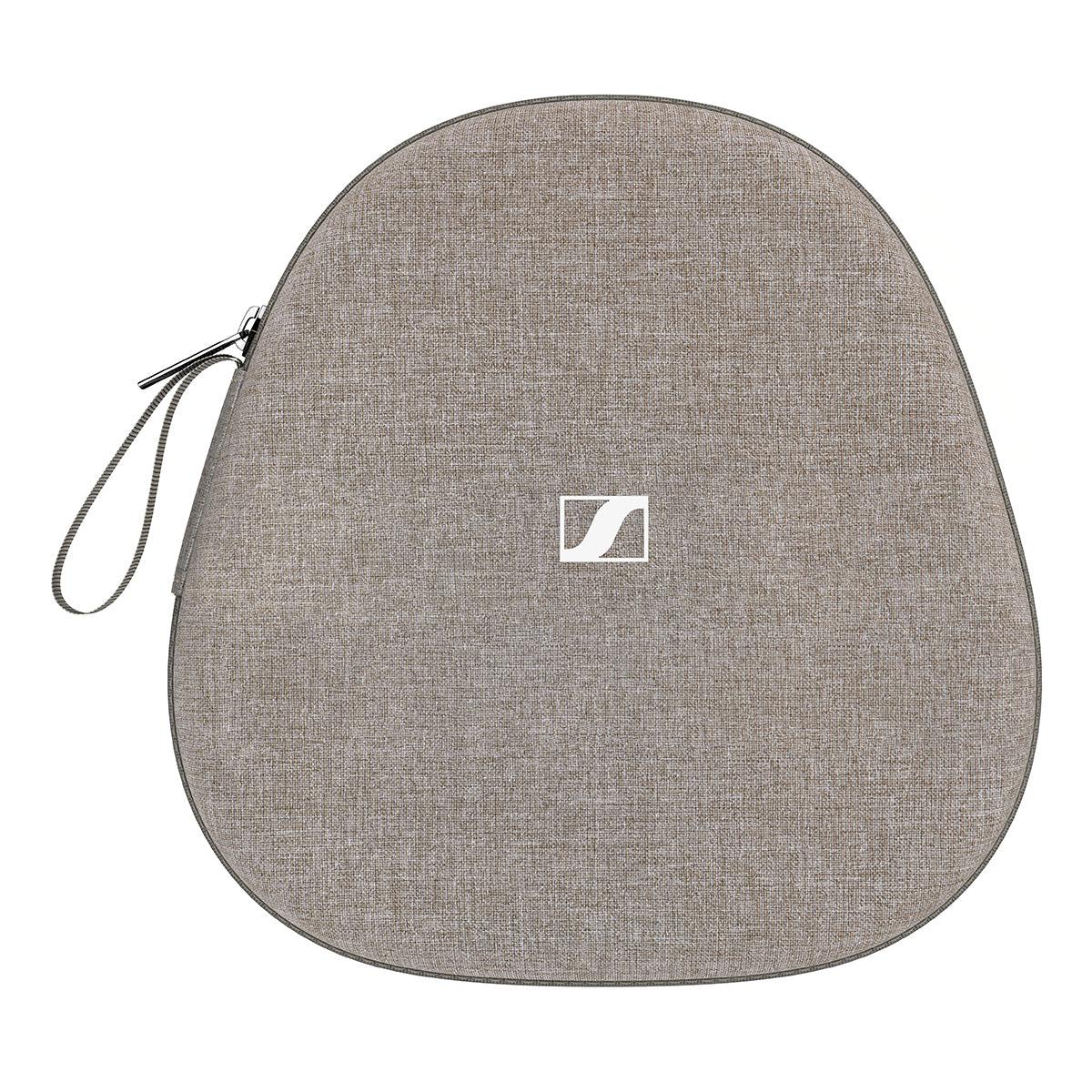
The fold-flat design makes them genuinely portable. Unlike some over-ear headphones that fold awkwardly or require large cases, the Momentum 4 collapses into a surprisingly compact form factor.
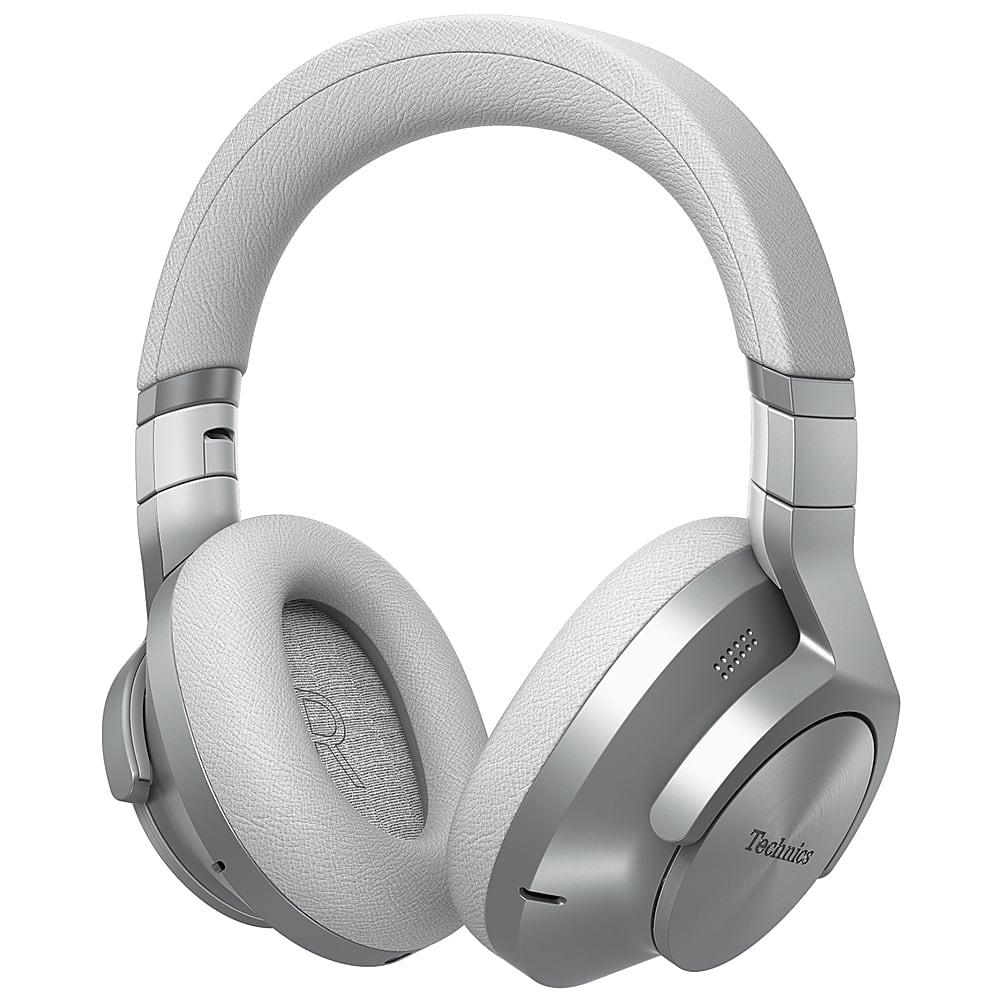
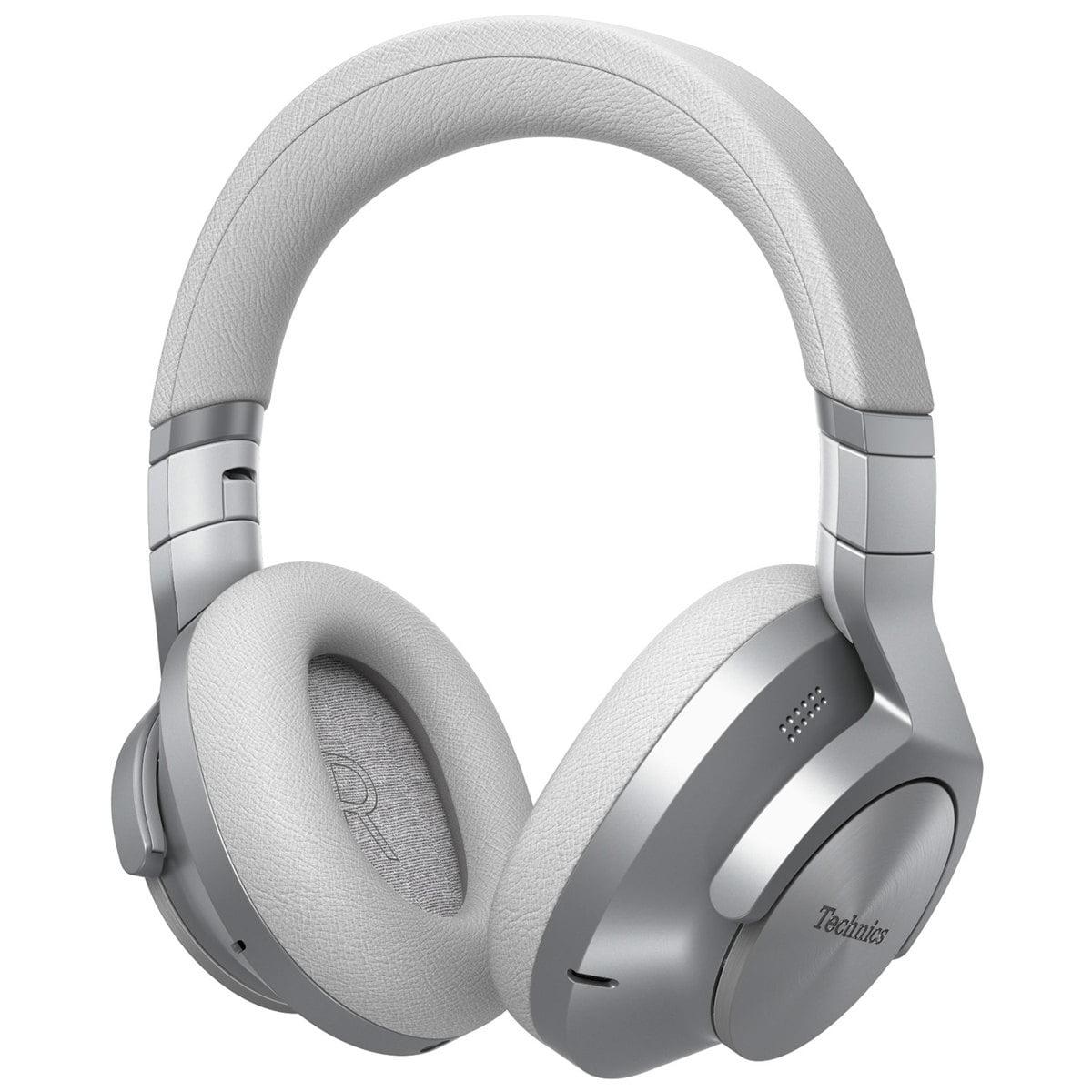
At 298g, the EAH-A800 is slightly heavier, but Technics has engineered the headband to distribute weight across a larger area. The result is that despite the weight difference, fatigue levels are comparable between the two models.
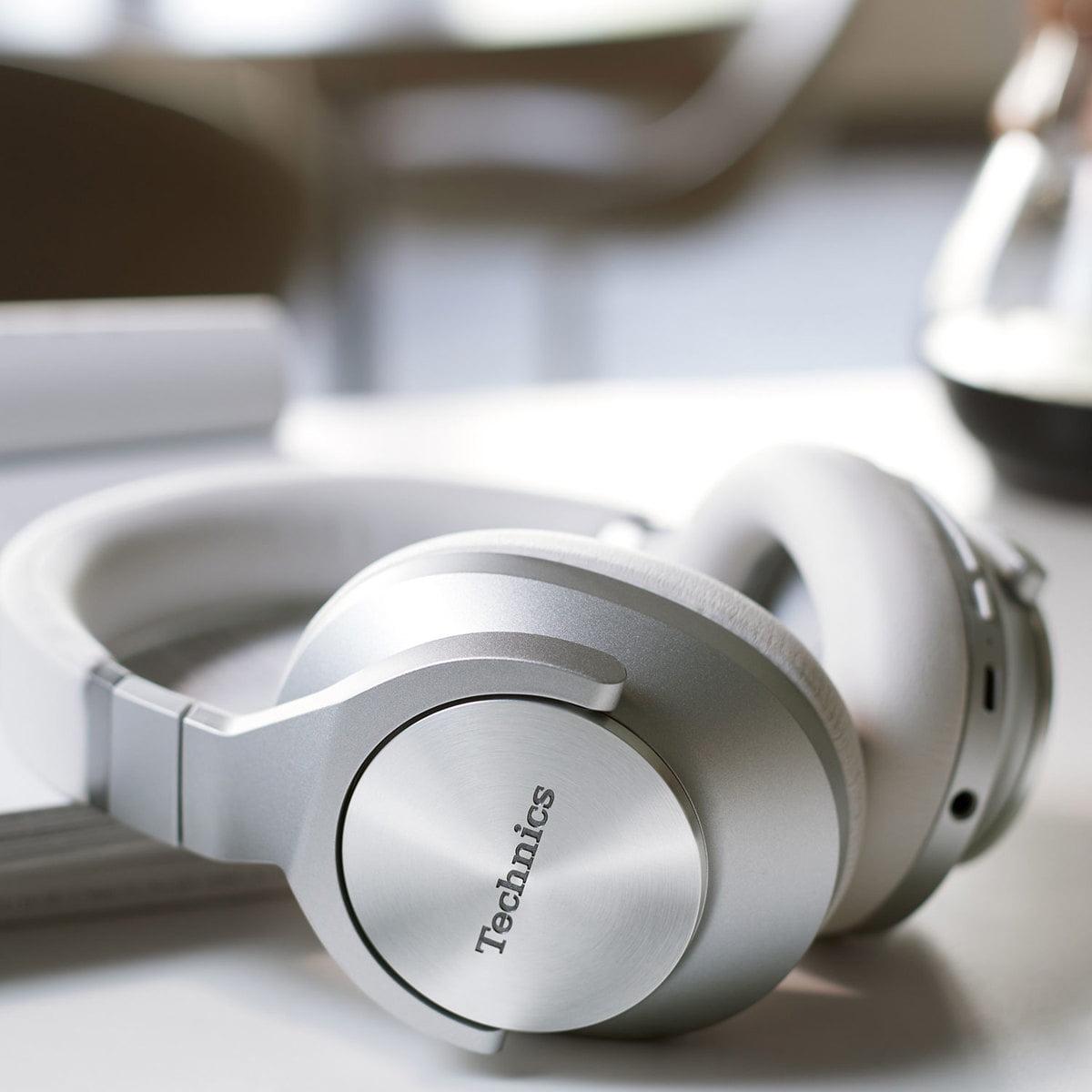
The ear pads on the A800 are notably plush – "super-soft" isn't marketing hyperbole. They create an excellent seal for both passive noise isolation and ANC effectiveness. The headband padding uses a different approach, with firmer material that maintains its shape over time rather than compressing with use.
Build quality feels more robust on the Technics headphones. While both models are well-constructed, the A800 has a more substantial feel that suggests it would better survive the rigors of frequent travel.
Modern premium headphones are essentially small computers, and their connectivity features can make or break the user experience.
The Momentum 4 uses Bluetooth 5.2 with support for aptX Adaptive, AAC, and SBC codecs. AptX Adaptive is particularly clever – it automatically adjusts audio quality based on your connection strength and content type. During calls or video conferences, it prioritizes low latency. For music, it maximizes audio quality.
The Sennheiser Smart Control app is comprehensive, offering a parametric EQ, sound personalization, and various listening modes. The touch controls on the right ear cup are responsive and customizable, though some users prefer physical buttons for reliability.
One limitation is the lack of multipoint pairing – you can't simultaneously connect to your phone and laptop. While this simplifies the connection process, it's less convenient for users who frequently switch between devices.
The EAH-A800 supports LDAC, Sony's high-resolution Bluetooth codec that can transmit up to 990 kbps of data – roughly three times more than standard Bluetooth audio. When paired with LDAC-compatible devices (most Android phones, some music players), the difference in audio quality is immediately apparent, especially with high-resolution music files.
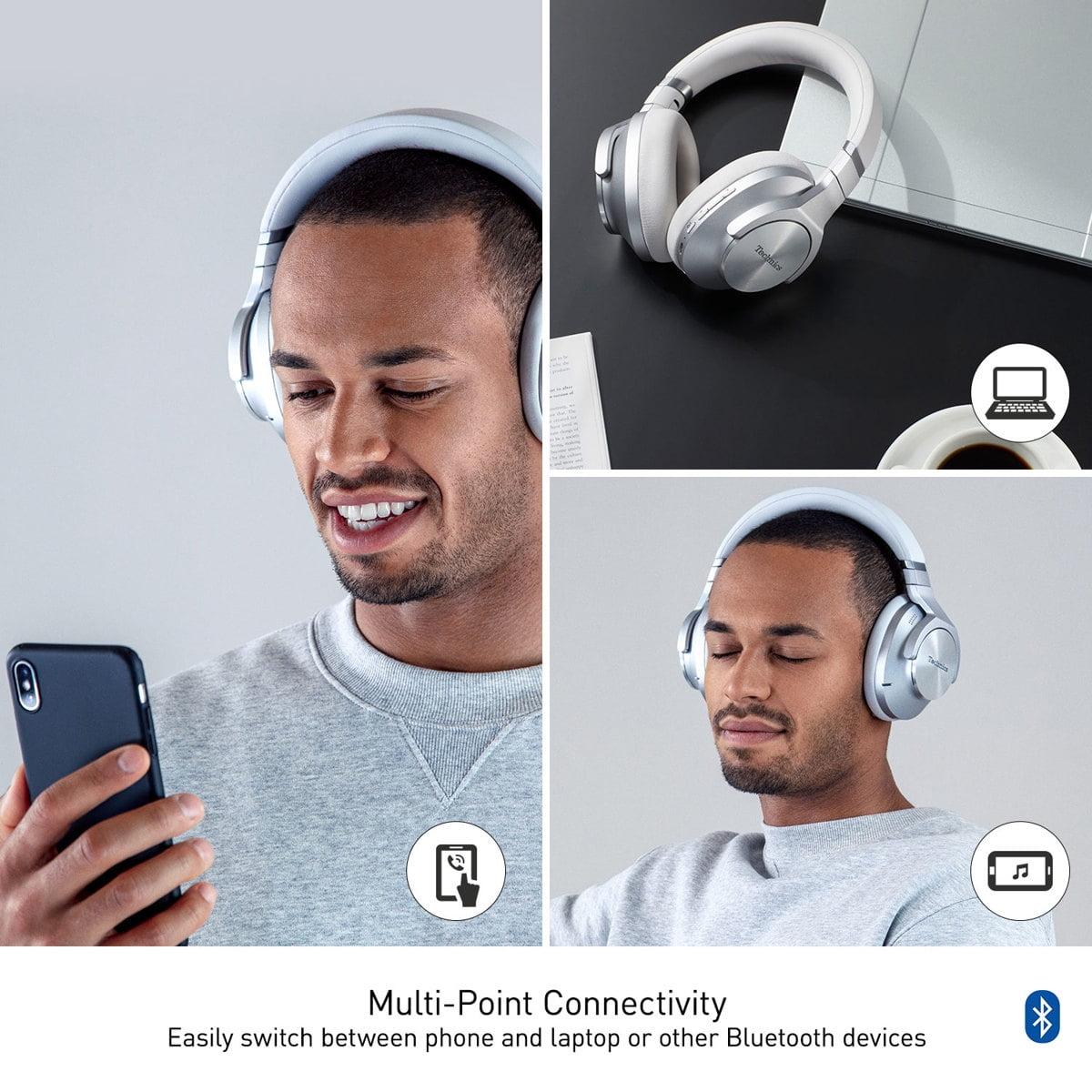
Multipoint pairing allows simultaneous connection to two devices. In practice, this means you can listen to music from your laptop while remaining connected to your phone for calls. The A800 seamlessly switches between devices based on activity – incredibly useful for work-from-home scenarios.
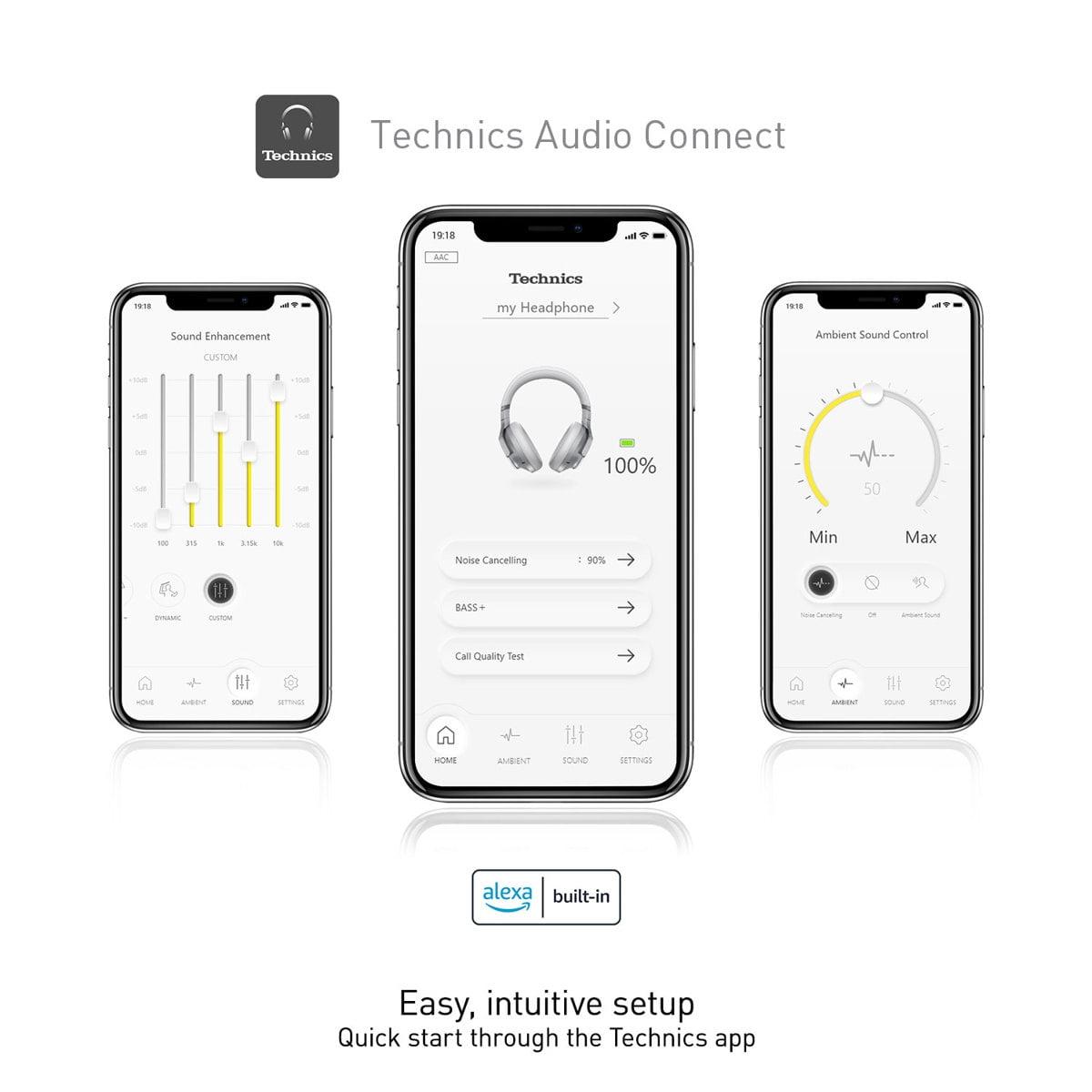
The Technics Audio Connect app is more focused than Sennheiser's offering, concentrating on EQ adjustment and ANC customization rather than experimental features. Some users will prefer this straightforward approach.
After extensive testing with both headphones, several practical differences emerge that specifications don't capture.
For commuting, the A800's superior midrange noise cancellation makes a noticeable difference on buses and trains where conversations and announcements are common. The Momentum 4's longer battery life means less charging anxiety during long travel days.
For home office use, the A800's multipoint pairing and superior call quality (thanks to that eight-microphone array) make it more practical for video conferences. However, the Momentum 4's more engaging sound signature makes music breaks more enjoyable.
For home theater applications, both headphones support low-latency codecs, but their sound signatures create different experiences. The A800 provides more accurate surround sound positioning – you'll hear helicopters moving across the soundstage with pinpoint precision. The Momentum 4 makes action sequences more visceral and exciting, though with less precise imaging.
Since their 2022 releases, both headphones have received significant firmware updates that have refined their performance. The Momentum 4 has seen improvements to its adaptive ANC algorithms and touch control responsiveness. The A800 has received updates that improved LDAC stability and call quality.
These updates highlight an important consideration: premium wireless headphones are now software-defined devices that can improve over time. Both Sennheiser and Technics have shown commitment to post-launch support, adding features and fixing issues through firmware updates.
The choice between the Sennheiser Momentum 4 Wireless at $299.95 and the Technics EAH-A800 at $249.99 ultimately comes down to your priorities and use cases.
Choose the Momentum 4 if you:
Choose the A800 if you:
Both headphones represent excellent value in the premium wireless category, but they serve different needs. The Momentum 4 prioritizes convenience and musical enjoyment, while the A800 focuses on technical excellence and professional features. Your choice should align with how you actually use headphones rather than which specifications look more impressive on paper.
In my experience, neither choice will disappoint – they're both outstanding headphones that excel in their respective strengths. The "wrong" choice would be buying based solely on price or brand recognition without considering how the differences match your actual needs and preferences.
| Sennheiser Momentum 4 Wireless | Technics EAH-A800 |
|---|---|
| Price - Value proposition in premium wireless headphone market | |
| $299.95 | $249.99 |
| Battery Life - Critical for travel and daily use without charging anxiety | |
| 60 hours (ANC on) - Industry leading | 50 hours AAC / 40 hours LDAC (ANC on) |
| Sound Signature - Determines whether music sounds fun or accurate | |
| Warm, V-shaped (enhanced bass/treble) | Neutral, balanced (reference quality) |
| Driver Size - Affects bass response and overall sound quality | |
| 42mm dynamic drivers | 40mm PEEK/Polyurethane 3-layer drivers |
| Frequency Response - Shows how deep bass goes and how detailed highs are | |
| 6Hz - 22kHz (full human hearing range) | 4Hz - 40kHz (extended range for impact and detail) |
| Noise Cancellation - Essential for blocking distractions in noisy environments | |
| Adaptive Hybrid ANC (good all-around) | Dual Hybrid ANC (superior midrange isolation) |
| Audio Codecs - Higher quality codecs preserve more musical detail | |
| aptX Adaptive, AAC, SBC (Android optimized) | LDAC, AAC, SBC (hi-res wireless capability) |
| Connectivity Features - Important for multi-device workflows | |
| Single device pairing, auto-connect | Multipoint pairing (connect 2 devices simultaneously) |
| Microphone Array - Affects call quality and voice assistant performance | |
| 4 microphones with wind noise reduction | 8 microphones with beamforming technology |
| Weight - Impacts comfort during extended listening sessions | |
| 293g (lightweight for long wear) | 298g (slightly heavier but well-distributed) |
| Quick Charge - How much playback time from brief charging sessions | |
| 5 minutes = 4 hours playback | 15 minutes = 10 hours playback |
| Controls - Affects ease of use and reliability | |
| Touch controls with smart features | Hybrid physical/touch controls |
| Hi-Res Audio Certification - Indicates ability to reproduce studio-quality sound | |
| Standard resolution audio | Hi-Res Audio and Hi-Res Wireless certified |
The Sennheiser Momentum 4 Wireless offers exceptional 60-hour battery life with ANC enabled, significantly outperforming the Technics EAH-A800 which provides 50 hours with AAC codec or 40 hours with LDAC. For travelers and heavy users, the Momentum 4 eliminates charging anxiety almost entirely.
The Sennheiser Momentum 4 delivers warm, engaging sound with enhanced bass and treble that makes music exciting and fun to listen to. The Technics EAH-A800 offers neutral, reference-quality sound that's more accurate and detailed, preferred by audiophiles who want to hear recordings as intended by the engineers.
The Technics EAH-A800 provides superior noise cancellation, especially for midrange frequencies like conversations and office chatter, thanks to its Dual Hybrid ANC system with 8 microphones. The Sennheiser Momentum 4 offers effective adaptive ANC that's good all-around but not quite as advanced as the Technics system.
Only the Technics EAH-A800 supports multipoint pairing, allowing simultaneous connection to two devices like your phone and laptop. The Sennheiser Momentum 4 connects to one device at a time, requiring manual switching between devices when needed.
Both headphones excel in comfort, but in different ways. The Sennheiser Momentum 4 is lighter at 293g with breathable fabric ear cups, while the Technics EAH-A800 weighs 298g but has exceptionally plush ear pads and superior weight distribution. Most users find both comfortable for hours of wear.
The Technics EAH-A800 costs $249.99 compared to $299.95 for the Sennheiser Momentum 4. The EAH-A800 offers more professional features like LDAC and multipoint pairing at a lower price, while the Momentum 4 provides industry-leading battery life and Sennheiser's renowned sound signature.
The Technics EAH-A800 is Hi-Res Audio certified and supports LDAC codec for wireless high-resolution audio up to 96kHz/24-bit. The Sennheiser Momentum 4 supports aptX Adaptive for high-quality Android streaming but doesn't have Hi-Res certification or LDAC support.
The Technics EAH-A800 excels at call quality with its 8-microphone array using beamforming technology to isolate your voice. The Sennheiser Momentum 4 has 4 microphones with wind noise reduction and provides good call quality, but the EAH-A800 is superior for professional video conferencing.
The Technics EAH-A800 offers better quick-charge ratios with 15 minutes providing 10 hours of playback. The Sennheiser Momentum 4 provides 4 hours from a 5-minute charge. However, the Momentum 4 charges fully in 2 hours versus 3 hours for the EAH-A800.
Both headphones work excellently for home theater, but serve different preferences. The Sennheiser Momentum 4 makes action movies more exciting with enhanced bass for explosions and effects. The Technics EAH-A800 provides more accurate surround sound positioning and dialogue clarity, better for following complex plots and appreciating film scores.
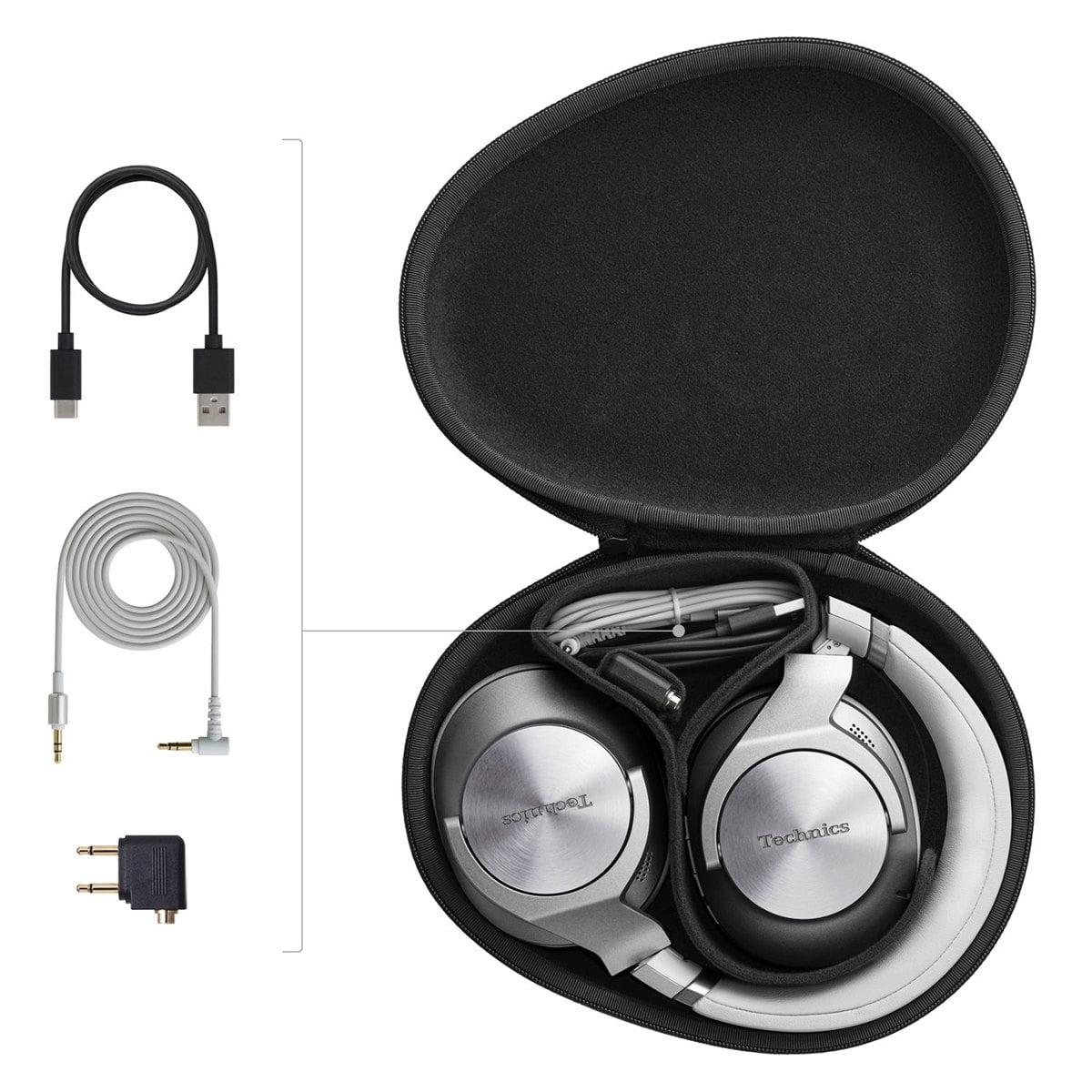
For travel, the choice depends on priorities. The Sennheiser Momentum 4 wins for long trips with its 60-hour battery life and fold-flat design with included case. The Technics EAH-A800 offers superior noise cancellation for blocking airplane noise and office environments, plus multipoint pairing for seamless device switching.
The Sennheiser Momentum 4 uses primarily touch controls on the right ear cup with smart features like auto-pause when removed. The Technics EAH-A800 combines physical buttons with customizable touch panels, offering more reliable tactile control that some users prefer over touch-only interfaces.
We've done our best to create useful and informative comparisons to help you decide what product to buy. Our research uses advanced automated methods to create this comparison and perfection is not possible - please contact us for corrections or questions. These are the sites we've researched in the creation of this article: recordingnow.com - recordingnow.com - soundguys.com - tomsguide.com - headphones.com - thegreatestsong.com - forum.headphones.com - loudnwireless.com - bloomaudio.com - loudnwireless.com - sennheiser-hearing.com - bhphotovideo.com - audio46.com - techpowerup.com - moon-audio.com - bloomaudio.com - pianoclack.com - gsmarena.com - rtings.com - blog.son-video.com - expertreviews.co.uk - youtube.com - whathifi.com - youtube.com - bhphotovideo.com - futureaudiophile.com - versus.com - versus.com - soundphilereview.com - help.na.panasonic.com - technics.com - retailspecs.com - headphonecheck.com - us.technics.com - help.na.panasonic.com - bhphotovideo.com - technics.com - technics.com - valueelectronics.com - us.technics.com - us.technics.com - youtube.com - hometheaterhifi.com

Privacy Policy
Terms and Conditions - Affiliate Policy
Home Security
© Copyright 2008-2026.
11816 Inwood Rd #1211, Dallas, TX 75244