

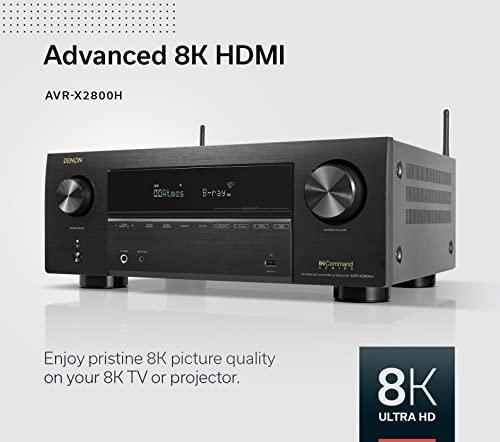
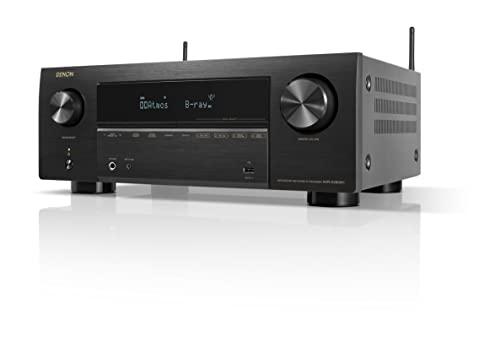
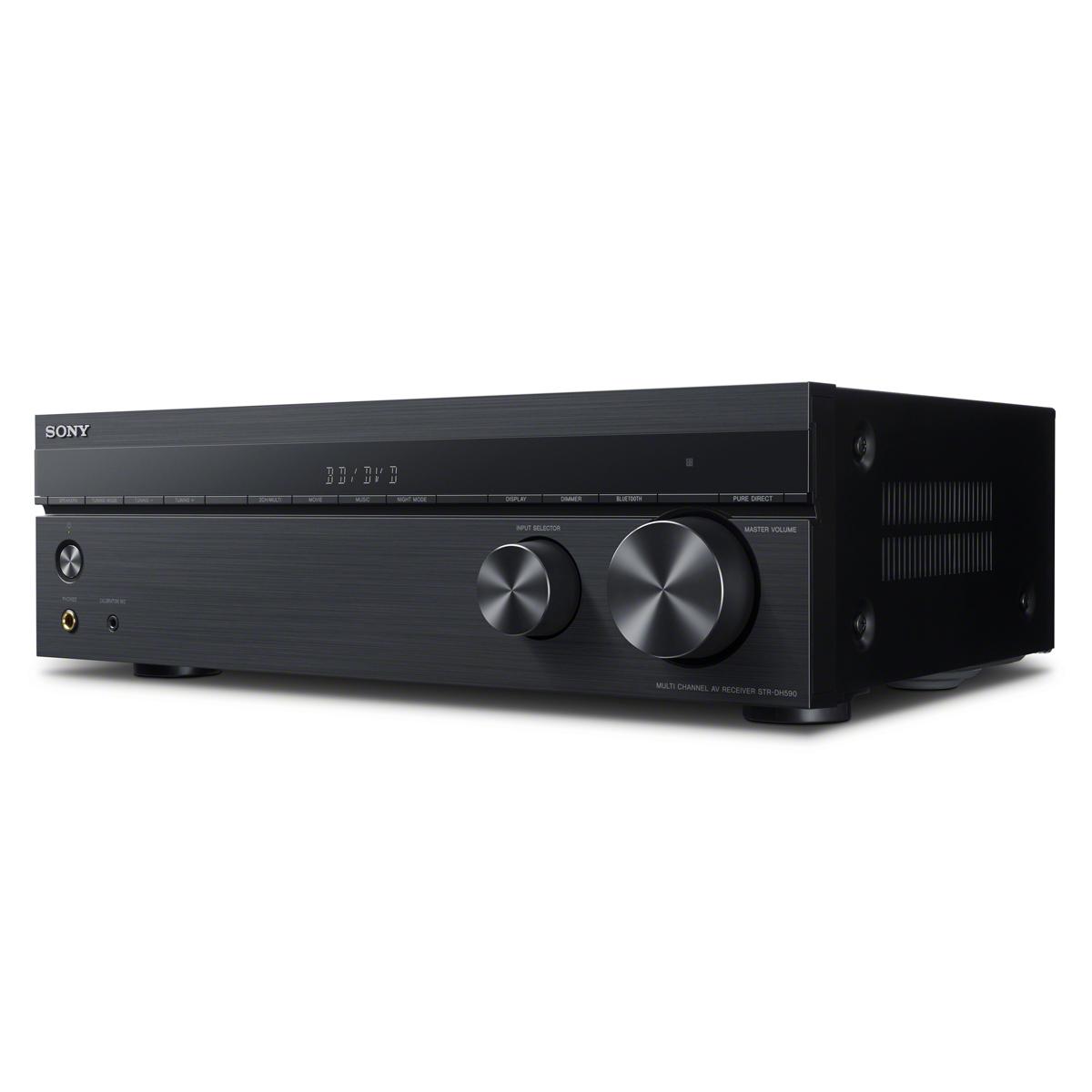
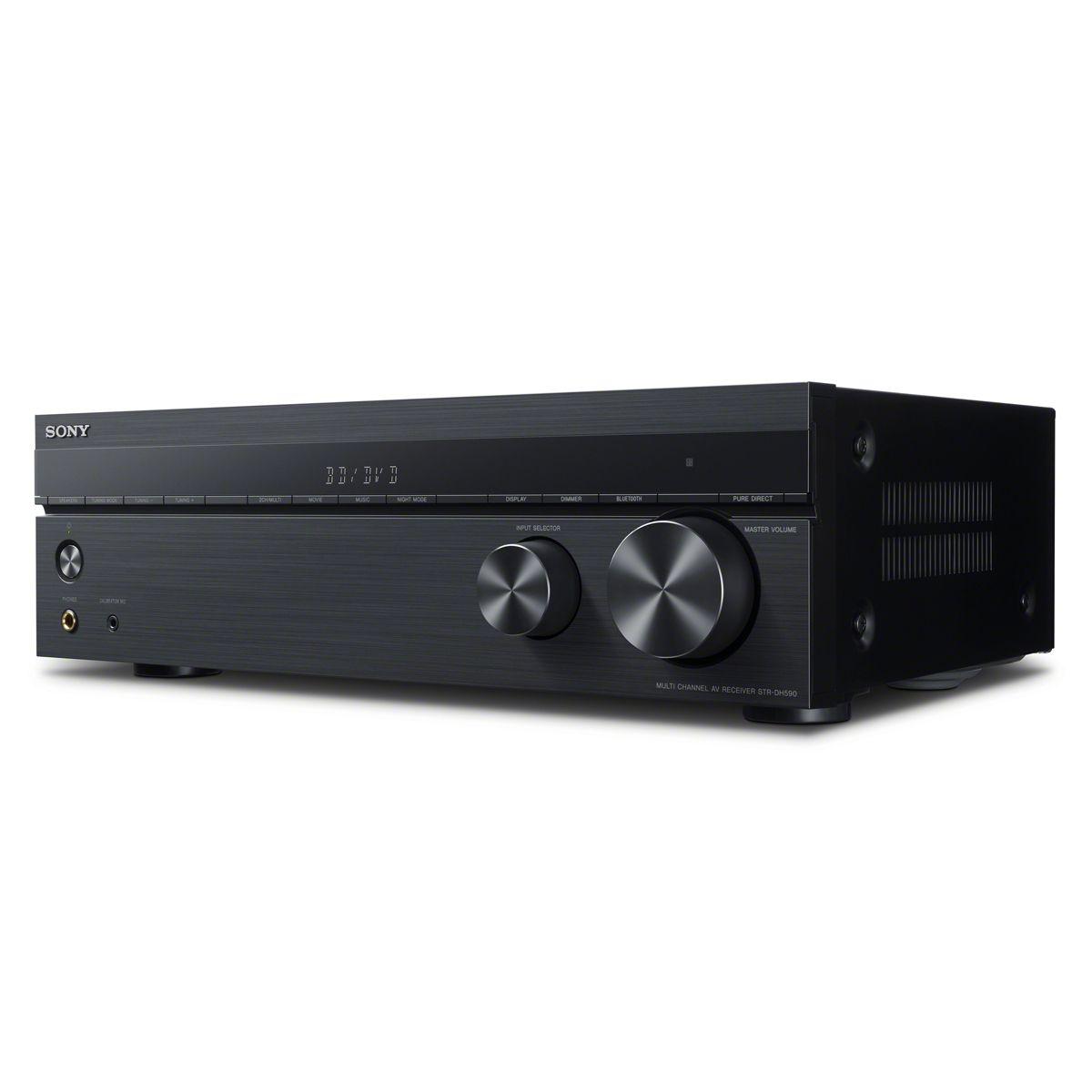
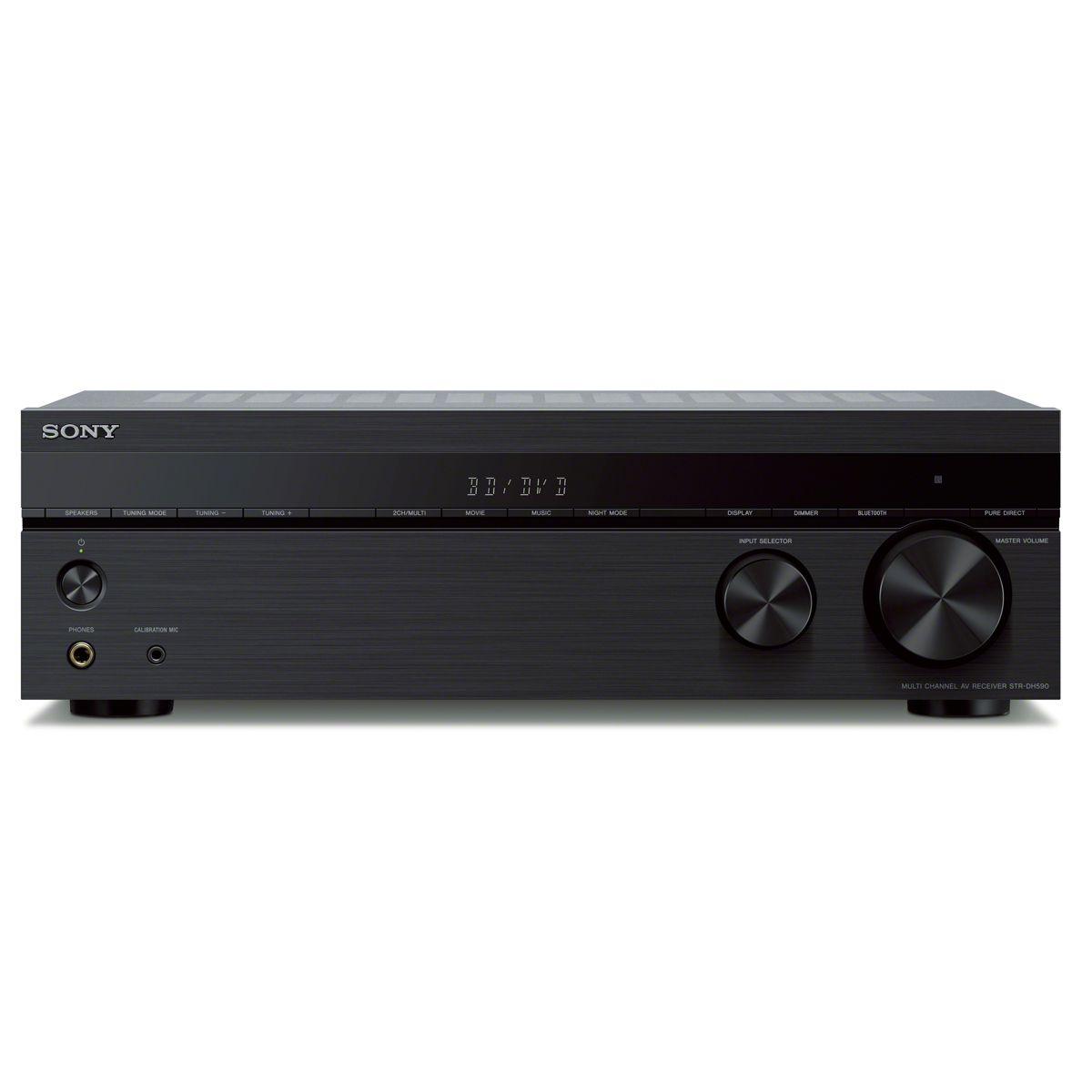
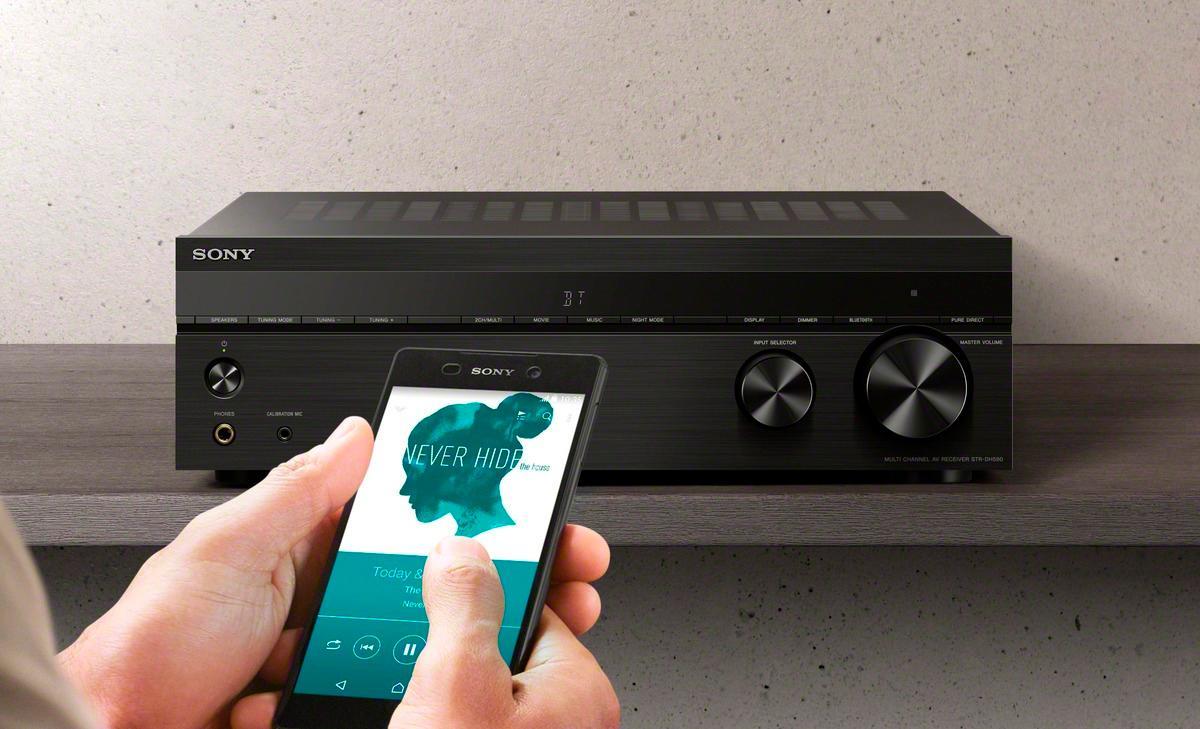
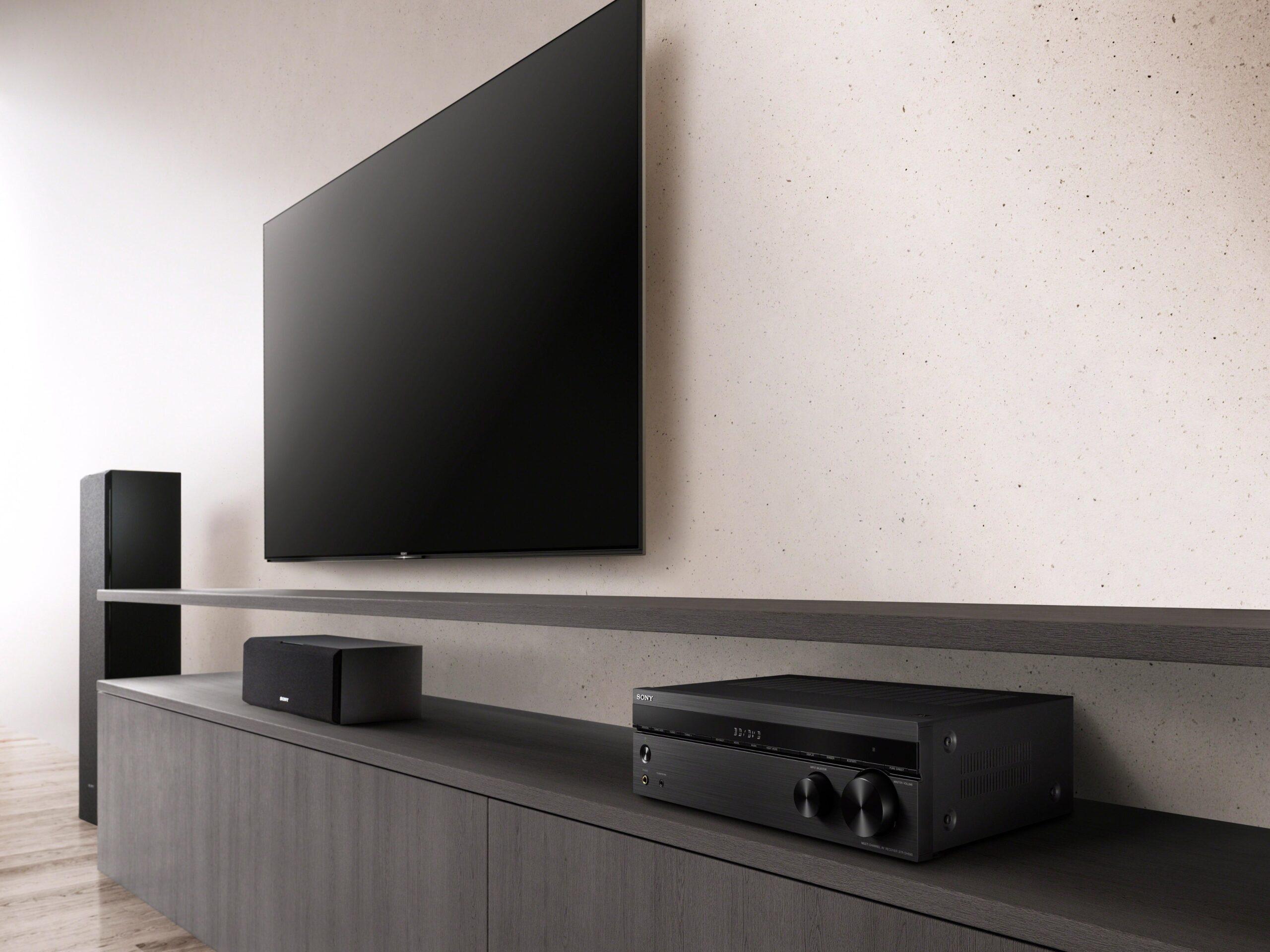
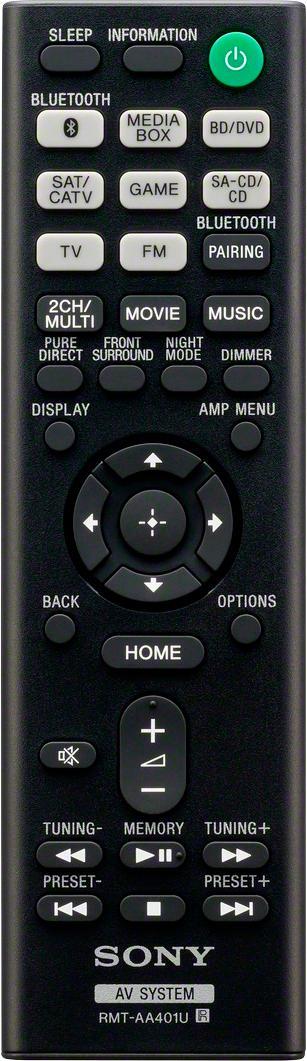
Setting up a home theater can feel overwhelming, especially when you're staring down the endless rows of black boxes that all promise to transform your living room into a cinematic experience. AV receivers sit at the heart of any serious home theater setup, acting as the command center that processes your audio and video signals while powering your speakers. Today we're comparing two receivers that couldn't be more different: the budget-friendly Sony STR-DH590 from 2018 and the feature-packed Denon AVR-X2800H from 2022.
At the time of writing, these receivers represent vastly different price points—the Sony typically costs around one-quarter of what you'll pay for the Denon. But that price gap tells a story about four years of rapid technological advancement and two completely different philosophies about what a modern AV receiver should do.
Before diving into specifics, let's establish what these devices actually do. An AV receiver combines several components into one unit: it's an audio amplifier that powers your speakers, a video processor that handles signal switching and enhancement, and increasingly, a smart hub that connects to your home network. Think of it as the conductor of your home theater orchestra, coordinating everything from the subtle whisper of dialogue to the room-shaking boom of an explosion.
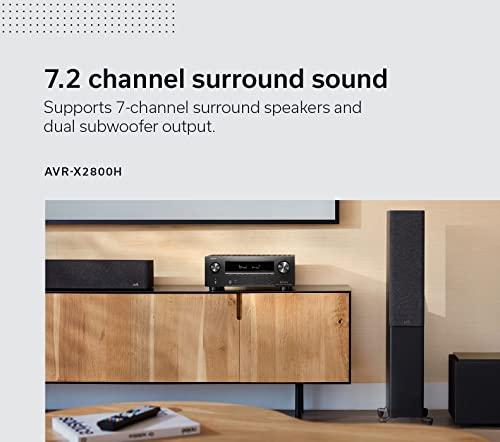
The most fundamental specification you'll encounter is channel configuration. When we say a receiver is "5.2" or "7.2," we're describing how many speakers it can power and manage. The first number represents main speakers (front left/right, center, surrounds), while the second indicates how many subwoofers it can control independently. More channels mean more placement flexibility and potentially more immersive sound.
Power output, measured in watts per channel, determines how loud your system can play and how well it can drive demanding speakers. However, watts aren't everything—the quality of that power matters as much as the quantity. Modern receivers also handle video processing, managing everything from basic signal switching to advanced features like upscaling lower-resolution content to match your 4K TV.
The four-year gap between the Sony STR-DH590's 2018 release and the Denon AVR-X2800H's 2022 debut represents a significant technological leap in home theater equipment. In 2018, 4K was still relatively new, streaming services were just beginning to offer high-quality content, and gaming consoles hadn't yet pushed the boundaries of what HDMI could handle.
By 2022, the landscape had shifted dramatically. The PlayStation 5 and Xbox Series X demanded HDMI 2.1 with features like Variable Refresh Rate (VRR) and Auto Low Latency Mode (ALLM). Streaming services were delivering 4K content with advanced HDR formats, and early 8K TVs were hitting the market. More importantly, object-based audio formats like Dolby Atmos had moved from premium theaters to mainstream living rooms.
This timing explains much of what we see when comparing these receivers. The Sony was designed for the 2018 world of relatively simple 4K pass-through and traditional 5.1 surround sound. The Denon was built for today's complex ecosystem of high-bandwidth gaming, immersive audio, and integrated streaming.
The Sony STR-DH590 delivers 145 watts per channel into 6-ohm speakers, while the Denon AVR-X2800H provides 95 watts per channel into 8-ohm speakers (which translates to about 125 watts into 6 ohms). On paper, the Sony appears more powerful, and in practical terms, it is. If you're driving inefficient speakers or want to fill a large room with sound, that extra power can make a noticeable difference.
However, raw power only tells part of the story. The Denon uses discrete amplifier channels with Class AB topology and higher-quality components, including 32-bit DACs (digital-to-analog converters) on every channel. DACs are crucial because they convert the digital audio from your sources into the analog signals that drive your speakers. Better DACs typically mean cleaner, more accurate sound reproduction.
In our research of user experiences and professional reviews, the consensus suggests the Denon's amplification sounds more refined and controlled, especially at moderate listening levels where most people spend their time. The Sony can get louder and might sound punchier with action movies, but the Denon tends to handle complex musical passages and dialogue with greater clarity.
This is where the generational gap becomes most apparent. The Sony handles traditional surround formats like Dolby Digital and DTS adequately, but it doesn't support Dolby Atmos or DTS:X—the object-based formats that add height dimension to sound. These newer formats don't just add more speakers; they fundamentally change how audio is mixed and reproduced.
Traditional 5.1 surround creates a sound "bubble" around you on the horizontal plane. Atmos and DTS:X add overhead effects, creating a true three-dimensional sound field. When a helicopter flies across the screen, you hear it move above your head, not just from side to side. The Denon AVR-X2800H can process these formats in configurations up to 5.2.2 (five main speakers, two subwoofers, two height speakers).
Even without dedicated height speakers, the Denon includes virtualization technology that simulates overhead effects through your existing speakers. While not as convincing as real height speakers, it's still a noticeable improvement over traditional surround sound.
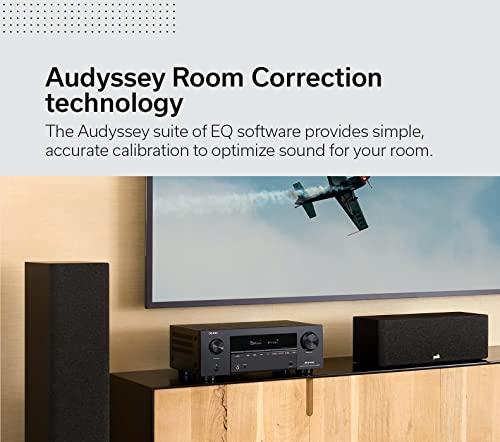
Room acoustics dramatically affect how your system sounds, and this is where modern receivers really show their sophistication. The Sony includes basic D.C.A.C. (Digital Cinema Auto Calibration), which measures your room with a microphone and makes some adjustments. It's better than nothing, but it's fairly primitive.
The Denon features Audyssey MultEQ XT, a much more advanced system. It takes measurements from up to eight positions in your room, analyzes how sound bounces off walls and furniture, then applies complex filtering to optimize the response. The difference can be dramatic—think of it like having a professional sound engineer tune your system for your specific room.
Professional reviews consistently highlight how effective Audyssey is at taming problematic rooms. If you've ever noticed that your system sounds boomy or harsh in certain frequency ranges, good room correction can often fix these issues automatically.
The video processing differences between these receivers reflect changing entertainment consumption patterns. The Sony STR-DH590 handles 4K video at 60 frames per second, which was perfectly adequate when most 4K content was movies and TV shows. It supports HDR10, HLG, and Dolby Vision, covering the main high dynamic range formats that make modern content look more vibrant and realistic.
The Denon AVR-X2800H adds 8K/60Hz support and 4K/120Hz capability. While 8K content remains scarce, 4K/120Hz has become crucial for gaming. Modern consoles can output games at these higher frame rates, and the difference is noticeable—motion appears smoother and more fluid, particularly in fast-paced games.
Gaming has driven many recent HDMI developments, and the Denon includes features that serious gamers consider essential. Variable Refresh Rate (VRR) eliminates screen tearing by synchronizing the display refresh rate with the game's frame rate. Auto Low Latency Mode (ALLM) automatically switches your TV to game mode when it detects a gaming signal, reducing input lag.
These might sound like minor technical details, but they make a significant difference in competitive gaming scenarios. The Sony lacks these features entirely, which could be a deal-breaker if you're a serious gamer with a PlayStation 5 or Xbox Series X.
The Denon provides six HDMI inputs compared to the Sony's four, but more importantly, three of the Denon's inputs support full HDMI 2.1 bandwidth. This means you can connect multiple high-bandwidth devices—like a gaming console and Apple TV 4K—without having to choose which one gets the premium connection.
The Sony uses older HDMI 2.0 standards throughout, which limits bandwidth and prevents it from supporting the gaming features mentioned above. For current 4K streaming content, this isn't a problem, but it does limit future flexibility.
This represents perhaps the most dramatic difference between these receivers. The Sony STR-DH590 includes only Bluetooth connectivity for wireless audio streaming. There's no Wi-Fi, no Ethernet port, and no built-in support for streaming services. If you want to stream Spotify or use voice assistants, you'll need separate devices.
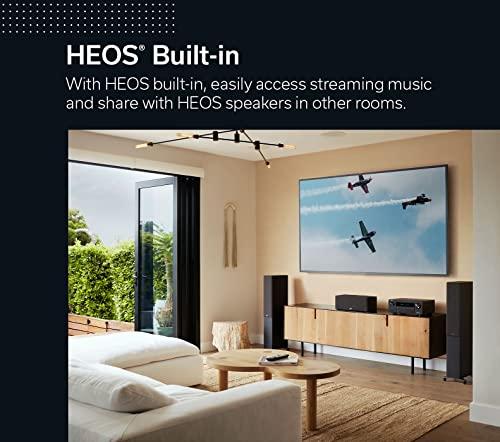
The Denon AVR-X2800H is essentially a streaming hub. It includes dual-band Wi-Fi, Ethernet connectivity, and built-in support for major streaming services including Spotify Connect, Apple AirPlay 2, and Amazon Alexa. The HEOS multi-room system lets you extend audio to other compatible speakers throughout your home.
This difference reflects two philosophies about receiver design. Sony kept the STR-DH590 focused on its core audio/video processing mission, assuming users would handle streaming through other devices. Denon designed the AVR-X2800H as a comprehensive entertainment hub that consolidates multiple functions.
The Sony uses a basic fluorescent display and relatively simple menu system. Setup is straightforward, and day-to-day operation is intuitive. The Denon offers a full-color on-screen display with more complex menus that reflect its expanded feature set.
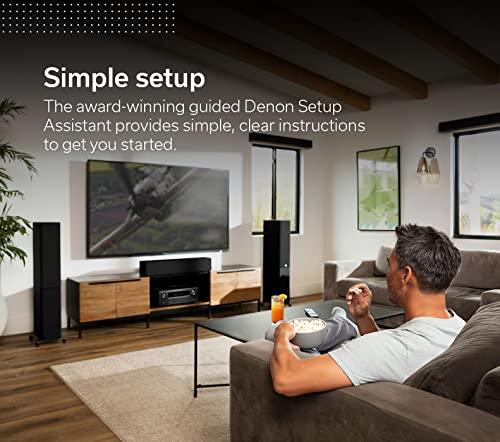
Based on user feedback, the Sony is easier to set up initially, but the Denon's smartphone app makes ongoing adjustments more convenient. The Denon's setup assistant walks you through the process step-by-step, which helps manage the complexity of its advanced features.
At the time of writing, the Denon AVR-X2800H costs roughly three to four times what you'll pay for the Sony STR-DH590. That's a significant difference that requires careful justification based on your specific needs and future plans.
The Sony represents exceptional value if your needs are straightforward. For a basic 5.1 home theater focused on movies and TV shows, with gaming limited to older consoles, it delivers solid performance at an accessible price point. The higher power output can be genuinely useful if you have demanding speakers or a large room.
The Denon justifies its premium through comprehensive features and future-proofing. If you factor in the cost of separate streaming devices, smart hub functionality, and advanced room correction, the price gap narrows somewhat. More importantly, the modern HDMI implementation means you're less likely to need an upgrade when new gaming consoles or content formats emerge.
Technology obsolescence is a real concern with AV receivers. The Sony's 2018 technology is already showing its age with current gaming consoles, and this gap will only widen. The Denon's 2022 implementation should remain current for several years, potentially making it the better long-term investment despite the higher initial cost.
However, this calculation depends on your upgrade patterns. If you typically replace electronics every few years anyway, the Sony's lower entry price might make more sense. If you prefer to buy once and use equipment for five to ten years, the Denon's future-proofing becomes more valuable.
Both receivers handle standard movie and TV content competently, but they excel in different areas. The Sony delivers impactful dynamics and can play loudly without strain, making it excellent for action movies where you want visceral impact. The Denon provides more nuanced sound staging and better dialogue clarity, particularly after room correction optimization.
If you primarily watch streaming content and occasional Blu-rays, the Sony's capabilities are largely sufficient. If you're interested in the height effects available in newer movies and shows (many Netflix and Disney+ titles now include Atmos soundtracks), the Denon opens up experiences that the Sony simply cannot reproduce.
This is where the technology gap becomes decisive. The Sony STR-DH590 will pass gaming audio and video adequately, but you'll miss out on the low-latency features and high-refresh-rate capabilities that modern consoles offer. The Denon AVR-X2800H maximizes what these consoles can deliver, providing smoother motion and reduced input lag.
Both receivers include stereo modes that bypass surround processing, but their approaches differ. The Sony has a more direct signal path that some purists prefer, while the Denon offers more sophisticated digital processing and room correction that can improve problematic rooms significantly.
The Denon's streaming integration also makes it more convenient for casual music listening. You can start Spotify directly from the receiver without needing to connect a phone or tablet.
You're building a straightforward home theater on a tight budget and don't need the latest gaming features. This receiver excels in scenarios where you want maximum power output for the money and aren't concerned about streaming integration or advanced audio formats. It's also ideal if you prefer simple, reliable operation without complex features you might never use.
The Sony works particularly well for users who already own streaming devices (like Apple TV or Roku) and gaming consoles from the previous generation. If your entertainment habits center around cable TV, standard streaming, and occasional gaming, the Sony provides everything you need without paying for features you won't use.
You want a comprehensive entertainment hub that handles current and future technology gracefully. This receiver justifies its higher cost through superior audio processing, extensive streaming integration, and genuine future-proofing for emerging formats.
The Denon makes particular sense for serious gamers with PlayStation 5 or Xbox Series X consoles, home theater enthusiasts interested in Dolby Atmos, and users who prefer consolidated devices over multiple separate components. If you value convenience features like voice control and smartphone app integration, the Denon delivers a more sophisticated user experience.
The choice between the Sony STR-DH590 and Denon AVR-X2800H ultimately comes down to matching features to your specific needs and budget constraints. The Sony offers legitimate value for users with straightforward requirements, while the Denon provides premium features and future-proofing for those willing to invest more upfront.
Consider your typical entertainment habits, gaming console ownership, room size, and upgrade frequency. If you're satisfied with traditional surround sound and don't mind using separate devices for streaming, the Sony delivers solid performance at an accessible price. If you want the latest audio and video technologies integrated into a single sophisticated device, the Denon justifies its premium through comprehensive capabilities and long-term relevance.
Both receivers will create enjoyable home theater experiences, but they serve different audiences with different priorities. Choose based on your actual needs rather than theoretical capabilities—the best receiver is the one that matches your entertainment habits and budget reality.
| Denon AVR-X2800H | Sony STR-DH590 |
|---|---|
| Channel Configuration - Determines speaker layout possibilities and surround sound complexity | |
| 7.2 channels (supports height speakers for Dolby Atmos) | 5.2 channels (traditional surround sound only) |
| Power Output - Affects maximum volume and speaker compatibility | |
| 95W per channel (8Ω) / 125W (6Ω) | 145W per channel (6Ω) - Higher raw power |
| Audio Format Support - Modern immersive formats vs basic surround | |
| Dolby Atmos, DTS:X, Dolby TrueHD, DTS-HD Master Audio | Dolby Digital, DTS, basic high-res formats only |
| Room Correction - Automatic sound optimization for your space | |
| Audyssey MultEQ XT (8-position measurement, app control) | Basic D.C.A.C. (single position measurement) |
| Video Resolution Support - Future-proofing for gaming and content | |
| 8K/60Hz, 4K/120Hz with VRR/ALLM gaming features | 4K/60Hz maximum (adequate for streaming, limited for gaming) |
| HDMI Connectivity - Number and quality of device connections | |
| 6 inputs/2 outputs (3x HDMI 2.1, eARC support) | 4 inputs/1 output (HDMI 2.0, basic ARC) |
| HDR Format Support - Enhanced picture quality standards | |
| HDR10, HDR10+, Dolby Vision, HLG | HDR10, Dolby Vision, HLG (missing HDR10+) |
| Network Connectivity - Streaming and smart home integration | |
| Wi-Fi, Ethernet, extensive streaming services, voice control | Bluetooth only (requires external streaming devices) |
| Multi-Room Audio - Whole-home audio distribution | |
| HEOS built-in (supports up to 32 speakers/zones) | None (single room only) |
| User Interface - Setup complexity and daily operation | |
| Color on-screen display, smartphone app control, setup assistant | Basic fluorescent display, simple remote control |
| Release Year - Technology generation and future relevance | |
| 2022 (cutting-edge features, future-proof) | 2018 (older technology, may need earlier replacement) |
| Target Use Case - Best suited for which type of user | |
| Premium home theater, gaming enthusiasts, streaming hub | Budget-friendly basic surround sound, simple operation |
The Sony STR-DH590 is more beginner-friendly due to its simpler setup process and straightforward operation. It has fewer features to configure and a basic menu system that's easy to navigate. The Denon AVR-X2800H offers more advanced features but requires more time to set up and understand all its capabilities.
The Sony STR-DH590 is a 5.2 channel receiver, meaning it supports five main speakers plus two subwoofers in a traditional surround sound setup. The Denon AVR-X2800H is 7.2 channel, allowing for additional rear surround speakers or height speakers for Dolby Atmos, creating a more immersive three-dimensional sound experience.
The Sony STR-DH590 delivers higher power output at 145 watts per channel compared to the Denon AVR-X2800H's 95 watts per channel. This means the Sony can play louder and may be better for large rooms or less efficient speakers that need more power to perform well.
If you own a PlayStation 5, Xbox Series X, or plan to buy next-generation gaming consoles, the Denon AVR-X2800H's HDMI 2.1 features like 4K/120Hz and Variable Refresh Rate are essential for optimal gaming performance. For basic streaming and older consoles, the Sony STR-DH590's HDMI 2.0 capabilities are sufficient.
The Denon AVR-X2800H supports Dolby Atmos and DTS:X, which create overhead sound effects for a truly immersive experience. The Sony STR-DH590 only supports traditional Dolby Digital and DTS formats without height effects, limiting you to older surround sound technology.
The Denon AVR-X2800H includes built-in Wi-Fi and supports major streaming services like Spotify, Apple AirPlay 2, and voice assistants directly. The Sony STR-DH590 only has Bluetooth connectivity, so you'll need separate streaming devices like Apple TV or Roku for most online music services.
The Sony STR-DH590 offers excellent value for basic home theater needs at a much lower price point. The Denon AVR-X2800H costs significantly more but includes advanced features like room correction, streaming integration, and future-proof connectivity that may justify the investment for serious home theater enthusiasts.
Room correction makes a significant difference in sound quality by automatically adjusting audio to compensate for your room's acoustics. The Denon AVR-X2800H includes advanced Audyssey MultEQ room correction, while the Sony STR-DH590 has basic calibration that's less effective at optimizing sound for your specific space.
The Denon AVR-X2800H from 2022 includes modern connectivity and audio formats that should remain current for years. The Sony STR-DH590 from 2018 already lacks some current gaming features and may need replacement sooner as entertainment technology continues advancing.
The Denon AVR-X2800H includes HEOS multi-room technology, allowing you to stream audio to compatible speakers throughout your home. The Sony STR-DH590 doesn't support multi-room audio and is designed for single-room use only.
The Denon AVR-X2800H is significantly better for modern gaming with features like Auto Low Latency Mode, Variable Refresh Rate, and 4K/120Hz support that enhance PlayStation 5 and Xbox Series X performance. The Sony STR-DH590 will work with gaming consoles but lacks these optimization features.
Choose the Sony STR-DH590 if you want a simple, powerful receiver for basic surround sound at a budget-friendly price. Select the Denon AVR-X2800H if you want the latest features, plan to expand your system with height speakers, or need modern gaming compatibility despite the higher investment.
We've done our best to create useful and informative comparisons to help you decide what product to buy. Our research uses advanced automated methods to create this comparison and perfection is not possible - please contact us for corrections or questions. These are the sites we've researched in the creation of this article: theaudiotailor.com.au - ecoustics.com - simplehomecinema.com - whathifi.com - audioadvisor.com - youtube.com - bestbuy.com - e-catalog.com - crutchfield.com - avsforum.com - crutchfield.com - whathifi.com - richersounds.com - bestbuy.com - accessories4less.com - projectorscreen.com - adiglobaldistribution.us - youtube.com - bestbuy.com - bestbuy.com - sweetwater.com - hifipicks.com - crutchfield.com - walmart.com - us.community.sony.com - perfectacoustic.co.uk - sony.com - merlinstv.com - worldwidestereo.com - sony.com - sonylatvija.com - audioadvice.com - youtube.com - videoandaudiocenter.com - justanswer.com

Privacy Policy
Terms and Conditions - Affiliate Policy
Home Security
© Copyright 2008-2026.
11816 Inwood Rd #1211, Dallas, TX 75244