

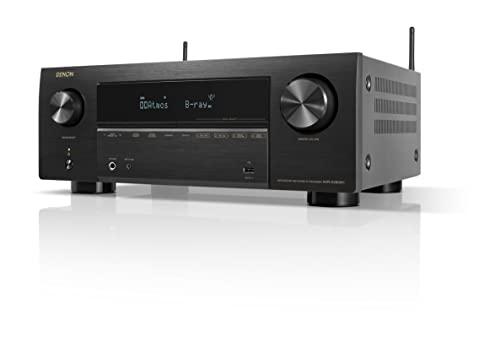
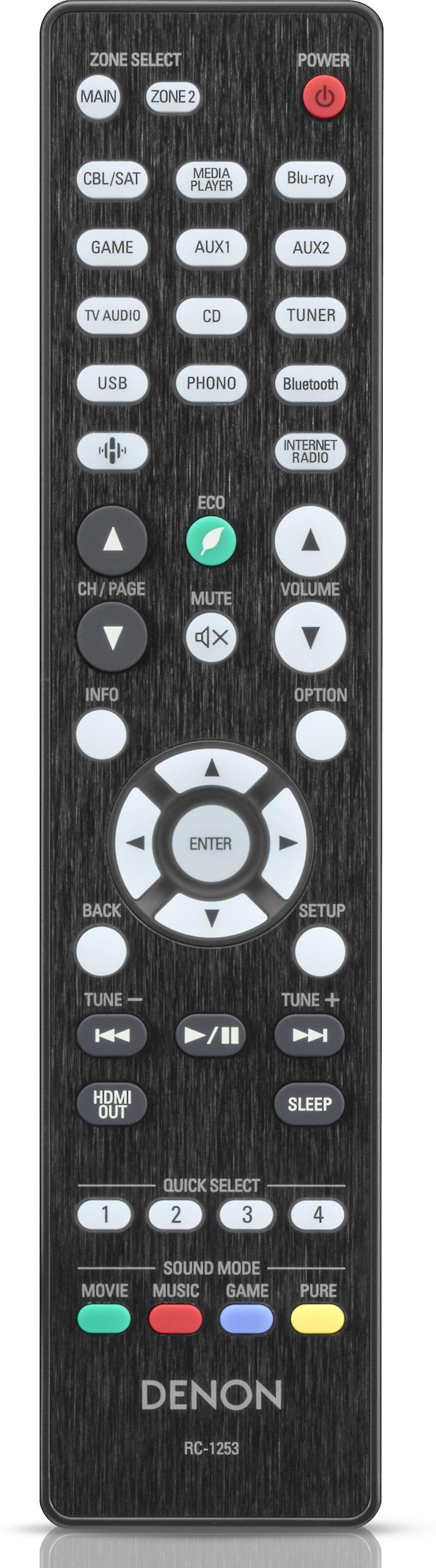
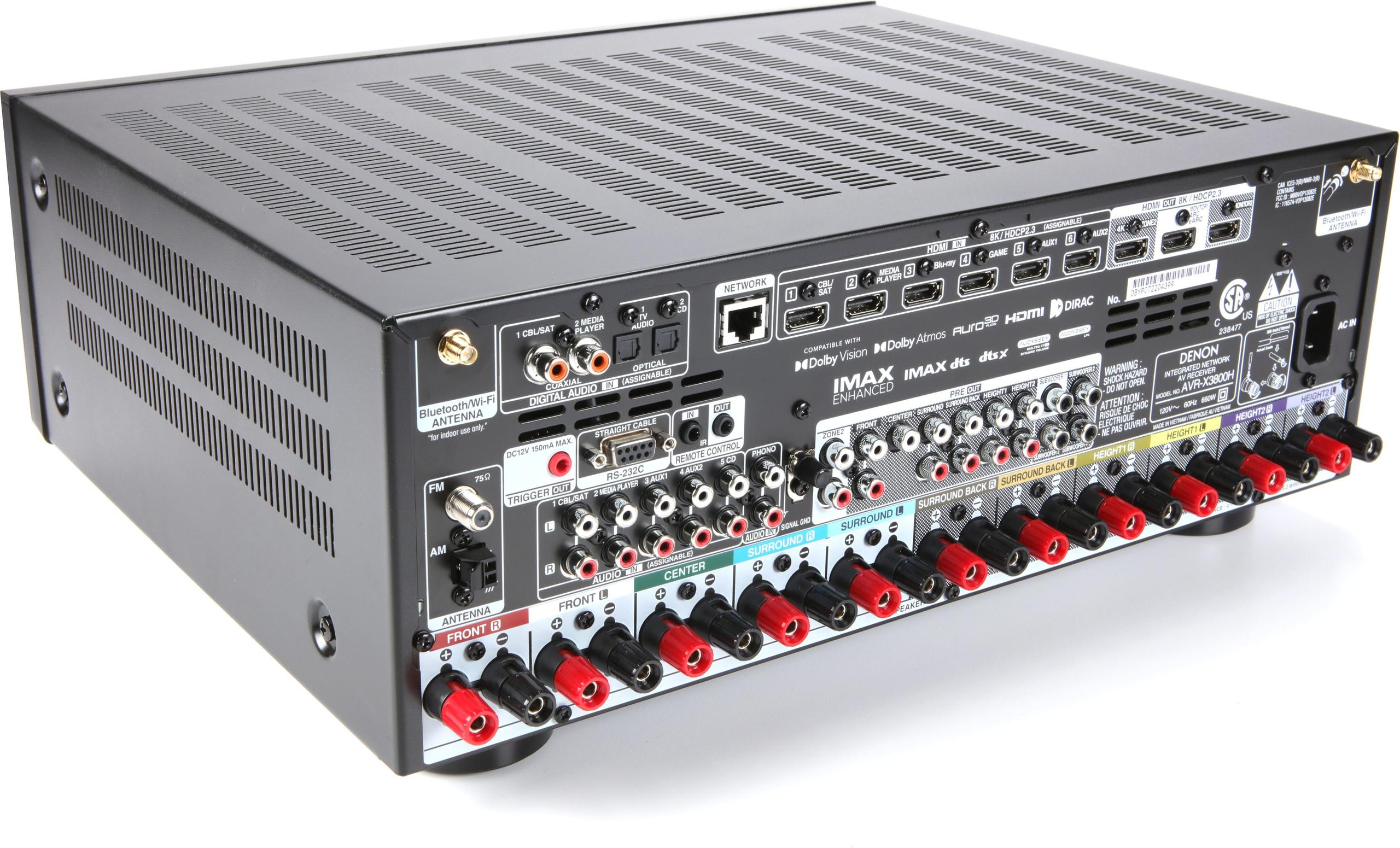
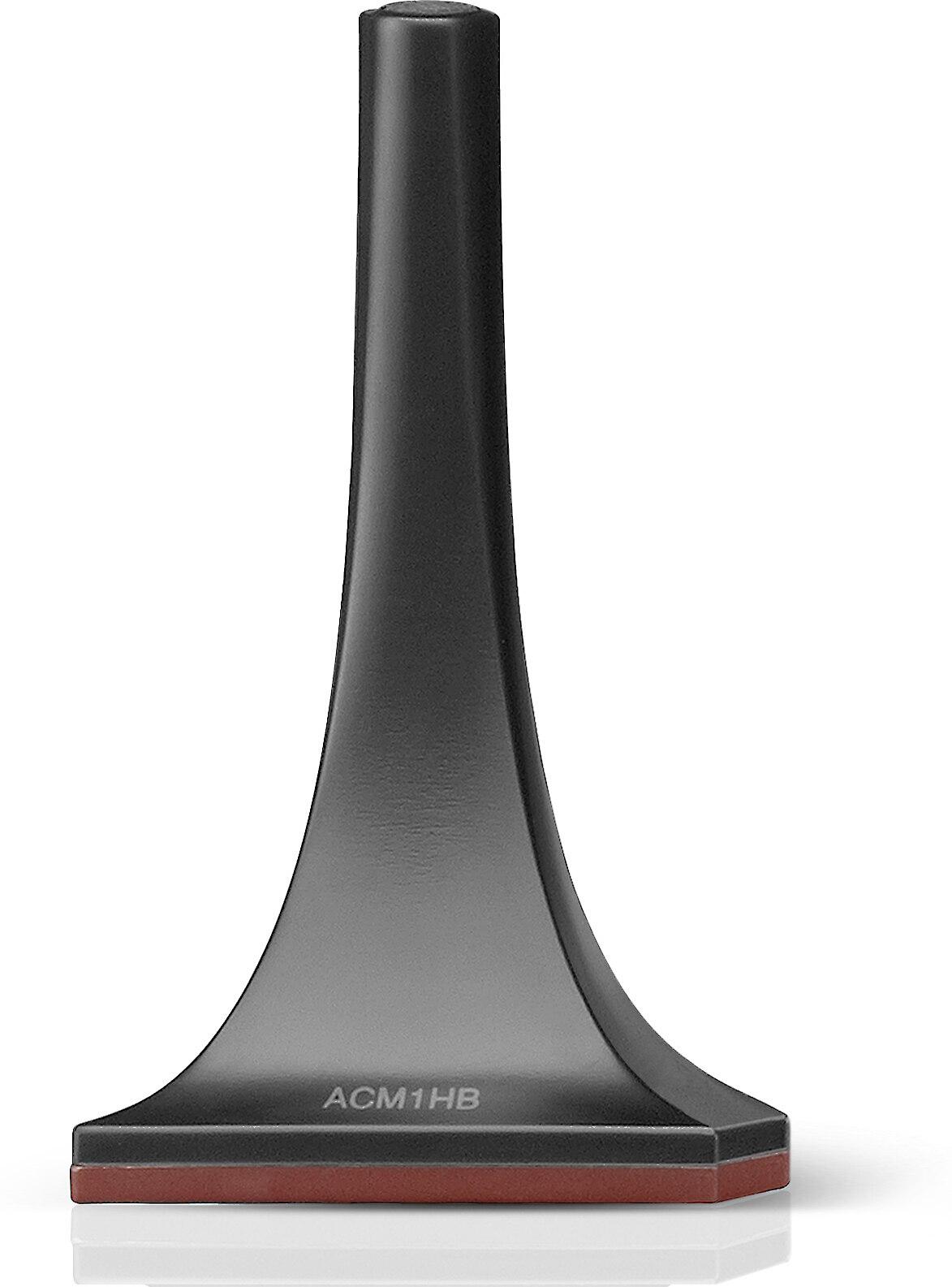

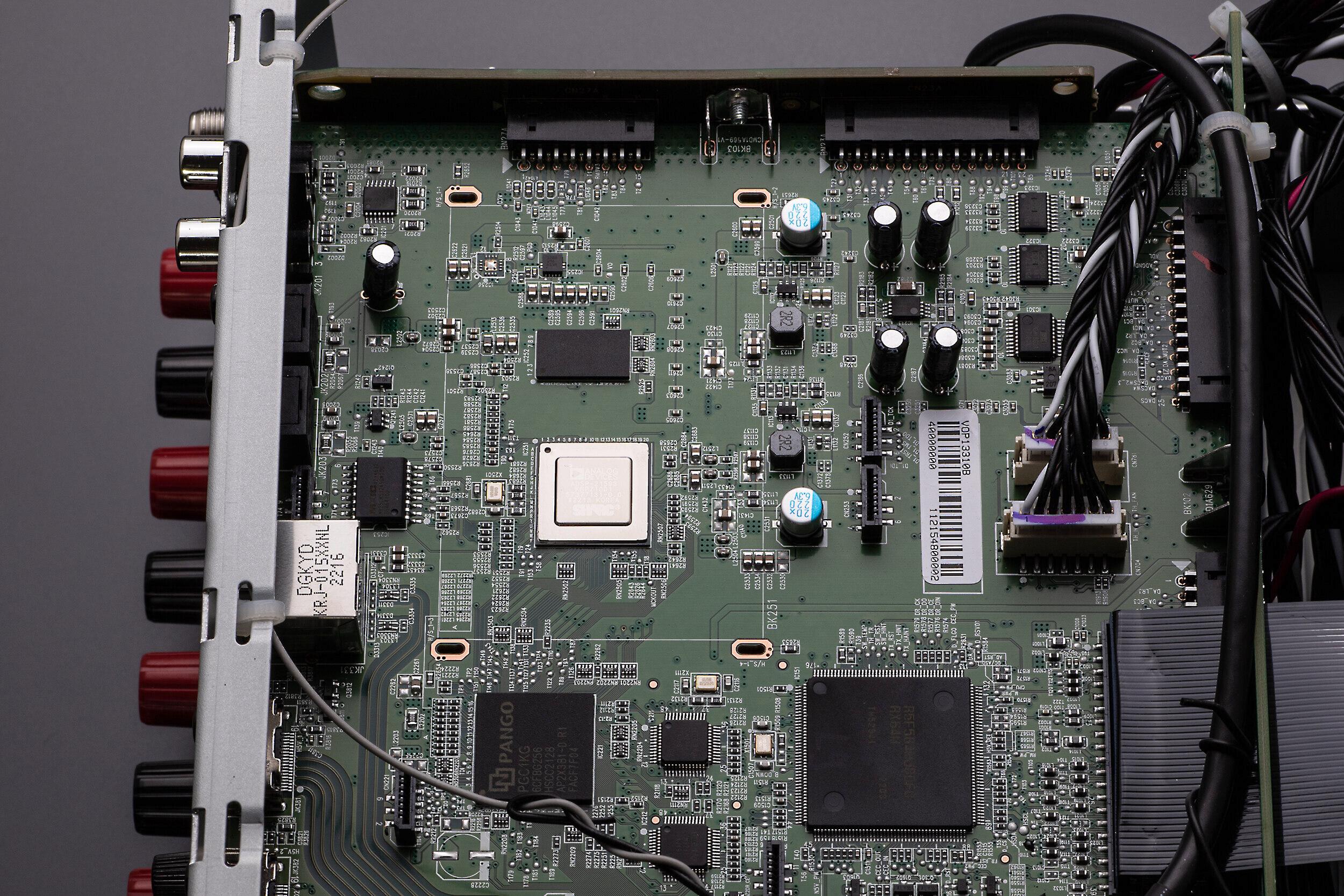
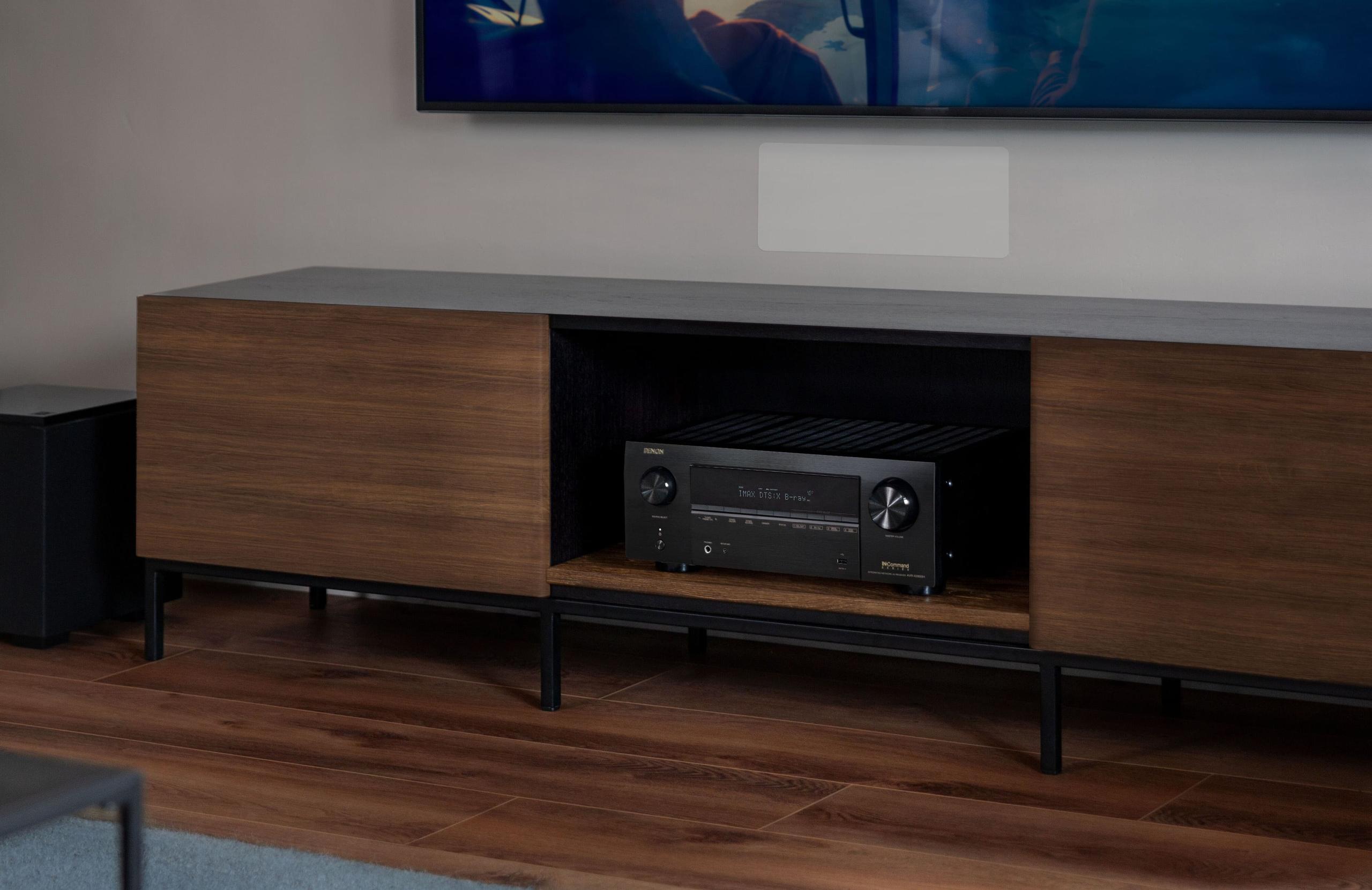
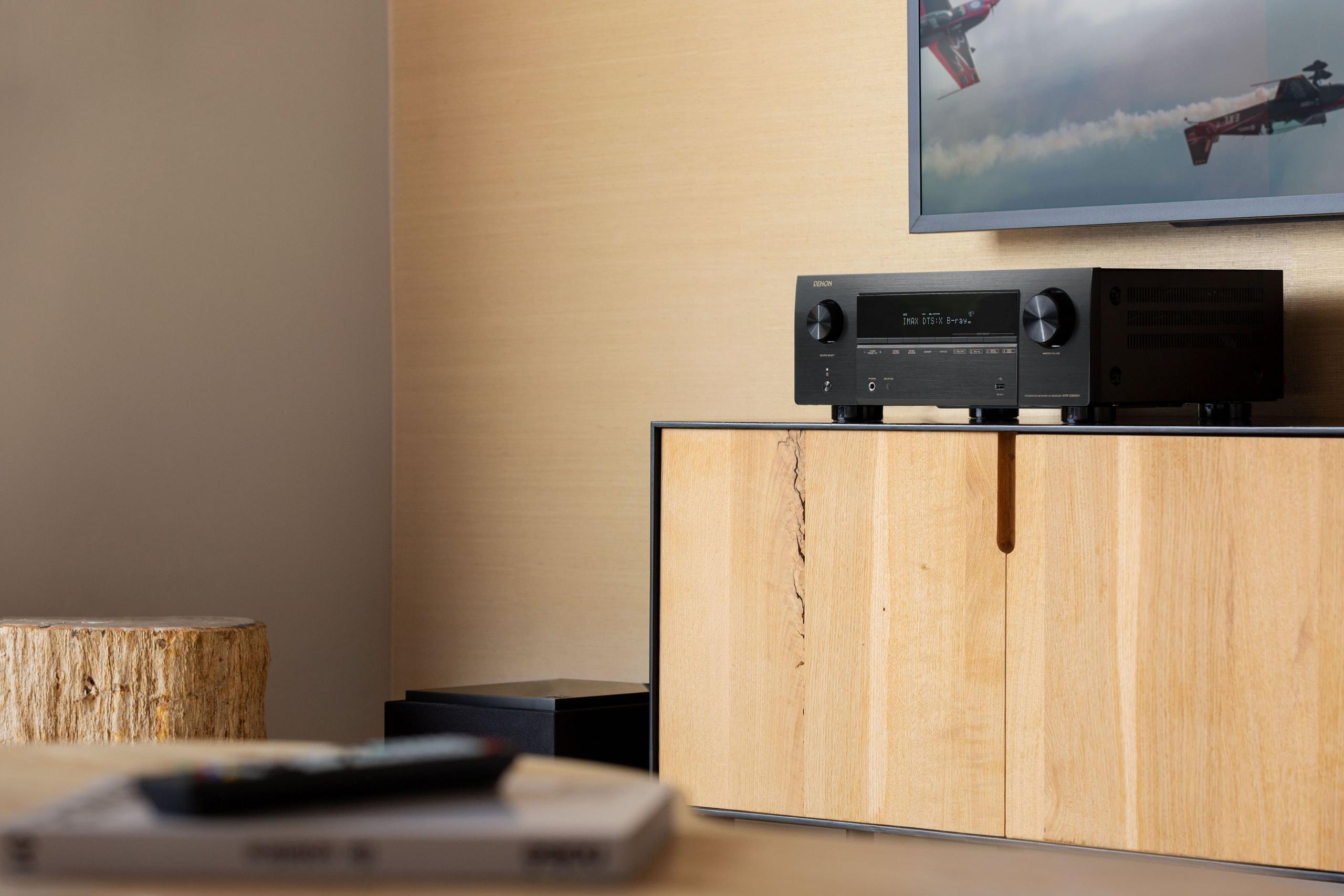
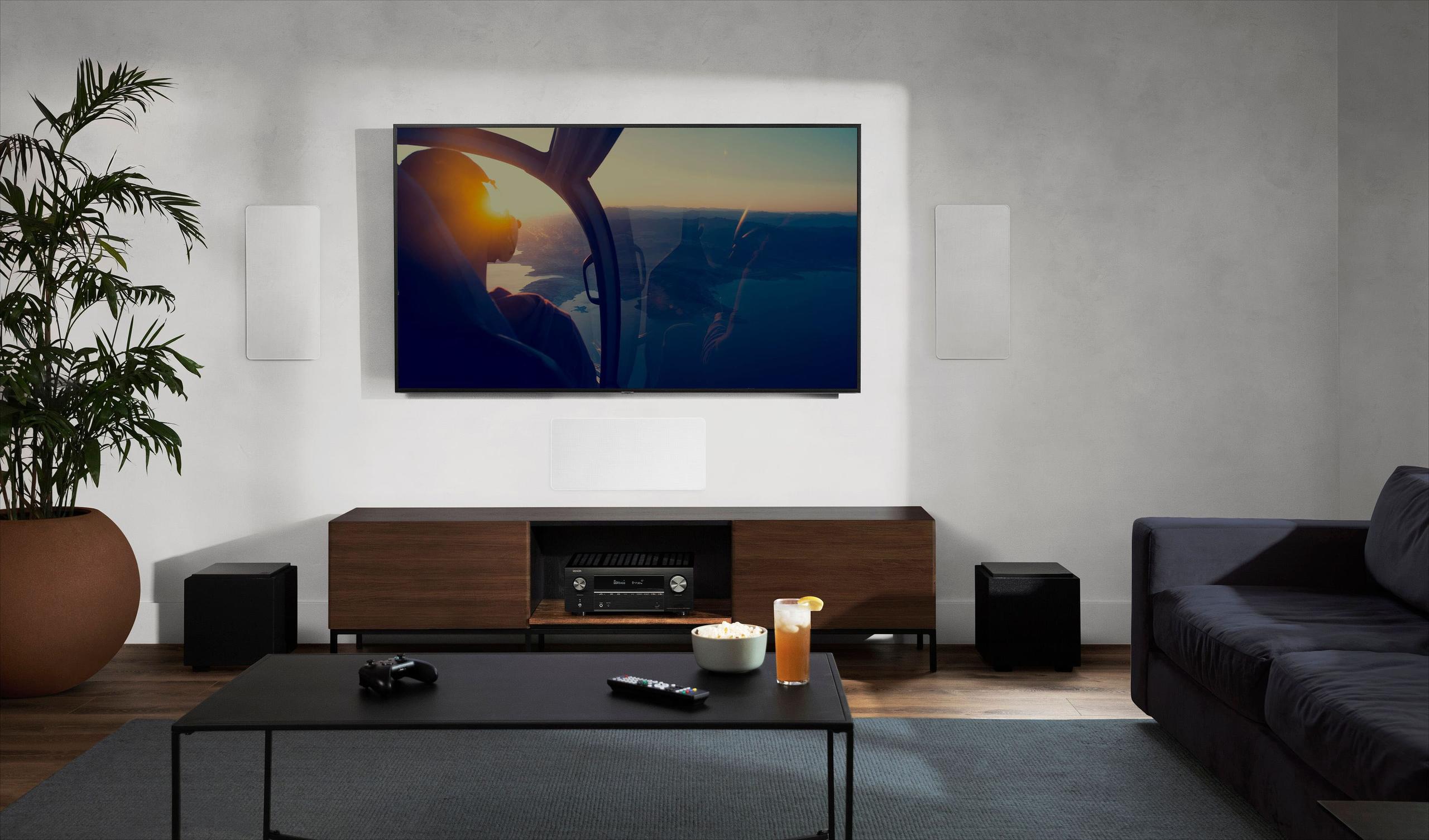
When you're building a home theater, your AV receiver is arguably the most important decision you'll make. It's the brain that controls everything—from powering your speakers to processing surround sound formats and managing all your video sources. Two standout options from Denon's 2022 X-Series lineup are the AVR-X2800H and the AVR-X3800H, both offering modern 8K video support but targeting very different users and room sizes.
Think of an AV receiver as the central nervous system of your home theater. It takes audio and video signals from sources like your cable box, streaming devices, and game consoles, processes them for optimal quality, then sends video to your display while simultaneously powering multiple speakers with precisely timed audio. The complexity of this task becomes clear when you consider that a single movie scene might have dialogue coming from your center speaker, ambient sounds from surrounds, overhead rain effects from height speakers, and explosive bass from subwoofers—all synchronized perfectly.
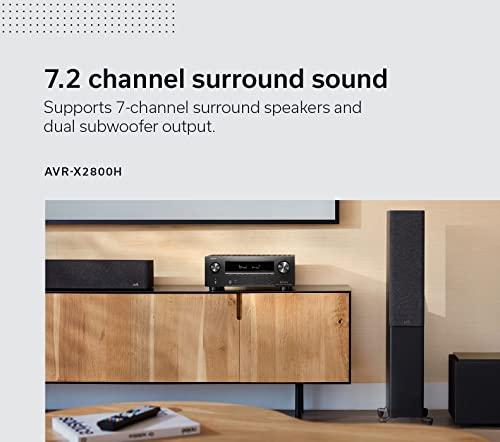
Before diving into the specifics of these two Denon models, let's establish what really matters when choosing an AV receiver. Channel count determines how many speakers you can connect and what surround sound configurations you can achieve. A 7.2 receiver like the AVR-X2800H can power seven main speakers plus two subwoofers, while a 9.4 system like the AVR-X3800H handles nine speakers and four subwoofers.
Power output gets a lot of attention, but it's often misunderstood. More watts don't automatically mean better sound—what matters is having enough clean power to drive your specific speakers in your room without distortion. Audio format support determines which immersive sound technologies you can experience, while video capabilities ensure compatibility with current and future display technology.
Perhaps most importantly, room size compatibility should drive your decision more than specifications on paper. A receiver that's perfect for a small apartment might struggle in a large basement theater, while an overpowered unit in a compact space is simply wasted money and unnecessary complexity.
The AVR-X2800H and AVR-X3800H represent Denon's refined approach to modern AV receivers, both launched in late 2022 as part of their push into 8K-capable home theater equipment. Since their release, both have established strong reputations—the X2800H for delivering premium performance at a more accessible price point, and the X3800H for providing serious expandability for dedicated enthusiasts.
The AVR-X2800H is designed as a focused, no-nonsense solution for medium-sized rooms. At 21 pounds, it's compact enough for most entertainment centers while still delivering the core technologies that matter most. The AVR-X3800H, weighing in at 27.6 pounds, is built for users who want maximum flexibility and room to grow their systems over time.
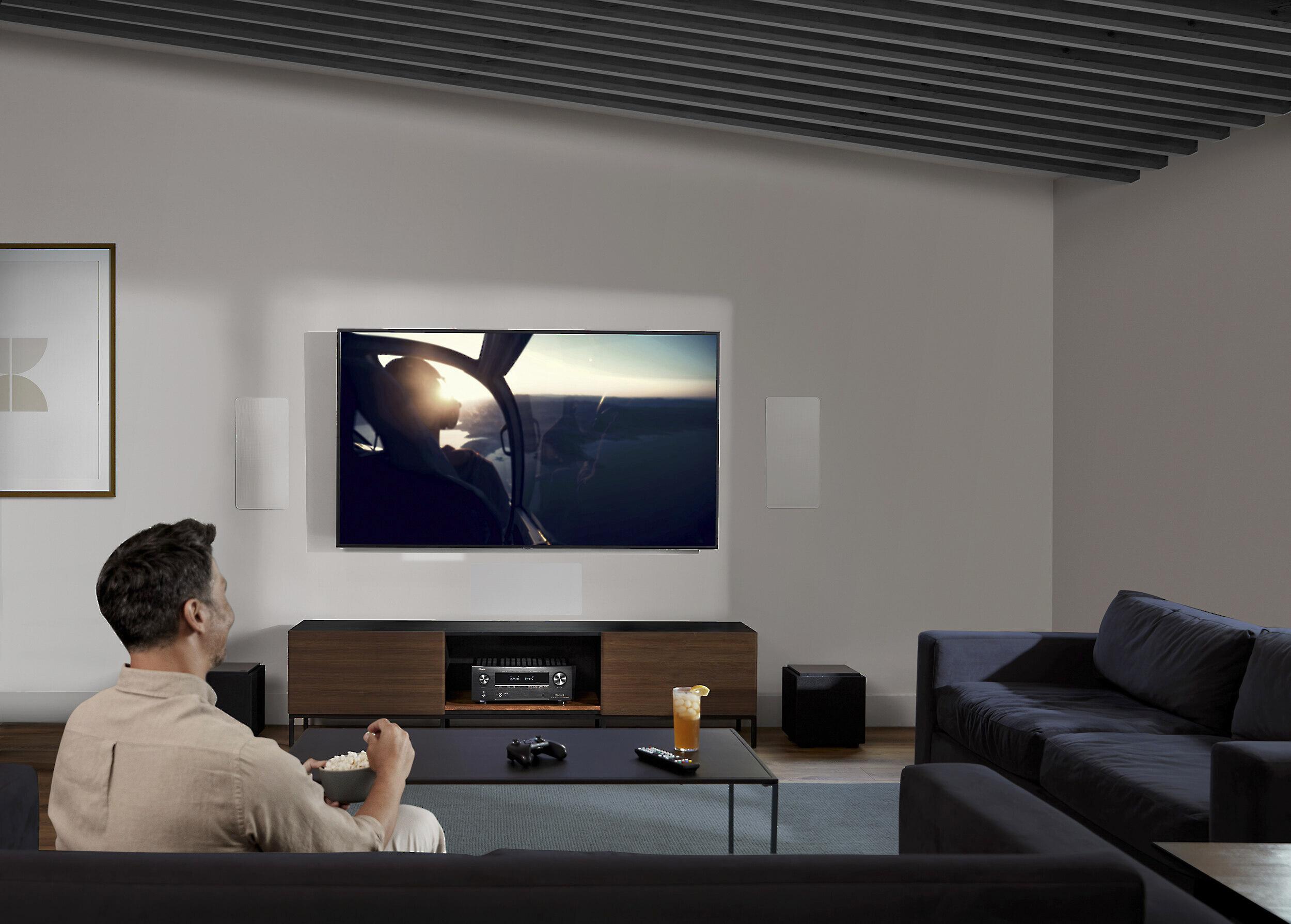
Since 2022, both receivers have proven their staying power as 8K displays have become more affordable and streaming services have expanded their 4K and HDR content libraries. The gaming features both include—like Variable Refresh Rate (VRR) and Auto Low Latency Mode (ALLM)—have become essential as PlayStation 5 and Xbox Series X consoles push the boundaries of what's possible in home gaming.
Let's start with what you'll actually hear, because that's ultimately what matters most. The AVR-X2800H delivers 95 watts per channel when driving two speakers at 8 ohms with 0.08% Total Harmonic Distortion (THD)—a measure of how cleanly the receiver reproduces audio without adding unwanted artifacts. The AVR-X3800H bumps this to 105 watts per channel under the same conditions.
That 10-watt difference might seem small, but in practice, the X3800H provides noticeably more headroom for dynamic peaks—those sudden loud moments in action movies that can make lesser receivers strain or compress. More importantly, the X3800H's beefier power supply and larger chassis allow it to maintain clean power delivery even when driving multiple speakers simultaneously, which is crucial for complex surround sound configurations.
Channel Configuration: The Flexibility Factor
Here's where the differences become dramatic. The AVR-X2800H handles 7.2 channels, supporting configurations like traditional 7.1 surround sound or a 5.2.2 Dolby Atmos setup. Dolby Atmos, for those unfamiliar, adds overhead sound effects by bouncing audio off your ceiling or using dedicated height speakers, creating a three-dimensional soundscape where helicopters actually fly overhead rather than just around you.
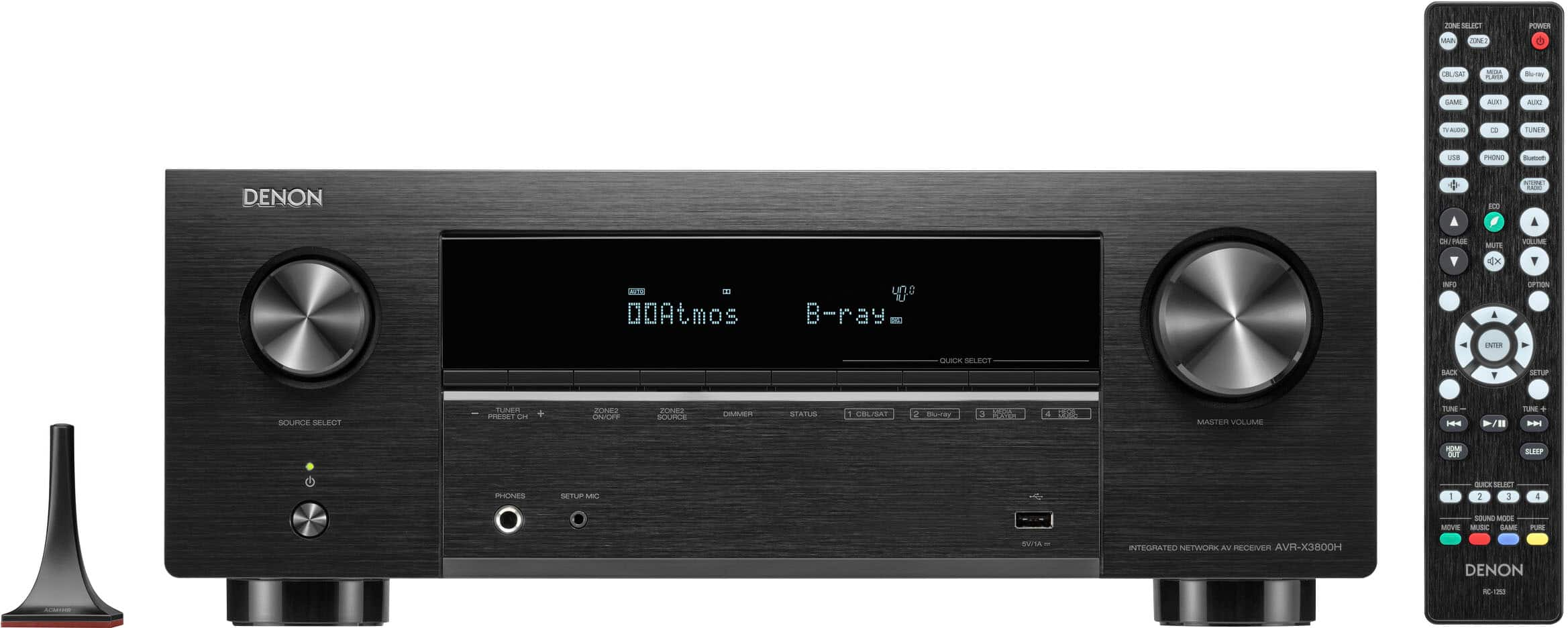
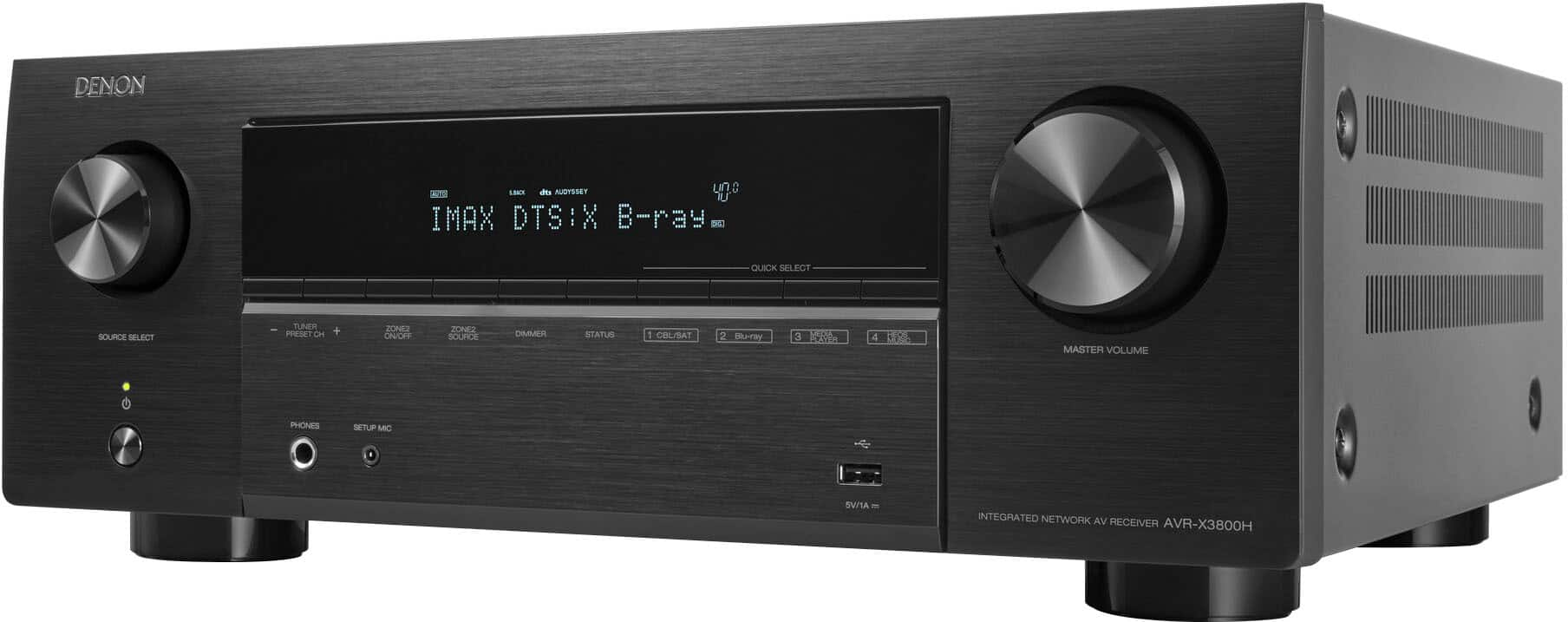
The AVR-X3800H processes up to 11 channels while physically powering 9, enabling configurations like 5.1.4 Dolby Atmos—that's five main speakers, one subwoofer, and four height speakers for truly enveloping overhead effects. Even more impressive, it can expand to full 11.4 channels when paired with external amplifiers, future-proofing your investment significantly.
From our research into user experiences and expert reviews, the difference in immersive audio quality between a 5.2.2 and 5.1.4 Dolby Atmos setup is substantial. Those extra two height speakers create much more convincing overhead effects, making everything from rain scenes to aircraft flyovers dramatically more realistic.
Audio Formats: Premium vs. Essential
Both receivers handle the core immersive audio formats that matter most: Dolby Atmos and DTS:X. These are the technologies you'll encounter in virtually all modern movies and many streaming services. However, the AVR-X3800H adds support for AURO-3D, IMAX Enhanced, and Sony 360 Reality Audio—premium formats that, while less common, can provide exceptional experiences when available.
IMAX Enhanced, for instance, optimizes audio specifically for content mastered in IMAX theaters, while Sony 360 Reality Audio creates immersive music experiences from specially recorded tracks. These aren't essential features for most users, but they add long-term value as content libraries expand.
Subwoofer Management: A Critical Difference
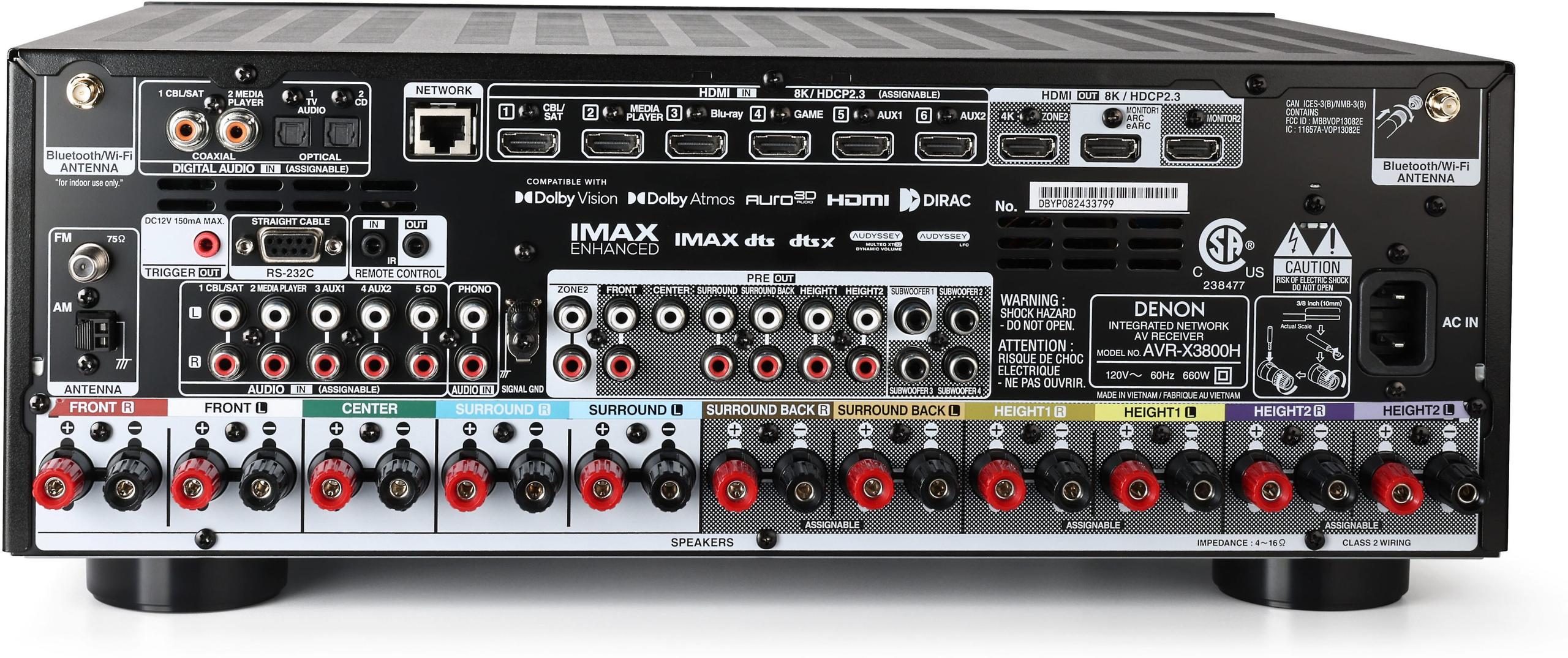
One area where the AVR-X3800H significantly outclasses its smaller sibling is subwoofer management. While the X2800H provides two subwoofer outputs, the X3800H offers four independent subwoofer connections with advanced bass management.
Why does this matter? Multiple subwoofers don't just add more bass—they provide more even bass distribution throughout your room. Bass frequencies create standing waves and nulls (dead spots) that can make your seating position sound boomy or thin. Multiple strategically placed subwoofers smooth out these issues, creating consistent low-frequency response regardless of where you sit.
The X3800H's individual subwoofer level controls and advanced Audyssey room correction make it much easier to integrate multiple subs effectively. This capability alone justifies the price difference for serious home theater enthusiasts.
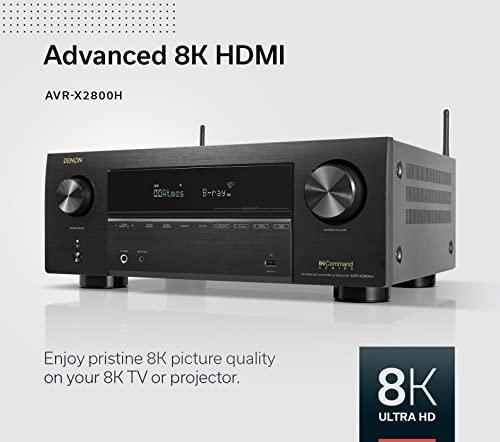
Both receivers excel in video processing, supporting 8K/60Hz and 4K/120Hz passthrough—essential for modern gaming consoles and future 8K content. They handle all current HDR formats including HDR10, HDR10+, Dolby Vision, and HLG (Hybrid Log Gamma), ensuring compatibility with any content you throw at them.
The AVR-X2800H provides six HDMI inputs with three supporting full 8K bandwidth, plus two HDMI outputs. For most users, this is plenty of connectivity. The AVR-X3800H ups the ante with all six inputs supporting 8K and three HDMI outputs, plus 8K upscaling capability that can improve the appearance of lower-resolution content.
Gaming features deserve special mention since both consoles and PC gaming have embraced high refresh rates. Variable Refresh Rate eliminates screen tearing, Auto Low Latency Mode reduces input lag, and Quick Frame Transport minimizes delays—features that have become essential rather than nice-to-have since these receivers launched.
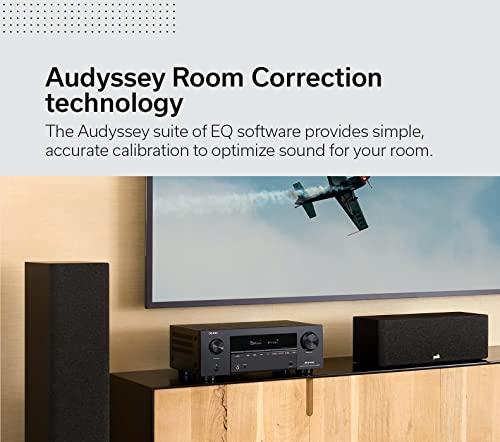
Room acoustics dramatically affect how any speaker system sounds, often more than the speakers themselves. Both receivers include Audyssey room correction, but with important differences. The AVR-X2800H uses MultEQ XT, which measures your room acoustics and adjusts the receiver's output to compensate for reflections, standing waves, and other acoustic issues.
The AVR-X3800H employs the more sophisticated MultEQ XT32 system, which uses more measurement points and filters for more precise correction. It also offers the option to upgrade to Dirac Live, a professional-grade room correction system that many consider the gold standard for acoustic optimization.
Based on user feedback we've analyzed, the difference in room correction quality is noticeable, particularly in challenging acoustic environments. The XT32 system does a better job of preserving natural sound character while still correcting for room issues.
At the time of writing, the AVR-X2800H typically sells for several hundred dollars less than the AVR-X3800H, making it an exceptional value proposition. You're getting roughly 80% of the X3800H's capabilities at about 75% of the price—excellent math for budget-conscious buyers who don't need maximum channel count.
However, the X3800H's price premium becomes justified when you consider its expandability and future-proofing. The ability to grow from 9 to 11 channels, support for four subwoofers, and premium audio format compatibility provide long-term value that the X2800H simply can't match.
For perspective, adding external amplification to expand the X3800H to 11 channels would cost significantly more than the price difference between these receivers, making the X3800H a smart long-term investment for users who might eventually want maximum flexibility.
The AVR-X2800H Sweet Spot
This receiver shines in rooms up to about 2,500 square feet with relatively standard layouts. It's perfect for apartment dwellers, first-time home theater builders, or anyone who wants excellent sound quality without complexity. The refined sound signature emphasizes clarity and balance over raw power, making it particularly appealing for music listening alongside movie watching.
Our analysis of user reviews consistently highlights the X2800H's mature sound character that doesn't rely on exaggerated bass to impress. Instead, it delivers authoritative, well-balanced audio that works equally well for intimate dialogue scenes and explosive action sequences.
The AVR-X3800H Territory
This receiver targets serious enthusiasts with larger rooms or complex installation requirements. It's the choice for custom installation scenarios, dedicated theater rooms, or anyone who wants maximum flexibility to evolve their system over time.
The X3800H's ability to process 11 channels while powering 9 provides unique flexibility—you might start with a 7.2.2 Atmos configuration and later expand to 7.2.4 or even 9.2.2 by adding external amplification. This expandability makes it particularly attractive for users who view their home theater as a long-term project rather than a one-time purchase.
Both receivers use Denon's AL32 Processing for exceptional digital audio fidelity and feature identical 32-bit/192kHz DACs (Digital-to-Analog Converters) on all channels. These DACs are crucial—they convert the digital audio from your sources into analog signals that speakers can reproduce, and having high-quality DACs on every channel ensures consistent sound quality across your entire speaker array.
The X3800H distinguishes itself with more sophisticated internal processing, using dual DSP (Digital Signal Processor) chips to handle the complex calculations required for 11-channel processing and premium audio formats. This additional processing power enables features like individual subwoofer EQ and more precise room correction calculations.
Power supply design also differs significantly. The X3800H's larger transformer and additional filter capacitors provide more stable power delivery under demanding conditions—crucial when driving multiple speakers at high volumes during dynamic movie scenes.
Technology moves fast, but both receivers should remain relevant for years to come. The AVR-X2800H provides excellent future-proofing for users who don't need maximum complexity—8K support, gaming features, and core immersive audio formats cover the essential bases.
The AVR-X3800H offers superior future-proofing through its expandability and premium format support. As content libraries grow and speaker technologies evolve, the X3800H's flexibility becomes increasingly valuable. The ability to add external amplification means your initial investment can grow with your needs rather than requiring complete replacement.
Choose the AVR-X2800H if:
Choose the AVR-X3800H if:
The Bottom Line
Both receivers represent excellent values within their intended markets. The AVR-X2800H delivers exceptional performance for most users at a reasonable price, while the AVR-X3800H provides the flexibility and features that serious enthusiasts demand.
Your decision should ultimately come down to room size, complexity requirements, and budget. If you're unsure, the X2800H covers the essential bases excellently and costs significantly less, while the X3800H offers room to grow and premium features that justify its higher price for users who will actually use them.
Either choice will serve you well for years to come, but choosing the right match for your specific needs will maximize your satisfaction and ensure you get the best possible value from your investment.
| Denon AVR-X2800H | Denon AVR-X3800H |
|---|---|
| Channel Configuration - Determines maximum speaker setup complexity and immersive audio potential | |
| 7.2 channels (5.2.2 Dolby Atmos max) | 9.4 channels (5.1.4 Dolby Atmos, expandable to 11.4) |
| Power Output - Affects volume levels and ability to drive demanding speakers | |
| 95 watts per channel (8Ω, 2ch driven) | 105 watts per channel (8Ω, 2ch driven) |
| Subwoofer Outputs - Multiple subs provide more even bass throughout the room | |
| 2 subwoofer outputs | 4 independent subwoofer outputs with advanced management |
| Audio Format Support - Premium formats enhance content when available | |
| Dolby Atmos, DTS:X (core formats) | Dolby Atmos, DTS:X, AURO-3D, IMAX Enhanced, Sony 360 Reality Audio |
| HDMI Connectivity - More 8K inputs and outputs provide better future-proofing | |
| 6 inputs (3 x 8K), 2 outputs | 6 inputs (all 8K), 3 outputs with 8K upscaling |
| Room Correction - Higher-end systems provide more precise acoustic optimization | |
| Audyssey MultEQ XT | Audyssey MultEQ XT32 with optional Dirac Live upgrade |
| Physical Size - Compact design fits better in smaller entertainment centers | |
| 21 lbs, more compact footprint | 27.6 lbs, larger chassis with better heat dissipation |
| Expandability - Ability to grow system over time without replacing receiver | |
| Limited to 7 channels maximum | Can expand to 11.4 channels with external amplification |
| Gaming Features - Essential for modern console gaming experience | |
| VRR, ALLM, QFT (all gaming essentials covered) | VRR, ALLM, QFT (identical gaming support) |
| Target Room Size - Optimal performance range based on power and features | |
| Small to medium rooms (up to 2,500 sq ft) | Medium to large rooms (2,500+ sq ft) |
The primary difference is channel capacity and expandability. The Denon AVR-X2800H is a 7.2 channel receiver that supports up to 5.2.2 Dolby Atmos configurations, while the Denon AVR-X3800H is a 9.4 channel receiver that can handle 5.1.4 Dolby Atmos setups and expand to 11.4 channels with external amplification. The X3800H also includes premium audio formats and more subwoofer outputs.
The Denon AVR-X2800H is ideal for small to medium rooms up to 2,500 square feet. Its 95 watts per channel provides sufficient power for most speakers in these spaces, and the 7.2 channel configuration covers typical home theater setups without unnecessary complexity. The X2800H also has a more compact footprint that fits better in standard entertainment centers.
Yes, both the Denon AVR-X2800H and Denon AVR-X3800H support 8K/60Hz and 4K/120Hz video passthrough, along with essential gaming features like Variable Refresh Rate (VRR), Auto Low Latency Mode (ALLM), and Quick Frame Transport (QFT). However, the X3800H has all six HDMI inputs supporting 8K versus three on the X2800H.
The Denon AVR-X3800H provides significantly better expandability. It can grow from 9.4 to 11.4 channels with external amplification, supports four subwoofers versus two on the X2800H, and includes premium audio formats like AURO-3D and IMAX Enhanced that may become more common over time.
The Denon AVR-X2800H delivers 95 watts per channel, while the Denon AVR-X3800H provides 105 watts per channel (both measured at 8 ohms with 2 channels driven). The X3800H also has a larger power supply and better heat dissipation, allowing it to maintain clean power delivery when driving multiple speakers simultaneously.
Yes, both support Dolby Atmos, but with different capabilities. The Denon AVR-X2800H supports up to 5.2.2 Dolby Atmos with two height speakers, while the Denon AVR-X3800H can handle 5.1.4 configurations with four height speakers for more convincing overhead effects. The additional height channels on the X3800H create significantly more immersive three-dimensional audio.
The Denon AVR-X2800H offers exceptional value for most users, delivering about 80% of the X3800H's capabilities at a lower price point. It includes all essential modern features like 8K support, core immersive audio formats, and gaming features without the complexity of premium formats that many users won't need.
The Denon AVR-X2800H uses Audyssey MultEQ XT for room correction, while the Denon AVR-X3800H features the more advanced MultEQ XT32 system with additional measurement points and filters. The X3800H also offers an optional upgrade to Dirac Live, considered one of the best room correction systems available.
The Denon AVR-X2800H supports two subwoofers, which is sufficient for most rooms. The Denon AVR-X3800H provides four independent subwoofer outputs with advanced bass management, allowing for more even bass distribution throughout larger rooms and better integration of multiple subwoofers.
Yes, the Denon AVR-X3800H includes premium audio formats not available on the X2800H, including AURO-3D, IMAX Enhanced, and Sony 360 Reality Audio. While these formats aren't widely available yet, they provide enhanced experiences when compatible content is found and offer better future-proofing.
The Denon AVR-X3800H is better suited for serious enthusiasts who want maximum flexibility, premium audio formats, and room to grow their systems. Its ability to expand to 11.4 channels, support four subwoofers, and handle complex speaker configurations makes it ideal for dedicated theater rooms and custom installations.
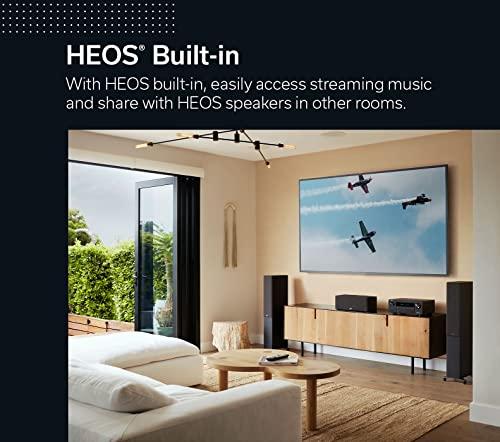
Yes, both the Denon AVR-X2800H and Denon AVR-X3800H include HEOS built-in streaming, AirPlay 2, Bluetooth connectivity, and support for voice assistants like Alexa and Google Assistant. They also support high-resolution audio formats and can serve as excellent music sources alongside their home theater capabilities.
We've done our best to create useful and informative comparisons to help you decide what product to buy. Our research uses advanced automated methods to create this comparison and perfection is not possible - please contact us for corrections or questions. These are the sites we've researched in the creation of this article: theaudiotailor.com.au - ecoustics.com - simplehomecinema.com - whathifi.com - audioadvisor.com - youtube.com - bestbuy.com - e-catalog.com - crutchfield.com - avsforum.com - crutchfield.com - whathifi.com - richersounds.com - bestbuy.com - accessories4less.com - projectorscreen.com - adiglobaldistribution.us - youtube.com - bestbuy.com - bestbuy.com - sweetwater.com - soundandvision.com - denon.com - valueelectronics.com - abt.com - bestbuy.com - crutchfield.com - audioadvice.com - snapav.com - theaudiosolutions.com - forums.audioholics.com - videoandaudiocenter.com

Privacy Policy
Terms and Conditions - Affiliate Policy
Home Security
© Copyright 2008-2026.
11816 Inwood Rd #1211, Dallas, TX 75244