

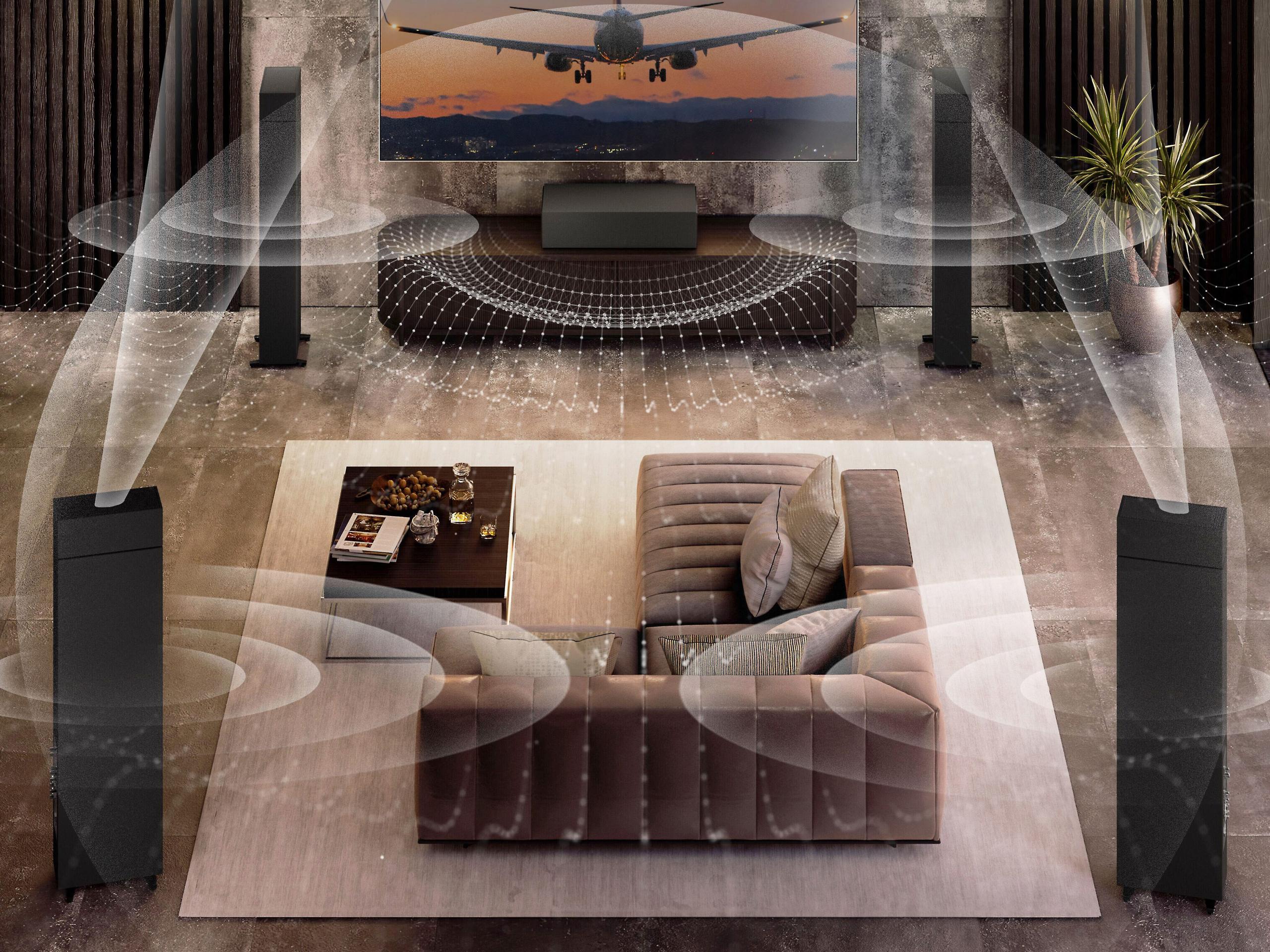
When you're building a home theater system, the AV receiver becomes the beating heart of your setup. It's the component that takes all your video sources, processes immersive surround sound, and powers your speakers to create that cinema-like experience at home. But choosing the right receiver can feel overwhelming, especially when you're comparing models that seem to do similar things but come with dramatically different price tags.
Today we're diving deep into two receivers from Denon's 2024 lineup: the mid-range AVR-X2800H and the flagship AVR-A10H. These receivers represent completely different approaches to home theater, and understanding their differences will help you make the right choice for your space and budget.
Before we jump into the specifics, let's establish what makes an AV receiver tick. At its core, an AV receiver combines several functions: it's an amplifier that powers your speakers, a video processor that handles 4K and 8K signals, a surround sound decoder that creates immersive audio experiences, and a connectivity hub for all your entertainment sources.
The most critical considerations when choosing a receiver include channel count (how many speakers it can power), amplification power (how loud and clean it can drive those speakers), audio format support (which surround sound technologies it understands), video capabilities (what resolutions and features it supports), and room correction technology (how well it can optimize sound for your specific space).
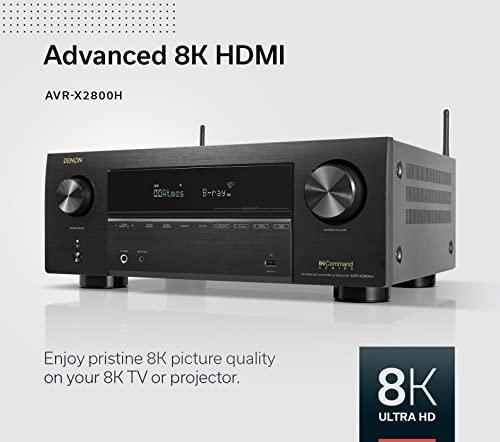
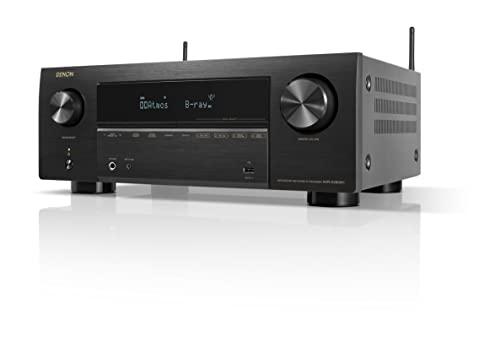
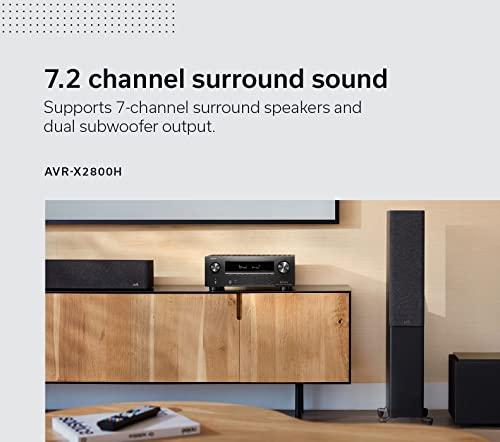
The Denon AVR-X2800H, released in 2024, represents what most people need in a modern AV receiver. At the time of writing, it sits in the mid-range price category and delivers 7.2 channels of amplification—meaning it can power seven main speakers plus two subwoofers. This configuration works perfectly for traditional surround sound setups and basic Dolby Atmos configurations.
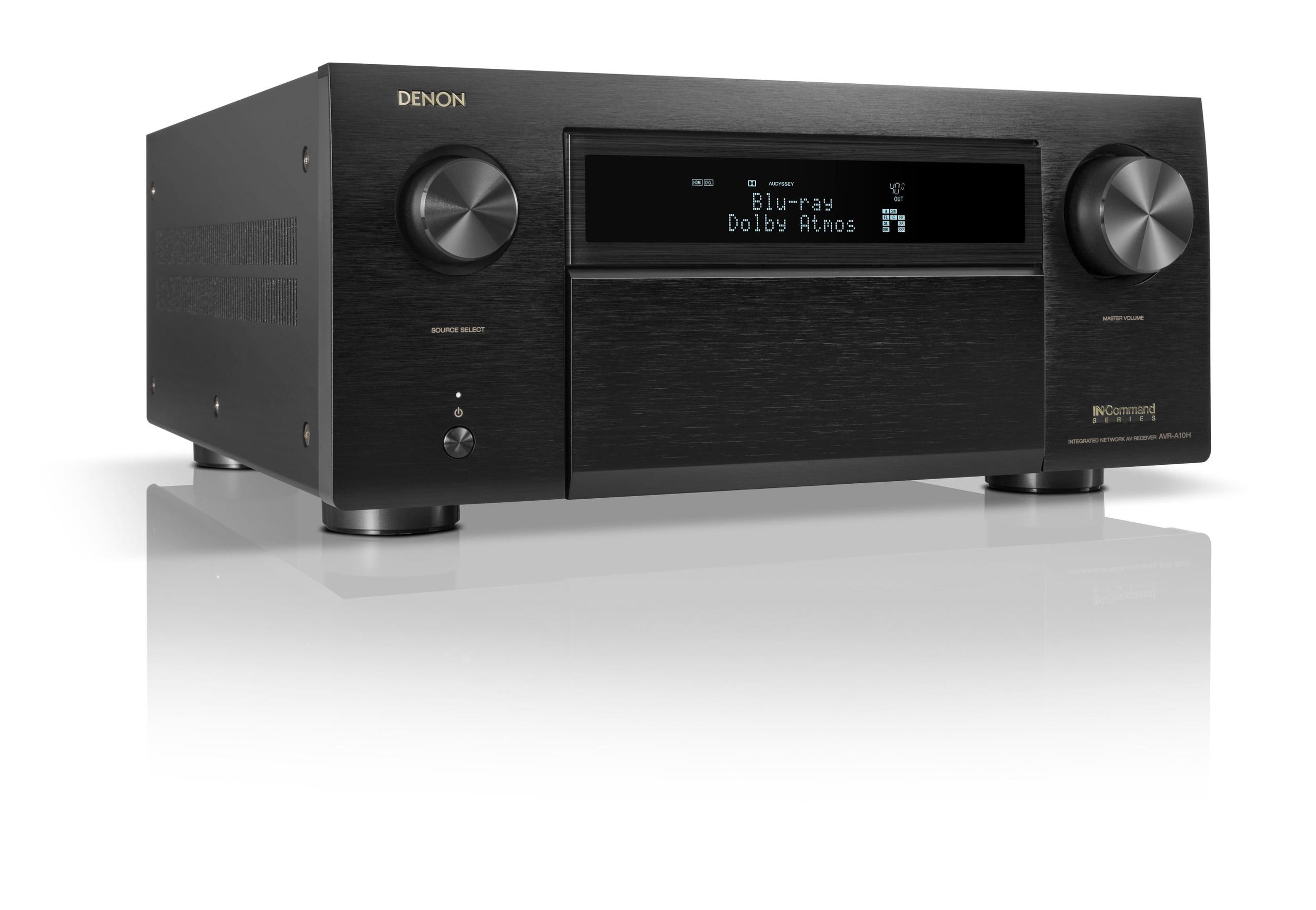
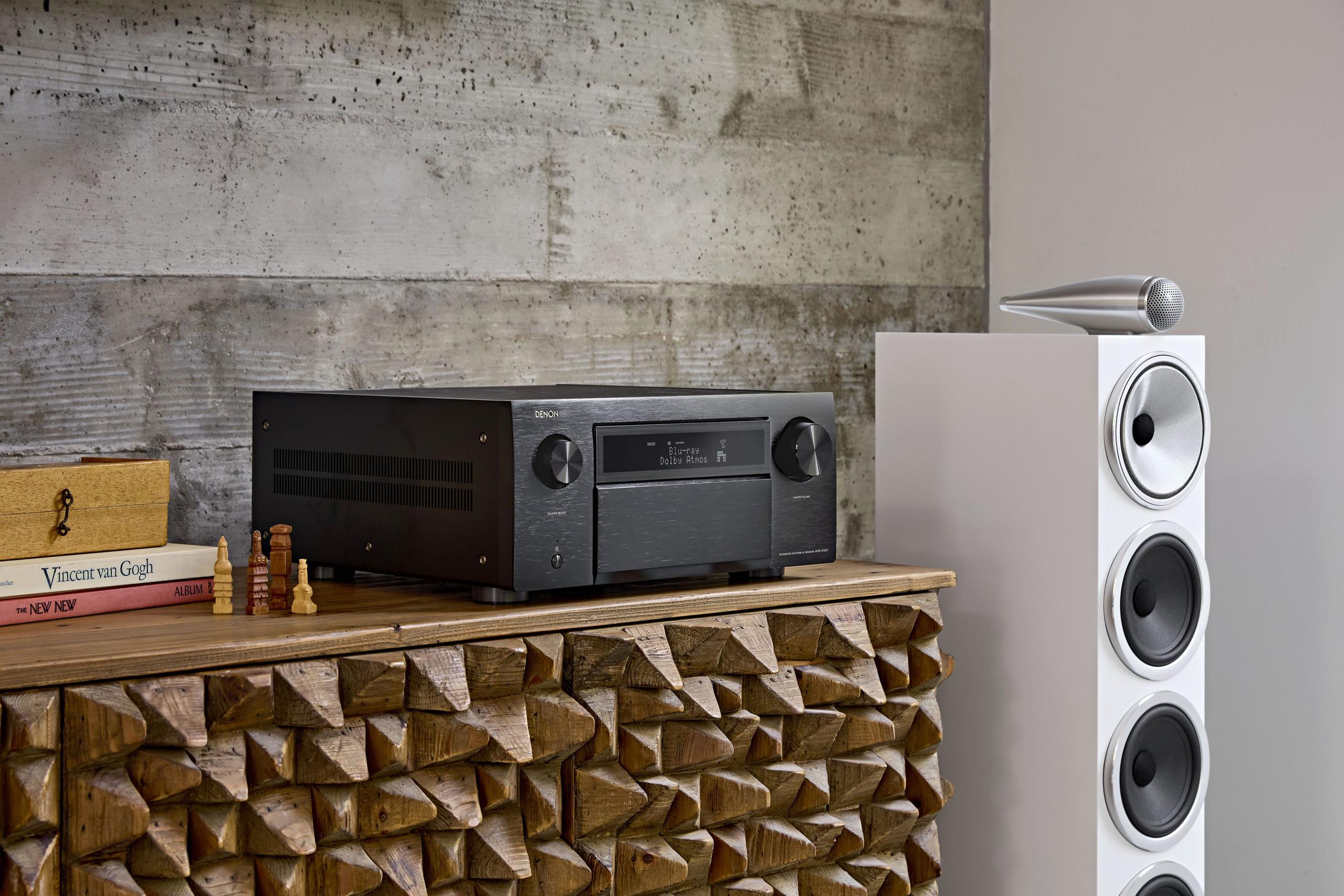
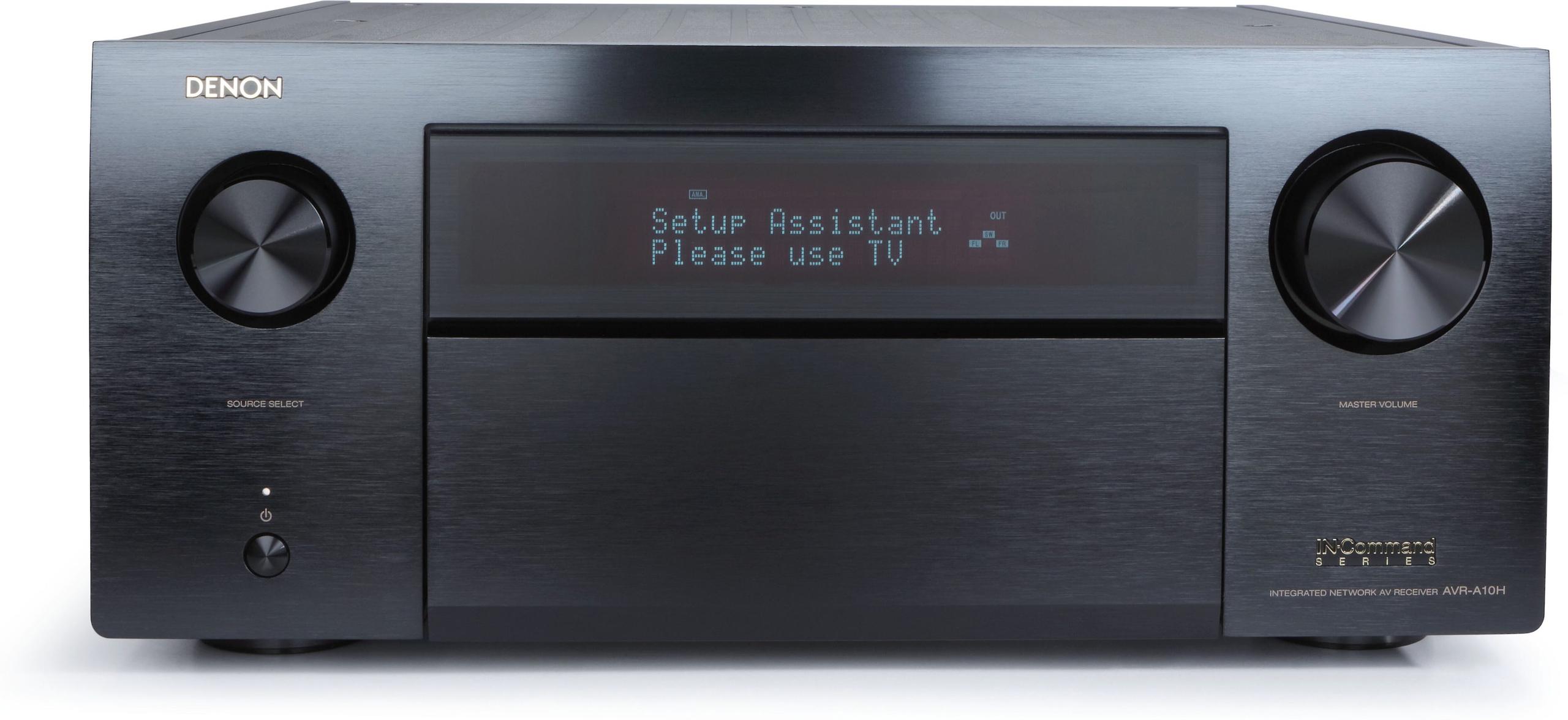
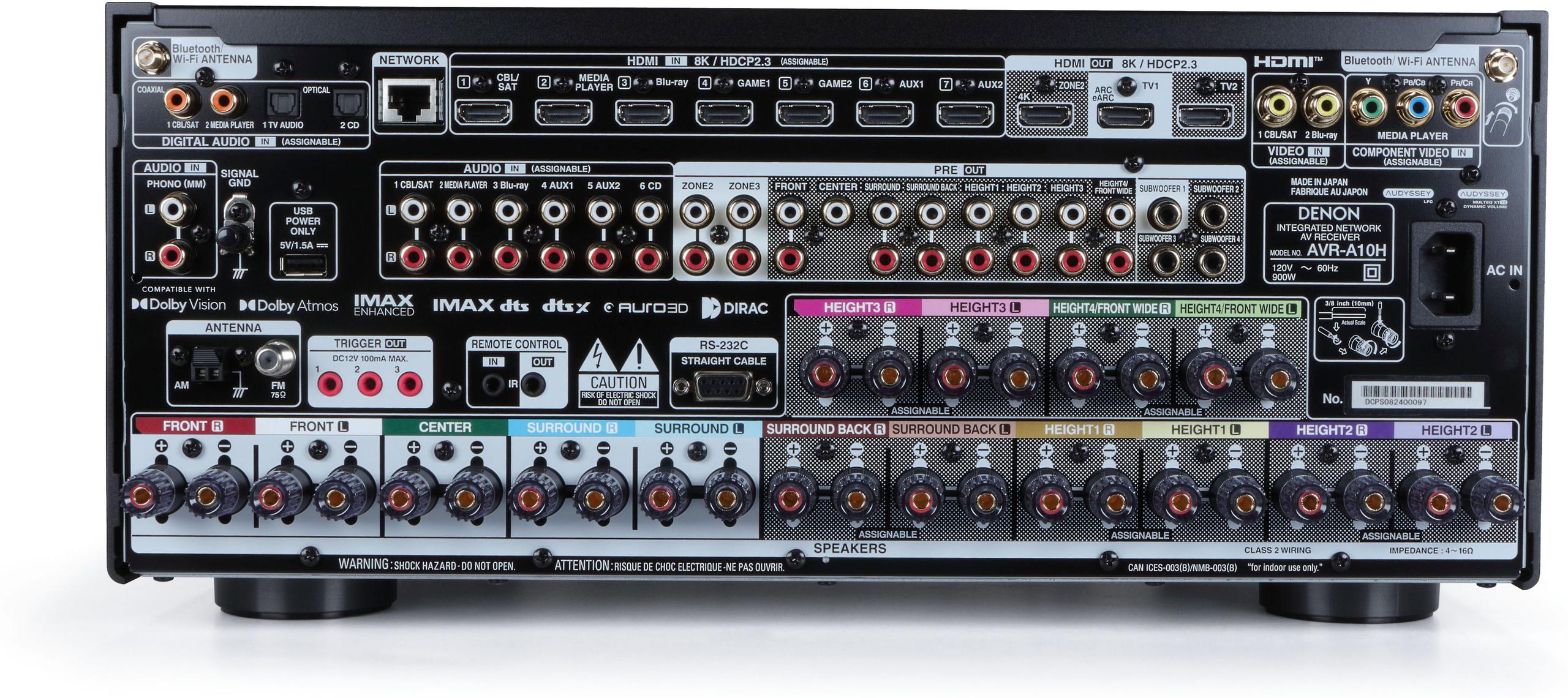
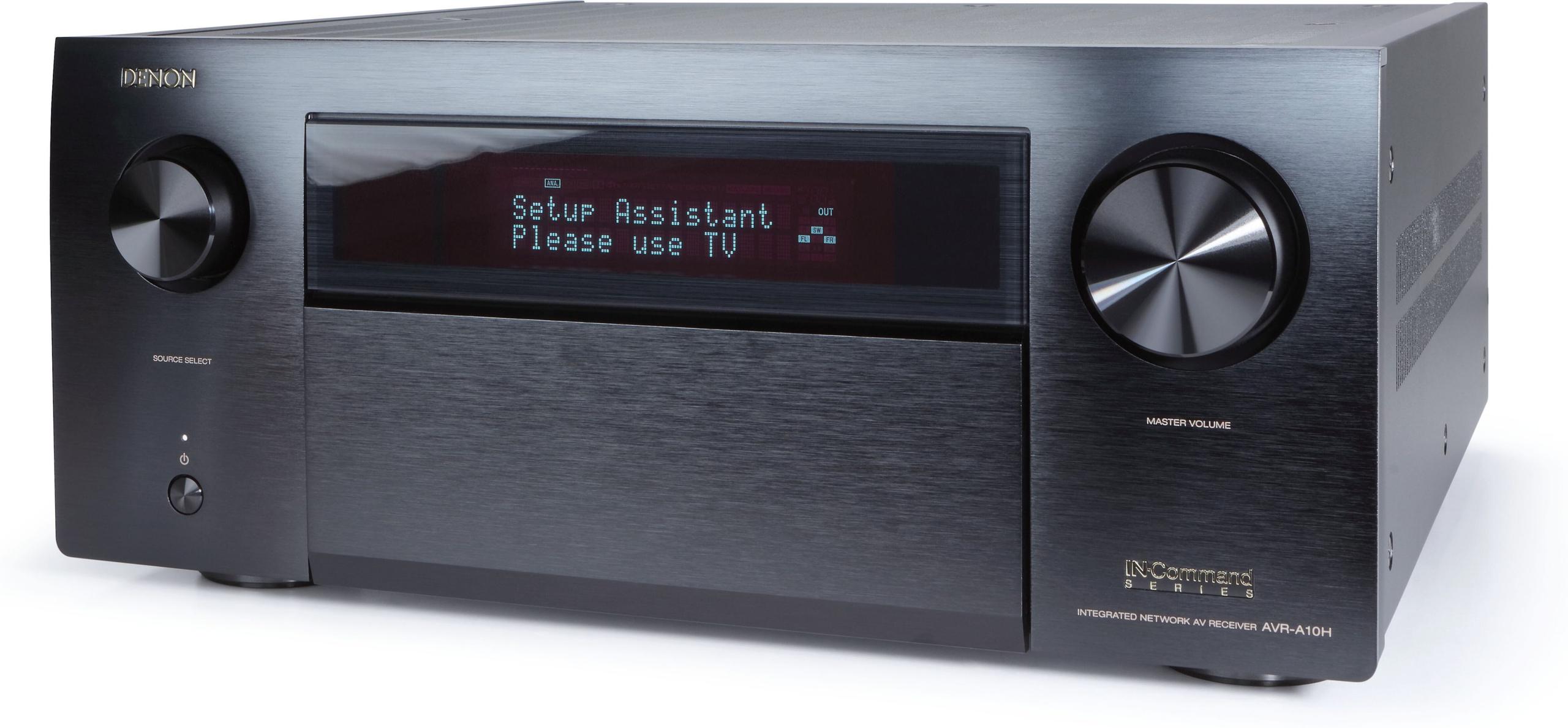
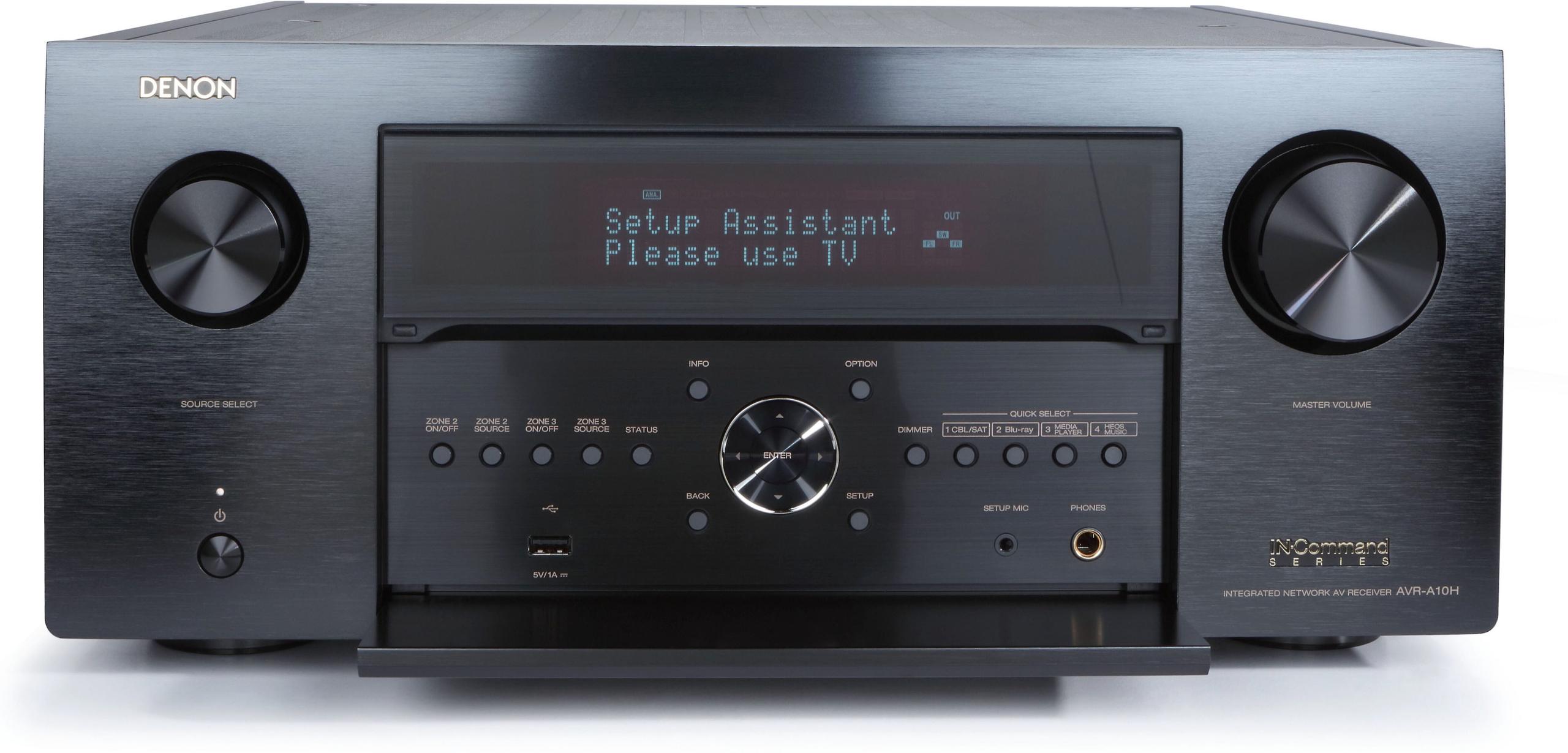
The AVR-A10H, also from 2024, takes a completely different approach. This flagship receiver delivers 13.4 channels of amplification, meaning it can simultaneously power thirteen speakers and four subwoofers. At the time of writing, it commands a premium price that's roughly five times higher than the X2800H, but it's targeting an entirely different audience.
When we talk about amplifier power, we're really discussing two things: how much electrical energy the receiver can deliver to your speakers, and how cleanly it can deliver that power without distortion. Think of it like the difference between a compact car and a truck—both can get you where you're going, but they handle different loads in very different ways.
The AVR-X2800H delivers 95 watts per channel when driving two speakers simultaneously. This might not sound like much compared to standalone amplifiers, but it's actually plenty for most home theater setups. More importantly, it uses discrete amplifier channels, meaning each speaker gets its own dedicated amplification circuit. This prevents the channels from interfering with each other and ensures consistent performance.
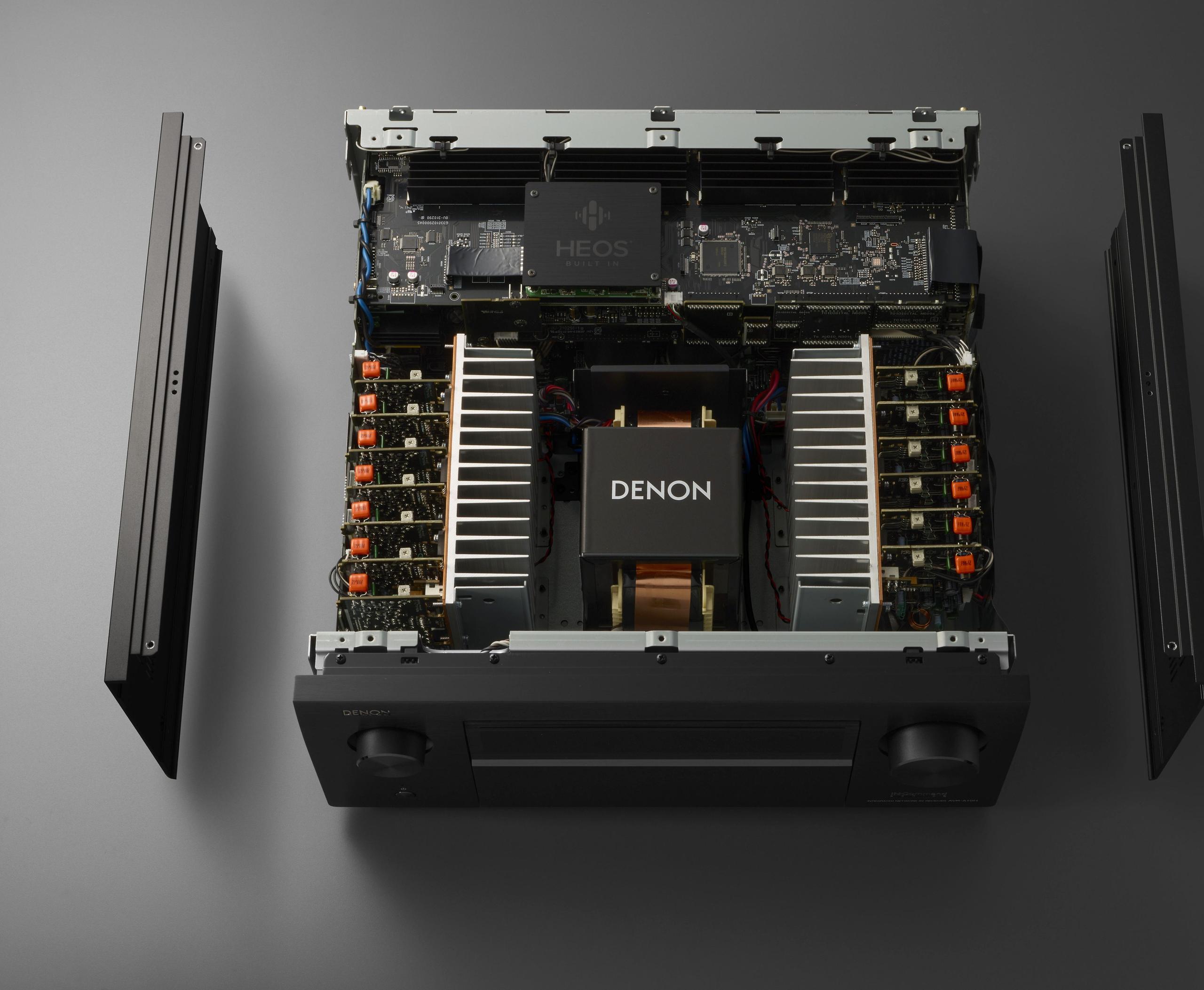
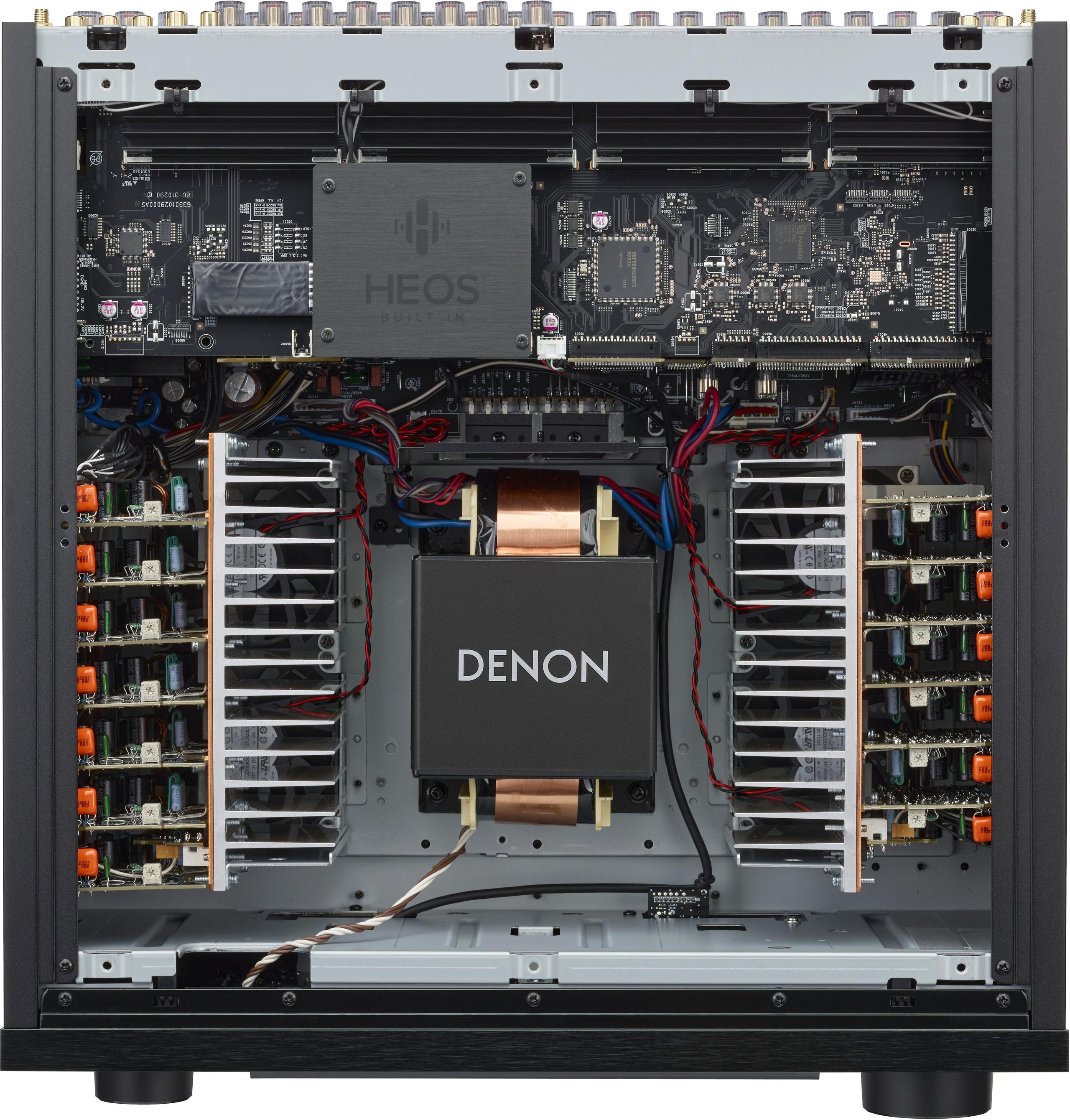
The AVR-A10H steps things up significantly with 150 watts per channel—that's about 58% more power than the X2800H. But the real difference lies in its amplifier design. Each of the thirteen channels gets its own dedicated circuit board, a design approach called monolithic amplification. This prevents crosstalk (when signals from one channel bleed into another) and dramatically reduces distortion.
Here's why this matters in practical terms: if you're listening to a movie scene where helicopters are flying overhead while dialogue happens in the center channel, the A10H's superior channel separation means you'll hear cleaner dialogue and more precise helicopter placement. The X2800H will still sound great, but the A10H delivers that extra level of clarity that serious enthusiasts notice.
Both receivers feature Denon's "70% power guarantee," which means you can expect them to deliver at least 70% of their rated power when driving multiple channels simultaneously. In real-world testing, both receivers typically exceed this guarantee, but the A10H's superior power supply and thermal management give it more headroom for demanding material.
The landscape of surround sound has evolved dramatically over the past decade. Traditional 5.1 and 7.1 surround sound created a horizontal bubble of sound around you, but modern formats like Dolby Atmos and DTS:X add height information, creating a three-dimensional sound field that can place audio objects anywhere in space.
The AVR-X2800H supports the essential modern formats: Dolby Atmos and DTS:X. It can handle configurations like 5.1.2, where you have five main speakers, one subwoofer, and two height speakers. For most people, this creates a convincing sense of overhead sound—rain falling from above, airplanes flying overhead, or debris cascading down during action scenes.
The AVR-A10H supports every major immersive audio format available today: Dolby Atmos, DTS:X Pro, IMAX Enhanced, AURO-3D, and Sony 360 Reality Audio. More importantly, it can handle complex speaker configurations like 7.4.6 or 9.4.4. That first number represents traditional surround speakers, the second is subwoofers, and the third is height speakers.
Here's where the difference becomes dramatic: a 9.4.4 setup gives you nine speakers at ear level, four subwoofers for bass, and four height speakers. This creates an incredibly precise three-dimensional sound field where you can pinpoint exactly where sounds are coming from in space. It's the difference between "sounds like it's above me" and "sounds like it's precisely three feet above my left shoulder."
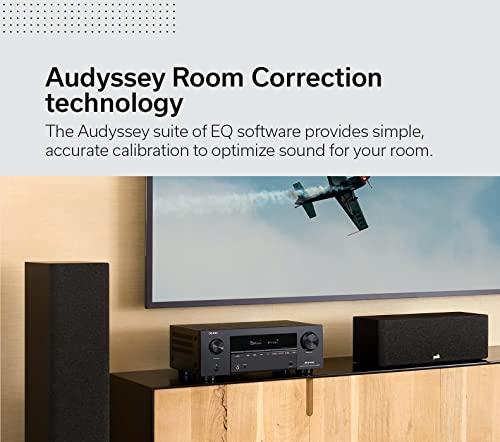
Every room has acoustic challenges—hard surfaces create echoes, furniture absorbs certain frequencies, and room dimensions create standing waves that emphasize some bass notes while canceling others. Room correction technology measures these problems and applies filters to compensate for them.
The AVR-X2800H uses Audyssey MultEQ XT, which can measure up to eight different listening positions and create an acoustic profile of your room. It then applies filters to smooth out frequency response and optimize speaker placement. The system works well for typical home theater rooms and significantly improves sound quality compared to no room correction at all.
The AVR-A10H includes both Audyssey XT32 (a more advanced version than what's in the X2800H) and optional Dirac Live room correction. Dirac Live is considered by many to be the gold standard in room correction technology. It's particularly sophisticated at handling bass integration across multiple subwoofers—remember, the A10H can manage four subwoofers simultaneously.
The practical difference is noticeable: the X2800H's room correction makes your system sound good, while the A10H's advanced correction can make it sound exceptional. If you're investing in high-end speakers and multiple subwoofers, the superior room correction becomes increasingly important.
Both receivers handle modern video standards, but with different levels of capability. The AVR-X2800H includes six HDMI inputs and two outputs, with three inputs supporting full 8K resolution. For most people, this provides plenty of connectivity for a gaming console, streaming device, Blu-ray player, and cable box.
The AVR-A10H steps up with seven HDMI inputs and three outputs, with all inputs supporting 8K resolution. This might seem like overkill today, but it provides more flexibility for complex setups with multiple gaming consoles, streaming devices, and video sources.
For gaming, both receivers support the latest features like Variable Refresh Rate (VRR), which synchronizes your display's refresh rate with your game console's output to eliminate screen tearing, and Auto Low Latency Mode (ALLM), which automatically switches your TV to its lowest-latency mode when gaming. The A10H includes slightly more advanced implementations of these features, but the differences are subtle for most users.
Here's where the price difference between these receivers becomes most apparent. The AVR-X2800H uses quality components appropriate for its price point—good capacitors, adequate heat sinks, and solid construction that should provide years of reliable service in typical home environments.
The AVR-A10H represents a completely different approach to construction. It's manufactured in Japan at Denon's premium facility, the same place where their highest-end products are built. It features oxygen-free copper transformers (which reduce electrical noise), thermal sensors within the amplifier transistors that actively monitor and adjust performance to prevent overheating, and a rigid three-layer chassis designed to minimize vibration and electromagnetic interference.
These differences matter for long-term reliability and performance consistency. The X2800H should provide excellent service for many years, but the A10H is built to professional standards that should ensure decades of reliable operation.
At the time of writing, the AVR-X2800H represents exceptional value in the mid-range receiver market. You're getting 8K video support, modern immersive audio formats, solid amplification, and reliable room correction at a price that makes sense for most enthusiasts upgrading from older receivers or entry-level systems.
The AVR-A10H commands a significant premium, but it's important to understand what you're paying for. This isn't just a receiver with more channels—it's a fundamentally different class of product. The amplification quality, build standards, and feature set put it in competition with separate processors and amplifiers that would cost significantly more when purchased individually.
The AVR-X2800H makes sense for the majority of home theater enthusiasts. If you have a living room or dedicated theater space under 3,000 cubic feet, plan to use seven or fewer speakers, and want excellent performance without complexity, this receiver delivers everything you need. It's particularly well-suited for people upgrading from older receivers who want modern video support and improved audio processing.
The AVR-A10H targets a much smaller but very specific audience. If you're building a dedicated home theater room, plan to install nine or more speakers in a complex configuration, and want the absolute best audio quality available, this receiver justifies its premium price. It's also the right choice if you're working with a custom installer who can take advantage of its advanced calibration options and extensive connectivity.
When evaluating AV receivers, the specifications that matter most in real-world use include amplification power (particularly with multiple channels driven), channel count and configuration flexibility, audio format support, room correction sophistication, and video passthrough capabilities.
Both receivers excel in video handling—they'll pass through 4K and 8K signals without degradation and support all current HDR formats. The audio processing is where they truly differentiate themselves. The X2800H handles everything most people need, while the A10H opens up possibilities that simply aren't available at lower price points.
Choose the AVR-X2800H if you want excellent performance at a reasonable price, plan to use seven or fewer speakers, have a medium-sized room, and prefer straightforward setup and operation. It delivers about 80% of what the A10H offers at roughly 20% of the cost.
Choose the AVR-A10H if you're building a no-compromise system, plan to use nine or more speakers, have a large dedicated theater space, and want maximum flexibility for future expansion. The price premium reflects genuinely superior performance and capabilities that justify the investment for serious enthusiasts.
The reality is that both receivers will create impressive home theater experiences, but they're designed for different users with different priorities. The X2800H offers exceptional value and performance for mainstream users, while the A10H provides uncompromising quality for those who demand the absolute best. Understanding which category you fall into will make your decision much clearer.
At the time of writing, both receivers represent strong values within their respective price categories, but the nearly five-fold price difference reflects fundamental differences in target markets, build quality, and capabilities. Consider your room size, speaker plans, and how much audio quality matters to your enjoyment before making your final decision.
| Denon AVR-X2800H | Denon AVR-A10H |
|---|---|
| Channel Configuration - Determines how many speakers you can connect | |
| 7.2 channels (7 speakers + 2 subwoofers) | 13.4 channels (13 speakers + 4 subwoofers) |
| Power Output - Higher watts mean louder, cleaner sound | |
| 95 watts per channel (adequate for most rooms) | 150 watts per channel (58% more power for demanding setups) |
| Maximum Speaker Configuration - More complex setups create better immersion | |
| 5.1.2 or 7.1 (basic Dolby Atmos height effects) | 9.4.4 or 7.4.6 (precise 3D audio positioning) |
| Audio Format Support - More formats mean compatibility with premium content | |
| Dolby Atmos, DTS:X (covers 95% of content) | Dolby Atmos, DTS:X Pro, IMAX Enhanced, AURO-3D, Sony 360 Reality Audio (every format available) |
| Room Correction Technology - Automatically optimizes sound for your space | |
| Audyssey MultEQ XT (effective for typical rooms) | Audyssey XT32 + optional Dirac Live (professional-grade calibration) |
| HDMI Inputs - More inputs reduce need for switching devices | |
| 6 inputs (3 support 8K), 2 outputs | 7 inputs (all support 8K), 3 outputs |
| Amplifier Design - Better design reduces distortion and crosstalk | |
| Discrete channels with shared architecture | Monolithic design with dedicated circuit boards per channel |
| DAC Quality - Better DACs improve audio clarity and detail | |
| 32-bit Texas Instruments DACs | Nine 2-channel ESS audiophile-grade DAC chips |
| Build Quality - Affects long-term reliability and performance | |
| Standard mid-range construction (reliable for years) | Japan-manufactured with premium components (decades of reliability) |
| Preamp Outputs - Allows adding external amplifiers for system expansion | |
| None (no expansion capability) | 15.4 preamp outputs (extensive expansion options) |
| Target Room Size - Receiver must match your space for optimal performance | |
| Small to medium rooms (up to 3,000 cubic feet) | Large dedicated theaters (3,000+ cubic feet) |
| Setup Complexity - Simpler systems are easier to configure and use | |
| Straightforward setup, user-friendly interface | Advanced features require more configuration knowledge |
| Price Category - Value proposition varies significantly | |
| Mid-range pricing (excellent price-to-performance ratio) | Flagship pricing (premium for uncompromising quality) |
The primary difference is channel count and target audience. The Denon AVR-X2800H is a 7.2 channel mid-range receiver designed for typical home theaters, while the Denon AVR-A10H is a flagship 13.4 channel receiver built for large, premium installations. The AVR-A10H offers nearly double the amplification channels and significantly more power.
The Denon AVR-X2800H is ideal for small to medium rooms up to 3,000 cubic feet. It provides excellent performance for typical 5.1 or 7.1 speaker setups and basic Dolby Atmos configurations. The AVR-A10H would be overkill for smaller spaces and its advanced features wouldn't be fully utilized.
Yes, both the Denon AVR-X2800H and Denon AVR-A10H support 4K/120Hz and 8K/60Hz video passthrough. The X2800H has three 8K-capable HDMI inputs out of six total, while the A10H supports 8K on all seven HDMI inputs, providing more flexibility for multiple high-resolution sources.
The Denon AVR-A10H delivers 150 watts per channel compared to the X2800H's 95 watts per channel - that's about 58% more power. More importantly, the A10H uses superior amplifier design with dedicated circuit boards for each channel, resulting in cleaner sound with less distortion.
The Denon AVR-X2800H supports basic Atmos configurations like 5.1.2, while the Denon AVR-A10H can handle complex setups like 7.4.6 or 9.4.4. This means the A10H can create much more precise overhead sound effects with multiple height speakers positioned around your room.
Yes, but with different levels of sophistication. The Denon AVR-X2800H includes Audyssey MultEQ XT, which works well for most rooms. The Denon AVR-A10H features advanced Audyssey XT32 plus optional Dirac Live room correction, considered among the best available for optimizing complex multi-speaker and multi-subwoofer systems.
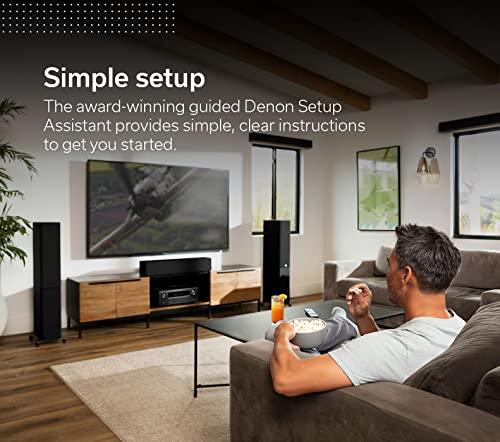
The Denon AVR-X2800H is significantly easier to set up and operate. It's designed for mainstream users with straightforward configuration options. The Denon AVR-A10H offers extensive customization possibilities but requires more technical knowledge to fully optimize its advanced features and complex speaker configurations.
The Denon AVR-X2800H lacks preamp outputs, so you cannot add external amplifiers for system expansion. The Denon AVR-A10H provides 15.4 preamp outputs, allowing you to connect external amplifiers and build much larger systems beyond its built-in 13 channels.
The Denon AVR-X2800H offers exceptional value for most users, delivering about 80% of premium performance at a fraction of the cost. The Denon AVR-A10H justifies its premium price only if you need its advanced capabilities - otherwise, you're paying for features you won't use.
The Denon AVR-X2800H supports two subwoofer connections for basic bass management. The Denon AVR-A10H can manage four independent subwoofers with individual calibration, allowing for much more sophisticated bass distribution throughout large rooms and better integration with complex speaker arrays.
The Denon AVR-A10H is built for serious audiophiles with its Japan-manufactured construction, premium ESS DACs, monolithic amplifier design, and advanced room correction options. The X2800H sounds excellent but uses more conventional components suitable for typical home theater enthusiasts rather than critical listening applications.
For most first-time home theater builders, the Denon AVR-X2800H is the smart choice. It provides all the modern features you need - 8K support, Dolby Atmos, solid amplification - at a reasonable price point. Only consider the AVR-A10H if you're building a large dedicated theater room with 9+ speakers and have an unlimited budget.
We've done our best to create useful and informative comparisons to help you decide what product to buy. Our research uses advanced automated methods to create this comparison and perfection is not possible - please contact us for corrections or questions. These are the sites we've researched in the creation of this article: theaudiotailor.com.au - ecoustics.com - simplehomecinema.com - whathifi.com - audioadvisor.com - youtube.com - bestbuy.com - e-catalog.com - crutchfield.com - avsforum.com - crutchfield.com - whathifi.com - richersounds.com - bestbuy.com - accessories4less.com - projectorscreen.com - adiglobaldistribution.us - youtube.com - bestbuy.com - bestbuy.com - sweetwater.com - audiosciencereview.com - audioadvice.com - safeandsoundhq.com - crutchfield.com - audioholics.com - simplehomecinema.com - youtube.com - ihomefurniture.com - skybygramophone.com - techradar.com - denon.com - projectorscreen.com

Privacy Policy
Terms and Conditions - Affiliate Policy
Home Security
© Copyright 2008-2026.
11816 Inwood Rd #1211, Dallas, TX 75244