

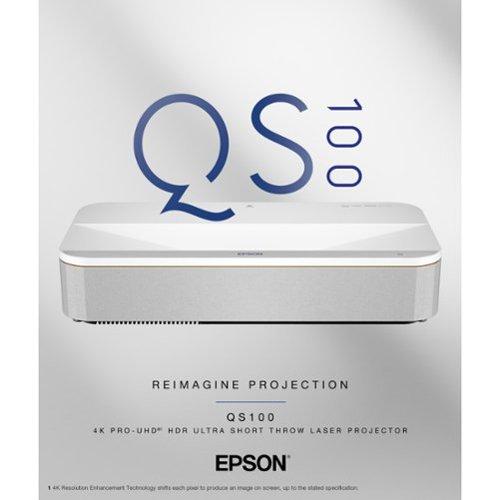
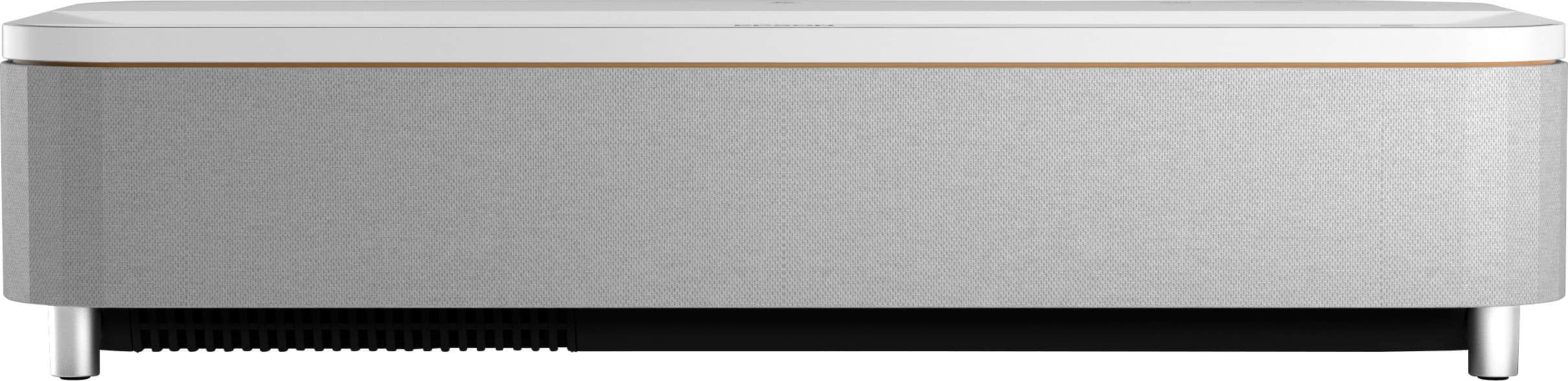
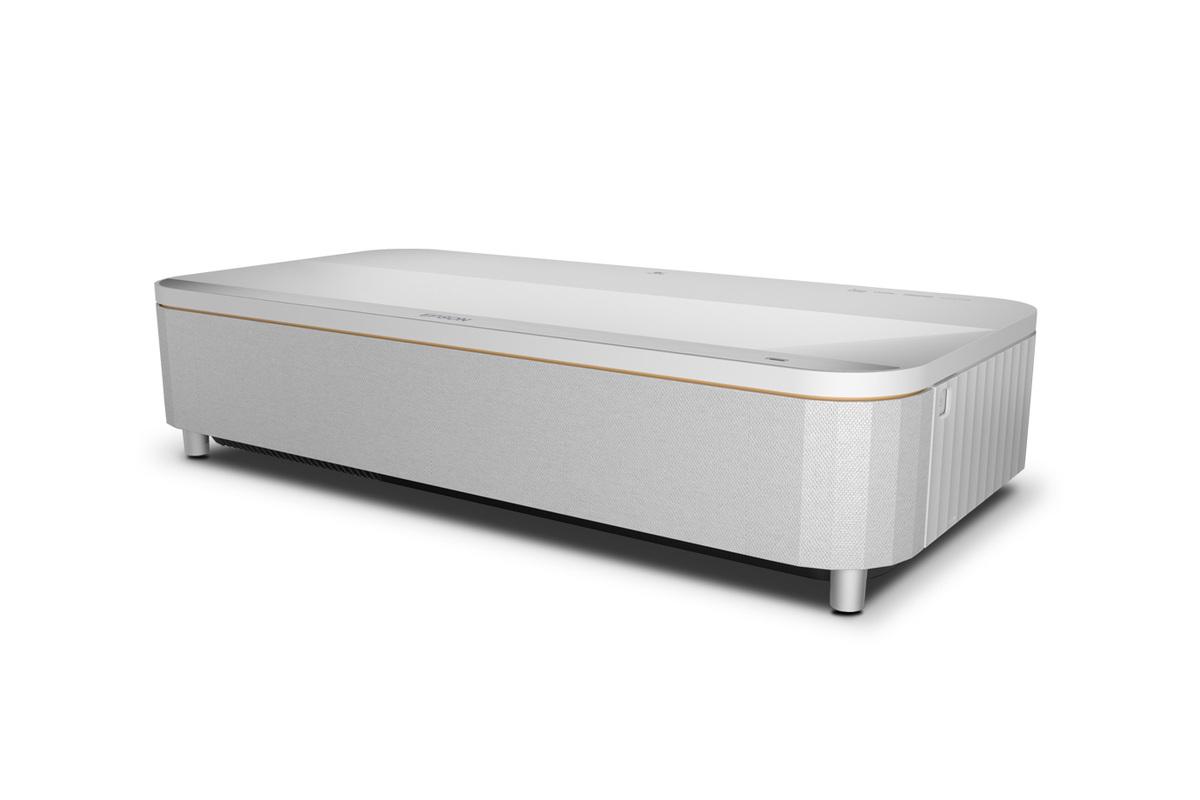
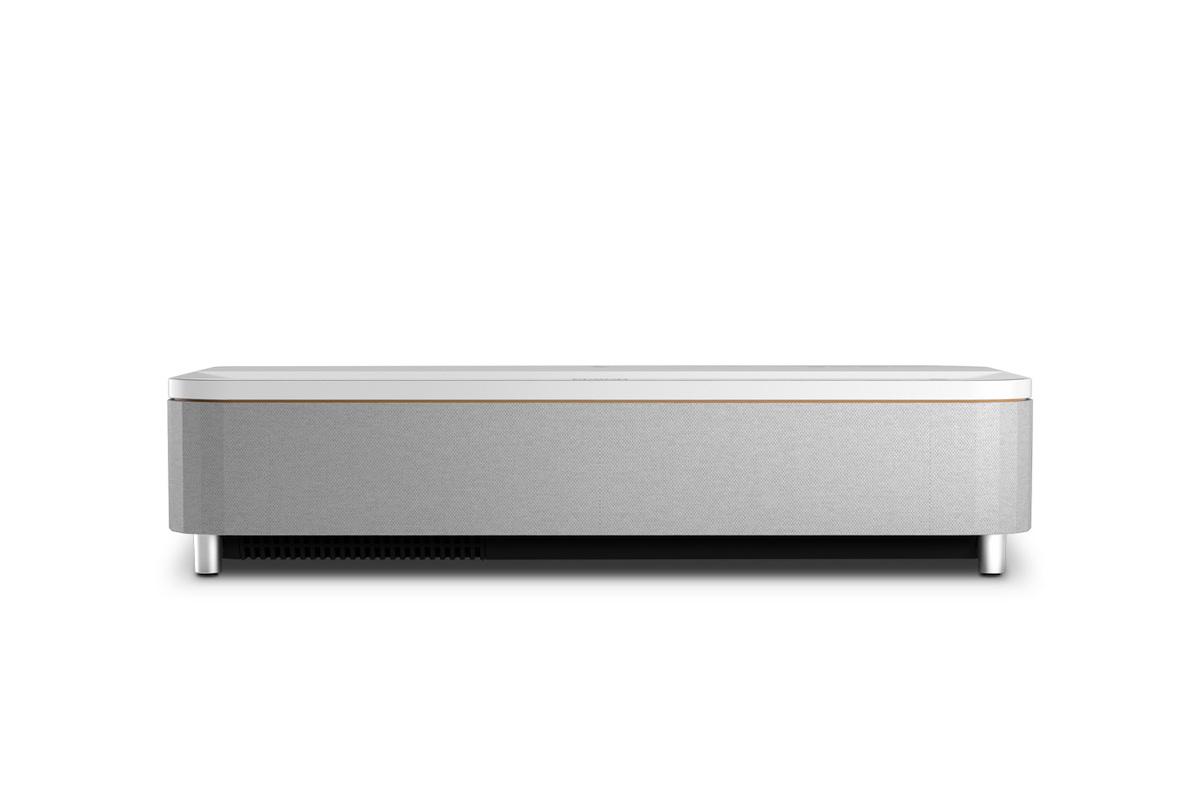
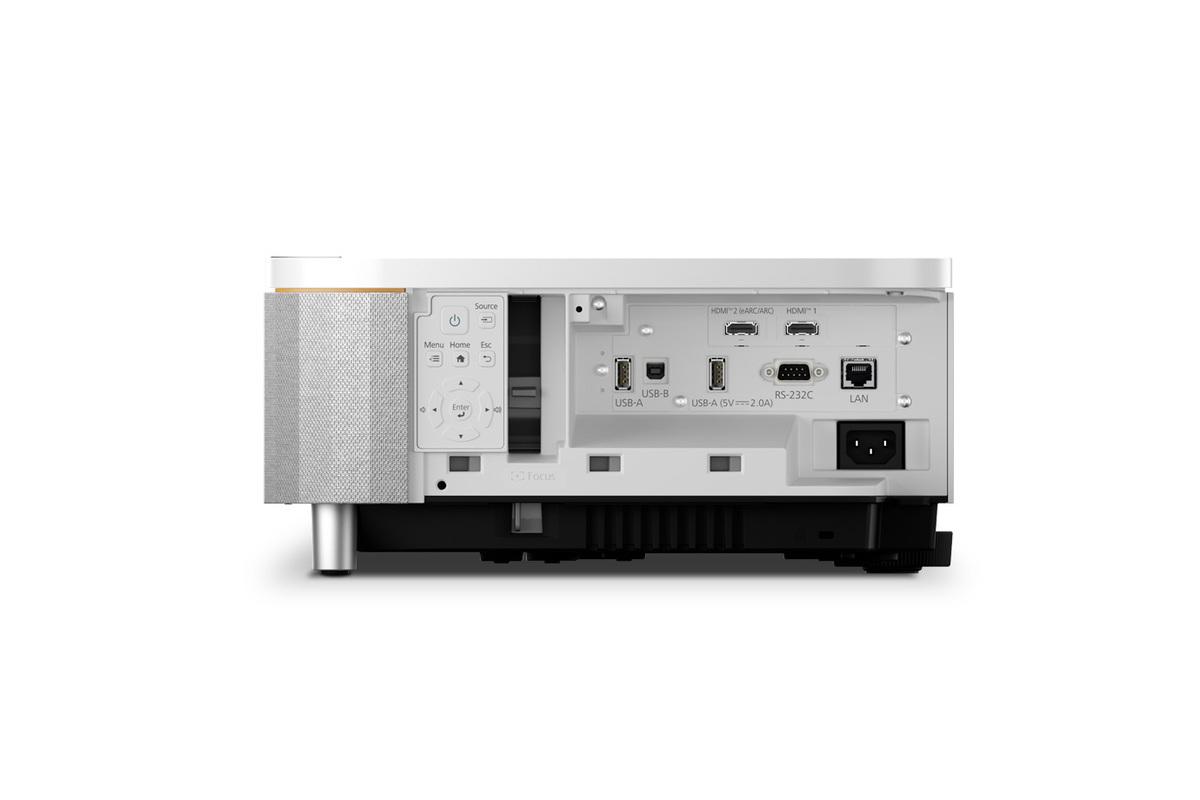
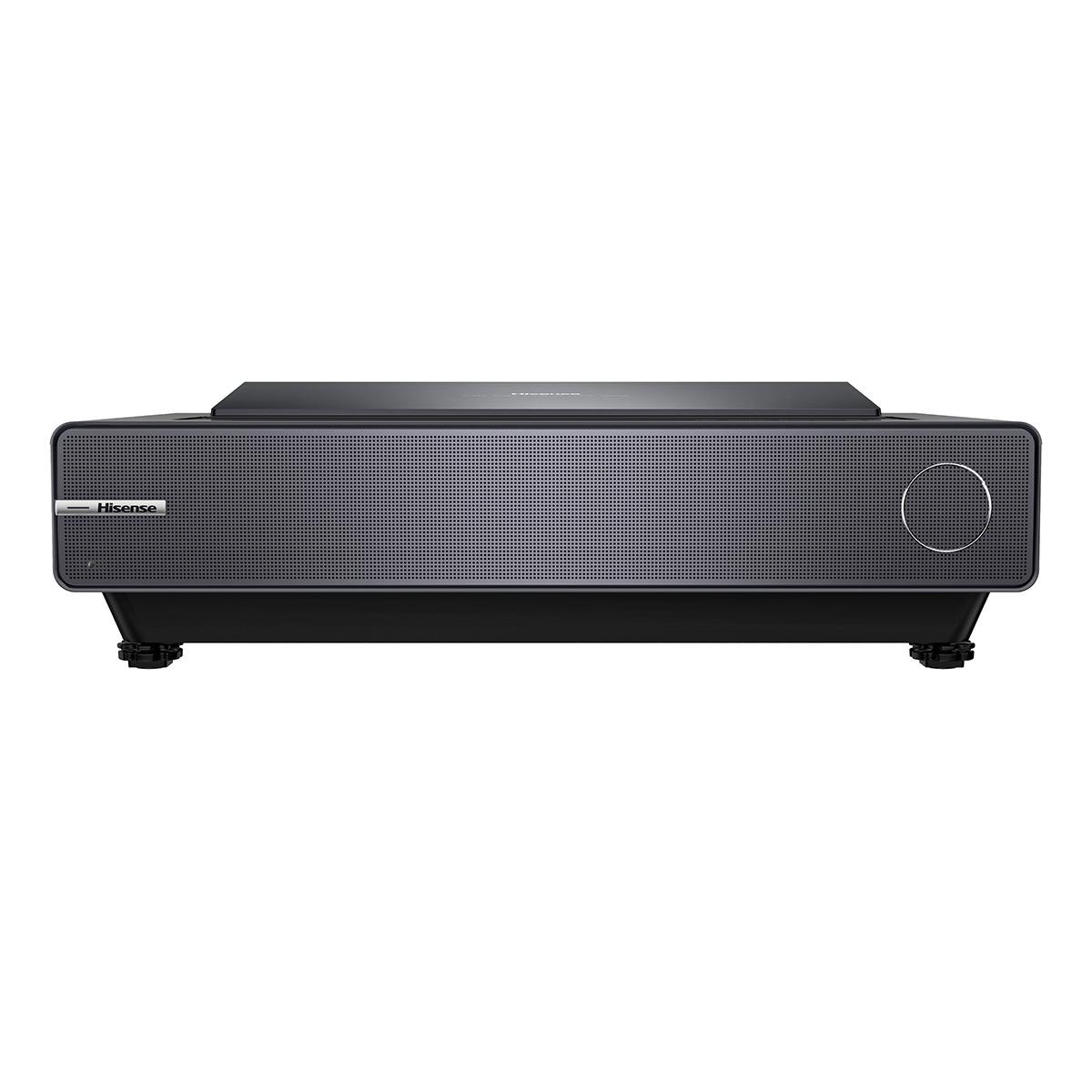
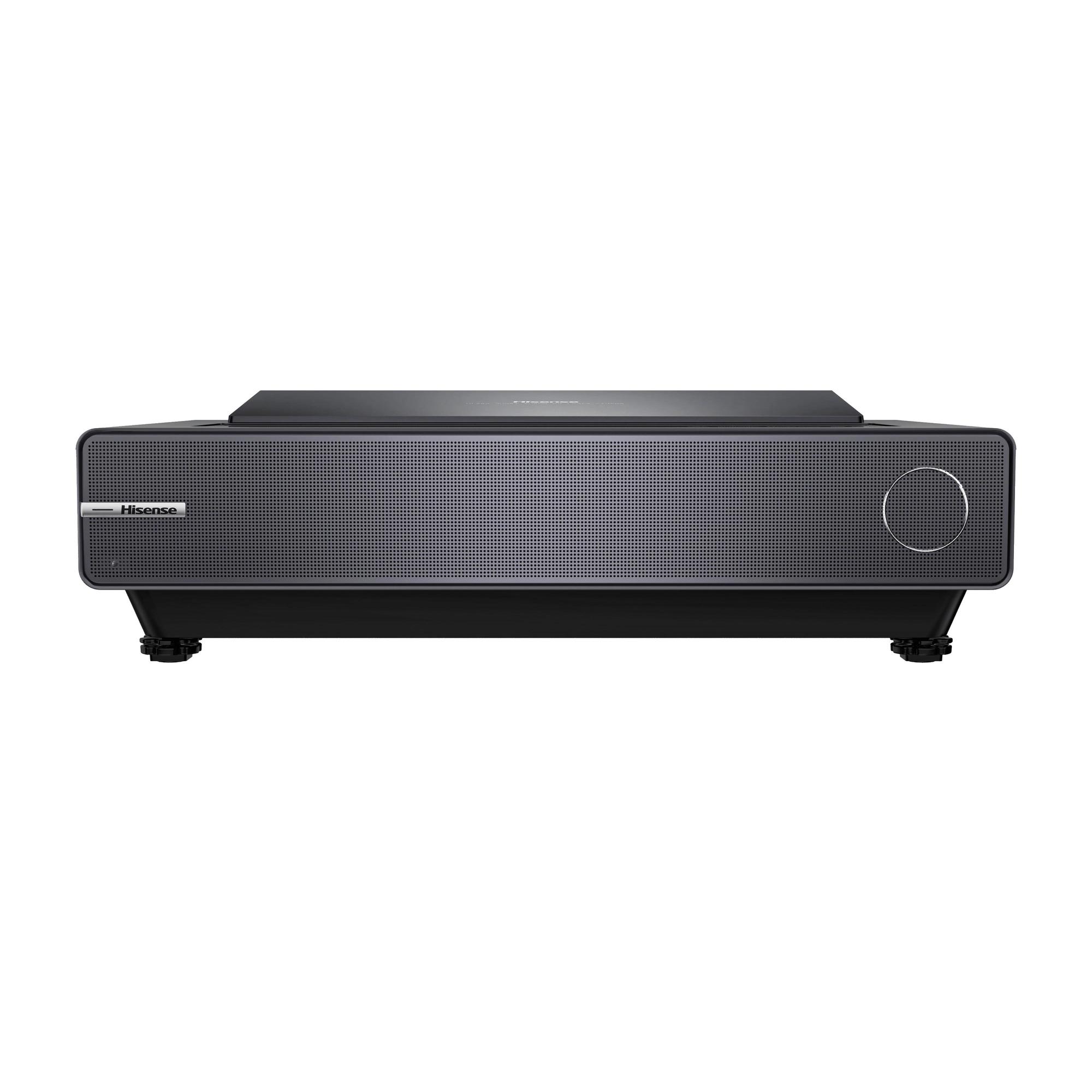
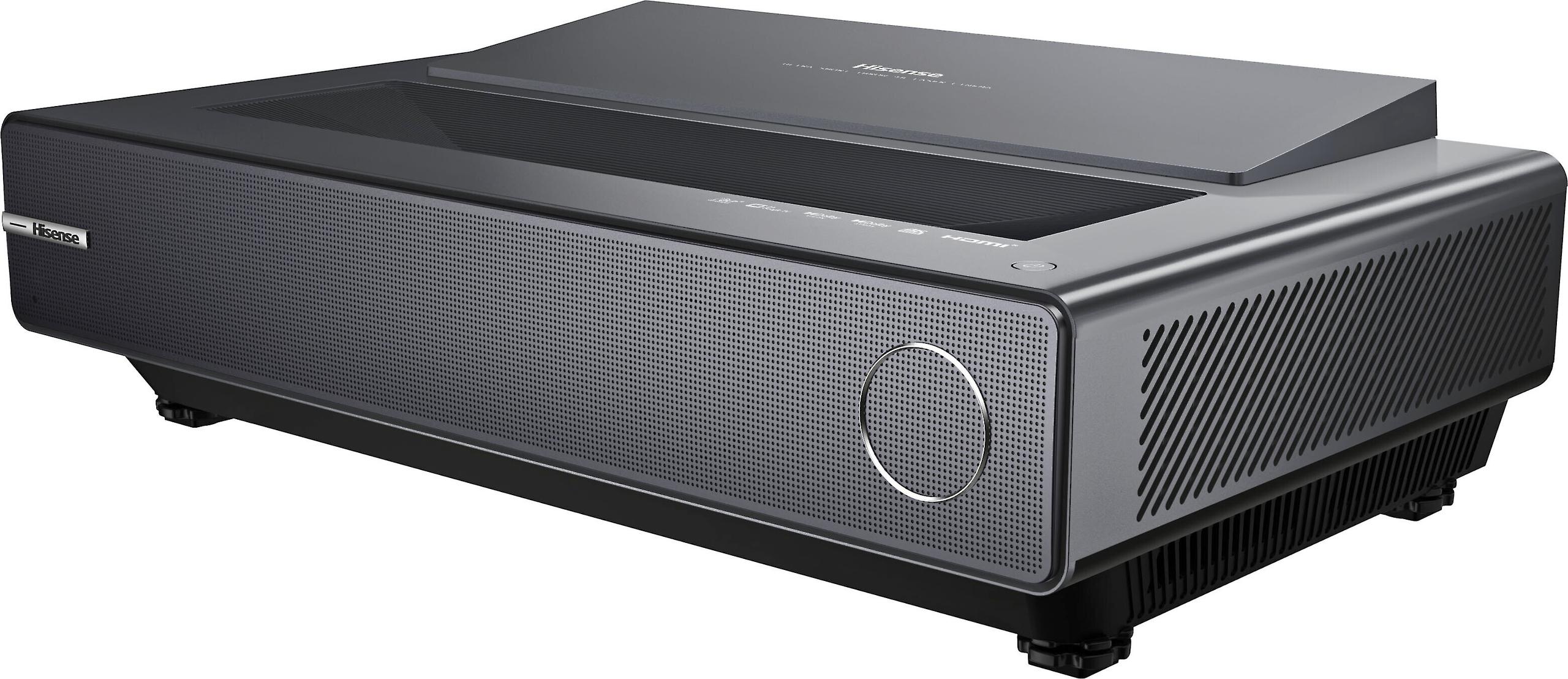

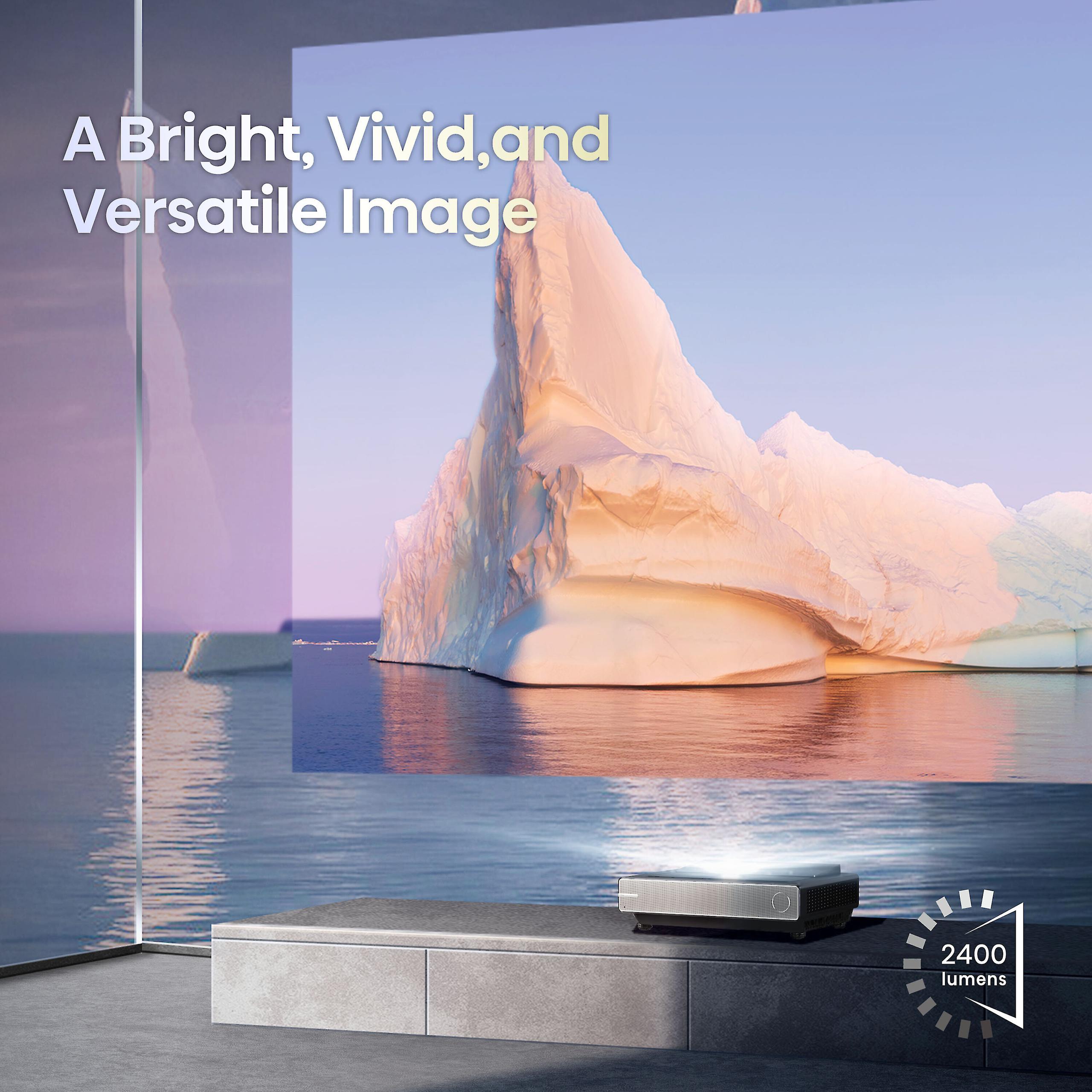
Ultra short throw projectors have transformed how we think about home entertainment. Instead of mounting a projector on your ceiling or setting it on a coffee table halfway across the room, these clever devices sit just inches from your wall or screen and still create massive 100+ inch images. It's like having a movie theater that doesn't require any construction work.
The technology has matured significantly since the first consumer models appeared around 2018. Back then, you were lucky to get 2,000 lumens and decent color reproduction. Fast forward to 2025, and we're seeing projectors that rival dedicated home theater setups while working perfectly in living rooms with ambient light.
Today, we're comparing two very different approaches to ultra short throw projection: the Epson QS100 and the Hisense PX2-PRO. These projectors represent opposite ends of the design philosophy spectrum, and understanding their differences will help you choose the right one for your space and needs.
Before diving into the comparison, let's talk about what makes these projectors unique. Traditional projectors use relatively simple optics – they take an image and make it bigger as you move further away. Ultra short throw projectors use complex lens systems and mirrors to create large images from extremely close distances. The throw ratio (the distance from projector to screen divided by image width) is typically 0.2:1 or less, compared to 1.5:1 or higher for traditional projectors.
This close proximity creates several advantages. You'll never walk through the light beam and cast shadows on your image. There's no need for ceiling mounting or running cables across your room. Most importantly, these projectors work brilliantly in living rooms where a traditional projector would be impractical.
The main considerations when evaluating ultra short throw projectors are brightness (measured in lumens), color accuracy and gamut coverage, contrast ratio, smart features, audio integration, and installation flexibility. Gaming performance has become increasingly important as these projectors target living room entertainment centers.
The Epson QS100, released in April 2025, represents Epson's premium approach to ultra short throw projection. At the time of writing, it commands a significant price premium over most competitors, positioning itself as a professional-grade solution for demanding users. Epson focused on absolute brightness performance and integration flexibility, creating a projector designed for custom installers and users who prioritize image quality above all else.
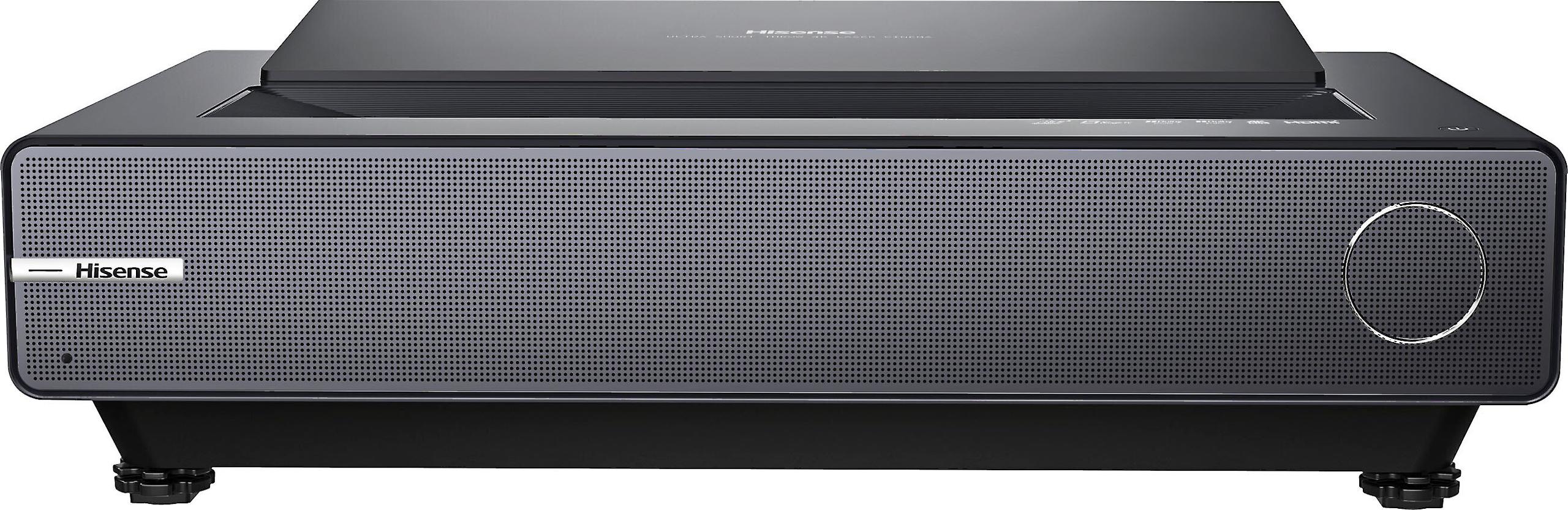
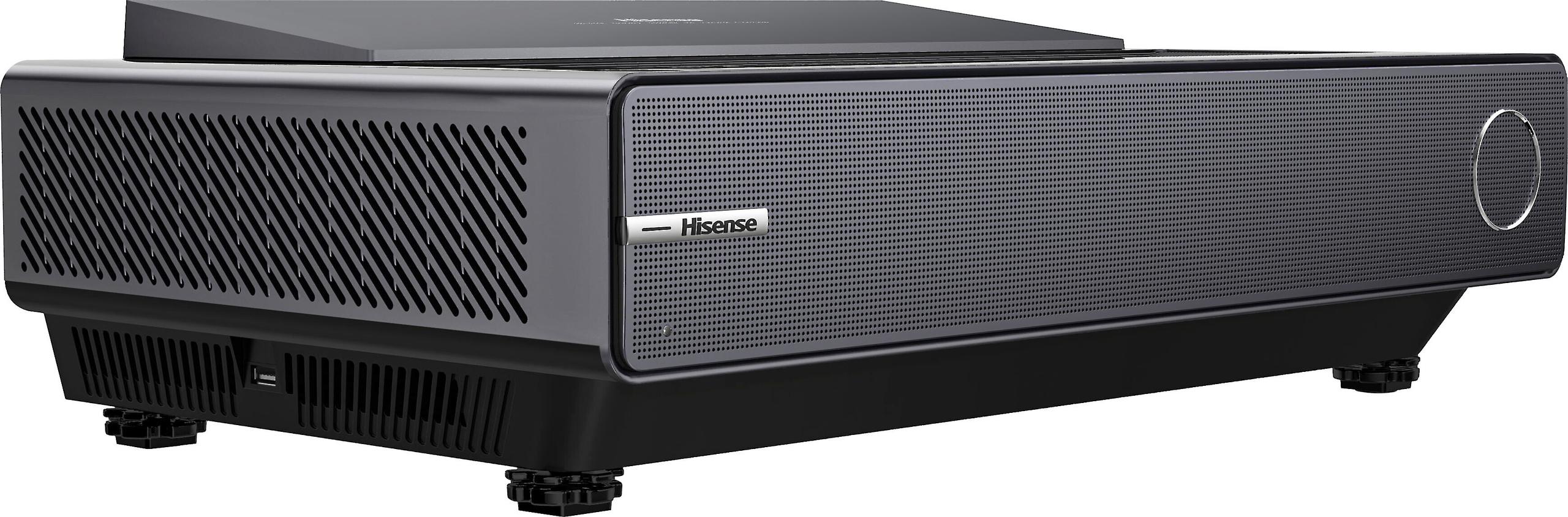
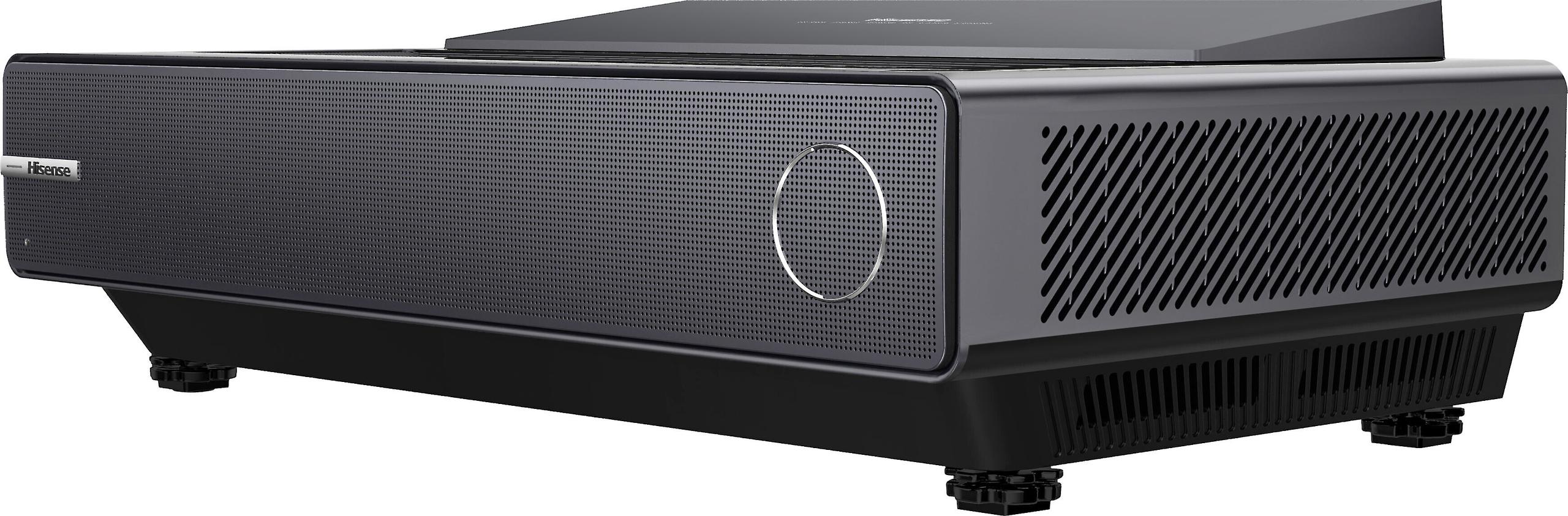
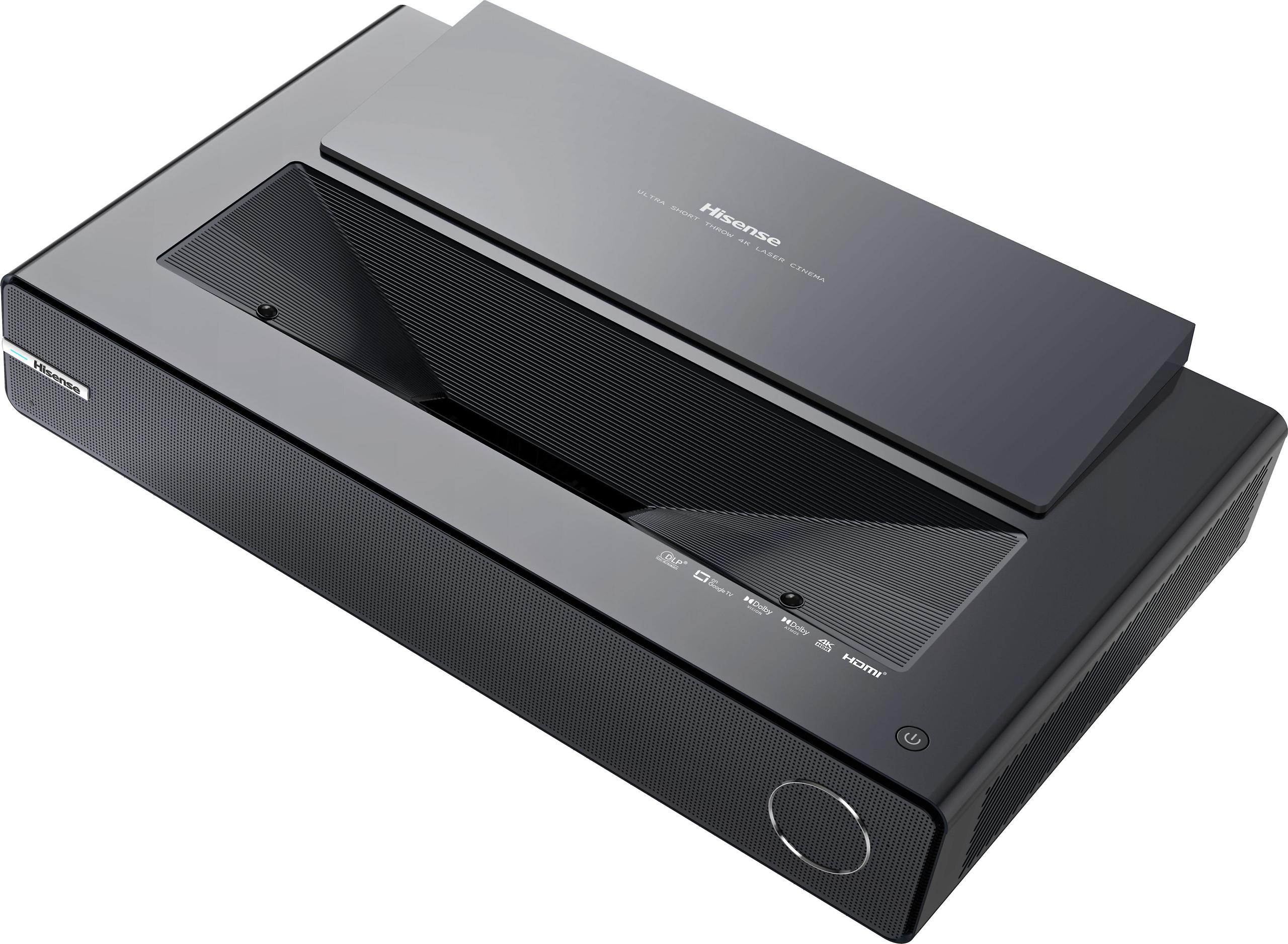
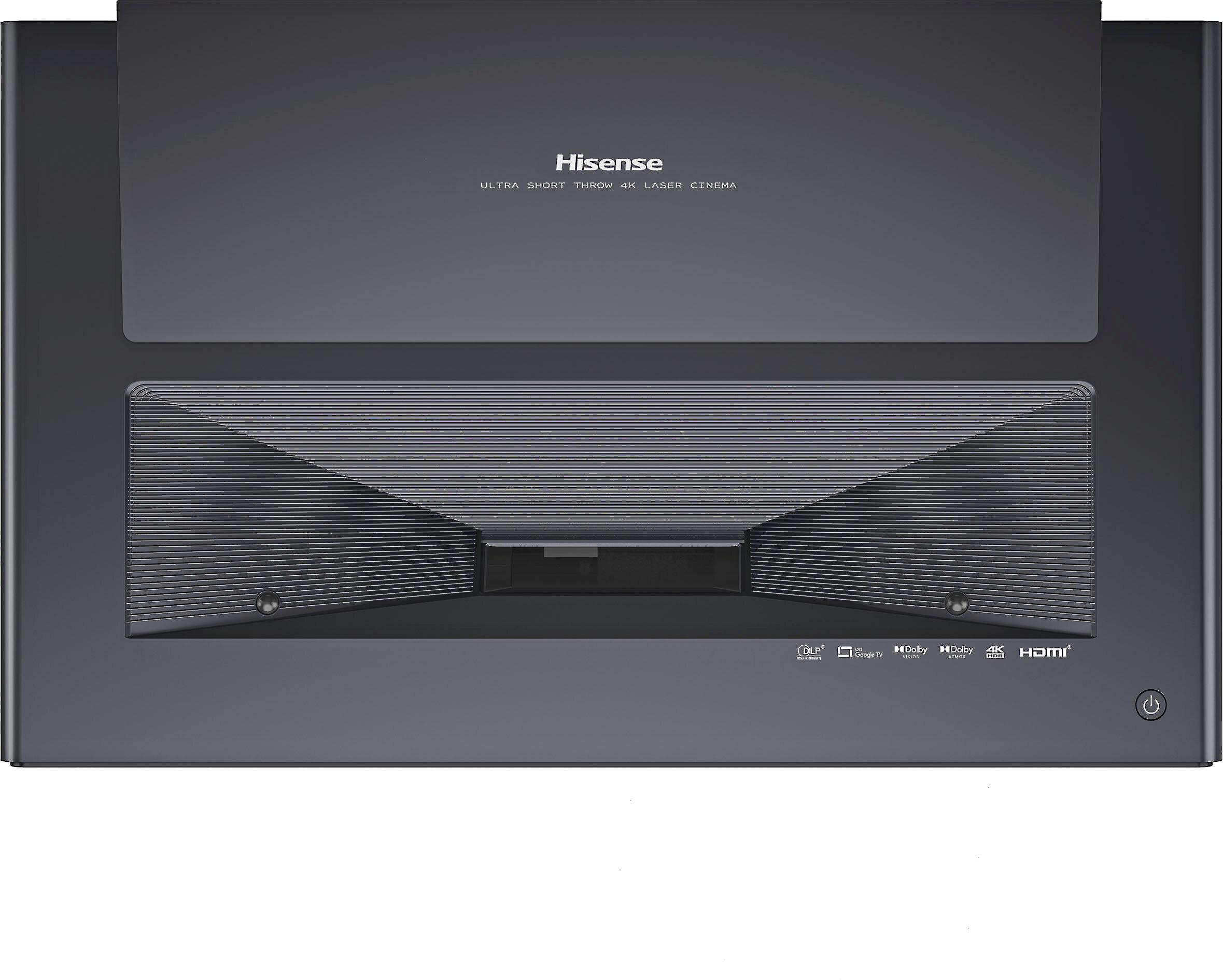
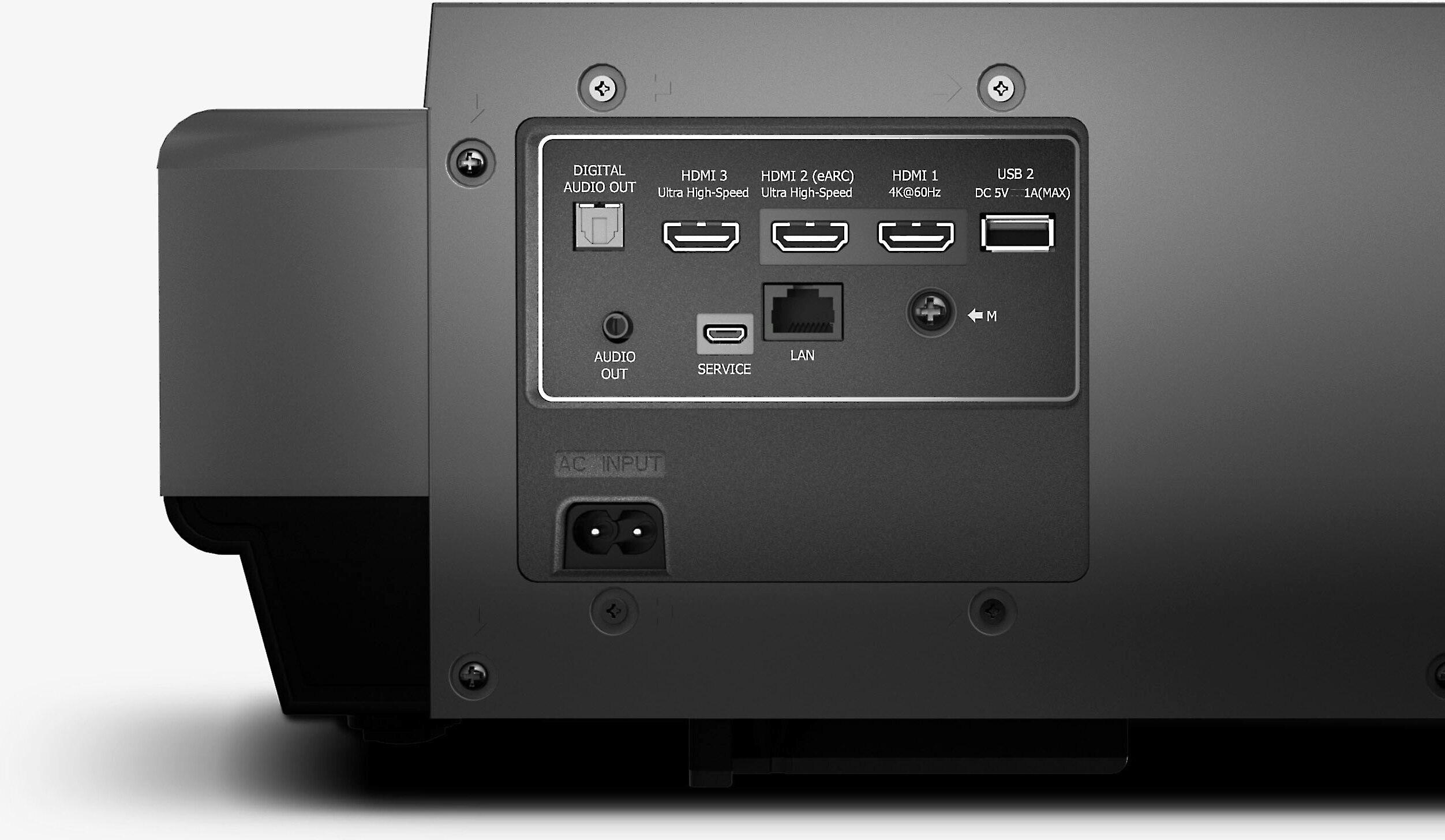
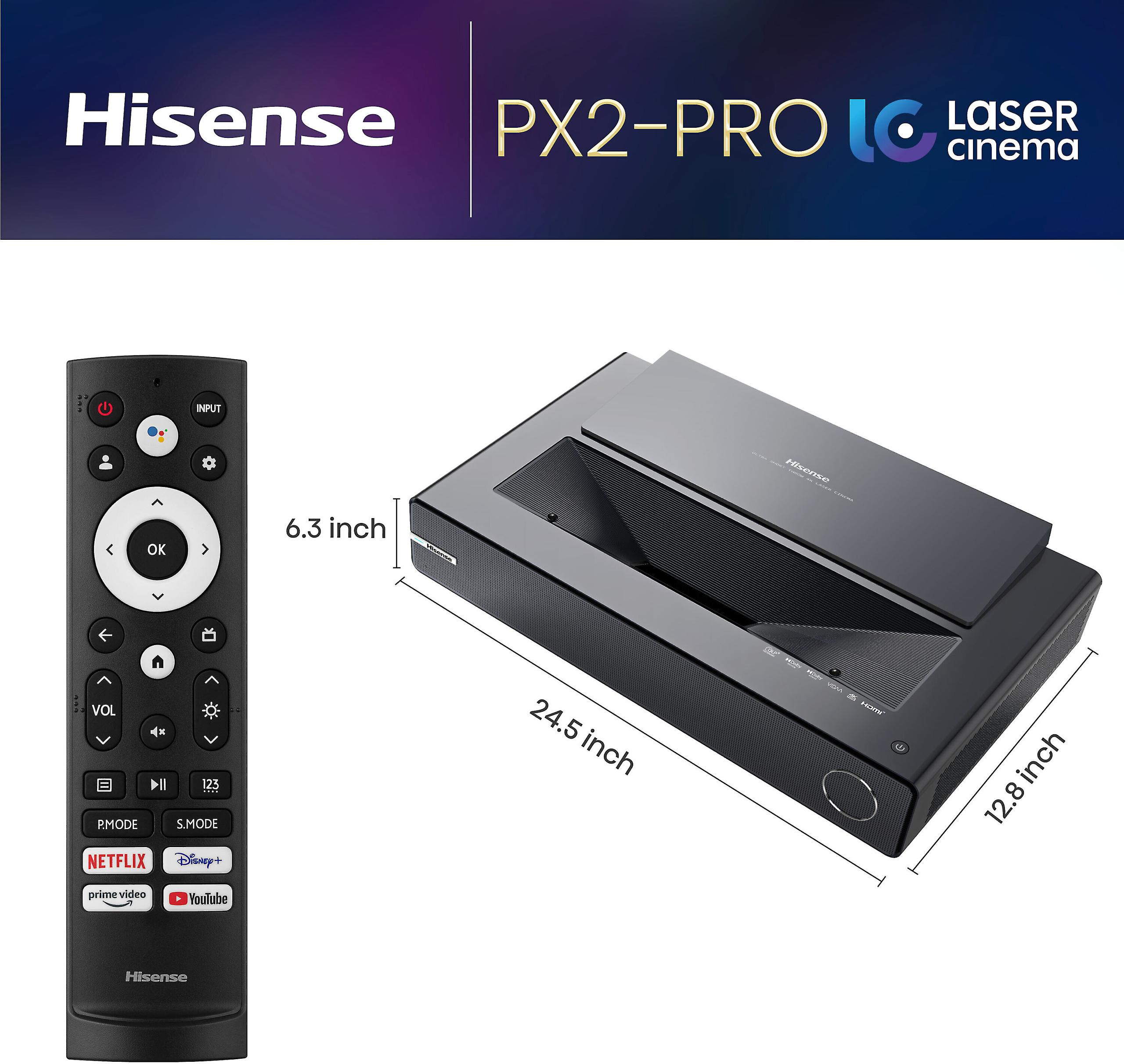
The Hisense PX2-PRO, also released in 2025, takes the opposite approach. Priced at roughly half the cost of the Epson, it's designed as a complete entertainment system with built-in streaming, audio, and user-friendly features. Hisense prioritized color performance and convenience, creating an all-in-one solution that works great right out of the box.
When evaluating ultra short throw projectors, brightness is arguably the most important specification. Unlike traditional home theater projectors that operate in completely dark rooms, UST projectors often work in living spaces with some ambient light. The difference between adequate and exceptional brightness determines whether you can watch during the day with curtains open or need to dim all the lights.
The Epson QS100 produces an impressive 4,500 lumens of both color and white brightness. This measurement is crucial because some projectors only achieve high brightness with white images while colors appear dim. Epson's 3LCD technology ensures equal performance across all colors, eliminating the common issue where bright scenes look great but colorful content appears washed out.
This brightness advantage is substantial. The Hisense PX2-PRO produces 2,400 lumens, making the Epson nearly twice as bright. In practical terms, this means the Epson QS100 maintains excellent image quality in rooms with moderate ambient light, while the Hisense PX2-PRO performs best in controlled lighting conditions.
The brightness difference becomes most apparent during daytime viewing or in rooms with large windows. Based on user feedback and professional reviews, the Epson QS100 maintains vibrant colors and good contrast even with some ambient light, while the Hisense PX2-PRO can appear washed out in similar conditions.
Color reproduction showcases the fundamental technology differences between these projectors. The Hisense PX2-PRO uses TriChroma laser technology, employing three separate lasers (red, green, and blue) to create incredibly pure colors. This approach covers 107% of the BT.2020 color space, which is the ultra-wide color standard for 4K content. In simple terms, it can display colors that appear more vivid and lifelike than what most displays can reproduce.
The TriChroma advantage is most noticeable with nature documentaries, animated films, and content specifically mastered for wide color gamuts. Reds appear more saturated, greens more lush, and blues more vibrant than traditional projection systems can achieve. This creates a "wow factor" that's immediately apparent when watching high-quality 4K content.
The Epson QS100 takes a different approach with its refined 3LCD laser technology. While it doesn't achieve the ultra-wide color gamut of the Hisense, it produces more natural, accurate colors that many users prefer for sports, news, and everyday content. The 3LCD system completely eliminates rainbow artifacts – brief flashes of red, green, and blue that some people notice with single-chip DLP projectors like the Hisense.
This rainbow effect varies between individuals. Some people never notice it, while others find it distracting, especially during scenes with bright white objects or when moving their eyes quickly across the screen. If you're sensitive to rainbow artifacts, the Epson QS100 eliminates this concern entirely.
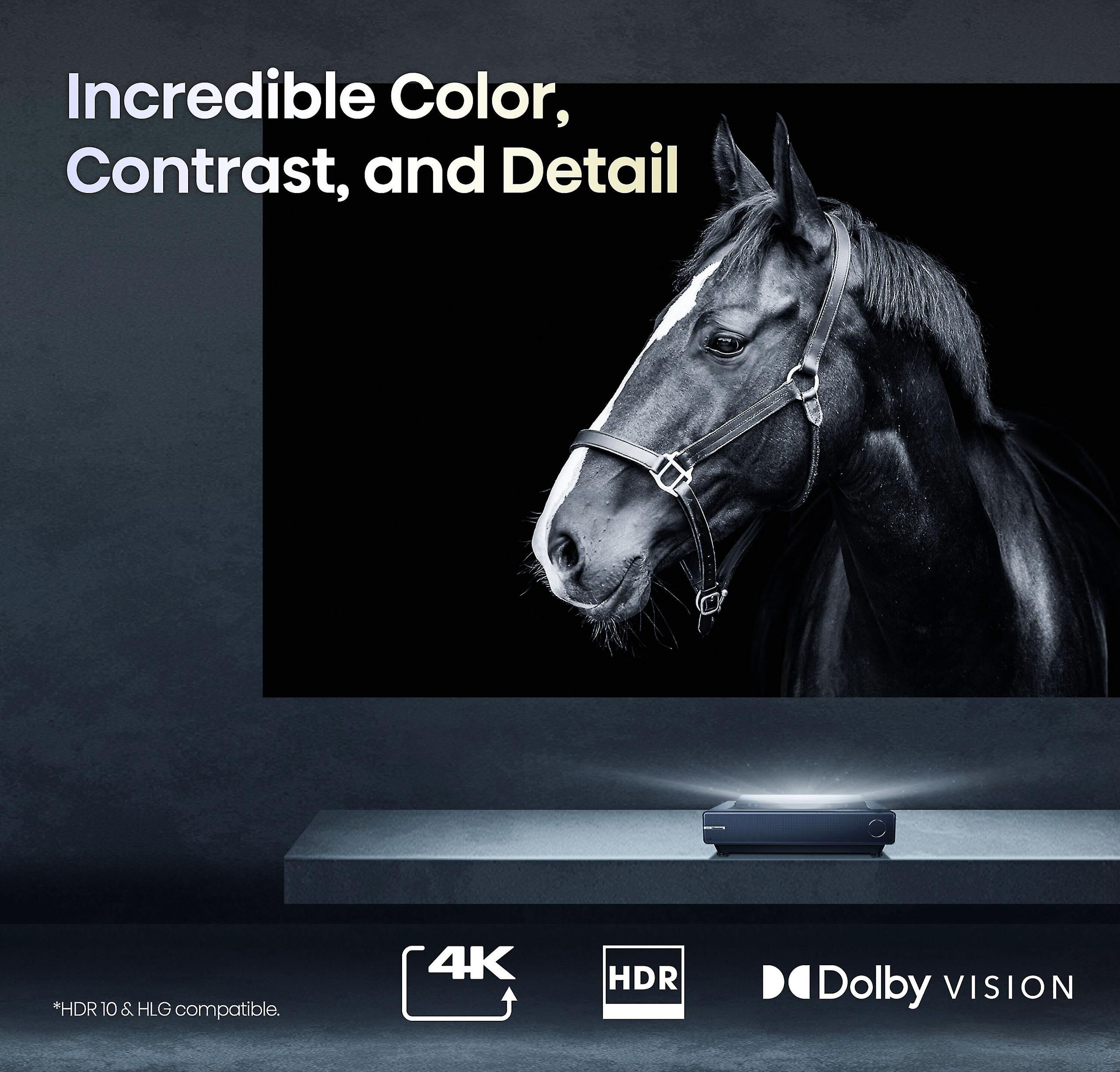
High Dynamic Range (HDR) content requires special processing to display properly, and both projectors handle this differently. The Hisense PX2-PRO supports Dolby Vision, which is considered the premium HDR standard. Dolby Vision provides scene-by-scene optimization instructions that tell the projector exactly how to display each frame for maximum impact.
This is particularly beneficial for movies and shows mastered in Dolby Vision, which includes most premium Netflix, Disney+, and Amazon Prime content. The dynamic metadata allows for more precise control over brightness and color, resulting in better shadow detail and highlight preservation.
The Epson QS100 supports HDR10+ with dynamic tone mapping but lacks Dolby Vision support. However, its significantly higher brightness (4,500 vs 2,400 lumens) provides advantages for HDR content that shouldn't be overlooked. HDR content is mastered for displays capable of much higher brightness than typical projectors can achieve, so the Epson's additional brightness helps realize more of the creator's intent.
In practice, the Hisense PX2-PRO might provide more accurate HDR processing for Dolby Vision content, while the Epson QS100 delivers more impactful HDR performance due to its superior brightness capability.
Gaming has become a crucial consideration for ultra short throw projectors as they often replace TVs in living room entertainment centers. Input lag – the delay between pressing a controller button and seeing the result on screen – is critical for competitive gaming.
The Epson QS100 achieves approximately 16.7ms input lag, which is excellent for a projector and competitive with gaming TVs. This low latency makes it suitable for first-person shooters, racing games, and other fast-paced content where every millisecond matters.
The Hisense PX2-PRO measures 30-35ms input lag, which is acceptable for casual gaming but may frustrate competitive players. However, it offers a unique 1080p/240Hz gaming mode that provides incredibly smooth motion for supported games, creating an almost CRT-like responsiveness that some gamers prefer over 4K/60Hz.
Both projectors support Auto Low Latency Mode (ALLM), which automatically switches to game mode when compatible consoles are connected. This ensures optimal gaming performance without manual menu adjustments.
This is where the philosophical differences between these projectors become most apparent. The Hisense PX2-PRO includes Google TV with access to Netflix, Disney+, Amazon Prime, YouTube, and thousands of other apps. The interface provides personalized recommendations and integrates content from multiple services into a unified experience.
The built-in 30W Dolby Atmos speakers eliminate the need for external audio for many users. While they won't match a dedicated sound system, they provide clear dialogue and reasonable bass for casual viewing. The convenience factor is substantial – you can unbox the Hisense PX2-PRO and start streaming content within minutes.
The Epson QS100 takes the opposite approach, including no smart features or built-in audio. This might seem like a disadvantage, but it reflects the projector's target market. Professional installers and serious enthusiasts often prefer this approach because it allows them to choose their preferred streaming platform and audio solution without paying for features they won't use.
The Epson integrates with professional control systems like Crestron and Control4, making it ideal for whole-home automation systems. This flexibility appeals to users building sophisticated entertainment setups where the projector is one component in a larger ecosystem.
Both projectors excel at installation simplicity compared to traditional projectors, but they offer different advantages. The Epson QS100 can project up to 160 inches, while the Hisense PX2-PRO maxes out at 130 inches. This 30-inch difference might not seem significant, but it represents the difference between a large TV replacement and a true cinema experience.
The throw ratio advantage goes to the Epson QS100 as well, with its 0.16:1 to 0.22:1 range allowing more flexible placement than the Hisense's fixed positioning requirements. This flexibility becomes important in rooms where furniture placement or architectural features limit projector positioning.
Both projectors include advanced geometry correction features that help square up the image even with imperfect placement. The Epson QS100 offers more sophisticated correction options, including memory settings for different screen positions – useful if you occasionally move the projector between locations.
At the time of writing, the pricing difference between these projectors is substantial, with the Epson QS100 commanding nearly twice the price of the Hisense PX2-PRO. This price gap reflects their different target markets and feature sets.
The Hisense PX2-PRO delivers exceptional value by including features that would cost hundreds of dollars separately. The Google TV interface eliminates the need for external streaming devices, while the Dolby Atmos speakers remove the immediate necessity for external audio. For users who want a complete solution that works great right out of the box, the Hisense represents outstanding value.
The Epson QS100 justifies its premium pricing through superior brightness performance, larger image capability, and professional integration features. Users who need excellent performance in bright rooms or want the largest possible images will find the additional cost worthwhile.
The Epson QS100 is ideal for users with bright living spaces who can't easily control ambient light. If you have large windows, prefer watching during the day, or need excellent performance in multipurpose rooms, the brightness advantage is worth the premium. It's also the clear choice for serious gamers who prioritize low input lag and competitive performance.
Custom installation scenarios favor the Epson QS100 as well. If you're building a sophisticated smart home system or have specific integration requirements, the professional-grade features and control options make it worth the investment. Users who already own high-end audio systems will appreciate not paying for built-in speakers they won't use.
The Hisense PX2-PRO excels for users who can control their viewing environment lighting and want a complete entertainment solution. If you primarily watch in the evening or in rooms with effective curtains or blinds, the brightness limitation becomes less significant while the smart features and built-in audio provide excellent convenience.
Budget-conscious users will find the Hisense PX2-PRO offers premium features at a much more accessible price point. The combination of wide color gamut, Dolby Vision support, Google TV, and Dolby Atmos audio creates a compelling package that would cost significantly more if purchased separately.
Both projectors represent significant advances in ultra short throw technology, but they serve different needs and preferences. The Epson QS100 prioritizes absolute image quality and brightness performance for users who demand the best possible experience regardless of cost. The Hisense PX2-PRO focuses on value and convenience, delivering premium features in a complete package at a much more accessible price.
Consider your room lighting, viewing habits, and integration needs carefully. If brightness and professional features justify the premium, the Epson QS100 delivers exceptional performance. If you value comprehensive features and smart integration at a reasonable price, the Hisense PX2-PRO provides outstanding value that's hard to beat.
Either choice will transform your entertainment experience, but understanding these differences ensures you'll choose the projector that best matches your specific needs and preferences.
| Epson QS100 4K PRO-UHD Ultra Short Throw Projector | Hisense PX2-PRO TriChroma 4K Ultra Short Throw Laser Cinema Projector |
|---|---|
| Brightness - Most critical spec for daytime viewing and bright rooms | |
| 4,500 ANSI lumens (excellent for bright rooms, windows open) | 2,400 ANSI lumens (requires controlled lighting for best results) |
| Display Technology - Affects color accuracy and rainbow artifacts | |
| 3LCD laser (no rainbow effect, natural colors) | TriChroma DLP (vibrant colors, possible rainbow artifacts) |
| Color Gamut - Determines how vivid and lifelike colors appear | |
| 100% Rec.709 (accurate, natural reproduction) | 107% BT.2020 (incredibly vibrant, wide color range) |
| Maximum Screen Size - Bigger is better for cinema experience | |
| 160 inches (true theater-sized images) | 130 inches (large but more limited than Epson) |
| HDR Support - Essential for modern streaming content | |
| HDR10+ with Dynamic Tone Mapping | Dolby Vision + HDR10 + HLG (premium HDR processing) |
| Gaming Performance - Input lag matters for competitive gaming | |
| 16.7ms input lag (excellent for competitive gaming) | 30-35ms input lag (acceptable for casual gaming) |
| Smart Features - Convenience vs. external device flexibility | |
| None (requires external streaming devices) | Google TV with Netflix, Disney+, Prime Video built-in |
| Built-in Audio - Affects setup complexity and additional costs | |
| None (requires external sound system) | 30W Dolby Atmos speakers included |
| Professional Integration - Important for custom installations | |
| Full Crestron/Control4 compatibility, IP control | Basic smart home integration only |
| Laser Life - Long-term maintenance and replacement costs | |
| 20,000 hours (virtually maintenance-free) | 25,000 hours (longer lifespan than Epson QS100) |
| Value Proposition - Performance vs. price considerations | |
| Premium price for maximum brightness and pro features | Significantly lower cost with comprehensive smart features |
The Epson QS100 is significantly brighter at 4,500 lumens compared to the Hisense PX2-PRO at 2,400 lumens. This makes the Epson QS100 much better for bright rooms with windows or ambient lighting, while the Hisense PX2-PRO performs best in controlled lighting conditions.
Both projectors excel in home theater applications but serve different needs. The Epson QS100 delivers professional-grade performance with superior brightness for versatile lighting conditions. The Hisense PX2-PRO provides a complete home theater solution with built-in Google TV and Dolby Atmos speakers, making it ideal for users who want everything included.
The Hisense PX2-PRO produces more vibrant colors with its TriChroma laser technology covering 107% of the BT.2020 color space. However, the Epson QS100 offers more natural, accurate colors and completely eliminates rainbow artifacts that some viewers notice with DLP projectors.
The Epson QS100 can project up to 160 inches, while the Hisense PX2-PRO maxes out at 130 inches. For true cinema-sized images, the Epson QS100 provides more flexibility and larger screen options.
The Epson QS100 is superior for competitive gaming with 16.7ms input lag compared to the Hisense PX2-PRO's 30-35ms. However, the Hisense PX2-PRO offers a unique 1080p/240Hz gaming mode for ultra-smooth gameplay at lower resolutions.
The Hisense PX2-PRO includes built-in 30W Dolby Atmos speakers, providing a complete audio solution out of the box. The Epson QS100 has no built-in speakers and requires an external audio system, which appeals to users with existing high-end sound systems.
The Hisense PX2-PRO supports Dolby Vision, HDR10, and HLG, providing premium HDR processing for streaming content. The Epson QS100 supports HDR10+ with dynamic tone mapping but lacks Dolby Vision, though its higher brightness helps deliver more impactful HDR performance.
Only the Hisense PX2-PRO includes built-in streaming with Google TV, providing access to Netflix, Disney+, Amazon Prime, and thousands of other apps. The Epson QS100 requires external streaming devices like Apple TV or Roku for smart functionality.
The Hisense PX2-PRO provides exceptional value by including smart TV features, Dolby Atmos speakers, and wide color gamut at a significantly lower price point. The Epson QS100 justifies its premium cost through superior brightness, larger image capability, and professional integration features.
Both are ultra short throw projectors that sit just inches from the screen or wall. The Epson QS100 offers more flexible placement with its 0.16:1 to 0.22:1 throw ratio, while the Hisense PX2-PRO has more fixed positioning requirements for optimal image quality.
The Epson QS100 is clearly superior for bright living rooms due to its 4,500-lumen brightness output. It maintains excellent image quality even with ambient light, while the Hisense PX2-PRO may appear washed out in well-lit conditions and performs best with controlled lighting.
The Epson QS100 uses 3LCD laser technology for natural colors and no rainbow effects, while the Hisense PX2-PRO employs TriChroma DLP technology for incredibly vibrant colors. The Epson QS100 focuses on brightness and professional features, whereas the Hisense PX2-PRO emphasizes smart functionality and all-in-one convenience.
We've done our best to create useful and informative comparisons to help you decide what product to buy. Our research uses advanced automated methods to create this comparison and perfection is not possible - please contact us for corrections or questions. These are the sites we've researched in the creation of this article: projectorscreen.com - youtube.com - projectorcentral.com - projectorreviews.com - techradar.com - audioadvice.com - projectorreviews.com - avsforum.com - projectorcentral.com - mediaserver.goepson.com - projectorcentral.com - news.epson.com - epson.eu - epson.com - epson.eu - epson.com - projectorcentral.com - bestbuy.com - bestbuy.com - walmart.com - hisense-usa.com - techradar.com - youtube.com - shop.hisense-usa.com - shop.hisense-usa.com - electronicexpress.com - projectorreviews.com - projectorscreenstore.com - crutchfield.com - walmart.com - avsforum.com

Privacy Policy
Terms and Conditions - Affiliate Policy
Home Security
© Copyright 2008-2026.
11816 Inwood Rd #1211, Dallas, TX 75244