

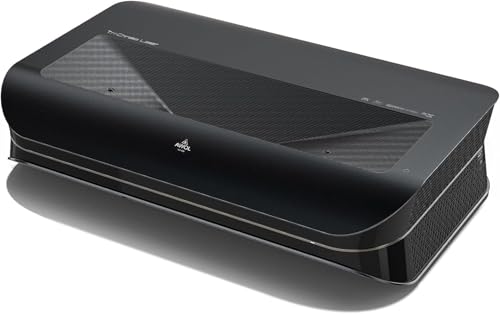
Ultra short throw projectors have revolutionized home theater setups by solving one of projection's biggest problems: where to put the thing. Instead of mounting a traditional projector on your ceiling or placing it across the room, these clever devices sit just inches from your wall or screen while creating massive 100+ inch images. Think of them as the lazy Susan of the projection world—they get big results from a tiny footprint.
The technology has matured significantly since 2020, with manufacturers now delivering true 4K resolution, laser light sources that last decades, and brightness levels that work even in well-lit living rooms. Two standout models represent different philosophies in this space: the AWOL Vision LTV-3000 Pro, released in 2023, and the Epson QS100, which hit the market in 2025.
At the time of writing, these projectors occupy different price tiers, with the AWOL Vision LTV-3000 Pro positioned as a premium consumer option and the Epson QS100 commanding a significantly higher price as a professional-grade solution. The question isn't just which one performs better, but which approach better serves your specific needs and room conditions.
Before diving into specifics, it's worth understanding why ultra short throw (UST) projectors have become so popular. Traditional projectors require throw ratios of 1.0:1 or higher, meaning you need about 8-10 feet of distance to create a 100-inch image. UST projectors achieve throw ratios as low as 0.16:1, creating that same 100-inch image from less than two feet away.
This proximity eliminates several common projection problems. Nobody walks in front of the projector creating shadows on your movie. The light doesn't shine directly into your eyes when you look toward the screen. Installation becomes dramatically simpler since you don't need ceiling mounts or long HDMI cable runs. For apartments, condos, or any space where drilling into ceilings isn't practical, UST projectors are often the only viable large-screen solution.
The AWOL Vision LTV-3000 Pro and Epson QS100 take fundamentally different approaches to creating their images, and these differences impact everything from color accuracy to how smooth motion appears.
The AWOL Vision LTV-3000 Pro uses a single 0.47-inch DLP (Digital Light Processing) chip that contains actual 4K resolution—3840×2160 individual mirrors that tilt to create each pixel. This is "true" 4K in the sense that there's a dedicated mirror for every pixel in a 4K image. The chip works like a microscopic array of mirrors, each one flipping thousands of times per second to control how much light reflects toward your screen.
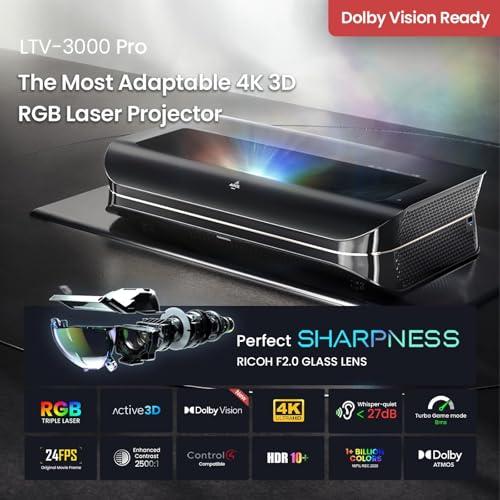
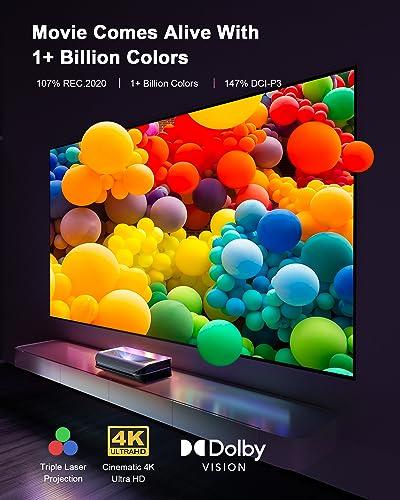
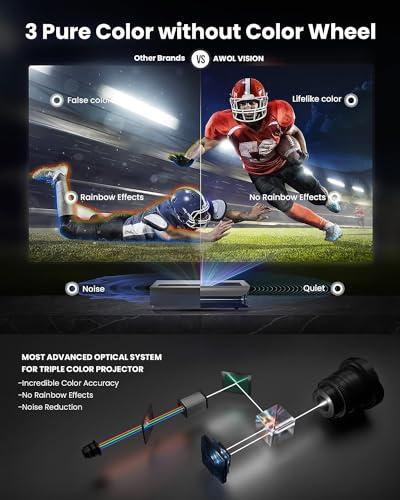
What makes AWOL's implementation special is their RGB triple laser system. Instead of using a single white or blue laser with a color wheel (a spinning disc with color filters), they use separate red, green, and blue lasers. This eliminates the color wheel entirely, preventing the "rainbow effect"—those brief flashes of separated colors some people see with single-chip DLP projectors. The RGB laser approach also enables exceptional color coverage, reaching 107% of the BT.2020 color space (the standard for HDR content).
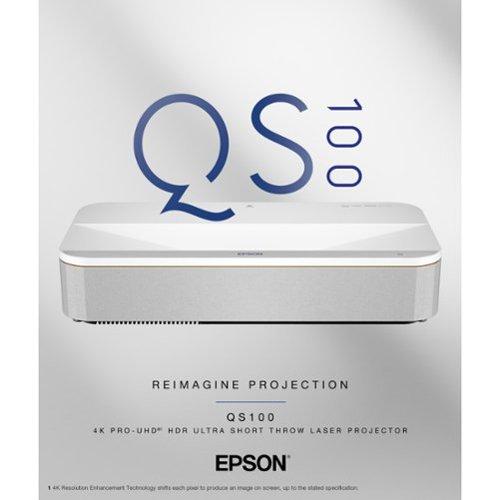
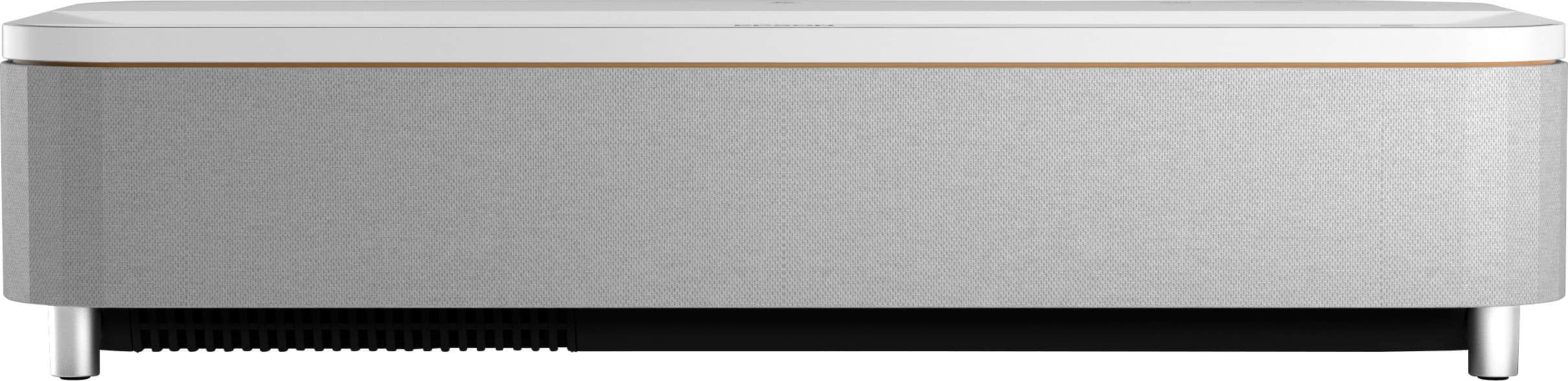
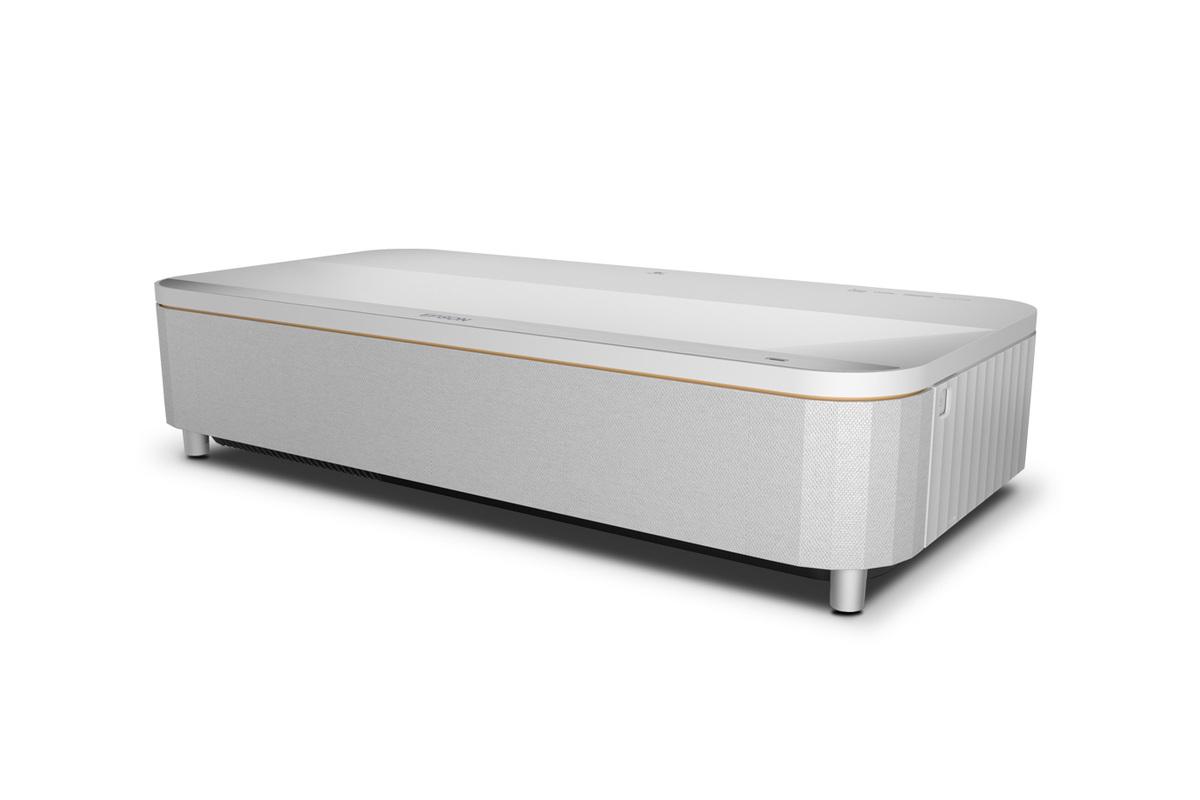
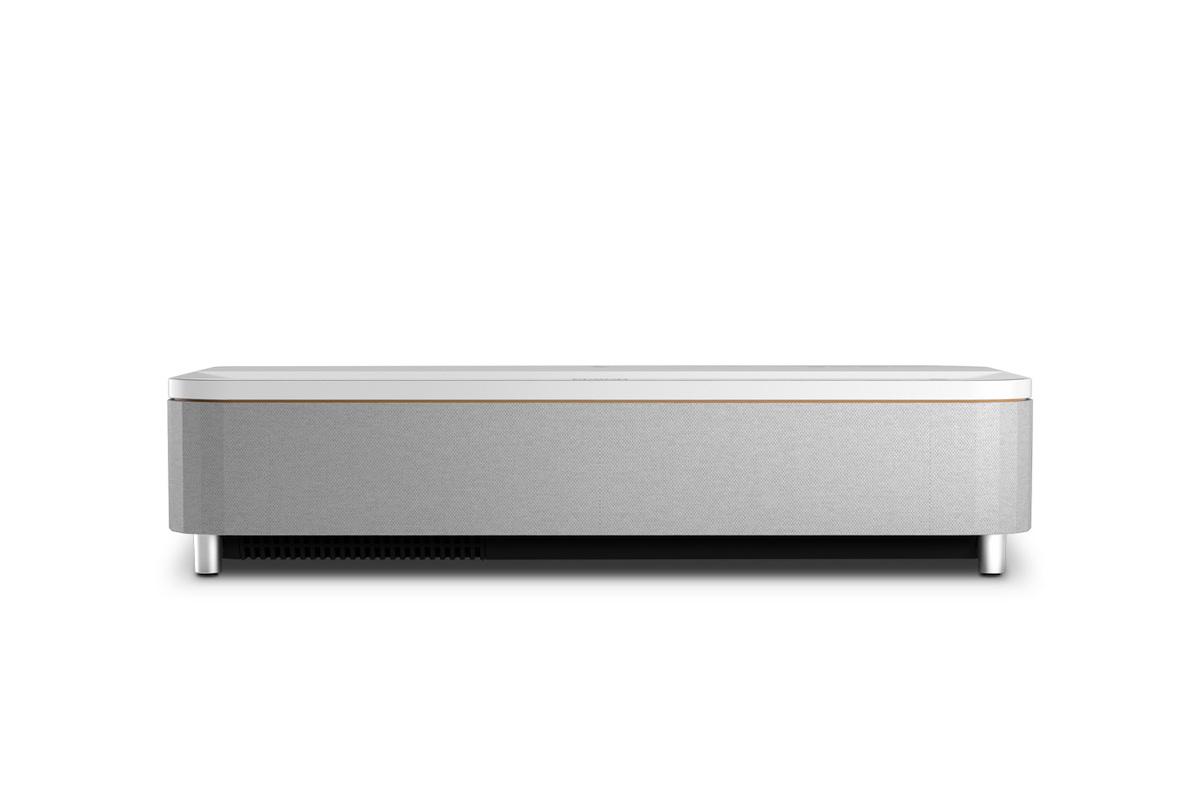
The Epson QS100 uses 3LCD technology combined with pixel-shifting to achieve what Epson calls "4K PRO-UHD." Instead of one chip handling all colors, LCD projectors use three separate panels—one each for red, green, and blue light. Each panel is native 1080p resolution, but a sophisticated pixel-shifting mechanism moves the image slightly between frames, effectively doubling the perceived resolution.
The 3LCD approach has inherent advantages. Since each color has its own dedicated panel, there's no color wheel and no possibility of rainbow artifacts. The three-panel design also means color brightness equals white brightness—a significant advantage we'll discuss in the brightness section.
Pixel-shifting technology has improved dramatically since its introduction. While purists might argue it's not "true" 4K, in practice, the difference is nearly impossible to detect at normal viewing distances. The Epson QS100 produces remarkably sharp images that satisfy even discerning viewers.
This is where these projectors truly diverge, and it's arguably the most important performance characteristic for most users.
The AWOL Vision LTV-3000 Pro produces 2,000 ISO lumens, with peak brightness reaching 3,000 lumens in certain modes. For context, most home theater projectors range from 1,500-2,500 lumens, so AWOL sits comfortably in the upper portion of that range. This brightness level works well in rooms with controlled lighting—think family rooms with curtains drawn or dedicated theater spaces with some ambient light.
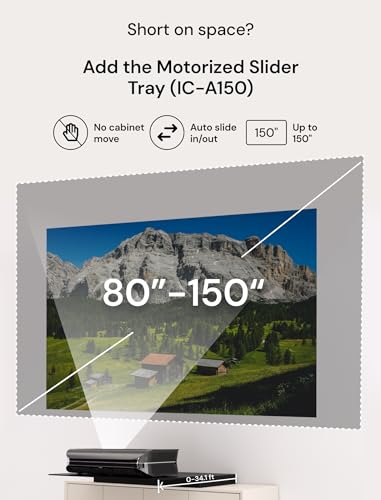
The RGB laser system ensures excellent brightness uniformity across the entire image, even at the maximum 150-inch screen size. There's no brightness falloff at the edges, which sometimes plagues single-lamp projectors.
The Epson QS100 delivers a staggering 4,500 lumens—more than double the AWOL Vision LTV-3000 Pro. This isn't just a numbers game; it translates to real-world usability in challenging lighting conditions. You can watch movies with windows open, lights on, or in spaces where traditional projectors would look washed out and pale.
Epson achieves this through their redesigned 5-in-1 laser light source module, introduced in 2025. The 3LCD technology contributes significantly here because each color panel receives dedicated light, rather than sharing a single light source through a color wheel. This means the stated 4,500 lumens applies equally to color and white brightness—a crucial distinction.
Many people focus on contrast ratios and color accuracy while underestimating brightness importance. In real home environments—not darkened theater rooms—brightness determines whether your projector looks vibrant or washed out. A projector with perfect color accuracy becomes irrelevant if ambient light makes the image look gray and lifeless.
HDR content, in particular, benefits from high brightness. HDR mastering assumes displays can produce 1,000+ nits of brightness. While neither projector reaches those levels, the Epson QS100 gets much closer, delivering more impactful HDR highlights and better overall dynamic range in typical viewing environments.
The AWOL Vision LTV-3000 Pro supports an impressive array of HDR formats: Dolby Vision, HDR10+, HDR10, and HLG. Dolby Vision, in particular, is significant because it provides scene-by-scene metadata that tells the projector exactly how to display each frame. This makes AWOL one of the few UST projectors supporting Dolby Vision, giving it access to optimized versions of Netflix originals, Disney+ content, and premium streaming material.
However, our research into user reviews reveals a significant caveat: the AWOL Vision LTV-3000 Pro requires professional calibration to achieve optimal color accuracy. Out-of-box color performance has been consistently criticized, with some users reporting challenging calibration processes that sometimes require multiple factory resets. This isn't unusual for enthusiast-focused projectors, but it adds cost and complexity.
The Epson QS100 takes a different approach, focusing on advanced processing rather than format diversity. While it only supports HDR10 and HLG (no Dolby Vision), it includes Epson's QZX Picture Processor—a 32-bit engine that performs real-time dynamic tone mapping.
Dynamic tone mapping analyzes each scene and adjusts brightness and contrast frame by frame, rather than applying static settings across entire movies. This proves particularly effective for challenging content like action sequences with both bright explosions and dark shadows. The processor essentially acts as an intelligent intermediary, optimizing each moment for maximum impact.
The Epson QS100 also offers ISF certification, meaning professional calibrators can access advanced controls to optimize the image for your specific room and screen. Combined with its exceptional brightness, this creates opportunities for color accuracy that weren't possible with previous generation projectors.
Both projectors cater to gamers, but with different strengths that appeal to different gaming styles.
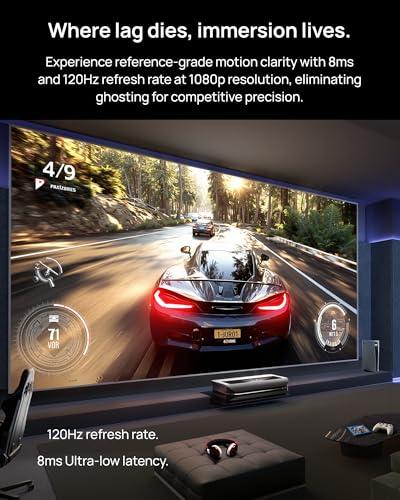
The AWOL Vision LTV-3000 Pro delivers impressive gaming specs: 15ms input lag at 4K/60Hz and just 8ms at 1080p/120Hz. Input lag measures the delay between your controller input and the corresponding action appearing on screen. For competitive gaming, anything under 20ms is generally considered excellent, making AWOL suitable even for fast-paced shooters and fighting games.
The Epson QS100 includes Auto Low Latency Mode (ALLM), which automatically switches to gaming mode when it detects a console. While specific lag measurements vary by source, it supports 4K/60Hz and 2K/120Hz gaming with performance suitable for casual and moderate gaming sessions.
Both projectors handle the latest gaming consoles admirably, but the AWOL Vision LTV-3000 Pro edges ahead for serious gamers who prioritize response time over absolute brightness.
This represents perhaps the starkest philosophical difference between these projectors.
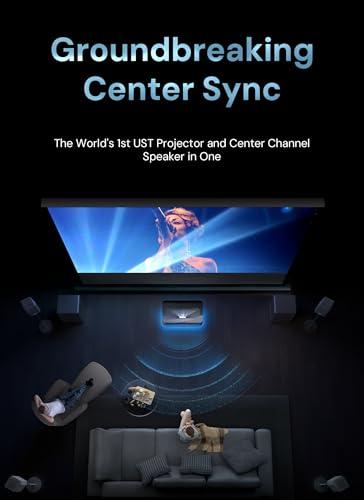
The AWOL Vision LTV-3000 Pro includes Android TV 9.0 built-in, plus a bundled Amazon Fire TV Stick 4K Max. You get immediate access to Netflix, Disney+, Amazon Prime, and virtually every streaming service. The built-in 36W stereo speakers support Dolby Atmos, creating a complete entertainment system that requires only power and WiFi to function.
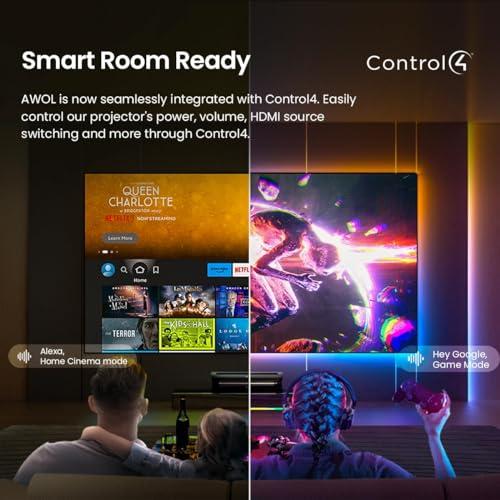
This approach appeals to users who want simplicity. No external streaming devices, no separate audio system, no complex setup procedures. The projector includes voice control through Alexa and basic smart home integration with systems like Control4 and Crestron.
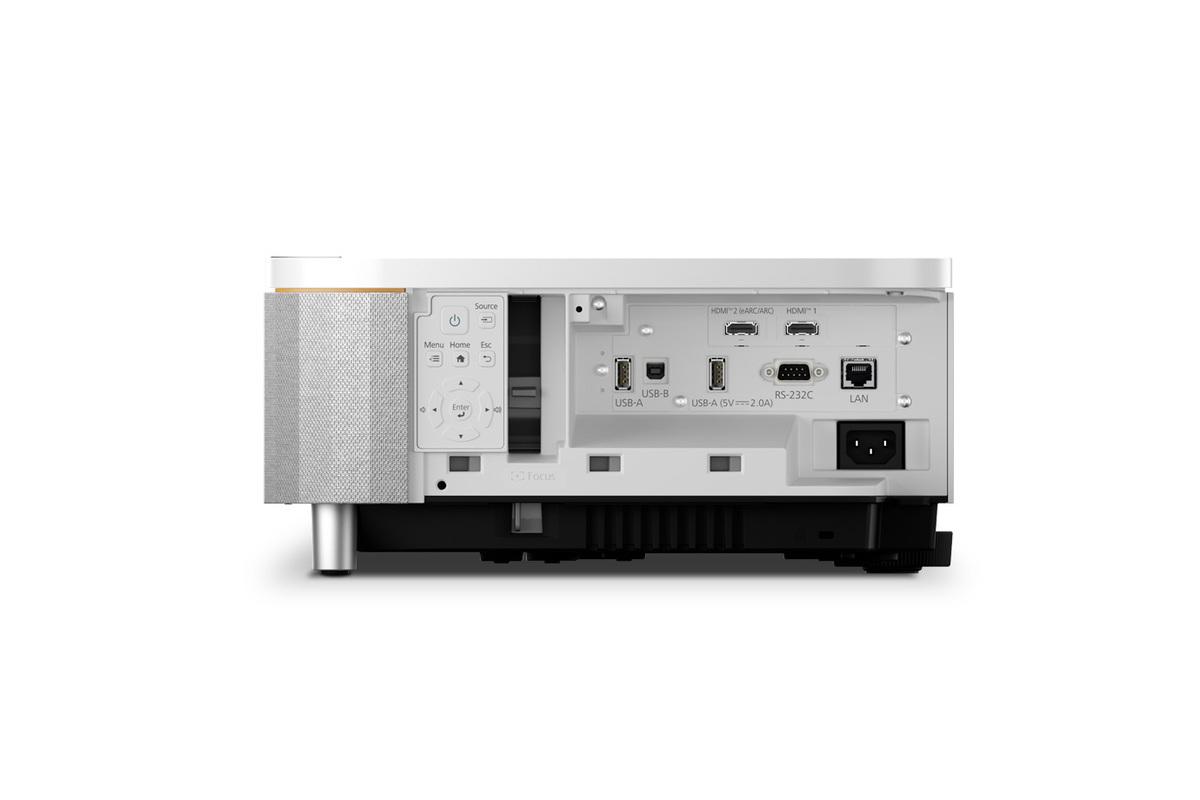
The Epson QS100 strips away consumer conveniences in favor of professional integration capabilities. It includes no built-in speakers, no smart TV features, and requires external devices for streaming. However, it offers comprehensive IP control, RS-232C serial connection, and compatibility with professional control systems including Crestron, Control4, AMX, and PJLink.
For custom integrators building high-end home theaters, these features are invaluable. The projector can be fully integrated into whole-home automation systems, controlled via touchscreens or mobile apps, and programmed to coordinate with lighting, audio, and environmental systems.
The eARC HDMI port deserves special mention—it can pass high-bitrate audio formats like Dolby Atmos and DTS:X to external audio systems without compression, something crucial for audiophile-quality sound.
Both projectors offer ultra-short throw capabilities, but with different implementation details that affect installation flexibility.
The AWOL Vision LTV-3000 Pro features a 0.25:1 throw ratio, creating a 100-inch image from approximately 8.75 inches away. It includes powered focus and 8-point keystone correction, allowing fine adjustment for non-perfect installations. The consumer focus shows in features like the Epson Setting Assistant App, which guides users through setup procedures.
The Epson QS100 offers more flexibility with a variable throw ratio from 0.16:1 to 0.22:1, allowing larger images from even shorter distances. Its geometry correction suite is more comprehensive, including Quick Corner, Arc, and Point Correction with memory settings for different configurations.
Both projectors use laser light sources rated for 20,000+ hours—roughly 10-15 years of typical use. Unlike traditional lamp projectors that require expensive bulb replacements every 3,000-5,000 hours, these lasers provide consistent brightness throughout their lifespan with near-instant startup times.
The AWOL Vision LTV-3000 Pro includes surprisingly capable built-in audio. The 36W stereo system with Dolby Atmos processing produces room-filling sound that eliminates the need for external speakers in many installations. While dedicated home theater enthusiasts will prefer external audio, the built-in speakers satisfy casual viewing and significantly reduce system complexity.
The Epson QS100 omits speakers entirely, assuming users will implement dedicated audio solutions. This isn't necessarily a drawback—it allows the full budget to focus on projection performance while giving users complete freedom in audio system selection.
After extensive research into professional reviews and user feedback, clear usage scenarios emerge for each projector.
Your primary goal is creating an impressive home theater experience without complexity or additional purchases. The AWOL Vision LTV-3000 Pro excels in moderate ambient light conditions—think family rooms with light control or dedicated theater spaces with some residual lighting.
This projector particularly suits gaming enthusiasts who want both excellent gaming performance and the flexibility to stream content without external devices. The combination of low input lag, comprehensive smart features, and built-in audio creates a complete entertainment hub from a single purchase.
The true 4K resolution and Dolby Vision support make it ideal for users with extensive 4K content libraries who want maximum detail and optimized HDR performance. However, budget for professional calibration if color accuracy is critical to your enjoyment.
Your room has significant ambient light that makes other projectors look washed out. The Epson QS100 thrives in challenging lighting conditions where other projectors fail. If you regularly watch during daytime hours or in spaces with large windows, this projector's brightness advantage becomes essential.
Professional installation scenarios particularly benefit from Epson's approach. Custom integrators can fully incorporate the projector into sophisticated control systems, creating seamless user experiences where the projector coordinates with lighting, audio, and environmental controls.
The Epson QS100 also appeals to users planning significant external audio investments. Without built-in speakers consuming budget and space, every dollar goes toward projection performance, while eARC support enables audiophile-quality sound systems.
Looking at these 2023 and 2025 releases reveals interesting industry trends. Brightness continues increasing—the Epson QS100 represents a substantial jump over earlier models. Processing power is also advancing, with dynamic tone mapping and real-time optimization becoming standard features.
The format war between true 4K and pixel-shifting continues, with both approaches delivering excellent results. However, brightness limitations seem more constraining than resolution differences in real-world usage.
Smart features are bifurcating the market. Consumer-focused models like the AWOL Vision LTV-3000 Pro integrate everything possible, while professional models like the Epson QS100 focus purely on projection excellence.
At the time of writing, these projectors occupy different value propositions rather than directly competing. The AWOL Vision LTV-3000 Pro delivers exceptional value as a complete entertainment system, while the Epson QS100 commands premium pricing for specialized brightness and integration capabilities.
Your room lighting conditions should heavily influence this decision. If you watch primarily with controlled lighting, the AWOL Vision LTV-3000 Pro provides everything needed for an excellent experience. If ambient light is unavoidable or desirable, the Epson QS100 may be the only projector that maintains image quality under those conditions.
Consider your long-term plans as well. The AWOL Vision LTV-3000 Pro is ready to use immediately but offers limited upgrade paths. The Epson QS100 requires additional investment in streaming and audio but creates a foundation for expanding into a more sophisticated system over time.
Both represent excellent examples of how UST projector technology has matured, offering cinema-quality experiences that were impossible just a few years ago. The choice ultimately depends on whether you prioritize immediate completeness or maximum performance potential in your specific viewing environment.
| AWOL Vision LTV-3000 Pro | Epson QS100 |
|---|---|
| Brightness - Critical for daytime viewing and ambient light performance | |
| 2,000 ISO lumens (good for controlled lighting) | 4,500 lumens (excellent for bright rooms and daytime use) |
| Resolution Technology - Affects image sharpness and detail | |
| True native 4K UHD (3840×2160) | 4K PRO-UHD via pixel-shifting (near-4K quality) |
| Display Technology - Impacts color accuracy and viewing artifacts | |
| 0.47" DLP with RGB triple laser (no color wheel) | 3LCD with blue laser phosphor (no rainbow effects) |
| HDR Support - Determines compatibility with premium streaming content | |
| Dolby Vision, HDR10+, HDR10, HLG | HDR10, HLG (no Dolby Vision support) |
| Maximum Screen Size - How large an image you can project | |
| 150 inches diagonal | 160 inches diagonal |
| Throw Ratio - How close to wall for 100" screen | |
| 0.25:1 (about 8.75 inches from wall) | 0.16:1 to 0.22:1 (as close as 6 inches from wall) |
| Smart Features - Built-in streaming and convenience | |
| Android TV 9.0 + Fire TV Stick 4K Max included | None (requires external streaming device) |
| Built-in Audio - Eliminates need for external speakers | |
| 36W stereo with Dolby Atmos support | No speakers (requires external audio system) |
| Gaming Performance - Input lag for responsive gaming | |
| 15ms (4K/60Hz), 8ms (1080p/120Hz) | Auto Low Latency Mode, suitable for casual gaming |
| Connectivity - HDMI ports and connection options | |
| 3 HDMI ports, 2 USB ports, wireless | 2 HDMI 2.0 ports (one eARC), Ethernet, RS-232C |
| Professional Integration - Smart home and control system compatibility | |
| Basic smart home integration | Full IP control, Crestron, Control4, AMX, PJLink |
| Laser Lifespan - Long-term maintenance requirements | |
| 25,000 hours (10-15 years typical use) | 20,000 hours (10-15 years typical use) |
| Color Gamut - Range of colors the projector can display | |
| 107% BT.2020 coverage (excellent color range) | BT.2020 support with dynamic tone mapping |
| Target Market - Who this projector is designed for | |
| Consumer home theater enthusiasts | Professional installation and bright room viewing |
The Epson QS100 is significantly brighter at 4,500 lumens compared to the AWOL Vision LTV-3000 Pro's 2,000 ISO lumens. This makes the Epson QS100 much better for rooms with ambient light or daytime viewing, while the AWOL Vision LTV-3000 Pro works best in controlled lighting conditions.
The AWOL Vision LTV-3000 Pro offers true native 4K resolution (3840×2160), while the Epson QS100 uses 4K PRO-UHD with pixel-shifting technology. Both deliver excellent sharpness, but the AWOL Vision LTV-3000 Pro provides technically superior resolution for the most demanding viewers.
The AWOL Vision LTV-3000 Pro is better for gaming with 15ms input lag at 4K/60Hz and 8ms at 1080p/120Hz. The Epson QS100 includes Auto Low Latency Mode and works fine for casual gaming, but serious gamers will prefer the AWOL Vision LTV-3000 Pro's faster response times.
The AWOL Vision LTV-3000 Pro includes built-in 36W stereo speakers with Dolby Atmos support, providing a complete audio solution. The Epson QS100 has no built-in speakers and requires an external audio system, which adds to the total cost but allows for higher-quality sound.
The AWOL Vision LTV-3000 Pro includes Android TV 9.0 and comes with an Amazon Fire TV Stick 4K Max, giving immediate access to all major streaming platforms. The Epson QS100 has no built-in smart features and requires a separate streaming device like Roku, Apple TV, or Fire Stick.
Both are ultra short throw projectors that sit very close to the screen. The Epson QS100 can project from as close as 6 inches from the wall with its 0.16:1 throw ratio, while the AWOL Vision LTV-3000 Pro needs about 8.75 inches with its 0.25:1 throw ratio for a 100-inch image.
The AWOL Vision LTV-3000 Pro supports Dolby Vision, HDR10+, HDR10, and HLG formats, making it compatible with premium streaming content from Netflix and Disney+. The Epson QS100 only supports HDR10 and HLG, but includes advanced dynamic tone mapping for optimized HDR performance.
The Epson QS100 can project up to 160 inches, while the AWOL Vision LTV-3000 Pro maxes out at 150 inches. Both sizes are massive and suitable for home theater use, with the difference being minimal for most users.
The Epson QS100 is designed for professional integration with IP control, RS-232C connectivity, and compatibility with Crestron, Control4, and AMX systems. The AWOL Vision LTV-3000 Pro offers basic smart home integration but focuses more on consumer convenience.
The AWOL Vision LTV-3000 Pro laser is rated for 25,000 hours, while the Epson QS100 laser lasts 20,000 hours. Both provide 10-15 years of typical use without needing replacement, making them virtually maintenance-free compared to traditional lamp projectors.
The AWOL Vision LTV-3000 Pro provides better overall value as a complete entertainment system with built-in smart features and audio. The Epson QS100 costs significantly more but delivers professional-grade brightness and integration capabilities for demanding installations.
The Epson QS100 excels in bright rooms thanks to its 4,500-lumen output, making it usable even with windows open during the day. The AWOL Vision LTV-3000 Pro works better with controlled lighting or evening viewing, though it can handle moderate ambient light with proper screen pairing.
We've done our best to create useful and informative comparisons to help you decide what product to buy. Our research uses advanced automated methods to create this comparison and perfection is not possible - please contact us for corrections or questions. These are the sites we've researched in the creation of this article: bestbuy.com - projectorcentral.com - rtings.com - techaeris.com - hometechnologyreview.com - awolvision.de - androidcentral.com - awolvision.com - projectorreviews.com - dreamediaav.com - bestbuy.com - youtube.com - youtube.com - awolvisionpro.com - awolvision.com - awolvision.com - projectorscreen.com - youtube.com - projectorcentral.com - projectorreviews.com - techradar.com - audioadvice.com - projectorreviews.com - avsforum.com - projectorcentral.com - mediaserver.goepson.com - projectorcentral.com - news.epson.com - epson.eu - epson.com - epson.eu - epson.com - projectorcentral.com - bestbuy.com

Privacy Policy
Terms and Conditions - Affiliate Policy
Home Security
© Copyright 2008-2026.
11816 Inwood Rd #1211, Dallas, TX 75244