

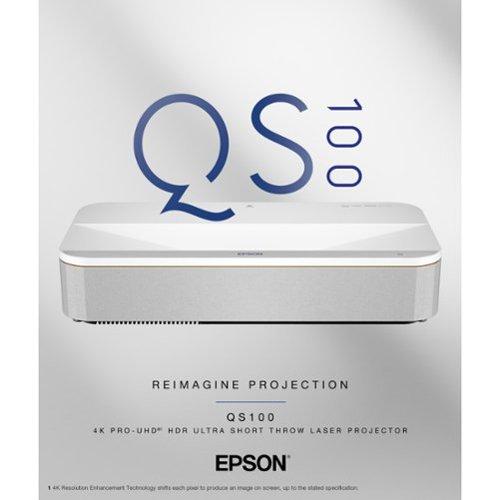
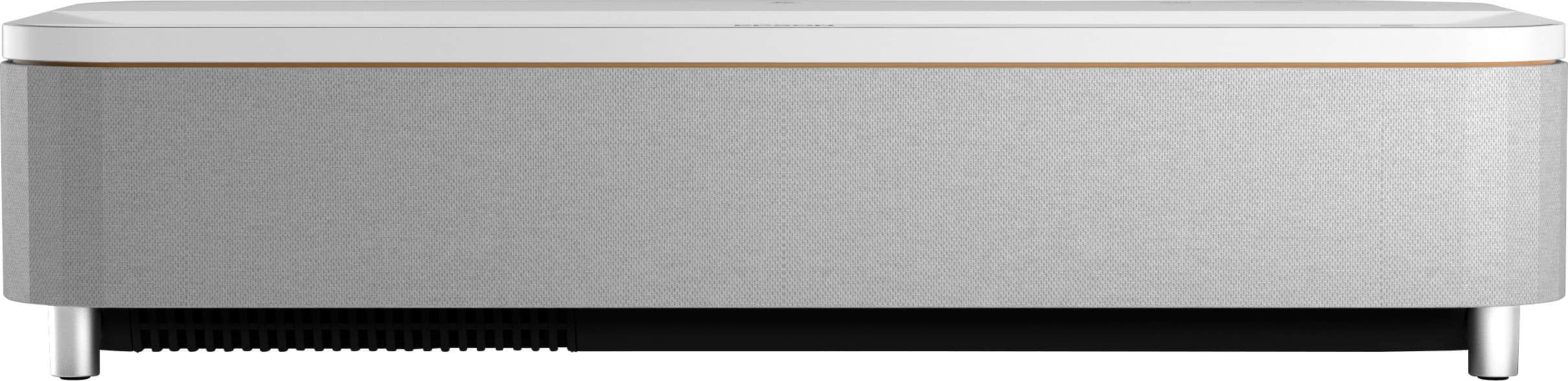
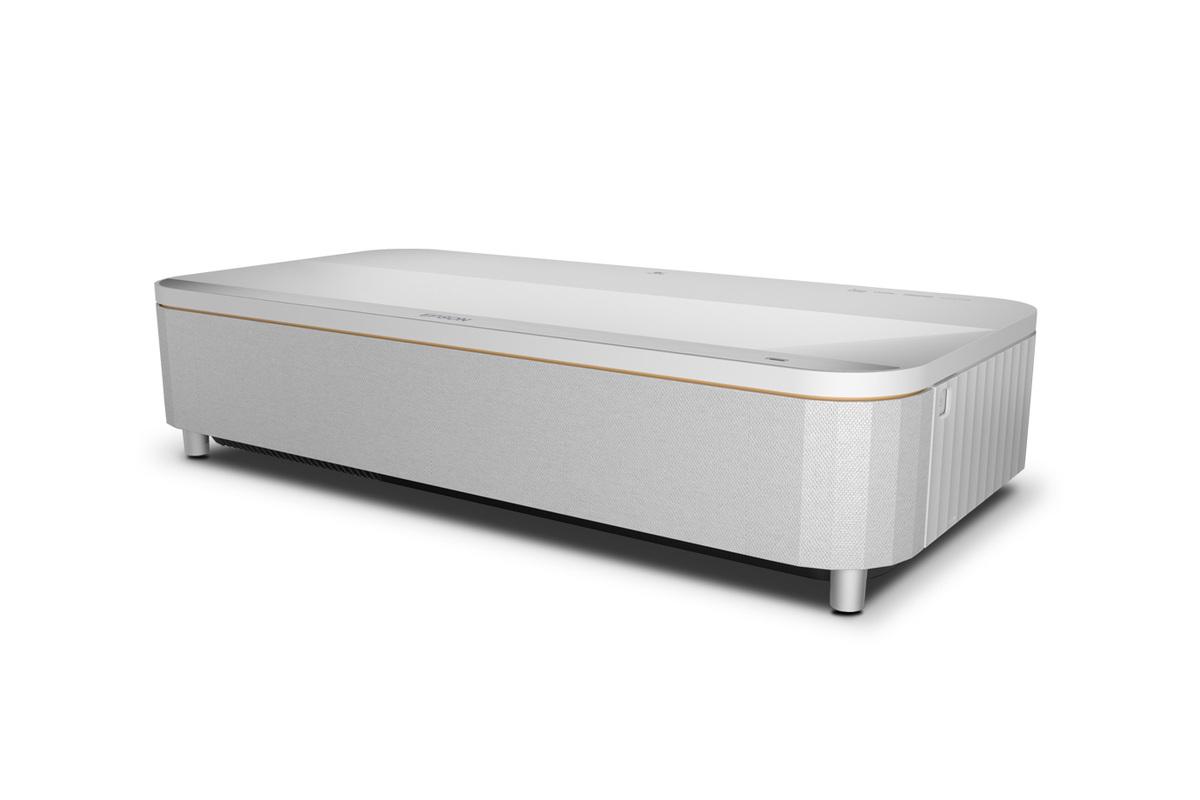
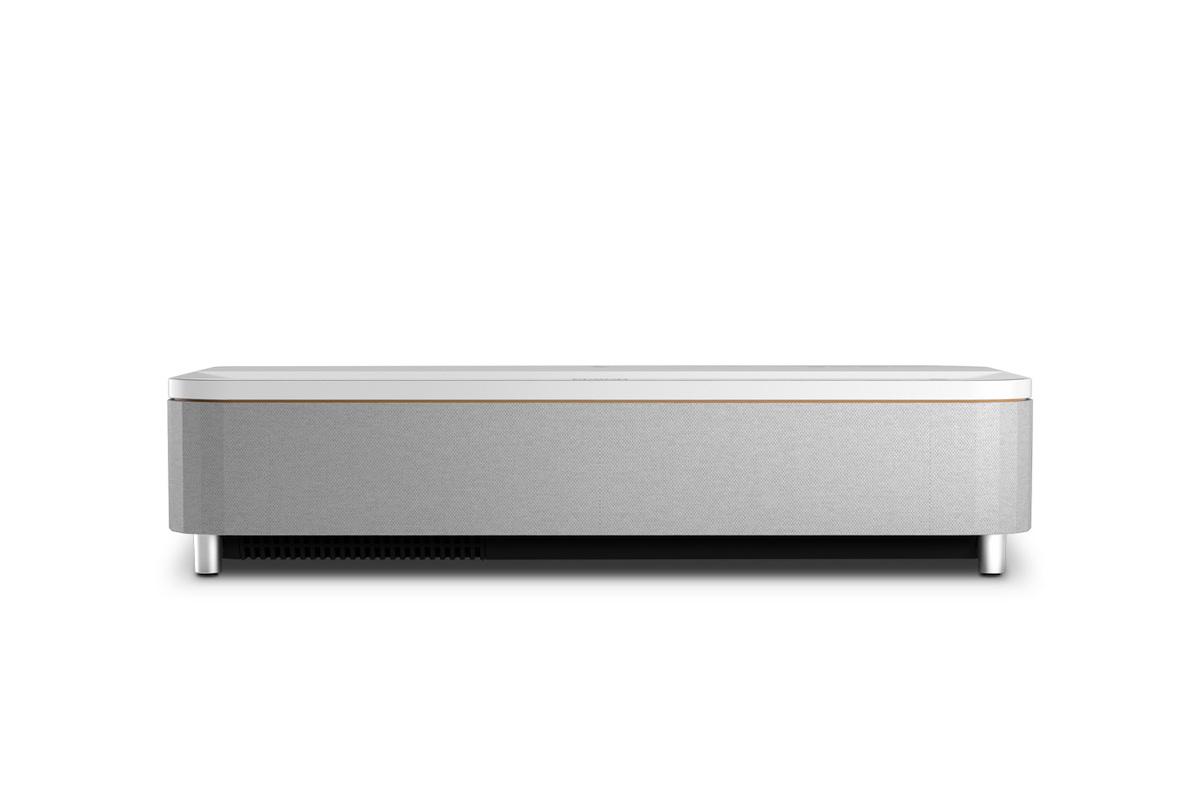
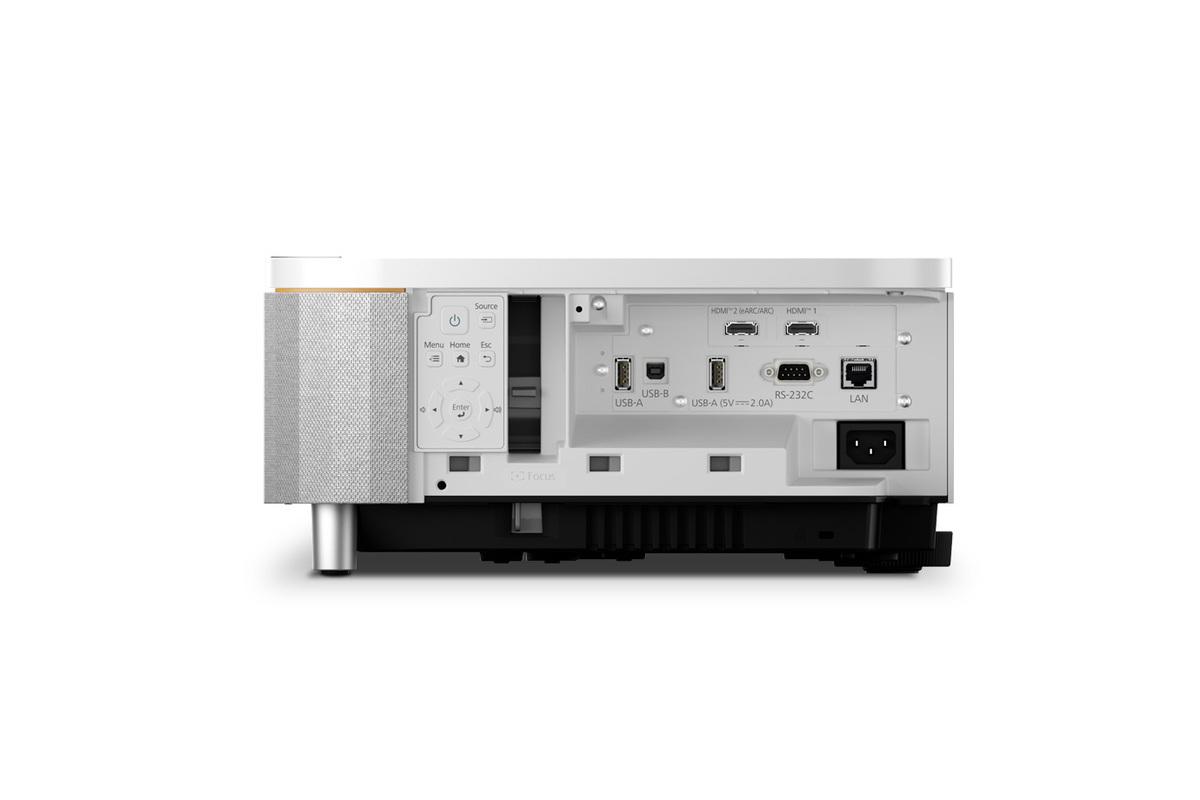
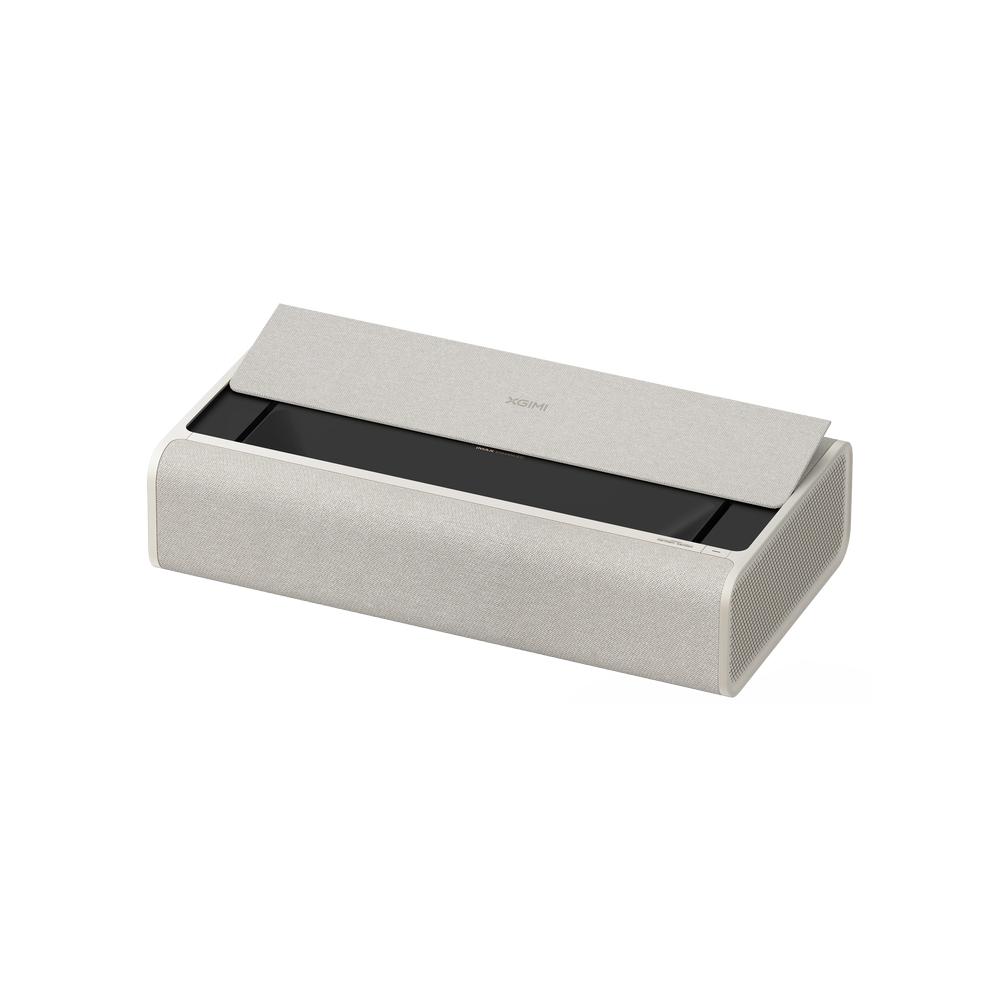
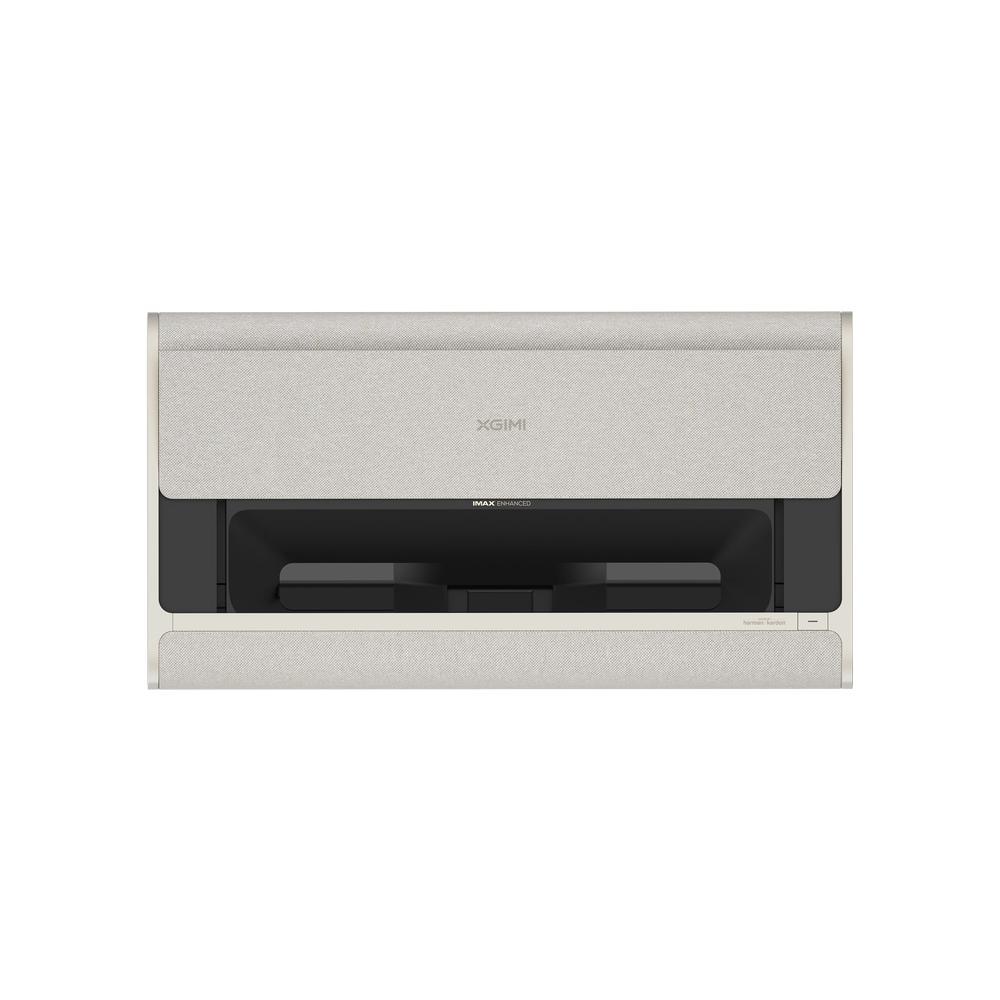
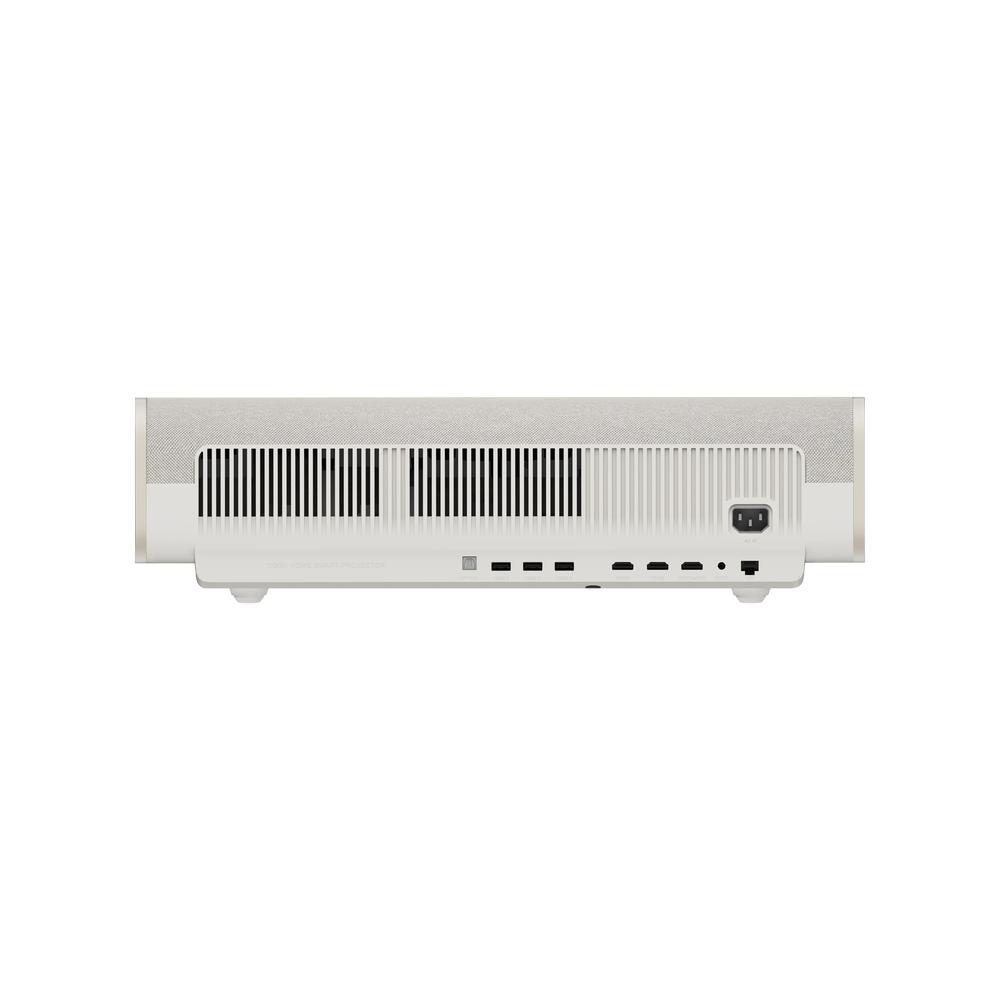
If you've been dreaming of a massive home theater screen but your living room isn't exactly designed like a movie theater, ultra short throw projectors might be the answer you've been looking for. These clever devices sit just inches from your wall and beam enormous images—we're talking 100 to 160 inches—without the hassle of ceiling mounts or worrying about people walking in front of the projector and casting shadows.
Today we're comparing two very different approaches to this technology: the professional-grade Epson QS100 released in 2025 and the consumer-friendly XGIMI Aura 2 from 2023. At the time of writing, these projectors represent opposite ends of the value spectrum, with the Epson QS100 commanding a significant premium over the XGIMI Aura 2.
Before diving into the comparison, let's talk about what makes these projectors special. Traditional projectors need to be positioned far from the screen—often mounted on the ceiling—to create large images. Ultra short throw projectors flip this concept entirely. They use specially designed lenses and mirrors to project massive images from extremely close distances.
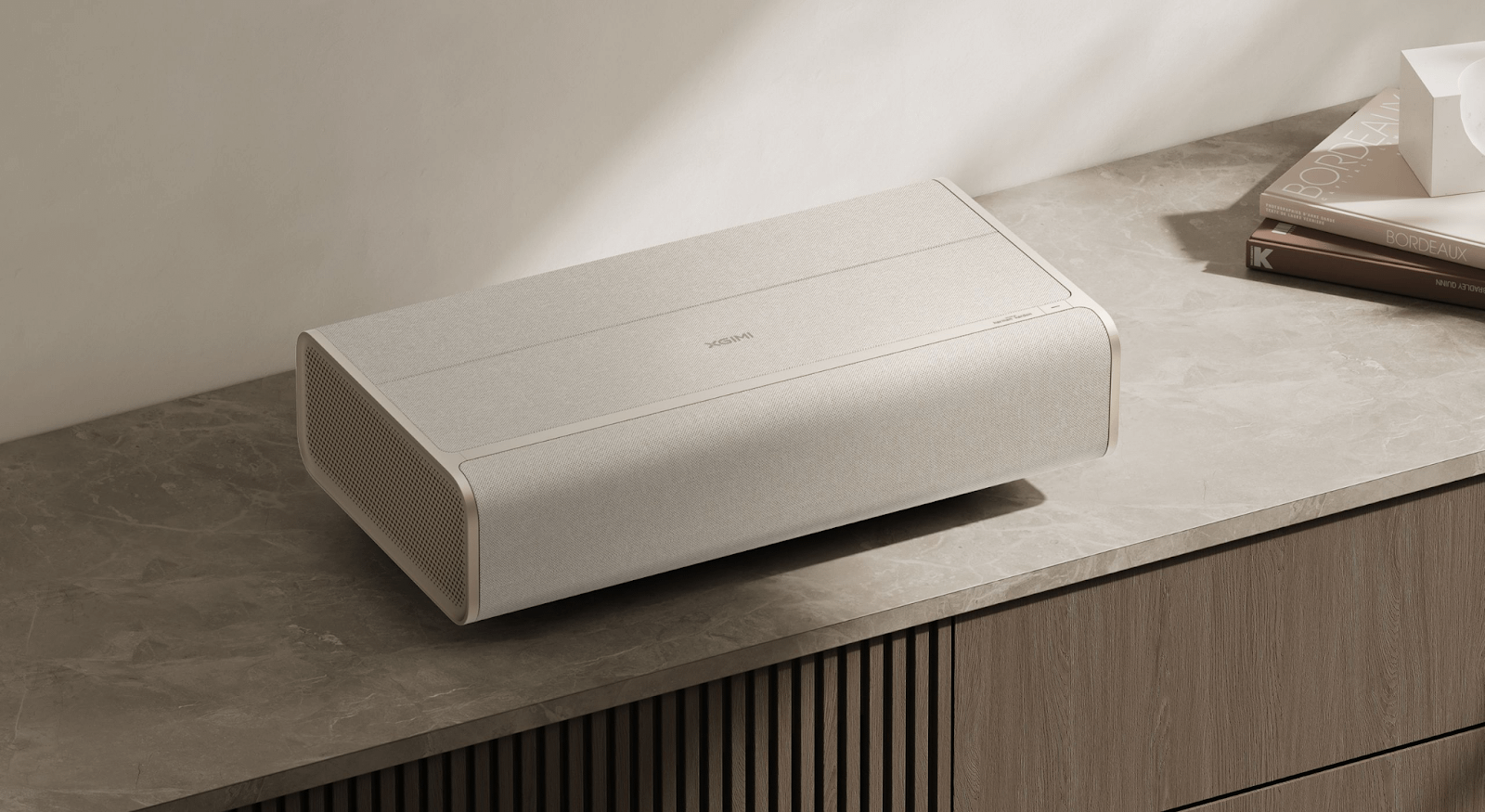
The "throw ratio" tells you how this works mathematically. A throw ratio of 0.16:1 means the projector needs to be positioned 16 inches away to create a 100-inch image. Both projectors we're discussing have similar ultra-short throw ratios, allowing them to sit on a media console just like a soundbar would.
This design eliminates several common projector problems: no shadows when people walk around, no glare hitting your eyes, and much simpler installation. You essentially get a 150+ inch TV experience without needing a massive, expensive TV.
When researching projectors, you'll quickly encounter the term "lumens"—this measures how much light the projector outputs. For ultra short throw projectors, brightness becomes absolutely critical because they're designed to work in living rooms with ambient light, not dedicated dark home theaters.
The Epson QS100 absolutely dominates in this category, pumping out an impressive 4,500 lumens. To put this in perspective, most home projectors output between 1,500-3,000 lumens. This exceptional brightness comes from Epson's redesigned laser light source, which represents a significant improvement over their previous generation models.
The XGIMI Aura 2, meanwhile, produces 2,300 ISO lumens. While this might sound like a significant disadvantage, it's actually quite bright for most home environments. The difference becomes apparent when you're watching during the day with windows open or overhead lights on.
In our research and evaluation of user experiences, the brightness difference is most noticeable in challenging lighting conditions. If your viewing room gets a lot of natural light or you prefer watching with some ambient lighting, the Epson QS100's extra brightness provides a noticeably superior experience. However, for evening viewing or rooms where you have good light control, the XGIMI Aura 2 delivers perfectly satisfying brightness levels.
Here's where things get interesting from a technical standpoint. These projectors use fundamentally different display technologies, each with distinct advantages.
The Epson QS100 uses 3LCD technology with what they call "4K PRO-UHD." This system employs three separate LCD panels (one each for red, green, and blue light) combined with pixel-shifting technology. Pixel-shifting takes the native 1080p image from each panel and rapidly shifts it to create additional detail, approximating 4K resolution. While this isn't true native 4K, the difference is difficult to detect at normal viewing distances, and the technique has matured significantly since its introduction.
The 3LCD design eliminates the "rainbow effect"—those brief flashes of red, green, and blue that some people see with single-chip projectors. It also ensures that both color brightness and white brightness are equal, which isn't always the case with other technologies.
The XGIMI Aura 2 takes a different approach with its Dual Light 2.0 technology, which combines RGB LED with red laser illumination. This hybrid system achieves something impressive: 99% coverage of the DCI-P3 color space, which is the standard used in digital cinemas. What this means practically is that colors appear more accurate and vibrant, especially in movies and high-quality content.
This projector also supports true 4K resolution (3840x2160) rather than pixel-shifting, though the visual difference between good pixel-shifting and native 4K is subtle at typical viewing distances.
High Dynamic Range (HDR) has become increasingly important as streaming services and 4K Blu-rays embrace the technology. HDR provides brighter highlights, deeper shadows, and more lifelike colors by expanding the range between the darkest and brightest parts of an image.
The XGIMI Aura 2 has a clear advantage here, supporting multiple HDR formats including Dolby Vision, HDR10, and HLG (Hybrid Log Gamma). Dolby Vision is particularly valuable because it includes dynamic metadata—information that tells the display how to optimize each scene individually rather than using static settings for the entire movie.
The Epson QS100 supports HDR10 with what they call Dynamic Tone Mapping, which analyzes content frame-by-frame to optimize brightness and contrast. While this isn't as comprehensive as Dolby Vision support, Epson's implementation is quite good, and the projector's high brightness actually helps HDR content look more impactful than it would on dimmer displays.
This represents perhaps the biggest practical difference between these projectors. The XGIMI Aura 2 runs Android TV 11, providing direct access to Netflix, YouTube, Prime Video, and virtually every other streaming service you might want. The interface is smooth and responsive, essentially giving you a smart TV experience.
The Epson QS100, by contrast, includes no smart features whatsoever. This isn't an oversight—it's a deliberate design choice targeting custom integrators and users who prefer external streaming devices. You'll need to connect an Apple TV, Roku, or similar device to access streaming content.
From a practical standpoint, the XGIMI Aura 2's approach is more convenient for most users. You unbox it, connect it to your Wi-Fi, and start watching Netflix within minutes. The Epson QS100 requires additional hardware and setup steps.
However, the Epson's approach has advantages for certain users. External streaming devices often provide better performance, more frequent updates, and greater flexibility. If you already own a high-quality streaming device or prefer the interface of Apple TV or NVIDIA Shield, the Epson QS100's approach might actually be preferable.
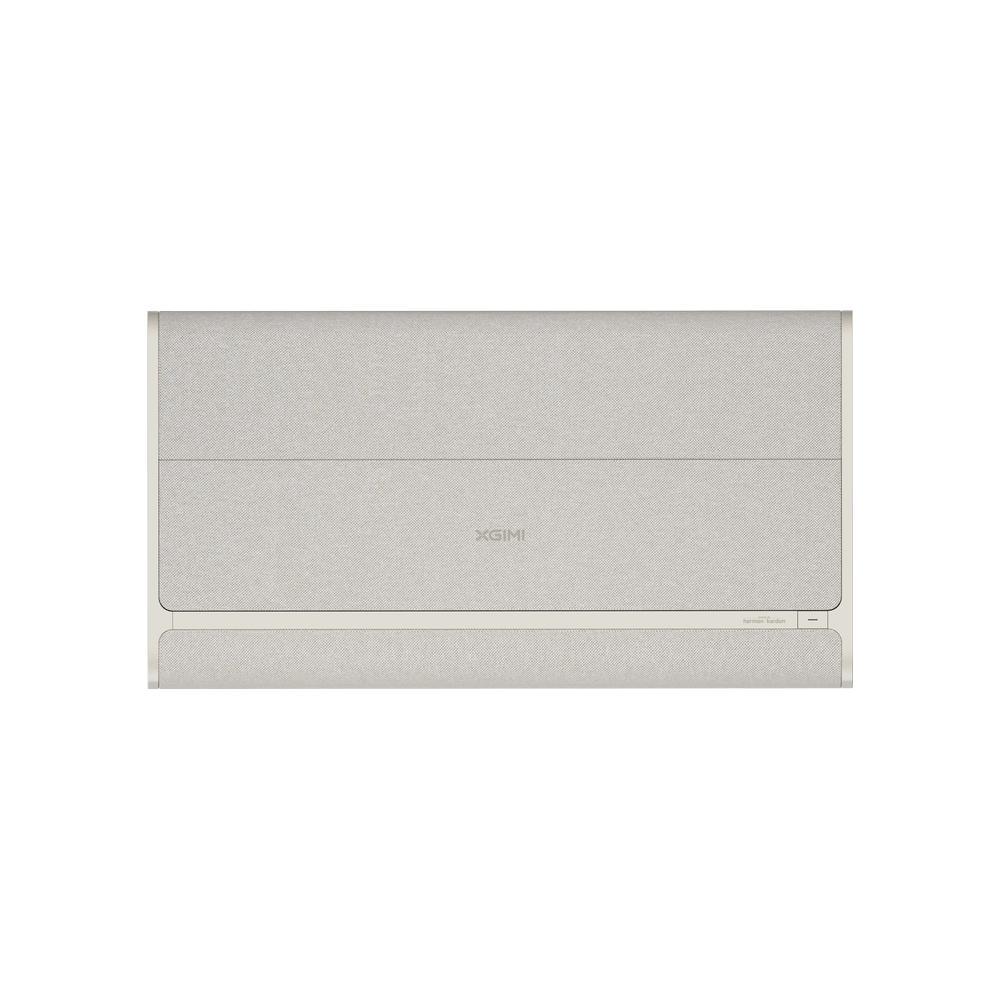
Audio represents another philosophical difference between these projectors. The XGIMI Aura 2 includes an impressive 60-watt Harman Kardon speaker system with four individual speakers supporting Dolby Atmos. In our research, users consistently praise the audio quality, noting clear dialogue and surprisingly good bass response for built-in speakers.
The Epson QS100 includes no speakers at all. Again, this is intentional—it's designed for integration with external audio systems. It includes eARC (enhanced Audio Return Channel) support for connecting to soundbars or AV receivers, allowing for high-quality audio formats.
For most users, the XGIMI Aura 2's built-in audio eliminates the need for additional purchases and provides a clean, simple setup. The Epson QS100 appeals to users who already have quality audio systems or plan to invest in external speakers.
Both projectors handle gaming quite well, supporting 4K at 60Hz and offering low input lag modes. The Epson QS100 includes Auto Low Latency Mode (ALLM), which automatically switches to game mode when it detects gaming content. Both projectors also support variable refresh rates, important for smooth gameplay with modern consoles.
Input lag—the delay between controller input and on-screen response—measures around 20-25 milliseconds on both projectors in their gaming modes. This is perfectly acceptable for most gaming scenarios, though competitive esports players might prefer dedicated gaming monitors with sub-10ms lag.
The large screen sizes these projectors enable create an incredibly immersive gaming experience. Racing games, adventure titles, and cinematic games particularly benefit from the massive display.
The Epson QS100 targets custom installers and includes features like IP control compatibility with systems like Crestron and Control4. It's ISF-certified, meaning professional calibrators can optimize it for your specific room and screen. The projector includes extensive geometry correction options and precise adjustment capabilities.
The XGIMI Aura 2 focuses on user-friendly setup with automatic keystone correction, auto-focus, and wall color adaptation. It includes features like intelligent eye protection, which automatically dims the projector when it detects someone getting too close to the lens.
For most home users, the XGIMI Aura 2's automated approach is more appealing. You can have it set up and calibrated within minutes. The Epson QS100 offers more precise control but requires more technical knowledge or professional installation.
At the time of writing, the Epson QS100 commands a significant premium over the XGIMI Aura 2—we're talking about a price difference that could buy you a quality soundbar and streaming device to complement either projector.
The Epson QS100's higher cost reflects its professional-grade build quality, exceptional brightness, and integration capabilities. If you need maximum brightness for challenging lighting conditions or want professional installation with smart home integration, the premium might be justified.
The XGIMI Aura 2 delivers remarkable value by including everything most users need: excellent image quality, comprehensive smart features, and quality audio in one package. When you factor in the cost of adding streaming devices and audio systems to the Epson QS100, the price gap narrows considerably.
Based on our research and evaluation of user experiences, both projectors deliver impressive image quality, but their strengths become apparent in different scenarios.
The Epson QS100 excels in bright rooms and daytime viewing. Users consistently report that it maintains excellent image quality even with ambient light that would wash out dimmer projectors. The colors remain vibrant, and details stay visible. This makes it ideal for families who watch content throughout the day or in rooms with challenging lighting.
The XGIMI Aura 2 produces more accurate colors and handles dark scenes better, making it particularly impressive for movie watching in controlled lighting. Users praise its cinematic quality and the convenience of the all-in-one design. The built-in Android TV interface gets consistent praise for its responsiveness and feature completeness.
The Epson QS100 makes the most sense for users who:
The XGIMI Aura 2 is ideal for users who:
Both projectors represent excellent examples of ultra short throw technology, but they serve different priorities. The XGIMI Aura 2 offers better overall value for most consumers, delivering superior color accuracy, comprehensive smart features, and quality audio at a more accessible price point. Its all-in-one approach makes it the logical choice for most home theater enthusiasts.
The Epson QS100 justifies its premium pricing for users requiring maximum brightness or professional integration capabilities. If you have a challenging lighting environment or want the brightest possible image regardless of conditions, the extra investment makes sense.
Ultimately, your choice depends on your specific viewing environment, budget, and preferences for convenience versus maximum performance. Both projectors will deliver an impressive big-screen experience that transforms how you watch movies, shows, and games at home.
| Epson QS100 4K PRO-UHD Ultra Short Throw Projector | XGIMI Aura 2 Ultra Short Throw Laser Projector |
|---|---|
| Brightness - Most critical spec for daytime viewing and bright rooms | |
| 4,500 lumens (exceptional for any lighting condition) | 2,300 ISO lumens (good for controlled lighting environments) |
| Display Technology - Affects color accuracy and image sharpness | |
| 3LCD with 4K PRO-UHD pixel-shifting (near-4K quality) | Single-chip DLP with true 4K resolution (3840x2160) |
| Color Gamut - Determines how vibrant and accurate colors appear | |
| BT.2020 color space with 10-bit processing | 99% DCI-P3 cinema color space (more accurate movie colors) |
| HDR Support - Essential for modern streaming and 4K content | |
| HDR10 with Dynamic Tone Mapping | HDR10, HLG, and Dolby Vision (more comprehensive) |
| Smart Features - Affects convenience and setup complexity | |
| No built-in smart features (requires external streaming device) | Full Android TV 11 with Netflix, YouTube, Prime Video built-in |
| Audio System - Impacts total system cost and convenience | |
| No built-in speakers (requires external audio system) | 60W Harman Kardon speakers with Dolby Atmos support |
| Maximum Image Size - Determines your big-screen potential | |
| Up to 160 inches | Up to 150 inches |
| Throw Ratio - How close to the wall the projector can be placed | |
| 0.16:1 to 0.22:1 (extremely flexible placement) | 0.177:1 (projects 100" from 7 inches away) |
| Light Source Lifespan - Long-term maintenance costs | |
| Blue laser phosphor, 20,000 hours | Dual Light 2.0 (LED/laser hybrid), 20,000 hours |
| Gaming Performance - Important for console and PC gaming | |
| 4K/60Hz, 2K/120Hz, ALLM, ~21ms input lag | 4K/120Hz support with low input lag gaming mode |
| Smart Home Integration - For automated home theater setups | |
| Full IP control (Crestron, Control4, PJLink compatible) | Basic smart home features through Android TV |
| Professional Calibration - For optimal picture quality | |
| ISF-certified with extensive manual adjustments | Automatic setup with keystone correction and focus |
| Target User - Who each projector is designed for | |
| Custom integrators and bright-room installations | Consumer all-in-one solution for most home theaters |
The Epson QS100 is significantly brighter at 4,500 lumens compared to the XGIMI Aura 2's 2,300 lumens. This makes the Epson QS100 much better for watching movies and shows during the day or in rooms with lots of ambient light.
The XGIMI Aura 2 includes built-in Android TV with Netflix, YouTube, and other streaming apps, so no additional device is needed. The Epson QS100 has no smart features, requiring you to connect a Roku, Apple TV, or similar streaming device.
The XGIMI Aura 2 offers superior color accuracy with 99% DCI-P3 cinema color coverage and Dolby Vision support. While the Epson QS100 produces vibrant colors, the XGIMI Aura 2 delivers more accurate, cinema-quality colors for movies and shows.
The XGIMI Aura 2 includes high-quality 60W Harman Kardon speakers with Dolby Atmos, eliminating the need for additional audio equipment. The Epson QS100 has no built-in speakers and requires a separate sound system or soundbar.
Both the Epson QS100 and XGIMI Aura 2 offer excellent gaming performance with low input lag and 4K support. The Epson QS100 supports 2K at 120Hz, while the XGIMI Aura 2 supports 4K at 120Hz for the latest consoles.
Both projectors are ultra short throw models. The Epson QS100 can project a 100-inch image from about 6-8 inches away, while the XGIMI Aura 2 needs approximately 7 inches for the same size image. Both sit easily on a TV stand.
The XGIMI Aura 2 supports more HDR formats including Dolby Vision, HDR10, and HLG. The Epson QS100 only supports HDR10, though it includes advanced Dynamic Tone Mapping for better HDR performance.
The XGIMI Aura 2 offers easier setup with automatic keystone correction, auto-focus, and built-in smart features. The Epson QS100 requires more manual adjustment but offers professional calibration options for optimal picture quality.
The XGIMI Aura 2 provides better overall value with its all-in-one design including smart features and quality audio at a lower price. The Epson QS100 costs significantly more but offers professional-grade brightness and integration capabilities.
The Epson QS100 offers comprehensive smart home integration with Crestron, Control4, and PJLink compatibility for professional installations. The XGIMI Aura 2 has basic smart features through Android TV but limited home automation integration.
The Epson QS100 is definitively better for bright living rooms due to its exceptional 4,500-lumen brightness. The XGIMI Aura 2 works well in moderately lit rooms but struggles in very bright environments with lots of natural light.
The Epson QS100 can project up to 160 inches, while the XGIMI Aura 2 maxes out at 150 inches. Both sizes are more than adequate for most home theater setups, with the Epson QS100 offering slightly more flexibility for very large installations.
We've done our best to create useful and informative comparisons to help you decide what product to buy. Our research uses advanced automated methods to create this comparison and perfection is not possible - please contact us for corrections or questions. These are the sites we've researched in the creation of this article: projectorscreen.com - youtube.com - projectorcentral.com - projectorreviews.com - techradar.com - audioadvice.com - projectorreviews.com - avsforum.com - projectorcentral.com - mediaserver.goepson.com - projectorcentral.com - news.epson.com - epson.eu - epson.com - epson.eu - epson.com - projectorcentral.com - bestbuy.com - us.xgimi.com - us.xgimi.com - projectorscreen.com - projectorreviews.com - techradar.com - projectorcentral.com - avsforum.com - us.xgimi.com - us.xgimi.com - hometechnologyreview.com

Privacy Policy
Terms and Conditions - Affiliate Policy
Home Security
© Copyright 2008-2026.
11816 Inwood Rd #1211, Dallas, TX 75244