

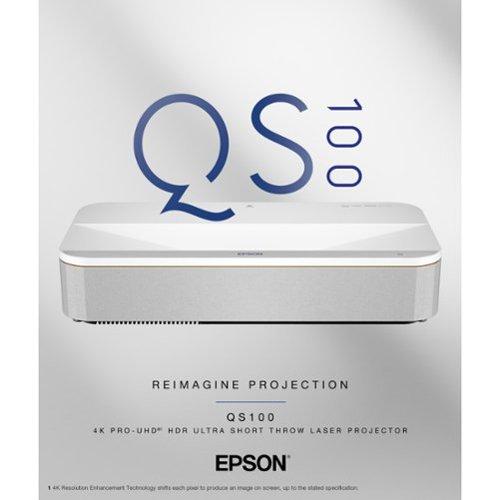
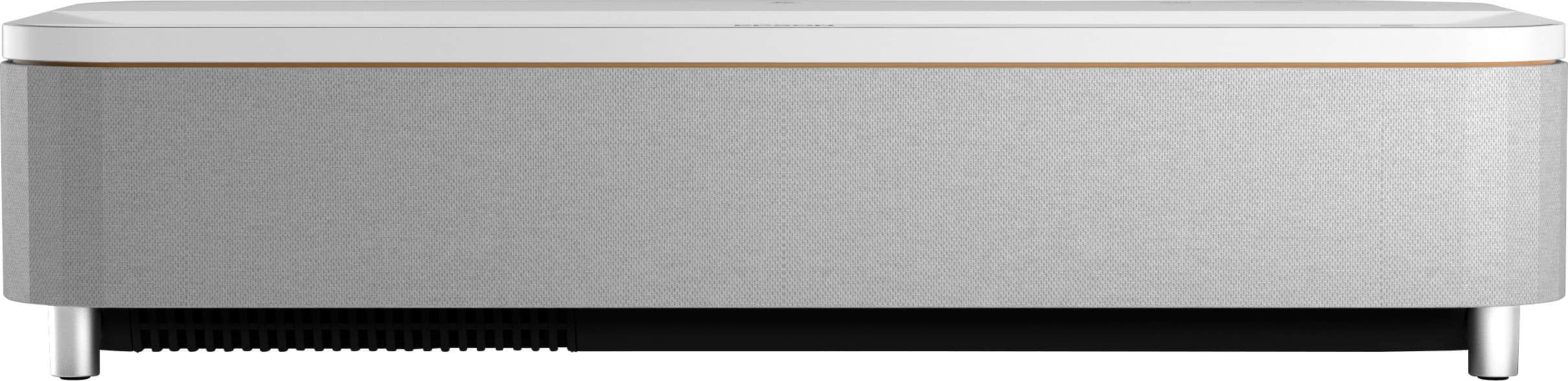
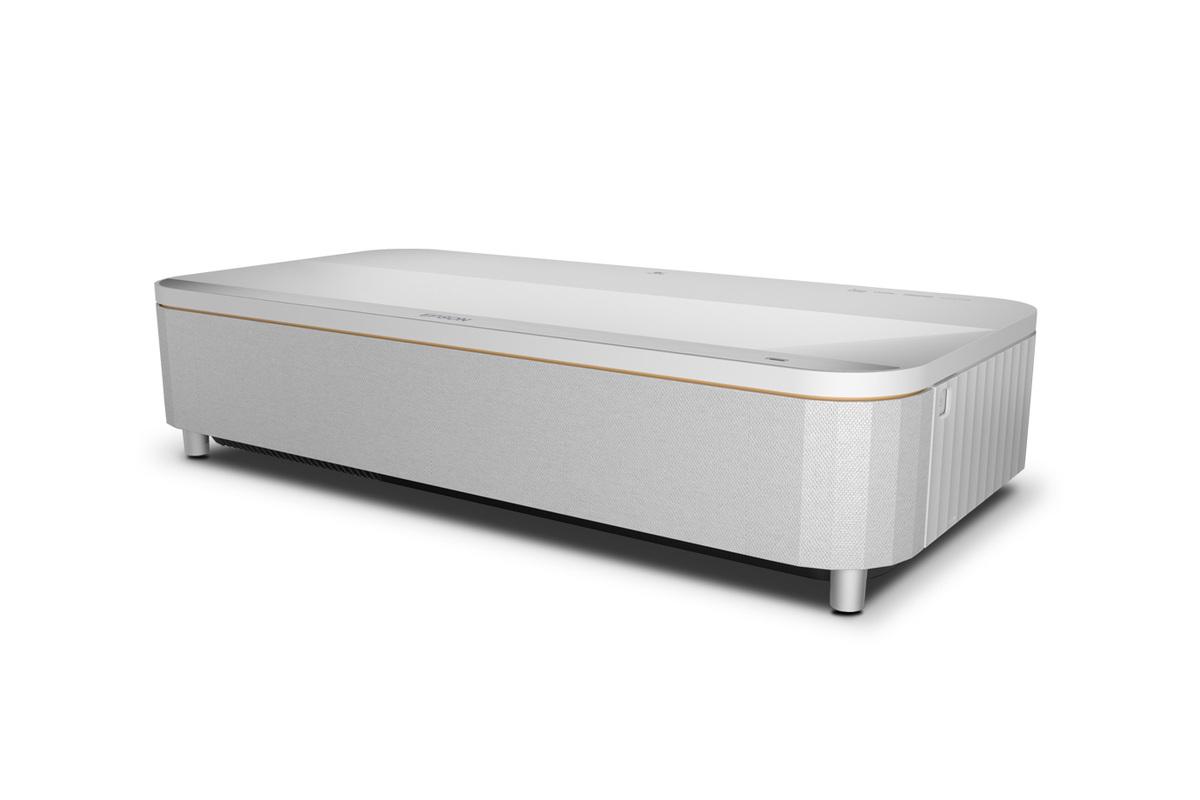
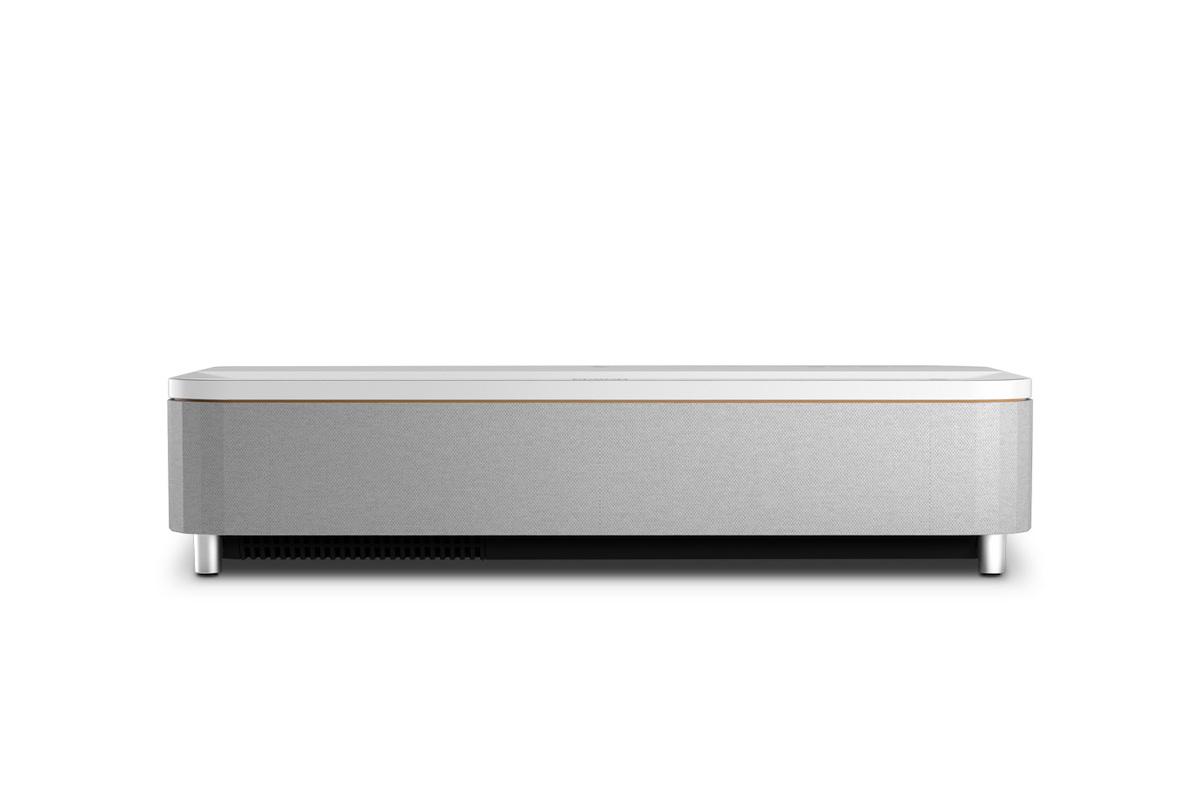


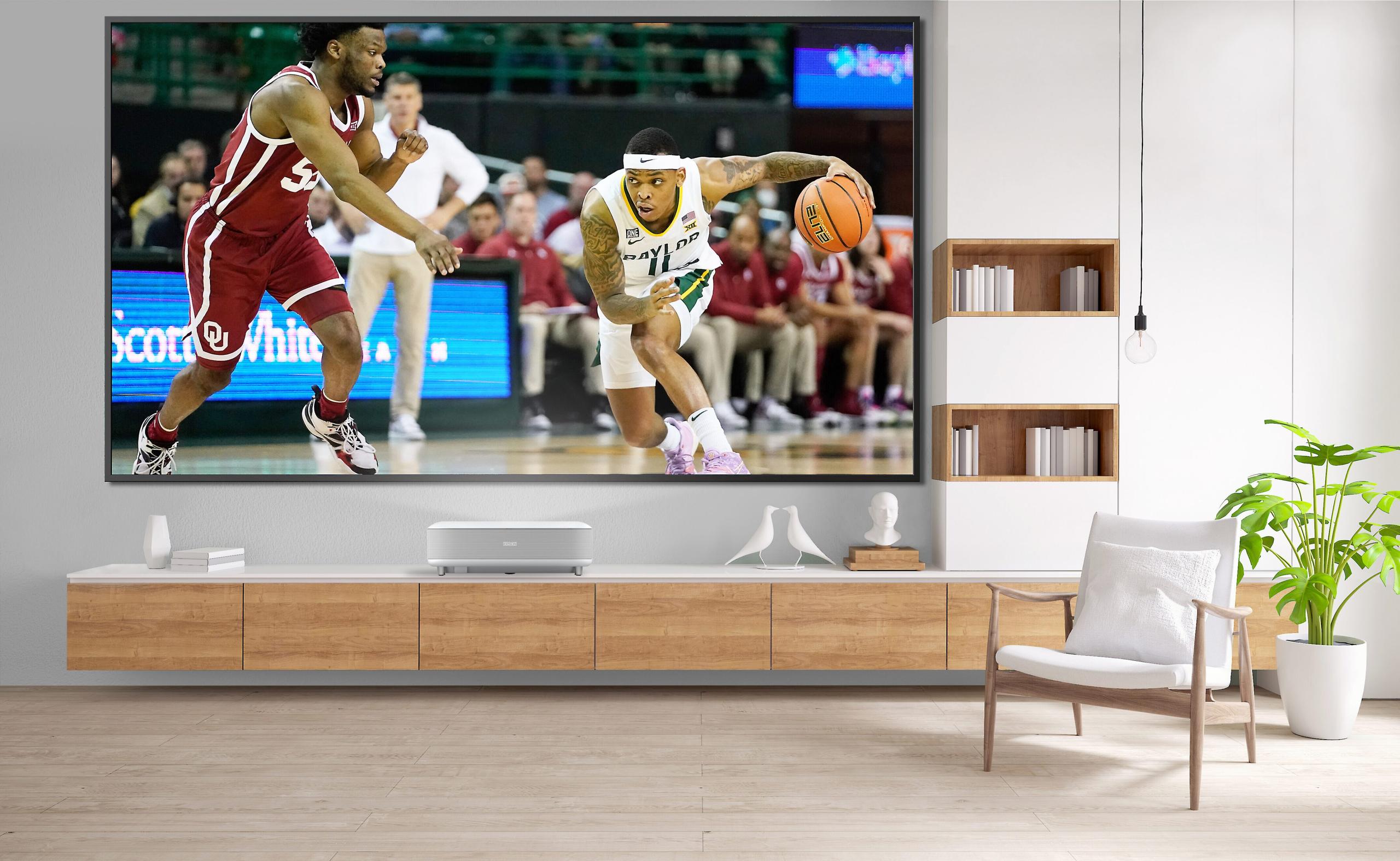
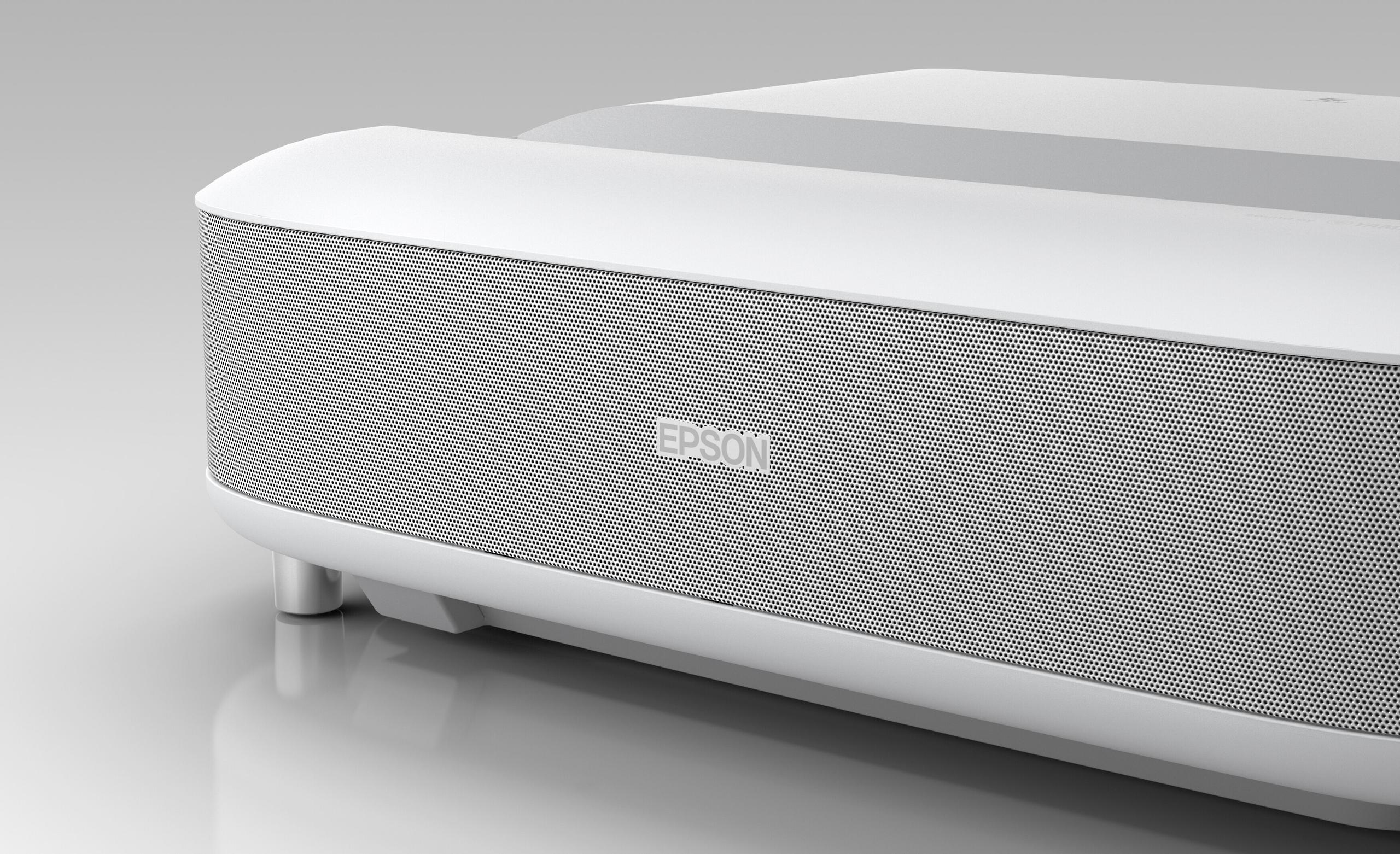
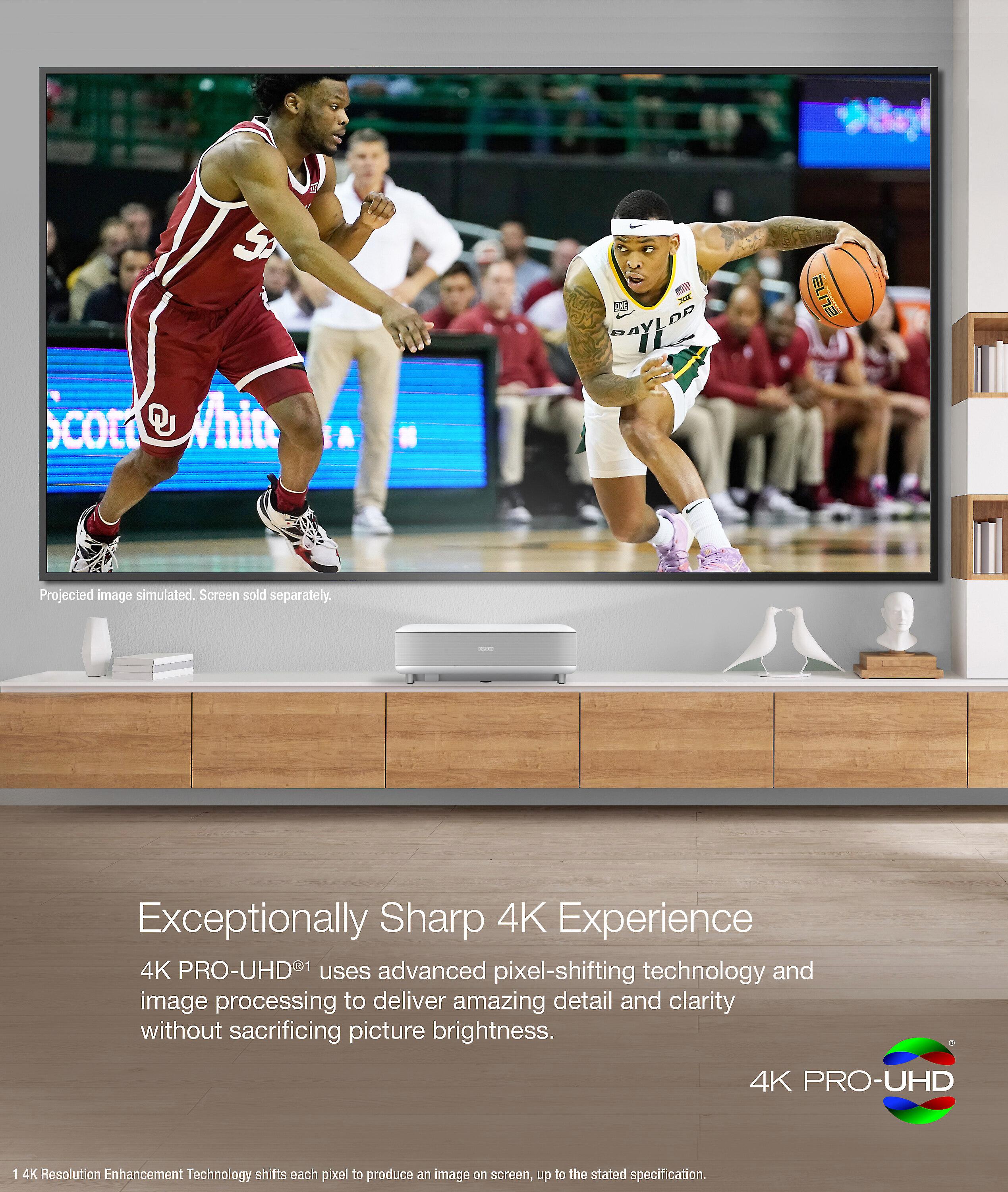
If you've ever wished you could have a massive 100+ inch screen in your living room without the hassle of mounting a projector on your ceiling or dealing with shadows when someone walks by, ultra short throw (UST) projectors might be exactly what you're looking for. These remarkable devices sit just inches from your wall and project enormous, cinema-quality images that make even the largest TVs look small by comparison.
Epson offers two compelling options in this space: the premium QS100 released in 2025 and the more affordable LS650 that hit the market in 2023. Both promise to transform your living space into a home theater, but they take very different approaches to get there. Understanding these differences is crucial for making the right choice for your specific needs and budget.
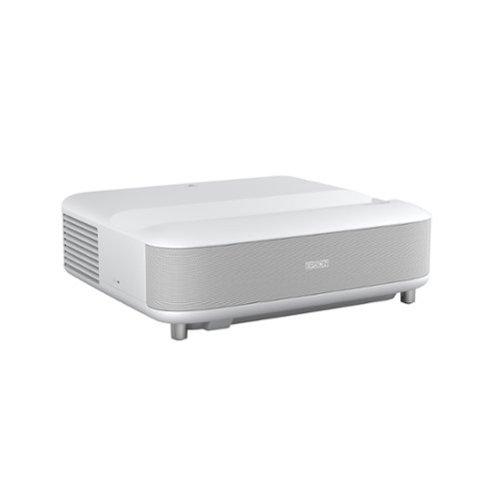
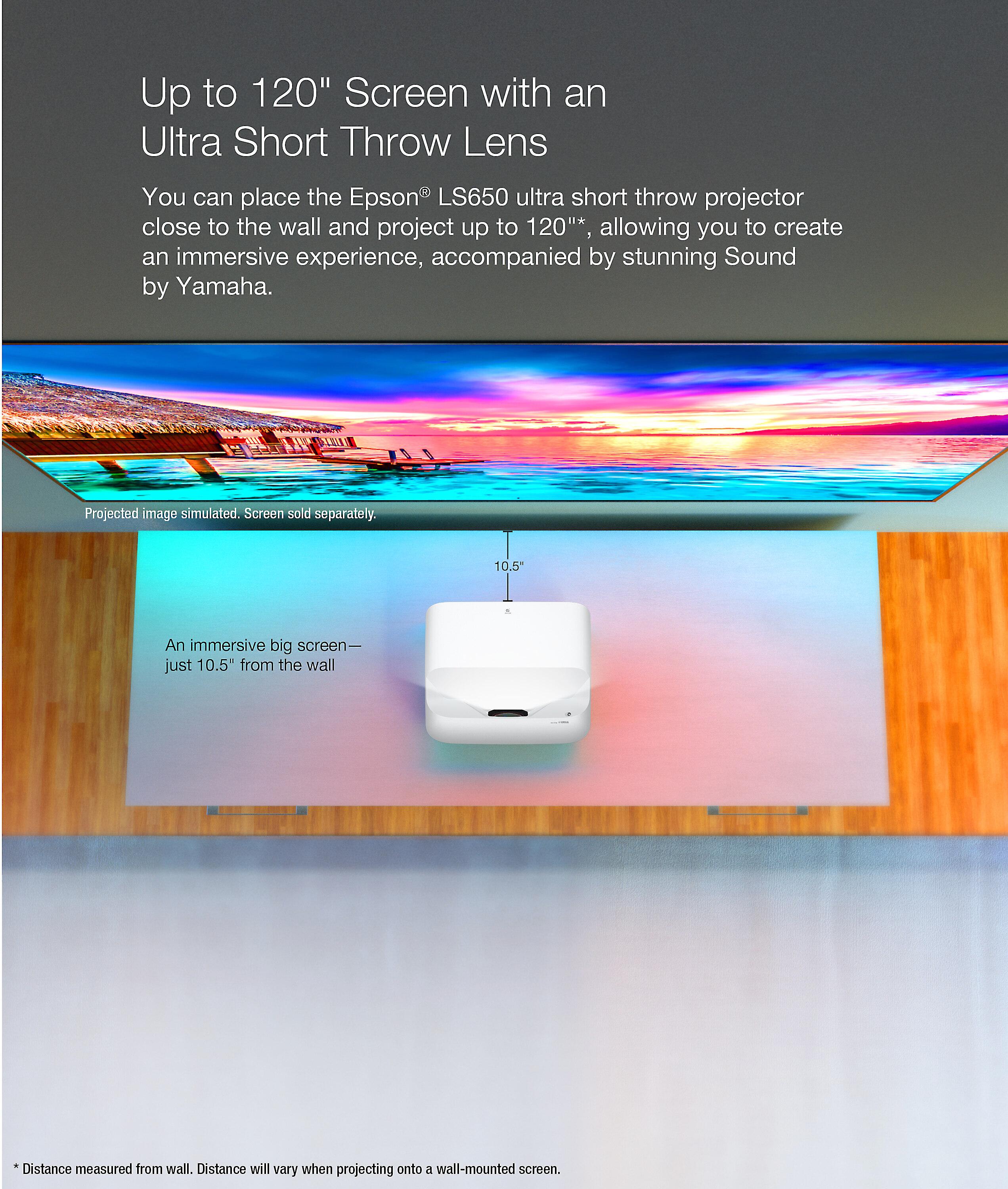
Before diving into the comparison, it's worth understanding what sets UST projectors apart from traditional models. Instead of requiring 8-12 feet of throw distance like conventional projectors, UST models use specialized wide-angle lenses and advanced optics to create massive images from just inches away from the screen or wall. This eliminates the most common problems with traditional projectors: ceiling mounting complexity, shadows from people walking by, and the need for dedicated dark rooms.
The technology works through ultra-wide-angle lenses combined with sophisticated image correction software. When you place a UST projector close to a wall, it projects upward at an extreme angle, and internal processing corrects the resulting geometric distortion to create a perfectly rectangular image. This approach has revolutionized home projection, making it viable for living rooms, bedrooms, and other multi-purpose spaces where traditional projectors simply don't work.
The QS100 and LS650 represent fundamentally different philosophies about what a home projector should be. The LS650 follows the "all-in-one" approach, packing smart TV features, built-in speakers, and streaming capabilities into a single device that you can plug in and start using immediately. It's designed for families who want big-screen entertainment without complexity.
The QS100, by contrast, takes a "professional display" approach. Released two years later in 2025, it focuses exclusively on delivering the best possible image quality while leaving audio, streaming, and other features to external components. This design philosophy targets serious home theater enthusiasts and custom installers who want maximum performance and integration flexibility.
These different approaches affect everything from price positioning—the QS100 costs roughly twice as much as the LS650 at the time of writing—to daily usability and long-term satisfaction.
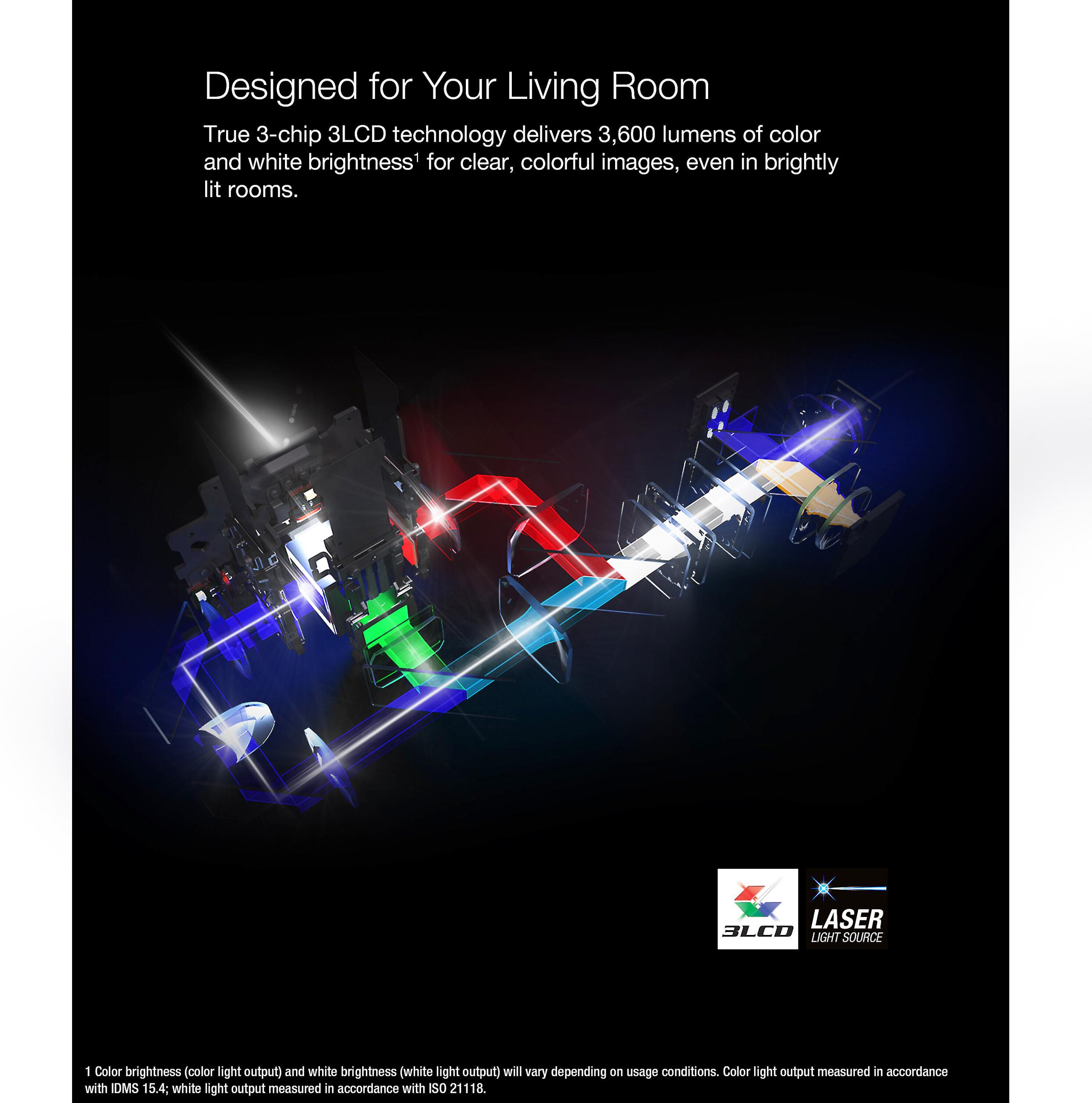
Perhaps the most critical performance difference between these projectors is brightness, measured in lumens. This metric determines how well a projector performs in rooms with ambient light, which is crucial since most people don't want to live in a cave-dark environment just to watch TV.
The QS100 delivers an impressive 4,500 lumens of both color and white brightness. This specification matters because some projectors achieve high white brightness by sacrificing color accuracy, but Epson's 3LCD technology ensures both measurements remain equal. This represents a significant 900-lumen advantage over the LS650's 3,600 lumens—a 25% increase that translates to noticeably better performance in bright rooms.
What does this mean practically? The brightness difference becomes most apparent during daytime viewing or in rooms with large windows. Where the LS650 might struggle to maintain vibrant colors and contrast in bright conditions, the QS100 maintains image quality that rivals high-end TVs. This advantage extends to HDR (High Dynamic Range) content, where the extra brightness helps reproduce the bright highlights that make HDR content look more realistic and immersive.
The QS100 achieves this higher brightness through an upgraded 5-in-1 laser module—a more sophisticated light source than what's found in the LS650. Laser light sources offer several advantages over traditional lamp-based systems: they last much longer (typically 20,000 hours), reach full brightness instantly, and maintain consistent color temperature throughout their lifespan.
Beyond raw brightness, the QS100 incorporates significantly more advanced image processing technology. At its heart is Epson's proprietary 32-bit QZX Picture Processor, a dedicated chip that analyzes and enhances every frame in real-time. This processor enables Dynamic HDR Tone Mapping, which adjusts brightness and contrast on a scene-by-scene basis rather than using static settings for entire movies.
This technical advancement addresses a common limitation in projector HDR performance. Many projectors apply the same tone mapping settings throughout an entire film, which means dark scenes might appear too bright while bright scenes lose detail. The QS100's dynamic approach optimizes each scene individually, preserving detail in both shadow areas and bright highlights.
The processing power difference also shows up in contrast performance. The QS100 achieves a dynamic contrast ratio of 5,000,000:1 compared to the LS650's 2,500,000:1. While these astronomical numbers might seem like marketing speak, the practical result is deeper blacks and more vibrant colors, especially noticeable in dark movie scenes or when viewing content with mixed lighting conditions.
Color reproduction represents another area where the QS100 pulls ahead. It supports the BT.2020 color gamut—a wider range of colors than the standard BT.709 used in most content. While you won't see this advantage with all content, it becomes apparent with nature documentaries, animation, and newer HDR films that take advantage of these extended color spaces.
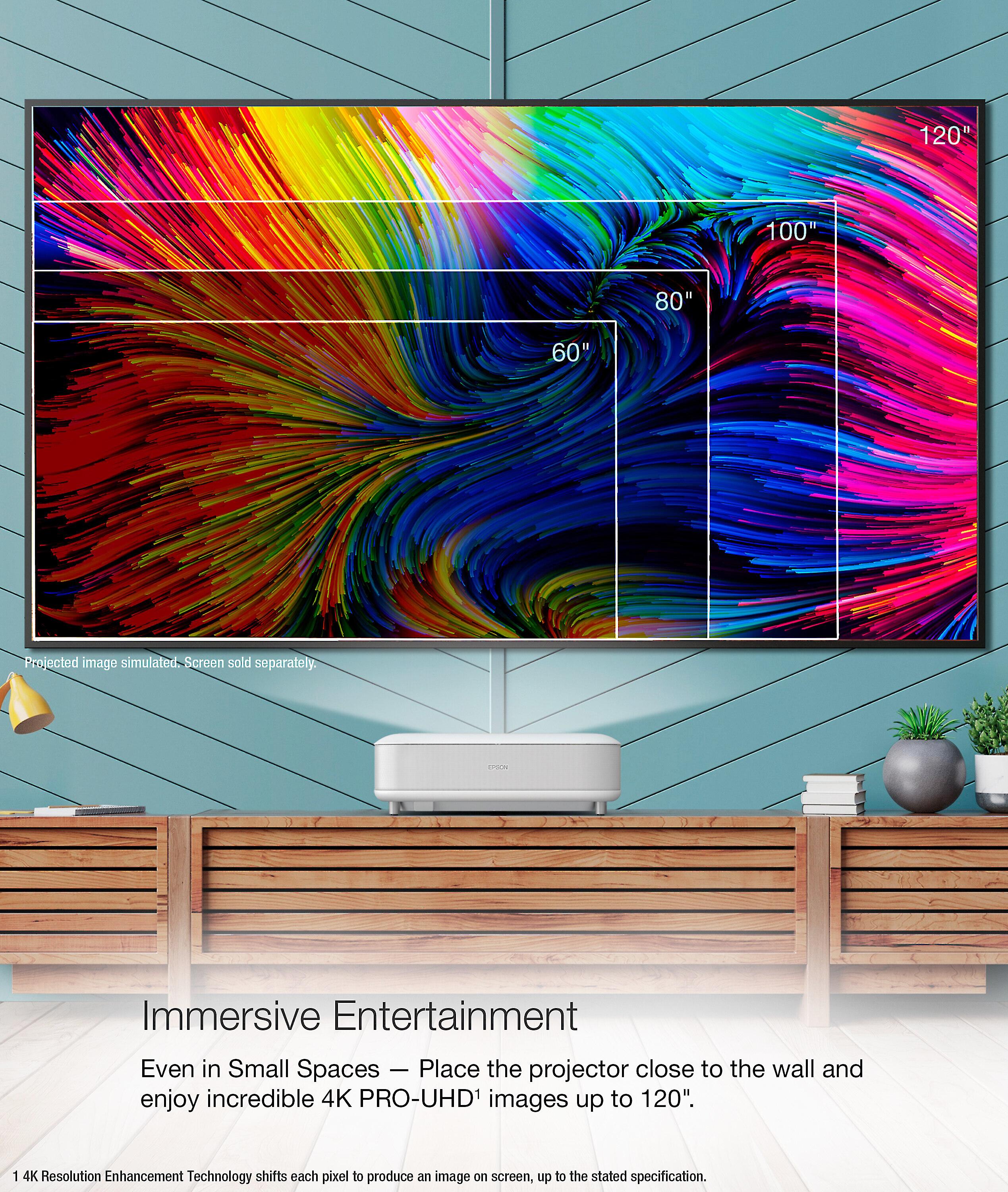
Both projectors use ultra short throw optics, but the QS100 offers greater flexibility in screen size and placement. Where the LS650 maxes out at 120 inches, the QS100 can project up to 160 inches—a difference that becomes dramatic when you consider that image area scales exponentially with diagonal size.
The QS100 achieves this through more sophisticated optics with throw ratios ranging from 0.16:1 to 0.22:1. These numbers indicate how far the projector needs to sit from the screen relative to image width. A 0.16:1 throw ratio means for every 16 inches of image width, the projector sits about 1 inch from the screen—enabling truly massive images in relatively small spaces.
Both projectors include advanced geometry correction systems that automatically adjust for slight placement imperfections, but the QS100 offers more precise controls and memory settings. This becomes important in custom installations where the projector might need to accommodate specific room geometries or screen types.
For home theater applications, the screen size difference matters more than you might expect. Moving from a 120-inch to a 160-inch diagonal represents roughly 78% more screen area—the difference between an impressive large image and a truly immersive cinema experience that fills your peripheral vision.
The LS650 and QS100 take opposite approaches to connectivity and smart features, reflecting their different target audiences.
The LS650 includes built-in Android TV with access to Netflix, Amazon Prime Video, Disney+, YouTube, and other popular streaming services. This integration means you can start watching content immediately without additional devices, and the familiar Android TV interface makes navigation intuitive for most users. The projector also includes built-in Google Assistant for voice control, letting you search for content or control playback hands-free.
The QS100 deliberately omits these consumer-focused features, instead offering professional integration capabilities. It supports IP control protocols like Crestron, Control4, and PJLink, enabling integration with whole-home automation systems. This means your home automation system can automatically dim lights, lower screens, and start the projector with a single command. The QS100 also includes ISF (Imaging Science Foundation) certification, enabling professional calibration for optimal performance in your specific viewing environment.
For most casual users, the LS650's approach offers more immediate convenience. However, serious home theater enthusiasts often prefer the QS100's flexibility, as it allows them to choose the best streaming device, audio system, and control interface rather than being locked into the manufacturer's choices.
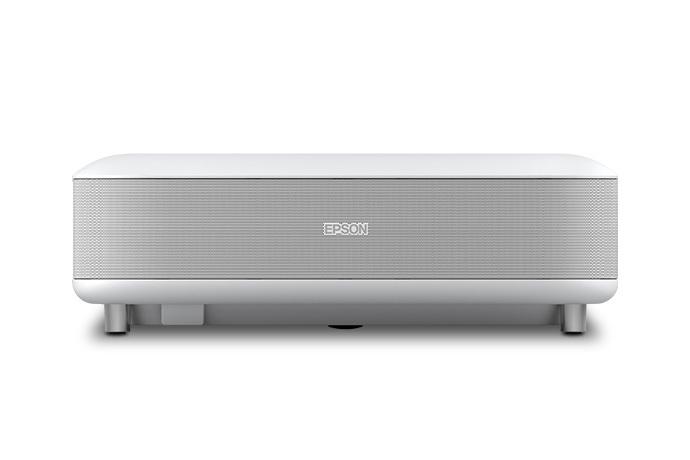
Audio represents perhaps the most philosophical difference between these projectors. The LS650 includes an integrated Yamaha audio system featuring a 2.1 virtual surround setup. This system delivers surprisingly good sound quality for built-in speakers, with enough bass response and clarity that many users find it adequate without additional audio equipment.
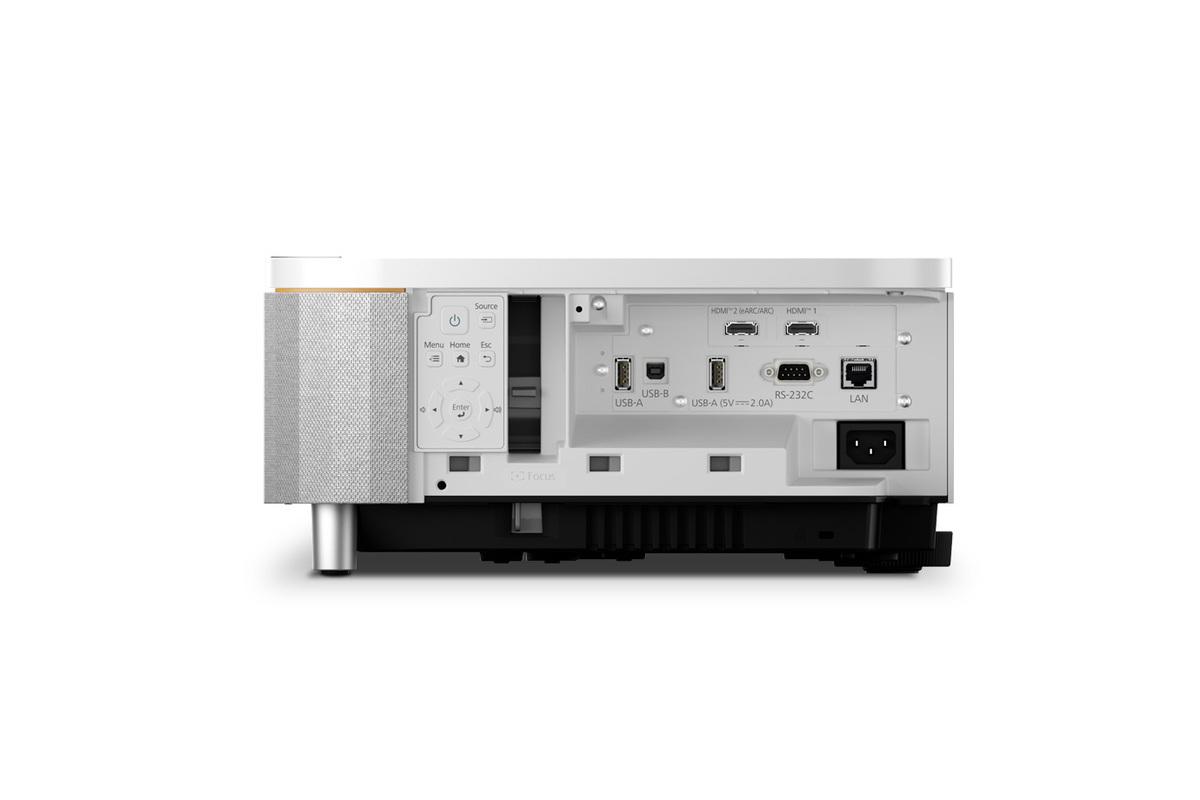
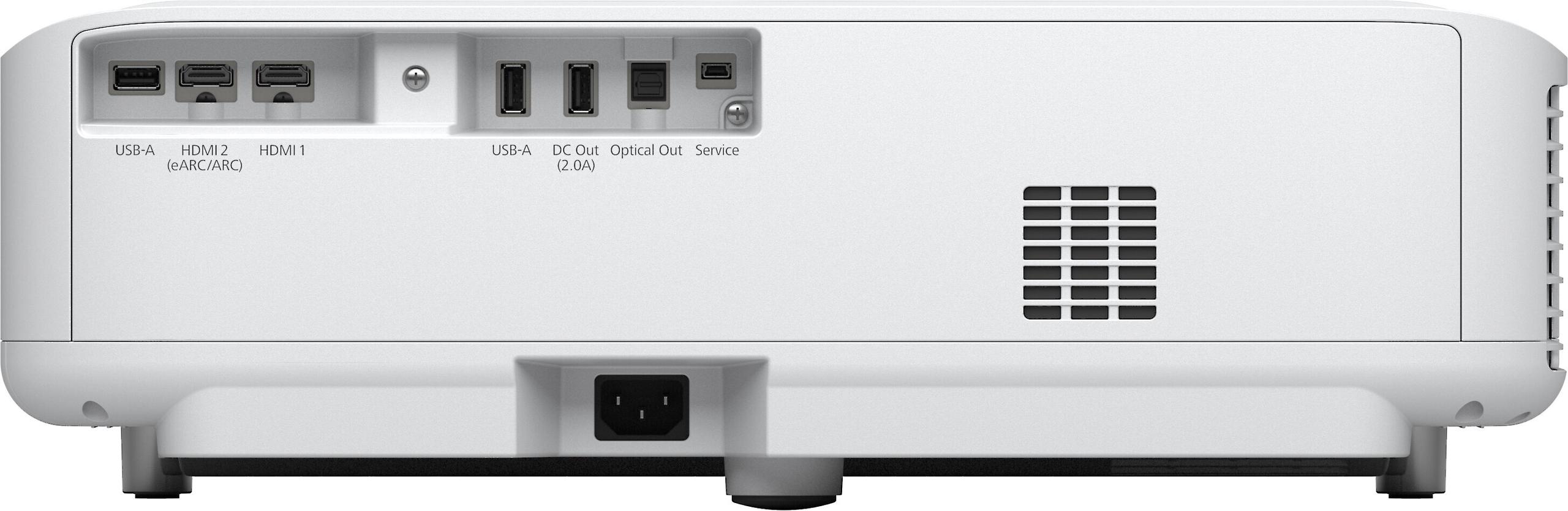
The QS100 includes no built-in speakers whatsoever. This decision reflects its professional integration focus—custom installers typically integrate with high-end audio systems, making built-in speakers redundant. The QS100 does include eARC (Enhanced Audio Return Channel) support through one of its HDMI ports, enabling high-quality audio passthrough to external sound systems.
This difference has practical implications beyond just sound quality. The LS650's integrated audio makes it truly plug-and-play, while the QS100 requires additional investment in external audio equipment. However, this external approach offers unlimited upgrade potential and the ability to create truly immersive surround sound experiences that built-in speakers cannot match.
Both projectors support gaming, but the QS100 includes more advanced gaming features. It supports Auto Low Latency Mode (ALLM), which automatically switches to a low-lag mode when it detects gaming content. This reduces input lag—the delay between pressing a controller button and seeing the result on screen—from around 50 milliseconds to under 25 milliseconds.
The QS100 also supports higher refresh rates, handling 4K content at 60Hz and 2K content at 120Hz. While these specifications matter most for serious gamers, they also benefit fast-motion content like sports, where higher refresh rates create smoother motion.
The LS650 offers basic gaming functionality but lacks these advanced features. For casual gaming, this isn't a significant limitation, but competitive gamers or those with newer gaming consoles will appreciate the QS100's more responsive performance.
Both projectors use laser light sources rated for approximately 20,000 hours of use—roughly 10-15 years of typical home use. Laser technology offers significant advantages over traditional lamp-based projectors, which require expensive bulb replacements every 2-3 years.
The QS100's more advanced laser module and processing systems theoretically offer better long-term reliability, though both projectors should provide many years of trouble-free operation. Epson's track record with laser projectors has been excellent, with most reliability issues related to software rather than hardware.
Both models include comprehensive warranty coverage, though the QS100's higher price typically includes more extensive support options and longer warranty periods.
After extensive research into user experiences and expert reviews, clear usage patterns emerge for each projector.
The LS650 excels for families and casual users who want big-screen entertainment without complexity. Its integrated smart features, built-in audio, and simpler setup process make it ideal for living rooms, family rooms, and other multi-purpose spaces. The lower price point—roughly half that of the QS100 at the time of writing—makes it accessible to more users while still delivering impressive UST projection capabilities.
However, our evaluation of user feedback reveals some limitations. Reviews consistently mention the LS650's "lack of image sharpness" compared to higher-end models, and several users report "high operating noise above 70% laser power." These aren't deal-breakers, but they indicate compromises made to achieve the lower price point.
The QS100 targets serious home theater enthusiasts and custom installation scenarios. Its superior brightness, image processing, and integration capabilities justify the higher price for users who prioritize maximum performance. The ability to project 160-inch images with excellent ambient light handling makes it suitable for dedicated theater rooms or large living spaces where the LS650 might fall short.
User feedback for the QS100 has been overwhelmingly positive, with one reviewer noting: "The setup took maybe 10 minutes, and I was blown away by how simple it was compared to my old system. The image quality is seriously impressive." The consensus suggests that while the QS100 costs significantly more, it delivers proportionally better performance.
For most users, the decision comes down to budget versus performance priorities. If you want excellent UST projection with convenient all-in-one functionality, the LS650 represents strong value. If you're building a serious home theater or need maximum performance in challenging lighting conditions, the QS100's advanced capabilities justify its premium pricing.
The 2025 release of the QS100 also means it incorporates the latest technological advances, potentially offering better long-term value as content and display standards continue evolving. However, the LS650 already handles current content formats well, making it a solid choice for users who don't need cutting-edge features.
Ultimately, both projectors succeed at their intended missions: delivering massive, high-quality images that transform ordinary rooms into immersive entertainment spaces. Your choice should align with your specific priorities, room requirements, and integration preferences rather than simply picking the "better" projector—because in their respective categories, both excel at what they're designed to do.
| Epson QS100 4K PRO-UHD Ultra Short Throw Projector | Epson EpiqVision Ultra LS650 4K Ultra Short Throw Laser Projector |
|---|---|
| Brightness - Most critical spec for daytime viewing and ambient light performance | |
| 4,500 ANSI lumens (excellent for bright rooms, maintains colors in daylight) | 3,600 ANSI lumens (good for most lighting conditions, may struggle in very bright rooms) |
| Maximum Screen Size - Determines the ultimate big-screen experience potential | |
| 160 inches (truly cinematic scale, fills peripheral vision) | 120 inches (impressive but more TV-like experience) |
| Image Processing - Affects HDR quality and overall picture refinement | |
| 32-bit QZX Picture Processor with Dynamic HDR Tone Mapping | Standard processing without advanced HDR optimization |
| Contrast Ratio - Critical for deep blacks and vibrant colors in dark scenes | |
| 5,000,000:1 dynamic (superior shadow detail and color pop) | 2,500,000:1 dynamic (good but noticeably less dramatic) |
| Built-in Audio - Determines if you need external speakers immediately | |
| No built-in speakers (requires external audio system) | Yamaha 2.1 virtual surround system (quality sound included) |
| Smart TV Features - Affects ease of streaming and daily usability | |
| No smart features (requires external streaming device) | Built-in Android TV with Netflix, Prime Video, Disney+ |
| Professional Integration - Important for custom installations and home automation | |
| Full IP control, ISF certification, Crestron/Control4 compatibility | Limited integration options, consumer-focused setup |
| Gaming Features - Matters for console gaming and responsive performance | |
| ALLM, 4K/60Hz, 2K/120Hz support (optimized for modern consoles) | Basic gaming support without advanced features |
| Release Year - Indicates technology generation and future-proofing | |
| 2025 (latest technology, newest features) | 2023 (proven but older generation) |
| Target User - Who each projector is designed for | |
| Home theater enthusiasts, custom integrators, performance-first buyers | Families, casual users, plug-and-play convenience seekers |
The Epson QS100 is significantly brighter at 4,500 lumens compared to the LS650's 3,600 lumens. This 900-lumen difference means the QS100 performs much better in bright rooms with windows or overhead lighting, while the LS650 works well in moderate lighting but may struggle in very bright conditions.
The Epson QS100 can project up to 160 inches, while the LS650 maxes out at 120 inches. For home theater use, this 40-inch difference is substantial—the QS100 creates a truly cinematic experience that fills your peripheral vision, while the LS650 delivers an impressive but more TV-like large screen.
The LS650 includes a quality Yamaha 2.1 virtual surround sound system that many users find adequate without additional speakers. The Epson QS100 has no built-in audio and requires external speakers or a sound system, making it ideal for custom home theater installations but requiring additional investment.
Only the LS650 includes built-in Android TV with Netflix, Amazon Prime Video, Disney+, and other streaming apps. The Epson QS100 has no smart features and requires a separate streaming device like Apple TV, Roku, or Fire TV stick for accessing content.
The Epson QS100 offers superior image quality with its 32-bit QZX Picture Processor, dynamic HDR tone mapping, and 5,000,000:1 contrast ratio. The LS650 delivers good image quality but with less advanced processing and a 2,500,000:1 contrast ratio, resulting in less dramatic blacks and colors.
The QS100 is better for gaming with Auto Low Latency Mode (ALLM), 4K/60Hz support, and 2K/120Hz capabilities for responsive gameplay. The LS650 handles basic gaming but lacks these advanced features, making the Epson QS100 the clear choice for serious console gaming.
Both are ultra short throw projectors that sit very close to the wall—typically 6-12 inches away to create 100+ inch images. The Epson QS100 has slightly more flexible placement options with throw ratios from 0.16:1 to 0.22:1, while the LS650 has similar but less precise positioning capabilities.
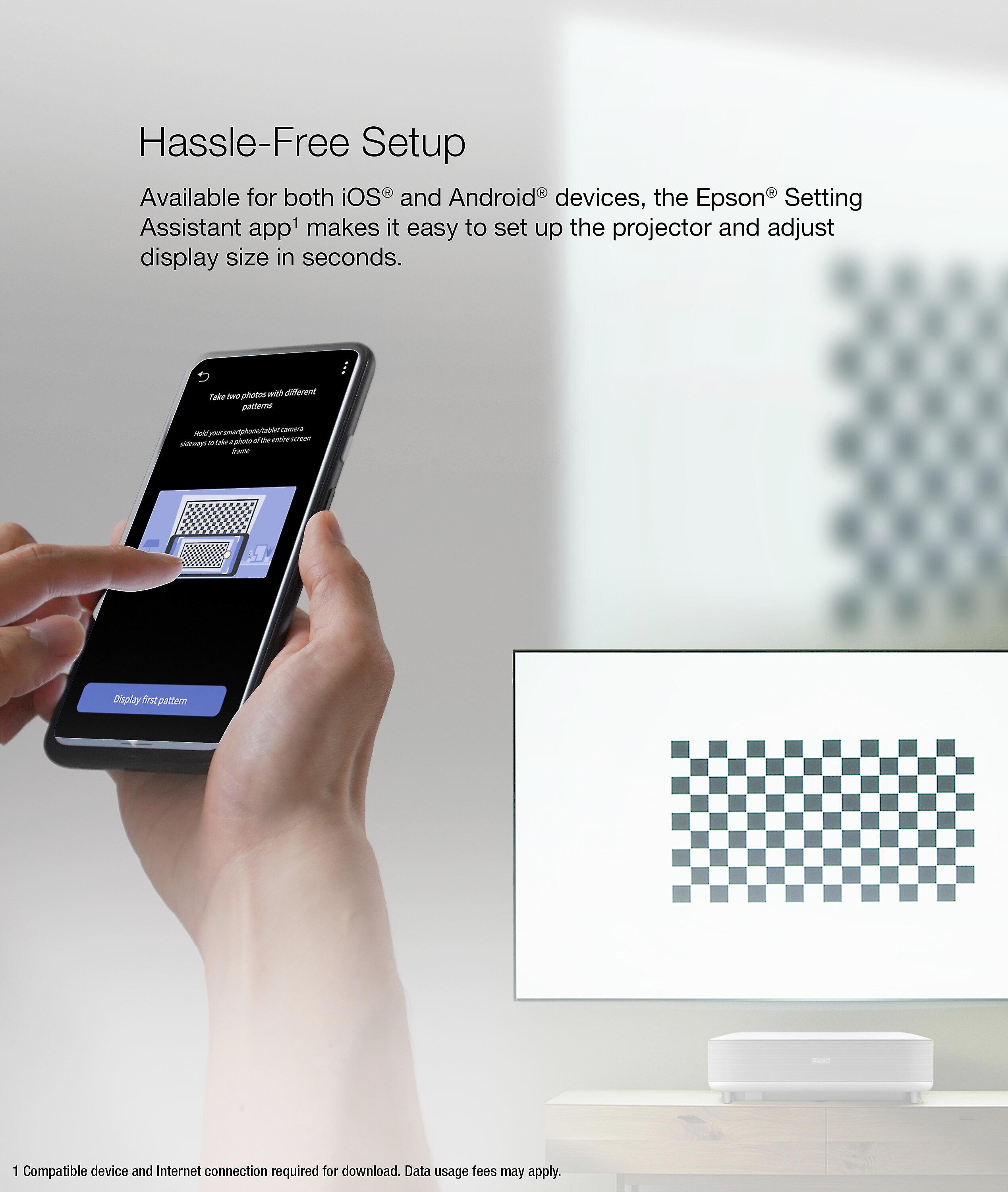
The LS650 is much easier to set up as a complete plug-and-play solution with built-in smart features and audio. The Epson QS100 requires more setup complexity as you'll need to connect external audio equipment and streaming devices, though it offers more customization options for dedicated home theaters.
The LS650 offers better value for most users, providing excellent ultra short throw projection with integrated smart features and audio at a more accessible price point. The Epson QS100 offers superior performance and features but costs roughly twice as much, making it better value only for users who need maximum brightness and professional integration capabilities.
Both can work in bright living rooms, but the Epson QS100 performs significantly better due to its 4,500-lumen brightness. The LS650 works well in moderately bright rooms but may require some light control during daytime viewing for optimal image quality.
The QS100 is superior for dedicated home theater rooms due to its higher brightness, superior contrast ratio, larger screen capability up to 160 inches, professional integration features, and ISF certification for optimal calibration. The LS650 works well for casual home theater use but lacks the performance and customization features serious enthusiasts prefer.
We've done our best to create useful and informative comparisons to help you decide what product to buy. Our research uses advanced automated methods to create this comparison and perfection is not possible - please contact us for corrections or questions. These are the sites we've researched in the creation of this article: projectorscreen.com - youtube.com - projectorcentral.com - projectorreviews.com - techradar.com - audioadvice.com - projectorreviews.com - avsforum.com - projectorcentral.com - mediaserver.goepson.com - projectorcentral.com - news.epson.com - epson.eu - epson.com - epson.eu - epson.com - projectorcentral.com - bestbuy.com - techradar.com - youtube.com - projectorscreen.com - news.epson.com - projectorcentral.com - projectorreviews.com - avsforum.com - projectorcentral.com - news.epson.com - audiogeneral.com

Privacy Policy
Terms and Conditions - Affiliate Policy
Home Security
© Copyright 2008-2026.
11816 Inwood Rd #1211, Dallas, TX 75244