

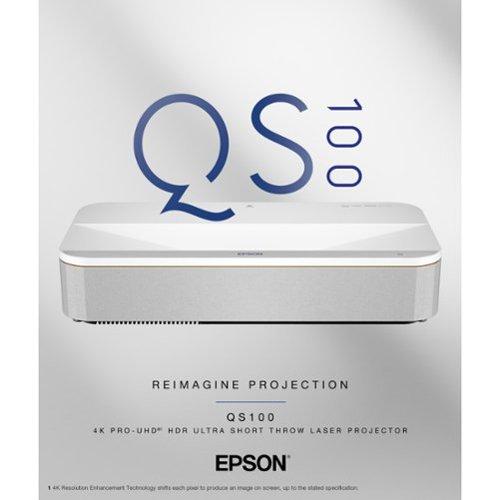
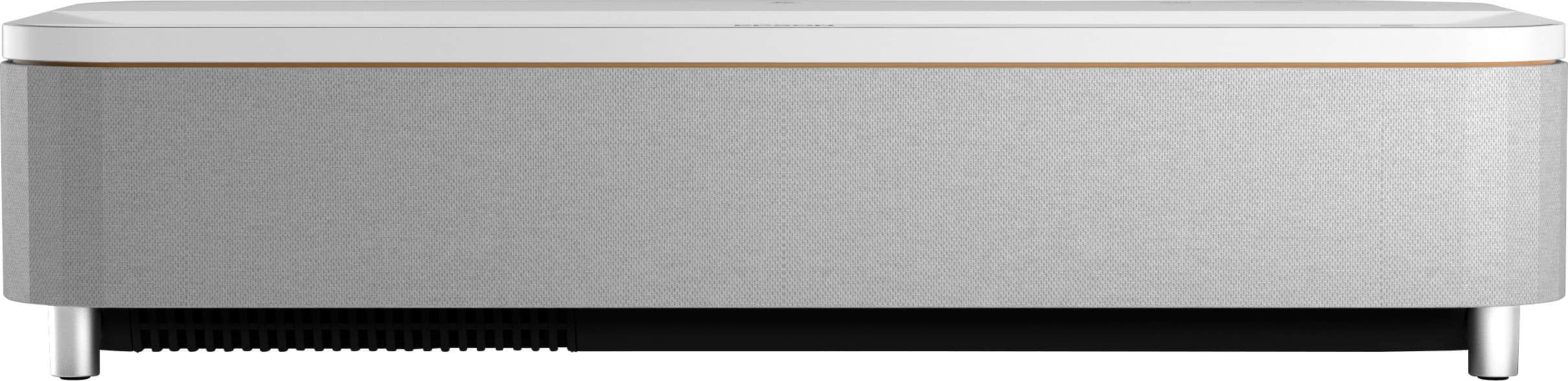
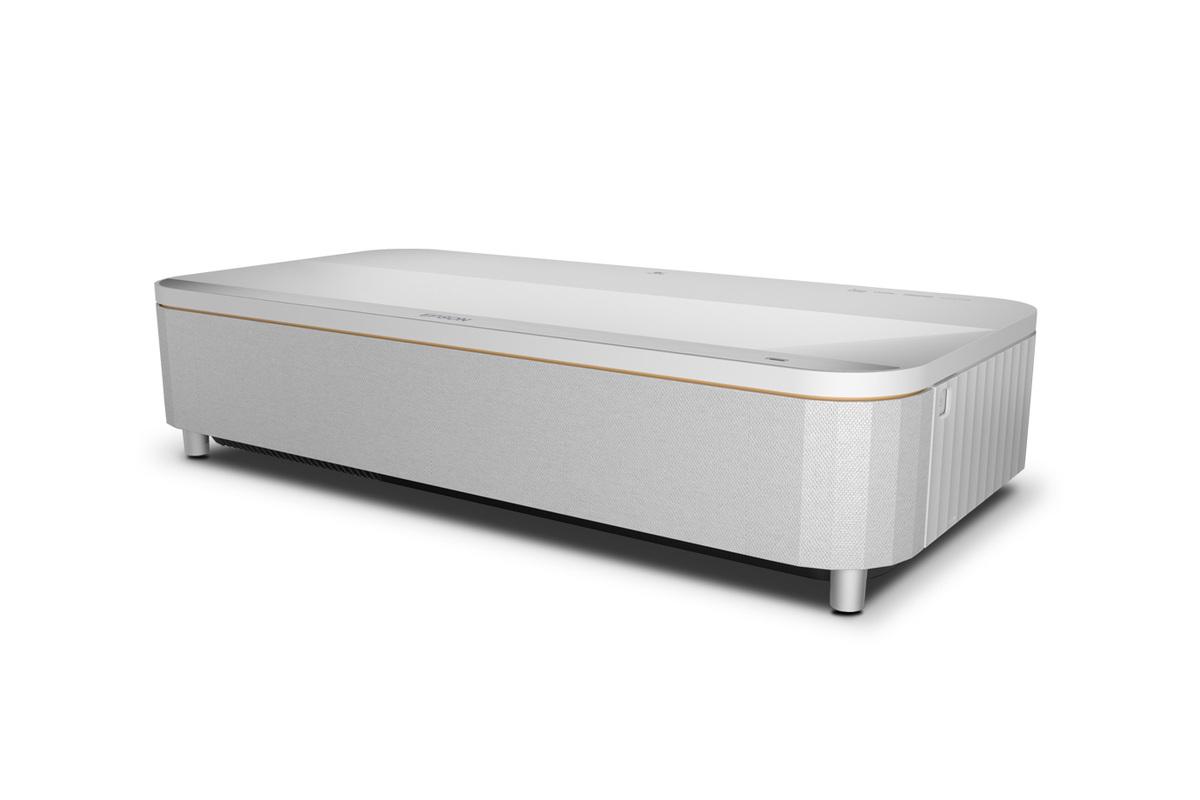
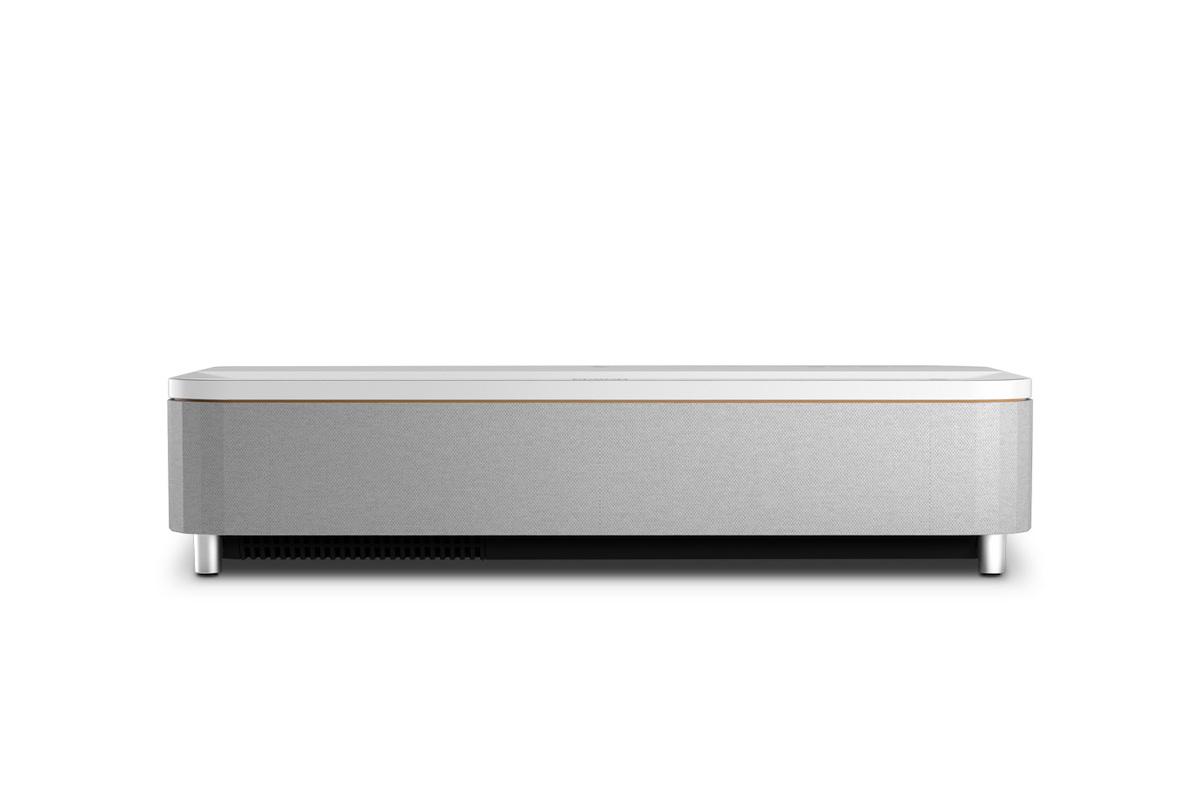
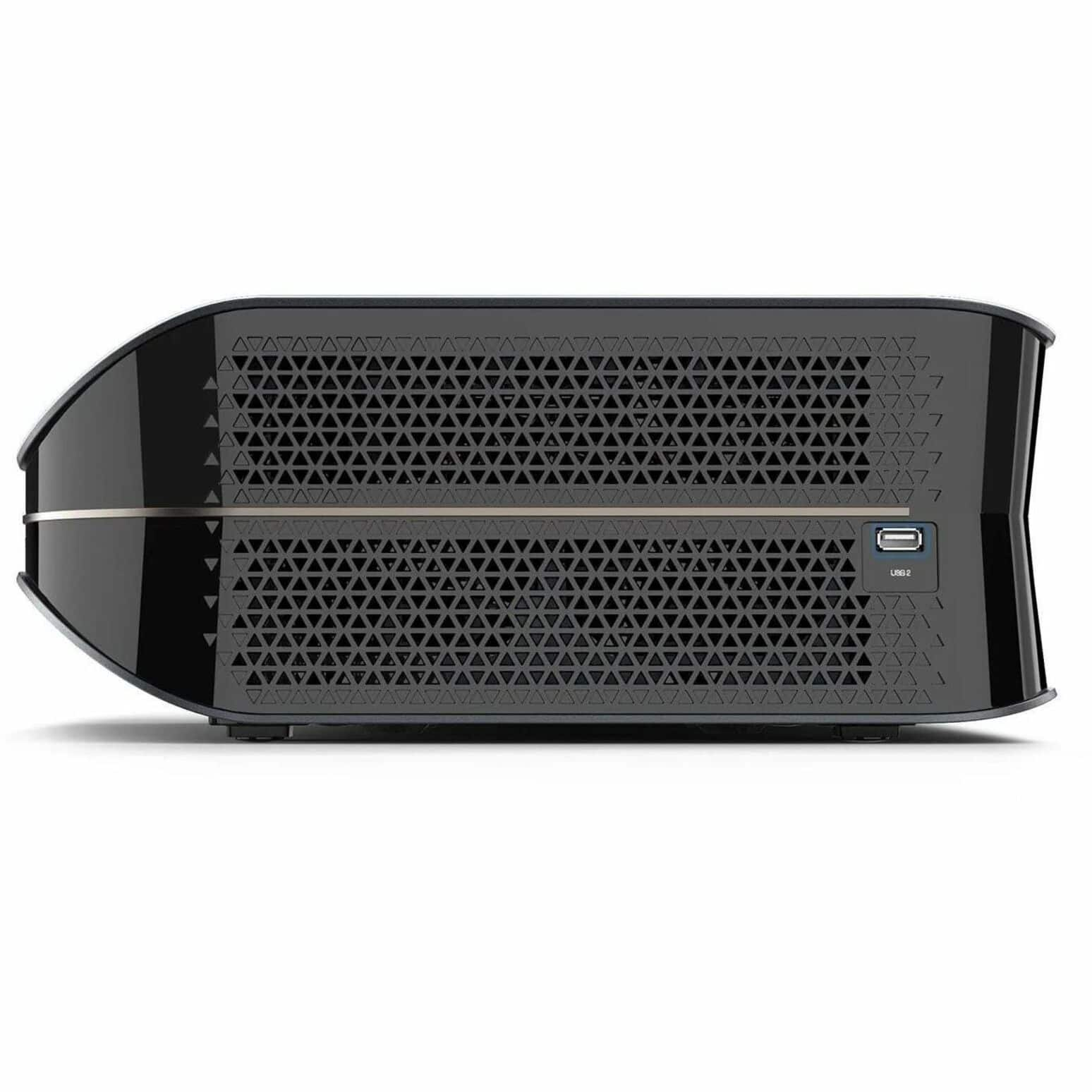
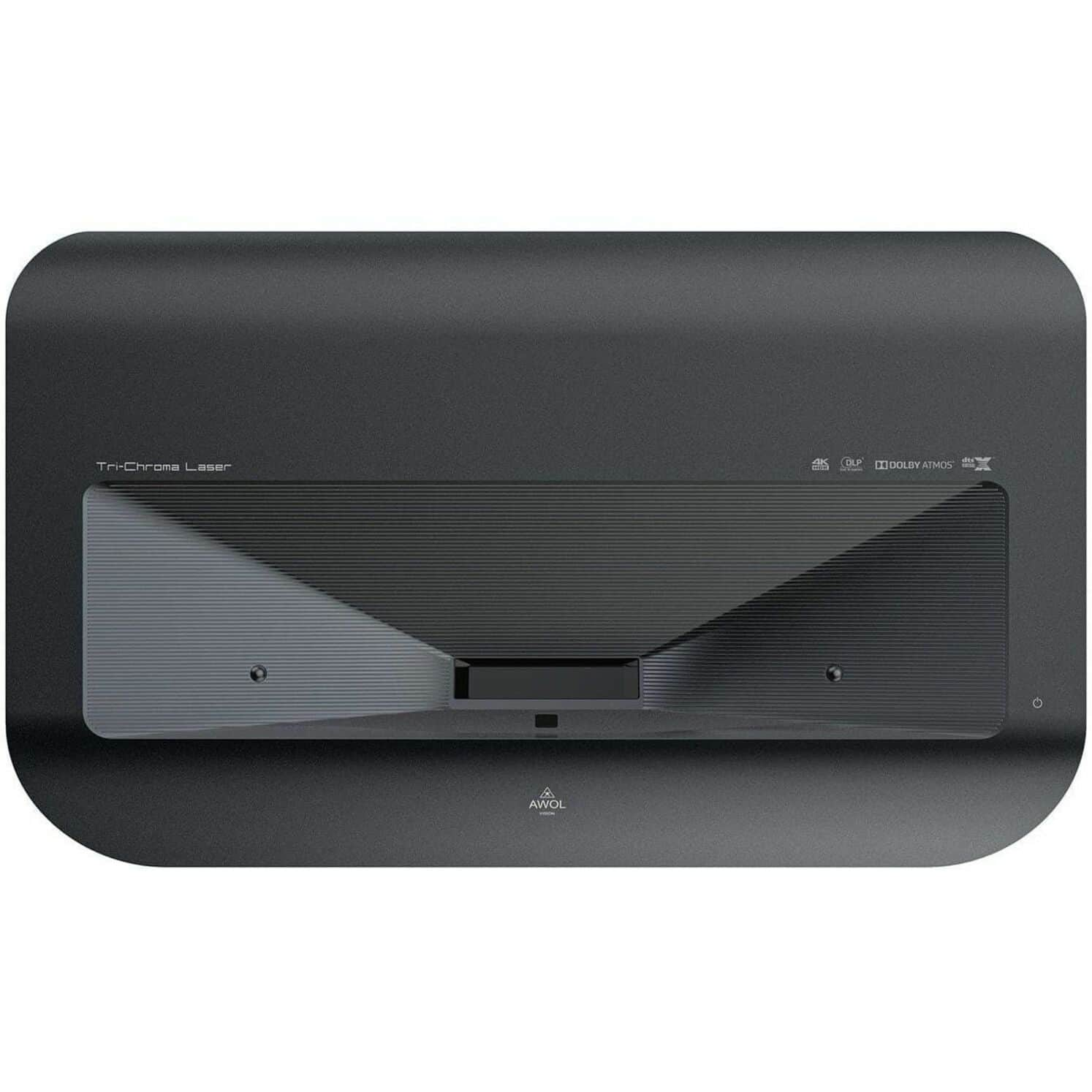
Ultra short throw projectors have revolutionized home entertainment by solving one of the biggest challenges with traditional projectors: finding the right spot to mount them. Instead of requiring 10-15 feet of throw distance, these innovative devices can create massive 100-160 inch images while sitting just inches from your wall. This technology has opened up big-screen entertainment to apartments, smaller rooms, and anyone who doesn't want a projector mounted on their ceiling.
But here's where things get interesting: not all ultra short throw projectors are built the same way. The Epson QS100, released in 2025, and the AWOL Vision LTV-3500 Pro, which hit the market in late 2023, represent two very different approaches to achieving the same goal. At the time of writing, both fall into the premium price category—think luxury car territory rather than economy—but they solve different problems for different types of users.
The most fundamental difference between these projectors lies in how they actually create the image you see. The Epson QS100 uses what's called 3LCD technology, while the AWOL Vision LTV-3500 Pro employs DLP (Digital Light Processing) technology. This isn't just technical jargon—it affects everything from image quality to how the projector fits into your setup.
Think of 3LCD like having three separate flashlights—one red, one green, one blue—all shining through tiny LCD screens simultaneously. The Epson QS100 combines these three images to create the final picture. This approach eliminates something called the "rainbow effect," those brief flashes of color that some people notice with single-chip projectors, especially when moving their eyes quickly across the screen.
The AWOL Vision LTV-3500 Pro, on the other hand, uses a single DLP chip that rapidly switches between colors—think of it like a spinning color wheel moving incredibly fast. To achieve 4K resolution, it uses XPR (eXpanded Pixel Resolution) technology, which shifts the pixels in four directions to create the impression of four times as many pixels as physically exist on the chip.
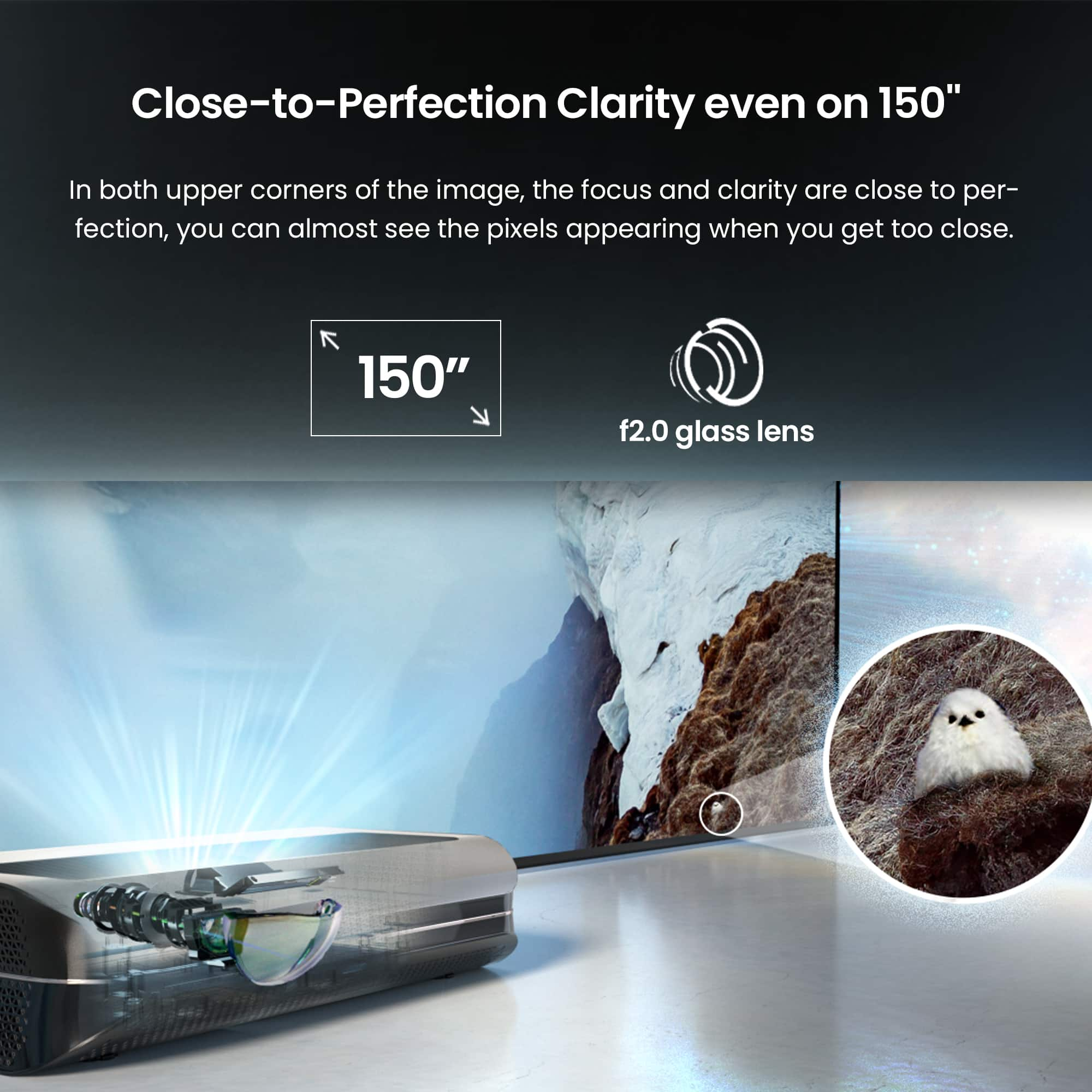
Here's where it gets technical but important: the Epson QS100 starts with native 1920x1080 resolution chips and uses pixel-shifting to create what they call "4K PRO-UHD." The AWOL Vision LTV-3500 Pro achieves true 4K UHD at 3840x2160 pixels through its XPR system. In practical terms, this means the AWOL Vision LTV-3500 Pro delivers sharper text, finer details, and more precise image clarity—something you'll definitely notice if you sit closer to the screen or use it for gaming and computer work.
One area where the Epson QS100 absolutely dominates is brightness. With 4,500 lumens of output compared to the AWOL Vision LTV-3500 Pro's 3,300 ANSI lumens, the Epson is roughly 36% brighter. This isn't just a number on a spec sheet—it translates to real-world performance that can make or break your viewing experience.
Lumens measure how much light a projector can output, and in the world of ultra short throw projectors, more is almost always better. These projectors sit close to the screen, which means they're fighting against ambient light in your room more than traditional projectors that benefit from longer throw distances and often darker rooms.
The Epson QS100's extra brightness means you can keep more lights on, watch during the day with curtains open, or project larger images without the picture looking washed out. Based on user reports and professional reviews, the brightness difference becomes particularly noticeable on screen sizes above 120 inches or in rooms with significant ambient light.
If you're planning to use your projector primarily for evening viewing in a controlled lighting environment, the AWOL Vision LTV-3500 Pro's brightness will likely suffice. But if daytime viewing, bright rooms, or maximum screen size flexibility matter to you, the Epson QS100's brightness advantage is substantial.
Both projectors handle color reproduction differently, and this affects not just how vibrant your movies look, but how accurately they represent what filmmakers intended.
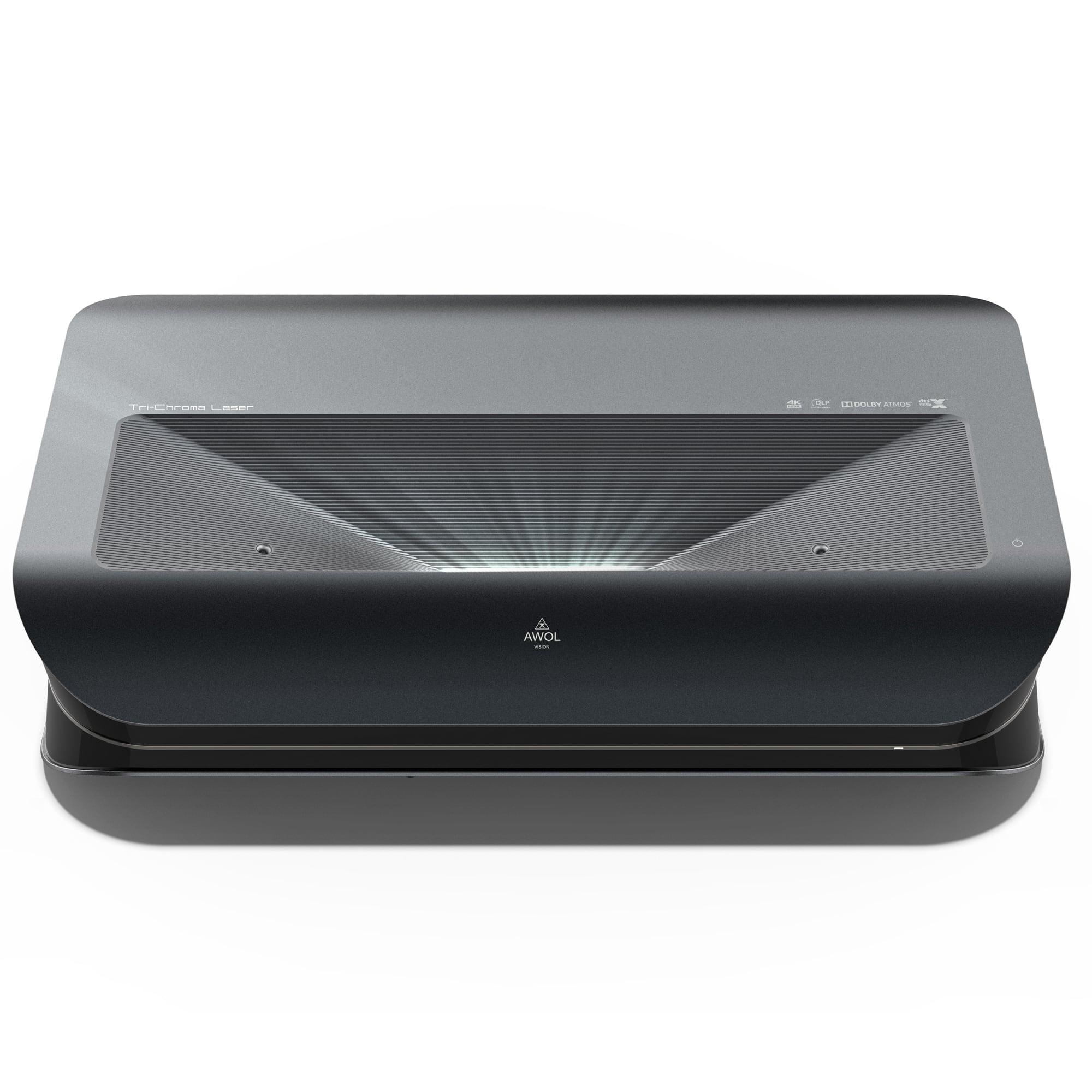
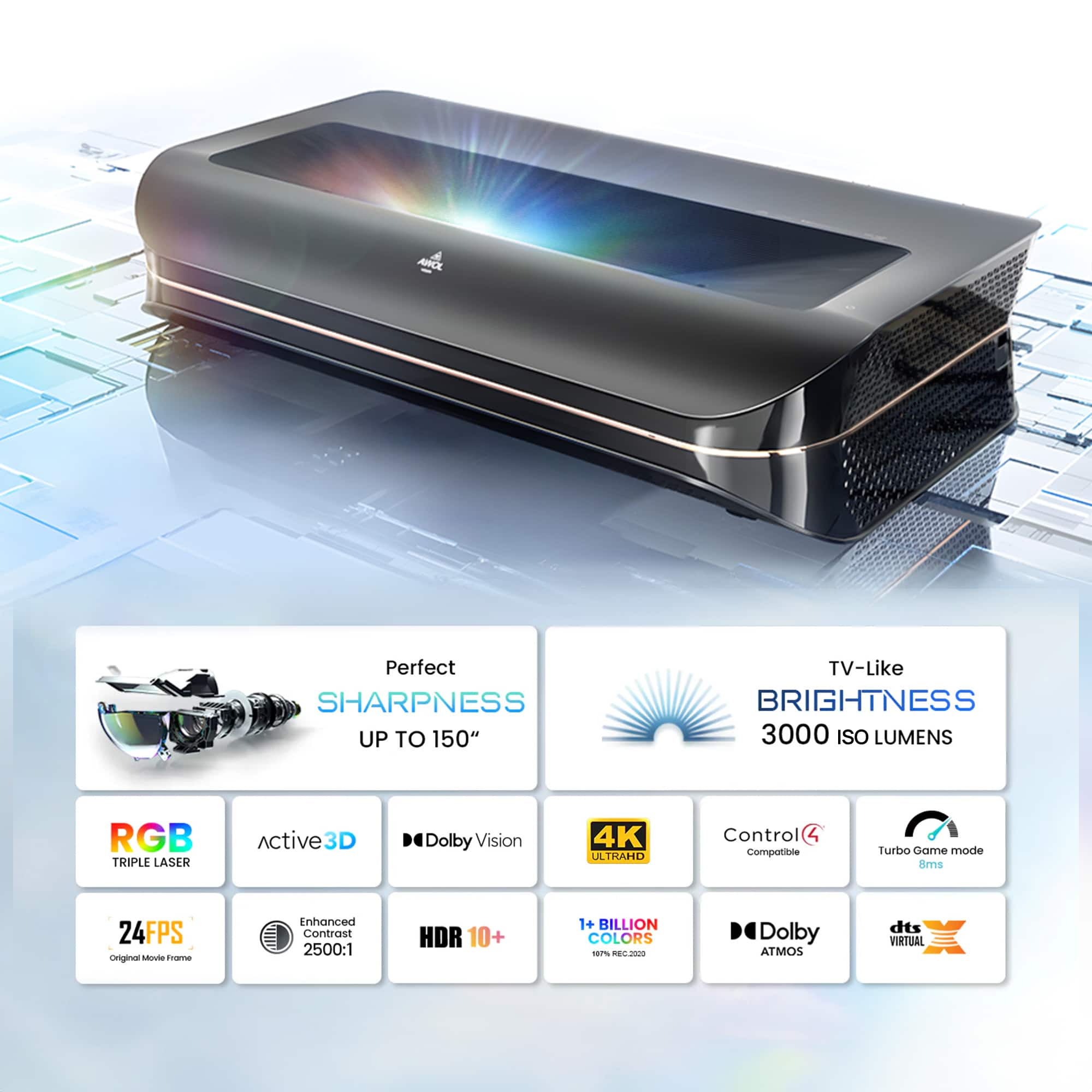
The AWOL Vision LTV-3500 Pro uses what's called RGB triple laser technology, which creates exceptionally pure colors by using separate red, green, and blue lasers. This system covers 107% of the BT.2020 color standard—the newest, widest color gamut used for 4K content. In simpler terms, it can display more varieties of colors than most displays, creating that "wow factor" with vibrant, saturated images that really pop.
The Epson QS100 counters with more sophisticated processing rather than just raw color coverage. Its proprietary QZX Picture Processor analyzes each frame and adjusts brightness, contrast, and color in real-time. This becomes particularly important for HDR (High Dynamic Range) content, where the projector needs to balance extremely bright and dark elements within the same scene.
Speaking of HDR, this is where the AWOL Vision LTV-3500 Pro shows its premium positioning. It supports HDR10, HDR10+, Dolby Vision, and HLG formats, while the Epson QS100 handles HDR10 and HLG but lacks Dolby Vision support. Dolby Vision is increasingly common on streaming platforms like Netflix and Disney+, offering scene-by-scene optimization that can make dramatic differences in image quality.
However, here's an interesting twist: the Epson QS100's higher brightness actually helps it display HDR content more effectively in many situations. HDR content is designed for very bright displays, and having those extra 1,200 lumens means brighter highlights and more dynamic contrast, even without Dolby Vision's optimization.
For gaming enthusiasts, the performance differences between these projectors are significant and measurable. Input lag—the delay between when you press a controller button and see the action on screen—can make the difference between winning and losing in competitive games.
The AWOL Vision LTV-3500 Pro clearly leads here with input lag as low as 8 milliseconds at 1080p resolution in its Turbo Game mode, and 15ms at 4K resolution. The Epson QS100 measures around 21ms, which is still acceptable for most gaming but not ideal for competitive play.
These numbers matter more than you might think. Professional esports players consider anything above 20ms potentially problematic, and even casual gamers often notice the difference in fast-paced games. The AWOL Vision LTV-3500 Pro also supports higher refresh rates for smoother motion in compatible games.
However, both projectors support ALLM (Auto Low Latency Mode), which automatically switches to their fastest response mode when they detect a gaming console, eliminating the need to manually adjust settings.
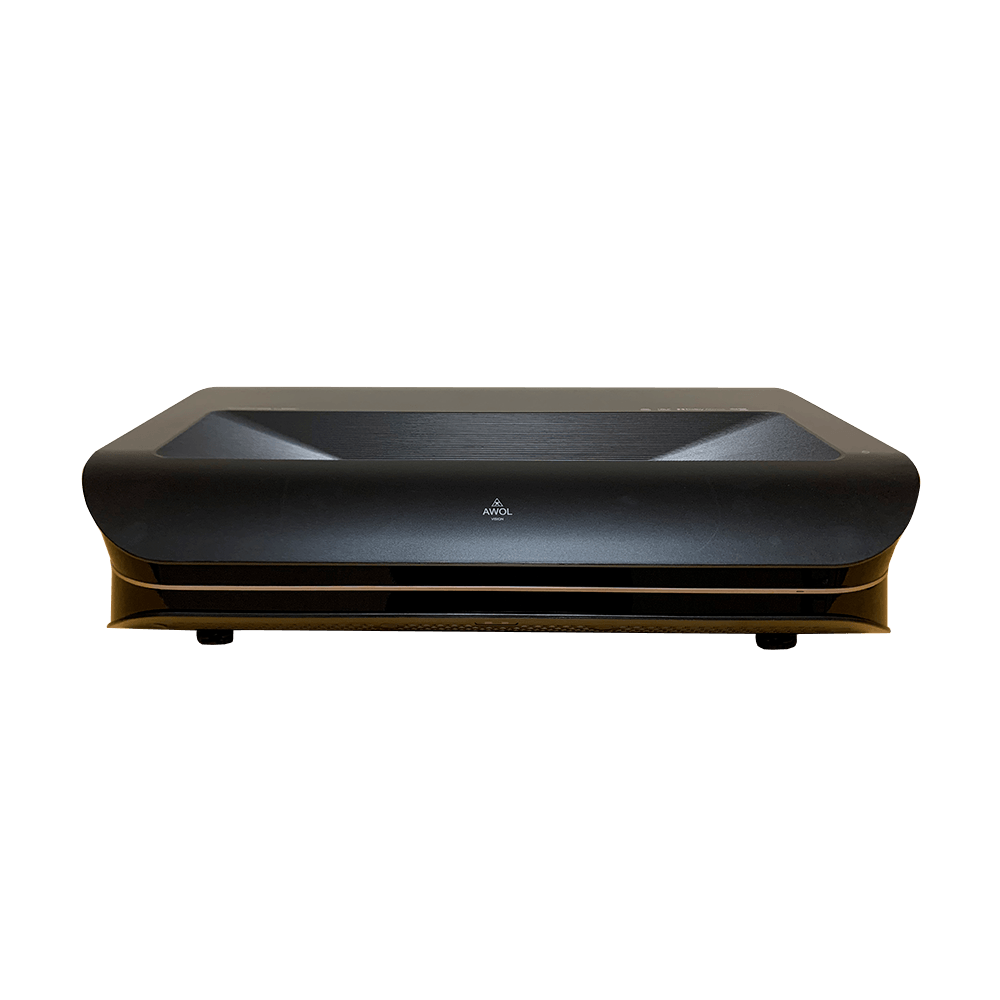
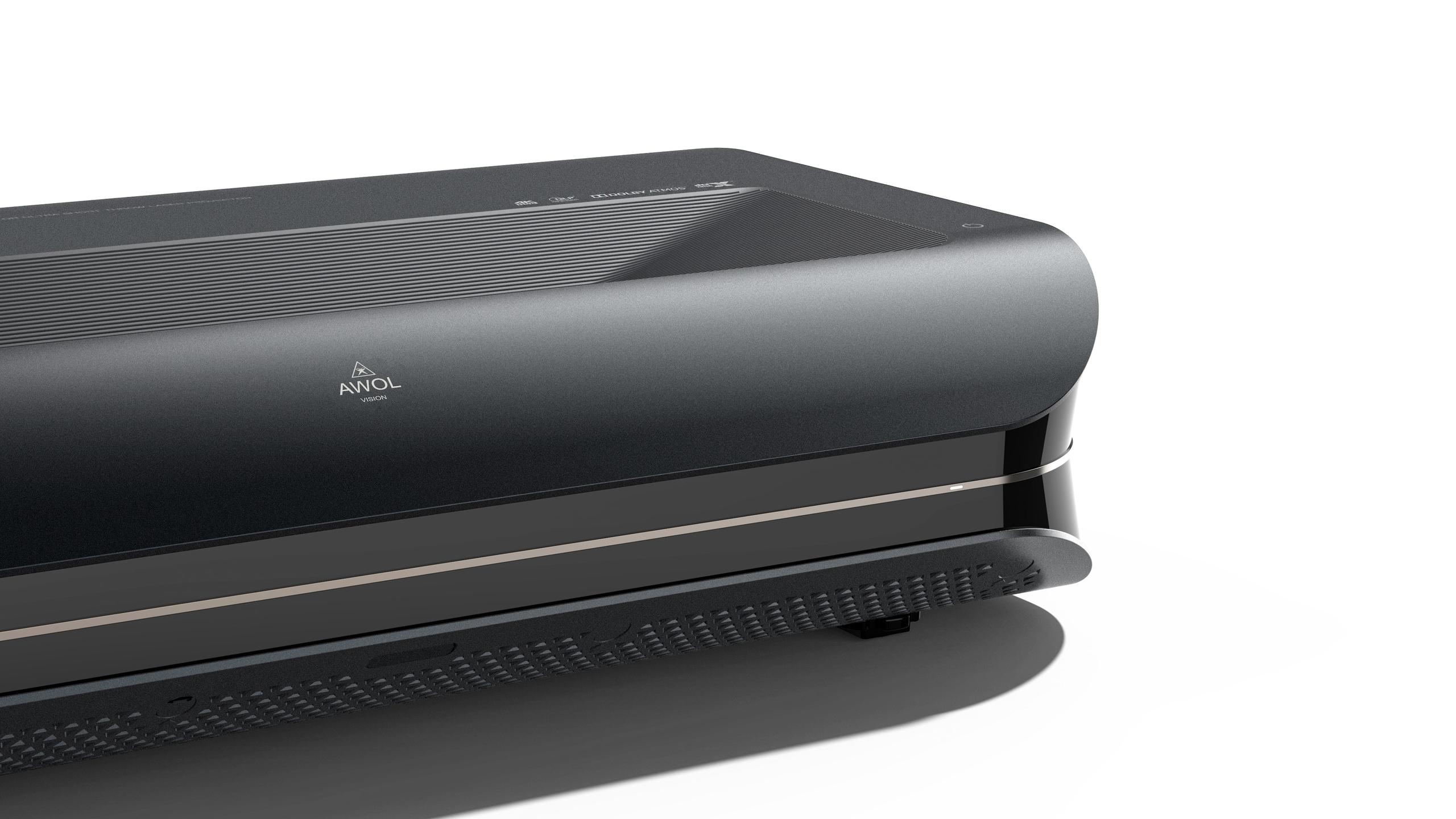
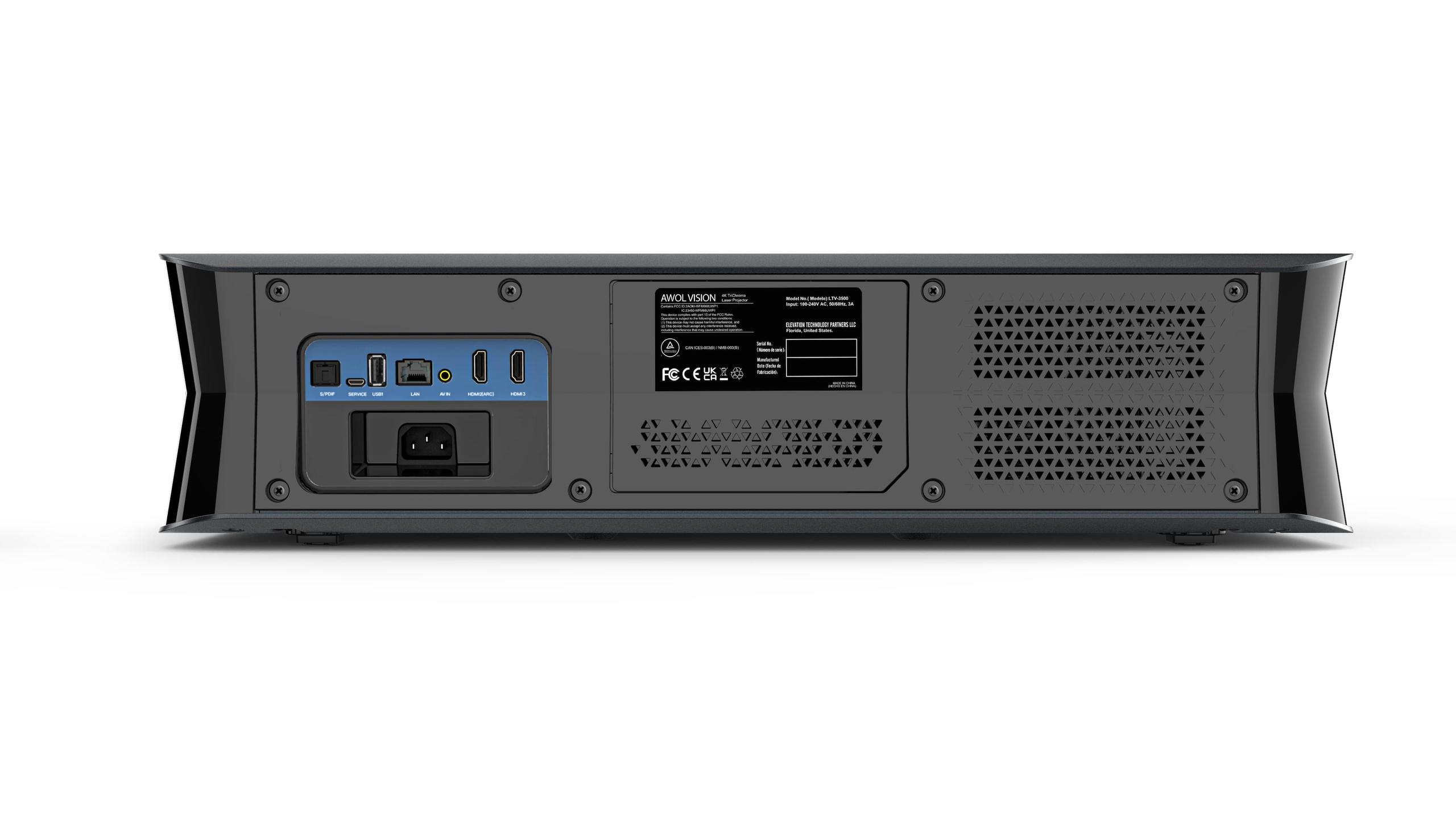
This is where the philosophical differences between these projectors become most apparent. The AWOL Vision LTV-3500 Pro takes an all-in-one approach, including Android-based smart features and coming bundled with an Amazon Fire TV Stick 4K Max. It also includes built-in 36-watt stereo speakers with Dolby Atmos support—enough power to fill a medium-sized room without additional audio equipment.
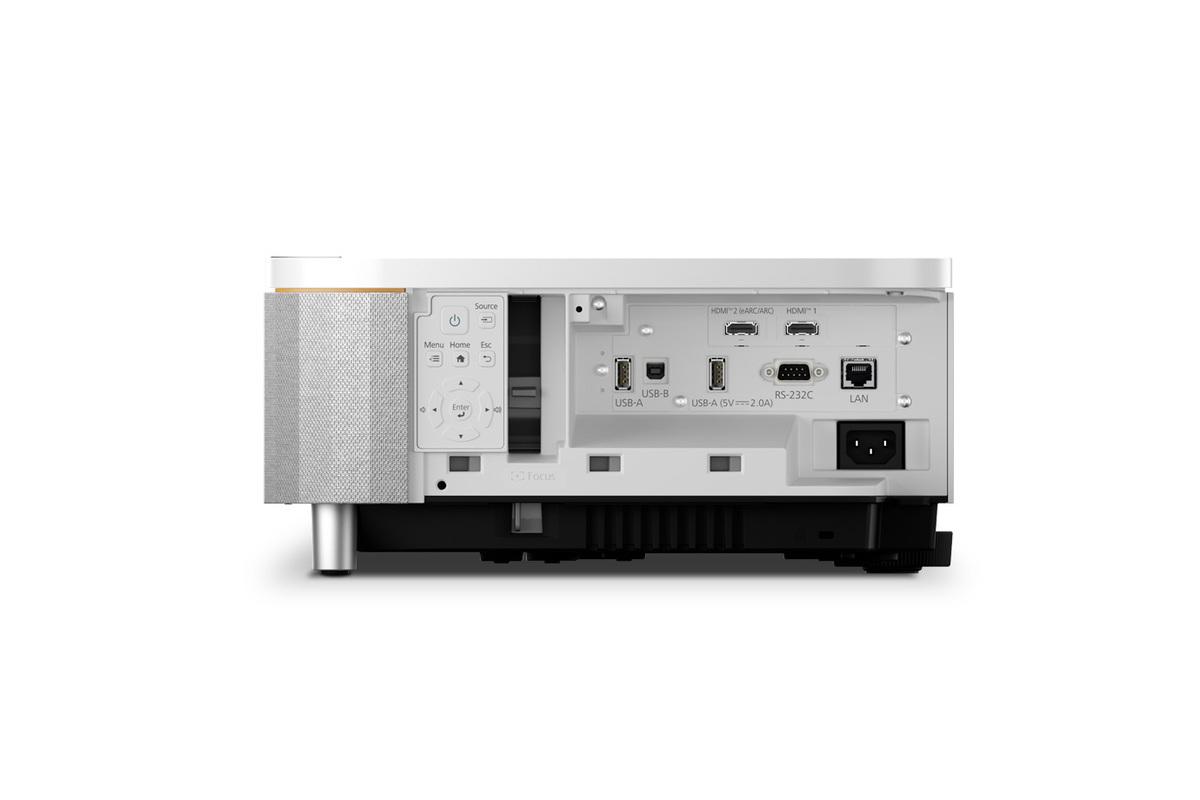
The Epson QS100 takes the opposite approach: it includes no built-in speakers and no smart TV features. This might seem like a disadvantage, but it reflects different target audiences and use cases. The Epson is designed for users who plan to integrate it with existing home theater systems, custom audio setups, or smart home automation platforms like Control4 or Crestron.
Based on user feedback, the AWOL Vision LTV-3500 Pro's built-in audio is surprisingly good for a projector—certainly better than most TV speakers—but it won't match a dedicated soundbar or surround sound system. The smart features work well for casual streaming, though they're not as refined as dedicated streaming devices or smart TVs.
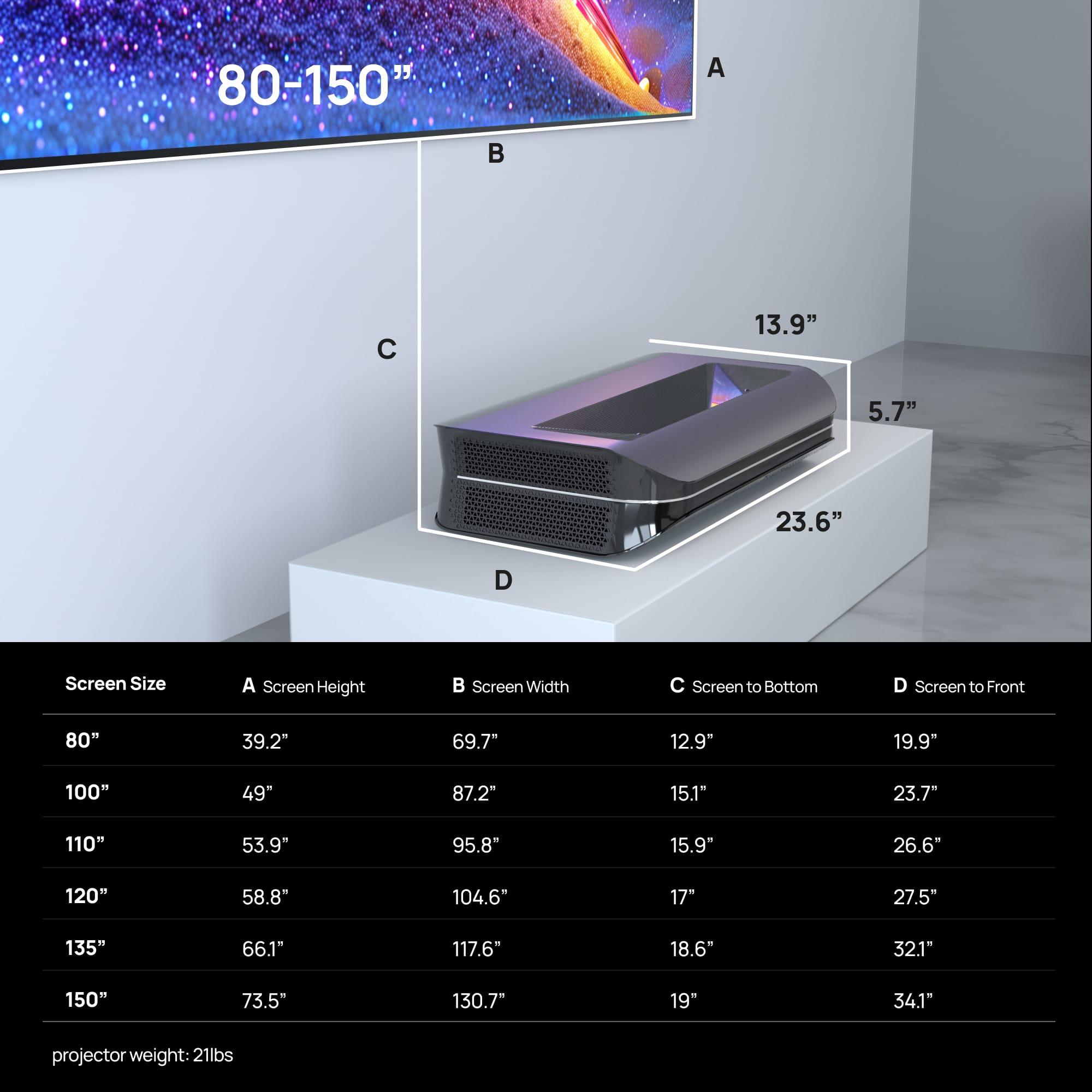
The Epson QS100's slight advantage in throw ratio (0.16:1 vs 0.25:1 for the AWOL Vision LTV-3500 Pro) means it can sit about 6 inches closer to the wall for the same screen size. This difference might seem minor, but it can be crucial in tight spaces or when trying to avoid foot traffic areas.
More importantly, the Epson QS100 includes extensive professional calibration options and is ISF-certified, meaning certified technicians can optimize it for your specific room conditions, screen type, and lighting. The projector also includes sophisticated geometry correction features that can adapt the image to irregular surfaces or mounting situations.
The AWOL Vision LTV-3500 Pro focuses more on user-friendly setup with automated features and consumer-oriented adjustments. While it can be professionally calibrated, it's designed more for plug-and-play installation.
At the time of writing, both projectors command premium pricing, though the Epson QS100 typically costs somewhat less than the AWOL Vision LTV-3500 Pro. However, this initial price difference can be misleading when considering total system cost.
The Epson QS100 requires additional investments: you'll need a streaming device (unless you have one), audio system, and potentially professional installation and calibration. These additions can easily add $500-1500 to your total investment, depending on your choices and requirements.
The AWOL Vision LTV-3500 Pro includes many of these features out of the box. The built-in audio, streaming capabilities, and user-friendly setup reduce the need for additional purchases and professional services.
The Epson QS100 is the clear choice for several specific scenarios. If your room receives significant daylight, if you want the largest possible screen size, or if you're planning a custom home theater installation with dedicated audio and control systems, its brightness advantage and professional features make it worth the additional complexity.
It's also the better choice if you're sensitive to the rainbow effect that can occur with DLP projectors, or if you prioritize the smooth, natural motion handling that 3LCD technology provides for sports and fast-action content.
The AWOL Vision LTV-3500 Pro makes more sense for users who want the best possible image sharpness and detail, particularly for gaming, computer use, or close-up viewing. Its comprehensive HDR support makes it ideal for premium streaming content, and the all-in-one design appeals to users who want minimal setup complexity.
Both projectors excel in their intended roles, but they serve different priorities. The Epson QS100 prioritizes brightness and professional integration, making it ideal for challenging lighting conditions and custom installations. The AWOL Vision LTV-3500 Pro focuses on image quality, feature completeness, and user convenience.
Your choice should depend on your room conditions, viewing habits, and system complexity preferences. For most users, the decision comes down to whether brightness and professional features outweigh image sharpness and convenience factors. Both represent significant investments that should provide years of excellent performance, so understanding these trade-offs helps ensure you choose the projector that best matches your specific needs and expectations.
The ultra short throw projector category continues evolving rapidly, with both manufacturers regularly updating their technologies and features. These two models represent current high-water marks in their respective approaches, giving buyers excellent options regardless of which direction best suits their home entertainment goals.
| Epson QS100 4K PRO-UHD Ultra Short Throw Projector | AWOL Vision LTV-3500 Pro Ultra Short Throw Projector |
|---|---|
| Brightness - Most critical spec for daytime viewing and large screen sizes | |
| 4,500 lumens (excellent for bright rooms and 150"+ screens) | 3,300 ANSI lumens (good for controlled lighting, adequate for most home use) |
| Display Technology - Affects image quality, color accuracy, and rainbow effects | |
| 3LCD with 4K PRO-UHD pixel shifting (no rainbow effect, smooth motion) | Single-chip DLP with XPR 4K (sharper detail, possible rainbow artifacts) |
| Resolution - Impact on text clarity and fine detail | |
| 4K PRO-UHD via pixel shifting from 1080p panels | True 4K UHD (3840x2160) with XPR technology |
| HDR Support - Determines compatibility with premium streaming content | |
| HDR10, HLG with Dynamic Tone Mapping | HDR10, HDR10+, Dolby Vision, HLG (most comprehensive support) |
| Gaming Performance - Input lag affects competitive gaming | |
| 21ms input lag with ALLM support (adequate for casual gaming) | 8ms at 1080p, 15ms at 4K with dedicated Turbo Game mode (excellent for gaming) |
| Audio System - Determines need for external speakers | |
| No built-in speakers (requires external audio system) | Built-in 36W stereo with Dolby Atmos (eliminates need for separate speakers) |
| Smart Features - Affects streaming convenience and setup complexity | |
| No built-in smart features (requires external streaming device) | Android OS with bundled Fire TV Stick 4K Max (complete streaming solution) |
| Throw Ratio - Determines placement distance from screen | |
| 0.16:1 to 0.22:1 (can sit closer to wall, better for tight spaces) | 0.25:1 (requires slightly more distance, still very close placement) |
| Color Gamut - Affects color vibrancy and accuracy | |
| BT.2020 coverage with QZX Picture Processor optimization | 107% BT.2020 with RGB triple laser (more vibrant, saturated colors) |
| Professional Features - Important for custom installations | |
| ISF certification, extensive IP control, Crestron/Control4 compatibility | Control4 integration, consumer-focused setup and calibration |
| Laser Life - Long-term reliability and maintenance costs | |
| 20,000 hours (approximately 6-8 years of typical use) | 25,000 hours (approximately 8-10 years of typical use) |
| Maximum Screen Size - Flexibility for different room sizes | |
| 160 inches (larger projection capability) | 150 inches (excellent for most home applications) |
The Epson QS100 is significantly brighter at 4,500 lumens compared to the AWOL Vision LTV-3500 Pro's 3,300 ANSI lumens. This 36% brightness advantage makes the Epson QS100 much better for rooms with ambient light, daytime viewing, or larger screen sizes above 120 inches.
The AWOL Vision LTV-3500 Pro delivers true 4K UHD resolution (3840x2160) using DLP technology with XPR pixel shifting. The Epson QS100 uses 4K PRO-UHD pixel shifting from native 1080p panels, which provides very sharp images but not pixel-for-pixel 4K detail like the AWOL Vision LTV-3500 Pro.
The AWOL Vision LTV-3500 Pro excels for gaming with 8ms input lag at 1080p and 15ms at 4K, plus a dedicated Turbo Game mode. The Epson QS100 has 21ms input lag, which is acceptable for casual gaming but the AWOL Vision LTV-3500 Pro is clearly superior for competitive gaming.
The AWOL Vision LTV-3500 Pro includes built-in 36W stereo speakers with Dolby Atmos support, providing room-filling sound without external audio equipment. The Epson QS100 has no built-in speakers and requires a separate audio system or soundbar.
The AWOL Vision LTV-3500 Pro offers comprehensive HDR support including HDR10, HDR10+, Dolby Vision, and HLG. The Epson QS100 supports HDR10 and HLG but lacks Dolby Vision, which is increasingly common on premium streaming content.
The Epson QS100 can be placed closer with its 0.16:1 throw ratio, requiring only about 10 inches from the wall for a 100-inch image. The AWOL Vision LTV-3500 Pro needs about 16 inches with its 0.25:1 throw ratio, though both qualify as ultra short throw projectors.
The AWOL Vision LTV-3500 Pro includes Android-based smart features and comes bundled with an Amazon Fire TV Stick 4K Max for streaming access. The Epson QS100 has no built-in smart features and requires an external streaming device.
The Epson QS100 can project up to 160-inch images, while the AWOL Vision LTV-3500 Pro maxes out at 150 inches. Both sizes are excellent for home theater use, with the Epson QS100 offering slightly more flexibility for very large screens.
For dedicated dark home theaters, the AWOL Vision LTV-3500 Pro excels with superior 4K detail, comprehensive HDR support including Dolby Vision, and built-in audio. For multipurpose rooms with ambient light, the Epson QS100's higher brightness makes it the better choice.
The Epson QS100 uses 3LCD technology that completely eliminates rainbow effects, making it ideal for sensitive viewers. The AWOL Vision LTV-3500 Pro uses single-chip DLP technology which may produce brief rainbow artifacts for some viewers, though most people don't notice this effect.
Value depends on your needs: the AWOL Vision LTV-3500 Pro includes built-in audio, smart features, and superior image sharpness in an all-in-one package. The Epson QS100 focuses on core projection performance with exceptional brightness and professional features, but requires additional components for audio and streaming.
The AWOL Vision LTV-3500 Pro offers a longer-lasting laser rated for 25,000 hours of use, while the Epson QS100 provides 20,000 hours. Both should deliver 6-10 years of typical home use without maintenance, with the AWOL Vision LTV-3500 Pro having a slight longevity advantage.
We've done our best to create useful and informative comparisons to help you decide what product to buy. Our research uses advanced automated methods to create this comparison and perfection is not possible - please contact us for corrections or questions. These are the sites we've researched in the creation of this article: projectorscreen.com - youtube.com - projectorcentral.com - projectorreviews.com - techradar.com - audioadvice.com - projectorreviews.com - avsforum.com - projectorcentral.com - mediaserver.goepson.com - projectorcentral.com - news.epson.com - epson.eu - epson.com - epson.eu - epson.com - projectorcentral.com - bestbuy.com - projectorjunkies.com - digitaltrends.com - youtube.com - avsforum.com - dreamediaav.com - awolvision.de - projectorreviews.com - bhphotovideo.com - youtube.com - projectorjunkies.com

Privacy Policy
Terms and Conditions - Affiliate Policy
Home Security
© Copyright 2008-2026.
11816 Inwood Rd #1211, Dallas, TX 75244