

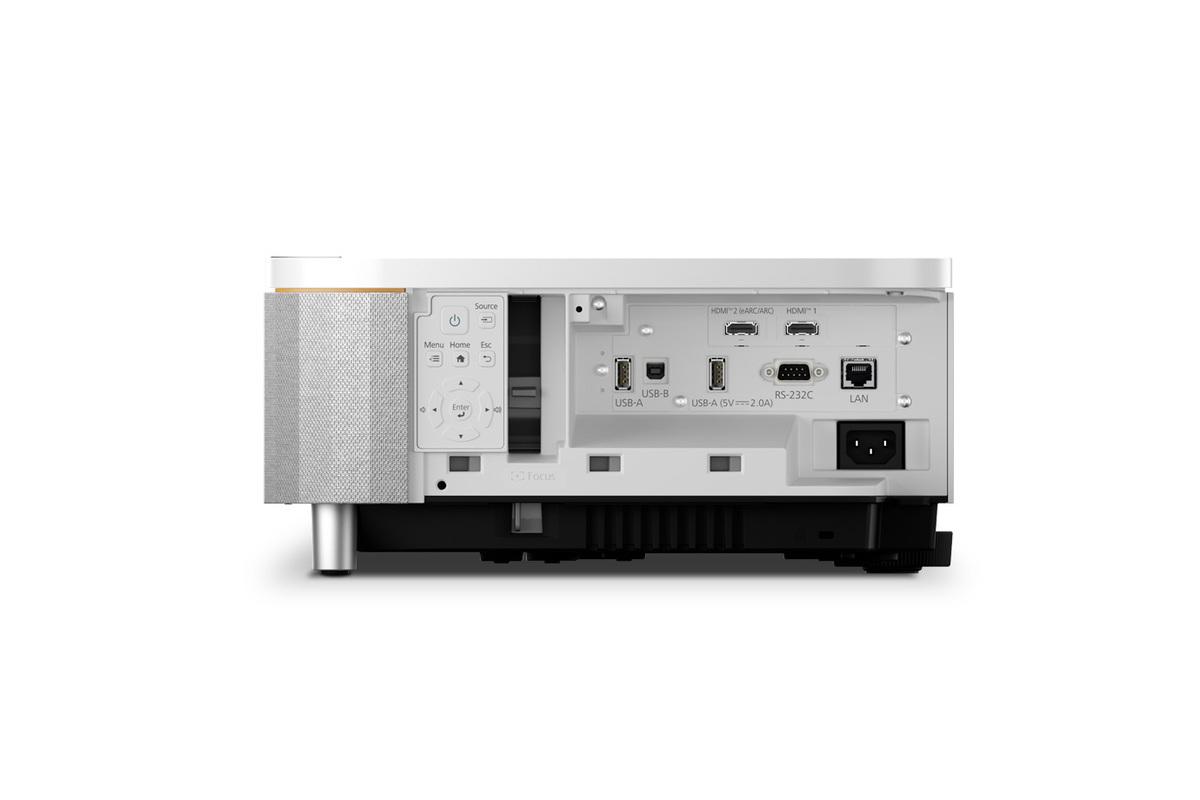
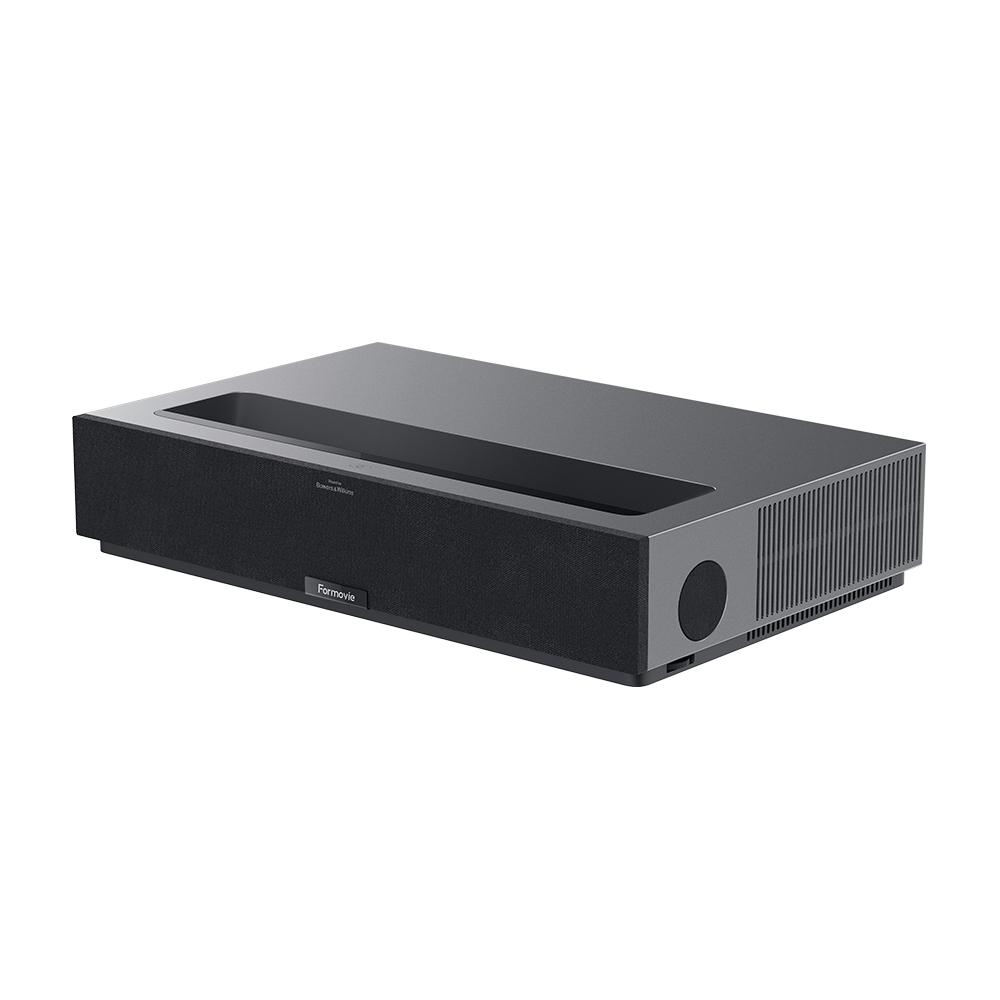
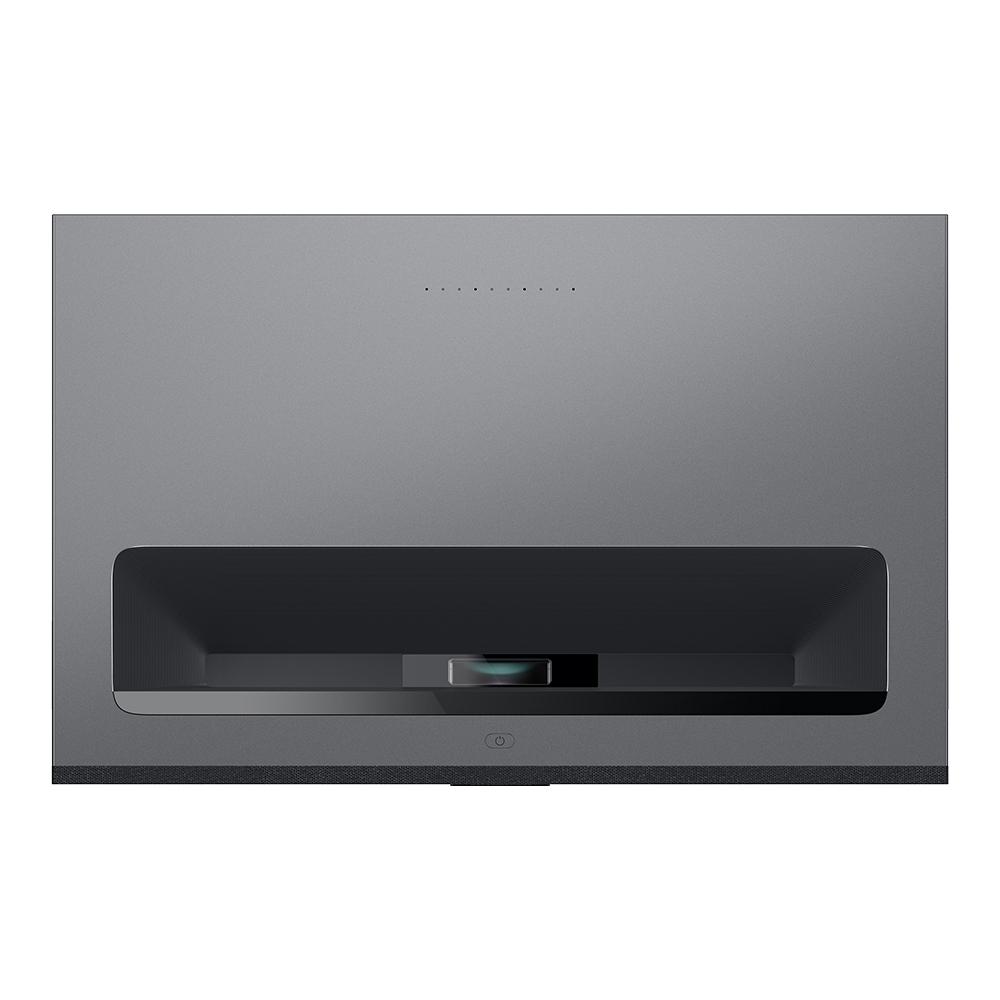
Ultra short throw projectors have revolutionized how we think about home entertainment. Instead of mounting a traditional projector on your ceiling or dealing with long cable runs, these clever devices sit just inches from your wall and beam massive images upward. Think of them as the halfway point between a large TV and a traditional projector—they give you cinema-sized images without the installation headaches.
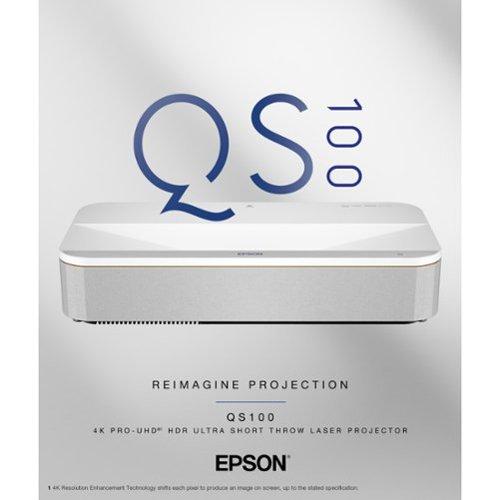
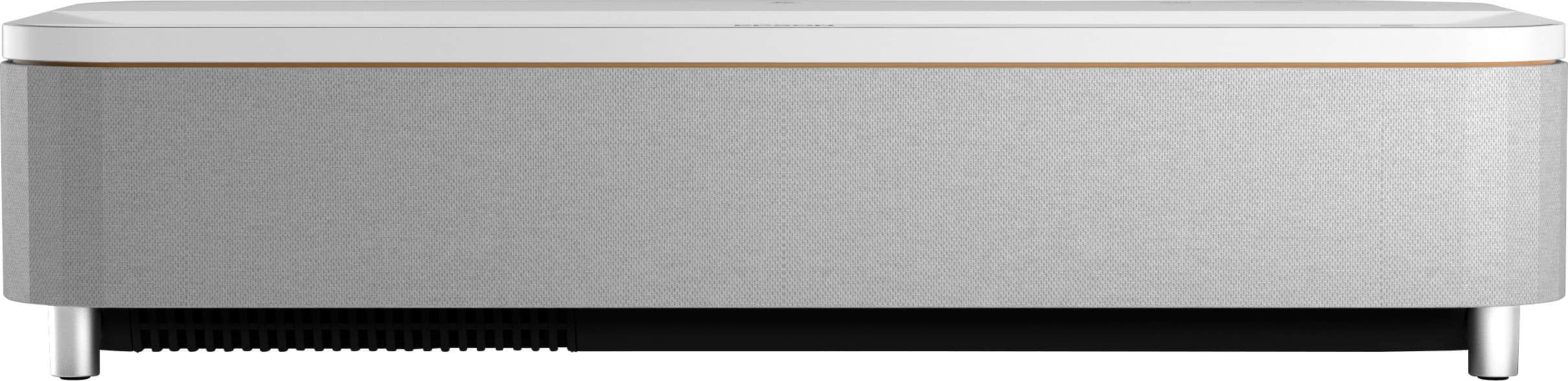
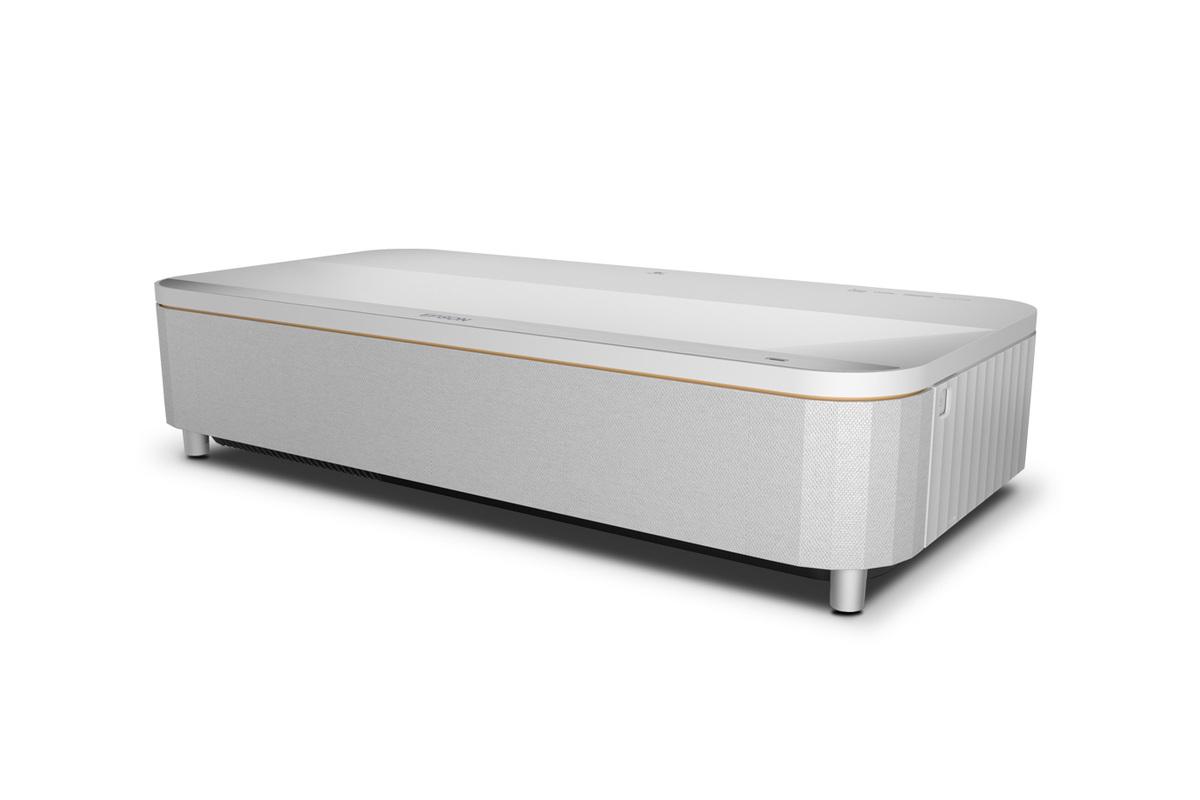
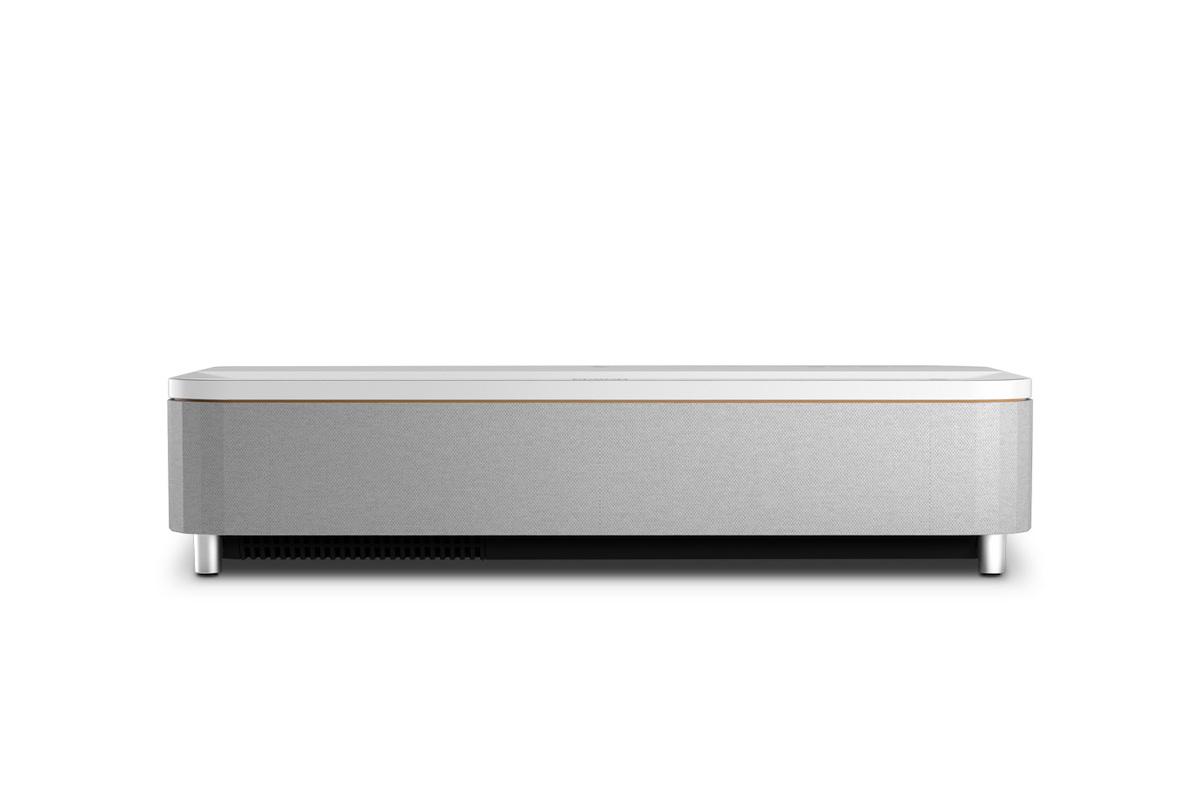
The technology has matured significantly in recent years, with two distinct approaches emerging. The Epson QS100, released in 2025, represents the premium end with professional-grade brightness and integration capabilities. Meanwhile, the Formovie Theater, which hit the market in 2022, focuses on delivering comprehensive features and convenience at a more accessible price point.
Before diving into the comparison, it's worth understanding why ultra short throw projectors exist and what makes them different from regular projectors. Traditional projectors need several feet of space behind them to create large images. UST projectors flip this concept using specialized optics that can create a 100-inch image from just inches away from the wall.
This proximity brings real advantages: no shadows when people walk in front, no ceiling mounts to install, and the ability to place the projector on a TV stand or entertainment center. However, it also creates unique challenges. Since these projectors often live in living rooms rather than dedicated theater spaces, they need to fight ambient light more than their traditional counterparts.
The brightness war has become central to UST projector design. While a traditional projector in a dark basement might work fine at 1,500 lumens, UST models often need double or triple that brightness to look good with the lights on. This is where our two contenders take dramatically different approaches.
The most significant difference between the Epson QS100 and Formovie Theater lies in their brightness output, and this single specification affects everything else about how you'll use these projectors.
The Epson QS100 delivers a massive 4,500 lumens—both color brightness and white brightness. In projector terms, having equal color and white brightness matters enormously. Some projectors might claim high white brightness but fall short on color brightness, leading to washed-out colors in bright rooms. Epson's 3LCD technology ensures you get vibrant colors even when fighting daylight streaming through windows.
This brightness advantage isn't just about numbers on a spec sheet. At 4,500 lumens, the Epson QS100 can maintain image quality in moderately lit rooms where most projectors would look washed out. You could realistically watch a movie on a weekend afternoon without closing all the blinds—something that opens up entirely new usage scenarios.
The Formovie Theater, at 1,800 ISO lumens, represents a more traditional approach to projector brightness. This is perfectly adequate for evening viewing with dimmed lights, but it requires more environmental control. You'll want to treat it more like a traditional projector, creating a darker environment for the best experience.
From our research into user experiences, this brightness difference translates into real-world usage patterns. Epson QS100 owners report using their projector throughout the day for various content, while Formovie Theater users typically reserve viewing for evening entertainment when they can control the lighting.
The resolution story between these projectors illustrates an interesting technological divide that affects both image quality and cost.
The Formovie Theater delivers true native 4K resolution (3840×2160 pixels) using DLP technology with XPR (Xpanded Pixel Resolution). This means each frame contains the full 4K detail without any processing tricks. When you're watching 4K content from Netflix or a Ultra HD Blu-ray, you're seeing every pixel the director intended.
The Epson QS100 takes a different approach with 4K PRO-UHD, which uses pixel-shifting technology. This system starts with three native 1080p LCD panels and rapidly shifts pixels to create the impression of 4K resolution. While not technically native 4K, the result is visually nearly indistinguishable from true 4K at normal viewing distances.
The pixel-shifting approach brings a significant advantage: it eliminates the rainbow effect. Single-chip DLP projectors like the Formovie Theater can sometimes show brief rainbow flashes, particularly noticeable when you move your eyes quickly or during high-contrast scenes. Some people are sensitive to this effect while others never notice it. The Epson QS100's 3LCD system completely avoids this issue.
In practical terms, both projectors deliver excellent sharpness and detail. The native 4K advantage of the Formovie Theater is most apparent in detailed scenes with fine textures, while the Epson QS100's pixel-shifting provides smooth motion without artifacts.
Color performance has become increasingly important as more content supports HDR (High Dynamic Range), which expands both the range of colors and the brightness levels that can be displayed.
The Formovie Theater excels in this area with support for Dolby Vision, HDR10, and HDR10+. Dolby Vision is particularly significant because it provides dynamic metadata—instructions that tell the projector how to optimize each scene. This is especially valuable for streaming content from Netflix, Apple TV+, and other platforms that prioritize Dolby Vision.
The projector also covers 107% of the BT.2020 color space, which means it can display a wider range of colors than many competitors. This expanded color gamut makes nature documentaries pop with vivid greens and blues, while maintaining accurate skin tones in dramatic content.
The Epson QS100 supports HDR10+ but notably lacks Dolby Vision support. This is somewhat puzzling given its premium positioning and high brightness, which would otherwise make it excellent for HDR content. However, Epson's 3LCD technology typically provides very accurate color reproduction, and the massive brightness helps HDR content look more dynamic than it would on dimmer projectors.
From a practical standpoint, the HDR format support difference matters most for streaming content. If you primarily watch Netflix, Disney+, or Apple TV+ content that includes Dolby Vision, the Formovie Theater will provide a more optimized experience.
Audio represents a philosophical difference between these projectors that affects both cost and convenience.
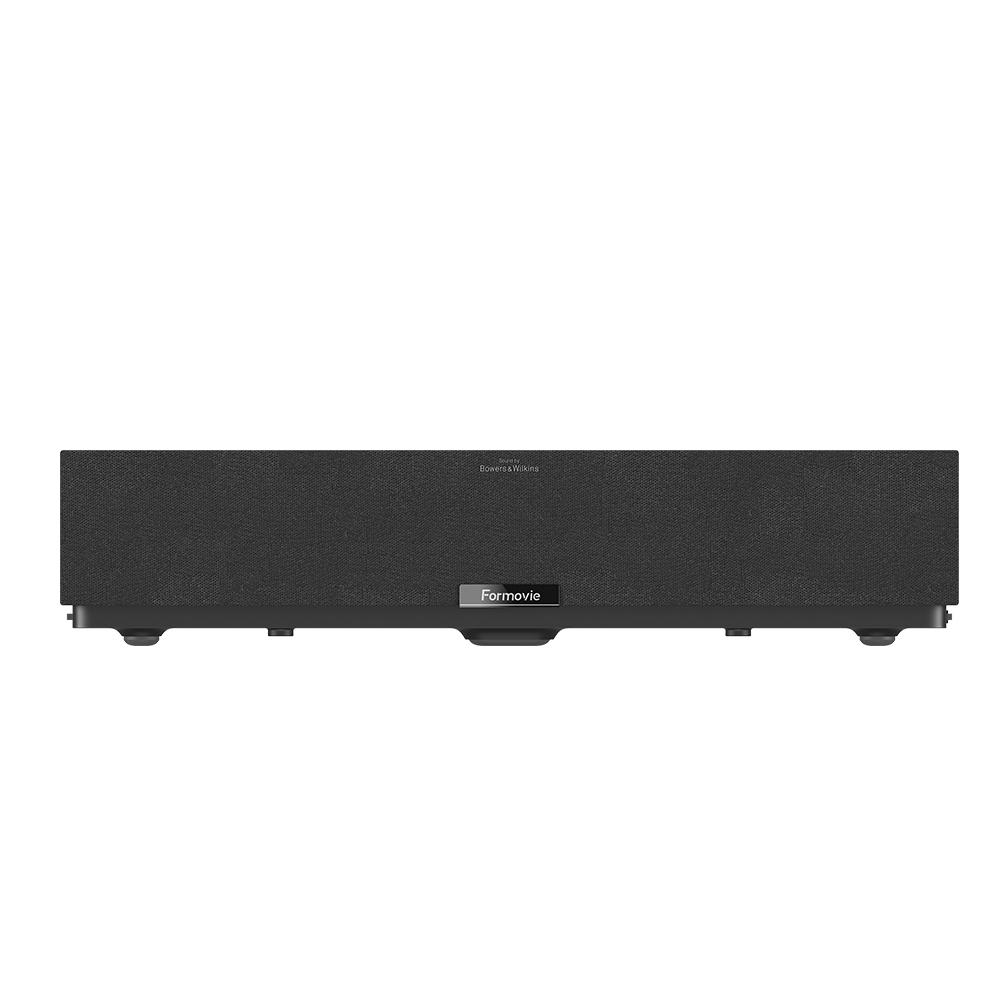
The Formovie Theater includes a 30-watt Bowers & Wilkins sound system with Dolby Atmos support. This isn't just a token audio system—Bowers & Wilkins is a respected audio company, and the integration provides genuinely good sound quality. The Dolby Atmos support creates a sense of spatial audio that enhances the large-screen experience.
For many users, this built-in audio eliminates the need for additional speakers or sound bars, reducing both cost and complexity. The sound quality is good enough for most living room installations, though serious audiophiles might still want external speakers.
The Epson QS100 takes the opposite approach by including no speakers at all. This is intentional—the projector is designed for custom installations where external audio systems are expected. This approach provides more flexibility for integrating with existing sound systems or adding high-end speakers, but it also adds cost and complexity.
The audio choice significantly affects the total cost of ownership. The Formovie Theater provides a complete entertainment solution out of the box, while the Epson QS100 requires additional audio investment to be functional.
Modern projectors often serve as entertainment hubs, and the two approaches here reflect different philosophies about how technology should integrate into your home.
The Formovie Theater includes Android TV 11 with Google Assistant integration. This provides access to virtually all streaming services, voice control, and the ability to cast content from phones and tablets. The interface is familiar to anyone who has used Android TV on other devices, and the built-in Chromecast functionality makes it easy to share content.
Having used similar Android TV implementations, the experience is generally smooth and responsive. You can browse Netflix, switch to YouTube, and adjust settings without reaching for additional remotes or devices.
The Epson QS100 deliberately omits smart TV functionality, requiring external streaming devices like Apple TV, Roku, or NVIDIA Shield. This might seem like a limitation, but it reflects the projector's professional positioning. External streaming devices often provide better performance, more frequent updates, and greater flexibility than built-in systems.
For custom installations, this approach also makes sense because it allows integration with whole-home automation systems. The Epson QS100 supports control protocols like Crestron and Control4, enabling seamless integration with smart home systems where a single remote can control lighting, audio, and projection.
The setup experience differs significantly between these projectors, reflecting their target audiences.
The Epson QS100 includes advanced geometry correction features and professional calibration support. It's ISF (Imaging Science Foundation) certified, meaning trained technicians can optimize the image quality for your specific room and screen combination. The projector also operates extremely quietly at just 20 dB in eco mode—quieter than most desktop computers.
The quiet operation makes it suitable for critical listening environments where projector fan noise could interfere with dialogue or music. This attention to acoustic design reflects its premium positioning and suitability for dedicated home theater spaces.
The Formovie Theater focuses more on user-friendly setup with automatic keystone correction and simpler calibration options. While it may not offer the same level of fine-tuning, it's designed to produce good results with minimal professional intervention.
Gaming has become an important consideration for projectors as consoles support higher frame rates and more demanding visual effects.
The Epson QS100 supports Auto Low Latency Mode (ALLM) and can handle 4K gaming at 60Hz or 2K gaming at 120Hz. The higher refresh rate support at 2K resolution provides smoother motion in fast-paced games, though you'll need to choose between maximum resolution and maximum frame rate.
Input lag measurements show approximately 21ms for high-refresh gaming, which is acceptable for most gaming scenarios though serious competitive gamers might prefer dedicated gaming monitors.
The Formovie Theater also supports ALLM and HDMI 2.1 features, but maxes out at 4K/60Hz. For most console gaming, this is perfectly adequate, and the projector provides good gaming performance within its capabilities.
At the time of writing, these projectors represent different value philosophies that affect their total cost of ownership significantly.
The Formovie Theater provides exceptional value by including everything needed for a complete entertainment system: 4K projection, quality audio, and smart TV functionality. Users can literally unbox it, connect power, and start watching Netflix within minutes. The total cost remains close to the projector's purchase price.
The Epson QS100 commands a substantial premium but requires additional investments in audio systems and streaming devices. However, it delivers unmatched brightness and professional-grade features that justify the cost for specific use cases.
When evaluating total system costs, the Formovie Theater typically costs significantly less than a comparable Epson QS100 setup with external audio and streaming components.
The Epson QS100 makes sense for users who need maximum brightness for daytime viewing or bright rooms. It's ideal for living rooms with large windows, commercial installations, or dedicated home theaters where professional integration and maximum performance justify the premium cost. The quiet operation and professional calibration support make it suitable for serious home theater enthusiasts who want the best possible experience.
The Formovie Theater better serves most home users who want an excellent large-screen experience without the complexity or cost of a custom installation. It provides genuine 4K resolution, comprehensive HDR support, quality integrated audio, and smart TV convenience at a more accessible price point.
For families who want to upgrade from a large TV to projection, the Formovie Theater offers the easiest transition with immediate functionality. For enthusiasts building dedicated theater spaces or dealing with bright room environments, the Epson QS100 provides uncompromising performance.
Both projectors represent mature implementations of ultra short throw technology, but they serve different needs and budgets. The choice ultimately depends on your specific room conditions, usage patterns, and whether you prioritize convenience or maximum performance.
| Epson QS100 4K PRO-UHD Ultra Short Throw Projector | Formovie Theater Ultra Short Throw Triple Laser Projector |
|---|---|
| Brightness - Most critical spec for daytime and ambient light viewing | |
| 4,500 lumens (exceptional for bright rooms and daylight use) | 1,800 ISO lumens (requires dim lighting for best results) |
| Resolution Technology - Affects image sharpness and detail | |
| 4K PRO-UHD with pixel-shifting (near-4K quality, no rainbow effect) | True native 4K UHD (genuine 4K detail but potential rainbow artifacts) |
| HDR Format Support - Important for streaming and premium content | |
| HDR10+ only (missing Dolby Vision for Netflix/streaming) | HDR10, HDR10+, and Dolby Vision (complete premium streaming support) |
| Audio System - Affects total system cost and convenience | |
| No built-in speakers (requires external audio investment) | 30W Bowers & Wilkins with Dolby Atmos (complete audio solution) |
| Smart Features - Determines ease of use and streaming access | |
| No built-in streaming (requires external device like Apple TV) | Android TV 11 with Google Assistant (complete streaming platform) |
| Color Performance - Affects image vibrancy and accuracy | |
| 3LCD technology (accurate colors, no rainbow effect) | 107% BT.2020 coverage (wider color range, vibrant images) |
| Professional Integration - Important for custom installations | |
| ISF certified, Crestron/Control4 compatible (premium installation features) | Basic smart home integration (consumer-focused setup) |
| Gaming Performance - Matters for console and PC gaming | |
| 4K/60Hz + 2K/120Hz support with ALLM (versatile gaming options) | 4K/60Hz maximum with ALLM (standard gaming performance) |
| Noise Level - Critical for quiet viewing environments | |
| 20dB in Eco mode (whisper-quiet operation) | Standard fan noise (typical for home use) |
| Value Proposition - Total cost consideration | |
| Premium price requiring additional audio/streaming investments | All-in-one solution at accessible price point |
| Best For - Target user scenarios | |
| Bright rooms, professional installations, maximum performance needs | Evening viewing, convenience seekers, budget-conscious buyers |
The Epson QS100 is significantly brighter at 4,500 lumens compared to the Formovie Theater at 1,800 lumens. This makes the Epson QS100 much better for rooms with ambient light or daytime viewing, while the Formovie Theater works best in dimmed or dark environments.
The Formovie Theater has true native 4K resolution (3840×2160), while the Epson QS100 uses 4K PRO-UHD with pixel-shifting technology. Both deliver excellent image sharpness, but the Formovie Theater provides genuine 4K detail without processing.
The Formovie Theater includes a 30W Bowers & Wilkins sound system with Dolby Atmos support, providing excellent built-in audio. The Epson QS100 has no built-in speakers and requires external audio equipment, which adds to the total system cost.
The Formovie Theater includes Android TV 11 with built-in streaming apps including Netflix, YouTube, and others. The Epson QS100 has no smart features and requires an external streaming device like Apple TV or Roku to access streaming services.
The Epson QS100 offers more gaming versatility with support for 4K at 60Hz or 2K at 120Hz, plus Auto Low Latency Mode. The Formovie Theater supports 4K gaming at 60Hz maximum with ALLM, which is suitable for most console gaming needs.
Both are ultra short throw projectors that sit very close to the wall. The Epson QS100 has a throw ratio of 0.16:1 to 0.22:1, while the Formovie Theater has a 0.23:1 throw ratio. Both can create large 100+ inch images from just inches away from the screen.
The Formovie Theater supports HDR10, HDR10+, and Dolby Vision, providing the most comprehensive HDR compatibility for streaming services. The Epson QS100 only supports HDR10+, missing Dolby Vision which is used by Netflix and other premium streaming platforms.
Both work well for home theaters, but with different strengths. The Epson QS100 excels in dedicated theater rooms with its exceptional brightness, quiet 20dB operation, and professional calibration options. The Formovie Theater is better for multi-purpose living rooms with its all-in-one convenience and integrated audio.
The Epson QS100 operates much quieter at just 20dB in Eco mode, making it virtually silent during viewing. The Formovie Theater has standard projector fan noise levels that are acceptable for most home environments but more noticeable during quiet scenes.
The Formovie Theater covers 107% of the BT.2020 color space for wider, more vibrant colors. The Epson QS100 uses 3LCD technology that eliminates rainbow effects and provides accurate color reproduction, though with a more conservative color approach than the Formovie Theater.
The Formovie Theater provides better overall value as a complete entertainment system with built-in audio, streaming, and true 4K resolution at a lower price point. The Epson QS100 costs significantly more and requires additional investments in audio and streaming equipment, but delivers premium performance for demanding users.
The Epson QS100 can project images up to 160 inches, while the Formovie Theater maxes out at 150 inches. Both can create cinema-sized images that far exceed what's practical with traditional TVs, making either suitable for large home theater installations.
We've done our best to create useful and informative comparisons to help you decide what product to buy. Our research uses advanced automated methods to create this comparison and perfection is not possible - please contact us for corrections or questions. These are the sites we've researched in the creation of this article: projectorscreen.com - youtube.com - projectorcentral.com - projectorreviews.com - techradar.com - audioadvice.com - projectorreviews.com - avsforum.com - projectorcentral.com - mediaserver.goepson.com - projectorcentral.com - news.epson.com - epson.eu - epson.com - epson.eu - epson.com - projectorcentral.com - bestbuy.com - techradar.com - projectorcentral.com - rtings.com - formovie.com - projectorreviews.com - projectorcentral.com - projectorscreen.com - projectorcentral.com - nothingprojector.com - formovie.com

Privacy Policy
Terms and Conditions - Affiliate Policy
Home Security
© Copyright 2008-2026.
11816 Inwood Rd #1211, Dallas, TX 75244