

Choosing an AV receiver can feel overwhelming. These devices serve as the brain of your home theater, handling everything from powering your speakers to processing the latest video formats. At the time of writing, we're comparing two very different approaches: the Denon AVR-X2800H, a feature-packed 2022 receiver, and the Sony STR-DH790, a budget-focused model from 2018. The four-year gap between these releases tells an important story about how home theater technology has evolved.
Understanding what makes a good AV receiver requires looking beyond marketing specs. Power output, video processing, connectivity, and room correction all play crucial roles in your viewing experience. But perhaps most importantly, you need to match the receiver's capabilities to your actual needs and budget.
An AV receiver combines several components into one box: an audio amplifier, video processor, and switching hub for all your devices. Think of it as the conductor of your home theater orchestra, ensuring every speaker plays its part while routing signals between your gaming console, streaming device, and TV.
The most critical considerations start with power output, measured in watts per channel. This determines how loudly and clearly your speakers will play. Video processing capabilities affect picture quality and future-proofing, especially as 8K displays become more common. Room correction technology automatically adjusts sound to compensate for your room's acoustics – something that can make or break your audio experience.
Connectivity has become increasingly important as we accumulate more devices. Modern receivers need enough HDMI inputs for gaming consoles, streaming devices, and Blu-ray players, while supporting the latest video standards. Smart features like built-in streaming and voice control have evolved from luxury to necessity for many users.
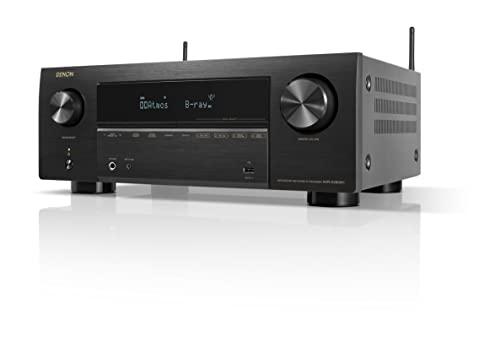
The Denon AVR-X2800H represents what happens when you prioritize cutting-edge features and future-proofing. Released in 2022, it arrived during a period of significant advancement in video technology, particularly around 8K support and gaming features for the PlayStation 5 and Xbox Series X. At the time of writing, it commands a premium price that reflects its comprehensive feature set.
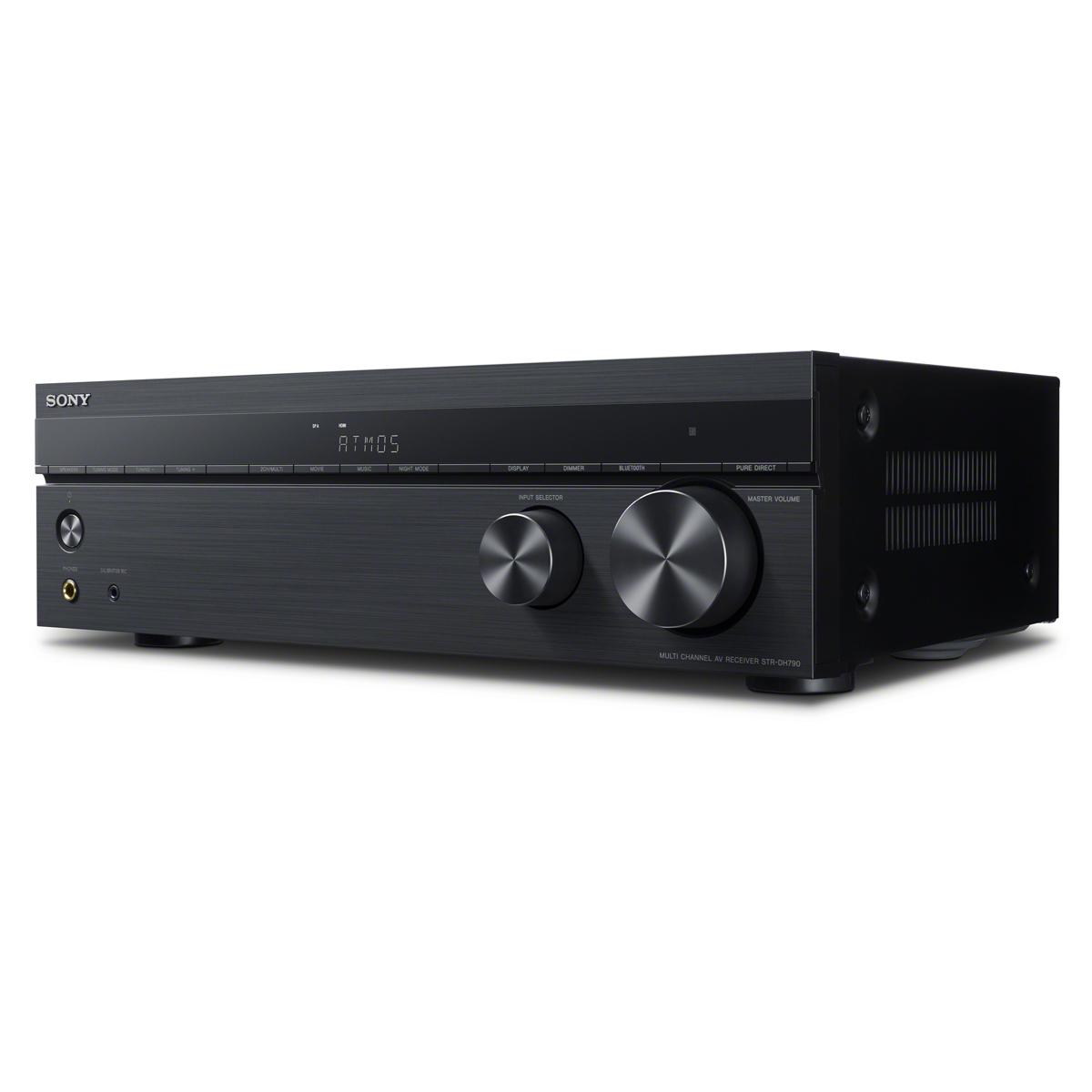
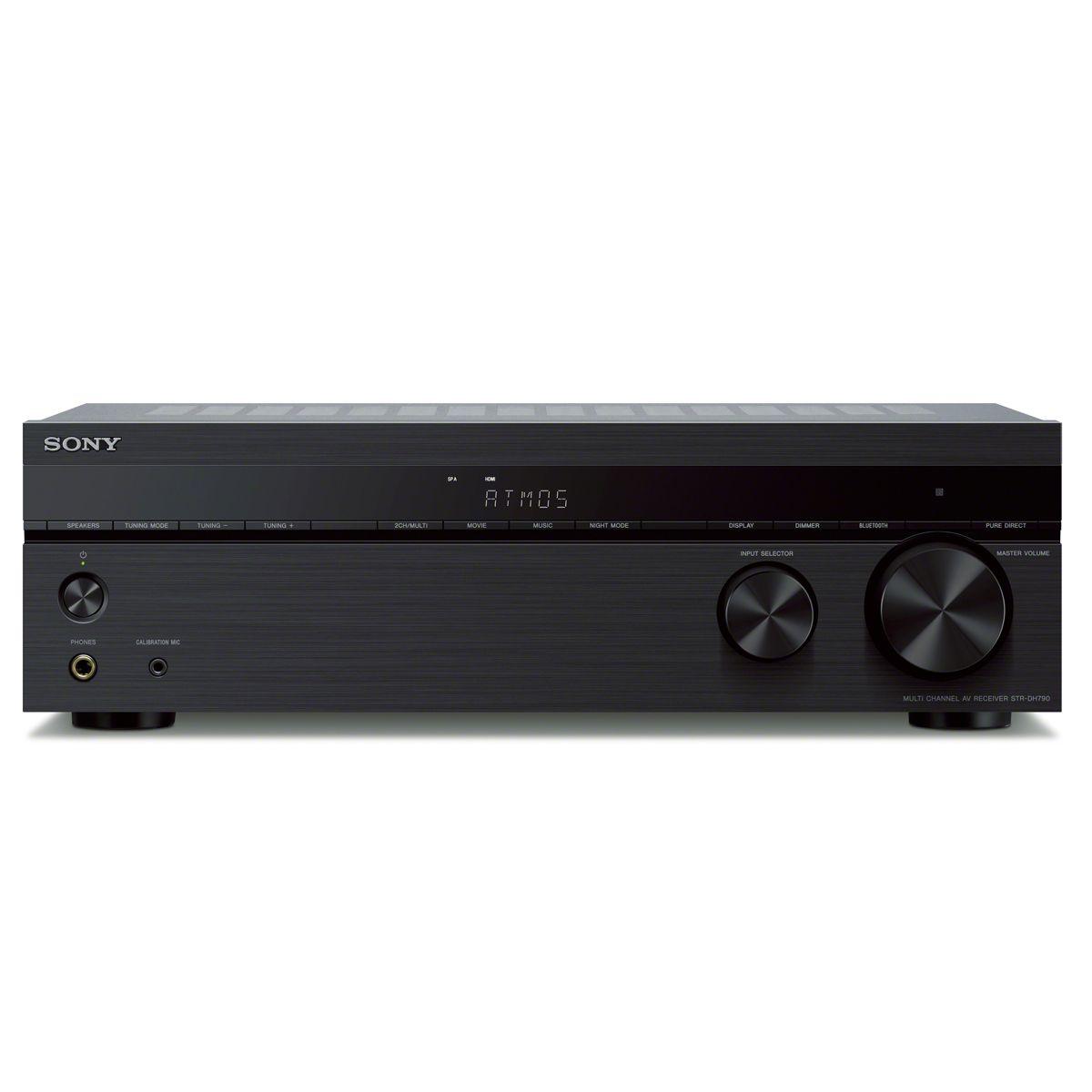
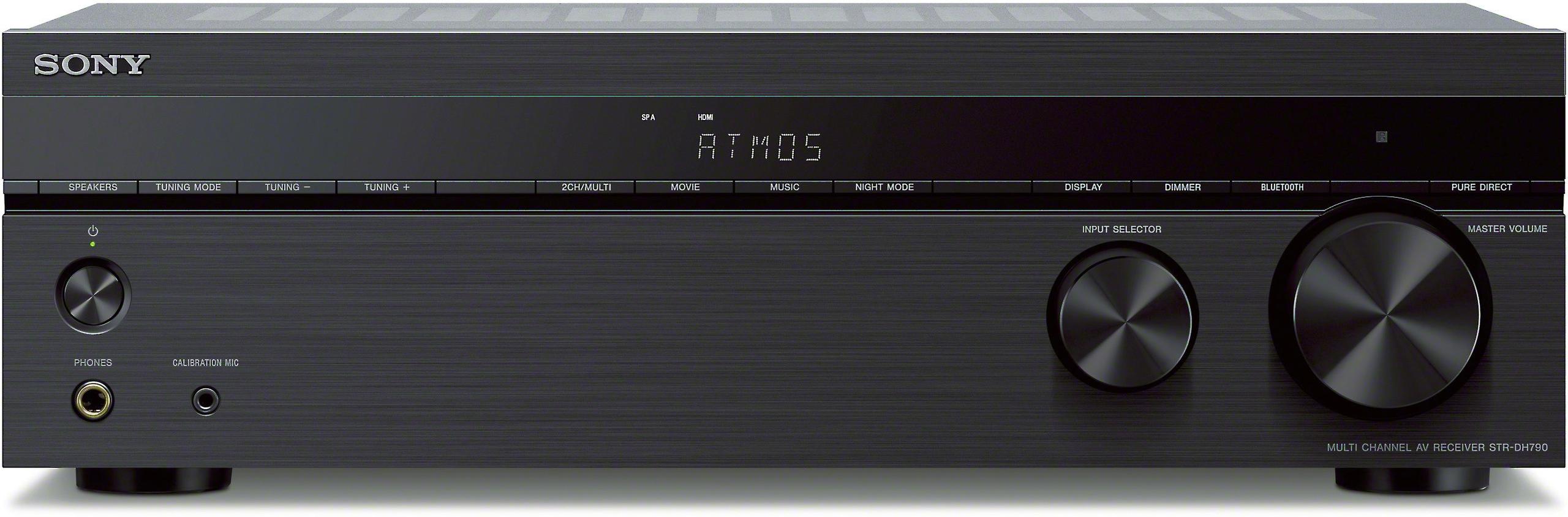
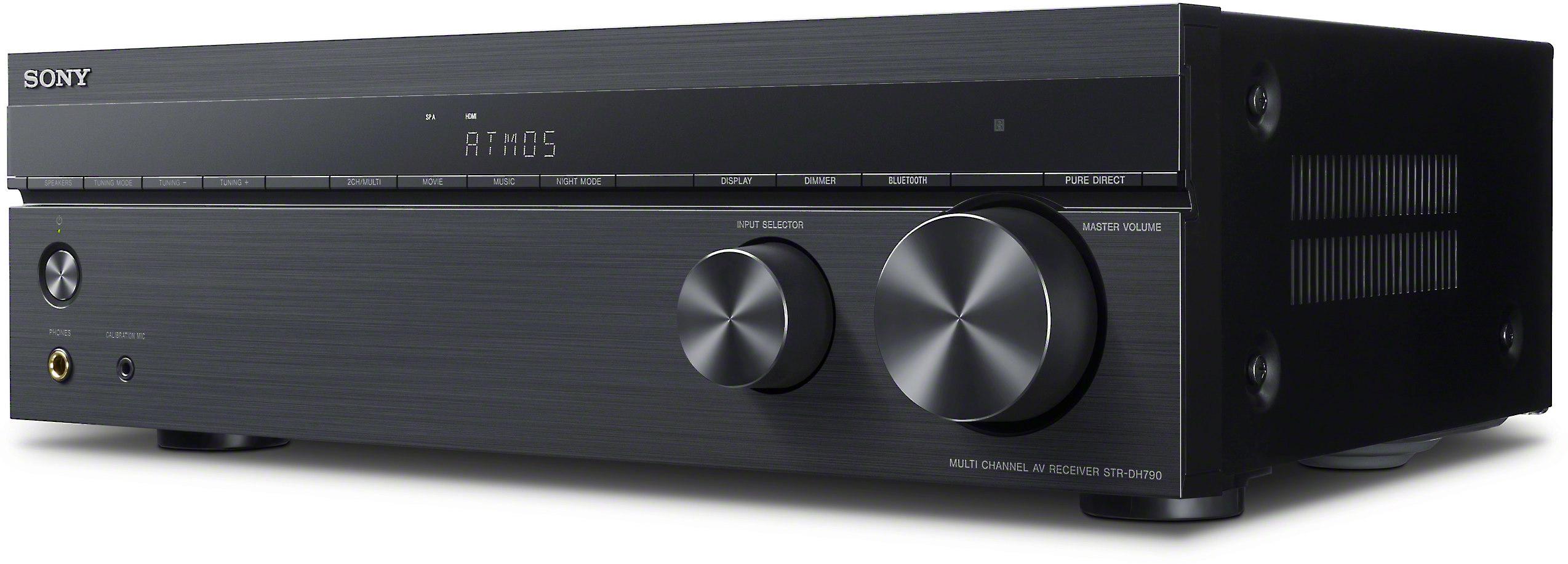
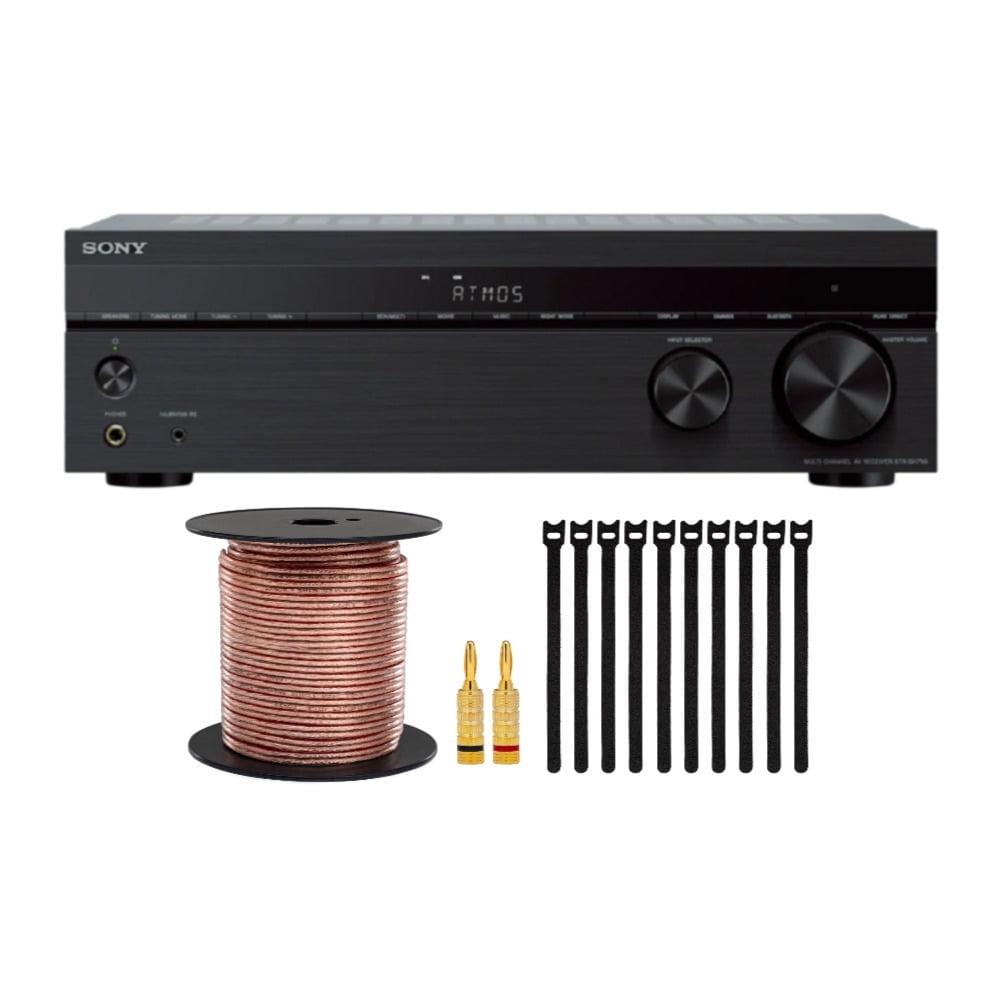
The Sony STR-DH790 takes a different approach, focusing on core functionality at an accessible price point. Released in 2018, it predates many modern conveniences we now take for granted, but that also means it's available at clearance pricing that makes it incredibly attractive for budget-conscious buyers.
The technology landscape has shifted dramatically between 2018 and 2022. When the Sony STR-DH790 launched, 4K was still establishing itself, streaming services were simpler, and gaming at 120Hz was rare. The Denon AVR-X2800H arrives in an era where 8K displays exist, gaming demands higher frame rates, and users expect seamless streaming integration.
Audio performance separates good receivers from great ones, and the differences here reveal important design philosophies. The Denon AVR-X2800H delivers 95 watts per channel measured at 8 ohms with just 0.08% total harmonic distortion (THD). THD measures how much the amplifier changes the original audio signal – lower numbers mean cleaner, more accurate sound reproduction.
The Sony STR-DH790 provides 90 watts per channel, but here's where specifications get tricky. Sony measures this at 6 ohms rather than the industry-standard 8 ohms, which makes the numbers look better on paper. In reality, the power difference is more significant than these specs suggest. The Sony also shows 0.09% THD, slightly higher distortion that most listeners won't notice but indicates less precise amplification.
What matters more than raw power is how cleanly that power delivers to your speakers. The Denon AVR-X2800H uses discrete amplification with high-quality components and advanced power supply design. This translates to better dynamics – the ability to handle sudden loud sounds without strain – and improved clarity across all volume levels.
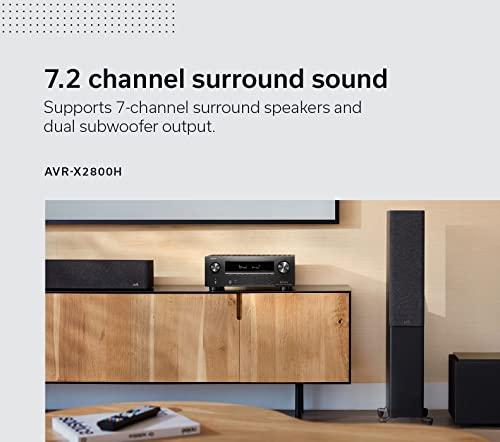
Both receivers support 7.2-channel configurations, meaning seven main speakers plus two subwoofers. However, the Denon AVR-X2800H offers more flexible speaker arrangements, including the ability to bi-amp your main speakers (using two amplifier channels per speaker for improved performance) or dedicate channels to height speakers for Dolby Atmos.
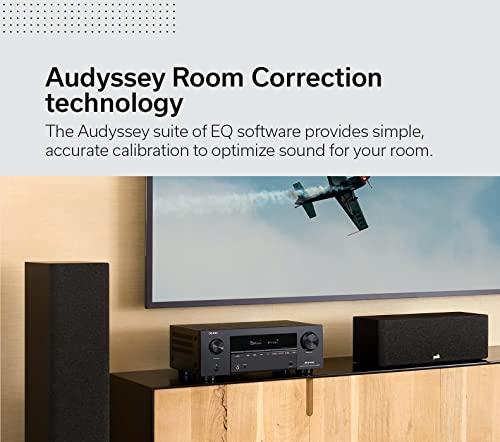
Room correction represents one of the biggest performance differentiators. The Denon AVR-X2800H includes Audyssey MultEQ XT, which uses a included microphone to measure your room's acoustics from up to eight different positions. It then creates a detailed acoustic map, adjusting each speaker's output to compensate for room reflections, bass buildup, and other acoustic issues.
The Sony STR-DH790 offers Sony's Digital Cinema Auto Calibration (DCAC), which performs basic room correction but lacks the sophistication of Audyssey's system. DCAC can handle fundamental speaker distance and level adjustments but won't address complex acoustic problems that plague most home theaters.
Modern surround sound goes far beyond traditional 5.1 or 7.1 configurations. Dolby Atmos and DTS:X create object-based surround sound, where individual sounds can be placed anywhere in three-dimensional space, including overhead. This creates remarkable immersion when watching movies with helicopter flyovers or rain falling from above.
Both receivers support Dolby Atmos and DTS:X, but the Denon AVR-X2800H adds height virtualization technology. This clever processing can simulate overhead effects using your existing speakers, creating the impression of height channels even without ceiling-mounted speakers. It's not perfect, but it's surprisingly effective for listeners who can't install dedicated height speakers.
The Denon AVR-X2800H also includes more sophisticated upmixing algorithms that can take stereo or basic surround content and intelligently expand it to use all your speakers. This matters when watching older movies or streaming content that wasn't originally mixed for immersive audio.
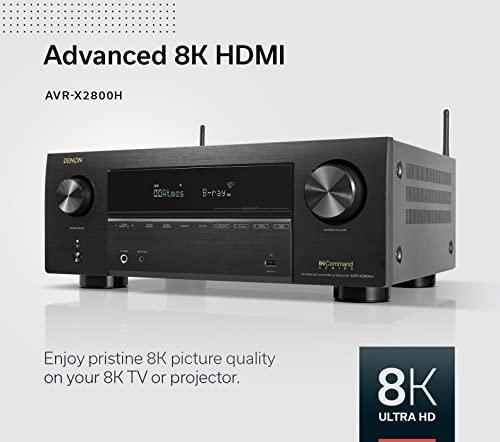
Video processing reveals the biggest technological gap between these receivers. The Denon AVR-X2800H supports 8K video at 60Hz and 4K at 120Hz, critical capabilities for next-generation gaming and eventual 8K content. More importantly, it can upscale lower-resolution content to 8K, potentially improving the picture quality of your existing movie collection.
The Sony STR-DH790 maxes out at 4K/60Hz, which satisfies current content but offers no room for growth. This limitation becomes problematic if you own or plan to buy a PlayStation 5 or Xbox Series X, which can output 4K at 120Hz for incredibly smooth gaming.
HDR (High Dynamic Range) support also differs significantly. HDR expands the range between the darkest and brightest parts of an image, creating more realistic and vibrant pictures. The Denon AVR-X2800H supports all major HDR formats including HDR10, HDR10+, Dolby Vision, and HLG. The Sony STR-DH790 omits HDR10+, which is increasingly common on streaming services.
Gaming features represent another major divide. The Denon AVR-X2800H includes Variable Refresh Rate (VRR), Auto Low Latency Mode (ALLM), and Quick Frame Transport (QFT) – technologies that reduce input lag and eliminate screen tearing for competitive gaming. These features are essentially mandatory for serious console gaming today.
HDMI connectivity determines how many devices you can connect and what features they'll support. The Denon AVR-X2800H provides six HDMI inputs and two outputs, with three inputs supporting the latest HDMI 2.1 standard capable of 40Gbps bandwidth. This means you can connect multiple high-bandwidth sources like gaming consoles and 8K players without compromise.
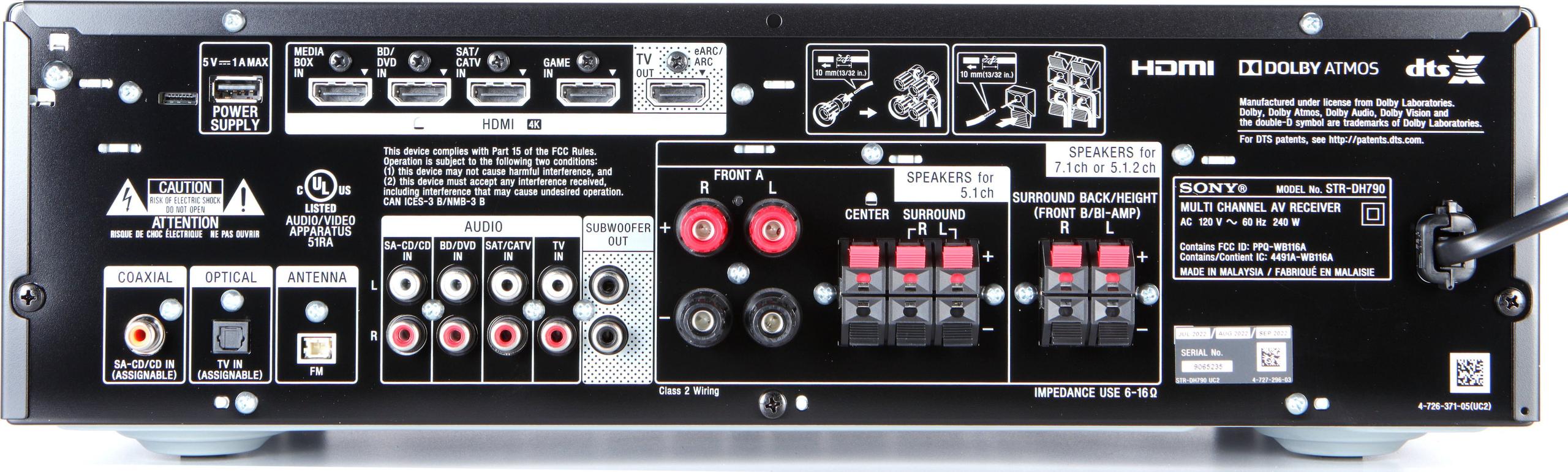
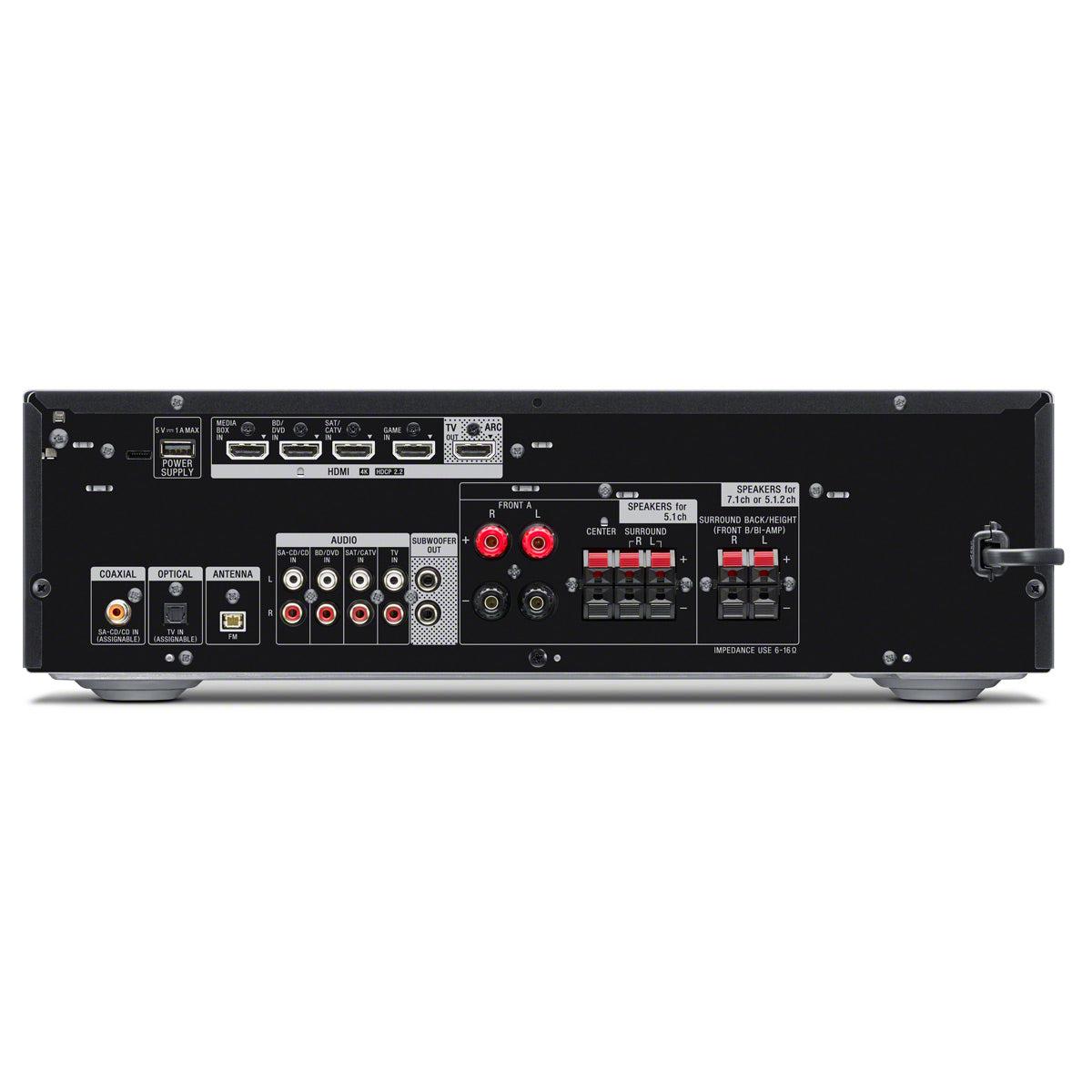
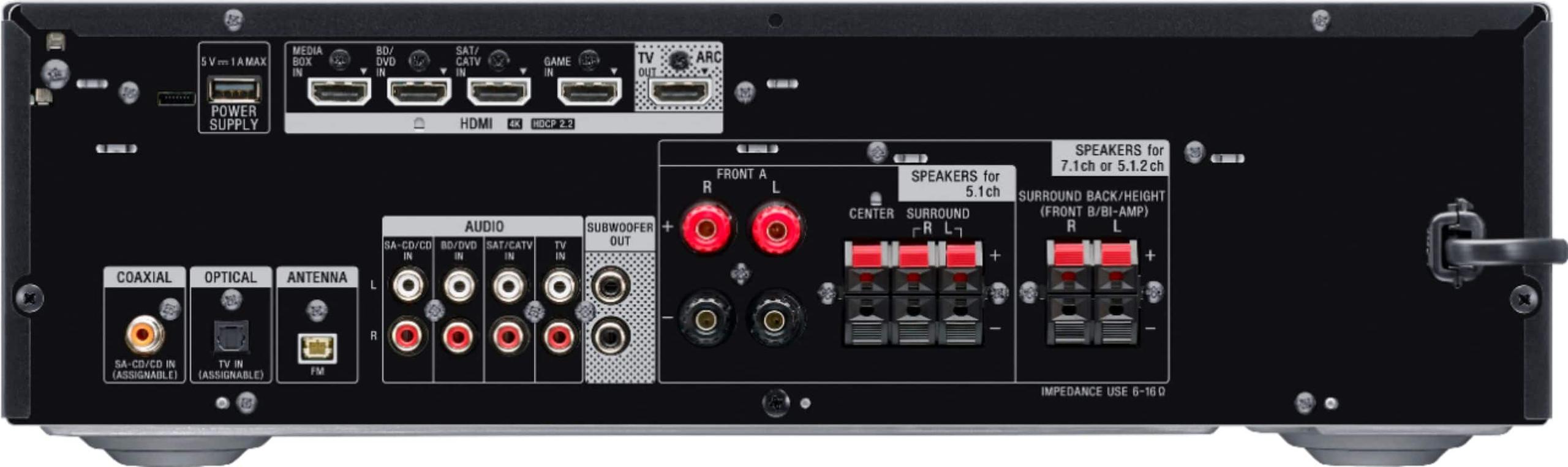
The Sony STR-DH790 offers four HDMI inputs and one output, all using the older HDMI 2.0b standard. This limitation becomes problematic with multiple gaming consoles and streaming devices, often forcing users to choose which devices get direct connections.
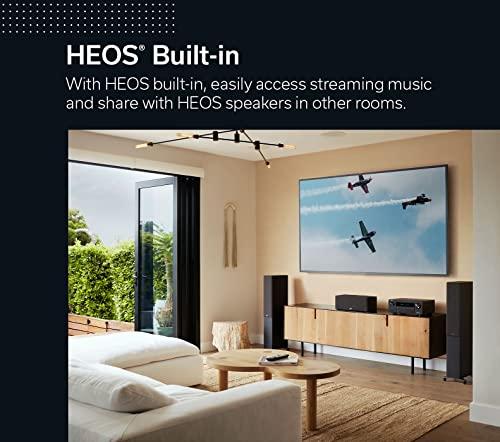
Network connectivity reveals an even starker contrast. The Denon AVR-X2800H includes dual-band Wi-Fi and Ethernet connectivity, enabling streaming services like Spotify, Amazon Music, and AirPlay 2 directly through the receiver. It also supports HEOS, Denon's multiroom audio system, allowing music playback throughout your home.
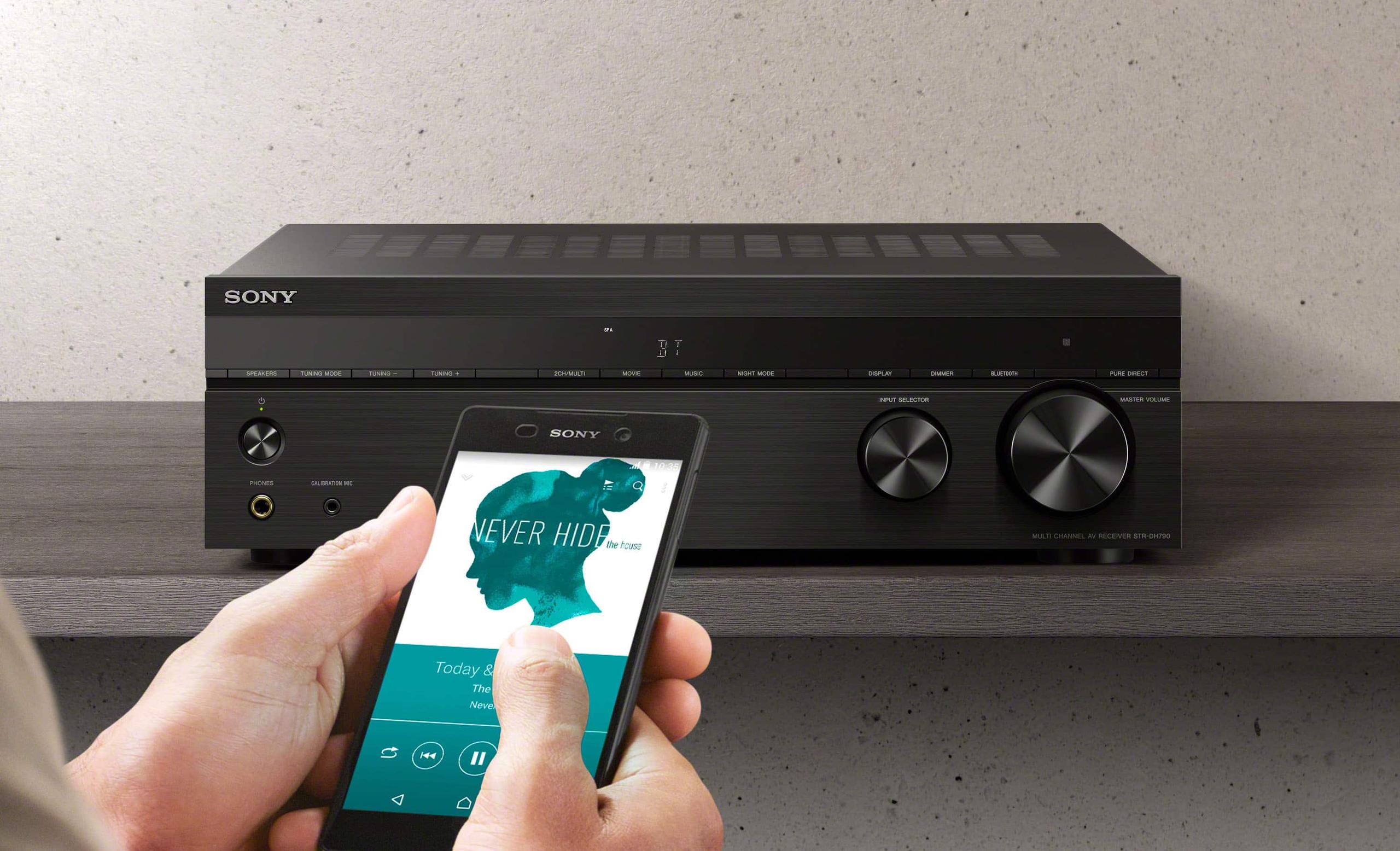
The Sony STR-DH790 offers only Bluetooth connectivity for wireless audio. While Bluetooth works for basic music streaming from your phone, it lacks the quality and convenience of integrated streaming services. You'll need external devices like Apple TV or Roku for streaming, which isn't necessarily bad but adds complexity and cost.
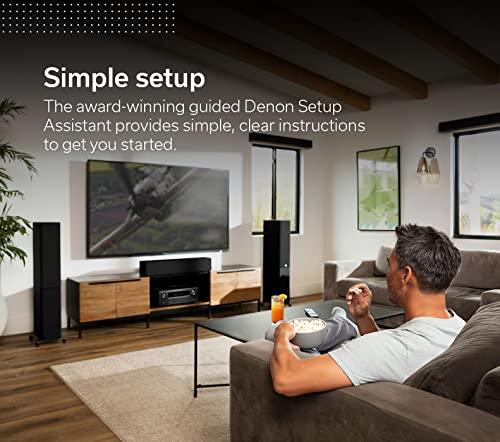
The user experience gap between 2018 and 2022 technology becomes obvious in daily use. The Denon AVR-X2800H features a modern, intuitive setup process with on-screen guidance that walks you through configuration. The remote app allows detailed adjustments from your phone, and voice control works with Alexa, Google Assistant, and Siri.
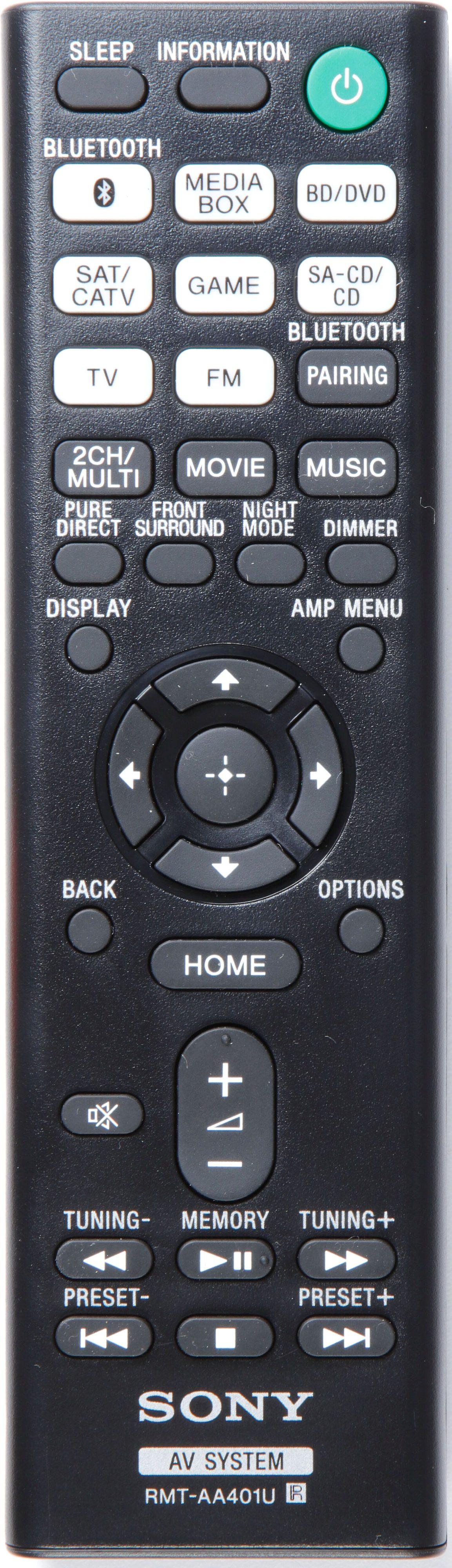
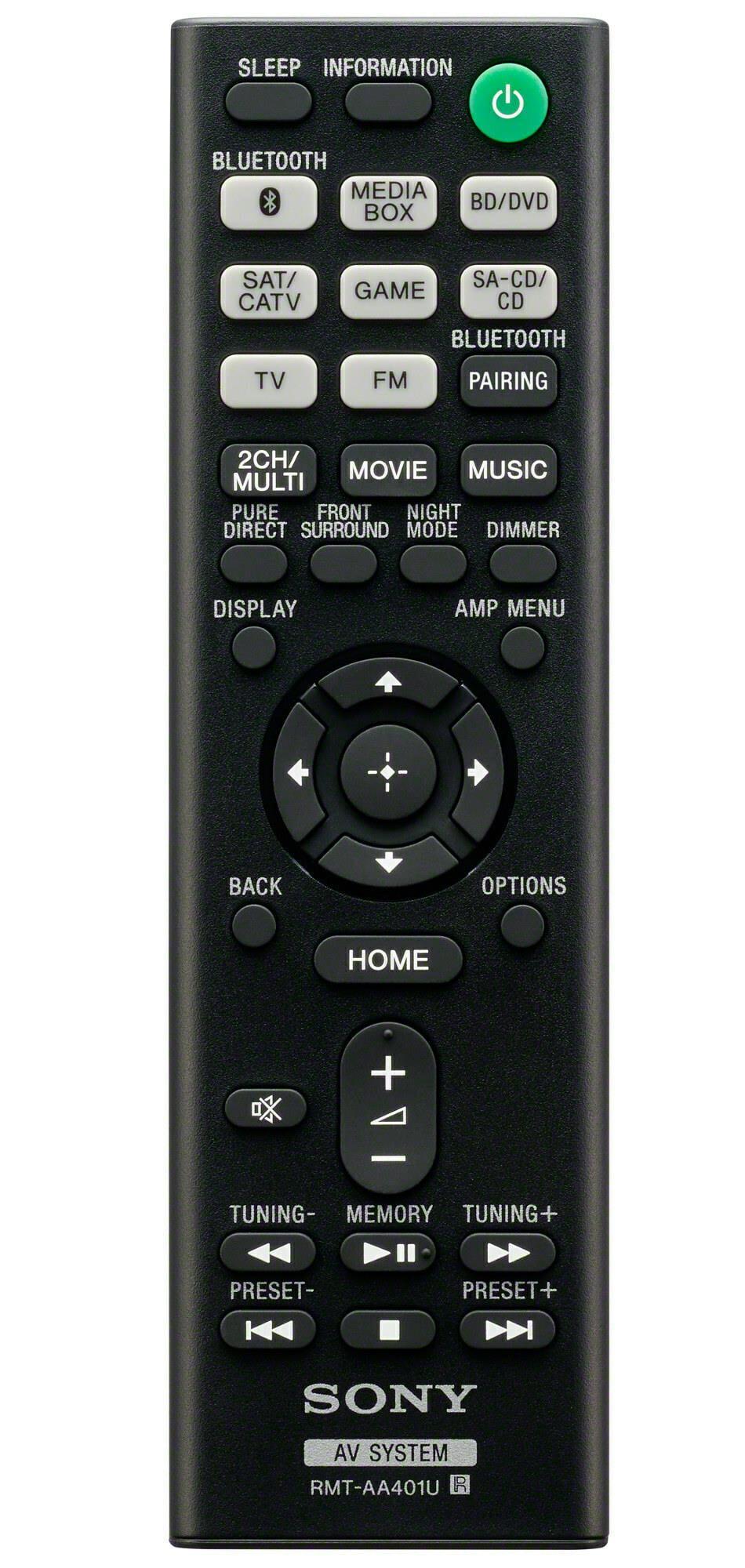
The Sony STR-DH790 relies on traditional menu systems and physical remote control. Setup requires more technical knowledge, and ongoing adjustments mean navigating somewhat clunky on-screen menus. This isn't necessarily a dealbreaker – many users prefer simple, direct control – but it lacks the convenience modern receivers provide.
Both receivers demonstrate solid construction, but internal design differs significantly. The Denon AVR-X2800H uses discrete amplification circuits for each channel, higher-quality DACs (Digital-to-Analog Converters), and more sophisticated power supply design. This translates to better long-term reliability and consistent performance under demanding conditions.
The Sony STR-DH790 uses more basic internal components appropriate for its price point. While perfectly adequate for moderate use, it may struggle with very demanding speakers or extremely loud playback levels.
At the time of writing, these receivers represent vastly different value propositions. The Denon AVR-X2800H commands a premium price that reflects its comprehensive feature set and future-proofing capabilities. For enthusiasts building a long-term home theater investment, the cost per feature compares favorably to separates or higher-end integrated solutions.
The Sony STR-DH790 offers exceptional value due to clearance pricing on older technology. While it lacks modern conveniences, it provides legitimate 7.2-channel surround sound processing at a fraction of typical receiver costs.
The Denon AVR-X2800H makes sense for users who want a receiver that will remain current for years to come. If you own or plan to buy next-generation gaming consoles, appreciate integrated streaming services, or want the best possible room correction, the premium pricing reflects genuine value. It's also the clear choice for larger rooms requiring robust amplification or complex speaker configurations.
The Sony STR-DH790 works perfectly for users with simpler needs and tighter budgets. If you already own streaming devices like Apple TV or Roku, don't need 8K support, and primarily watch movies rather than game competitively, it delivers solid basic functionality. It's also excellent for secondary systems, rental properties, or temporary setups where premium features aren't necessary.
Gaming enthusiasts should strongly consider the Denon AVR-X2800H for its HDMI 2.1 support and gaming-specific features. The Sony STR-DH790 simply cannot deliver the full capabilities of modern gaming consoles.
These receivers represent different philosophies rather than direct competitors. The Denon AVR-X2800H targets users who want cutting-edge technology and comprehensive features, while the Sony STR-DH790 focuses on core functionality at minimal cost.
For most home theater enthusiasts building a system they'll use for several years, the Denon AVR-X2800H represents better long-term value despite higher initial cost. Its video processing capabilities, room correction sophistication, and streaming integration justify the premium for users who want a complete solution.
However, the Sony STR-DH790 offers undeniable value for users with basic needs and existing streaming solutions. At clearance pricing, it provides legitimate surround sound processing that would cost significantly more from current-generation alternatives.
The choice ultimately depends on whether you prioritize future-proofing and convenience or immediate value and simplicity. Both approaches have merit, but understanding your specific needs and usage patterns will guide you toward the right decision for your home theater.
| Denon AVR-X2800H | Sony STR-DH790 |
|---|---|
| Power Output - Determines how loud and clear your speakers will sound | |
| 95W per channel (8 ohms, 0.08% THD) | 90W per channel (6 ohms, 0.09% THD) |
| Release Year - Shows technology generation and future-proofing | |
| 2022 (modern features and connectivity) | 2018 (basic functionality, clearance pricing) |
| Video Resolution Support - Critical for gaming and future displays | |
| 8K/60Hz, 4K/120Hz with upscaling | 4K/60Hz maximum (no upscaling) |
| HDMI Connectivity - Determines how many devices you can connect | |
| 6 inputs/2 outputs (3x HDMI 2.1, 40Gbps) | 4 inputs/1 output (HDMI 2.0b only) |
| HDR Support - Enhances picture quality and color vibrancy | |
| HDR10, HDR10+, Dolby Vision, HLG | HDR10, Dolby Vision, HLG (missing HDR10+) |
| Gaming Features - Essential for PS5/Xbox Series X performance | |
| VRR, ALLM, QFT (full next-gen support) | Basic gaming support only |
| Network Connectivity - Enables streaming and smart features | |
| Wi-Fi, Ethernet, HEOS multiroom | Bluetooth only (no Wi-Fi/streaming) |
| Streaming Services - Built-in entertainment without external devices | |
| Spotify, Amazon Music, AirPlay 2, voice control | None (requires external streaming devices) |
| Room Correction - Automatically optimizes sound for your space | |
| Audyssey MultEQ XT (8-position measurement) | Basic DCAC (limited adjustment options) |
| Audio Processing - Advanced features for better sound quality | |
| Height virtualization, advanced upmixing, 32-bit DACs | Standard Dolby Atmos/DTS:X processing |
| Speaker Configuration - Flexibility for different setups | |
| Bi-amp, Zone 2, flexible height channels | Standard 7.2 configuration |
| Build Quality - Affects reliability and long-term performance | |
| Discrete amplification, premium components | Adequate construction for price point |
| Value Proposition - Who gets the best deal | |
| Premium investment for future-proofing | Exceptional budget value at clearance pricing |
The Denon AVR-X2800H delivers superior sound quality with 95 watts per channel at lower 0.08% distortion, advanced 32-bit DACs, and sophisticated Audyssey MultEQ XT room correction. The Sony STR-DH790 provides adequate 90-watt amplification but lacks the refined audio processing and room optimization of the Denon AVR-X2800H.
Yes, both the Denon AVR-X2800H and Sony STR-DH790 support Dolby Atmos and DTS:X for immersive surround sound. However, the Denon AVR-X2800H includes height virtualization technology to simulate overhead effects without ceiling speakers, while the Sony STR-DH790 offers basic processing only.
The Denon AVR-X2800H is significantly better for next-gen gaming with HDMI 2.1 support, 4K/120Hz capability, VRR, ALLM, and QFT features that reduce lag and improve gameplay. The Sony STR-DH790 lacks these gaming enhancements and is limited to 4K/60Hz, making it unsuitable for full console performance.
The Denon AVR-X2800H includes built-in Wi-Fi, Spotify Connect, Amazon Music, AirPlay 2, and HEOS multiroom streaming without additional devices. The Sony STR-DH790 only offers Bluetooth connectivity, requiring external streaming devices like Apple TV or Roku for music and video services.
Only the Denon AVR-X2800H supports 8K/60Hz video and includes 8K upscaling for improved picture quality from lower-resolution sources. The Sony STR-DH790 maxes out at 4K/60Hz without upscaling, limiting compatibility with future 8K displays and content.
The Denon AVR-X2800H provides 6 HDMI inputs and 2 outputs with three HDMI 2.1 ports supporting 40Gbps bandwidth. The Sony STR-DH790 offers 4 HDMI inputs and 1 output, all using older HDMI 2.0b standard with limited bandwidth for multiple high-resolution sources.
The Denon AVR-X2800H features advanced Audyssey MultEQ XT room correction that measures acoustics from 8 positions and provides detailed optimization through a smartphone app. The Sony STR-DH790 includes basic DCAC room correction with limited measurement capabilities and fewer adjustment options.
The Denon AVR-X2800H is better suited for larger rooms with its discrete amplification, robust power supply, and ability to drive demanding speakers effectively. The Sony STR-DH790 works adequately for small to medium rooms but may struggle with larger spaces or inefficient speakers.
Value depends on your needs: the Sony STR-DH790 offers exceptional budget value for basic home theater functionality, while the Denon AVR-X2800H provides better long-term value for users wanting modern features, future-proofing, and superior performance despite higher initial cost.
The Denon AVR-X2800H supports Alexa, Google Assistant, and Siri voice control for hands-free operation. The Sony STR-DH790 lacks voice control capabilities and relies on traditional remote control or smartphone apps for basic functions.
The Denon AVR-X2800H features an intuitive setup wizard with on-screen guidance and smartphone app control for easy configuration. The Sony STR-DH790 uses traditional menu systems requiring more technical knowledge, though some users prefer its straightforward approach without complex smart features.
Yes, both the Denon AVR-X2800H and Sony STR-DH790 support 7.2-channel configurations with dual subwoofer outputs. However, the Denon AVR-X2800H offers more advanced bass management options and subwoofer level controls for optimal low-frequency performance in your home theater.
We've done our best to create useful and informative comparisons to help you decide what product to buy. Our research uses advanced automated methods to create this comparison and perfection is not possible - please contact us for corrections or questions. These are the sites we've researched in the creation of this article: theaudiotailor.com.au - ecoustics.com - simplehomecinema.com - whathifi.com - audioadvisor.com - youtube.com - bestbuy.com - e-catalog.com - crutchfield.com - avsforum.com - crutchfield.com - whathifi.com - richersounds.com - bestbuy.com - accessories4less.com - projectorscreen.com - adiglobaldistribution.us - youtube.com - bestbuy.com - bestbuy.com - sweetwater.com - bestbuy.com - ynetnews.com - walts.com - sony.ca - walmart.com - videoandaudiocenter.com - abcwarehouse.com - crutchfield.com - sony.co.uk - sony.ie - youtube.com

Privacy Policy
Terms and Conditions - Affiliate Policy
Home Security
© Copyright 2008-2026.
11816 Inwood Rd #1211, Dallas, TX 75244