

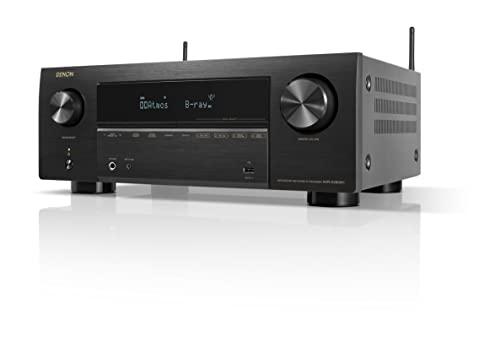

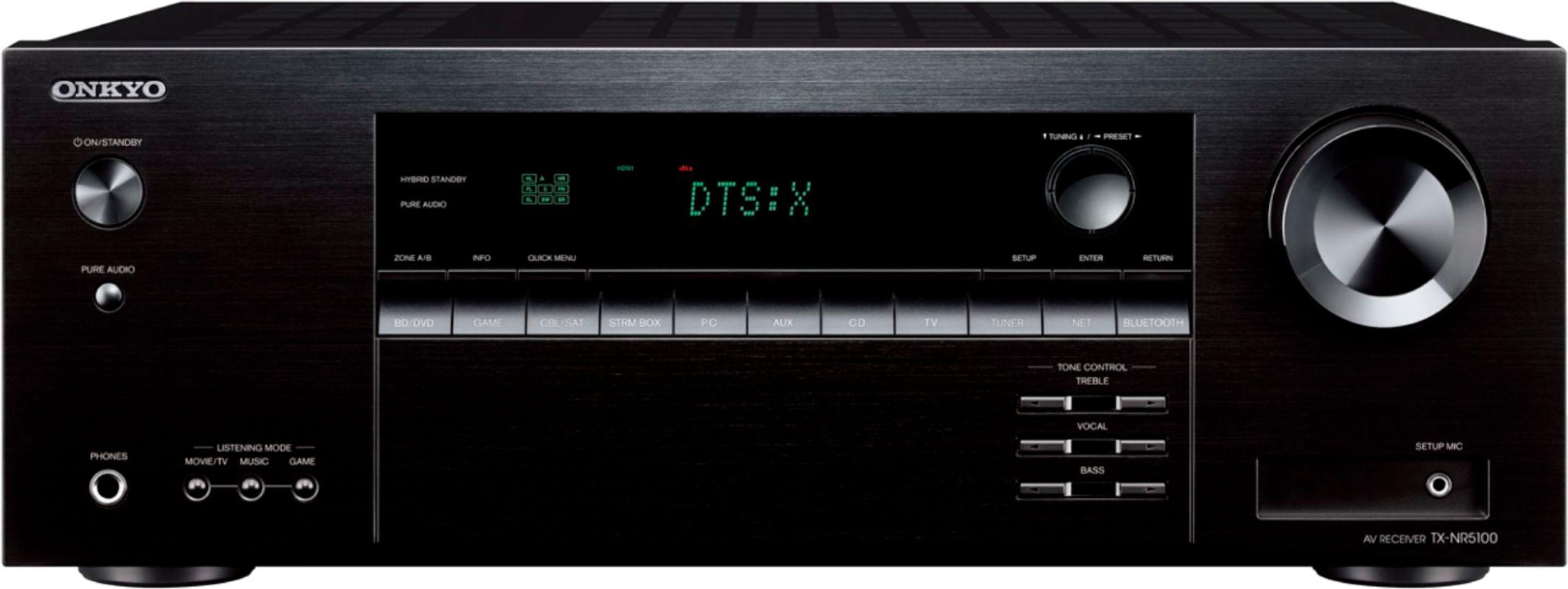
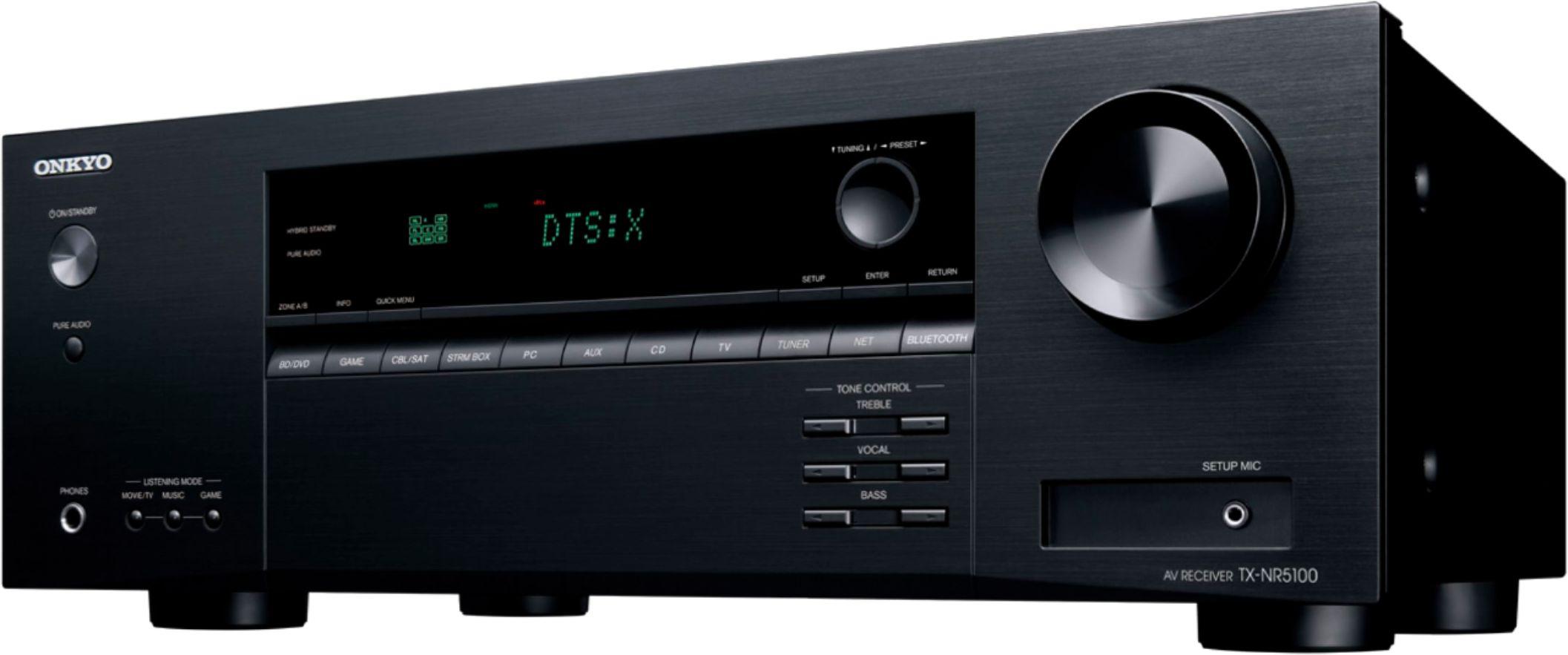
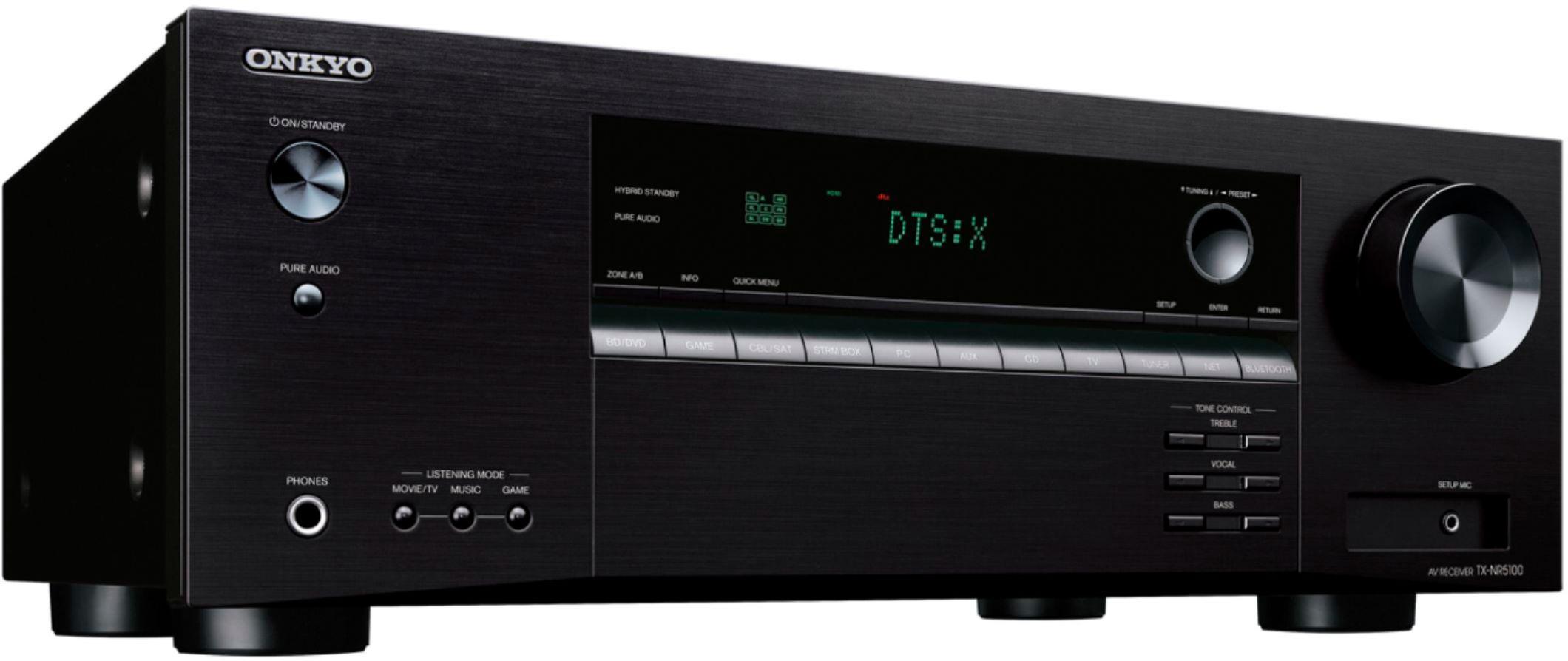
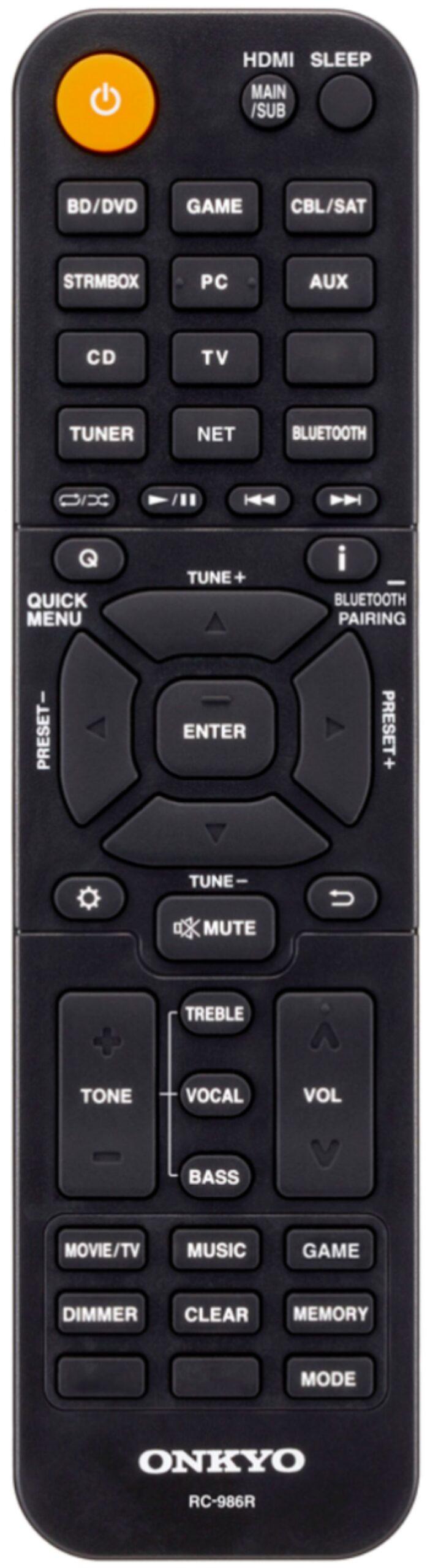
Shopping for an AV receiver can feel overwhelming, especially when you're comparing two solid options like the Denon AVR-X2800H and Onkyo TX-NR5100. Both promise to transform your living room into a home theater, but they take notably different approaches to get you there. At the time of writing, these receivers sit in different price tiers – the Denon commanding nearly double the price of the Onkyo – which makes this comparison particularly interesting for buyers trying to determine where their money is best spent.
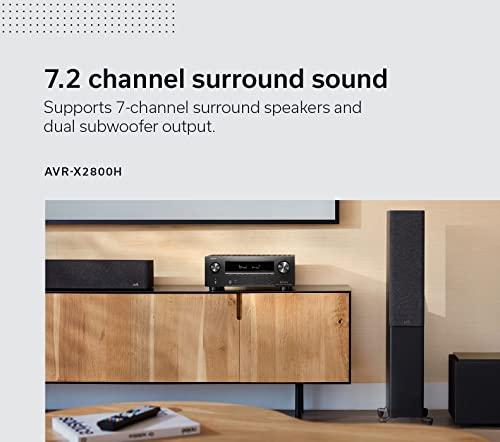
Before diving into specifics, it's worth understanding what these devices actually do. An AV receiver is essentially the brain of your home theater system. It takes audio and video signals from multiple sources (your cable box, gaming console, streaming device), processes them, and sends them to your speakers and TV. The "7.2" designation means these receivers can power seven main speakers plus two subwoofers, which opens up exciting possibilities for immersive surround sound formats like Dolby Atmos.
Think of Dolby Atmos as surround sound's evolved cousin. While traditional surround sound places audio in a circle around you, Atmos adds a height dimension, making it feel like helicopters are flying overhead or rain is falling from above. Both the Denon AVR-X2800H and Onkyo TX-NR5100 support these immersive formats, but they handle them differently.
The real challenge in comparing these receivers isn't just about specs on paper – it's about understanding how those specifications translate into real-world performance and which features actually matter for your specific setup.
The Onkyo TX-NR5100 arrived in 2021, while the Denon AVR-X2800H followed in 2022. This timing matters because it reflects different market strategies. Onkyo entered the 8K-capable receiver market early with a value-focused approach, while Denon took an extra year to develop a more feature-rich offering.
Since these releases, the AV receiver market has continued evolving rapidly. HDMI 2.1 has become the standard for gaming and 8K content, room correction systems have grown more sophisticated, and streaming integration has become essential rather than optional. Both receivers reflect these trends but implement them quite differently.
The most fundamental difference between these receivers lies in their amplification. The Denon AVR-X2800H delivers 95 watts per channel into 8-ohm speakers, while the Onkyo TX-NR5100 provides 80 watts per channel. This 15-watt difference might seem small, but it translates to roughly 1 decibel more headroom – and in audio, every decibel counts.
Here's what this means practically: if you're driving moderately efficient speakers in a medium-sized room, both receivers will likely perform similarly at normal listening levels. However, the Denon's extra power becomes crucial when you're dealing with demanding speakers, larger rooms, or those moments when you want to feel the full impact of an action sequence.
The power story gets more interesting when you examine their approaches to amplification. The Denon AVR-X2800H uses discrete Class AB amplifier circuits, which typically offer better dynamic range and lower distortion. The Onkyo TX-NR5100 employs what Onkyo calls "Dynamic Audio Amplification," which focuses on maintaining stable power delivery across different speaker impedances.
Both receivers can handle speakers ranging from 4 to 16 ohms, but the Denon's higher power output gives it an advantage with less efficient speakers. If you're planning to use bookshelf speakers in a smaller room, the power difference becomes less critical. But for tower speakers or if you're dreaming of that reference-level home theater experience, the Denon's extra muscle matters.
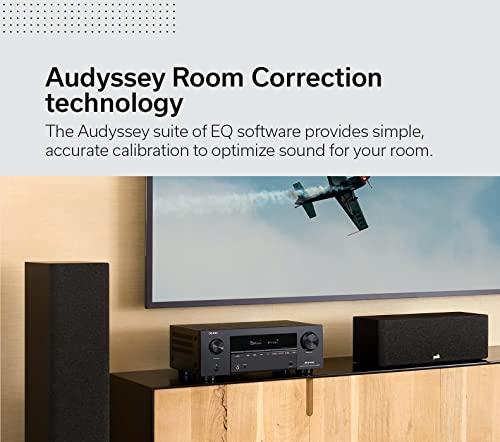
Where these receivers really differentiate themselves is in audio processing and room correction. Room correction systems analyze your room's acoustics using a special microphone, then adjust the receiver's output to compensate for acoustic problems caused by furniture, wall reflections, and room dimensions.
The Denon AVR-X2800H features Audyssey MultEQ XT, which measures your room from up to eight different listening positions. This creates a comprehensive acoustic map that the system uses to optimize speaker timing, frequency response, and volume levels. Audyssey has earned a strong reputation among enthusiasts, and for good reason – it consistently delivers noticeable improvements in dialogue clarity and overall balance.
The Onkyo TX-NR5100 uses AccuEQ with AccuReflex technology. While simpler than Audyssey, AccuEQ focuses on the fundamentals: speaker distance, level matching, and basic frequency correction. AccuReflex specifically targets height channel optimization, which becomes important for Dolby Atmos playback.
In our research of user experiences, Audyssey generally receives higher praise for its sophistication and effectiveness. Users consistently report improved dialogue clarity and better bass integration after running Audyssey calibration. AccuEQ users appreciate its straightforward setup process, though some note it's less transformative than more advanced systems.
Here's an interesting technical twist: the Onkyo TX-NR5100 actually features a superior digital-to-analog converter (DAC) on paper, supporting 384kHz/32-bit processing compared to the Denon's 192kHz/32-bit. However, real-world audio improvements from ultra-high-resolution DACs are debatable, especially since most content doesn't approach these sampling rates.
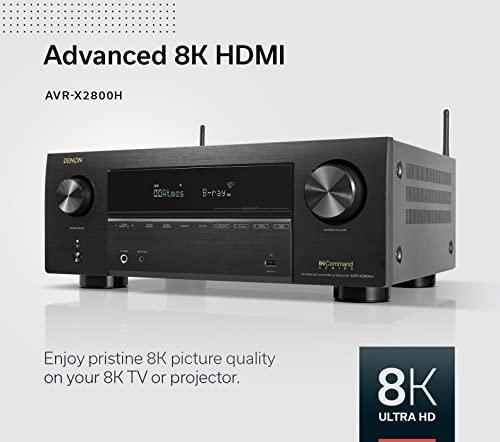
Both receivers support the latest video standards, including 8K resolution at 60 frames per second and 4K at 120 frames per second. These specifications matter primarily for gaming and future 8K content, though 8K adoption remains limited at the time of writing.
For gaming enthusiasts, both receivers include essential features like Variable Refresh Rate (VRR), which eliminates screen tearing, and Auto Low Latency Mode (ALLM), which reduces input lag. Quick Frame Transport (QFT) further minimizes delay between controller input and screen response.
However, the Denon AVR-X2800H offers fuller HDMI 2.1 implementation with 40 Gbps bandwidth on its three 8K-capable inputs, while the Onkyo TX-NR5100 maxes out at 24 Gbps. This difference primarily affects uncompressed 4K/120Hz gaming, where the Onkyo might require slight compression.
The Denon also includes analog-to-HDMI conversion, letting you connect older sources like VCRs or legacy gaming consoles and output them through HDMI. This feature appeals to retro gaming enthusiasts or anyone with older equipment they still want to use.
Perhaps the biggest functional difference between these receivers is multi-room capability. The Denon AVR-X2800H includes HEOS Built-in, Denon's comprehensive multi-room system that can connect up to 32 devices throughout your home. You can play different music in different rooms, group zones together, or extend your main system's audio to other areas.
The Onkyo TX-NR5100 simply doesn't offer true multi-room functionality. While it includes basic network streaming, it's designed as a single-room solution.
This difference fundamentally changes how you might use these receivers. If you're building a whole-home audio system or even just want to extend music to a patio or bedroom, the Denon becomes the only viable option. But if you're focused solely on creating an amazing single-room theater experience, this advantage becomes irrelevant.
Both receivers embrace modern streaming, supporting Spotify Connect, Apple AirPlay 2, and Bluetooth connectivity. They also integrate with voice assistants like Alexa and Google Assistant, letting you control basic functions through smart speakers.
The Denon AVR-X2800H includes a moving magnet phono input for turntables, which the Onkyo TX-NR5100 lacks. This might seem minor, but vinyl's continued resurgence makes it increasingly valuable. The Denon also offers more comprehensive analog input options, important if you're integrating older equipment.
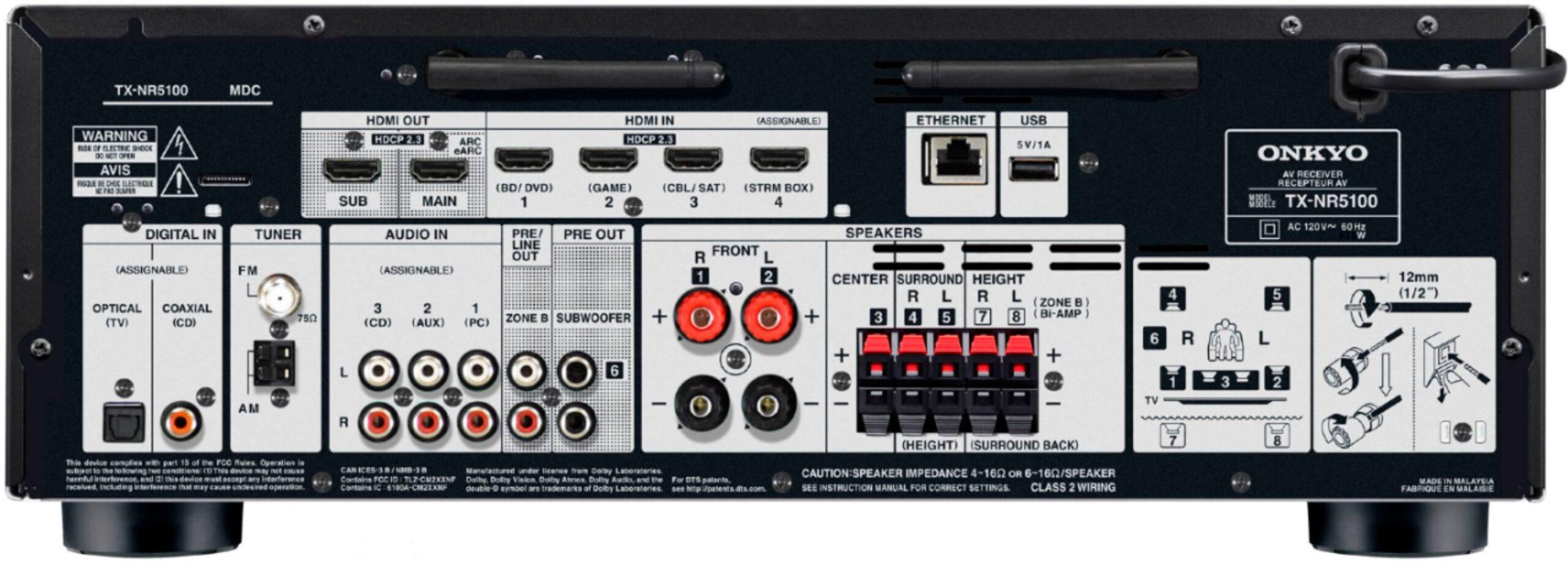
One practical consideration that emerges from user reviews: the Onkyo TX-NR5100 uses spring-clip speaker connections for most channels rather than binding posts. While functional, these connections are less convenient for heavier speaker cables or if you prefer banana plug connections.
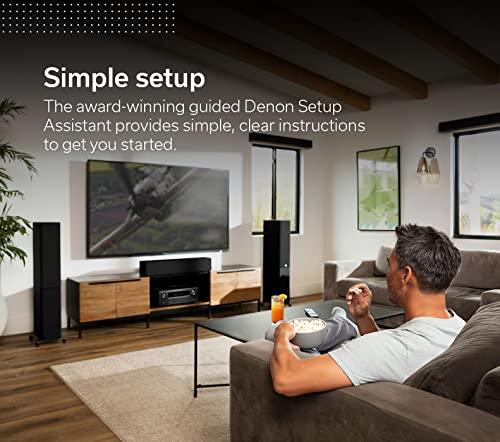
Setup complexity often determines long-term satisfaction with an AV receiver. Both receivers offer guided setup processes, but they approach it differently.
The Denon AVR-X2800H provides a comprehensive setup wizard that can feel overwhelming for beginners but offers tremendous flexibility for advanced users. The Audyssey calibration process requires patience – you'll spend 15-20 minutes placing a microphone in different positions – but the results typically justify the time investment.
The Onkyo TX-NR5100 prioritizes simplicity. Users consistently praise its straightforward setup process and intuitive interface. The AccuEQ calibration runs quickly, though it's less thorough than Audyssey.
From our research of user experiences, both receivers generally deliver reliable performance, though some Onkyo users report occasional eARC handshaking issues with certain TV models. These problems seem sporadic rather than widespread, but they're worth noting.
For movie watching, both receivers excel at delivering immersive surround sound, but they have different strengths. The Denon AVR-X2800H consistently receives praise for dialogue clarity, particularly after Audyssey calibration. Its more powerful amplification also provides better dynamic range during explosive action sequences.
The Onkyo TX-NR5100 delivers solid performance with a slightly warmer character that some users prefer for certain content. Its CinemaFilter feature specifically addresses overly bright movie soundtracks, a common issue in home theaters that lack acoustic treatments.
For music listening, both receivers offer dedicated modes that bypass unnecessary processing. The Denon's Pure Direct mode disables video processing entirely to minimize electrical noise, while the Onkyo's Direct mode focuses on maintaining signal purity.
The price difference between these receivers reflects genuine capability gaps rather than brand premium. At the time of writing, the Denon AVR-X2800H commands nearly double the price of the Onkyo TX-NR5100, but it also offers substantially more features.
The Onkyo TX-NR5100 represents exceptional value for single-room home theater setups. It delivers the essential modern features – 8K support, Dolby Atmos processing, gaming optimizations – without paying for multi-room capabilities you might not need. For buyers focused on maximizing performance per dollar in a dedicated theater room, the Onkyo makes compelling sense.
The Denon AVR-X2800H justifies its higher price through superior power output, advanced room correction, multi-room capability, and more comprehensive connectivity. It's the better choice for whole-home integration, larger rooms, or users who want the most sophisticated audio processing available.
Choose the Onkyo TX-NR5100 if you're building a dedicated single-room theater on a budget, have moderately efficient speakers, and prioritize straightforward operation. Its combination of essential modern features and accessible pricing makes it particularly appealing for first-time home theater builders or those upgrading from much older receivers.
Choose the Denon AVR-X2800H if multi-room audio matters, you have a larger room or demanding speakers, or you want the most advanced room correction available. The extra cost delivers meaningful performance improvements and future-proofing that serious enthusiasts will appreciate.
The decision ultimately comes down to matching features to your actual needs. Both receivers will dramatically improve your entertainment experience compared to TV speakers or basic soundbars. The question is whether the Denon's additional capabilities justify nearly doubling your investment.
For most buyers, the Onkyo TX-NR5100 provides the better value proposition, delivering 80% of the performance at roughly 60% of the cost. However, if multi-room audio is important to your plans, the Denon AVR-X2800H becomes the only logical choice, making its higher price easier to justify.
| Denon AVR-X2800H | Onkyo TX-NR5100 |
|---|---|
| Power Output - Critical for room size and speaker compatibility | |
| 95W per channel (8Ω) - Better for larger rooms and demanding speakers | 80W per channel (8Ω) - Adequate for most home theater setups |
| Room Correction System - Dramatically improves sound quality | |
| Audyssey MultEQ XT with 8 measurement positions - Industry-leading calibration | AccuEQ with AccuReflex - Simple but effective basic correction |
| Multi-Room Capability - Essential for whole-home audio | |
| HEOS Built-in supports up to 32 zones - Full multi-room ecosystem | None - Single room operation only |
| Digital-to-Analog Converter - Affects high-resolution audio quality | |
| 192kHz/32-bit - High quality for most content | 384kHz/32-bit - Superior specs for audiophile content |
| HDMI 2.1 Bandwidth - Important for 4K/120Hz gaming | |
| 40 Gbps on three inputs - Full uncompressed gaming support | 24 Gbps maximum - May require slight compression for some content |
| Phono Input - Necessary for turntable connection | |
| Moving Magnet phono input included - Ready for vinyl playback | Not included - Requires external phono preamp |
| Speaker Connections - Affects setup convenience and cable compatibility | |
| Binding posts on all channels - Premium connections for any cable type | Mix of binding posts and spring clips - Less flexible cable options |
| Video Processing - Useful for legacy sources | |
| Analog-to-HDMI conversion and upscaling - Integrates older equipment | Basic passthrough only - Modern sources only |
| Release Year - Indicates latest technology integration | |
| 2022 - More recent design with latest features | 2021 - Earlier 8K implementation, proven reliability |
| Target User - Best fit scenarios | |
| Multi-room enthusiasts, larger rooms, premium features | Budget-conscious, single-room theater, essential features |
The Onkyo TX-NR5100 is generally better for beginners due to its simplified setup process and straightforward interface. Users consistently praise its easy calibration and intuitive menu system. The Denon AVR-X2800H offers more features but can feel overwhelming for first-time home theater builders.
The Denon AVR-X2800H delivers 95 watts per channel compared to the Onkyo TX-NR5100's 80 watts per channel. This 15-watt difference provides the Denon with better headroom for larger rooms and more demanding speakers, though both are adequate for most home theater setups.
Yes, both the Denon AVR-X2800H and Onkyo TX-NR5100 support 8K/60Hz and 4K/120Hz video passthrough along with gaming features like Variable Refresh Rate (VRR) and Auto Low Latency Mode (ALLM). The Denon offers higher HDMI bandwidth for uncompressed gaming signals.
The Denon AVR-X2800H is the clear winner for multi-room setups with its built-in HEOS system that can connect up to 32 devices throughout your home. The Onkyo TX-NR5100 doesn't offer true multi-room functionality and is designed for single-room use only.
Both the Denon AVR-X2800H and Onkyo TX-NR5100 support Dolby Atmos and DTS:X for immersive 3D audio. They can handle 5.1.2 speaker configurations with height channels for overhead sound effects in movies and games.
The Denon AVR-X2800H features Audyssey MultEQ XT, which is generally considered superior with 8 measurement positions and more sophisticated processing. The Onkyo TX-NR5100 uses AccuEQ, which is simpler but still effective for basic room optimization.
Only the Denon AVR-X2800H includes a built-in moving magnet phono input for direct turntable connection. The Onkyo TX-NR5100 lacks a phono input, so you'd need an external phono preamp to connect a turntable.
The Onkyo TX-NR5100 typically offers better value for single-room home theaters, providing essential modern features at a lower price point. The Denon AVR-X2800H justifies its higher cost with multi-room capability, more power, and advanced features.
Both receivers support modern streaming services like Spotify Connect, AirPlay 2, and Bluetooth connectivity. The Denon AVR-X2800H adds comprehensive HEOS integration for multi-room streaming, while the Onkyo TX-NR5100 focuses on basic single-room streaming functionality.
The Denon AVR-X2800H is better suited for larger rooms and demanding speakers due to its higher 95-watt power output and more robust amplification design. The Onkyo TX-NR5100 works well in medium-sized rooms with moderately efficient speakers.
Both the Denon AVR-X2800H and Onkyo TX-NR5100 generally receive positive reliability feedback from users. Some Onkyo users report occasional eARC handshaking issues with certain TVs, while Denon users praise the build quality and consistent performance.
Choose the Onkyo TX-NR5100 if you want essential modern features at a lower price for single-room use. Pick the Denon AVR-X2800H if you need multi-room audio, have a larger space, want premium room correction, or plan to integrate legacy sources like turntables.
We've done our best to create useful and informative comparisons to help you decide what product to buy. Our research uses advanced automated methods to create this comparison and perfection is not possible - please contact us for corrections or questions. These are the sites we've researched in the creation of this article: theaudiotailor.com.au - ecoustics.com - simplehomecinema.com - whathifi.com - audioadvisor.com - youtube.com - bestbuy.com - e-catalog.com - crutchfield.com - avsforum.com - crutchfield.com - whathifi.com - richersounds.com - bestbuy.com - accessories4less.com - projectorscreen.com - adiglobaldistribution.us - youtube.com - bestbuy.com - bestbuy.com - sweetwater.com - crutchfield.com - hifiheaven.net - youtube.com - bestbuy.com - audioholics.com - onkyo.com - support.onkyousa.com - bestbuy.com - onkyo.com - audiolab.com - support.onkyousa.com - youtube.com

Privacy Policy
Terms and Conditions - Affiliate Policy
Home Security
© Copyright 2008-2026.
11816 Inwood Rd #1211, Dallas, TX 75244