

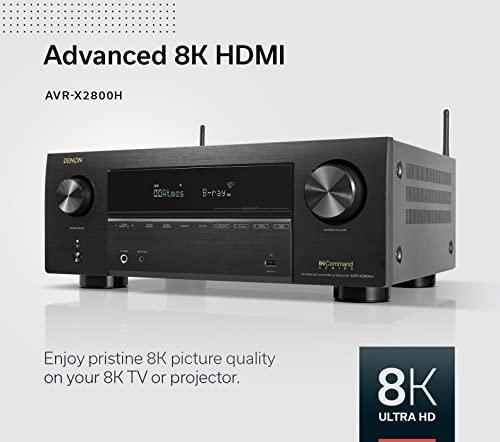
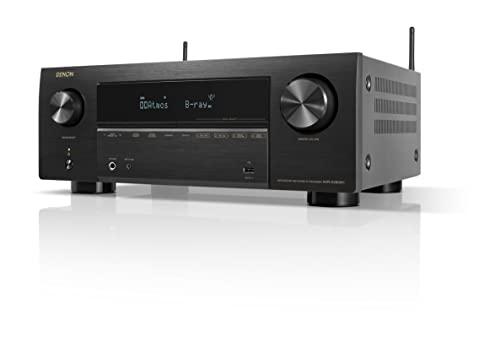
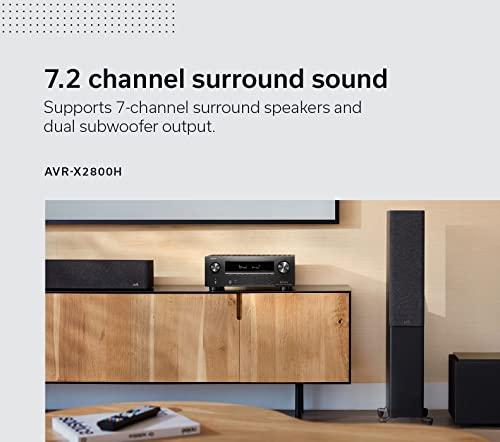

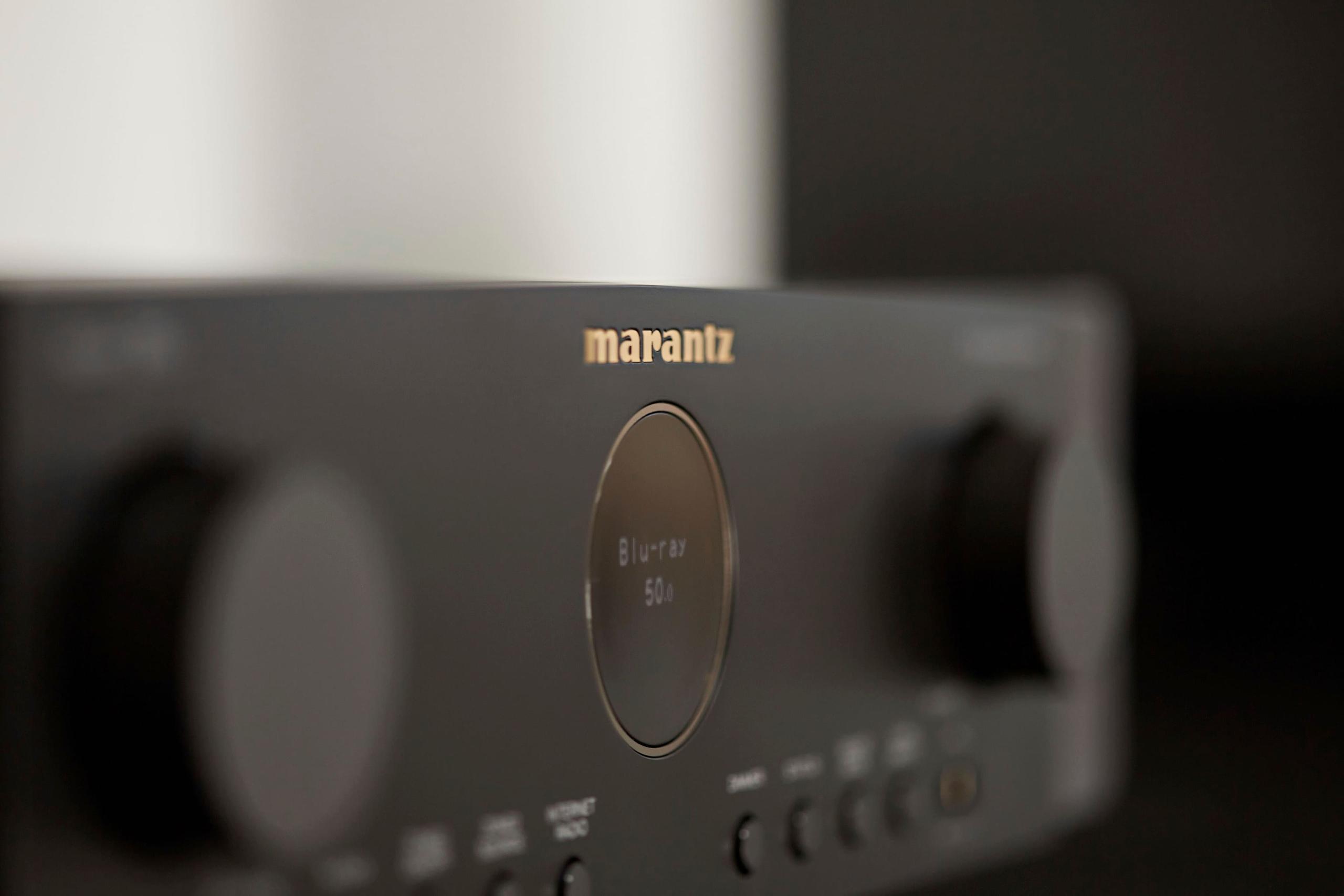
The world of AV receivers can feel overwhelming, especially when you're comparing products from sister companies that seem remarkably similar on paper. The Denon AVR-X2800H and Marantz Cinema 70S represent exactly this challenge – both launched in 2022 as premium mid-range receivers, yet they take fundamentally different approaches to delivering great sound and video performance.
After diving deep into user reviews, expert analyses, and technical specifications, it's clear these receivers serve different types of users despite sharing the same channel count and basic feature set. Understanding which one fits your situation requires looking beyond the spec sheet to how these machines actually perform in real-world scenarios.
An AV receiver acts as the brain of your home theater system. It takes audio and video signals from multiple sources, processes them through various enhancement technologies, and sends clean signals to your speakers and display. Think of it as a sophisticated traffic controller that also happens to provide the muscle to drive your speakers.
The most critical performance factors haven't changed much over the years: power output determines how loud and dynamic your system can get, audio processing affects how immersive your movies sound, and video capabilities determine whether you can take advantage of the latest gaming consoles and streaming content. What has evolved dramatically since 2020 is the video processing power needed to handle 8K content and high-refresh gaming, plus the streaming integration that lets you bypass external devices entirely.
Both the Denon AVR-X2800H and Marantz Cinema 70S represent the 2022 generation of receivers that finally solved the HDMI 2.1 compatibility issues that plagued earlier models. This makes them both excellent choices for PlayStation 5 and Xbox Series X gaming, but their approach to everything else differs significantly.
Here's where these receivers diverge most dramatically. The Denon AVR-X2800H delivers 95 watts per channel when driving two channels into 8-ohm speakers, while the Marantz Cinema 70S provides 50 watts per channel under the same conditions. That might sound like technical jargon, but it translates to real-world performance differences you'll absolutely notice.
What does this power difference mean in practice? Power output directly affects how loud your system can play without distortion, and more importantly, how much headroom you have during dynamic scenes. When a movie suddenly shifts from quiet dialogue to an explosion, receivers with more power reserves handle these peaks cleanly without compression or strain.
The Denon's 95-watt rating means it can comfortably fill medium to large rooms (think 15x20 feet or larger) while maintaining clean sound at higher volumes. Users consistently report that it drives demanding speakers like tower speakers or less efficient bookshelf models without breaking a sweat. The additional power also provides better bass control and overall dynamics during action sequences.
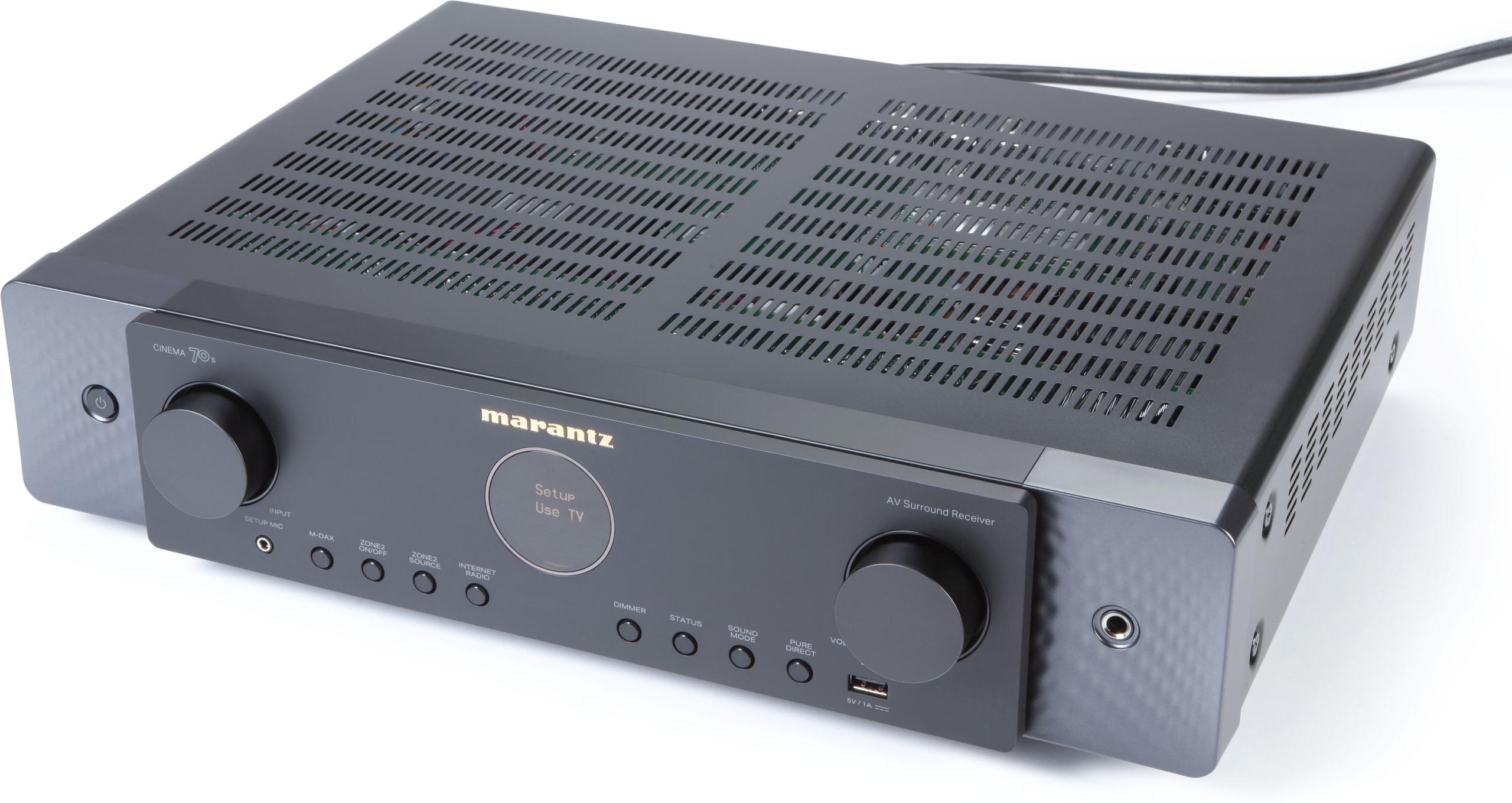
The Marantz Cinema 70S's 50-watt output works well in smaller spaces or with highly efficient speakers, but multiple reviews note compression and strain when pushed hard during demanding movie scenes. However, Marantz's HDAM (Hyper Dynamic Amplifier Module) technology – their proprietary amplification design – compensates somewhat by delivering exceptionally clean power within its limits.
Room size matters tremendously here. In a 12x14 foot bedroom or den, the Marantz sounds excellent and the power limitations rarely become apparent. Scale up to a 20x25 foot family room, and the Denon becomes the clear choice for maintaining impact and clarity.
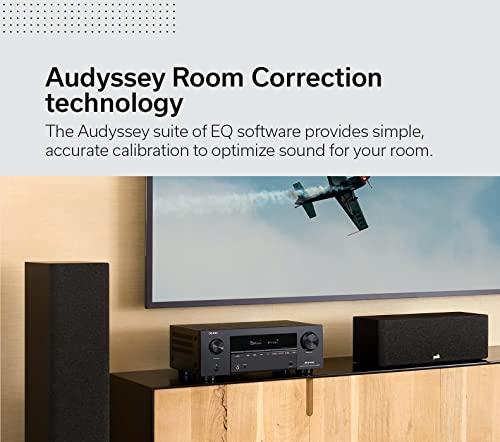
Both receivers support identical surround sound formats – Dolby Atmos, DTS:X, and all the legacy formats you might encounter. They also include similar room correction systems that automatically adjust speaker levels and timing to optimize sound for your specific space. Where they differ is in their fundamental audio character.
The Denon AVR-X2800H received what the company calls a "sonic retune" for 2022. Based on extensive user feedback, this translates to a more balanced and refined sound compared to older Denon models that sometimes emphasized bass too heavily. The current sound signature favors clarity and detail without being harsh, making it equally capable with movies and music. Dialog clarity – crucial for following complex movie plots – receives particular praise from users.
The Marantz Cinema 70S embodies what Marantz calls "the Most Musical Sound." Their HDAM amplification technology creates a warmer, more organic presentation that audiophiles consistently prefer for stereo music listening. The midrange reproduction, where most vocals and instruments live, shows exceptional refinement and naturalness. However, this musical focus sometimes means slightly less impact during explosive movie scenes compared to the Denon.
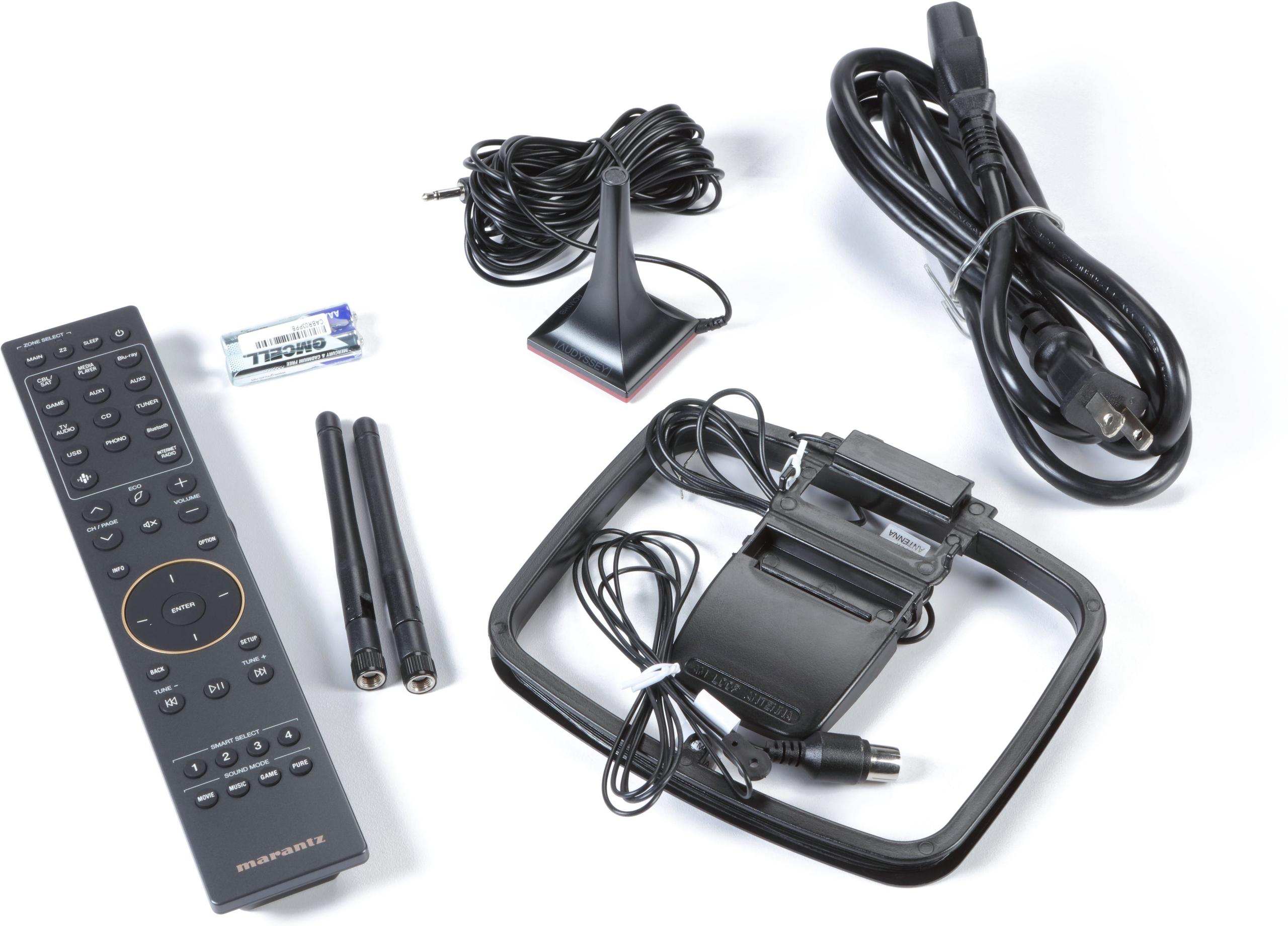
Audyssey MultEQ XT room correction appears in both receivers, measuring your room's acoustics with an included microphone and automatically adjusting the sound to compensate for problematic reflections or bass buildup. Users report that both implementations work well, though the process requires patience and careful microphone placement to achieve optimal results.
For movie-focused setups, the Denon's balanced approach and higher power output typically deliver more satisfying results. Music lovers, particularly those who frequently listen to acoustic genres or vocal-heavy material, often gravitate toward the Marantz's more refined presentation.
Video capabilities represent one area where these receivers achieve near-parity. Both handle 8K video pass-through at 60Hz and 4K at 120Hz – essential for PlayStation 5 and Xbox Series X gaming. They support all major HDR formats including HDR10, HDR10+, and Dolby Vision, ensuring compatibility with the latest streaming content and 4K Blu-rays.
Gaming features deserve special mention. Variable Refresh Rate (VRR) eliminates screen tearing during fast-paced games, while Auto Low Latency Mode (ALLM) automatically reduces input lag when it detects game consoles. Quick Frame Transport (QFT) further reduces latency for competitive gaming. Both receivers implement these features identically, making either an excellent choice for serious gamers.
HDMI connectivity includes six inputs on both models – three supporting full HDMI 2.1 specifications with 40Gbps bandwidth, and three legacy HDMI 2.0 ports for older devices. This provides adequate connectivity for most setups: gaming consoles, streaming devices, cable boxes, and Blu-ray players all connect easily.
The video processing improvements since 2020 have been substantial. Earlier HDMI 2.1 receivers suffered compatibility issues with gaming consoles and various display types, but the 2022 generation resolved these problems through improved chipsets and firmware updates.
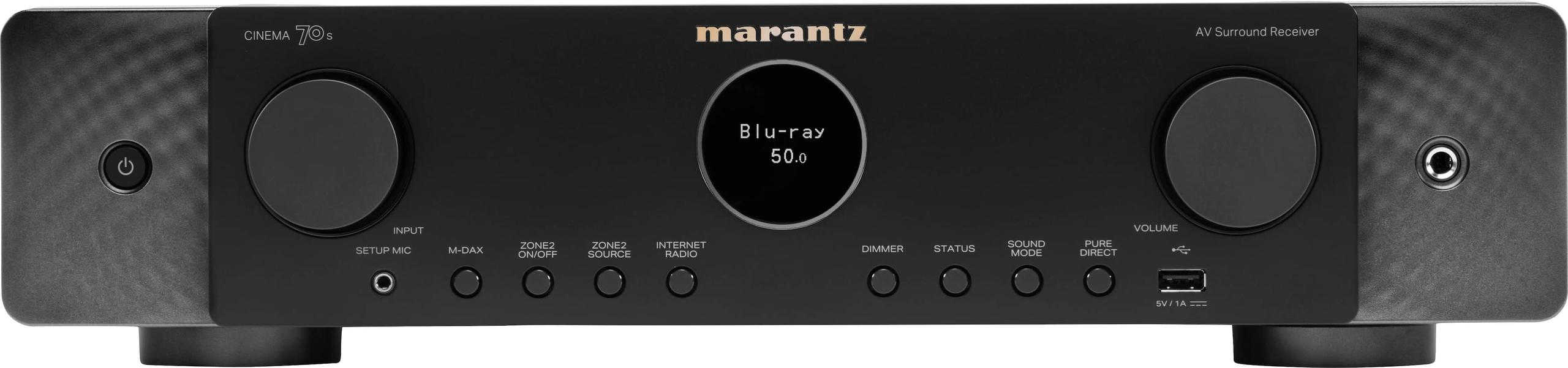
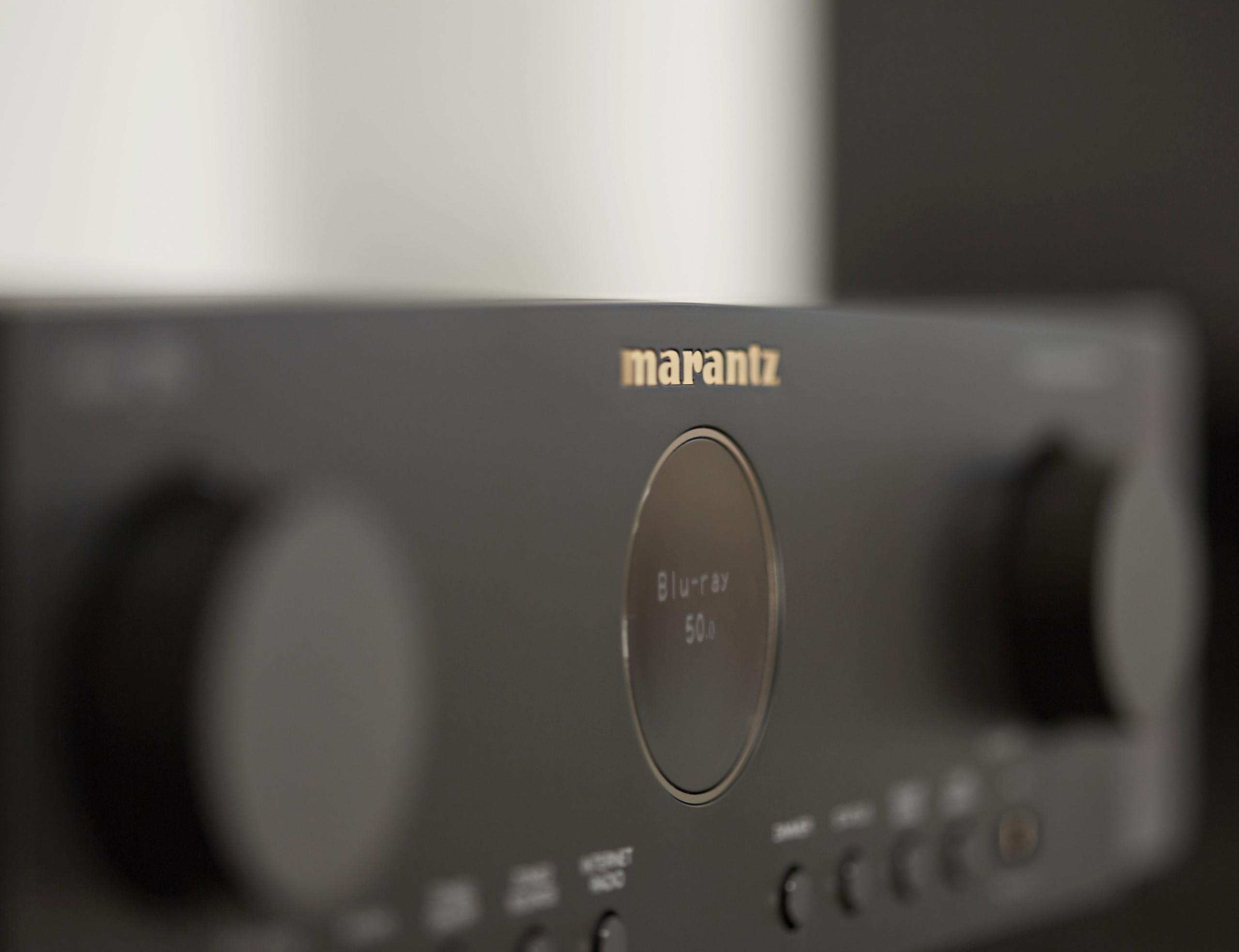
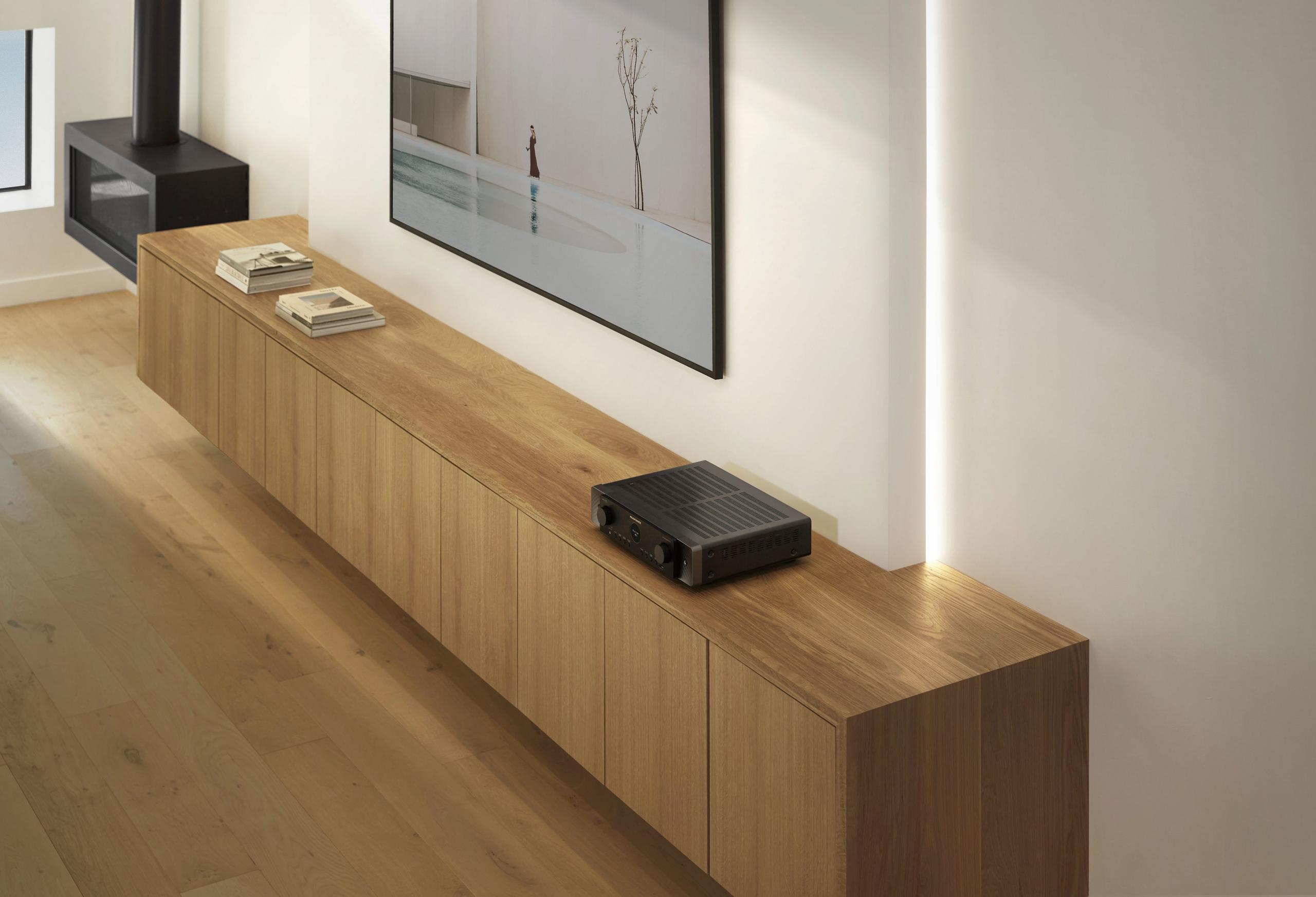
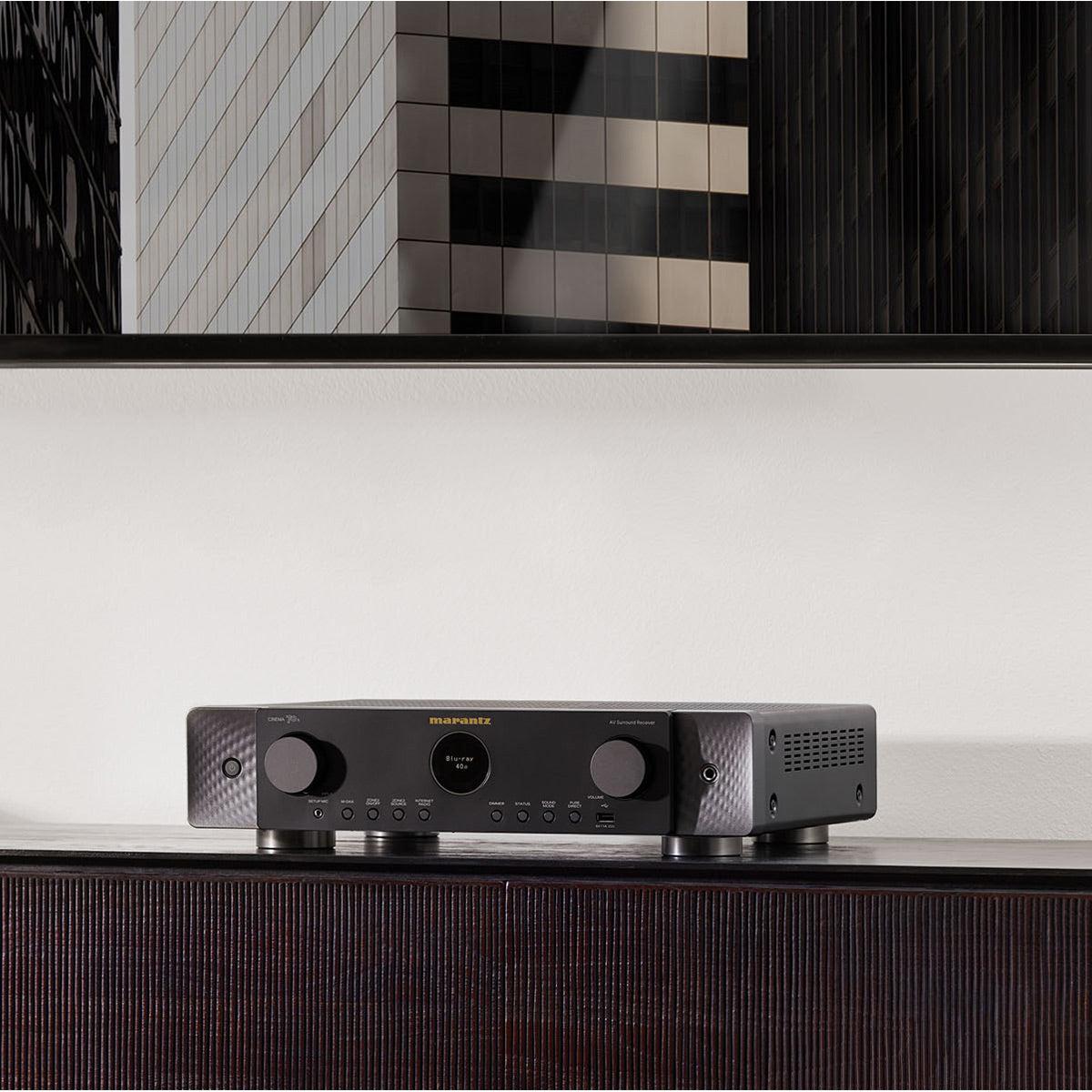
The Marantz Cinema 70S breaks conventional receiver design with its compact "slimline" profile. At just 4.3 inches tall compared to the Denon's standard 6+ inch height, it fits into entertainment centers and AV racks where space is limited. The signature Marantz porthole display with its circular design elements maintains the brand's premium aesthetic appeal.
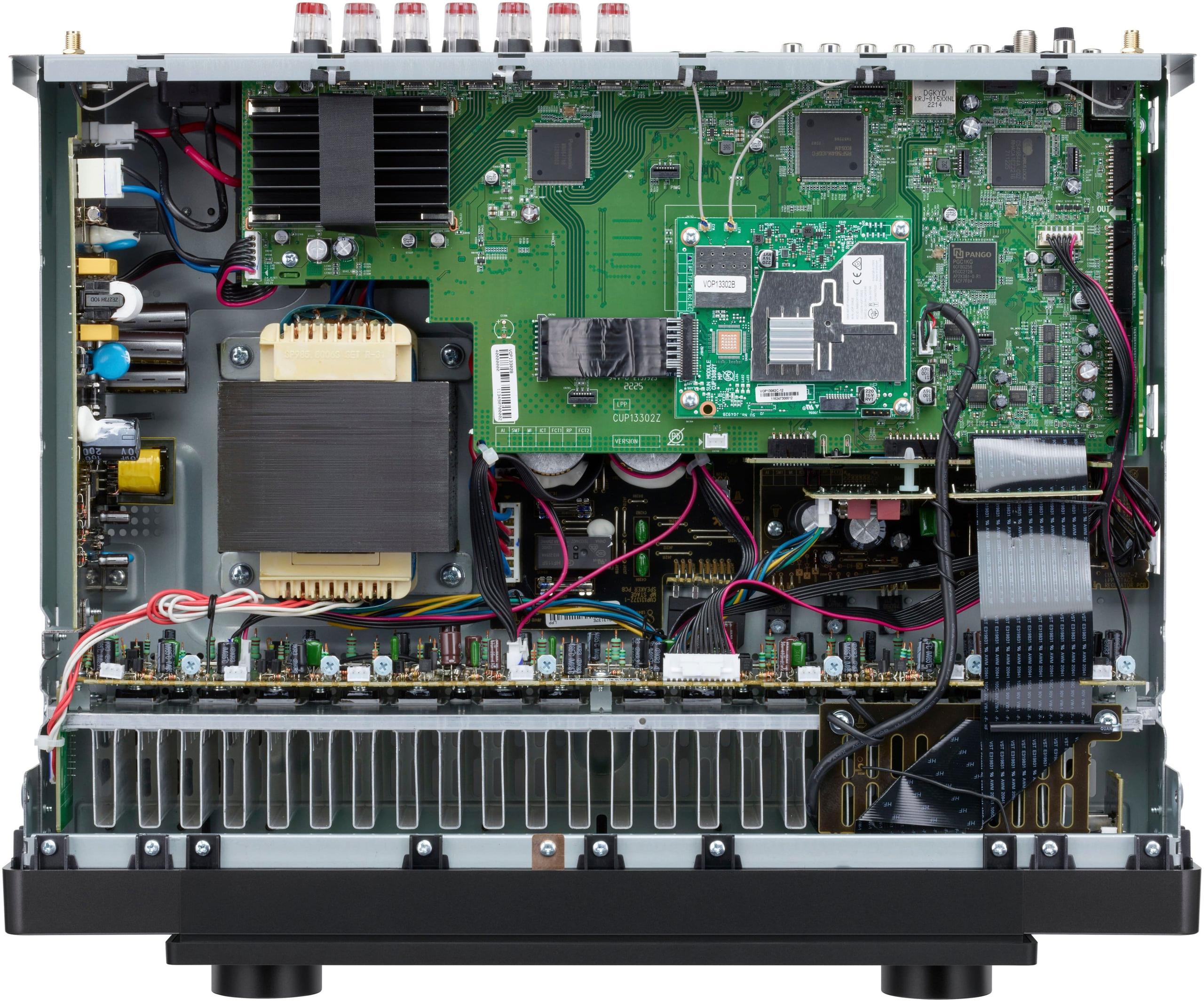
This size reduction comes with tradeoffs. Compact designs limit internal component spacing and heat dissipation capacity, potentially affecting long-term reliability under heavy use. However, for typical home use patterns, the Marantz appears to handle thermal management adequately based on user reports.
The Denon AVR-X2800H follows traditional receiver proportions, providing better internal airflow and component accessibility for service. The larger chassis accommodates more robust power supplies and heat sinks, contributing to its higher power output and potentially better long-term reliability.
Installation flexibility favors different scenarios. The Marantz excels in modern media consoles with limited vertical space, while the Denon works better in dedicated AV racks or situations where maximum performance matters more than footprint.
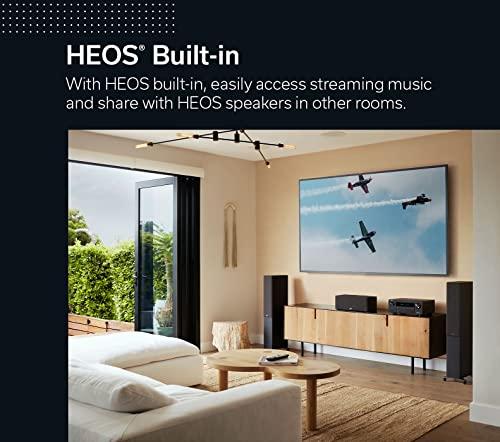
Both receivers include HEOS multi-room streaming technology, allowing music playback throughout your home via compatible speakers. AirPlay 2 enables seamless iPhone and iPad integration, while voice assistant support works with Alexa, Google Assistant, and Siri for hands-free control.
Streaming service integration covers all major platforms – Spotify, Tidal, Amazon Music HD, and others stream directly without requiring external devices. Network connectivity supports both wired Ethernet and dual-band Wi-Fi, with generally stable performance reported across both models.
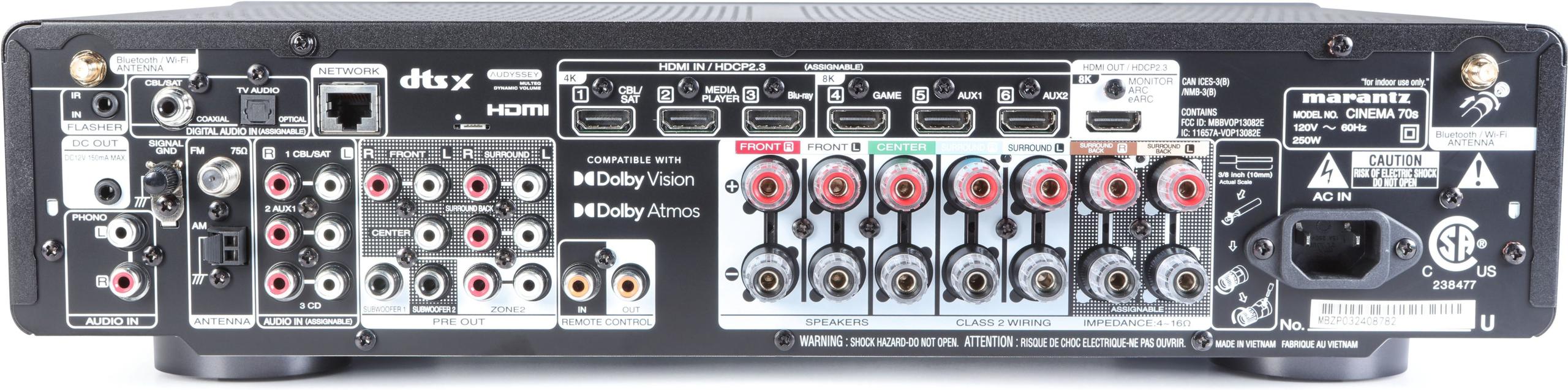
The Marantz Cinema 70S includes one unique advantage: full 7.2 channel pre-amplifier outputs. These connections allow you to add external power amplifiers later, essentially turning the receiver into a high-end processor while using separate amplification. This upgrade path appeals to enthusiasts who might want more power or specialized amplification down the road.
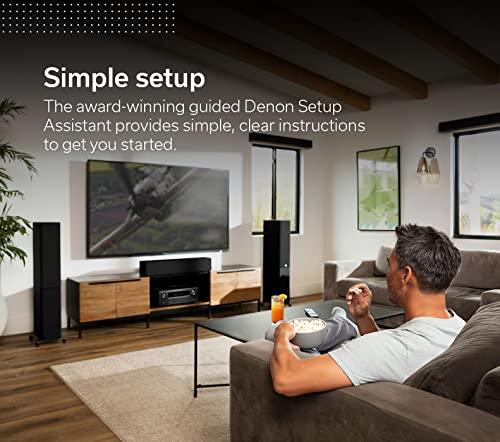
Setup and user interface improvements in 2022 models include more intuitive on-screen menus and streamlined initial configuration. Both receivers guide you through speaker setup, room correction, and network connection with less confusion than earlier generations.
At the time of writing, pricing positions these receivers differently in the market. The Denon AVR-X2800H typically costs several hundred dollars less than the Marantz Cinema 70S while delivering significantly more power output. This creates a clear value advantage for the Denon in pure performance terms.
The Marantz premium reflects several factors: compact design engineering, premium aesthetic elements, HDAM amplification technology, and brand positioning. Whether these justify the higher cost depends entirely on your priorities and constraints.
For dedicated home theater use where performance and value matter most, the Denon offers superior bang for your buck. You get nearly twice the power output at a lower price, making it ideal for larger rooms or demanding speaker configurations.
The Marantz justifies its premium through specialized use cases: space-constrained installations, audiophile music reproduction, or situations where the upgrade path via pre-outs matters. The refined audio signature and compact design serve specific needs that the Denon can't match.
Choose the Denon AVR-X2800H if:
Choose the Marantz Cinema 70S if:
After evaluating extensive user feedback and expert reviews, the Denon AVR-X2800H emerges as the more versatile choice for most home theater applications. Its combination of substantial power output, balanced sound signature, and competitive pricing makes it ideal for users who want excellent performance without compromise.
The Marantz Cinema 70S serves a more specialized market but excels within its intended use cases. Its compact design, refined audio character, and upgrade flexibility make it perfect for specific scenarios where the Denon's advantages don't matter as much.
Both receivers represent mature, well-engineered products that solve the technical challenges of modern home theater. Your choice should align with your specific room, speakers, priorities, and budget rather than trying to identify a universal "better" option. The good news is that either receiver will deliver years of excellent performance when properly matched to your setup.
| Denon AVR-X2800H | Marantz Cinema 70S |
|---|---|
| Power Output - Determines maximum volume and room size compatibility | |
| 95W per channel (2ch driven) | 50W per channel (2ch driven) |
| Amplification Technology - Affects sound character and performance | |
| Class AB discrete amplification (neutral, powerful) | HDAM circuitry (warm, musical signature) |
| Physical Size - Critical for installation planning | |
| Full-size receiver (standard 6+ inch height) | Compact slimline design (4.3 inches tall) |
| Pre-Amp Outputs - Enables future system expansion | |
| Standard configuration | Full 7.2 channel pre-outs for external amplification |
| HDMI 2.1 Ports - Essential for 8K and 4K/120Hz gaming | |
| 3 ports with 40Gbps bandwidth | 3 ports with 40Gbps bandwidth |
| Total HDMI Inputs - Determines device connectivity | |
| 6 inputs (3x HDMI 2.1, 3x HDMI 2.0) | 6 inputs (3x HDMI 2.1, 3x HDMI 2.0) |
| Room Correction System - Optimizes sound for your space | |
| Audyssey MultEQ XT | Audyssey MultEQ XT |
| Streaming Platform - Built-in music services | |
| HEOS with multi-room support | HEOS with multi-room support |
| Sound Signature - Defines overall audio character | |
| Balanced, authoritative (great for movies and music) | Warm, refined (optimized for musical reproduction) |
| Ideal Room Size - Based on power output and design | |
| Medium to large rooms (15x20 feet+) | Small to medium rooms (up to 15x18 feet) |
| Best Use Case - Primary application strength | |
| Versatile home theater with strong movie performance | Compact installations prioritizing music quality |
| Value Proposition - Performance relative to typical pricing | |
| Superior power-per-dollar, excellent overall value | Premium for compact design and audiophile appeal |
The Denon AVR-X2800H is significantly more powerful with 95 watts per channel compared to the Marantz Cinema 70S's 50 watts per channel. This nearly double power output means the Denon can drive speakers louder and handle demanding movie scenes better, especially in larger rooms.
The biggest difference is power and design philosophy. The Denon AVR-X2800H focuses on maximum performance with high power output in a traditional full-size chassis, while the Marantz Cinema 70S emphasizes compact design and refined musical sound quality with lower power output but premium audio circuitry.
The Denon AVR-X2800H is better for large home theater rooms due to its 95-watt power output that can fill bigger spaces without strain. The Marantz Cinema 70S's 50-watt output may struggle in rooms larger than 15x18 feet, especially during dynamic movie scenes.
Yes, both the Denon AVR-X2800H and Marantz Cinema 70S offer identical video capabilities including 8K/60Hz pass-through, 4K/120Hz gaming support, and features like VRR, ALLM, and QFT for PlayStation 5 and Xbox Series X compatibility.
The Marantz Cinema 70S is generally preferred for music listening due to its HDAM amplification technology that creates a warmer, more musical sound signature. However, the Denon AVR-X2800H also performs well with music and may be better for dynamic genres that benefit from more power.
Both receivers offer 6 HDMI inputs with identical configurations: 3 HDMI 2.1 ports supporting 40Gbps bandwidth for 8K content, and 3 HDMI 2.0 ports for older devices. The Denon AVR-X2800H and Marantz Cinema 70S also each have 2 HDMI outputs.
The Denon AVR-X2800H typically offers better value with nearly twice the power output at a lower price point than the Marantz Cinema 70S. However, the Marantz justifies its premium through compact design and specialized audio circuitry for users with specific needs.
The Marantz Cinema 70S offers full 7.2 channel pre-amp outputs, making it easy to add external amplifiers for system upgrades. The Denon AVR-X2800H has standard pre-out configurations but fewer dedicated pre-amp outputs for expansion flexibility.
The Marantz Cinema 70S is designed specifically for compact installations with its slimline 4.3-inch height compared to the Denon AVR-X2800H's standard 6+ inch receiver dimensions. This makes the Marantz ideal for modern media consoles with limited vertical space.
Yes, both the Denon AVR-X2800H and Marantz Cinema 70S include identical smart features: HEOS multi-room streaming, AirPlay 2, voice assistant support (Alexa, Google Assistant, Siri), and built-in streaming services like Spotify and Tidal.
Both receivers are from the same parent company and use similar build quality standards. However, the Denon AVR-X2800H's full-size design allows better heat dissipation and component spacing, potentially offering advantages for heavy-use scenarios compared to the compact Marantz Cinema 70S.
For most first-time buyers, the Denon AVR-X2800H is the better choice due to its higher power output, versatile performance with both movies and music, and typically lower price. Choose the Marantz Cinema 70S only if you have space constraints or specifically prioritize musical sound quality over maximum power.
We've done our best to create useful and informative comparisons to help you decide what product to buy. Our research uses advanced automated methods to create this comparison and perfection is not possible - please contact us for corrections or questions. These are the sites we've researched in the creation of this article: theaudiotailor.com.au - ecoustics.com - simplehomecinema.com - whathifi.com - audioadvisor.com - youtube.com - bestbuy.com - e-catalog.com - crutchfield.com - avsforum.com - crutchfield.com - whathifi.com - richersounds.com - bestbuy.com - accessories4less.com - projectorscreen.com - adiglobaldistribution.us - youtube.com - bestbuy.com - bestbuy.com - sweetwater.com - trustedreviews.com - audioadvisor.com - camelcamelcamel.com - crutchfield.com - tomsguide.com - snapav.com - youtube.com - upscaleaudio.com - walmart.com - youtube.com - audiosciencereview.com

Privacy Policy
Terms and Conditions - Affiliate Policy
Home Security
© Copyright 2008-2026.
11816 Inwood Rd #1211, Dallas, TX 75244