

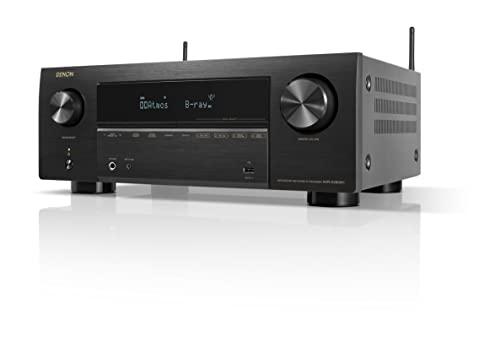
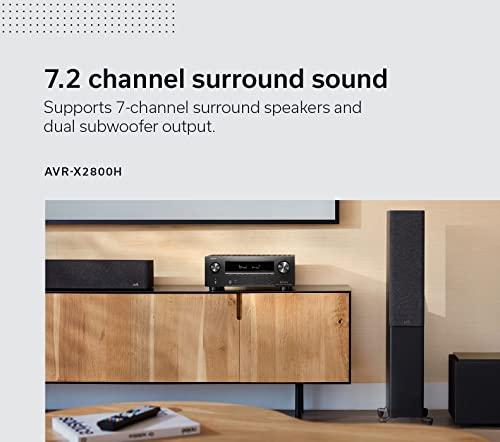
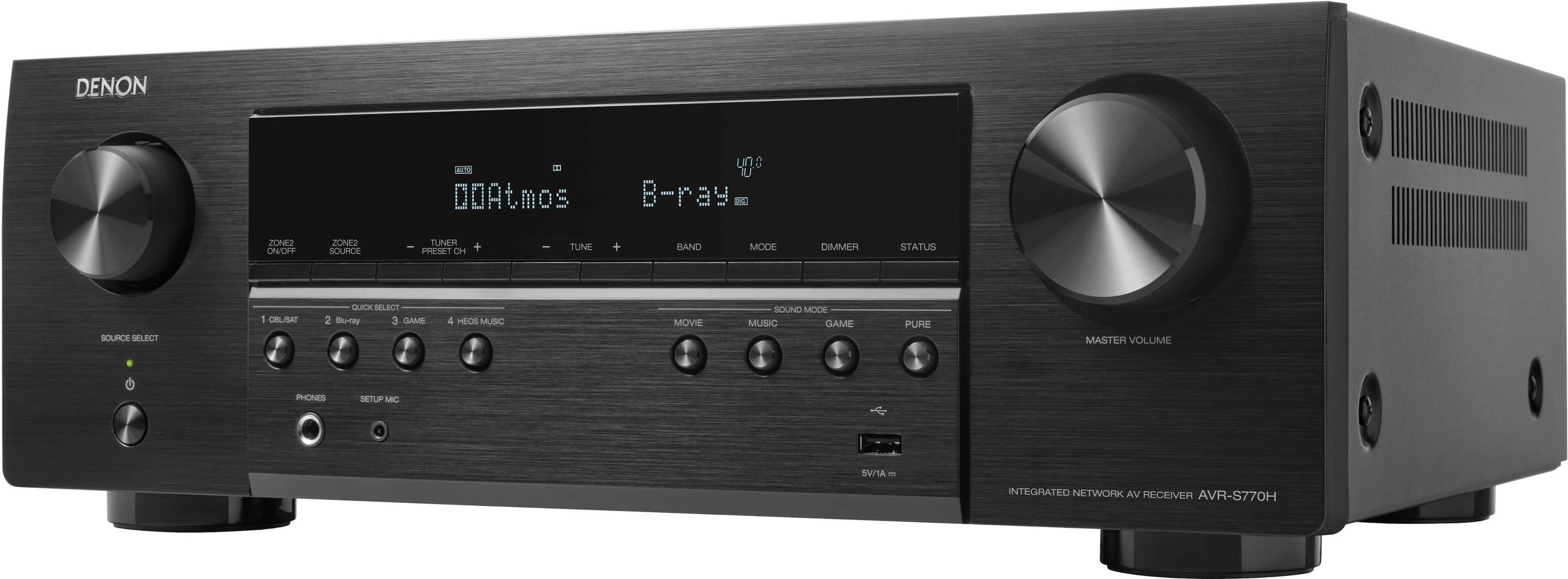
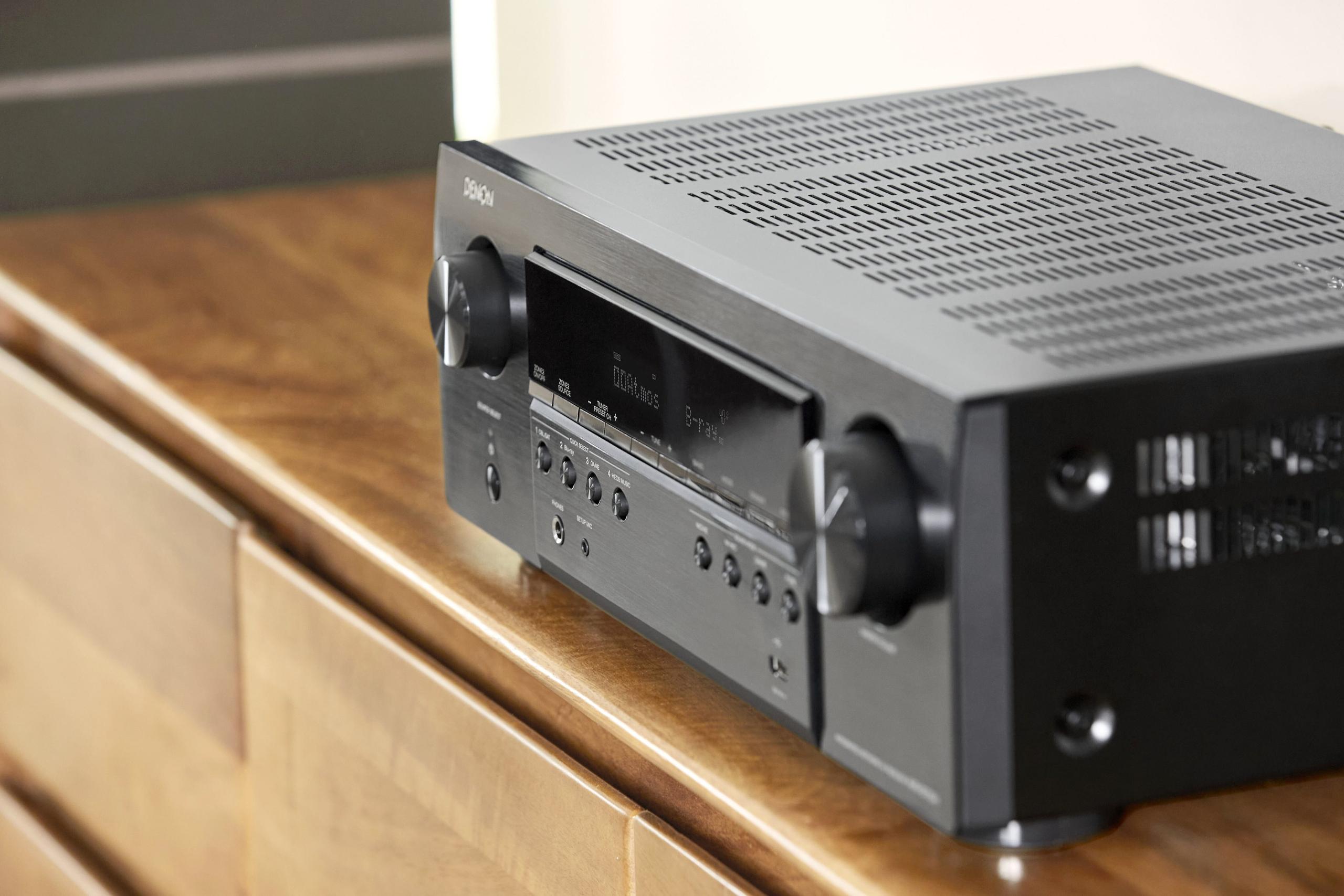
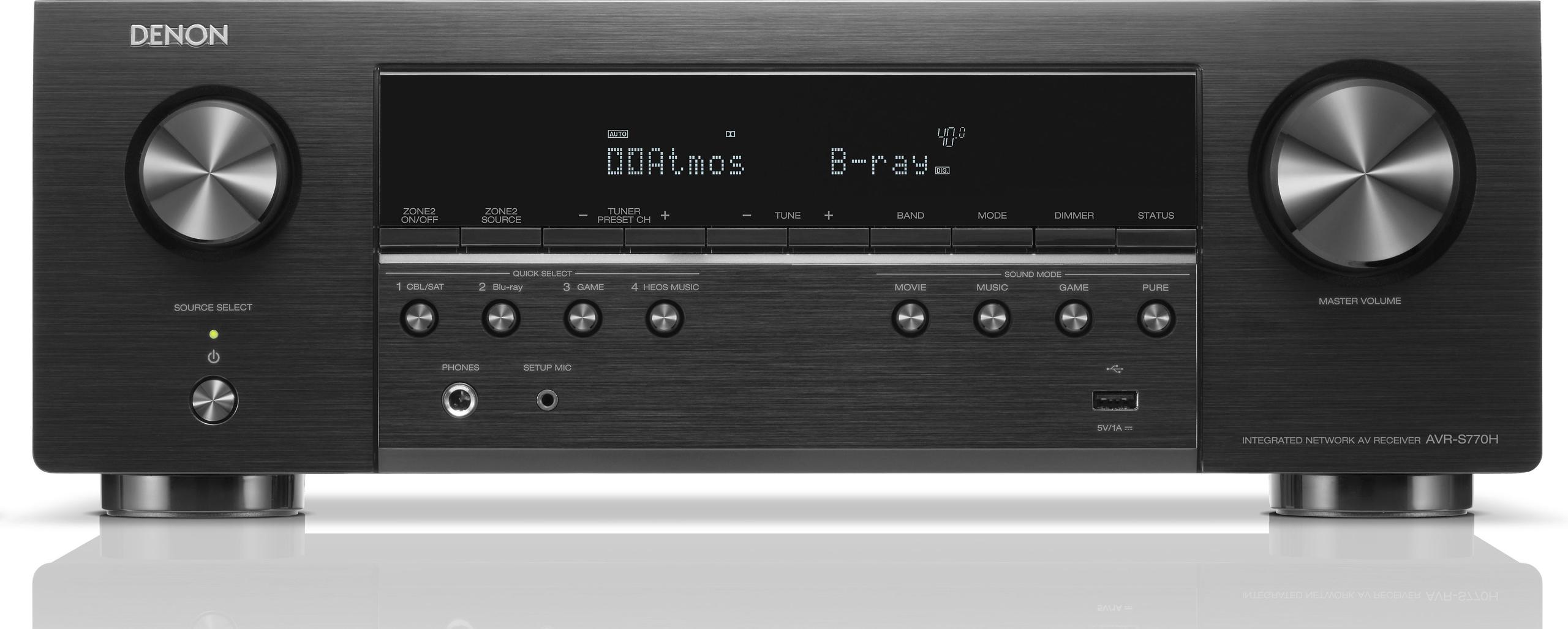
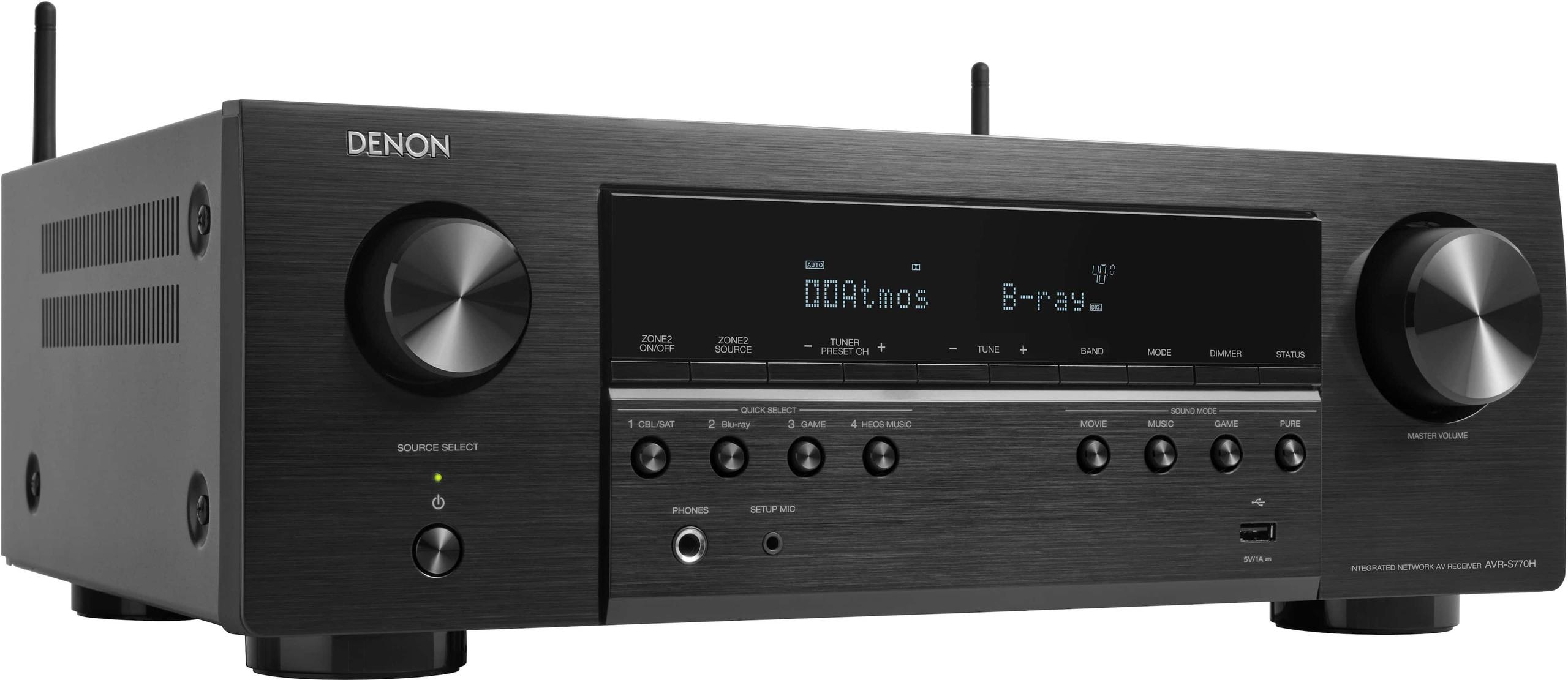
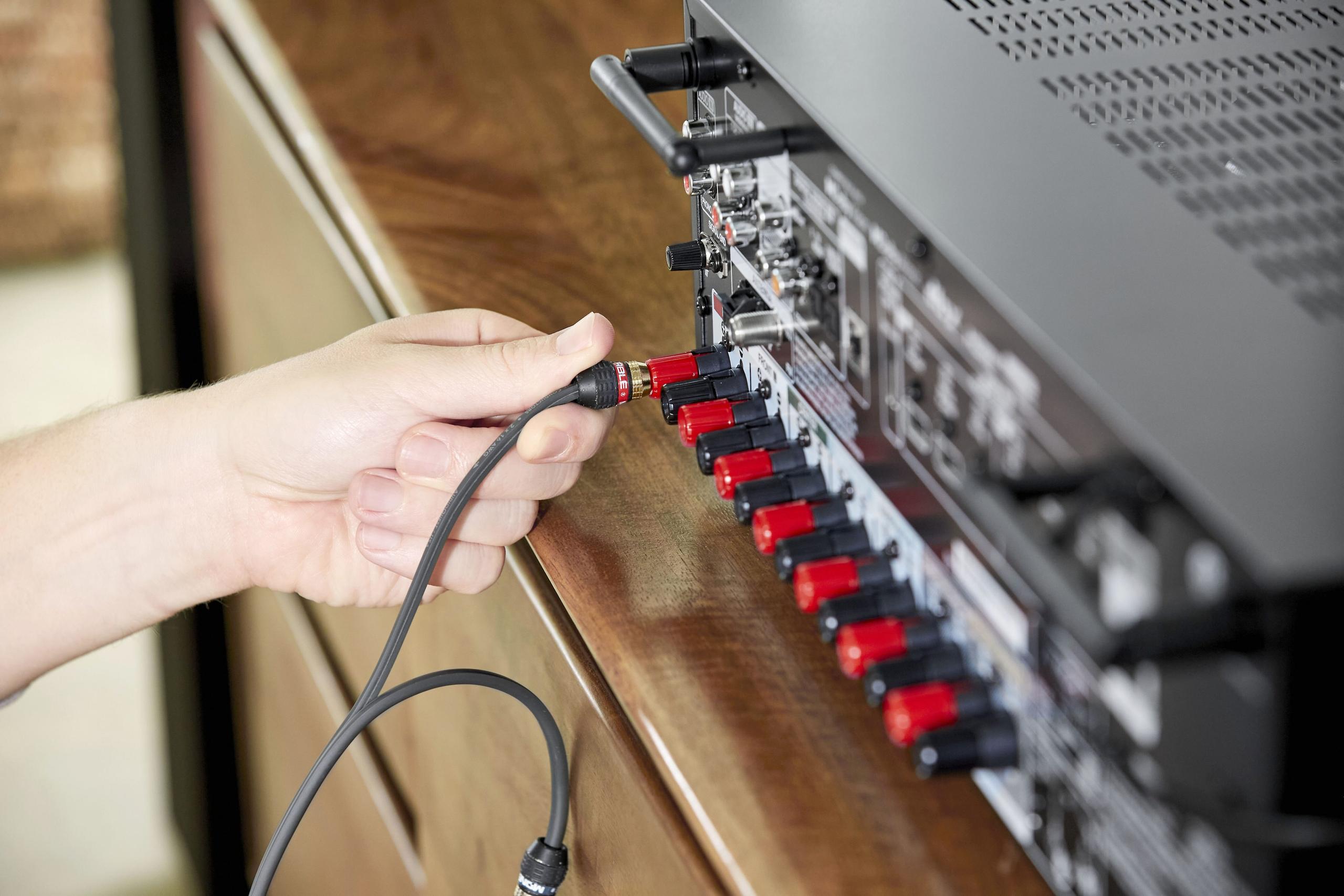
When building a home theater system, few decisions matter more than choosing your AV receiver. This central component handles everything from powering your speakers to switching between video sources, and getting it wrong can leave you frustrated for years. Today, we're diving deep into two popular Denon receivers that represent different philosophies: the enthusiast-focused AVR-X2800H and the value-oriented AVR-S770H.
Before we compare these specific models, let's establish what makes an AV receiver tick. Think of it as the conductor of your home theater orchestra - it takes audio and video signals from multiple sources (like your Blu-ray player, gaming console, or streaming device), processes them, and distributes the results to your speakers and display.
The key performance areas that separate good receivers from great ones include power output (how loud and dynamic your system sounds), audio processing capabilities (support for immersive formats like Dolby Atmos), video handling (4K, 8K, and gaming features), room correction technology (automatic tuning for your specific space), and connectivity options (the number and types of inputs and outputs available).
What's particularly interesting about comparing the AVR-X2800H and AVR-S770H is that they represent Denon's different approaches to the mid-range market. The X2800H, released in 2022, comes from Denon's premium X-series lineup and targets enthusiasts who prioritize performance and future-proofing. The S770H, introduced in 2023, belongs to the more accessible S-series and focuses on delivering solid features at a friendlier price point.
The most fundamental difference between these receivers lies in their amplification capabilities. The AVR-X2800H delivers 95 watts per channel, while the AVR-S770H provides 75 watts per channel. That 20-watt difference might not sound significant on paper, but it translates to meaningful real-world performance gaps.
To understand why this matters, consider that amplifier power relates logarithmically to perceived volume. Those extra 20 watts from the X2800H provide approximately 1.2 decibels more headroom - enough to handle demanding movie soundtracks without strain or distortion. More importantly, higher-powered amplifiers maintain better control over speakers during complex passages, resulting in cleaner dialogue and more precise sound staging.
The power difference becomes especially noticeable with less efficient speakers. If your speakers have a sensitivity rating below 88 decibels (a measure of how much sound they produce per watt of power), the X2800H's extra muscle becomes invaluable. Similarly, larger rooms benefit significantly from the additional power, as sound energy dissipates over distance.
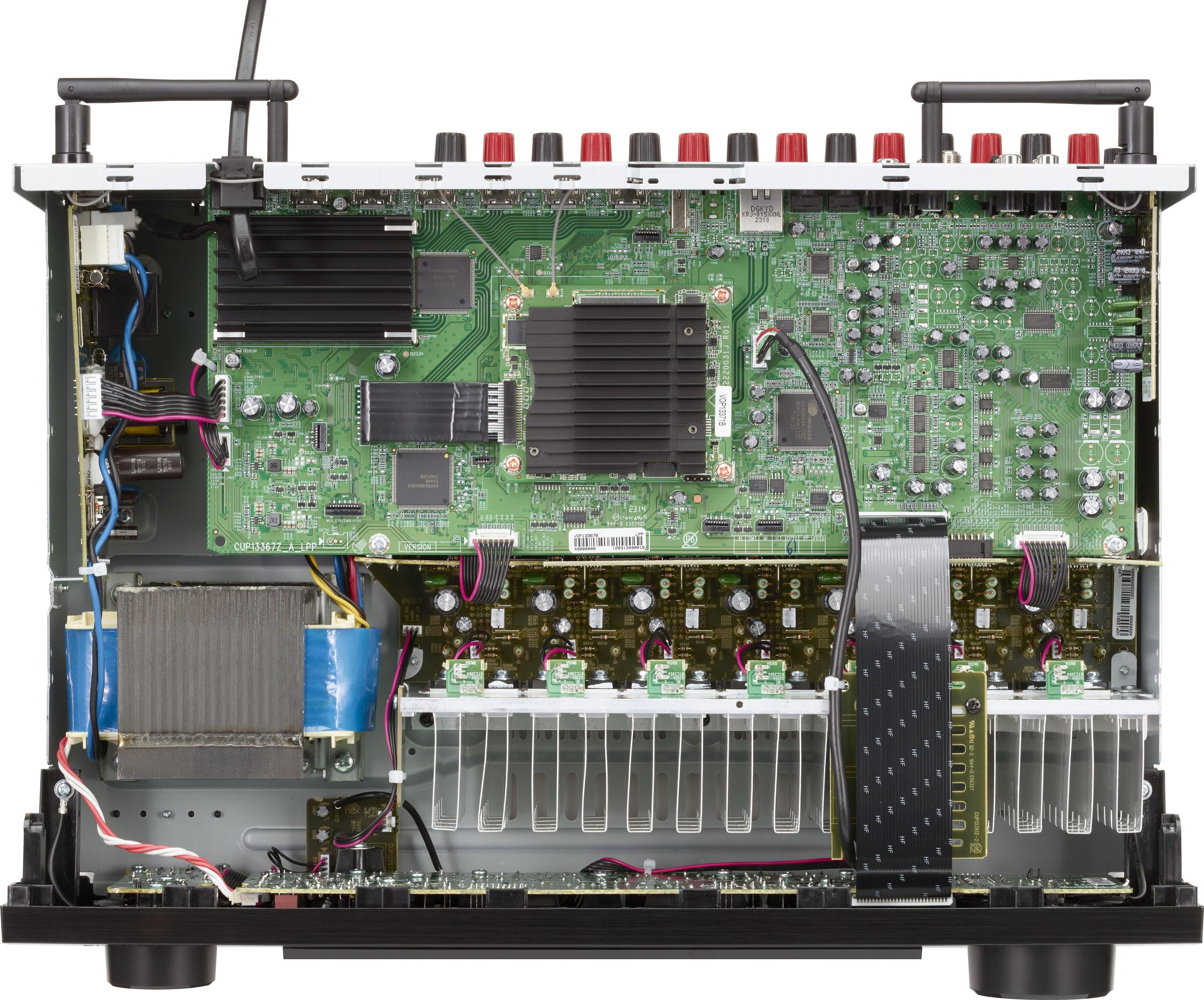
Beyond raw wattage numbers, the AVR-X2800H features a more robust amplifier section with superior build quality. At 9.5 kilograms compared to the S770H's 8.6 kilograms, that extra weight indicates better power supply components, larger heat sinks, and more substantial internal construction - all factors that contribute to consistent performance under demanding conditions.
Both receivers support the latest immersive audio formats, including Dolby Atmos and DTS:X. These technologies create three-dimensional soundscapes by treating individual sounds as objects that can be precisely positioned around your listening space, rather than simply channeling audio to specific speakers.
However, the X2800H takes audio processing further with more sophisticated Digital Signal Processing (DSP) capabilities. It offers more precise configuration options for different speaker types and positions, including specific settings for on-wall, in-ceiling, and upfiring speakers. This granular control means better spatial audio reproduction and more convincing overhead effects.
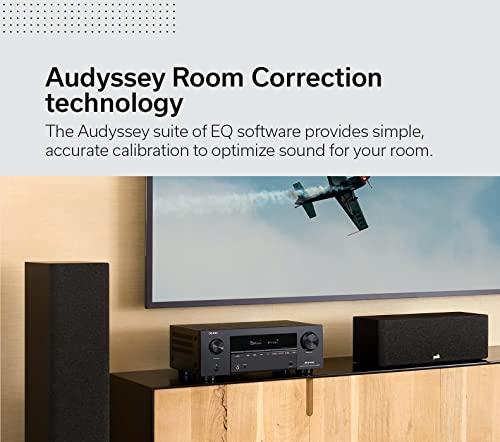
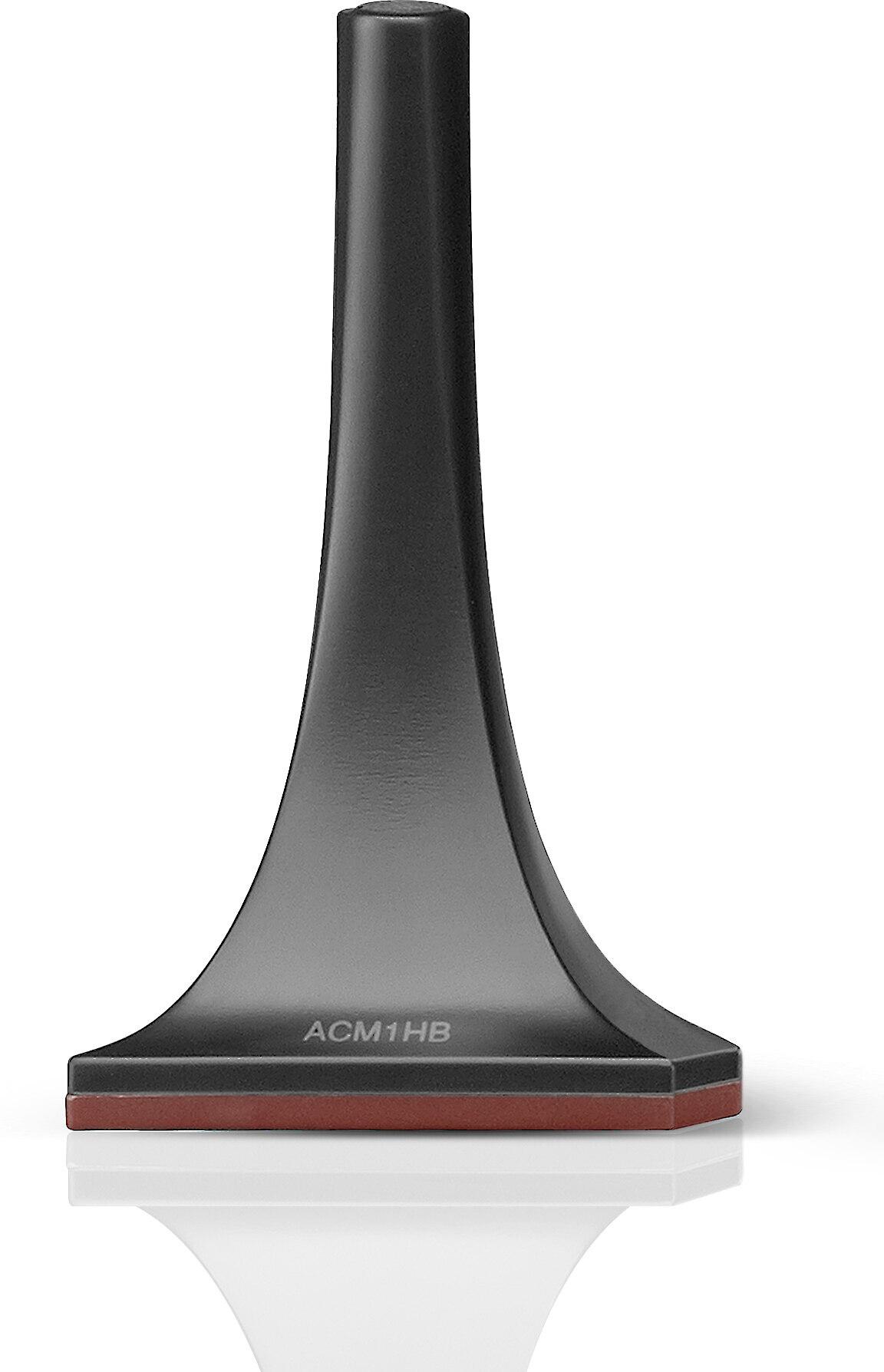
Room correction technology deserves special attention here. Both models include Audyssey MultEQ, which uses a supplied microphone to measure your room's acoustic properties and automatically adjusts the receiver's output to compensate for issues like uneven frequency response or problematic reflections. While both receivers use similar Audyssey versions, the X2800H's superior DAC (Digital-to-Analog Converter) implementation and more precise channel matching contribute to better overall calibration results.
The signal-to-noise ratio difference - 100 dB for the X2800H versus 98 dB for the S770H - might seem minor but represents a cleaner audio signal with less background hiss, particularly noticeable during quiet dialogue scenes or delicate musical passages.
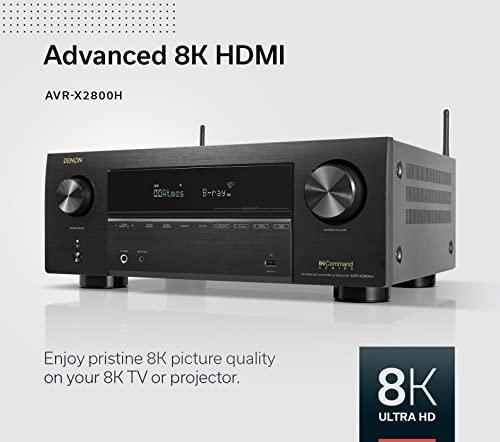
In our current era of rapidly evolving video standards, both receivers handle 8K video pass-through and support the latest High Dynamic Range (HDR) formats including HDR10, HDR10+, and Dolby Vision. These technologies dramatically expand the contrast range and color palette of compatible content, creating more lifelike images.
Where they diverge is in upscaling capabilities and processing sophistication. The AVR-X2800H can upscale content to 8K resolution at 50/60Hz and handles 4K at 100/120Hz with 4:4:4 color sampling - the highest quality color reproduction available. The S770H, while capable, limits 4K processing to 50/60Hz with 4:4:4 sampling.
For gamers, this difference matters significantly. Modern gaming consoles like the PlayStation 5 and Xbox Series X can output 4K content at 120Hz for incredibly smooth gameplay. The X2800H's superior video processing ensures these high frame rates pass through without compromise, while the S770H might require some settings adjustments.
Both receivers support Variable Refresh Rate (VRR) and Auto Low Latency Mode (ALLM) - gaming-focused technologies that eliminate screen tearing and reduce input lag. However, the X2800H's more powerful video processing engine handles these features with less stress on the system.
Here's where the philosophical differences between these models become most apparent. The AVR-X2800H offers significantly more connectivity options, reflecting its targeting of serious home theater enthusiasts who might need to integrate multiple sources and displays.
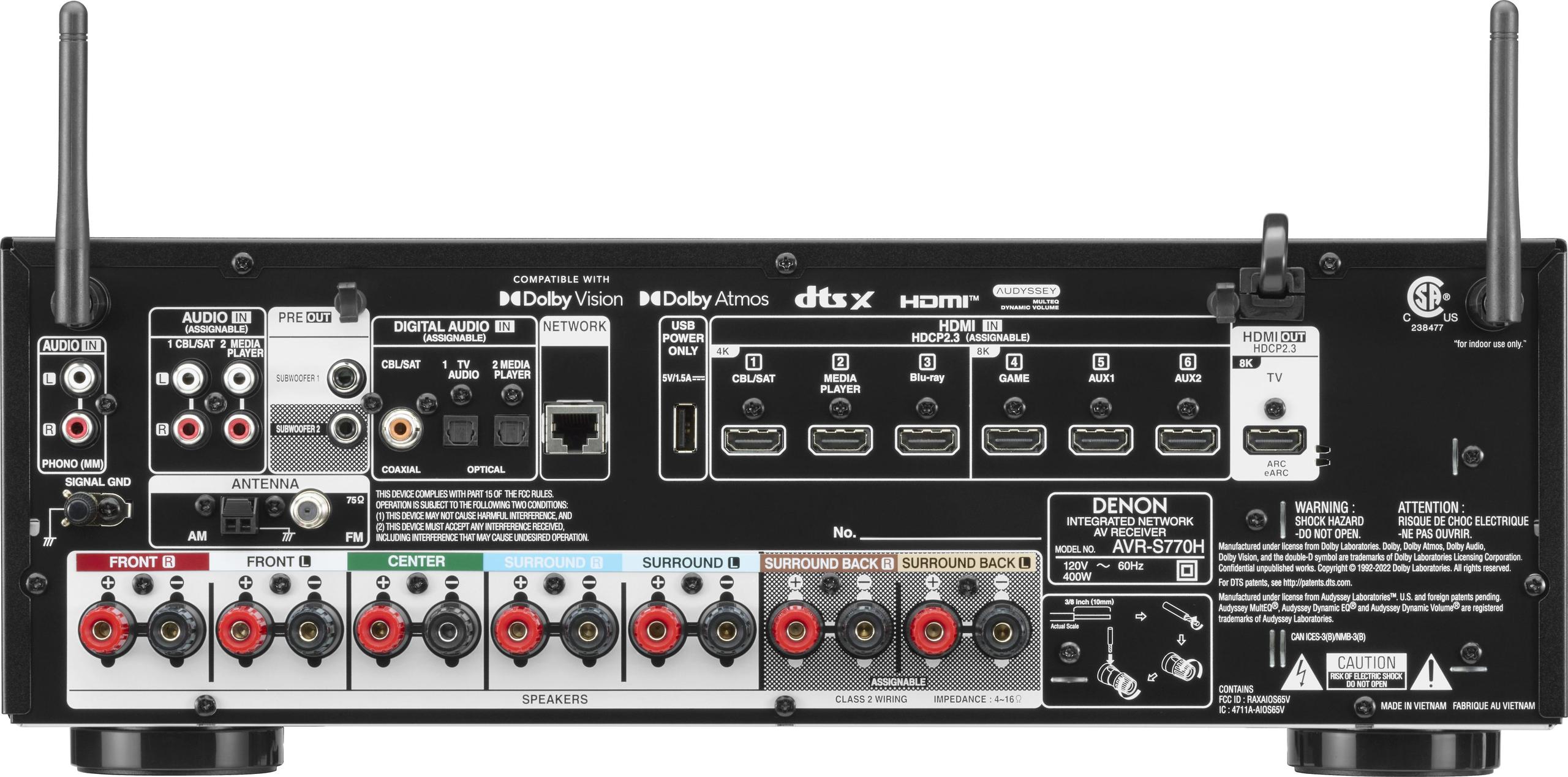
Most notably, the X2800H provides two HDMI outputs compared to the S770H's single output. This seemingly small difference unlocks major flexibility for users running both a television and projector, or those wanting to send audio to a display while routing video elsewhere. For many home theater setups, this dual-output capability alone justifies the price premium.
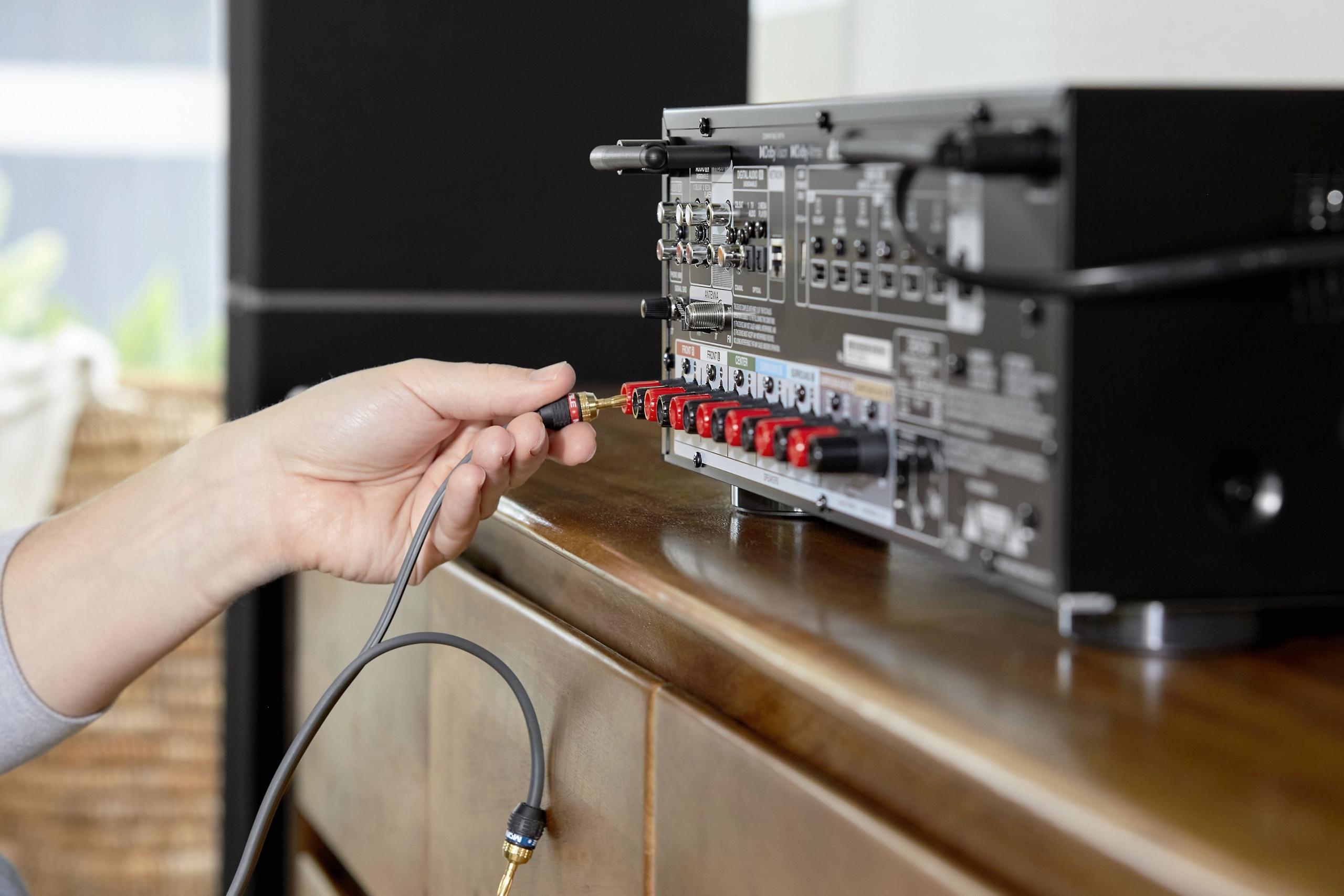
The X2800H also includes four pairs of analog RCA inputs versus the S770H's two pairs, plus a dedicated phono input for turntables. These additional inputs accommodate users with extensive source collections or those integrating older equipment that relies on analog connections.
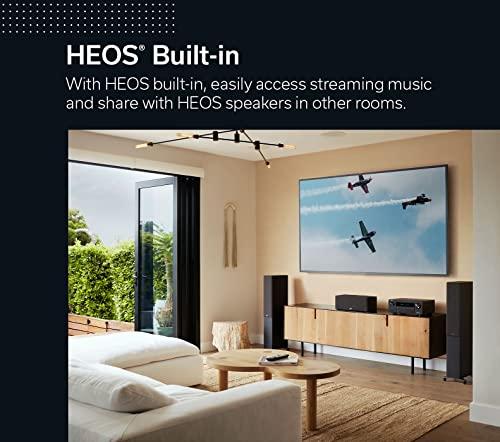
Both receivers include comprehensive streaming capabilities through Denon's HEOS platform, supporting popular services like Spotify, Tidal, and Pandora. They also feature AirPlay 2, Bluetooth, and voice assistant compatibility with Alexa and Google Assistant.
At the time of writing, the price difference between these models typically ranges from $200-300, with the S770H positioned as a value leader under $700 and the X2800H targeting the premium market under $900.
The S770H represents exceptional value for its feature set. You're getting 2023 technology, 8K video support, Dolby Atmos processing, and solid build quality at a very competitive price point. For many users, especially those with smaller rooms or efficient speakers, this receiver delivers 85% of the X2800H's performance at roughly 70% of the cost.
However, the X2800H's price premium buys meaningful upgrades. The 33% increase in amplifier power, dual HDMI outputs, superior video processing, and enhanced build quality create a compelling value proposition for users who can utilize these advantages.
Consider the long-term value equation as well. AV receivers typically serve as system centerpieces for 7-10 years. The X2800H's superior future-proofing through better video processing and more robust amplification may prove wise investments as content standards evolve and speaker technologies advance.
Our research into user feedback and professional reviews reveals distinct usage patterns that favor each model.
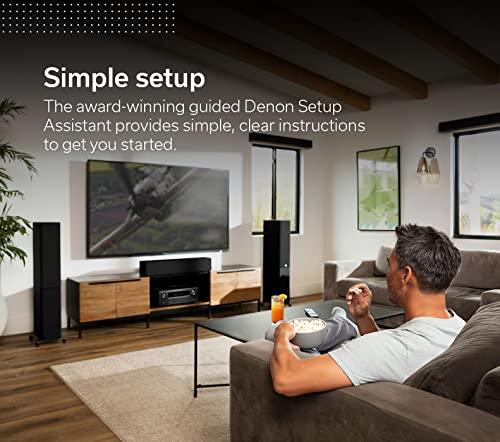
The AVR-S770H shines in mainstream applications. Users consistently praise its streamlined setup process, intuitive interface, and excellent integration with smart home systems. It's particularly well-suited for rooms under 300 square feet, setups with efficient speakers, and users who prioritize ease of use over extensive customization options.
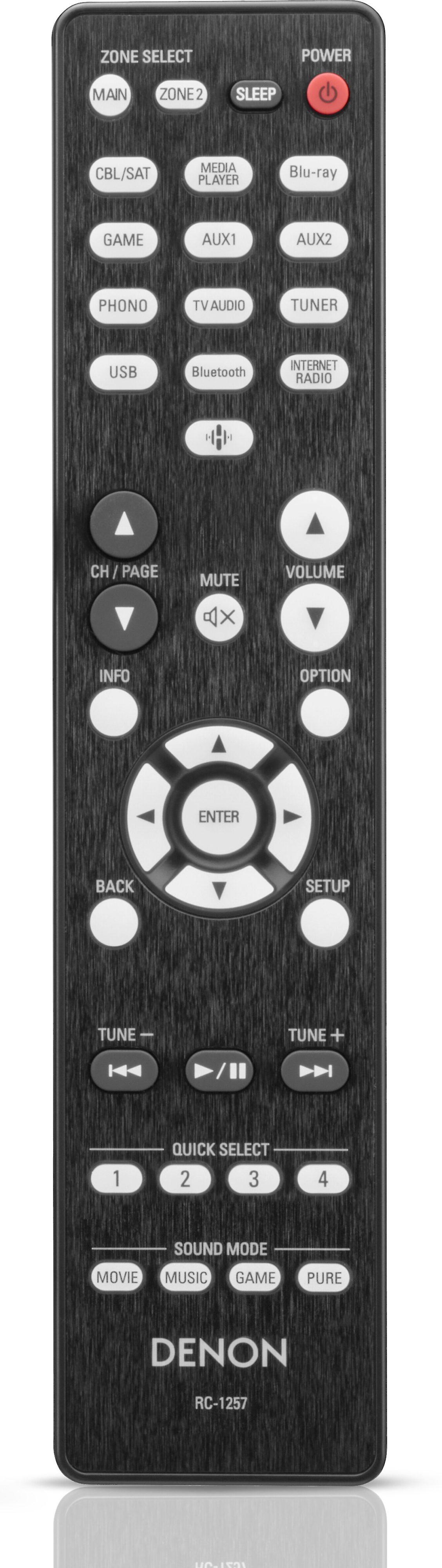
The primary complaint about the S770H involves its non-backlit remote control - a seemingly minor issue that becomes frustrating during dark movie viewing. This reflects the model's focus on cost optimization over premium user experience details.
The AVR-X2800H earns praise from audiophile reviewers for its robust amplifier section and exceptional flexibility in complex speaker configurations. However, some users note it can feel overwhelming for basic setups, with extensive menus and options that casual users might never explore.
Professional installers tend to favor the X2800H for its reliability under demanding conditions and comprehensive connectivity options. The dual HDMI outputs alone make it invaluable for commercial installations or sophisticated home theaters.
The engineering differences between these models extend beyond specifications to fundamental design philosophies. The X2800H uses discrete amplifier channels with Class AB topology - a design that prioritizes audio quality over efficiency. This approach requires more substantial power supplies and heat management but delivers superior dynamic range and lower distortion.
The S770H achieves its cost advantages through more efficient designs and component selection, without compromising core functionality. Its lighter weight reflects engineering optimization rather than corner-cutting, using advanced materials and layouts to achieve solid performance at lower cost.
Both receivers employ advanced Texas Instruments DACs operating at 32-bit/192kHz resolution across all channels. However, the X2800H implements superior analog output stages and power supply filtering, resulting in better channel matching and lower noise floors.
The video processing differences run deeper than just specifications. The X2800H uses more powerful processing chips that handle complex upscaling algorithms with less strain, potentially maintaining better performance as video standards continue evolving.
After extensive research and evaluation of user feedback, here's our guidance on choosing between these receivers:
Choose the AVR-S770H if you have a small to medium-sized room, use reasonably efficient speakers, prioritize ease of setup, only need one HDMI output, and want excellent value with modern features. It's particularly appealing for users building their first serious home theater system or those upgrading from basic equipment.
Choose the AVR-X2800H if you have a large room or challenging acoustic environment, use demanding speakers, need dual HDMI outputs, plan complex Dolby Atmos configurations, or prioritize long-term future-proofing. It's the clear choice for serious home theater enthusiasts and users with sophisticated setups.
The price premium for the X2800H buys meaningful performance advantages and professional-grade flexibility. However, the S770H offers outstanding value for users who don't need these advanced capabilities.
Consider your specific use case carefully. If you're unsure about your power requirements, remember that it's always better to have more amplifier headroom than you need - but paying for unused features provides no benefit.
Both receivers represent solid engineering and will serve most users well for many years. The choice ultimately comes down to matching features and performance to your specific needs and budget. The S770H proves that excellent home theater performance doesn't require premium pricing, while the X2800H demonstrates why enthusiasts willingly pay more for superior engineering and flexibility.
Whatever you choose, both receivers will transform your home entertainment experience significantly compared to basic equipment - the question is simply how far up the performance ladder you want to climb.
| Denon AVR-X2800H | Denon AVR-S770H |
|---|---|
| Power Output - Critical for larger rooms and demanding speakers | |
| 95W per channel (8Ω, 20Hz-20kHz) | 75W per channel (8Ω, 20Hz-20kHz) |
| Release Year - Indicates latest technology and features | |
| 2022 (X-Series enthusiast tier) | 2023 (S-Series value tier) |
| HDMI Outputs - Essential for dual display setups | |
| 2 outputs (supports TV + projector) | 1 output (single display only) |
| Video Processing - Future-proofs gaming and high-end content | |
| 8K upscaling, 4K/120Hz with 4:4:4 color | 8K upscaling, 4K/60Hz with 4:4:4 color |
| Signal-to-Noise Ratio - Affects background noise during quiet scenes | |
| 100 dB (cleaner audio signal) | 98 dB (good but slightly more noise) |
| Weight - Indicates build quality and component robustness | |
| 9.5kg (superior power supply and components) | 8.6kg (efficient design, adequate quality) |
| Analog Audio Inputs - Important for turntables and legacy equipment | |
| 4 pairs RCA + dedicated phono input | 2 pairs RCA (no dedicated phono) |
| Target Market - Helps determine if features match your needs | |
| Enthusiasts prioritizing performance and flexibility | Mainstream users wanting modern features at accessible price |
| Setup Complexity - Consider your technical comfort level | |
| Extensive customization options (can overwhelm casual users) | Streamlined setup process (user-friendly for beginners) |
| Room Size Recommendation - Based on power and acoustic capabilities | |
| Large rooms (300+ sq ft) or difficult speakers | Small to medium rooms (under 300 sq ft) |
| Dolby Atmos Configuration - Affects immersive audio precision | |
| Advanced speaker positioning options and calibration | Standard Atmos support with basic configuration |
| Future-Proofing - Long-term value consideration | |
| Superior video processing for evolving standards | Good current compatibility, less future-proof |
The Denon AVR-X2800H is better for dedicated home theaters due to its 95W per channel power output, dual HDMI outputs for TV and projector setups, and superior video processing capabilities. The Denon AVR-S770H works well for smaller home theaters or living room setups where ease of use and value are priorities.
The AVR-X2800H delivers 95 watts per channel compared to the AVR-S770H's 75 watts per channel. This 20-watt difference provides better headroom for demanding audio passages and is especially beneficial for larger rooms or less efficient speakers.
Yes, both the Denon AVR-X2800H and Denon AVR-S770H fully support Dolby Atmos and DTS:X immersive audio formats. However, the X2800H offers more advanced speaker configuration options for precise Atmos setup.
While both support 8K/60Hz pass-through, the AVR-X2800H has superior video processing with 4K/120Hz at 4:4:4 color sampling, making it better for high-end gaming. The S770H handles 4K/60Hz with 4:4:4, which is adequate for most users.
The Denon AVR-X2800H features 2 HDMI outputs, allowing connection to both a TV and projector simultaneously. The Denon AVR-S770H has 1 HDMI output, limiting you to a single display connection.
The Denon AVR-X2800H is ideal for large rooms (300+ square feet) due to its higher power output. The AVR-S770H works well in small to medium rooms under 300 square feet where its 75W power is sufficient.
The Denon AVR-S770H offers exceptional value, delivering about 85% of the X2800H's performance at a lower price point. The X2800H provides better long-term value for users who need its advanced features and superior power.
Yes, both the AVR-X2800H and AVR-S770H support modern gaming features like Variable Refresh Rate (VRR) and Auto Low Latency Mode (ALLM). The X2800H has better 4K/120Hz processing for PlayStation 5 and Xbox Series X gaming.
The Denon AVR-X2800H offers more inputs with 4 pairs of analog RCA inputs plus a dedicated phono input for turntables. The AVR-S770H has 2 pairs of RCA inputs, which is adequate for most setups but less flexible.
We've done our best to create useful and informative comparisons to help you decide what product to buy. Our research uses advanced automated methods to create this comparison and perfection is not possible - please contact us for corrections or questions. These are the sites we've researched in the creation of this article: theaudiotailor.com.au - ecoustics.com - simplehomecinema.com - whathifi.com - audioadvisor.com - youtube.com - bestbuy.com - e-catalog.com - crutchfield.com - avsforum.com - crutchfield.com - whathifi.com - richersounds.com - bestbuy.com - accessories4less.com - projectorscreen.com - adiglobaldistribution.us - youtube.com - bestbuy.com - bestbuy.com - sweetwater.com - bestbuy.com - listenup.com - avnirvana.com - bestbuy.com - crutchfield.com - bhphotovideo.com - denon.com - bestbuy.com - denon.com - audioadvice.com - audioadvice.com - avsforum.com

Privacy Policy
Terms and Conditions - Affiliate Policy
Home Security
© Copyright 2008-2026.
11816 Inwood Rd #1211, Dallas, TX 75244