

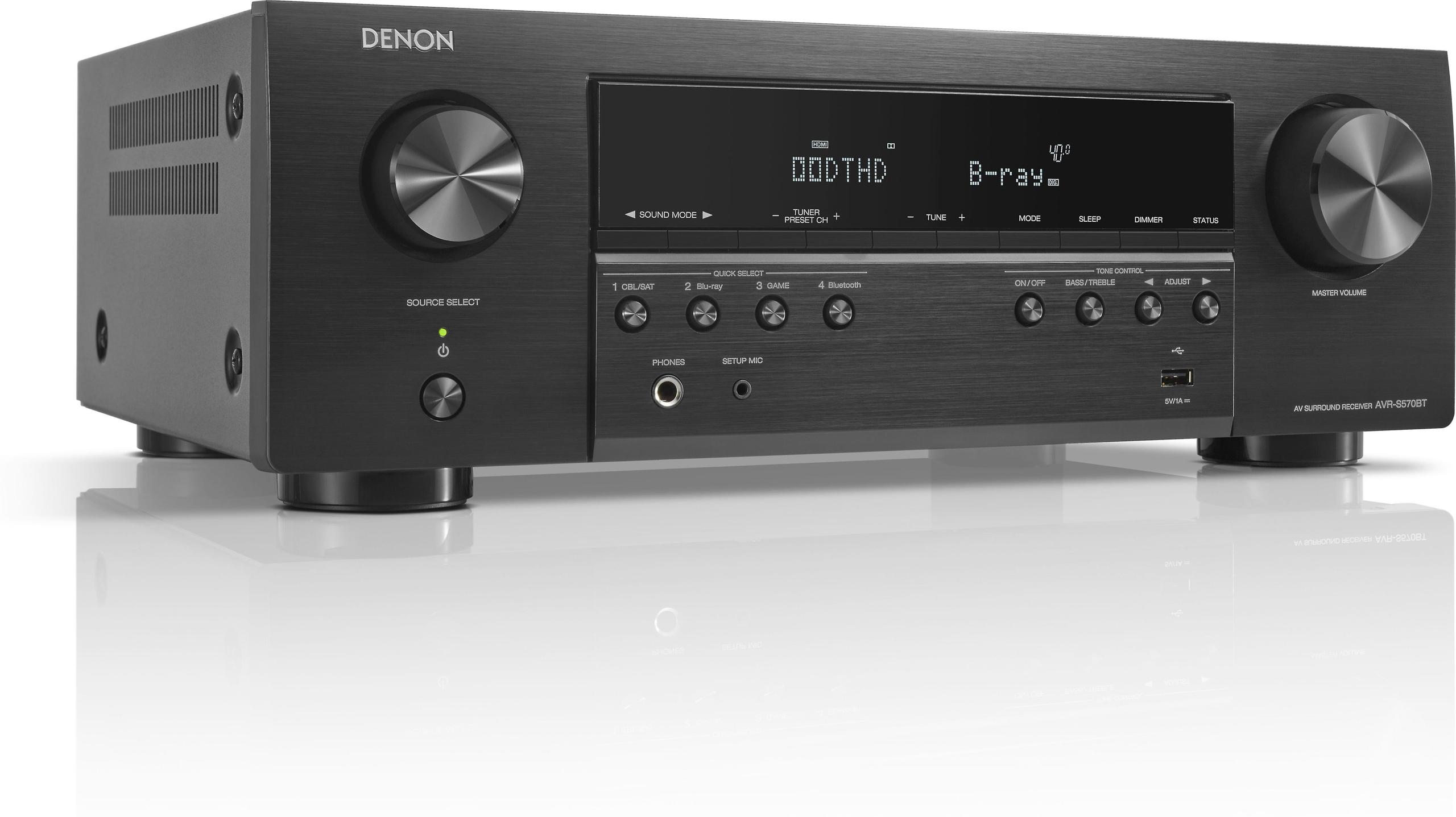
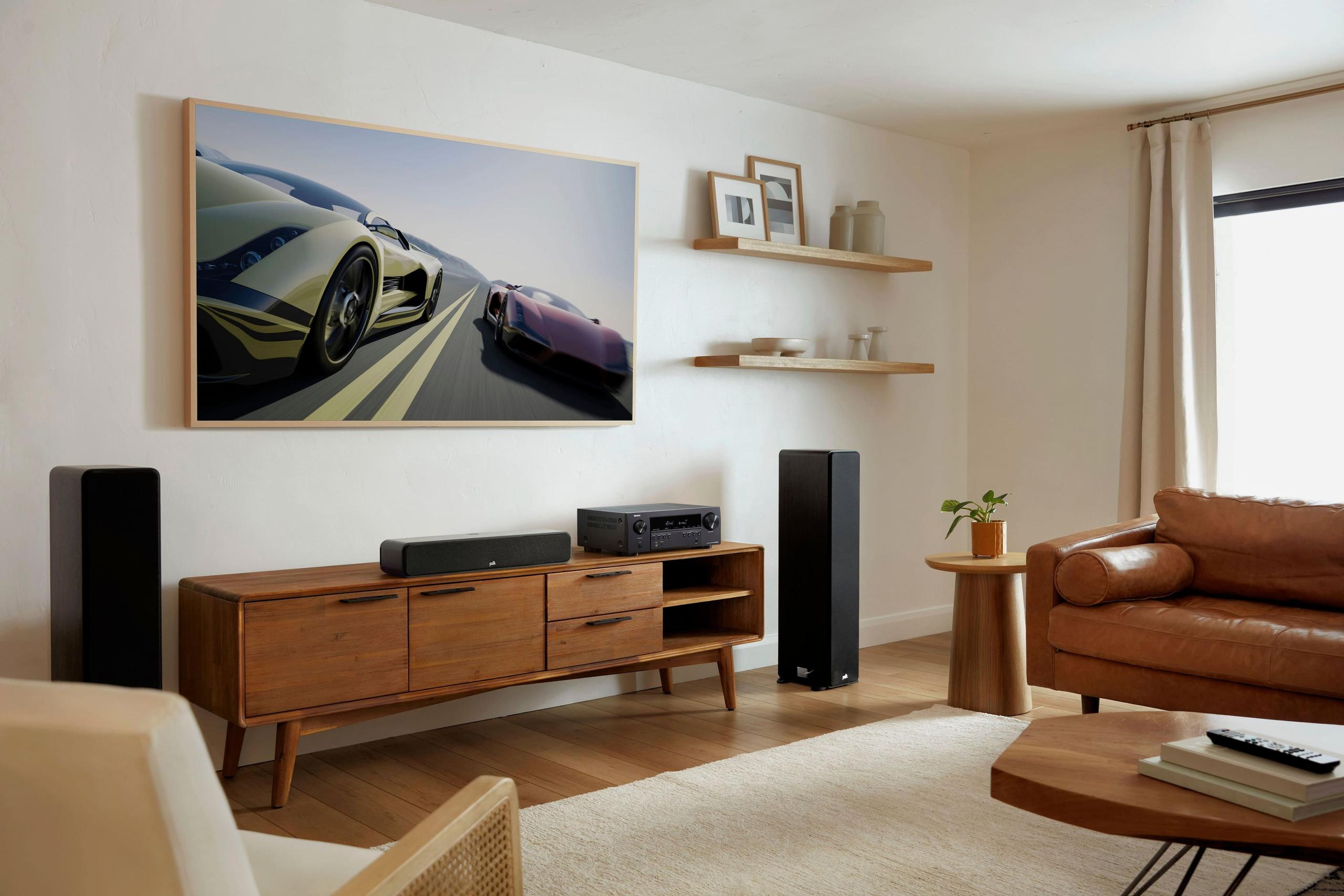
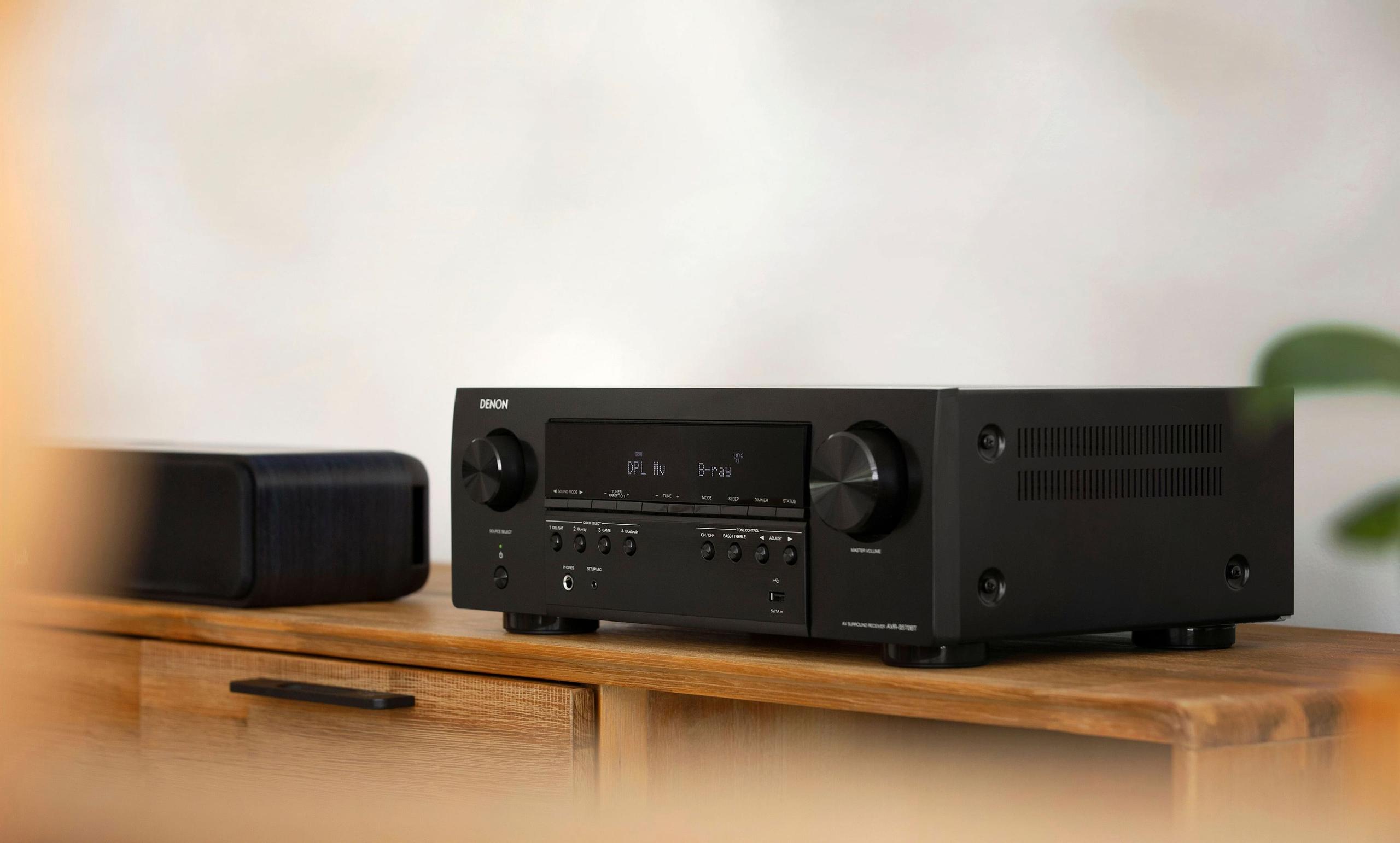
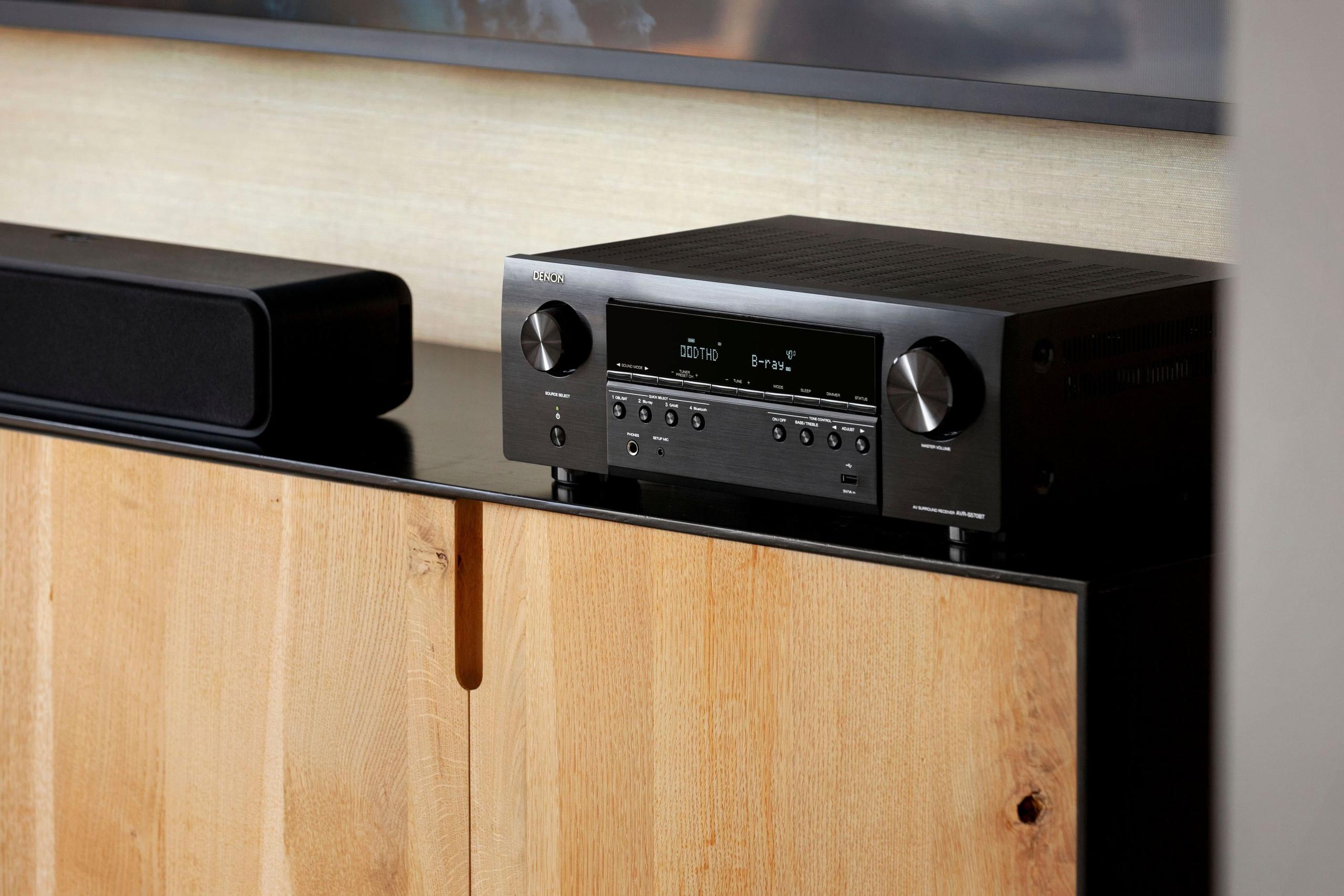
When you're building a home theater system, the AV receiver becomes the brain of your entire setup. It's the component that takes all your sources – your streaming device, game console, Blu-ray player – and turns them into the immersive sound and video experience you're after. But with so many options available, particularly in Denon's 2022 lineup, choosing between models like the AVR-X2800H and AVR-S570BT can feel overwhelming.
Both receivers were released in 2022 as part of Denon's push into 8K-ready home theater equipment, representing significant improvements over their predecessors in video processing and gaming performance. Since their release, these models have established themselves in different segments of the market, with the X2800H earning recognition from enthusiast publications while the S570BT has become a popular entry-point choice.
Before diving into the comparison, it's worth understanding what makes an AV receiver tick. These units serve multiple critical functions: they amplify audio signals to power your speakers, process surround sound formats like Dolby Atmos (which creates overhead sound effects), switch between different input sources, and handle video processing including upscaling (improving lower resolution content to look better on high-resolution displays).
The key considerations when choosing any AV receiver include channel configuration (how many speakers it can power), power output (how loud and dynamic the sound can get), video processing capabilities, audio format support, and connectivity options. Room size plays a huge role – a receiver that sounds great in a small apartment might struggle to fill a large basement theater.
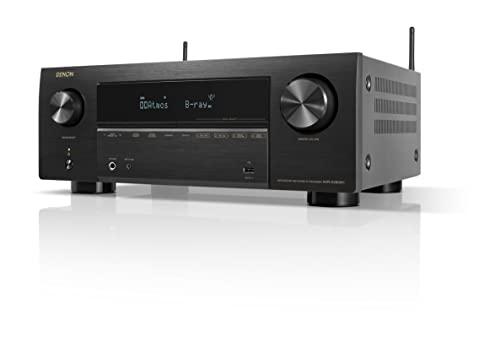
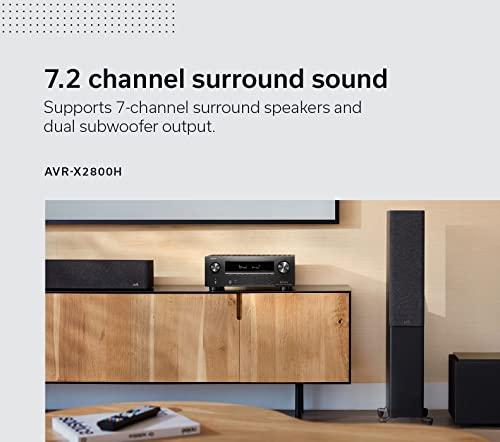
The most fundamental difference between the Denon AVR-X2800H and S570BT lies in their amplification capabilities. The X2800H delivers 95 watts per channel into 8-ohm speakers, and can boost to 125 watts when driving 6-ohm speakers – which are quite common in home theater setups. This power is distributed across a 7.2 channel configuration, meaning it can drive seven main speakers plus two subwoofers.
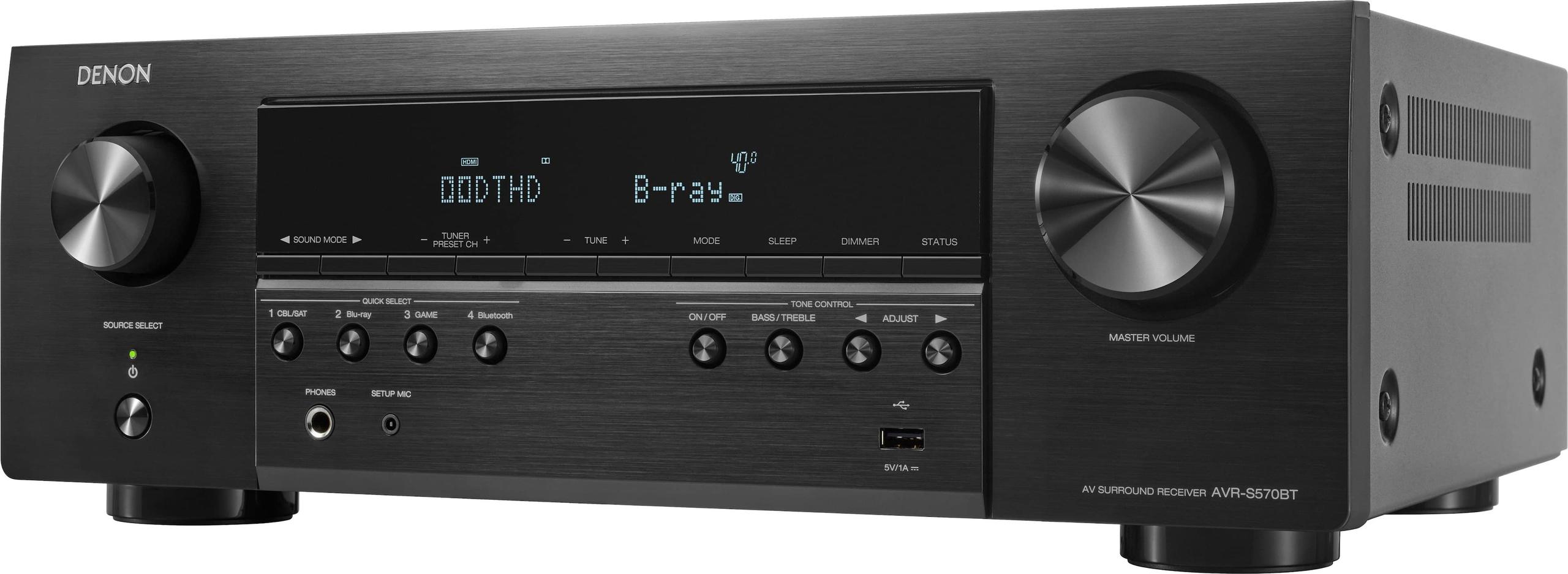
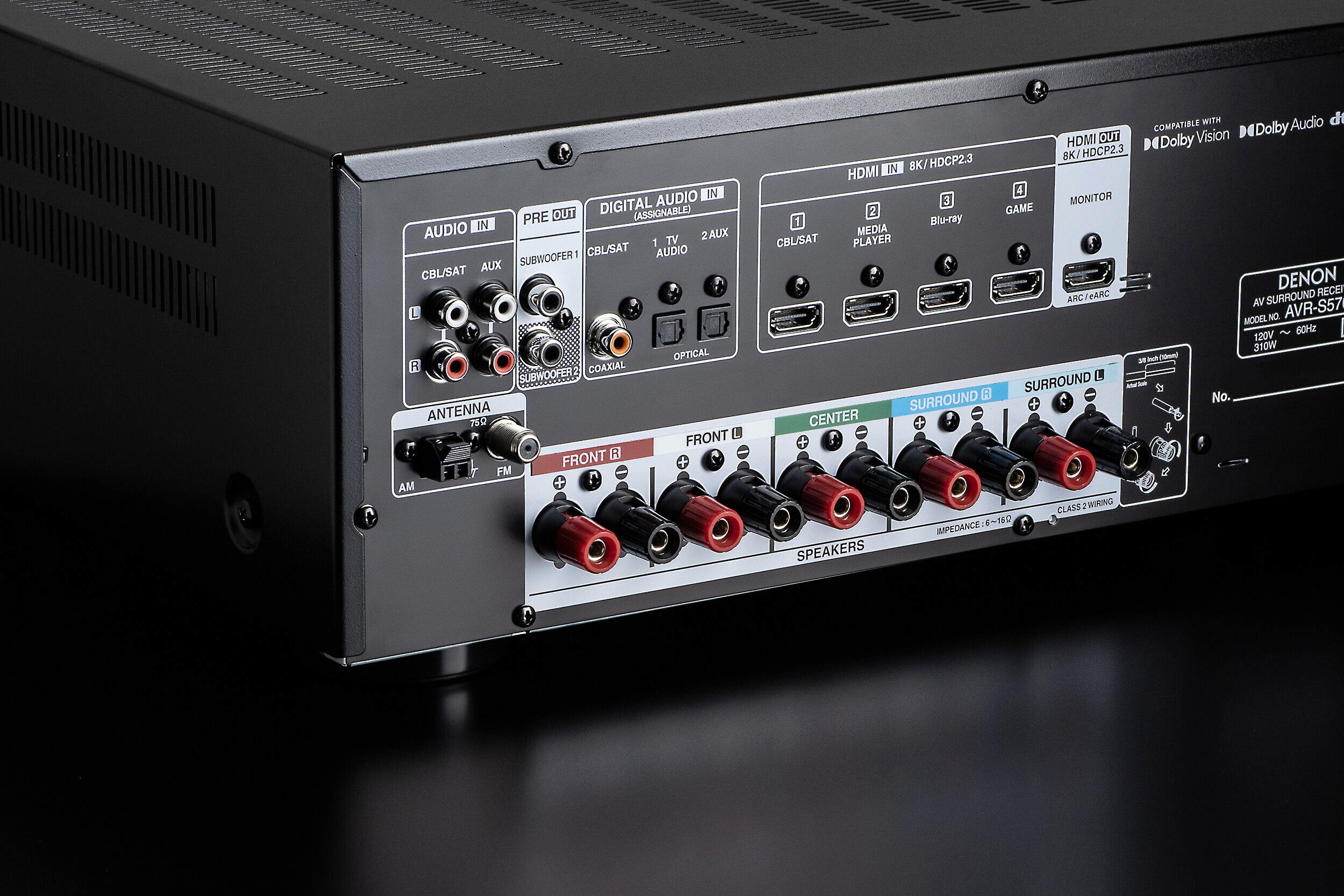
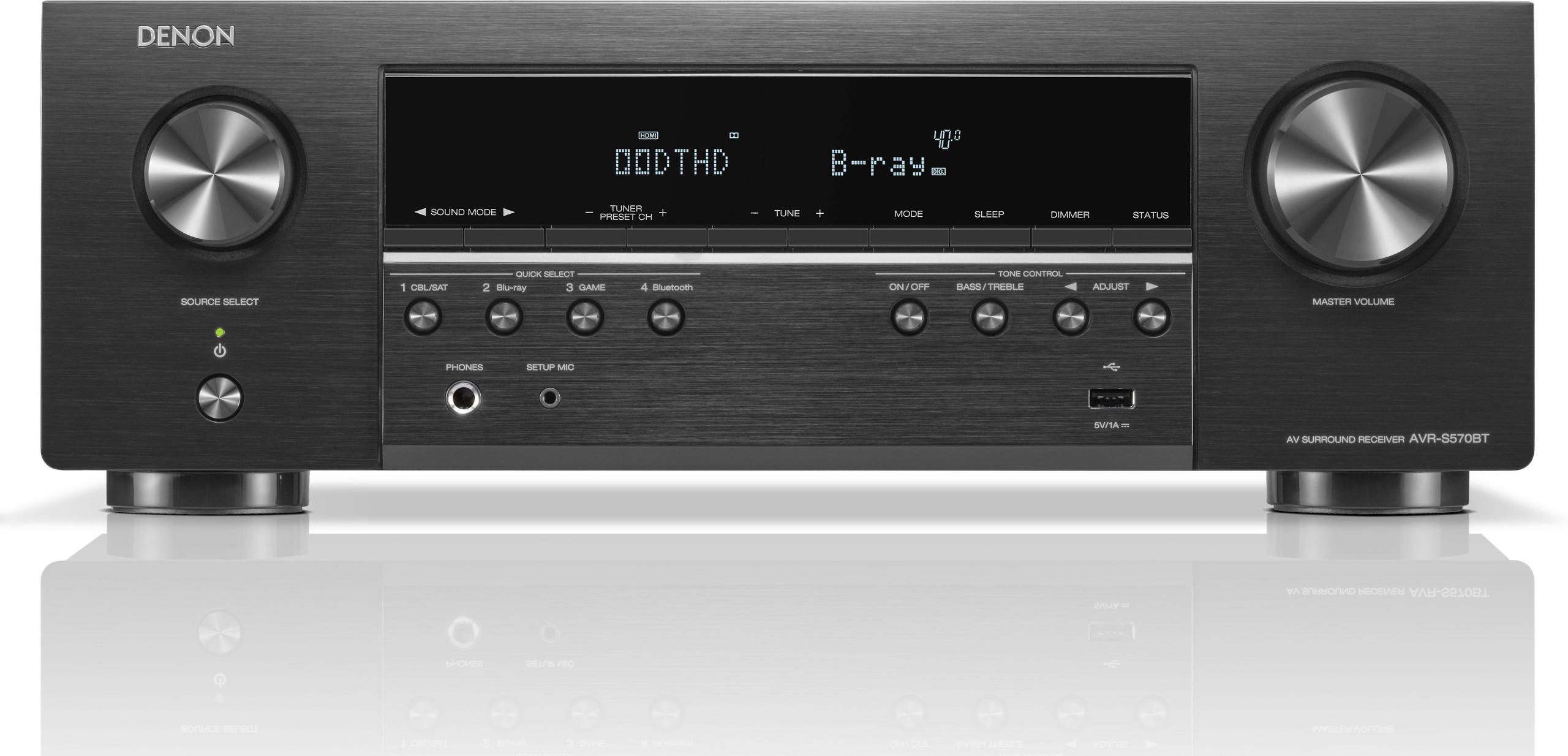
The S570BT, meanwhile, provides 70 watts per channel into 8 ohms, stepping up to 90 watts with 6-ohm speakers across a 5.2 channel setup. While these numbers might seem modest compared to the X2800H, they're actually quite respectable for smaller rooms.
Here's where the math gets interesting: that 36% power advantage of the X2800H translates to noticeably more headroom for dynamic peaks – those explosive movie moments or crescendos in music that separate good sound from great sound. More importantly, the additional two channels open up significantly more sophisticated surround sound configurations.
The X2800H can handle a proper 5.1.2 Dolby Atmos setup, where those extra ".2" channels are dedicated height speakers that create genuine overhead effects. Imagine hearing a helicopter actually pass over your head, or rain falling from above. The S570BT relies on virtualization technology to simulate these effects through your main speakers – it's clever, but not quite the same as having dedicated height channels.
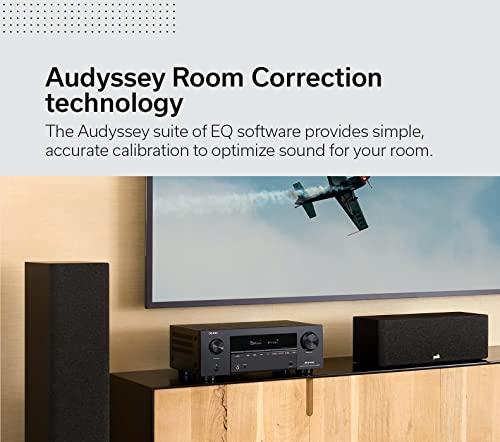
Both receivers handle modern surround sound formats, but the X2800H goes much deeper into advanced audio processing. It includes Audyssey MultEQ XT room correction, which uses a microphone to measure your room's acoustic properties at up to eight different listening positions, then automatically adjusts the receiver's output to compensate for room issues like echo or bass buildup in corners.
This room correction technology is genuinely transformative. Most rooms have acoustic problems – maybe your couch sits too close to a wall, creating boomy bass, or your ceiling height causes midrange reflections. The X2800H's Audyssey system can identify and correct these issues, often making a $2,000 speaker system sound dramatically better than it would without correction.
The S570BT includes basic automatic speaker setup, but it's more limited in scope and sophistication. It can optimize basic speaker levels and distances, which helps, but won't address complex room acoustic issues the way the X2800H's system can.
For audio format support, the X2800H handles everything current and emerging: Dolby Atmos, DTS:X, Dolby TrueHD, DTS-HD Master Audio, and includes height virtualization technology for when you don't have ceiling speakers. The S570BT covers the essential formats including basic Dolby Atmos processing, but lacks some of the more advanced surround processing modes.
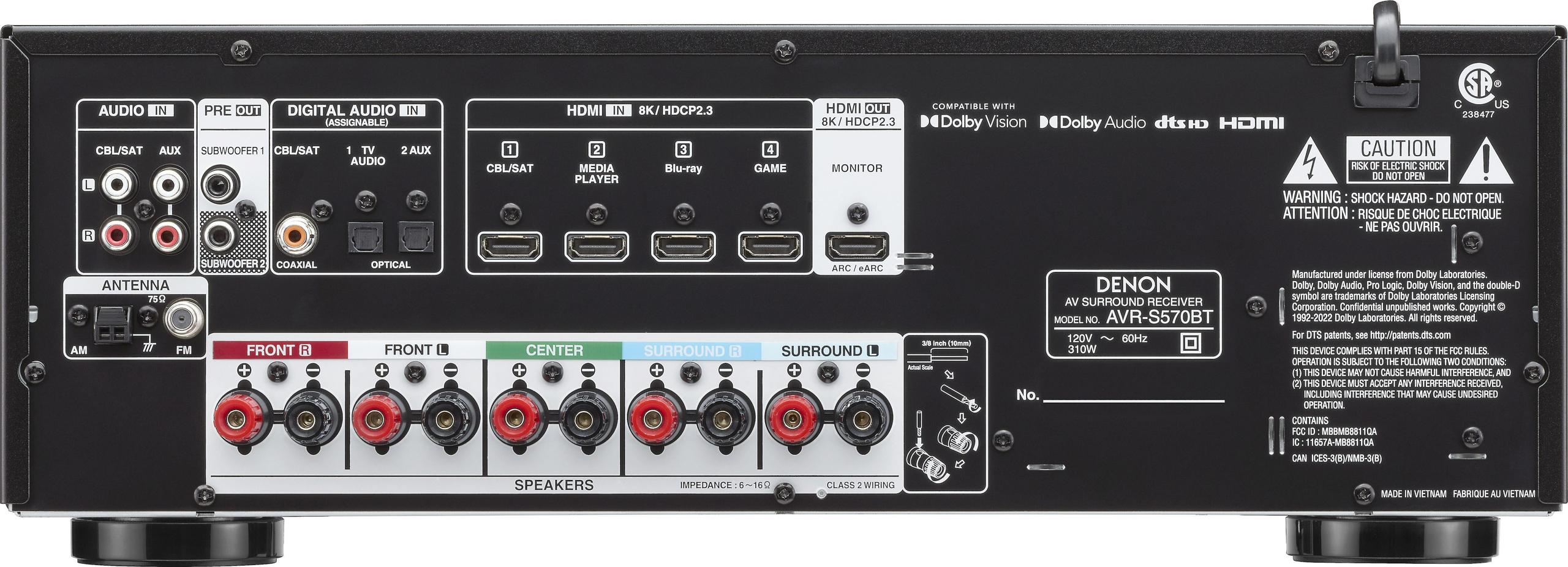
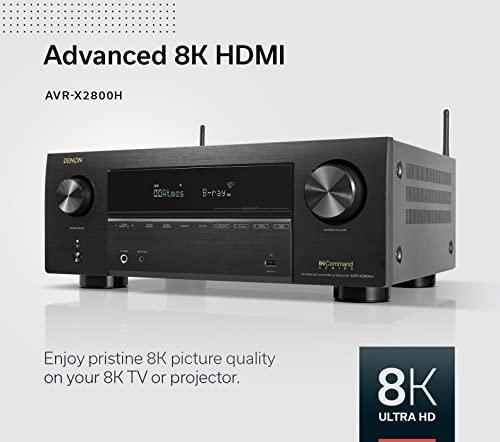
Both receivers support 8K video, but their implementations differ significantly. The X2800H features six HDMI inputs and two outputs, with three of those inputs supporting full HDMI 2.1 specification. This means they can handle 8K video at 60Hz or 4K at 120Hz with up to 40 gigabits per second of bandwidth – crucial for next-generation gaming consoles and high-end streaming devices.
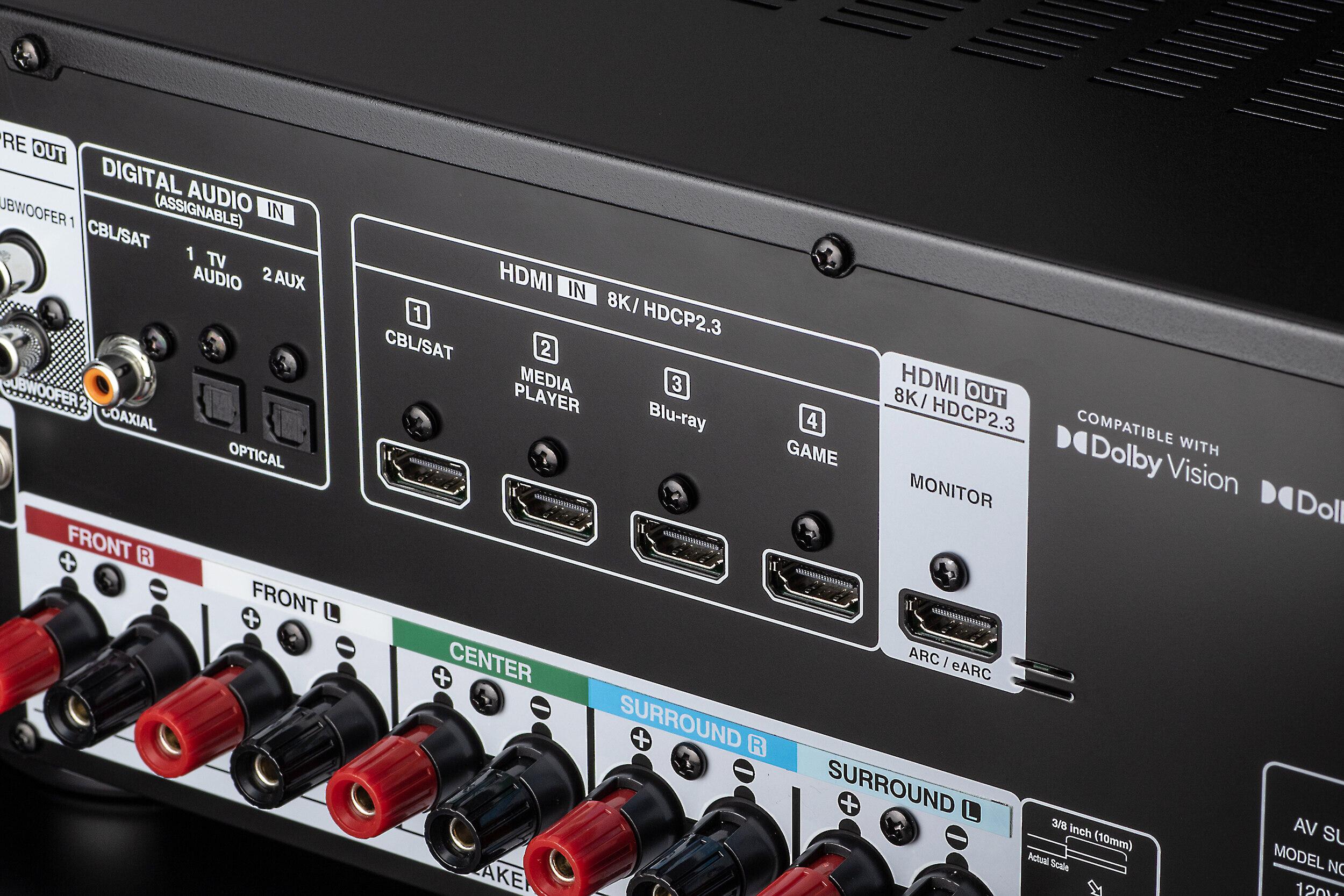
The S570BT offers four HDMI inputs that are 8K-capable, but with more limited bandwidth and processing power. For most users today, this is perfectly adequate, but the difference becomes apparent with cutting-edge gaming.
Gaming performance is where the X2800H really shows its technical superiority. It supports Variable Refresh Rate (VRR), which synchronizes the receiver's output with your gaming console to eliminate screen tearing. Quick Frame Transport (QFT) reduces latency, and Auto Low Latency Mode (ALLM) automatically switches to the lowest possible delay when it detects a gaming signal.
These features might sound like marketing speak, but they make a real difference. Modern games can run at variable frame rates – maybe 120 fps during quiet scenes but dropping to 60 fps during intense action. VRR keeps everything smooth, while the latency reduction features ensure your controller inputs translate to on-screen action as quickly as possible. The S570BT includes basic versions of these features, but the implementation isn't as sophisticated.
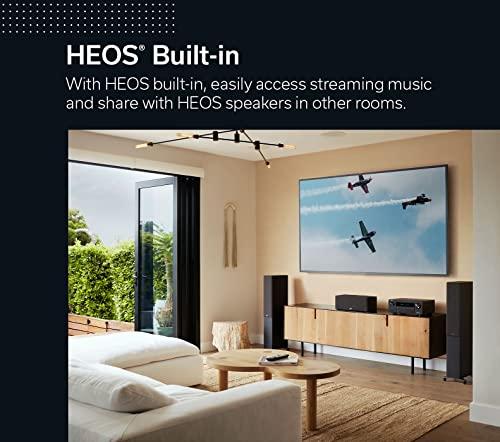
Here's where the feature gap becomes most apparent in daily use. The X2800H integrates with Denon's HEOS multi-room system, allowing you to create a whole-home audio network. You can stream different music to different rooms, or sync the same music throughout your house. It supports AirPlay 2 for seamless iPhone and iPad streaming, plus direct integration with Spotify, Tidal, and other services.
The S570BT keeps things simpler with Bluetooth streaming and basic Wi-Fi connectivity. You can stream music from your phone, which covers most people's needs, but you won't get the sophisticated multi-room capabilities or the extensive streaming service integration.
Both receivers include voice assistant compatibility, but the X2800H offers more comprehensive smart home integration options.
Based on extensive user feedback and professional reviews, the performance differences translate into distinct user experiences. The X2800H consistently receives praise for its authoritative, refined sound character. Users report excellent dialogue clarity in movies – something that's often problematic with lesser receivers – and describe the soundstage as immersive and precisely positioned.
The sound signature has evolved from earlier Denon models, with less bass dominance and a more balanced presentation that works well for both movies and music. This makes it particularly appealing for users who want one system to handle everything from action movies to critical music listening.
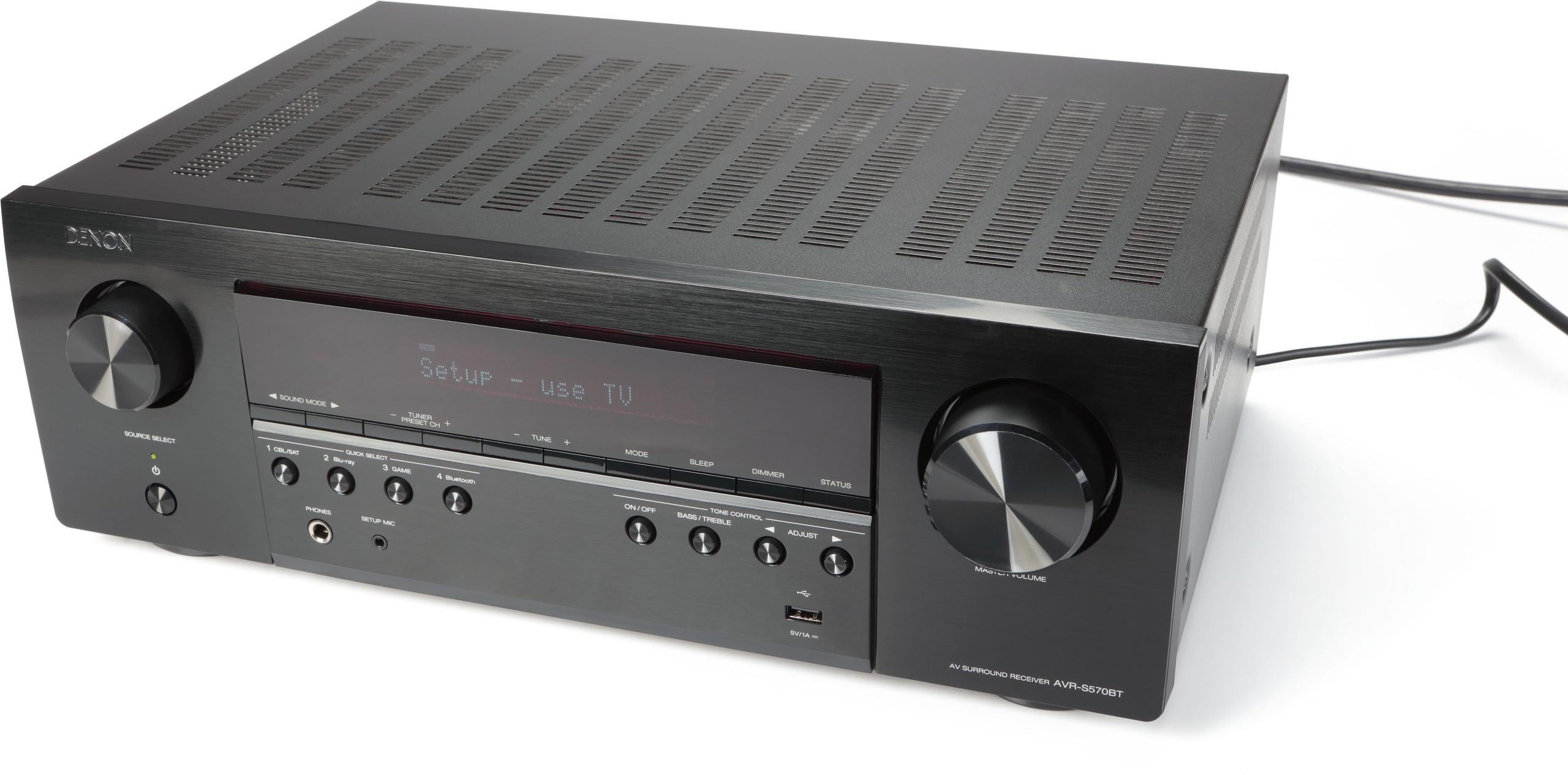
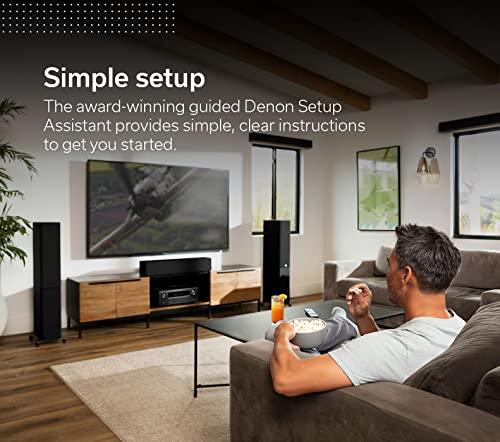
The S570BT earns high marks for delivering surprisingly good sound quality relative to its price point. Users consistently note how easy it is to set up and appreciate the clear, powerful sound it produces in appropriately sized rooms. The automatic speaker calibration, while not as sophisticated as the X2800H's system, still provides meaningful improvement over manual setup.
At the time of writing, the X2800H typically costs about three times as much as the S570BT, which naturally raises the question of whether the additional features justify the price premium.
For the S570BT, you're getting remarkable value – 8K support, quality Denon engineering, and solid surround sound processing at an entry-level price. It's an excellent foundation for a first home theater system or for anyone who wants quality sound without complexity.
The X2800H justifies its higher price through features that compound in value over time. The superior room correction alone can make modestly priced speakers sound significantly better than they would with the basic processing in the S570BT. The multi-room capabilities, advanced gaming features, and expansion possibilities create value that extends beyond the immediate setup.
Room size becomes the critical determining factor for many buyers. In spaces under 300 square feet – think typical bedrooms, small living rooms, or apartments – the S570BT's 70 watts per channel provides plenty of power for immersive surround sound. The receiver can comfortably drive most bookshelf speakers and tower speakers in these environments.
Move up to larger rooms – 300 to 500 square feet family rooms or dedicated theater spaces – and the X2800H's additional power becomes increasingly valuable. More importantly, these larger spaces benefit from the more sophisticated room correction and the ability to add height speakers for true Dolby Atmos performance.
Speaker matching also matters. If you're planning to use high-end speakers that demand clean, powerful amplification, the X2800H is better equipped to reveal their capabilities. The S570BT works well with mainstream speakers but might become a limiting factor with very demanding or inefficient speaker designs.
The expandability difference between these receivers becomes more significant over time. The X2800H can grow with your system – add height speakers later for Dolby Atmos, integrate with a whole-home audio system, or take advantage of future gaming console features.
The S570BT is more of a destination product. It does what it does very well, but there's limited room for expansion. This isn't necessarily a drawback if you're happy with a 5.1 system and don't need multi-room audio, but it's worth considering if you tend to upgrade and expand your systems over time.
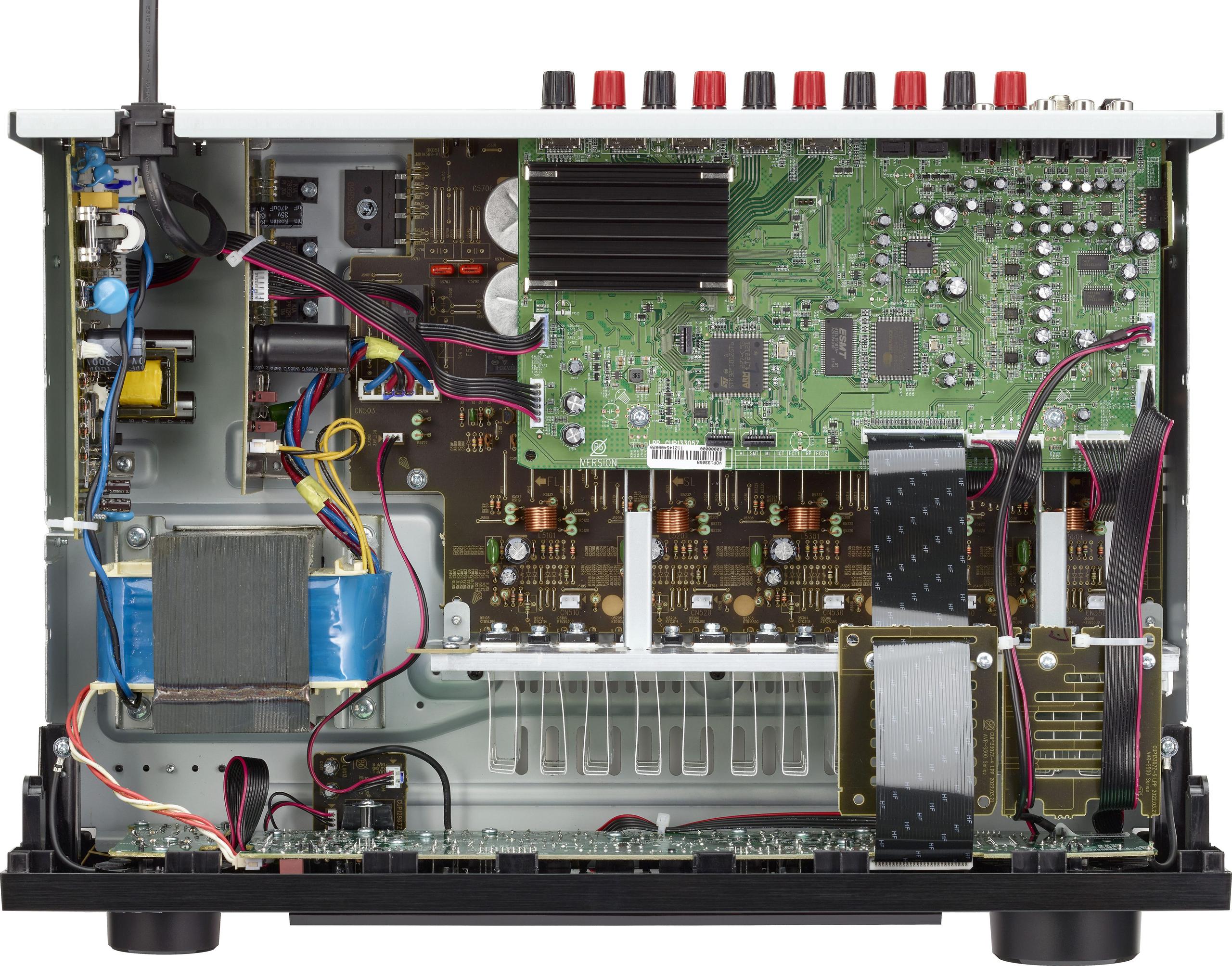
Both receivers benefit from Denon's reputation for solid construction, but they're built to different standards. The X2800H features more robust power supplies, better component quality, and more sophisticated thermal management. User reports suggest excellent long-term reliability, though some owners note occasional app connectivity hiccups with the HEOS system.
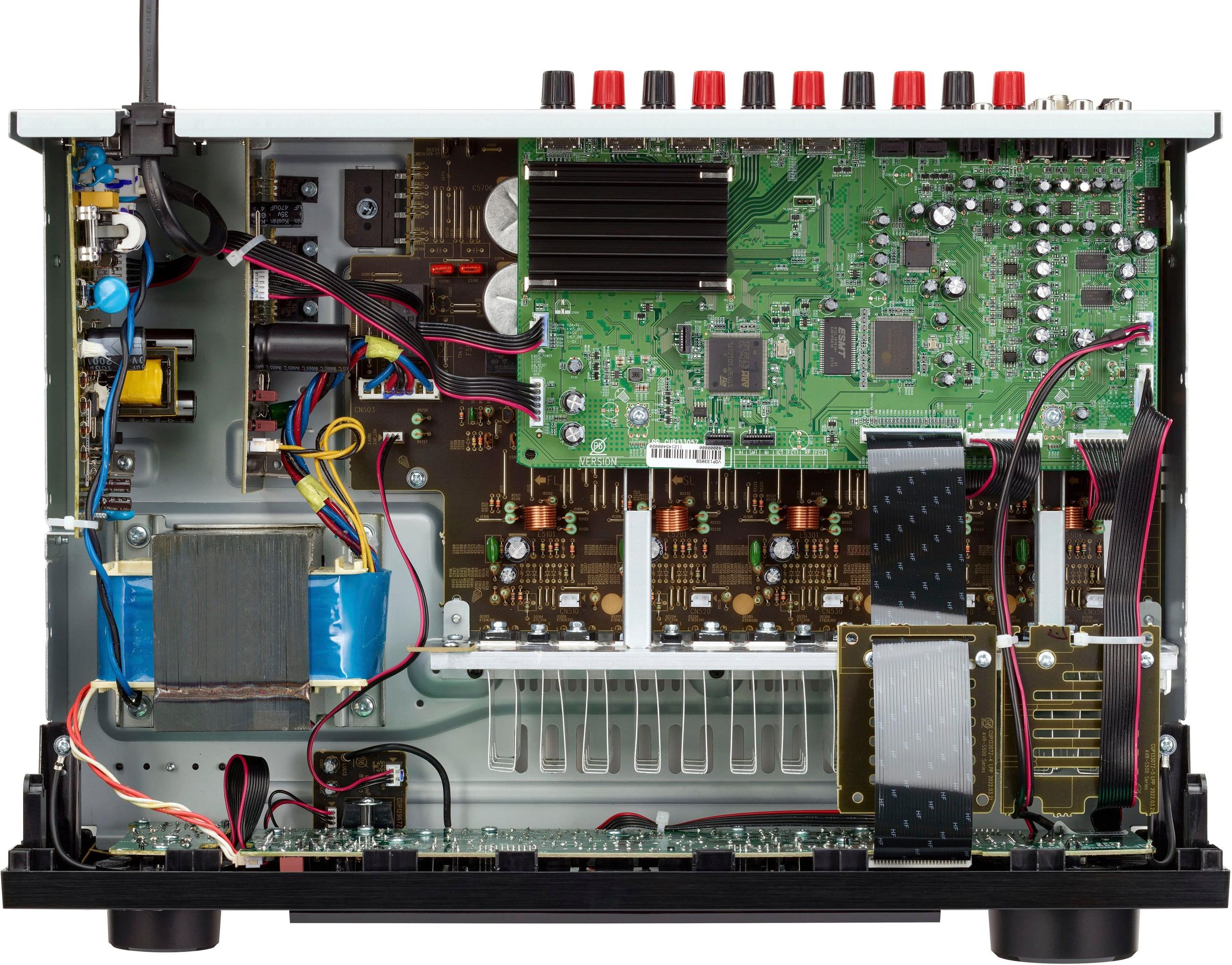
The S570BT maintains good build quality despite its lower price point, with users reporting reliable operation and straightforward performance. The simpler feature set actually contributes to reliability – fewer complex systems mean fewer potential failure points.
Choose the AVR-S570BT if you're building your first real home theater system, have a smaller room, or prioritize simplicity and value. It delivers genuinely good sound quality, includes modern video features, and provides an excellent foundation that most users will be happy with for years.
The S570BT is particularly appealing for apartment dwellers, college students, or anyone who wants quality home theater sound without the complexity and cost of a high-end system. The Bluetooth streaming and easy setup make it especially user-friendly for people who aren't deeply into home theater technology.
Go with the AVR-X2800H if you have a larger room, plan to build a more sophisticated system over time, or value having the latest gaming and streaming features. The superior power output, advanced room correction, and expansion capabilities make it worth the investment for serious home theater enthusiasts.
The X2800H is the clear choice for anyone planning a dedicated theater room, wanting multi-room audio capabilities, or who tends to keep receivers for many years and wants maximum future-proofing.
Both receivers represent solid value in their respective categories, but they serve different needs and different stages of home theater development. The key is matching the receiver's capabilities to your current needs while considering where your system might evolve in the coming years.
| Denon AVR-X2800H | Denon AVR-S570BT |
|---|---|
| Power Output - Determines how loud and dynamic your system can sound | |
| 95W per channel (8Ω), 125W (6Ω) | 70W per channel (8Ω), 90W (6Ω) |
| Channel Configuration - Affects surround sound complexity and speaker layout options | |
| 7.2 channels (supports 5.1.2 Dolby Atmos with dedicated height speakers) | 5.2 channels (basic surround sound, virtualized height effects) |
| Room Correction - Essential for optimizing sound quality in real rooms | |
| Audyssey MultEQ XT with 8 measurement positions and app control | Basic automatic speaker setup with microphone |
| HDMI Inputs - More inputs mean fewer cable swaps between devices | |
| 6 inputs (3 × HDMI 2.1, 3 × HDMI 2.0), 2 outputs | 4 inputs (8K-capable), 1 output |
| Gaming Performance - Critical for next-gen console compatibility | |
| Full VRR, QFT, ALLM, FRL with 40Gbps bandwidth | Basic VRR, QFT, ALLM with limited bandwidth |
| Multi-Room Audio - Allows music streaming throughout your home | |
| HEOS built-in with whole-home integration | Bluetooth streaming only |
| Audio Processing - Advanced formats create more immersive surround sound | |
| Dolby Atmos, DTS:X, Height Virtualization, Neural:X, TrueHD | Basic Dolby Atmos, DTS-HD, limited surround processing |
| Streaming Services - Built-in apps eliminate need for external streamers | |
| AirPlay 2, Spotify Connect, Tidal, voice assistants | Bluetooth streaming from mobile devices |
| Ideal Room Size - Receiver power should match your space | |
| Medium to large rooms (300+ sq ft), dedicated theater spaces | Small to medium rooms (under 300 sq ft), apartments |
| Expandability - Future upgrade potential without replacing the receiver | |
| Can add height speakers, second zone, complex configurations | Limited to 5.1 setup, minimal expansion options |
The Denon AVR-S570BT is better for beginners due to its simpler setup process, fewer configuration options, and straightforward operation. It provides excellent sound quality without overwhelming new users with advanced features. The AVR-X2800H offers more capabilities but requires more technical knowledge to fully utilize.
The primary difference is channel configuration and power. The Denon AVR-X2800H supports 7.2 channels with 95W per channel, while the AVR-S570BT offers 5.2 channels with 70W per channel. This means the X2800H can drive more speakers and deliver greater power output for larger rooms and more complex surround sound setups.
The Denon AVR-S570BT is ideal for small rooms under 300 square feet. Its 70W per channel provides plenty of power for compact spaces, and the 5.2 channel configuration works perfectly for basic surround sound. The X2800H would be overkill for small rooms and costs significantly more without providing meaningful benefits in limited space.
Yes, both the Denon AVR-X2800H and AVR-S570BT support 8K video passthrough. However, the X2800H offers three full HDMI 2.1 inputs with 40Gbps bandwidth, while the S570BT has more limited 8K implementation. For future-proofing with multiple 8K sources, the X2800H is the better choice.
The Denon AVR-X2800H excels for gaming with comprehensive HDMI 2.1 features including Variable Refresh Rate (VRR), Quick Frame Transport (QFT), and Auto Low Latency Mode (ALLM) with full 40Gbps bandwidth. The AVR-S570BT includes basic gaming features but with more limited implementation and bandwidth.
Yes, both support Dolby Atmos, but differently. The Denon AVR-X2800H can create true Dolby Atmos with dedicated height speakers in a 5.1.2 configuration, delivering genuine overhead effects. The AVR-S570BT uses virtualization technology to simulate height effects through your main speakers, which is good but not as immersive as dedicated height channels.
The Denon AVR-X2800H features superior room correction with Audyssey MultEQ XT, which measures up to eight listening positions and provides app-based fine-tuning. The AVR-S570BT includes basic automatic speaker setup that optimizes levels and distances but doesn't address complex room acoustic issues like the X2800H can.
Both receivers support wireless music streaming, but with different capabilities. The Denon AVR-S570BT offers Bluetooth streaming from your phone or tablet. The AVR-X2800H includes Bluetooth plus HEOS multi-room audio, AirPlay 2, and direct integration with streaming services like Spotify and Tidal for more comprehensive wireless options.
Value depends on your needs. The Denon AVR-S570BT offers exceptional value for basic home theater setups, providing quality Denon engineering at an entry-level price. The AVR-X2800H costs significantly more but delivers advanced features, superior power, and future-proofing that justify the premium for serious home theater enthusiasts.
The Denon AVR-X2800H provides six HDMI inputs and two outputs, with three being full HDMI 2.1 specification. The AVR-S570BT offers four HDMI inputs and one output. If you have multiple gaming consoles, streaming devices, and Blu-ray players, the X2800H provides more connectivity options.
The Denon AVR-X2800H is significantly better for large rooms over 300 square feet. Its 95W per channel provides more power for filling larger spaces, and the advanced room correction helps optimize sound in challenging acoustic environments. The AVR-S570BT may struggle to provide adequate volume and dynamics in larger spaces.
The Denon AVR-X2800H offers excellent expandability – you can add height speakers for Dolby Atmos, configure a second audio zone, or integrate with a whole-home HEOS system. The AVR-S570BT is more limited in expansion options, essentially maxing out at a 5.1 surround system. Choose the X2800H if you plan to grow your system over time.
We've done our best to create useful and informative comparisons to help you decide what product to buy. Our research uses advanced automated methods to create this comparison and perfection is not possible - please contact us for corrections or questions. These are the sites we've researched in the creation of this article: theaudiotailor.com.au - ecoustics.com - simplehomecinema.com - whathifi.com - audioadvisor.com - youtube.com - bestbuy.com - e-catalog.com - crutchfield.com - avsforum.com - crutchfield.com - whathifi.com - richersounds.com - bestbuy.com - accessories4less.com - projectorscreen.com - adiglobaldistribution.us - youtube.com - bestbuy.com - bestbuy.com - sweetwater.com - bestbuy.com - parts-express.com - bestbuy.com - audiosciencereview.com - crutchfield.com - audiolab.com - bestbuy.com - denon.com - audioadvisor.com - avsforum.com - en.community.sonos.com

Privacy Policy
Terms and Conditions - Affiliate Policy
Home Security
© Copyright 2008-2026.
11816 Inwood Rd #1211, Dallas, TX 75244