

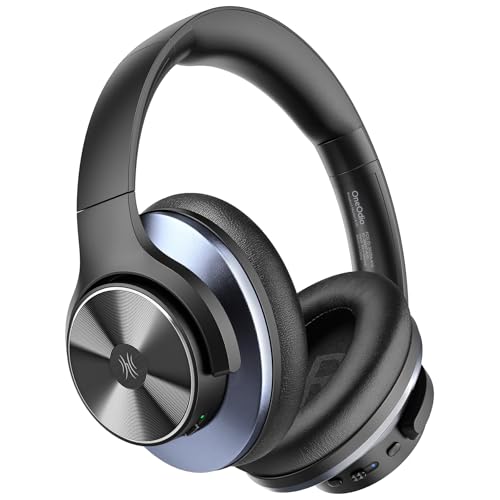
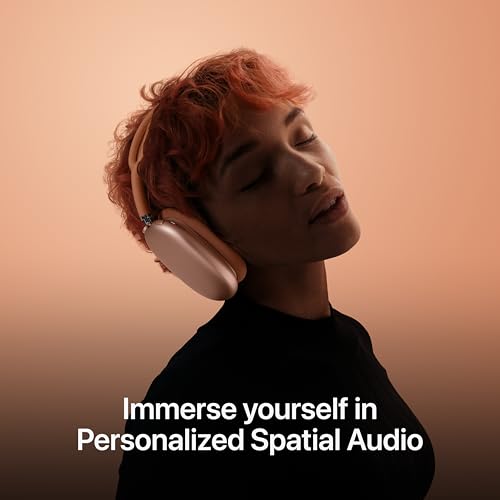

If you're shopping for over-ear headphones with active noise cancelling, you've probably noticed the market splits into two distinct camps: budget-friendly options that promise premium features at accessible prices, and high-end models that command serious money for top-tier performance. The OneOdio A10 and Apple AirPods Max represent perfect examples of these two approaches, and choosing between them requires understanding what you actually need from your headphones.
Over-ear active noise cancelling headphones have become essential tools for modern life. Whether you're trying to focus in a noisy office, escape the drone of airplane engines during travel, or simply want to immerse yourself in your favorite music without distractions, these headphones serve as your personal sound sanctuary.
The technology behind active noise cancellation (ANC) is fascinating. Tiny microphones on the outside of the headphones constantly listen to ambient noise around you. The headphones then generate sound waves that are exactly opposite to those incoming noises—this is called "destructive interference." When these opposing sound waves meet, they effectively cancel each other out, leaving you with significantly reduced background noise.
But ANC is just one piece of the puzzle. Modern over-ear headphones need to excel across multiple areas: sound quality for music and movies, comfort for extended wear, battery life for all-day use, and connectivity options for seamless device switching. The challenge lies in balancing all these features while hitting the right price point for your needs.
The OneOdio A10, released in 2023, represents the "democratization of premium features" approach. It's designed to deliver as many high-end features as possible while keeping costs low enough for students, remote workers, and budget-conscious consumers. The Apple AirPods Max, launched in late 2020 and updated in 2024, takes the opposite approach: spare no expense in materials and engineering to create the best possible experience within Apple's ecosystem.
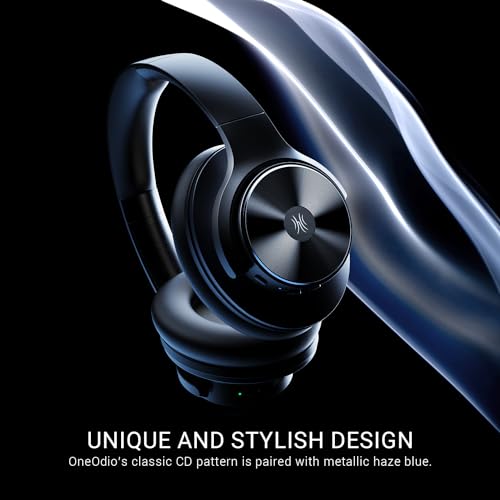
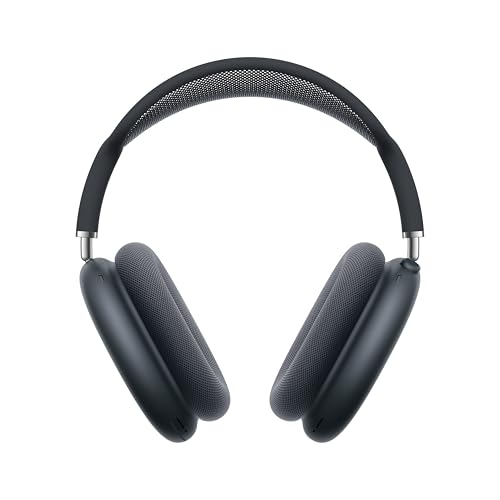
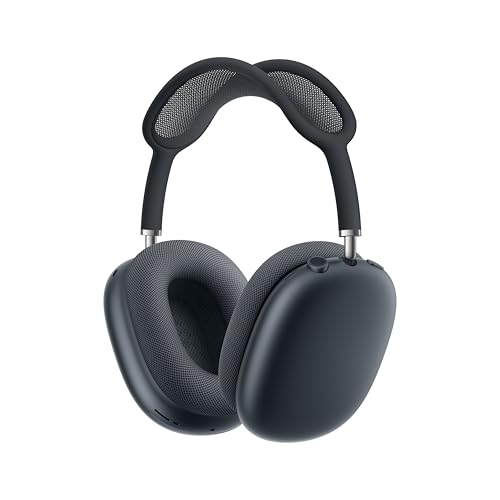
These different philosophies show up immediately in their physical presence. The AirPods Max feels like a luxury product from the moment you pick it up—the weight of premium materials is immediately apparent. The aluminum ear cups and stainless steel frame give it a substantial, expensive feel that some users love and others find too heavy for extended wear. In contrast, the OneOdio A10 prioritizes comfort and portability, using lighter materials that fold down for easy transport.
When it comes to audio performance, the differences between these headphones reveal themselves quickly. Sound quality in headphones involves several technical aspects that work together to create your listening experience.
Frequency response describes how well headphones reproduce different pitches of sound, from deep bass (low frequencies around 20-80 Hz) to bright treble (high frequencies from 8,000-20,000 Hz). The OneOdio A10 uses what audiophiles call a "V-shaped" sound signature. This means the bass and treble are emphasized while the midrange (where most vocals sit) is slightly recessed. This tuning makes music sound exciting and energetic—drums hit harder, guitars sound brighter, and electronic music really comes alive. However, it can sometimes make vocals sound slightly distant or mask subtle details in complex musical passages.
The AirPods Max takes a more balanced approach, following what Apple calls their "headphone preference curve." This results in clear, natural-sounding vocals that seem to float in front of you, controlled bass that provides warmth without overwhelming other frequencies, and smooth treble that reveals detail without harshness. When I switch between these headphones while listening to acoustic music or podcasts, the difference is immediately obvious—voices sound more present and realistic on the AirPods Max.
Soundstage refers to how spacious music sounds—whether instruments seem to come from distinct locations around your head or everything feels cramped together in the center. The AirPods Max creates a much wider, more three-dimensional soundstage. When listening to orchestral music or well-recorded jazz, you can almost pinpoint where each instrument is positioned. The OneOdio A10, while perfectly enjoyable for casual listening, doesn't achieve this same level of spatial precision.
For home theater use, these differences become even more pronounced. The AirPods Max with its Spatial Audio feature can create an incredibly immersive movie-watching experience. When properly set up with an Apple TV or iPad, sound effects seem to move around your head as they would in a real theater. Helicopters flying overhead actually sound like they're above you, and dialogue maintains its position even if you turn your head slightly. The OneOdio A10 lacks this advanced processing but still provides an enjoyable movie experience with its emphasized bass making explosions and action sequences feel impactful.
The effectiveness of ANC varies dramatically between these two headphones, and understanding why requires looking at their different approaches to the technology.
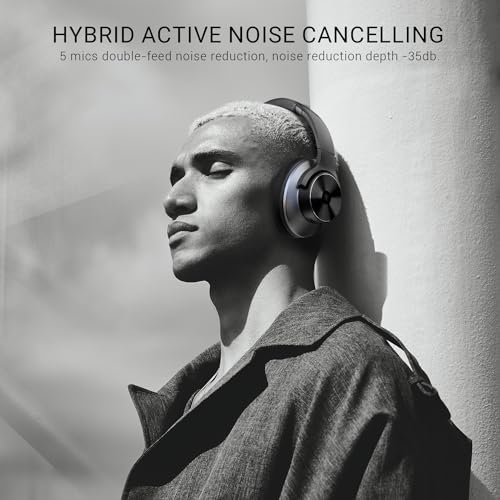
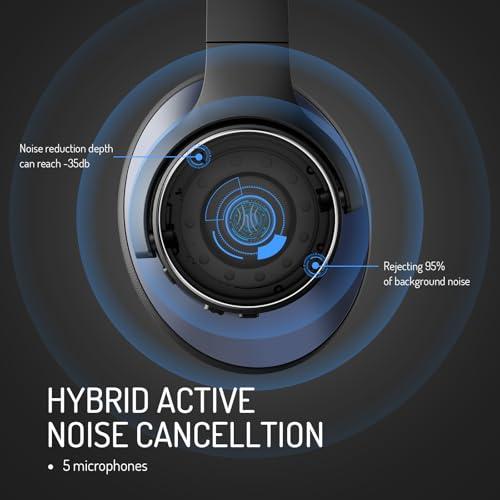
The OneOdio A10 uses "hybrid" active noise cancellation, which means it has microphones both outside and inside the ear cups. The external microphones pick up ambient noise before it reaches your ears, while internal microphones monitor what's actually making it through to fine-tune the cancellation. This system can reduce low-frequency noise (like airplane engines or air conditioning hums) by up to 35 decibels, which is quite impressive for its price range.
However, the AirPods Max takes this concept much further with eight dedicated microphones for ANC alone. This allows for more precise noise detection and cancellation across a wider range of frequencies. While both headphones excel at blocking low-frequency rumbles, the AirPods Max also does a better job with mid-frequency sounds like conversations and higher-frequency noises like keyboard clicking or paper rustling.
In real-world testing, the difference becomes clear in challenging environments. On airplanes, both headphones make the engine noise largely disappear, but the AirPods Max also reduces more of the cabin noise—the sound of air circulation, muffled conversations, and other ambient sounds that can be distracting during long flights.
Both headphones also offer transparency mode, which uses those same microphones to amplify outside sounds when you need to hear your surroundings. The OneOdio A10 focuses particularly on amplifying speech, making it easy to hear announcements or have brief conversations without removing the headphones. The AirPods Max provides a more natural-sounding transparency mode that makes it feel like you're not wearing headphones at all.
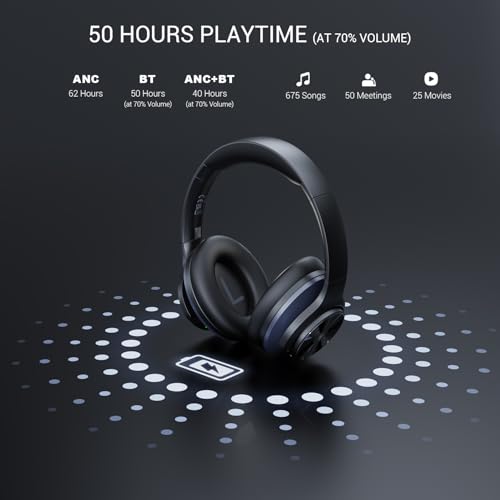
Here's where the OneOdio A10 absolutely shines. With up to 50 hours of wireless playback time, it's designed for users who never want to worry about battery life. Even with both Bluetooth and ANC running simultaneously, you'll still get around 40 hours of use. This makes it perfect for long trips, busy work weeks, or anyone who tends to forget to charge their devices regularly.
The quick charge feature is particularly useful—just five minutes plugged in gives you about two hours of listening time. This means even if you forget to charge overnight, a quick top-up while you're getting ready in the morning will cover your commute and then some.
The AirPods Max takes a different approach with about 20 hours of battery life. While this might seem limiting compared to the OneOdio A10, it's actually quite respectable for premium headphones and sufficient for most users' daily needs. The trade-off here is that the AirPods Max uses that available power for more intensive processing—the advanced noise cancellation, spatial audio calculations, and seamless device switching all require more computational power.
One unique aspect of the AirPods Max is its Smart Case, which puts the headphones into an ultra-low power state when stored. This means they can maintain their charge for weeks when not in use, though some users find the case design controversial since it doesn't fully enclose or protect the headphones.
The comfort comparison reveals the different design philosophies clearly. The OneOdio A10, weighing in at about 295 grams, prioritizes all-day wearability. The ultra-soft protein memory foam ear pads and lightweight construction mean you can wear them for hours without fatigue. They also fold flat for easy packing in a backpack or suitcase.
The AirPods Max is substantially heavier at 385 grams—that's nearly 30% more weight pressing down on your head and neck. Apple has tried to distribute this weight evenly with their breathable knit mesh headband, and for many users, the premium materials and secure fit make up for the extra heft. However, if you're sensitive to weight or plan to wear headphones while moving around a lot, this difference is significant.
The build quality tells two different stories. The OneOdio A10 uses quality materials for its price point—the protein leather ear pads are comfortable and the plastic construction feels solid enough for daily use. But it's clearly designed to meet a price target.
The AirPods Max uses genuinely premium materials throughout. The anodized aluminum ear cups feel substantial and look beautiful, though they can show fingerprints and minor scratches over time. The stainless steel frame and precision-machined components give it a jewelry-like quality that justifies part of its premium pricing. However, these materials also contribute significantly to the weight.
The OneOdio A10 takes a universal approach to connectivity. It works equally well with Android phones, iPhones, Windows laptops, and gaming consoles. The multi-device pairing feature lets you connect to your laptop and phone simultaneously, automatically switching between them as needed. This makes it perfect for remote workers who need to seamlessly move between video calls on their computer and phone calls on their mobile device.
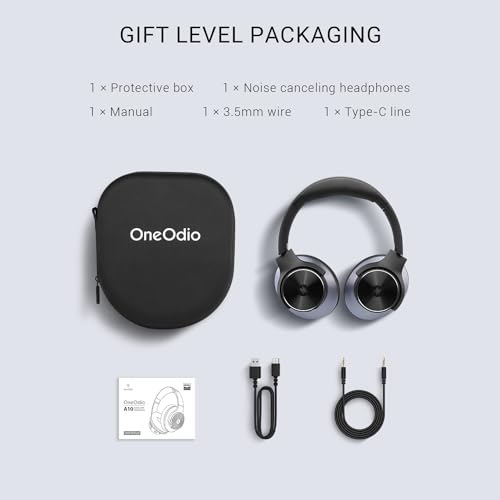
The 3.5mm wired connection works even when the battery is completely dead (though you'll lose ANC functionality), making it a reliable backup for emergencies or use with devices that don't have Bluetooth.
The AirPods Max is designed primarily for Apple's ecosystem, though it will work with other devices as a standard Bluetooth headphone. Within Apple's ecosystem, the experience is remarkably seamless. The headphones automatically switch between your iPhone, iPad, and Mac as you move between devices. "Hey Siri" voice activation works perfectly, and features like Spatial Audio are automatically enabled for compatible content.
The 2024 update to the AirPods Max added USB-C connectivity, which enables lossless audio when connected to compatible Apple devices. This means you can hear every detail of high-resolution audio files without the compression that Bluetooth typically requires. For serious music listening or professional audio work, this wired lossless connection can make a meaningful difference in sound quality.
At the time of writing, these headphones represent vastly different value propositions. The OneOdio A10 typically costs less than many mid-range wired headphones, yet delivers active noise cancellation, wireless connectivity, and impressive battery life. It's aimed at users who want premium features without premium pricing—students, remote workers, and budget-conscious consumers who still want a quality audio experience.
The AirPods Max commands a significant premium—roughly five times more expensive than the OneOdio A10. This price reflects not just better performance, but also premium materials, advanced engineering, and integration with Apple's ecosystem. For users deeply invested in Apple products, the seamless experience and superior performance can justify the cost.
However, it's worth considering what that price difference actually gets you. The AirPods Max definitely sounds better and cancels noise more effectively, but is it five times better? That depends entirely on your priorities and how you'll use the headphones.
For daily commuting, both headphones perform well, but they serve different needs. The OneOdio A10 is lighter and more portable, making it better for walking or cycling. Its exceptional battery life means you won't need to charge it for weeks of regular commuting. The AirPods Max provides superior noise cancellation for crowded trains or buses, and if you're already carrying Apple devices, the seamless switching between your phone and laptop is incredibly convenient.
In office environments, the OneOdio A10 excels due to its transparency mode that amplifies speech, making it easy to hear colleagues without removing the headphones. The AirPods Max provides better overall noise cancellation for open offices, though its weight might become fatiguing during very long work sessions.
For travel, each has distinct advantages. The OneOdio A10 folds up smaller, weighs less, and its massive battery life means you won't need to pack a charger for short trips. The AirPods Max provides superior noise cancellation for flights and trains, plus its Smart Case design (controversial though it may be) does save some space compared to traditional hard cases.
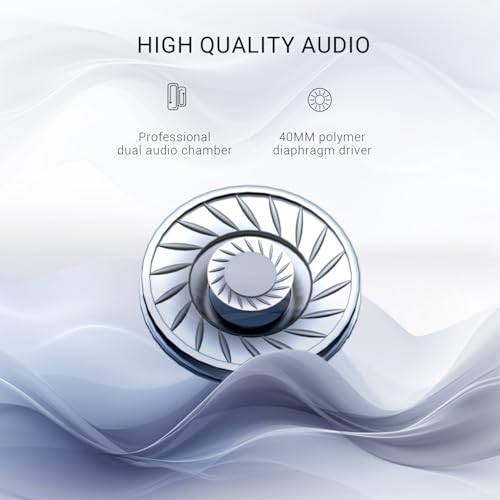
Understanding the underlying technology helps explain the performance differences. The OneOdio A10 uses relatively straightforward components—40mm dynamic drivers with traditional magnet systems and hybrid ANC processing. This keeps costs low while still delivering solid performance.
The AirPods Max incorporates much more advanced engineering. Each ear cup contains an Apple H1 chip—the same processor used in AirPods Pro—which enables real-time audio processing for features like Adaptive EQ. This system automatically adjusts the sound based on how the headphones fit on your head, ensuring consistent audio quality regardless of small variations in position or ear shape.
The Spatial Audio feature uses built-in gyroscopes and accelerometers to track your head movements, then adjusts the audio to maintain the illusion that sound is coming from fixed points in space. This creates an incredibly immersive experience for movies and specially-mixed music, though it requires compatible content and Apple devices to work properly.
Choose the OneOdio A10 if you want the maximum features per dollar spent. It's perfect for users who need good ANC and audio quality without breaking the bank, work across multiple device ecosystems, or prioritize comfort and battery life above all else. Students, remote workers, and anyone who travels frequently will appreciate its practical advantages.
Choose the AirPods Max if audio quality is your primary concern and you're already invested in Apple's ecosystem. It's the better choice for audiophiles, content creators who need the best possible monitoring, or users who want the premium experience that comes with high-end materials and engineering.
The OneOdio A10 delivers about 80% of premium headphone performance at roughly 20% of the cost, making it exceptional value for most users. The AirPods Max provides that final 20% of performance improvement, but you'll pay significantly more for diminishing returns unless you specifically need its advanced features or Apple integration.
Both headphones succeed at their intended purposes. The key is honestly assessing what you need, how you'll use them, and what trade-offs you're willing to make. In a world where good enough often truly is good enough, the OneOdio A10 might surprise you with just how much premium experience it delivers at its modest price point.
| OneOdio A10 Hybrid Active Noise Cancelling Headphones | Apple AirPods Max Wireless Over-Ear Headphones |
|---|---|
| Battery Life - Critical for travel and all-day use | |
| Up to 50 hours (Bluetooth), 40 hours (ANC + Bluetooth) | Up to 20 hours with ANC enabled |
| Active Noise Cancellation - Key for focus and travel | |
| Hybrid ANC with up to 35dB reduction, excellent for low frequencies | Industry-leading ANC with 8 microphones, superior across all frequencies |
| Weight - Affects comfort during extended wear | |
| 295 grams (lightweight for all-day comfort) | 384.8 grams (30% heavier, premium materials but can cause fatigue) |
| Sound Quality - Core listening experience | |
| V-shaped signature with emphasized bass/treble, good for casual listening | Balanced, audiophile-tuned with superior soundstage and detail |
| Connectivity - Device compatibility and features | |
| Bluetooth 5.0, multi-device pairing, universal 3.5mm wired backup | Bluetooth 5.0 + seamless Apple ecosystem integration, USB-C lossless audio |
| Charging & Quick Charge - Convenience factor | |
| USB-C, 5 minutes = 2 hours playback, 2-hour full charge | Lightning/USB-C, 5 minutes = 1.5 hours playback |
| Portability - Important for travel and storage | |
| Foldable design with hard shell case, compact when stored | Non-folding design with controversial Smart Case, less portable |
| Build Materials - Durability and premium feel | |
| Protein leather ear pads, lightweight plastic/metal construction | Anodized aluminum ear cups, stainless steel frame, premium materials |
| Special Features - Unique selling points | |
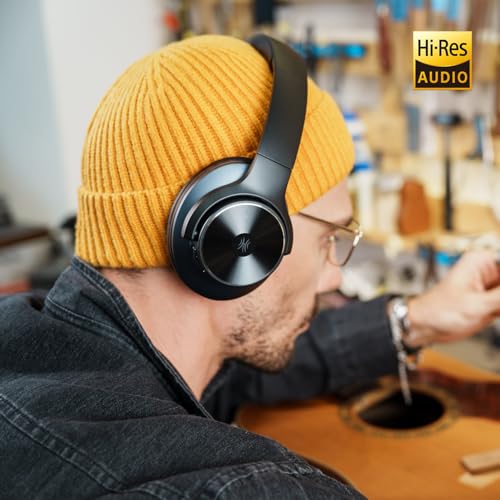
| Transparency mode, Hi-Res Audio certified, works when battery dead | Spatial Audio with head tracking, Adaptive EQ, "Hey Siri" voice control |
| Device Ecosystem - Best compatibility | |
| Universal compatibility (Android, iOS, Windows, gaming consoles) | Optimized for Apple devices (iPhone, iPad, Mac, Apple TV) |
| Value Proposition - Cost vs features delivered | |
| Exceptional value with premium features at budget price | Premium experience with superior performance at luxury pricing |
The OneOdio A10 provides exceptional value by delivering premium features like active noise cancellation, 50-hour battery life, and wireless connectivity at a budget-friendly price point. The Apple AirPods Max offers superior audio quality and build materials but costs significantly more. For most users, the OneOdio A10 delivers about 80% of premium headphone performance at roughly 20% of the cost, making it the better value choice unless you specifically need the advanced features of the AirPods Max.
The OneOdio A10 absolutely dominates in battery life with up to 50 hours of wireless playback and 40 hours with both ANC and Bluetooth enabled. The Apple AirPods Max provides about 20 hours with ANC active. For travelers or heavy users who don't want to worry about frequent charging, the OneOdio A10 is clearly superior, while the AirPods Max offers sufficient battery for daily use.
The Apple AirPods Max features industry-leading noise cancellation with eight dedicated microphones that effectively block noise across all frequency ranges. The OneOdio A10 offers solid hybrid ANC that works well for low-frequency sounds like airplane engines but isn't as effective with mid and high-frequency noise. For frequent travelers or those in very noisy environments, the AirPods Max provides noticeably better noise isolation.
The OneOdio A10 is significantly lighter at 295 grams with soft protein leather ear pads, making it more comfortable for extended wear. The Apple AirPods Max weighs 384.8 grams (30% heavier) due to its premium metal construction, which can cause fatigue during very long sessions. Both have quality padding, but the OneOdio A10 wins for all-day comfort.
The Apple AirPods Max delivers superior sound quality with balanced audio, excellent soundstage, and precise instrument separation that audiophiles will appreciate. The OneOdio A10 has a V-shaped sound signature with emphasized bass and treble that sounds exciting for pop and electronic music but may not satisfy critical listeners. For serious music enjoyment, the AirPods Max is clearly better, while the OneOdio A10 is perfectly adequate for casual listening.
The OneOdio A10 works equally well with all devices including Android phones, Windows laptops, and gaming consoles, plus offers multi-device pairing. The Apple AirPods Max functions as basic Bluetooth headphones with non-Apple devices but loses many advanced features like Spatial Audio and seamless device switching. For users with mixed device ecosystems, the OneOdio A10 is more versatile.
This depends on your priorities. The OneOdio A10 is lighter, foldable, and has exceptional 50-hour battery life that eliminates charging anxiety during trips. The Apple AirPods Max offers superior noise cancellation for flights but is heavier and doesn't fold. For frequent travelers, the OneOdio A10 is more practical, while the AirPods Max provides better noise isolation during actual travel.
Both headphones handle calls well, but with different strengths. The OneOdio A10 features transparency mode that amplifies speech, making it excellent for office environments where you need to hear colleagues. The Apple AirPods Max offers cleaner call quality and seamless switching between devices within Apple's ecosystem. For remote work, the OneOdio A10 is more versatile across different platforms.
The Apple AirPods Max excels for home theater with Spatial Audio that creates an immersive, cinema-like experience when paired with Apple TV or compatible devices. The OneOdio A10 provides enjoyable movie watching with its emphasized bass making action sequences impactful, but lacks advanced surround sound processing. For serious home theater enthusiasts with Apple devices, the AirPods Max is superior.
The Apple AirPods Max uses premium materials including anodized aluminum ear cups and stainless steel frames that feel luxury-grade, though the aluminum can scratch. The OneOdio A10 has solid build quality for its price with quality plastic construction and protein leather padding. While both are well-made, the AirPods Max clearly uses more premium materials that justify part of its higher cost.
The OneOdio A10 works immediately without any apps required - just pair and use all features including ANC and transparency mode. The Apple AirPods Max also works without apps but integrates deeply with iOS for advanced features like Spatial Audio and automatic device switching. Neither requires apps for basic functionality, making both user-friendly options.
The OneOdio A10 is clearly the budget-friendly choice, delivering active noise cancellation, exceptional battery life, wireless connectivity, and decent sound quality at a fraction of premium headphone prices. The Apple AirPods Max is a luxury purchase that's only worth considering if you have a generous budget and specifically need its superior audio quality or Apple ecosystem integration. For maximum features per dollar, the OneOdio A10 is unbeatable.
We've done our best to create useful and informative comparisons to help you decide what product to buy. Our research uses advanced automated methods to create this comparison and perfection is not possible - please contact us for corrections or questions. These are the sites we've researched in the creation of this article: techbuzzireland.com - creativebloq.com - head-fi.org - homestudiobasics.com - versus.com - androidguys.com - thegadgetflow.com - oneodio.com - mbreviews.com - the-gadgeteer.com - newegg.com - howtogeek.com - youtube.com - newegg.com - manuals.plus - majorhifi.com - soundphilereview.com - youtube.com - howtogeek.com - oneodio.com - youtube.com - youtube.com - youtube.com - walmart.com - recordingnow.com - t3.com - telegraph.co.uk - soundguys.com - youtube.com - forums.macrumors.com - youtube.com - youtube.com - apple.com - support.apple.com - idownloadblog.com - media.distrelec.com - en.wikipedia.org - apple.com - apple.com - support.apple.com - rtings.com

Privacy Policy
Terms and Conditions - Affiliate Policy
Home Security
© Copyright 2008-2026.
11816 Inwood Rd #1211, Dallas, TX 75244