


The headphone market in 2024 has become surprisingly competitive, especially in the active noise cancelling (ANC) category. What used to be a clear divide between premium brands and budget options has blurred considerably. Case in point: comparing the Beats Studio Pro x Kim Kardashian edition against the OneOdio A10 reveals just how much value you can get at different price points—and how the "best" choice depends entirely on what you prioritize.
At the time of writing, these headphones sit at dramatically different price points, with the Beats Studio Pro x Kim commanding roughly four times the price of the OneOdio A10. That price gap raises an important question: are you paying for genuinely better performance, or are you buying into brand prestige and ecosystem integration?
Before diving into the comparison, it's worth understanding what active noise cancelling actually does. Traditional headphones rely on passive isolation—basically creating a physical seal around your ears to block sound. ANC headphones add a layer of active technology that uses microphones to detect external sounds and then generates opposite sound waves to cancel them out. This process, called destructive interference, works particularly well for consistent, low-frequency sounds like airplane engines or air conditioners.
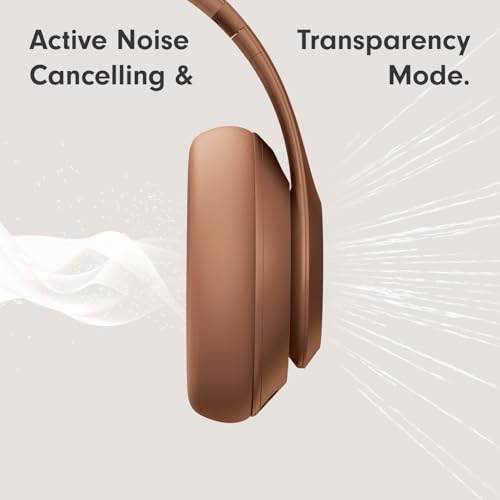
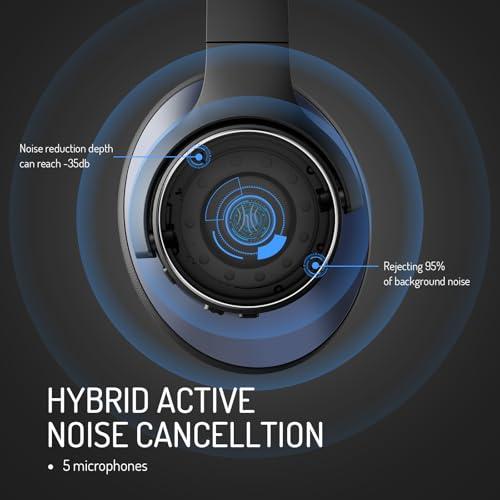
The effectiveness of ANC systems depends heavily on implementation. Basic systems might use a single microphone, while more sophisticated "hybrid" systems—like the one in the OneOdio A10—use multiple microphones positioned both inside and outside the ear cup. The Beats Studio Pro x Kim takes a different approach, using what Beats calls "fully adaptive" ANC that monitors and adjusts the cancellation 48,000 times per second.
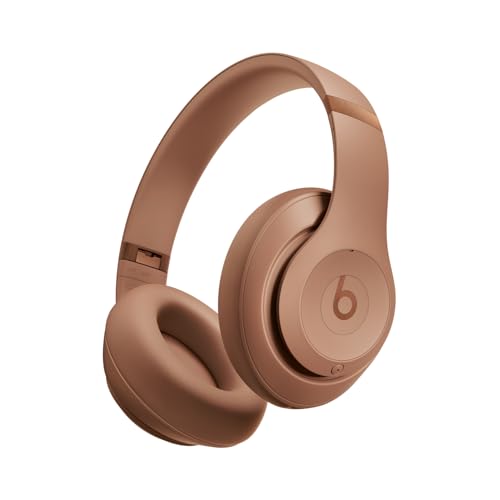
Released in 2024 as a special collaboration, the Beats Studio Pro x Kim Kardashian represents a fascinating evolution for the Beats brand. If you remember Beats headphones from the 2010s, you probably associate them with overwhelming bass that often drowned out vocals and detailed instruments. Those days are largely behind us.
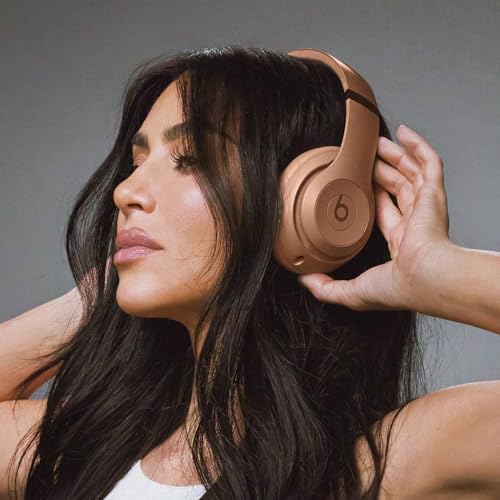
This collaboration brings Kim's signature neutral aesthetic—colors called Moon, Dune, and Earth—but more importantly, it showcases how much Beats has matured as an audio brand. The sound signature has shifted dramatically toward balance and refinement. Where older Beats models might pump up the bass to almost comical levels, the Studio Pro x Kim delivers controlled low-end that supports rather than dominates the music.
The 40mm drivers use what Beats calls a "custom acoustic platform" with magnets that are 25% stronger than previous generations. This translates to noticeably less distortion—up to 80% less than the older Studio 3 Wireless model. For practical listening, this means you can turn up the volume without the harsh distortion that used to plague bass-heavy tracks on Beats headphones.
One of the Beats Studio Pro x Kim's most compelling features is its implementation of spatial audio with dynamic head tracking. This isn't just a marketing buzzword—when paired with compatible content like Dolby Atmos tracks on Apple Music, it creates a genuinely immersive experience that mimics the feeling of sitting in a well-designed listening room.
The head tracking component uses sensors to detect when you turn or tilt your head, adjusting the audio accordingly to maintain the illusion that sounds are coming from fixed positions in space. It's particularly effective for orchestral music, where you can almost pinpoint where different instrument sections would sit in a concert hall.
Here's where the Beats Studio Pro x Kim really shines for Apple users: seamless integration. These headphones remember multiple Apple devices and can switch between them automatically. Answer a call on your iPhone, and the audio seamlessly transfers from your MacBook. It's the kind of feature that feels like magic when it works—and it generally does work reliably.
The "Find My" integration means you can locate misplaced headphones through your iPhone, complete with proximity warnings and sound alerts. For someone who regularly misplaces electronics, this feature alone might justify the premium price.
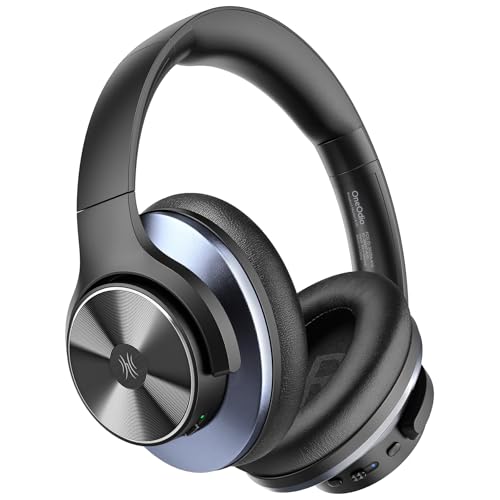
The OneOdio A10 represents a different philosophy entirely. Released in recent years as part of OneOdio's push into the competitive ANC market, these headphones ask a simple question: what if we focused purely on performance per dollar?
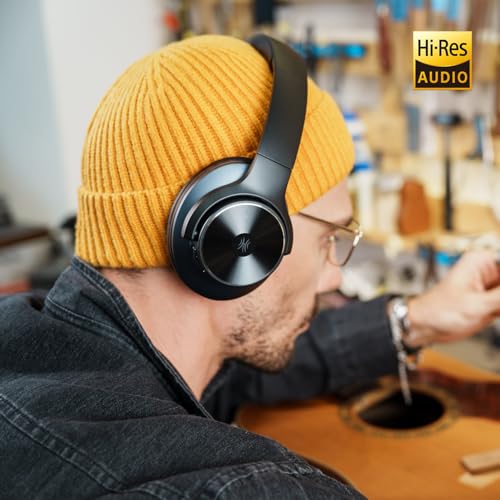
The answer is impressive. The A10 delivers features that were exclusive to premium headphones just a few years ago: hybrid active noise cancelling, Hi-Res Audio certification, multipoint Bluetooth connectivity, and battery life that exceeds most competitors regardless of price.
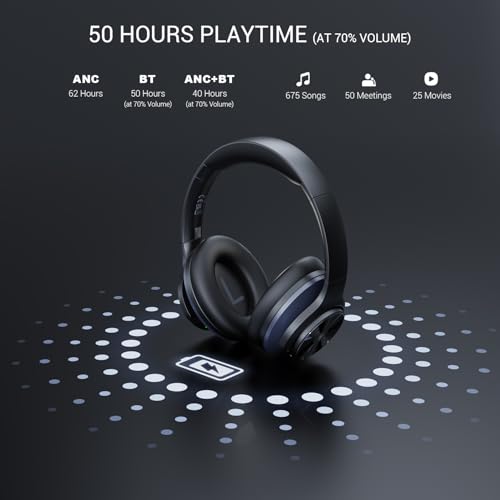
The most immediately impressive aspect of the OneOdio A10 is its battery endurance. We're talking about 40+ hours of combined ANC and Bluetooth usage, with some usage scenarios extending to over 60 hours. This isn't just a spec sheet victory—it fundamentally changes how you interact with the headphones.
Instead of daily charging anxiety, you might charge these headphones weekly or even less frequently. For travelers, this means leaving the charging cable at home for short trips. For office workers, it eliminates the frustration of dead headphones during important video calls.
The fast charging implementation is equally practical: five minutes of charging provides two hours of playback. While not as rapid as the Beats Studio Pro x Kim's 10-minute charge for four hours, it's more than adequate for real-world use.
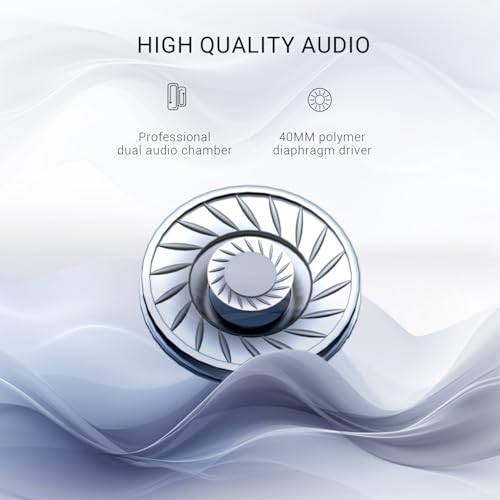
Budget headphones often make compromises in driver quality or tuning that become immediately apparent when listening to complex music. The OneOdio A10 largely avoids these pitfalls through surprisingly competent 40mm dynamic drivers and thoughtful tuning.
The sound signature leans toward what audio enthusiasts call a "V-shape"—enhanced bass and treble with slightly recessed midrange. This creates an engaging, exciting sound that makes most music genres enjoyable. The bass has real depth and impact without the muddiness that plagues cheaper headphones, while vocals remain clear and present.
Hi-Res Audio certification means these headphones can theoretically reproduce frequencies up to 40kHz—well beyond human hearing range but indicative of quality driver engineering. More practically, this translates to better detail retrieval and instrument separation than you'd expect at this price point.
One feature that often distinguishes expensive headphones is multipoint Bluetooth connectivity—the ability to connect to two devices simultaneously and switch between them seamlessly. The OneOdio A10 includes this functionality, which is remarkable considering its price positioning.
In practice, this means you can have your headphones connected to both your laptop and smartphone. When a call comes in, the headphones automatically pause your computer audio and switch to the phone. When the call ends, they switch back. It's incredibly convenient for people who work from multiple devices throughout the day.
Both headphones implement ANC technology, but with different results. The Beats Studio Pro x Kim uses what the company calls "fully adaptive" ANC that continuously monitors environmental noise and adjusts cancellation accordingly. In practice, this provides solid performance for most scenarios—airplane cabins, coffee shops, busy offices—but doesn't quite reach the isolation levels of category leaders like Sony's WH-1000XM5 or Bose's QuietComfort series.
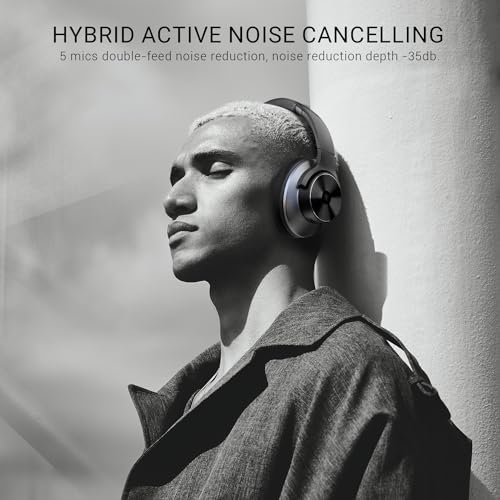
The OneOdio A10 takes a hybrid approach with four microphones total: two feedforward microphones outside the ear cups detect approaching sound waves, while two feedback microphones inside monitor what you're actually hearing. This system can theoretically reduce noise by up to 35 decibels—impressive on paper and reasonably effective in practice.
However, our research into user experiences reveals an interesting quirk with the A10: the ANC performs significantly better during phone calls than during music listening. During calls, background noise like traffic or air conditioning gets noticeably suppressed. When listening to music, the difference between ANC on and off is much more subtle, with the passive isolation from the ear cup seal doing most of the work.
Both headphones include microphone systems for phone calls and video conferences, but with different implementations and results. The Beats Studio Pro x Kim uses voice-targeting microphones that Beats claims provide 27% clearer call quality compared to previous generations. In practice, this translates to reliable performance for business calls and video conferences, though not quite at the level of dedicated business headsets.
The OneOdio A10 includes dual microphones that provide generally good call quality, with voices coming through clearly for most scenarios. However, some users report occasional crackling during calls—not consistent enough to be a deal-breaker, but worth noting if crystal-clear business calls are a priority.
Comfort becomes crucial for headphones you'll wear for hours at a time. The Beats Studio Pro x Kim features what Beats calls "UltraPlush" engineered leather ear pads. These look and feel premium, but the firmness can become uncomfortable if the ear cups press against your ears rather than surrounding them completely. The adjustable headband distributes weight reasonably well, but some users find the clamping force a bit tight initially.
The OneOdio A10 takes a different approach with ultra-soft protein memory foam ear pads. These feel immediately comfortable and seem designed for extended wear sessions. The lighter weight—around 11 ounces—also helps during long listening sessions. The build quality feels solid without being heavy, and the padding seems more forgiving for different head shapes and sizes.
The most surprising aspect of the Beats Studio Pro x Kim is how dramatically different it sounds from classic Beats headphones. Where older models prioritized bass impact above all else, this collaboration delivers what many would consider a mature, balanced sound signature.
The bass is present and controlled rather than overwhelming. Midrange frequencies—where most vocals and many instruments live—come through with clarity that was often missing in previous Beats generations. The treble is detailed without being harsh, creating an overall presentation that's refined rather than exciting.
This transformation might disappoint listeners who specifically wanted powerful, impactful bass from a Beats product. The sound is more accurate than engaging, which makes it versatile for different music genres but potentially less thrilling for bass-heavy electronic music or hip-hop.
The OneOdio A10 pursues a more traditionally "fun" sound signature. The bass has real depth and impact—not overwhelming, but definitely present and satisfying. This makes genres like electronic music, rock, and hip-hop particularly engaging without muddying up acoustic or classical pieces.
The midrange, while slightly recessed compared to the bass and treble, maintains good clarity for vocals and lead instruments. The treble provides sparkle and detail without becoming fatiguing during long listening sessions. Overall, it's a sound signature designed to make most music enjoyable rather than analytically accurate.
The Beats Studio Pro x Kim excels within Apple's ecosystem but can feel limited outside it. Features like spatial audio with head tracking, seamless device switching, and Find My integration work beautifully with iPhones, iPads, and MacBooks. However, Android users miss out on many of these premium features, making the high price harder to justify.
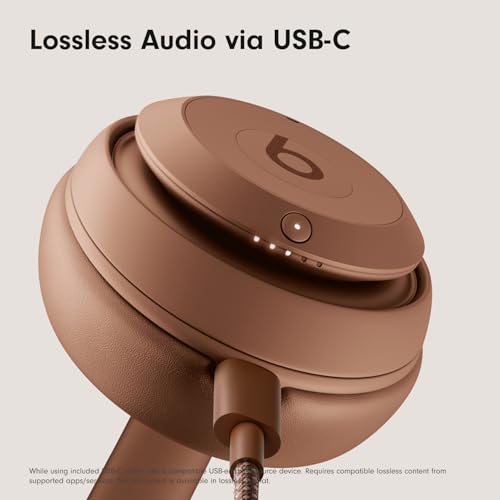
The headphones do include three distinct sound profiles when connected via USB-C cable: Signature (balanced for general music), Entertainment (expanded soundstage for movies and games), and Conversation (optimized for calls and podcasts). These profiles demonstrate thoughtful engineering but require a wired connection to access.
The OneOdio A10 takes a platform-agnostic approach. The multipoint Bluetooth connectivity works equally well whether you're switching between an iPhone and Windows laptop or an Android phone and MacBook. There's no companion app for customization—which some might see as a limitation—but also no platform restrictions on core functionality.
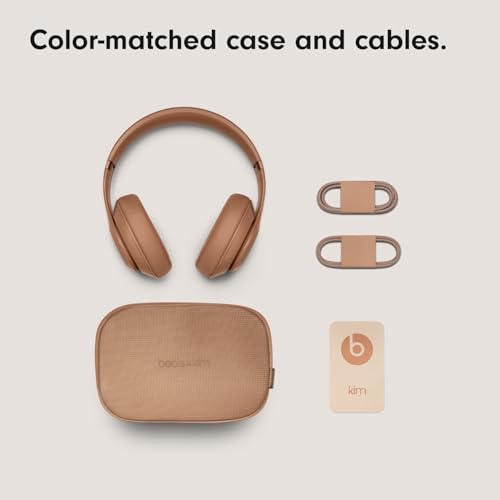
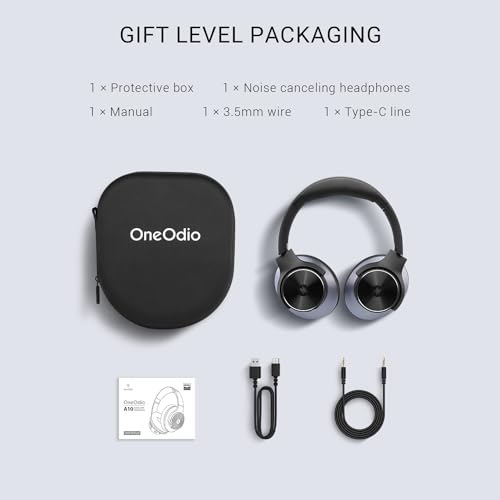
Both headphones support both wired and wireless operation, but with different implications. The Beats Studio Pro x Kim includes a 3.5mm adapter and supports USB-C audio, but many advanced features only work in wireless mode. The wired connection provides the sound profile options but loses spatial audio and other premium features.
The OneOdio A10 works fully in wired mode even when the battery is completely depleted—though ANC requires power. This makes them more reliable for situations where battery anxiety might be a concern, like long international flights or multi-day trips without charging access.
For home theater use, both headphones offer interesting but different advantages. The Beats Studio Pro x Kim with spatial audio support can create an impressive surround sound experience when watching compatible content. Dolby Atmos movies on Apple TV+ or Netflix feel more immersive with proper head tracking, creating the sensation of sounds coming from specific directions around you.
However, the OneOdio A10's longer battery life and comfortable fit make them practical for movie marathons or binge-watching sessions. The sound signature also works well for action movies and dramatic content, with enough bass impact for explosions and enough clarity for dialogue.
For serious home theater enthusiasts, neither headphone replaces a quality surround sound system, but both serve well for late-night viewing when you need to keep noise levels down.
You're deeply integrated into Apple's ecosystem and value seamless connectivity features. The spatial audio alone might justify the premium for users who regularly consume Dolby Atmos content on Apple services. The aesthetic appeal shouldn't be underestimated either—these headphones make a fashion statement in addition to being functional audio devices.
The mature sound signature appeals to listeners who have outgrown bass-heavy presentations and want something more refined. If you frequently take important video calls, the reliable microphone performance and professional appearance support business use cases.
Consider these if you're willing to pay premium prices for premium features and don't mind that some functionality is tied to specific ecosystems.
You prioritize practical performance over brand prestige and ecosystem integration. The exceptional battery life alone makes these compelling for frequent travelers, remote workers, or anyone who hates charging anxiety.
The fun, engaging sound signature works well if you want headphones that make your music more enjoyable rather than more accurate. The multipoint connectivity and universal compatibility make them ideal for users who regularly switch between different devices or platforms.
Consider these if you want flagship-level features without flagship pricing, and you're comfortable with a more utilitarian design aesthetic.
The choice between these headphones ultimately comes down to priorities and budget. At the time of writing, you're paying roughly four times more for the Beats Studio Pro x Kim Kardashian, and that premium buys you genuine advantages: better build quality, superior ecosystem integration, spatial audio technology, and refined sound tuning.
However, the OneOdio A10 delivers about 80% of the premium experience at 25% of the cost. For many users, that value proposition is compelling enough to outweigh the premium features they'd be giving up.
Neither choice is wrong—they simply serve different user priorities. The Beats succeeds as a lifestyle product that happens to be excellent headphones, while the OneOdio succeeds as excellent headphones that happen to be remarkably affordable. Understanding which approach better matches your needs and budget will lead you to the right choice.
| Beats Studio Pro x Kim Kardashian | OneOdio A10 Hybrid Active Noise Cancelling Headphones |
|---|---|
| Sound Signature - Determines if music sounds accurate vs. exciting | |
| Balanced, refined tuning with controlled bass - mature Beats evolution | V-shaped with satisfying deep bass and sparkle - fun, engaging sound |
| Active Noise Cancellation - Critical for blocking distractions | |
| Fully adaptive ANC at 48,000 adjustments/second, mid-tier performance | Hybrid 4-mic system with 35dB reduction, stronger during calls than music |
| Battery Life - Determines charging frequency and travel convenience | |
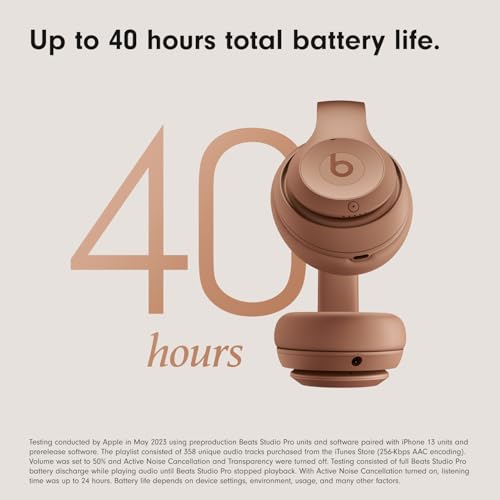
| 24 hours (ANC on), 40 hours (ANC off) - solid but standard | 40 hours (ANC+BT), up to 62 hours (ANC only) - exceptional endurance |
| Fast Charging - How quickly you get back to listening | |
| 10 minutes = 4 hours playback (superior quick charge) | 5 minutes = 2 hours playback (adequate for emergencies) |
| Ecosystem Integration - Seamless connectivity with your devices | |
| Deep Apple integration: spatial audio, Find My, device switching | Universal compatibility with multipoint Bluetooth 5.0 connection |
| Build Quality and Materials - Affects durability and premium feel | |
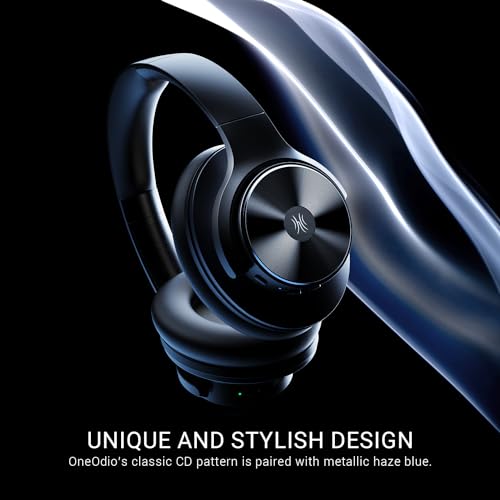
| UltraPlush engineered leather, premium construction, fashion collaboration | Ultra-soft protein foam, solid plastic/metal build, utilitarian design |
| Spatial Audio - Immersive surround sound experience | |
| Dynamic head tracking with Dolby Atmos support (Apple ecosystem) | Not supported - traditional stereo presentation |
| Multipoint Connectivity - Connect to multiple devices simultaneously | |
| Not supported - must manually switch between devices | Yes - seamless switching between two connected devices |
| Hi-Res Audio Certification - Higher quality audio reproduction | |
| Not specified - focused on Apple's ecosystem standards | 20Hz-40kHz frequency range with Hi-Res certification |
| Sound Profiles - Customize audio for different content types | |
| 3 wired USB-C profiles: Signature, Entertainment, Conversation | No customizable profiles or companion app |
| Weight and Comfort - Important for extended wearing sessions | |
| Not specified weight, firm earpads may pressure ears initially | 11 oz lightweight design, immediately comfortable foam padding |
| Transparency Mode - Hearing surroundings while wearing headphones | |
| Ambient sound mixing with music for situational awareness | Voice-amplifying design optimized for announcements |
| Wired Operation - Backup when battery dies | |
| 3.5mm adapter included, advanced features require wireless mode | Full wired operation even with dead battery (ANC needs power) |
The Beats Studio Pro x Kim Kardashian delivers a more balanced, refined sound with controlled bass—a major improvement over older Beats models. The OneOdio A10 offers a fun, V-shaped sound signature with satisfying deep bass and engaging treble. If you prefer accurate, mature sound, choose the Beats Studio Pro x Kim. If you want exciting, bass-rich audio that makes music more enjoyable, the OneOdio A10 is better.
Both headphones provide solid active noise cancellation, though neither leads the premium category. The Beats Studio Pro x Kim Kardashian uses fully adaptive ANC that adjusts 48,000 times per second, delivering mid-tier performance comparable to AirPods Max. The OneOdio A10 employs a hybrid 4-microphone system that blocks up to 95% of low-frequency noise, but works better during phone calls than music listening.
The OneOdio A10 absolutely dominates in battery life, offering 40+ hours with ANC and Bluetooth enabled, and up to 62 hours in ANC-only mode. The Beats Studio Pro x Kim Kardashian provides 24 hours with ANC on or 40 hours with ANC off. For extended travel or workdays without charging anxiety, the OneOdio A10 is the clear winner.
The OneOdio A10 supports multipoint Bluetooth connectivity, allowing simultaneous connection to two devices with seamless switching between them. The Beats Studio Pro x Kim Kardashian doesn't offer multipoint—you must manually disconnect and reconnect when switching devices. If you regularly use multiple devices, the OneOdio A10 provides much more convenience.
The Beats Studio Pro x Kim Kardashian excels with Apple devices, offering seamless pairing, Find My integration, automatic device switching, and spatial audio with dynamic head tracking. The OneOdio A10 works fine with iPhones but lacks these premium Apple-specific features. iPhone users who want the full ecosystem experience should choose the Beats Studio Pro x Kim.
The OneOdio A10 generally offers superior comfort with ultra-soft protein memory foam ear pads and lightweight 11-ounce design that's immediately comfortable. The Beats Studio Pro x Kim Kardashian uses premium engineered leather but can feel firm initially, with some users finding the clamping force tight. For all-day comfort, the OneOdio A10 has the advantage.
Both models handle calls adequately, though with different strengths. The Beats Studio Pro x Kim Kardashian provides reliable business call quality with voice-targeting microphones that offer 27% clearer performance than previous Beats models. The OneOdio A10 delivers good call clarity but some users report occasional crackling. The Beats Studio Pro x Kim is more reliable for professional use.
The OneOdio A10 delivers exceptional value, providing flagship features like hybrid ANC, multipoint connectivity, and Hi-Res Audio certification at a budget price point. The Beats Studio Pro x Kim Kardashian costs significantly more but justifies the premium with superior build quality, Apple ecosystem integration, and spatial audio technology. The OneOdio A10 offers better performance-per-dollar.
Both headphones support wired operation, but differently. The Beats Studio Pro x Kim Kardashian includes a 3.5mm adapter and supports USB-C audio with three sound profiles, though advanced wireless features are disabled. The OneOdio A10 works fully in wired mode even with a dead battery (though ANC requires power), making it more reliable for long trips without charging.
The Beats Studio Pro x Kim Kardashian excels for home entertainment with spatial audio and dynamic head tracking that creates immersive surround sound effects with compatible content. The OneOdio A10 offers excellent battery life for movie marathons and a sound signature that works well for action films, but lacks spatial audio. For the most cinematic experience, choose the Beats Studio Pro x Kim.
The Beats Studio Pro x Kim Kardashian offers superior fast charging with 10 minutes providing 4 hours of playback time. The OneOdio A10 provides 2 hours of playback from a 5-minute charge, which is adequate but not as impressive. However, given the OneOdio A10's much longer overall battery life, you'll need fast charging less frequently.
The OneOdio A10 is the better choice for mixed device ecosystems, offering universal compatibility and multipoint Bluetooth that works equally well with any platform combination. The Beats Studio Pro x Kim Kardashian heavily favors Apple devices—Android users miss out on spatial audio, seamless switching, and other premium features that justify the higher price. Cross-platform users should choose the OneOdio A10.
We've done our best to create useful and informative comparisons to help you decide what product to buy. Our research uses advanced automated methods to create this comparison and perfection is not possible - please contact us for corrections or questions. These are the sites we've researched in the creation of this article: macys.com - consumerreports.org - youtube.com - bestbuy.com - beatsbydre.com - beatsbydre.com - consolecreatures.com - digitalreviews.net - youtube.com - bestbuy.com - discussions.apple.com - bloomingdales.com - klarna.com - techbuzzireland.com - creativebloq.com - head-fi.org - homestudiobasics.com - versus.com - androidguys.com - thegadgetflow.com - oneodio.com - mbreviews.com - the-gadgeteer.com - newegg.com - howtogeek.com - youtube.com - newegg.com - manuals.plus - majorhifi.com - soundphilereview.com - youtube.com - howtogeek.com - oneodio.com - youtube.com - youtube.com - youtube.com - walmart.com

Privacy Policy
Terms and Conditions - Affiliate Policy
Home Security
© Copyright 2008-2026.
11816 Inwood Rd #1211, Dallas, TX 75244