

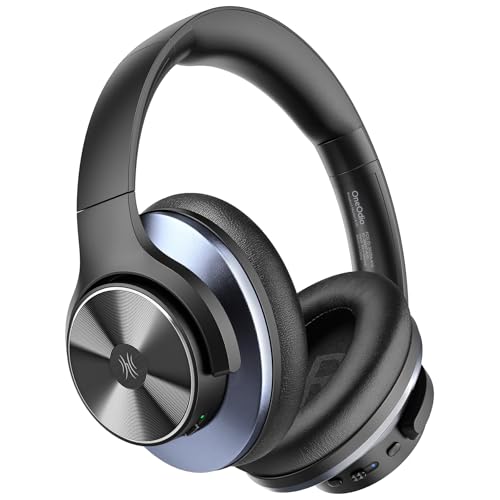
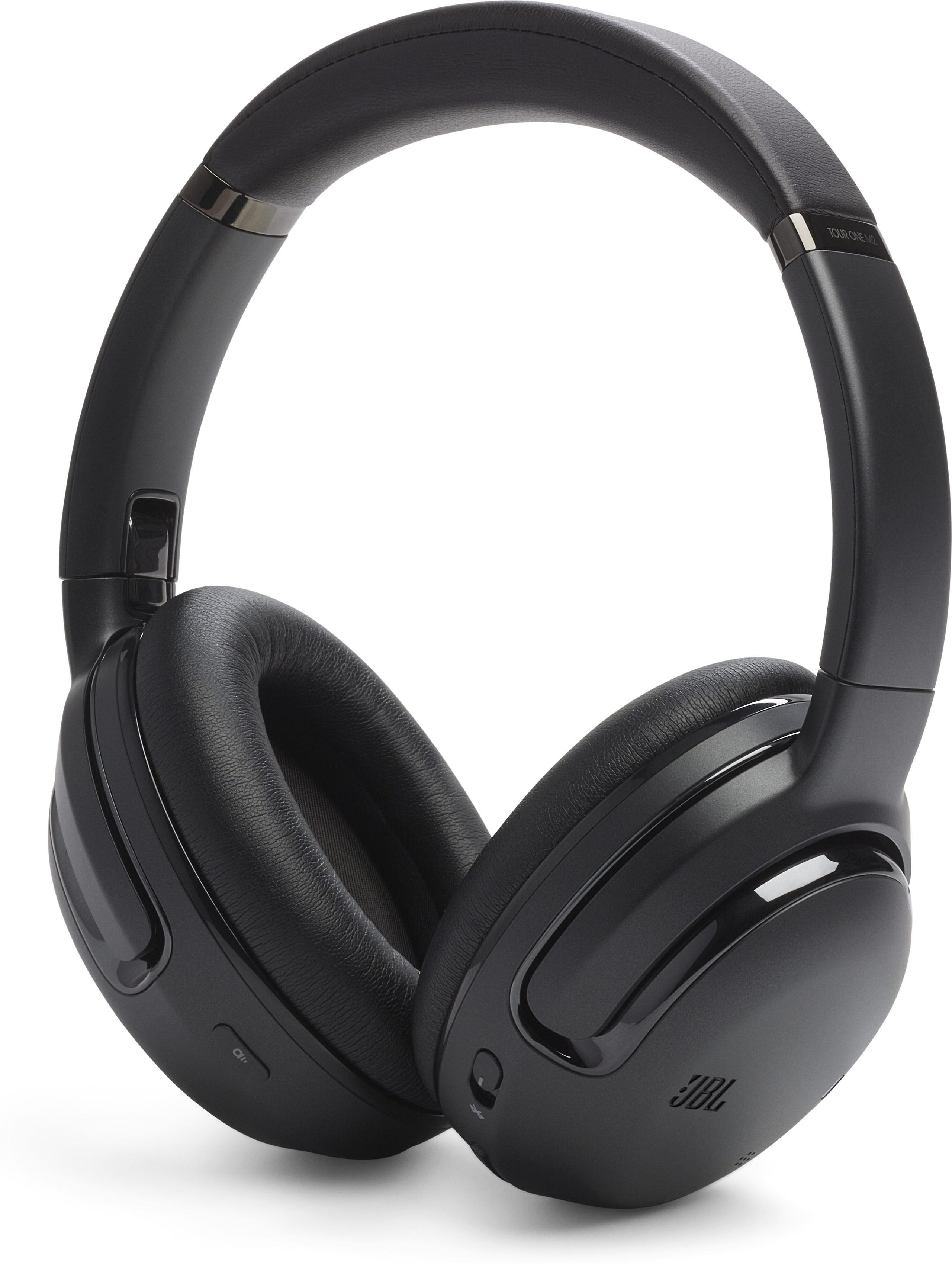
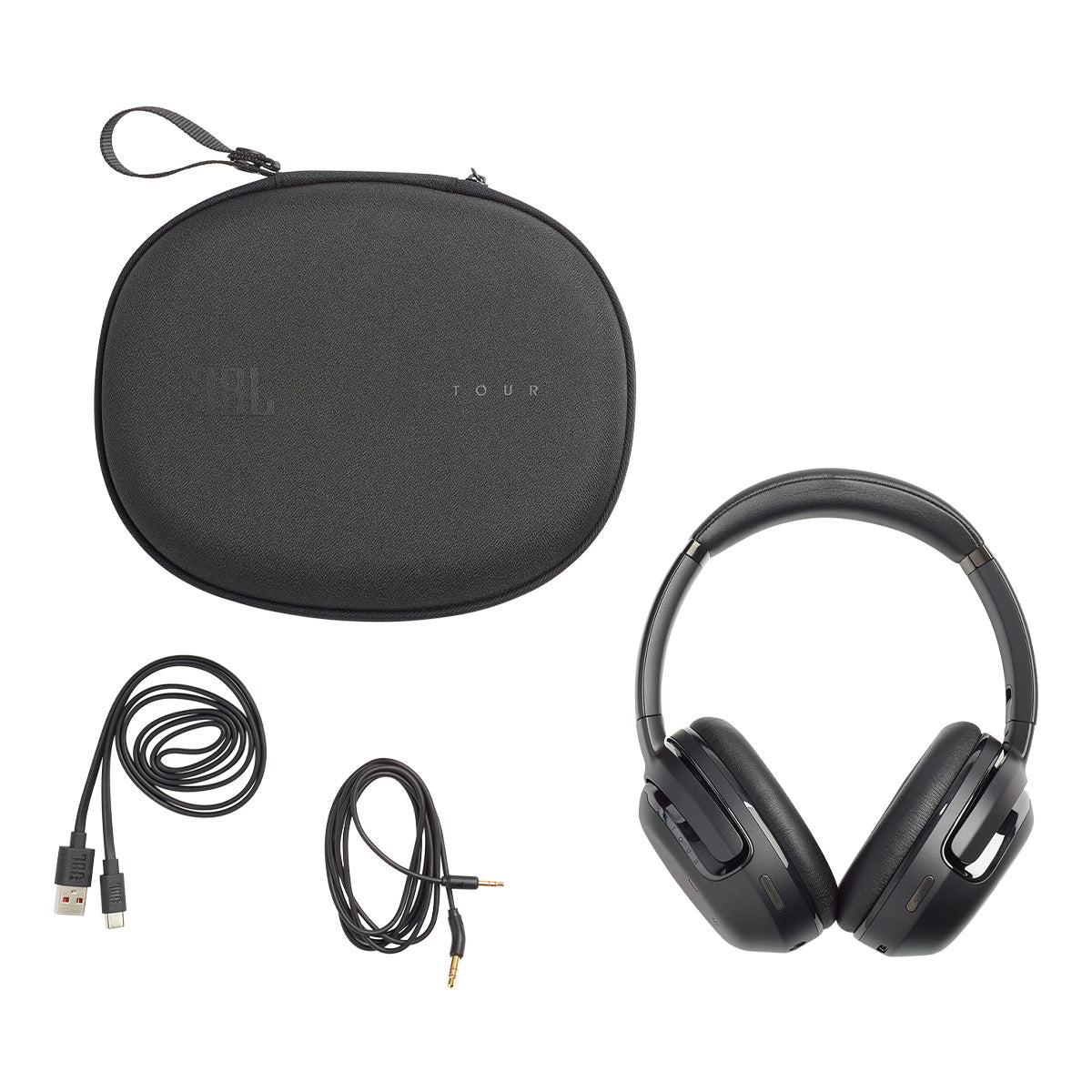
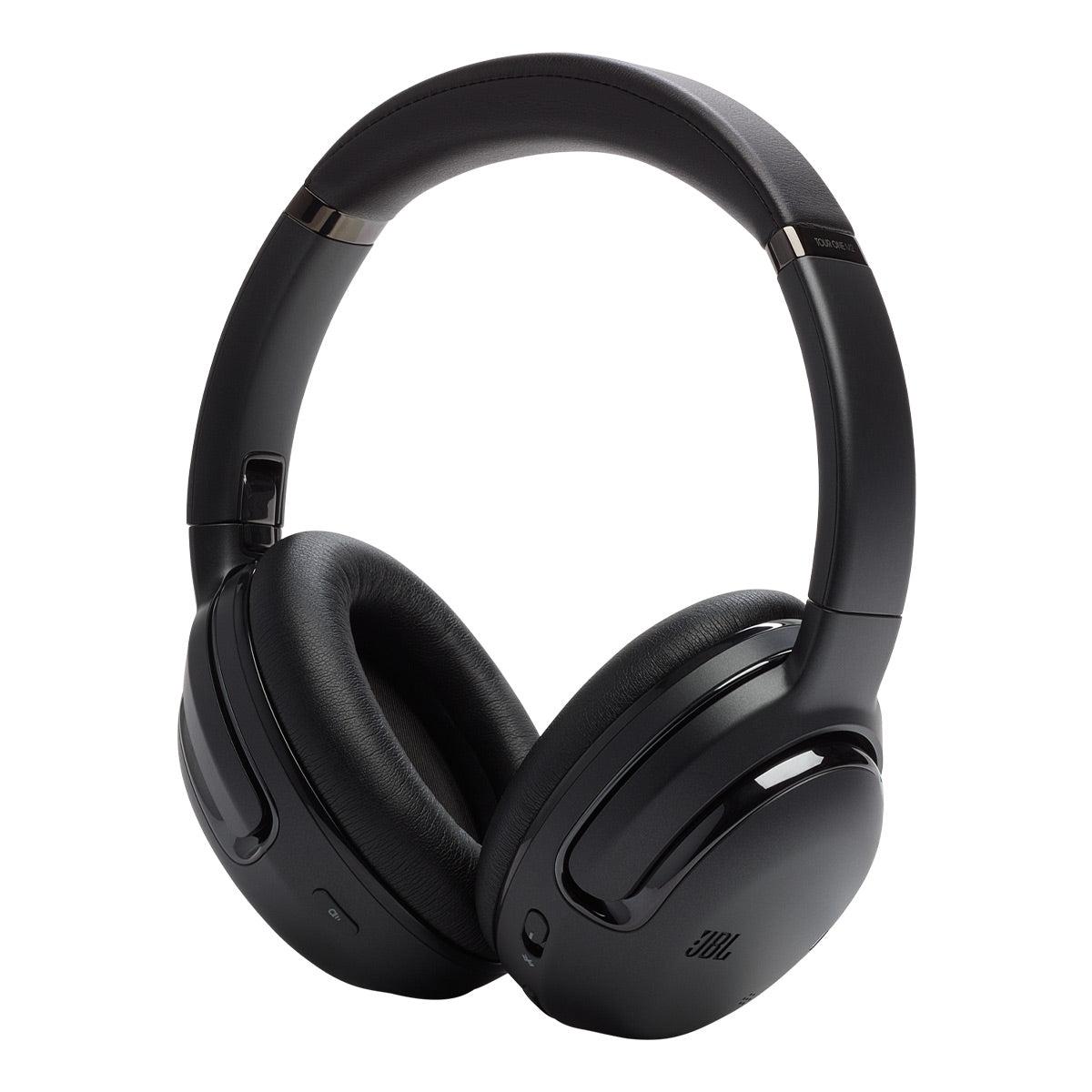
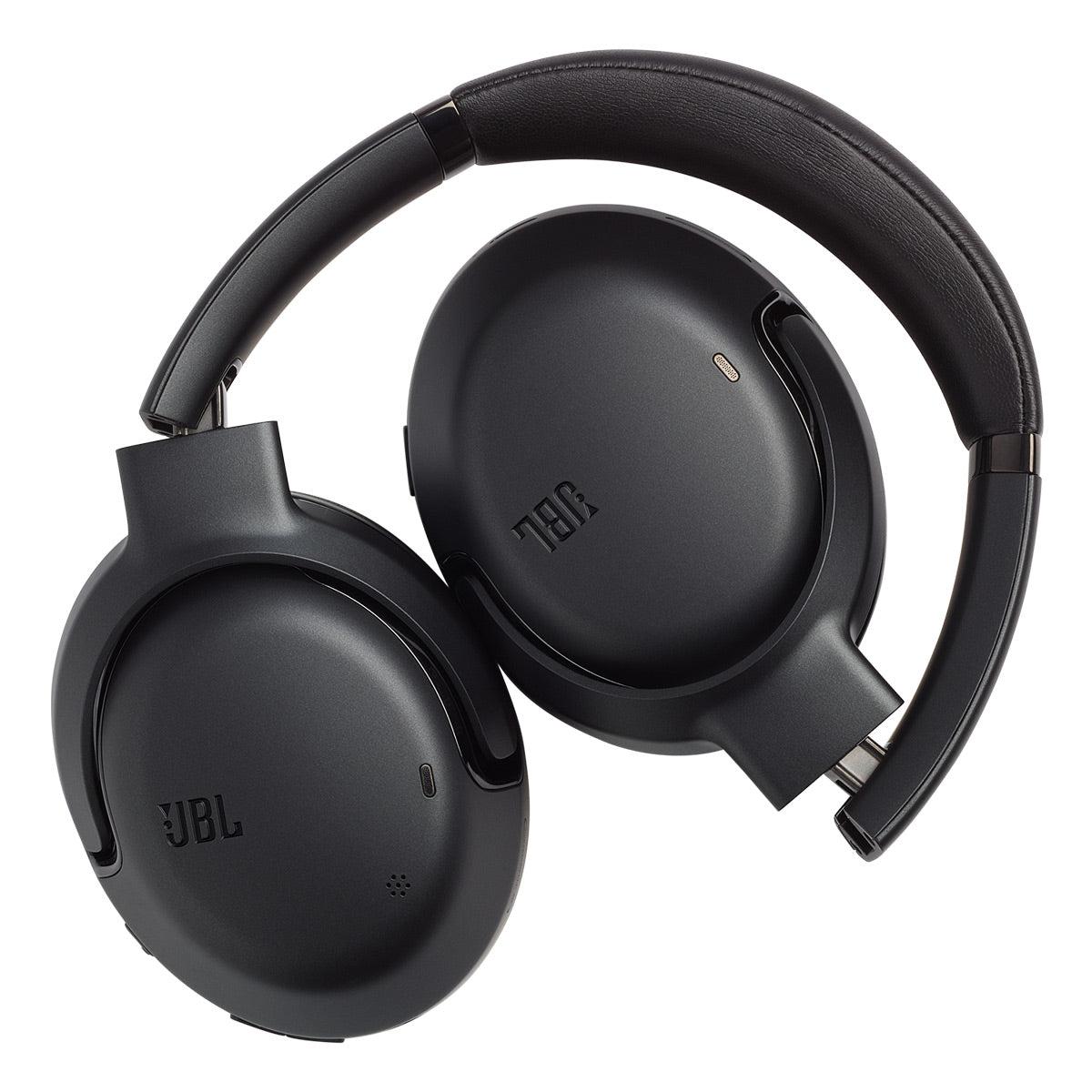
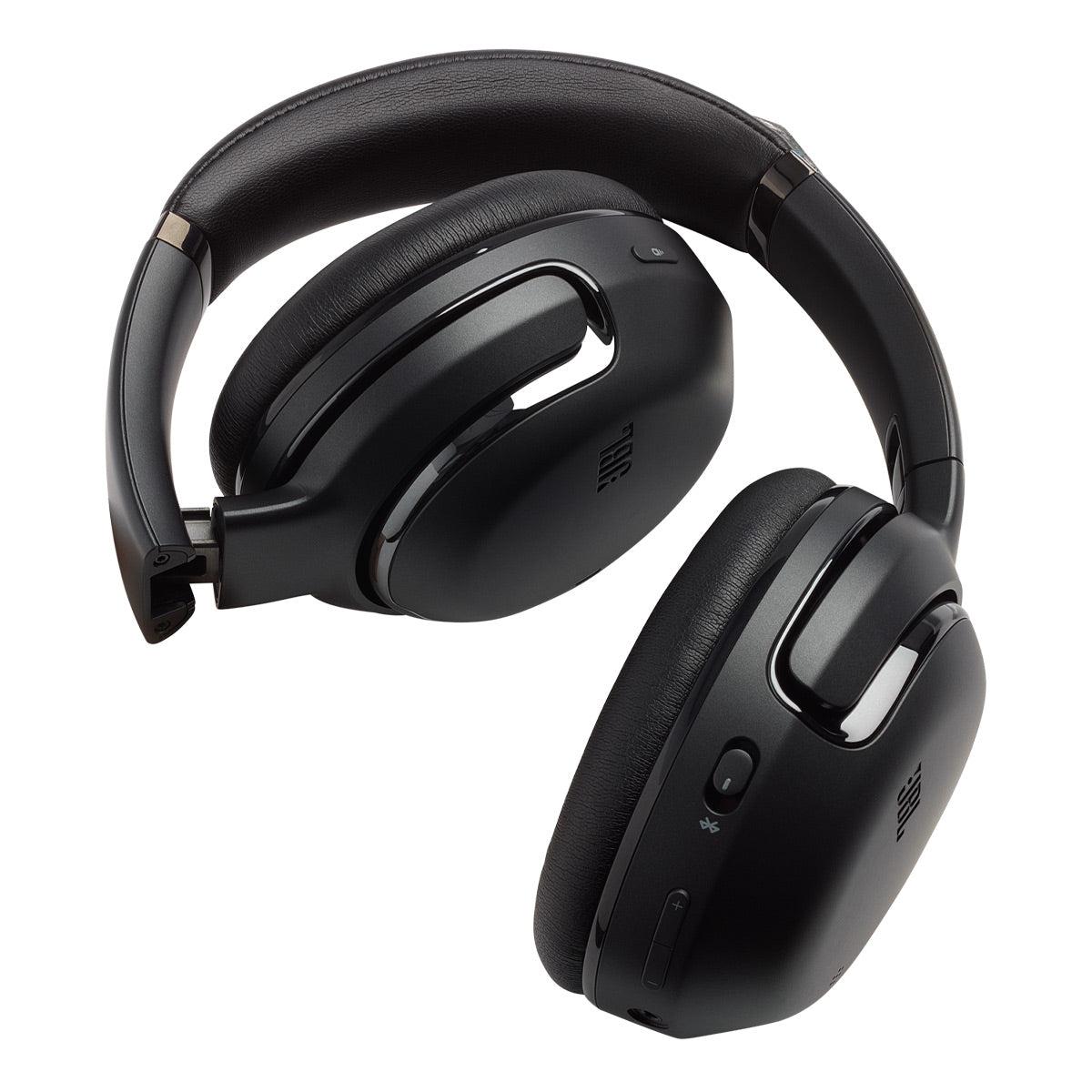


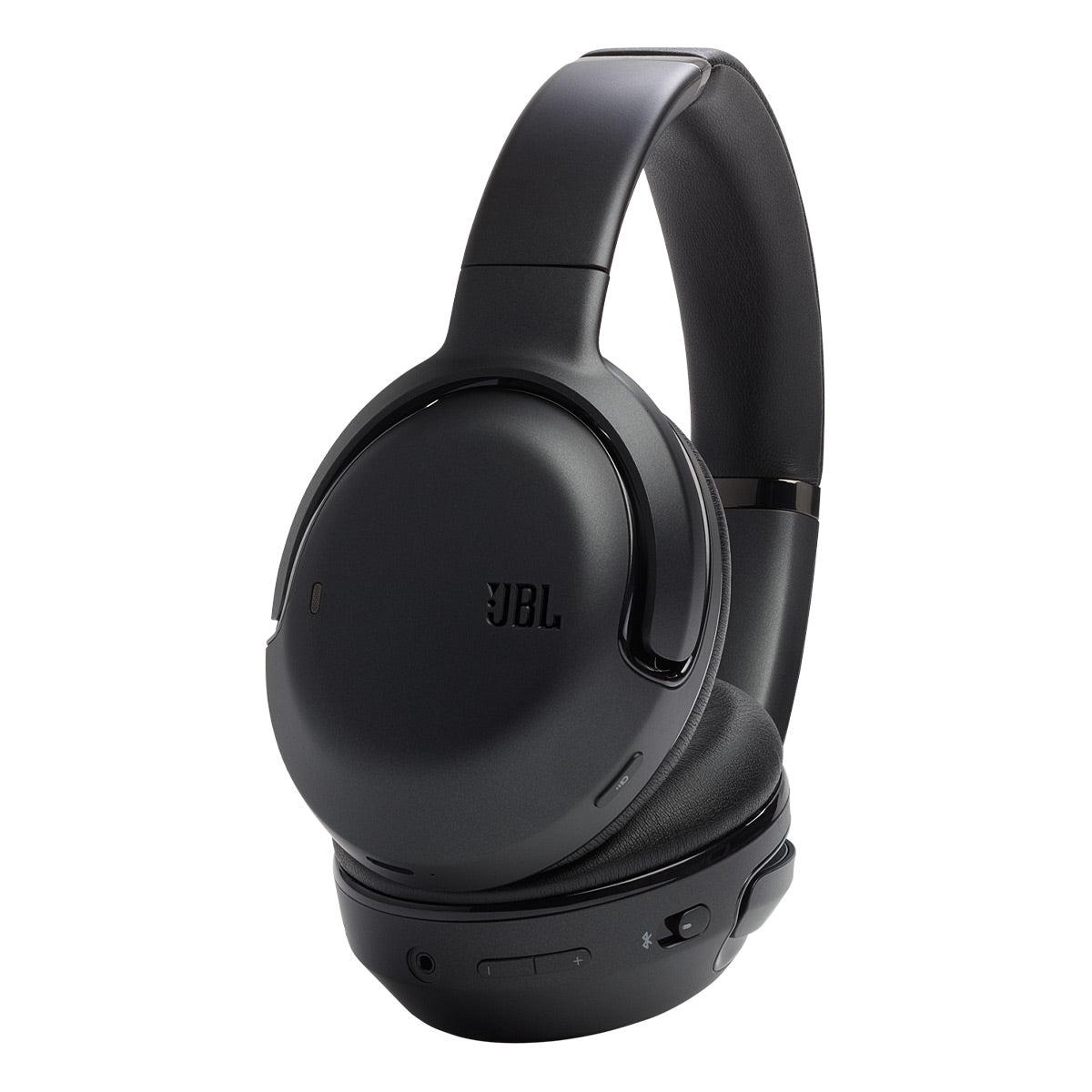

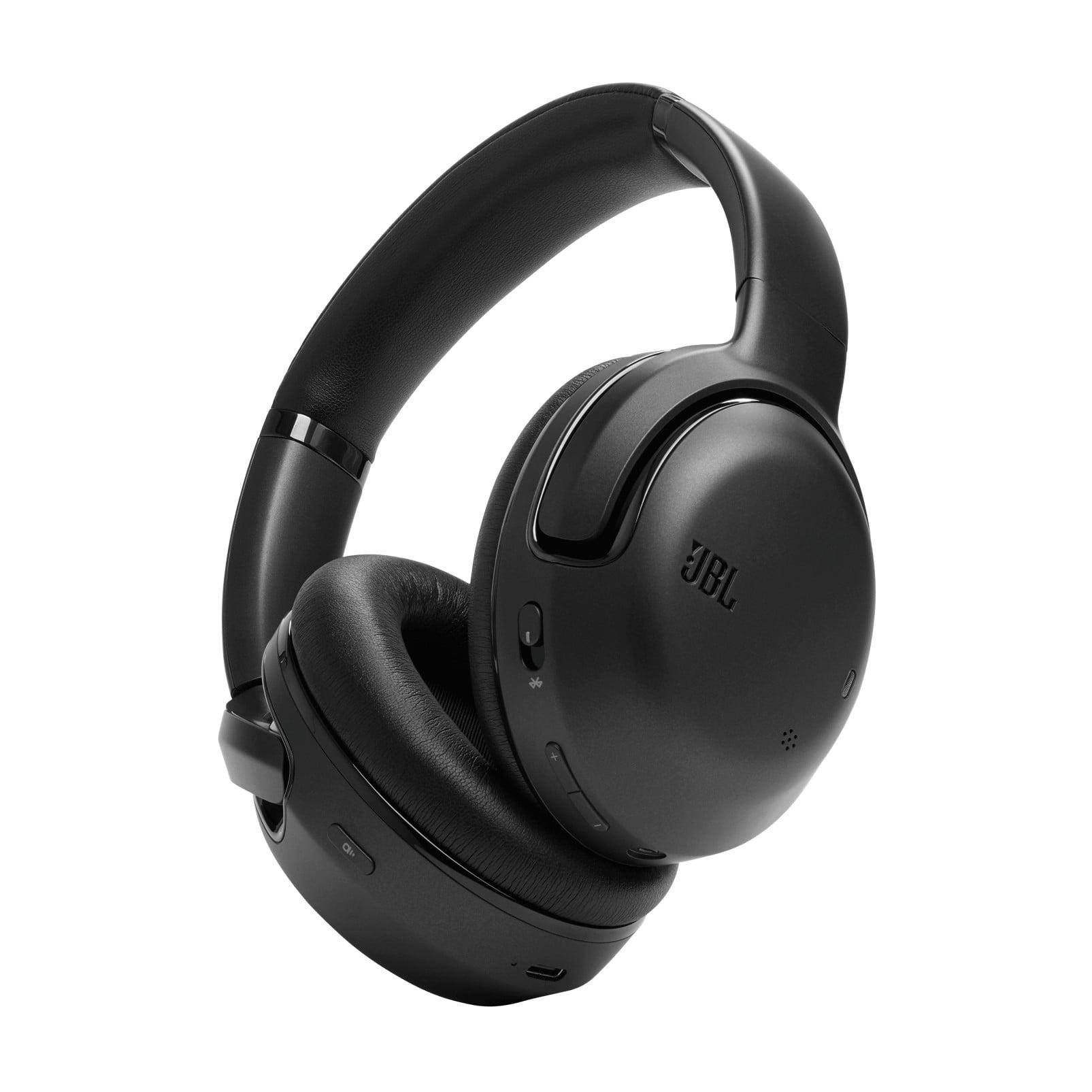

When you're shopping for premium wireless headphones, the sheer number of options can feel overwhelming. Two models that represent very different approaches to the same goal are the OneOdio A10 and the JBL Tour One M2. Both promise to deliver excellent sound with active noise cancellation, but they take remarkably different paths to get there—and come with price tags that reflect those differences.
Before diving into specifics, it's worth understanding what makes this category special. Active Noise Cancellation (ANC) uses built-in microphones to detect environmental sounds, then produces inverse sound waves to cancel them out—essentially fighting noise with anti-noise. This technology has become essential for anyone who wants to focus in noisy environments, whether that's a bustling coffee shop or a rumbling airplane.
The premium wireless segment has evolved rapidly since 2020. We've seen improvements in battery life, more sophisticated noise cancellation algorithms, and the integration of smart features like voice recognition and personalized sound profiles. Both the OneOdio A10 (released around 2021) and the JBL Tour One M2 (launched in 2024) represent different generations of this technology evolution.
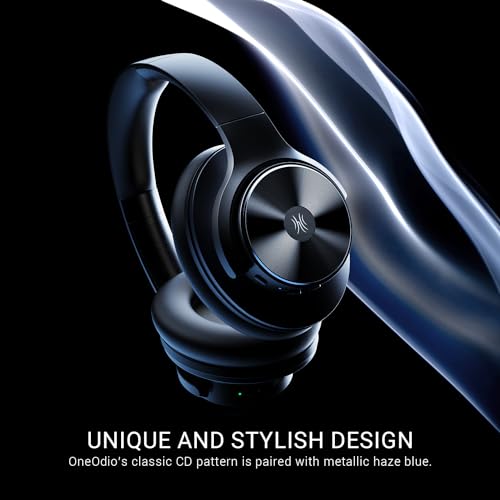
What makes this comparison particularly interesting is how these headphones embody completely different design philosophies. The OneOdio A10 takes a "maximum value" approach—delivering solid performance across the board while keeping costs low. At the time of writing, it sits in the budget-friendly tier, often priced under $100.
The JBL Tour One M2, meanwhile, represents the "premium experience" philosophy. Released in 2024, it incorporates cutting-edge features and commands a price typically associated with flagship models from Sony or Bose—usually in the $300+ range at launch.
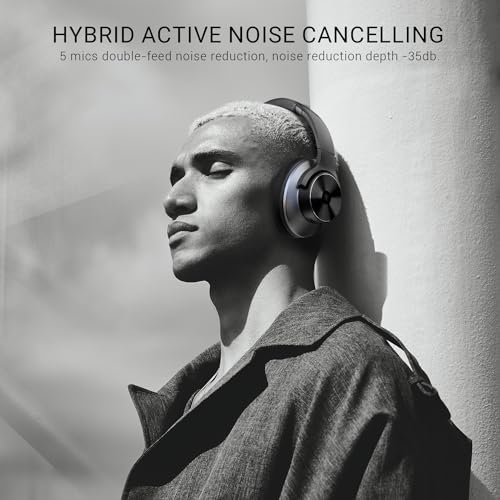
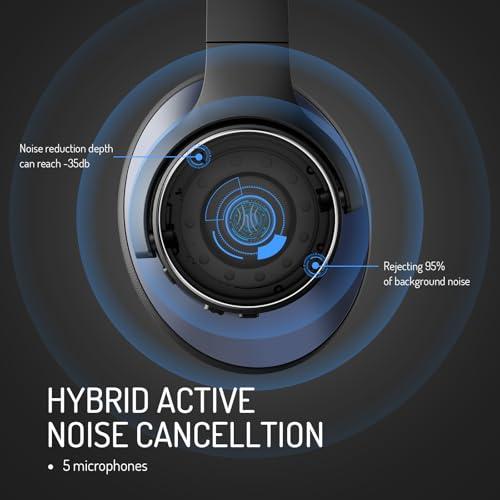
The most crucial performance difference lies in their noise cancellation approaches. The OneOdio A10 uses what's called "hybrid ANC"—a system that places microphones both inside and outside the ear cups. The external mics detect incoming noise, while internal mics monitor what sound actually reaches your ears. This dual-microphone setup can reduce noise by up to 35 decibels, which is impressive for its price range.
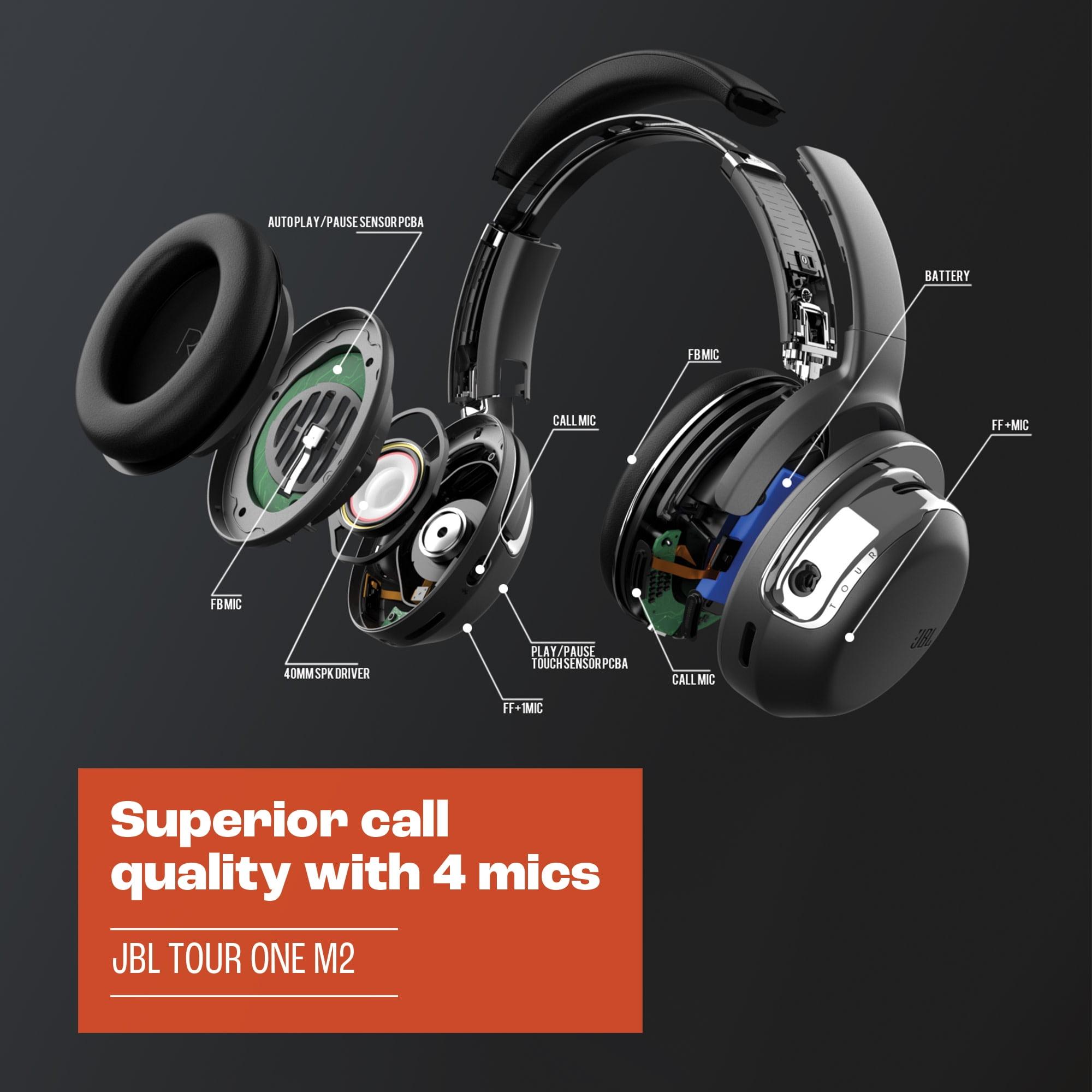
However, the JBL Tour One M2 takes this concept much further with "True Adaptive Noise Cancelling." This system uses four microphones per ear cup and employs artificial intelligence to continuously analyze your environment. Rather than applying the same level of noise cancellation everywhere, it adapts in real-time. Walking from a quiet library into a busy street? The system automatically adjusts within seconds.
In practical terms, both headphones excel at reducing low-frequency sounds—the constant hum of air conditioning, airplane engines, or traffic. But the JBL Tour One M2 extends this effectiveness into mid and high frequencies much better than the OneOdio A10. This means it's more successful at reducing conversation chatter, keyboard clicking, or the higher-pitched whine of some electronics.
The adaptive nature of the JBL's system also means it can optimize for different scenarios. Its "Smart Ambient" mode can automatically let in important sounds like announcements or someone calling your name, while still blocking distracting background noise.
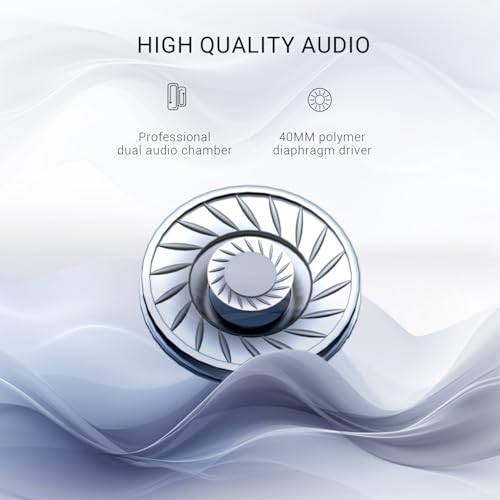
Both headphones use 40mm dynamic drivers—the speaker elements that actually produce sound. However, they tune these drivers very differently. The OneOdio A10 employs what audiophiles call a "V-shaped" sound signature. This means it emphasizes both the bass (low frequencies) and treble (high frequencies) while slightly de-emphasizing the midrange where most vocals live.
This tuning makes the OneOdio A10 particularly exciting for electronic music, hip-hop, and pop songs. The bass feels punchy and energetic, while the emphasized treble adds sparkle to cymbals and high-hat drums. However, this can make vocals sound slightly distant, and some listeners find the treble becomes harsh with poorly recorded music.
The JBL Tour One M2 takes a more balanced approach with what JBL calls their "Pro Sound" tuning. This means more natural vocal reproduction and better instrument separation—you can more easily pick out individual instruments in complex musical arrangements. The bass is still present and impactful, but it's more controlled and doesn't overwhelm other frequencies.
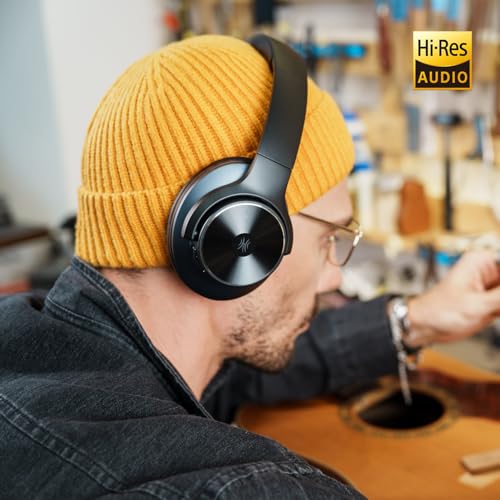
Both headphones carry Hi-Res Audio certification, meaning they can reproduce frequencies beyond standard CD quality (up to 40kHz vs the typical 20kHz). However, there's an important caveat: the OneOdio A10 only achieves Hi-Res performance when connected via its included cable, not wirelessly. The JBL Tour One M2 maintains higher resolution even in wireless mode.
For codec support—the technology that compresses audio for wireless transmission—the differences are significant. The OneOdio A10 supports the basic SBC and AAC codecs found on most devices. The JBL Tour One M2 adds more advanced options, though it notably lacks Sony's LDAC or Qualcomm's aptX codecs that some competitors offer.
If you're considering these for home theater use, both can work well, but with different strengths. The OneOdio A10's V-shaped signature can make movie soundtracks feel more dramatic—explosions hit harder, and dialogue cutting through might feel more cinematic. However, for long movie sessions, the more balanced JBL Tour One M2 tends to be less fatiguing and provides better clarity for dialogue-heavy content.
The JBL's "Spatial Sound" feature attempts to create a surround sound experience from stereo content, which can enhance the immersive feeling of movies, though results vary depending on the source material.
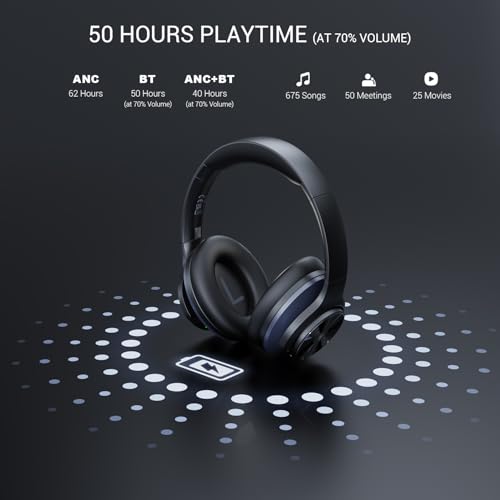
Here's where the OneOdio A10 truly shines. Its battery performance is honestly remarkable for any price range, let alone its budget-friendly positioning. You'll get up to 50 hours of listening with just Bluetooth enabled, or around 40-45 hours with both ANC and Bluetooth running simultaneously.
The JBL Tour One M2, while offering respectable battery life at 30 hours with ANC enabled, simply can't match these numbers. For frequent travelers or anyone who forgets to charge their devices regularly, this difference is substantial.
Both headphones offer quick charging features—the OneOdio gives you about 2 hours of listening from a 5-minute charge, while the JBL provides 5 hours from 10 minutes of charging. But when the baseline battery life differs so dramatically, the OneOdio A10 maintains its advantage.
Comfort becomes crucial if you're planning to wear headphones for extended periods. The OneOdio A10 features ultra-soft protein leather ear pads and weighs about 295 grams. While comfortable initially, some users find them heavy during long sessions—something to consider if you're planning 4-hour work sessions or transcontinental flights.
The JBL Tour One M2 addresses this with slightly lighter construction at 272 grams and superior weight distribution. The materials feel more premium throughout, and the overall design seems better suited for all-day wear. If you're someone who works from home with headphones on for hours, this difference becomes meaningful.
This is perhaps where the generational difference between these headphones becomes most apparent. The OneOdio A10 keeps things simple—physical buttons for power, ANC, and playback control, plus a basic transparency mode that lets in external sound. There's no companion app, no customization options, and no smart features beyond basic Bluetooth connectivity.
The JBL Tour One M2 represents the modern approach to headphone intelligence. Its "Smart Talk" feature uses voice recognition to automatically pause music and activate transparency mode when you start speaking—perfect for quick conversations without removing the headphones. The "Personal Sound Amplification" can boost voices around you by 15-20 dB, making it easier to hear flight announcements or colleagues without removing your headphones.
The JBL Headphones app unlocks even more functionality, including a full equalizer, the "Personi-Fi 2.0" hearing test that creates a custom sound profile based on your hearing, and various ambient sound customizations. For tech-savvy users who enjoy tweaking settings, this ecosystem adds significant value.
If you frequently take calls through your headphones—whether for work video conferences or catching up with family—the differences here are substantial. The OneOdio A10 uses a basic dual-microphone setup that works adequately in quiet environments but struggles with background noise rejection.
The JBL Tour One M2 employs a four-microphone array with sophisticated noise suppression algorithms. It includes a "VoiceAware" feature that lets you hear your own voice naturally during calls, preventing the disconnected feeling that some noise-cancelling headphones create. For anyone using headphones professionally, this improvement in call quality can be worth the price difference alone.
The OneOdio A10 represents exceptional value for users who want to experience quality ANC without the premium price tag. If you're a student, casual listener, or someone buying their first pair of noise-cancelling headphones, it delivers remarkably good performance for the investment.
Its incredible battery life makes it ideal for people who travel frequently or tend to forget charging devices. The straightforward operation appeals to users who want headphones that simply work without complex setup or ongoing app management.
The JBL Tour One M2 makes sense for users who view headphones as a long-term investment in their daily comfort and productivity. The superior noise cancellation, call quality, and smart features create a notably more refined experience.
If you work in noisy environments, take frequent calls, or simply appreciate having the latest technology, the additional cost delivers genuine utility. The more balanced sound signature also makes these headphones more versatile across different music genres and use cases.
Both headphones succeed in their intended markets, but they serve different users with different priorities. The OneOdio A10 proves that good ANC technology has become accessible at lower price points, while the JBL Tour One M2 demonstrates how much more sophisticated the premium experience can be.
At the time of writing, the price gap between these models is significant enough that they're not direct competitors—they're more like different answers to the question "What do I need from wireless headphones?" The OneOdio answers with "solid performance at an unbeatable value," while the JBL responds with "premium experience worth the investment."
Your choice should align with both your budget and your usage patterns. If you're buying headphones primarily for music listening and occasional travel, the OneOdio A10 delivers excellent value. But if headphones are a crucial tool for work, travel, and daily life, the JBL Tour One M2 offers features and refinement that can genuinely improve your daily experience.
Either way, both represent the democratization of technology that was once limited to only the most expensive headphones—a reminder of how quickly this market continues to evolve.
| OneOdio A10 Hybrid Active Noise Cancelling Headphones | JBL Tour One M2 Wireless Over-Ear Headphones |
|---|---|
| Active Noise Cancellation - Key differentiator for blocking distractions | |
| Hybrid ANC with up to -35dB reduction, basic on/off control | True Adaptive ANC with 4-mic array, real-time environmental adjustment |
| Battery Life - Critical for travel and extended use | |
| Exceptional 50 hours (Bluetooth) / 40-45 hours (ANC+Bluetooth) | Good 30 hours (ANC on) / 50 hours (ANC off) |
| Audio Quality - Determines listening enjoyment | |
| V-shaped signature with emphasized bass/treble, Hi-Res wired only | Balanced JBL Pro Sound, Hi-Res wireless, Personi-Fi 2.0 personalization |
| Weight & Comfort - Important for long listening sessions | |
| 295g with protein leather pads, can feel heavy over time | 272g with premium materials, better weight distribution |
| Smart Features - Modern convenience and customization | |
| Basic transparency mode, physical controls, no app | Smart Talk, Personal Sound Amplification, full JBL app with EQ |
| Connectivity - Device compatibility and convenience | |
| Bluetooth 5.0, SBC/AAC codecs, multipoint connection | Bluetooth 5.3, SBC/AAC codecs, advanced pairing, multipoint |
| Call Quality - Essential for work and communication | |
| Dual mics with adequate quality, struggles with background noise | 4-mic array with superior clarity, advanced noise suppression |
| Build Quality - Durability and premium feel | |
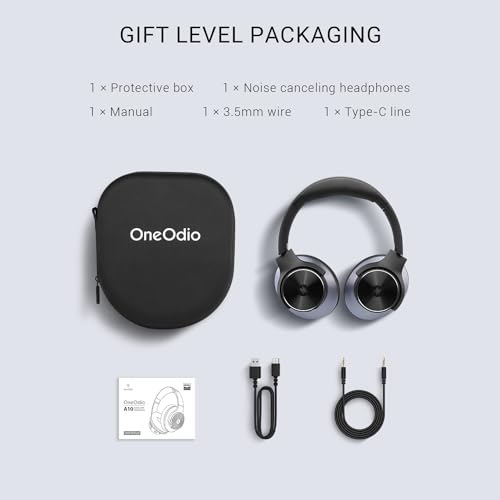
| Solid construction for price point, includes carrying case | Premium materials and finish, more refined design |
| Quick Charging - Convenience when battery runs low | |
| 5 minutes = 2 hours playback | 10 minutes = 5 hours playbook |
| Target Market - Best fit for different users | |
| Budget-conscious users wanting ANC without premium cost | Premium users seeking advanced features and refined experience |
The JBL Tour One M2 provides significantly better noise cancellation with its True Adaptive ANC technology that uses four microphones and real-time environmental adjustment. The OneOdio A10 offers solid hybrid ANC with up to -35dB reduction, but it's more basic with simple on/off control. For maximum noise blocking, the JBL Tour One M2 is the clear winner.
The OneOdio A10 excels in battery life with an exceptional 40-45 hours of combined ANC and Bluetooth use, or up to 50 hours with Bluetooth only. The JBL Tour One M2 offers good but not outstanding battery life at 30 hours with ANC enabled. For long trips or heavy use, the OneOdio A10 is superior.
The JBL Tour One M2 is more comfortable for long sessions, weighing 272g with better weight distribution and premium materials. The OneOdio A10 weighs 295g and can feel heavy during extended use, though it features soft protein leather ear pads. For all-day comfort, choose the JBL Tour One M2.
The JBL Tour One M2 offers more balanced, audiophile-friendly sound with better vocal clarity and instrument separation. The OneOdio A10 has a V-shaped sound signature with emphasized bass and treble, making it exciting for pop and electronic music but less natural overall. The JBL Tour One M2 provides superior audio quality.
The JBL Tour One M2 is significantly better for calls with its 4-microphone array and advanced noise suppression technology. It includes VoiceAware features for natural conversation. The OneOdio A10 has basic dual microphones that work adequately in quiet environments but struggle with background noise rejection.
Both can work for home theater, but with different strengths. The OneOdio A10 provides dramatic sound for action movies with its emphasized bass and treble. The JBL Tour One M2 offers better dialogue clarity and less listening fatigue during long movie sessions, plus JBL Spatial Sound for enhanced immersion.
The JBL Tour One M2 includes extensive smart features like Smart Talk voice recognition, Personal Sound Amplification, and a comprehensive app with EQ customization. The OneOdio A10 keeps things simple with basic transparency mode and physical controls only, with no companion app available.
The OneOdio A10 offers exceptional value in the budget category, delivering solid ANC performance at a fraction of premium headphone costs. The JBL Tour One M2 justifies its premium positioning with advanced features and superior performance. Value depends on your budget and feature priorities.
For travel, it depends on priorities. The OneOdio A10 excels with incredible battery life that can last multiple long flights. The JBL Tour One M2 offers superior noise cancellation and comfort for the journey itself. Frequent flyers who prioritize battery life should choose the OneOdio A10.
Both support Bluetooth connectivity with multipoint pairing for two devices simultaneously. The OneOdio A10 uses Bluetooth 5.0 with SBC/AAC codecs. The JBL Tour One M2 features newer Bluetooth 5.3 with advanced pairing features like Google Fast Pair and Microsoft Swift Pair for easier setup.
The JBL Tour One M2 features premium materials and more refined construction quality throughout. The OneOdio A10 offers solid build quality that's impressive for its price point and includes a carrying case. For long-term durability and premium feel, the JBL Tour One M2 is superior.
Choose the OneOdio A10 if you want excellent ANC performance on a budget, prioritize maximum battery life, or prefer simple operation without complex features. Choose the JBL Tour One M2 if you want premium performance, superior call quality, advanced smart features, and are willing to invest in a flagship-level experience.
We've done our best to create useful and informative comparisons to help you decide what product to buy. Our research uses advanced automated methods to create this comparison and perfection is not possible - please contact us for corrections or questions. These are the sites we've researched in the creation of this article: techbuzzireland.com - creativebloq.com - head-fi.org - homestudiobasics.com - versus.com - androidguys.com - thegadgetflow.com - oneodio.com - mbreviews.com - the-gadgeteer.com - newegg.com - howtogeek.com - youtube.com - newegg.com - manuals.plus - majorhifi.com - soundphilereview.com - youtube.com - howtogeek.com - oneodio.com - youtube.com - youtube.com - youtube.com - walmart.com - tomsguide.com - majorhifi.com - audio46.com - synced.sg - majorhifi.com - versus.com - youtube.com - youtube.com - peterfalkingham.com - youtube.com - jbl.com - manuals.plus - bhphotovideo.com - device.report - jblonlinestore.com - bhphotovideo.com - jbl.com.my - en.jblthailand.com - harmanhouse.com - versus.com - consumerreports.org - bestbuy.com - th.jbl.com - jbl.com - theindianaudiophileforum.com

Privacy Policy
Terms and Conditions - Affiliate Policy
Home Security
© Copyright 2008-2026.
11816 Inwood Rd #1211, Dallas, TX 75244