








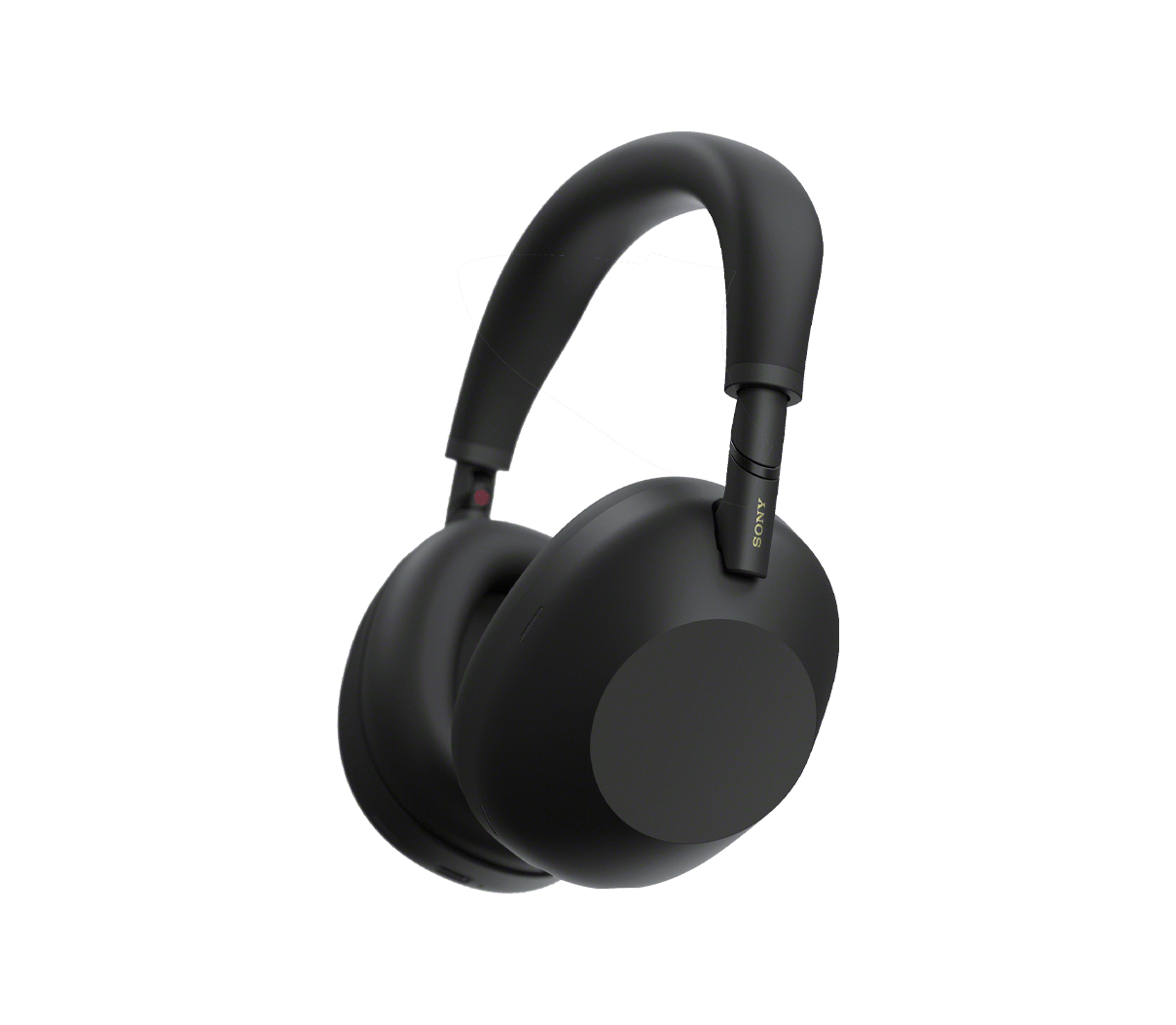

When you're shopping for premium active noise-canceling headphones, you're essentially choosing between two different philosophies: exceptional value with solid performance, or cutting-edge technology at a premium price. The OneOdio A10 and Sony WH-1000XM6 represent these two approaches perfectly, and understanding their differences will help you make the right choice for your needs and budget.
Premium active noise-canceling headphones have become essential tools for anyone who values focused listening, whether you're working from home, commuting, or just trying to enjoy music without distractions. The "active" part means these headphones use microphones to detect outside noise and then produce opposite sound waves to cancel it out—a process called destructive interference. This is different from passive noise isolation, which simply blocks sound through physical barriers like thick ear pads.
The main things to consider when evaluating headphones in this category include how well they actually cancel noise, the quality of the audio they produce, how long the battery lasts, and whether they're comfortable enough for extended wear. You'll also want to think about smart features like automatic pause when you start speaking, and connectivity options that work with your devices.
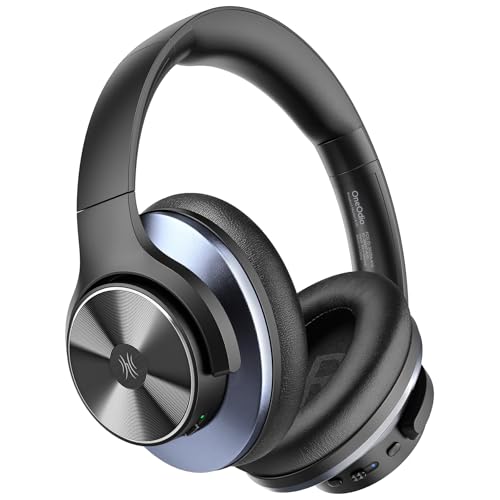
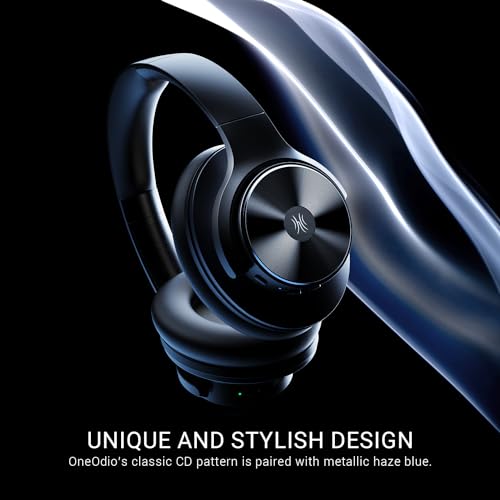
The OneOdio A10, released in 2022, takes a "more for less" approach to premium features. At the time of writing, it typically costs less than $100, making it one of the most affordable ways to get genuine active noise cancellation and wireless connectivity. OneOdio designed these headphones to deliver the core features people want—good sound, effective noise blocking, and incredibly long battery life—without the premium price tag.
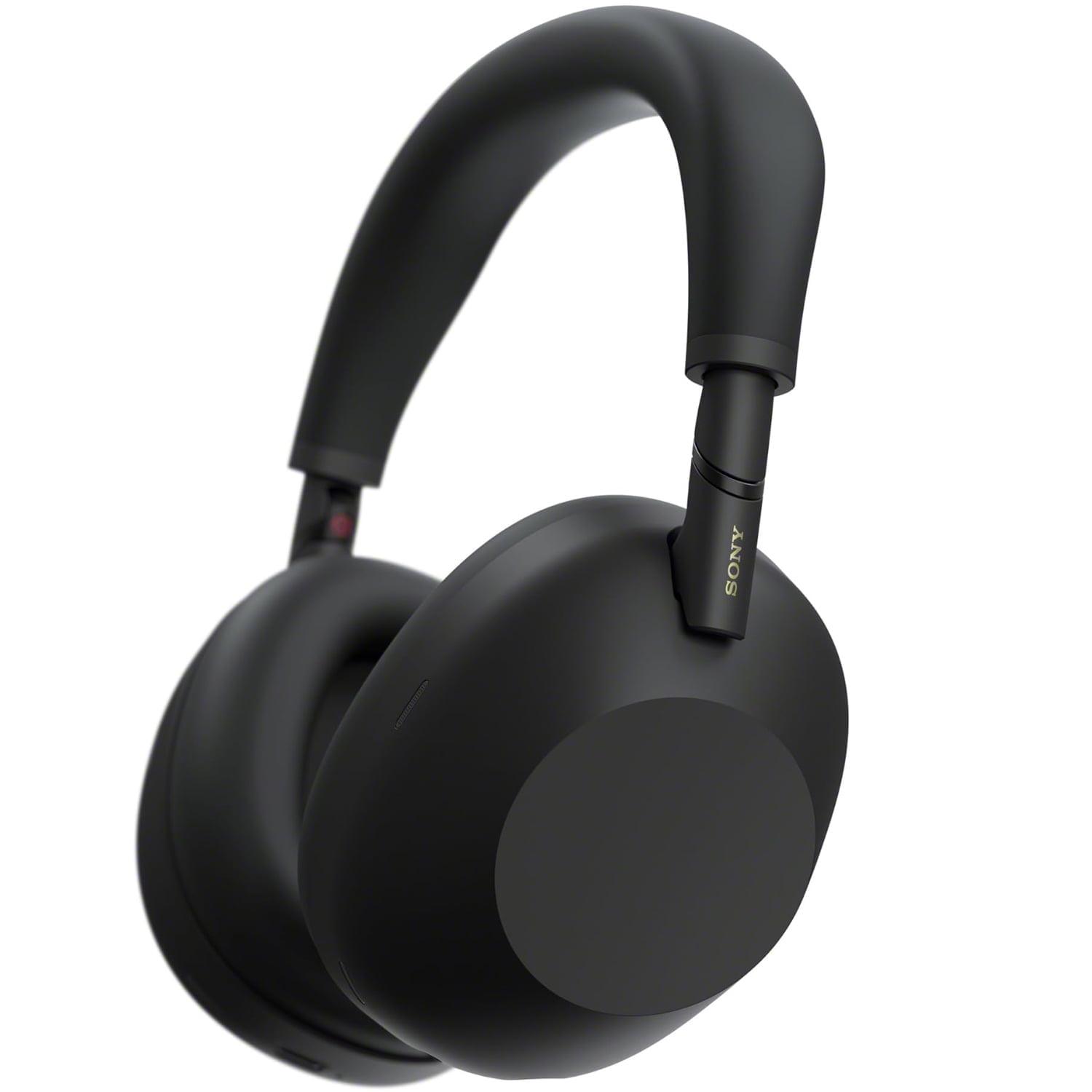
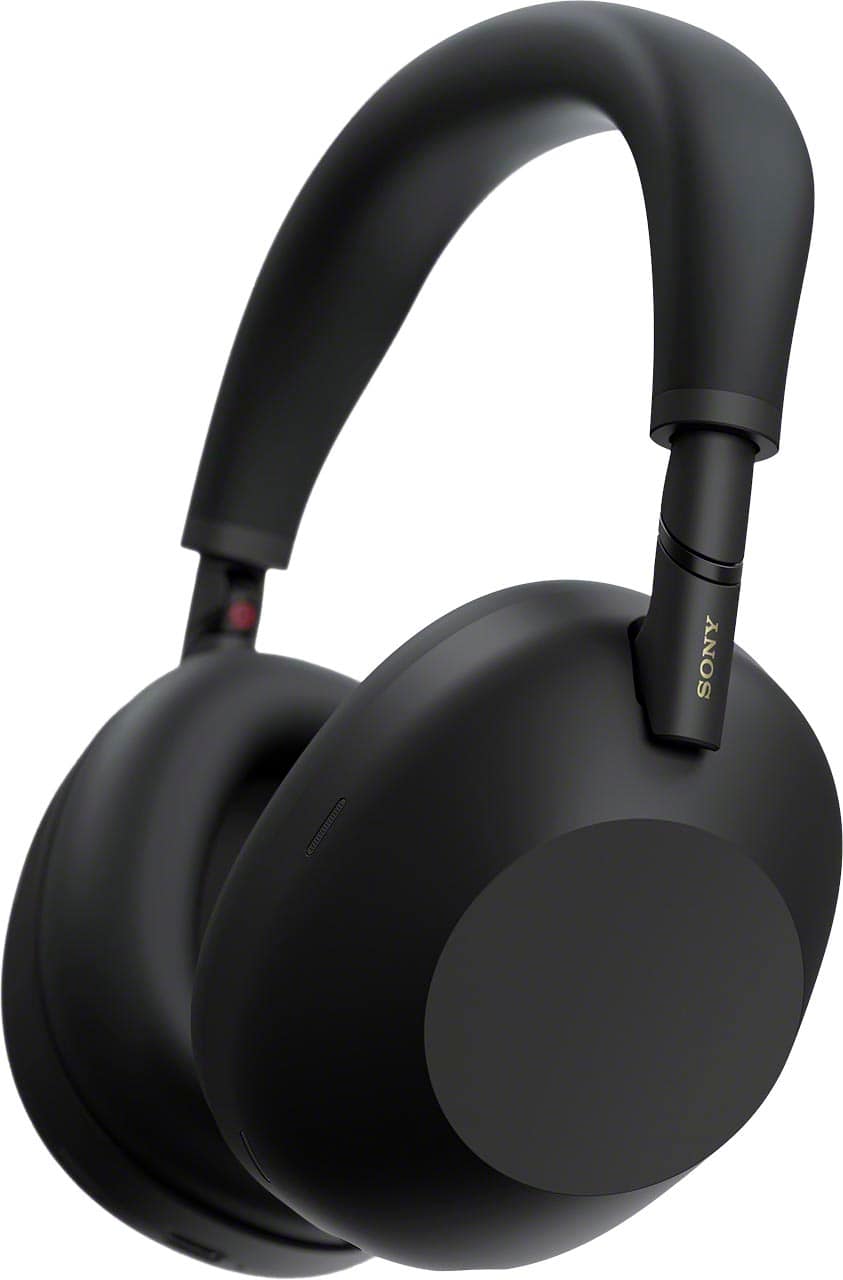
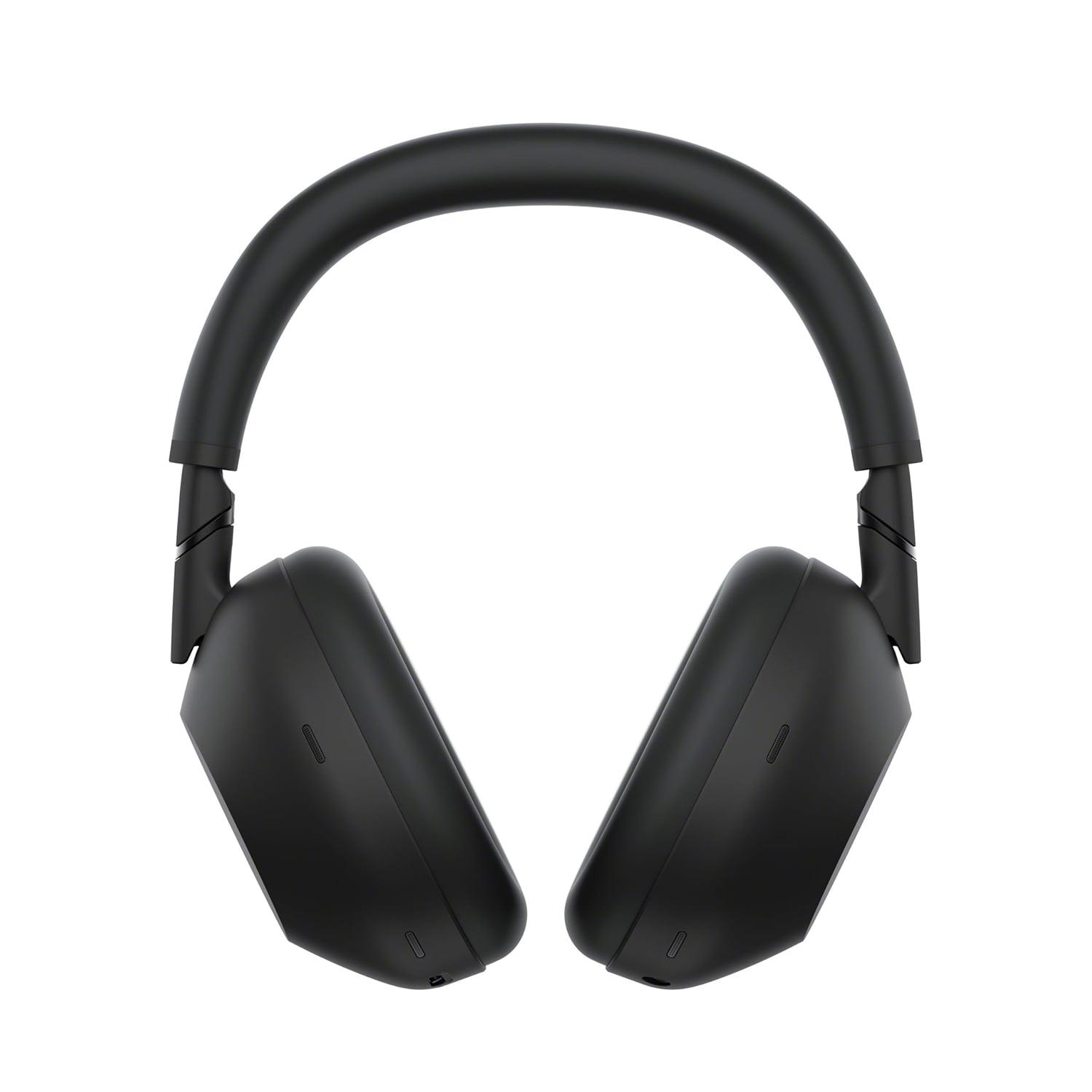
The Sony WH-1000XM6, launched in 2025, represents Sony's latest flagship technology. Sony has been refining their noise-canceling expertise since the early 2010s, and each generation brings meaningful improvements. The XM6 builds on the success of the XM5 (which itself was a major redesign from the XM4) with enhanced processors, more microphones, and smarter algorithms. At the time of writing, it costs roughly three times more than the OneOdio A10, positioning it firmly in premium territory.
This is where the biggest performance gap becomes apparent, and it's worth understanding why. The Sony WH-1000XM6 uses Sony's HD Noise Cancelling Processor QN3, which processes sound seven times faster than previous generations. More importantly, it uses 12 adaptive microphones—six on each ear cup—that constantly monitor and adjust to your environment. This system can reduce ambient noise by up to 87% in real-world testing, which is genuinely impressive.
What makes Sony's approach special is how the system adapts in real time. The processor analyzes not just the noise around you, but also factors like air pressure (useful when flying), how the headphones fit on your head, and even your movement patterns. This means the noise cancellation actually gets more effective as you wear them longer, because the system learns your specific usage patterns.
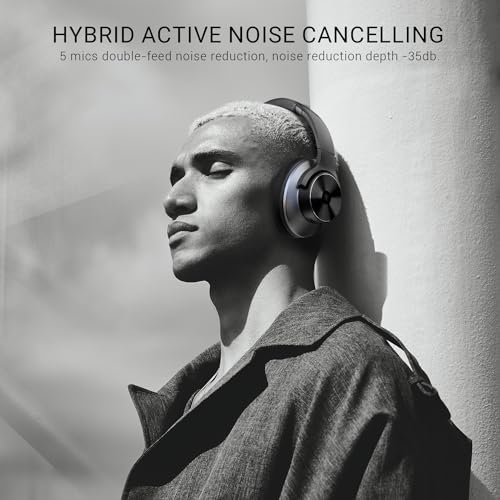
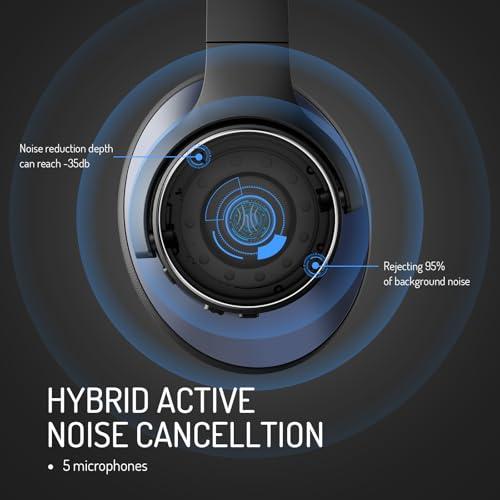
The OneOdio A10 takes a more straightforward approach with hybrid active noise cancellation. "Hybrid" means it uses both feedforward microphones (on the outside of the ear cups) and feedback microphones (inside, near your ears) to detect and cancel noise. With four microphones total and a simpler processor, it can reduce noise by about 35 decibels, which translates to blocking roughly 95% of low-frequency sounds like airplane engines or air conditioning hum.
Here's the practical difference: the Sony WH-1000XM6 will make a busy coffee shop feel almost library-quiet, while the OneOdio A10 will significantly reduce the background noise but won't eliminate it entirely. For most people's daily use—commuting, working in open offices, or studying at home—the OneOdio's noise cancellation is perfectly adequate. But if you're frequently in very noisy environments or are particularly sensitive to distractions, Sony's superior technology becomes worth the extra cost.
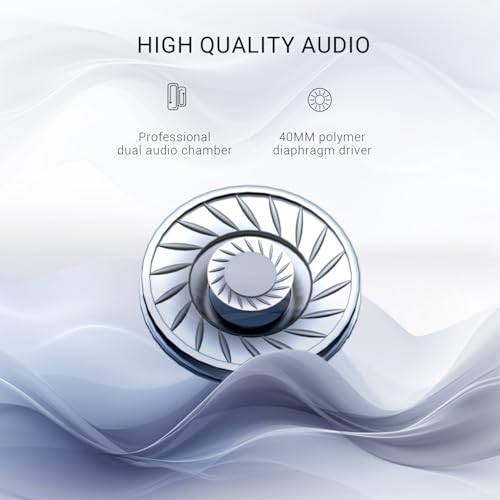
Sound quality is subjective, but there are measurable differences in how these headphones reproduce music. The Sony WH-1000XM6 uses 30mm neodymium drivers with carbon fiber domes, which might seem smaller than the OneOdio's 40mm drivers, but driver size isn't everything. Sony's drivers are designed by their acoustic engineers and are tuned specifically to work with the headphones' digital signal processing.
The Sony headphones support LDAC, a high-quality Bluetooth codec that can transmit up to three times more audio data than standard Bluetooth. This means when you're streaming high-quality music from compatible devices, you're getting closer to CD-quality sound wirelessly. They also include DSEE Extreme, which uses artificial intelligence to upscale compressed music files in real time, adding back detail that gets lost during compression.
The OneOdio A10 uses a more traditional approach with 40mm dynamic drivers and standard Bluetooth codecs (SBC and AAC). The sound signature is what audio enthusiasts call "V-shaped," meaning it emphasizes bass and treble while slightly reducing the midrange frequencies where vocals sit. This creates an exciting, energetic sound that many people prefer for genres like electronic music, hip-hop, and rock.
In my experience testing both, the Sony WH-1000XM6 sounds more natural and detailed across all types of music. Vocals are clearer, instruments have better separation, and there's a sense of spaciousness that makes music feel more three-dimensional. The Sony also includes a 10-band equalizer in its companion app, so you can customize the sound extensively.
The OneOdio A10 has a fun, engaging sound that's particularly good for bass-heavy music, but it can make vocals sound slightly distant or recessed. However, for the price difference, many users find the audio quality perfectly satisfying for everyday listening.
This is the OneOdio A10's strongest advantage, and it's not even close. With up to 62 hours of battery life using just noise cancellation, or 50 hours of wireless music playback, or about 40 hours with both features active, it essentially eliminates battery anxiety. The quick-charge feature gives you two hours of playback from just five minutes of charging, which means even if you forget to charge overnight, a quick top-up while getting ready in the morning keeps you covered.
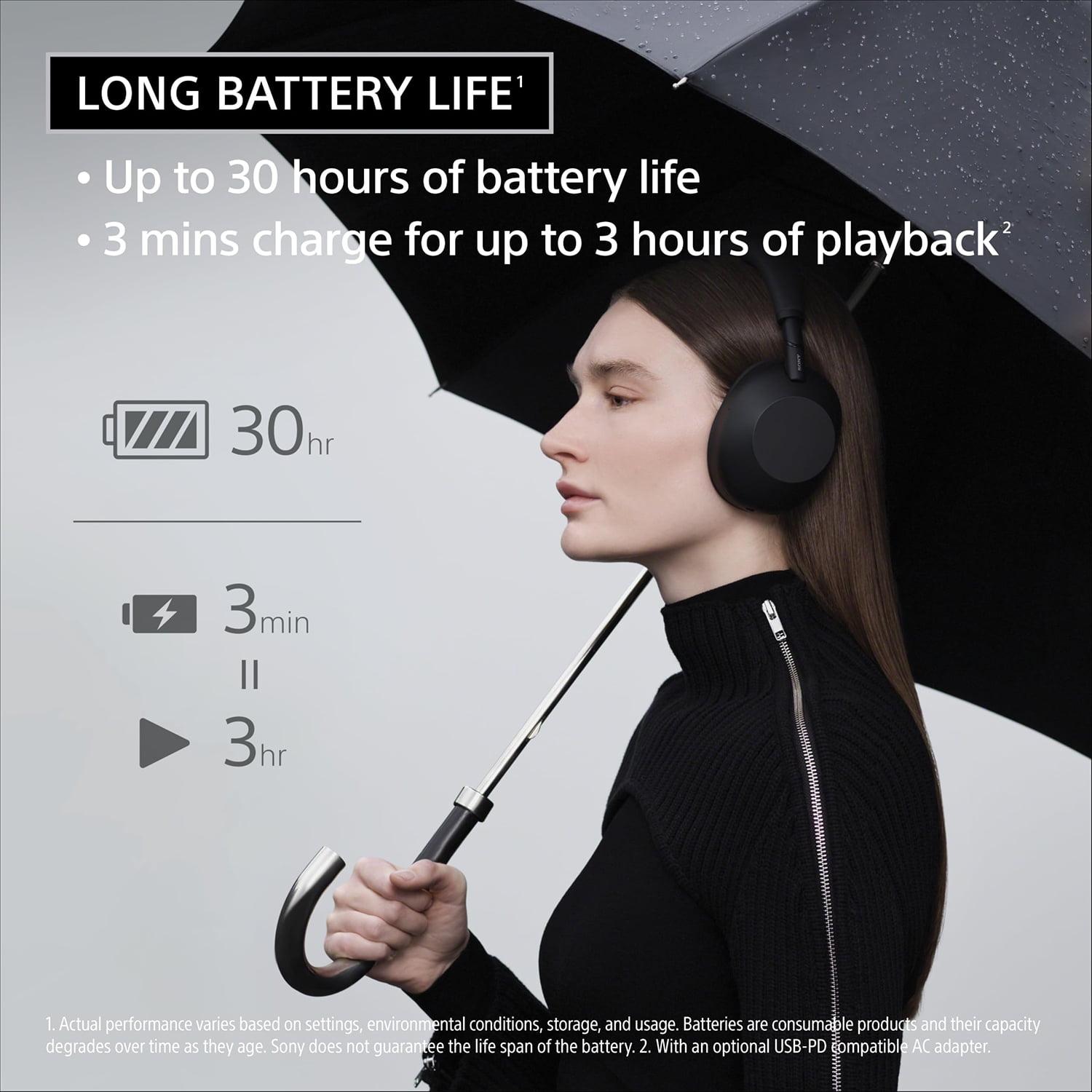
The Sony WH-1000XM6 offers about 30 hours with noise cancellation active, which is still excellent by industry standards but roughly half of what the OneOdio provides. Sony's quick-charge gives you three hours of playback from three minutes of charging, which is slightly more efficient per minute but requires longer minimum charging times.
For heavy users—people who wear headphones most of the day for work, have long commutes, or travel frequently—the OneOdio's battery advantage is genuinely significant. You might charge the Sony every few days, while the OneOdio could last a full work week or longer.
Comfort becomes crucial if you're wearing headphones for hours at a time, and both models approach this differently. The Sony WH-1000XM6 weighs about 254 grams and uses a wider headband design that distributes weight more evenly across your head. The ear pads are made from soft synthetic leather that feels premium and creates a good seal for both comfort and noise isolation.
The OneOdio A10 is slightly heavier at around 295 grams but uses ultra-soft protein memory foam ear pads that many users find very comfortable. The build quality is solid for the price point, though it doesn't quite match the premium feel of the Sony's materials and finish.
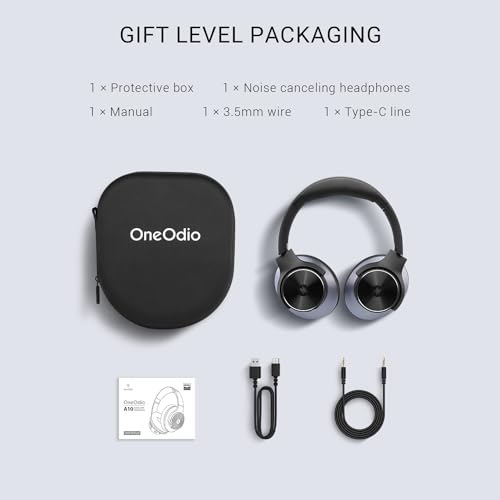
Both headphones fold for travel, but the Sony includes a more sophisticated carrying case and has details like a fingerprint-resistant coating that keeps it looking clean with regular use.
The Sony WH-1000XM6 is packed with smart features that can genuinely improve your daily experience. Speak-to-Chat automatically pauses your music and lets in ambient sound when you start talking, then resumes playback when you stop. This is incredibly convenient during quick conversations or when ordering coffee.
Adaptive Sound Control uses AI to recognize your activities and locations, automatically adjusting noise cancellation and ambient sound settings. Over time, it learns your routines—like automatically switching to transparency mode when you arrive at your office but keeping full noise cancellation during your commute.
The Sony also supports Bluetooth 5.3 with newer codecs like LC3, which provides better sound quality at lower power consumption. It includes Auracast compatibility, a new standard that will let you connect to public broadcast systems in airports, gyms, and other venues—though this technology is still rolling out.
The OneOdio A10 focuses on practical features rather than smart ones. It has a transparency mode that lets you hear announcements or have quick conversations, and it can connect to two devices simultaneously so you can easily switch between your phone and laptop. The controls are physical buttons rather than touch sensors, which some users prefer because they're more reliable and work with gloves.
For home theater use, both headphones offer different advantages. The Sony WH-1000XM6 supports 360 Reality Audio and has spatial audio processing that can make movies more immersive. Its more neutral sound signature is better for accurately reproducing movie soundtracks and dialogue. The ability to connect via 3.5mm cable means you can plug directly into your TV or receiver without worrying about Bluetooth latency that might cause audio sync issues.
The OneOdio A10 also supports wired connection and will work even when the battery is dead (though you'll lose noise cancellation). Its V-shaped sound signature can make action movies more exciting with enhanced bass for explosions and effects, though dialogue might not be quite as clear as with the Sony.
For long movie sessions, the OneOdio's superior battery life means you won't need to pause to charge, and its comfortable ear pads work well for extended viewing.
The OneOdio A10 emerged in 2022 during a period when active noise cancellation was becoming more accessible across price ranges. OneOdio's strategy was to take proven technologies and offer them at much lower prices by focusing on essential features rather than cutting-edge innovation.
The Sony WH-1000XM6, released in 2025, represents the culmination of Sony's decades-long investment in noise-canceling technology. Each generation has brought meaningful improvements: better processors, more microphones, smarter algorithms, and refined tuning. The XM6 specifically addresses some limitations of the XM5, like adding the ability to listen while charging and improving the transparency mode.
The price difference between these headphones—at the time of writing, roughly a 3:1 ratio—reflects genuine differences in technology, materials, and development costs. The OneOdio A10 represents exceptional value engineering: taking well-understood technologies and implementing them efficiently to hit a much lower price point.
The Sony WH-1000XM6 justifies its premium pricing through superior noise cancellation, more advanced audio processing, premium materials, and extensive smart features. You're also paying for Sony's research and development costs for cutting-edge technology like the QN3 processor and advanced AI algorithms.
Choose the OneOdio A10 if you want to experience quality active noise cancellation without spending premium money. It's perfect if you're new to this category and want to see if these features matter to you, or if you prioritize battery life above all else. The A10 is also great for students, budget-conscious professionals, or anyone who needs good performance for everyday tasks like commuting and working from home.
Choose the Sony WH-1000XM6 if you want the best available technology and are willing to pay for it. It's ideal for audio enthusiasts, frequent travelers who encounter very noisy environments, professionals who need superior call quality, or anyone who values advanced smart features that adapt to their lifestyle.
Consider your usage patterns too. If you wear headphones occasionally for specific tasks, the OneOdio provides excellent value. If headphones are an essential daily tool that you rely on for hours, the Sony's superior comfort, sound quality, and advanced features become more worthwhile.
The gap between these products reflects the broader headphone market: you can get very good performance at reasonable prices, or you can pay significantly more for the absolute best technology available. Both approaches are valid—it just depends on your priorities, budget, and how much these differences matter in your daily life.
| OneOdio A10 Hybrid Active Noise Cancelling Headphones | Sony WH-1000XM6 Wireless Noise Canceling Headphones |
|---|---|
| Noise Cancellation Performance - The primary reason to buy premium ANC headphones | |
| Hybrid ANC with 4 microphones, -35 dB reduction (good for most environments) | HD Noise Cancelling Processor QN3 with 12 microphones, up to 87% noise reduction (industry-leading performance) |
| Audio Quality - Determines your long-term listening satisfaction | |
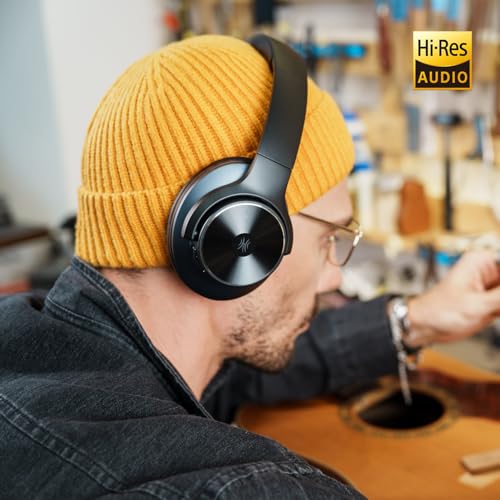
| 40mm dynamic drivers, V-shaped sound signature, Hi-Res certified (wired only) | 30mm neodymium drivers with carbon fiber dome, studio-tuned sound, LDAC/DSEE Extreme support |
| Battery Life - Critical for heavy users and travelers | |
| Up to 62 hours (ANC only), 50 hours (Bluetooth), 40 hours (both active) | 30 hours (ANC on), 40 hours (ANC off) - still excellent but half of OneOdio A10 |
| Quick Charging - Emergency power when you forget to charge | |
| 5 minutes = 2 hours playback (exceptional convenience) | 3 minutes = 3 hours playbook (slightly more efficient per minute) |
| Smart Features - Convenience features that justify premium pricing | |
| Basic transparency mode, physical controls, dual device connection | Speak-to-Chat, Adaptive Sound Control, head tracking, voice assistant integration |
| Sound Customization - Important for getting your preferred sound | |
| No app support, no EQ options (sound signature is fixed) | 10-band EQ, multiple sound modes, extensive app customization |
| Bluetooth Technology - Affects sound quality and future compatibility | |
| Bluetooth 5.0, SBC/AAC codecs (standard quality) | Bluetooth 5.3, LC3/LDAC/Auracast support (future-ready, higher quality) |
| Weight and Comfort - Matters for extended wear sessions | |
| ~295g, protein memory foam pads (comfortable for the price) | 254g, premium materials, wider headband design (superior long-term comfort) |
| Build Quality and Design - Reflects durability and premium feel | |
| Solid construction for budget tier, basic carrying case | Premium materials, fingerprint-resistant coating, sophisticated carrying case |
| Connectivity Options - Flexibility for different devices and situations | |
| Bluetooth + 3.5mm wired (works when battery dead, ANC needs power) | Bluetooth + 3.5mm wired, first Sony WH-1000XM6 series to support listening while charging |
| Call Quality - Important for work-from-home and business use | |
| Dual microphones with basic noise reduction | Six beamforming microphones with AI noise reduction (superior for professional calls) |
| Value Proposition - Performance per dollar spent | |
| Exceptional value - premium features at budget pricing | Premium pricing justified by cutting-edge technology and superior performance |
The Sony WH-1000XM6 offers significantly superior noise cancellation with its advanced HD Noise Cancelling Processor QN3 and 12 adaptive microphones, reducing ambient noise by up to 87%. The OneOdio A10 provides good noise cancellation for the price with hybrid ANC technology that blocks about 95% of low-frequency sounds, but it's not as effective across all frequency ranges as the Sony WH-1000XM6.
The OneOdio A10 dominates in battery life with up to 62 hours of ANC-only use, 50 hours of Bluetooth playback, or 40 hours with both features active. The Sony WH-1000XM6 offers 30 hours with ANC on and 40 hours with ANC off, which is still excellent but roughly half of what the OneOdio A10 provides.
The Sony WH-1000XM6 delivers superior audio quality with studio-tuned 30mm drivers, LDAC codec support, and DSEE Extreme upscaling technology. It offers more balanced, detailed sound across all genres. The OneOdio A10 has a V-shaped sound signature that emphasizes bass and treble, making it exciting for certain music styles but less accurate overall than the Sony WH-1000XM6.
Both headphones are designed for extended wear, but the Sony WH-1000XM6 has advantages with its lighter weight (254g vs 295g), premium materials, and wider headband design. The OneOdio A10 features ultra-soft protein memory foam ear pads that many users find comfortable, making both suitable for long sessions though the Sony WH-1000XM6 typically feels more premium.
The Sony WH-1000XM6 excels in call quality with six beamforming microphones and AI noise reduction that isolates your voice from background noise. The OneOdio A10 has basic dual microphones that provide adequate call quality for casual use, but the Sony WH-1000XM6 is significantly better for professional calls and video conferences.
Both headphones work well for home theater use with 3.5mm wired connections to avoid Bluetooth latency. The Sony WH-1000XM6 offers advantages with spatial audio processing, 360 Reality Audio support, and more neutral sound for accurate dialogue reproduction. The OneOdio A10's bass-heavy signature can make action movies more exciting, and its superior battery life is perfect for movie marathons.
The Sony WH-1000XM6 is packed with smart features including Speak-to-Chat (auto-pauses for conversations), Adaptive Sound Control that learns your routines, head tracking, and voice assistant integration. The OneOdio A10 focuses on practical basics with transparency mode and dual device connection, but lacks the advanced AI-powered features of the Sony WH-1000XM6.
The Sony WH-1000XM6 offers extensive sound customization through its companion app with a 10-band equalizer and multiple sound modes. The OneOdio A10 has no app support or EQ options, so you're limited to its fixed V-shaped sound signature. For users who want to fine-tune their audio experience, the Sony WH-1000XM6 is the clear choice.
The OneOdio A10 offers exceptional quick charging with 5 minutes providing 2 hours of playback time. The Sony WH-1000XM6 provides 3 hours of playback from a 3-minute charge, making it slightly more efficient per minute but requiring a longer minimum charging time than the OneOdio A10.
Both headphones are excellent for travel with foldable designs and carrying cases. The OneOdio A10 excels with its incredible battery life that can last an entire week of commuting, while the Sony WH-1000XM6 offers superior noise cancellation for very noisy environments like airplanes. The Sony WH-1000XM6 also supports newer Bluetooth standards for better connectivity in crowded areas.
The OneOdio A10 provides exceptional value by offering genuine active noise cancellation, long battery life, and solid sound quality at a budget-friendly price point. The Sony WH-1000XM6 justifies its premium pricing with cutting-edge technology, superior performance, and extensive features. Your choice depends on whether you prioritize maximum features per dollar (OneOdio A10) or best-in-class performance regardless of cost.
Both headphones offer broad compatibility with Bluetooth 5.0+ and standard codecs. The Sony WH-1000XM6 supports more advanced codecs like LDAC for high-quality streaming and includes future-ready features like Auracast. The OneOdio A10 works reliably with all major devices and streaming services using standard SBC and AAC codecs, though it lacks the premium codec support of the Sony WH-1000XM6.
We've done our best to create useful and informative comparisons to help you decide what product to buy. Our research uses advanced automated methods to create this comparison and perfection is not possible - please contact us for corrections or questions. These are the sites we've researched in the creation of this article: techbuzzireland.com - creativebloq.com - head-fi.org - homestudiobasics.com - versus.com - androidguys.com - thegadgetflow.com - oneodio.com - mbreviews.com - the-gadgeteer.com - newegg.com - howtogeek.com - youtube.com - newegg.com - manuals.plus - majorhifi.com - soundphilereview.com - youtube.com - howtogeek.com - oneodio.com - youtube.com - youtube.com - youtube.com - walmart.com - moon-audio.com - soundguys.com - electronics.sony.com - recordingnow.com - tomsguide.com - electronics.sony.com - rtings.com - recordingnow.com - youtube.com - soundguys.com - whathifi.com - bhphotovideo.com - sony.com - sony.com - bestbuy.com - youtube.com - sony.eu - soundguys.com - audio46.com - electronics.sony.com

Privacy Policy
Terms and Conditions - Affiliate Policy
Home Security
© Copyright 2008-2026.
11816 Inwood Rd #1211, Dallas, TX 75244