

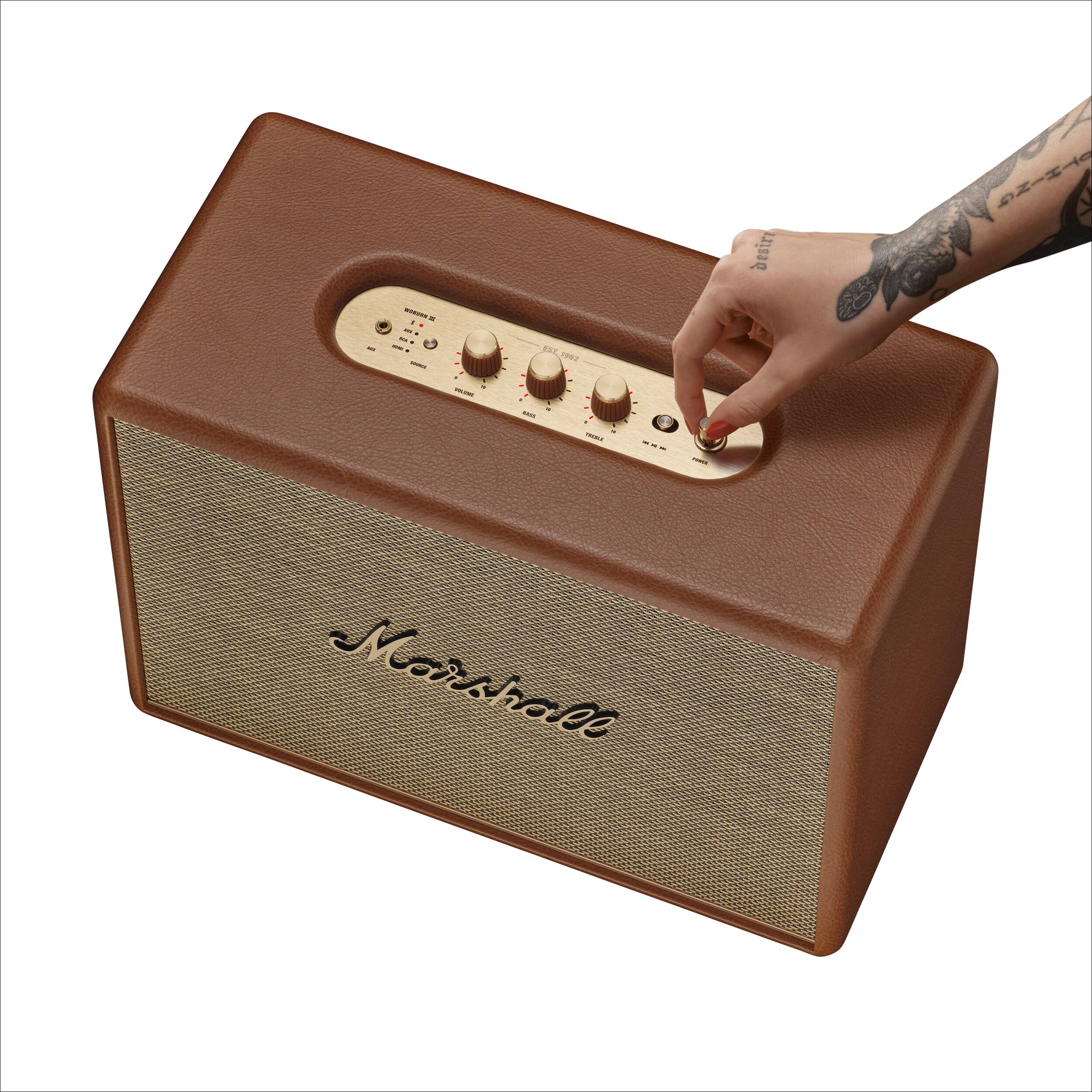
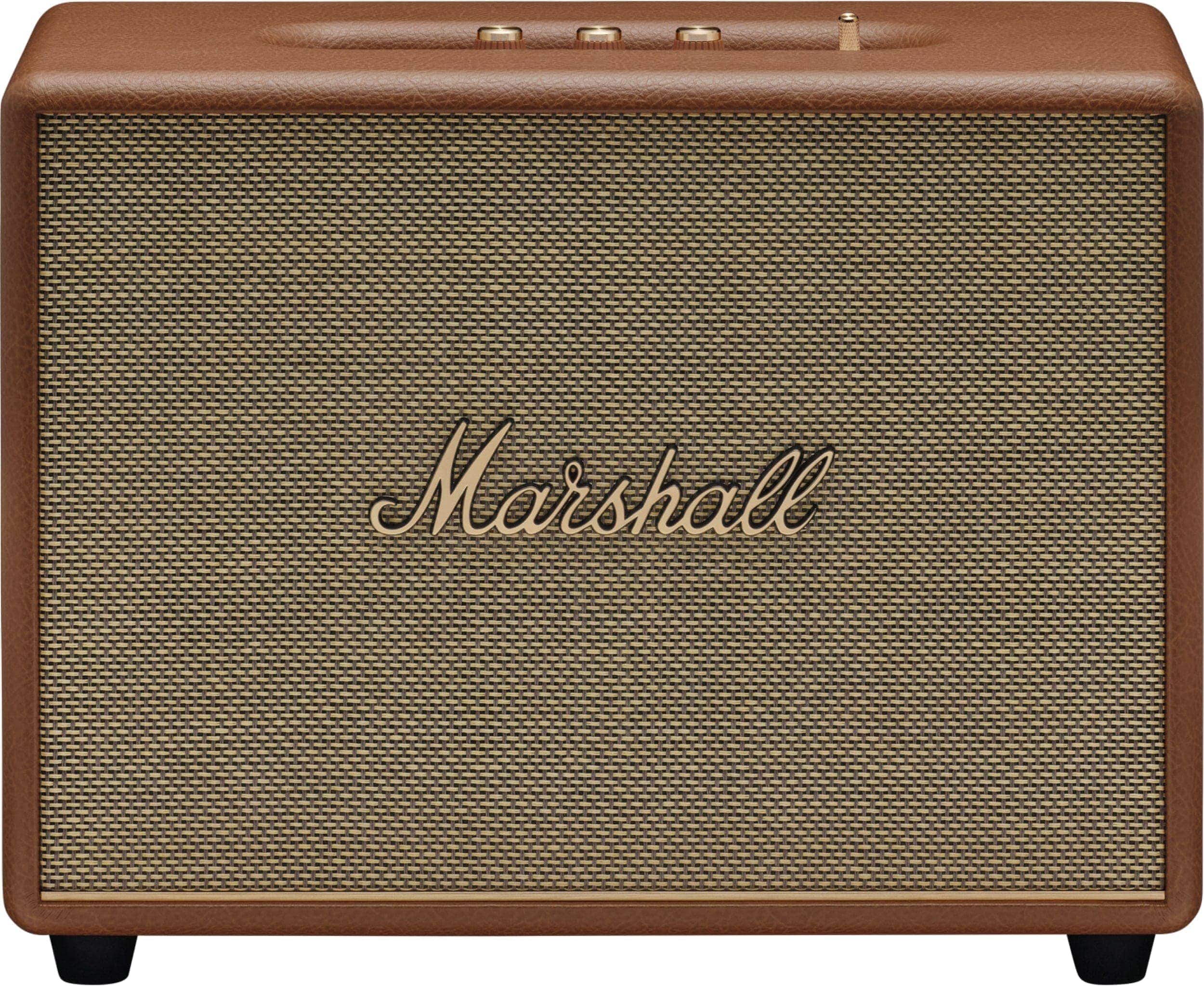
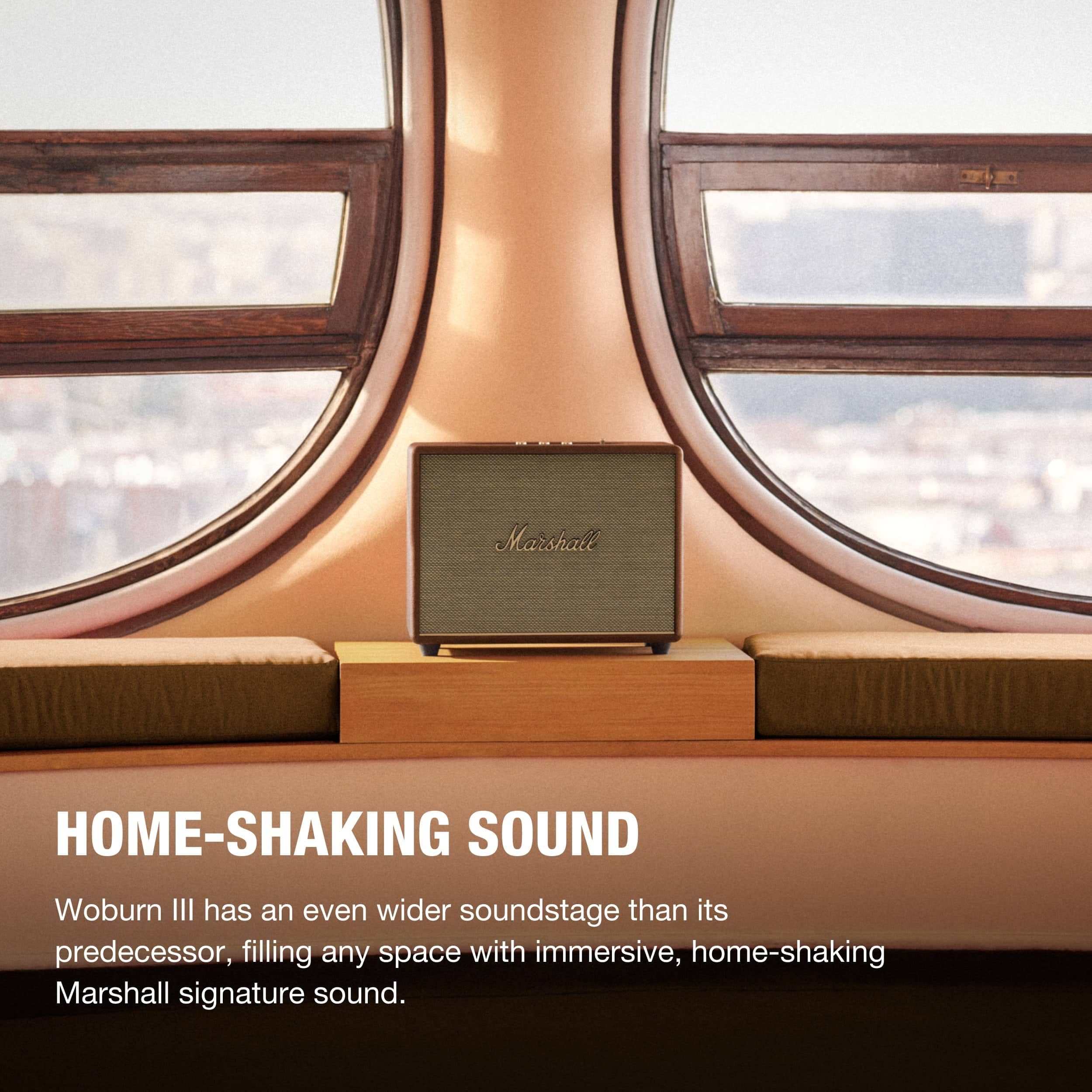
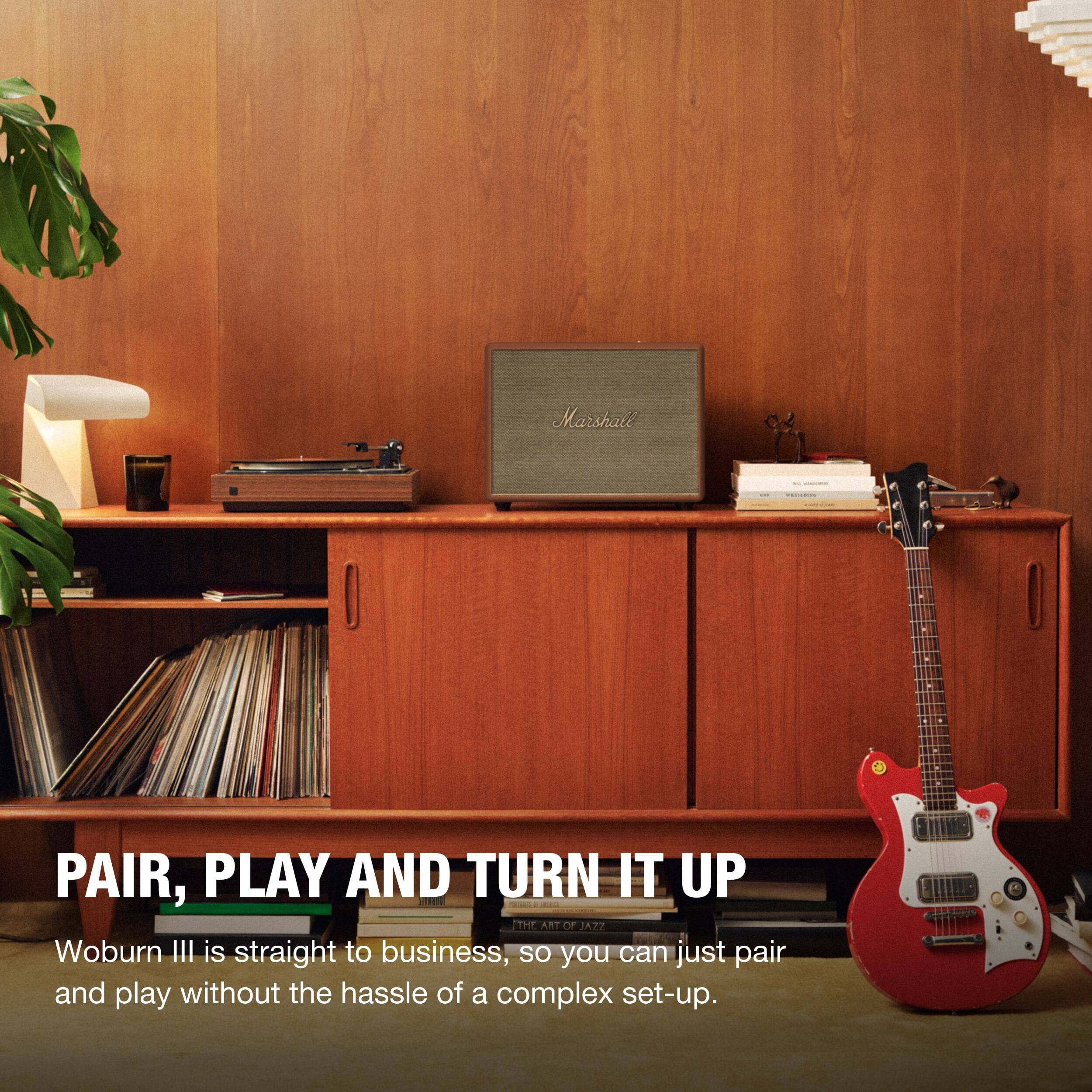
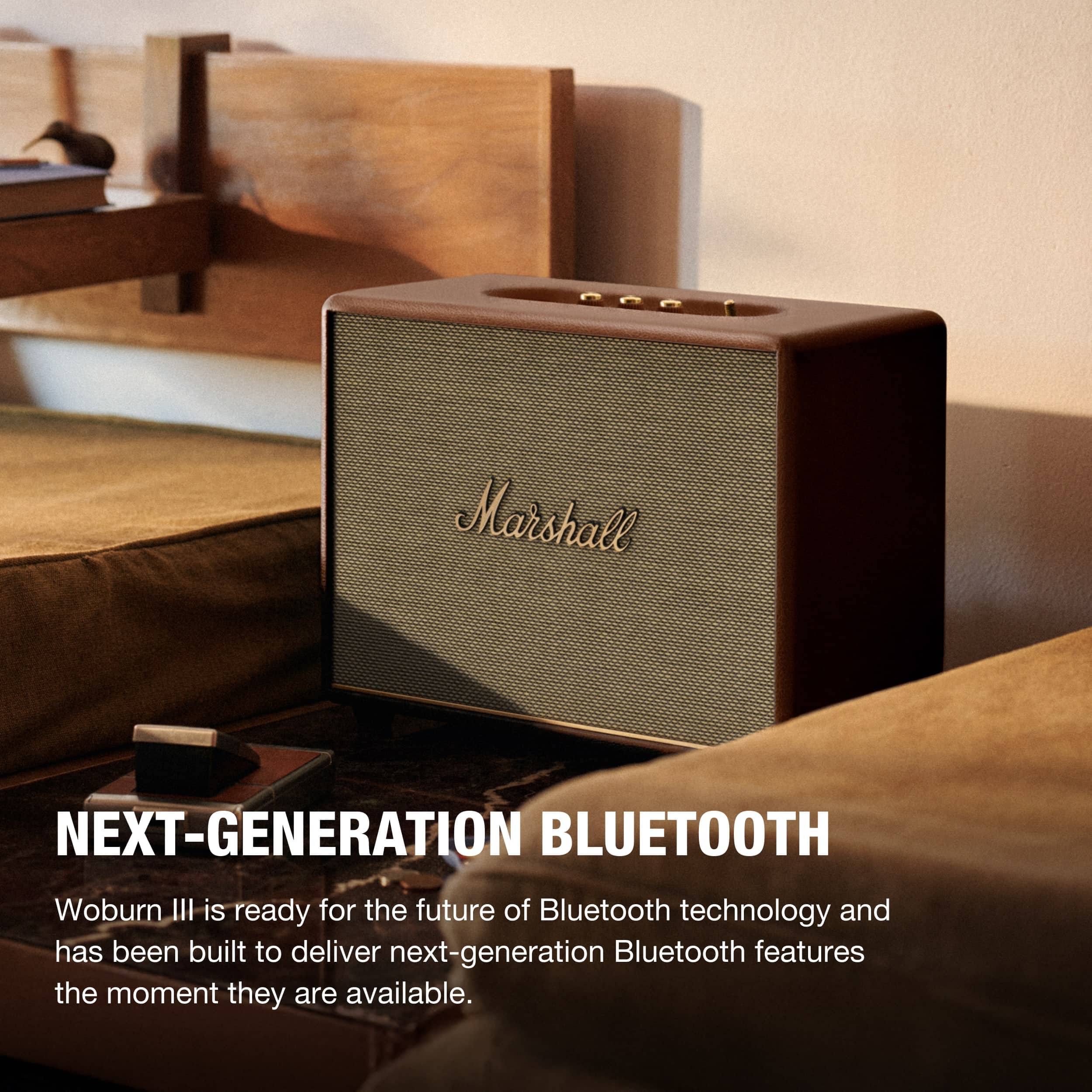
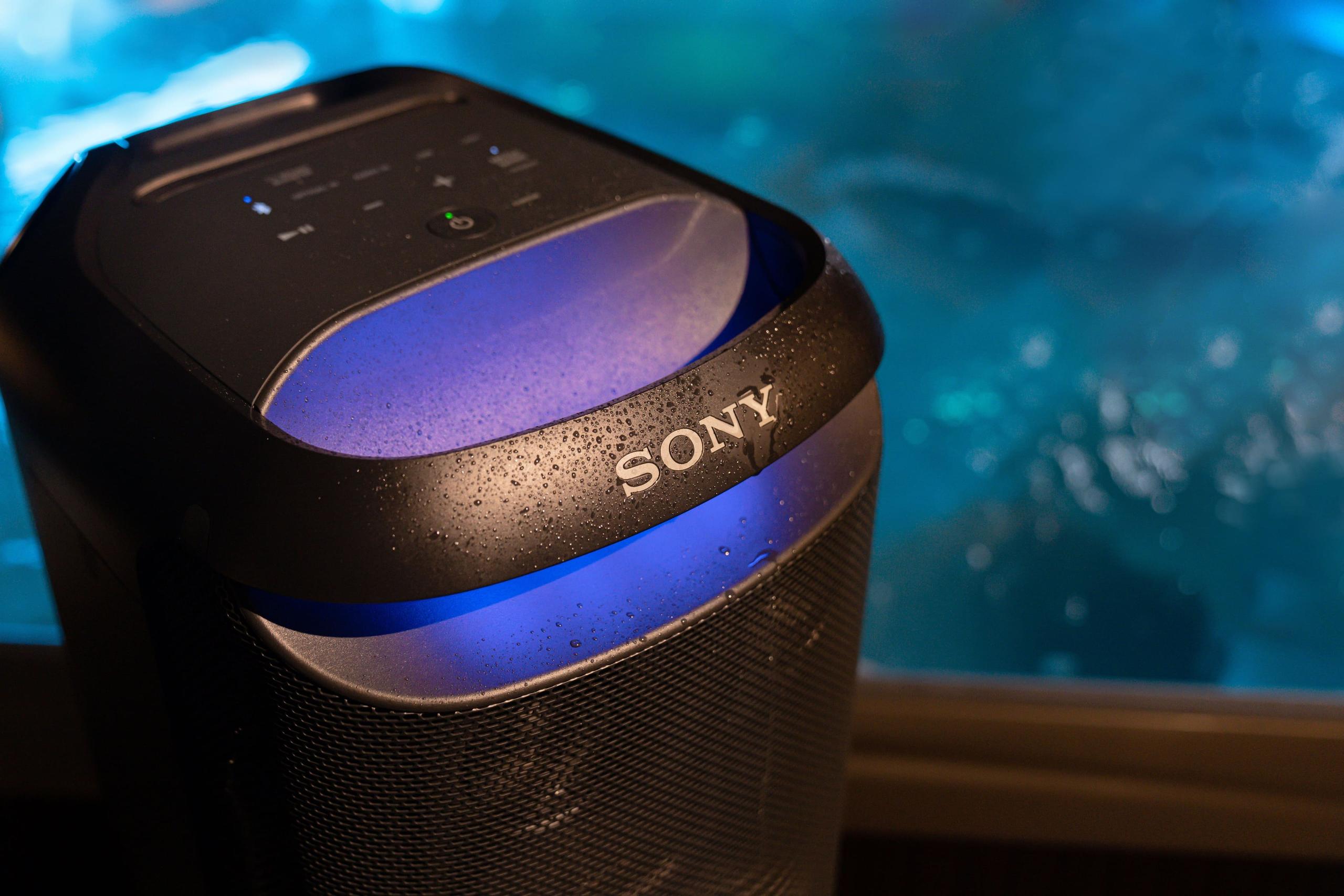
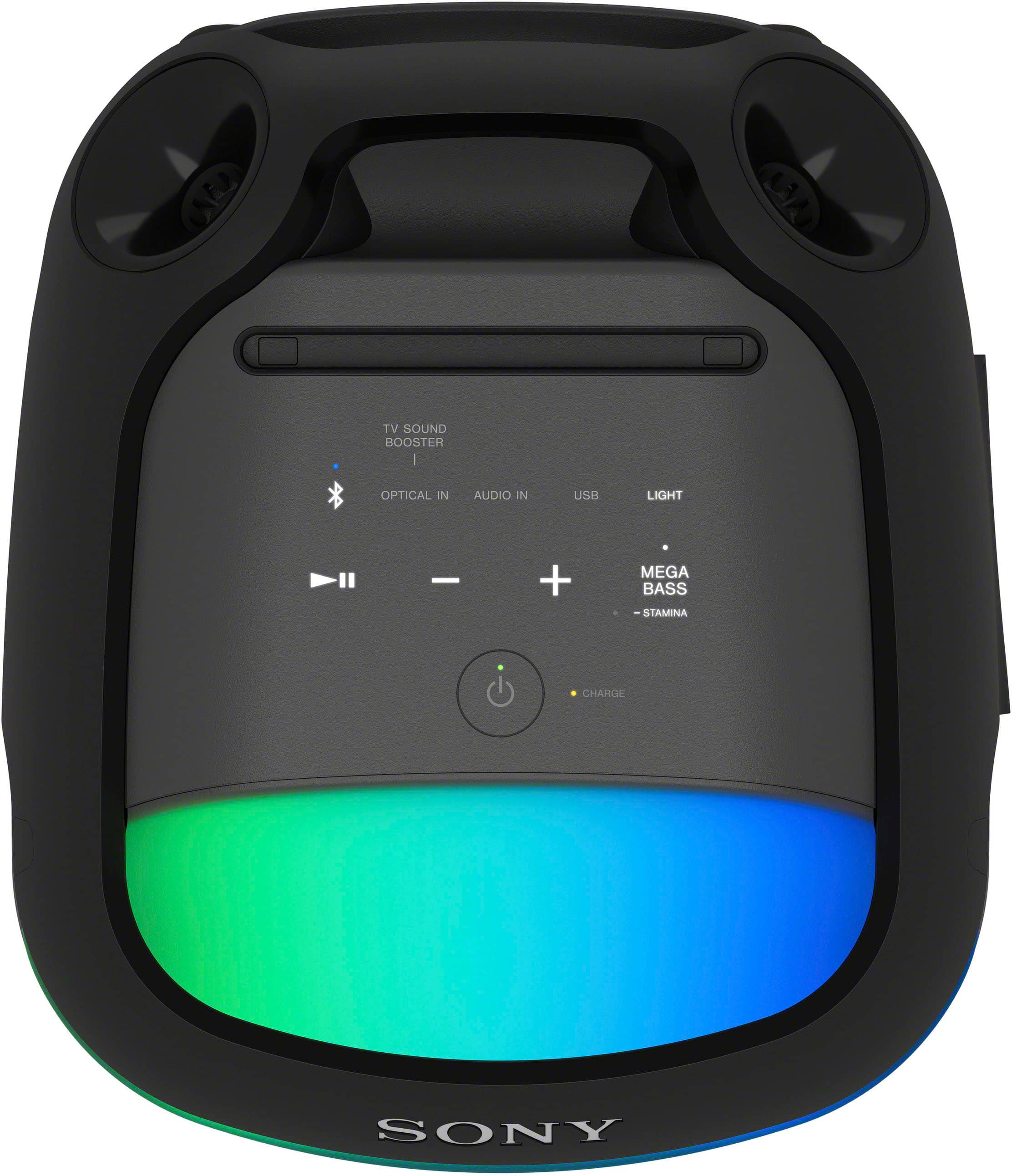
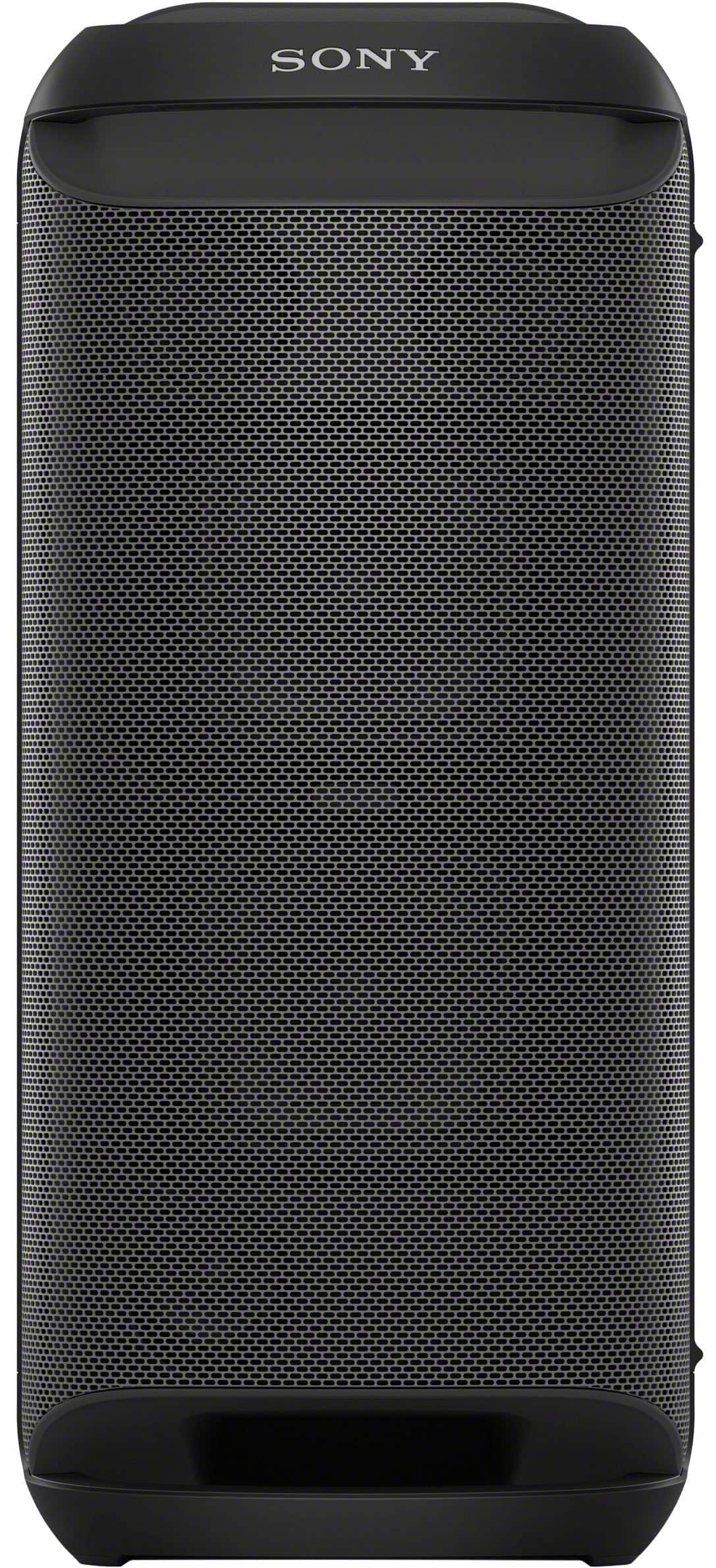
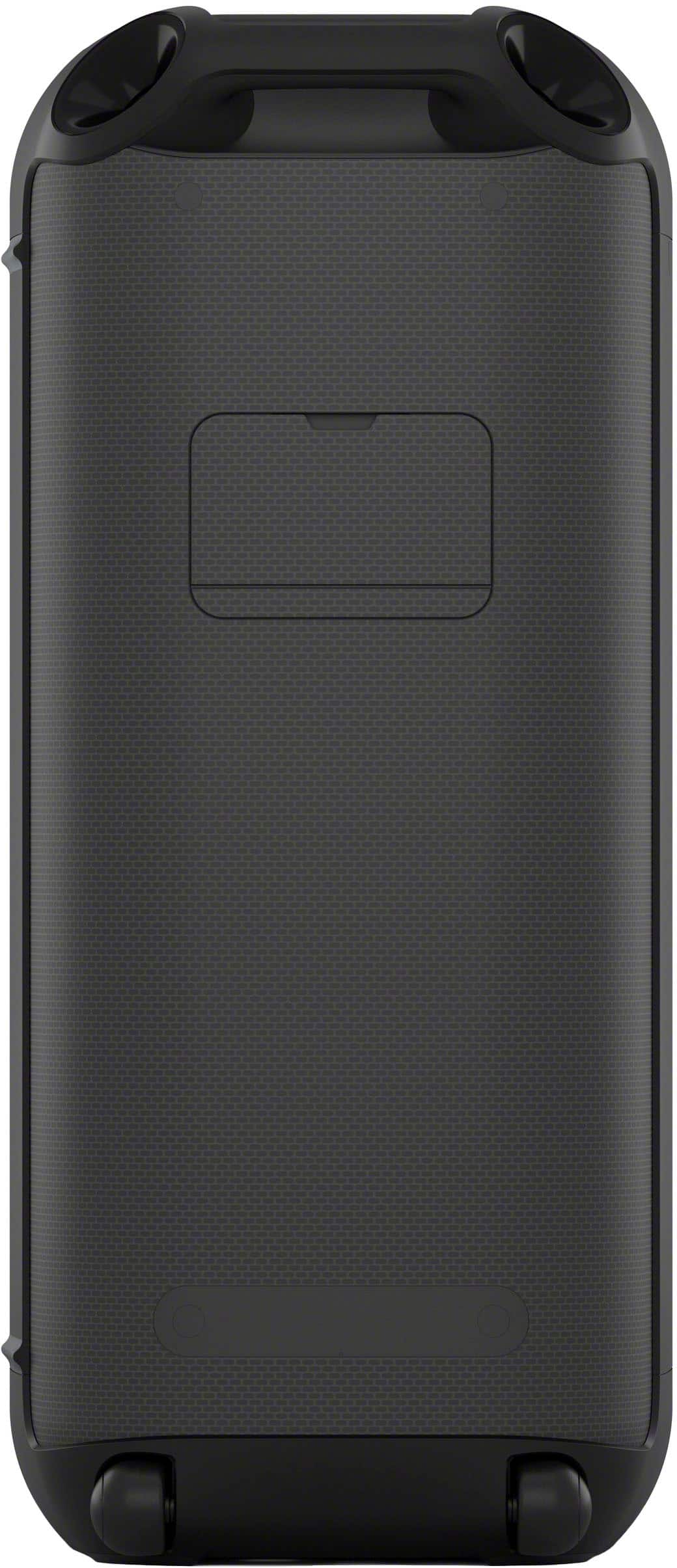
When shopping for a premium speaker in 2024, you'll likely encounter two fundamentally different approaches to audio entertainment. The Marshall Woburn III, released in 2022, represents the pinnacle of home audio design—a stationary powerhouse built for serious listening. The Sony SRS-XV800, launched in 2023, takes the opposite approach as a mobile entertainment system designed to follow you anywhere. Understanding which philosophy matches your lifestyle is crucial to making the right choice.
At the time of writing, these speakers sit in different price tiers, with the Marshall Woburn III commanding a significant premium over the Sony SRS-XV800. That price difference reflects their distinct purposes: one prioritizes audiophile-grade performance, while the other maximizes versatility and entertainment features.
The speaker market has evolved dramatically over the past few years, splitting into specialized categories that serve different user needs. Premium home speakers like the Marshall Woburn III focus on delivering the best possible sound quality in a controlled environment, while portable party speakers like the Sony SRS-XV800 prioritize convenience and entertainment features that work anywhere.
This evolution makes perfect sense when you consider how we actually use speakers. Sometimes you want to sink into your couch and experience music or movies with pristine clarity. Other times, you want to bring the party to the backyard or beach without worrying about power outlets or weather. These different scenarios demand different engineering approaches.
The most significant difference between these speakers lies in their audio engineering approach. The Marshall Woburn III uses what's called a three-way driver system—a sophisticated setup that assigns different frequency ranges to specialized speakers. This includes a dedicated 6-inch woofer for bass, two 2-inch midrange drivers for vocals and instruments, and two precisely angled tweeters for high frequencies.
This three-way design matters because it allows each driver to focus on what it does best, rather than asking a single speaker to handle everything from deep bass to crisp highs. The result is cleaner separation between instruments and vocals, which becomes especially noticeable when listening to complex music with multiple layers.
The Marshall Woburn III's total amplification reaches 150 watts—90 watts dedicated to the woofer alone, with the remaining 60 watts split between the midrange and tweeters. This isn't just about volume; more power means better control over the drivers, resulting in tighter bass and cleaner highs even at moderate listening levels.
The Sony SRS-XV800, by contrast, uses a two-way system optimized for different priorities. Its dual 6.75-inch woofers feature Sony's X-Balanced technology—a rectangular diaphragm design that increases surface area compared to traditional circular speakers. This innovation allows the Sony to move more air and create powerful bass impact while reducing distortion.
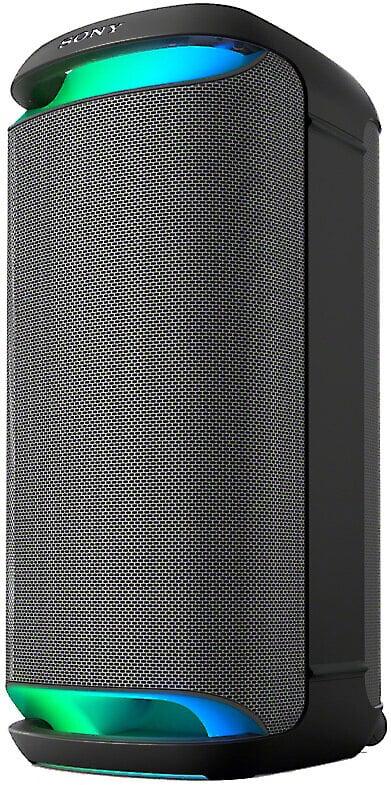
Where the Sony truly shines is its five-tweeter array: three mounted on the front and two on the rear. This configuration creates what Sony calls omnidirectional sound, projecting audio in a 360-degree pattern that fills outdoor spaces more effectively than traditional forward-firing designs. For parties and social gatherings, this approach makes more sense than the focused stereo imaging of the Marshall.
Bass reproduction reveals the clearest difference in these speakers' design philosophies. The Marshall Woburn III delivers what audiophiles call "articulate" bass—each low note is distinct and controlled, making it easy to hear the difference between a bass guitar's individual strings or distinguish the subtle rhythms in electronic music.
This precision comes from the Marshall's bass-reflex cabinet design, which uses carefully calculated internal air volumes and port tuning to extend low-frequency response down to 35 Hz. That's approaching the lowest frequencies humans can perceive, making movies and music sound fuller without the muddiness that plagues many speakers when they try to go too deep.
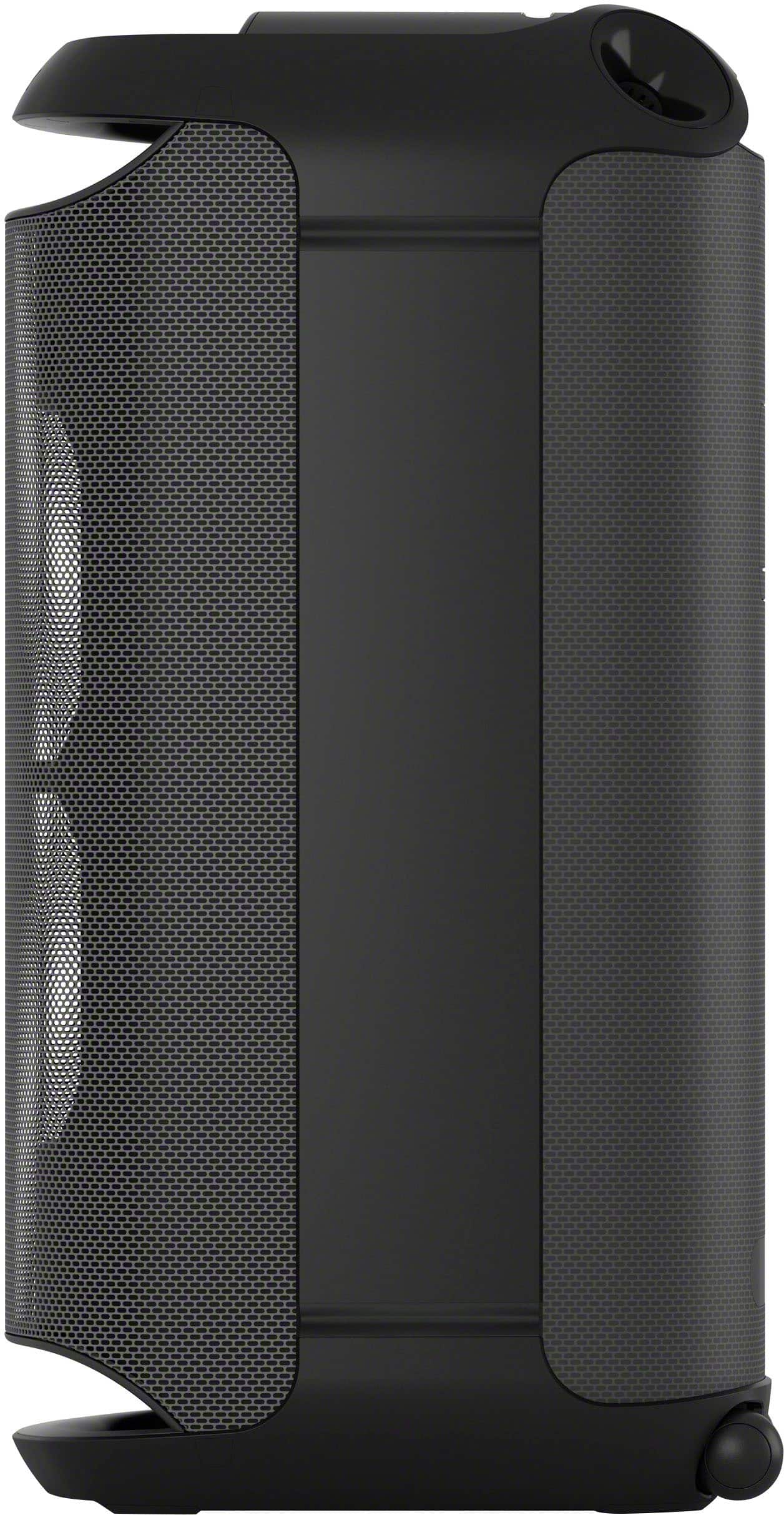
The Sony SRS-XV800 takes a more dramatic approach with its X-Balanced woofers and rear-firing passive radiator. A passive radiator is essentially a speaker without a magnet—it moves in response to air pressure changes inside the cabinet, effectively adding extra bass output without requiring additional amplification. The result is powerful, punchy bass that gets people moving at parties.
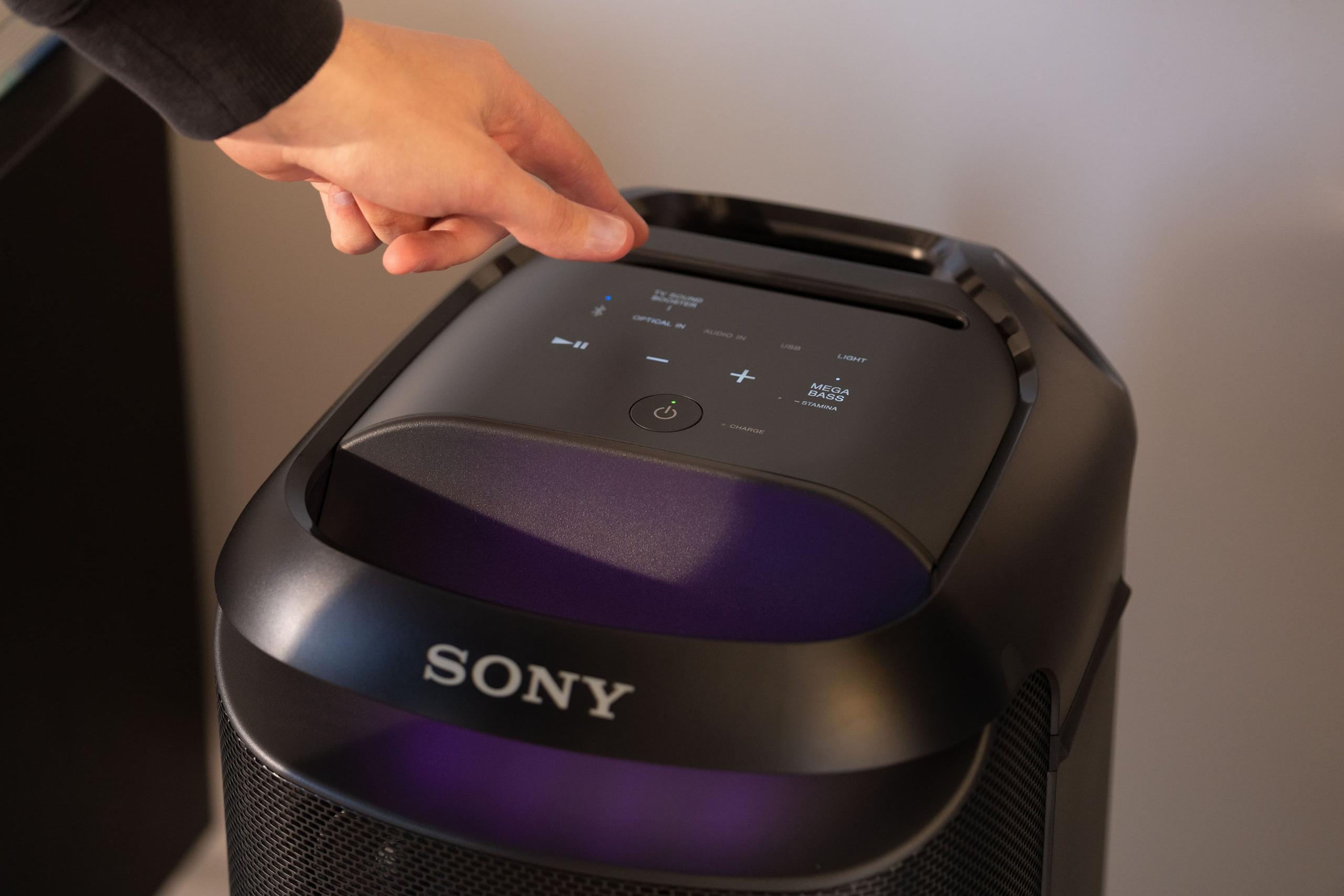
The Sony also includes a dedicated MEGA BASS button that boosts low frequencies for extra impact. While this might sound like a gimmick, it's actually useful for outdoor environments where bass naturally dissipates more quickly than indoors.
Based on our research into user feedback and professional reviews, the Marshall consistently receives praise for bass that remains clear and defined even at high volumes, while the Sony is celebrated for bass that creates physical impact and energy that works well for dancing and outdoor gatherings.
The Marshall Woburn III achieves a maximum sound pressure level of 100.5 dB at one meter—that's loud enough to fill large rooms while maintaining clarity. More importantly, it maintains this performance consistently because it draws power directly from your wall outlet, never worrying about battery conservation.
The Sony SRS-XV800 produces impressive volume from its 77-watt amplification, but its real advantage is maintaining that performance for up to 25 hours on battery power. The speaker includes a quick-charge feature that provides three hours of playback from just ten minutes of charging—perfect for those moments when you forget to charge overnight before a party.
Professional reviews consistently note that both speakers can get uncomfortably loud for most indoor settings, but they handle high volumes differently. The Marshall maintains its refined character even when pushed hard, while the Sony becomes more energetic and exciting as volume increases, which suits its party-focused mission.
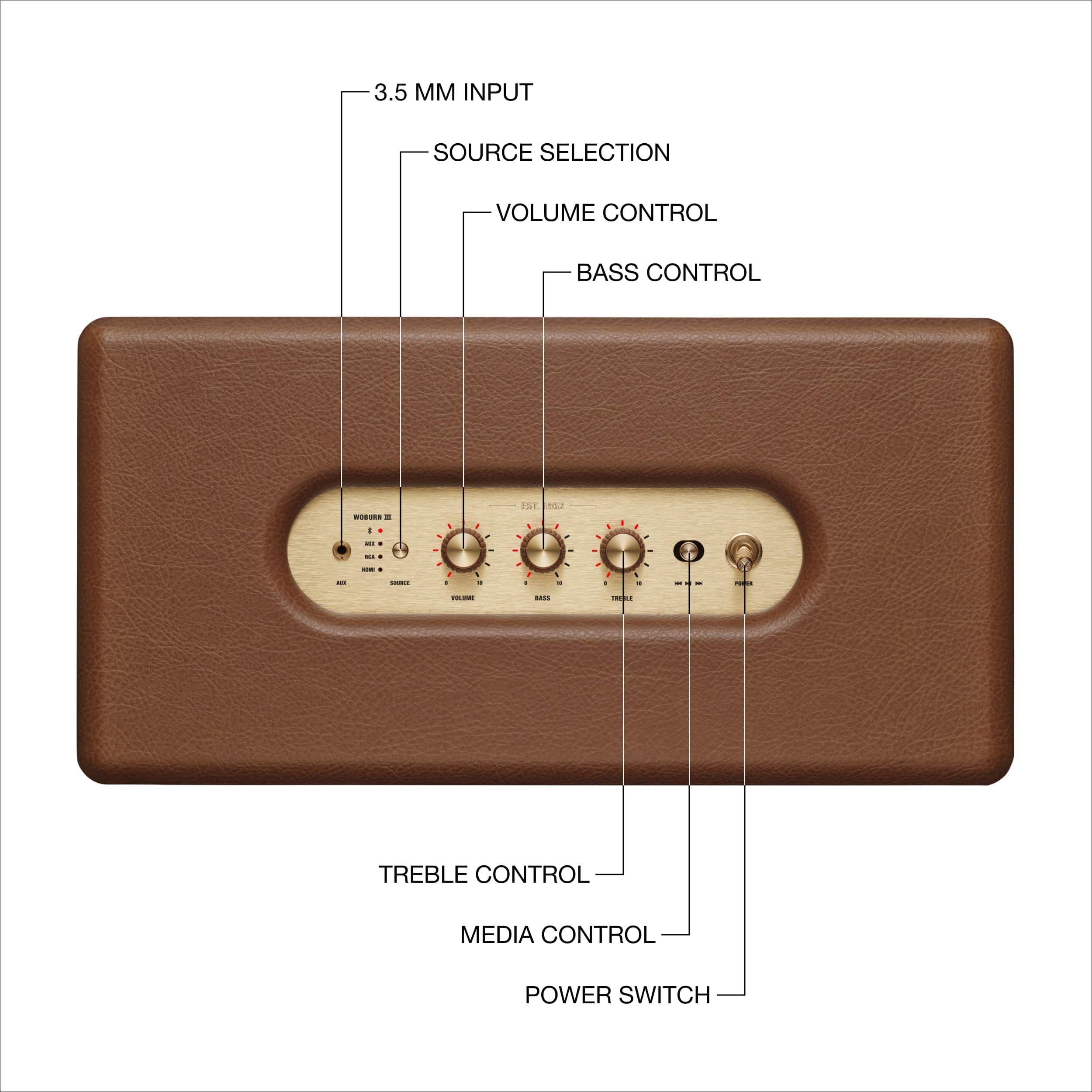
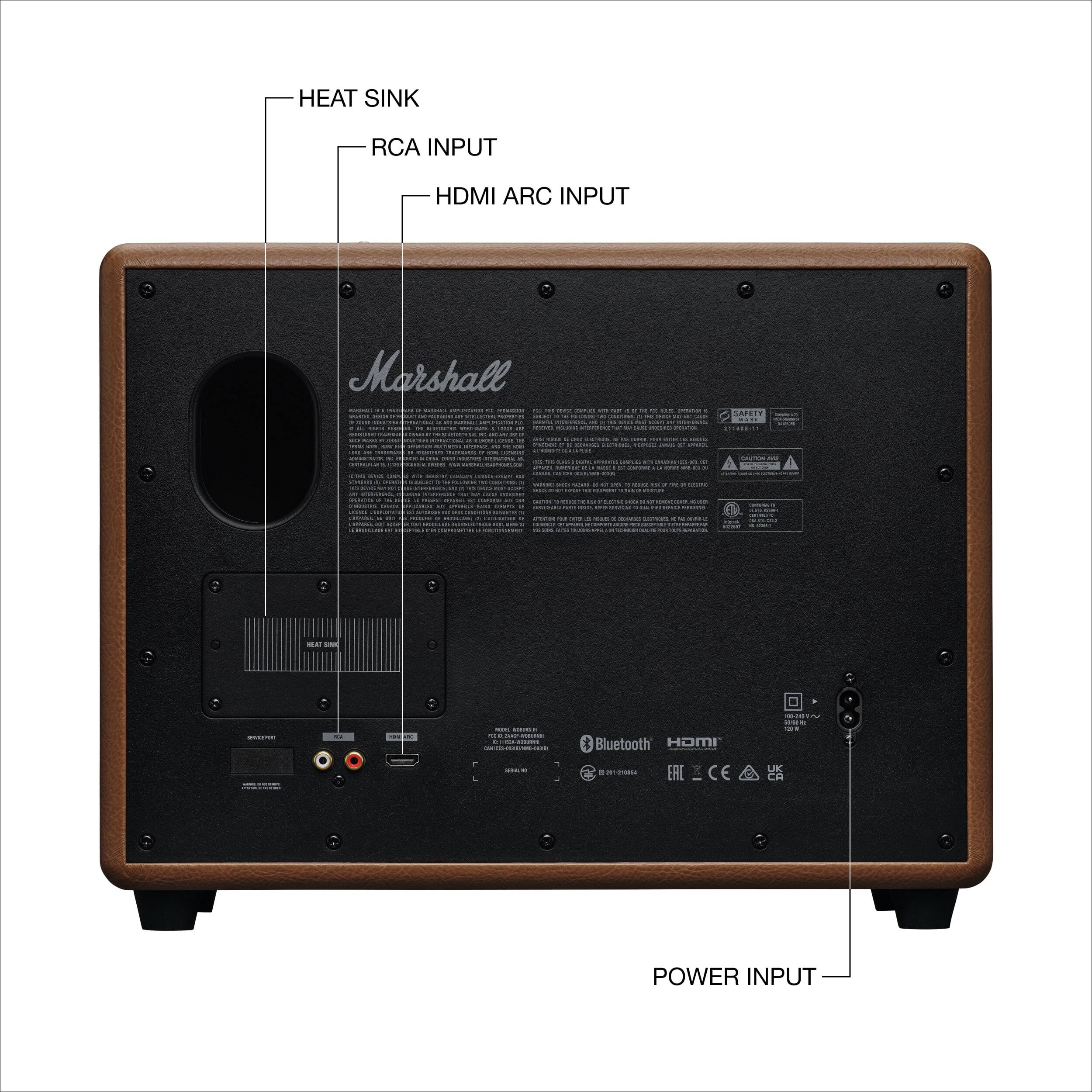
The Marshall Woburn III's standout connectivity feature is HDMI ARC (Audio Return Channel), which allows direct connection to your TV. This creates a seamless experience where the speaker automatically turns on when you start your TV and responds to your TV remote's volume controls. For home theater use, this integration is invaluable—no more juggling multiple remotes or dealing with audio sync issues.
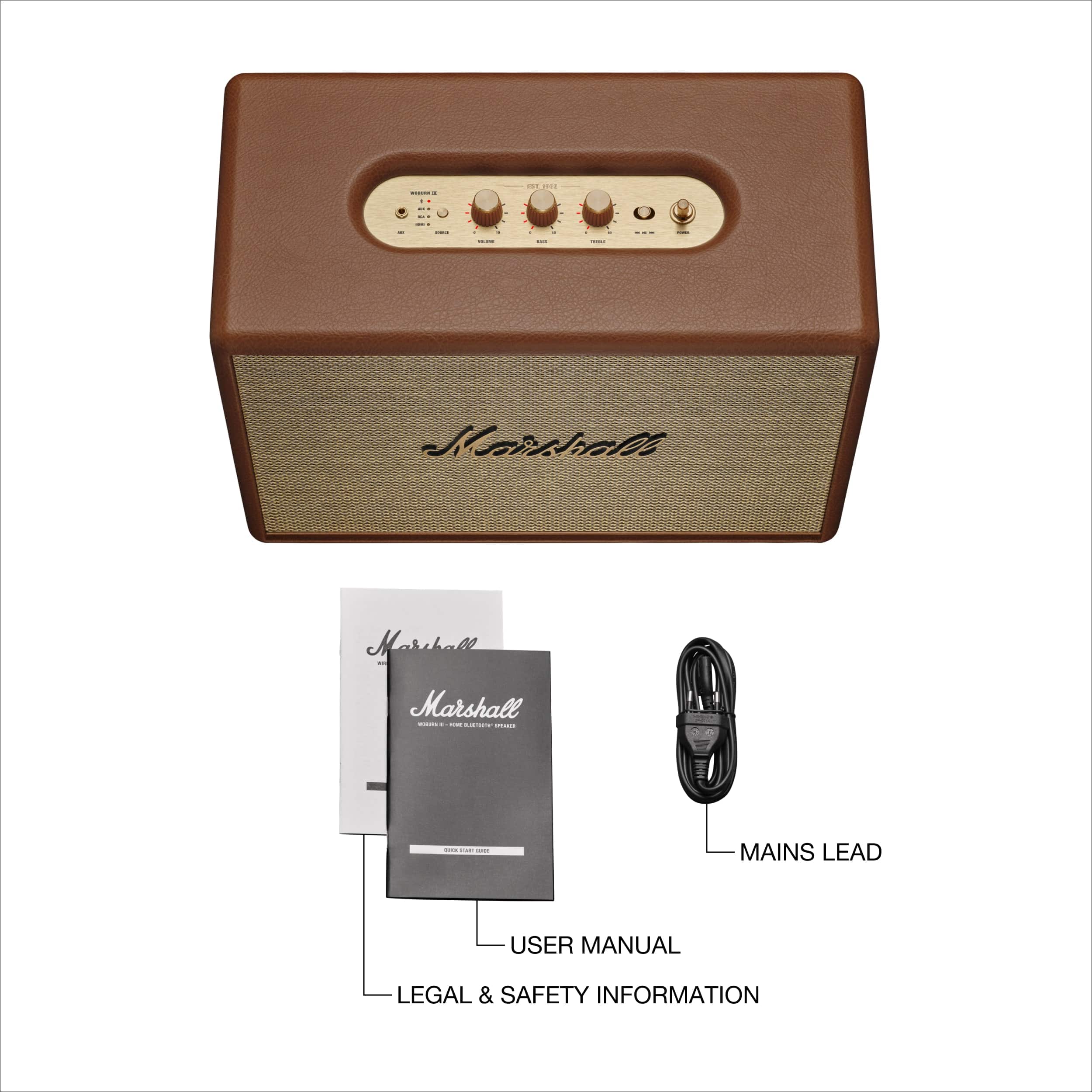
The Marshall also includes traditional RCA inputs for connecting turntables or CD players, plus a 3.5mm auxiliary input for phones or tablets. All controls are accessible through physical brass knobs on the top panel, giving you tactile control over volume, bass, and treble without needing to open an app.
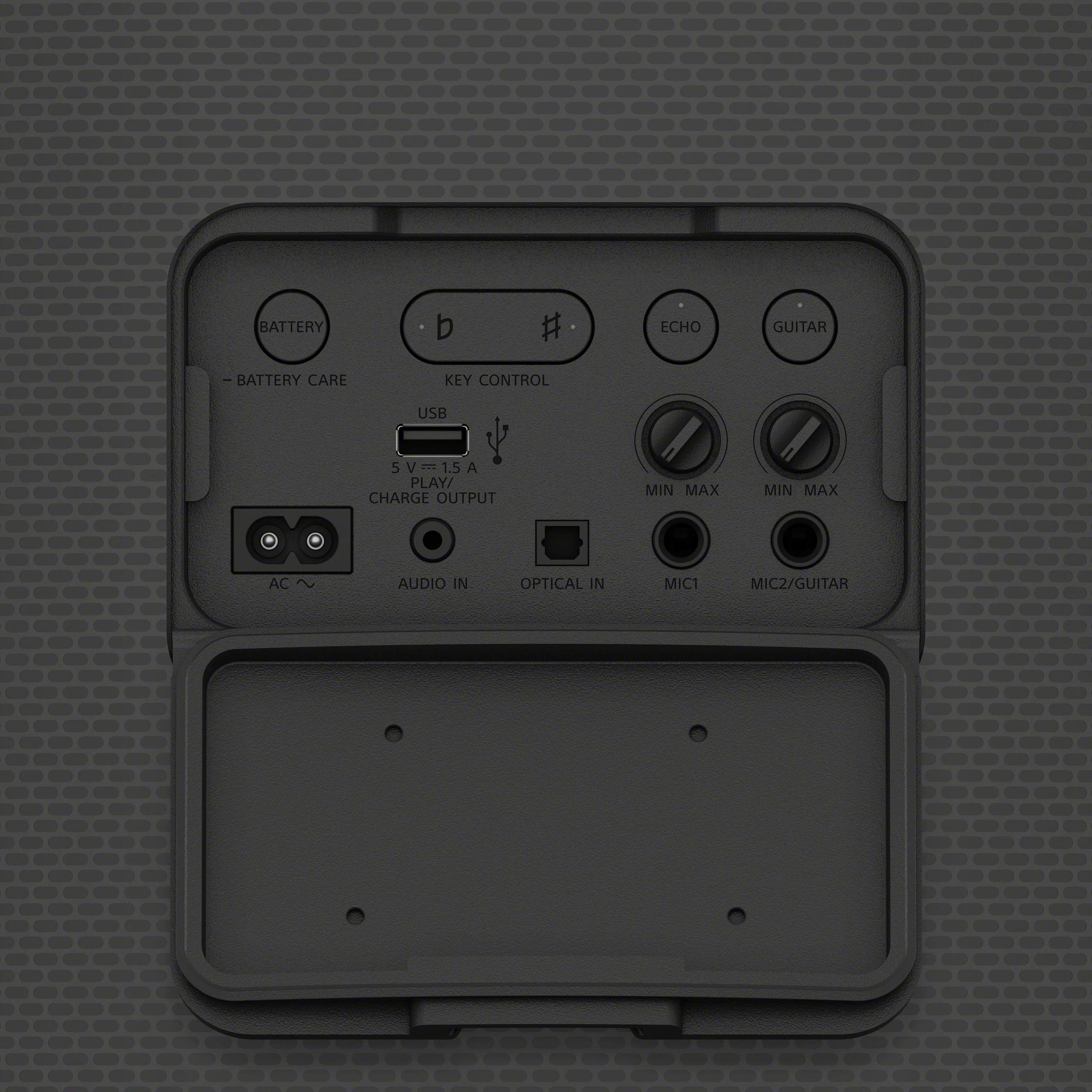
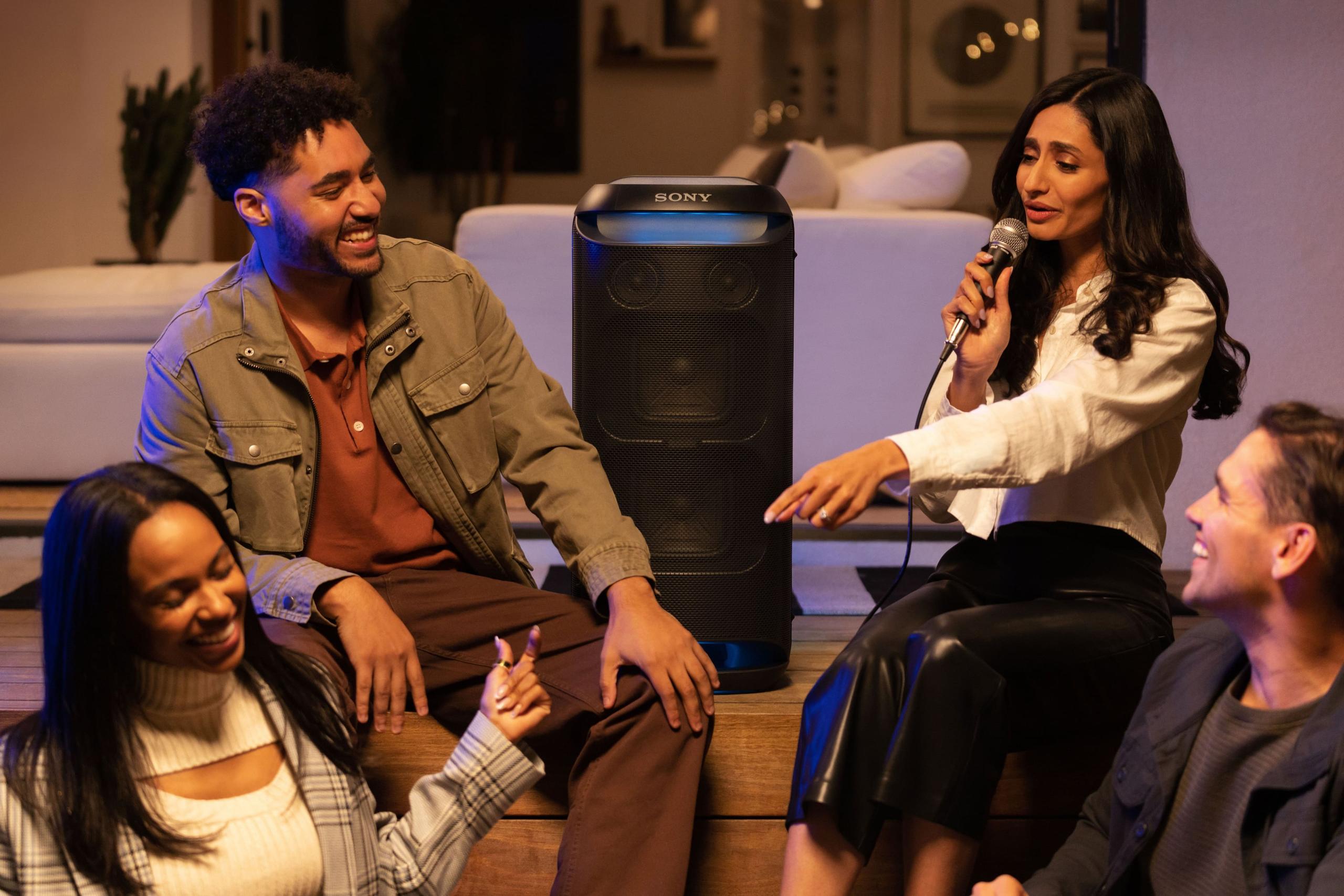
The Sony SRS-XV800 takes a more diverse approach with inputs designed for entertainment scenarios. It includes microphone and guitar inputs with independent volume controls, effectively turning the speaker into a portable PA system or karaoke machine. The USB-A port serves dual purposes: playing music from thumb drives and charging your devices with 5V 1.5A output.
Both speakers support Bluetooth 5.2, but with different codec implementations. The Marshall uses standard SBC and AAC codecs with multipoint connection (connecting two devices simultaneously). The Sony adds LDAC support, which transmits up to three times more data than standard Bluetooth, preserving more musical detail for compatible devices.
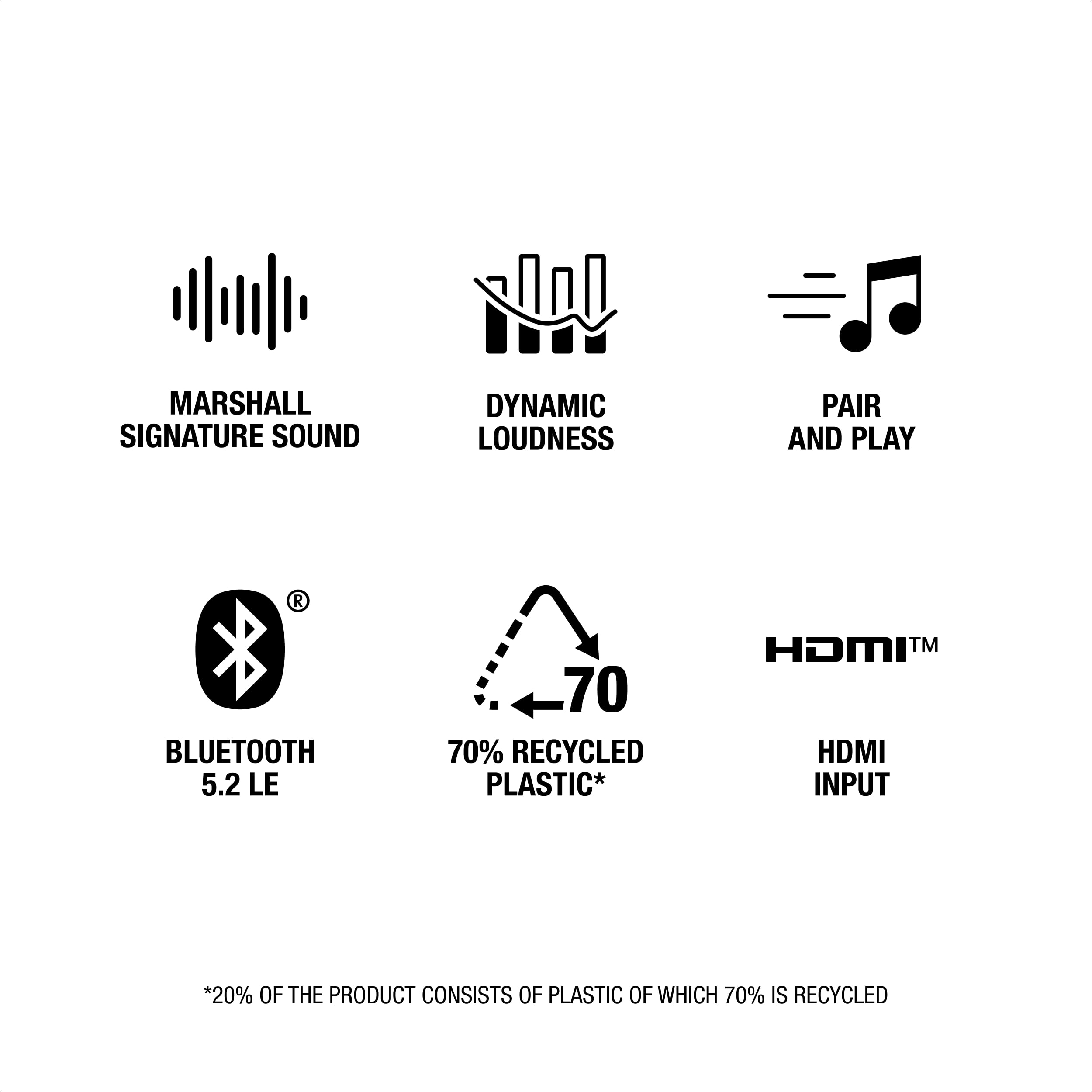
The Marshall Bluetooth app provides sophisticated room correction features, including Placement Compensation that adjusts the sound based on where you position the speaker in your room. This matters because speakers sound different when placed against walls, in corners, or out in open space. The app also includes Dynamic Loudness, which automatically adjusts the tonal balance to maintain full-range sound at any volume level.
Perhaps most importantly, the Marshall receives over-the-air updates through the app, ensuring it stays current with new Bluetooth features and improvements over time. This kind of future-proofing is rare in audio equipment and adds long-term value.
The Sony uses two apps: Sony Music Center for basic controls and sound adjustment, and Fiestable for party features. Through Fiestable, you can control the LED lighting effects, sync multiple speakers together, and even activate motion controls that let you change songs by gesturing at the speaker. The Party Connect feature allows linking up to 100 compatible Sony speakers for massive events.
The Marshall Woburn III prioritizes premium materials and craftsmanship over ruggedness. Its vegan leather exterior and brass controls create an upscale appearance suitable for home décor, but it lacks any water resistance and requires AC power, limiting it to indoor use.
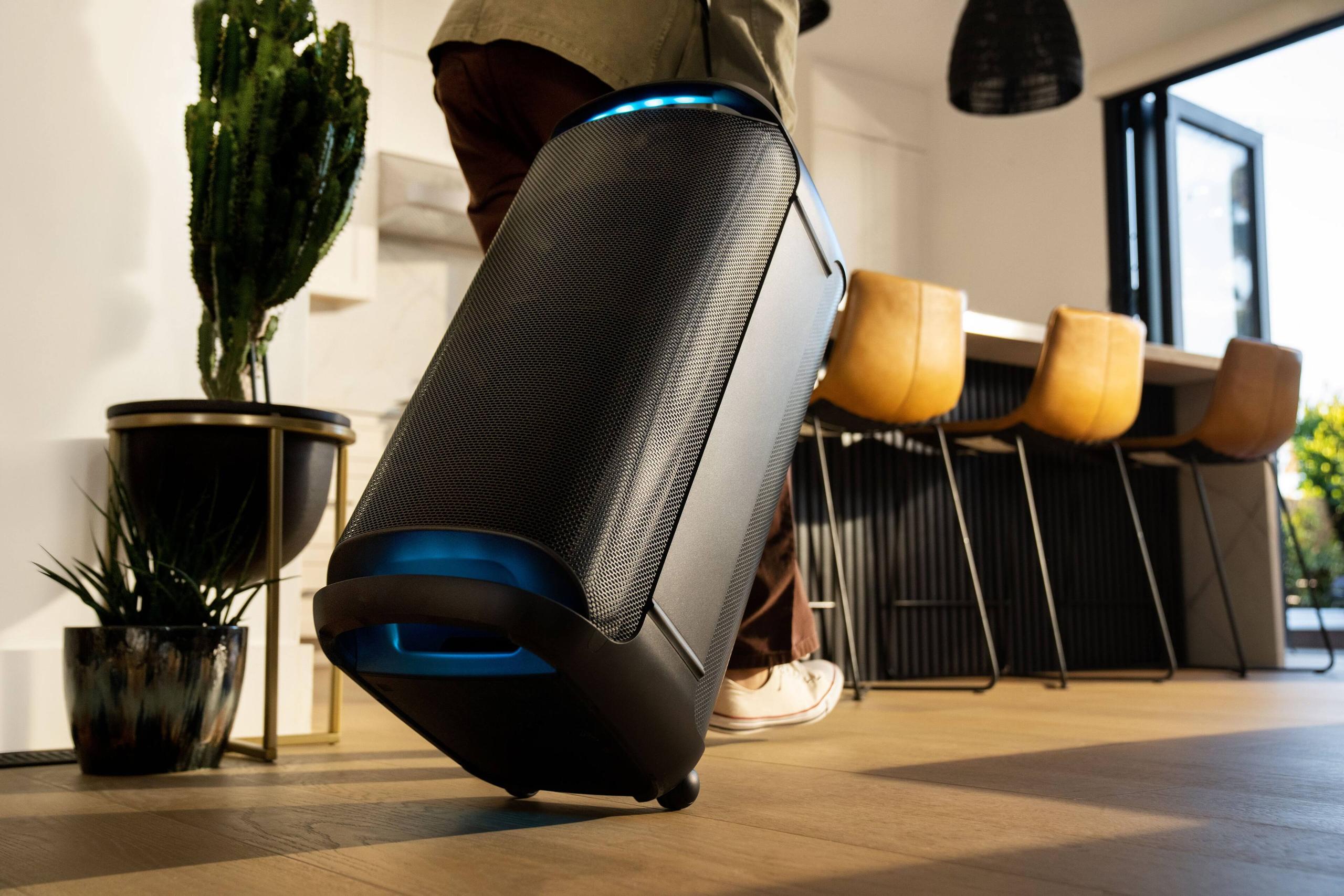
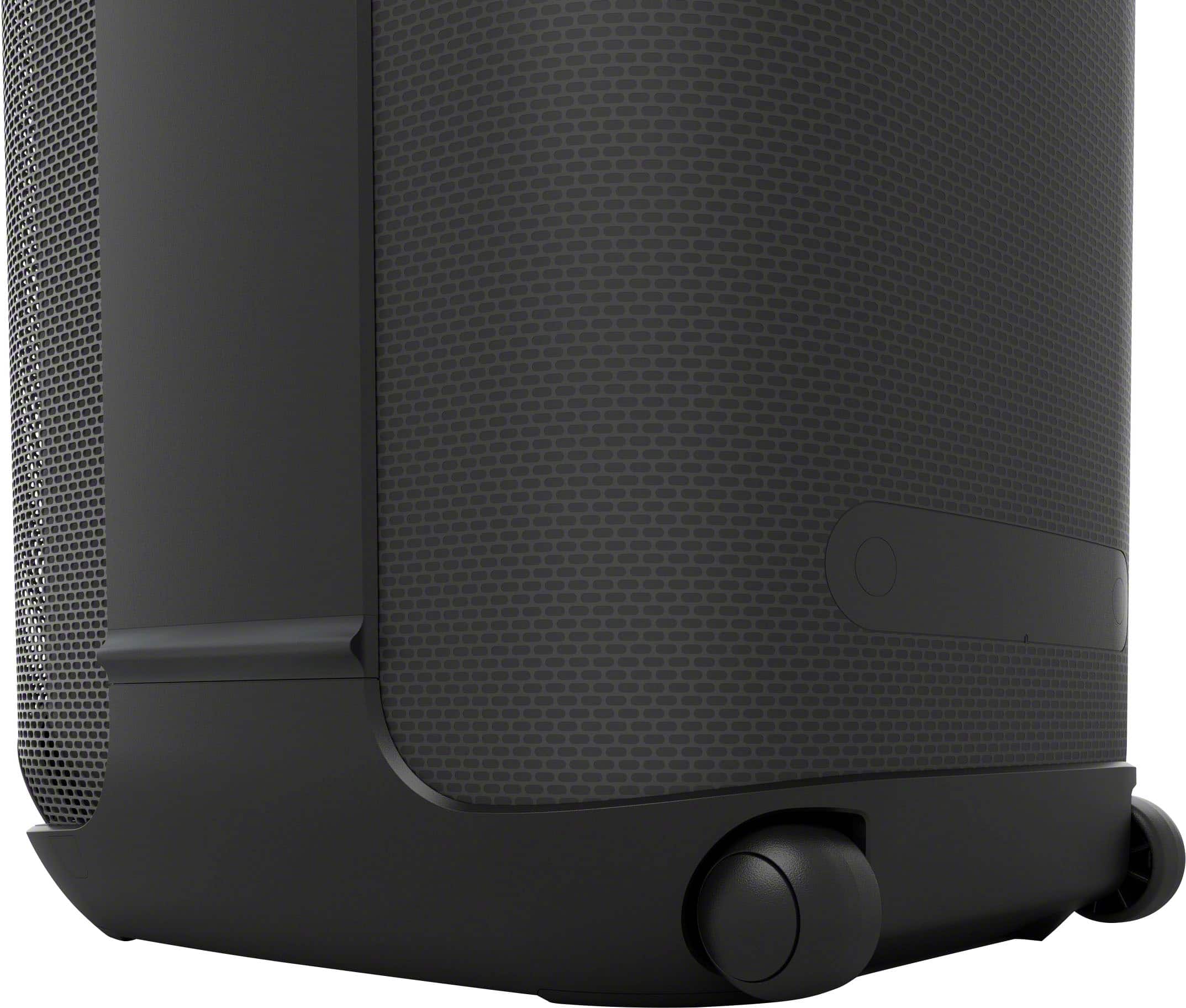
The Sony SRS-XV800 earns an IPX4 water resistance rating when positioned vertically, meaning it can handle splash exposure at poolside parties or light rain during outdoor events. The rating drops to IPX2 when placed horizontally, so vertical positioning is recommended for outdoor use. The built-in handle and wheels make transport manageable despite the speaker's substantial 40.8-pound weight.
For home theater use, the Marshall Woburn III offers clear advantages through its HDMI ARC connection and specialized features. The Night Mode automatically reduces loud sound effects while boosting dialogue clarity—perfect for late-night movie watching without disturbing others. The three-way driver system excels at reproducing dialogue clearly, while the angled tweeters create an immersive soundstage that makes movies feel more cinematic.
The Sony SRS-XV800 can connect to TVs through its optical input and includes a TV Sound Booster mode that enhances audio-visual content, but it lacks the seamless integration and specialized home theater features of the Marshall. Its omnidirectional sound design, while great for parties, doesn't create the focused stereo imaging that makes movies more engaging.
The Marshall Woburn III makes sense for listeners who prioritize audio quality above all else. If you have a dedicated listening room, want to enhance your TV viewing experience, or simply appreciate the craftsmanship of premium audio equipment, the Marshall delivers exceptional value despite its higher price point.
This speaker particularly appeals to vinyl enthusiasts, home theater fans, and anyone who views their audio equipment as both functional and decorative. The classic Marshall aesthetic makes it a conversation piece that happens to sound incredible.
The Sony SRS-XV800 serves a completely different audience: social entertainers who want their speakers to adapt to various scenarios. If you host backyard parties, take speakers to the beach, or need karaoke capability for family gatherings, the Sony provides unmatched versatility at a more accessible price point.
The Sony also appeals to apartment dwellers who might want to use their speaker both indoors and outdoors, or anyone who values the freedom of battery operation over the ultimate in sound quality.
Based on extensive research into professional reviews and user feedback, both speakers excel within their intended use cases. The Marshall Woburn III consistently earns praise for its room-filling sound, refined character, and seamless home integration. Expert reviewers particularly appreciate its ability to maintain clarity at high volumes and its sophisticated soundstage presentation.
The Sony SRS-XV800 receives acclaim for its versatility, powerful bass, and impressive battery life. Users consistently highlight its ability to energize outdoor gatherings while professional reviewers note its innovative driver technology and comprehensive feature set.
The decision ultimately depends on your primary use case. If you want the best possible sound quality for home listening and TV viewing, with the option to occasionally stream music from your phone, the Marshall justifies its premium pricing. If you need a speaker that can adapt to multiple environments and entertainment scenarios, the Sony offers better value through its versatility.
Consider your living situation, entertaining style, and listening preferences. The Marshall Woburn III rewards those who prioritize audio excellence in a controlled environment, while the Sony SRS-XV800 serves those who value flexibility and entertainment features across various scenarios. Both represent excellent engineering approaches to different audio challenges—choosing between them is really about choosing which approach better matches your lifestyle.
| Marshall Woburn III | Sony SRS-XV800 |
|---|---|
| Power Output - Higher wattage means cleaner sound at loud volumes | |
| 150W total (90W woofer + 60W mids/highs) | 77W total (optimized for battery efficiency) |
| Driver Configuration - More drivers = better sound separation and clarity | |
| 3-way: 1x 6" woofer, 2x 2" midrange, 2x 0.75" tweeters | 2-way: 2x 6.75" X-Balanced woofers, 5x tweeters (360° sound) |
| Frequency Response - Lower bass extension = deeper, fuller sound | |
| 35-20,000 Hz (exceptional low-end reach) | 20-20,000 Hz (standard range, punchy bass) |
| Power Source - Battery vs plug-in affects placement flexibility | |
| AC powered only (consistent performance, no battery concerns) | Built-in battery (25 hours playbook, portable freedom) |
| Water Resistance - Essential for outdoor/poolside use | |
| None (indoor use only) | IPX4 when vertical, IPX2 horizontal (splash resistant) |
| Connectivity Options - Different inputs serve different use cases | |
| HDMI ARC, RCA, 3.5mm aux, Bluetooth 5.2 | Optical, USB, mic/guitar inputs, 3.5mm aux, Bluetooth 5.2 with LDAC |
| Weight and Portability - Affects where and how you'll use it | |
| 16.4 lbs, stationary design (premium home placement) | 40.8 lbs with wheels/handles (portable but heavy) |
| Sound Projection - Affects room coverage and listening experience | |
| Stereo imaging with angled tweeters (focused soundstage) | 360° omnidirectional (fills outdoor spaces evenly) |
| Entertainment Features - Party and social use capabilities | |
| Night Mode for TV, analog controls, premium aesthetics | LED lighting, karaoke inputs, Party Connect (link 100+ speakers) |
| App Features - Smart controls and sound customization | |
| Marshall app: placement correction, OTA updates, custom EQ | Sony Music Center + Fiestable: lighting control, multi-speaker sync |
| Home Theater Integration - TV connection and optimization | |
| HDMI ARC with volume sync, Night Mode for dialogue clarity | Optical input, TV Sound Booster mode (basic TV enhancement) |
| Build Quality Focus - Premium materials vs rugged durability | |
| Vegan leather, brass controls, furniture-grade aesthetics | Durable plastic, weather resistance, transport-focused design |
The Marshall Woburn III delivers superior sound quality for home listening with its 3-way driver system and 150W amplification. It features dedicated midrange drivers and angled tweeters that create excellent stereo imaging, making it ideal for critical music listening and home theater use. The Sony SRS-XV800 prioritizes party-friendly omnidirectional sound over audiophile-grade precision.
The Sony SRS-XV800 is specifically designed for outdoor use with IPX4 water resistance, 25-hour battery life, and built-in wheels for portability. The Marshall Woburn III is an indoor-only speaker that requires AC power and has no weather protection, making it unsuitable for outdoor events.
The Marshall Woburn III excels for home theater with HDMI ARC connectivity that syncs with your TV remote and includes Night Mode for enhanced dialogue clarity. While the Sony SRS-XV800 can connect via optical input, it lacks the seamless TV integration and specialized home theater features of the Marshall.
The Marshall Woburn III requires constant AC power connection, ensuring consistent performance without battery concerns. The Sony SRS-XV800 runs on a built-in rechargeable battery for up to 25 hours, offering complete portability but requiring periodic charging.
The Sony SRS-XV800 includes dedicated microphone and guitar inputs with independent volume controls, making it perfect for karaoke and live performances. The Marshall Woburn III has no microphone input and focuses purely on music and TV audio playback.
The Marshall Woburn III produces higher maximum volume (100.5 dB) with its 150W amplification, making it better for filling large indoor spaces. The Sony SRS-XV800 uses 360-degree sound projection that works well for outdoor areas but has less total power output.
The Sony SRS-XV800 supports Party Connect technology, allowing you to wirelessly link up to 100 compatible Sony speakers for massive events. The Marshall Woburn III operates as a single unit and cannot be paired with additional speakers for expanded coverage.
Both speakers deliver impressive bass but with different approaches. The Marshall Woburn III provides precise, articulate bass that extends down to 35Hz, ideal for music detail and movie soundtracks. The Sony SRS-XV800 offers more impactful, party-oriented bass with MEGA BASS mode for extra punch.
Only the Sony SRS-XV800 offers water resistance with IPX4 rating when positioned vertically, making it suitable for poolside parties and light rain exposure. The Marshall Woburn III has no water protection and must be kept indoors.
The Sony SRS-XV800 includes built-in wheels and handles for transport, plus battery operation for cord-free placement anywhere. Despite being heavier at 40.8 lbs, it's designed for mobility. The Marshall Woburn III weighs less but requires AC power, limiting placement flexibility.
Both speakers offer app control but with different features. The Marshall Woburn III uses the Marshall Bluetooth app for sound customization, room correction, and over-the-air updates. The Sony SRS-XV800 uses Sony Music Center and Fiestable apps for lighting effects, multi-speaker control, and party features.
The Sony SRS-XV800 typically offers better value with more features including battery operation, water resistance, lighting effects, and karaoke capability at a lower price point. The Marshall Woburn III commands a premium for superior audio quality, premium materials, and home theater integration, making it better value for serious listeners prioritizing sound quality over versatility.
We've done our best to create useful and informative comparisons to help you decide what product to buy. Our research uses advanced automated methods to create this comparison and perfection is not possible - please contact us for corrections or questions. These are the sites we've researched in the creation of this article: loudersound.com - ash-asia.zendesk.com - armorsound.com - rtings.com - crutchfield.com - rtings.com - stereoguide.com - bestbuy.com - hometechnologyreview.com - crutchfield.com - sweetwater.com - rtings.com - youtube.com - greentoe.com - versus.com - idownloadblog.com - marshall.com - youtube.com - comparisontabl.es - youtube.com - versus.com - crutchfield.com - device.report - consumerreports.org - sg.tcacoustic.asia - stereoindex.com - safemark.com - smarthomesounds.co.uk - marshall.com - device.report - bestbuy.com - marshall.com - soundandvision.com - crutchfield.com - sciencefocus.com - sony.com - bestbuy.com - bestbuy.com - stereoguide.com - sony-mea.com - soundguys.com - electronics.sony.com - youtube.com - sony.com - youtube.com - device.report - youtube.com - youtube.com - adorama.com - sonylatvija.com - sony.com

Privacy Policy
Terms and Conditions - Affiliate Policy
Home Security
© Copyright 2008-2026.
11816 Inwood Rd #1211, Dallas, TX 75244