

When you're shopping for a premium Bluetooth speaker, two very different philosophies emerge. You have party-focused speakers like the Sony SRS-XV900 that prioritize portability and crowd-pleasing power, and you have home audio speakers like the Marshall Woburn III that emphasize sound quality and permanent installation. Both were released in 2022, representing the latest thinking in their respective categories, but they're designed for completely different users.
The choice between them isn't just about sound quality or price—it's about lifestyle. Do you need a speaker that travels with you to parties, camping trips, and outdoor gatherings? Or are you looking for a permanent audio upgrade for your home that can serve double duty as a TV speaker? Understanding this fundamental difference will save you from buyer's remorse and help you pick the right tool for your specific needs.
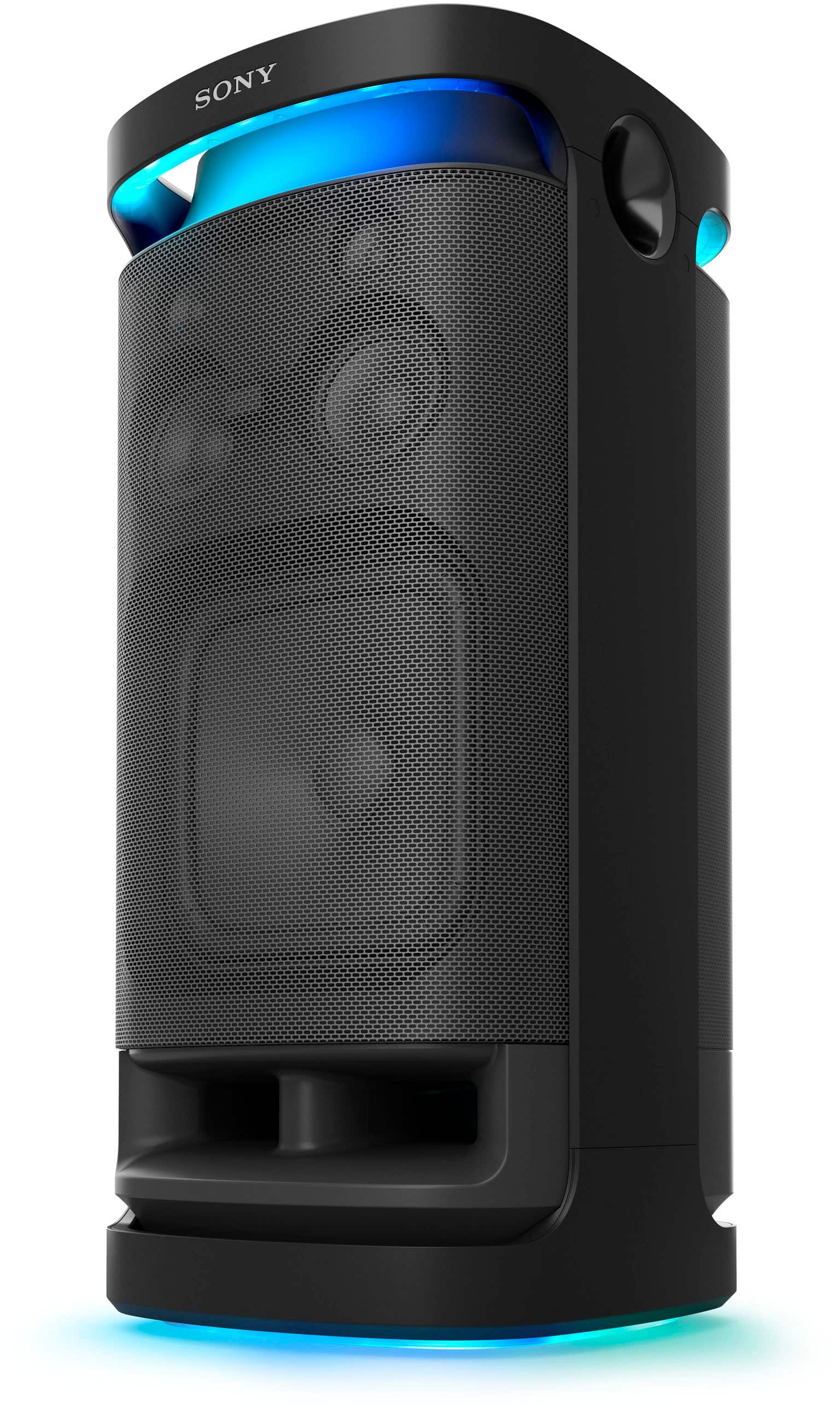
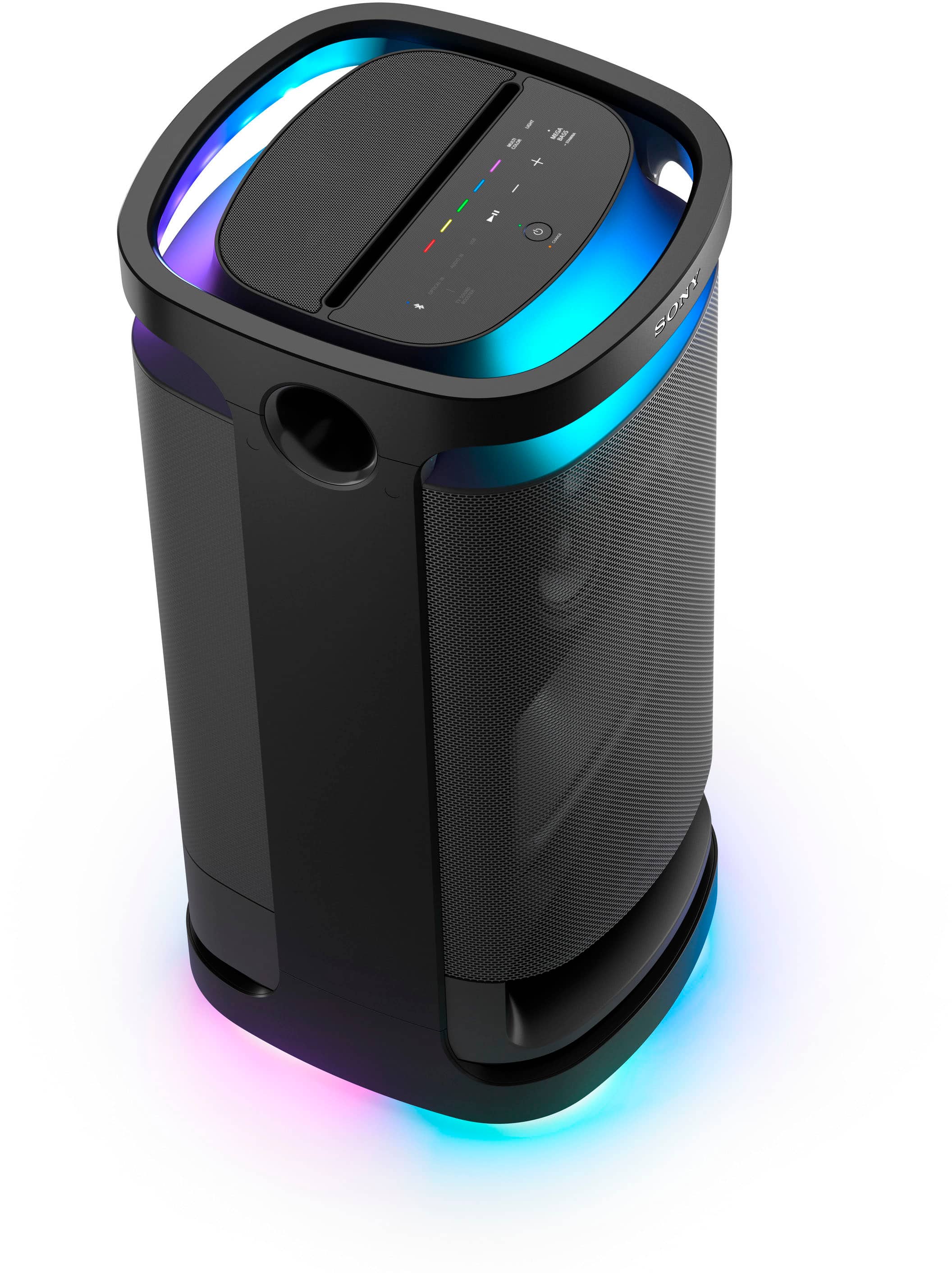
The Sony SRS-XV900 belongs to what manufacturers call "party speakers"—large, powerful, battery-powered units designed to fill outdoor spaces with sound. These speakers prioritize maximum volume, deep bass that you can feel, and features like lighting effects and microphone inputs. They're built for social situations where the goal is energizing a crowd rather than critical listening.
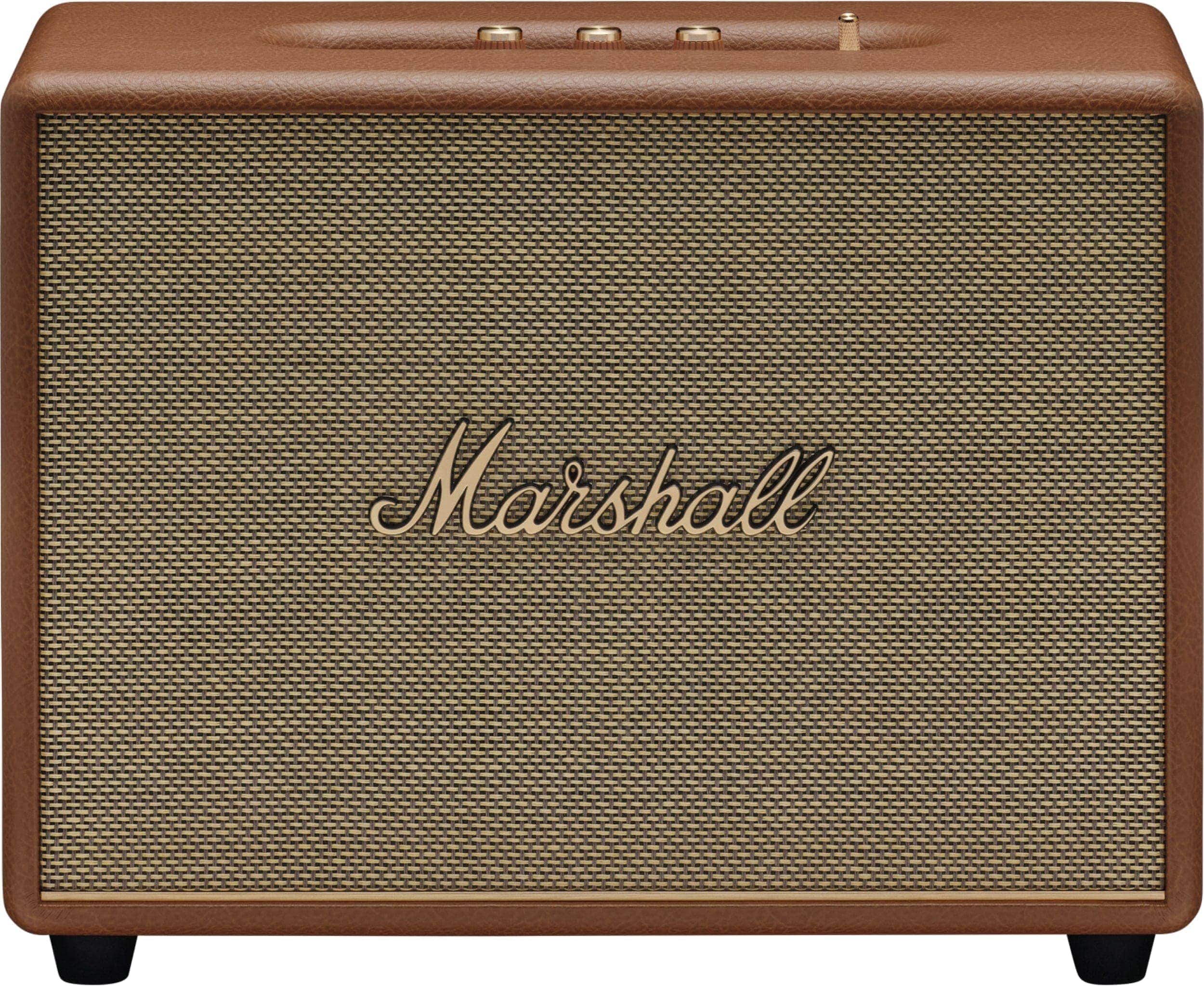
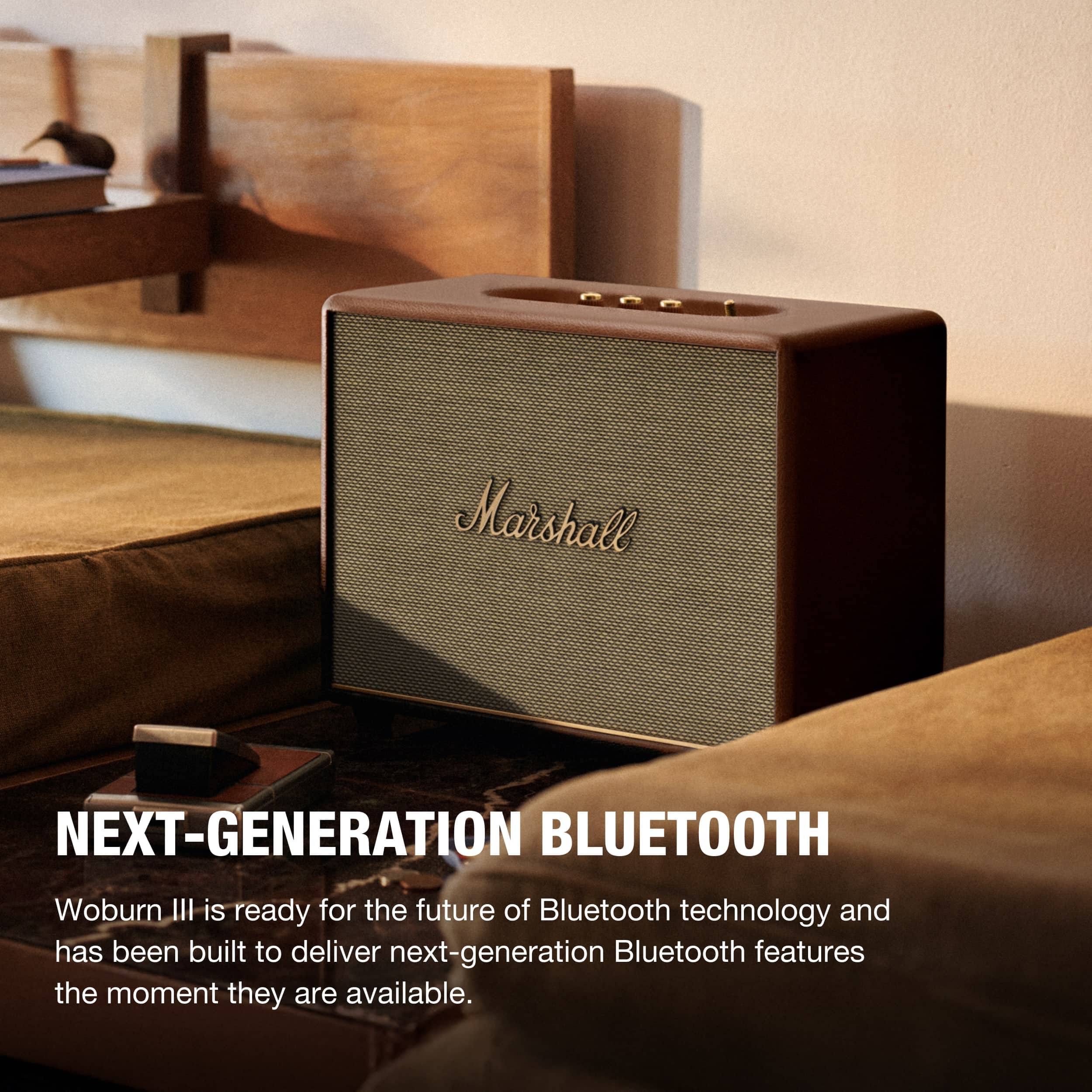
The Marshall Woburn III, on the other hand, is a "home audio" speaker that emphasizes sound quality over portability. It's designed to sit in one place and deliver the best possible audio experience for that specific location. Home speakers typically offer better frequency response (how evenly they reproduce different pitches), superior stereo imaging (how well they create a realistic soundstage), and connectivity options for home theater systems.
Since 2022, both categories have seen interesting developments. Party speakers have gotten more sophisticated with app integration and multi-speaker linking, while home speakers have embraced HDMI connectivity for seamless TV integration. The Sony SRS-XV900 represents the current peak of portable party audio, while the Marshall Woburn III shows how traditional hi-fi principles can work beautifully in modern Bluetooth speakers.
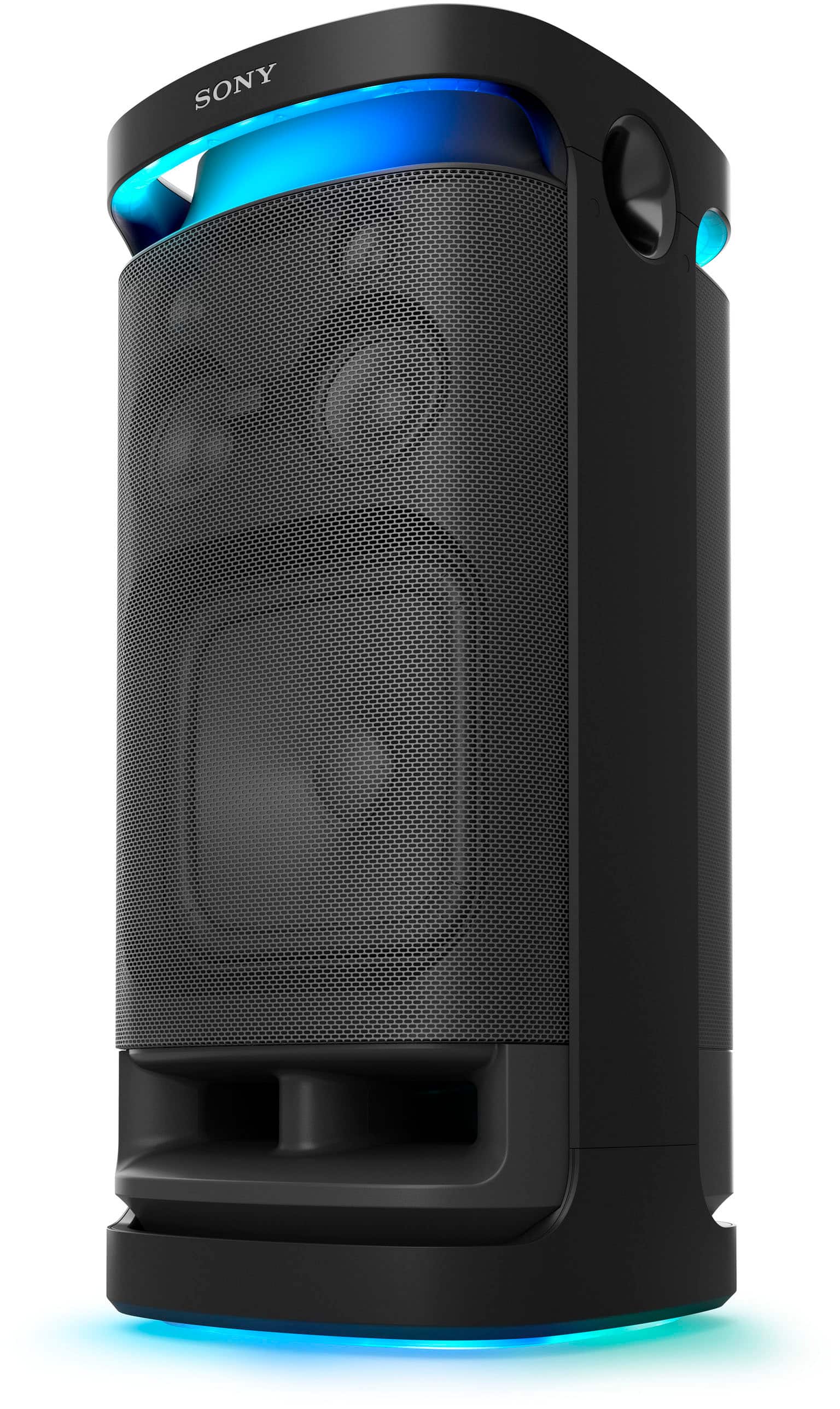
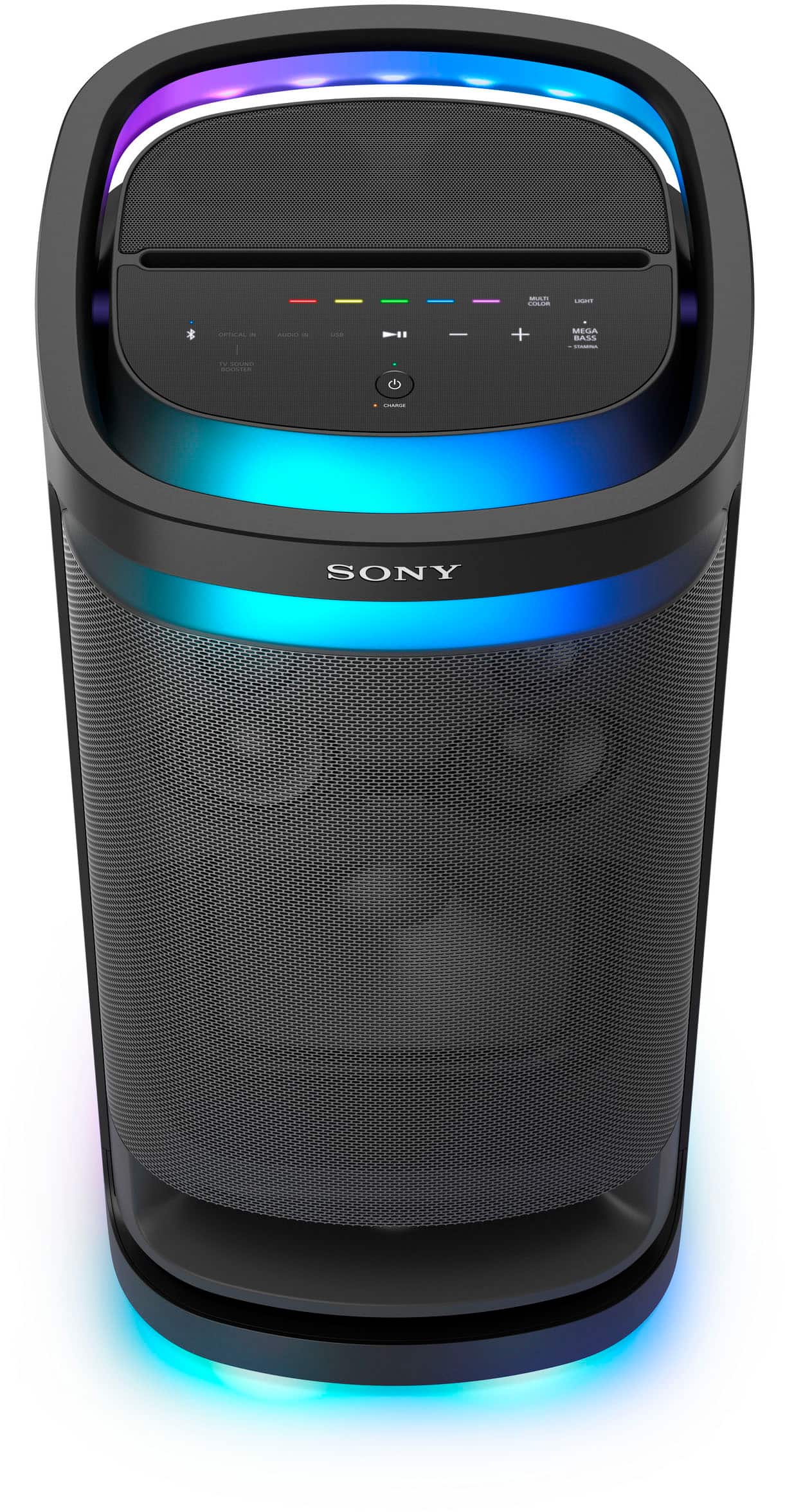
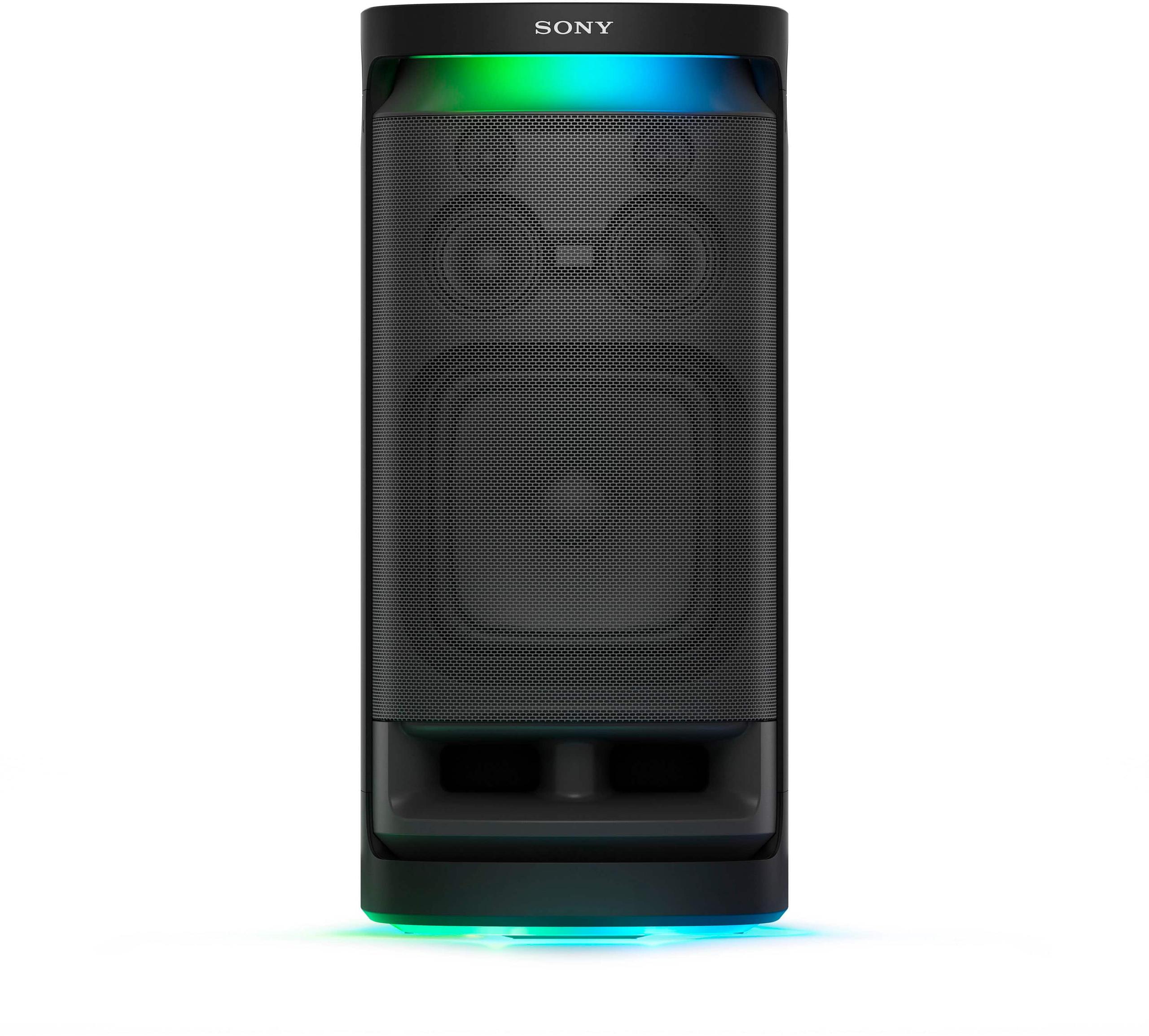
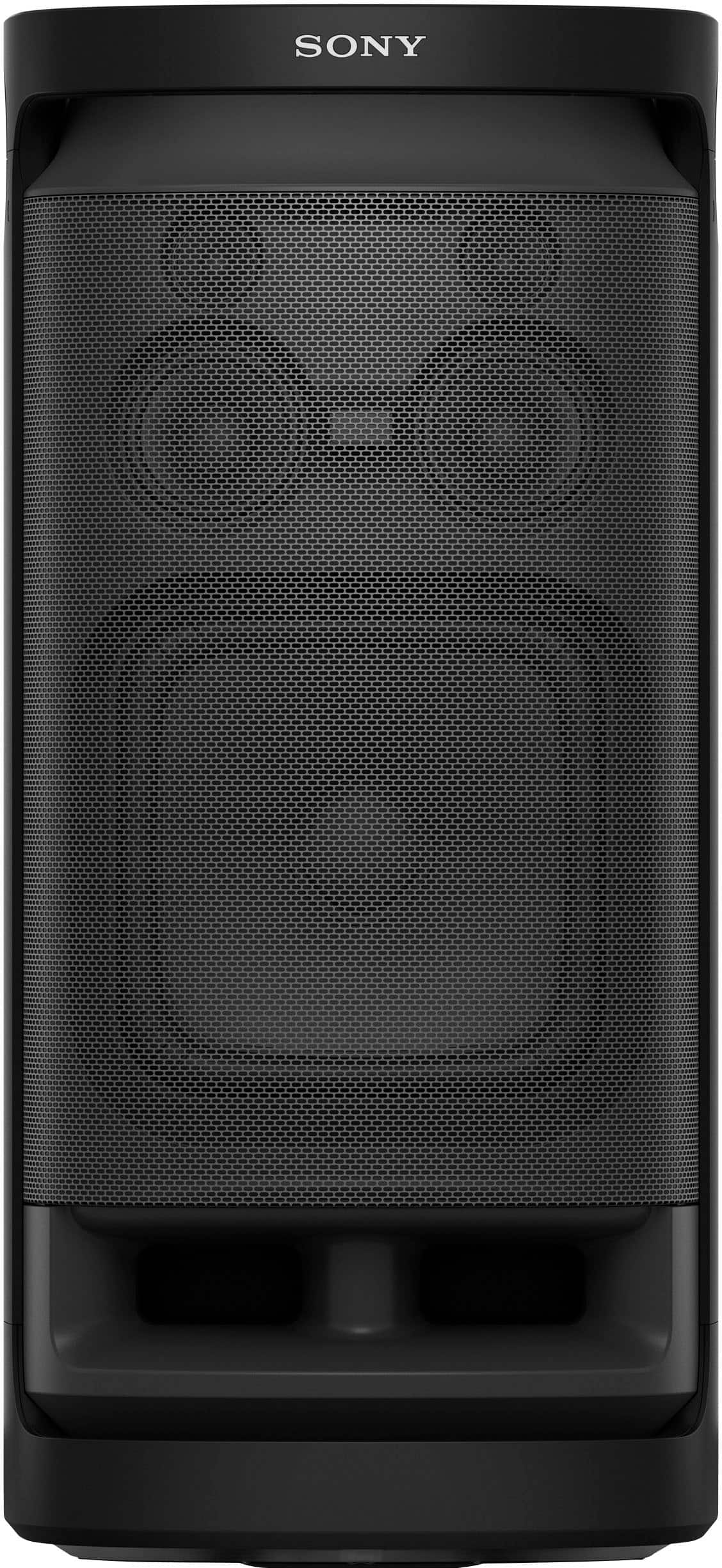
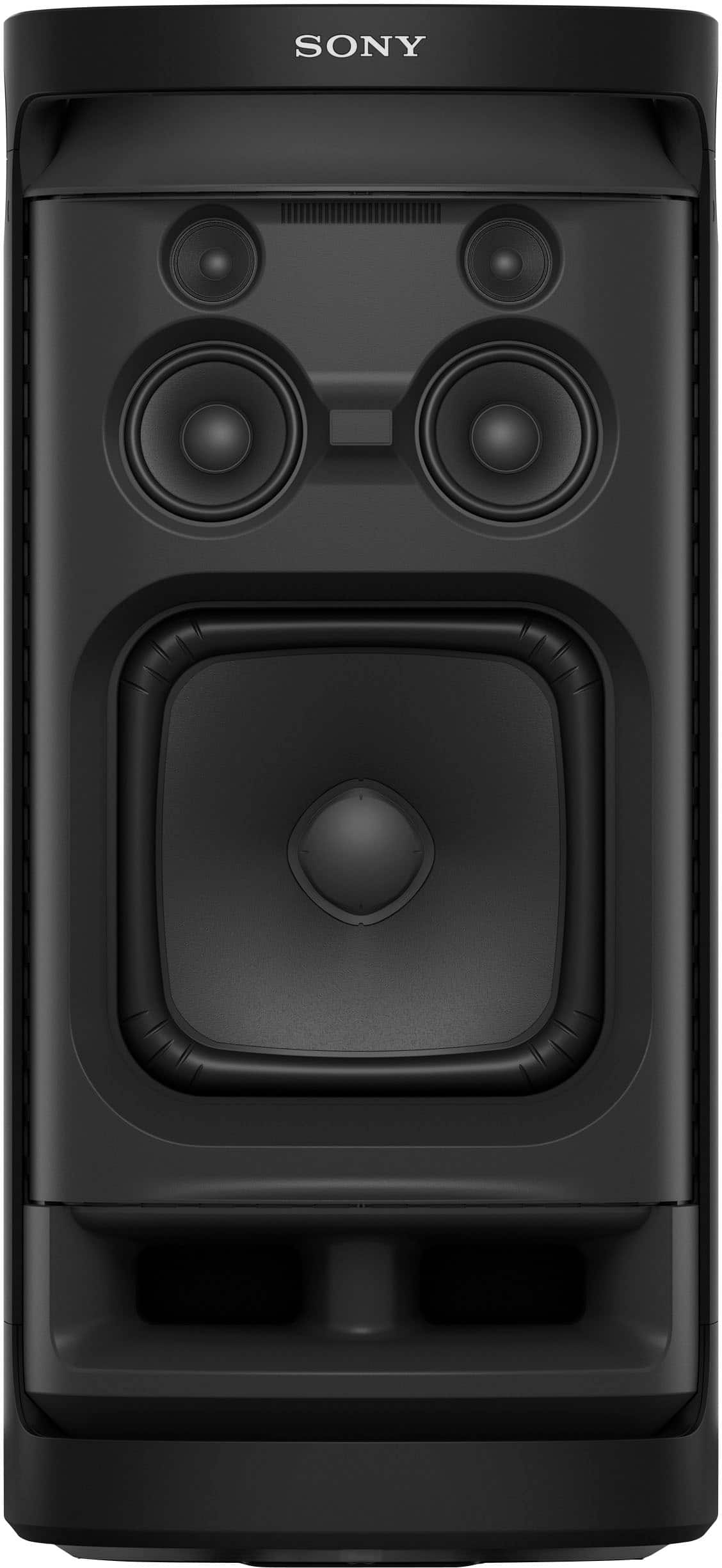
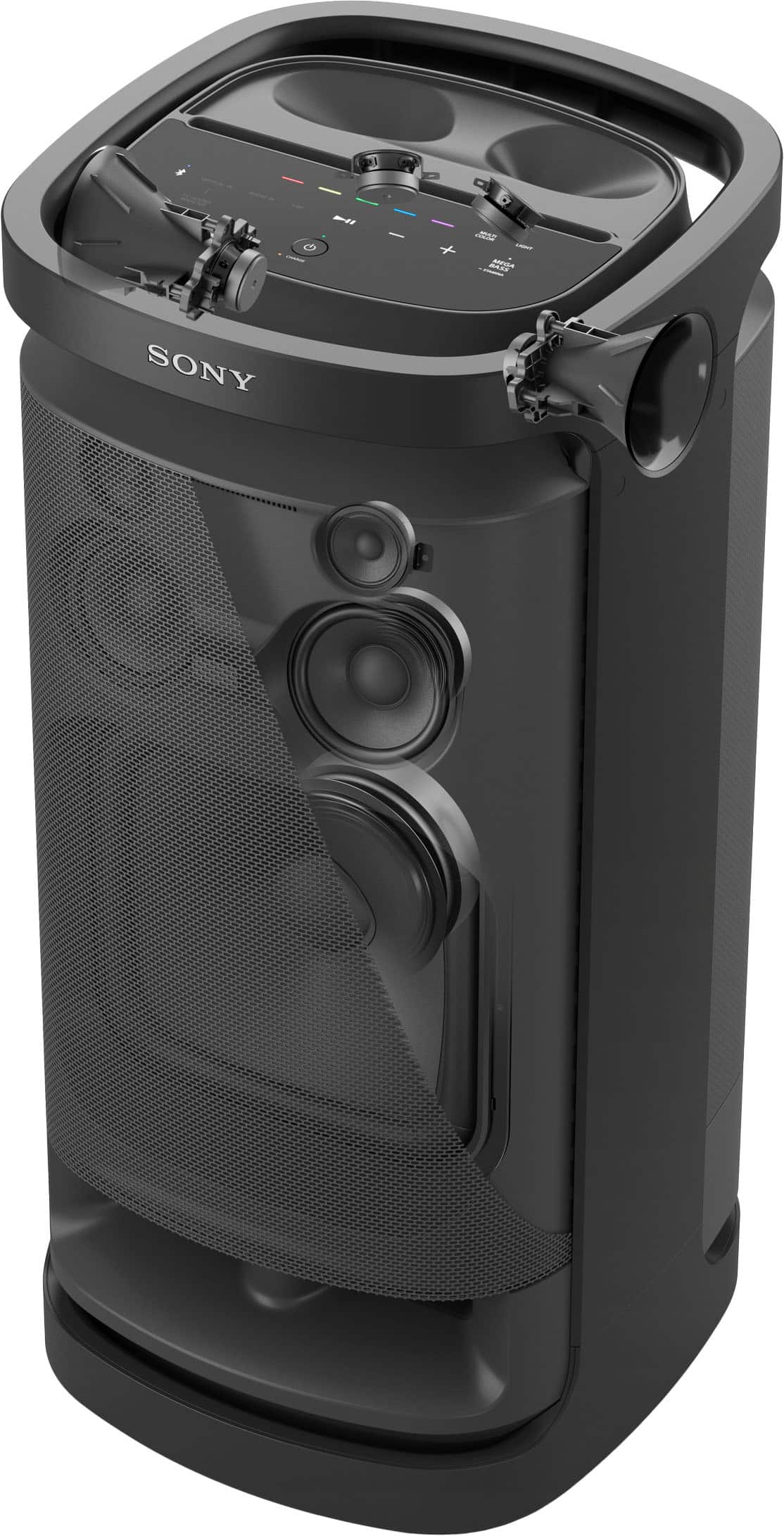
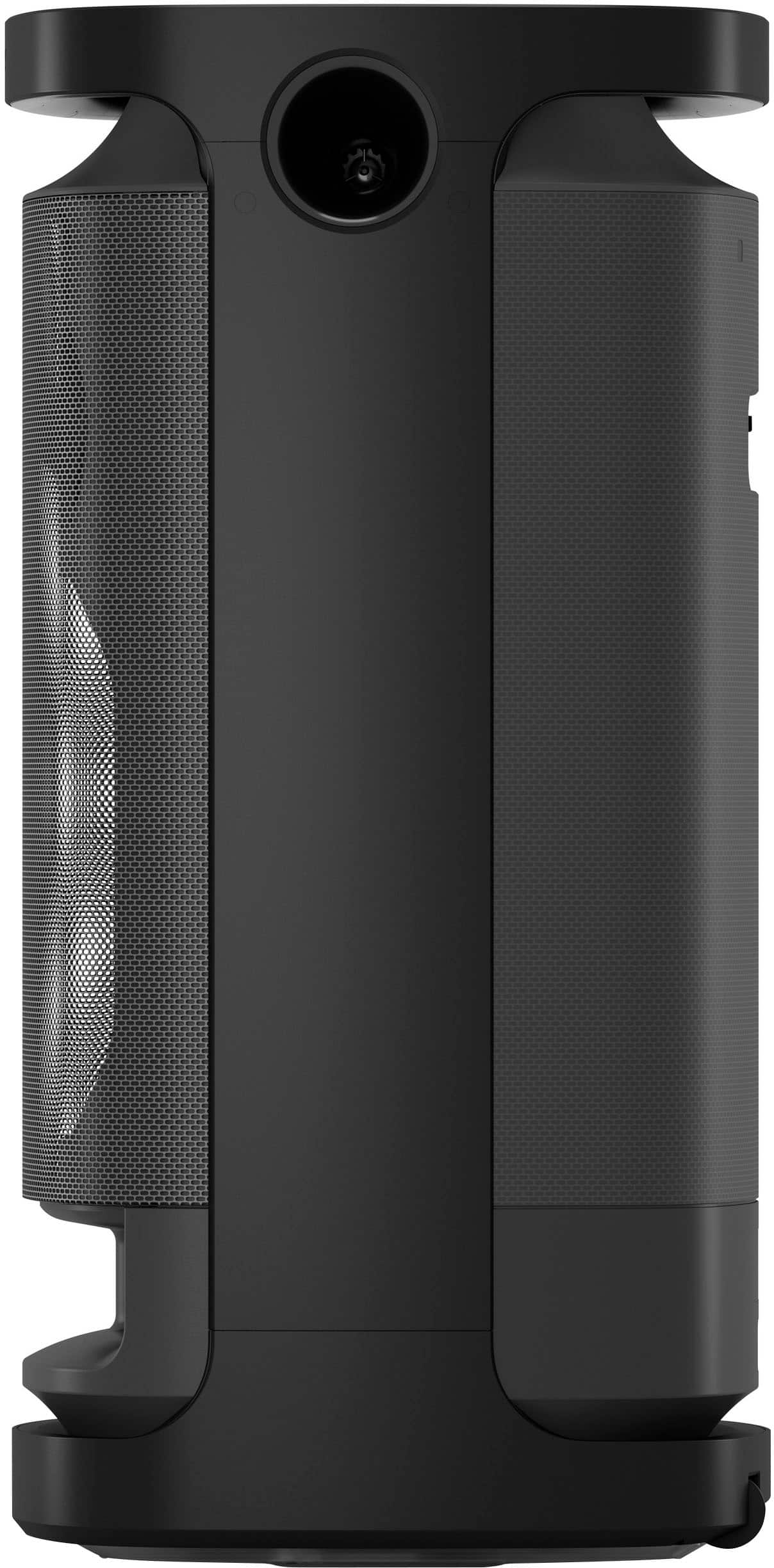
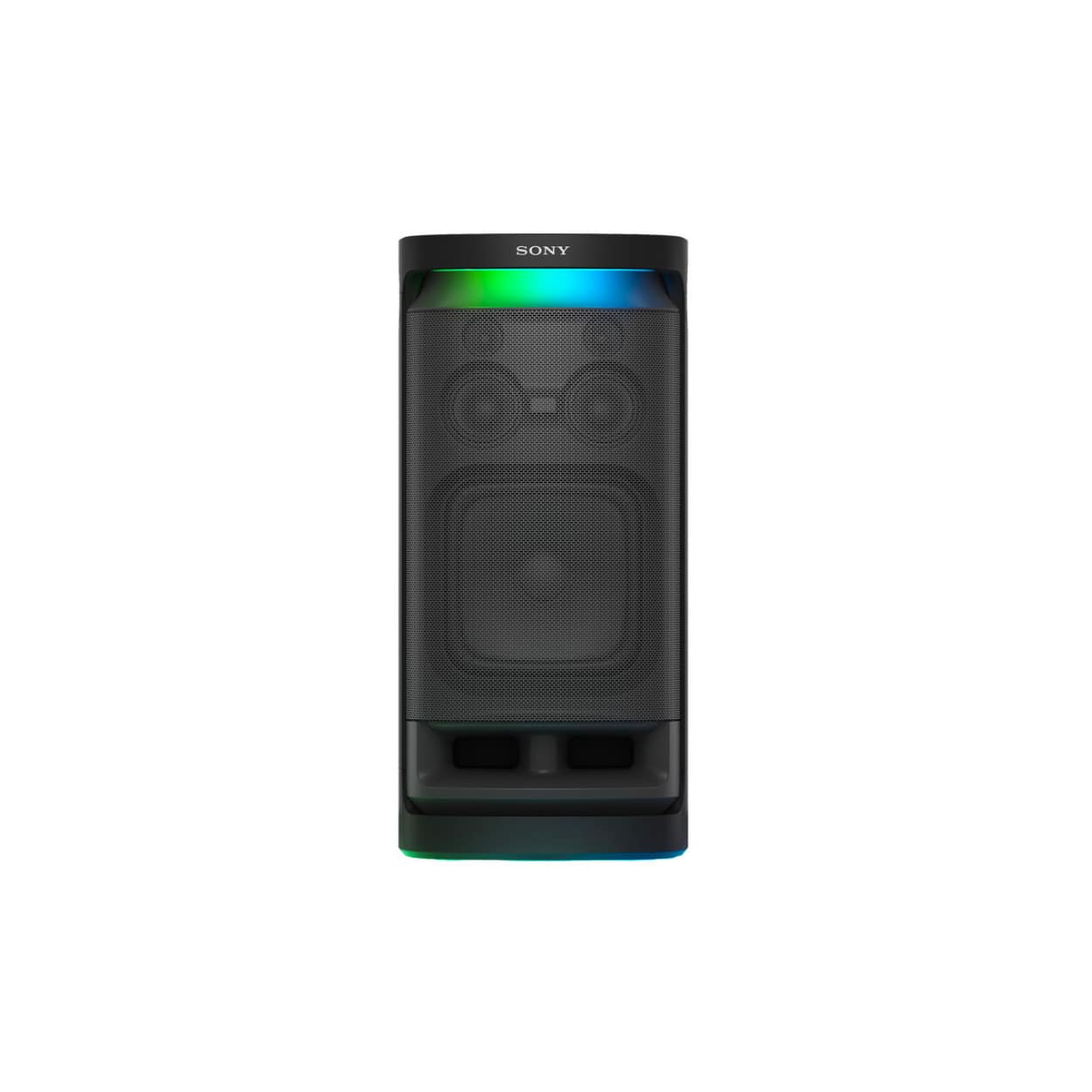
This is where these speakers diverge most dramatically. The Sony SRS-XV900 uses what's called an "omnidirectional" approach with six tweeters (high-frequency speakers) positioned around the entire speaker cabinet. Two tweeters face forward, while four others point to the sides and rear. This creates 360-degree sound coverage, meaning people standing behind or beside the speaker hear nearly the same audio quality as those in front.
The heart of the Sony SRS-XV900 is its massive 12.6-inch X-Balanced woofer. Sony's X-Balanced technology uses a rectangular diaphragm instead of a traditional round cone, which allows more surface area in the same space. More surface area means more air movement, which translates directly to deeper, more powerful bass. This woofer can reproduce frequencies down to 20Hz—that's the very bottom of human hearing, where you feel bass more than hear it.
The Marshall Woburn III takes a completely different approach with what audio engineers call a "true 3-way system." Instead of trying to cover all directions, it focuses on creating the most accurate stereo reproduction possible. It uses one 6-inch woofer for bass, two 2-inch midrange drivers specifically for vocals and mid-frequency instruments, and two 0.75-inch dome tweeters for crisp highs.
Having dedicated midrange drivers is crucial for sound quality—it's what separates good speakers from great ones. Most speakers try to make their woofers handle both bass and midrange, but this creates compromises. When a driver has to reproduce both the deep thump of a bass drum and the subtle details of a vocalist, neither sounds optimal. The Marshall Woburn III's dedicated midrange drivers mean vocals come through with exceptional clarity and detail.
Both speakers can reproduce the full range of human hearing (20Hz to 20kHz), but they do it very differently. The Sony SRS-XV900 extends all the way down to 20Hz, which is remarkable for any speaker, let alone a portable one. This means it can reproduce the deepest bass notes in electronic music, the rumble of movie explosions, and the lowest notes on a pipe organ.
The Marshall Woburn III starts its bass response at 35Hz, which might seem like a disadvantage until you consider the context. In most home listening environments, 35Hz is more than sufficient. Very few recordings actually contain meaningful content below 40Hz, and even fewer homes can properly reproduce those frequencies without annoying neighbors or causing structural vibration.
Where the Marshall Woburn III excels is in power efficiency and distribution. Its 150 watts of amplification is carefully allocated: 90 watts for the woofer, and 15 watts each for the four remaining drivers. This might seem like less total power than some party speakers claim, but it's clean, distortion-free power with dedicated amplification for each driver type.
The Sony SRS-XV900 consumes about 100 watts from the wall, but Sony doesn't specify exactly how much of that becomes audio output versus powering the battery, lighting effects, and internal processing. What matters more for party use is that it can sustain high volume levels for hours without overheating or compromising sound quality.
Here's where the philosophical differences become most apparent. The Sony SRS-XV900 creates what audio engineers call a "diffuse" soundstage. Its omnidirectional design means everyone at a party gets roughly the same experience regardless of where they're standing. The trade-off is that there's no real stereo imaging—you won't hear instruments positioned left and right like you would in a live performance.
The Marshall Woburn III creates precise stereo imaging through its angled tweeters and carefully engineered waveguides (shaped surfaces that control how sound disperses). When you're sitting in the sweet spot, you can close your eyes and point to where each instrument appears to be positioned in the virtual soundstage. This is crucial for serious music listening but irrelevant for party situations.
The Sony SRS-XV900's 25-hour battery life is genuinely impressive for such a powerful speaker. Most party speakers this size manage 8-12 hours, so Sony has clearly invested in advanced battery management. The speaker weighs 58 pounds, which sounds heavy until you realize it includes wheels and a telescoping handle like luggage. You're not carrying it, you're rolling it.
That battery represents both the Sony SRS-XV900's greatest strength and a hidden limitation. Battery-powered amplifiers, no matter how sophisticated, can't maintain peak power output as the battery drains. The difference might be subtle, but the speaker that sounds earth-shaking at the beginning of a party might feel slightly less dynamic eight hours later.
The Marshall Woburn III sidesteps this entirely by requiring constant AC power. At 16.4 pounds, it's heavy enough to stay planted but light enough to move between rooms if needed. The consistent power delivery means it sounds identical whether it's been playing for five minutes or five hours.
This power difference becomes crucial for home theater use. When you're watching an action movie, you want the same explosive dynamics in the climactic battle scene that you heard in the opening sequence. The Marshall Woburn III's AC power ensures that never changes.
The Sony SRS-XV900 reflects its party speaker DNA with connectivity focused on versatility and entertainment. Its Bluetooth 5.2 with LDAC support means it can receive higher-quality wireless audio than most speakers—LDAC transmits about three times more data than standard Bluetooth, resulting in noticeably clearer sound from compatible devices.
More importantly for party use, the Sony SRS-XV900 can link with up to 100 other compatible Sony speakers through its Party Connect feature. Imagine a large outdoor wedding where speakers are positioned throughout the venue, all playing in perfect synchronization. It also supports wireless stereo pairing, so two Sony SRS-XV900 units can create true left-right stereo separation for more intimate gatherings.
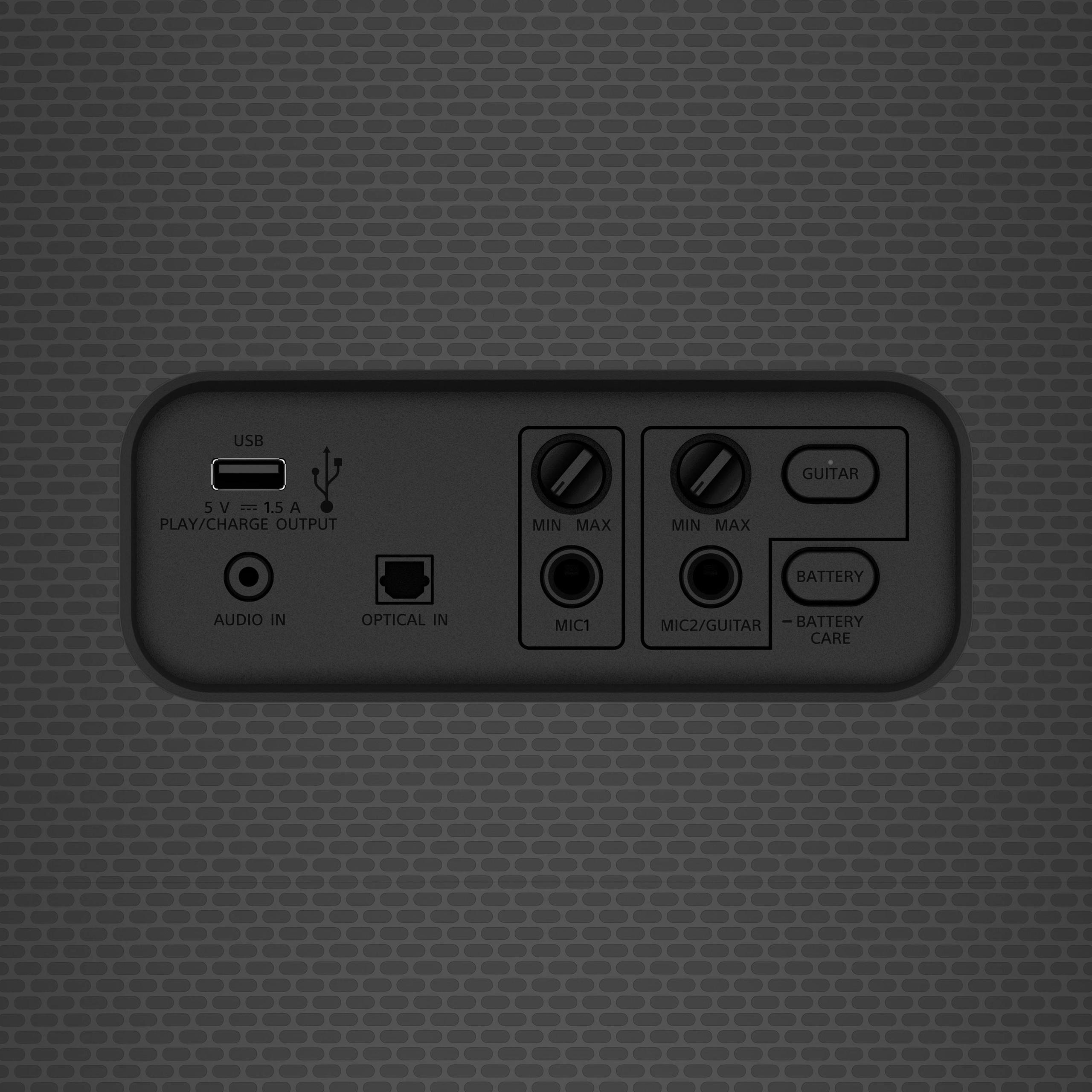
The karaoke features deserve special mention. The quarter-inch microphone and guitar inputs aren't afterthoughts—they're designed for real performance use. The accompanying apps provide echo effects, voice changing, and even karaoke scoring features. For many buyers, this transforms the Sony SRS-XV900 from a speaker into a complete entertainment system.
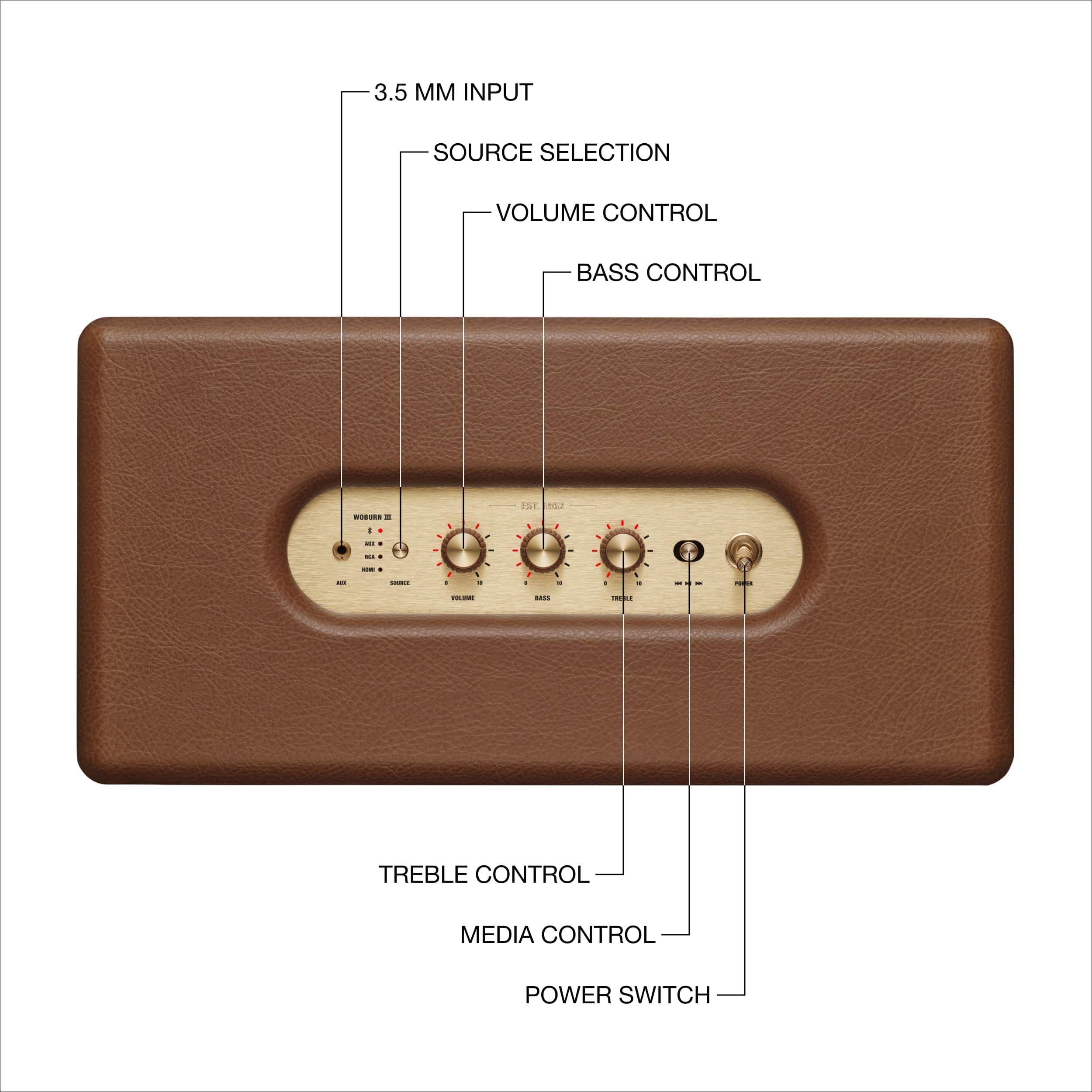
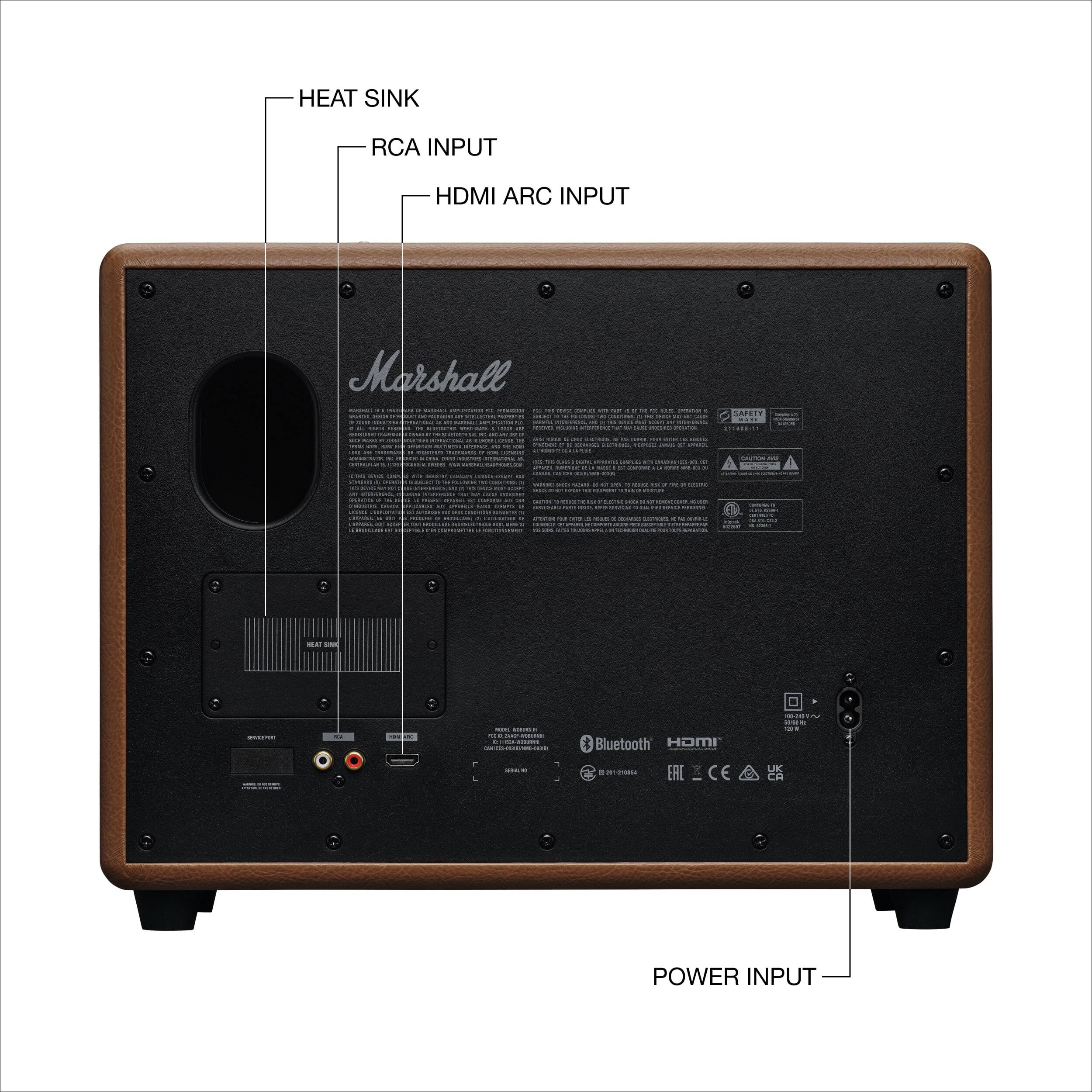
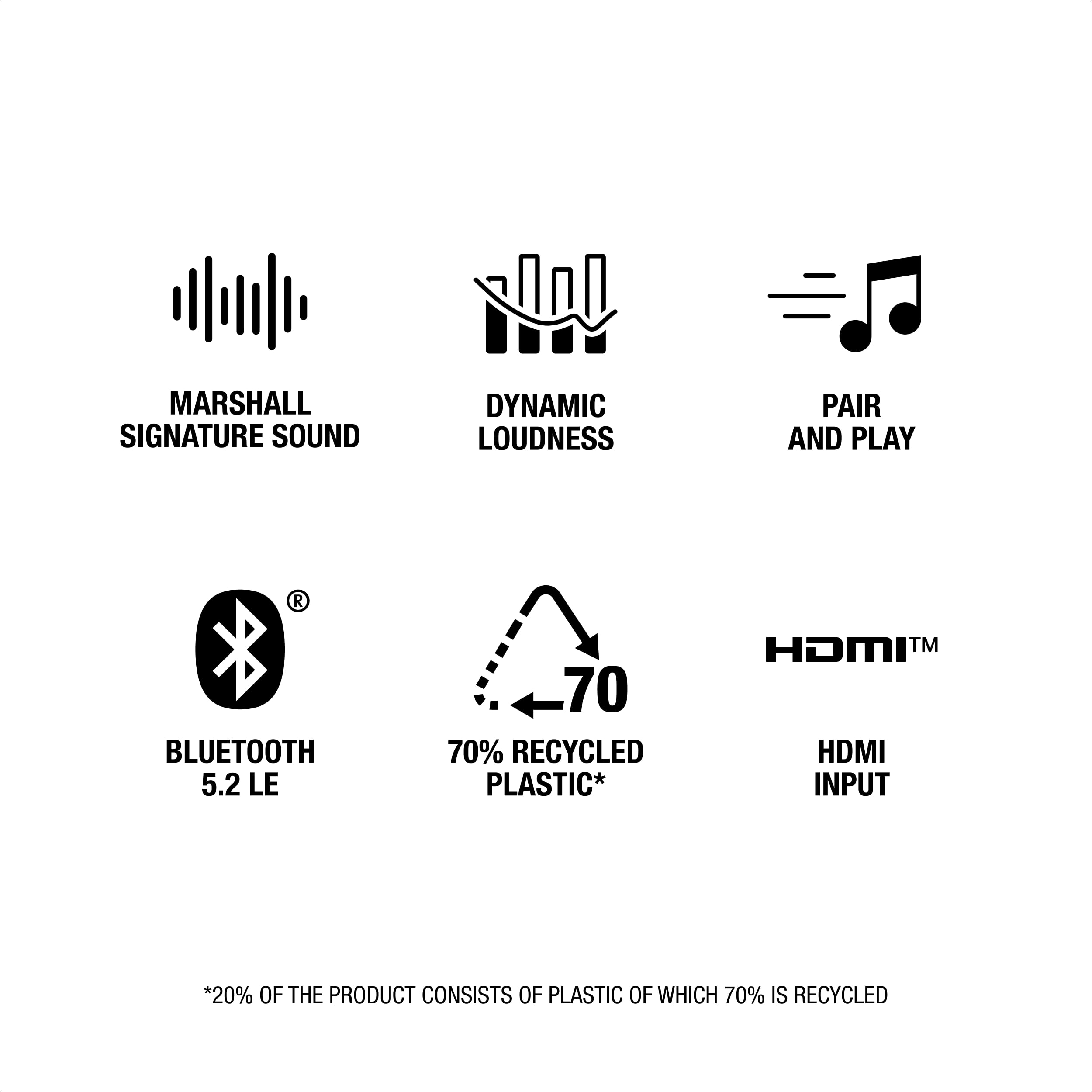
The Marshall Woburn III takes a more refined approach to connectivity. Its HDMI ARC input is the standout feature—this allows the speaker to receive audio directly from your TV and respond to your TV remote's volume controls. When you turn on your TV, the speaker automatically switches to HDMI input. When you adjust the TV volume, the speaker volume changes accordingly. It's seamless integration that makes the Marshall Woburn III feel like a natural extension of your entertainment system rather than a separate device.
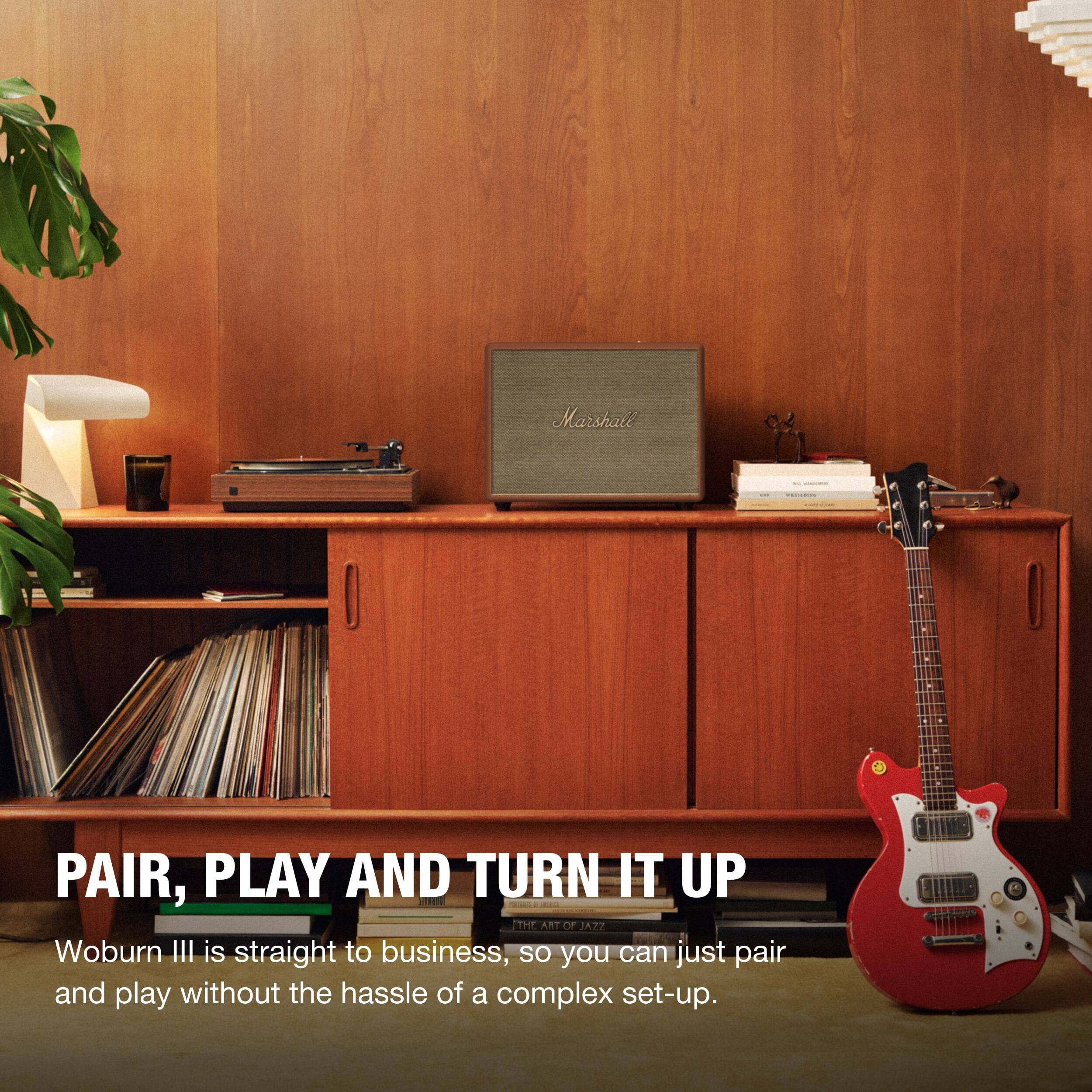
The RCA inputs cater to audiophiles who still use turntables or high-end CD players. These analog connections bypass digital conversion entirely, preserving the warmth and character that vinyl enthusiasts prize. Combined with the 3.5mm auxiliary input, the Marshall Woburn III can connect to virtually any audio source you might own.
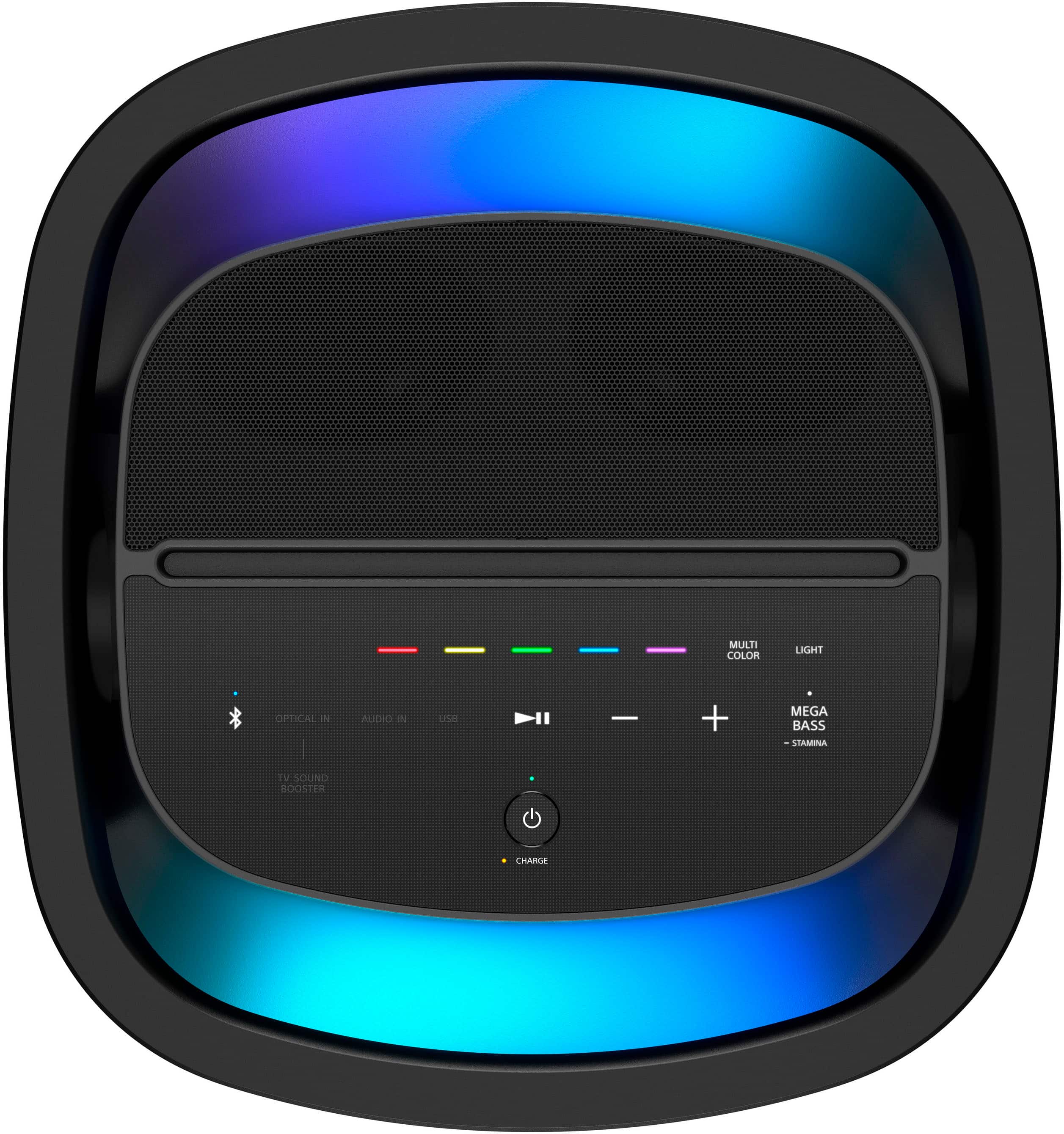
The Sony SRS-XV900 comes with two apps that serve different purposes. Sony Music Center handles the serious audio adjustments—EQ settings, speaker linking, and firmware updates. Fiestable focuses on party features like lighting control, DJ effects, and interactive games that respond to music. It's comprehensive but can feel overwhelming if you just want to play music.
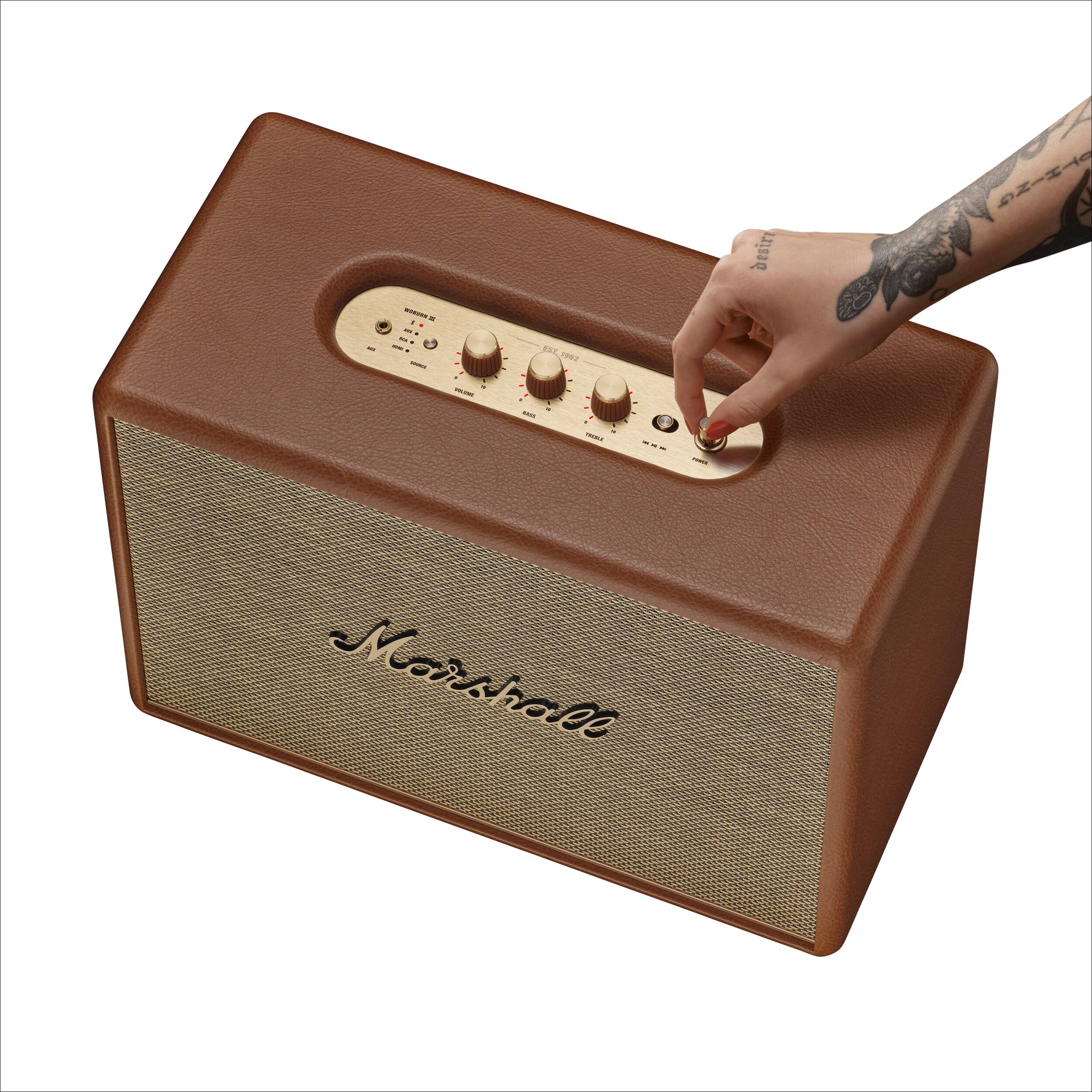
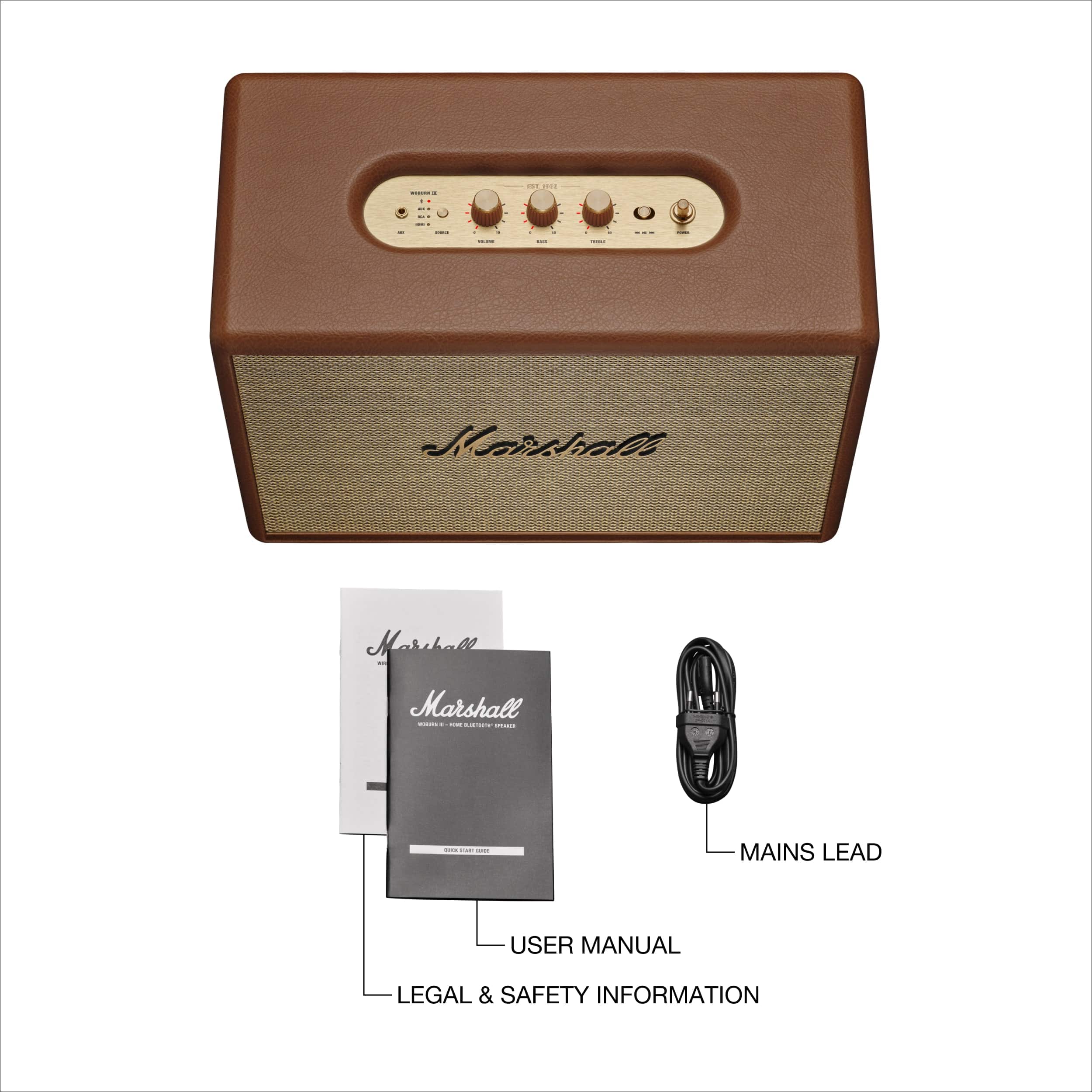
The Marshall Woburn III's app philosophy is refreshingly simple. The Marshall Bluetooth app handles essential functions like EQ adjustment and placement compensation (which optimizes the sound based on where the speaker sits in your room), then gets out of your way. The physical controls on top of the speaker—brass knobs for bass and treble, just like a vintage Marshall amplifier—handle day-to-day adjustments without reaching for your phone.
This reflects a broader philosophical difference. The Sony SRS-XV900 embraces digital complexity because party hosts often want to customize lighting, create playlists collaboratively, and add interactive elements. The Marshall Woburn III prioritizes immediate, tactile control because home listeners want to adjust their music without disrupting their listening experience.
At the time of writing, the Sony SRS-XV900 commands a significant premium over the Marshall Woburn III—typically $300-400 more depending on sales and availability. This price difference reflects the Sony SRS-XV900's complexity: battery system, omnidirectional driver array, lighting effects, karaoke features, and weather-resistant construction all cost money to implement.
But value isn't just about features—it's about how well a product serves your actual needs. If you host outdoor parties regularly, the Sony SRS-XV900's premium pays for itself in versatility and capability. If you primarily listen to music at home, that same premium buys features you'll rarely use.
The Marshall Woburn III offers exceptional value for home audio enthusiasts. Its sound quality rivals speakers costing significantly more, and the HDMI ARC functionality adds real utility for home theater systems. The build quality and materials feel premium without being ostentatious.
For home theater use, the Marshall Woburn III has clear advantages. Its HDMI ARC connection means it integrates seamlessly with your TV, automatically switching inputs and following volume commands. The dedicated midrange drivers ensure dialogue clarity—crucial for movies and TV shows where understanding speech is paramount.
The speaker's stereo imaging creates a proper soundstage for movies, placing effects and music in believable spatial positions. Its Night Mode feature, accessible when connected via HDMI ARC, compresses dynamic range for late-night viewing—reducing explosive sounds while boosting quiet dialogue.
The Sony SRS-XV900 can certainly handle TV audio through its optical digital input, but it's not optimized for this use case. Its omnidirectional sound design, while perfect for parties, doesn't create the focused stereo imaging that enhances movie watching. You'll get big, impressive sound, but not necessarily better movie sound.
Choose the Sony SRS-XV900 if you're the person friends call when they need a sound system for events. If you host pool parties, take speakers camping, or organize outdoor gatherings, its portability and weather-resistant design (though not fully waterproof) make it invaluable. The karaoke features and party apps aren't gimmicks—they genuinely enhance social events.
The Sony SRS-XV900 also makes sense for renters or people who move frequently. Its portability means it can adapt to different living situations, and its battery power eliminates concerns about outlet placement.
Choose the Marshall Woburn III if you're building a permanent home audio system. If you listen to music critically, watch movies regularly, or want a speaker that enhances your living space aesthetically, its focused design and superior sound quality justify the investment.
The Marshall Woburn III particularly excels for vinyl enthusiasts, classical music lovers, and anyone who appreciates the subtleties in well-recorded music. Its ability to reveal details in familiar songs—picking out instruments you hadn't noticed before—creates those "wow" moments that justify premium audio equipment.
These speakers represent two valid but incompatible approaches to premium Bluetooth audio. The Sony SRS-XV900 is an entertainment system that happens to be a speaker, perfect for social situations and portable use. The Marshall Woburn III is an audiophile instrument designed for serious listening in permanent installations.
Neither is objectively better—they're optimized for different lifestyles and priorities. The key is honest self-assessment: Do you need a speaker that travels and adapts to different situations, or one that excels in a single, carefully chosen location? Your answer to that question should determine your choice more than any technical specification or feature comparison.
Both represent excellent value within their intended use cases, and both will likely serve their target users well for many years. The decision comes down to matching the tool to the job—and in audio equipment, that match is everything.
| Sony SRS-XV900 | Marshall Woburn III |
|---|---|
| Speaker Category - Determines primary use case and value proposition | |
| Portable Party Speaker | Home Audio System |
| Weight & Portability - Critical for determining where you can use each speaker | |
| 58.6 lbs with wheels and handle (portable but substantial) | 16.4 lbs (stationary home use, can move between rooms) |
| Power Source - Affects placement flexibility and consistent performance | |
| 25-hour rechargeable battery + AC power | AC power only (no battery) |
| Driver Configuration - Determines sound quality and stereo imaging capability | |
| 4-way system: 6 tweeters (360°), 2 midrange, 1 × 12.6" X-Balanced woofer | 3-way stereo: 2 × 0.75" tweeters, 2 × 2" midrange, 1 × 6" woofer |
| Total Power Output - Impacts maximum volume and dynamic range | |
| 100W consumption (output not specified) | 150W total (90W woofer + 60W mids/highs) |
| Frequency Response - Shows how deep the bass goes and overall range | |
| 20Hz–20kHz (exceptional bass extension for party use) | 35Hz–20kHz (excellent for home listening, sufficient bass) |
| Sound Design Philosophy - Affects listening experience and ideal placement | |
| Omnidirectional 360° coverage (everyone hears same quality) | Focused stereo imaging (best from listening position) |
| Connectivity Options - Determines what devices and systems you can connect | |
| Bluetooth 5.2 (LDAC), USB, Optical, Mic/Guitar inputs | Bluetooth 5.2, HDMI ARC, RCA, 3.5mm aux |
| Multi-Speaker Features - Important for scaling sound in larger spaces | |
| Party Connect (up to 100 speakers), wireless stereo pairing | No multi-speaker linking or stereo pairing |
| Special Features - Unique capabilities that add value for specific users | |
| Karaoke support, lighting effects, party apps, wheels/handle | HDMI ARC TV integration, analog bass/treble controls, placement compensation |
| Ideal Use Cases - Helps determine which speaker fits your lifestyle | |
| Outdoor parties, events, camping, portable entertainment | Home stereo, TV audio upgrade, vinyl listening, permanent installation |
| Weather Resistance - Important for outdoor and portable use | |
| Not weather resistant (indoor/covered use only) | Not weather resistant (home use only) |
The Marshall Woburn III is significantly better for home theater use. It features HDMI ARC connectivity that lets it connect directly to your TV, automatically switching inputs and responding to your TV remote's volume controls. The Marshall Woburn III also has dedicated midrange drivers that ensure clear dialogue reproduction, which is crucial for movies and TV shows. While the Sony SRS-XV900 can connect to TVs via optical input, its omnidirectional sound design doesn't create the focused stereo imaging that enhances movie watching.
The Sony SRS-XV900 is specifically designed for outdoor parties with its 25-hour battery, wheels and handle for portability, and powerful omnidirectional sound that covers 360 degrees. However, it's not weather resistant, so you'll need covered areas. The Marshall Woburn III requires AC power and isn't designed for portability or outdoor use, making it unsuitable for outdoor parties.
For critical music listening, the Marshall Woburn III offers superior sound quality with its true 3-way driver system featuring dedicated midrange drivers for clear vocals and precise stereo imaging. The Sony SRS-XV900 prioritizes powerful bass and omnidirectional coverage over audiophile-grade sound reproduction, making the Marshall Woburn III the better choice for serious music listening at home.
Both speakers can fill large rooms, but in different ways. The Sony SRS-XV900 uses omnidirectional sound to provide consistent coverage throughout large spaces, making it ideal for open floor plans where people move around. The Marshall Woburn III delivers focused, high-quality sound that works well in large living rooms when listeners are positioned in front of the speaker.
Only the Marshall Woburn III can connect directly to turntables through its RCA inputs, making it perfect for vinyl enthusiasts. The Sony SRS-XV900 lacks RCA inputs and would require additional equipment to connect a turntable, making the Marshall Woburn III the clear choice for vinyl listening.
The Sony SRS-XV900 is specifically designed for parties and karaoke with dedicated microphone and guitar inputs, lighting effects, party apps, and the ability to connect up to 100 speakers for large events. The Marshall Woburn III has no karaoke features or party-specific functionality, making the Sony SRS-XV900 the obvious choice for entertainment and social gatherings.
The Sony SRS-XV900 offers an impressive 25-hour battery life for portable use, while the Marshall Woburn III has no battery and requires constant AC power. This makes the Sony SRS-XV900 suitable for portable use and the Marshall Woburn III ideal for permanent home installation.
Value depends on your intended use. The Marshall Woburn III typically costs less and offers exceptional sound quality for home listening, making it better value for audiophiles. The Sony SRS-XV900 costs more but includes portability, karaoke features, and party functionality that justify the premium for users who need those capabilities.
The Marshall Woburn III supports Bluetooth multipoint, allowing simultaneous connections to two devices with easy switching between them. The Sony SRS-XV900 can connect to multiple Sony speakers through Party Connect but doesn't specify multipoint device connectivity, making the Marshall Woburn III more convenient for households with multiple users.
The Marshall Woburn III is simpler to set up and control with physical brass knobs for bass and treble adjustment and straightforward HDMI ARC connectivity for TVs. The Sony SRS-XV900 has more complex setup with multiple apps (Sony Music Center and Fiestable) and various connectivity options, making the Marshall Woburn III more user-friendly for basic operation.
Both speakers support Bluetooth 5.2, but the Sony SRS-XV900 includes LDAC codec support for higher-quality wireless audio transmission. However, the Marshall Woburn III's wired connections (HDMI ARC, RCA) can provide even higher quality audio than any Bluetooth codec. For purely wireless use, the Sony SRS-XV900 has the advantage.
The Marshall Woburn III is better suited for small apartments due to its refined sound profile that won't disturb neighbors as much as the Sony SRS-XV900's powerful bass and high volume capabilities. The Marshall Woburn III also serves multiple purposes as both a music speaker and TV audio upgrade, making it more practical for space-constrained living situations.
We've done our best to create useful and informative comparisons to help you decide what product to buy. Our research uses advanced automated methods to create this comparison and perfection is not possible - please contact us for corrections or questions. These are the sites we've researched in the creation of this article: bestbuy.com - youtube.com - crutchfield.com - versus.com - youtube.com - versus.com - youtube.com - comparisontabl.es - tech.hindustantimes.com - youtube.com - electronics.sony.com - youtube.com - crutchfield.com - centresdirect.co.uk - sony-asia.com - nikktech.com - sony.com - youtube.com - reliancedigital.in - sonyworld.ae - sony.com - shopjetson.com - bestbuy.com - versus.com - loudersound.com - ash-asia.zendesk.com - armorsound.com - rtings.com - crutchfield.com - rtings.com - stereoguide.com - bestbuy.com - hometechnologyreview.com - crutchfield.com - sweetwater.com - rtings.com - youtube.com - greentoe.com - versus.com - idownloadblog.com - marshall.com - youtube.com - comparisontabl.es - youtube.com - versus.com - crutchfield.com - device.report - consumerreports.org - sg.tcacoustic.asia - stereoindex.com - safemark.com - smarthomesounds.co.uk - marshall.com - device.report - bestbuy.com - marshall.com

Privacy Policy
Terms and Conditions - Affiliate Policy
Home Security
© Copyright 2008-2026.
11816 Inwood Rd #1211, Dallas, TX 75244