

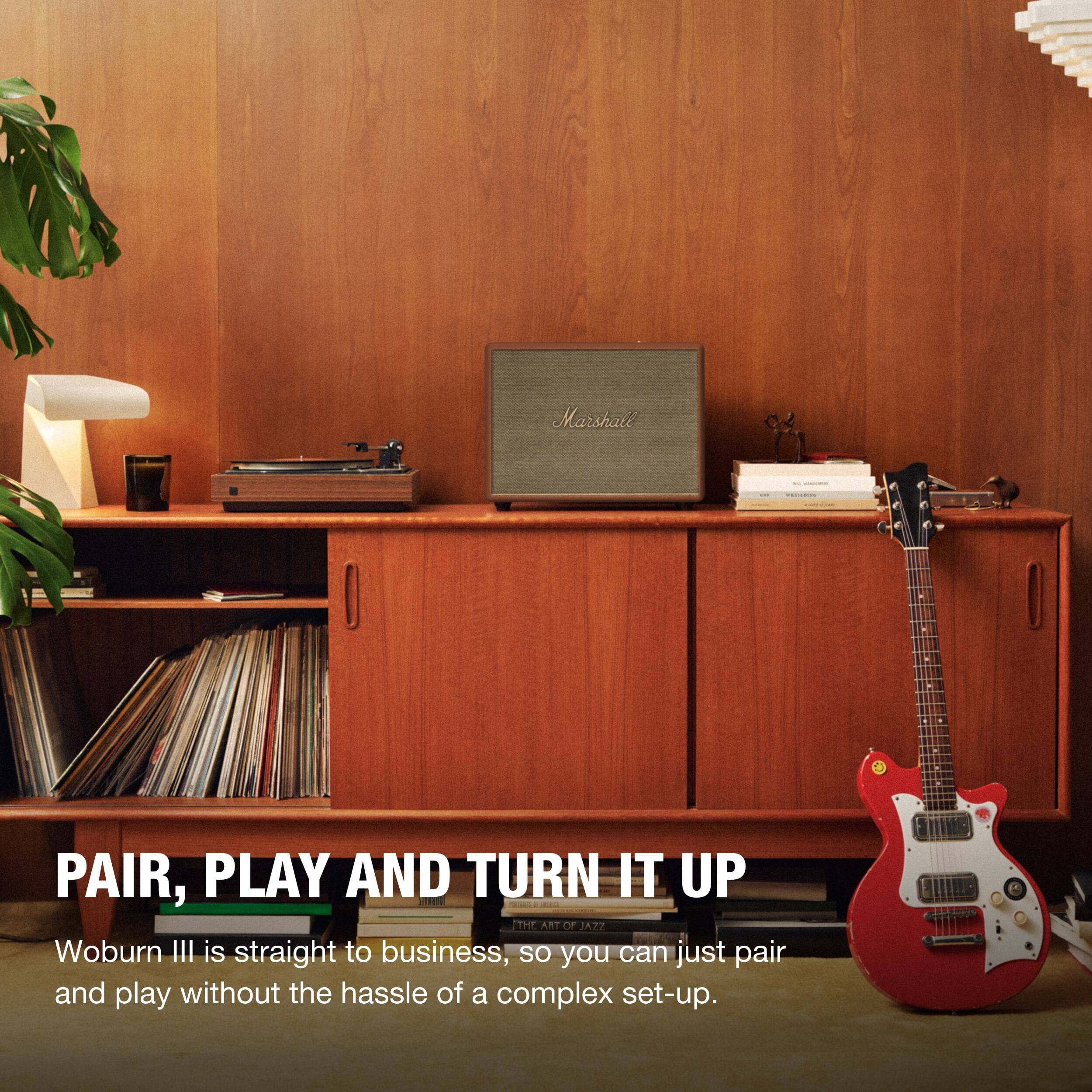
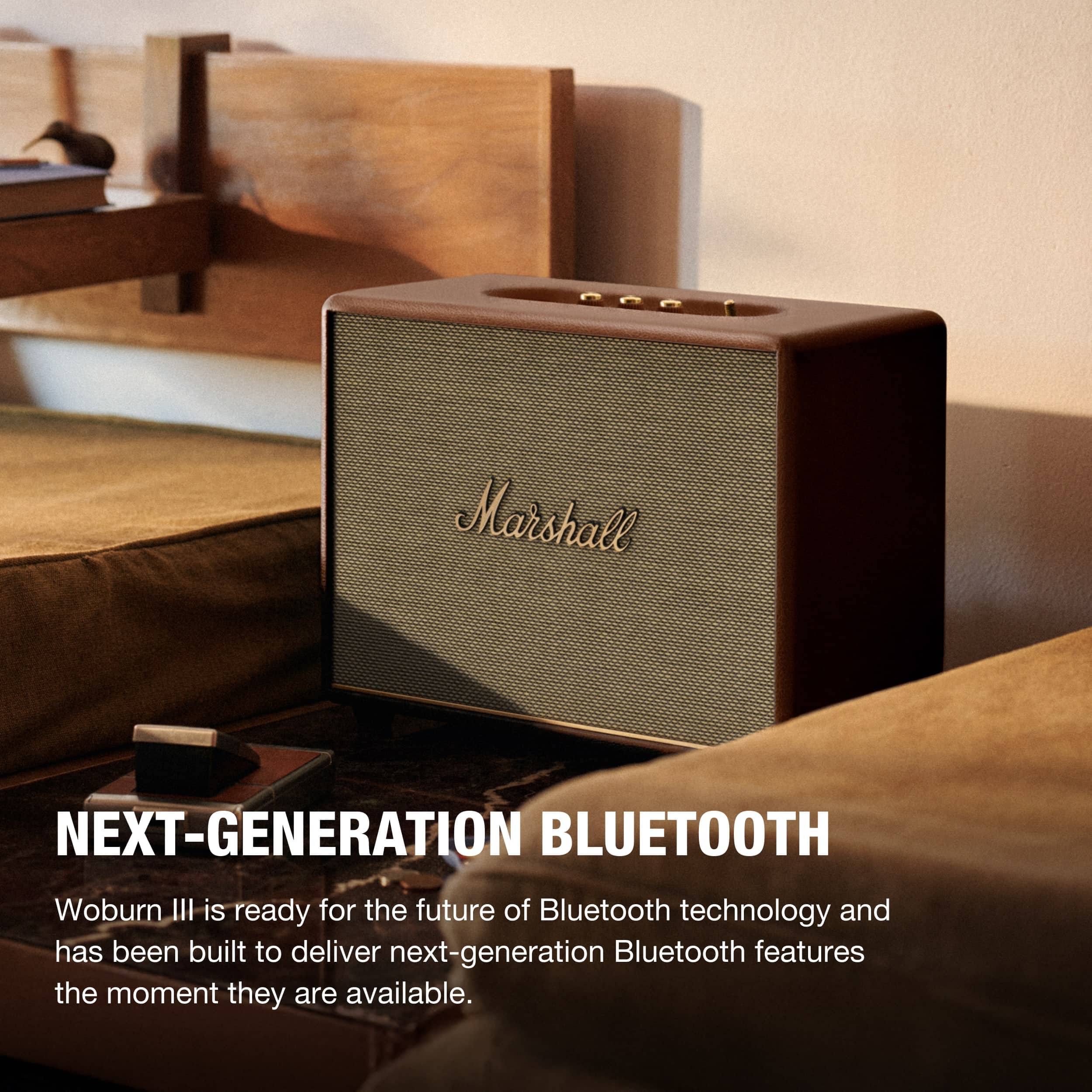


Choosing between the Marshall Woburn III and Sony SRS-XV500 is like deciding between a fine wine and a craft cocktail—both are excellent, but they're designed for completely different experiences. These speakers represent two distinct philosophies in modern audio: premium stationary sound versus portable entertainment. Understanding which approach fits your lifestyle makes all the difference.
The wireless speaker market has evolved into specialized categories that serve very different needs. On one side, you have home audio speakers like the Marshall Woburn III, engineered for audiophiles who want concert-quality sound in their living rooms. These speakers prioritize acoustic precision, premium materials, and seamless integration with home entertainment systems.
On the other side, party speakers like the Sony SRS-XV500 focus on versatility, portability, and social features. They're built to move between locations, survive outdoor conditions, and enhance group entertainment with features like lighting effects and microphone inputs.
Think of it this way: home audio speakers are like high-end home theater systems—designed to deliver the best possible listening experience in a controlled environment. Party speakers are more like portable DJ setups—built to bring the music anywhere while adding visual flair and interactive features.
The key considerations for home audio speakers include sound quality precision, room acoustics optimization, connectivity options for various audio sources, and build quality that complements your living space. Party speakers prioritize battery life, durability against the elements, ease of transport, and entertainment features that enhance social gatherings.
Released in 2022, the Marshall Woburn III represents the culmination of Marshall's decades-long journey from guitar amplifiers to home audio. At the time of writing, it commands a premium price point that reflects its positioning as a flagship home speaker, typically costing about twice as much as mid-range party speakers.
The Woburn III's most impressive feature is its sophisticated three-way driver system. Unlike basic speakers that use just one or two drivers, this setup includes dedicated components for different frequency ranges. The 6-inch woofer handles deep bass frequencies, two 2-inch midrange drivers reproduce vocals and instruments with clarity, and dual 0.75-inch dome tweeters deliver crisp high frequencies. Each driver has its own dedicated amplifier—90 watts for the woofer and 15 watts each for the mids and tweeters—totaling 150 watts of carefully distributed power.
What makes this design special is the angled tweeter placement with updated waveguides (curved surfaces that direct sound waves). This creates a wider "soundstage"—the perceived width and depth of the music—making it feel like instruments are positioned across a real stage rather than coming from a single point.
The speaker's bass-reflex cabinet design deserves explanation. The rear port (a precisely sized opening) allows air to move in and out, extending the low-frequency response down to 35 Hz. To put that in perspective, the lowest note on a standard piano is about 27 Hz, so the Marshall Woburn III can reproduce nearly the full range of human hearing.
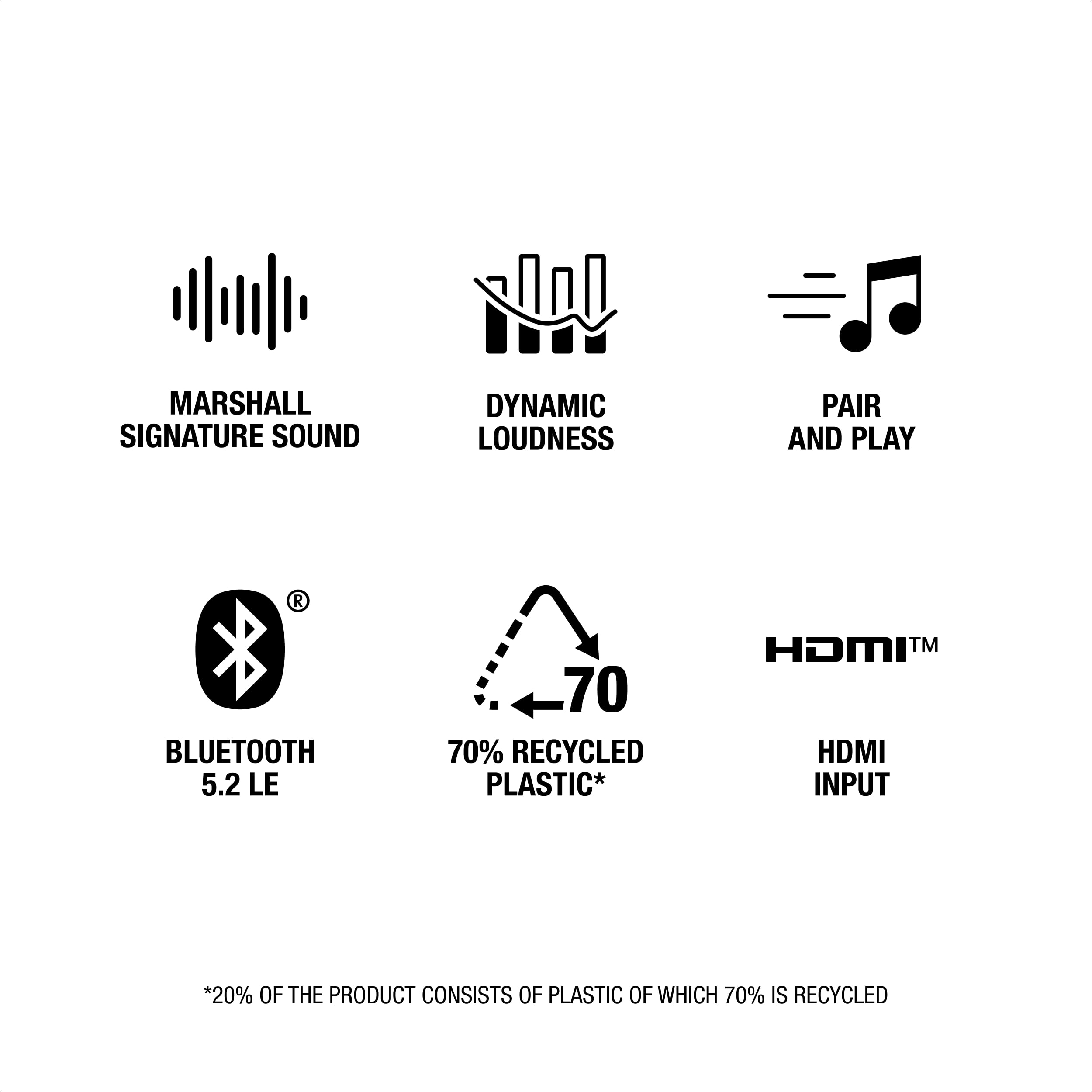
Marshall's Dynamic Loudness technology addresses a common problem: at low volumes, our ears naturally perceive less bass and treble. This feature automatically adjusts the frequency balance to maintain full, rich sound even during quiet listening sessions—perfect for late-night music sessions without disturbing neighbors.
Sony launched the SRS-XV500 in 2024, incorporating several years of improvements in battery technology, wireless connectivity, and entertainment features. Priced at roughly half the cost of premium home speakers at the time of writing, it represents exceptional value for its feature set.
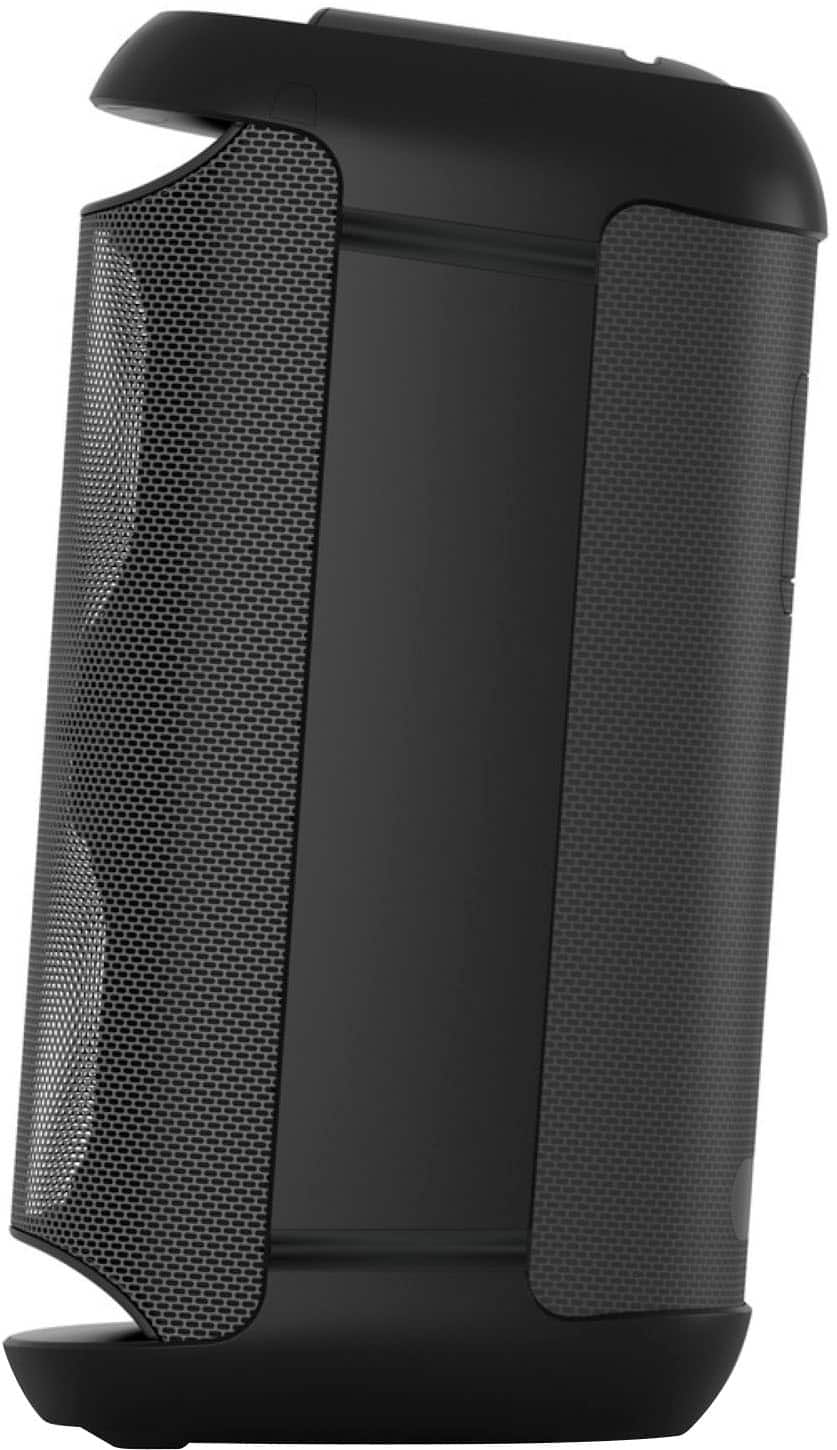
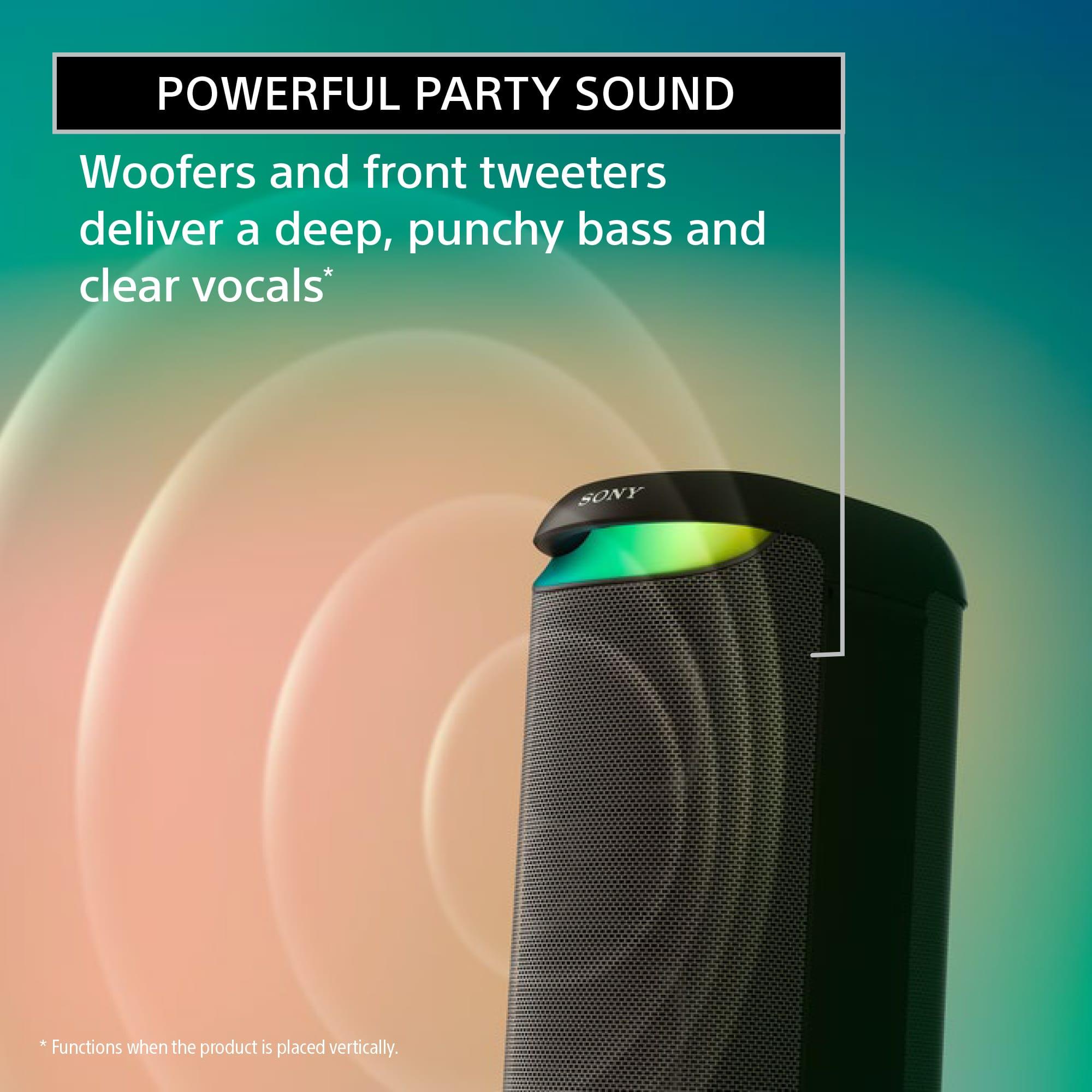
The X-Balanced Speaker Unit technology is Sony's solution to a fundamental speaker design challenge. Traditional round drivers waste space in rectangular enclosures, but Sony's rectangular woofers maximize the surface area within the cabinet. This design delivers more sound pressure (volume) with less distortion, allowing the speaker to get impressively loud while maintaining audio clarity.
The speaker's 25-hour battery life comes from advances in lithium-ion technology and intelligent power management. The "Stamina Mode" automatically disables power-hungry features like RGB lighting and certain sound processing when battery levels drop, prioritizing playback time over visual effects.
Sony's Party Connect technology leverages mesh networking, allowing up to 100 compatible speakers to play synchronized audio. This isn't just simple Bluetooth pairing—it creates a distributed audio system where each speaker can maintain its connection even if others drop out, making it incredibly reliable for large events.
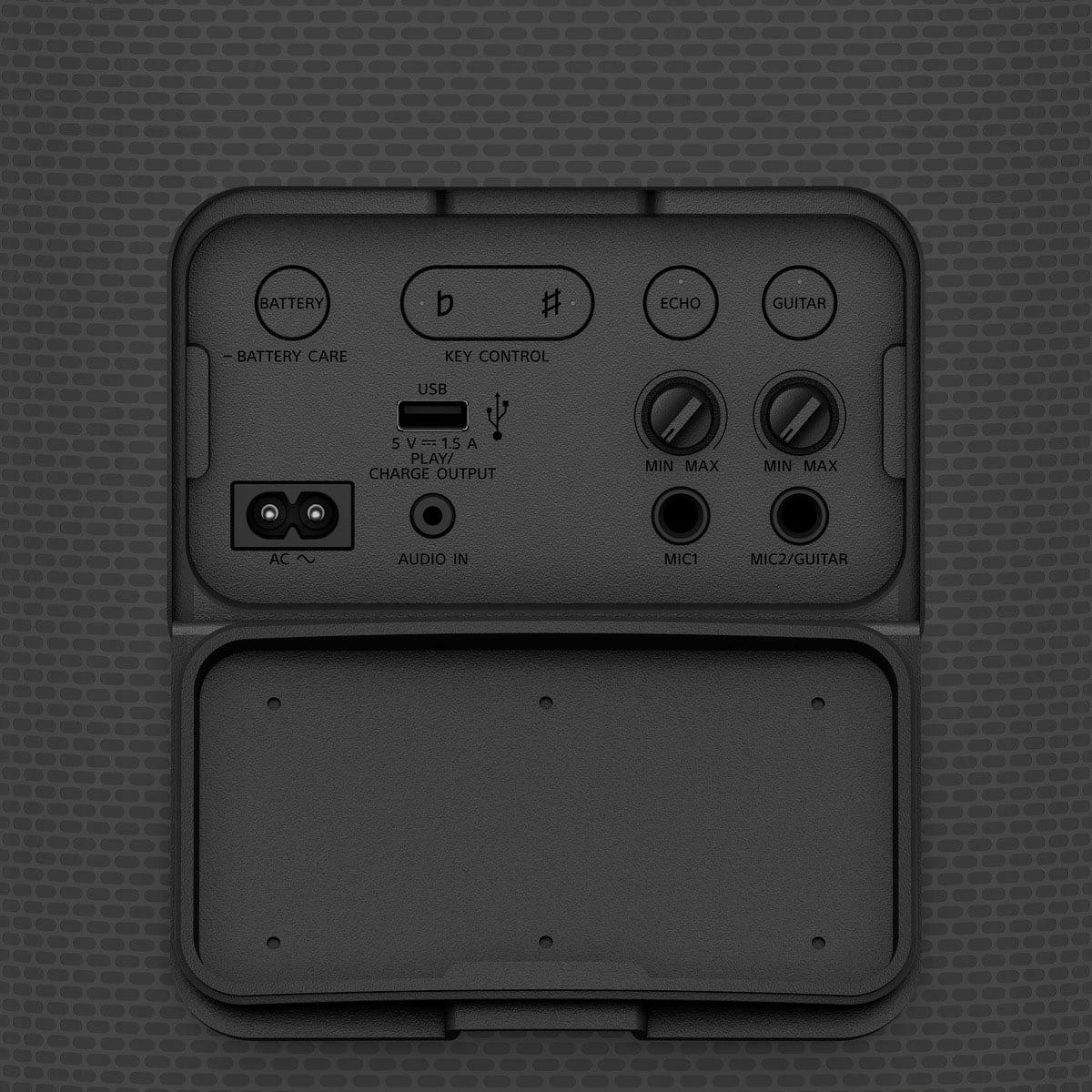
The karaoke functionality includes two 1/4-inch inputs (the standard size for professional microphones) with separate volume controls, echo effects, and key transposition. The key control lets you shift the pitch of background music up or down to match your vocal range, while echo adds natural-sounding reverb that makes vocals sound more professional.
When it comes to pure audio reproduction, the Marshall Woburn III operates in a different league. Its three-way driver configuration allows each component to focus on what it does best, resulting in exceptional clarity and separation between instruments. Bass notes sound distinct and controlled rather than muddy, vocals sit clearly in the mix, and high frequencies sparkle without harshness.
The frequency response of 35Hz to 20kHz means it can reproduce virtually everything in recorded music. More importantly, it maintains this quality across all volume levels. Whether you're listening at whisper-quiet levels or filling a large room with sound, the tonal balance remains consistent.
The Sony SRS-XV500 takes a different approach, optimizing for impact and excitement rather than analytical precision. Its X-Balanced drivers excel at moving large amounts of air, creating that visceral bass response that makes dance music and hip-hop feel energetic and engaging. The MEGA BASS feature emphasizes low frequencies for maximum impact, though this can sometimes overshadow mid-range details like vocals and guitars.
Our research into user experiences reveals an interesting pattern: the Sony performs best at medium to high volumes where its drivers can fully engage, while the Marshall excels at any volume level. For background music during conversations, the Marshall's balanced approach works better, but for dance parties where maximum energy matters most, the Sony's bass-forward tuning creates more excitement.
The Marshall Woburn III's 150-watt system represents carefully engineered power distribution. Rather than simply making things louder, this power allocation ensures each frequency range has adequate headroom to reproduce transients—sudden peaks in music like drum hits or cymbal crashes—without compression or distortion.
The maximum sound pressure level of 100.5 dB at one meter means the Marshall can fill even large rooms with clean, undistorted sound. For context, this is loud enough for serious listening sessions but won't damage your hearing with reasonable use.
The Sony SRS-XV500 doesn't specify total wattage, but user reports suggest it can achieve similar volume levels with a different character. The X-Balanced drivers prioritize efficiency, moving more air with less power consumption to maximize battery life. This approach works well for outdoor use where some background noise is expected.
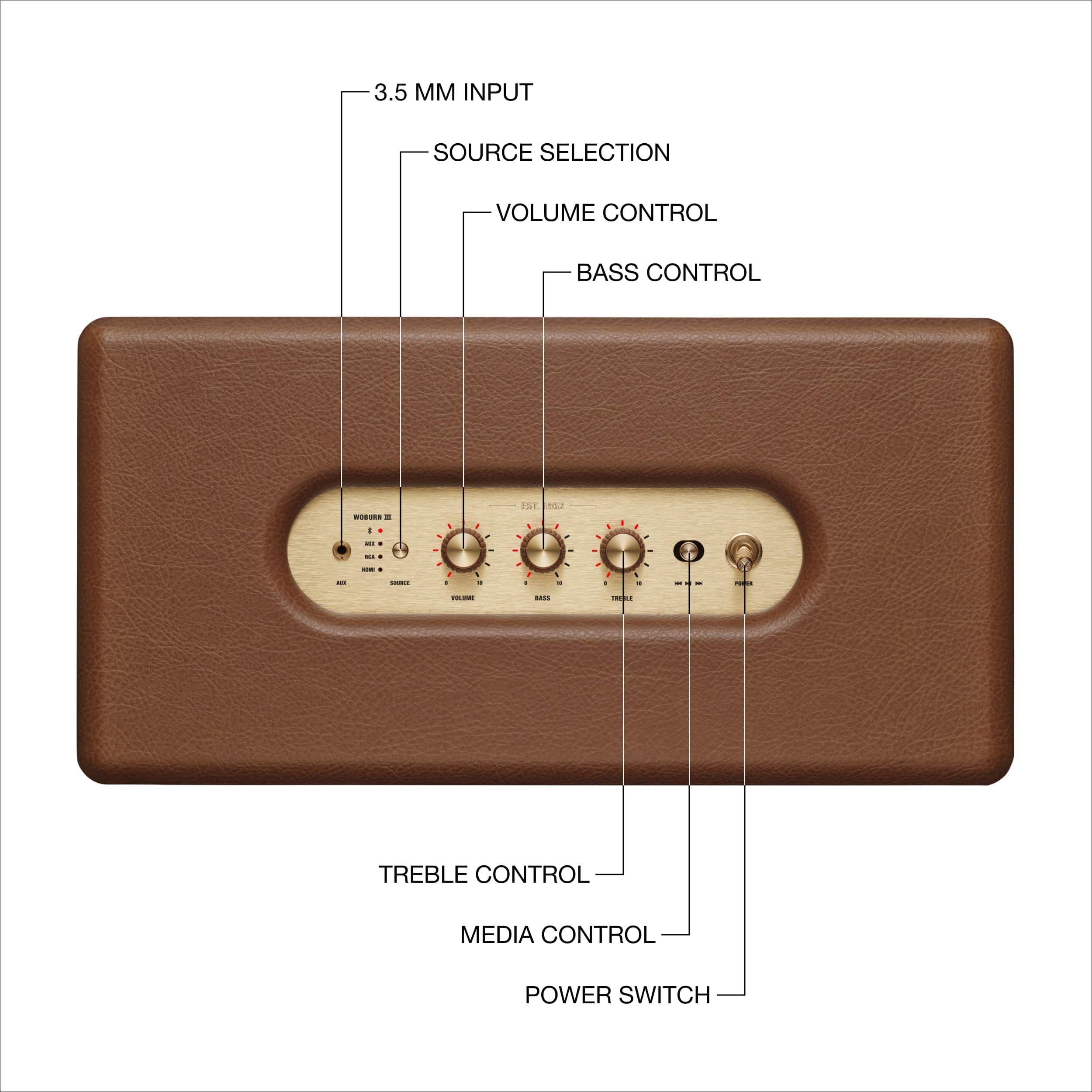
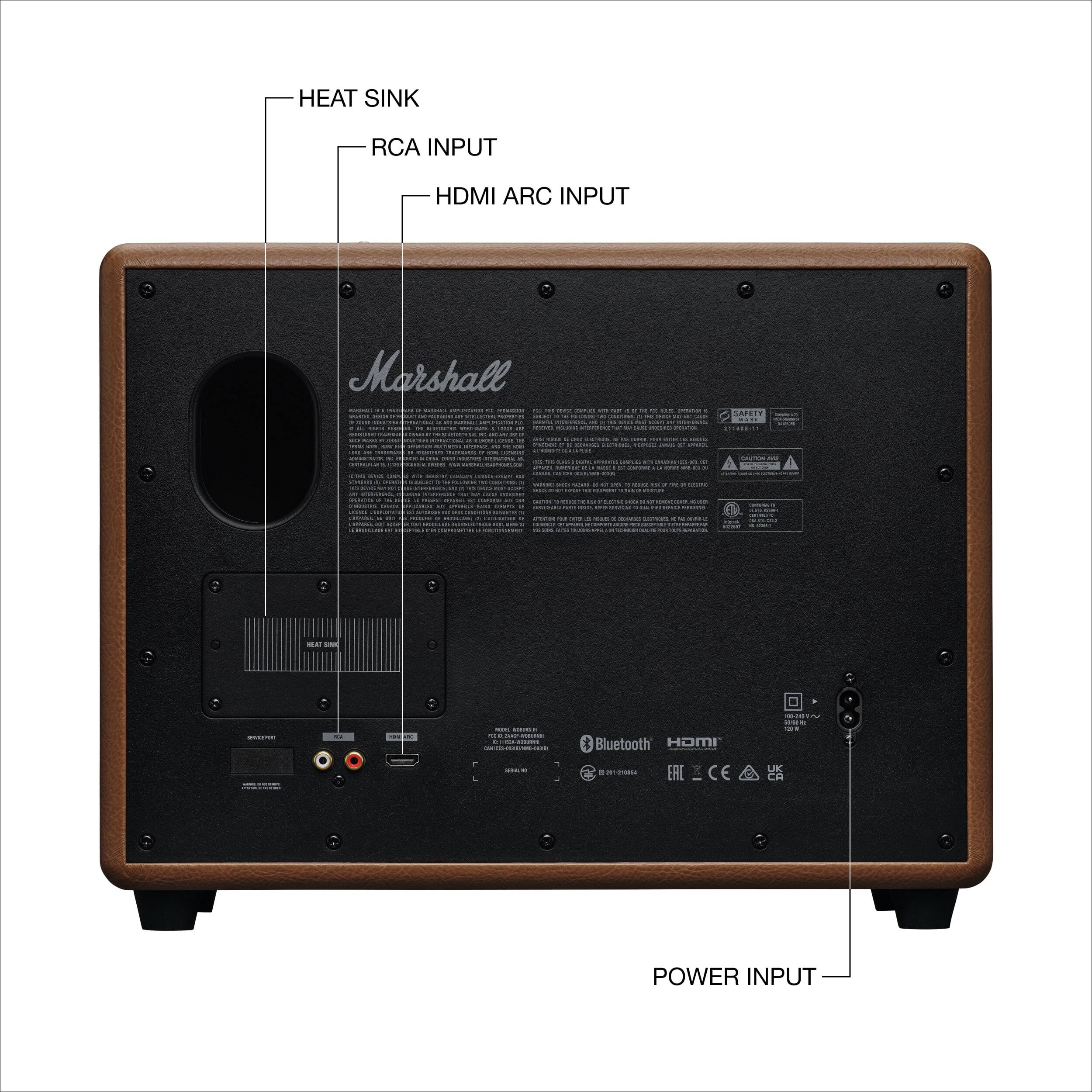
The Marshall Woburn III's connectivity options reflect its home-centric design. The HDMI ARC (Audio Return Channel) input is particularly valuable—it allows your TV to send audio directly to the speaker while letting you control volume with your TV remote. This eliminates the need for a separate soundbar and simplifies your entertainment setup.
The RCA inputs accommodate older audio equipment like turntables or CD players, while the 3.5mm input works with phones, laptops, and other modern devices. Bluetooth 5.2 provides stable wireless connectivity with improved range and the ability to connect two devices simultaneously—useful when switching between a laptop and phone.
The Sony SRS-XV500 embraces wireless simplicity with Bluetooth-only connectivity. While this limits connection options, it eliminates cable clutter and makes the speaker truly portable. The Party Connect feature creates impressive multi-speaker systems, though you'll need multiple Sony speakers to take advantage of this capability.
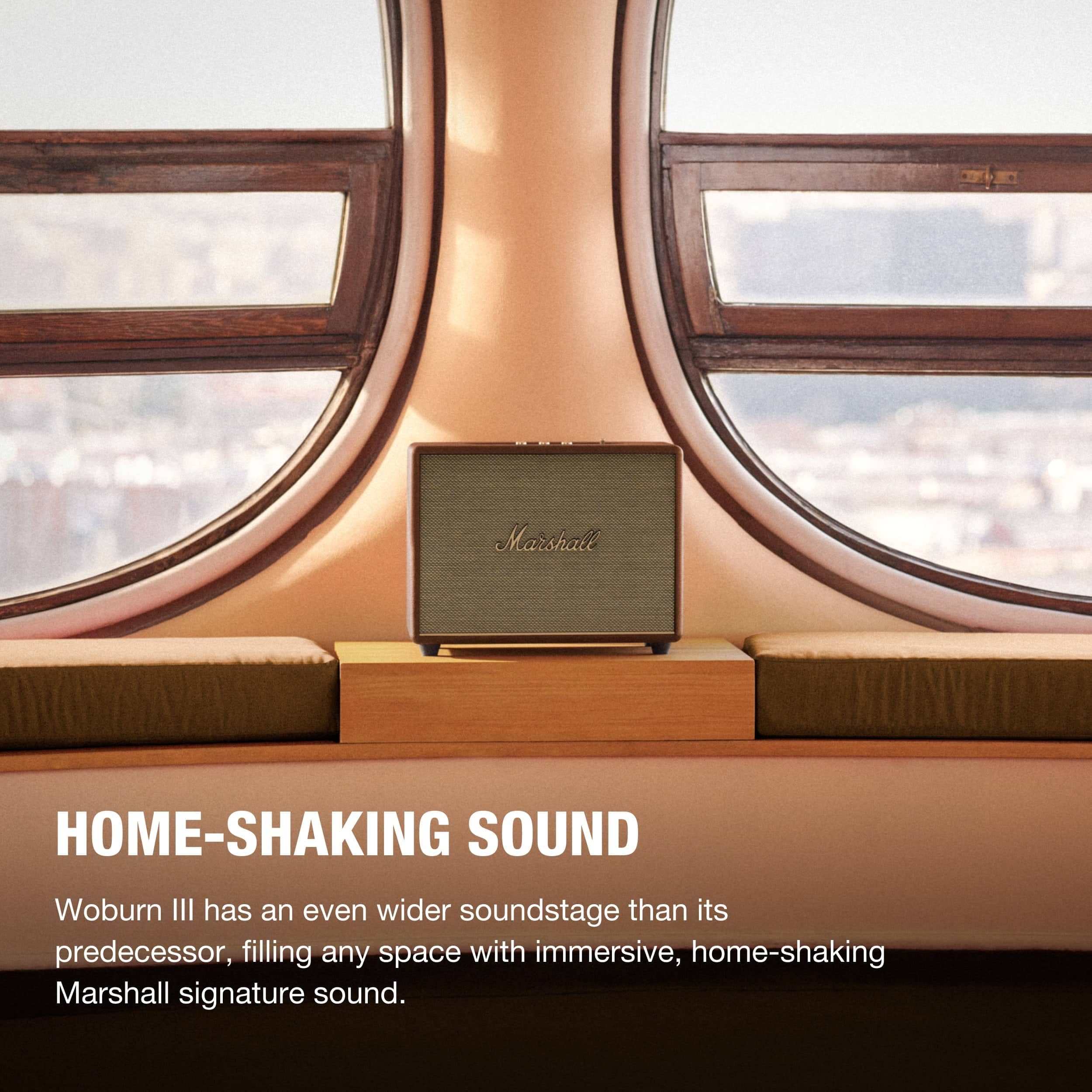
This is where the fundamental design differences become most apparent. The Marshall Woburn III requires constant AC power, weighing about 16 pounds without any carrying handles. It's designed to find a permanent home in your living room, bedroom, or office where it can deliver optimal performance.
The Sony SRS-XV500 transforms this equation entirely. Its 25-hour battery life means weekend camping trips, beach days, or all-day parties without worrying about power sources. The quick-charge feature—10 minutes for 2.5 hours of playback—handles those moments when you forget to charge before heading out.
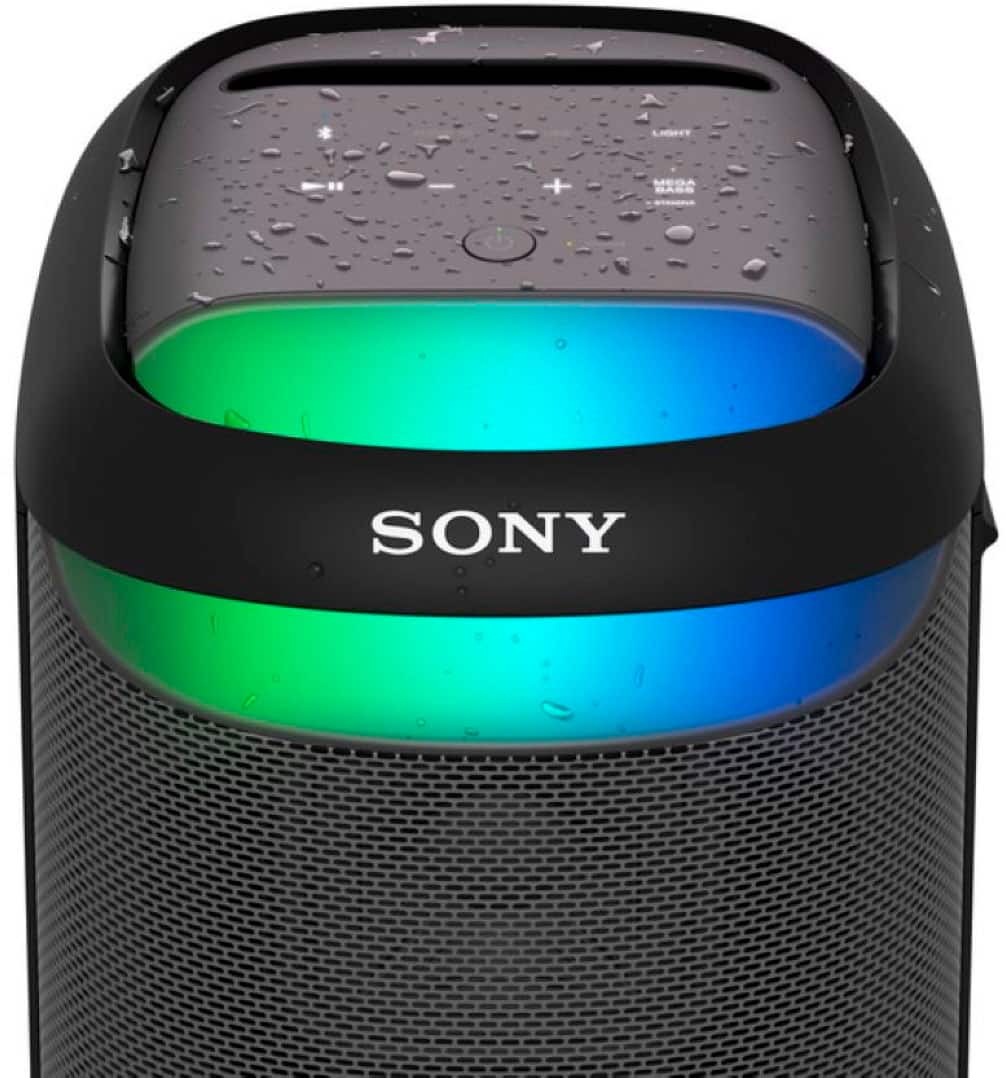
The IPX4 water resistance rating means the Sony can handle splashes from rain, pool water, or spilled drinks without damage. This isn't full waterproofing (don't submerge it), but it provides peace of mind for outdoor use that the Marshall simply cannot match.
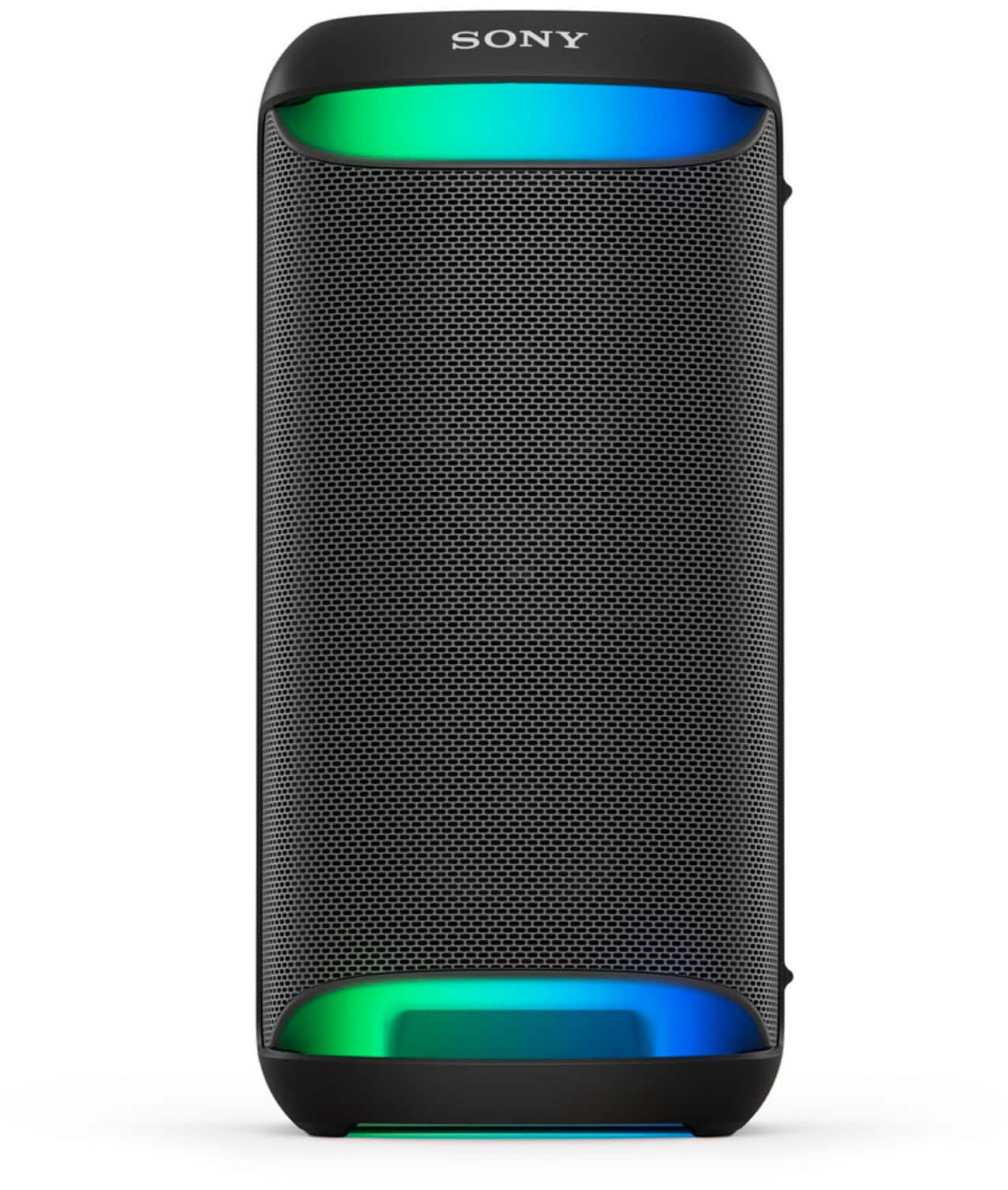
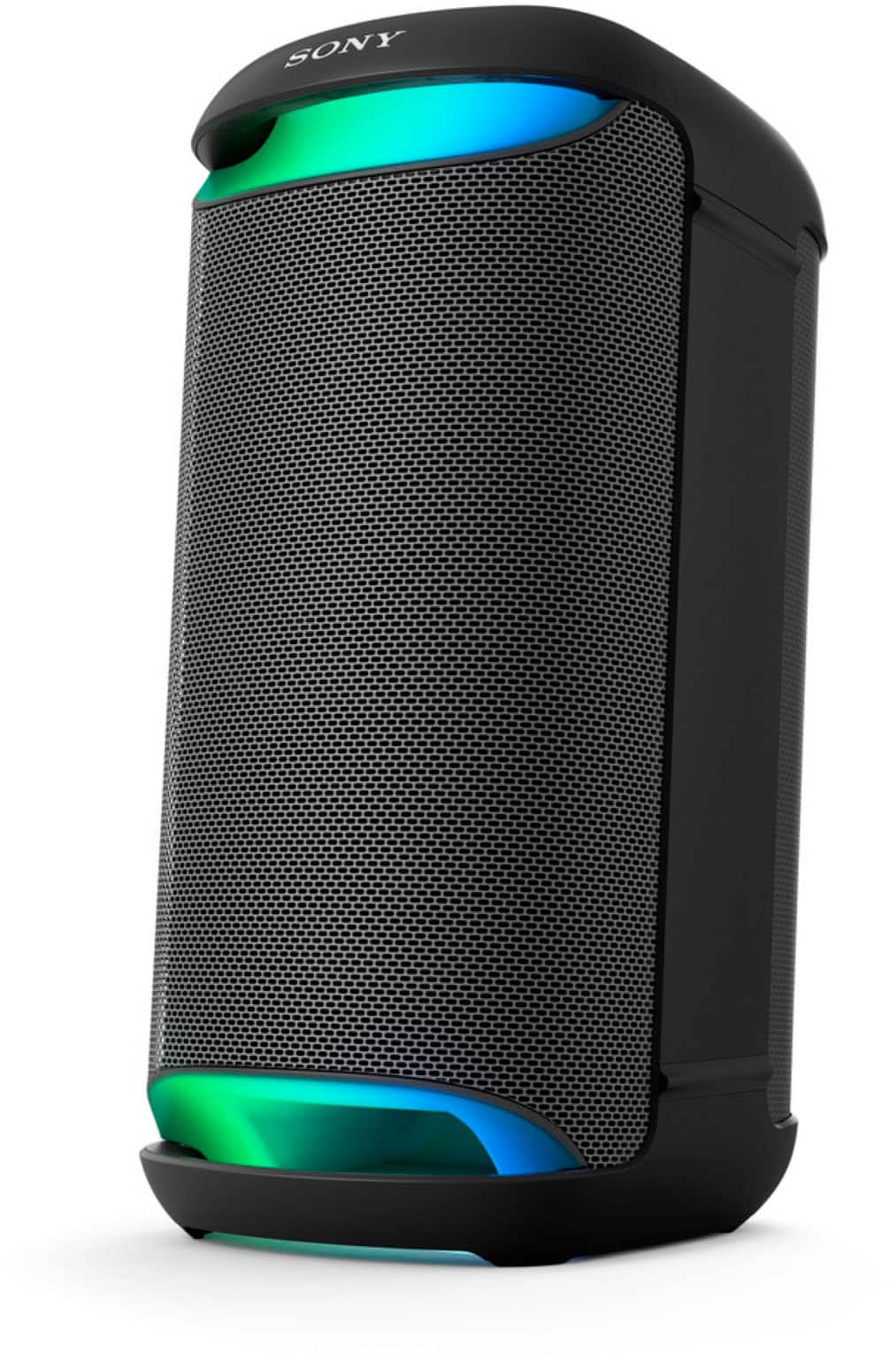
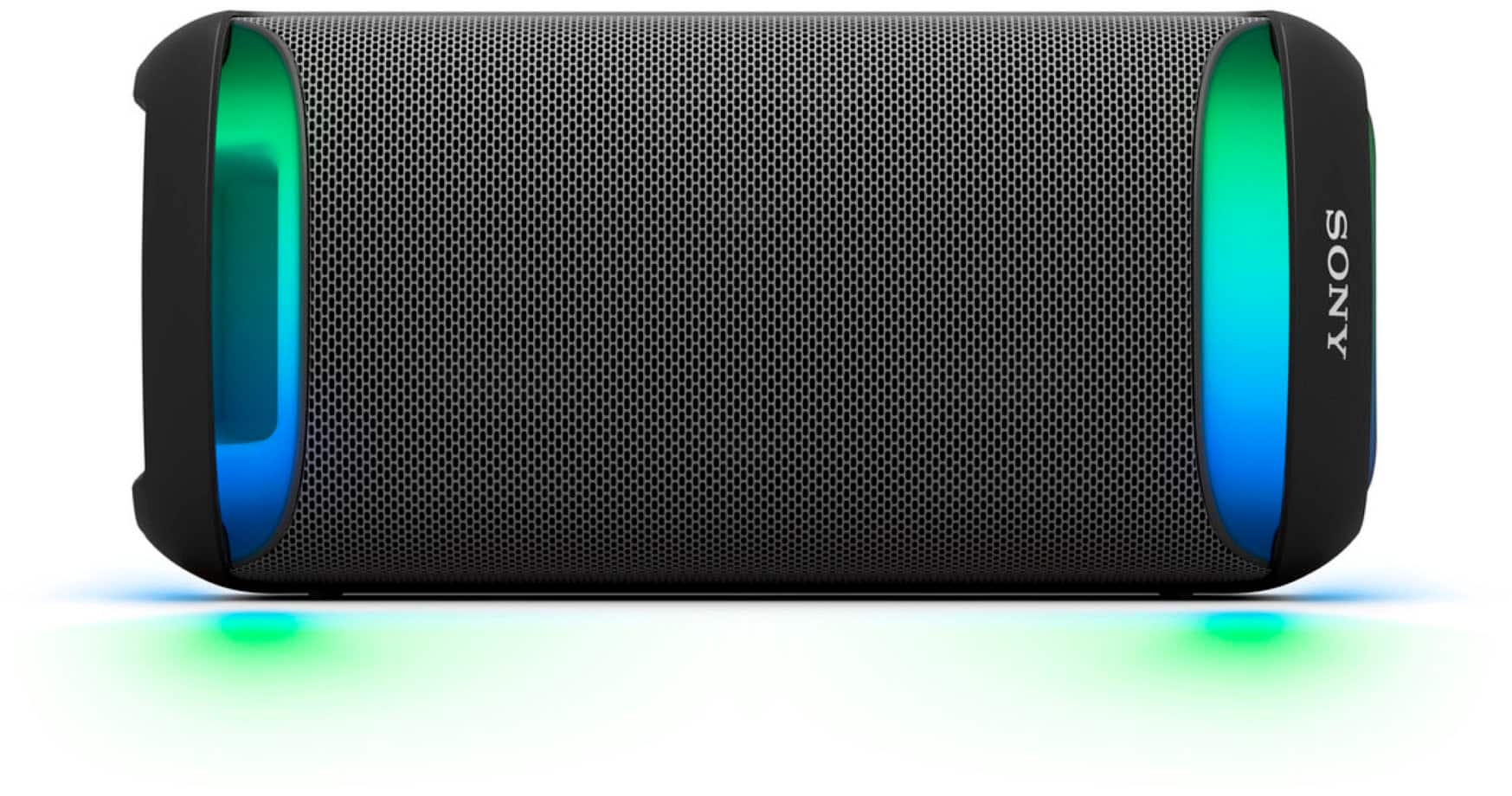
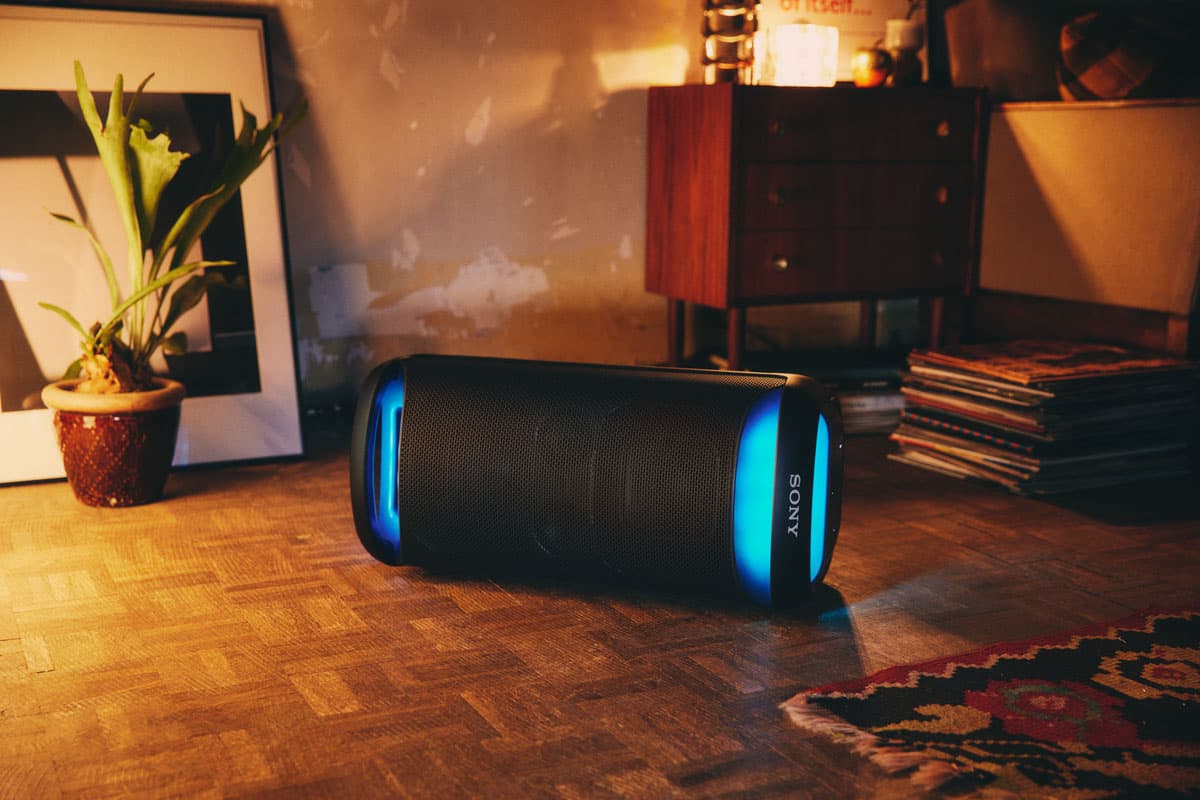
The Sony SRS-XV500 excels in social scenarios with features designed to enhance group experiences. The RGB lighting system synchronizes with music, creating visual excitement that transforms any gathering into a more engaging event. The Fiestable app lets you customize lighting patterns, colors, and effects to match the mood.
The karaoke functionality with dedicated microphone inputs and real-time pitch adjustment turns the speaker into a complete entertainment system. The echo control adds professional-sounding reverb, while key transposition lets singers adjust song pitch to match their vocal range—features typically found in much more expensive PA systems.
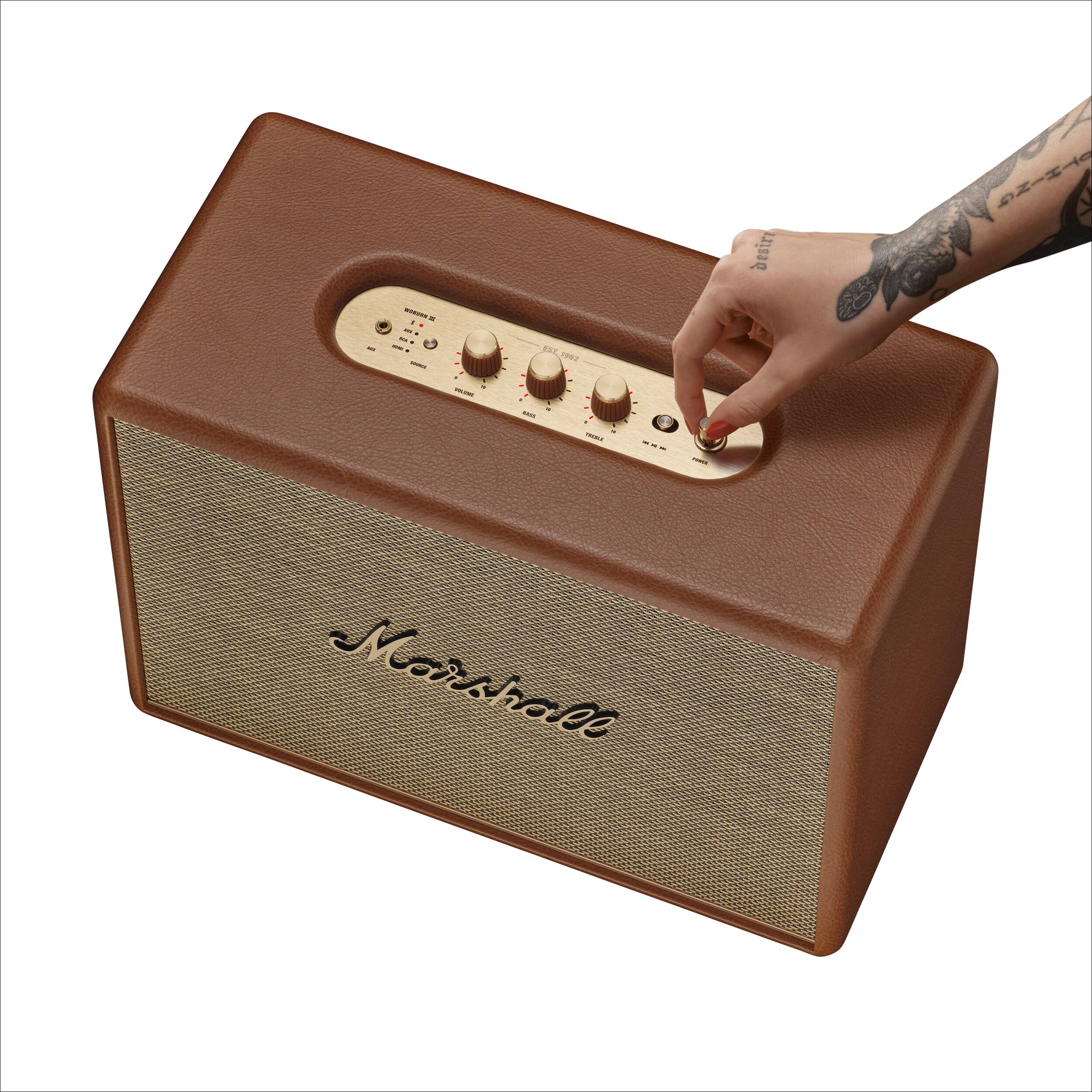
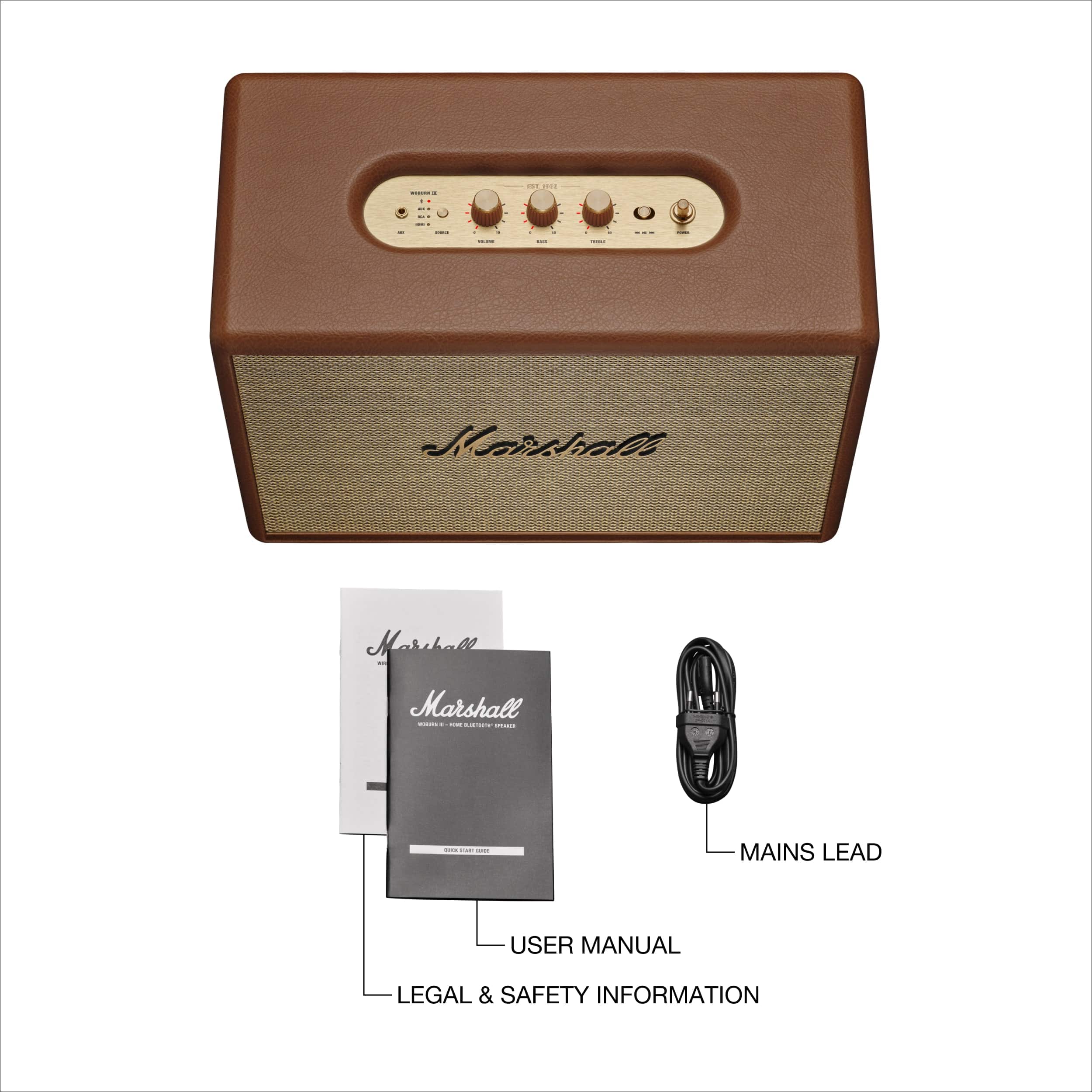
The Marshall Woburn III focuses on pure audio control with analog bass and treble knobs that provide tactile, immediate adjustment. The Marshall Bluetooth app adds placement compensation, which analyzes your room's acoustics and adjusts the sound accordingly—a sophisticated feature that optimizes performance whether the speaker sits on a shelf, in a corner, or against a wall.
For home theater use, the Marshall Woburn III offers significant advantages through its HDMI ARC connection. This allows it to replace or supplement your TV's built-in speakers with dramatically improved sound quality. The Night Mode feature specifically addresses TV viewing, compressing dynamic range to keep dialogue clear while reducing sudden loud sounds that might disturb others.
The three-way driver system excels at reproducing movie soundtracks and TV show audio with clear dialogue reproduction and impactful sound effects. The wide soundstage created by the angled tweeters helps create a more immersive viewing experience than traditional TV speakers can provide.
The Sony SRS-XV500 lacks dedicated TV integration features, though it can connect via Bluetooth for wireless audio. However, Bluetooth audio typically has slight delays that can cause lip-sync issues with video content, making it less suitable for serious home theater use.
The Marshall Woburn III makes sense if you're building a dedicated listening setup in your home. It's ideal for music enthusiasts who appreciate nuanced sound reproduction, want TV integration without buying a separate soundbar, and don't need portability. The premium price reflects genuine engineering advantages that matter if sound quality is your top priority.
I'd recommend the Marshall for people who listen to complex music genres like jazz, classical, or progressive rock where instrumental separation and tonal accuracy matter most. It's also excellent for podcast and audiobook listening where clear vocal reproduction is essential.
The Sony SRS-XV500 serves a different audience entirely. It's perfect for people who frequently move their music between locations, host parties or gatherings, want karaoke capabilities, or need outdoor/weather-resistant audio. The lower price point makes it accessible while still delivering impressive performance for its category.
The Sony works best for electronic music, hip-hop, and other bass-heavy genres where impact matters more than analytical precision. It's also ideal for background music during social events where the lighting and party features enhance the overall experience.
Consider the Marshall Woburn III if your primary listening happens in one location, you value audio precision over convenience features, want TV integration, and can justify the premium price for superior sound quality. It's an investment in long-term listening satisfaction.
Choose the Sony SRS-XV500 if you need flexibility to move your music around, frequently host social events, want entertainment features beyond just audio, or prefer spending less while still getting impressive performance for parties and outdoor use.
Both speakers excel in their intended roles, but they serve fundamentally different needs. The Marshall prioritizes uncompromising home audio quality, while the Sony maximizes versatility and social entertainment value. Understanding which philosophy matches your lifestyle will lead you to the right choice.
| Marshall Woburn III Bluetooth Home Speaker | Sony SRS-XV500 Wireless Party Speaker |
|---|---|
| Power Output - Determines maximum volume and sound quality at high levels | |
| 150W total (90W woofer + 60W for mids/tweeters) | Not specified, but comparable loudness with different character |
| Driver Configuration - Affects sound clarity and frequency separation | |
| 3-way system: 6" woofer, 2x 2" midrange, 2x 0.75" angled tweeters | 2-way system: 2x X-Balanced woofers, 2x tweeters |
| Frequency Response - Range of sounds the speaker can reproduce | |
| 35Hz-20kHz (near full human hearing range) | 20Hz-20kHz (MEGA BASS extends low-end impact) |
| Maximum SPL - How loud it can get without distortion | |
| 100.5 dB at 1 meter (fills large rooms cleanly) | Not specified (gets comparably loud but with more compression) |
| Power Source - Affects placement flexibility and usage scenarios | |
| AC powered only (requires electrical outlet) | 25-hour rechargeable battery + AC power option |
| Portability - Determines where and how you can use it | |
| 16.4 lbs, no handles (designed for stationary use) | 24.7 lbs with built-in handles (portable despite weight) |
| Water Resistance - Protection against spills and outdoor use | |
| None (indoor use only) | IPX4 rated (splash-proof for outdoor/poolside use) |
| Connectivity Options - How you connect audio sources | |
| Bluetooth 5.2, 3.5mm aux, RCA, HDMI ARC | Bluetooth only (simplified wireless approach) |
| Multi-Speaker Features - Ability to connect multiple units | |
| Bluetooth multipoint (2 devices) only | Party Connect (up to 100 Sony speakers), Stereo Pair |
| Sound Customization - Control over audio characteristics | |
| Analog bass/treble knobs, Dynamic Loudness, Placement Compensation | MEGA BASS button, Custom 3-band EQ, multiple sound modes |
| Entertainment Features - Beyond basic music playback | |
| TV integration via HDMI ARC, Night Mode | RGB lighting effects, karaoke inputs, echo/key controls |
| App Control - Smartphone integration and advanced features | |
| Marshall Bluetooth app (room compensation, updates) | Sony Music Center + Fiestable apps (lighting, EQ, party features) |
| Build Quality and Design - Aesthetics and construction | |
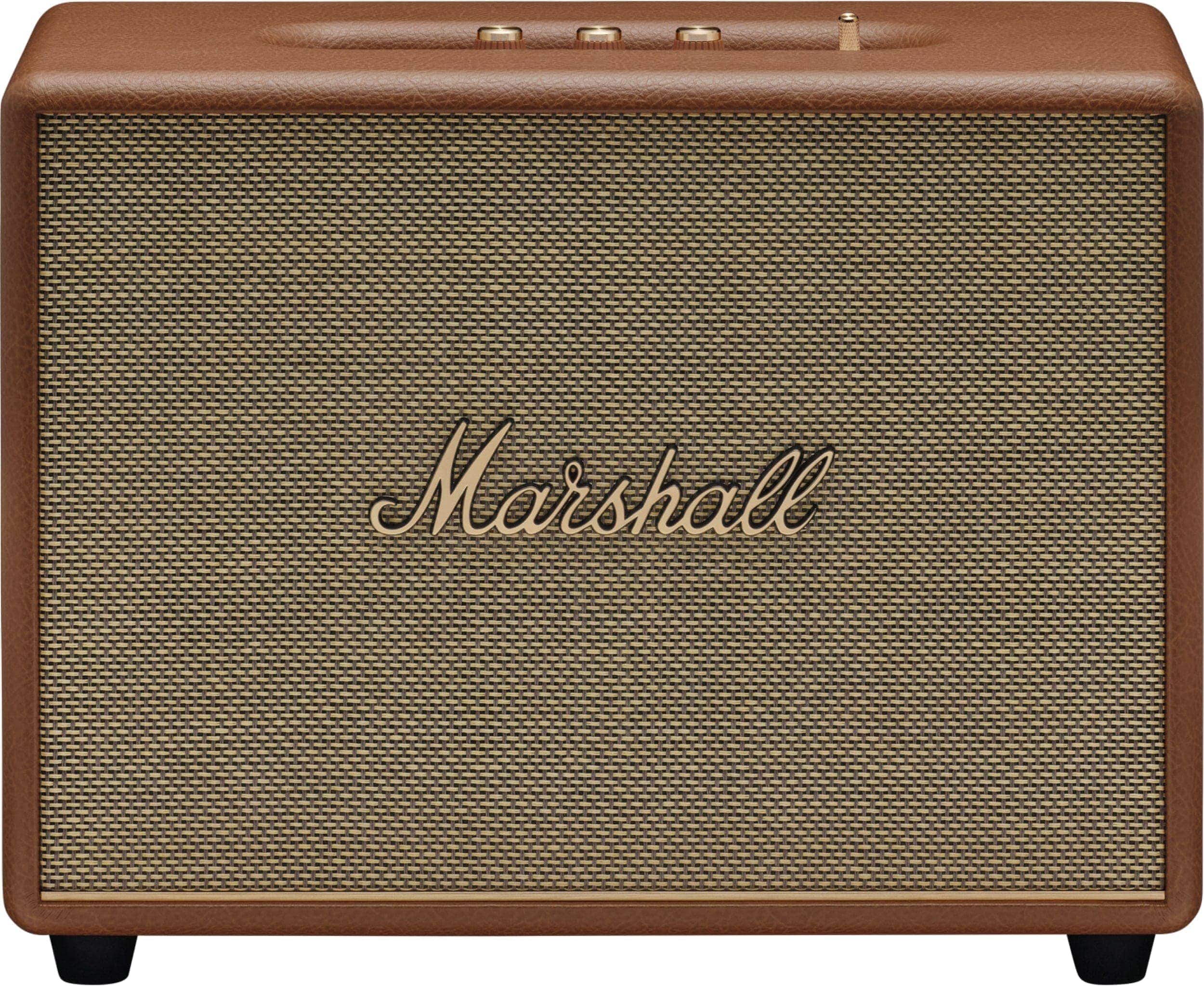
| Premium materials, classic Marshall amp styling, brass knobs | Durable plastic construction, party-oriented design with handles |
| Target Use Case - Primary intended scenarios | |
| Home listening, TV enhancement, audiophile applications | Parties, outdoor events, karaoke, social gatherings |
The Marshall Woburn III is specifically designed for home use with its stationary design, premium build quality, and sophisticated 3-way driver system. It offers superior sound quality for dedicated listening spaces, HDMI ARC connectivity for TV integration, and analog controls that complement home décor. The Sony SRS-XV500 can work at home but is optimized for portability and parties rather than critical listening.
The Marshall Woburn III excels for home theater use with its HDMI ARC input that connects directly to your TV, allowing volume control through your TV remote. It also features Night Mode for late-night viewing without disturbing others. The Sony SRS-XV500 lacks HDMI connectivity and is primarily designed for music rather than movie audio enhancement.
Both speakers can achieve impressive volume levels, but they approach loudness differently. The Marshall Woburn III delivers 100.5 dB maximum SPL with clean, undistorted sound even at high volumes thanks to its 150W power distribution. The Sony SRS-XV500 can get comparably loud but may experience more compression at maximum levels due to its party-oriented tuning.
The Marshall Woburn III requires constant AC power and cannot operate on battery. The Sony SRS-XV500 offers up to 25 hours of battery life and can also run while plugged in, making it much more versatile for outdoor use, camping, or locations without power outlets.
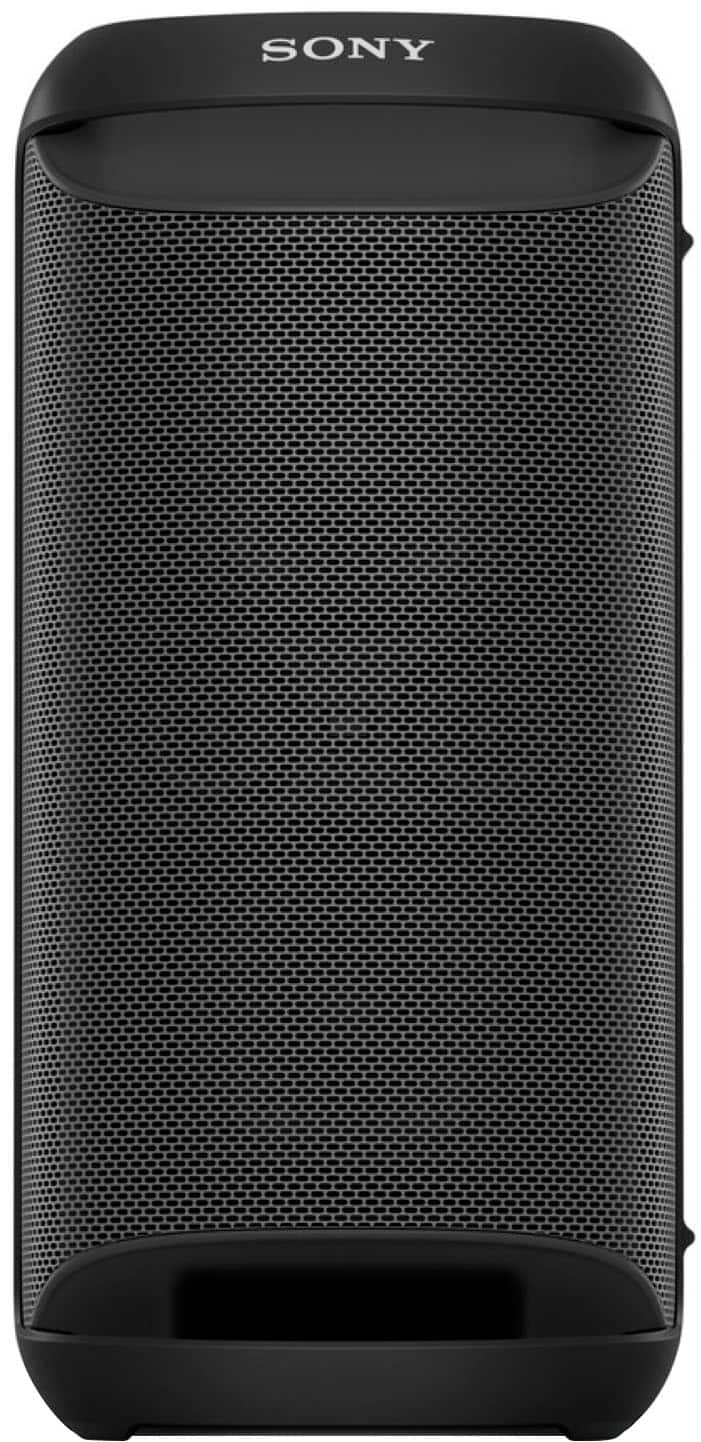
The Sony SRS-XV500 is designed for portability with built-in handles, battery operation, and IPX4 water resistance for outdoor use. Despite weighing about 25 pounds, it's built to move between locations. The Marshall Woburn III weighs about 16 pounds but has no handles and requires AC power, making it unsuitable for portable use.
The Sony SRS-XV500 offers superior multi-speaker connectivity with Party Connect technology that can sync up to 100 compatible Sony speakers and stereo pairing with another XV500. The Marshall Woburn III only supports Bluetooth multipoint connection to two devices but cannot connect to other Marshall speakers for expanded sound.
The Marshall Woburn III delivers superior sound quality with its sophisticated 3-way driver system, precise frequency response (35Hz-20kHz), and audiophile-focused tuning that maintains clarity across all volume levels. The Sony SRS-XV500 offers good sound quality optimized for parties and bass-heavy music but prioritizes impact over analytical precision.
The Sony SRS-XV500 is specifically designed for parties with RGB lighting that syncs to music, karaoke inputs with echo and key controls, battery operation for any location, and bass-heavy sound tuning. The Marshall Woburn III can work for indoor parties but lacks entertainment features, battery power, and the visual elements that enhance social gatherings.
The Sony SRS-XV500 includes two 1/4-inch microphone inputs with dedicated volume controls, echo effects, and key transposition for professional karaoke use. The Marshall Woburn III does not have microphone inputs and is not designed for karaoke or live vocal performance.
Value depends on your needs. The Sony SRS-XV500 offers exceptional versatility with battery operation, water resistance, party features, and karaoke capabilities at a more accessible price point. The Marshall Woburn III costs significantly more but delivers premium home audio quality, TV integration, and superior build quality that justifies the investment for serious listening.
The Marshall Woburn III connects directly to smart TVs via HDMI ARC for seamless integration, allowing TV remote volume control and automatic power switching. The Sony SRS-XV500 can connect to smart TVs via Bluetooth but may experience audio delay issues and lacks the convenient TV integration features.
Choose the Marshall Woburn III if you want premium home audio quality, TV integration, and plan to use it primarily in one location for serious listening. Select the Sony SRS-XV500 if you need portability, plan to host parties, want karaoke features, or prefer a more affordable option with entertainment-focused features that work both indoors and outdoors.
We've done our best to create useful and informative comparisons to help you decide what product to buy. Our research uses advanced automated methods to create this comparison and perfection is not possible - please contact us for corrections or questions. These are the sites we've researched in the creation of this article: loudersound.com - ash-asia.zendesk.com - armorsound.com - rtings.com - crutchfield.com - rtings.com - stereoguide.com - bestbuy.com - hometechnologyreview.com - crutchfield.com - sweetwater.com - rtings.com - youtube.com - greentoe.com - versus.com - idownloadblog.com - marshall.com - youtube.com - comparisontabl.es - youtube.com - versus.com - crutchfield.com - device.report - consumerreports.org - sg.tcacoustic.asia - stereoindex.com - safemark.com - smarthomesounds.co.uk - marshall.com - device.report - bestbuy.com - marshall.com - bestbuy.com - rtings.com - bestbuy.com - youtube.com - rtings.com - versus.com - youtube.com - versus.com - youtube.com - youtube.com - guidingtech.com - crutchfield.com - sony.com - sony.com - bestbuy.com - helpguide.sony.net - smappliance.com - youtube.com - helpguide.sony.net - videoandaudiocenter.com - electronics.sony.com - linqcdn.avbportal.com

Privacy Policy
Terms and Conditions - Affiliate Policy
Home Security
© Copyright 2008-2026.
11816 Inwood Rd #1211, Dallas, TX 75244