

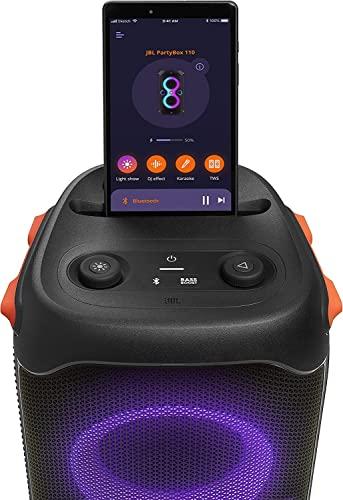
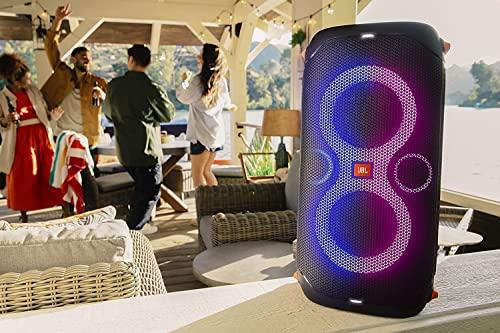
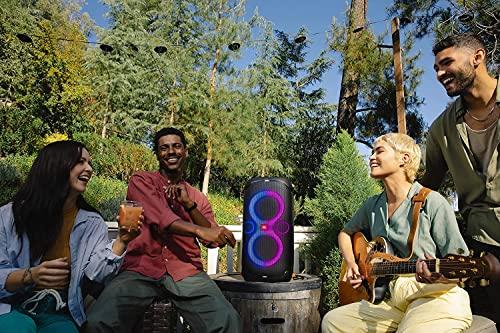
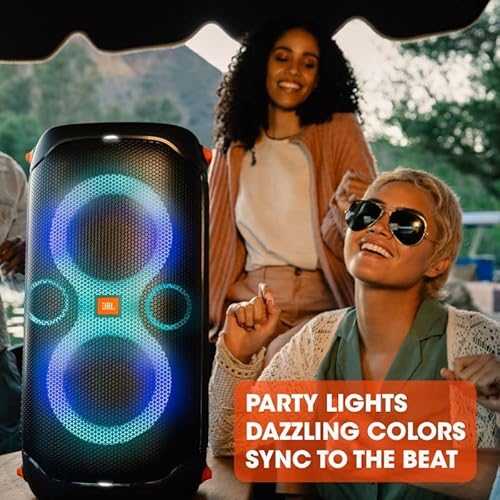
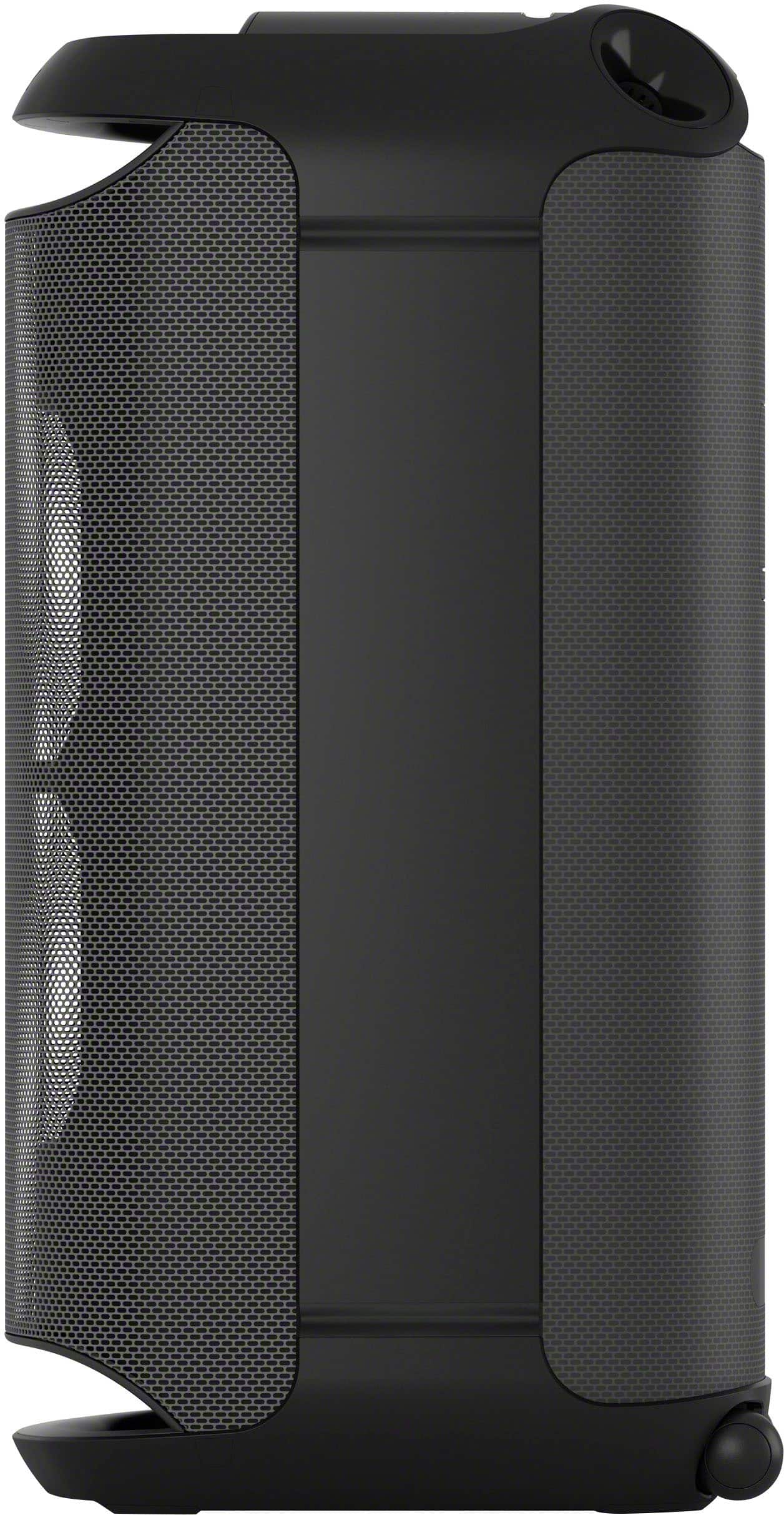
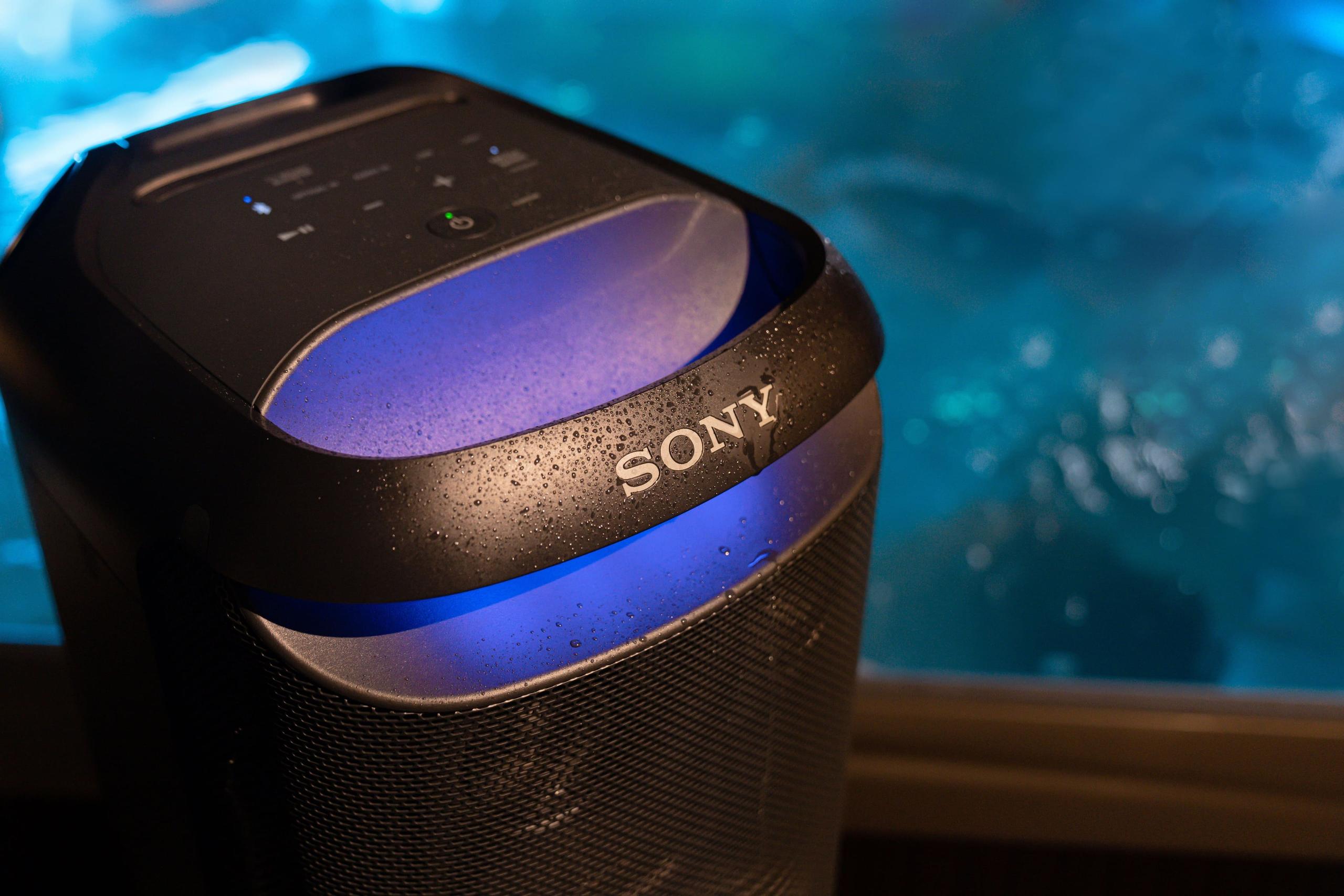
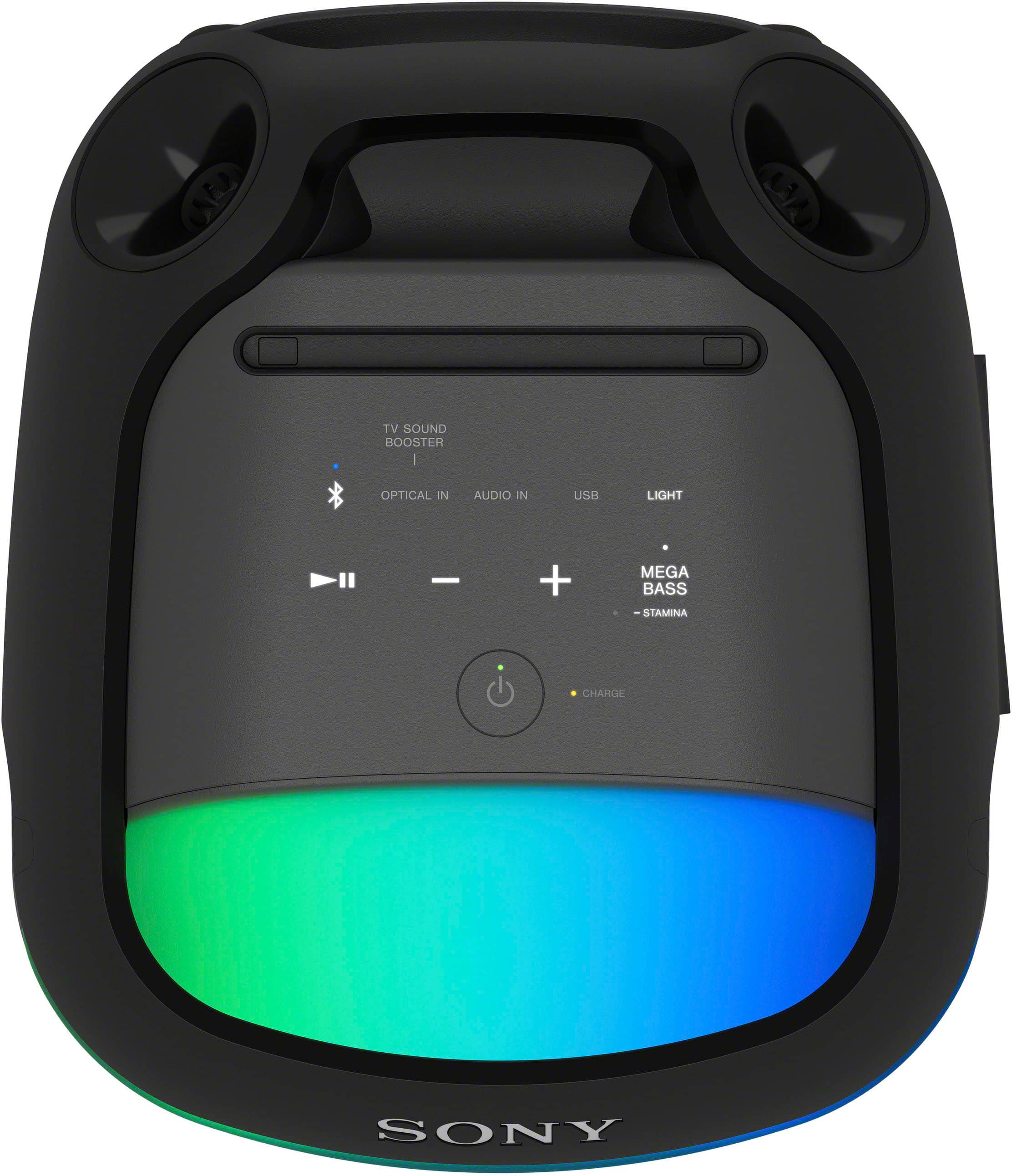
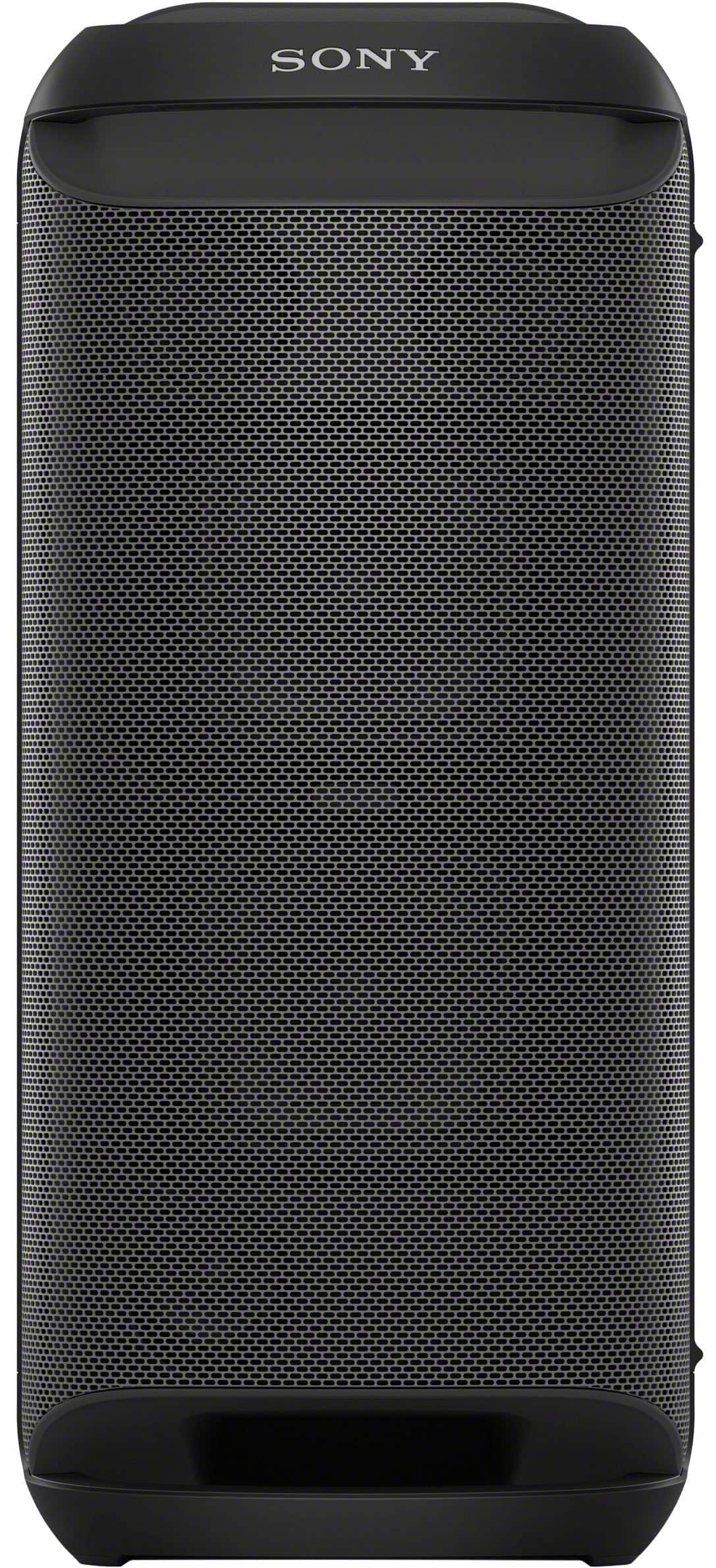
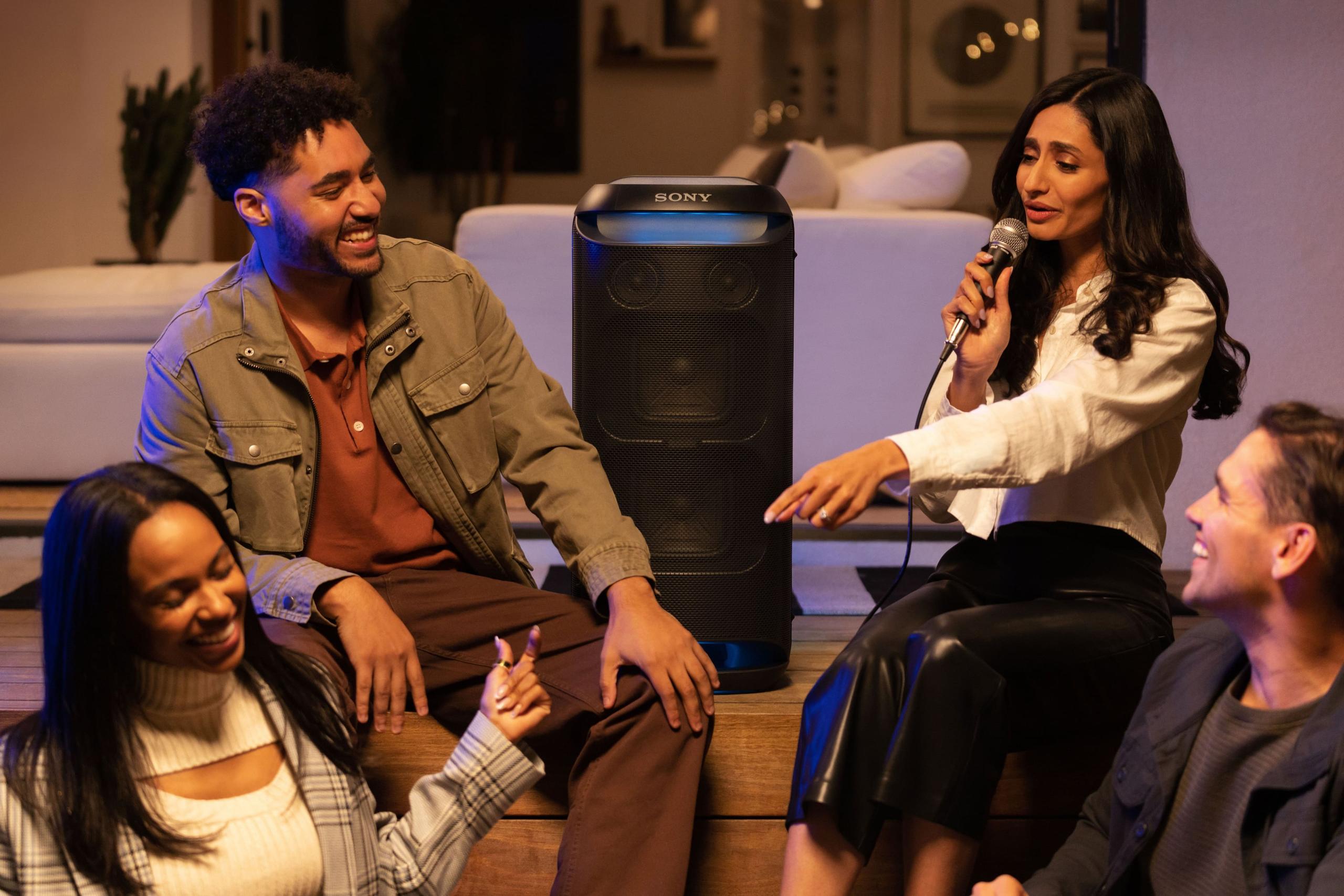
When it comes to party speakers, two names consistently rise to the top: the JBL PartyBox 110 and the Sony SRS-XV800. Both launched in recent years—the JBL in 2021 and the Sony in 2023—representing the latest thinking in portable party audio. But while they serve the same basic purpose, these speakers take remarkably different approaches to getting people moving.
Before diving into the specifics, it's worth understanding what separates party speakers from regular Bluetooth speakers or home audio systems. Party speakers are built around a simple premise: they need to fill large spaces with powerful, engaging sound while being tough enough to handle outdoor environments and long listening sessions.
The key factors that matter most are volume output (how loud they can get without distorting), bass response (the deep, chest-thumping frequencies that make music feel physical), battery life (since parties don't always happen near power outlets), and durability (because accidents happen when people are having fun).
Unlike studio monitors that prioritize accuracy, party speakers emphasize impact and excitement. They're designed to make music feel larger than life, which often means boosted bass and enhanced dynamics that grab attention and keep energy high.
The most fundamental difference between the JBL PartyBox 110 and Sony SRS-XV800 lies in their sound signatures—essentially, how they "color" the music you play through them.
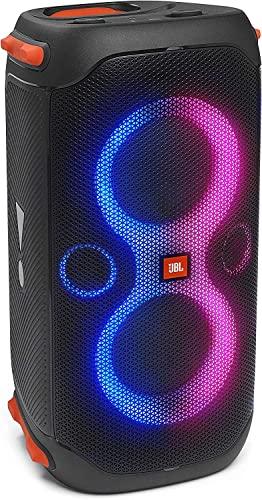
The PartyBox 110 delivers 160 watts RMS (RMS stands for "root mean square," which is the continuous power a speaker can handle without distortion) through a setup of two 5.25-inch woofers and two 2.25-inch tweeters. This configuration creates what audio enthusiasts call a "brighter" sound signature, meaning vocals and high-frequency details are more prominent and crisp.
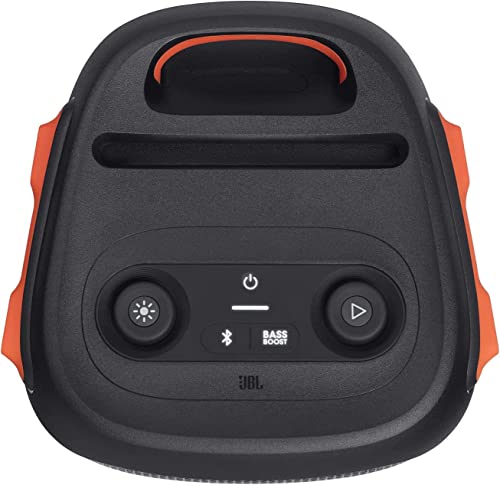
What really sets the JBL apart is its bass performance. The speaker includes a two-level Bass Boost feature that can dramatically enhance low-frequency response. When activated, particularly on the "Level 2" setting, the PartyBox 110 produces genuinely room-shaking bass that you feel as much as hear. This physical bass response—the kind that makes your chest vibrate during hip-hop tracks or EDM drops—is something the JBL excels at.
The clarity remains impressive even at high volumes, which is crucial for party environments where background noise competes with your music. From our research into professional reviews and user feedback, the consensus is clear: the JBL PartyBox 110 maintains better detail and separation between instruments when pushed to its limits.
The Sony SRS-XV800 takes a completely different approach. Despite producing less continuous power at 70 watts RMS, it uses Sony's X-Balanced Speaker technology—a rectangular driver design that allows for larger diaphragm area compared to traditional round drivers. This means the speaker can move more air with less distortion, creating cleaner bass even if it doesn't dig as deep as the JBL.
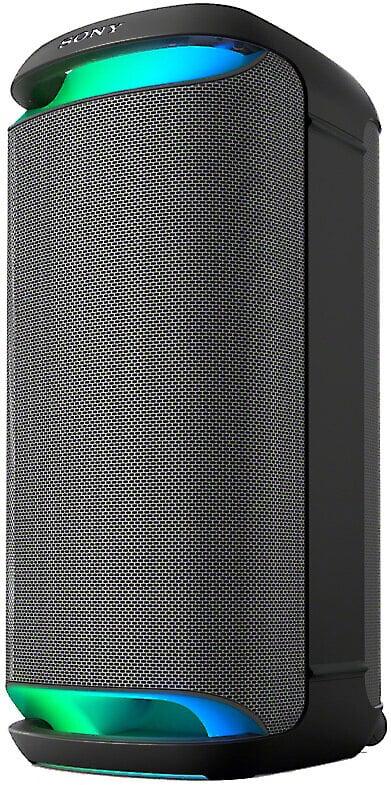
The Sony's standout feature is its omnidirectional sound design. Using five dome tweeters—three front-facing and two rear-facing—the XV800 creates a 360-degree soundfield that fills rooms more evenly than traditional forward-firing speakers. This approach works particularly well in open spaces or when the speaker isn't positioned against a wall.
The sound signature is more balanced and, frankly, more mature. While the Sony SRS-XV800 won't rattle windows like the JBL can, it avoids the harshness that sometimes creeps into the JBL at maximum volume. This makes it more suitable for longer listening sessions where ear fatigue becomes a concern.
Raw volume is often the first thing people ask about with party speakers, and here the numbers tell an interesting story. The JBL PartyBox 110 clearly wins in terms of pure loudness, consistently getting noticeably louder than the Sony despite the XV800's higher peak power ratings.
This difference comes down to efficiency and tuning. The JBL's brighter sound signature and focused driver configuration means it can achieve higher sound pressure levels (SPL) with its available power. In practical terms, this means the PartyBox 110 can better compete with crowd noise at outdoor gatherings or fill larger spaces effectively.
However, volume isn't just about maximum output—it's about maintaining quality as levels increase. Both speakers handle moderate volumes excellently, but the Sony SRS-XV800 tends to maintain better composure when pushed to extremes, avoiding the slight harshness that can creep into the JBL's presentation.
For most home use, both speakers provide more than adequate volume. But if you're planning beach parties, backyard barbecues, or events where ambient noise is high, the JBL's volume advantage becomes significant.
Battery performance represents perhaps the biggest practical difference between these speakers. The Sony SRS-XV800 absolutely dominates here, offering up to 25 hours of advertised playback compared to the JBL's 12 hours. In real-world testing conditions—playing at party-appropriate volumes with light shows activated—the Sony typically delivers around 10 hours while the JBL PartyBox 110 manages about 6-7 hours.
This difference is substantial enough to change how you use each speaker. The Sony's extended battery life makes it suitable for all-day events like weddings, festivals, or camping trips where recharging isn't practical. The JBL, while still offering respectable battery life, is better suited for shorter gatherings or situations where power access is available.
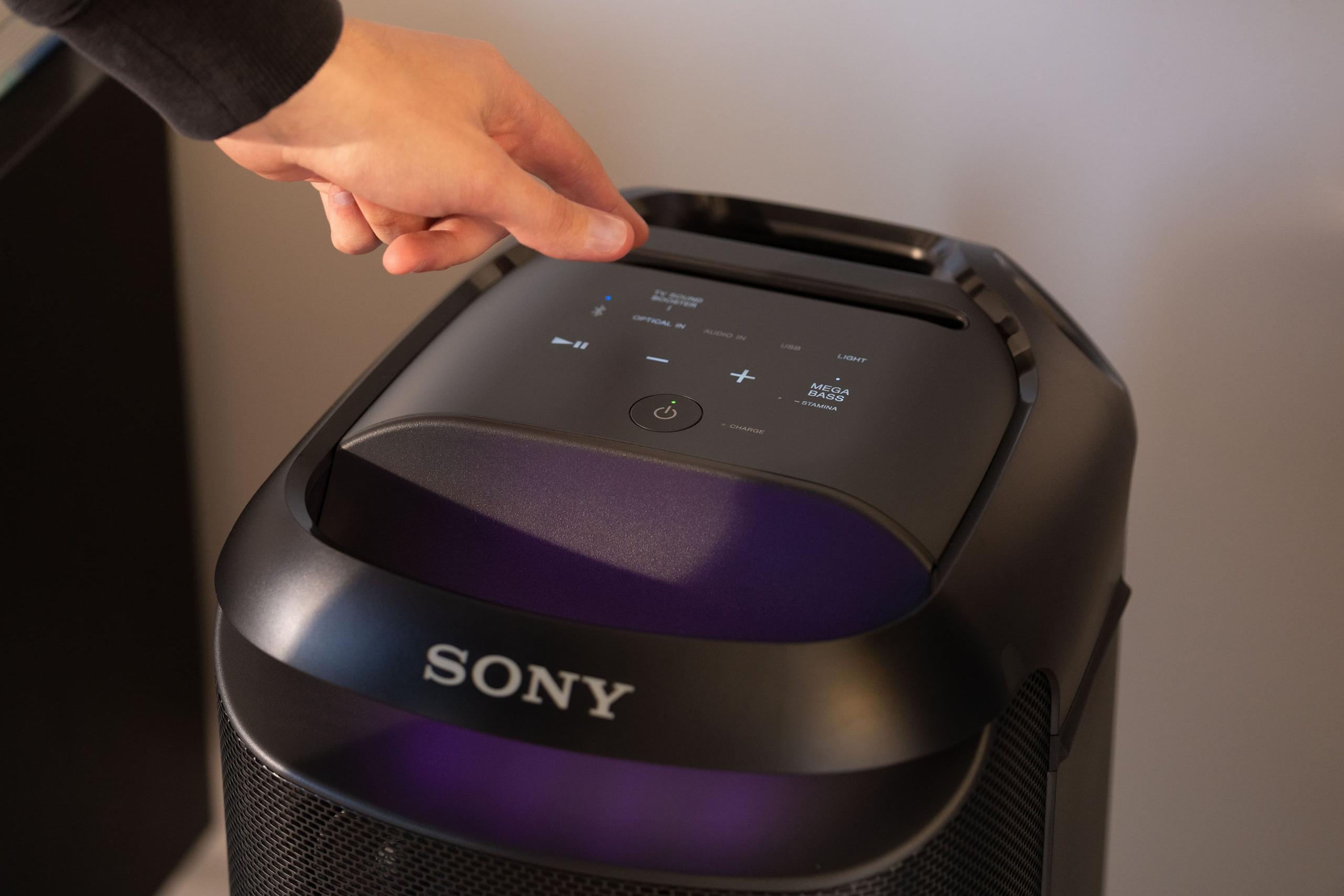
The Sony also includes a clever STAMINA mode that extends battery life by disabling lighting effects and sound enhancements, plus a quick-charge feature that provides three hours of playback from just ten minutes of charging. These thoughtful touches show Sony's focus on practical usability.
Modern party speakers are entertainment systems, not just audio devices. Both speakers embrace this philosophy but with different priorities.
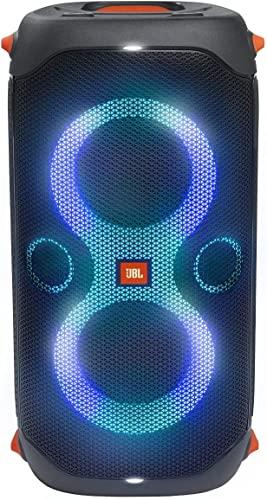
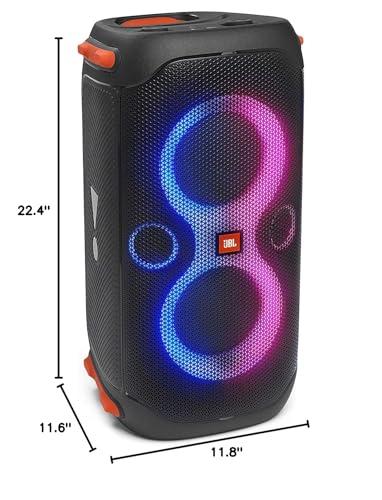
The JBL PartyBox 110 features dynamic LED light rings that create impressive synchronized light shows. These aren't subtle accent lights—they're genuinely eye-catching displays that pulse, strobe, and change colors in time with your music. The JBL's light show is notably more dramatic and covers a larger area of the speaker, making it a genuine focal point at gatherings.
The Sony SRS-XV800 includes programmable LED lighting as well, but it's more subdued. While customizable through Sony's Fiestable app, the lighting effects are smaller and less attention-grabbing. This isn't necessarily a negative—some users prefer the Sony's more tasteful approach—but for pure visual impact, the JBL wins decisively.
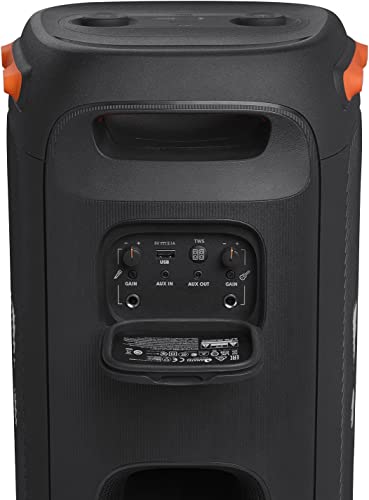
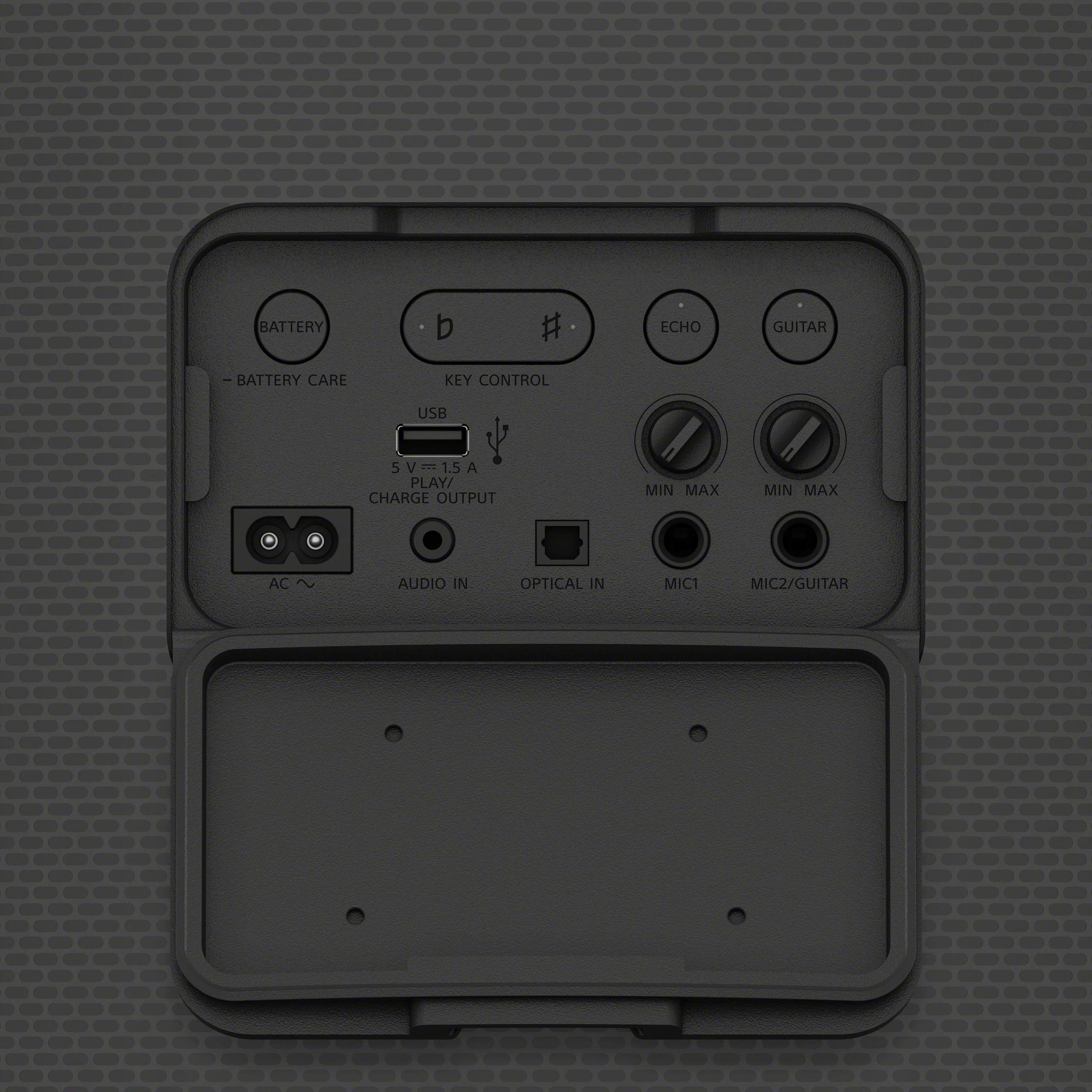
Both speakers include microphone and guitar inputs, transforming them into portable PA systems. The PartyBox 110 offers individual volume controls for each input, making it easy to balance vocal levels against backing music. The accompanying JBL PartyBox app provides additional sound adjustments for microphone input.
The Sony SRS-XV800 goes further with dedicated echo and key control features for karaoke, plus the ability to handle two microphones simultaneously with equal output levels. For serious karaoke enthusiasts or small venue performers, the Sony's more sophisticated input handling gives it an edge.
Here's where the Sony SRS-XV800 shows its 2023 design advantages. It supports LDAC, Sony's high-resolution audio codec that transmits significantly more data than standard Bluetooth connections. This means better sound quality when streaming from compatible devices, though the difference is subtle in party environments.
More practically useful is the Sony's optical digital input, which allows direct connection to TVs. Combined with the TV Sound Booster feature, the XV800 can serve double duty as a soundbar alternative, enhancing movie and gaming audio with its powerful bass response.
The JBL PartyBox 110 focuses on simplicity with reliable Bluetooth 5.1 connectivity and the ability to pair two speakers together using True Wireless Stereo (TWS). This pairing feature is particularly compelling—two PartyBox 110s create a genuine stereo setup that, at the time of writing, costs less than a single Sony while delivering superior bass response and wider soundstage.
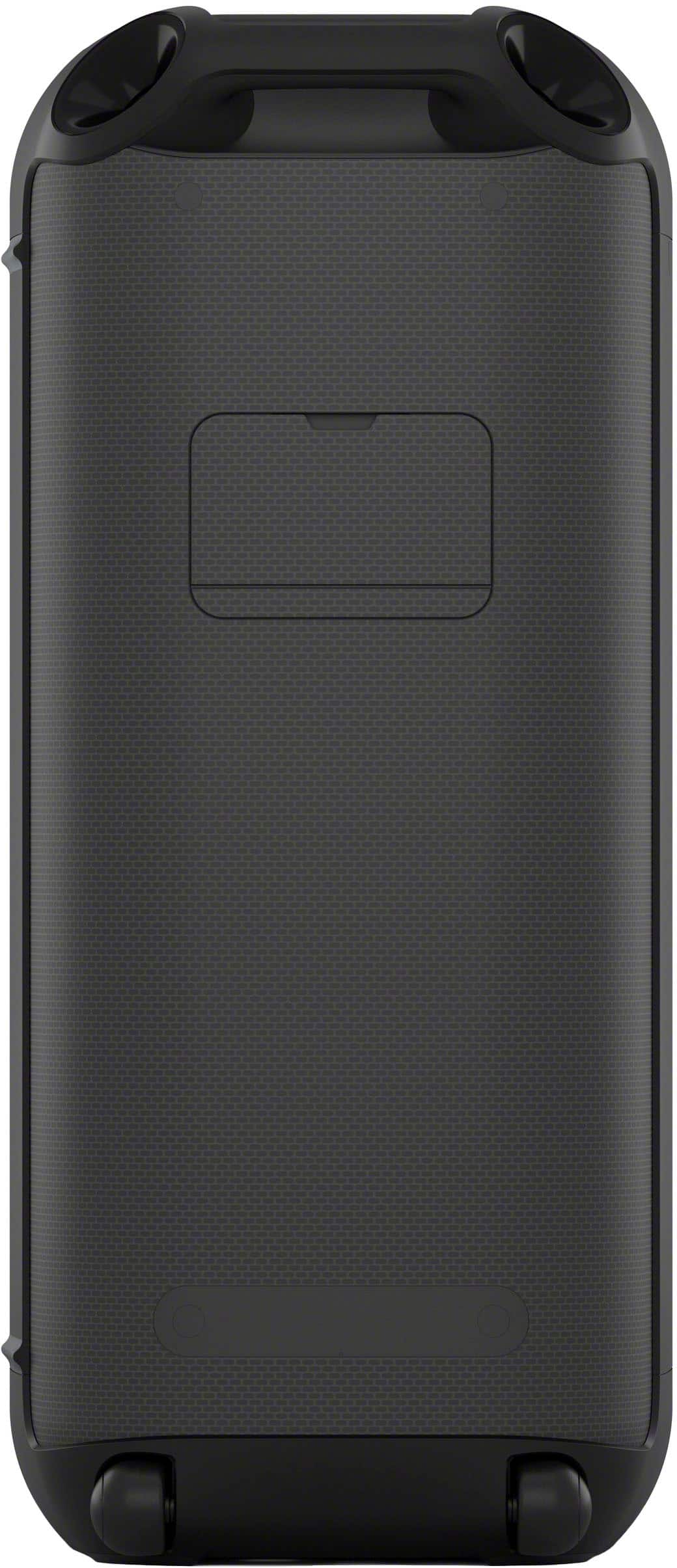
Despite both being "portable" speakers, there's a significant difference in actual portability. The JBL PartyBox 110 weighs 23 pounds and includes a recessed carrying handle, making it genuinely manageable for most people to transport.
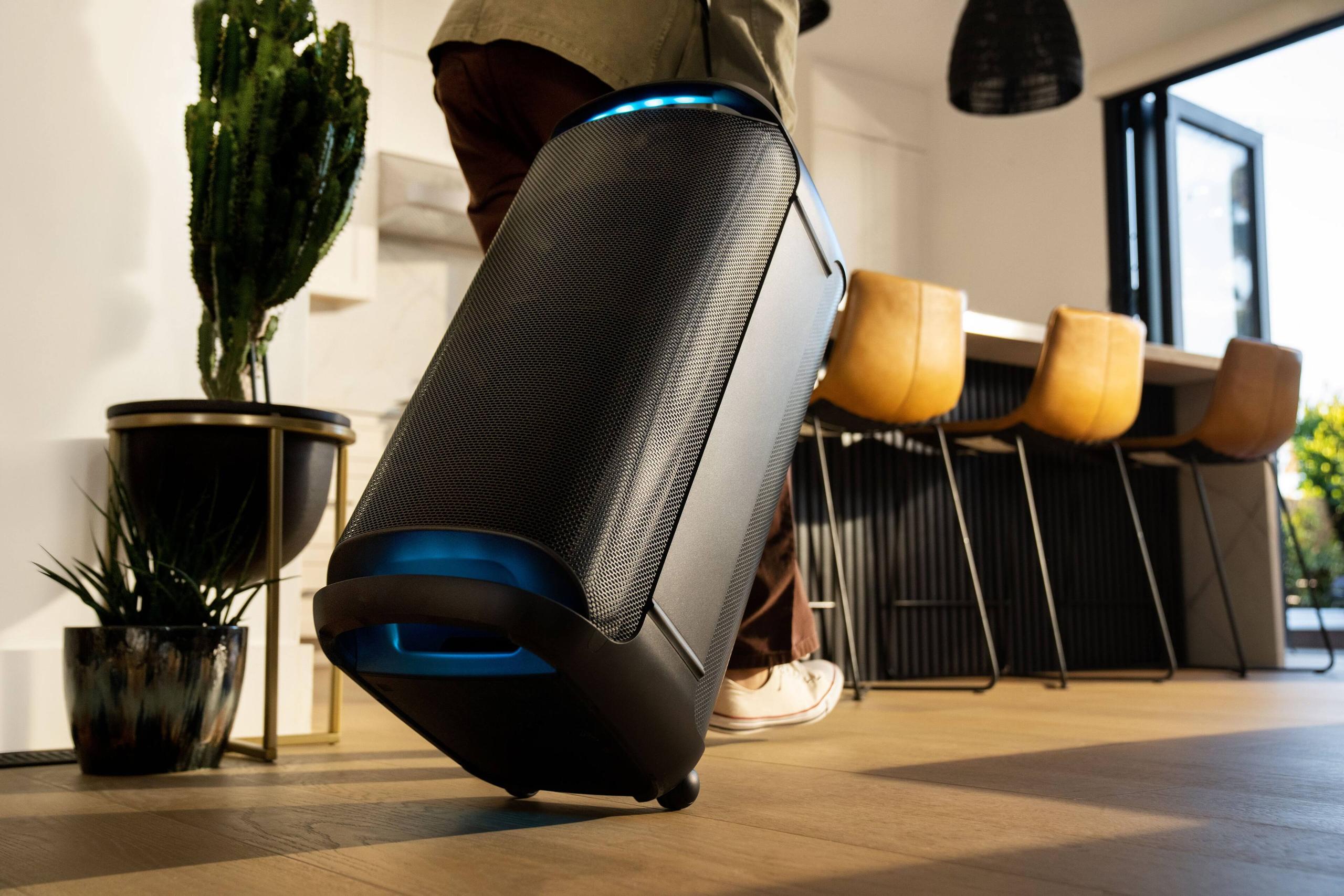
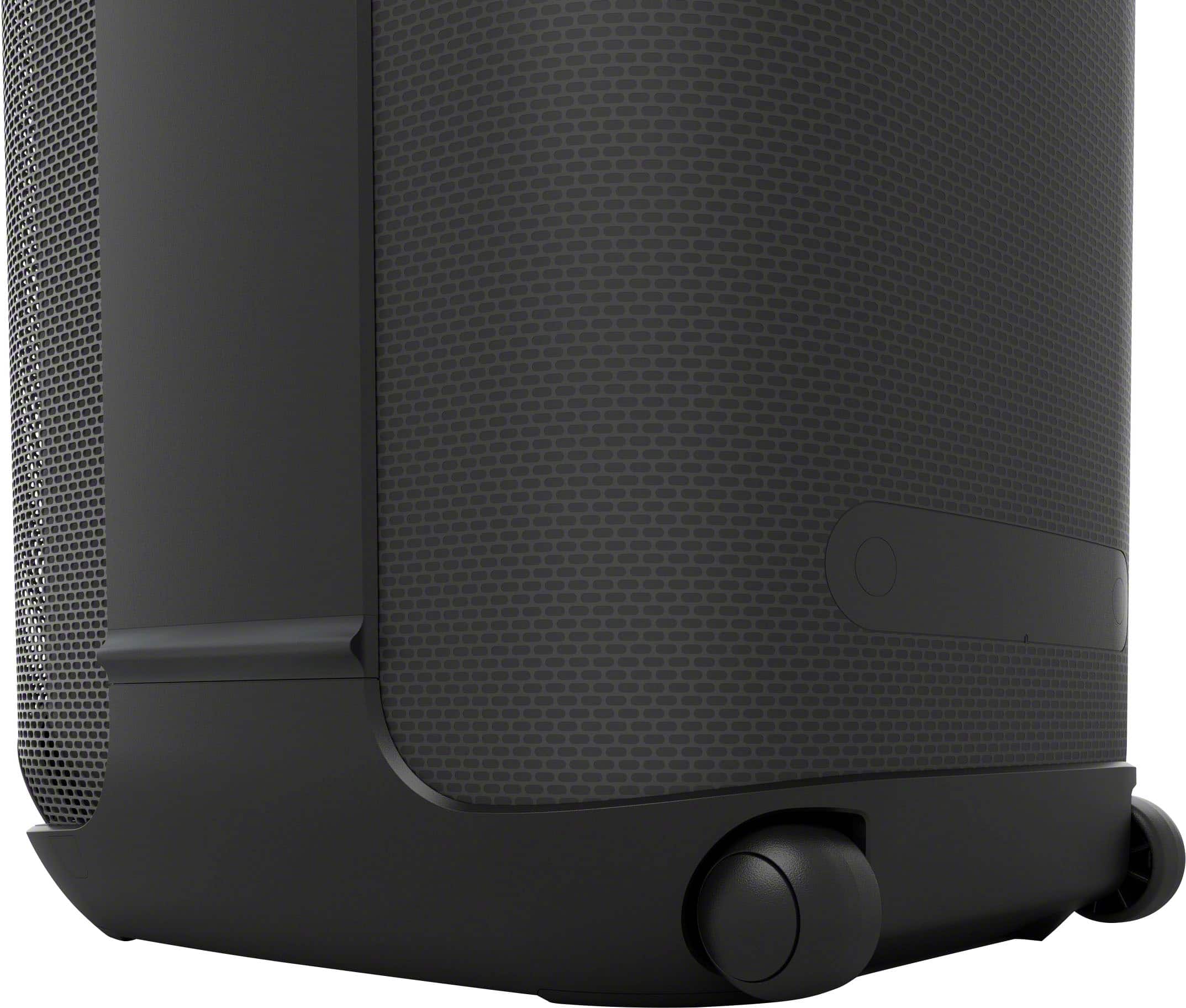
The Sony SRS-XV800, at nearly 41 pounds, pushes the boundaries of what most would consider portable. Sony acknowledges this with built-in caster wheels and a telescoping handle, essentially turning the speaker into rolling luggage. This works well for smooth surfaces but becomes problematic on grass, sand, or uneven terrain where wheels are less helpful.
The weight difference reflects each speaker's design philosophy. The JBL prioritizes true portability, while the Sony accepts reduced mobility in exchange for longer battery life and more robust construction.
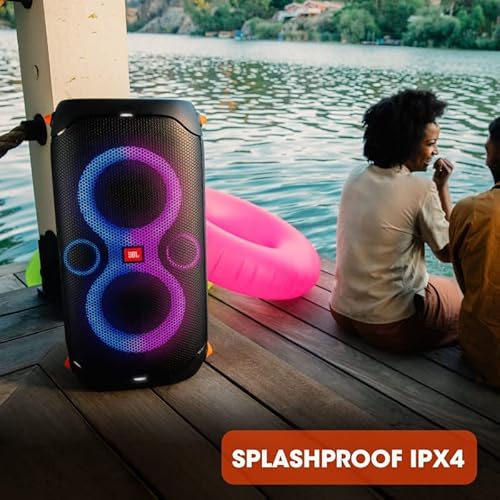
Both speakers offer IPX4 water resistance, meaning they can handle splashes from any direction without damage. This makes them suitable for poolside use or light rain, though neither is designed for full submersion.
The Sony SRS-XV800 includes an interesting wrinkle: its water resistance rating changes based on orientation. When placed vertically (the optimal position), it maintains IPX4 protection, but horizontal placement reduces this to IPX2. The speaker includes sensors that automatically optimize sound based on positioning, but this orientation sensitivity adds complexity that the JBL PartyBox 110 avoids.
While primarily designed as party speakers, both can serve as TV audio enhancement systems, though with different approaches and effectiveness.
The Sony SRS-XV800 is genuinely impressive as a soundbar alternative. Its optical input allows direct connection to TVs, and the TV Sound Booster feature synchronizes audio processing specifically for movie and gaming content. The omnidirectional tweeter array creates a wide soundstage that works well for movie dialogue and effects, while the powerful bass handling enhances action sequences and music.
The JBL PartyBox 110 can connect to TVs via Bluetooth or auxiliary input, but it lacks the Sony's specialized TV features. Its brighter sound signature and powerful bass work well for action content and gaming, but the lack of dedicated TV optimization means it's less refined for movie dialogue.
For serious home theater use, the Sony is the clear choice. However, for casual TV enhancement or gaming where bass impact matters more than dialogue clarity, the JBL remains compelling, especially given its typically lower cost.
At the time of writing, the pricing gap between these speakers is substantial enough to influence purchasing decisions significantly. The JBL PartyBox 110 typically costs considerably less than the Sony SRS-XV800, creating different value propositions.
You prioritize bass performance and sound impact. Nothing in this price range matches the JBL's low-frequency extension and physical bass response. If you want music that you feel as much as hear, the PartyBox 110 delivers.
Portability matters for your use cases. At 23 pounds, it's genuinely portable for beach trips, camping, or moving between rooms. The lighter weight makes it practical for situations where the Sony's bulk would be prohibitive.
You want impressive visual effects. The JBL's light show is significantly more dramatic and attention-grabbing, making it a genuine conversation piece at gatherings.
Value is a primary concern. The performance-per-dollar ratio strongly favors the JBL, and the ability to purchase two speakers for less than one Sony creates compelling upgrade possibilities.
Extended battery life is crucial. The 25-hour capacity makes it suitable for all-day events, camping trips, or situations where charging isn't practical. This is a significant real-world advantage.
You need TV connectivity. The optical input and TV Sound Booster features make it an excellent soundbar alternative, adding functionality beyond party use.
You prefer balanced, refined sound. The omnidirectional design and more mature sound signature work better for diverse music genres and longer listening sessions.
Advanced features and build quality justify the premium. LDAC support, sophisticated app control, and premium construction appeal to users who want the latest technology.
Weight isn't a primary concern. If you primarily use the speaker in one location or don't mind wheeling it around, the Sony's bulk becomes less relevant.
Both the JBL PartyBox 110 and Sony SRS-XV800 are excellent party speakers that approach the same basic mission—getting people moving—from different angles. The JBL excels at pure party performance with superior bass, impressive lights, and genuine portability, all at a more accessible price point. The Sony justifies its premium with exceptional battery life, sophisticated features, and refined sound quality that works well beyond just party scenarios.
For most users prioritizing party performance and value, the PartyBox 110 is the smarter choice. Its combination of impactful sound, dramatic lighting, and reasonable pricing creates a compelling package that's hard to beat. However, for users who need extended battery life, TV connectivity, or prefer a more balanced sound signature, the Sony SRS-XV800 offers premium features that justify its higher cost.
The decision ultimately comes down to your priorities: pure party impact and value, or premium features and versatility. Both speakers deliver on their respective promises—you just need to decide which promises matter most for your specific needs.
| JBL PartyBox 110 | Sony SRS-XV800 |
|---|---|
| Power Output - Determines maximum volume and headroom | |
| 160W RMS (higher continuous power) | 70W RMS, 180W peak (lower continuous but adequate) |
| Battery Life - Critical for outdoor events and all-day parties | |
| 12 hours advertised, 6-7 hours real-world with lights | 25 hours advertised, 10+ hours real-world with lights |
| Weight & Portability - Affects where and how you'll use it | |
| 23 lbs with carry handle (truly portable) | 40.8 lbs with wheels and handle (semi-portable) |
| Bass Performance - What makes people feel the music | |
| Deeper low-bass extension with 2-level Bass Boost | Balanced bass with MEGA BASS, less deep extension |
| Sound Signature - How music will sound through each speaker | |
| Brighter, more aggressive party sound | More balanced, refined omnidirectional sound |
| Light Show - Visual entertainment factor | |
| Large dynamic LED rings, more impressive display | Smaller programmable LEDs, more subtle effects |
| Connectivity Options - How you'll connect devices and expand | |
| Bluetooth 5.1, AUX, USB, mic/guitar inputs, TWS pairing | Bluetooth 5.2 with LDAC, optical for TV, USB, mic/guitar |
| Water Resistance - Protection for outdoor use | |
| IPX4 splashproof (consistent rating) | IPX4 vertical, IPX2 horizontal (orientation dependent) |
| Multi-Speaker Setup - Expanding your sound system | |
| TWS pairs with second PartyBox 110 for stereo | Party Connect links up to 100 compatible Sony speakers |
| TV Integration - Using as home theater enhancement | |
| Bluetooth/AUX connection only | Optical input with dedicated TV Sound Booster mode |
| App Control & Features - Advanced customization options | |
| JBL PartyBox app for lights and basic controls | Sony Music Center + Fiestable apps with advanced features |
| Value Proposition - Performance per dollar consideration | |
| Superior bass and volume at lower cost point | Premium features and battery life at higher cost |
The JBL PartyBox 110 gets significantly louder than the Sony SRS-XV800 despite the Sony's higher peak power ratings. The JBL's 160W RMS output and brighter sound signature allow it to achieve higher sound pressure levels, making it better for large outdoor gatherings or competing with crowd noise.
The JBL PartyBox 110 delivers superior bass performance with deeper low-frequency extension and more physical impact. Its two-level Bass Boost feature produces room-shaking bass that you can feel, while the Sony SRS-XV800 offers more balanced bass that's cleaner but doesn't dig as deep into the low frequencies.
The Sony SRS-XV800 has significantly longer battery life with up to 25 hours advertised and around 10+ hours in real-world party conditions. The JBL PartyBox 110 offers 12 hours advertised and approximately 6-7 hours with lights and bass boost enabled, making the Sony better for all-day events.
The JBL PartyBox 110 is much more portable at 23 pounds with a carry handle, making it truly manageable for most people. The Sony SRS-XV800 weighs 40.8 pounds and requires wheels and a telescoping handle, making it less suitable for beach trips or uneven terrain.
The Sony SRS-XV800 works excellently as a TV soundbar with its optical digital input and dedicated TV Sound Booster feature. The JBL PartyBox 110 can connect to TVs via Bluetooth or auxiliary input but lacks specialized TV optimization, making the Sony the clear choice for home theater use.
The JBL PartyBox 110 features more impressive LED light shows with large dynamic light rings that create dramatic synchronized displays. The Sony SRS-XV800 has programmable LED lighting that's more subtle and customizable through apps, but the JBL's visual impact is significantly more attention-grabbing.
Both the JBL PartyBox 110 and Sony SRS-XV800 include microphone and guitar inputs for karaoke and live performance. The Sony offers more advanced karaoke features with echo and key control, while the JBL PartyBox 110 provides individual volume controls and app-based microphone adjustments.
The JBL PartyBox 110 delivers better clarity and detail with superior bass impact, making it ideal for party environments. The Sony SRS-XV800 offers more balanced, refined sound with omnidirectional projection that's less fatiguing for longer listening sessions but lacks the JBL's exciting bass response.
The JBL PartyBox 110 supports True Wireless Stereo (TWS) pairing with a second PartyBox 110 for genuine stereo sound. The Sony SRS-XV800 features Party Connect technology that can link up to 100 compatible Sony speakers, offering more flexibility for large installations.
The JBL PartyBox 110 is better for outdoor parties due to its superior volume output, deeper bass, more dramatic lighting, and genuine portability. While the Sony SRS-XV800 has longer battery life, its weight and more balanced sound make it less ideal for high-energy outdoor gatherings.
Both speakers offer water resistance, but with differences. The JBL PartyBox 110 maintains consistent IPX4 splashproof protection regardless of position. The Sony SRS-XV800 offers IPX4 when vertical but only IPX2 when horizontal, making positioning more critical for water protection.
The JBL PartyBox 110 typically offers better value with superior sound quality, impressive bass, dramatic lighting, and genuine portability at a lower cost. The Sony SRS-XV800 justifies its premium pricing with exceptional battery life, TV connectivity, and advanced features, but the JBL delivers more party performance per dollar spent.
We've done our best to create useful and informative comparisons to help you decide what product to buy. Our research uses advanced automated methods to create this comparison and perfection is not possible - please contact us for corrections or questions. These are the sites we've researched in the creation of this article: rtings.com - youtube.com - bestbuy.com - gadgets360.com - popsci.com - youtube.com - audioadvice.com - popsci.com - youtube.com - versus.com - youtube.com - rtings.com - jbl.com - in.jbl.com - jbl.com.tw - bhphotovideo.com - in.jbl.com - jbl.com - youtube.com - hu.harmanaudio.com - jbl.com.au - global.jbl.com - support.jbl.com - youtube.com - kh.jbl.com - onward.ph - jbl.com.ph - support.jbl.com - youtube.com - soundandvision.com - crutchfield.com - sciencefocus.com - sony.com - bestbuy.com - bestbuy.com - stereoguide.com - sony-mea.com - soundguys.com - electronics.sony.com - youtube.com - sony.com - youtube.com - device.report - youtube.com - youtube.com - adorama.com - sonylatvija.com - sony.com

Privacy Policy
Terms and Conditions - Affiliate Policy
Home Security
© Copyright 2008-2026.
11816 Inwood Rd #1211, Dallas, TX 75244