

When shopping for a serious speaker system, you'll quickly discover two very different philosophies in the audio world. Some speakers are built like fine musical instruments—designed to sit in your living room and deliver every note with pristine clarity. Others are built like rock concert equipment—engineered to pump out massive sound for crowds and survive being wheeled around to pool parties. The Marshall Woburn III and JBL PartyBox 310 represent these opposing approaches perfectly.
Released in 2022, the Marshall Woburn III emerged as the flagship of Marshall's third-generation home speaker lineup, bringing significant improvements in bass extension and wireless connectivity over earlier models. Meanwhile, the JBL PartyBox 310, which hit the market in 2024, represents JBL's continued evolution of portable party systems, adding better battery technology and refined light shows compared to previous generations.
Understanding which speaker suits your needs requires looking beyond simple specs to understand what these different approaches actually mean for your listening experience.
These speakers occupy entirely different spaces in the audio world, even though both can play your Spotify playlist. Think of the Marshall Woburn III as a high-end home stereo system that happens to have Bluetooth, while the JBL PartyBox 310 is essentially a portable PA system designed for entertainment.
The distinction matters because it affects everything from how the speakers handle different types of music to where you can realistically use them. Home audio speakers prioritize what audiophiles call "fidelity"—reproducing music as accurately as possible to what the artist intended. Party speakers prioritize impact and volume—making music feel exciting and energetic, even if that means boosting certain frequencies or adding effects.
This fundamental difference shapes every design decision, from the size and type of drivers (the individual speakers inside the cabinet) to the amplifier tuning and even the materials used in construction.
The Marshall Woburn III uses what's called a three-way driver system, which is essentially like having three different specialists handling different parts of your music. A large 6-inch woofer handles the deep bass notes, two 2-inch midrange drivers focus on vocals and most instruments, and two 0.75-inch tweeters take care of the crisp high frequencies like cymbals and guitar harmonics.
This separation matters more than you might think. When one driver tries to handle everything from deep bass to sparkling highs, it often can't excel at any of them. The Marshall Woburn III dedicates 90 watts of its 150-watt total power just to that bass driver, allowing it to move the large amounts of air needed for deep, controlled low-end response.
The bass extension down to 35Hz is particularly impressive—that's approaching the lowest frequencies humans can actually hear. For context, the lowest note on a standard bass guitar is around 41Hz, so the Marshall can reproduce even the deepest electronic music and movie soundtracks with authority.
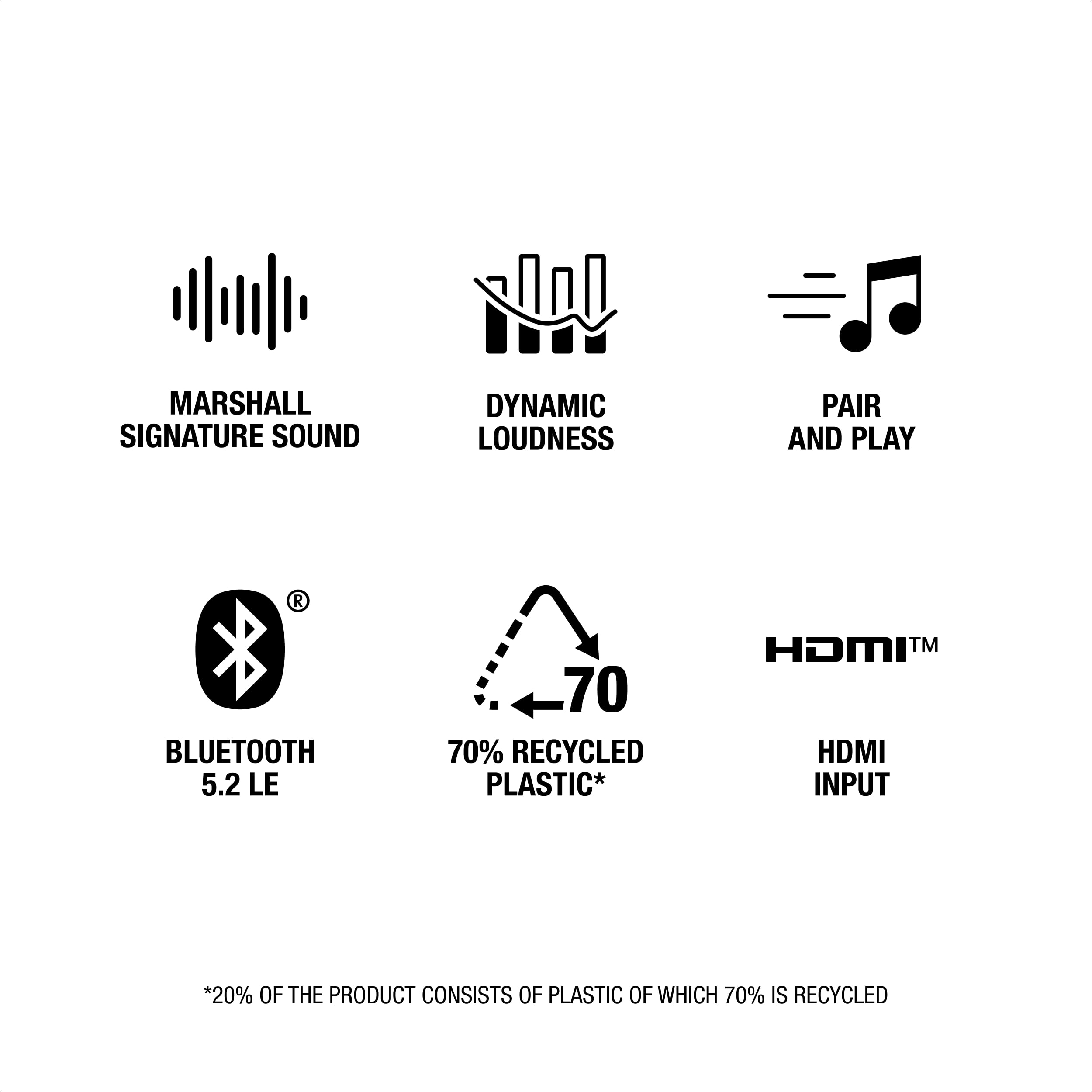
Perhaps most importantly, Marshall includes something called Dynamic Loudness technology. This automatically adjusts the tonal balance as you change volume levels. Without this feature, music typically sounds thin and lifeless at low volumes because our ears don't perceive bass and treble as well when sound is quiet. The Marshall maintains full-bodied sound whether you're listening at whisper levels late at night or filling the room during a dinner party.
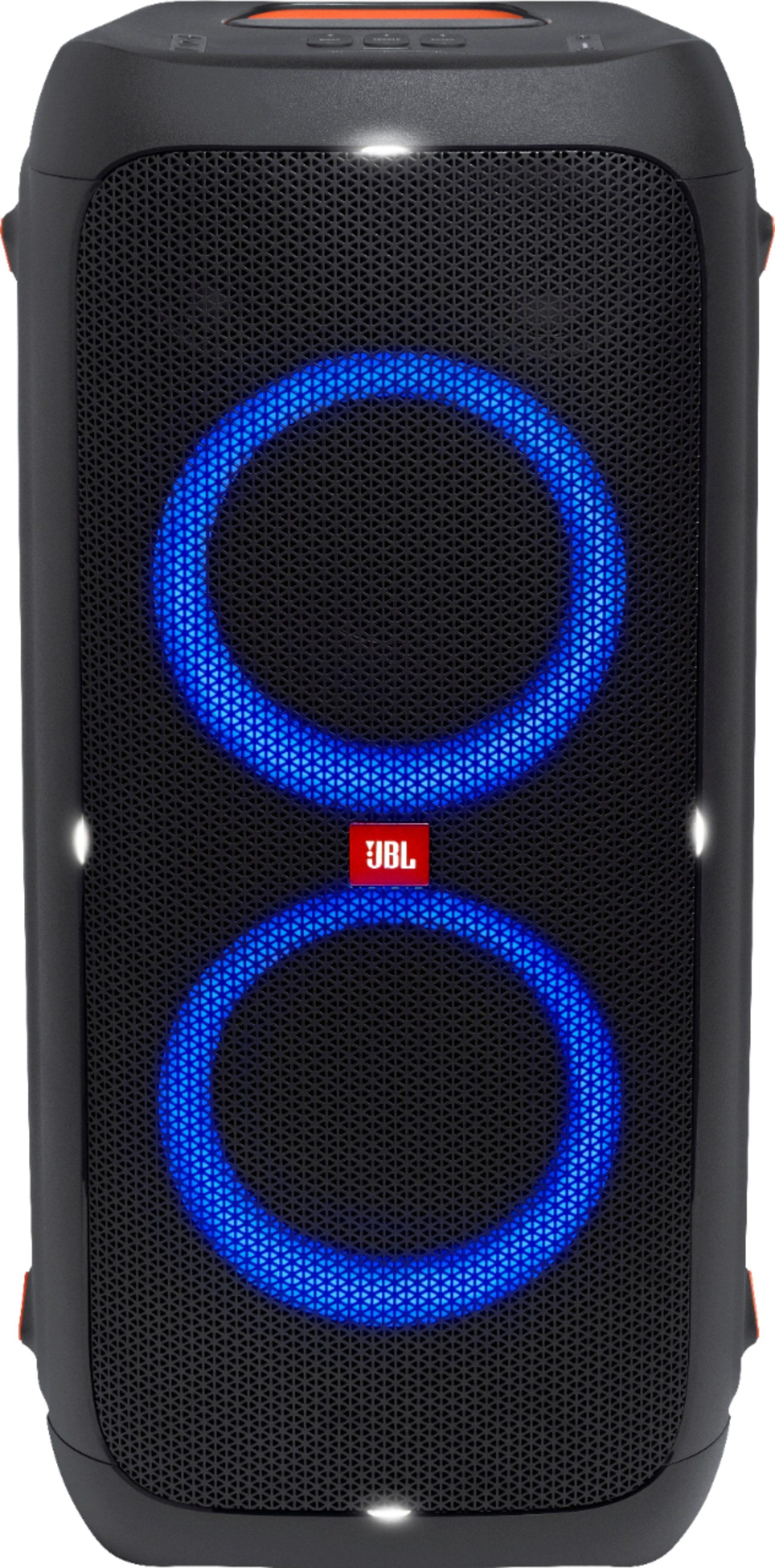
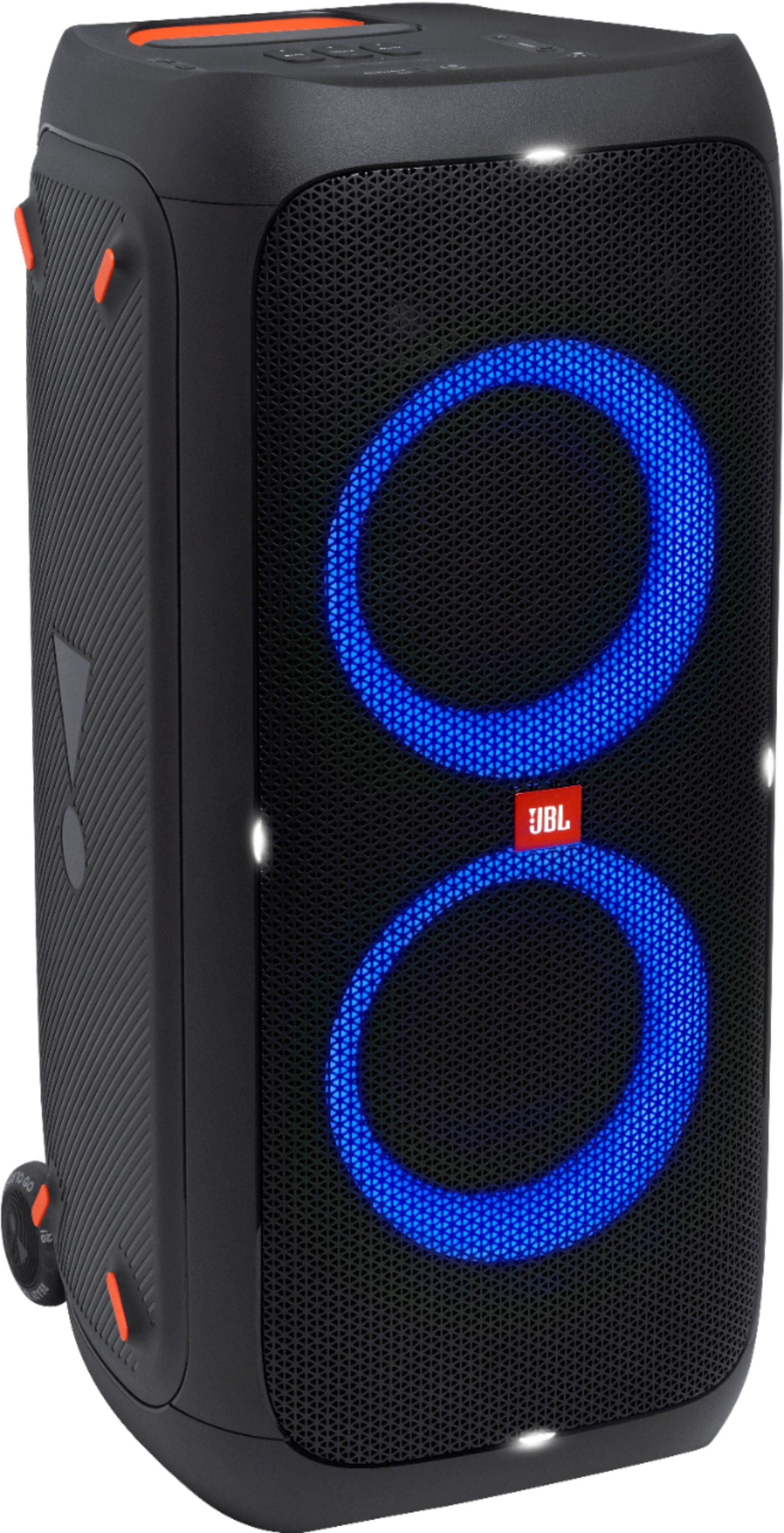
The JBL PartyBox 310 takes a different route with two 6.5-inch woofers and two 2.5-inch tweeters in a simpler two-way configuration. While this might sound less sophisticated on paper, it's optimized for a different goal: maximum volume and impact. The dual woofers can move more air for punchy bass, and the system can pump out 240 watts when plugged in—nearly 40% more power than the Marshall.
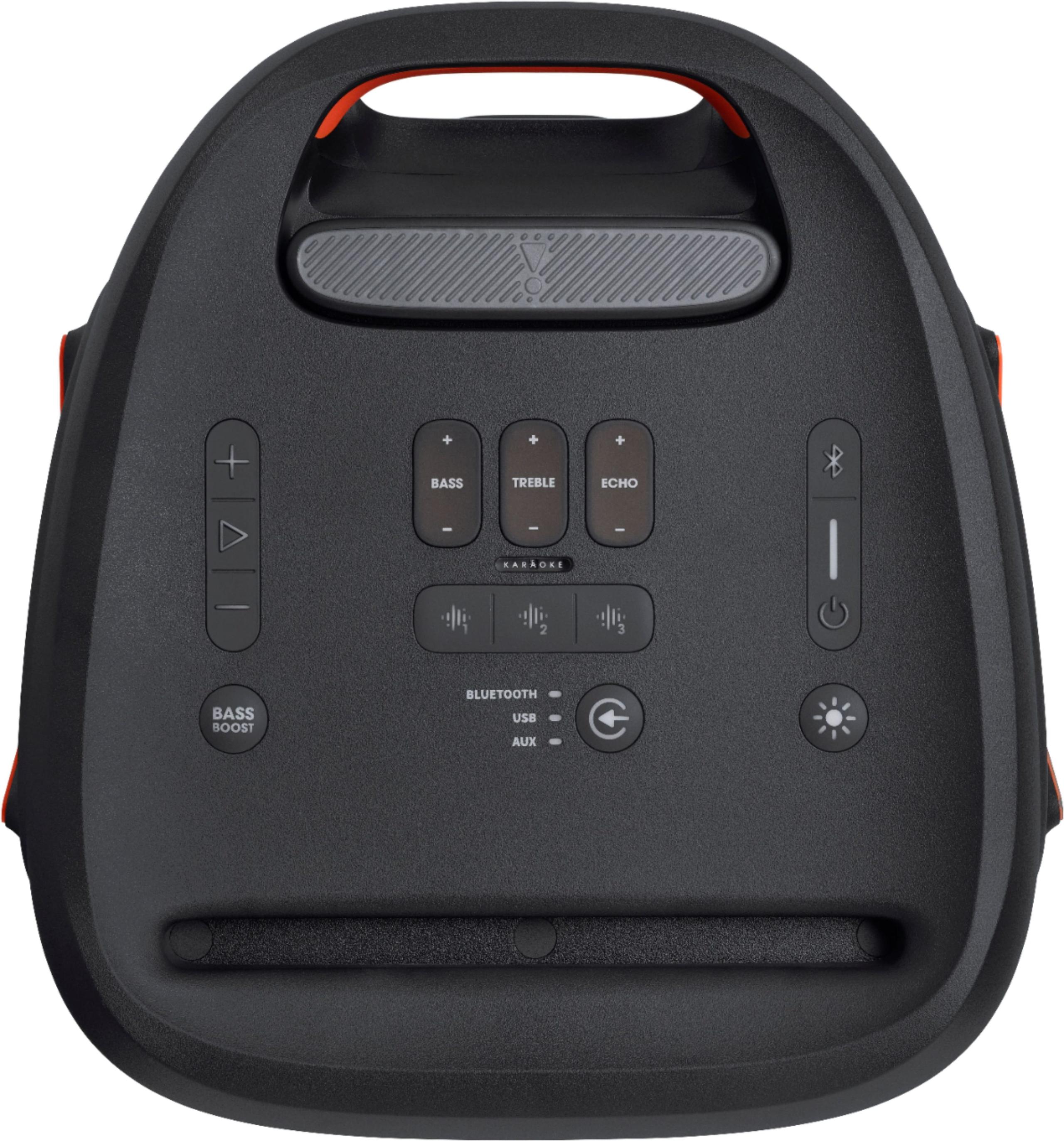
The JBL also includes a Bass Boost feature that artificially enhances low frequencies. While purists might cringe, this creates the kind of chest-thumping bass that makes dance music feel alive at a party. The frequency response starts at 45Hz—still quite low, but not as extended as the Marshall.
What the JBL lacks in refinement, it makes up for in sheer presence. This speaker can fill large outdoor spaces and compete with ambient noise in ways the Marshall simply wasn't designed to match.
Based on our research into professional reviews and user experiences, these design differences translate into very distinct listening experiences. The Marshall Woburn III excels with complex music where you want to hear individual instruments clearly—think jazz, classical, rock with intricate guitar work, or well-produced pop where every element has its place in the mix.
The JBL PartyBox 310 thrives with music designed for energy and atmosphere—electronic dance music, hip-hop with deep bass lines, or any situation where you want music to be felt as much as heard. The light show, synchronized to the beat, transforms music into a multisensory experience that's genuinely engaging for groups.
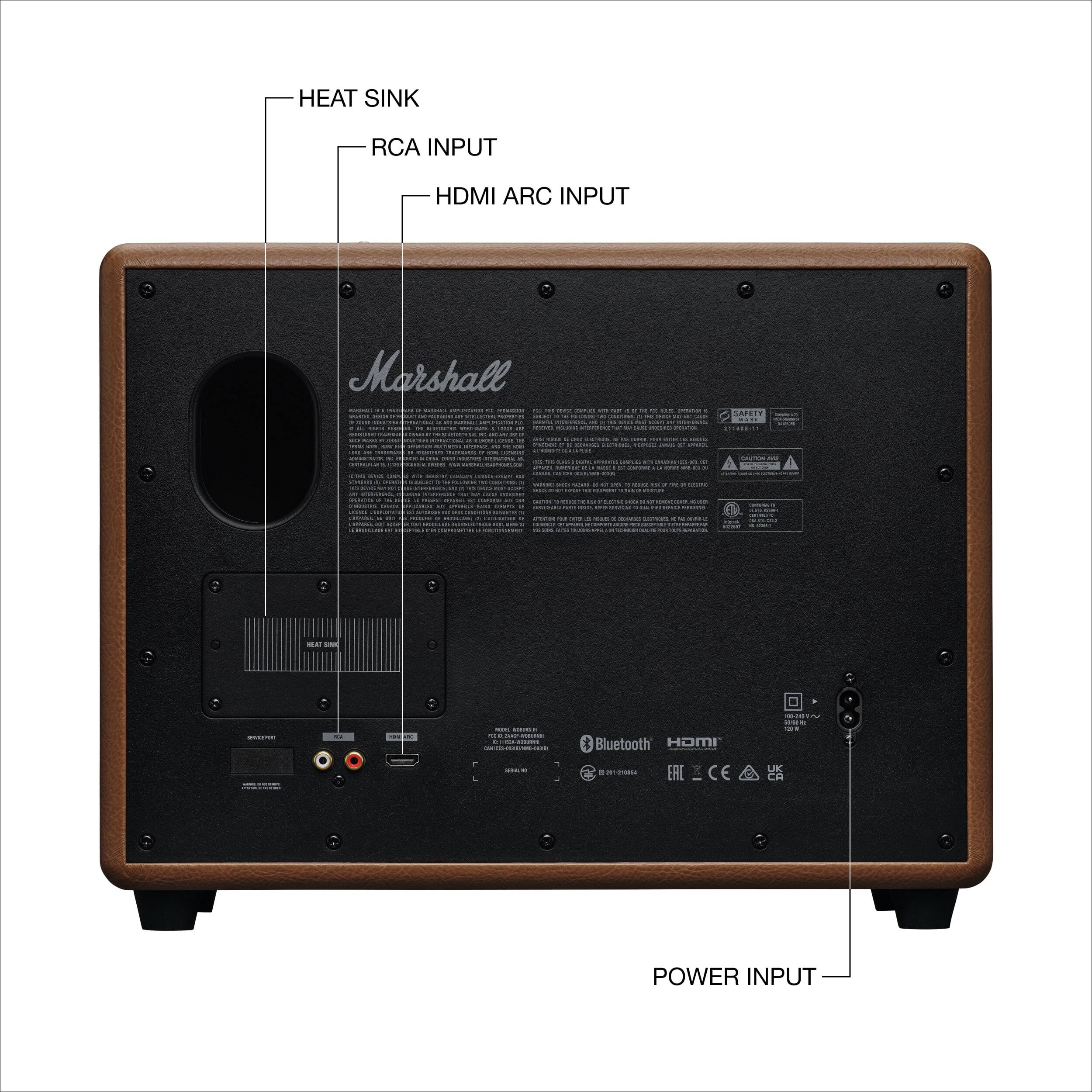
The Marshall Woburn III includes an HDMI ARC input, which might sound technical but provides genuine convenience for home theater setups. ARC (Audio Return Channel) allows your TV to send audio back to the speaker while letting the speaker's remote control your TV's volume. This means you can use the Marshall as your TV's audio system without juggling multiple remotes or complex setup procedures.
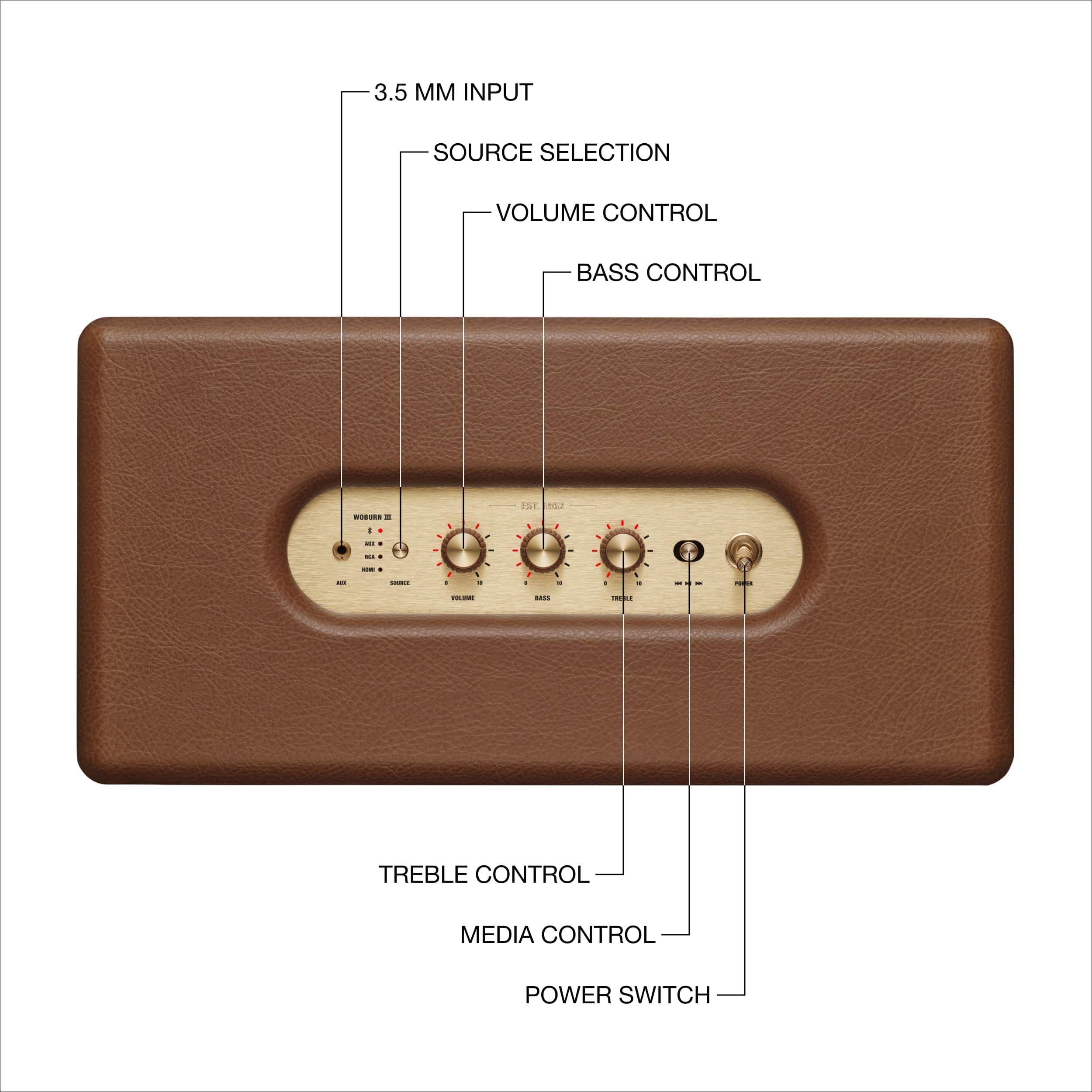
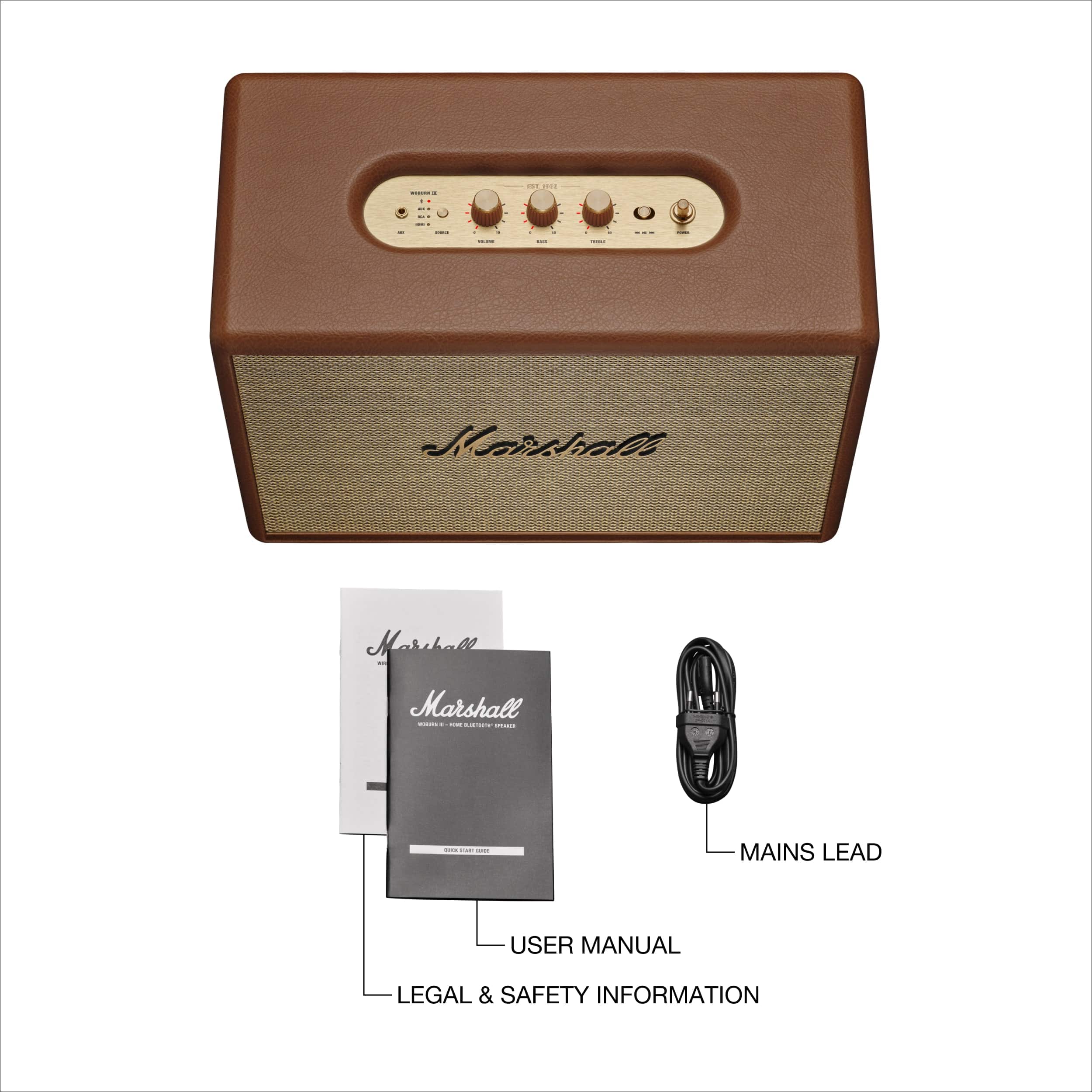
The speaker also includes traditional inputs that audio enthusiasts appreciate: RCA inputs for connecting turntables or CD players, and a 3.5mm auxiliary input for phones or laptops. The Bluetooth 5.2 connection supports multipoint pairing, so you and a family member can both stay connected and easily switch who's controlling the music.
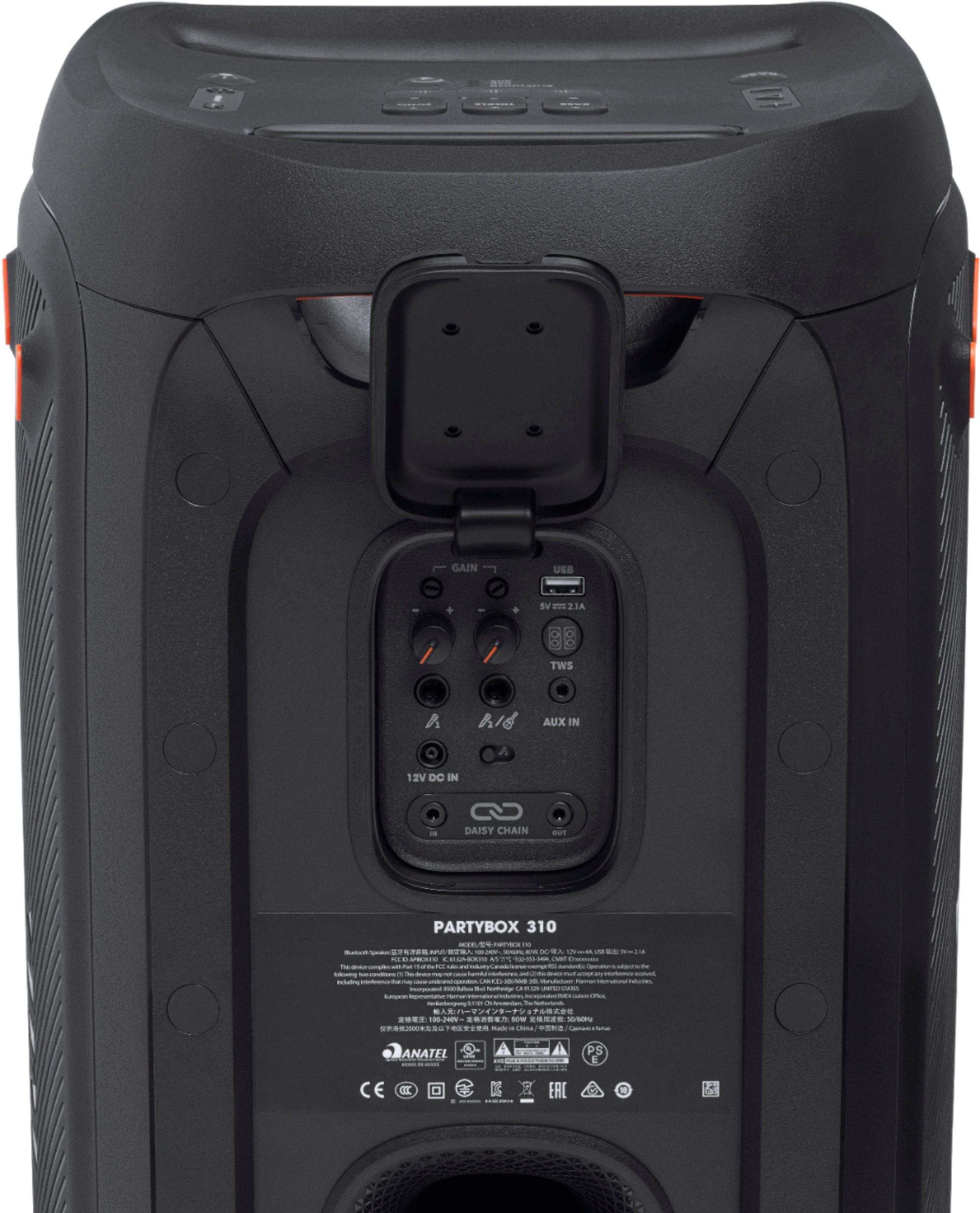
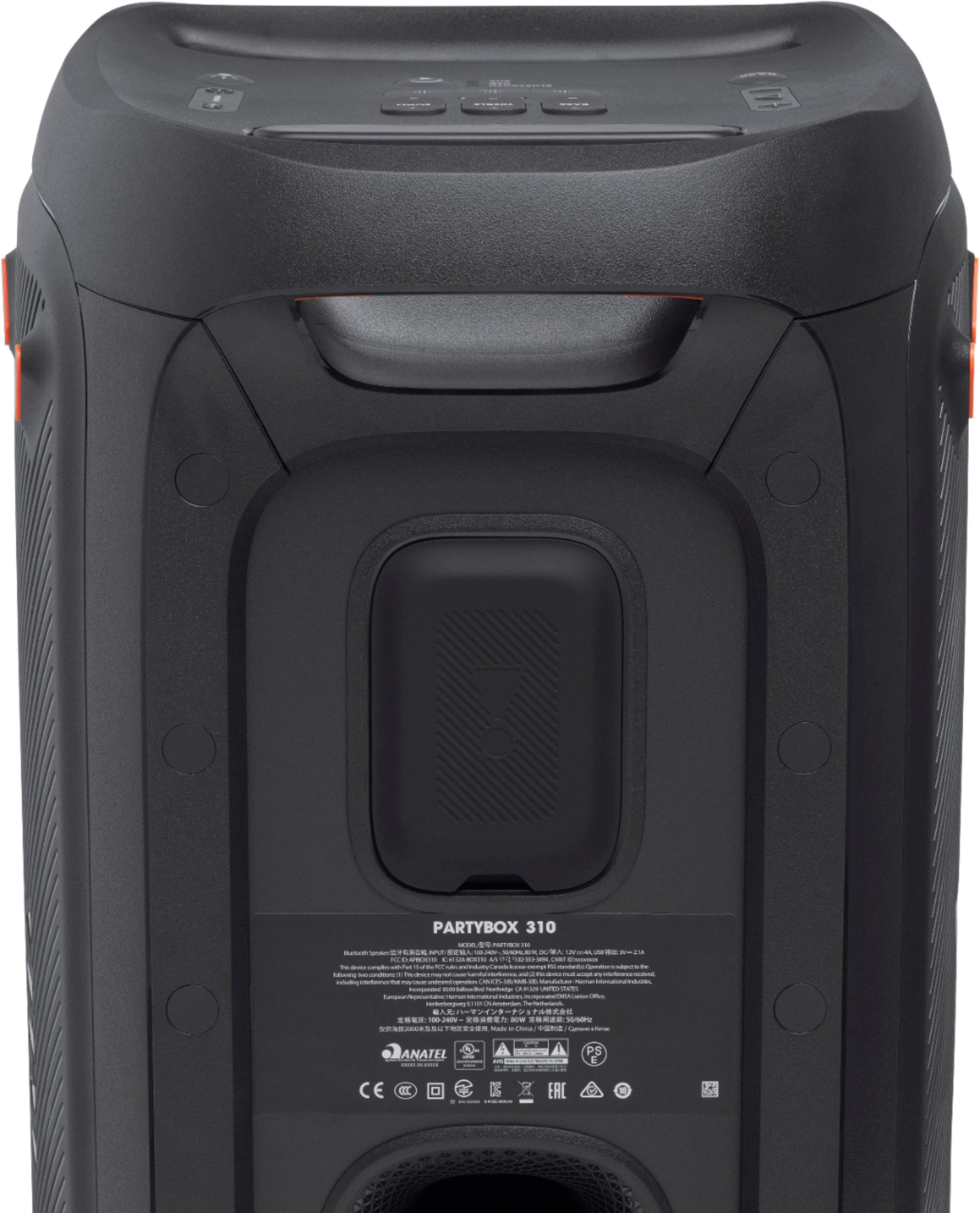
The JBL PartyBox 310 approaches connectivity from a performance angle. Those two 1/4-inch inputs aren't just for show—they're professional-grade connections for microphones and electric guitars. This transforms the speaker into a complete PA system for karaoke nights, acoustic performances, or even small venue gigs.
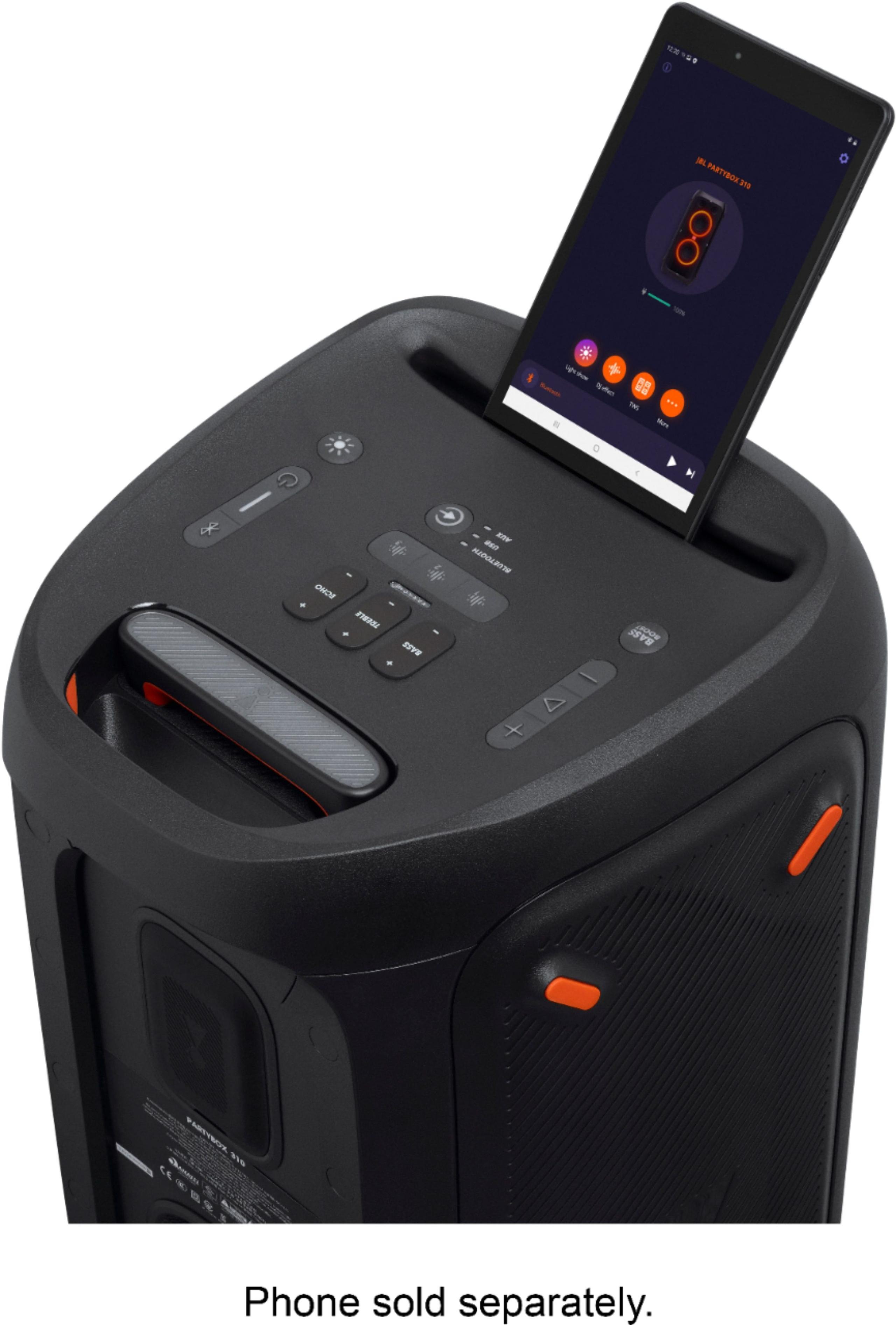
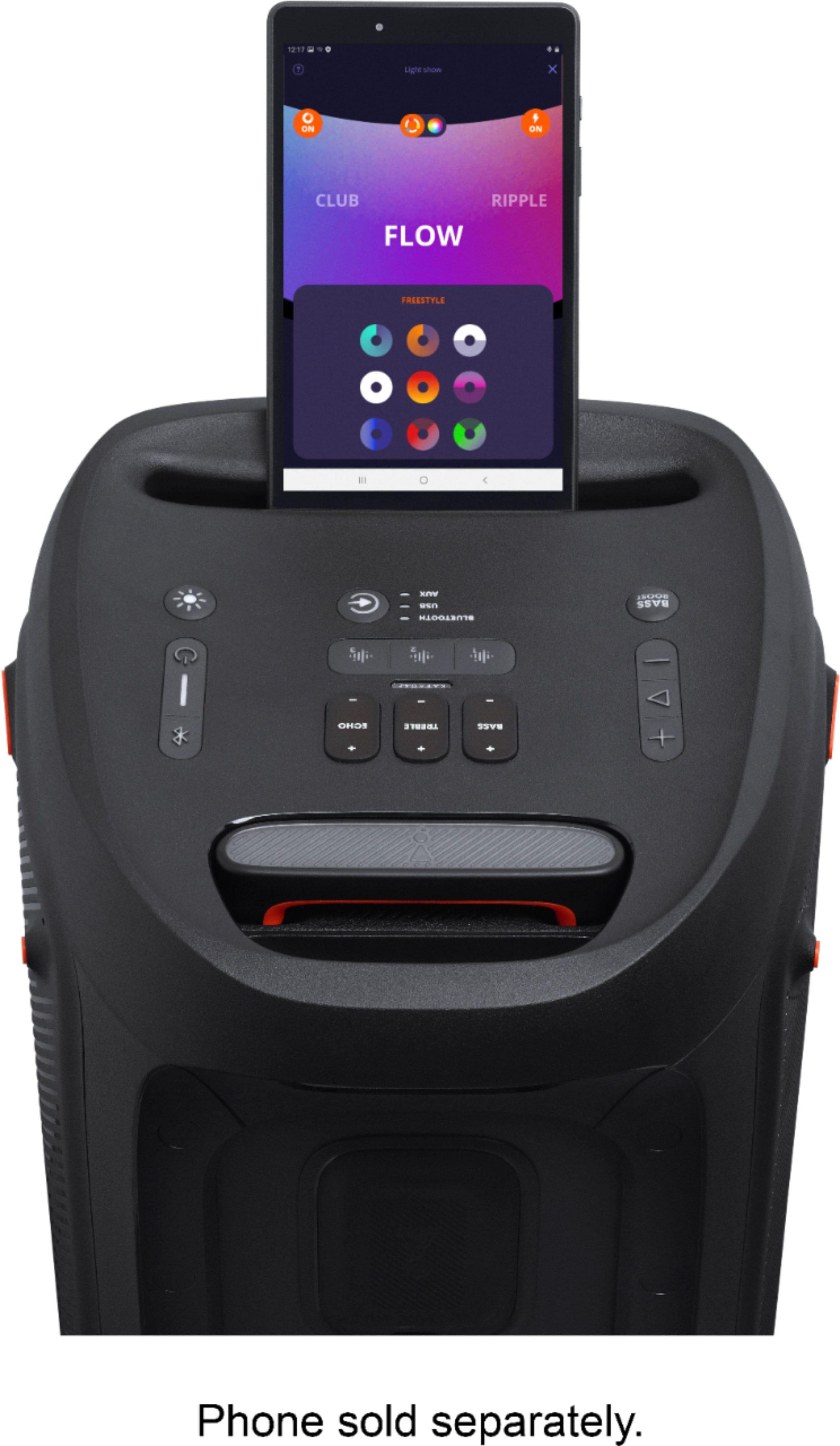
The USB port serves double duty: you can play music files directly from a flash drive (useful when you want to guarantee perfect audio quality without wireless compression) or use it as a charging station for phones and tablets during long events. The included device holder slot might seem minor, but it's surprisingly useful for displaying lyrics during karaoke or keeping your music source visible and accessible.
True Wireless Stereo (TWS) pairing lets you connect two JBL PartyBox 310 speakers for genuine stereo separation, though this obviously requires buying two units.
The Marshall Woburn III weighs about 16 pounds and requires constant AC power—it's designed to live in one spot and excel there. This isn't a limitation; it's a design choice that allows for larger drivers, more robust amplification, and the kind of solid construction that minimizes unwanted vibrations.
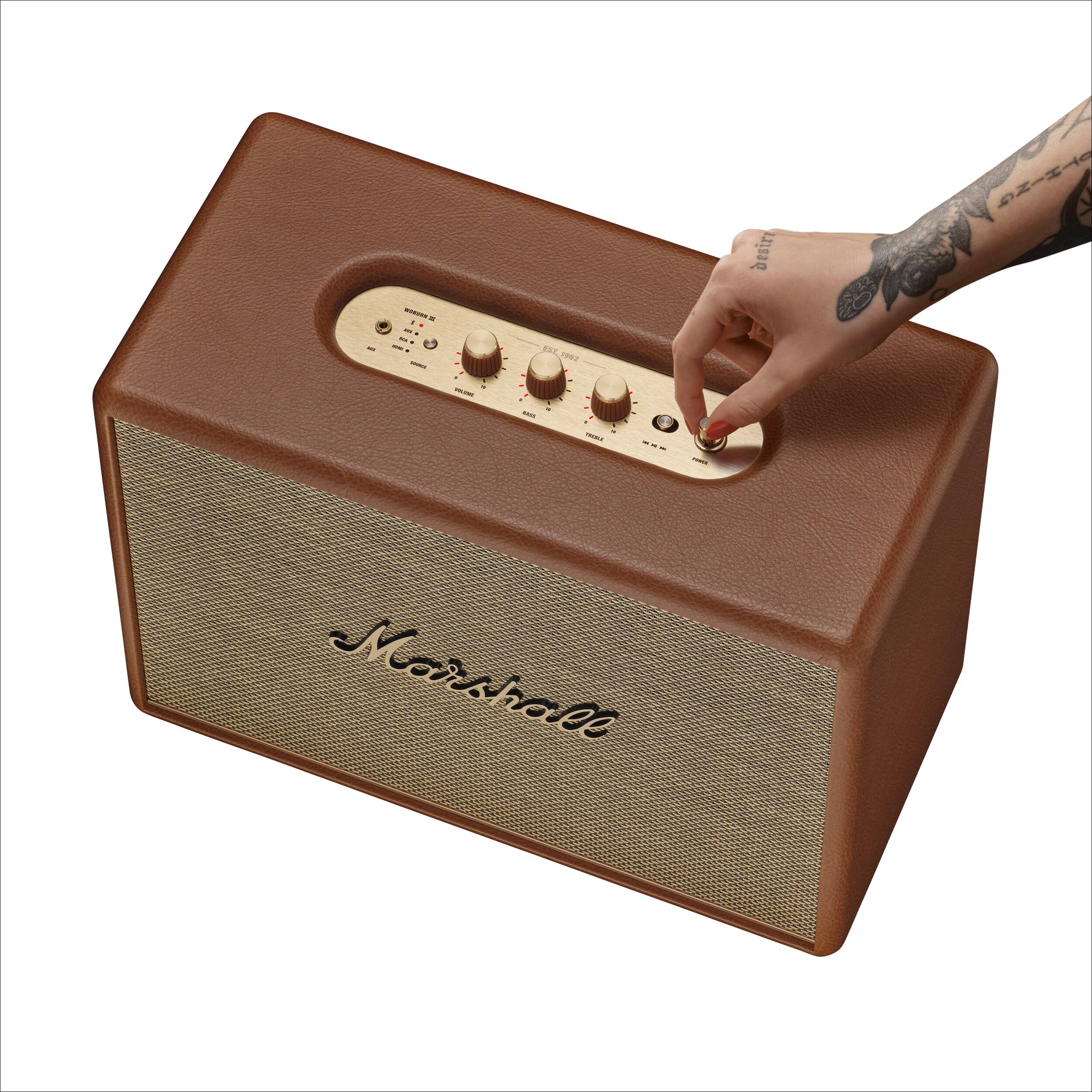
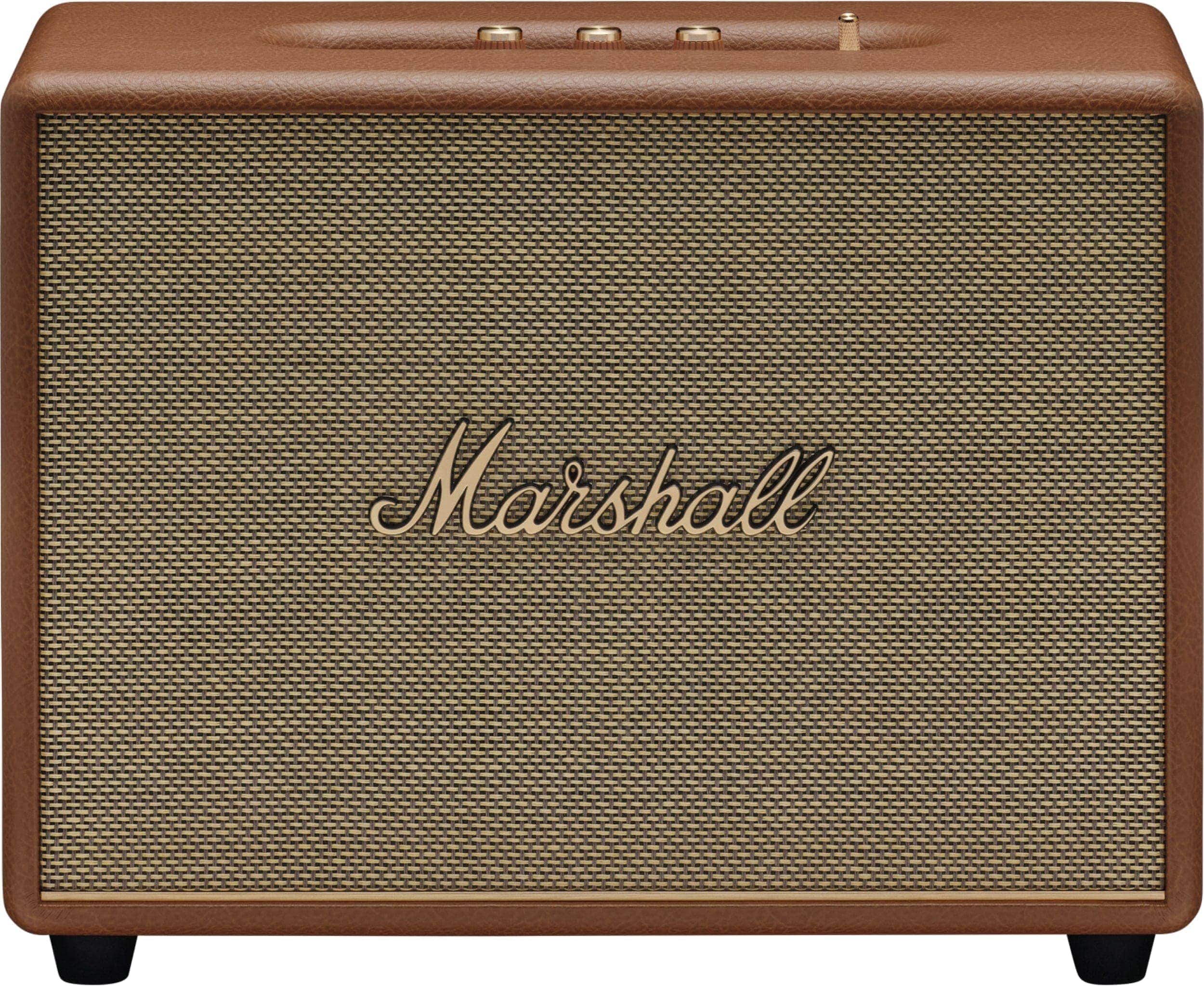
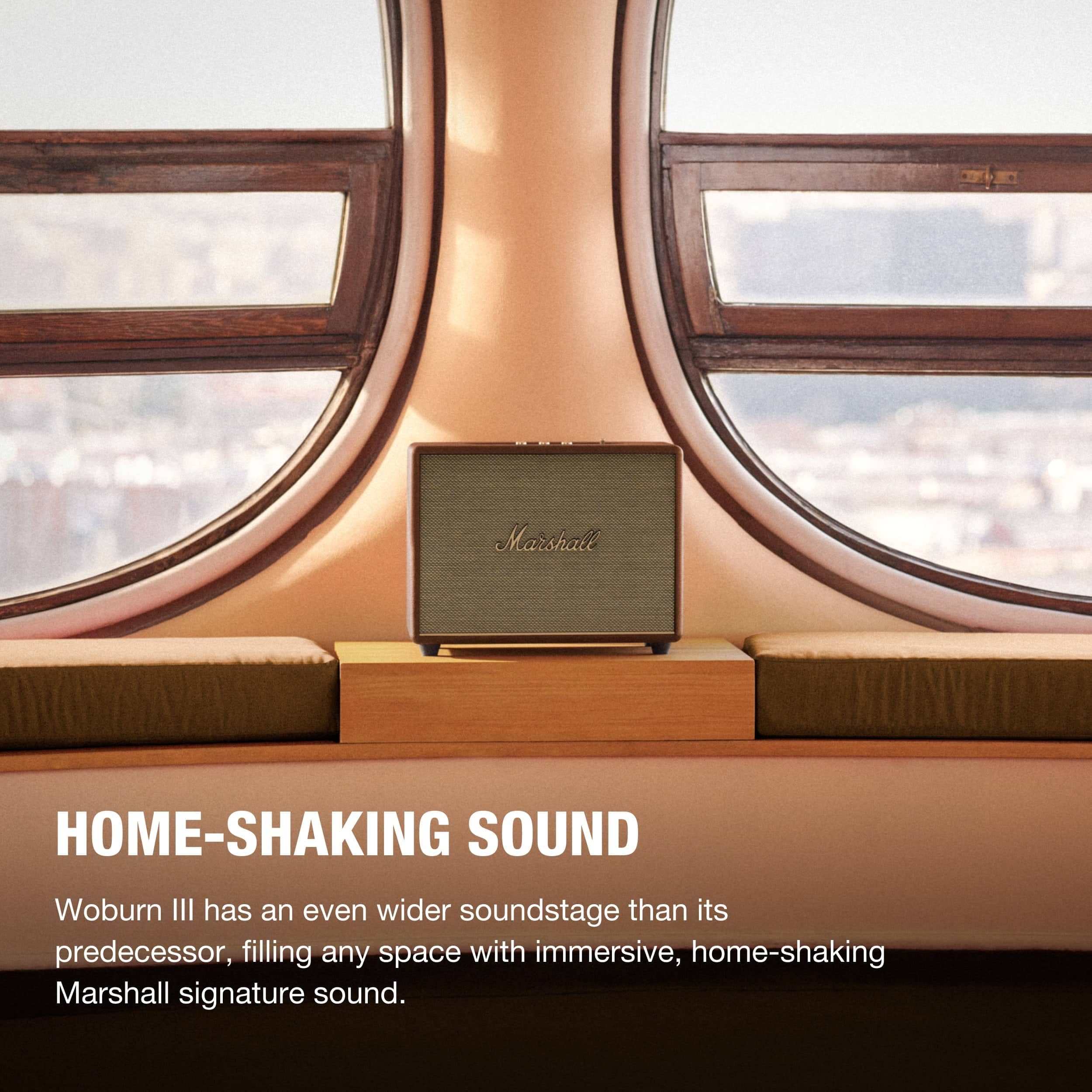
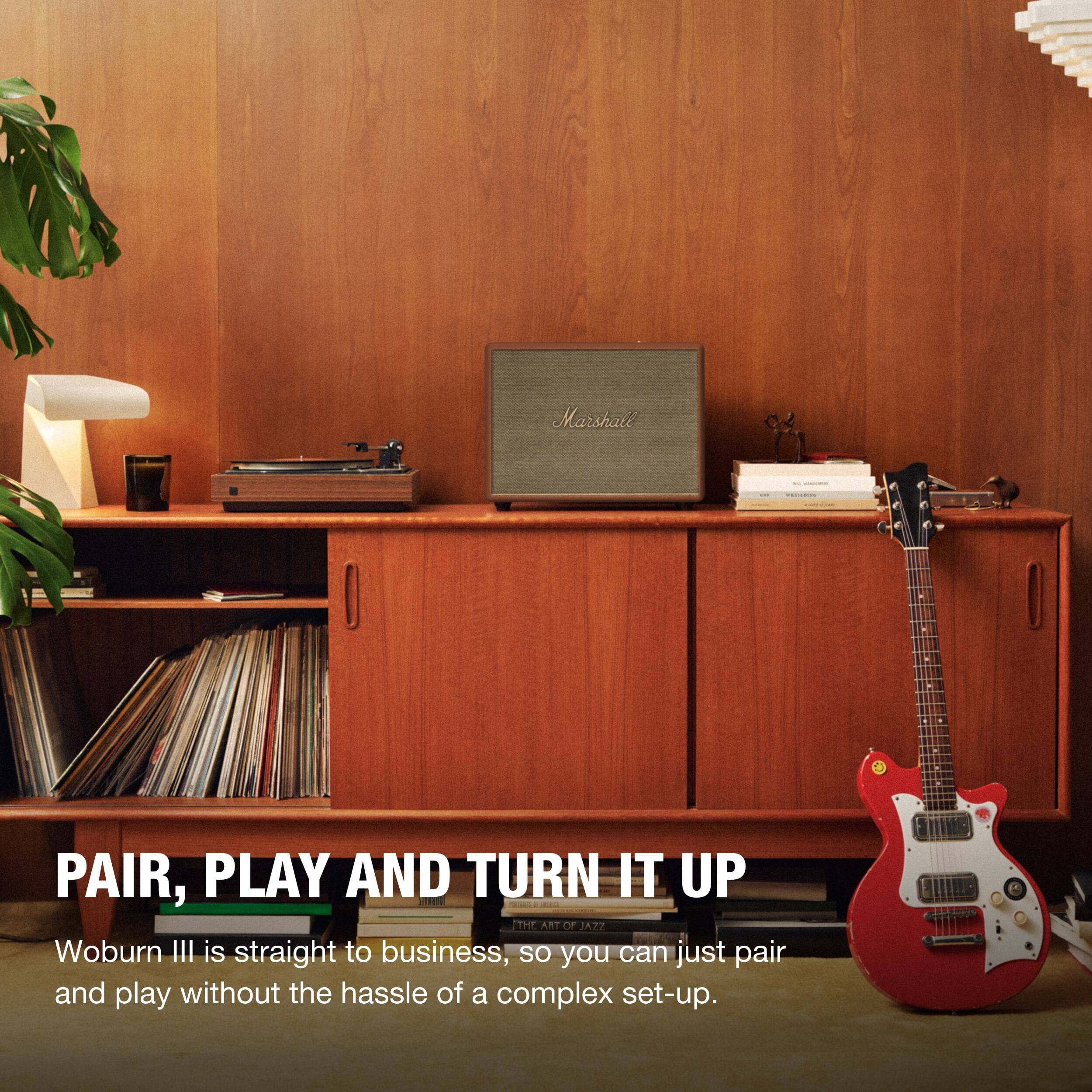
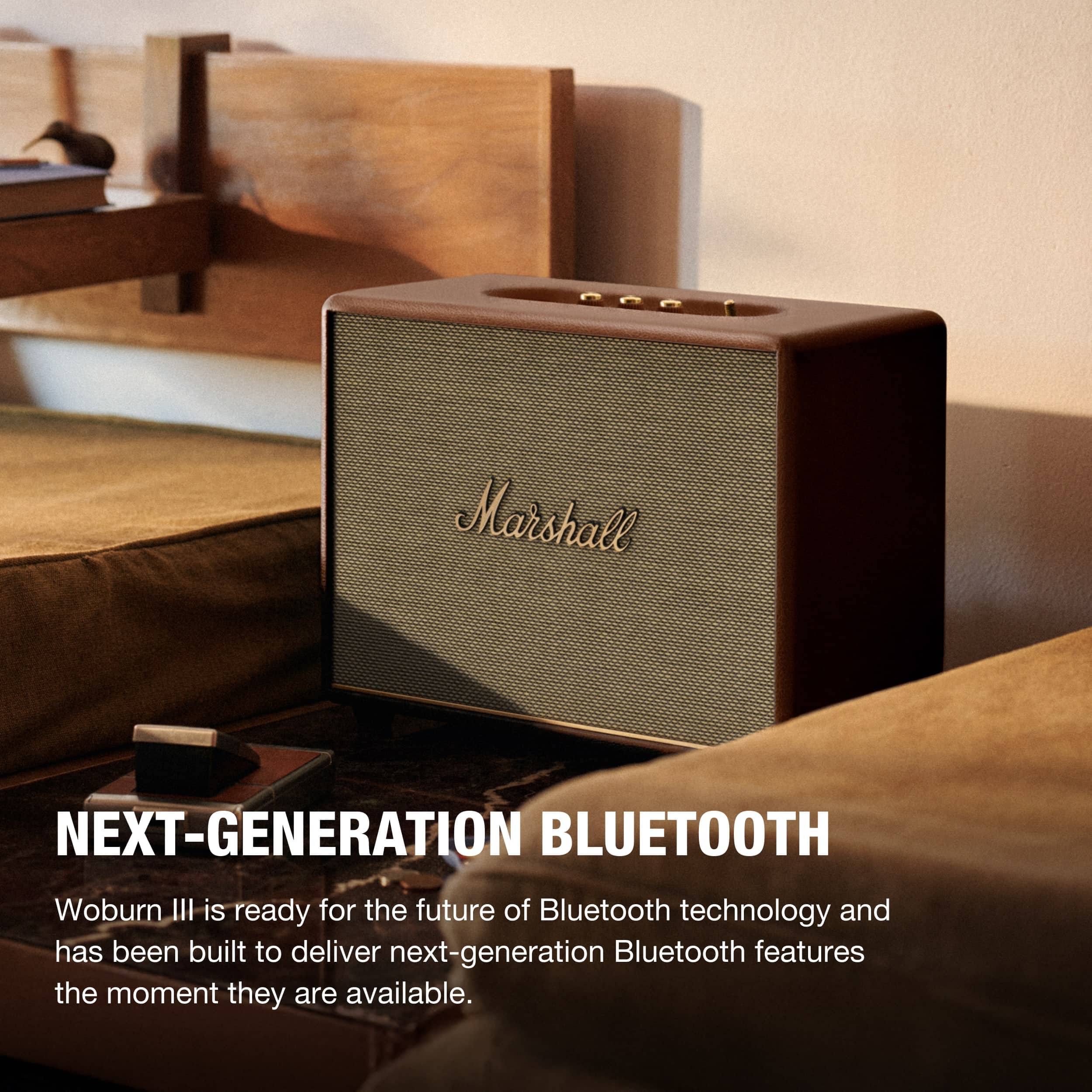
The speaker functions as living room furniture with its vintage amplifier aesthetic, brass control knobs, and premium materials. Marshall uses 70% recycled plastic and vegan leather-style materials, creating something that looks substantial and permanent rather than temporary.
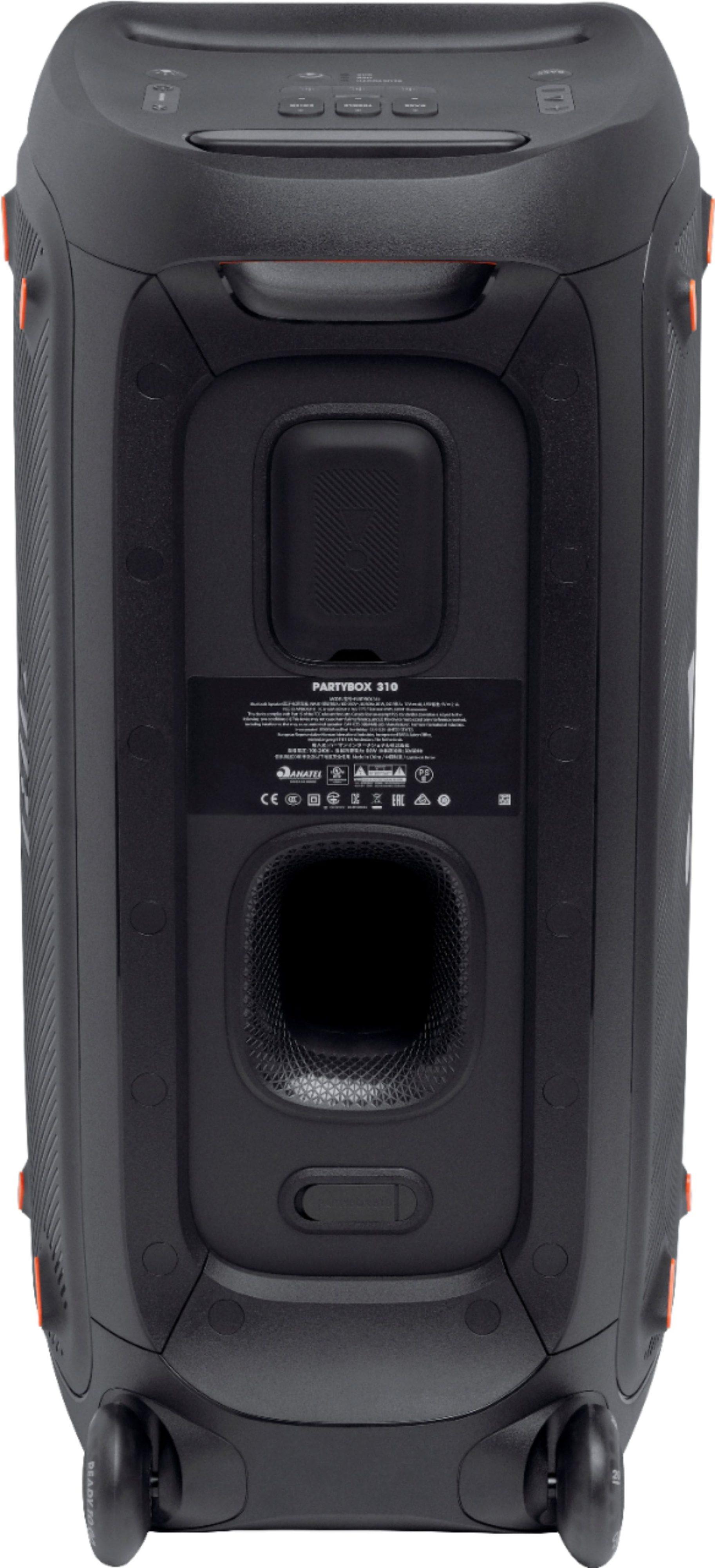
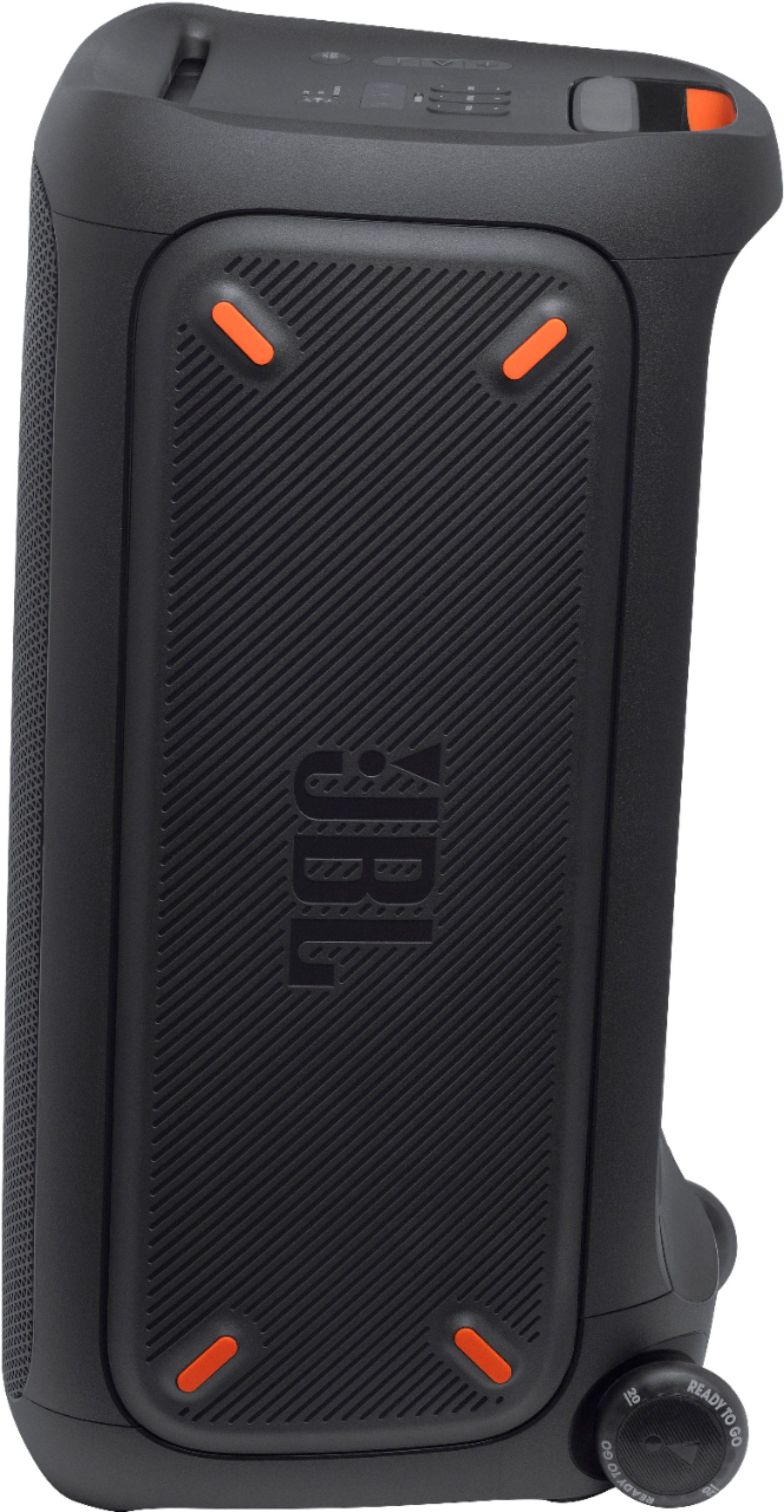
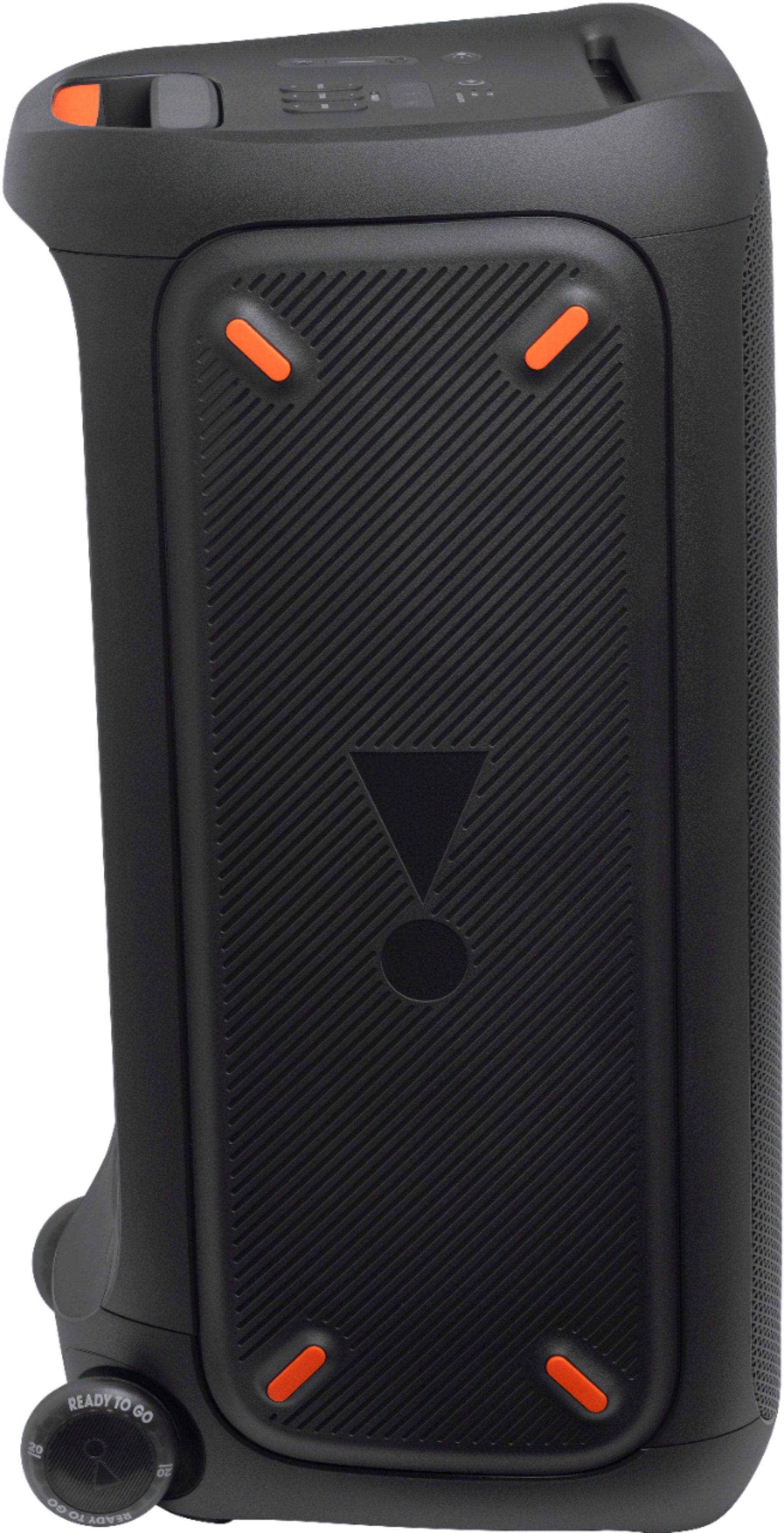
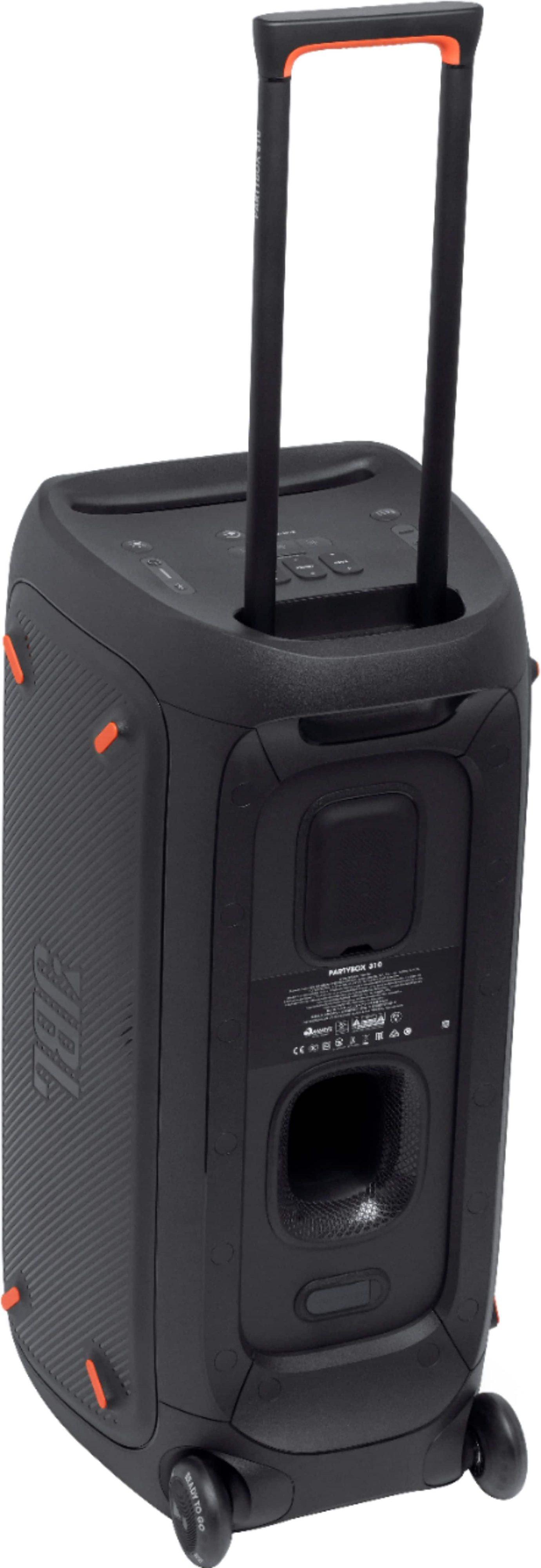
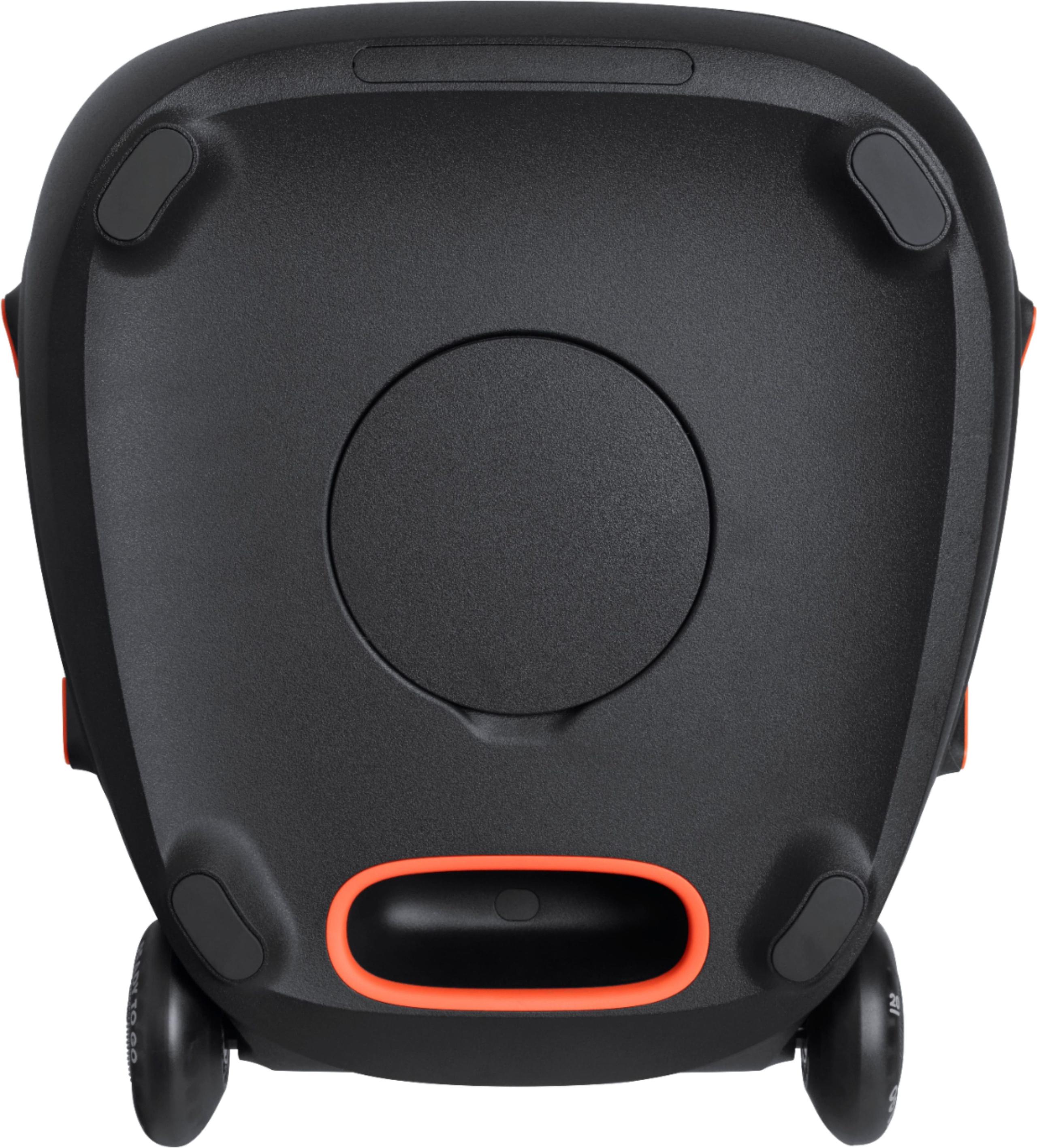
At 38 pounds, the JBL PartyBox 310 isn't exactly lightweight, but the telescoping handle and smooth-rolling wheels make it surprisingly manageable. More importantly, the 18-hour battery life (in real-world testing with moderate volume and lighting effects) provides genuine independence from power outlets.
The IPX4 rating means the JBL can handle splashes and light rain—essential for poolside parties or outdoor events where weather might not cooperate perfectly. This isn't full waterproofing, so you wouldn't want to leave it in a downpour, but it handles the kind of moisture that would damage most speakers.
The Marshall Woburn III includes Night Mode, which becomes invaluable for late-night TV watching. When connected via HDMI ARC, this feature automatically reduces loud sound effects while boosting dialogue, letting you follow movies without disturbing others or constantly adjusting volume.
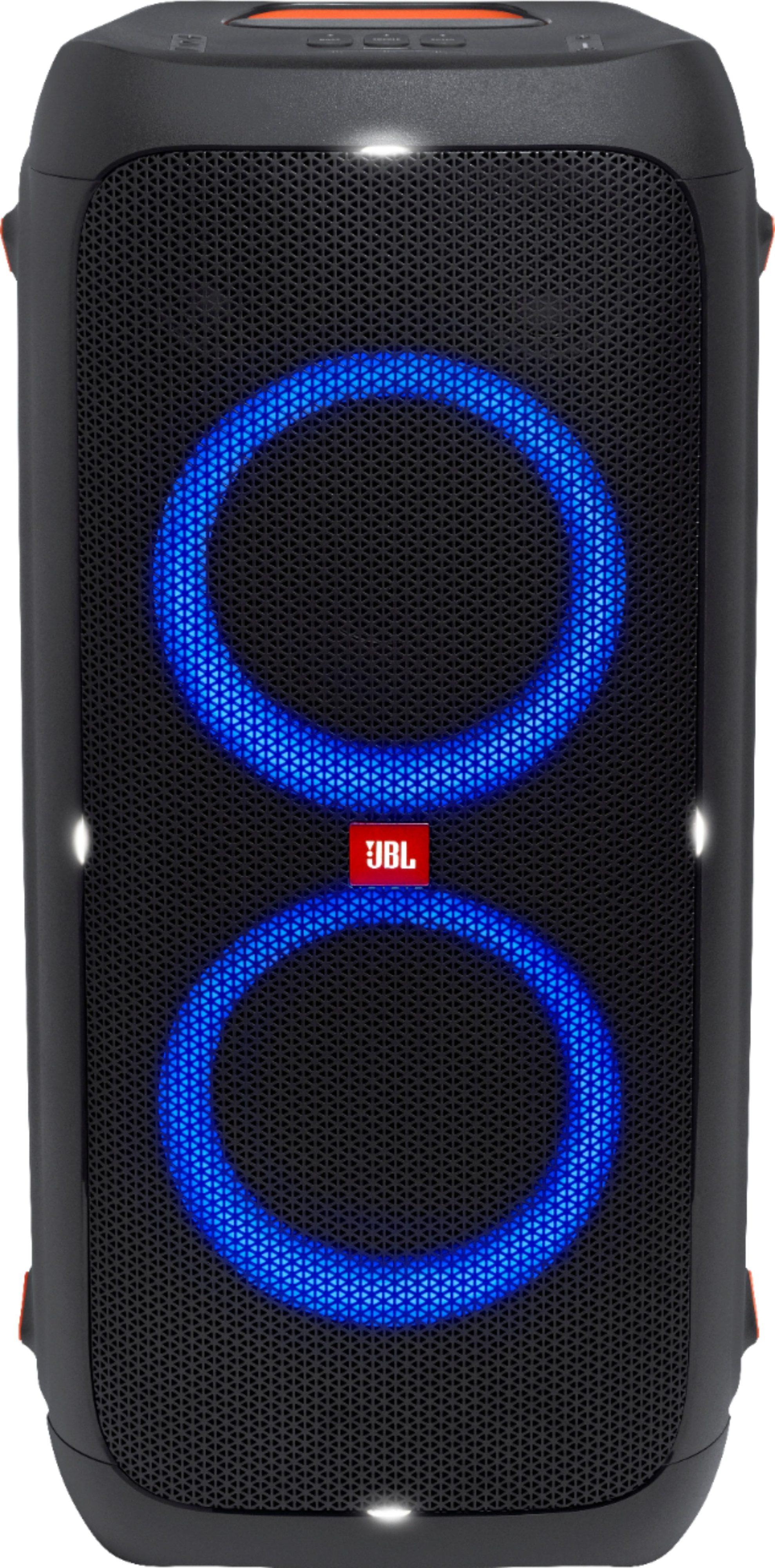
The JBL PartyBox 310 goes the opposite direction with its RGB light show. Five different lighting modes create everything from subtle pulsing to full strobe effects, all synchronized to your music's rhythm. While this might sound gimmicky, the execution is genuinely impressive—the lights react to different frequencies and create an atmosphere that transforms any space into a party venue.
The karaoke functionality includes vocal effects and echo controls, turning the JBL into a complete entertainment system rather than just a speaker.
At the time of writing, these speakers occupy different price tiers, with the Marshall Woburn III positioned as a premium home audio investment and the JBL PartyBox 310 priced more accessibly despite its extensive feature set.
The Marshall justifies its higher cost through superior build quality, more sophisticated audio engineering, and the kind of timeless design that won't look outdated in five years. Marshall's commitment to over-the-air firmware updates means the speaker can gain new features and improvements long after purchase.
The JBL offers exceptional value for its feature density—few speakers at any price provide equivalent portable power, entertainment features, and versatility. However, the battery will eventually degrade with use, and the more complex feature set means more potential points of failure during transport and regular use.
For home theater use, the Marshall Woburn III provides a compelling upgrade over TV speakers without the complexity of a full surround sound system. The HDMI ARC connection, Night Mode, and wide frequency response handle everything from dialogue-heavy dramas to action movie explosions with clarity and impact.
The JBL PartyBox 310 can certainly improve TV audio, but it's designed for different priorities. The light show becomes distracting during movie watching, and the speaker's optimized-for-volume tuning can make dialogue less clear than optimal for extended viewing.
Choose the Marshall Woburn III if you're building a dedicated listening space where audio quality matters most. This speaker excels in living rooms, home offices, or bedrooms where you want music to sound exactly as the artist intended. The TV integration capabilities make it particularly appealing for people wanting to upgrade their home entertainment system without complexity.
The Marshall suits music lovers who appreciate the difference between good and great sound reproduction, people who entertain primarily indoors, and anyone who values equipment that can serve as attractive furniture when not in use.
Choose the JBL PartyBox 310 if you regularly host gatherings, need portable audio for outdoor activities, or want a speaker that can transform any space into an entertainment venue. This speaker dominates at pool parties, camping trips, outdoor barbecues, and any situation where atmosphere matters as much as pure sound quality.
The JBL particularly appeals to people who perform music (even casually), host karaoke nights, or simply want their music listening to feel like an event rather than just background audio.
These speakers succeed at fundamentally different goals, making direct comparison somewhat misleading. The Marshall Woburn III represents the pinnacle of home audio engineering, designed to reveal new details in familiar music and integrate seamlessly into daily life. The JBL PartyBox 310 prioritizes fun, impact, and versatility, turning music listening into a social activity.
Your choice should depend primarily on where and how you plan to use the speaker most often. Neither option disappoints within its intended use case, but each would frustrate users expecting it to excel at the other's specialty.
For most people, the decision comes down to a simple question: Do you want the best possible sound quality for home listening, or do you want a speaker that can bring the party anywhere you go?
| Marshall Woburn III | JBL PartyBox 310 |
|---|---|
| Power Output - Determines maximum volume and room-filling capability | |
| 150W RMS (optimized for audio quality) | 240W RMS AC / 140W battery (optimized for volume) |
| Driver Configuration - Affects sound separation and clarity | |
| 3-way: 6" woofer + dual 2" mids + dual 0.75" tweeters | 2-way: dual 6.5" woofers + dual 2.5" tweeters |
| Bass Extension - How deep the low frequencies reach | |
| 35Hz (exceptional depth, reproduces sub-bass) | 45Hz (solid bass, good for most music) |
| Portability - Whether you can easily move it around | |
| Stationary (16.4 lbs, AC power only) | Portable (38.4 lbs, wheels/handle, 18hr battery) |
| Water Resistance - Protection for outdoor use | |
| None (indoor use only) | IPX4 splashproof (poolside/light rain safe) |
| Connectivity Options - How you can connect devices | |
| Bluetooth 5.2, HDMI ARC, RCA, 3.5mm aux | Bluetooth 5.1, dual 1/4" mic/guitar, USB, 3.5mm |
| Entertainment Features - Beyond basic music playback | |
| Night Mode, Dynamic Loudness, room correction | RGB light show, karaoke effects, built-in sound FX |
| Home Theater Integration - TV connection capabilities | |
| HDMI ARC with TV volume control | 3.5mm connections only |
| Build Quality Focus - Design priorities | |
| Premium materials, furniture-grade aesthetics | Rugged transport design, performance inputs |
| Price Category - Value positioning at time of writing | |
| Premium home audio investment | Mid-range portable entertainment system |
| Best Use Case - Where each speaker truly excels | |
| Critical listening, home theater, living room centerpiece | Parties, outdoor events, karaoke, mobile entertainment |
The Marshall Woburn III is specifically designed for home use with premium build quality, furniture-grade aesthetics, and HDMI ARC connectivity for TV integration. The JBL PartyBox 310 is built for portability and parties, making the Marshall Woburn III the clear choice for dedicated home listening.
Only the JBL PartyBox 310 is suitable for outdoor use with its IPX4 splashproof rating, battery power, and rugged design. The Marshall Woburn III requires AC power and has no water resistance, making it strictly an indoor speaker.
The Marshall Woburn III delivers superior sound quality with its three-way driver system, deeper bass extension (35Hz vs 45Hz), and audiophile-focused tuning. While the JBL PartyBox 310 is louder, the Marshall provides more accurate and refined audio reproduction.
The JBL PartyBox 310 is designed for portability with wheels, a telescoping handle, and 18-hour battery life. The Marshall Woburn III weighs less but requires constant AC power, making the JBL the only truly portable option between the two.
The Marshall Woburn III offers seamless TV integration through HDMI ARC, allowing single-remote control and features like Night Mode for late-night viewing. The JBL PartyBox 310 can connect via 3.5mm aux but lacks the convenience features that make the Marshall ideal for home theater use.
The JBL PartyBox 310 is purpose-built for parties with RGB light shows, karaoke functionality, microphone inputs, and maximum volume output. The Marshall Woburn III focuses on refined listening rather than party atmosphere, making the JBL the obvious choice for entertaining.
Only the JBL PartyBox 310 supports karaoke with dual 1/4" microphone inputs, vocal effects, and echo controls. The Marshall Woburn III has no microphone inputs, making the JBL the only option for karaoke functionality.
The Marshall Woburn III produces deeper, more controlled bass with extension down to 35Hz compared to the JBL PartyBox 310's 45Hz. However, the JBL offers Bass Boost for more impact-focused low-end, so the Marshall wins for accuracy while the JBL wins for party-style punch.
The JBL PartyBox 310 supports True Wireless Stereo pairing with another identical unit for stereo separation. The Marshall Woburn III cannot pair with other speakers, making the JBL the better choice if you want expandable audio.
Only the JBL PartyBox 310 has a battery, providing up to 18 hours of playback. The Marshall Woburn III requires constant AC power and has no battery option, making the JBL the only choice for battery-powered use.
The JBL PartyBox 310 typically offers better feature-per-dollar value with portability, lights, karaoke, and high power output. The Marshall Woburn III commands a premium for superior sound quality and build materials, making value dependent on whether you prioritize features or audio fidelity.
The Marshall Woburn III is ideal for living rooms with its sophisticated three-way audio system, HDMI ARC TV connectivity, elegant design that doubles as furniture, and optimized performance for indoor listening. The JBL PartyBox 310 is oversized and party-focused for typical living room use.
We've done our best to create useful and informative comparisons to help you decide what product to buy. Our research uses advanced automated methods to create this comparison and perfection is not possible - please contact us for corrections or questions. These are the sites we've researched in the creation of this article: loudersound.com - ash-asia.zendesk.com - armorsound.com - rtings.com - crutchfield.com - rtings.com - stereoguide.com - bestbuy.com - hometechnologyreview.com - crutchfield.com - sweetwater.com - rtings.com - youtube.com - greentoe.com - versus.com - idownloadblog.com - marshall.com - youtube.com - comparisontabl.es - youtube.com - versus.com - crutchfield.com - device.report - consumerreports.org - sg.tcacoustic.asia - stereoindex.com - safemark.com - smarthomesounds.co.uk - marshall.com - device.report - bestbuy.com - marshall.com - rtings.com - comparisontabl.es - crutchfield.com - youtube.com - bestbuy.com - rtings.com - youtube.com - versus.com - youtube.com - youtube.com - jbl.com - youtube.com - crutchfield.com - manuals.plus - in.jbl.com - jbl.com.tw - mm.jbl.com - bestbuy.com - jbl.com - onward.ph - youtube.com - manuals.plus - harmanaudio.com - support.jbl.com - youtube.com - kh.jbl.com - bestbuy.com

Privacy Policy
Terms and Conditions - Affiliate Policy
Home Security
© Copyright 2008-2026.
11816 Inwood Rd #1211, Dallas, TX 75244