


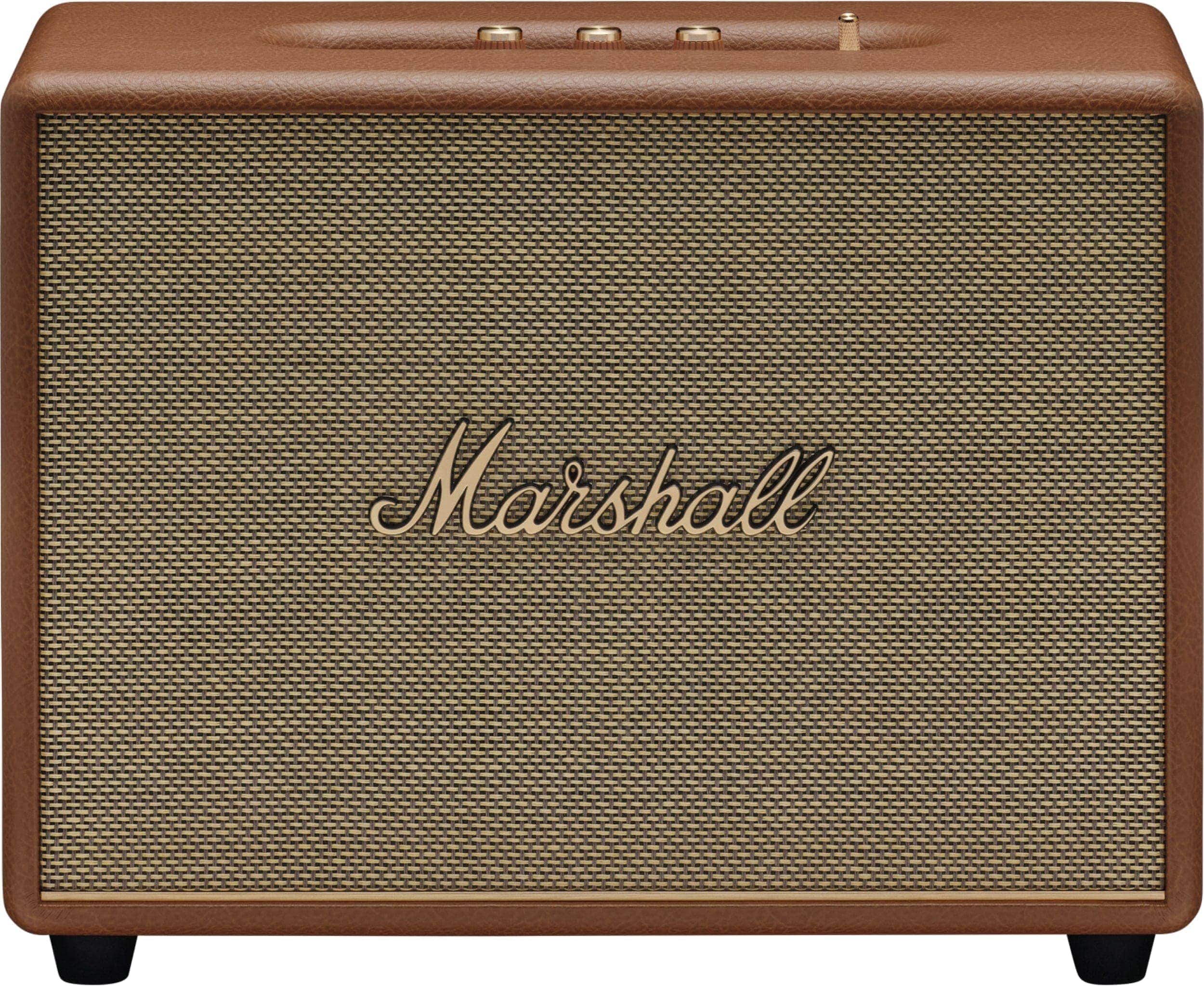
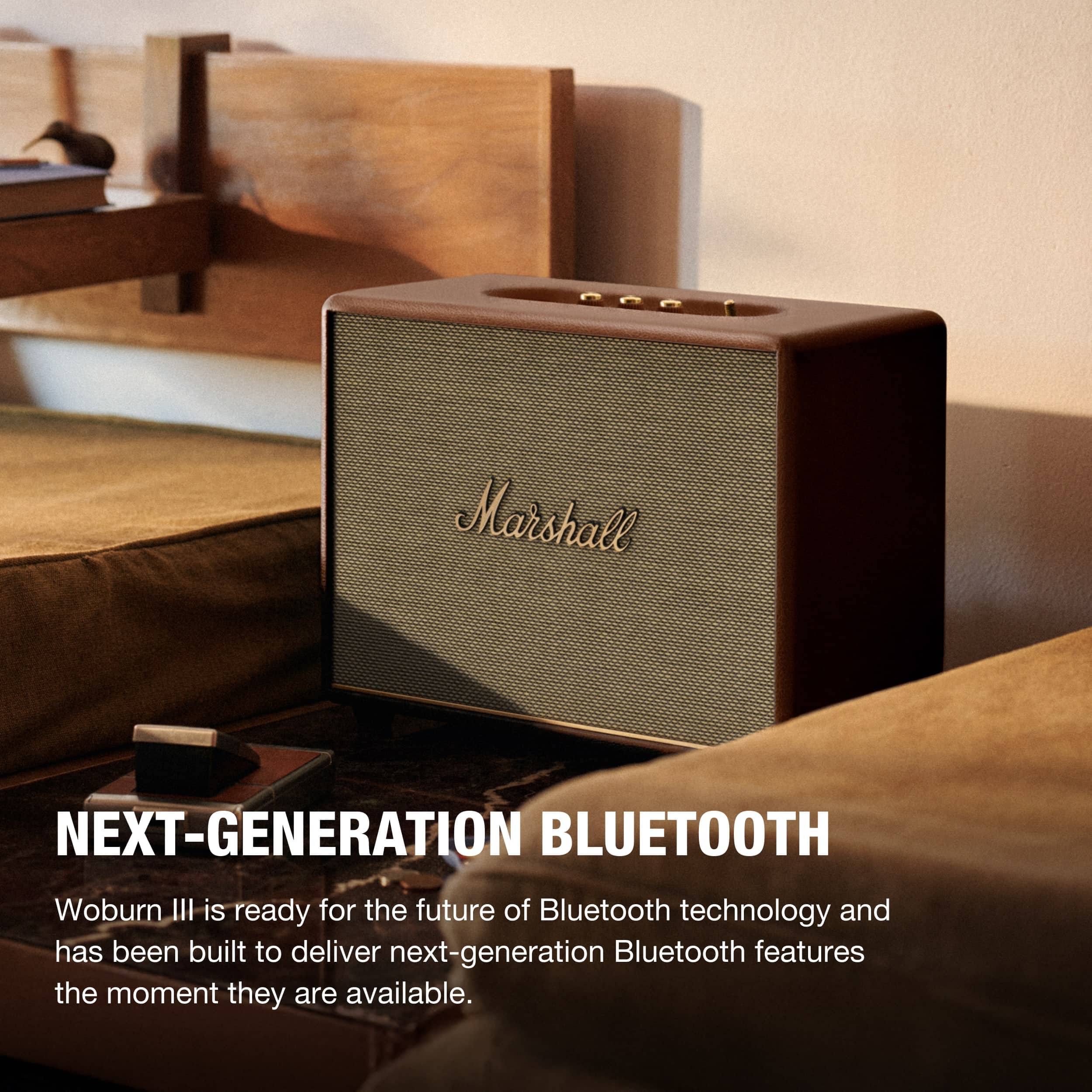
When you're looking for a powerful Bluetooth speaker that can fill a room (or backyard), the choices can be overwhelming. Two speakers that consistently rise to the top of discussions are the JBL PartyBox 710 and the Marshall Woburn III. While both are large, premium Bluetooth speakers, they take completely different approaches to delivering great sound—and understanding these differences is crucial to making the right choice for your needs.
Released in 2021, the JBL PartyBox 710 represents JBL's commitment to the party speaker market, building on years of experience with outdoor and event-focused audio. The Marshall Woburn III, launched in 2023, is Marshall's latest take on premium home audio, incorporating modern connectivity features while maintaining their iconic amplifier aesthetic.
Before diving into the specifics, it's important to understand that not all large Bluetooth speakers are created equal. The market has evolved to serve two distinct approaches: event-focused party speakers and home-focused audiophile systems.
Party speakers like the JBL PartyBox 710 prioritize maximum volume, deep bass, and crowd-engaging features. They're designed to cut through outdoor ambient noise, provide physical bass impact that you can feel, and often include visual elements like light shows. These speakers optimize for excitement and energy over analytical accuracy.
Home audio speakers like the Marshall Woburn III focus on balanced sound reproduction, multiple connectivity options, and integration with your existing entertainment setup. They emphasize soundstage (how instruments are positioned in space), tonal accuracy, and the ability to reveal details in your music at reasonable volumes.
The key considerations when choosing between these approaches include your primary listening environment, music preferences, volume requirements, and whether you value party features or home integration more highly.
The power difference between these speakers is immediately apparent on paper, but the real-world implications are more nuanced than the numbers suggest.
The JBL PartyBox 710 delivers a massive 800 watts RMS (Root Mean Square—the continuous power output rather than peak bursts). This power drives dual 8-inch woofers and dual 2.75-inch tweeters in a bass-reflex cabinet design. Bass-reflex means there's a tuned port that helps extend low-frequency response by allowing air movement from inside the cabinet to reinforce the woofers' output. This configuration can achieve volume levels that genuinely fill large outdoor spaces—we're talking about coverage for backyard parties with 50+ people without breaking a sweat.
In contrast, the Marshall Woburn III uses 150 watts total power distributed across five separate amplifiers: 90 watts for the 6-inch woofer, and 15 watts each for two midrange drivers and two tweeters. This three-way design means each driver handles a specific frequency range, allowing for better separation between bass, midrange, and treble. The angled tweeters with waveguides (specially shaped acoustic guides that control sound dispersion) create a wider stereo soundstage that feels more immersive in indoor spaces.
Based on our research into user experiences and professional measurements, the JBL PartyBox 710 can reach sound pressure levels around 104 dB at one meter—loud enough to cause hearing damage with extended exposure. The Marshall Woburn III reaches approximately 98 dB, which is still quite loud but more appropriate for indoor listening where you want powerful sound without overwhelming the space.
The practical difference? The JBL can fill a large outdoor area where sound dissipates quickly, while the Marshall excels at creating an enveloping listening experience in your living room without causing your neighbors to call the police.
This is where the philosophical differences between these speakers become most apparent. The JBL PartyBox 710 uses what's called a "fun" or "exciting" sound signature—it emphasizes frequencies that make music feel more energetic and engaging, particularly in the bass region.
The dual 8-inch woofers extend bass response down to 35 Hz, which is approaching the lowest frequencies humans can perceive. This deep extension, combined with the speaker's substantial power, creates that physical "thump" you feel in your chest during bass-heavy tracks. The frequency response (how evenly the speaker reproduces different pitches) is tuned to emphasize this low-end impact while maintaining clear vocals in the midrange.
However, based on expert reviews, the JBL trades some treble clarity for this bass emphasis. This isn't necessarily a flaw—it's a design choice that works brilliantly for outdoor use where ambient noise would mask subtle high-frequency details anyway. For genres like EDM, hip-hop, and pop music played at party volumes, this tuning is actually ideal.
The Marshall Woburn III takes the opposite approach with what's often called a "reference" or "monitor" sound signature. The three-way driver configuration allows each speaker element to focus on what it does best. The 6-inch woofer handles bass, the two 2-inch midrange drivers manage vocals and instruments, and the angled tweeters provide detailed treble response.
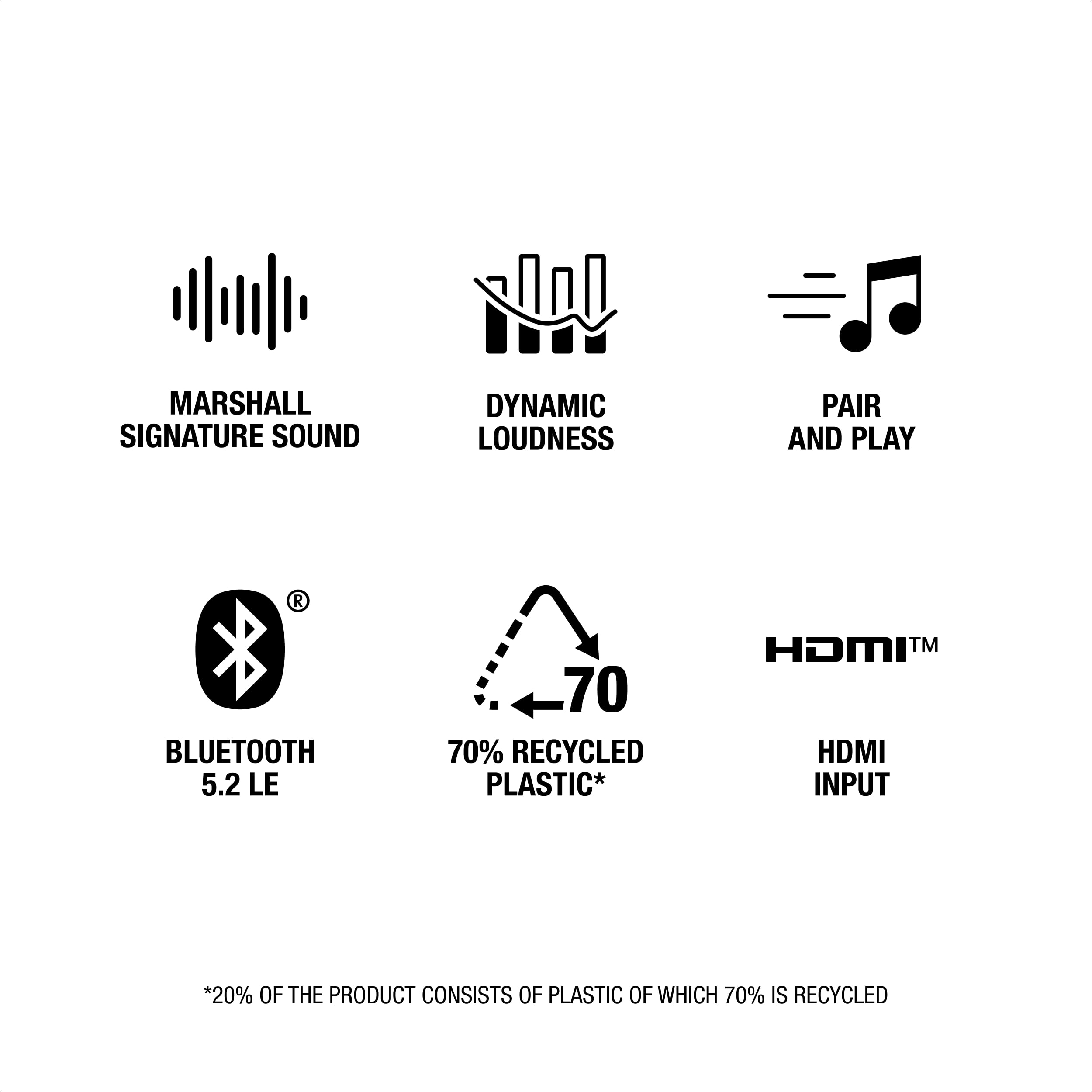
This separation creates better instrument imaging—the ability to pinpoint where different instruments and voices appear in the stereo field. The Marshall's Dynamic Loudness feature automatically adjusts the tonal balance as volume changes, ensuring bass and treble remain present even at lower listening levels. This is crucial for home listening where you might want great sound at conversational volumes.
Based on acoustic measurements from professional reviews, the Marshall maintains a more even frequency response across its range, with less bass emphasis but greater midrange clarity. This makes it better suited for genres like rock, jazz, acoustic music, and classical where instrument separation and tonal accuracy matter more than raw impact.
The connectivity differences reveal each speaker's intended use case. The JBL PartyBox 710 focuses on getting the party started quickly with minimal setup complexity.
Its Bluetooth 5.1 connection provides stable wireless performance up to about 30 feet, with support for the standard SBC codec (the basic Bluetooth audio format that all devices support). While it doesn't support higher-quality codecs like aptX or LDAC, this isn't a significant limitation for party use where convenience trumps audiophile perfection.
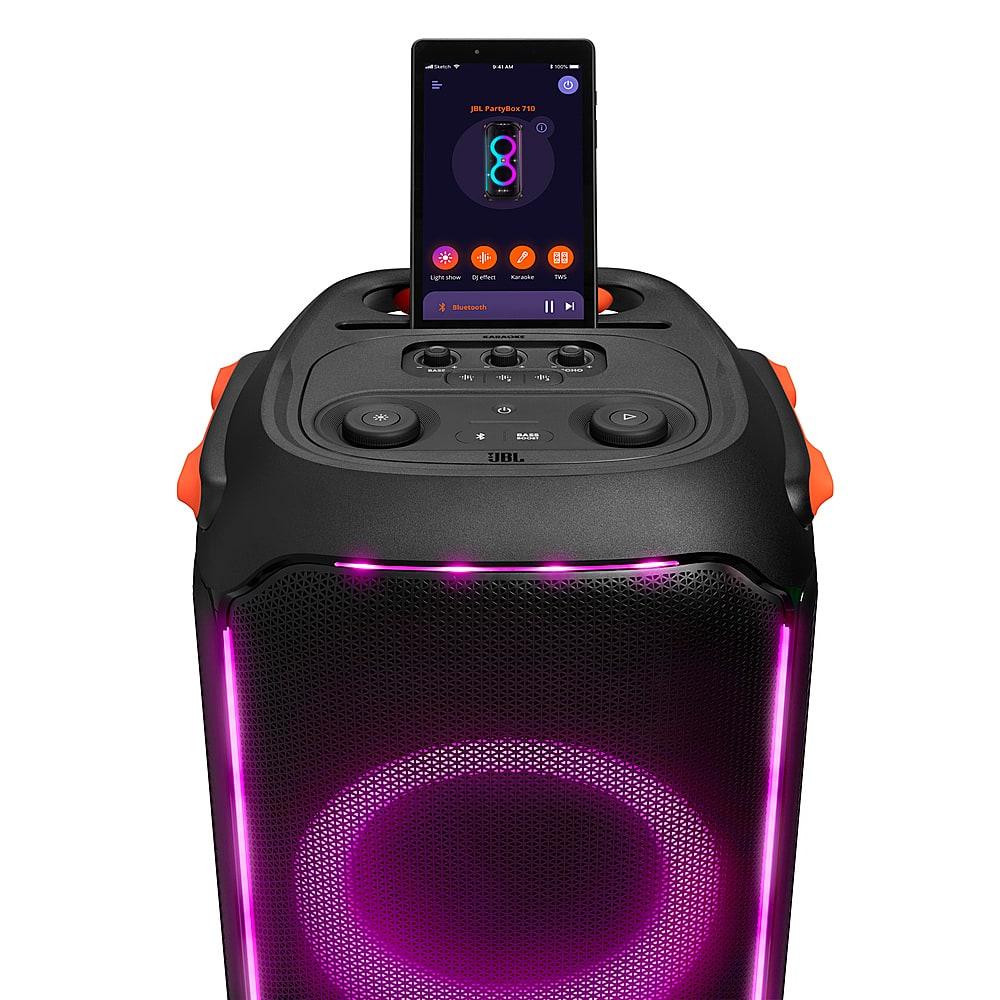
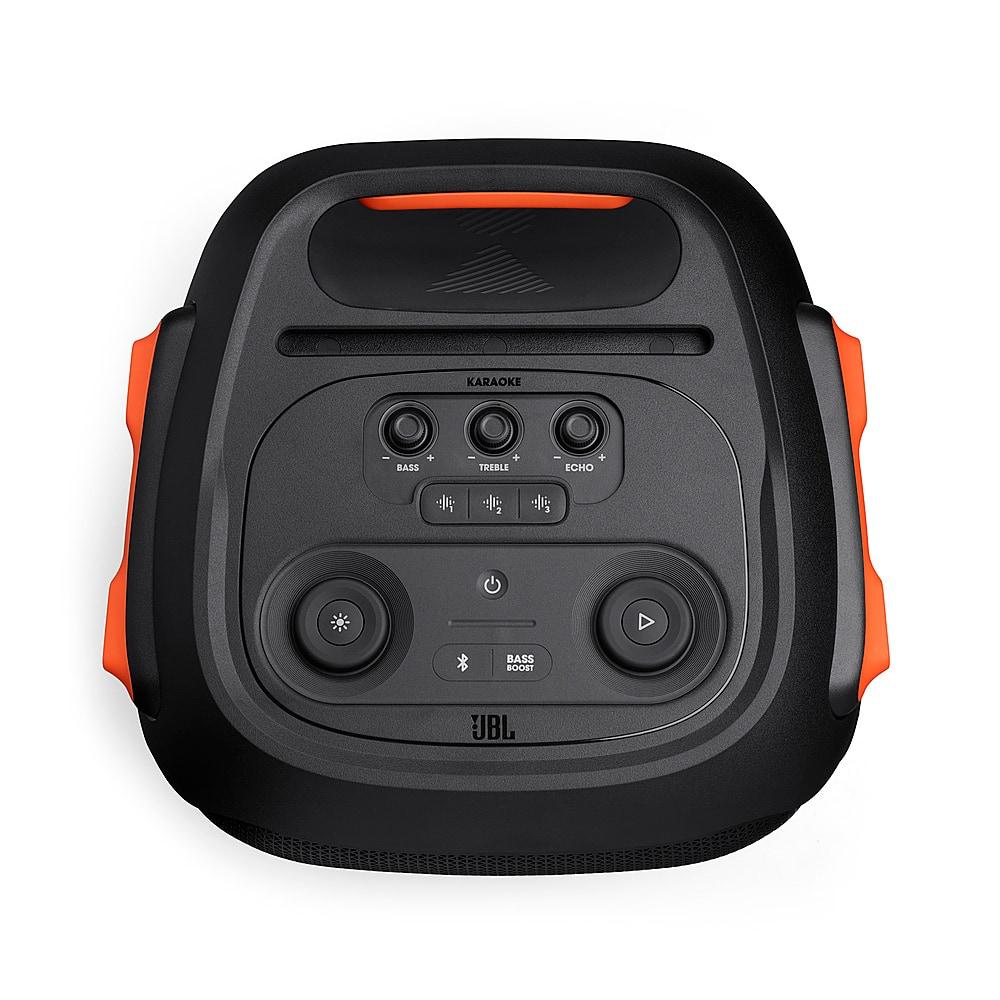
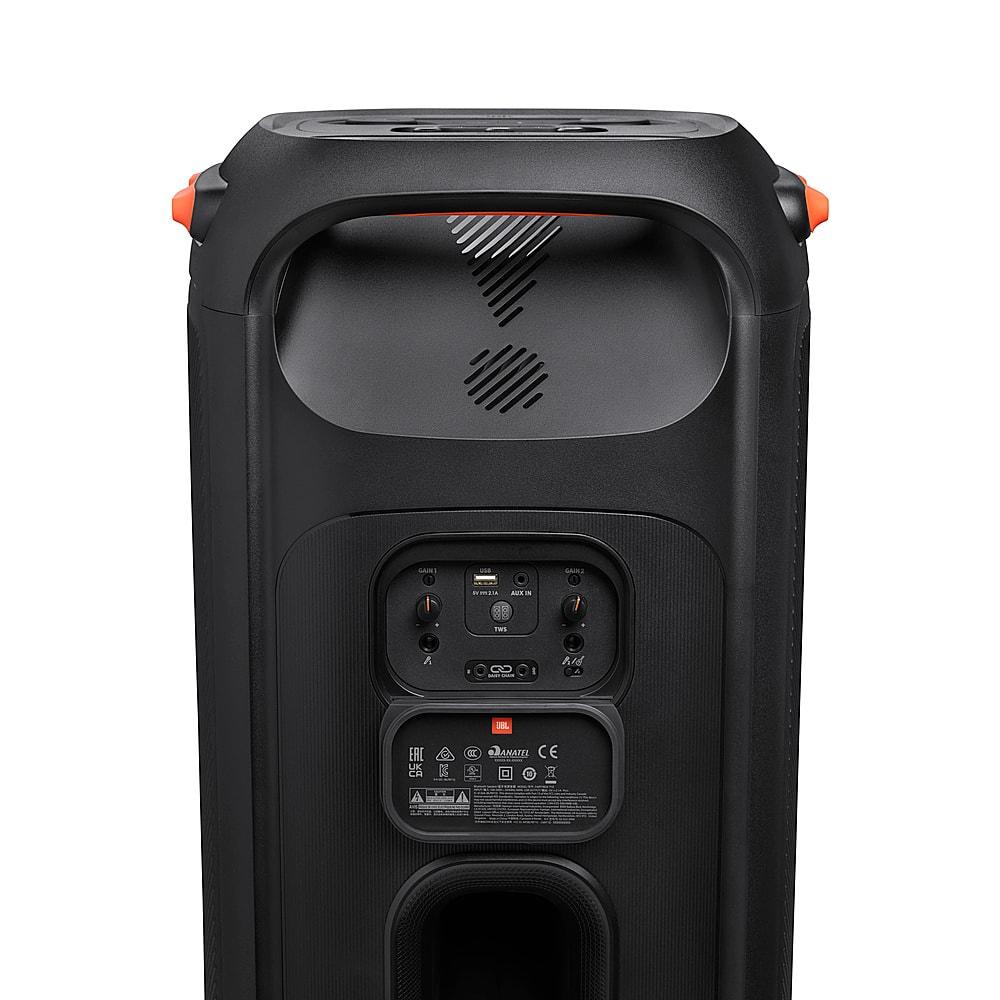
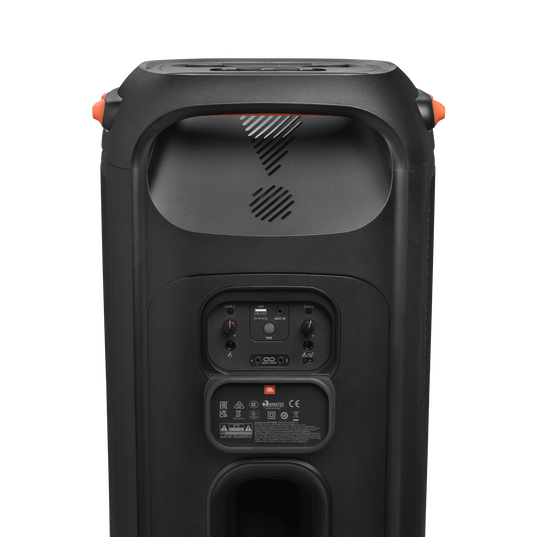
Where the JBL really shines is in its performance-focused inputs. It includes two microphone inputs with independent gain controls and a three-band EQ (bass, treble, and echo adjustment) specifically for karaoke or live vocal performance. One input can alternatively handle a guitar, making this speaker suitable for small acoustic performances or jam sessions.
The True Wireless Stereo (TWS) feature allows you to wirelessly pair two PartyBox 710 units for stereo separation across larger spaces. The USB port serves dual purposes: playing music files directly from a flash drive and charging your devices during events when wall outlets might be scarce.
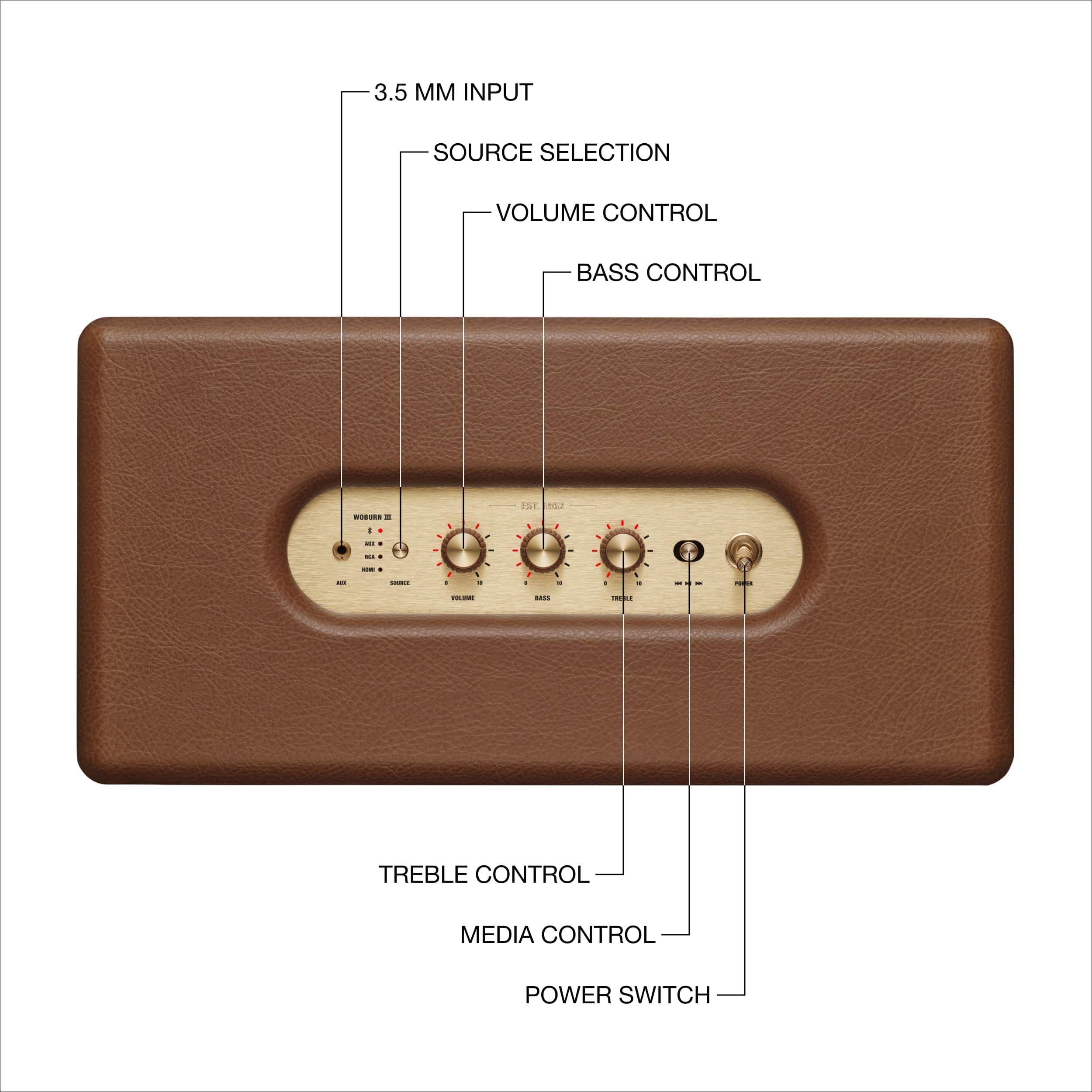
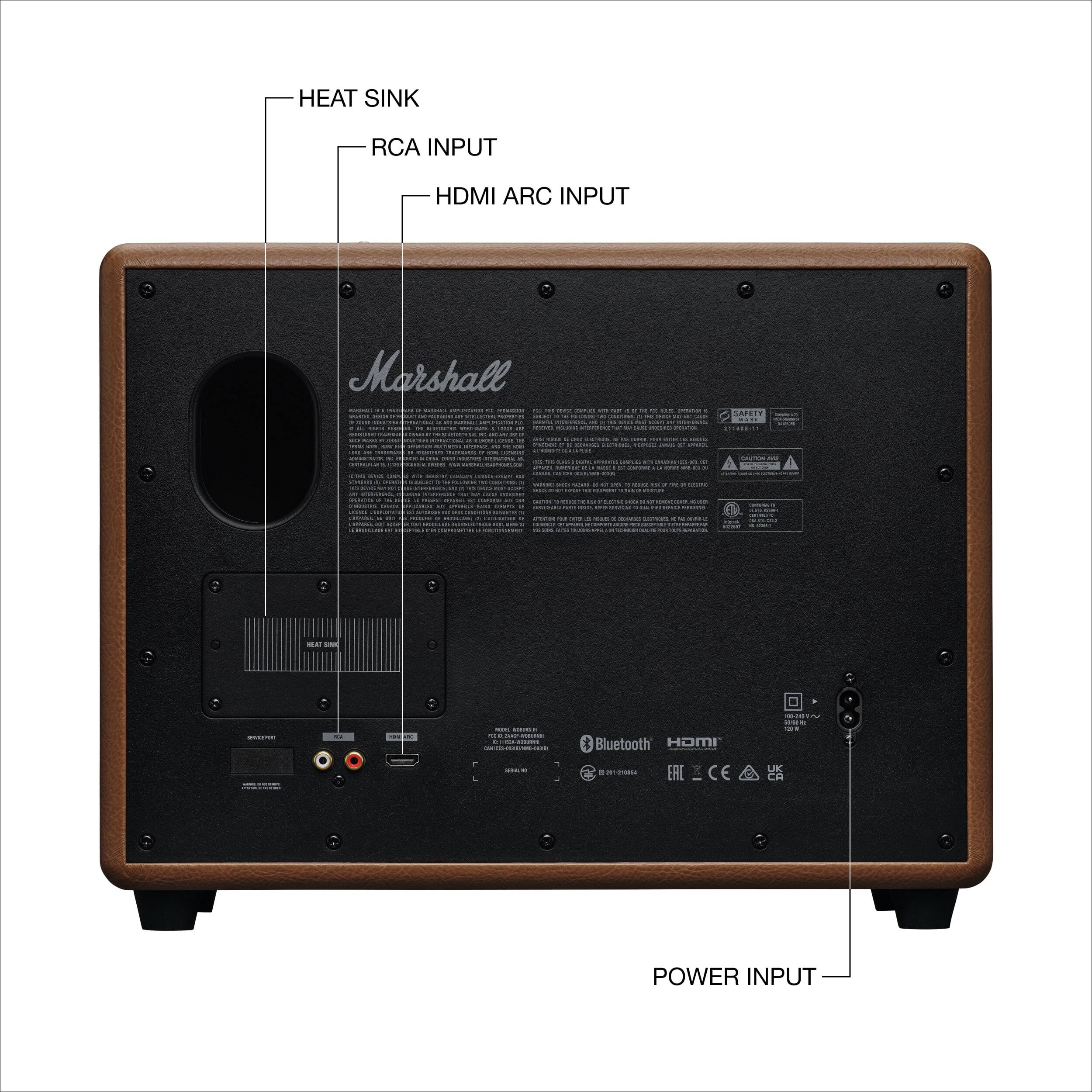
The Marshall Woburn III takes a completely different approach with its comprehensive home integration options. The HDMI ARC (Audio Return Channel) input is perhaps the most significant feature for home theater use. This allows the speaker to connect directly to your TV and receive audio signals while also enabling your TV remote to control the Marshall's volume. For anyone looking to upgrade their TV's audio without a full surround sound system, this is invaluable.
The RCA inputs accommodate traditional hi-fi components like CD players, turntables with preamps, or older audio equipment. Combined with the 3.5mm auxiliary input, this makes the Marshall a true hub for multiple audio sources.
The Bluetooth 5.2 implementation includes multipoint connectivity, allowing simultaneous connections to two devices. This means you can have your phone connected for notifications while your laptop handles music streaming. The newer Bluetooth version also supports Over-the-Air (OTA) updates through Marshall's app, ensuring the speaker can receive new features and improvements over time.
The feature sets of these speakers couldn't be more different, reflecting their distinct target audiences.
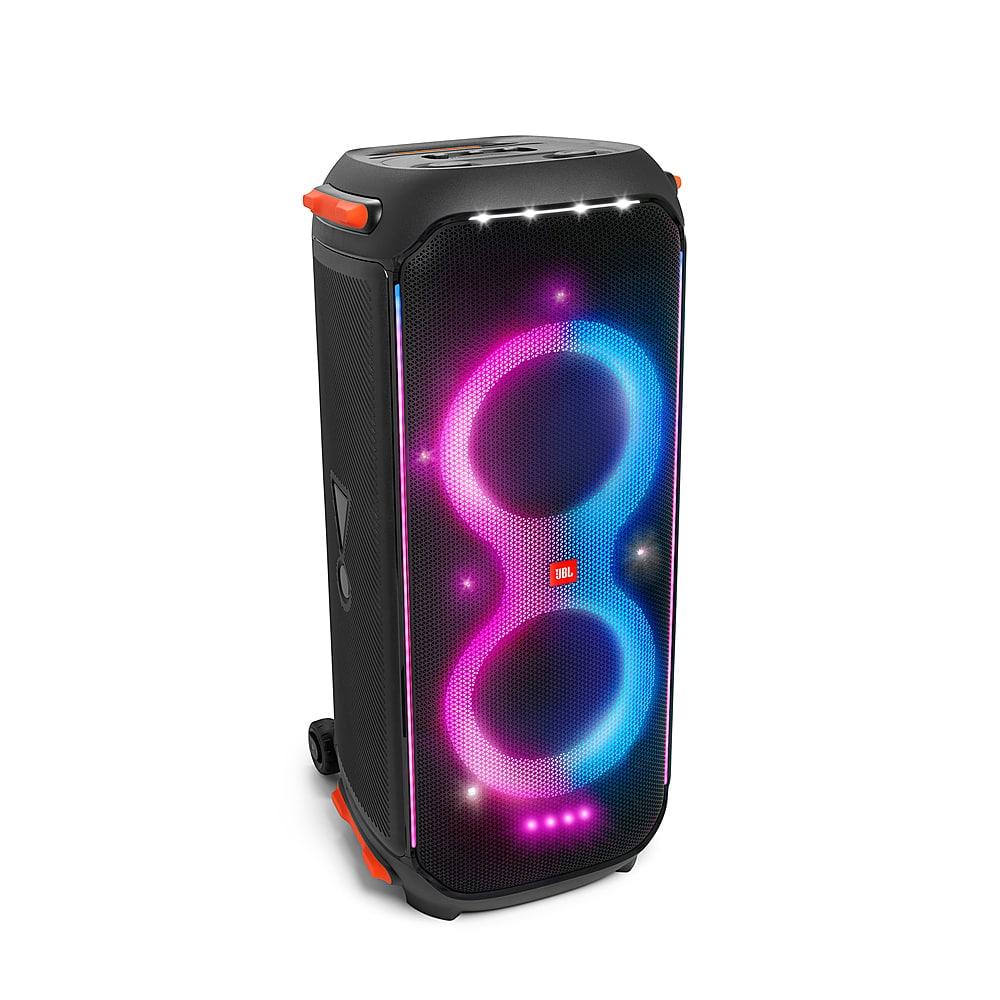
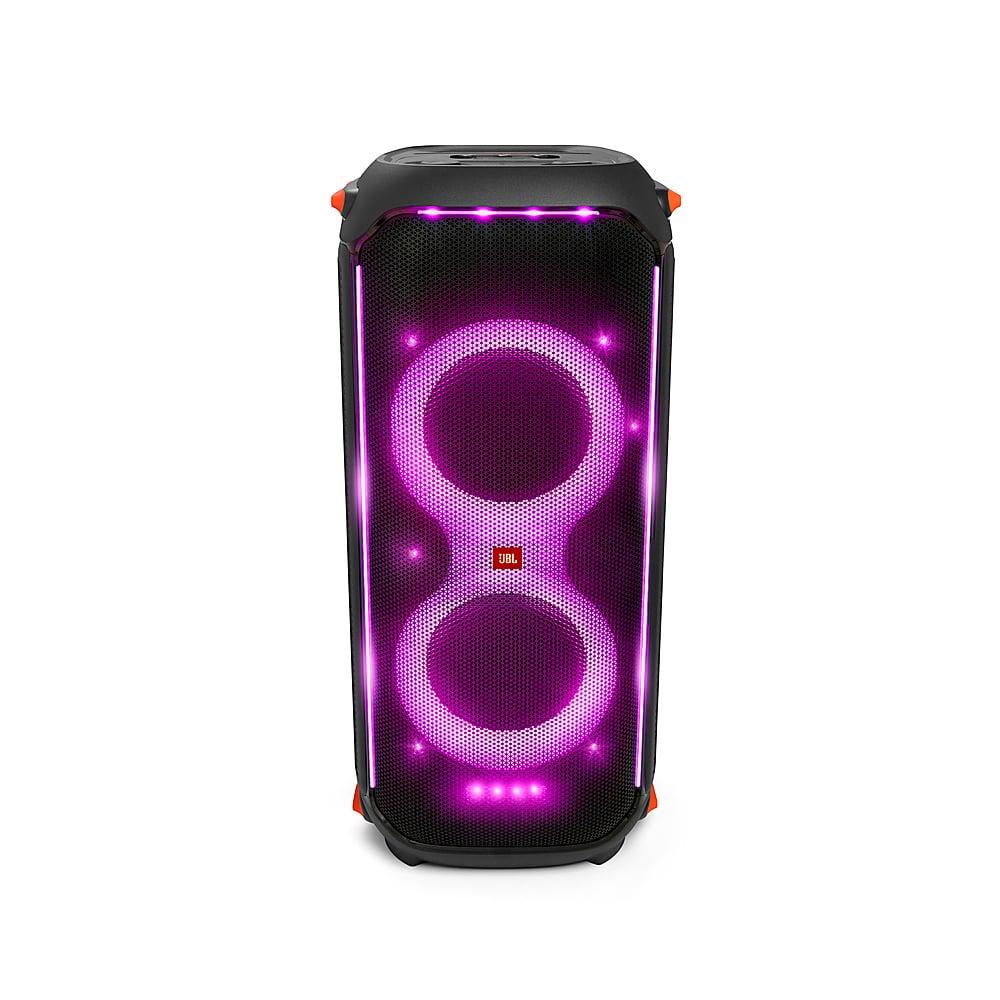
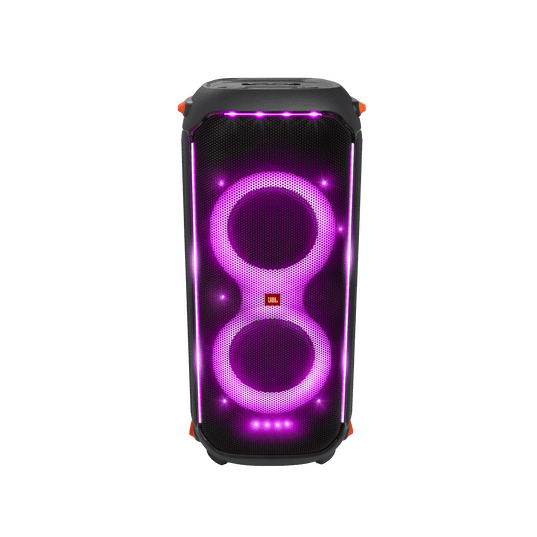
The JBL PartyBox 710 includes a sophisticated RGB lighting system with multiple patterns synchronized to your music. The customizable light show includes strobes, color-changing patterns, and a "starry night" effect that creates ambient lighting. While this might seem gimmicky, it genuinely enhances the party atmosphere and creates a focal point that draws people together.
The karaoke functionality goes beyond basic microphone input. The dedicated EQ controls for microphones allow you to adjust bass and treble specifically for vocal performance, while the echo effect adds professional polish to singing. The PartyBox app provides additional sound effects and light customization options, turning your phone into a party control center.
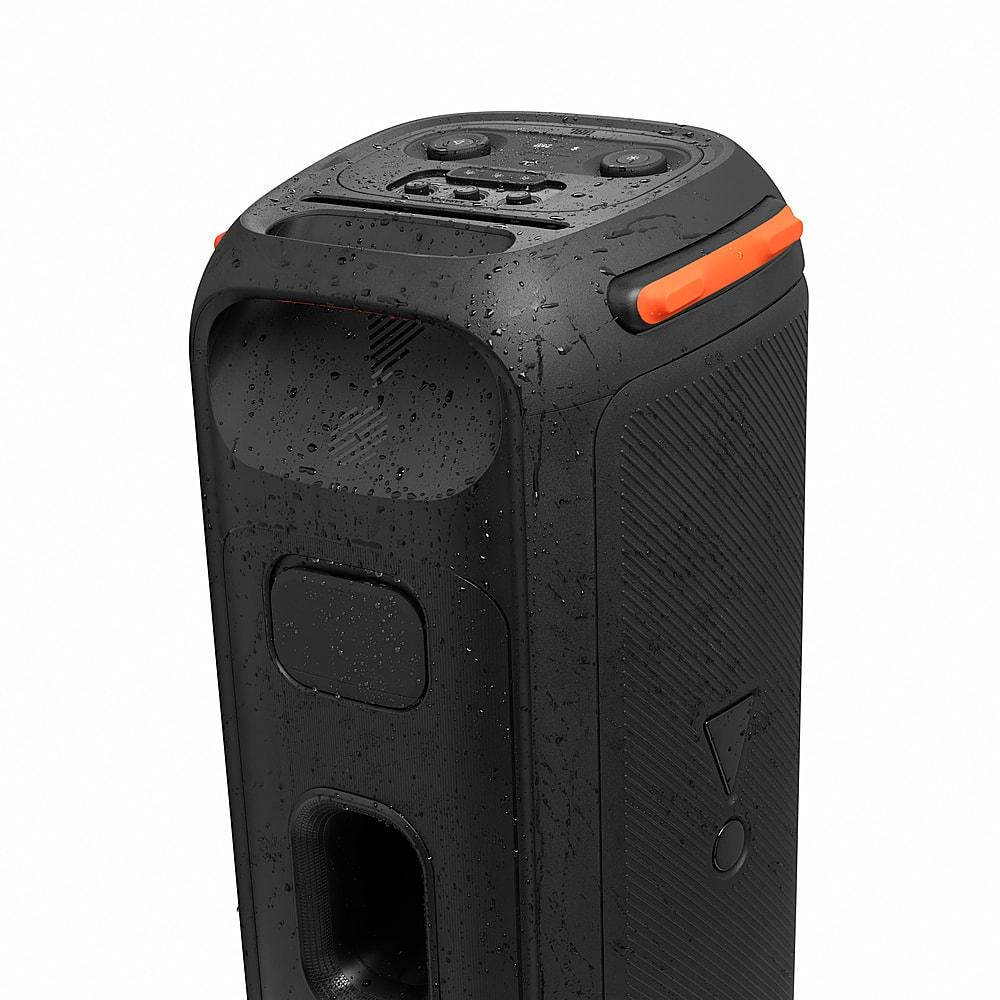
The IPX4 splashproof rating means the speaker can handle water splashes from any direction—essential for poolside parties or outdoor events where weather might be a concern. This level of protection gives you confidence to use the speaker in situations where traditional home audio equipment would be at risk.
The Marshall Woburn III focuses on intelligent audio processing rather than visual effects. Dynamic Loudness is a sophisticated feature that analyzes your music in real-time and adjusts the frequency response to maintain tonal balance at any volume level. This addresses a common issue where bass and treble seem to disappear when listening at lower volumes.
Placement Correction uses the Marshall app to optimize the speaker's output based on its position in your room. Whether it's against a wall, in a corner, or on a shelf, the speaker can adjust its response to account for how room acoustics affect the sound.
Night Mode, available when connected via HDMI ARC, automatically reduces loud passages while maintaining the audibility of quiet details. This feature is particularly useful for late-night TV watching or music listening in apartments where neighbor considerations matter.
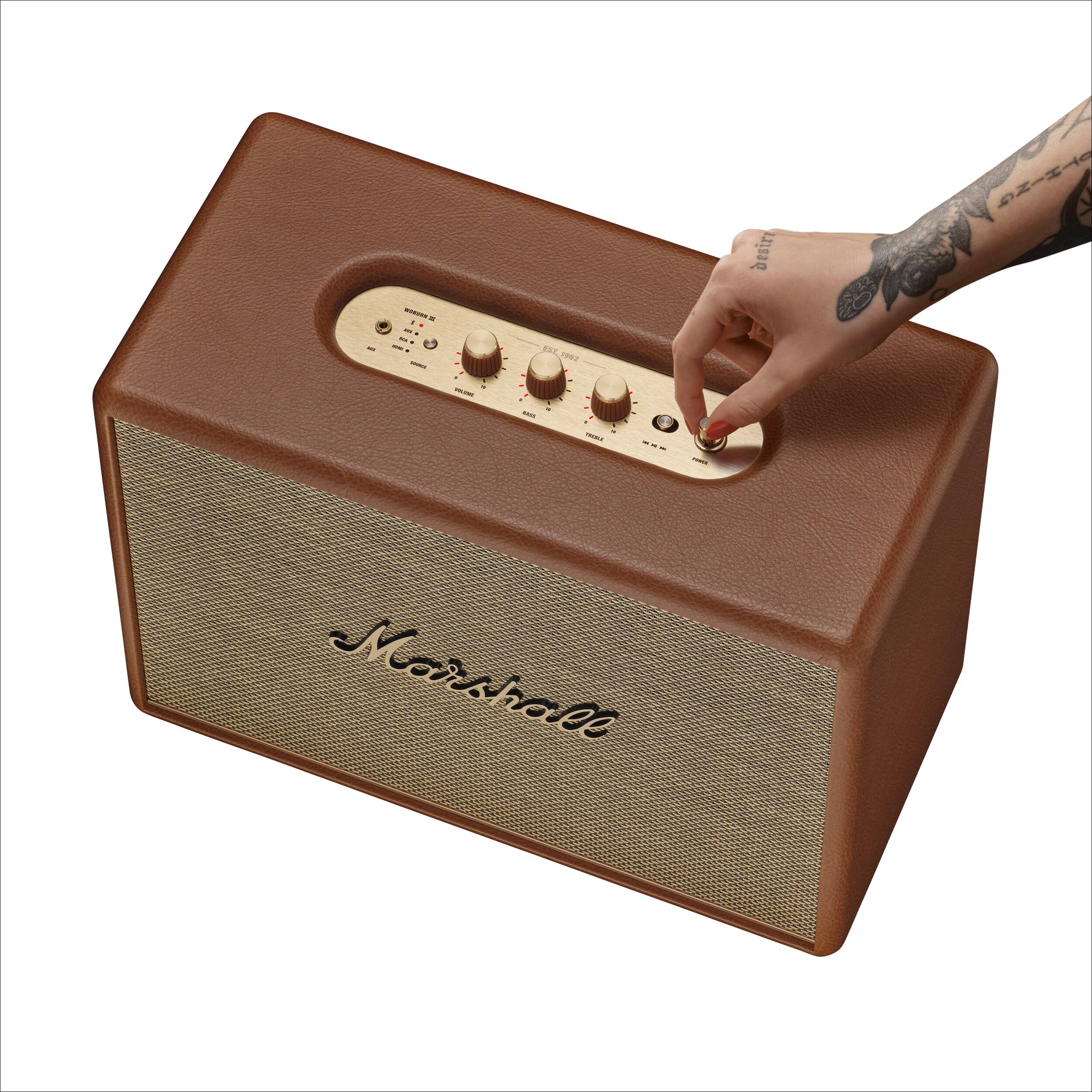
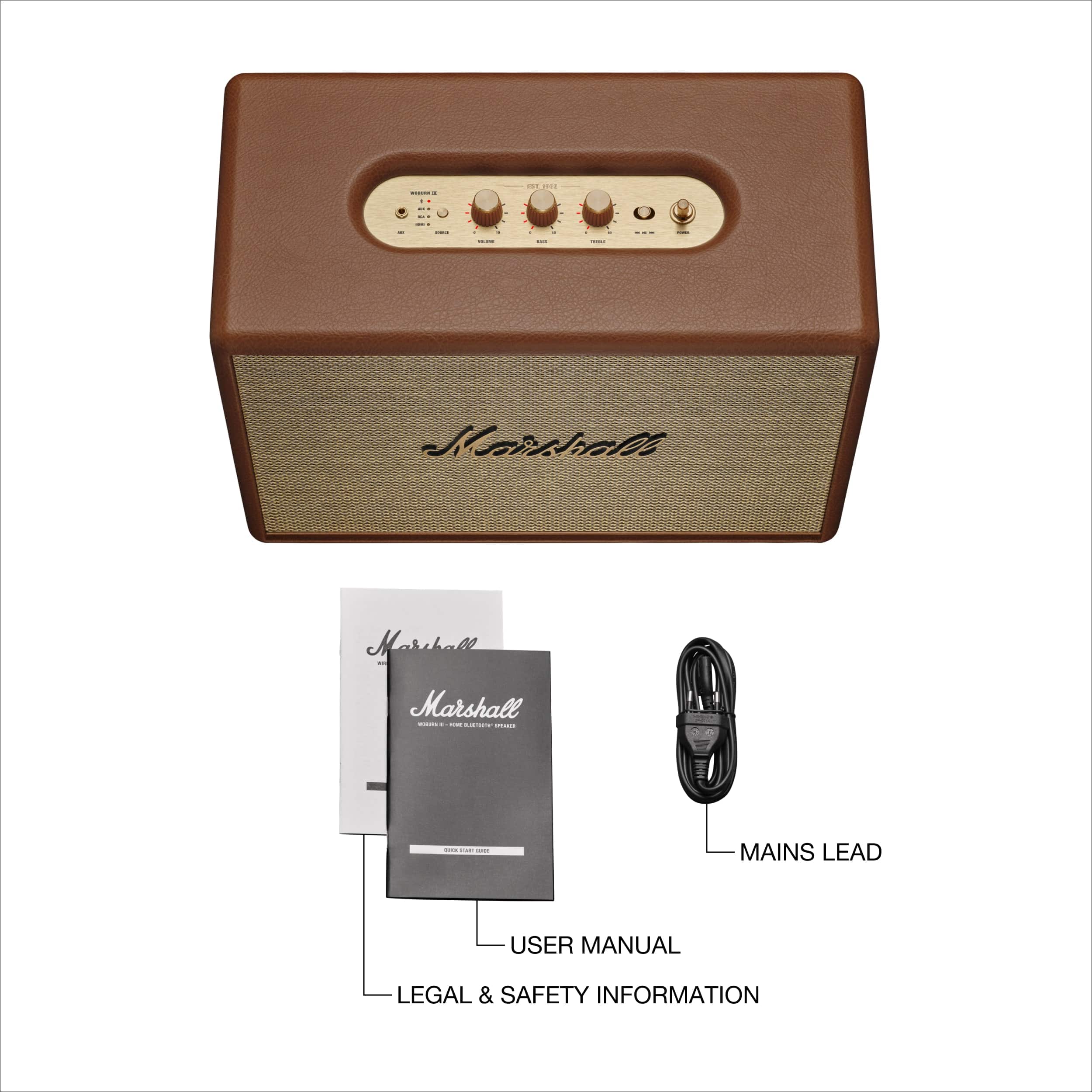
The analog control panel maintains Marshall's classic amplifier aesthetic while providing tactile, immediate control over volume, bass, and treble without needing to reach for your phone.
For home theater use, these speakers serve very different roles. The Marshall Woburn III is clearly designed with TV audio enhancement in mind. The HDMI ARC connection provides a clean digital signal path from your TV, and the three-way driver configuration delivers much clearer dialogue than typical TV speakers.
The stereo soundstage creates a sense of width that makes movie soundtracks more engaging, while the controlled bass response adds impact without overwhelming your room or neighbors. Night Mode is particularly valuable for evening viewing, automatically managing dynamic range so you don't have to constantly adjust volume during action scenes and quiet dialogue.
The JBL PartyBox 710 can certainly be used for TV audio through its auxiliary input, but it's not optimized for this purpose. The mono output means you lose stereo separation, and the bass-heavy tuning might make dialogue less clear. However, for watching sports or action movies where you want that stadium or theater-like impact, the sheer power and bass response can be thrilling.
Based on user feedback, the Marshall integrates seamlessly into home entertainment setups, while the JBL works better as a supplemental speaker for special occasions rather than daily TV use.
At the time of writing, these speakers occupy different price tiers that reflect their distinct positioning. The JBL PartyBox 710 commands a premium price in the party speaker category, competing with professional PA systems and high-end portable speakers. When you consider the included light show, weather resistance, karaoke functionality, and sheer power output, the value proposition becomes clear for event-focused use.
The Marshall Woburn III sits in the premium home audio segment, competing with brands like Sonos, Denon, and high-end bookshelf speakers. The combination of multiple connectivity options, sophisticated audio processing, sustainable construction, and iconic design justifies its positioning for home audio enthusiasts.
From a cost-per-watt perspective, the JBL offers exceptional value for raw power. But this metric becomes less relevant when comparing speakers designed for different purposes. The Marshall delivers better value for home listening quality and integration features, while the JBL excels in the entertainment and event category.
Both speakers represent significant technical evolution in their respective categories. The JBL PartyBox 710 incorporates lessons learned from years of party speaker development, with improved driver design, more sophisticated lighting systems, and better app integration compared to earlier models.
The Marshall Woburn III benefits from Marshall's 2023 design refresh, which brought sustainable materials, improved Bluetooth connectivity, and better smartphone integration while maintaining their classic aesthetic. The OTA update capability through Bluetooth 5.2 means this speaker can potentially gain new features over time.
From a future-proofing perspective, the Marshall has the edge with its newer Bluetooth implementation and update capability. The JBL relies more on proven, stable technologies that prioritize reliability over cutting-edge features.
After evaluating expert reviews, user feedback, and technical specifications, the choice becomes clear based on your primary use case.
Choose the JBL PartyBox 710 if you regularly host gatherings, prioritize maximum volume and bass impact, enjoy the entertainment value of light shows, or need weather-resistant outdoor audio. It's also the better choice for DJs, karaoke enthusiasts, or anyone who wants their music to be the center of attention at social events.
Choose the Marshall Woburn III if sound quality and home integration are your priorities. It's ideal for upgrading TV audio, creating an immersive home listening environment, or if you value design aesthetics that complement your living space. The multiple connectivity options make it perfect for users with various audio sources.
The decision ultimately comes down to whether you want a speaker that enhances parties and events (JBL) or one that elevates your daily home audio experience (Marshall). Both excel in their intended roles, but trying to use them outside their design parameters will leave you wanting more from the experience.
Based on our research, most buyers who choose the wrong category end up replacing their speaker within a year, so it's worth being honest about your primary use case before making this investment.
| JBL PartyBox 710 | Marshall Woburn III |
|---|---|
| Power Output - Determines maximum volume and room coverage | |
| 800W RMS (fills large outdoor spaces easily) | 150W total (optimized for indoor listening quality) |
| Driver Configuration - Affects sound quality and stereo imaging | |
| Dual 8" woofers + dual 2.75" tweeters (mono, bass-focused) | 6" woofer + 2x 2" mids + 2x 0.75" tweeters (stereo, balanced) |
| Weight & Portability - Consider your mobility needs | |
| 61.3 lbs with wheels/handle (event transport) | 16.4 lbs (easy repositioning around home) |
| Connectivity Options - Match your audio sources and use cases | |
| Bluetooth 5.1, USB, AUX, mic/guitar inputs, TWS pairing | Bluetooth 5.2, HDMI ARC, RCA, AUX, multipoint connection |
| Special Features - Entertainment vs home integration focus | |
| RGB light show, karaoke EQ, IPX4 splashproof, PartyBox app | Dynamic Loudness, Night Mode, placement correction, analog controls |
| Bass Response - Low-end extension and impact | |
| 35Hz extension with physical impact (party-optimized) | 35Hz rated, ~45Hz measured (controlled home bass) |
| Release Date & Future-Proofing - Technology evolution | |
| 2021 release, proven party speaker technology | 2023 release, OTA updates via Bluetooth 5.2 |
| Power Source - Affects placement flexibility | |
| AC power only (stationary despite "portable" name) | AC power only (designed for permanent home placement) |
| Sound Signature - Tonal balance for different listening preferences | |
| Bass-heavy, excitement-focused (outdoor/party optimized) | Balanced, reference-style (critical listening optimized) |
| TV Integration - Home theater enhancement capabilities | |
| Basic AUX connection only (limited TV use) | HDMI ARC with volume control sync (excellent TV upgrade) |
The JBL PartyBox 710 is specifically designed for parties and outdoor events. With 800W of power, it can easily fill large spaces and backyards with sound. The JBL PartyBox 710 also includes RGB light shows, karaoke features with microphone inputs, and IPX4 splashproof protection for outdoor use. The Marshall Woburn III is designed for indoor home listening and lacks the volume, weather resistance, and party features needed for large gatherings.
The Marshall Woburn III delivers superior sound quality for home listening with its three-way stereo driver system, balanced frequency response, and wider soundstage. It features dedicated midrange drivers and angled tweeters that create better instrument separation and detail. The JBL PartyBox 710 prioritizes bass impact and maximum volume over balanced sound reproduction, making the Marshall Woburn III the clear choice for critical music listening at home.
The Marshall Woburn III excels for TV connection with its HDMI ARC input, allowing direct connection to your TV with volume sync and remote control integration. It also includes Night Mode for comfortable late-night viewing. The JBL PartyBox 710 only offers basic AUX input for TV connection without advanced features, making the Marshall Woburn III the better choice for home theater enhancement.
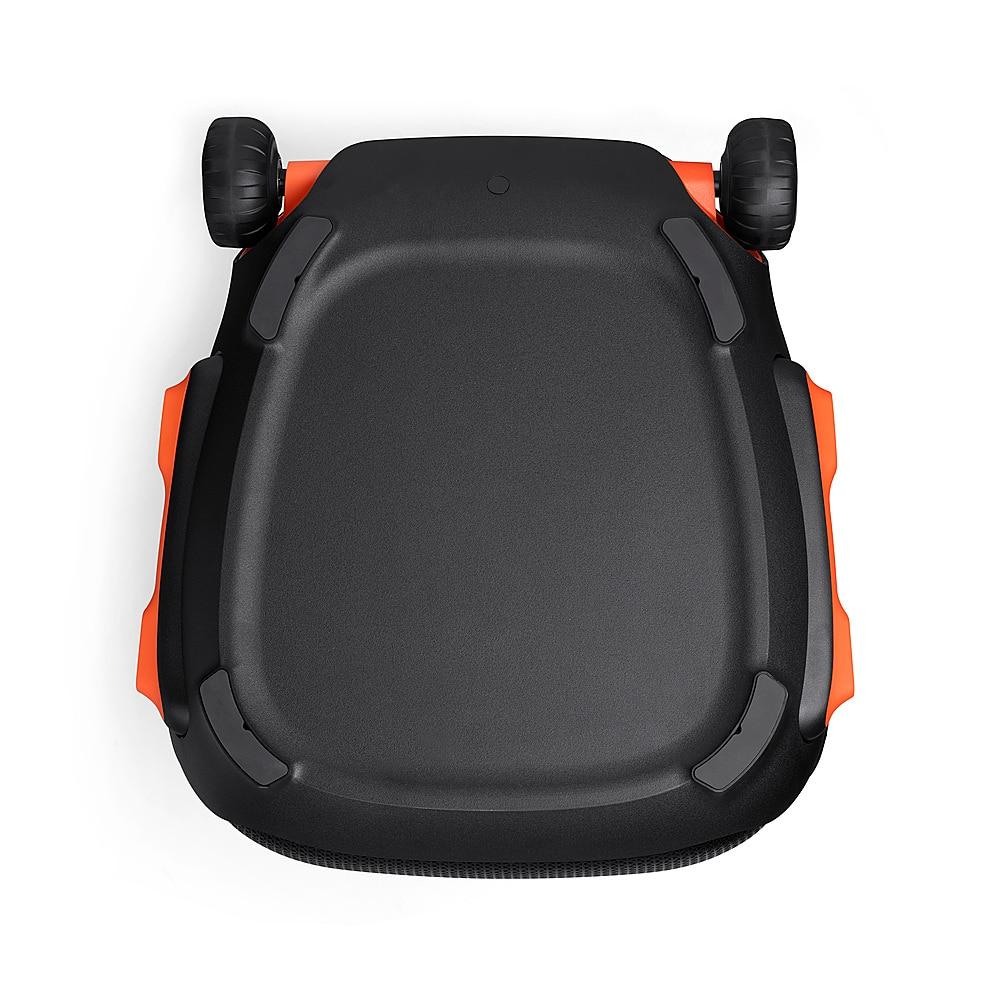
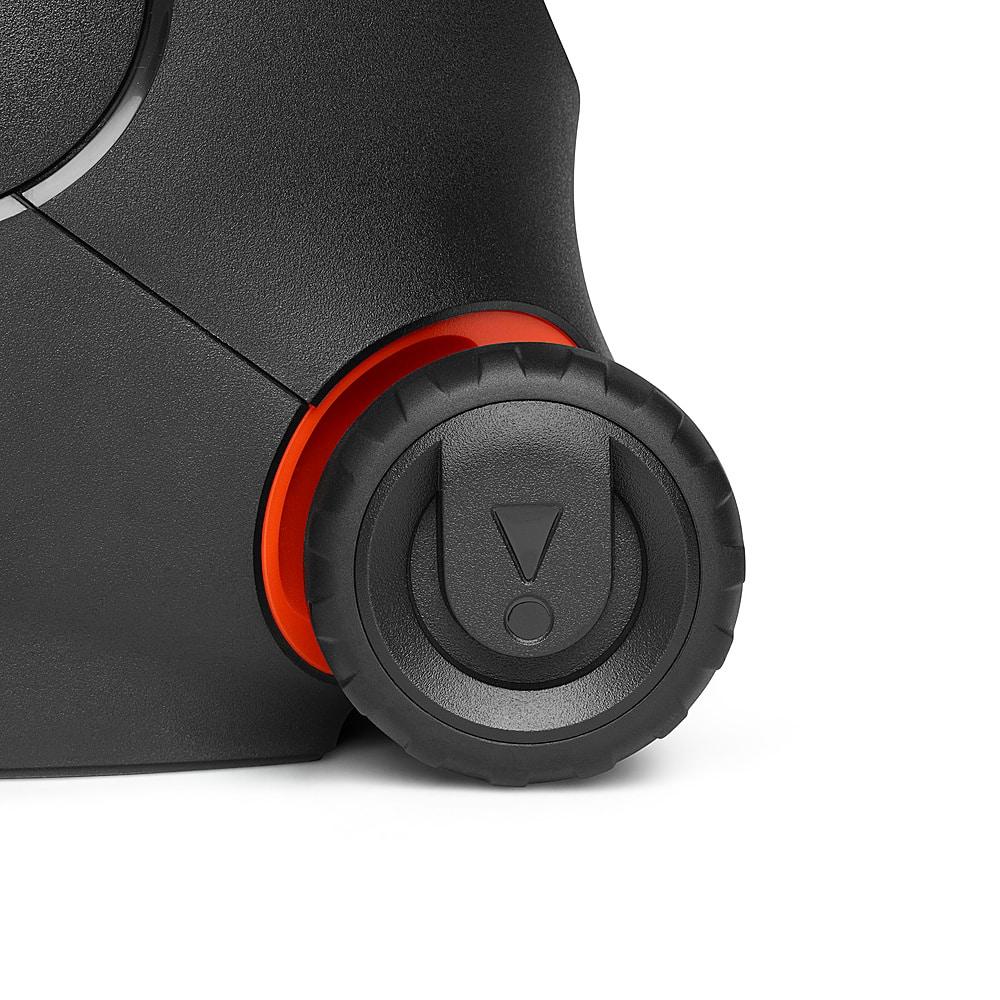
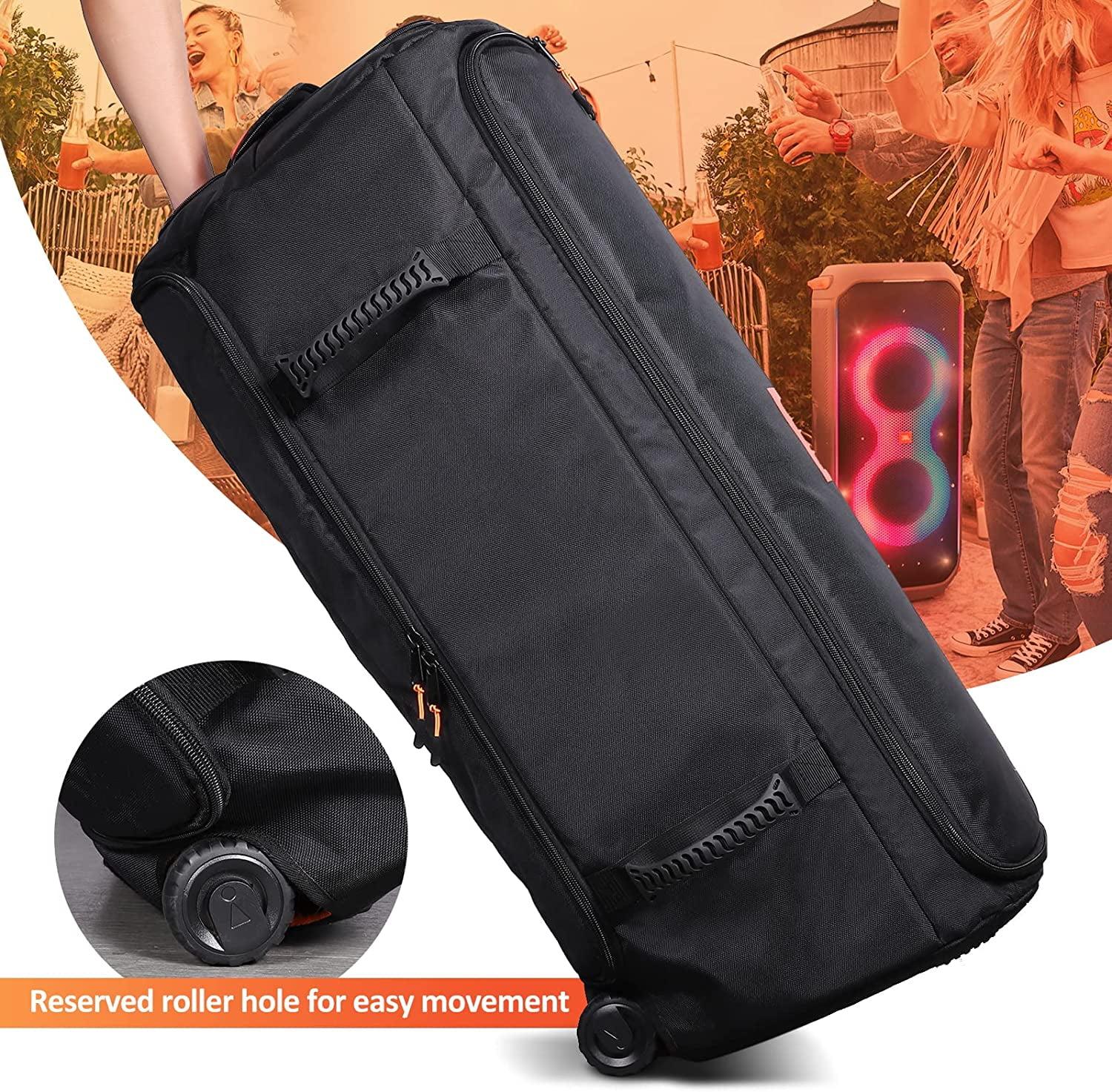
Neither speaker is truly portable as both require AC power, but the Marshall Woburn III is much lighter at 16.4 pounds compared to the JBL PartyBox 710 at 61.3 pounds. However, the JBL PartyBox 710 includes wheels and a handle for easier transport between party locations, while the Marshall Woburn III is designed for stationary home placement.
Both speakers support Bluetooth, but with different capabilities. The Marshall Woburn III uses newer Bluetooth 5.2 with multipoint connection (connect two devices simultaneously) and better stability. The JBL PartyBox 710 uses Bluetooth 5.1 and focuses on simple, reliable party connections. The Marshall Woburn III offers more advanced Bluetooth features for home use.
The JBL PartyBox 710 delivers much deeper and more powerful bass with its dual 8-inch woofers and 800W of power. It's designed to produce physical bass impact you can feel, perfect for bass-heavy music genres. The Marshall Woburn III has controlled, accurate bass that's well-balanced with other frequencies but lacks the raw power and impact of the JBL PartyBox 710.
The JBL PartyBox 710 is excellent for karaoke and live performance with dedicated microphone inputs, vocal EQ controls (bass, treble, echo), and guitar input capability. It's designed for entertainment and crowd engagement. The Marshall Woburn III has no microphone inputs or performance features, making the JBL PartyBox 710 the only viable choice for karaoke and live music.
Value depends on your needs. The JBL PartyBox 710 offers excellent value for event hosting with its powerful output, light shows, weather resistance, and performance features. The Marshall Woburn III provides better value for home audio enthusiasts who want premium sound quality, TV integration, and classic design. Choose based on whether you prioritize party features or home listening quality.
The JBL PartyBox 710 can reach approximately 104 dB and easily fills large outdoor areas, even covering up to 1/3 acre according to user reports. The Marshall Woburn III reaches about 98 dB, which is plenty loud for indoor spaces but not designed for large outdoor coverage. For maximum volume and space filling, the JBL PartyBox 710 is significantly more powerful.
The Marshall Woburn III is much better for apartment living with its balanced sound signature, Dynamic Loudness feature that maintains quality at lower volumes, and Night Mode for reduced disturbance. The JBL PartyBox 710 is designed for maximum impact and would likely disturb neighbors, while the Marshall Woburn III excels at delivering great sound at apartment-friendly volumes.
Only the JBL PartyBox 710 includes lighting effects with customizable RGB light shows, strobes, and synchronized patterns that dance to your music. These can be controlled via the PartyBox app for different party atmospheres. The Marshall Woburn III has no lighting effects but focuses on classic Marshall amplifier aesthetics that complement home décor rather than creating visual excitement like the JBL PartyBox 710.
The Marshall Woburn III offers more comprehensive connectivity with HDMI ARC, RCA inputs, 3.5mm AUX, and advanced Bluetooth 5.2 with multipoint connection. This makes it ideal for connecting multiple home audio sources. The JBL PartyBox 710 focuses on performance-oriented inputs with microphone/guitar inputs, USB playback, and basic connectivity, making the Marshall Woburn III more versatile for home integration.
We've done our best to create useful and informative comparisons to help you decide what product to buy. Our research uses advanced automated methods to create this comparison and perfection is not possible - please contact us for corrections or questions. These are the sites we've researched in the creation of this article: rtings.com - audioadvice.com - crutchfield.com - youtube.com - bestbuy.com - rtings.com - youtube.com - youtube.com - youtube.com - versus.com - worldwidestereo.com - rtings.com - jbl.com - youtube.com - expertvoice.com - jbl.com - jbl.com.tw - robot-advance.com - youtube.com - hu.harmanaudio.com - onward.ph - harmanaudio.in - youtube.com - youtube.com - manuals.plus - global.jbl.com - de.jbl.com - ro.harmanaudio.com - loudersound.com - ash-asia.zendesk.com - armorsound.com - rtings.com - crutchfield.com - rtings.com - stereoguide.com - bestbuy.com - hometechnologyreview.com - crutchfield.com - sweetwater.com - rtings.com - youtube.com - greentoe.com - versus.com - idownloadblog.com - marshall.com - youtube.com - comparisontabl.es - youtube.com - versus.com - crutchfield.com - device.report - consumerreports.org - sg.tcacoustic.asia - stereoindex.com - safemark.com - smarthomesounds.co.uk - marshall.com - device.report - bestbuy.com - marshall.com

Privacy Policy
Terms and Conditions - Affiliate Policy
Home Security
© Copyright 2008-2026.
11816 Inwood Rd #1211, Dallas, TX 75244