

When it comes to throwing an unforgettable party, your speaker choice can make or break the entire event. Two heavyweights dominate this space: the JBL PartyBox 310 and the Sony SRS-XV800. Both promise to pump out serious sound while keeping your guests entertained, but they take surprisingly different approaches to achieve this goal.
Party speakers aren't your typical bookshelf speakers—they're engineered for a completely different mission. While audiophile speakers focus on accurate sound reproduction, party speakers prioritize getting loud, staying loud, and adding visual flair to keep the energy high. Think of them as the difference between a luxury sedan and a monster truck: both have their place, but you wouldn't take a sedan to a muddy construction site.
The most critical factors for party speakers include raw power output (measured in watts RMS, which tells you the continuous power the speaker can handle), battery life for cordless operation, portability despite their substantial size, and entertainment features like light shows and microphone inputs. Weather resistance matters too, since many parties happen poolside or on patios where splashes are inevitable.
What separates great party speakers from mediocre ones is their ability to maintain clear, punchy sound even when cranked to maximum volume. Cheaper speakers often distort badly at high volumes, turning your favorite songs into a muddy mess. The best party speakers use larger drivers (the actual speakers inside the cabinet) and more powerful amplifiers to keep everything clean and controlled.
The JBL PartyBox 310, released in 2024, represents JBL's "maximum impact" philosophy. It's designed to be the loudest, most portable party speaker you can easily move around. The Sony SRS-XV800, launched in 2023, takes a more refined approach, focusing on extended battery life, versatile connectivity, and balanced sound quality.
Both speakers emerged during a period when manufacturers were pushing the boundaries of battery-powered audio. The technology improvements in lithium-ion batteries and efficient Class-D amplifiers (which waste less energy as heat) have made it possible to create speakers this powerful that can run for hours without being plugged in.
Here's where the fundamental difference between these speakers becomes crystal clear. The JBL PartyBox 310 absolutely dominates in raw power, delivering 240 watts RMS when plugged into AC power and 140 watts on battery. To put this in perspective, that's roughly equivalent to a small concert PA system from just a decade ago.
The Sony SRS-XV800 takes a more conservative approach with 70 watts RMS, but don't let the lower number fool you. Sony's X-Balanced speaker technology uses rectangular-shaped woofers instead of traditional round ones. This design allows for a larger diaphragm surface area within the same cabinet space, which means more air movement and better bass response. It's like comparing a traditional circular pizza to a square one—the square pizza has more actual pizza in the same box.
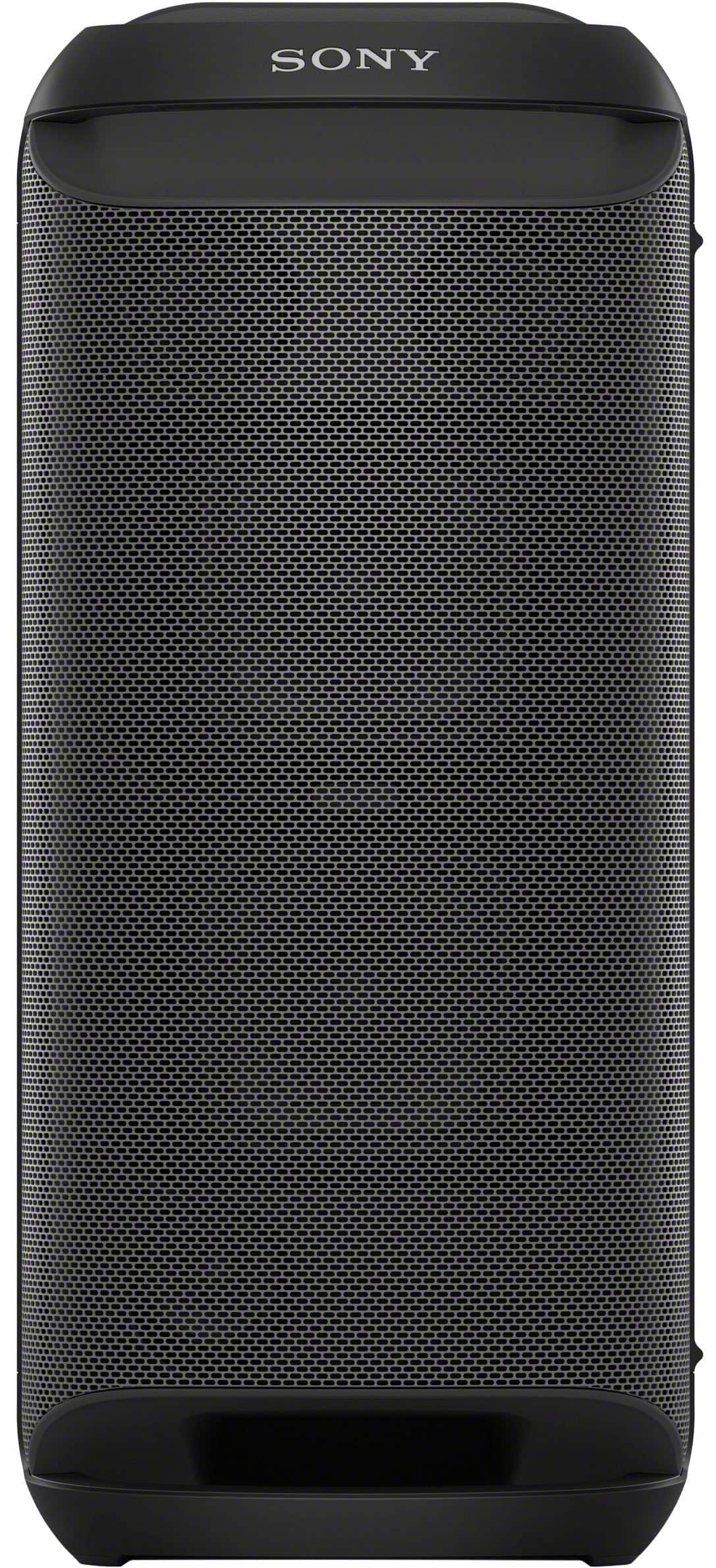
In real-world terms, the JBL will fill larger spaces more effectively and cut through ambient noise better at outdoor events. If you're hosting a pool party for 50 people or trying to energize a backyard barbecue, the extra power makes a noticeable difference. The Sony, however, compensates with its omnidirectional sound design—five dome tweeters positioned around the cabinet create a 360-degree sound field that distributes audio more evenly throughout the space.
The JBL PartyBox 310 delivers what audio engineers call a "V-shaped" frequency response—boosted bass and treble with slightly recessed midrange frequencies. This creates an exciting, energetic sound that makes vocals pop and bass lines thump. It's the audio equivalent of adding extra seasoning to your food: more flavor, more excitement, more party energy.
The Sony SRS-XV800 pursues a more neutral, balanced sound signature. Its five-tweeter array and X-Balanced woofers create better instrument separation, meaning you can distinguish individual instruments more clearly in complex musical passages. The bass is present and controlled but doesn't overwhelm the midrange where most vocals and lead instruments live.
For party environments, the JBL's approach often works better. When people are talking, laughing, and generally making noise, you need a speaker that can cut through the chaos. The bright, punchy sound of the PartyBox 310 accomplishes this effectively. However, if you plan to use your speaker for more diverse listening scenarios—background music during dinner parties, TV audio enhancement, or quieter gatherings—the Sony's balanced approach becomes more appealing.
Battery life represents one of the most significant practical differences between these speakers. The Sony SRS-XV800 claims up to 25 hours of playback, while the JBL PartyBox 310 promises 18 hours. However, these manufacturer claims require some interpretation.
Real-world testing by users and reviewers reveals more modest figures. The Sony XV800 delivers approximately 10 hours at moderate volume (around 65%) with lighting effects and bass boost enabled—the way most people actually use these speakers. The JBL PartyBox 310 provides 7-8 hours under similar conditions.
This difference becomes crucial for all-day events like wedding receptions, company picnics, or beach parties where access to power outlets might be limited. The Sony's superior efficiency comes partly from its lower power output, but also from more advanced power management circuitry that optimizes battery usage.
Both speakers include quick charging features, though the Sony's is more impressive—10 minutes of charging provides up to 3 hours of playback time. This can be a lifesaver when you realize your speaker died just before guests arrive.
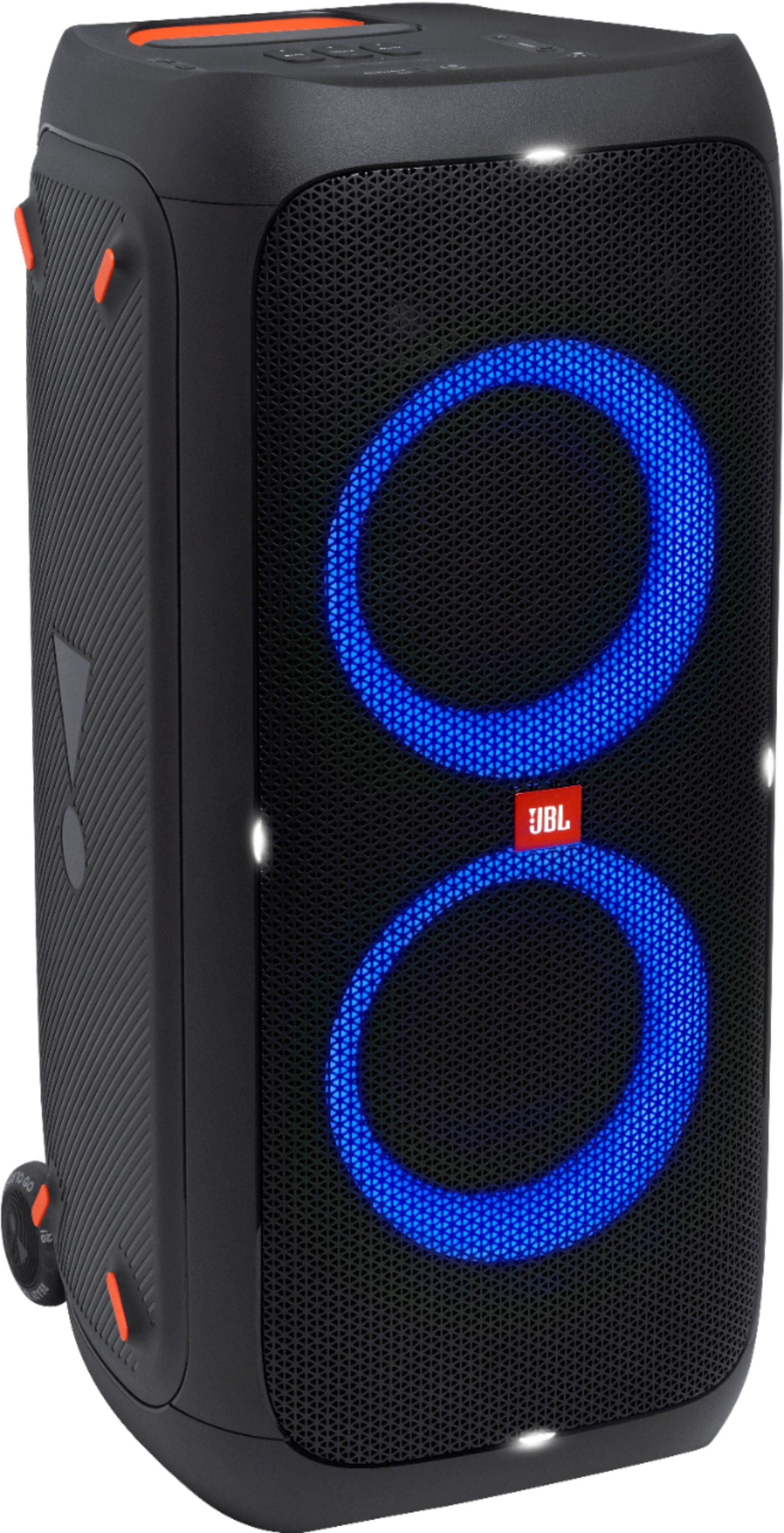
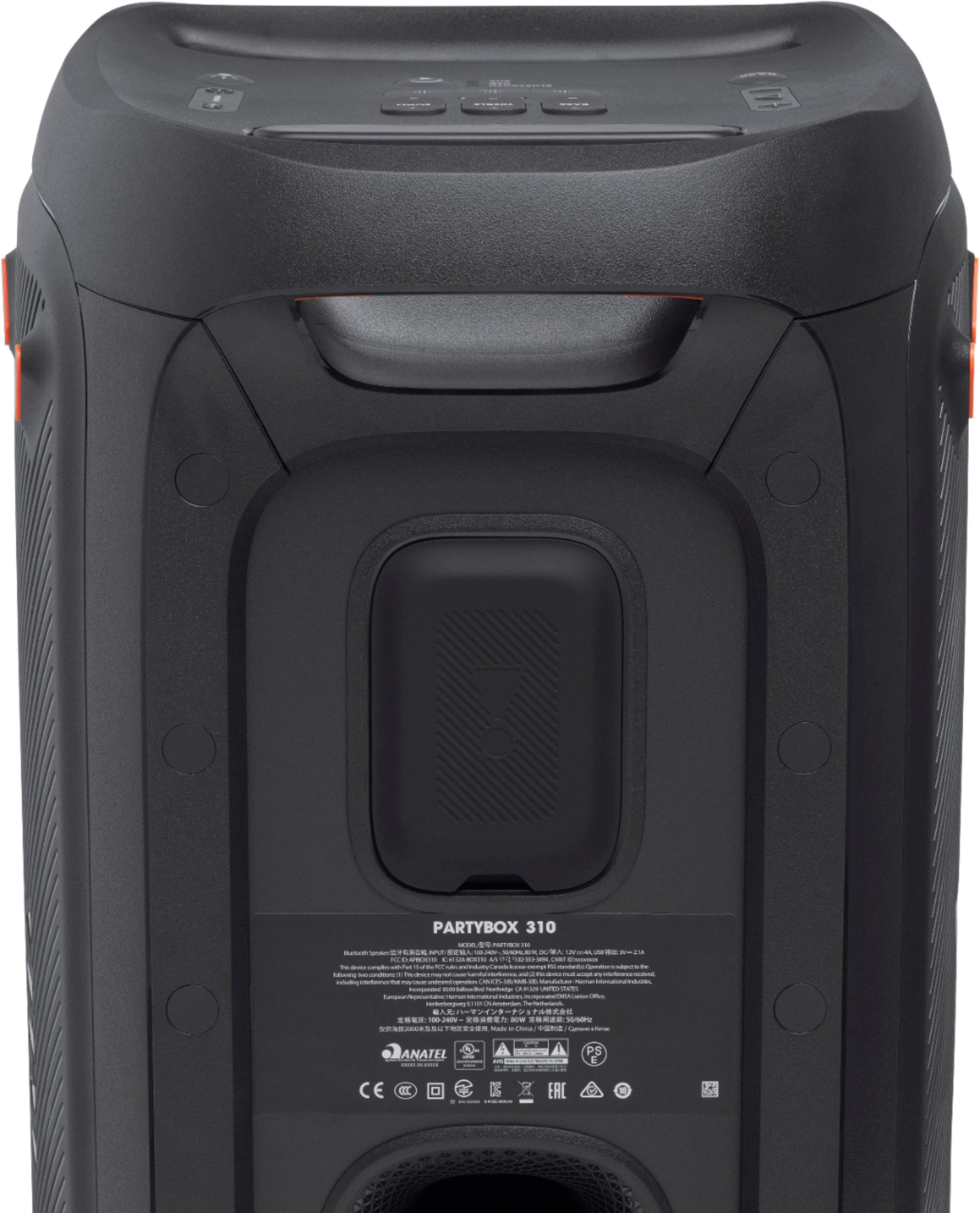
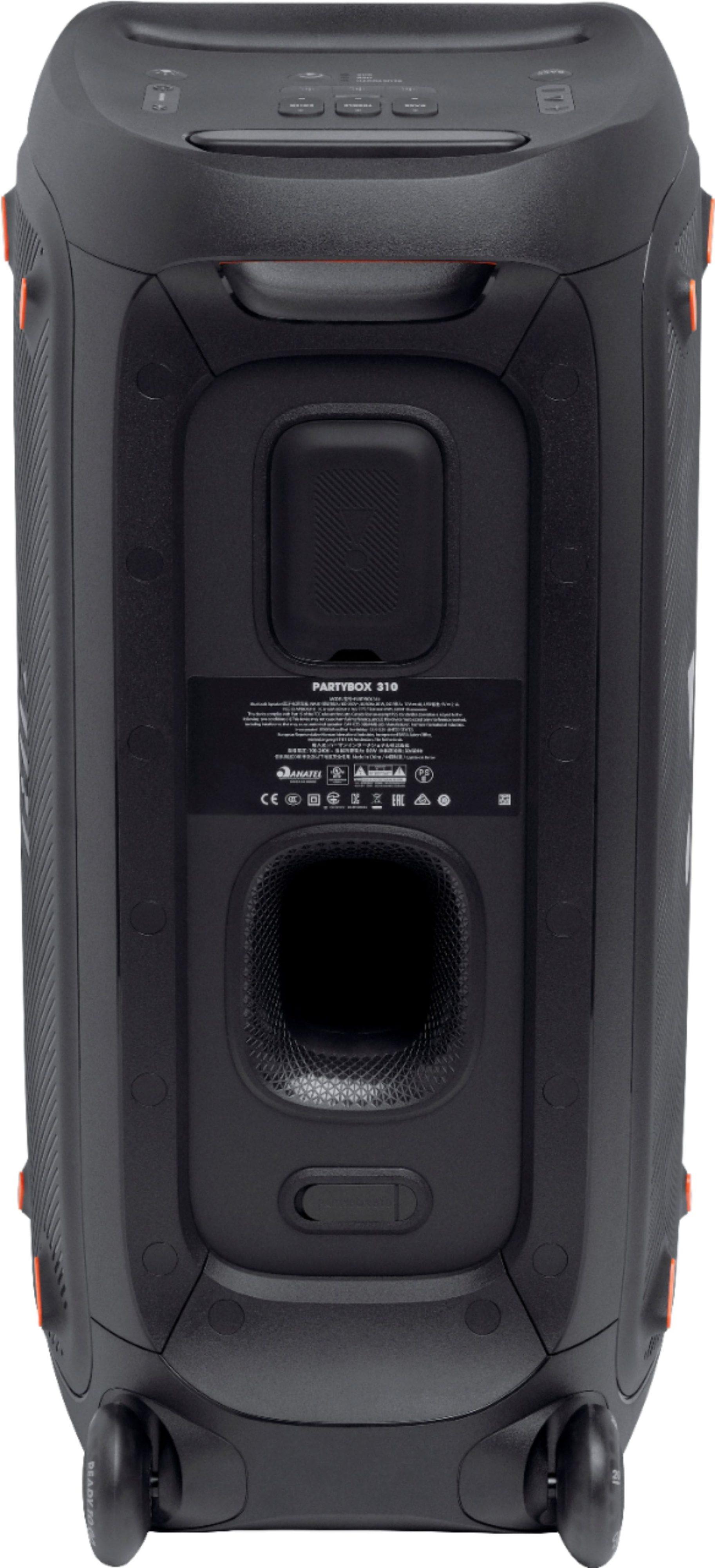
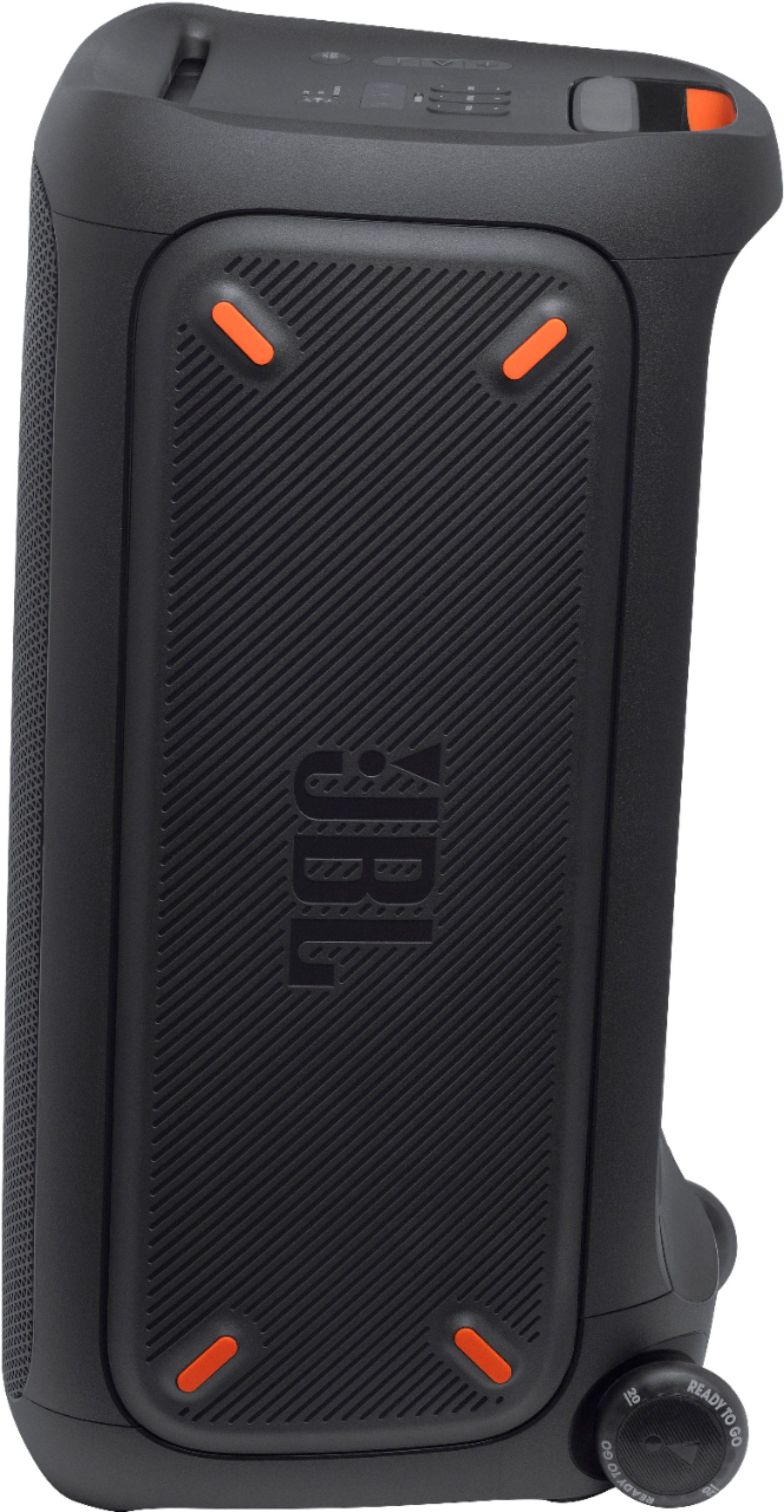
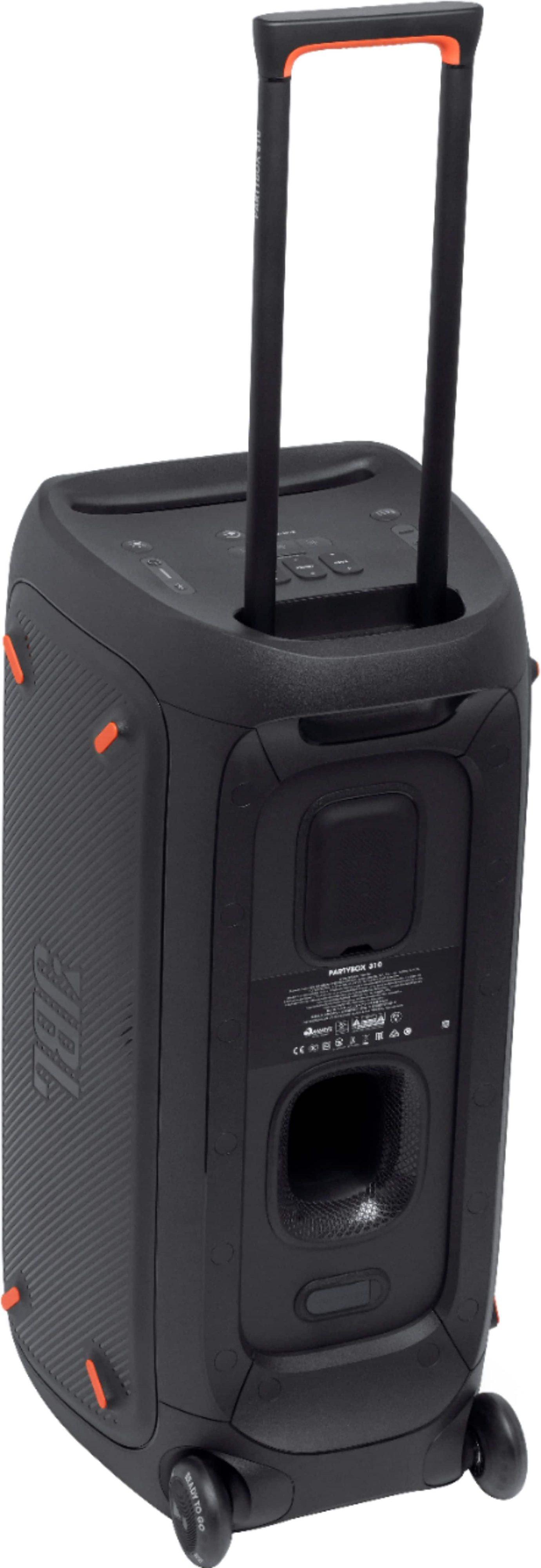
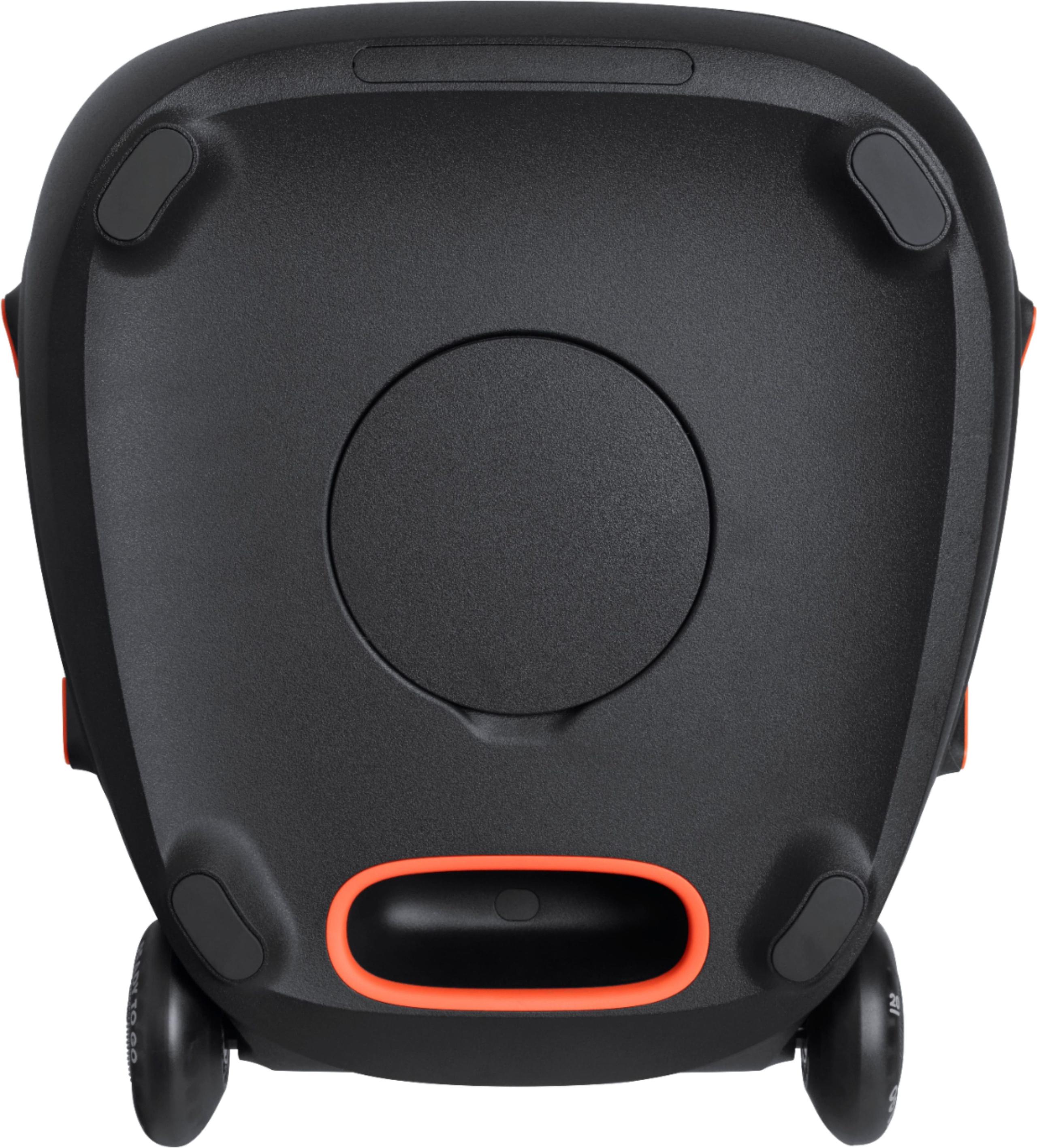
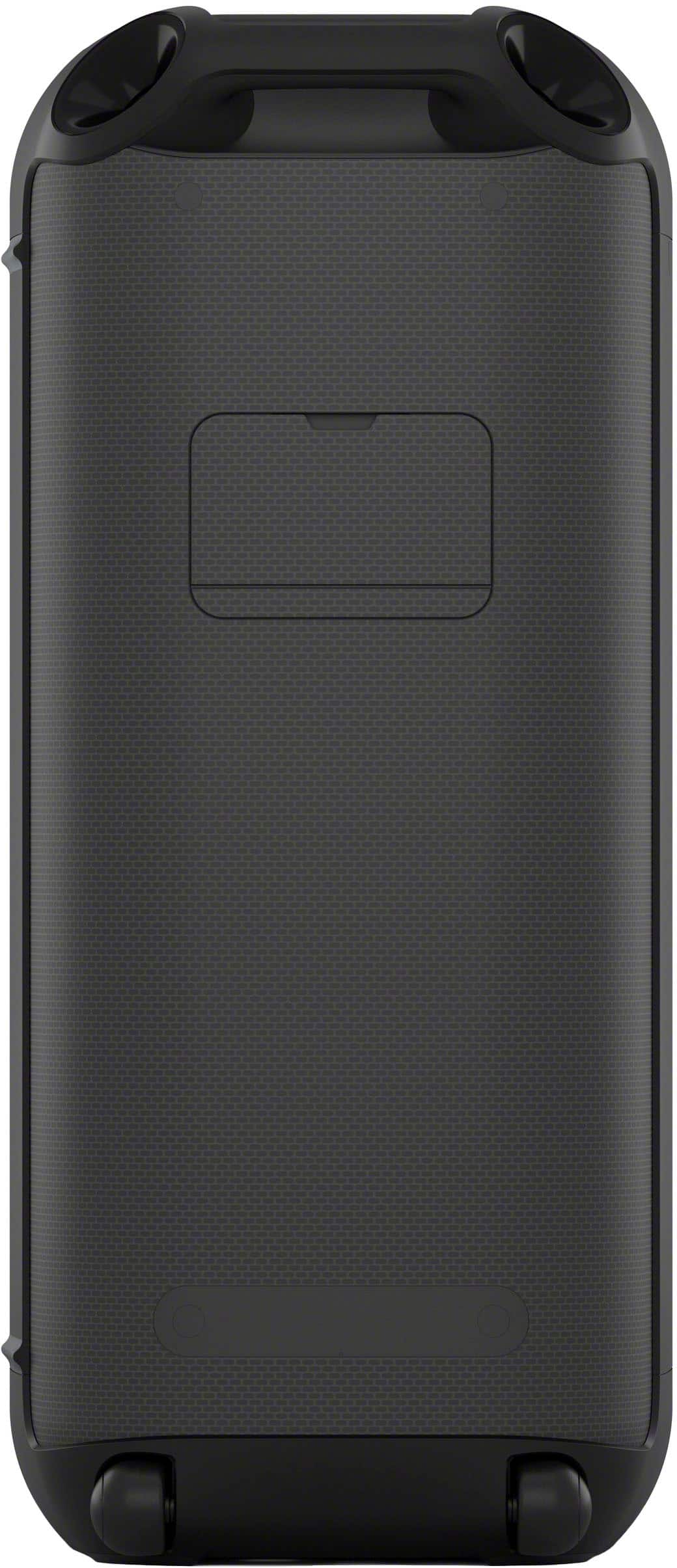
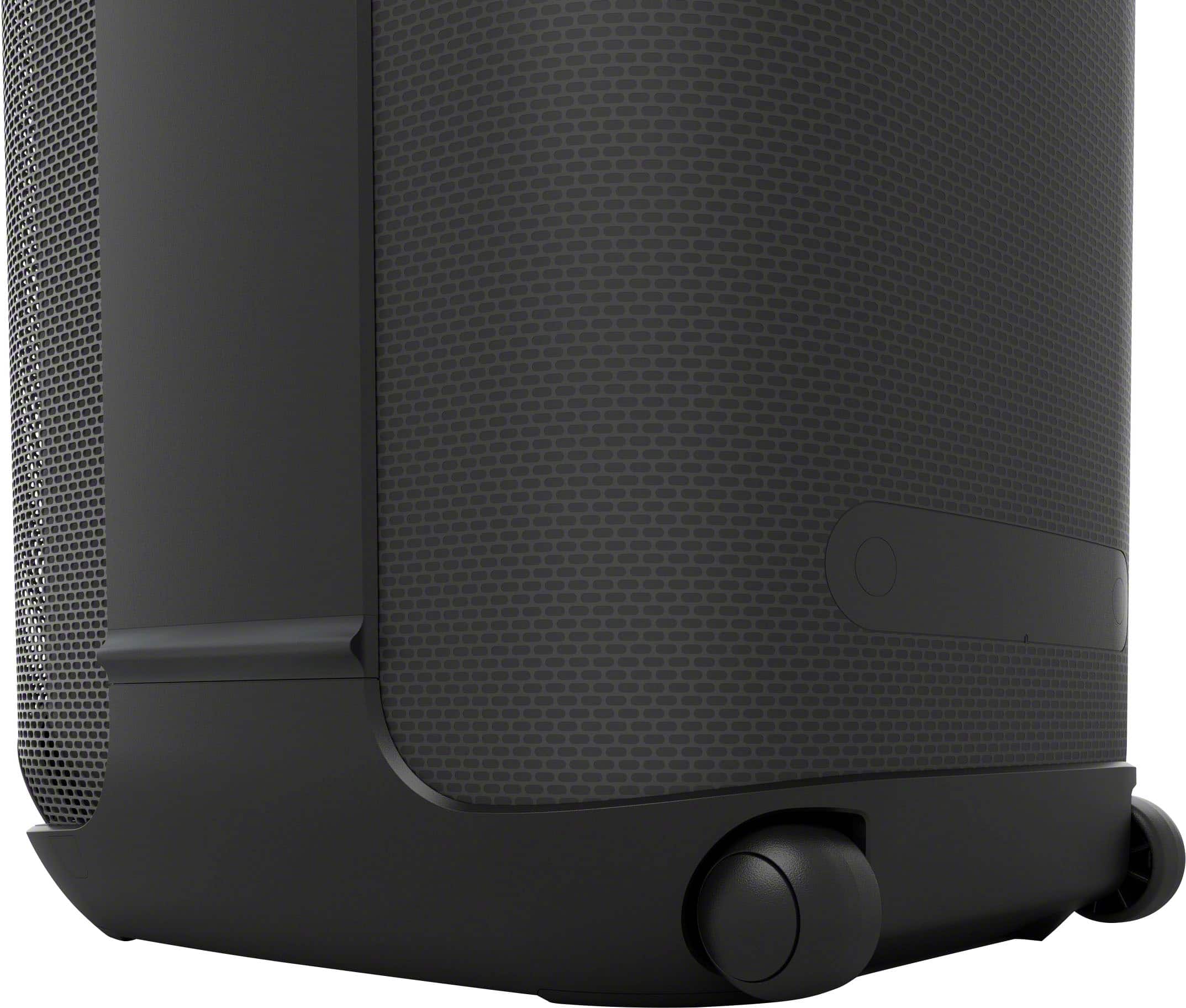
Despite weighing nearly 40 pounds each, both speakers prioritize portability through smart design choices. The JBL PartyBox 310 features a telescoping handle and smooth-rolling wheels that make it feel more manageable than its weight suggests. It's like rolling a small suitcase rather than carrying a heavy box.
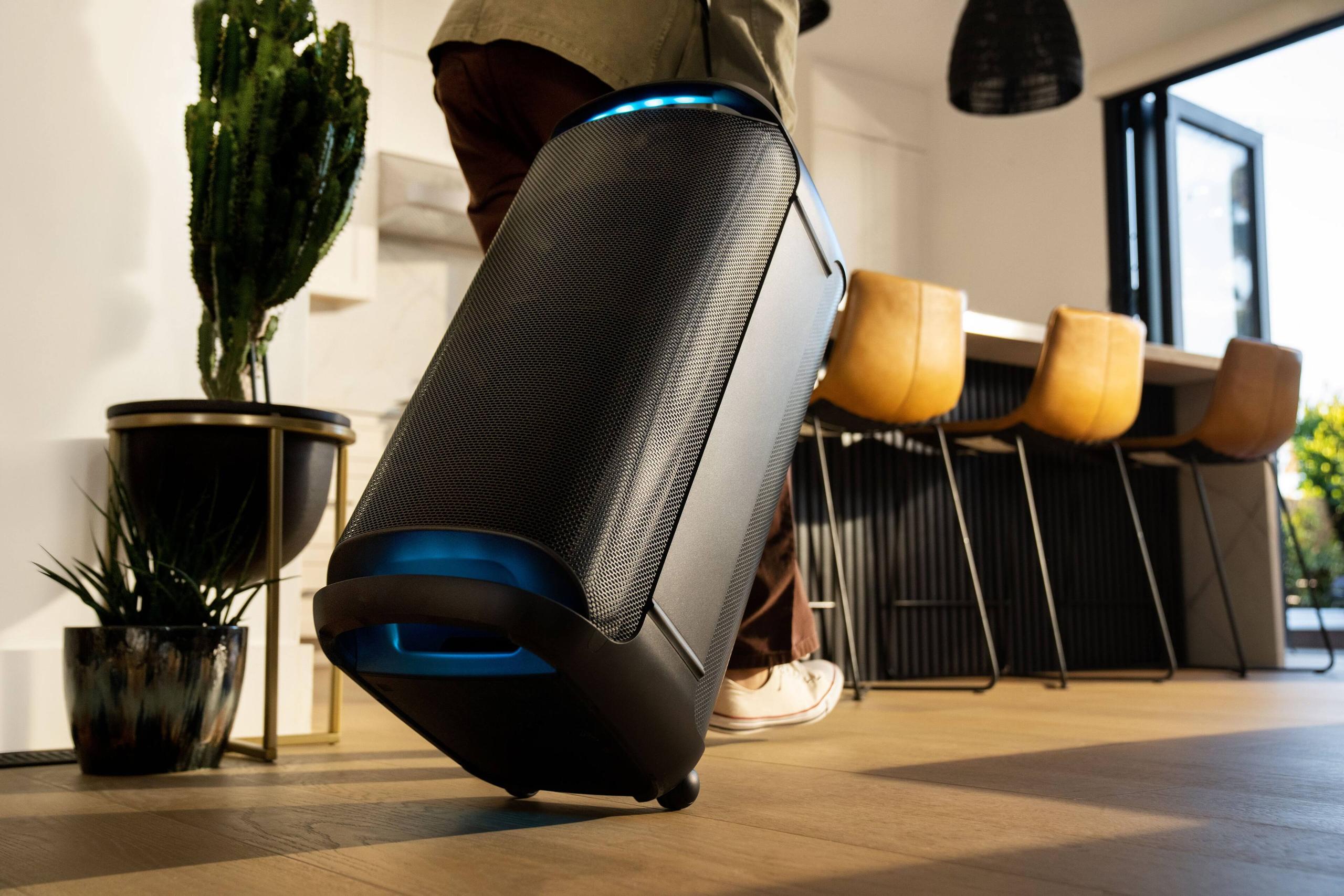
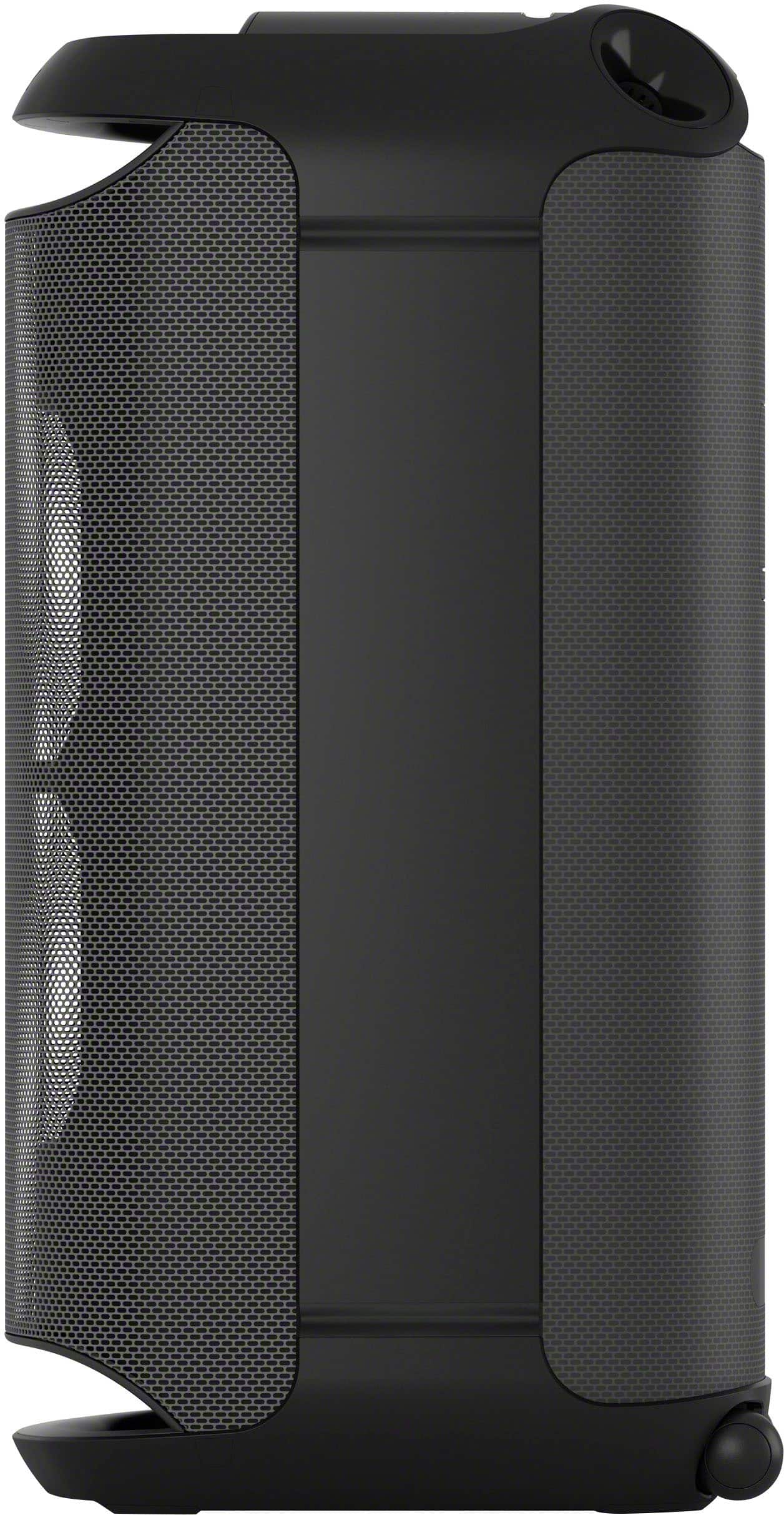
The Sony SRS-XV800 includes built-in handles and wheels but feels slightly less refined in its transport mechanism. The extra 2.4 pounds might not sound like much, but it becomes noticeable when you're maneuvering the speaker up stairs or loading it into a car.
Both speakers can theoretically fit in most car trunks, though you'll want to measure first. The JBL's dimensions (13" x 27" x 14.5") make it slightly more compact than the Sony's (12.5" x 28.4" x 14.8") footprint.
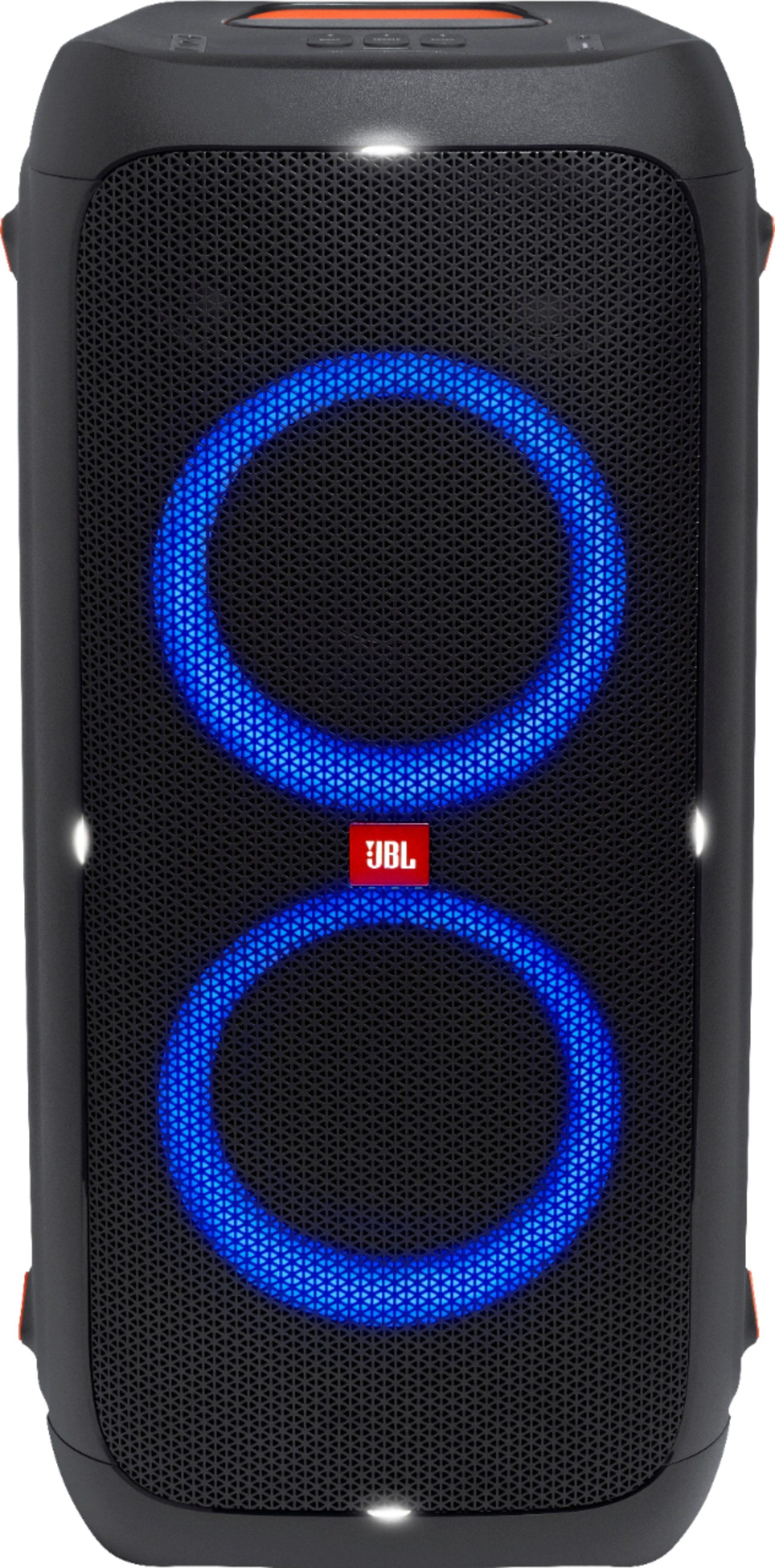
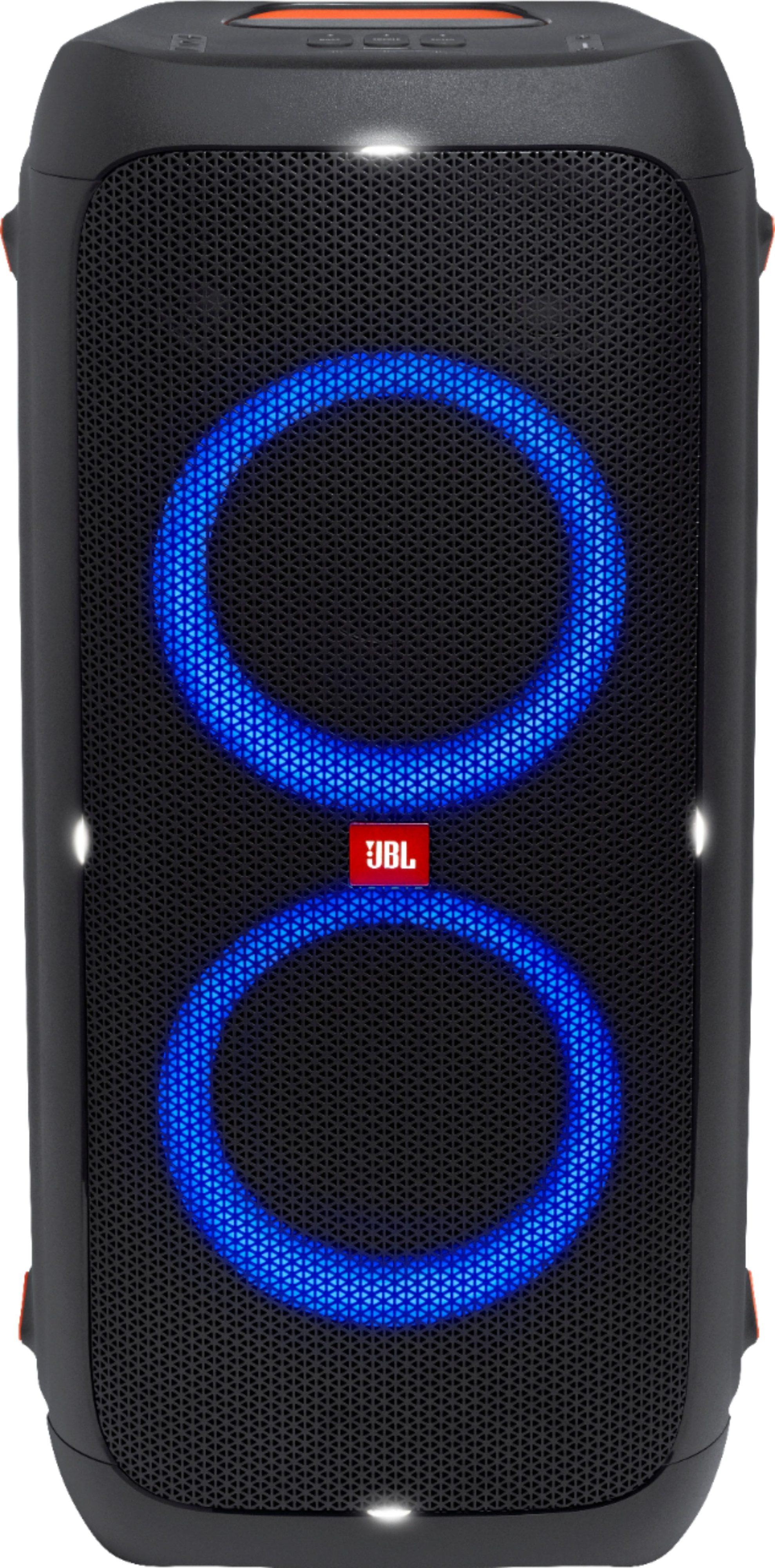
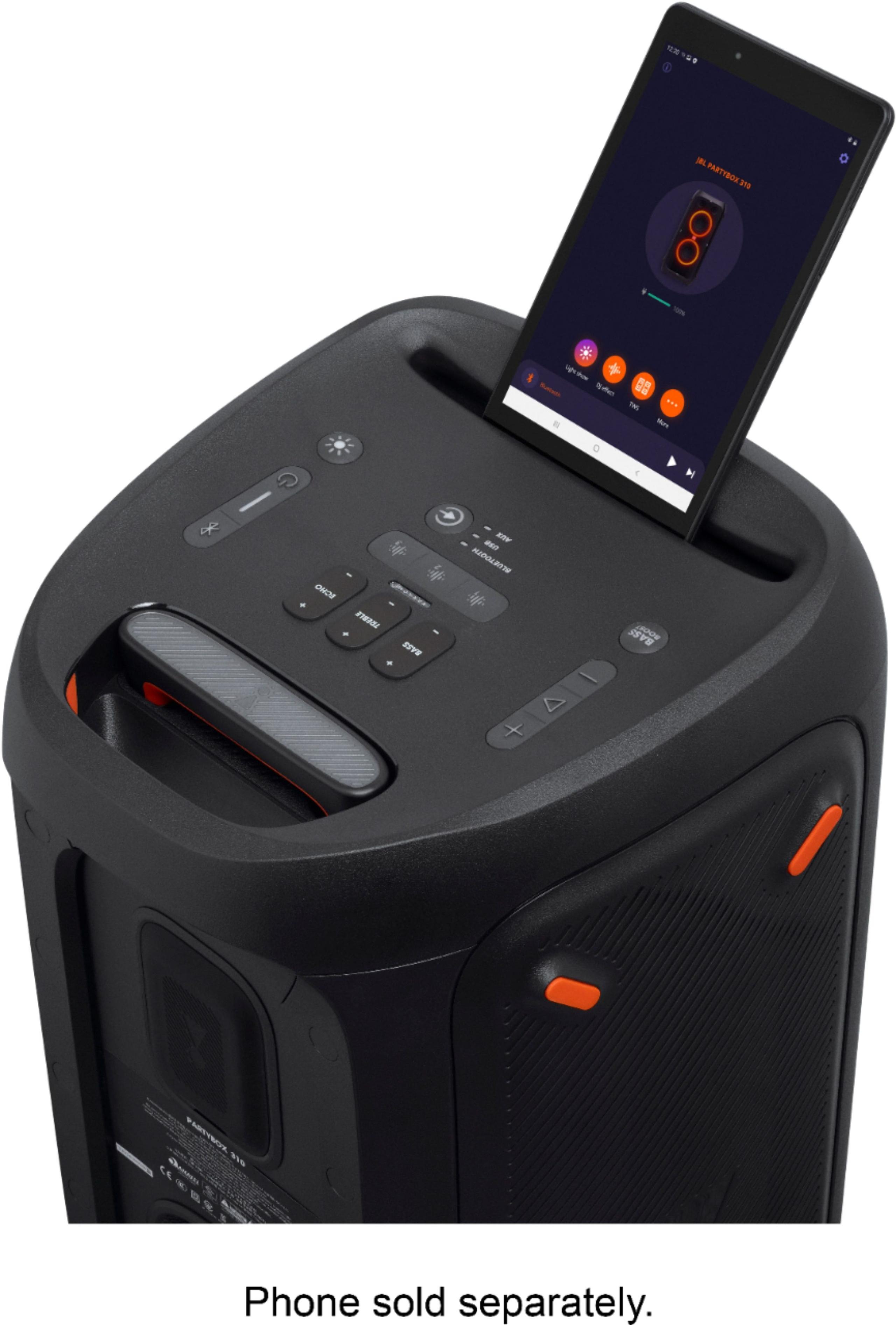
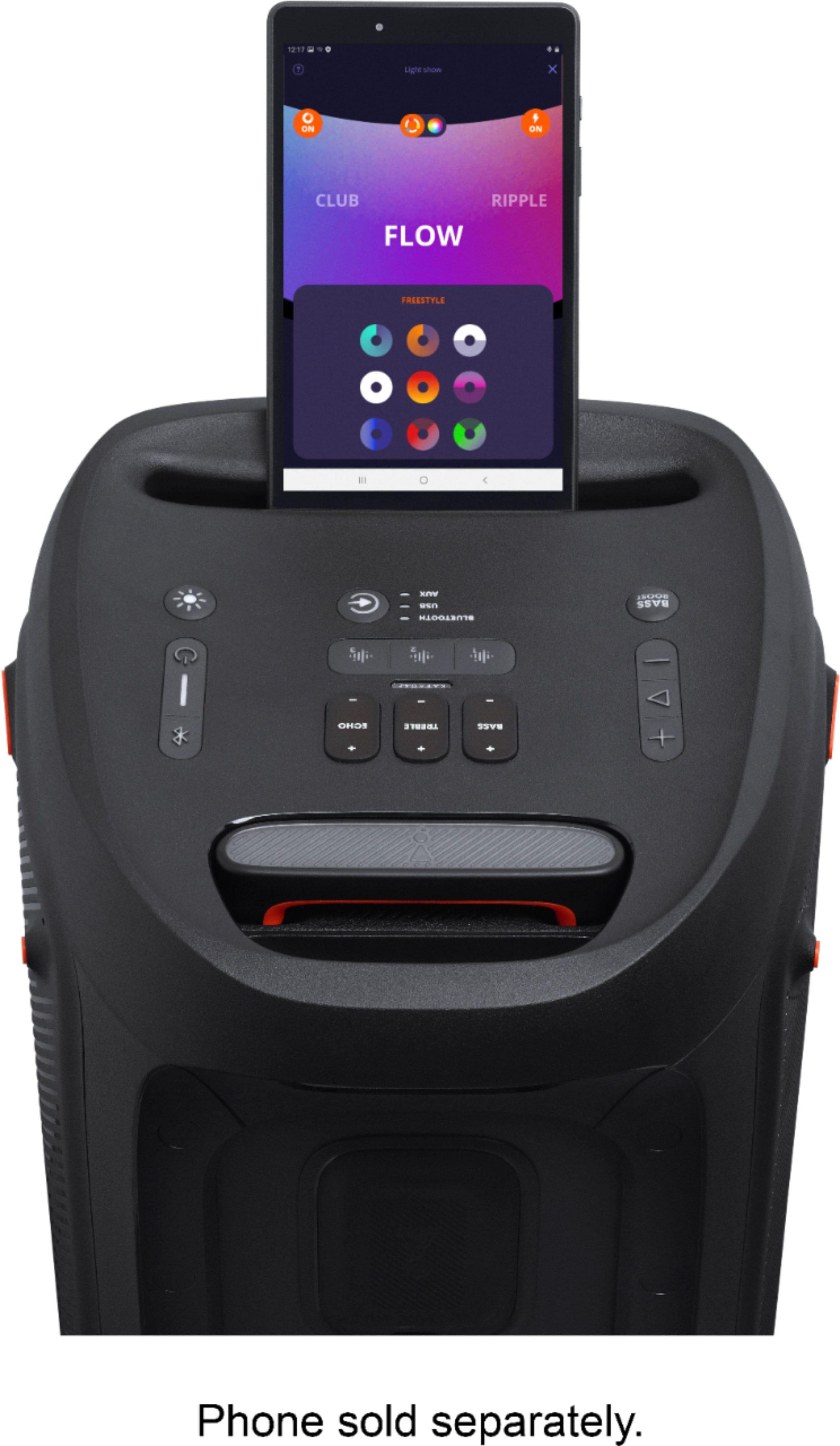
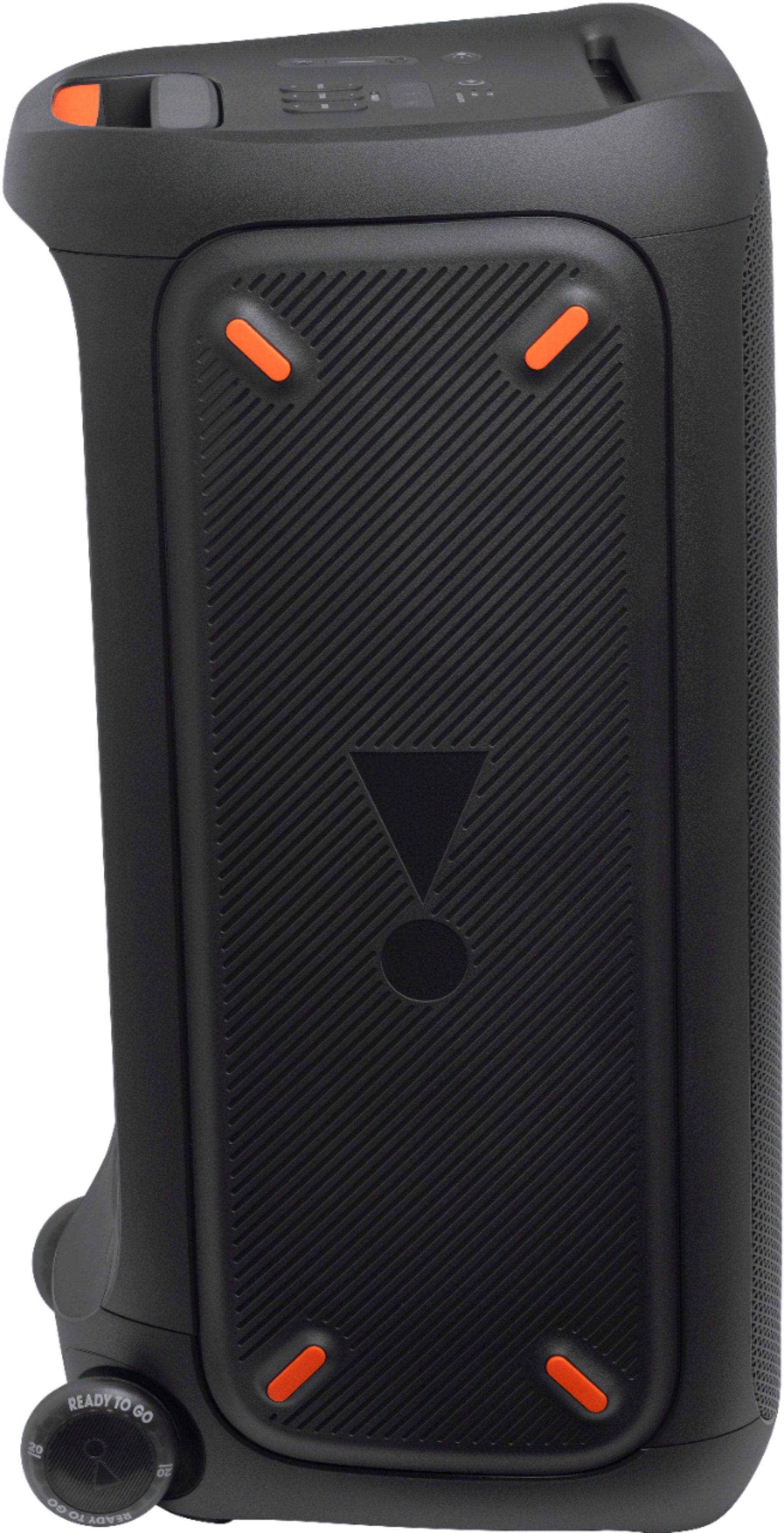
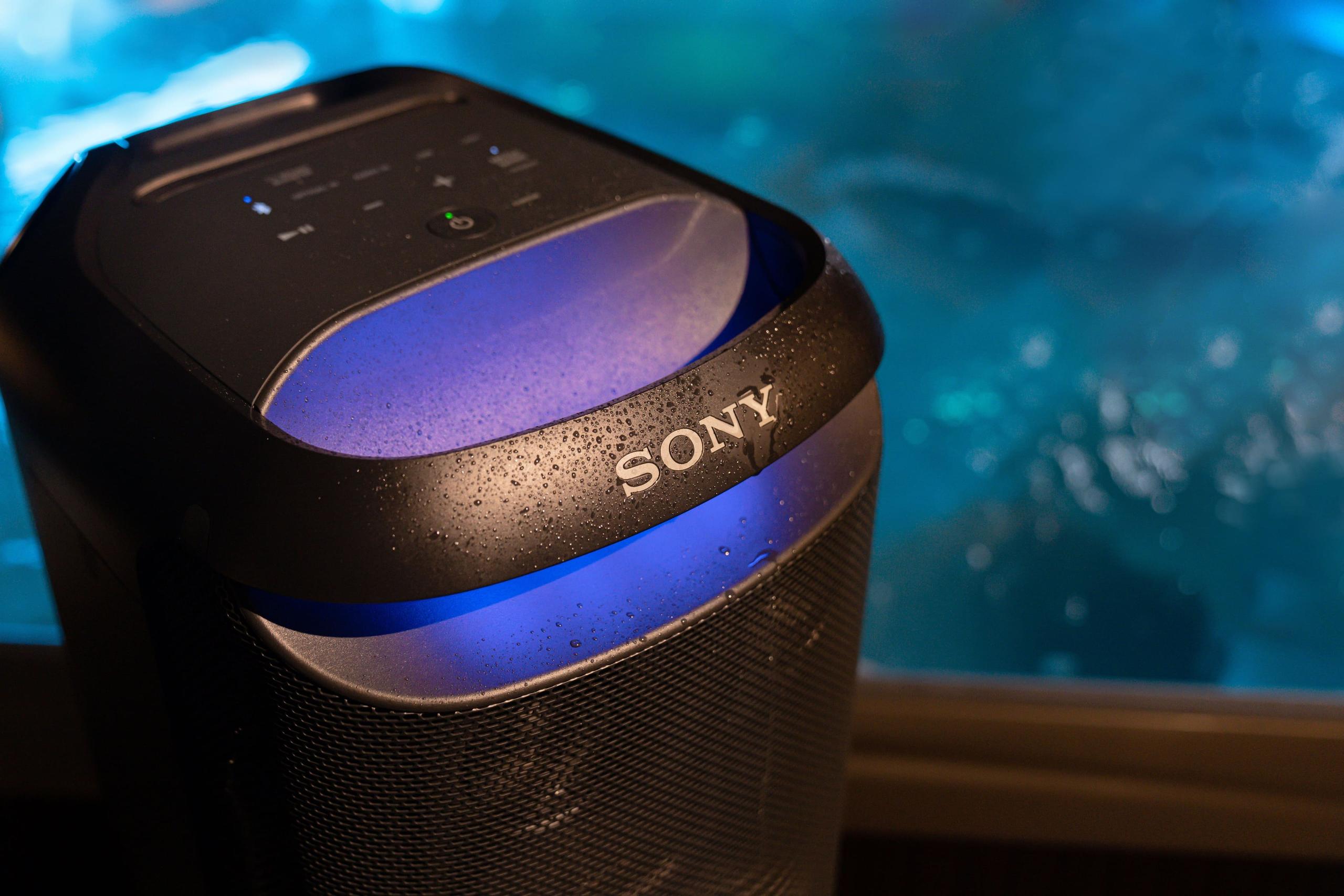
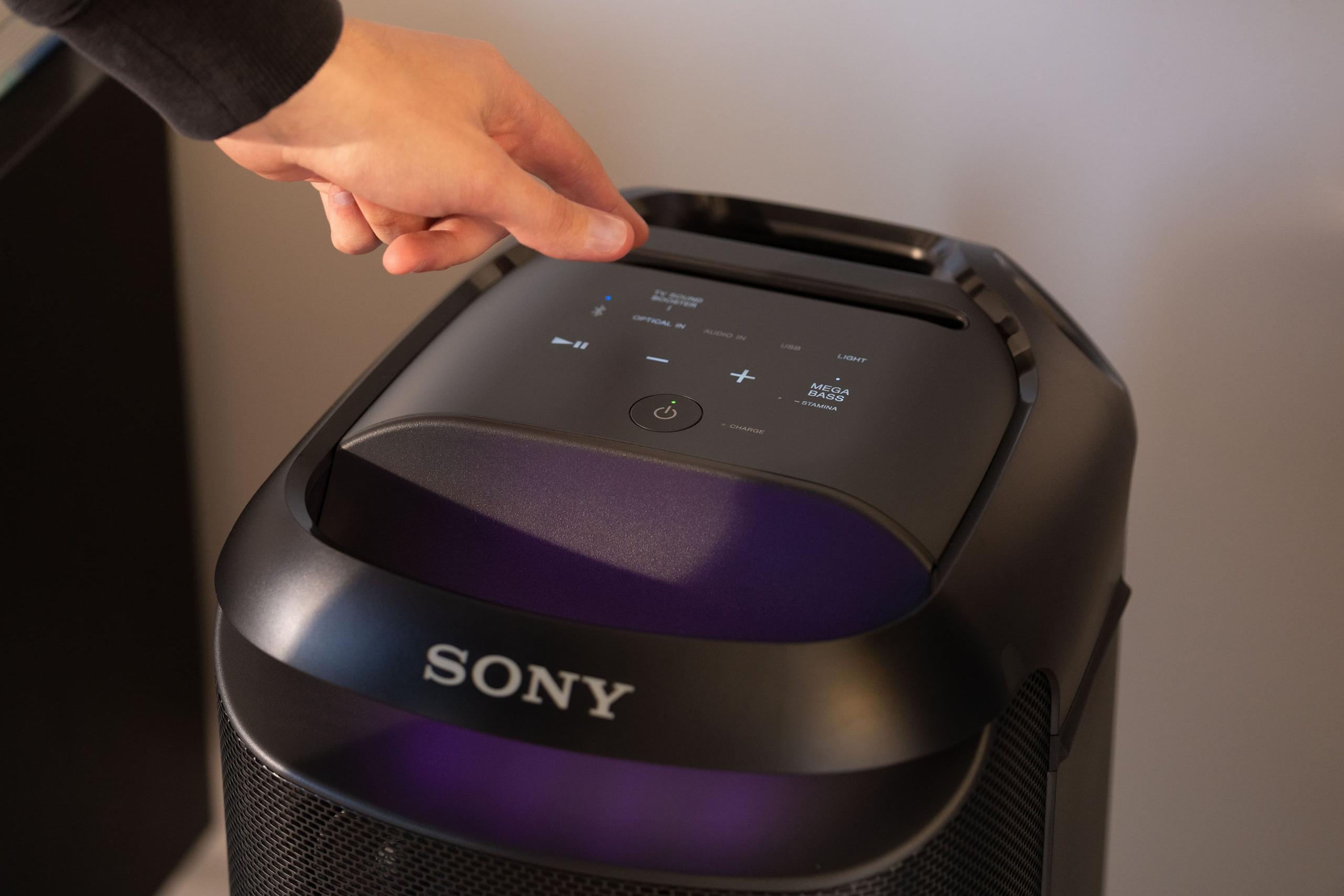
Party speakers aren't just about sound—they're also about creating atmosphere. The JBL PartyBox 310 takes a more aggressive approach with its lighting system, featuring two prominent light rings on the front panel plus strobe effects. The lights pulse, change colors, and synchronize with the music's beat, creating a genuine light show that can serve as the visual centerpiece of your party.
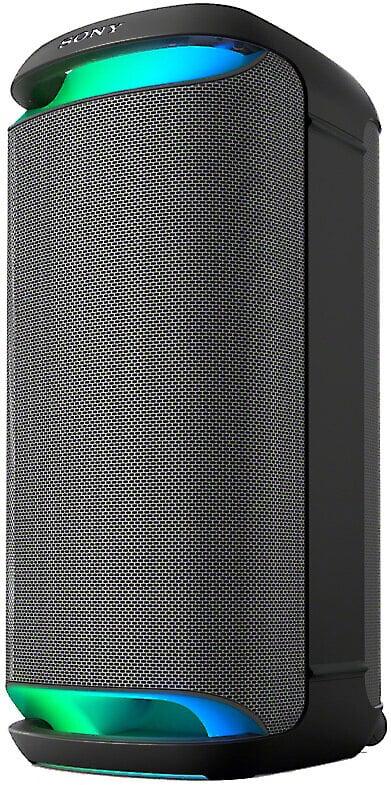
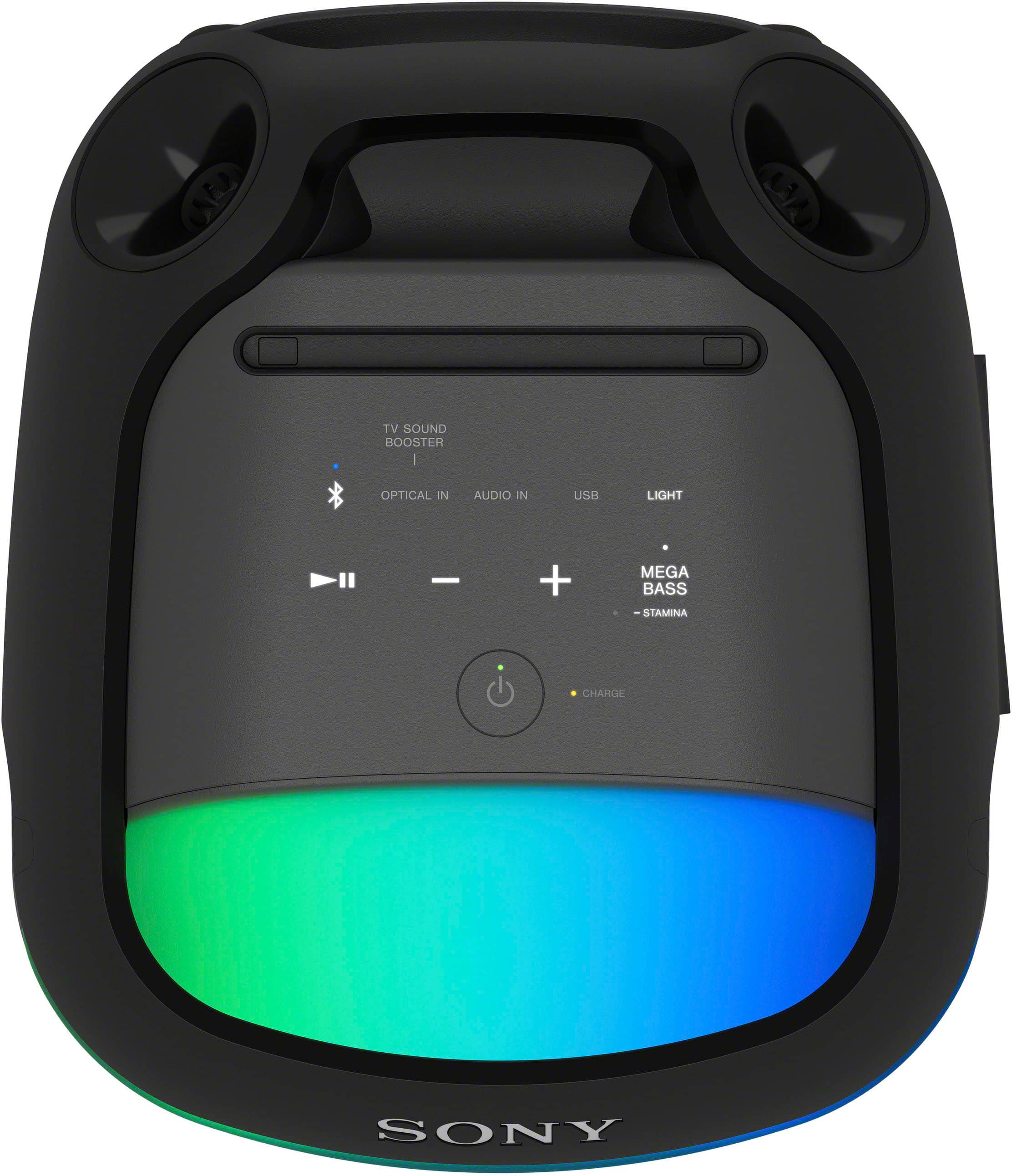
The Sony SRS-XV800 includes programmable LED lighting that's more subtle and customizable through the Fiestable app. While less flashy than the JBL's system, it offers more control over colors, patterns, and intensity. Some users prefer this approach for more sophisticated gatherings where you want ambient lighting rather than a full-blown disco effect.
Both systems allow you to disable the lights entirely to conserve battery life, though the party atmosphere definitely suffers without the visual element.
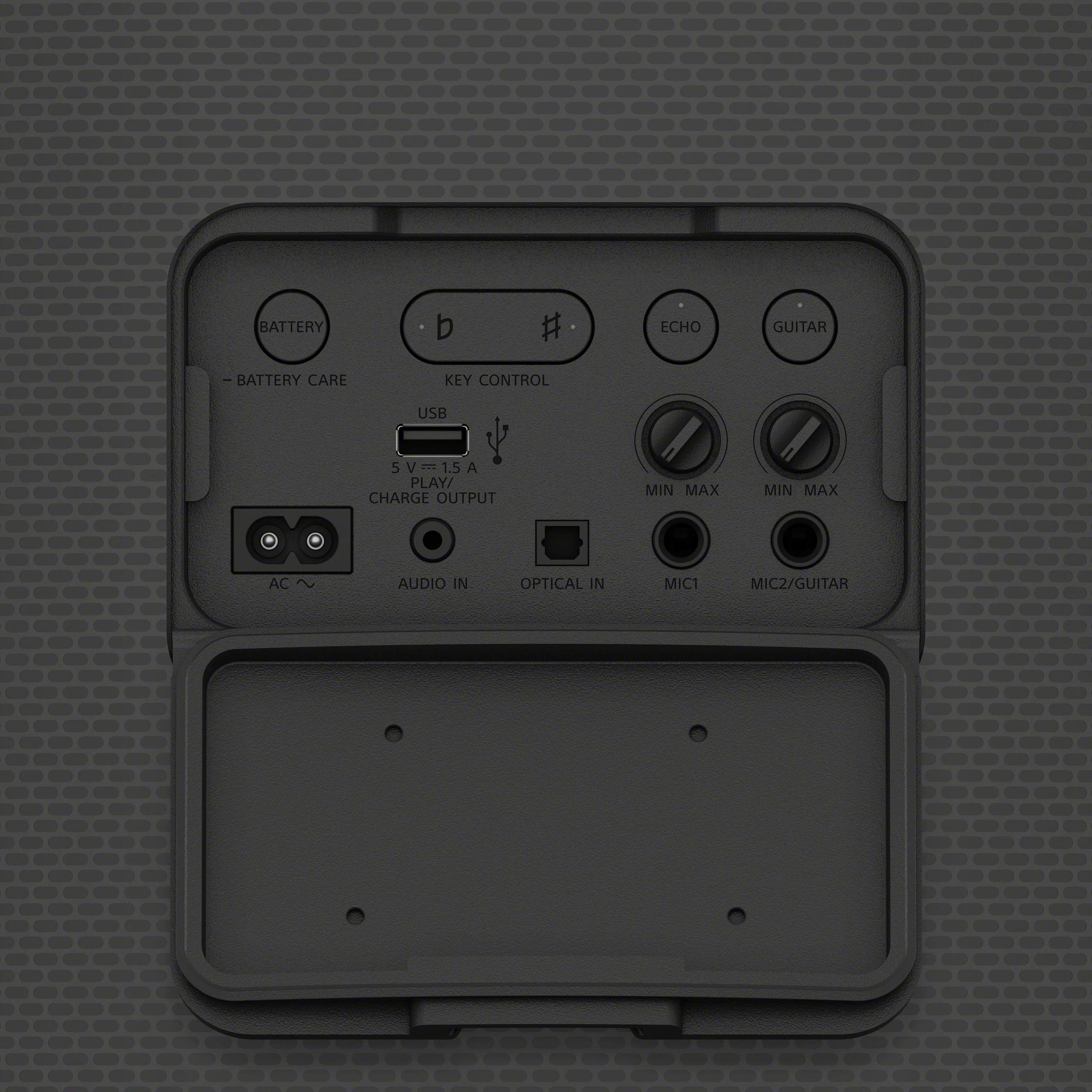
Modern party speakers need to handle audio from multiple sources, and both speakers excel here with different strengths. The Sony SRS-XV800 includes a unique optical digital input that allows direct connection to TVs, making it double as a powerful soundbar for movie nights or sports viewing. This feature transforms the speaker from a party-only device into a year-round home entertainment component.
Both speakers support high-quality Bluetooth codecs, but the Sony goes further with LDAC support. LDAC transmits up to three times more data than standard Bluetooth, preserving more musical detail when streaming from compatible Android devices or Sony smartphones. The JBL PartyBox 310 sticks with more universally compatible SBC and AAC codecs.
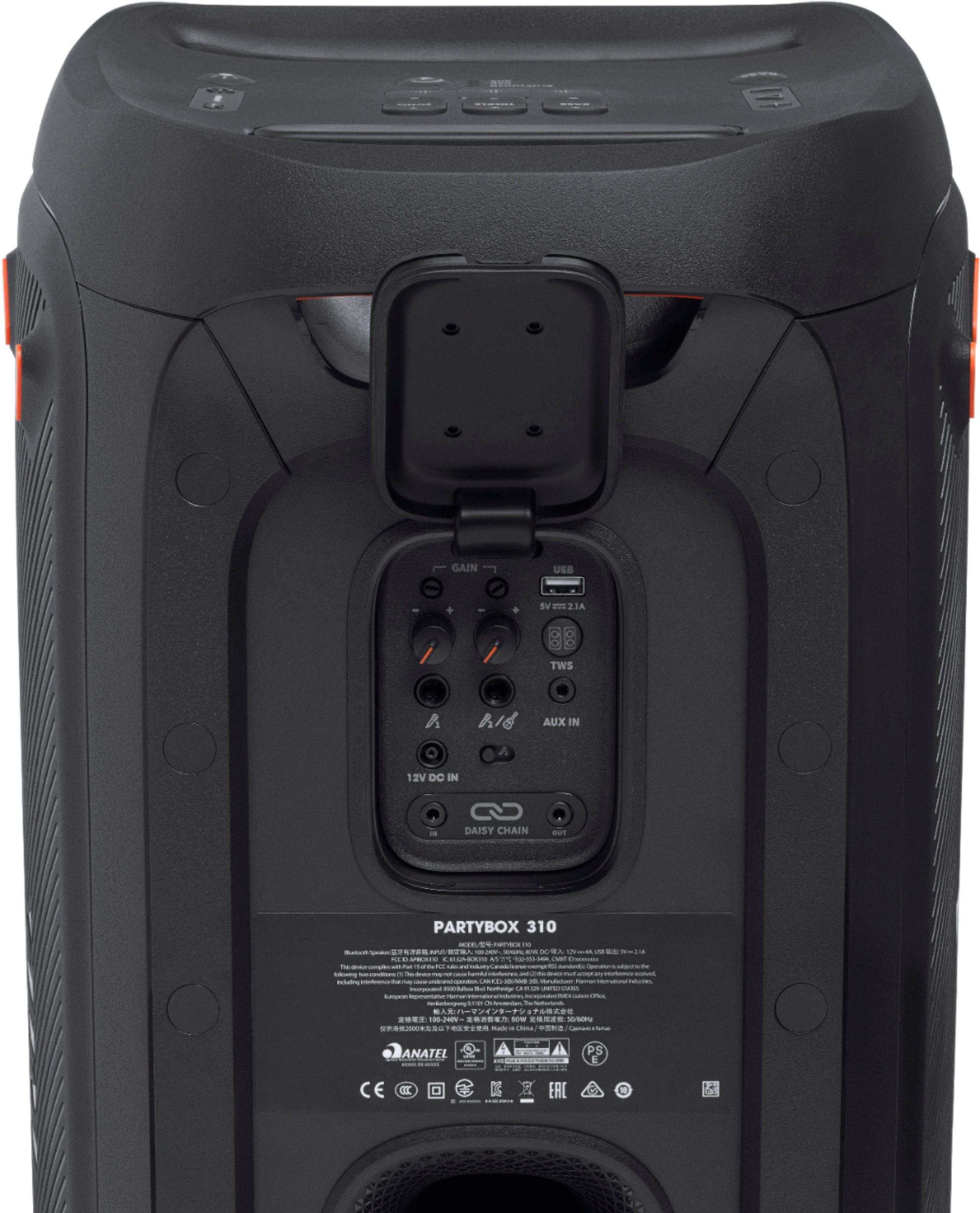
For wired connections, both offer 3.5mm auxiliary inputs and USB ports for playing music directly from flash drives. The JBL PartyBox 310 includes a 3.5mm output jack, allowing you to daisy-chain multiple speakers or connect headphones—a feature the Sony lacks.
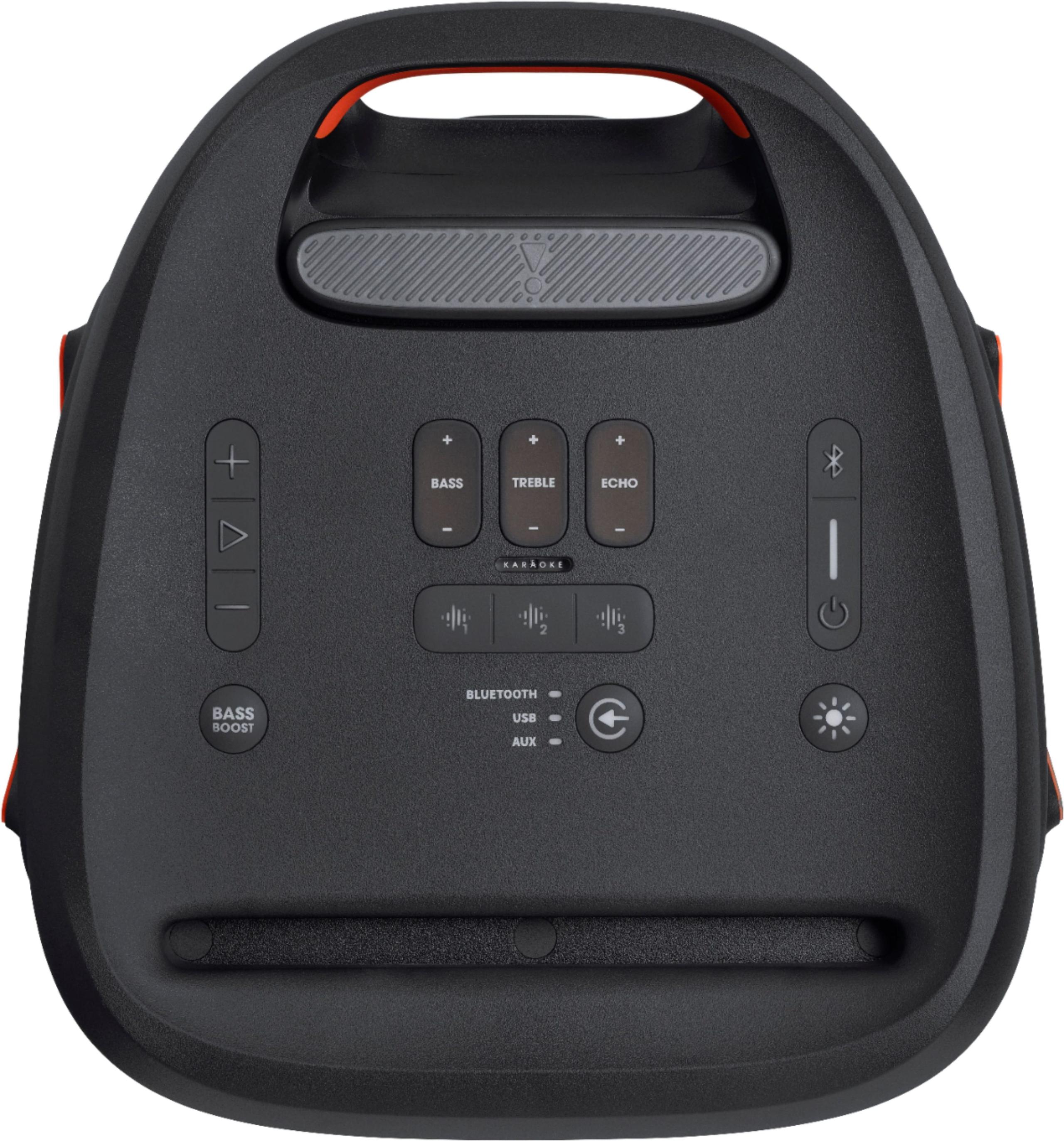
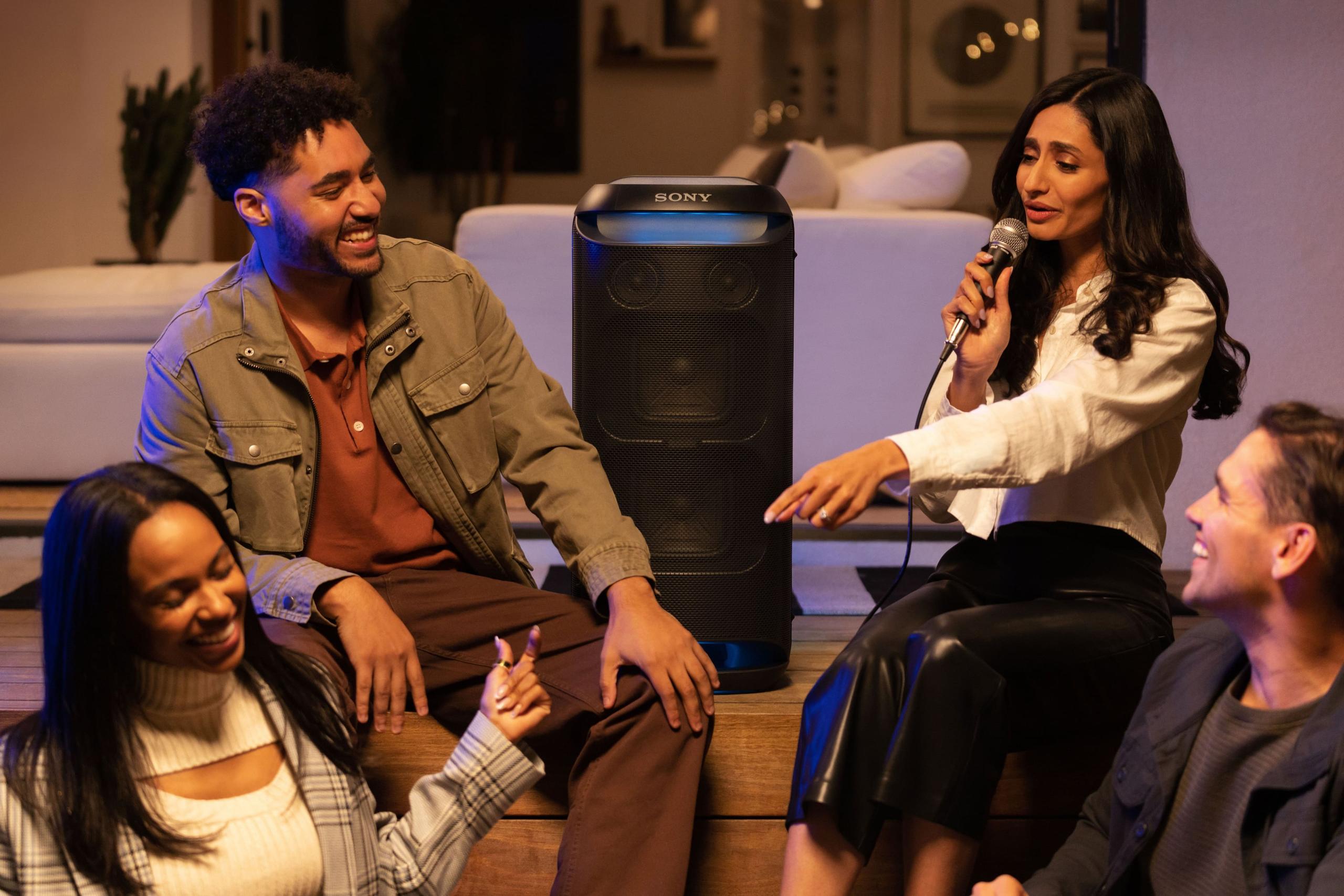
Both speakers include dual microphone inputs with independent volume controls, transforming them into portable PA systems for karaoke nights, speeches, or live performances. The JBL PartyBox 310 adds guitar input capability and includes echo/reverb effects that can make amateur singers sound more polished.
The Sony's microphone inputs offer clean amplification but fewer built-in effects. However, the more balanced sound signature might actually be preferable for spoken word applications like presentations or announcements.
The Sony SRS-XV800 offers more sophisticated multi-speaker options through its Party Connect feature, which can link up to 100 compatible Sony speakers for massive events. It also supports stereo pairing with another XV800 for true left-right channel separation.
The JBL PartyBox 310 supports True Wireless Stereo pairing with other PartyBox models but lacks the extensive networking capabilities of Sony's system. For most home users, this limitation won't matter, but event organizers might find the Sony's scalability appealing.
Both speakers carry IPX4 ratings when positioned vertically, meaning they can handle splashes from any direction—perfect for poolside parties or unexpected light rain. The Sony SRS-XV800 automatically detects its orientation and adjusts its water resistance rating accordingly (dropping to IPX2 when horizontal), while the JBL maintains consistent protection regardless of positioning.
The build quality feels robust on both speakers, with reinforced corners and durable fabric grilles that should survive the occasional bump or drop. However, neither speaker is designed for beach use where sand might infiltrate the drivers.
At the time of writing, these speakers typically fall into similar price ranges, though the Sony SRS-XV800 often sells for slightly less than the JBL PartyBox 310. The Sony's superior battery life, TV connectivity, and multi-speaker capabilities provide strong value for users who need versatility beyond pure party use.
The JBL justifies its premium through higher power output, better portability, and more impressive visual effects. If maximum volume and easy transport are your priorities, the extra cost becomes worthwhile.
While neither speaker replaces a dedicated home theater system, the Sony SRS-XV800 makes a surprisingly effective TV soundbar alternative for smaller rooms. The optical input, combined with TV Sound Booster mode, can significantly improve TV audio with much more bass and volume than most built-in TV speakers provide.
The JBL PartyBox 310 lacks optical input but can connect via Bluetooth or auxiliary cable. However, its bright sound signature might become fatiguing during long movie watching sessions.
Choose the JBL PartyBox 310 if you prioritize maximum volume for large outdoor gatherings, frequently transport your speaker between locations, or want the most impressive light show possible. Its energetic sound signature and superior portability make it the better choice for traditional party scenarios where getting loud and staying mobile matter most.
The Sony SRS-XV800 becomes the smarter pick when extended battery life is crucial, you want TV integration for year-round use, or you prefer more balanced sound for diverse listening scenarios. Its networking capabilities also make it ideal for users planning to expand their system over time.
Ultimately, both speakers deliver on their core promise of bringing the party wherever you go. The decision comes down to whether you value maximum impact (JBL) or maximum versatility (Sony). Either way, your next gathering is going to sound significantly better than the last one.
| JBL PartyBox 310 | Sony SRS-XV800 |
|---|---|
| Power Output - Critical for volume and sound quality at parties | |
| 240W RMS (AC) / 140W RMS (battery) | 70W RMS |
| Real-World Battery Life - How long your party can last | |
| 7-8 hours at 65% volume with features on | 10 hours at 65% volume with features on |
| Sound Signature - Affects what music genres sound best | |
| Bright, bass-forward (exciting for parties) | Neutral, balanced (versatile for all content) |
| Weight & Portability - How easy it is to move around | |
| 38.4 lbs with telescoping handle and wheels | 40.8 lbs with built-in handles and wheels |
| Visual Effects - Party atmosphere and entertainment value | |
| Dynamic light rings with strobe effects | Programmable LED ambient lighting |
| Water Resistance - Protection for outdoor/poolside use | |
| IPX4 splashproof (consistent in any position) | IPX4 vertical / IPX2 horizontal (auto-detects) |
| Bluetooth Quality - Wireless streaming performance | |
| Bluetooth 5.1 with SBC/AAC codecs | Bluetooth 5.2 with SBC/AAC/LDAC codecs |
| TV Connectivity - Doubling as home entertainment | |
| 3.5mm aux or Bluetooth only | Optical digital input with TV Sound Booster |
| Audio Inputs/Outputs - Versatility for mics and instruments | |
| 2x mic/guitar inputs, 3.5mm aux in/out, USB | 2x mic/guitar inputs, 3.5mm aux in, USB, optical |
| Multi-Speaker Pairing - Expanding your sound system | |
| True Wireless Stereo with other PartyBox units | Party Connect (up to 100 speakers) + Stereo Pair |
| Driver Configuration - What creates the sound | |
| 2x 6.5" woofers + 2x 2.5" tweeters | 2x X-Balanced 6.69" woofers + 5x dome tweeters |
| Quick Charging - Emergency power boost | |
| Standard charging (3.5 hours full charge) | 10 minutes = 3 hours playback |
The JBL PartyBox 310 is significantly louder with 240W RMS output compared to the Sony SRS-XV800's 70W RMS. The JBL PartyBox 310 can fill larger outdoor spaces and cut through ambient noise more effectively, making it better for big parties and events.
The Sony SRS-XV800 offers longer battery life with approximately 10 hours of real-world use at moderate volume, while the JBL PartyBox 310 provides 7-8 hours under similar conditions. For all-day events, the Sony SRS-XV800 has a clear advantage.
The JBL PartyBox 310 is more portable despite similar weight, featuring a telescoping handle and smooth-rolling wheels that make transport easier. While both speakers have wheels, the JBL PartyBox 310 feels more like rolling a suitcase compared to the heavier-feeling Sony.
The Sony SRS-XV800 is much better for TV use thanks to its optical digital input and TV Sound Booster mode, effectively doubling as a powerful soundbar. The JBL PartyBox 310 can connect to TVs via Bluetooth or aux cable but lacks the dedicated TV features of the Sony SRS-XV800.
The JBL PartyBox 310 delivers exciting, bass-heavy sound perfect for parties, while the Sony SRS-XV800 offers more balanced, neutral audio suitable for diverse music genres. Choose the JBL PartyBox 310 for energetic party music or the Sony for versatile listening.
Yes, both the JBL PartyBox 310 and Sony SRS-XV800 feature dual microphone inputs with independent volume controls. The JBL PartyBox 310 includes additional guitar input and echo effects, while the Sony provides clean microphone amplification without built-in effects.
The JBL PartyBox 310 offers more impressive visual effects with dynamic light rings and strobe features that create a genuine light show. The Sony SRS-XV800 has customizable LED lighting that's more subtle and controllable but less flashy than the JBL PartyBox 310.
Both speakers are splash-resistant with IPX4 ratings, making them suitable for poolside parties and light rain. The JBL PartyBox 310 maintains consistent water protection in any position, while the Sony SRS-XV800 automatically adjusts its rating based on orientation.
The Sony SRS-XV800 offers more extensive multi-speaker capabilities, connecting up to 100 compatible speakers via Party Connect. The JBL PartyBox 310 supports True Wireless Stereo pairing with other PartyBox models but has more limited networking compared to the Sony SRS-XV800.
The Sony SRS-XV800 provides superior Bluetooth quality with LDAC codec support, transmitting up to three times more data than standard Bluetooth. The JBL PartyBox 310 uses more universal SBC and AAC codecs that work with all devices but don't offer the high-resolution streaming of the Sony.
The Sony SRS-XV800 features impressive quick charging with 10 minutes providing up to 3 hours of playback time. The JBL PartyBox 310 has standard charging speeds, taking about 3.5 hours for a full charge without the rapid boost feature of the Sony SRS-XV800.
The Sony SRS-XV800 typically offers better value with longer battery life, TV connectivity, and extensive multi-speaker capabilities often at a lower cost. The JBL PartyBox 310 justifies its premium through higher power output, better portability, and more impressive visual effects for dedicated party use.
We've done our best to create useful and informative comparisons to help you decide what product to buy. Our research uses advanced automated methods to create this comparison and perfection is not possible - please contact us for corrections or questions. These are the sites we've researched in the creation of this article: rtings.com - comparisontabl.es - crutchfield.com - youtube.com - bestbuy.com - rtings.com - youtube.com - versus.com - youtube.com - youtube.com - jbl.com - youtube.com - crutchfield.com - manuals.plus - in.jbl.com - jbl.com.tw - mm.jbl.com - bestbuy.com - jbl.com - onward.ph - youtube.com - manuals.plus - harmanaudio.com - support.jbl.com - youtube.com - kh.jbl.com - bestbuy.com - soundandvision.com - crutchfield.com - sciencefocus.com - sony.com - bestbuy.com - bestbuy.com - stereoguide.com - sony-mea.com - soundguys.com - electronics.sony.com - youtube.com - sony.com - youtube.com - device.report - youtube.com - youtube.com - adorama.com - sonylatvija.com - sony.com

Privacy Policy
Terms and Conditions - Affiliate Policy
Home Security
© Copyright 2008-2026.
11816 Inwood Rd #1211, Dallas, TX 75244