

When you're ready to spend serious money on a Bluetooth speaker, the choices get interesting—and complicated. At the premium end of the market, you'll find speakers that cost as much as a decent soundbar but promise to deliver audiophile-quality sound without the complexity of a full stereo system. Two speakers that perfectly illustrate this category's evolution are the Tivoli Audio SongBook MAX and the Marshall Woburn III. Both launched in 2022, both command similar premium pricing, and both deliver exceptional sound quality—but they approach the challenge of great audio from completely different angles.
The premium Bluetooth speaker market has matured significantly since the early days of tiny, tinny portable speakers. Today's high-end models compete directly with traditional stereo systems, offering sophisticated driver arrays, advanced digital signal processing (DSP), and connectivity options that would have seemed impossible just a few years ago. But with this sophistication comes a crucial decision: do you want ultimate flexibility or maximum power?
Before diving into the technical details, it's worth understanding what separates premium Bluetooth speakers from their budget cousins. The Tivoli Audio SongBook MAX and Marshall Woburn III both represent a philosophy that sound quality should never be compromised, whether you're at home or on the go. This means using high-quality drivers (the individual speakers inside the cabinet), powerful amplifiers, and sophisticated tuning to achieve sound that rivals dedicated stereo systems.
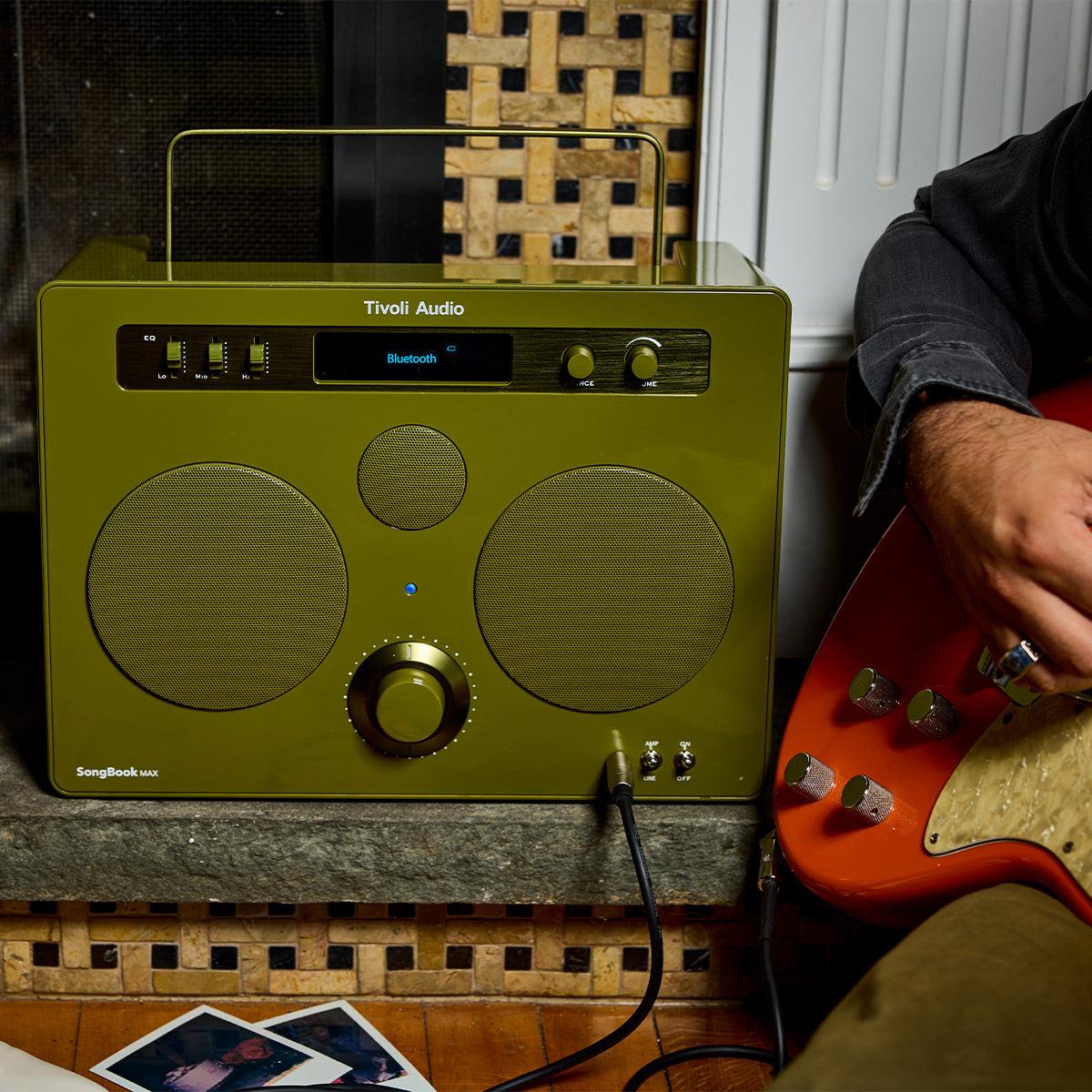
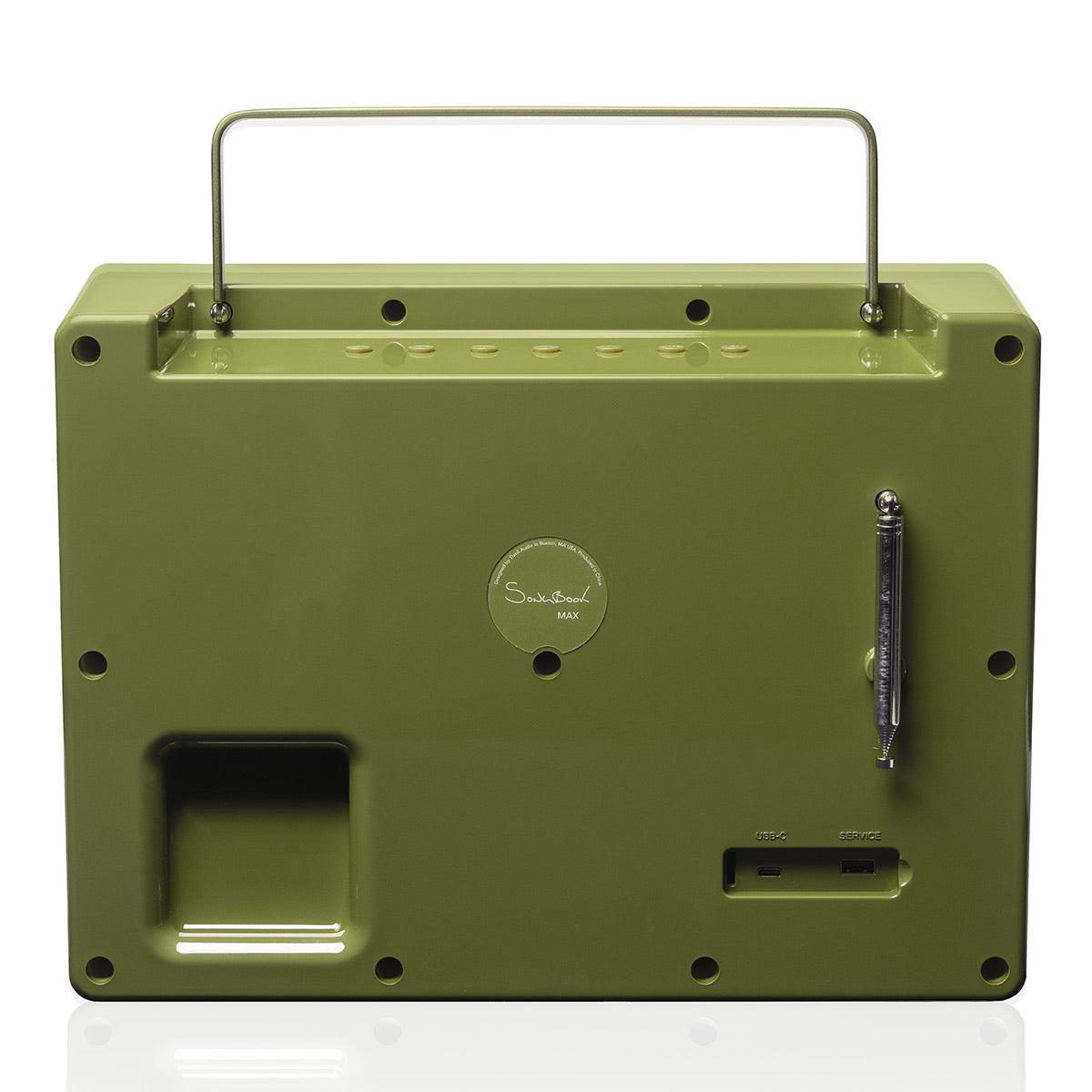
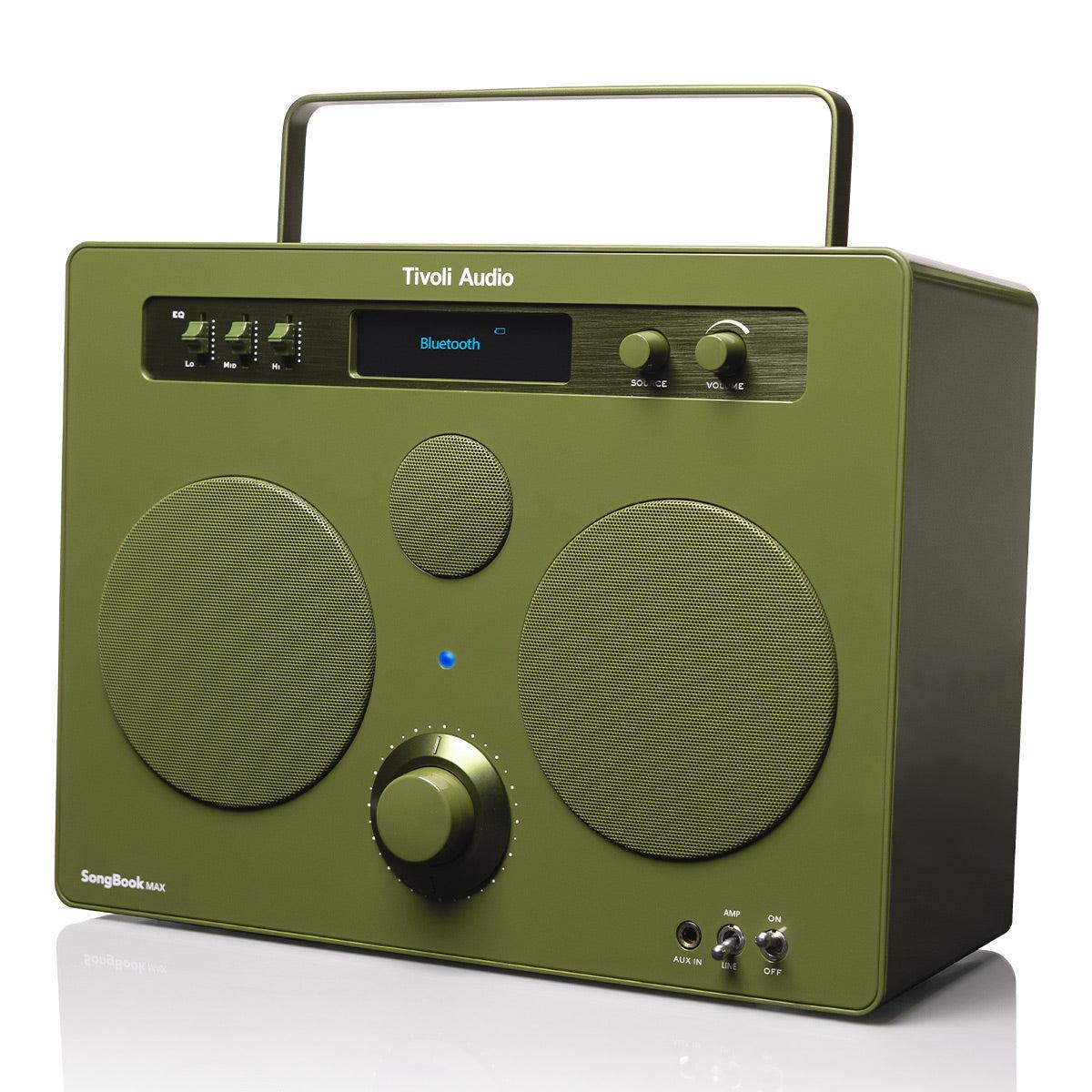
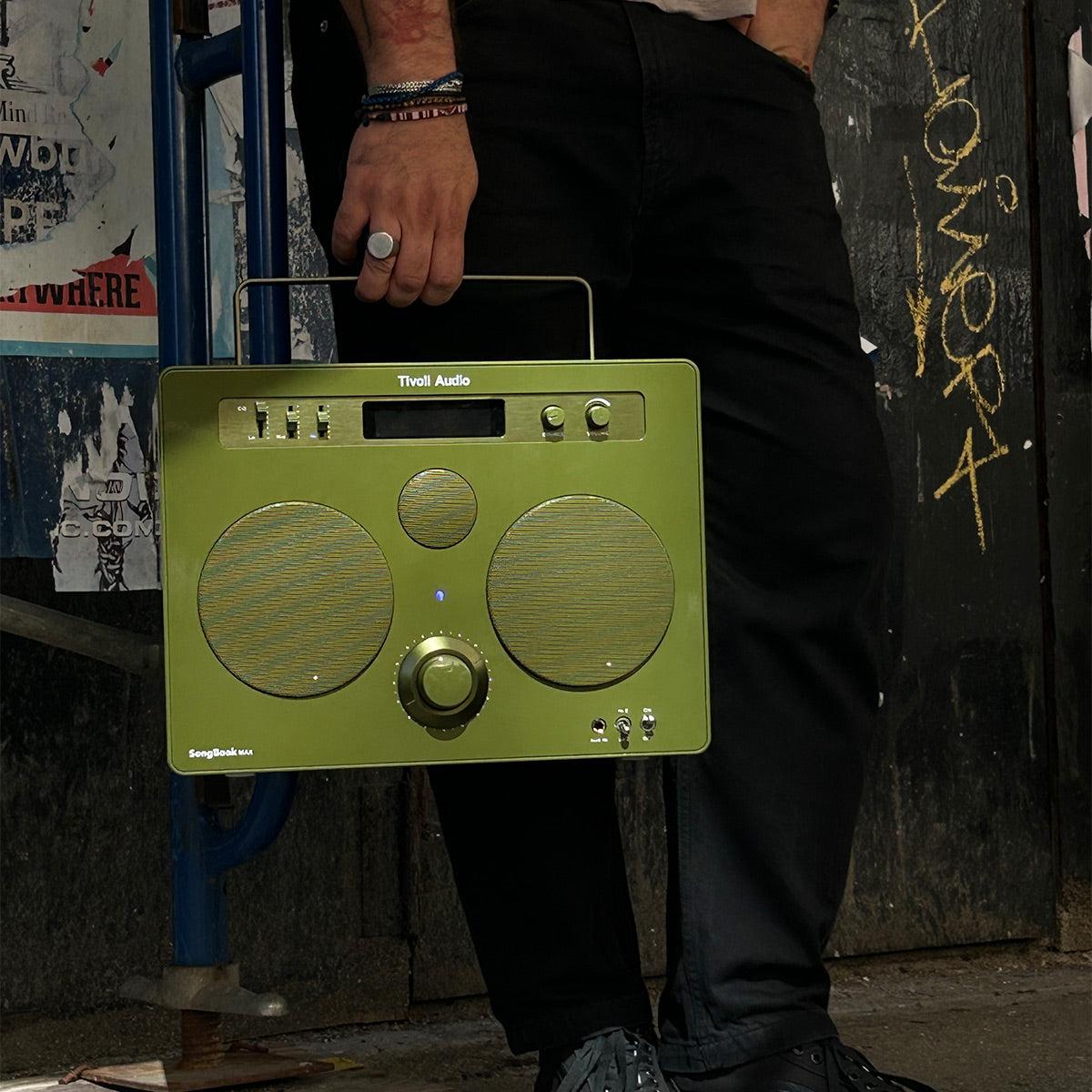
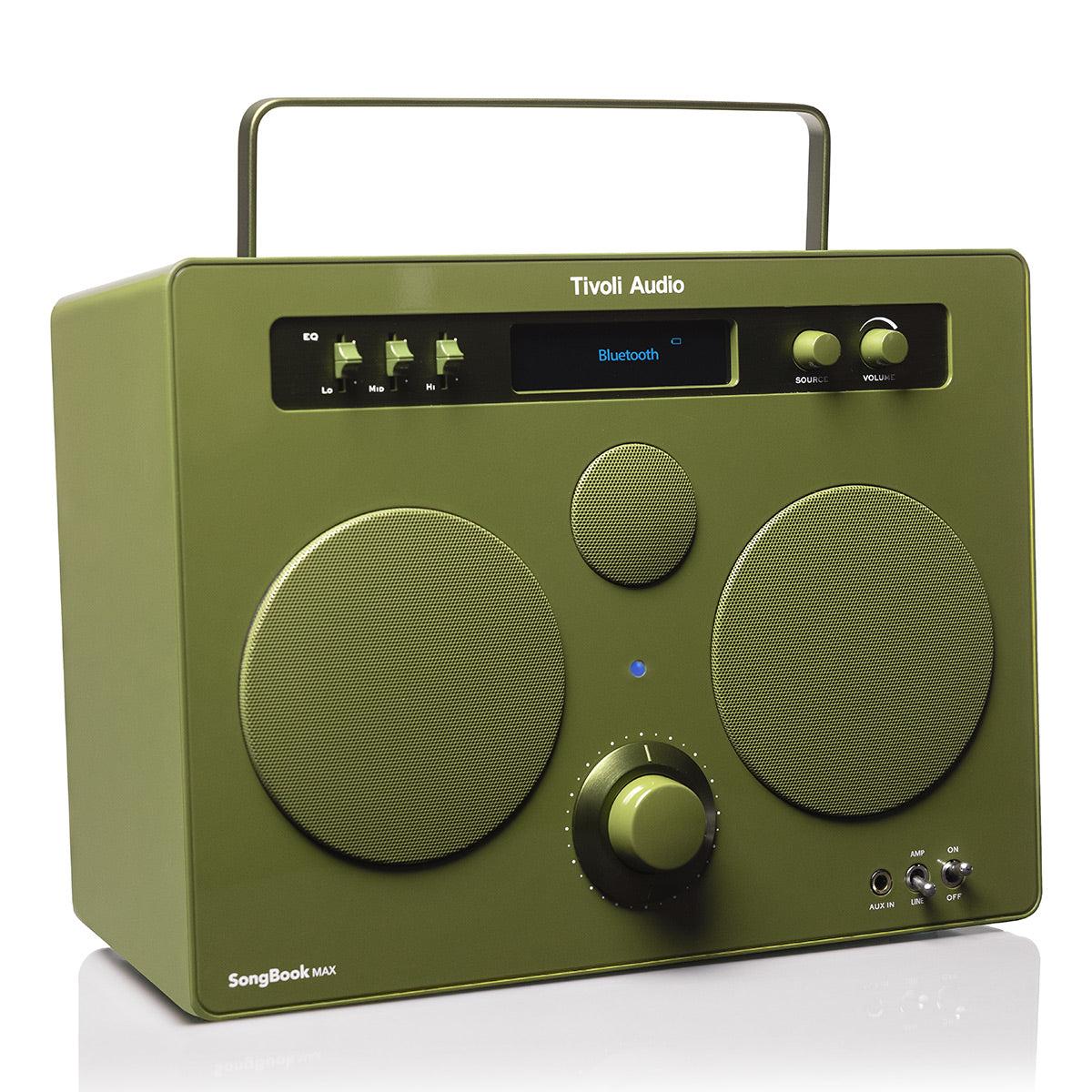
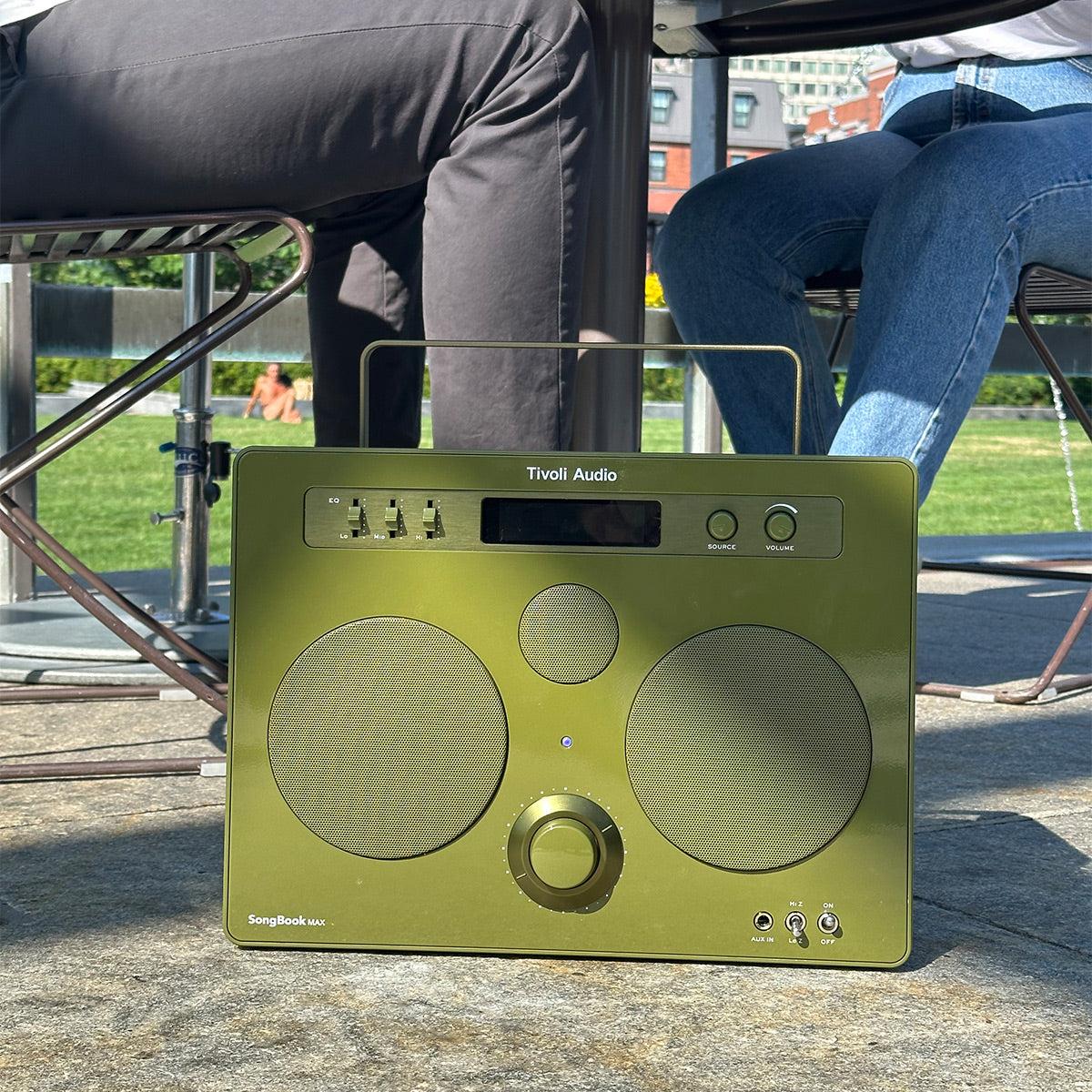
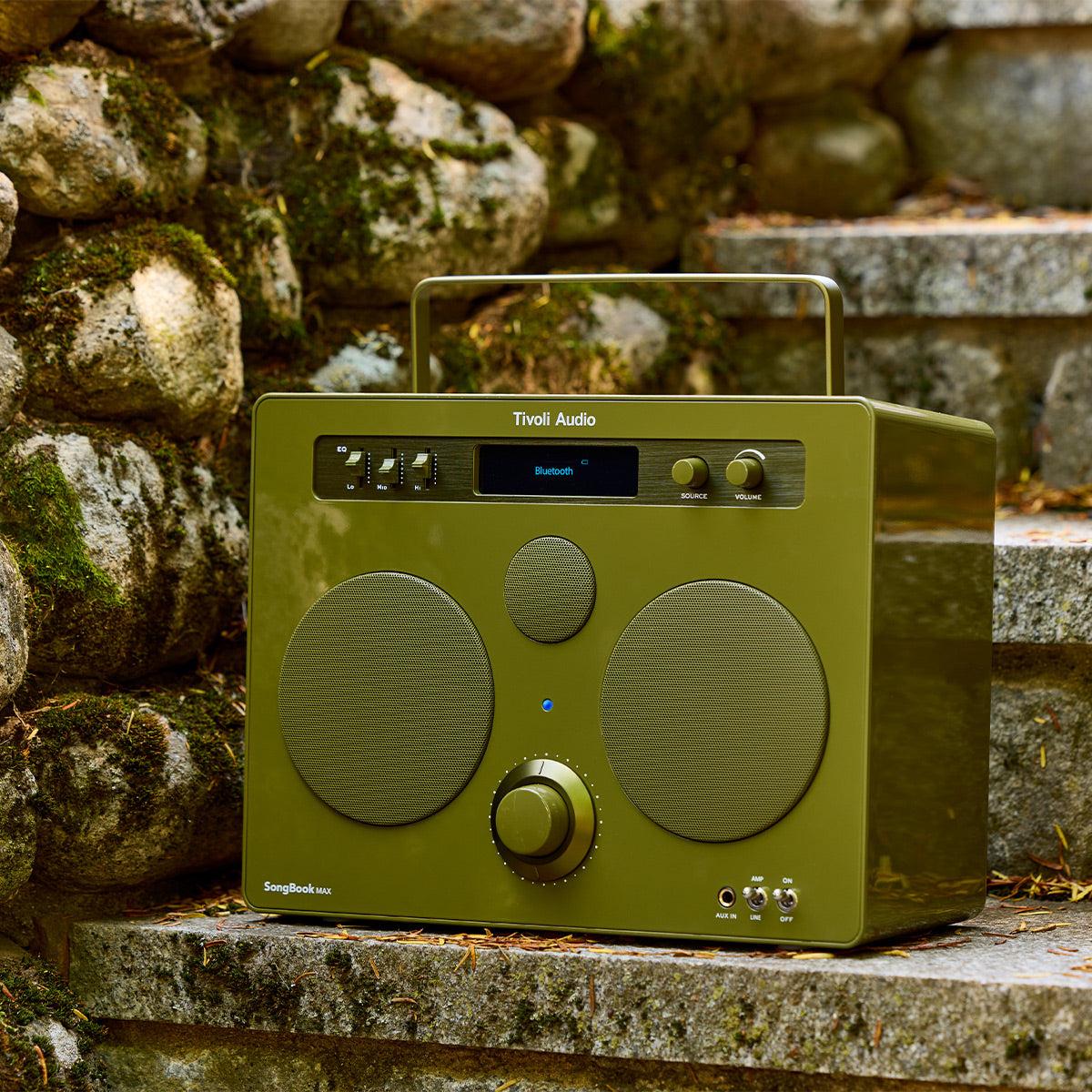
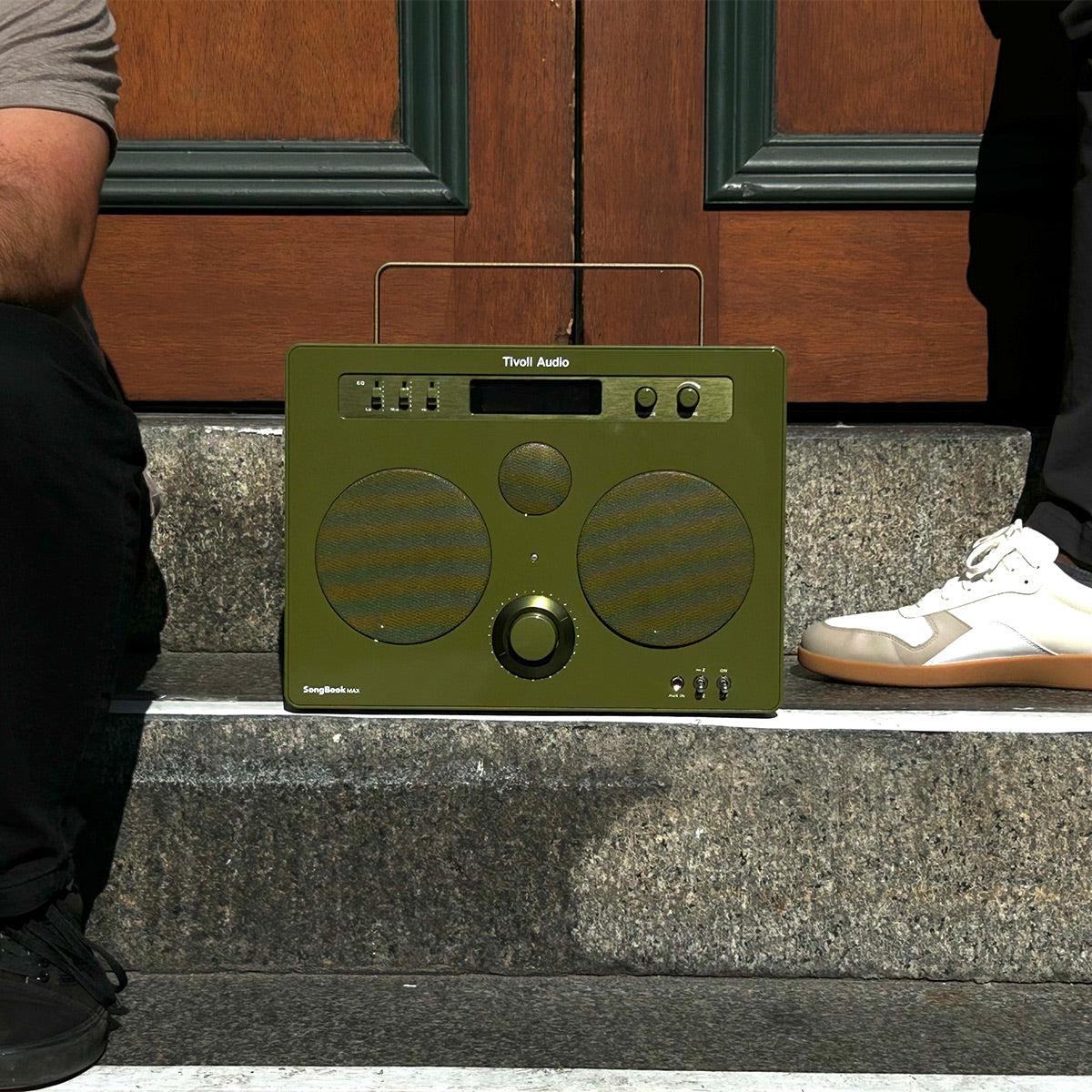
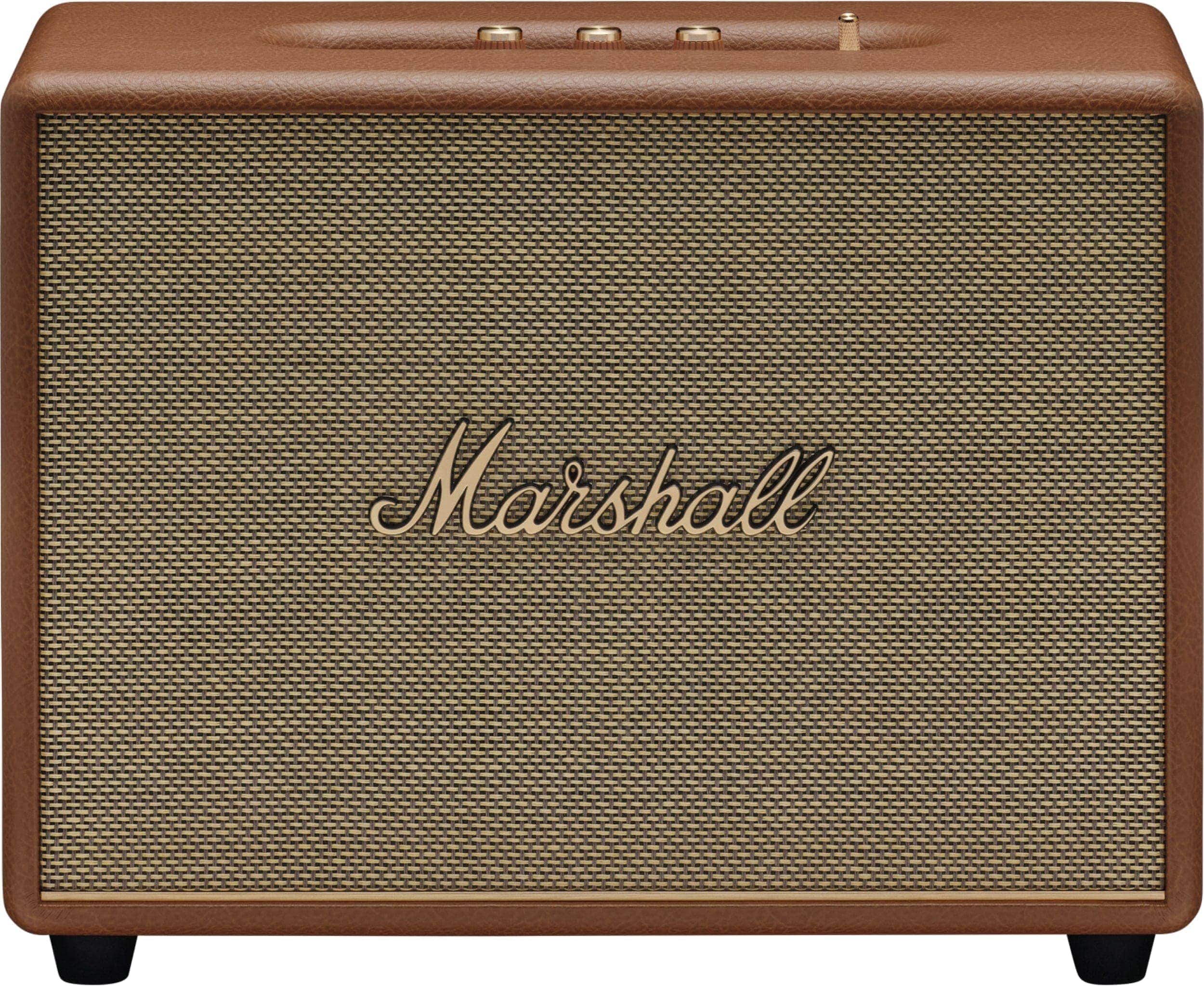
The key difference between these two approaches becomes clear the moment you see them. The SongBook MAX sports a built-in handle and runs on battery power—it's designed for people who want exceptional sound everywhere they go. The Woburn III, meanwhile, weighs nearly twice as much, requires wall power, and includes HDMI connectivity for your TV. It's built to be the audio centerpiece of your living space.
Both speakers launched in 2022, representing the latest thinking in their respective categories. Since then, we've seen continued improvements in Bluetooth technology, with newer codecs offering better sound quality over wireless connections, and more sophisticated DSP allowing speakers to adapt their sound to different environments automatically.
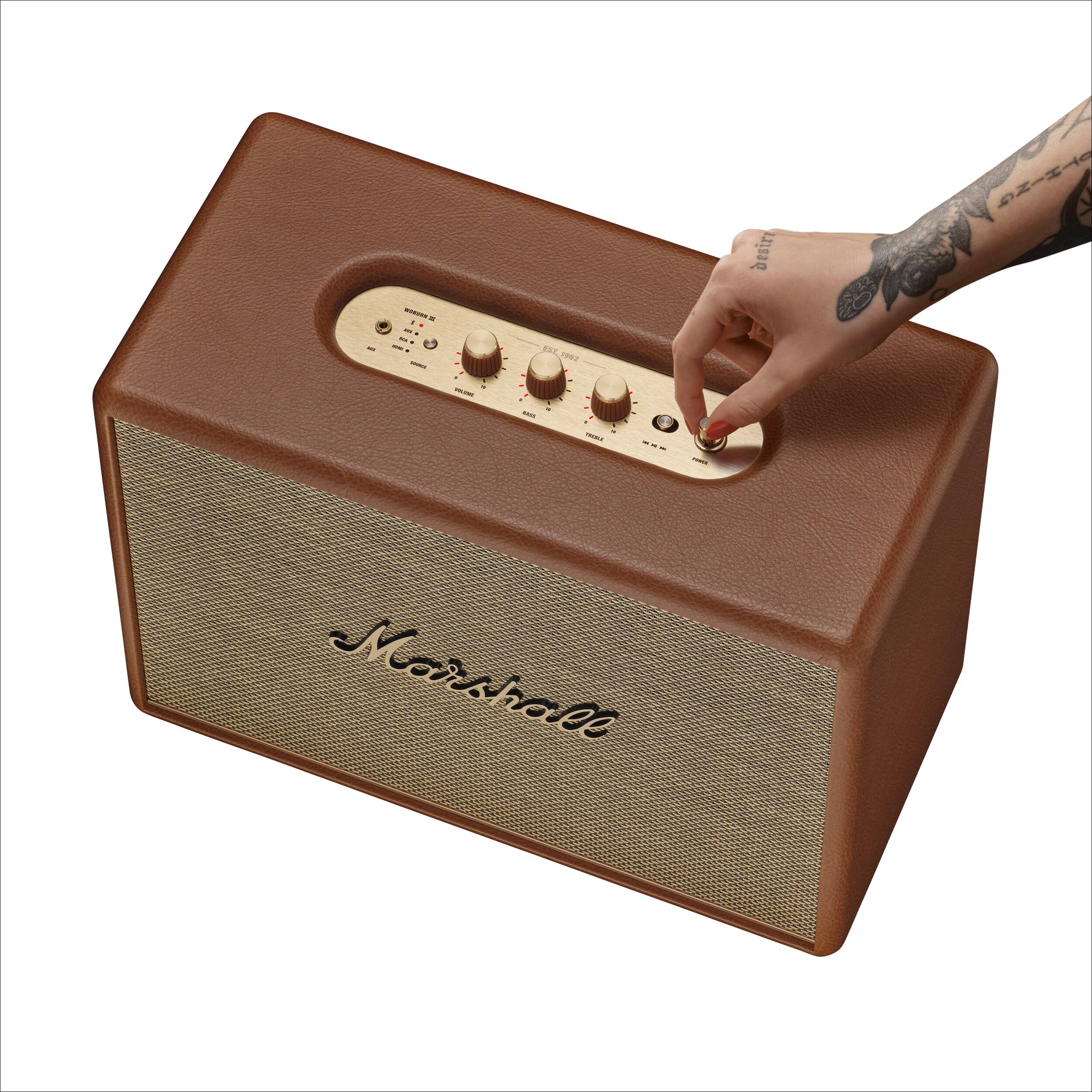
Let's start with the numbers that matter most: power output and driver configuration. The Marshall Woburn III delivers a substantial 150 watts of amplifier power through a sophisticated five-driver array. This includes a hefty 6-inch woofer powered by a 90-watt Class D amplifier, flanked by two 2-inch midrange drivers and two ¾-inch tweeters, each getting 15 watts of dedicated power.
Class D amplification, by the way, is crucial here. Unlike older amplifier designs that waste energy as heat, Class D amps are incredibly efficient—often over 90%—which means more of your electrical power actually becomes sound rather than warming up your room. This efficiency is especially important in the SongBook MAX, where battery life depends on not wasting precious stored energy.
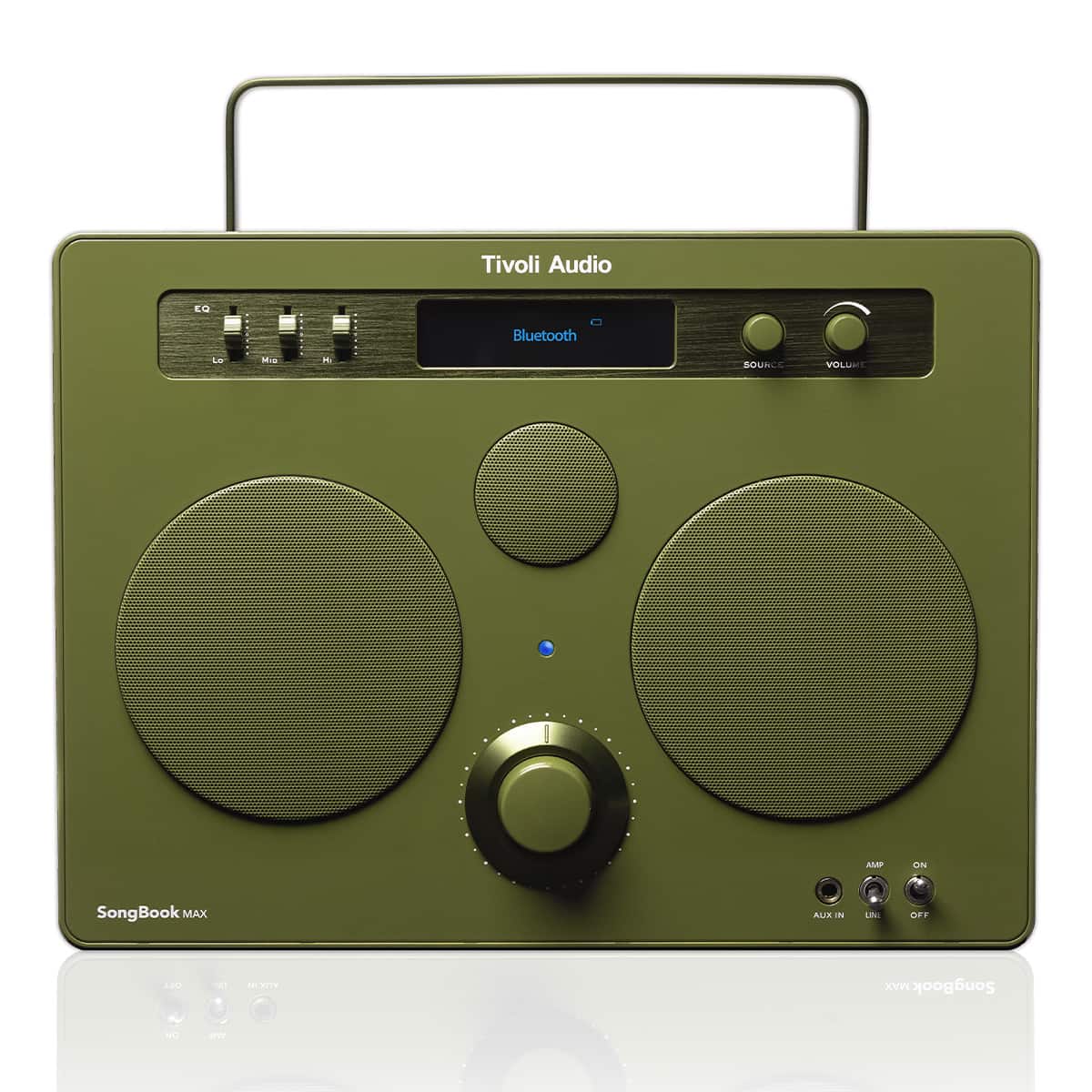
The Tivoli SongBook MAX takes a more modest approach with 50 watts total, distributed across three drivers: a 4-inch subwoofer and 4-inch midrange driver each receiving 20 watts, plus a ¾-inch tweeter getting 10 watts. While this might seem like a significant disadvantage, the reality is more nuanced.
Power output alone doesn't determine loudness—driver efficiency and cabinet design play huge roles. Both speakers can reach approximately 100 decibels at one meter distance, which is genuinely loud. To put this in perspective, 100 dB is about as loud as a motorcycle or jackhammer heard from 25 feet away. The difference comes in how they achieve this volume and how they sound when pushed to their limits.
Where the power difference becomes most apparent is in bass response. The Marshall Woburn III extends down to 35Hz, while the SongBook MAX reaches 40Hz. Those 5Hz might not sound like much, but they represent the difference between feeling the lowest notes of a pipe organ and just hearing them.
Frequency response tells us which musical notes a speaker can reproduce and how accurately. Human hearing typically ranges from about 20Hz (very deep bass) to 20,000Hz (very high treble). The Marshall's bass-reflex cabinet design—which uses a precisely tuned port to enhance low-frequency output—gives it a significant advantage for music with substantial bass content and movie soundtracks.
However, the SongBook MAX's three-way design offers its own advantages. By dedicating separate drivers to different frequency ranges, it can achieve better separation between bass, midrange, and treble. This often translates to clearer vocals and better instrument separation, especially important when listening to acoustic music or podcasts.
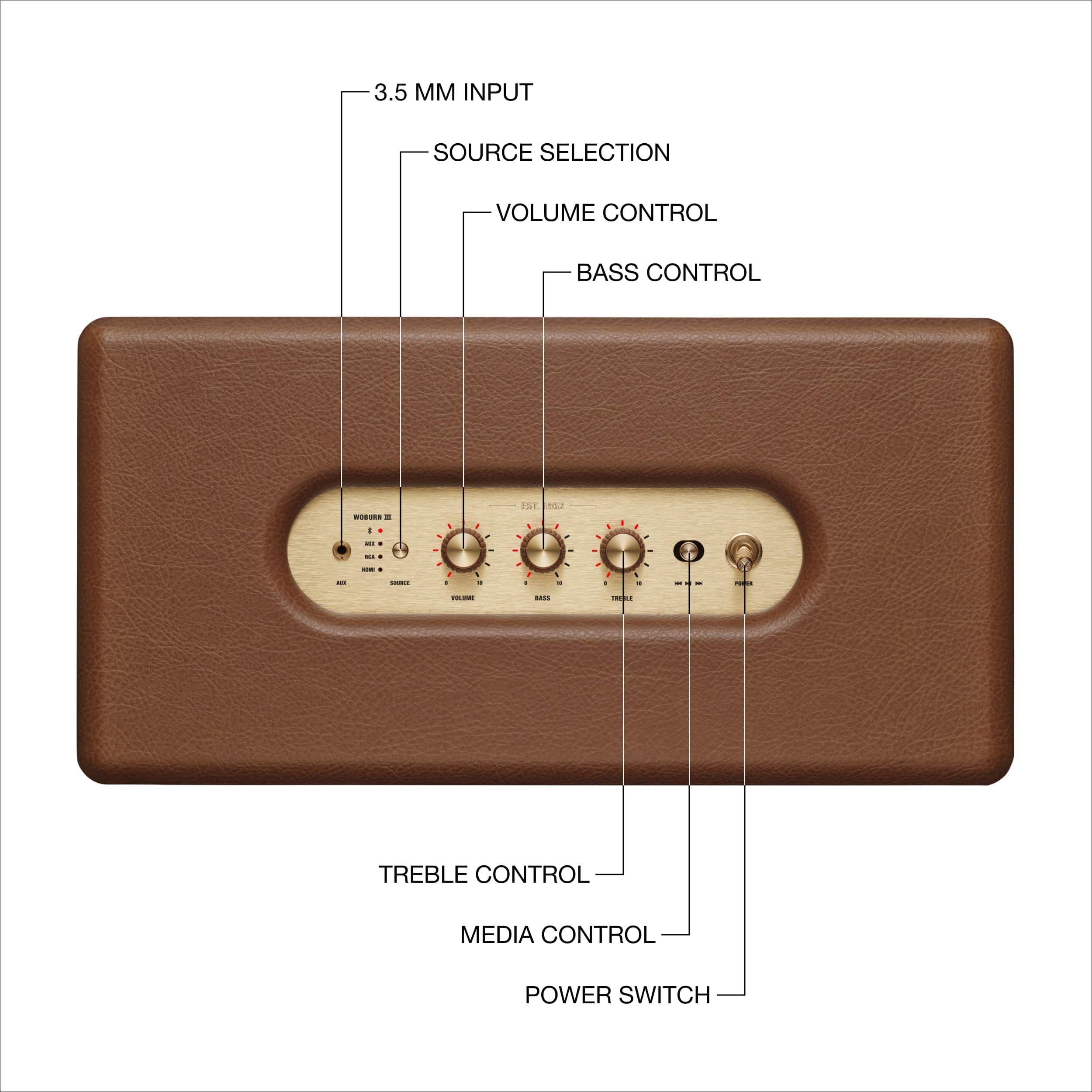
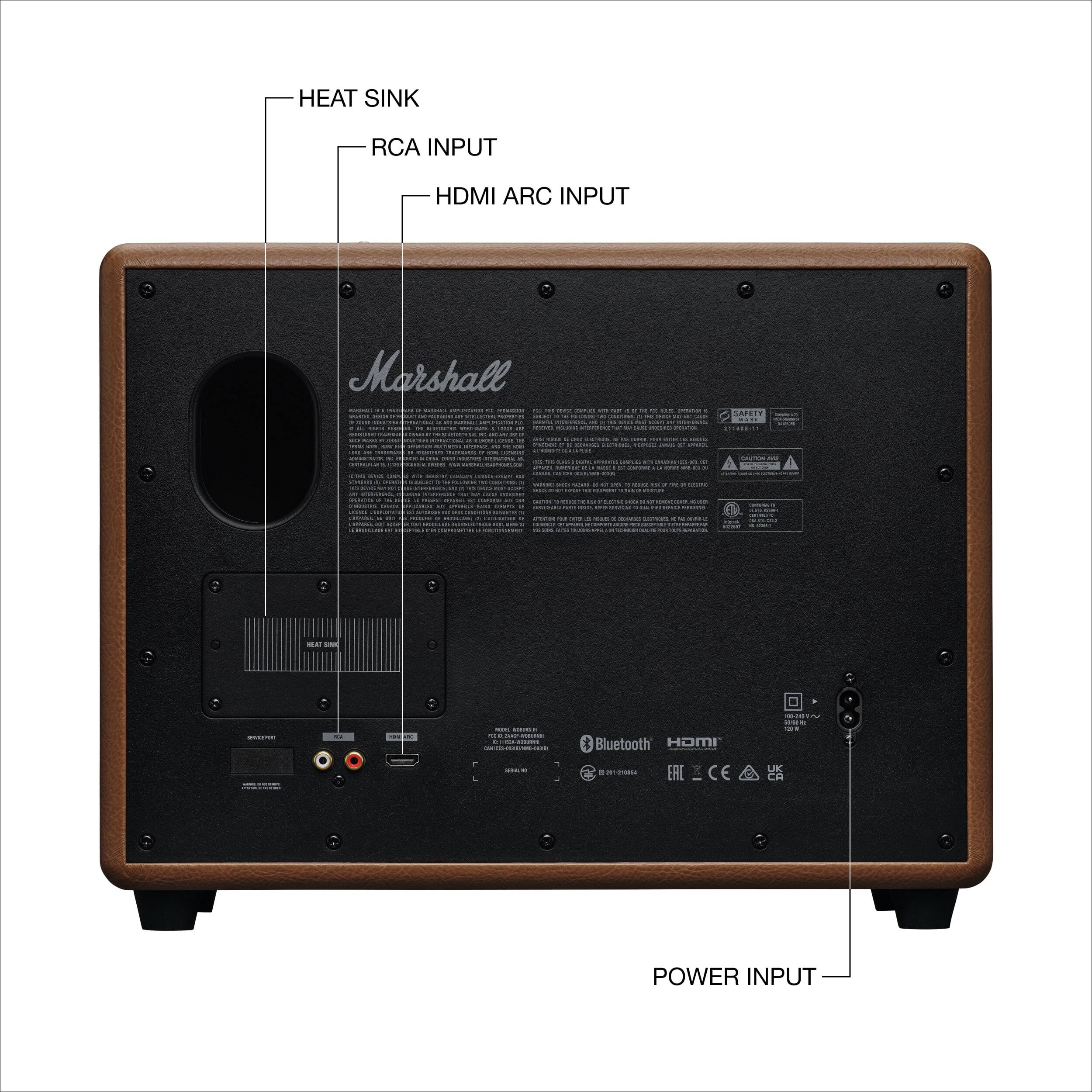
Here's where things get really interesting. The Marshall Woburn III includes HDMI ARC (Audio Return Channel) connectivity, which transforms it from a simple Bluetooth speaker into a legitimate home theater component. HDMI ARC allows your TV to send audio directly to the speaker, and crucially, it lets the speaker respond to your TV's volume controls. This might seem like a small feature, but it's genuinely game-changing for daily use.
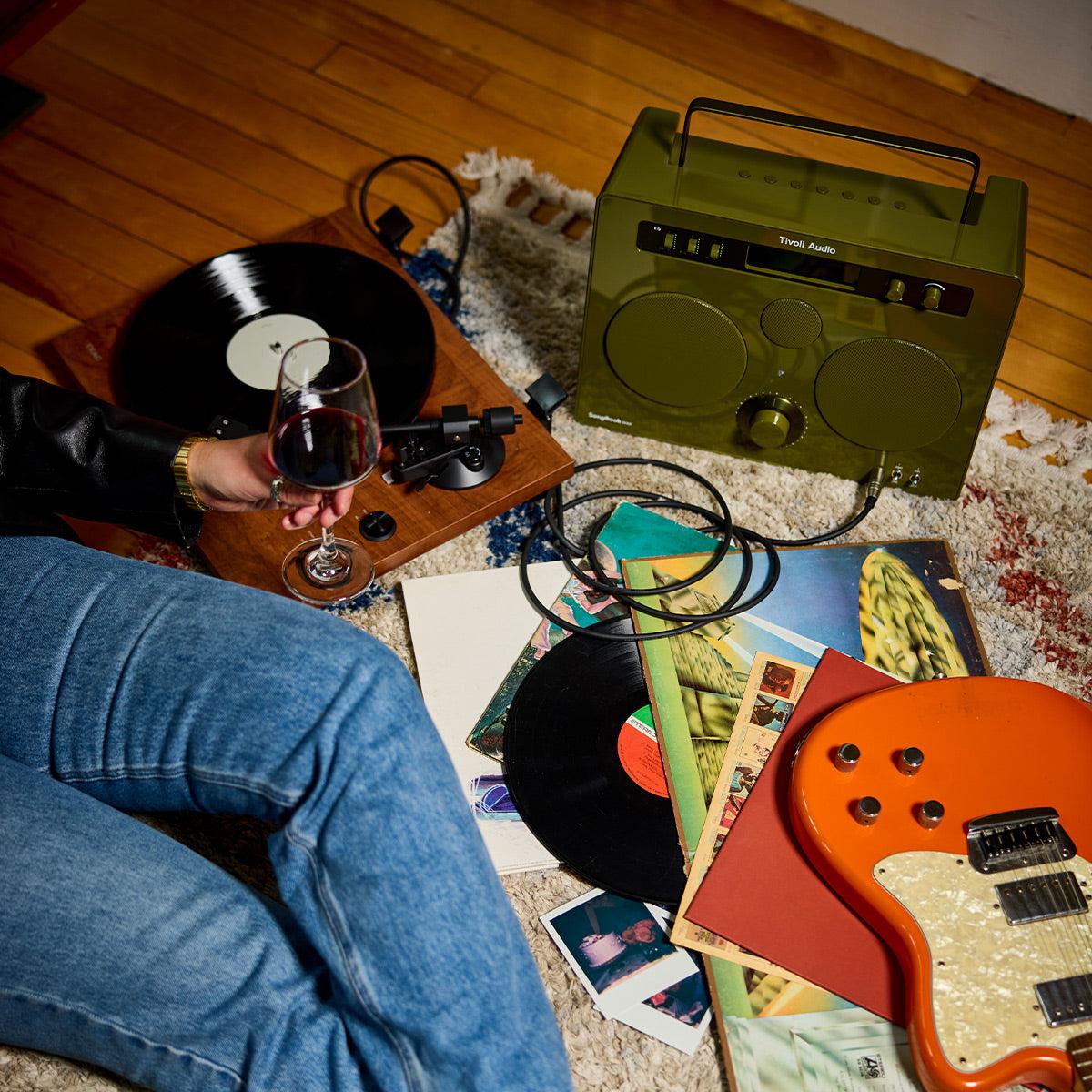
The SongBook MAX takes a different approach with its ¼-inch auxiliary input and built-in preamp. A preamp amplifies very quiet signals to line level—the standard voltage that audio equipment expects to receive. This means you can connect a turntable directly to the speaker without needing a separate phono preamp, saving money and reducing complexity for vinyl enthusiasts.
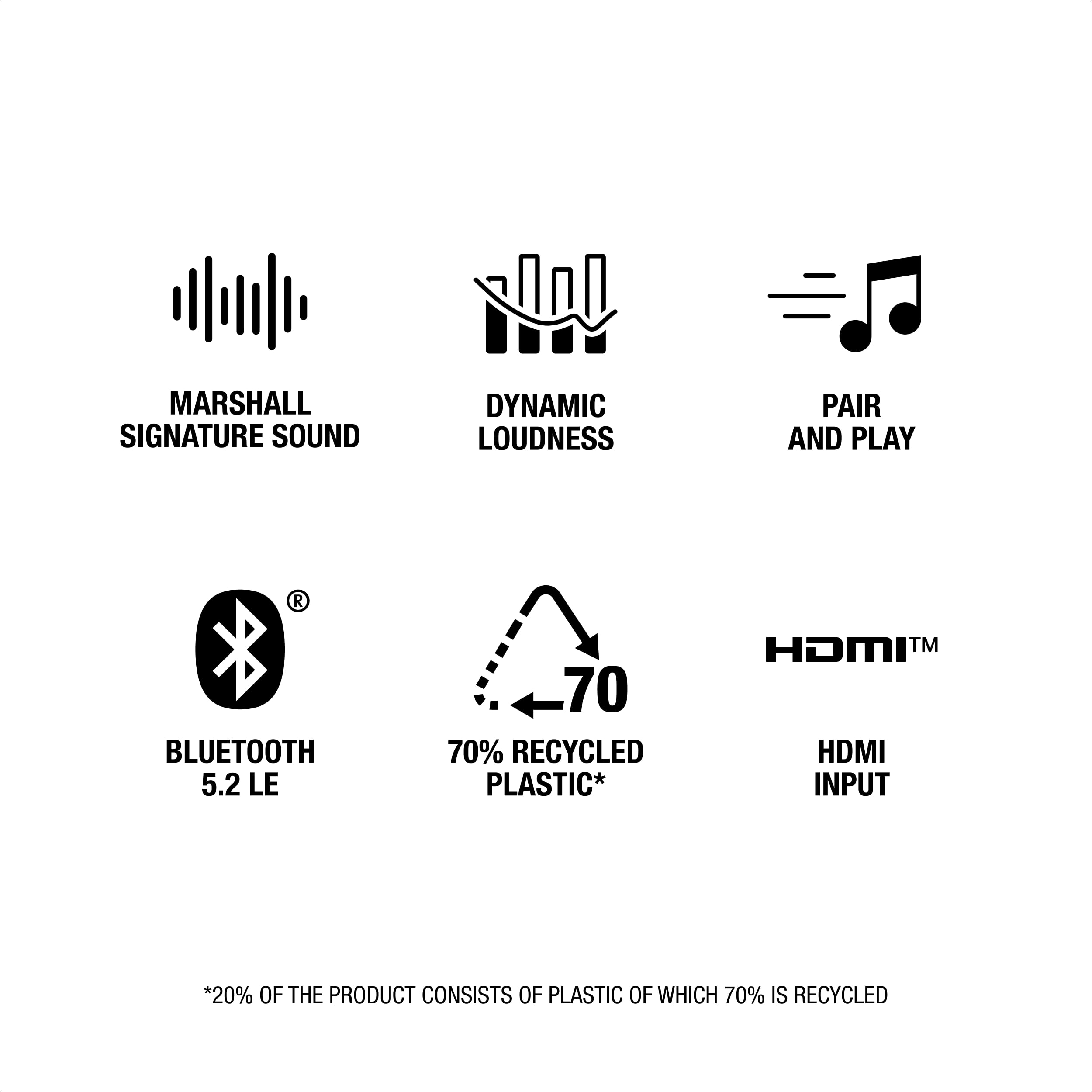
Both speakers use relatively recent Bluetooth standards—5.3 for the Tivoli and 5.2 for the Marshall—but neither supports advanced audio codecs like aptX HD or LDAC. They're limited to SBC (Subband Coding), which is fine for most users but represents a missed opportunity for audiophiles with compatible devices.
The Marshall Woburn III shines with its intelligent features. Dynamic Loudness automatically adjusts the tonal balance as you change volume, ensuring that bass and treble remain present even at low listening levels. This addresses a real acoustic problem: our ears are less sensitive to very high and very low frequencies at quiet volumes, so music can sound thin and lifeless when played softly.
Placement Compensation is another standout feature that analyzes the speaker's acoustic environment and adjusts its output accordingly. If you place the Woburn III near a wall, for example, it will reduce bass output to compensate for the natural bass boost that occurs when low frequencies reflect off nearby surfaces.
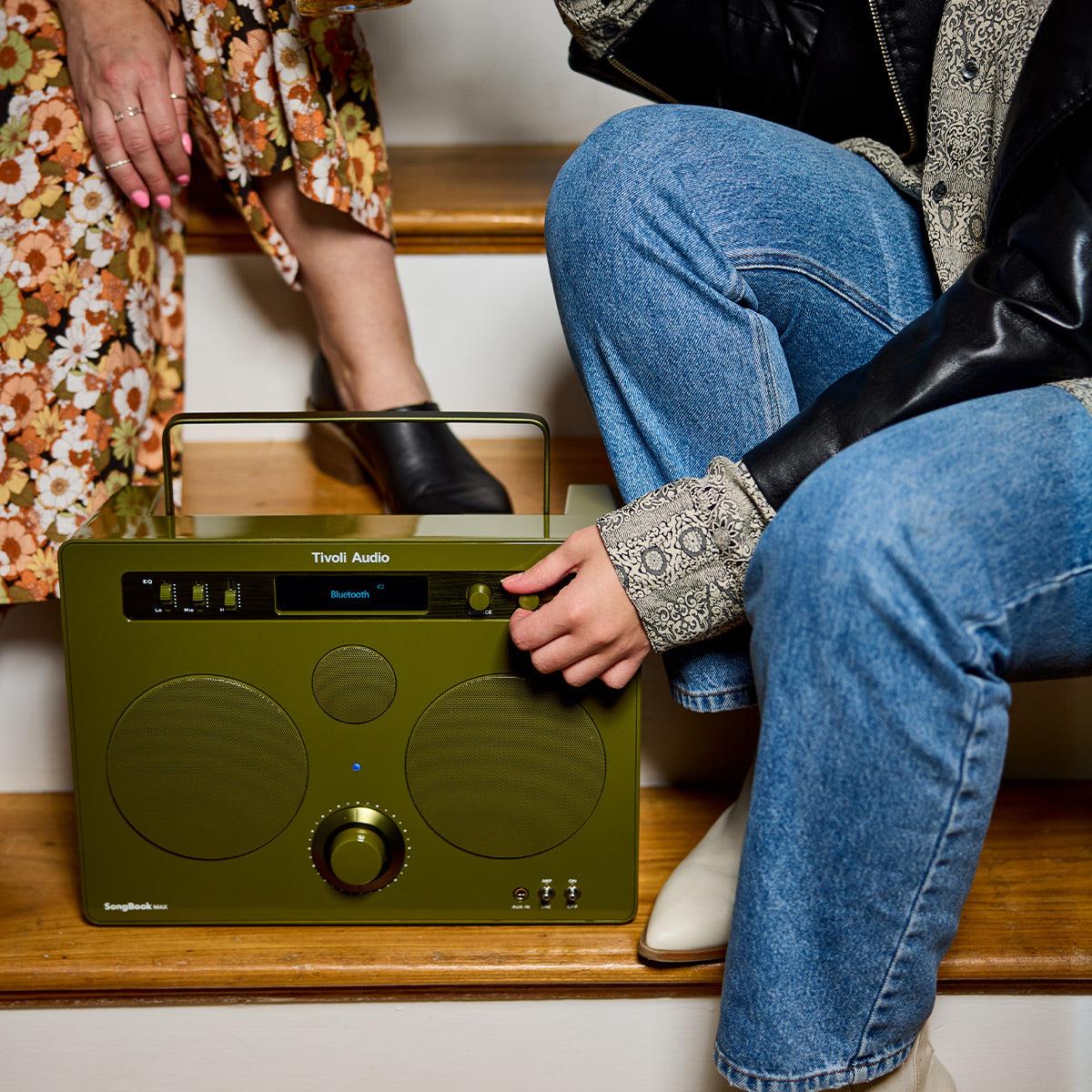
The SongBook MAX opts for a more tactile approach with physical EQ sliders for bass, mid, and treble adjustment. Each slider offers ±6dB of adjustment, which is substantial—6dB represents a doubling or halving of acoustic power in that frequency range. For users who prefer hands-on control and immediate feedback, these analog controls are genuinely superior to app-based adjustments.
Based on extensive research of professional reviews and user feedback, both speakers deliver impressive sound quality that justifies their premium positioning, but with distinctly different characters.
The Marshall Woburn III consistently receives praise for its room-filling capability and powerful bass response. Multiple reviews describe its ability to energize large spaces and maintain clarity even at high volumes. The five-driver configuration creates what reviewers call a "wide soundstage"—the acoustic illusion that music is coming from a broader area rather than a single point source. This makes it particularly effective for parties or when used as a TV speaker, where you want sound to fill the entire room rather than seem locked to one location.
The SongBook MAX, meanwhile, earns consistent praise for its balanced tone and exceptional vocal clarity. Reviewers frequently mention discovering new details in familiar recordings, particularly in vocal performances. This suggests excellent midrange reproduction, which is where the human voice primarily lives and where many speakers struggle to balance power with precision.
The portability equation is straightforward but important. The SongBook MAX's 10-hour battery life and IPX4 splash resistance make it genuinely versatile. IPX4 means it can handle splashing water from any direction but shouldn't be submerged. This makes it suitable for poolside use, camping trips, or outdoor gatherings where weather might be a concern.
Ten hours of battery life is excellent for a speaker this powerful, though actual runtime depends heavily on volume level and music content. Bass-heavy music at high volumes will drain the battery faster than acoustic music at moderate levels. The USB-C charging with Power Delivery support means faster charging times when using compatible chargers.
The Marshall Woburn III, at over 20 pounds, isn't really portable in any practical sense. But this weight serves a purpose—it houses a much larger power supply and driver array, enabling significantly higher output levels without the compromise inherent in battery-powered designs.
One area where the Marshall Woburn III truly excels is home theater use. The HDMI ARC connection means it can serve as a significant upgrade from built-in TV speakers without the complexity of a full surround sound system. Many modern TVs have surprisingly good video quality but terrible audio, making a high-quality speaker like the Woburn III a practical solution.
The Night Mode feature, available when connected via HDMI ARC, automatically compresses dynamic range—reducing the difference between loud and quiet sounds. This prevents those jarring moments when explosions wake the neighbors while dialogue remains audible. It's a thoughtful feature that shows Marshall understands how people actually use their products.
The SongBook MAX can certainly be used with TV audio, but it requires either Bluetooth pairing (which often introduces noticeable latency) or a wired connection from the TV's headphone output. Neither approach is as seamless as HDMI ARC.
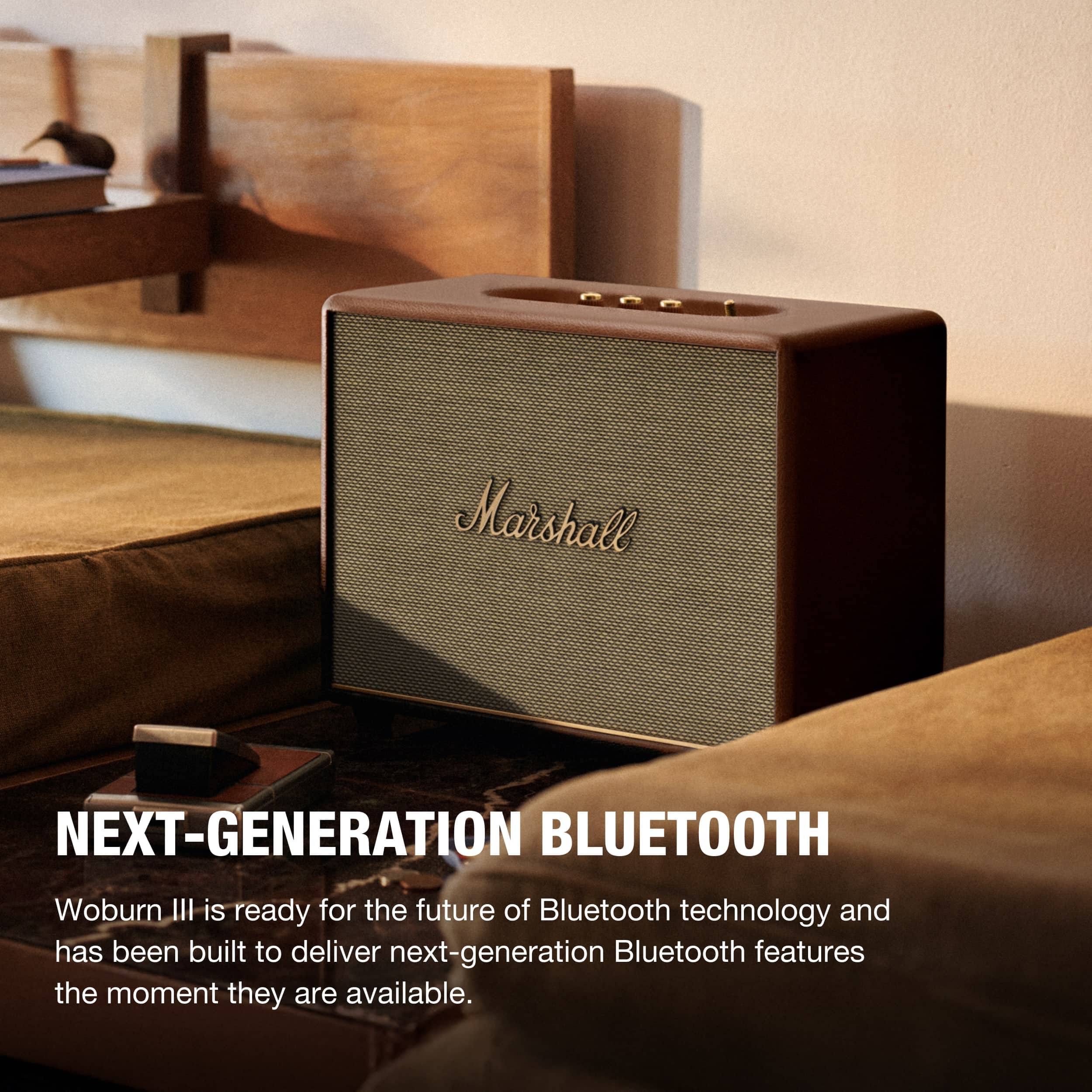
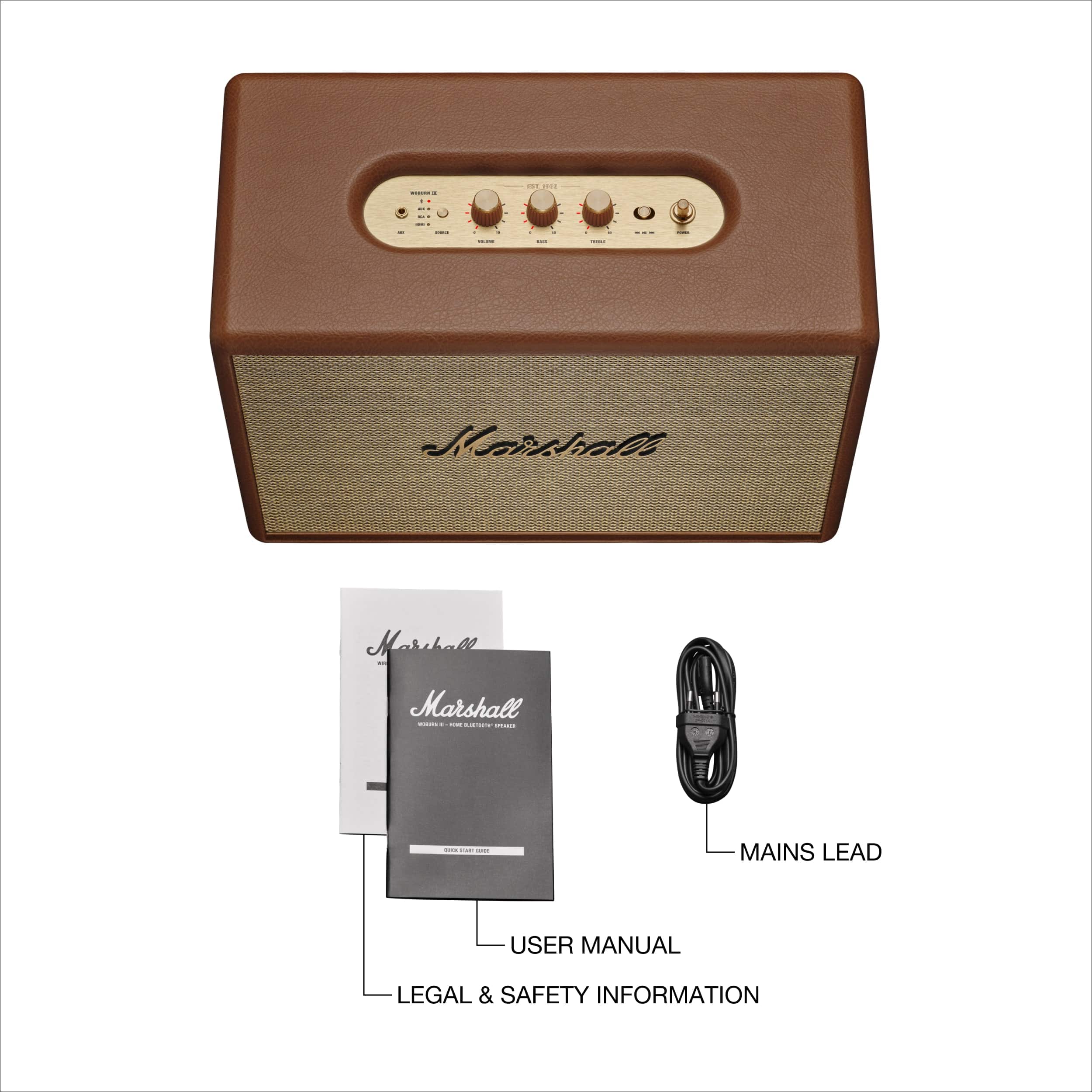
Both manufacturers have strong reputations for build quality, but they express it differently. The Marshall Woburn III feels like a piece of furniture with its wooden cabinet construction and brass-colored control knobs. It's designed to be a permanent installation that ages gracefully and maintains its value over time.
The SongBook MAX emphasizes durability through different means—reinforced carry handle, splash resistance, and controls that can withstand outdoor use. The analog EQ sliders are particularly noteworthy; they're the kind of controls that should work reliably for decades rather than becoming obsolete when an app stops being updated.
Both speakers use primarily recycled materials in their construction and avoid PVC plastics, reflecting growing environmental consciousness in premium audio products.
The decision ultimately comes down to your primary use case and living situation.
Choose the Tivoli Audio SongBook MAX if you value flexibility above all else. It's ideal for people who want great sound in multiple locations—your home office during the day, the patio for evening entertaining, or packed for a weekend getaway. The built-in preamp makes it particularly attractive for vinyl enthusiasts who want to enjoy their records throughout their home without installing multiple turntable setups.
The Marshall Woburn III is the better choice for people who prioritize maximum performance and home integration. If your primary listening space is a large living room and you want a speaker that can truly compete with a dedicated stereo system, the extra power and sophisticated features justify the loss of portability.
For home theater use specifically, the Marshall is clearly superior. The HDMI ARC connectivity and room optimization features make it a legitimate alternative to a soundbar for many users.
At the time of writing, both speakers command premium pricing that reflects their sophisticated engineering and high-quality construction. The value proposition depends entirely on which features matter most to you.
The SongBook MAX offers unique value through its combination of portability, analog controls, and built-in preamp. You're paying for flexibility and features that simply aren't available in other speakers at any price point.
The Marshall Woburn III delivers exceptional value in terms of raw performance per dollar spent. The power output, driver array, and smart features would typically require much more expensive equipment from traditional hi-fi manufacturers.
Both speakers represent the current state-of-the-art in their respective categories and should provide years of excellent service. The choice between them isn't really about which is better—they're both excellent—but about which approach to premium audio fits your lifestyle and priorities better.
In my view, the Marshall Woburn III makes the most sense for users who primarily listen at home and want the best possible sound quality for music and movies. The Tivoli Audio SongBook MAX is the clear winner for anyone who values versatility and wants great sound wherever life takes them. Either choice represents a significant step up from typical Bluetooth speakers and should satisfy even demanding listeners for years to come.
| Tivoli Audio SongBook MAX | Marshall Woburn III |
|---|---|
| Power Output - Determines maximum volume and room-filling capability | |
| 50W total (sufficient for medium rooms up to 300 sq ft) | 150W total (fills large rooms 500+ sq ft with authority) |
| Driver Configuration - Affects sound quality and frequency separation | |
| 3-driver system: 4" sub, 4" mid, 0.75" tweeter | 5-driver system: 6" woofer, 2x 2" mids, 2x 0.75" tweeters |
| Frequency Response - Lower numbers mean deeper bass | |
| 40Hz-20kHz (good bass extension) | 35Hz-20kHz (excellent bass extension, more impactful low-end) |
| Portability - Critical for users who want flexibility | |
| 11.5 lbs with carry handle, 10-hour battery, IPX4 splash resistant | 21.5 lbs, AC power only, designed for stationary use |
| Connectivity Options - Determines integration with other devices | |
| Bluetooth 5.3, ¼" aux with preamp, FM radio, USB-C charging | Bluetooth 5.2, HDMI ARC, RCA, 3.5mm aux, AC power |
| Sound Customization - How much control you have over audio | |
| Physical bass/mid/treble EQ sliders (±6dB each) | App-based EQ plus Dynamic Loudness and Placement Compensation |
| Home Theater Integration - Important for TV and movie use | |
| Basic aux/Bluetooth connection only | HDMI ARC with TV volume control, Night Mode for movies |
| Special Features - Unique capabilities that add value | |
| Built-in preamp for turntables/instruments, FM radio with presets | Room optimization, over-the-air updates, multipoint Bluetooth |
| Target Use Case - Who each speaker is designed for | |
| Mobile audiophiles, musicians, vinyl enthusiasts who want portability | Home users prioritizing maximum power and TV integration |
The Marshall Woburn III is significantly better for home theater use. It features HDMI ARC connectivity that allows direct connection to your TV with seamless volume control, plus a Night Mode that automatically balances loud and quiet sounds for late-night viewing. The Tivoli Audio SongBook MAX can connect to TVs but only through basic auxiliary or Bluetooth connections, which aren't as convenient for daily use.
The core difference is portability versus power. The Tivoli Audio SongBook MAX is designed for mobility with a 10-hour battery, carry handle, and splash resistance, while the Marshall Woburn III is a stationary powerhouse that delivers three times more power (150W vs 50W) but requires wall power and weighs twice as much.
Both speakers deliver excellent sound quality but with different strengths. The Marshall Woburn III produces more powerful bass (extending to 35Hz vs 40Hz) and creates a wider soundstage through its five-driver system. The Tivoli Audio SongBook MAX offers exceptional vocal clarity and midrange detail with more balanced overall sound, making it better for acoustic music and podcasts.
Only the Tivoli Audio SongBook MAX is designed for outdoor use. It has IPX4 splash resistance, battery power, and a portable design perfect for patios, camping, or poolside listening. The Marshall Woburn III requires AC power and lacks water resistance, making it unsuitable for outdoor environments.
The Marshall Woburn III is much better for large rooms due to its 150W power output compared to the Tivoli's 50W. The Marshall can easily fill rooms over 500 square feet with clear, undistorted sound, while the Tivoli is optimized for medium-sized spaces up to 300 square feet.
The Tivoli Audio SongBook MAX has a significant advantage for vinyl enthusiasts with its built-in preamp and ¼-inch input, allowing direct connection to any turntable without additional equipment. The Marshall Woburn III can connect to turntables through its RCA input but may require a separate preamp depending on your turntable setup.
The Marshall Woburn III offers more comprehensive connectivity with HDMI ARC, RCA inputs, and 3.5mm auxiliary input, making it better for home integration. The Tivoli Audio SongBook MAX focuses on portable connectivity with Bluetooth 5.3, ¼-inch auxiliary input, and includes FM radio functionality that the Marshall lacks.
Only the Tivoli Audio SongBook MAX has a battery, providing up to 10 hours of playback time with USB-C fast charging. The Marshall Woburn III is designed for permanent installation and requires constant AC power, which allows it to deliver much higher power output without battery limitations.
Value depends on your needs. The Tivoli Audio SongBook MAX offers unique value through portability, built-in preamp, and FM radio features not found elsewhere. The Marshall Woburn III delivers exceptional power-per-dollar and includes premium features like room optimization and HDMI connectivity typically found in more expensive systems.
Yes, but differently. The Tivoli Audio SongBook MAX features physical bass, mid, and treble EQ sliders that provide immediate tactile control. The Marshall Woburn III offers both physical bass/treble knobs and advanced app-based controls including automatic room optimization and Dynamic Loudness adjustment.
The Tivoli Audio SongBook MAX is better suited for musicians and DJs due to its built-in preamp, ¼-inch input for direct instrument connection, physical EQ controls for quick adjustments, and portable design for gigs. The Marshall Woburn III is primarily designed for home listening rather than professional use.
Both Tivoli Audio SongBook MAX and Marshall Woburn III justify their premium positioning through superior build quality, advanced features, and exceptional sound quality compared to budget alternatives. The choice depends on whether you prioritize the Tivoli's unique portability and analog features or the Marshall's superior power and home theater integration capabilities.
We've done our best to create useful and informative comparisons to help you decide what product to buy. Our research uses advanced automated methods to create this comparison and perfection is not possible - please contact us for corrections or questions. These are the sites we've researched in the creation of this article: tivoliaudio.com - tivoliaudio.eu - whathifi.com - manofmany.com - tivoliaudio.com - versus.com - ecoustics.com - tivoliaudio.eu - versus.com - boomboxery.com - tivoliaudio.com - tivoliaudio.com - gearpatrol.com - bestbuy.com - crutchfield.com - techradar.com - youtube.com - target.com - gearpatrol.com - wallpaper.com - hawthornestereo.com - tivoliaudio.com - loudersound.com - ash-asia.zendesk.com - armorsound.com - rtings.com - crutchfield.com - rtings.com - stereoguide.com - bestbuy.com - hometechnologyreview.com - crutchfield.com - sweetwater.com - rtings.com - youtube.com - greentoe.com - versus.com - idownloadblog.com - marshall.com - youtube.com - comparisontabl.es - youtube.com - versus.com - crutchfield.com - device.report - consumerreports.org - sg.tcacoustic.asia - stereoindex.com - safemark.com - smarthomesounds.co.uk - marshall.com - device.report - bestbuy.com - marshall.com

Privacy Policy
Terms and Conditions - Affiliate Policy
Home Security
© Copyright 2008-2026.
11816 Inwood Rd #1211, Dallas, TX 75244