

When shopping for a wireless speaker, you're essentially choosing between two completely different philosophies of sound. The Marshall Woburn III represents the refined, stationary approach—think of it as a piece of furniture that happens to produce incredible audio. Meanwhile, the Sony SRS-XP700 embodies the "take the party anywhere" mentality with its battery power and entertainment features. While both deliver wireless audio at roughly similar price points (at the time of writing), they're designed for fundamentally different lifestyles and listening priorities.
Understanding these differences is crucial because buying the wrong type of speaker for your needs is frustrating and expensive. A premium home speaker won't help you at beach parties, just like a party speaker might sound muddy and harsh for quiet evening music listening. Let's dive deep into what makes each approach work and who should choose which.
The wireless speaker market has essentially split into two distinct camps over the past few years. Premium home speakers like the Marshall Woburn III focus on audio fidelity, build quality, and integration with your living space. They're designed to be plugged in permanently and deliver the kind of sound that makes you rediscover details in songs you've heard hundreds of times.
Party speakers like the Sony SRS-XP700 prioritize loudness, portability, and entertainment features. They're engineered to pump out bass-heavy sound that cuts through outdoor noise and conversations, often sacrificing some audio accuracy for sheer impact and versatility.
The key considerations when choosing between these categories include your primary listening environment (indoor vs outdoor), whether you need portability, your sound quality expectations, and how you plan to use additional features like microphone inputs or lighting effects. Most people instinctively know which camp they fall into, but the performance differences run much deeper than you might expect.
The Marshall Woburn III, released in 2022, represents Marshall's most refined home speaker engineering to date. Its three-way driver system is where the magic happens—instead of just having a woofer and tweeter like most speakers, it includes dedicated midrange drivers. This means vocals, guitars, and brass instruments get their own specialized drivers instead of being squeezed between bass and treble reproduction.
The technical specs tell the story: a 6-inch woofer handles the low end (powered by a dedicated 90-watt amplifier), two 2-inch midrange drivers manage the crucial vocal frequencies (15 watts each), and two 3/4-inch tweeters handle the sparkly highs (15 watts each). This totals 150 watts of Class D amplification—a modern, efficient amplifier type that generates less heat while delivering clean power.
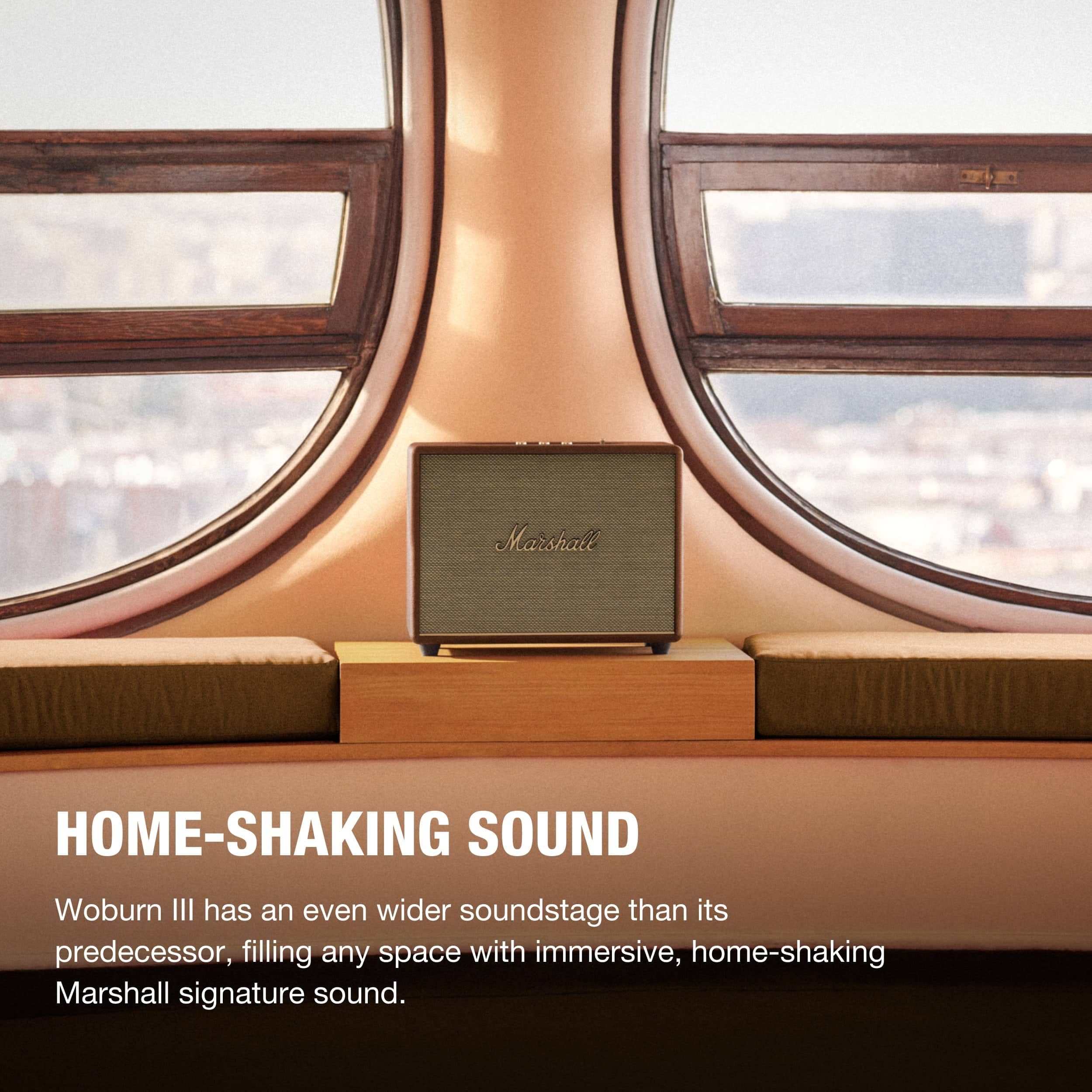
What makes this speaker special is its bass-reflex cabinet design, which uses carefully tuned ports to extend bass response down to 35Hz. To put that in perspective, that's getting close to the lowest frequencies humans can actually hear (around 20Hz). Most speakers struggle to reproduce anything below 50Hz cleanly. The angled tweeters create what Marshall calls a wide soundstage—instead of sound coming from a single point, it feels like instruments are spread across an invisible stage in your room.
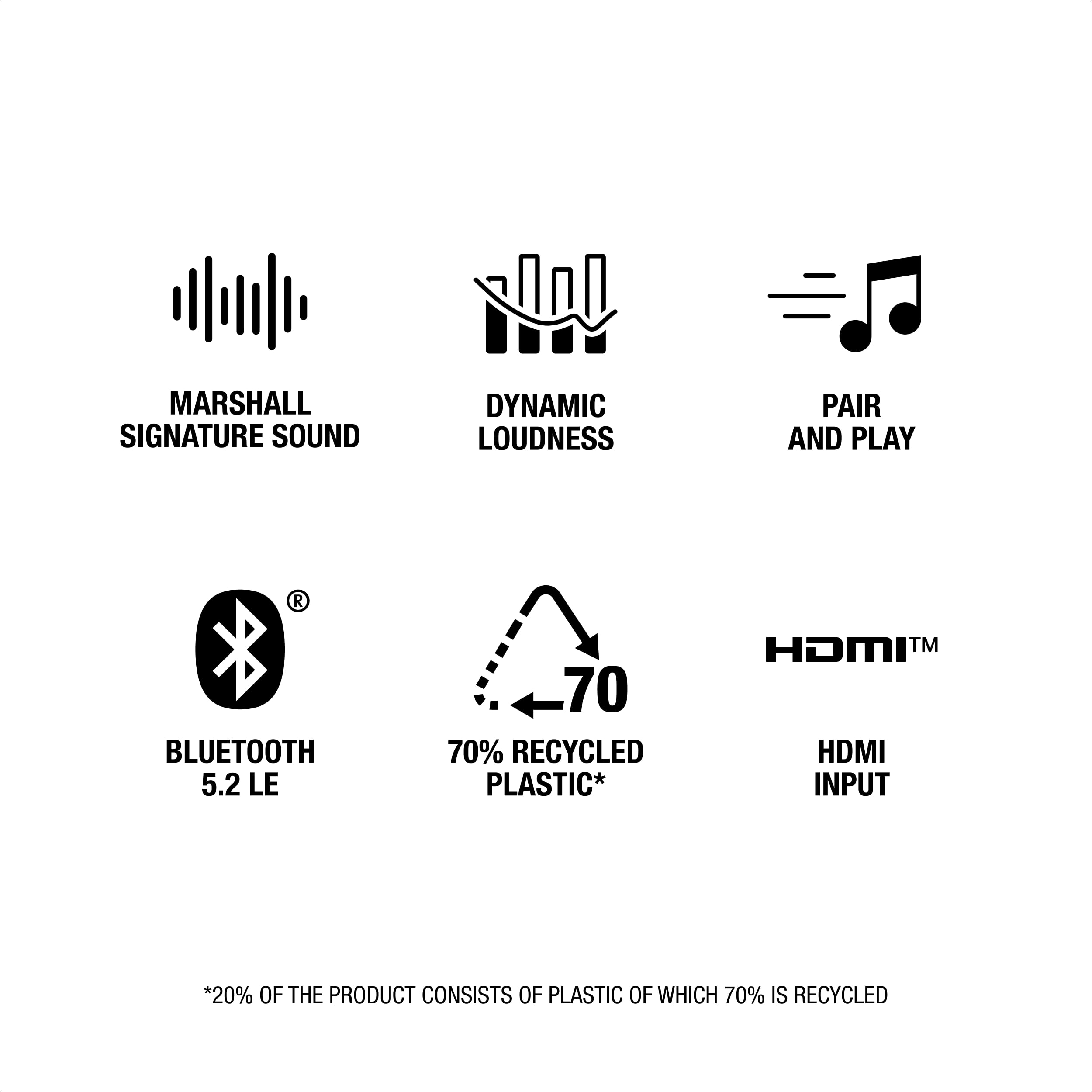
The Dynamic Loudness feature deserves special attention because it solves a real problem. At low volumes, human ears naturally perceive less bass and treble due to how our hearing works (this is called the Fletcher-Munson curve). Dynamic Loudness automatically compensates by boosting these frequencies at quiet volumes, so your music maintains its full character whether you're listening at whisper levels or party volumes.
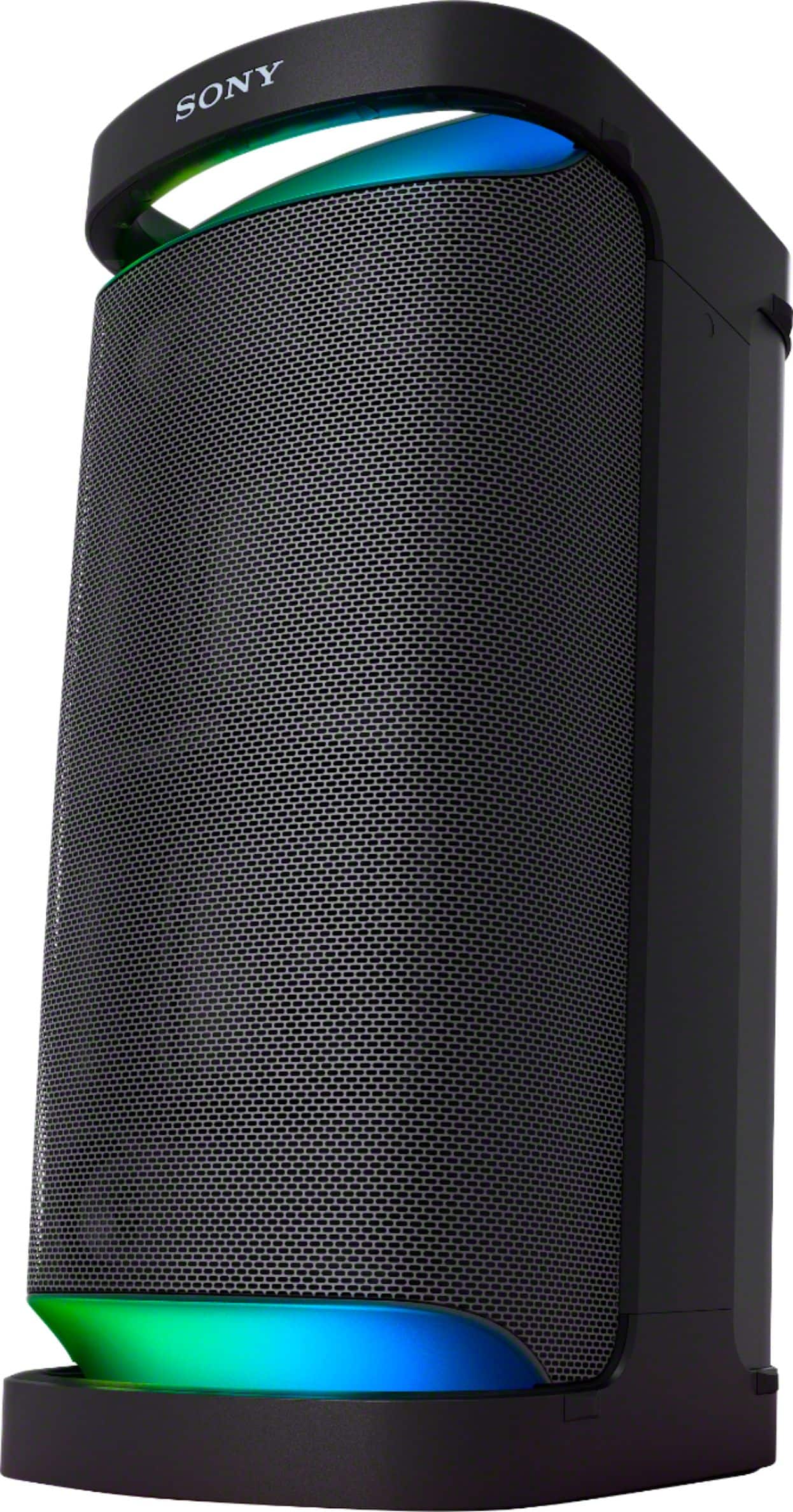
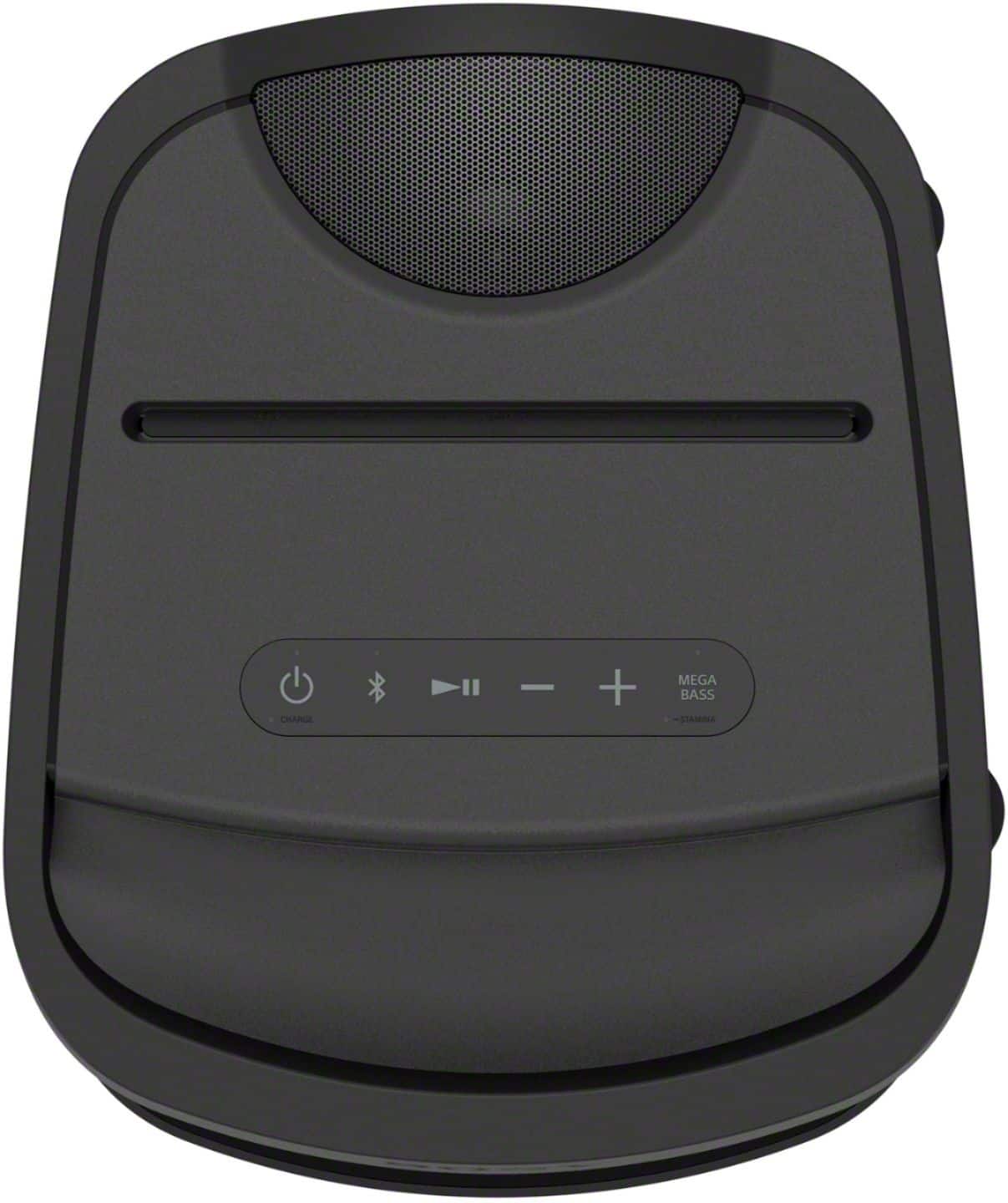
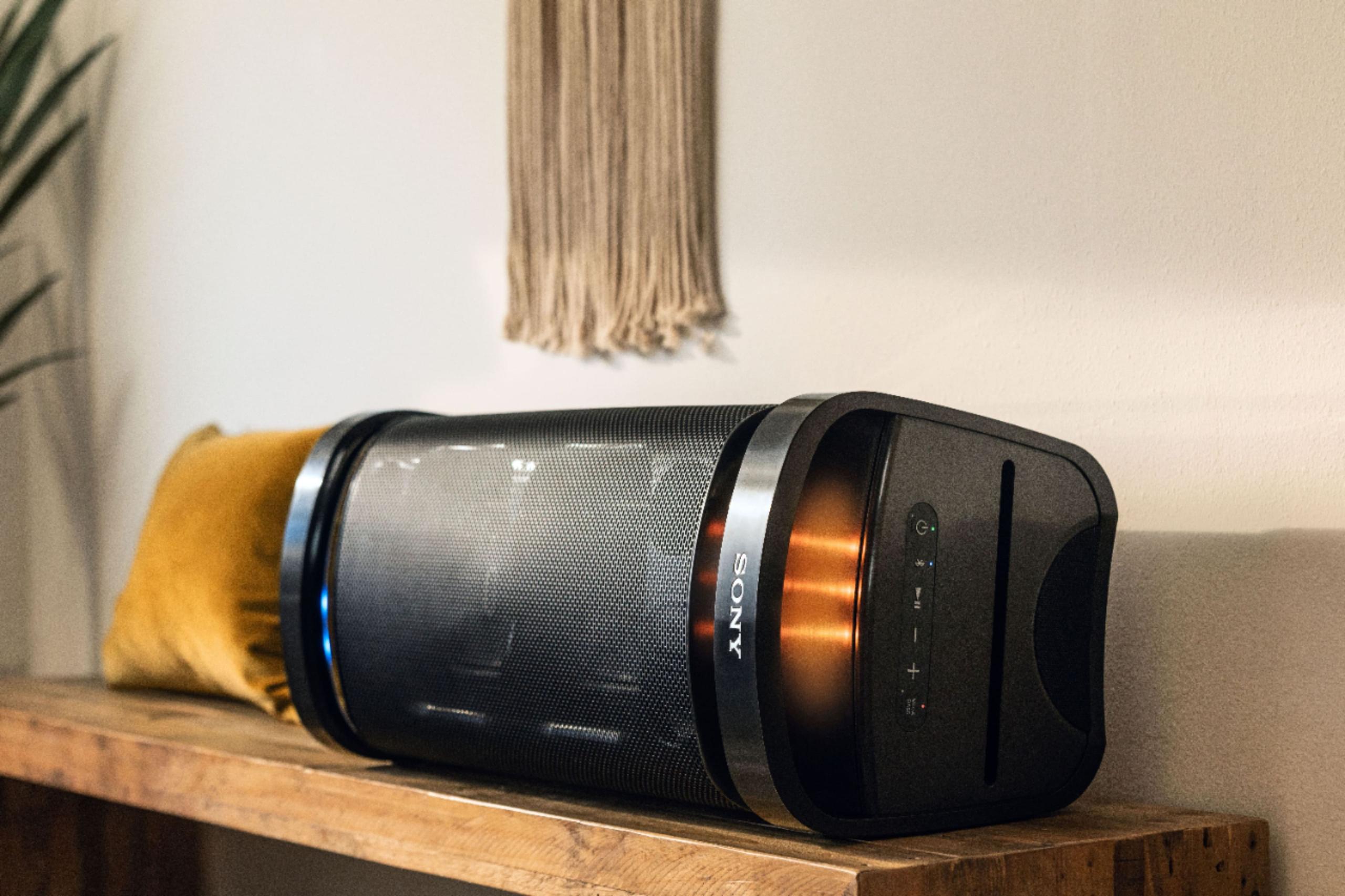
The Sony SRS-XP700, also released around 2021-2022, takes a completely different approach. Sony's engineering team focused on creating what they call "MEGA BASS"—essentially, they've tuned the speaker to emphasize low and mid frequencies that make music feel impactful in noisy environments.
However, our research into professional reviews reveals some significant limitations in this approach. The speaker uses what Sony calls X-Balanced Speaker Units, which have non-circular diaphragms designed to move more air than traditional round drivers. While this can create impressive volume levels, the trade-off is accuracy. The frequency response shows overemphasized midrange that can make vocals sound "honky" and underemphasized treble that dulls the sparkle in cymbals and acoustic guitars.
More concerning is the compression that occurs at high volumes. Compression is when a speaker can't handle peaks in music properly, so everything gets squashed together and loses its impact. This is particularly noticeable with complex music that has lots of simultaneous instruments—everything starts to blur together instead of remaining distinct.
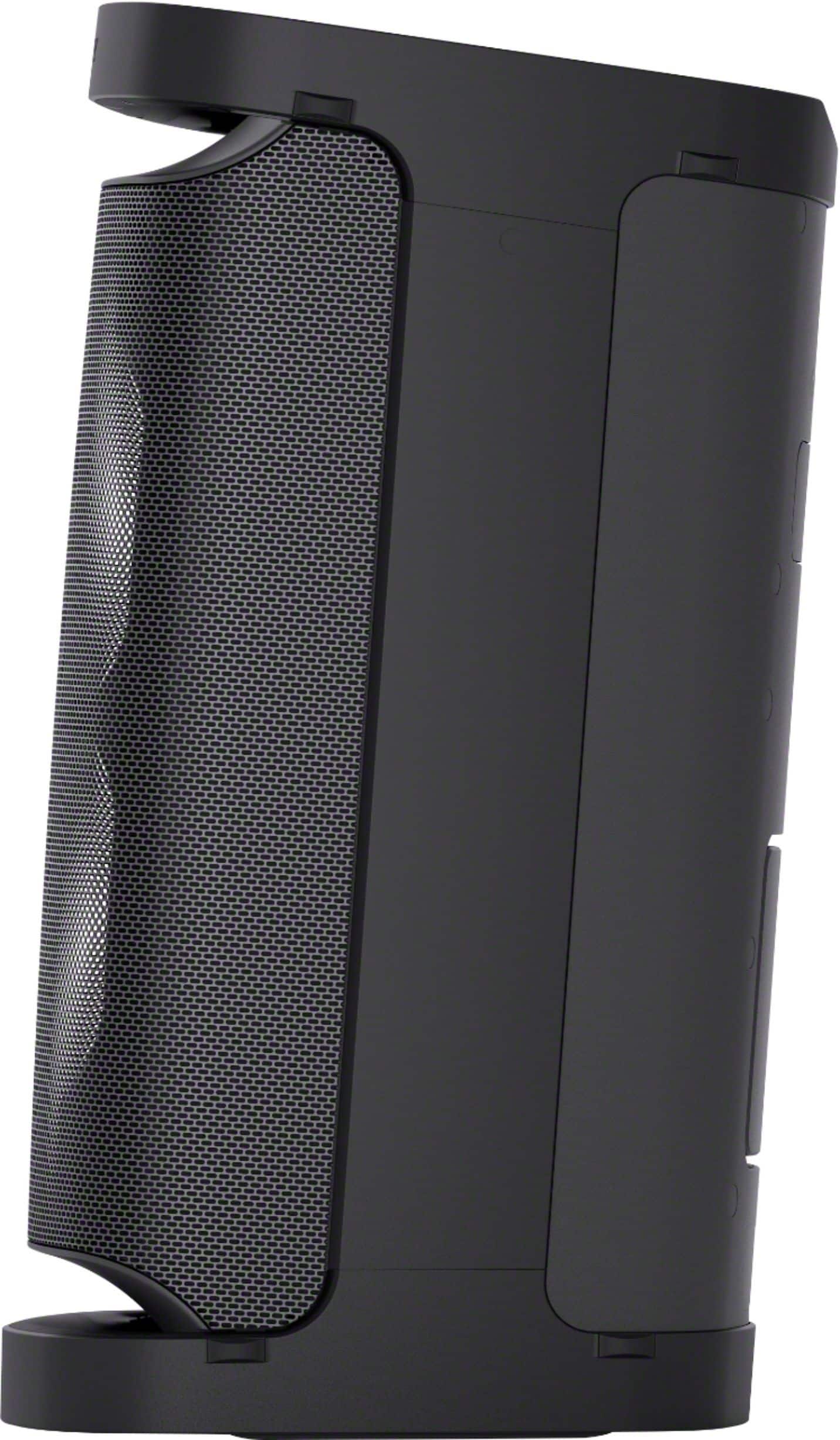
The omnidirectional design does spread sound in all directions, which works well for parties where people are scattered around a space. But for focused listening, this actually works against you because you lose the precise stereo imaging that makes music feel three-dimensional.
When evaluating speaker performance, frequency response (how evenly the speaker reproduces different pitches) and total harmonic distortion (how much the speaker adds unwanted sounds) are the most important technical measurements. Maximum volume capability matters too, but only if the speaker can maintain clarity at high levels.
The Marshall Woburn III excels in frequency response accuracy and low distortion, meaning what you hear closely matches what the artist intended. Its maximum SPL (Sound Pressure Level) of 100.5 dB at one meter is plenty loud for any home environment while maintaining clarity.
The Sony SRS-XP700 prioritizes maximum volume over accuracy, which makes sense for its intended party environment but creates problems for critical listening. The speaker can certainly get loud, but the quality degrades significantly as you approach maximum volume.
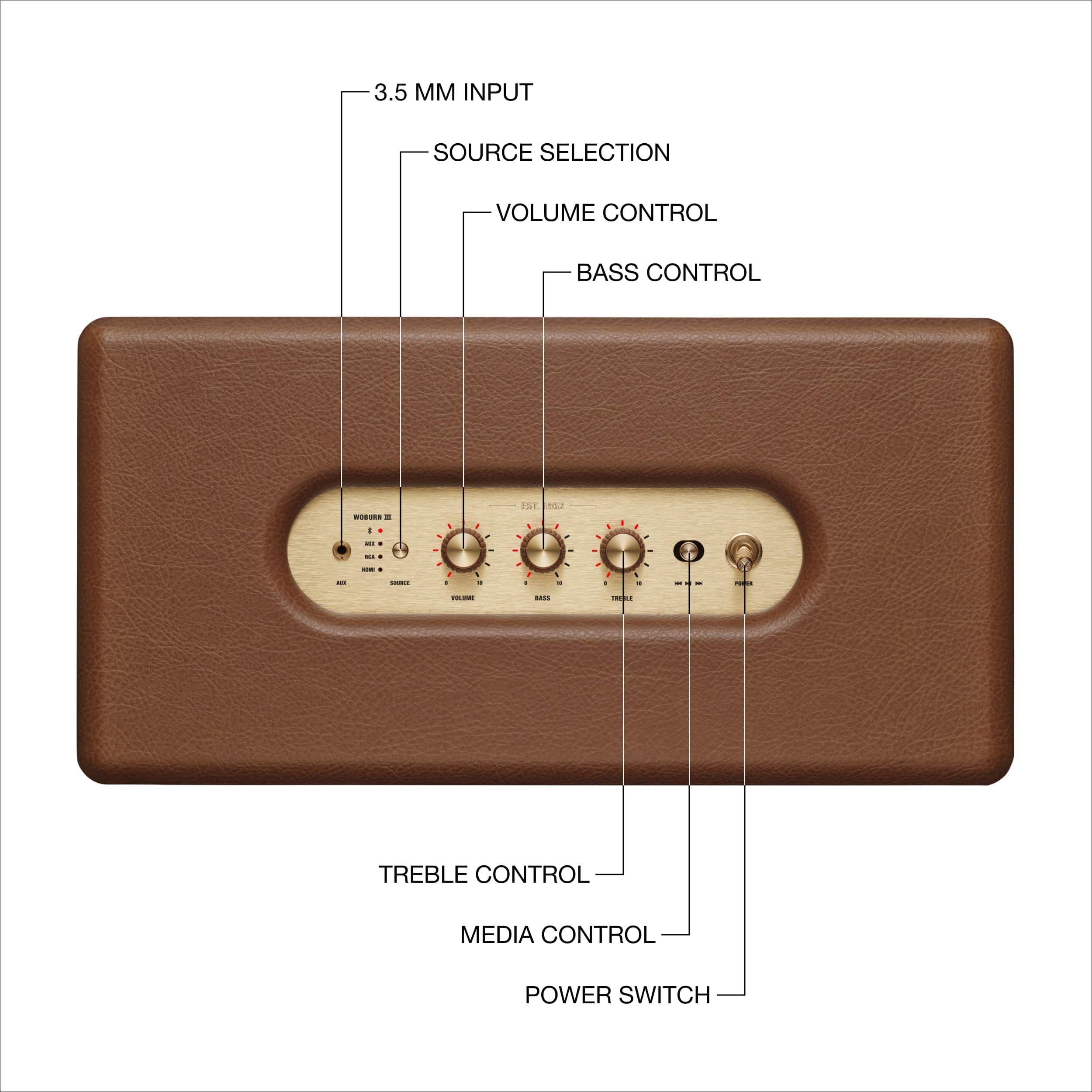
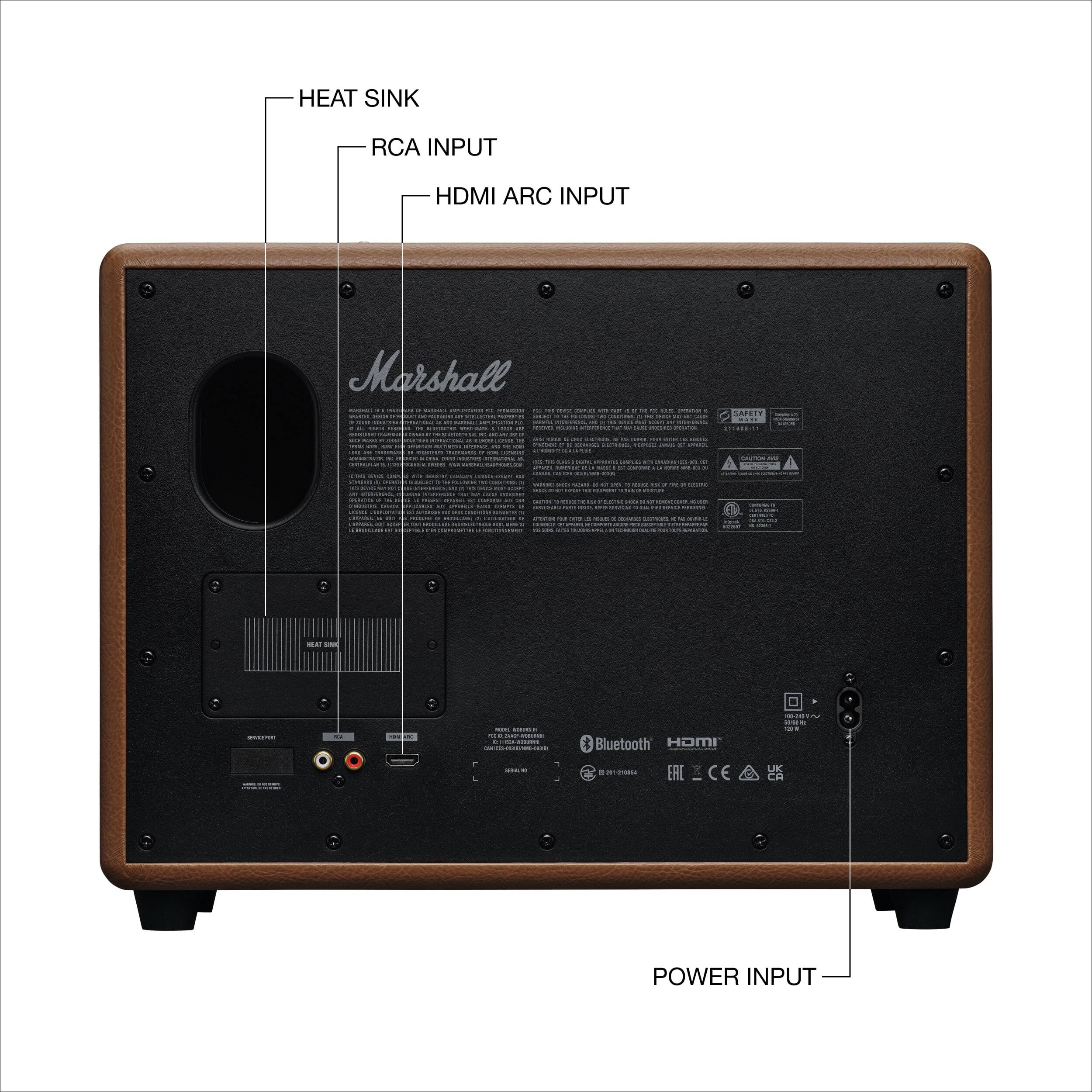
The Marshall Woburn III shines in home connectivity options. The HDMI ARC (Audio Return Channel) input is genuinely useful—it lets you connect the speaker directly to your TV, and the TV's remote can control the speaker's volume. Even better, Marshall includes a "Night Mode" that automatically reduces loud sounds and boosts quiet dialogue when connected via HDMI, perfect for late-night movie watching without waking the household.
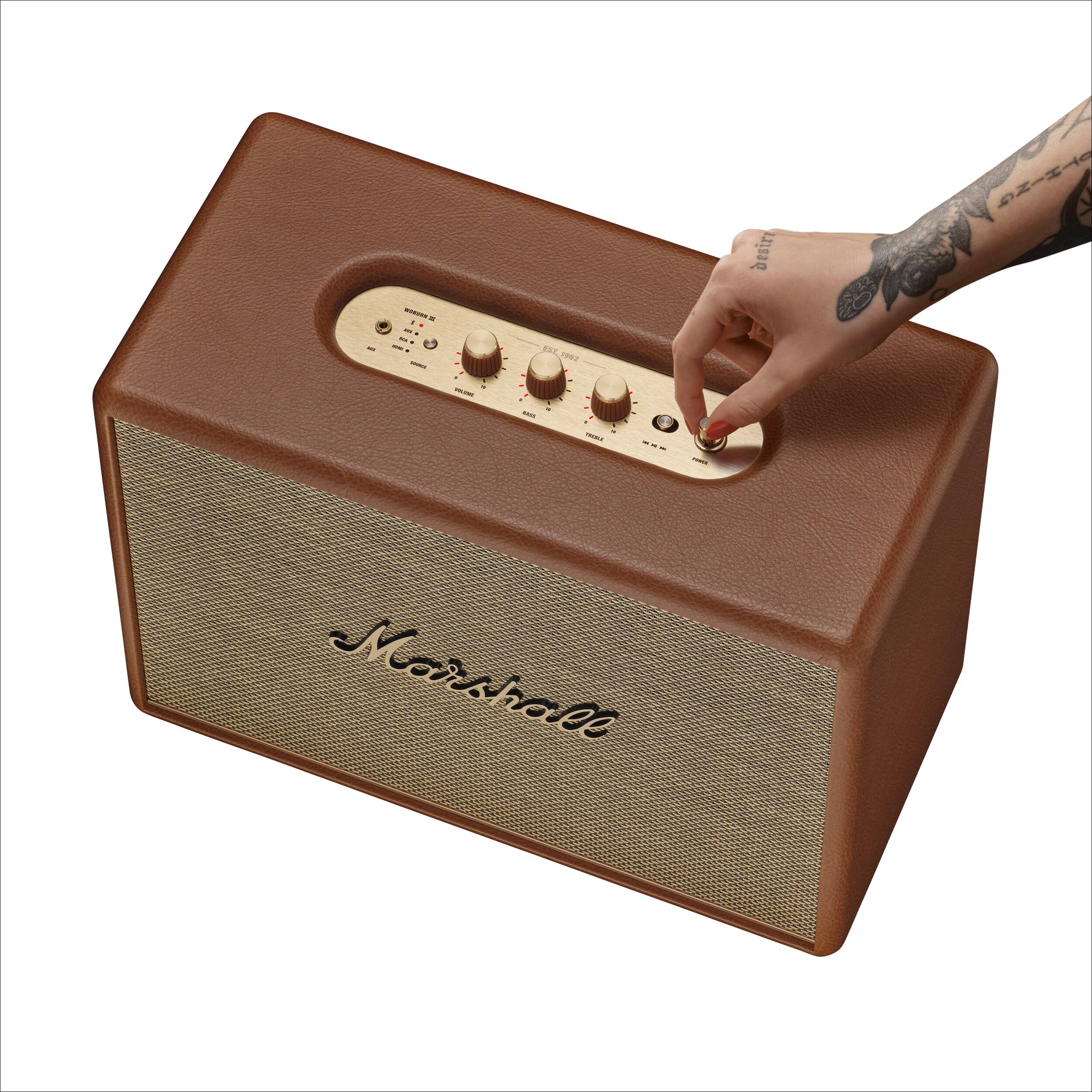
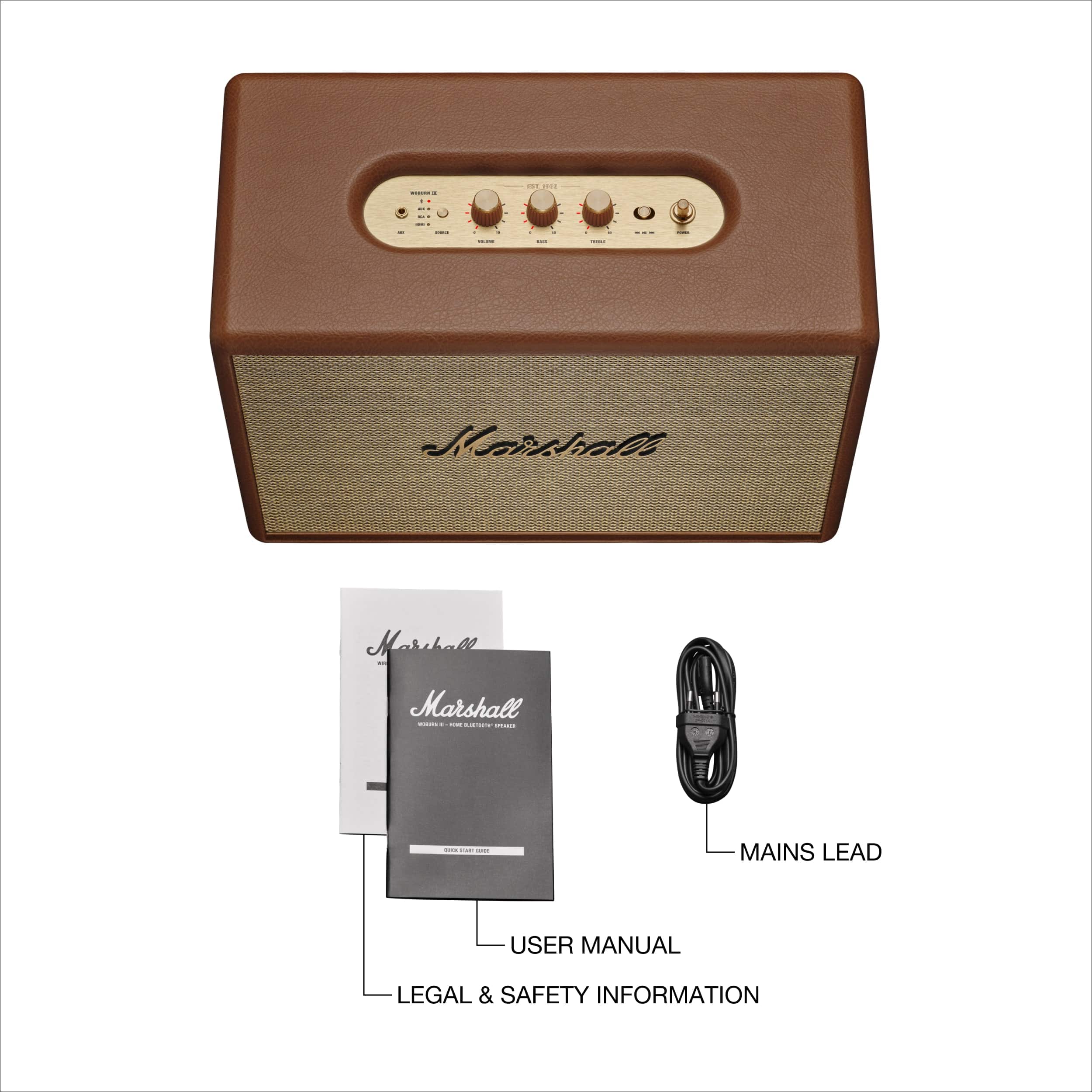
The physical controls deserve praise too. Instead of relying entirely on smartphone apps, Marshall provides analog knobs for volume, bass, and treble right on top of the speaker. These aren't cheap plastic dials—they're substantial brass knobs that feel like they belong on vintage audio equipment. There's something satisfying about reaching over and turning a physical volume knob instead of fumbling for your phone.
The Marshall app handles the more advanced features like Placement Compensation, which adjusts the sound based on whether the speaker is near walls or in a corner. This matters because room placement dramatically affects bass response—a speaker near a wall will sound boomy compared to the same speaker in open space.
Bluetooth 5.2 support means better range and stability than older Bluetooth versions, plus the speaker is ready for future Bluetooth features through over-the-air firmware updates. This future-proofing is rare in speakers and adds real value to your investment.
The Sony SRS-XP700 takes a completely different approach to connectivity, focusing on entertainment versatility over audiophile refinement. The standout feature is simultaneous connection to two Bluetooth devices—you and a friend can both stay connected and take turns playing music without the annoying re-pairing dance.
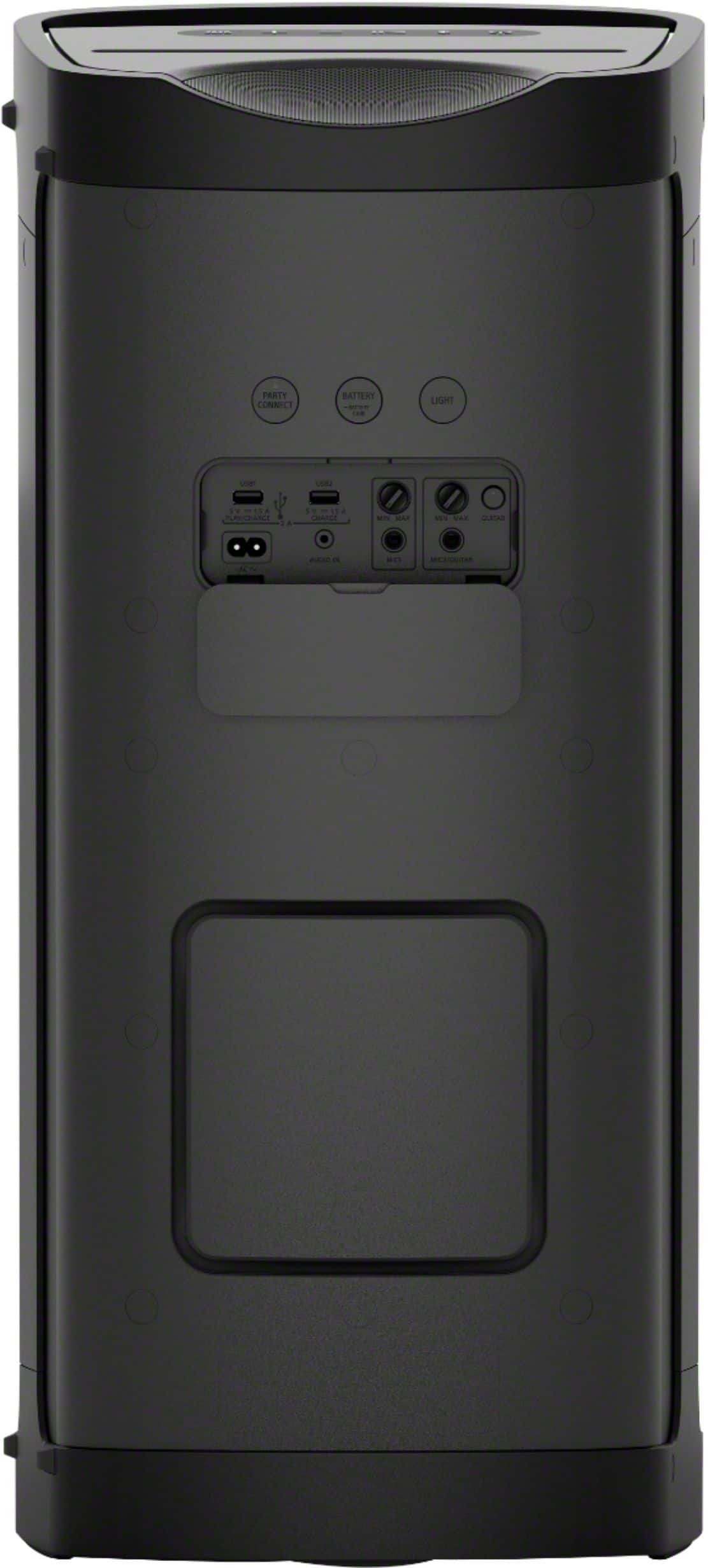
The microphone and guitar inputs are genuinely useful for parties. You can plug in a microphone for announcements or karaoke, or connect an electric guitar for impromptu jam sessions. The built-in orientation sensor automatically adjusts the stereo field when you position the speaker vertically versus horizontally, which is a clever touch for a portable speaker that might be used in different configurations.
Sony's Fiestable app provides extensive sound customization through a graphic equalizer—you can boost or cut specific frequency ranges to taste. This helps compensate for the speaker's inherent sound coloration, though it requires some audio knowledge to use effectively.
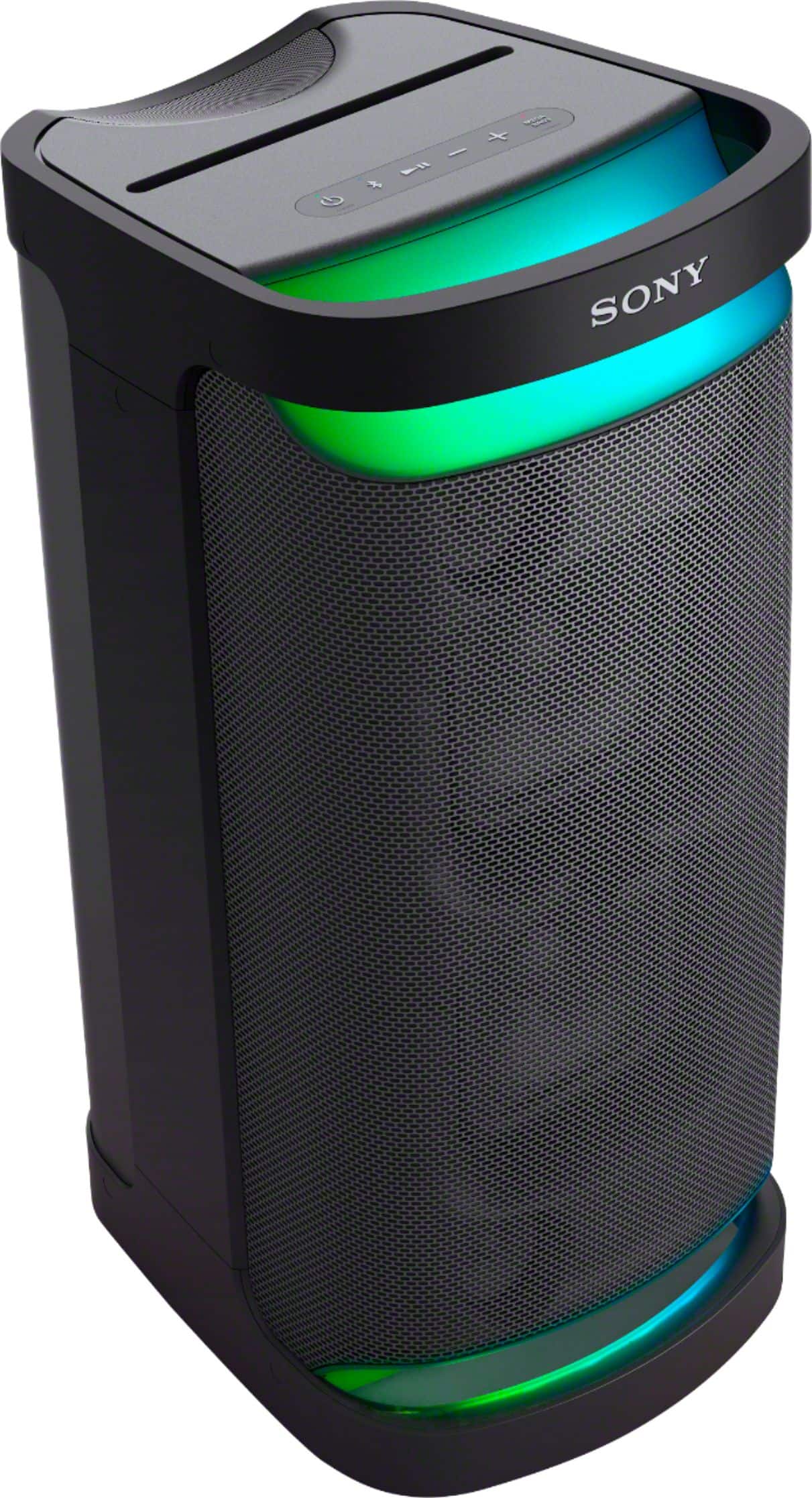
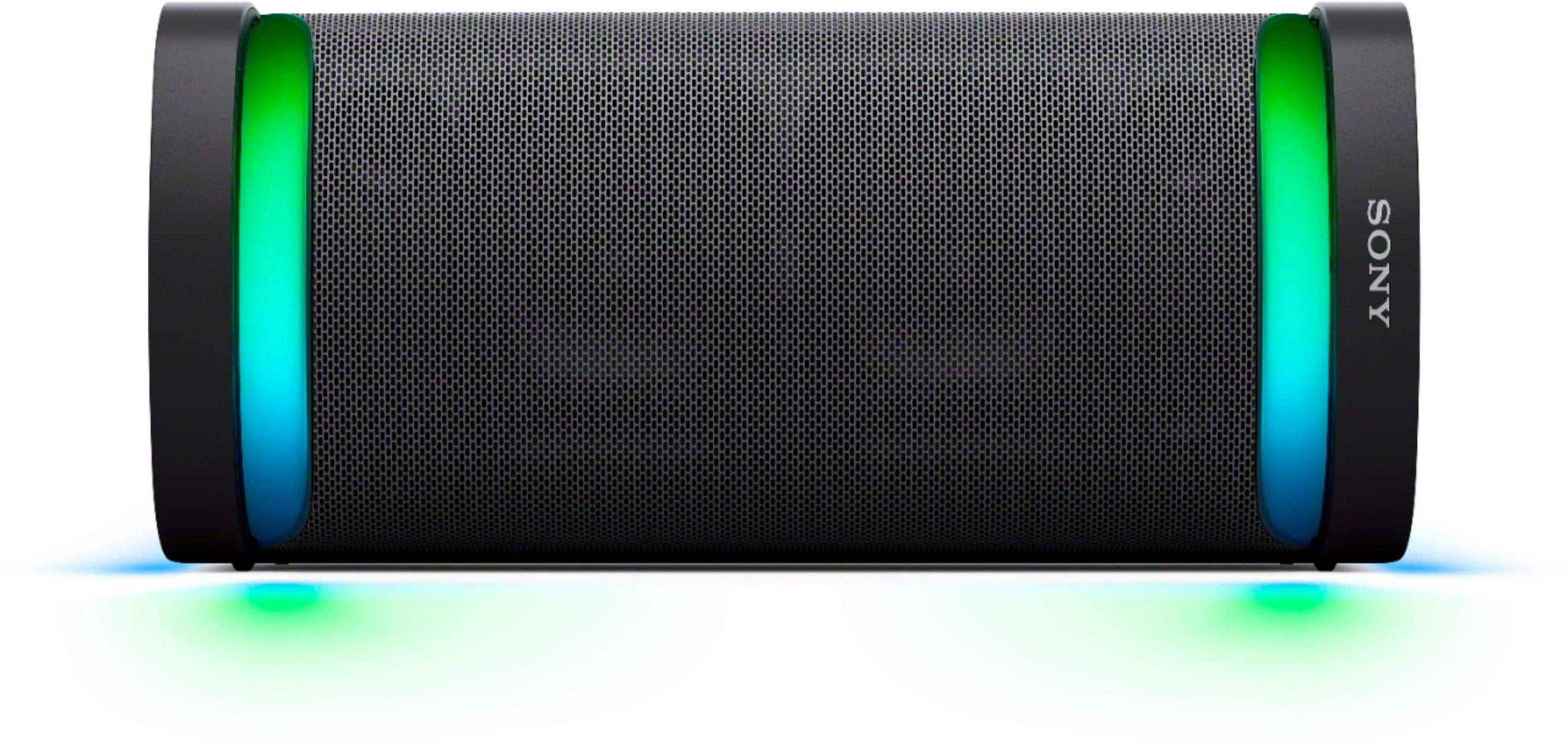
The RGB lighting system syncs with your music, though our research suggests it's more subtle than the flashy light shows on some competing party speakers. Some users appreciate the restraint, while others looking for a full disco experience might find it underwhelming.
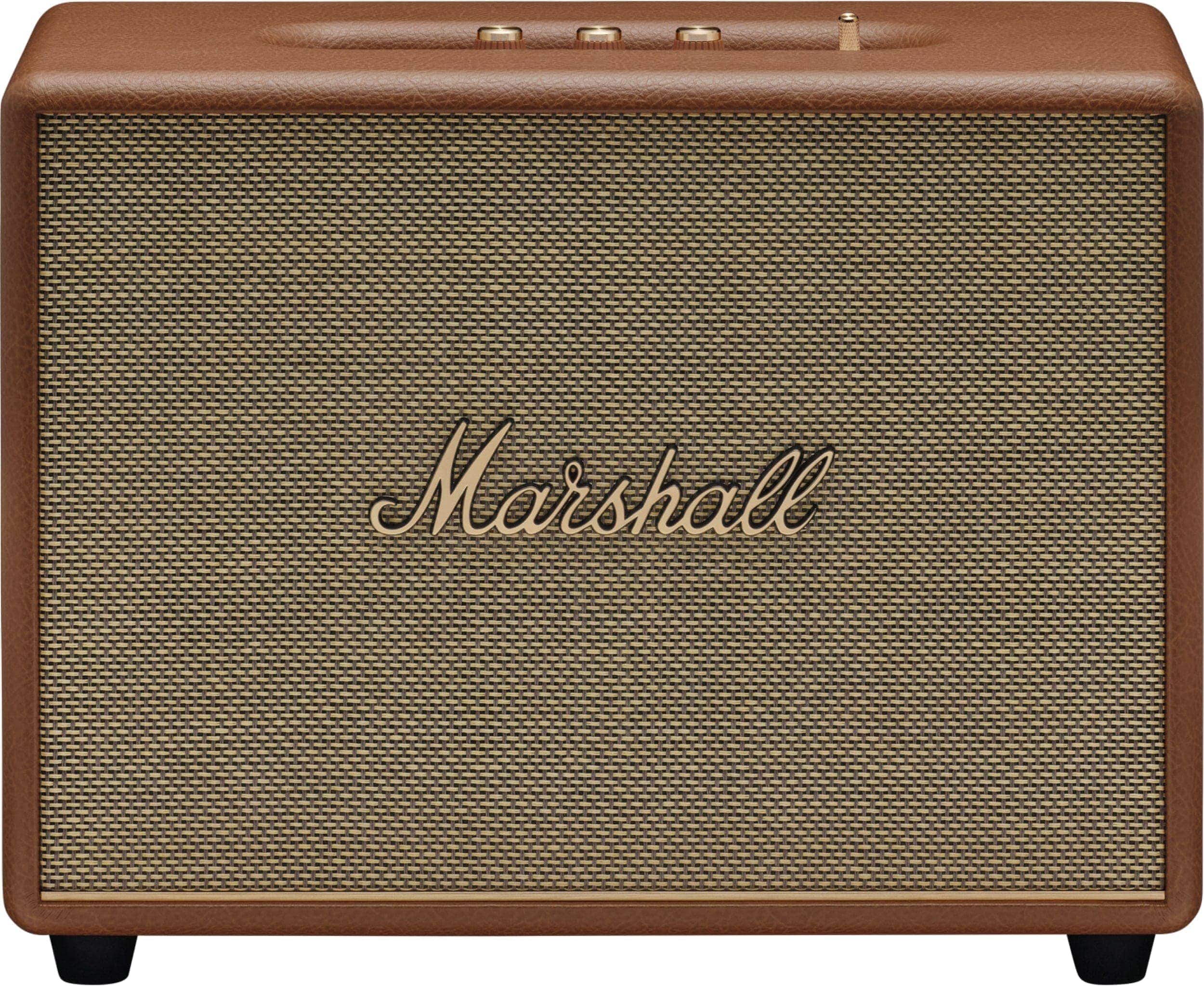
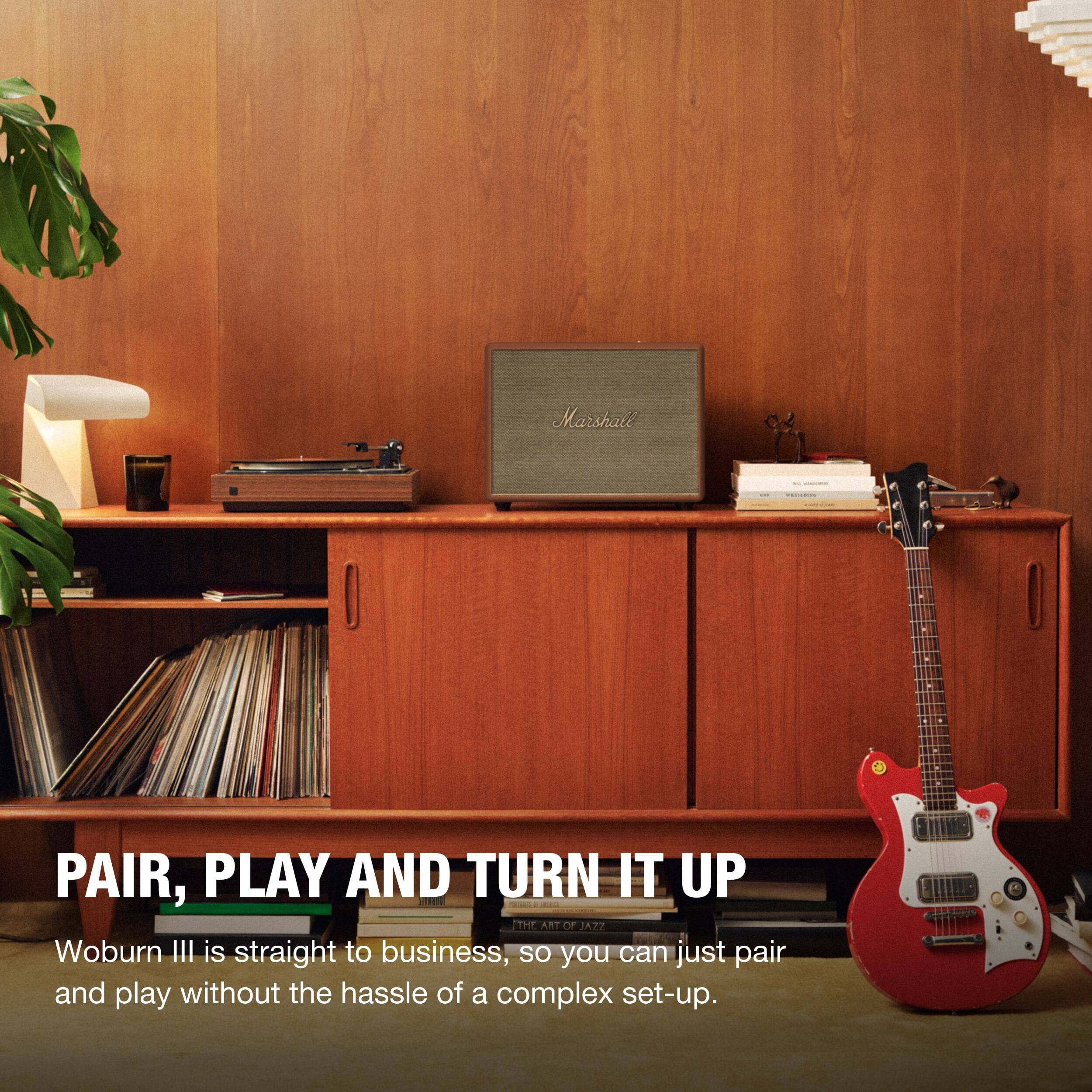
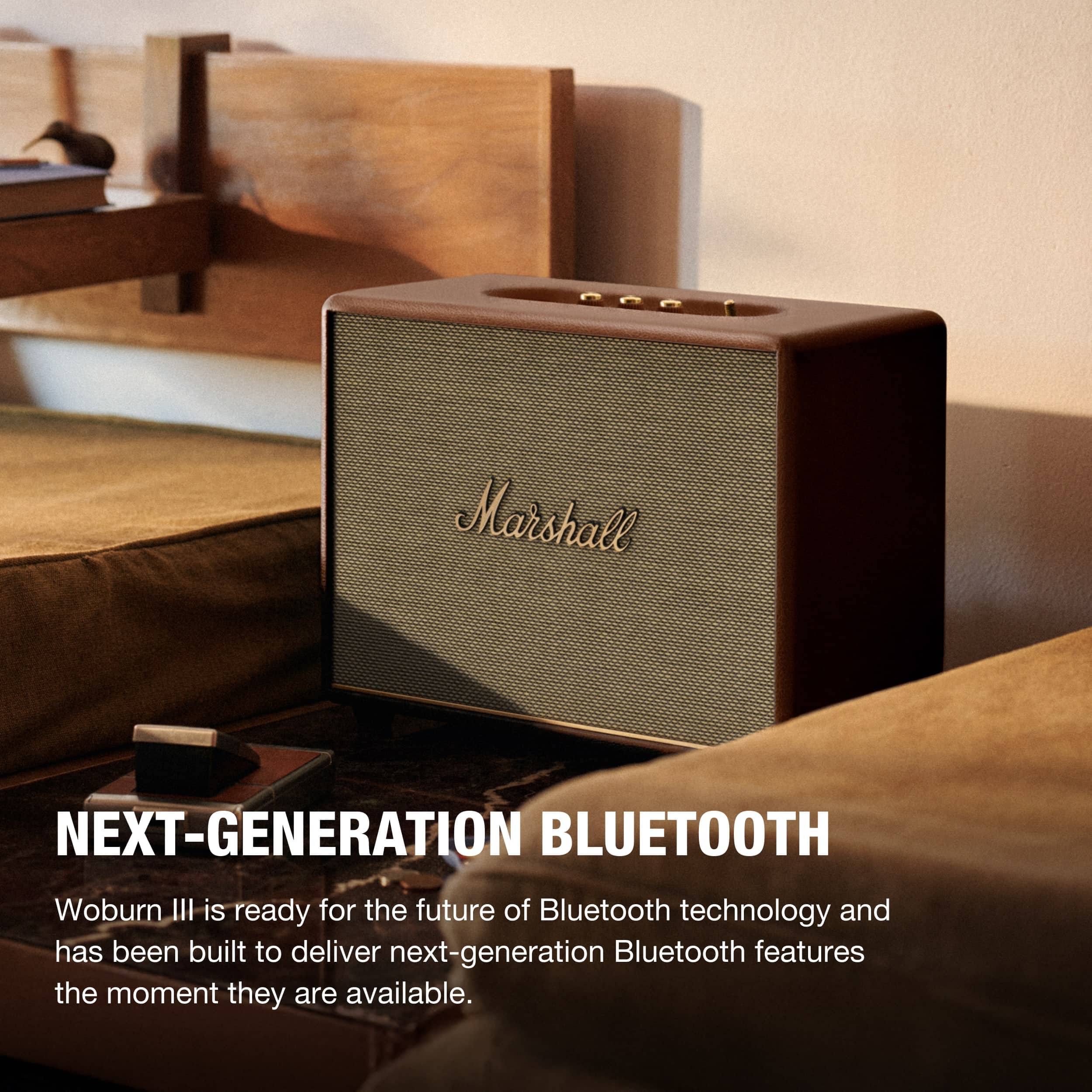
The Marshall Woburn III looks and feels like a premium piece of audio equipment. The vegan leather texture (Marshall eliminated real leather in recent years for sustainability) covers a substantial wooden cabinet that weighs about 16 pounds. This weight is actually a good thing—it indicates dense, resonance-free construction that prevents the cabinet from vibrating and adding unwanted coloration to the sound.
The brass control knobs and Marshall script logo give it the aesthetic of vintage guitar amplifiers, which is entirely intentional. Marshall has successfully translated their iconic amp styling to home audio, creating a speaker that looks as good as it sounds. The build quality extends to details like the textured top panel that resists fingerprints and the substantial rubber feet that keep the speaker stable.
Environmental considerations matter too—the Marshall Woburn III uses 70% recycled plastic components and eliminates PVC entirely. For a premium product, this attention to sustainability adds value without compromising performance.
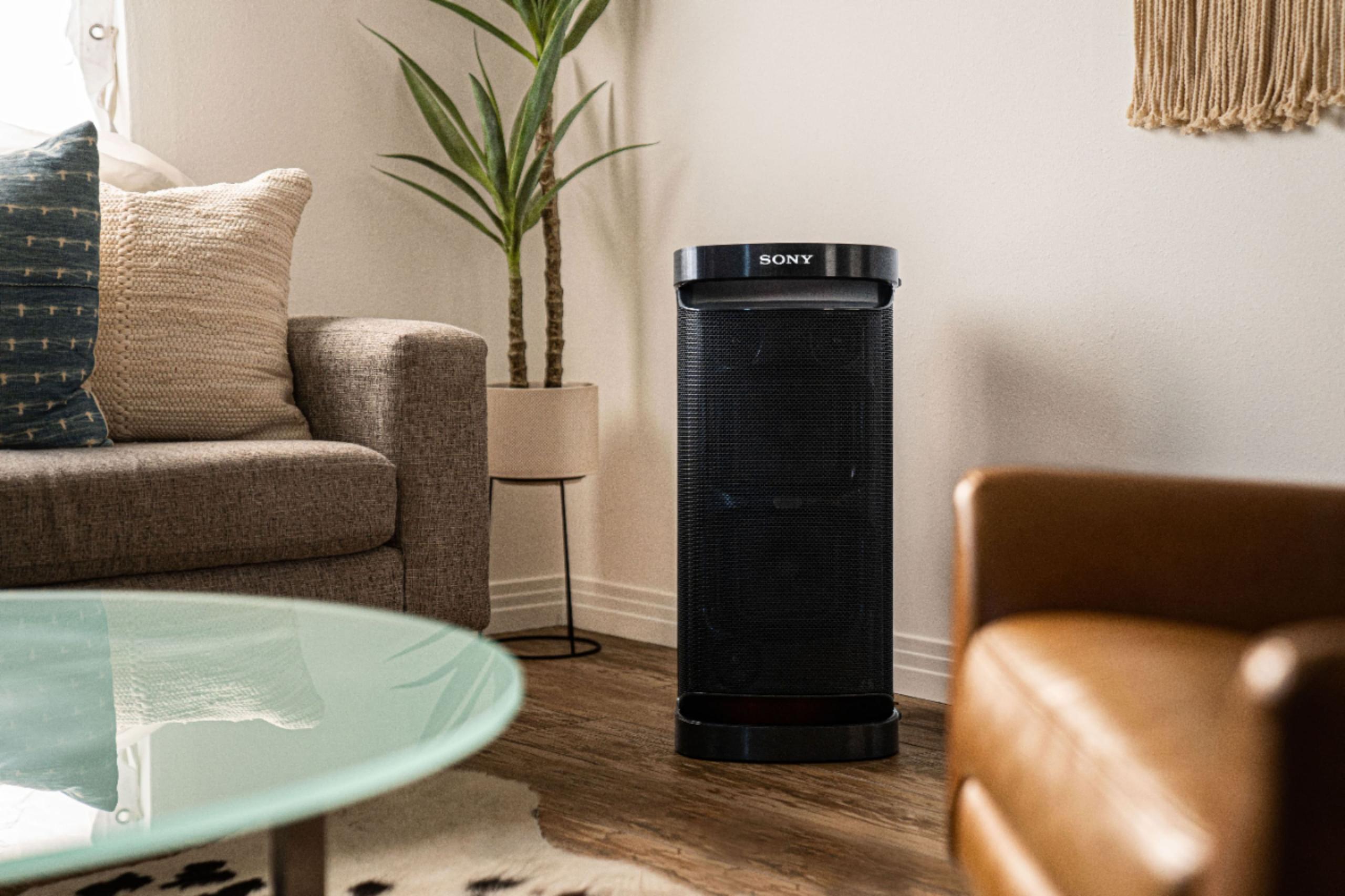
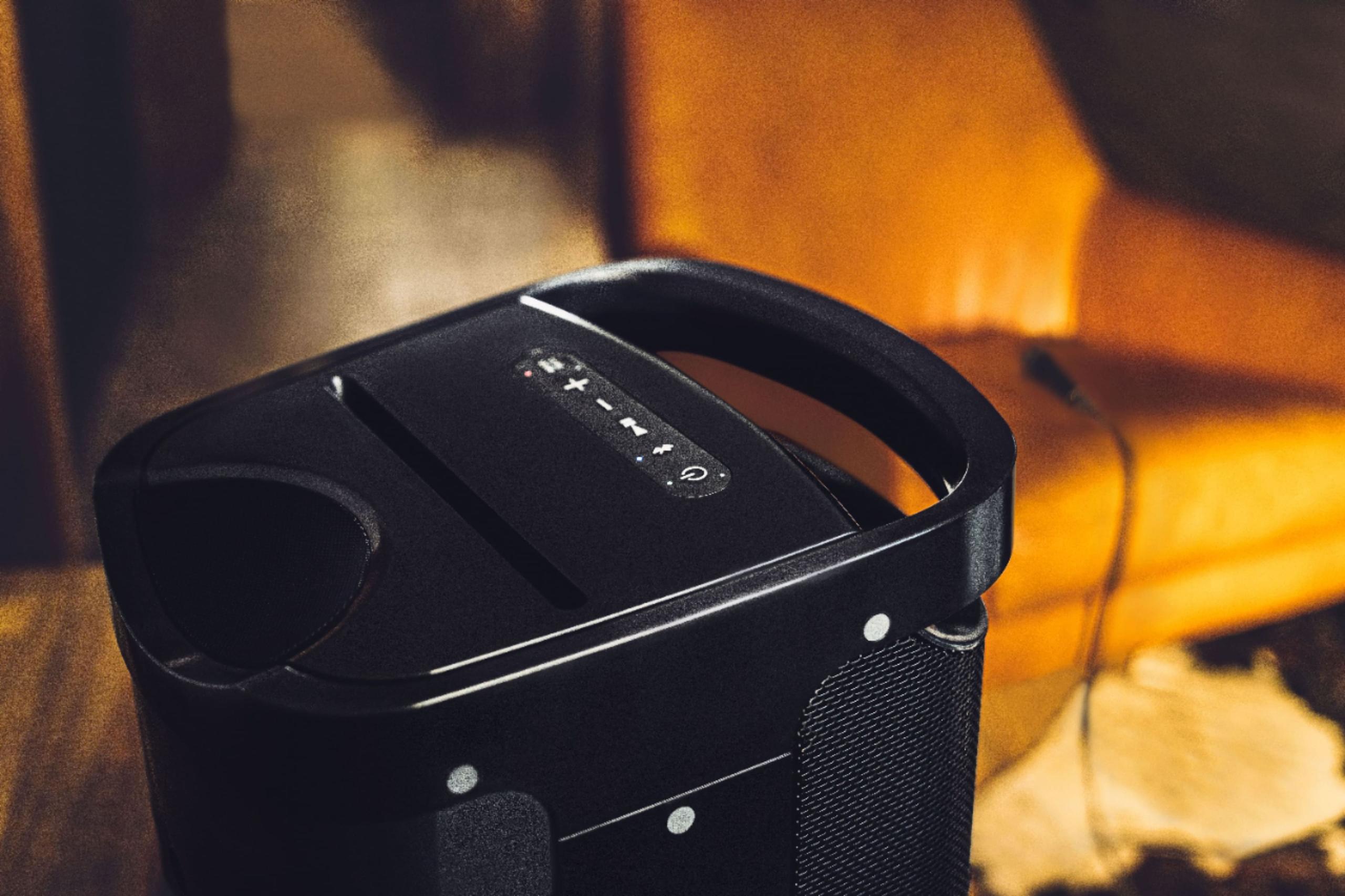
The Sony SRS-XP700 prioritizes durability and portability over premium aesthetics. The IPX4 water resistance rating means it can handle splash and light rain, making it genuinely suitable for poolside or beach use. The integrated handles are well-positioned for carrying, though at 37 pounds, this speaker is more "transportable" than truly portable.
The party-focused design includes RGB lighting zones that can be customized through the app. While the lighting isn't as intense as some competitors, it adds atmosphere for evening gatherings. The build quality feels robust enough for regular transport and outdoor use, with rubberized areas that protect against impacts.
This is where the fundamental difference between these speakers becomes most apparent. The Marshall Woburn III is AC-powered only—no battery, no portability. This design choice eliminates battery degradation over time and ensures consistent performance, but it means the speaker is tied to wall outlets.
The Sony SRS-XP700 offers impressive battery life—up to 25 hours with standard settings, though this drops significantly (to around 6 hours) when using maximum volume and MEGA BASS mode. The quick charge feature provides 3 hours of playback from just 10 minutes of charging, which is genuinely useful for parties. Two USB ports let you charge other devices while playing music, turning the speaker into a power bank.
For home theater use, the Marshall Woburn III is clearly the better choice. The HDMI ARC connection integrates seamlessly with modern TVs, and the Night Mode feature is perfect for apartment living or late-night viewing. The wide soundstage creates a more immersive experience than TV speakers, and the clear dialogue reproduction makes it easier to follow conversations without constantly adjusting volume.
The Sony SRS-XP700 can certainly be used with TVs through Bluetooth or auxiliary connections, but it lacks the refined sound signature that makes dialogue and film scores sound natural. The bass-heavy tuning that works for parties can make movies sound muddy and unbalanced.
At the time of writing, both speakers occupy similar price territory in the premium wireless speaker market, though the Marshall commands a slight premium for its build quality and audio engineering. The value equation depends entirely on your priorities.
The Marshall Woburn III delivers exceptional value for home audio enthusiasts. The combination of premium drivers, thoughtful acoustic design, and future-proof connectivity justifies the investment for anyone serious about sound quality. The over-the-air update capability means the speaker can gain new features over time, protecting your investment.
The Sony SRS-XP700 offers strong value for its versatility. The combination of portability, weather resistance, long battery life, and entertainment features creates a compelling package for anyone who needs flexible audio solutions. The ability to use it both indoors and outdoors multiplies its utility.
You prioritize sound quality above all else and plan to use the speaker primarily in your home. The Marshall Woburn III excels for music lovers who want to hear every detail in their favorite recordings, TV watchers who want better dialogue clarity, and anyone who appreciates premium build quality and design.
The HDMI ARC connectivity makes it particularly valuable for home theater enhancement. If you're the type of person who notices the difference between compressed and uncompressed audio, or if you find yourself adjusting TV volume constantly to balance dialogue and sound effects, this speaker will significantly improve your experience.
You need flexibility and portability, or if you host gatherings regularly. The Sony SRS-XP700 is ideal for people who want one speaker that can handle backyard barbecues, beach trips, garage workshops, and indoor parties. The microphone inputs and long battery life make it particularly valuable for anyone who organizes events or needs professional-grade portable audio.
If you move frequently, live in a small space, or prefer the option to take your music anywhere, the Sony's versatility outweighs the Marshall's superior sound quality.
These speakers represent two distinct approaches to wireless audio, and both succeed at their intended purposes. The Marshall Woburn III is the clear choice for dedicated home listening where audio quality justifies the premium investment. Its superior driver configuration, thoughtful acoustic design, and home integration features create an experience that transforms how music and movies sound in your living space.
The Sony SRS-XP700 wins for lifestyle flexibility, offering the freedom to take quality audio anywhere while providing entertainment features that make gatherings more engaging. While it can't match the Marshall's audio refinement, it does things the Marshall simply cannot do.
Your decision should align with your primary use case: choose sonic excellence and home integration with the Marshall, or versatility and portability with the Sony. Both speakers deliver on their promises—they're just making very different promises.
| Marshall Woburn III | Sony SRS-XP700 |
|---|---|
| Speaker Type - Defines intended use and placement flexibility | |
| Stationary home speaker (AC-powered only) | Portable party speaker (battery-powered) |
| Driver Configuration - Determines sound quality and clarity | |
| 3-way system: 6" woofer + dual 2" midrange + dual 0.75" tweeters | 2-way system with X-Balanced drivers + passive radiator |
| Total Power Output - Affects volume and dynamic range | |
| 150W (90W woofer + 30W mids + 30W tweeters) | 60W RMS (less powerful but adequate for outdoor use) |
| Frequency Response - Shows bass extension and treble reach | |
| 35Hz-20kHz (exceptional bass depth for home listening) | Not specified (likely more limited bass extension) |
| Maximum Volume - Critical for room size and outdoor use | |
| 100.5 dB SPL at 1 meter (excellent for large rooms) | High output but with compression at max volume |
| Connectivity Options - Determines integration flexibility | |
| Bluetooth 5.2, HDMI ARC, RCA, 3.5mm aux | Bluetooth 5.0, 3.5mm aux, mic/guitar inputs |
| Battery Life - Essential for portability needs | |
| None (AC-powered only, limits placement) | Up to 25 hours (6 hours with MEGA BASS at max volume) |
| Water Resistance - Important for outdoor use | |
| None (indoor use only) | IPX4 (splash-resistant for poolside/outdoor use) |
| Weight and Portability - Affects placement and transport | |
| 16.4 lbs (permanent placement, premium build) | 37 lbs (heavy but includes handles for transport) |
| Sound Signature - Defines listening experience | |
| Balanced, audiophile-tuned with controlled bass | Bass-heavy "party" sound with compressed highs |
| Advanced Features - Value-added capabilities | |
| Dynamic Loudness, Night Mode, OTA updates, Placement Compensation | MEGA BASS, RGB lighting, karaoke inputs, graphic EQ |
| Home Theater Integration - TV connectivity and features | |
| Excellent (HDMI ARC with TV remote control + Night Mode) | Basic (Bluetooth/aux only, not optimized for dialogue) |
| Build Quality and Materials - Durability and aesthetics | |
| Premium vegan leather, brass controls, wooden cabinet | Durable plastic with party-focused design and lighting |
The Marshall Woburn III is significantly better for home use. It's designed specifically as a stationary home speaker with superior audio quality, HDMI ARC connectivity for TVs, and premium build materials that complement home decor. The Sony SRS-XP700 is built for portability and parties, making it less ideal for dedicated home listening.
Yes, but the Marshall Woburn III is far superior for TV use. It includes HDMI ARC connectivity that allows your TV remote to control volume, plus a Night Mode feature for late-night viewing. The Sony SRS-XP700 can connect via Bluetooth or aux cable but lacks TV-specific features and has a bass-heavy sound that makes dialogue less clear.
Both speakers can get very loud, but they serve different purposes. The Marshall Woburn III delivers 100.5 dB with exceptional clarity and no distortion. The Sony SRS-XP700 can also reach high volumes but experiences compression and reduced audio quality at maximum levels, though this may be adequate for outdoor party environments.
The Marshall Woburn III offers superior bass quality with deep, controlled low-end that extends down to 35Hz without muddiness. The Sony SRS-XP700 features "MEGA BASS" mode that emphasizes bass for party atmospheres, but professional reviews indicate it struggles with true deep bass reproduction and can sound boomy rather than accurate.
Only the Sony SRS-XP700 is portable, featuring a built-in battery lasting up to 25 hours, integrated handles, and IPX4 water resistance for outdoor use. The Marshall Woburn III is AC-powered only and designed for permanent placement in your home.
Yes, but only the Sony SRS-XP700 has dedicated microphone and guitar inputs, making it ideal for karaoke and live performances. The Marshall Woburn III has no microphone input and is focused purely on audio playback rather than interactive entertainment features.
The Marshall Woburn III has significantly better sound quality with its 3-way driver system, balanced frequency response, and minimal distortion. It's engineered for audiophile listening with clear separation between instruments and vocals. The Sony SRS-XP700 prioritizes volume and bass impact over accuracy, making it better for parties than critical listening.
The Sony SRS-XP700 is designed for outdoor use with IPX4 water resistance, battery power, and a sound signature that cuts through outdoor noise. The Marshall Woburn III is indoor-only with no weather protection and requires AC power, making it unsuitable for outdoor environments.
Value depends on your needs. The Marshall Woburn III offers better value for home audio enthusiasts who prioritize sound quality and TV integration. The Sony SRS-XP700 provides better value for those needing portability, outdoor use, and entertainment features like lighting and microphone inputs.
Both speakers support Bluetooth connectivity, but the Sony SRS-XP700 can connect to two Bluetooth devices simultaneously, allowing easy switching between sources. The Marshall Woburn III supports standard Bluetooth pairing with one device at a time but offers more wired connection options including HDMI ARC, RCA, and 3.5mm inputs.
The Sony SRS-XP700 is specifically designed for parties with features like RGB lighting, microphone inputs for karaoke, long battery life, and bass-heavy sound that works well in noisy environments. The Marshall Woburn III can certainly play party music loudly and clearly, but lacks the portability and entertainment features that make parties more engaging.
The Marshall Woburn III is far superior for movies with its HDMI ARC connection, Night Mode feature for balanced audio at quiet volumes, and clear dialogue reproduction. The wide soundstage creates an immersive cinematic experience. The Sony SRS-XP700 can be used for movies but its bass-heavy tuning makes dialogue less clear and it lacks the connectivity features that enhance the home theater experience.
We've done our best to create useful and informative comparisons to help you decide what product to buy. Our research uses advanced automated methods to create this comparison and perfection is not possible - please contact us for corrections or questions. These are the sites we've researched in the creation of this article: loudersound.com - ash-asia.zendesk.com - armorsound.com - rtings.com - crutchfield.com - rtings.com - stereoguide.com - bestbuy.com - hometechnologyreview.com - crutchfield.com - sweetwater.com - rtings.com - youtube.com - greentoe.com - versus.com - idownloadblog.com - marshall.com - youtube.com - comparisontabl.es - youtube.com - versus.com - crutchfield.com - device.report - consumerreports.org - sg.tcacoustic.asia - stereoindex.com - safemark.com - smarthomesounds.co.uk - marshall.com - device.report - bestbuy.com - marshall.com - bestbuy.com - rtings.com - crutchfield.com - versus.com - rtings.com - rtings.com - youtube.com - versus.com - electronics.sony.com - youtube.com - youtube.com - youtube.com - youtube.com - crutchfield.com - armorsound.com - sony-asia.com - helpguide.sony.net - helpguide.sony.net - videoandaudiocenter.com - sony.com - sony.com - sony-asia.com - sony.com - sony.com - bestbuy.com - device.report - bestbuy.com

Privacy Policy
Terms and Conditions - Affiliate Policy
Home Security
© Copyright 2008-2026.
11816 Inwood Rd #1211, Dallas, TX 75244